Module 7: Timber
 Call Kai
 Learn
Learn Practice Test
 Spaced Repetition
 Match
Match Flashcards
 Knowt Play
1/84

There's no tags or description
Looks like no tags are added yet.
Name | Mastery | Learn | Test | Matching | Spaced | Call with Kai | Chat |
|---|
No analytics yet
Send a link to your students to track their progress
85 Terms
softwood
hardwood
2 major classifications of wood
false; not necessarily
true or false: hardwood is harder, stronger, and more durable than softwood
dead bark
protective layer of which covers the trunk of a tree
living bark
a layer of which is found inside dead bark
longitudinal
living bark is composed of _________, _________ cells that conduct nutrients downward from leaves to roots and other living parts of tree
cambium
very thin layer within living bark
cambium
creates new bark cells toward outside of the trunk and new wood cells toward the inside
sapwood
thick layer of lviing wood cells inside cambium
heartwood
result of dead sapwood
heartwood is darker than sapwood
How is heartwood easily distinguished from sapwood?
false; no longer participates in life processes, only structure
true or false: heartwood participates in life processes of tree and structural strength
pith
small zone of weak wood cells at the very center of the trunk surrounded by heartwood that were first year’s growth
grain of wood
direction of long axes of cells in tree
faster: moist, cool
stronger: warm, dry
compare growth speed and wood strength of tree grown under moist, cool conditions vs warm, dry conditions?
exogenous trees
trees that grow diametrically by adding new cells in a layer between existing wood and bark
book-matched
result of resawing thick lumber into thinner boards, opening two halves like a book, and gluing them together along the edge to create a panel with mirrored grain pattern
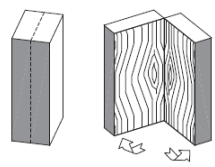
cathedral grain
V-shaped grain pattern running along length of the board
check
separation of wood fibers running with the grain that do not go through whole cross-section; result of tension and stress caused by wood movement during drying
dimensional stability
ability of section of wood to resist changes in volume at fluctuating moisture levels
expansion, contraction
low dimensional stability produces _______ in humid environments and ________ in dry ones
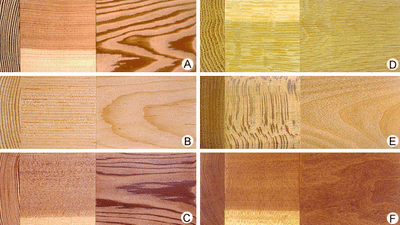
figure
patterns on wood surface by growth rings, rays, knots, and irregular grains
descriptors include interlocked, curly, tiger, wavy, and fiddleback
grain
size, alignment, and appearance of wood fibers in a piece of lumber
heartwood
harder, nonliving innermost layers of a tree
generally darker, denser, more durable, less permeable than surrounding sapwood
moisture content
percentage that represents a wood board’s ratio of water weight to the weight of oven-dried wood
stud
lumber used for load bearing and stud walls
2” x 4” and 2” x 6”
dimensions of lumber used for load bearing and stud walls
warp
bowing, cupping, and twisting distortion in lumber that occurs after it has been planed, usually during drying process
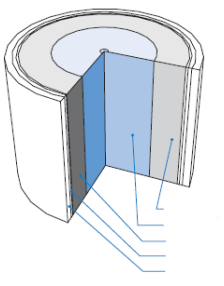
sapwood
heartwood
cambium
phloem
outer bark
label from top
green lumber has greater moisture content
dry lumber vs green lumber
19%
dry lumber has moisture content less than ______; similarly, green lumber has moisture content more than _____
cutting
rift cut
slash cut
seasoning
air drying
kiln drying
shrinkage
volumetric
longitudinal
radial
tangential
physical characteristics of wood
cutting
usually done when flow of sap is minimal and destructive fungi is least active
fall, winter; dry season
when is destructive fungi least active?
rift cut (quarter-sawing)
cut parallel to the axis of the tree and radially across the annual rings; causes wood
slash cut
cut tangential to the annual rings
seasoning
process done to reduce uptake and retention of moisture
air drying
reduces moisture in wood by up to 15%
kiln drying
removes moisture by subjecting wood to elevated temperatures at 68—82 C
hardwood
usually dried gradually as they warp easily
true
true or false: moisture affects physical properties of wood such as size and strength
true; 2.5x
true or false: dried wood is stronger than green wood; by how much?
combined moisture
moisture incorporated into the cell walls
shrinkage
starts at evaporation of combined moisture
heavy-celled wood; larger combined moisture
what shrinks more, heavy-celled wood or thin-walled wood? why?
volumetric
tangential
radial
longitudinal
rank types of shrinkage by size of their range
shakes
checks
knots
pitch pockets
bark pockets
waynes
compression wood
defects in lumber
shakes
longitudinal cracks following growth rings and develop prior to cutting lumber; due to wind heavily blowing through trees
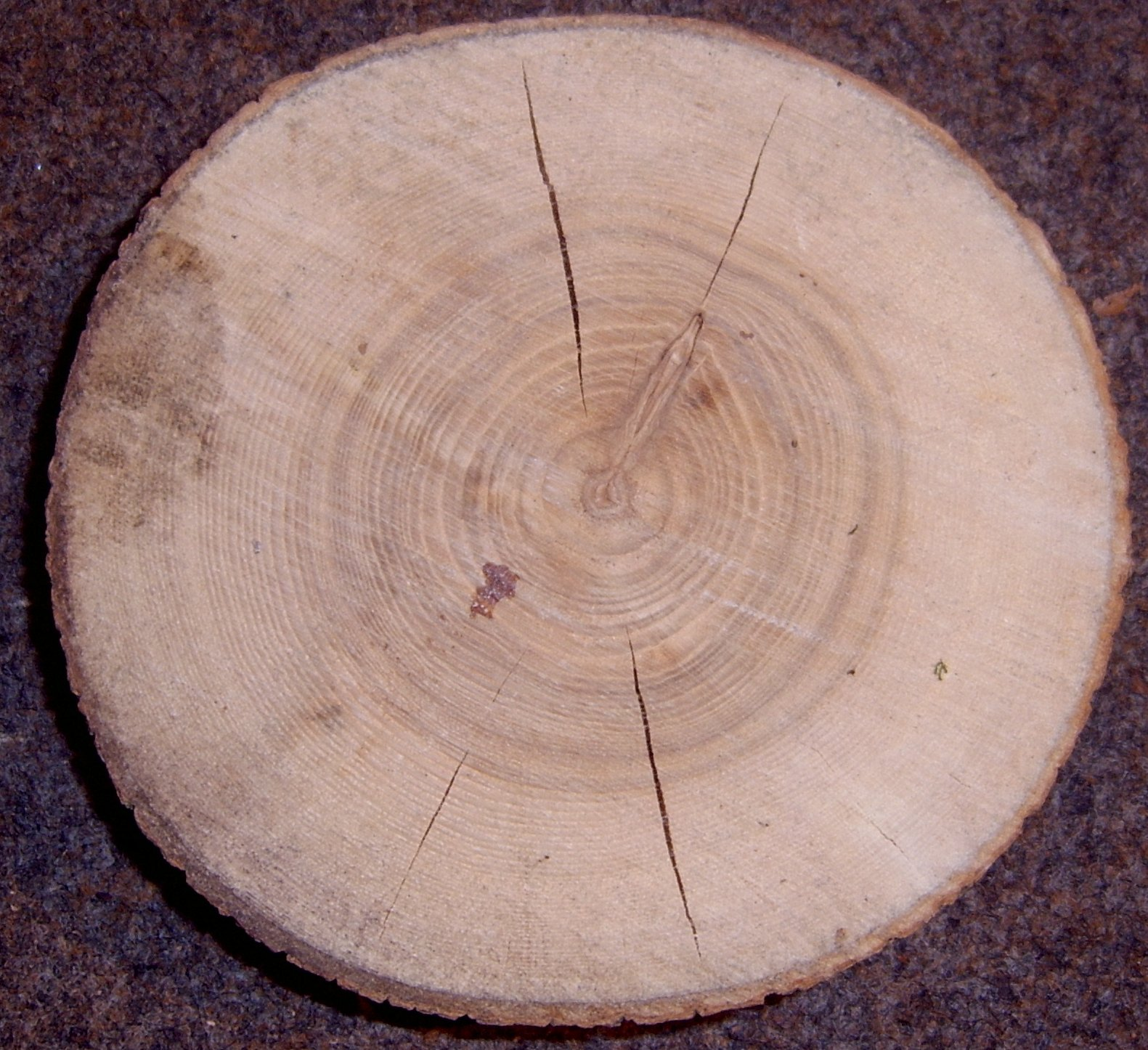
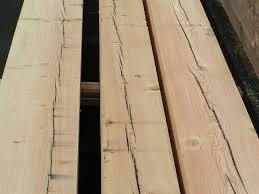
checks
longitudinal splits across growth rings resulting from uneven drying
knots
formed at the base of branches where they extend into wood and can significantly affect bending strength of wood
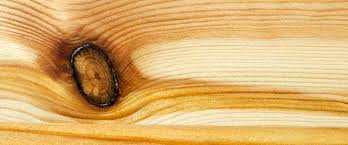
loose knots
knots formed when branches die
spike knots
knots formed when cut is made longitudinal to branch
pitch pocket
accumulation of resins in openings between annual rings
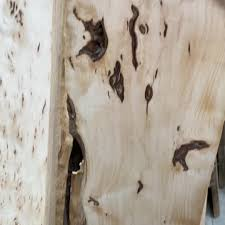
bark pocket
formed when bark is wholly or partially encased in wood
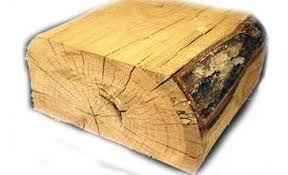
waynes
areas where lumber has been cut too closely at edge of log and there is bark on boards
compression wood
formed on lower side of branches or leanign tree trunks; such woods have highly varying properties and are not suited for structural use
old growth stud
stud that is more dimensionally stable; slow growth, more rings per inch
farmed wood stud
stud from wood that grows bigger faster due to more aggressive watering, fertilizing, and exposure to sunlight, resulting in less dense wood
laminated veneer lumber (LVL)
made of thin sheets of wood sandwiched and glued together, much like plywood, resulting in heavy and dense wood members that resist warping and shrinkage and are designed to carry significant loads
Microllam (Weyerhauser)
proprietary name of LVL
board feet
by which most lumber is measured and sold
144 cubic inches
board feet Imperial equivalent
(thickness x face width x length) / 144
board feet calculation
high
relative to its compressive strength, wood has _____ elastic modulus
false
true or false: the yield point of wood can be generalized
tension; 3x
what is wood better in, tension or compression; by how much
parallel
is wood stronger when loaded by compression parallel or perpendicular to the grain?
grain orientation
moisture content
weight
rate of growth
factors affecting wood strength
true
true or false: denser wood is stronger
26,200 x SG^1.25
modulus of rupture for air-dry timber
18,500 x SG^1.25
modulus of rupture for green timber
higher
the greater number of annual rings per unit length, the _______ the strength
stress grades
lumber groups with ideally similar structural properties
lumber stress grading
process by which lumber is sorted into stress grades
fungi
insects
marine organisms
bacteria
organisms that degrade wood
fungi
feed on cell structure or contents of woody plants; moisture content above fiber saturation point is required for its growth; attacks produce stains and/or decay damage
beetles and termites
most common wood-attacking insects
true
true or false: annual damage attributed to termites exceeds losses due to fires
close to the ground, poorly ventilated, wet
conditions for termites to enter wood more likely
salt or brackish waters
where shipworms, phloads, Limnoria, and Sphaeroma (marine organisms that deal damage to wood) come from
bacteria
organisms that cause wet wood or black heartwood in living trees and general degradation of lumber; growth is sometimes fostered by prolonged storage in contact with soils; produces softening of outer wood layers which results in excessive shrinkage when re-dried; attackc does not pose significant problem to common structural wood species
petroleum-based solutions
waterborne preservatives
wood preservation kinds
petroleum-based solutions
very effective wood preservation method but environmentally sensitive; used where high degree of environmental exposure exists and human contact is not a concern
waterborne preservatives
cleaner wood preservation kind and can be painted; removed by leaching when exposed to moist conditions over long periods of time; environmentally senstivie
quality of veneer on both front and back sides of panel
how is plywood quality graded
N
A
B
C Plugged
C
D
veneer grades