Unit 4 - section 13: Laws of inheritance
 Call Kai
 Learn
Learn Practice Test
 Spaced Repetition
 Match
Match Flashcards
 Knowt Play
1/37

There's no tags or description
Looks like no tags are added yet.
Name | Mastery | Learn | Test | Matching | Spaced | Call with Kai | Chat |
|---|
No analytics yet
Send a link to your students to track their progress
38 Terms
Why do we have two copies of genes
We inherit one copy from each parent.
What are alleles?
Gene variants that arise by mutation and exist at the same relative locations on homologous chromosomes
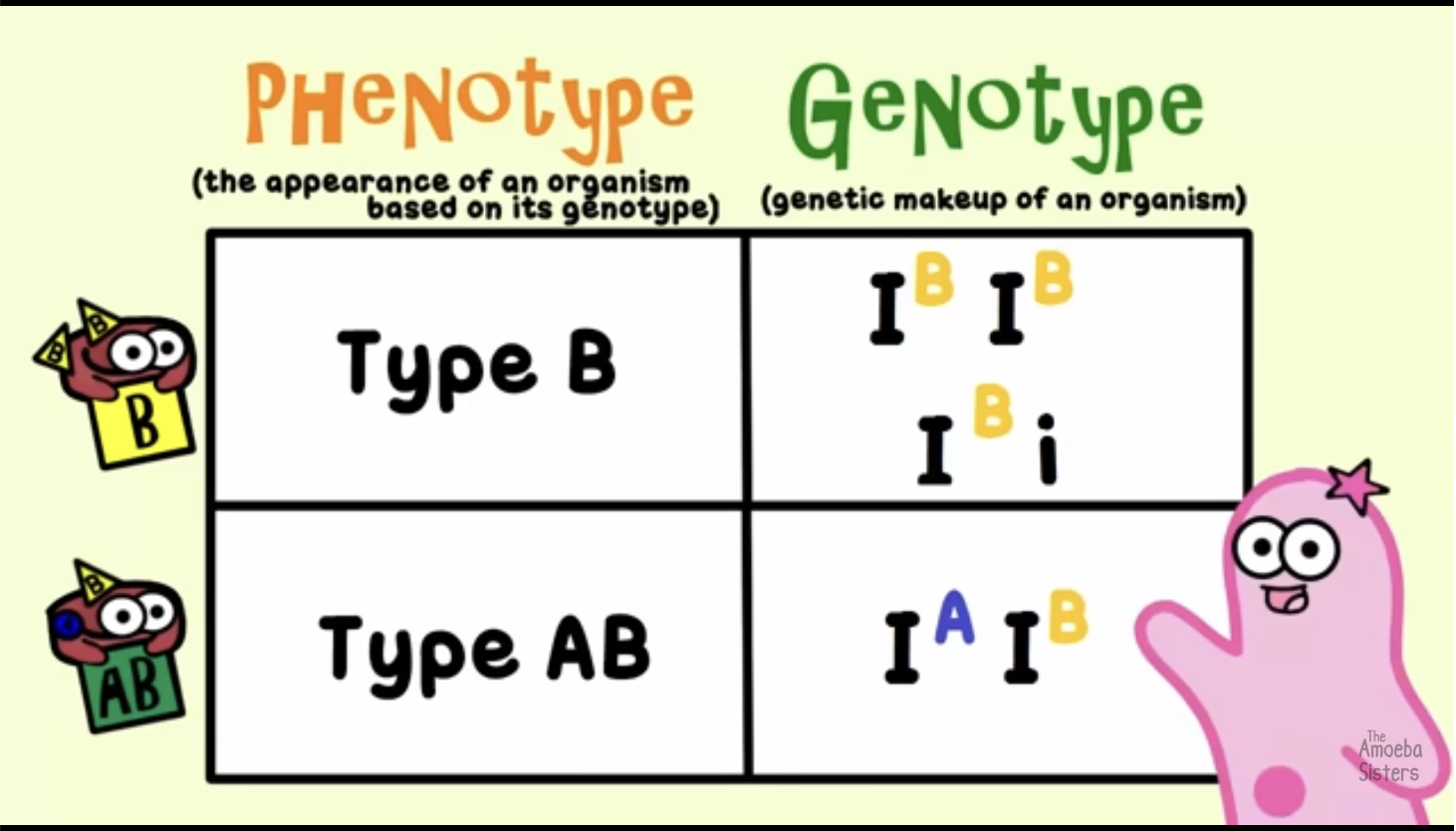
What is a phenotype
The observable traits expressed by an organism
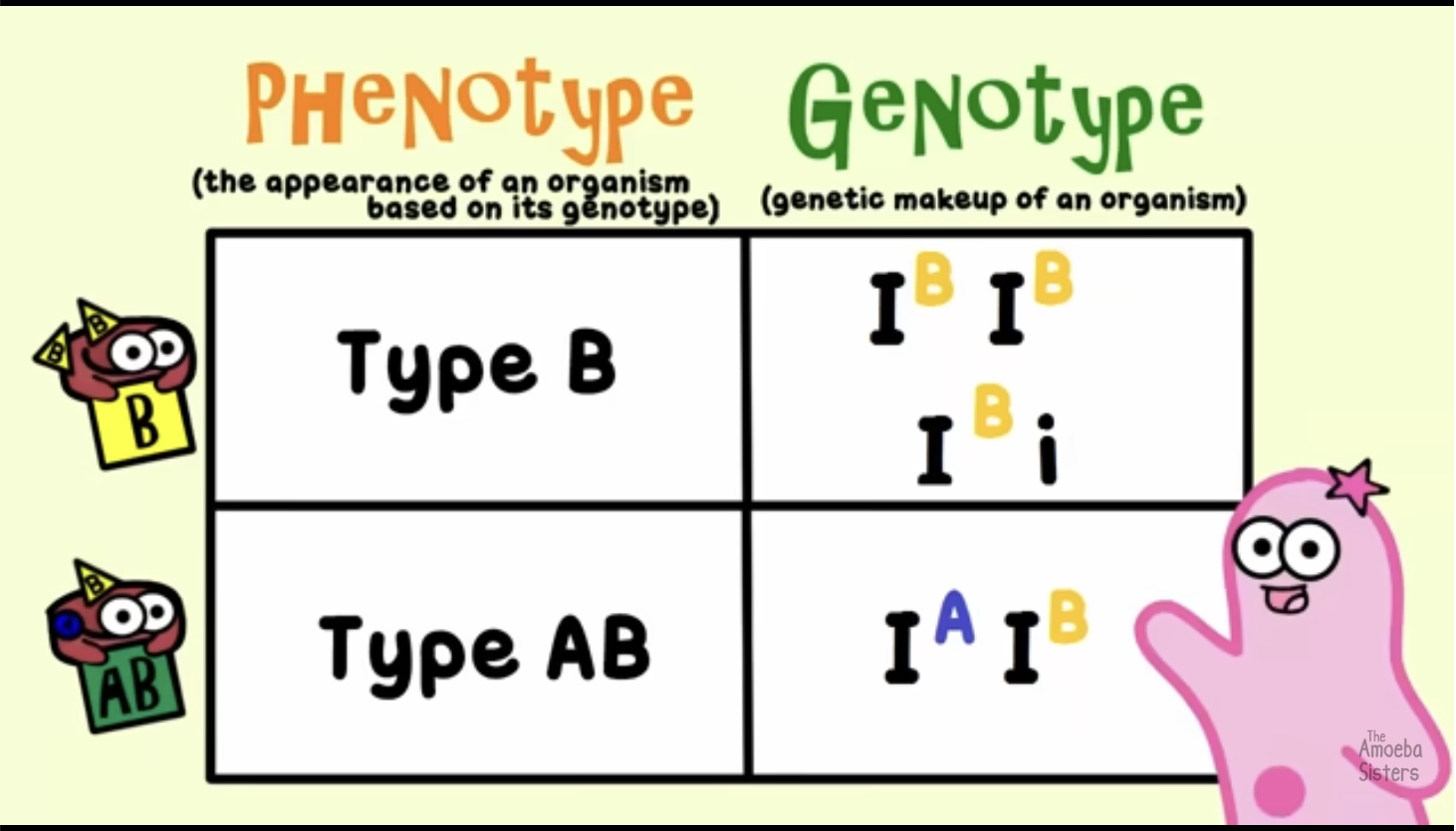
What is a genotype
An organisms underlying genetic makeup consisting of both physically visible and non expressed alleles
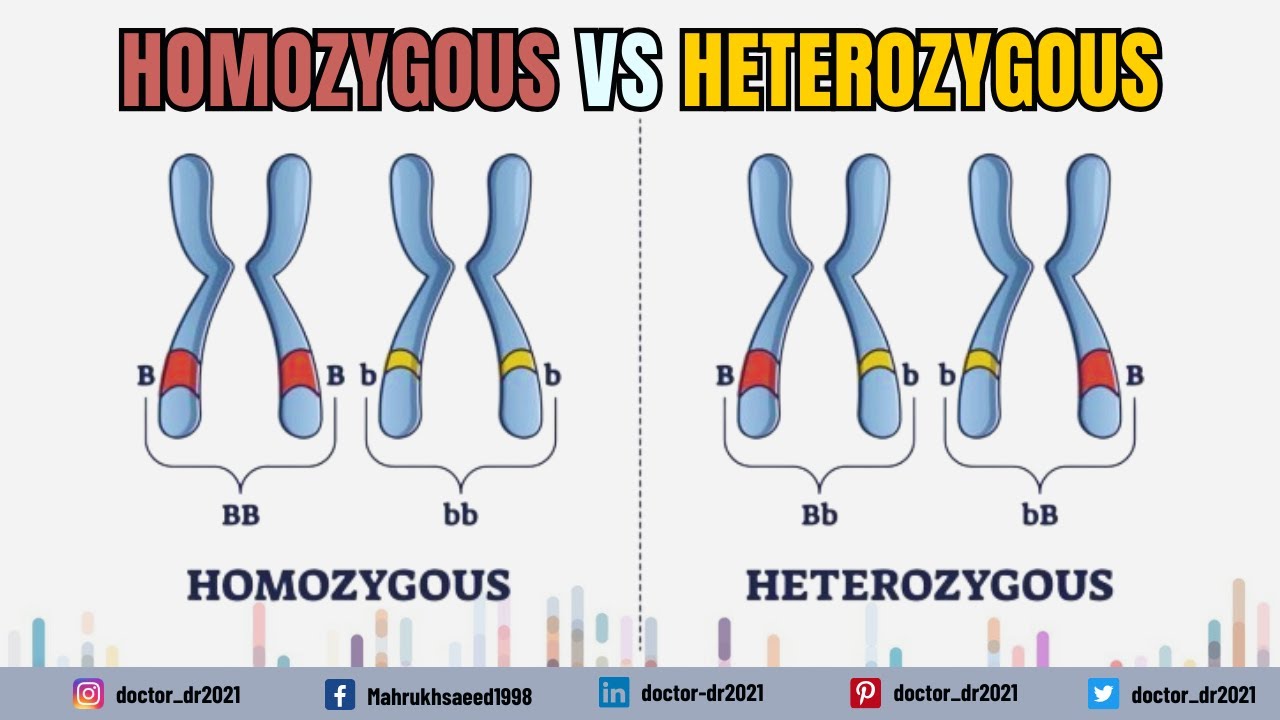
what is homozygous?
having two identical alleles for a specific gene, meaning you inherited the exact same DNA version from both biological parents.
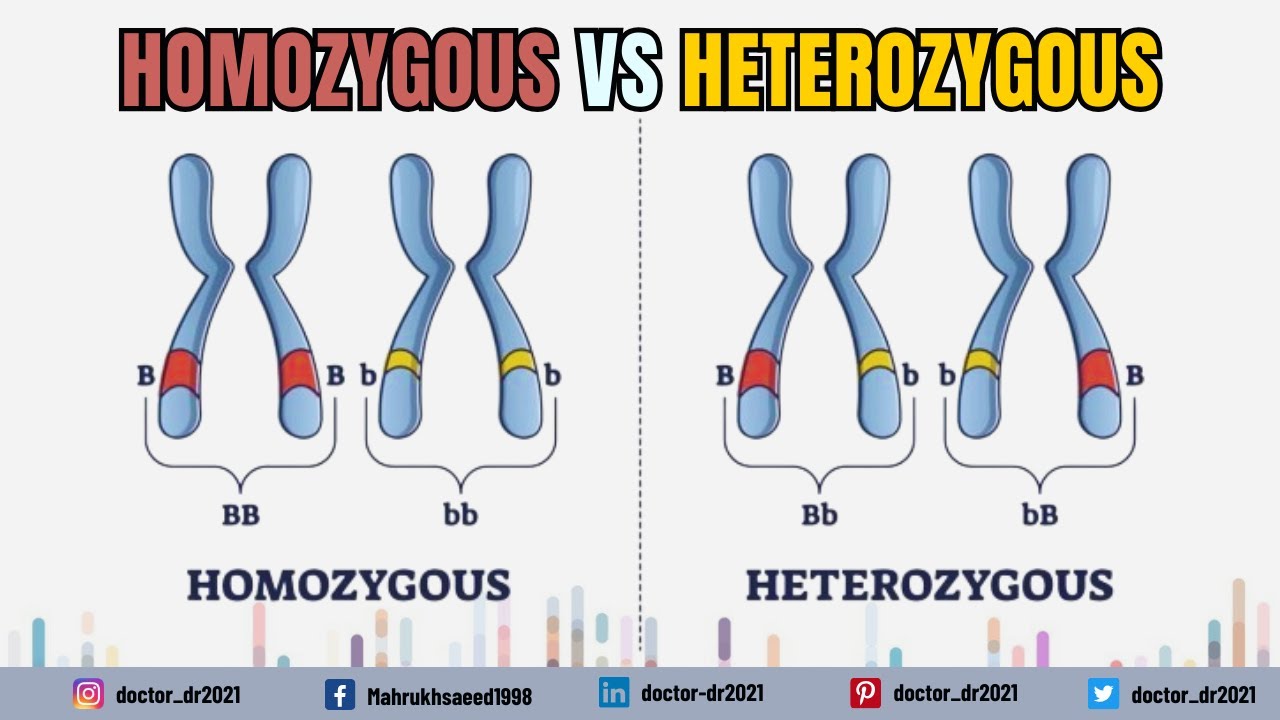
what is heterozygous?
having two different versions (alleles) of a specific gene, one inherited from each biological parent. It is the opposite of homozygous
The ___ allele is capitlized and the _____ is lower case
dominant; recessive
Mendel’s law of dominance states what?
in a heterozygote, one dominant allele hides the presence of a recessive allele for the same trait. Only the dominant trait shows in the physical look of the organism.
For example, when crossing true-breeding violet-flowered plants with true-breeding white-flowered plants, all of the offspring were violet-flowered, even though they all had one allele for violet and one allele for white.
what is a monohybrid cross?
a breeding experiment between two organisms that have different alleles for a single gene. It tracks how one specific trait—such as plant height or seed color—is passed down from parents to offspring.
what is a Punnett square?
a simple grid diagram used by biologists to predict the probability and possible genetic outcomes (genotypes and phenotypes) of offspring when two parents breed
who invented the punnettt square?
British geneticist Reginald Punnett,
what is Mendel’s law of segregation?
law states that paired unit factors (genes) must segregate equally into gametes such that offspring have an equal likelihood of inheriting either factor. in simple terms, allele pairs separate during the formation of s e x cells, so each gamete receives only one allele for a trait
what is a test cross?
a way to determine whether an organism that expressed a dominant trait was a heterozygote or a homozygote.
what happens in a test cross?
the dominant-expressing organism is crossed with an organism that is homozygous recessive for the same characteristic. If the dominant-expressing organism is a homozygote, then all F1 offspring will be heterozygotes expressing the dominant trait
what is Mendel’s law of independent assortment?
states that genes do not influence each other with regard to the sorting of alleles into gametes, and every possible combination of alleles for every gene is equally likely to occur. in simple terms, meaning the inheritance of one trait does not influence the inheritance of another.
what is a dihybrid cross?
a cross between two true-breeding parents that express different traits for two characteristics.
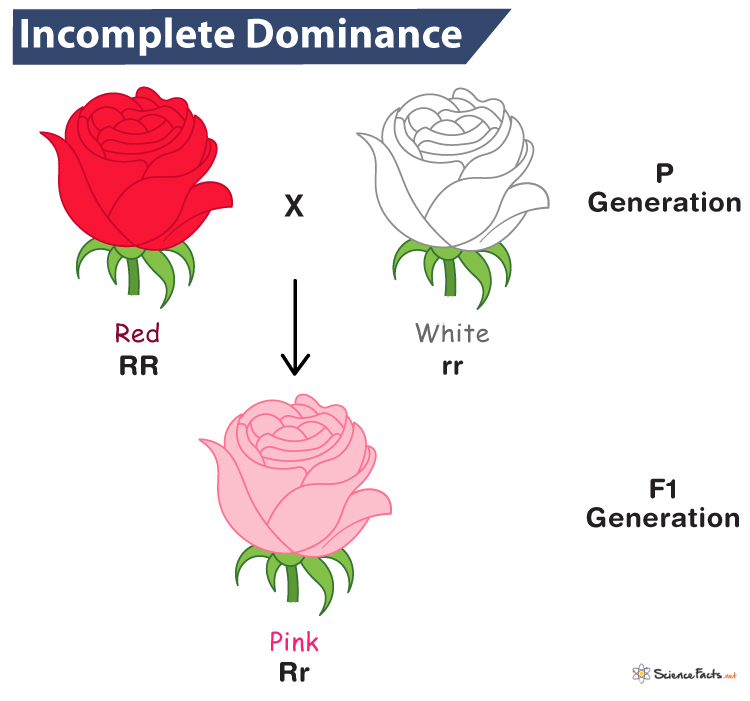
what is incomplete dominace?
neither allele is completely dominant, creating a blended intermediate physical trait. For example, crossing a red flower and a white flower produces pink flowers.
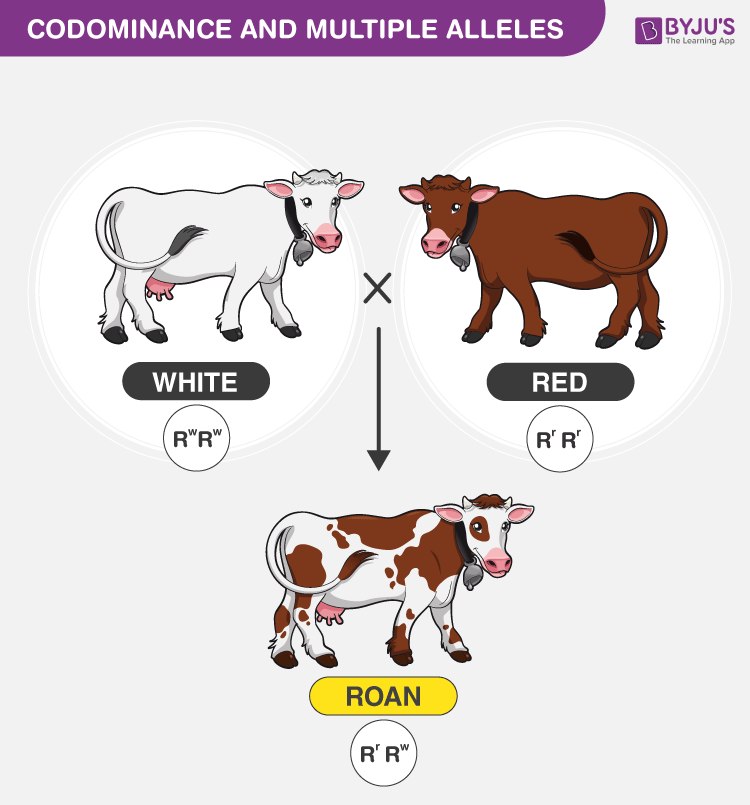
what is co dominace?
in which both alleles for the same characteristic are simultaneously expressed in the heterozygote. For example, Mating a black-feathered chicken with a white-feathered chicken results in offspring with both black and white feathers.
what is wild type?
wild type is the most common form of a gene, trait, or organism as it naturally occurs in a wild population, serving as the standard baseline or "normal" reference against which mutant variations are compared.
what is X-linked?
When a gene being examined is present on the X, but not the Y, chromosome. a trait, condition, or gene is located on the X chromosome.
what is hemizygous?
having only one single copy of a gene or chromosome segment in a cell or organism that usually has two copies.
True or false: Males are said to be hemizygous
True
The segregation of alleles into gametes can be influenced by what?
Linkage
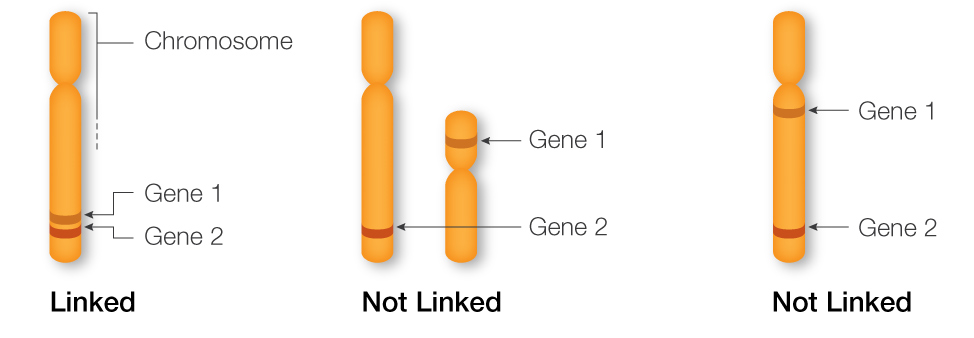
what is linkage?
two or more genes are close together on the same chromosome and tend to be inherited together during cell division.
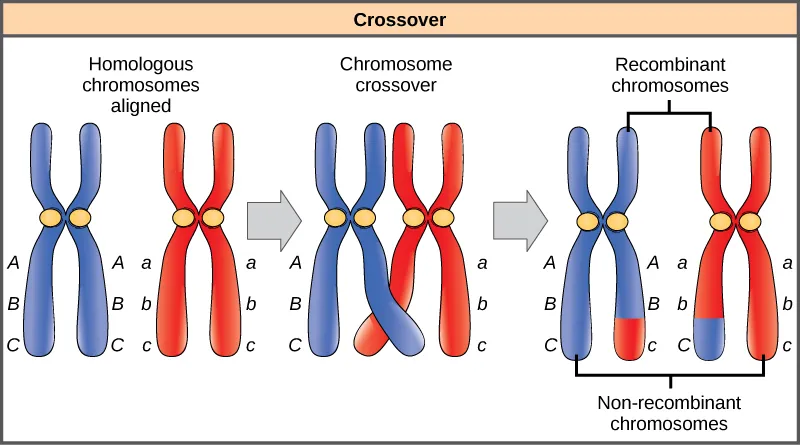
what is recombination
also known as cross over, a biological process where pieces of DNA are broken and combined to produce new combinations of alleles, creating genetic diversity.
what is epistasis?
a genetic interaction where the effect of one gene is masked, inhibited, or modified by one or more other genes.
The gene doing the masking is called the _____, while the gene whose expression is changed or hidden is the _____
epistatic gene ; hypostatic gene
what are chromosomes?
are made up of DNA and protein. contain our genes.
sex linked traits are carried where?
in the X chromosome
Both DNA and RNA are what?
nucleic acids
Nucliec acids are made up of what?
Monomers
what are monomers?
is a building block. they form together like legos to build a large structure called polymer
what is the monomer for nucleic acids?
nucleotide
True or False: both BNA and RNA have nucleotides
True
The nucleotides of both RNA and DNA have three parts:
phosphate, sugar, and a base
what is the sugar in DNA?
Deoxyribose
what is the sugar in RNA?
Ribose