Plant Taxonomy - Vegetative and Flower Terms
 Call Kai
 Learn
Learn Practice Test
 Spaced Repetition
 Match
Match Flashcards
 Knowt Play
1/116

Earn XP
Description and Tags
Lab Quiz 1
Name | Mastery | Learn | Test | Matching | Spaced | Call with Kai | Chat |
|---|
No analytics yet
Send a link to your students to track their progress
117 Terms
habit
the characteristic mode of growth, general form, or shape of plant
acaulescent
plants with no visible stem (ex: bulbs - onion, chives)

caulescent
plants that produce an obvious, well-developed stem above the ground surface

herbaceous
lacking wood; having the characteristics of an herb

woody
possesses wood (hardened, thickened, vascular tissue or xylem under bark) esp stem

scapose
plant or inflorescence with relatively long peduncle (scape) arises, sometimes with a leaf- or scar-like bracts but without true foliage leaves, from a rosette or other arrangement of leaves at ground level

succulent
drought resistant; leaves, stem, or roots are more fleshy because developed water storage function


annual
completing life cycle in one year or growing season, generally not woody
biennial
completing life cycle in 2 years or growing seasons, gen. flowering only in second

perennial
completing life cycle in more than 2 years or growing seasons, can be non-woody to woody

node
position on a stem from which one or more structures (leaves, buds, branch, flowers) arise
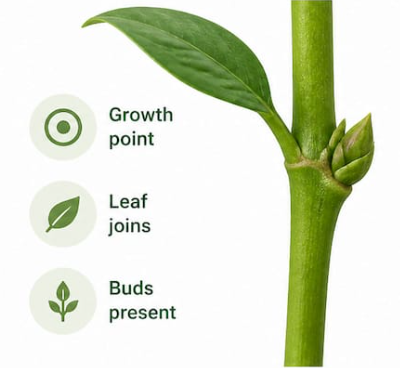
internode
segment of an axis (generally stem) between successive positions (nodes) from which 1 or more structures arise
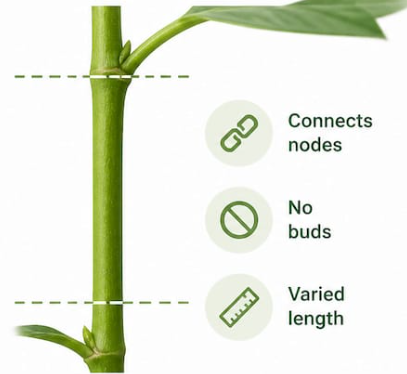
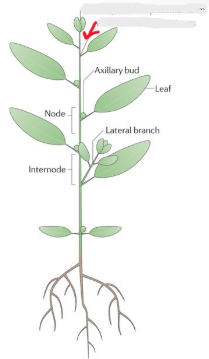
axillary bud
embryonic or organogic shoot at axil of leaf

axil
distal, adaxial angle between an appendage or branch and main axis (e.g. between leaf and stem, or between lateral vein and midrib on a leaf)

shoot apex* with apical meristem
tip of stem, new fresh plant parts* with group of cells that can divide and help in primary growth

axil with axillary meristem
group of cells that divide and help in primary growth from the axil
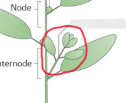
lateral branch
pertaining to the side(s) of a structure; branch that develops from axillary bud and extends laterally
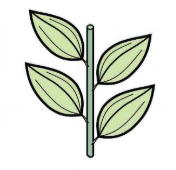
alternate
arranged singly, often spirally, along an axis (e.g. one leaf per node)
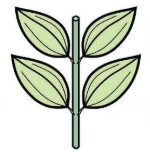
opposite
arranged in pairs along an axis (e.g two leaves per node)
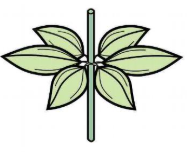
whorled (whorl)
arranged in groups of 3 or more at nodes or positions along an axis (e.g 3 leaves per node)
basal rosette
radiating cluster of leaves at or near ground level

what three things can axillary buds can become?
a new branch
a flower
an inflorescence
blade
expanded portion of a leaf, petal, or other structure generally flat but sometimes rolled, cylindric, wavy, or cupped
midrib
central or principal vein of a leaf
rachis
(in ferns) primary axis of compound or dissected leaf blade
margin
edge, generally of a leaf or perianth (non-reproductive) part
petiole (noun)/petiolate (adj)
leaf stalk, connecting leaf blade to stem, somtimes more or less indistinct
sessile
without a petiole, peduncle, pedicel or other kind of stalk
petiolule (noun) /petiolulate (adj)
stalk of a leaflet
stipule
appendage at base of a petiole, generally paired, variable in form but often leaf- or scale-like, sometimes a spine
leaflet
leaf-like unit of a compound leaf; distinguishd from a leaf by the absence in its axil of a bud, branch, thorn or flower; lacking lateral, basal appendages (stipules), either simple or compound
unlobed
(simple)
no rounded or pointed projections

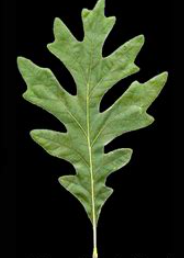
pinnately lobed
(simple)
rounded, feather-like; arranged around 2 dimension (one plane)
palmately lobed
(simple)
pointed; more than 2 structures or parts radiating from a common point in 2 dimensions (one plane)
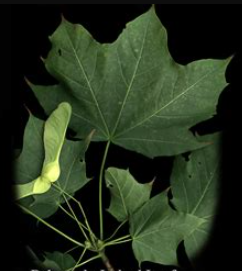
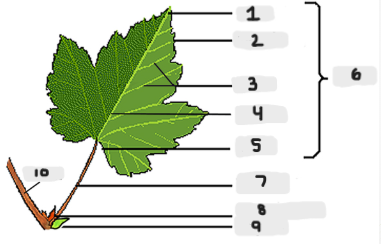
leaf parts
apex
margin
veins
midrib
base
blade
petiole
axillary bud
stipule
stem

compound leaf parts
leaflet (pinna)
petiolule
compound leaflet
petiole
stipule
axillary bud
stem
rachis

once-pinnately compound

twice-pinnately compound
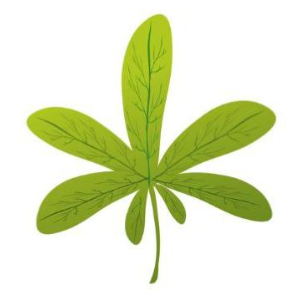
palmately compound

trifoliolate (ternatley compound)

what leaf vein is shown here?
pinnate - feather-like, either sides of axis
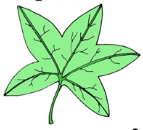
what leaf vein is shown here?
palmate - more then 2 radiate from central point
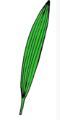
what leaf vein is shown here?
parallel - long, run parallel to each other from tip to stem
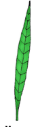
what type of blade shape is shown here?
linear - parallel sides. long and very narrow

what type of blade shape is shown here?
ovate - more or less rounded at both ends and broadest below mid, egg-shaped
obovate = flip shape upside down

what type of blade shape is shown here?
lanceolate - length greater than width, broadest at base, narrowing to the apex, lance-shaped
oblaceolate = flip shape
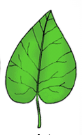
what type of blade shape is shown here?
cordate - more or less rounded at the bottom and pointed at the tip

what type of blade shape is shown here?
elliptical - narrow at each end and widest in the middle
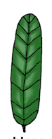
what type of blade shape is shown here?
oblong - longer than wide, sides parallel, rectangular with round corners
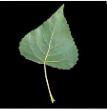
what type of blade shape is shown here?
deltoid - triangular; more or less equilaterally triangle with corners rounded or not
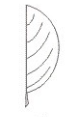
what type of leaf margin is this?
entire - having margins that are continuous and smooth
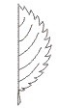
what type of leaf margin is this?
serrate - having margins with sharp, fine to coarse teeth generally pointing tipward, not outward

what type of leaf margin is this?
crenate - rounded teeth along the margin

what type of leaf margin is this?
dentate - having margins with sharp, relatively coarse teeth pointing outward, not tipward

name for this shape apex of blade?
acute - having a short-tapered, sharp tip, the sides convex or straight and converge at less than a right angle

name for this shape apex of blade?
obtuse - short tapered blunt tip, sides convex or straight, greater than right angle
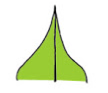
name for this shape apex of blade?
having a long tapered, sharp tip, the sides concave

name for this base of blade?
acute

name for this base of blade?
cordate (heart-shaped)

name for this base of blade?
obtuse

name for this base of blade?
truncate - abruptly (not gradually) narrower or smaller at base, as if cut straight across or nearly so
vestiture
referring to plant’s surface
glabrous
plant surface has no hairs
pubescent
plant surface has hairs
puberulent
type of pubescent where plant surface is minutely hair

tomentose
type of pubescent where plant surface is covered with densely interwoven, generally matted hair
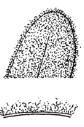
glaucous
surface of plant is pale grey/blueish-green
trichome definition and three types?
formal term for an individual plant hair
3 types: simple, branched, and glandular hair
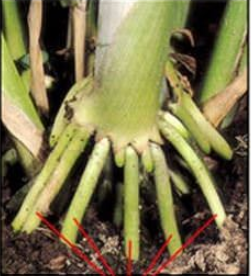
type of root system?
adventitious roots
-coming from the stem; arising at unusual place, such as roots on aerial stem
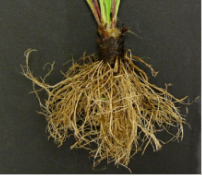
type of root system?
fibrous root system
-composed of many roots similar in length and thickness (eg grassroots)
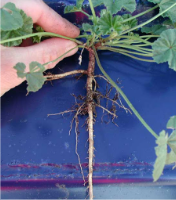
type of root system?
taproot system
-primary root that grows more or less straight down into soil, is tapered to the end, and has smaller, lateral branches (eg carrot)

bulb - short underground stem and fleshy leaves or leaf bases attached to and surrounding it (eg onion)

corm - short, thick, unbranched, underground stem often surrounded by dry (not fleshy) leaves or leaf base (eg taro)

rhizome - stem that is often elongate, generally more or less horizontal and underground, distiguished from roots by bearing of leaves, leaf scars, axillary buds, etc.
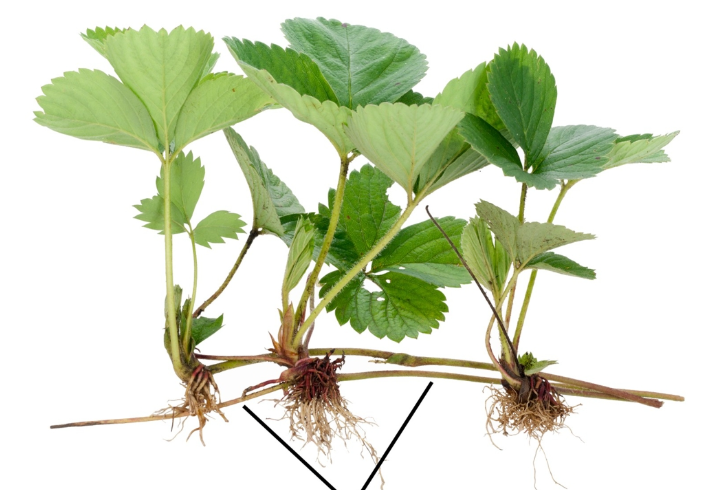
stolon - normally thin, elongate stem lying more or less flat on ground and forming roots as well as erecting stems/shoots that become new plants, at generally widely spaced nodes

tuber - short, thickened, fleshy, usually starchy, underground stem for storage (of water, food, both) and sometimes propagation (eg potato)
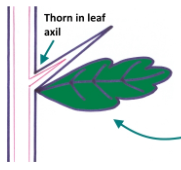
thorn
*modified lateral shoot
sharp-pointed, usually stiff projection, originating below epidermis, derived from branch and therefore often subtended by a leaf or leaf scar
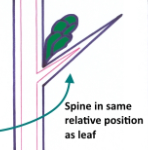
spine
*modified leaf
sharp-pointed, usually stiff projection, originating below epidermis, derived from a leaf or leaf part (eg stipule, vein tip) and therefore often subtending an axillary bud or branch without buds of its own
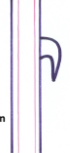
prickle
*modified trichome
sharp-pointed still or somewhat flexible projection, origin at or near surface and neither subtending an axillary bud nor a leaf or leaf scar without leaves, leaf scar, buds or branches
bract
generally reduced, leaf or scale-like structure subtending a branch, cone scale, inflorescence, or sessile flower or pedicel
shoot
pertaining collectively to a young stem or twig and its appendages (eg new growth in the spring) or to all above ground parts of a plant (shoot system)
evergreen
pertaining to leaves that remain green and on the plant for more than one season, and that do not all fall off seasonally, or to plants that are never leafless
deciduous
pertaining to leaves that all fall off seasonally, or to plants that are seasonally leafless
basal leaves
leaves at or near the base of a plant or plant part
cauline leaves
leaves borne along (not confined to base of) an elongate, above-ground stem (not basal)
adaxial
side or surface of a structure toward the axis on which the structure is borne (eg upper surface of a leaf, inner surface of a petal)
abaxial
side or surface pf a structure away from the axis on which the structure is borne (eg lower surface of leaf, outer side of a petal)
sepals
individual member of the calyx, whether fused or not; if fused, often equal in number to the number of calyx lobes; generally green

petals
individual member of the corolla, whether fused or not; if fused, often equal in number to the number of corolla lobes; often conspicuously colored
stamens
male reproductive structure of a flower, typically composed of a stalk-like filament and a terminal, pollen-producing anther. filaments sometimes partly fuse to the corolla, or to other filaments to form a tube

pistils
female reproductive structure of a flower, composed of an ovule - containing ovary at the base, one or more pollen-receiving stigmas at the tip, and generally one or more styles between ovary and stigma.
a flower may have one or more simple pistils (each a single free carpel with single ovary chamber, placenta, and stigma) or one compound postil (two or more fused or partially fused carpels, the exact number often equaling the number of ovary lobes, ovary chambered, placenta, styles, or stigmas).
*number of “countable units” in the gynoecium

what is a flower?
a modified, determinate (its development determines the development of apical meristem - “stop” the growing of a shoot) shoot bearing sexual parts
what is the function of a flower?
fertilization of ovules by means of pollen dispersal
Pollinator path for fertilization
From one flower’s stamen (pollen on anther) to another flower’s stigma; fertilizes egg in ovule
Visual cues for animal pollinators
UV light, shape (provide cover), mimicry (mimic appearance of female bee to lure male bees to land)

general flower shape
carpel
stigma
style
ovary
sepal
ovule
receptacle
petal
stamen
anther
filament
calyx
collective term for sepal; outermost or lowermost whorl of flower parts, generally green and enclosing remainder of flower in bud. sometimes indistinguishable from corolla
corolla
collective term for petals; whorl of flower parts immediately inside or above calyx, often large and brightly colored. sometimes indistinguishable from calyx
perianth
combined name for calyx (sepals) + corolla (petals)
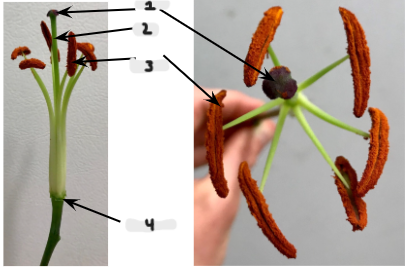
Angiosperm reproductive parts (male and female)
stigma
style
stamens
receptacle