Final Exam Medical Botany- All Content Quizzes
 Call Kai
 Learn
Learn Practice Test
 Spaced Repetition
 Match
Match Flashcards
 Knowt Play
1/106

There's no tags or description
Looks like no tags are added yet.
Name | Mastery | Learn | Test | Matching | Spaced | Call with Kai | Chat |
|---|
No analytics yet
Send a link to your students to track their progress
107 Terms
Which of the following is not part of the 5 letter acronym that collectively describes pharmacokinetics and pharmacodynamics?
Chemistry
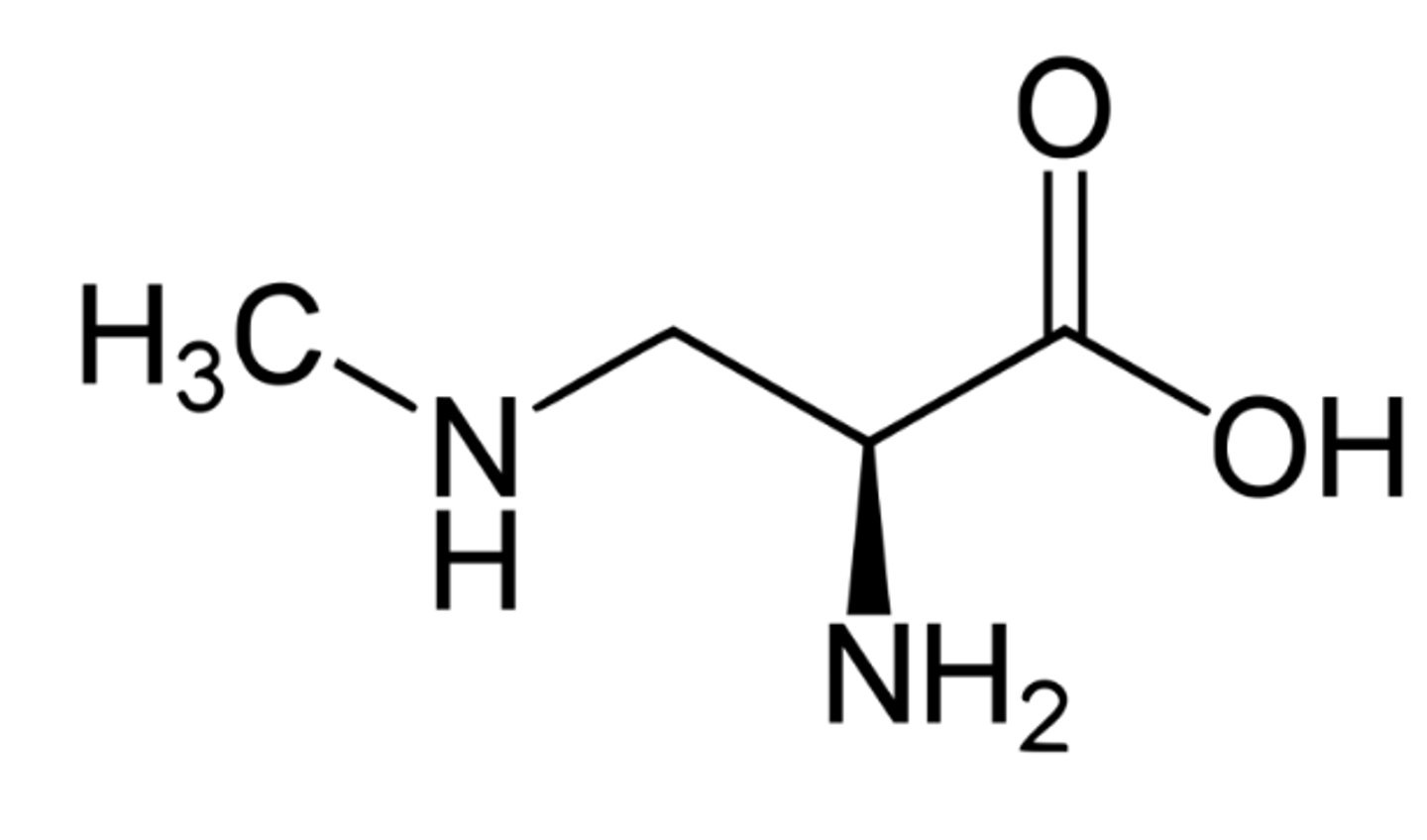
The secondary metabolites shown in the image below are:
-BMAA
- Cycasin
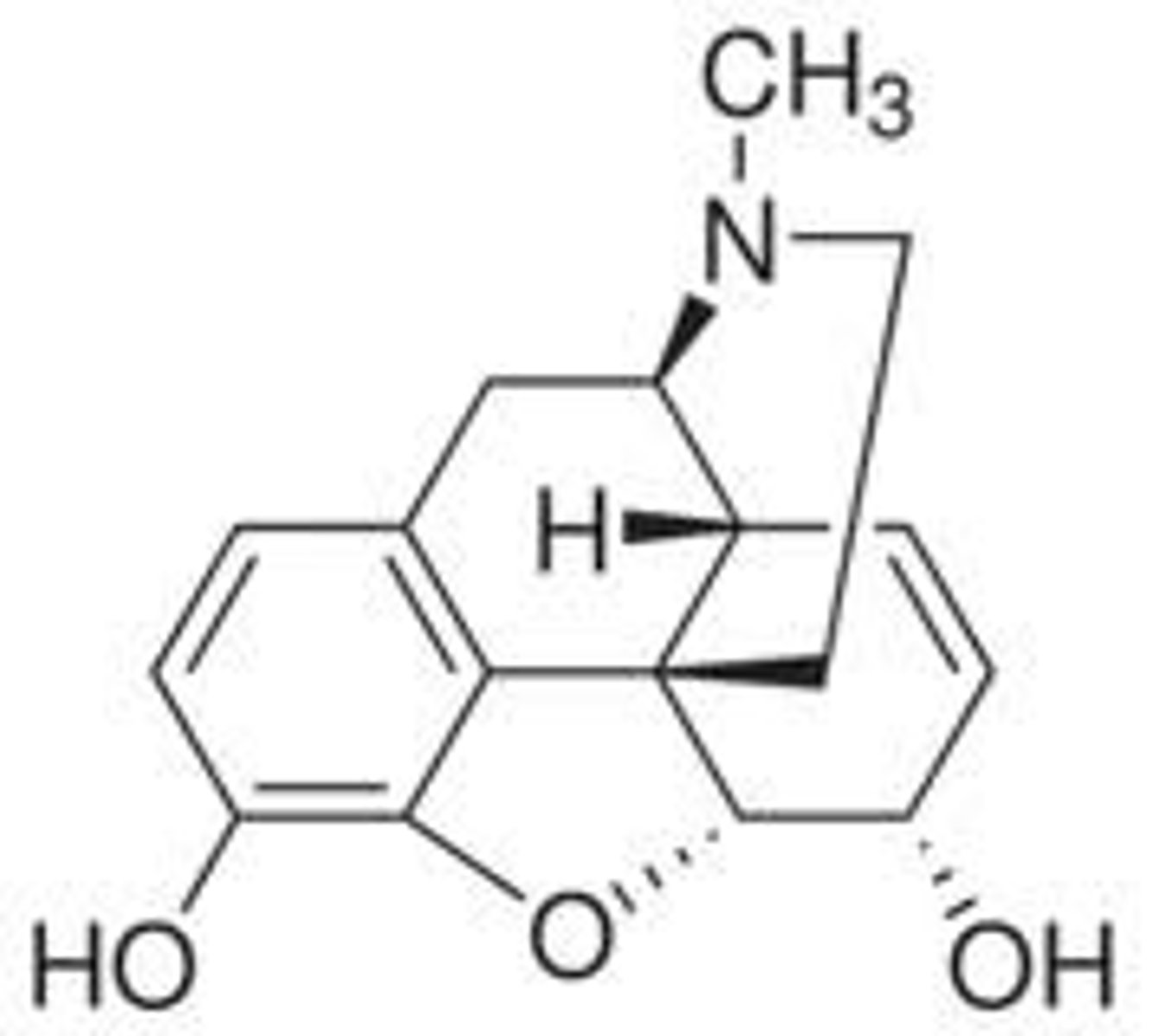
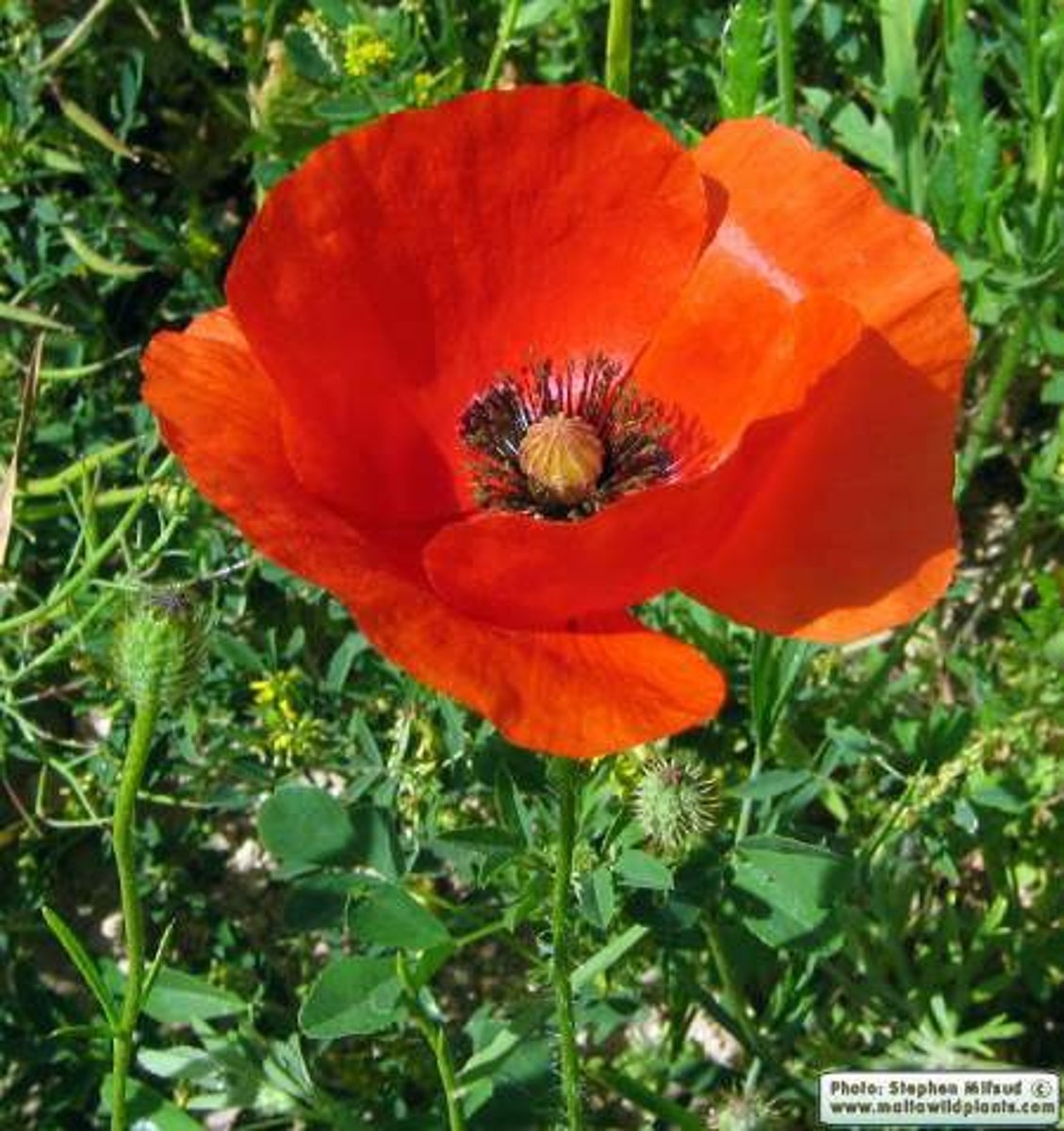
Which of the following is a secondary metabolite purified from the bread seed poppy plant?
Morphine
80% of the world's diet is supplied by plants. which of the following categories comprises the largest proportion of that 80%?
Cereals
Match the following plants with the regions/continents where they are thought to have been domesticated.
-1.Corn, beans, and potatoes
-2Millet, okra, sorghum, yams
-3 Blueberries and sunflower
-4 Rice, chickpeas, and bananas
1. Central and/or South Africa
2. Africa
3. North America
4. Different regions of Asia
_____________ is a taxon/category that just falls above species in the classification hierarchy.
Genus (Papaver is the genus of poppy)
The BMAA that was causing neurodegenerative disease in the Chamorro people was synthesized by which of the following organisms:
Cyanobacteria
Cycasin is a mutagen produced by plants and trees in the family Cycadaceae because it adds a methyl group to a __________ and makes it pair to a ___________.
Guanine and thymine
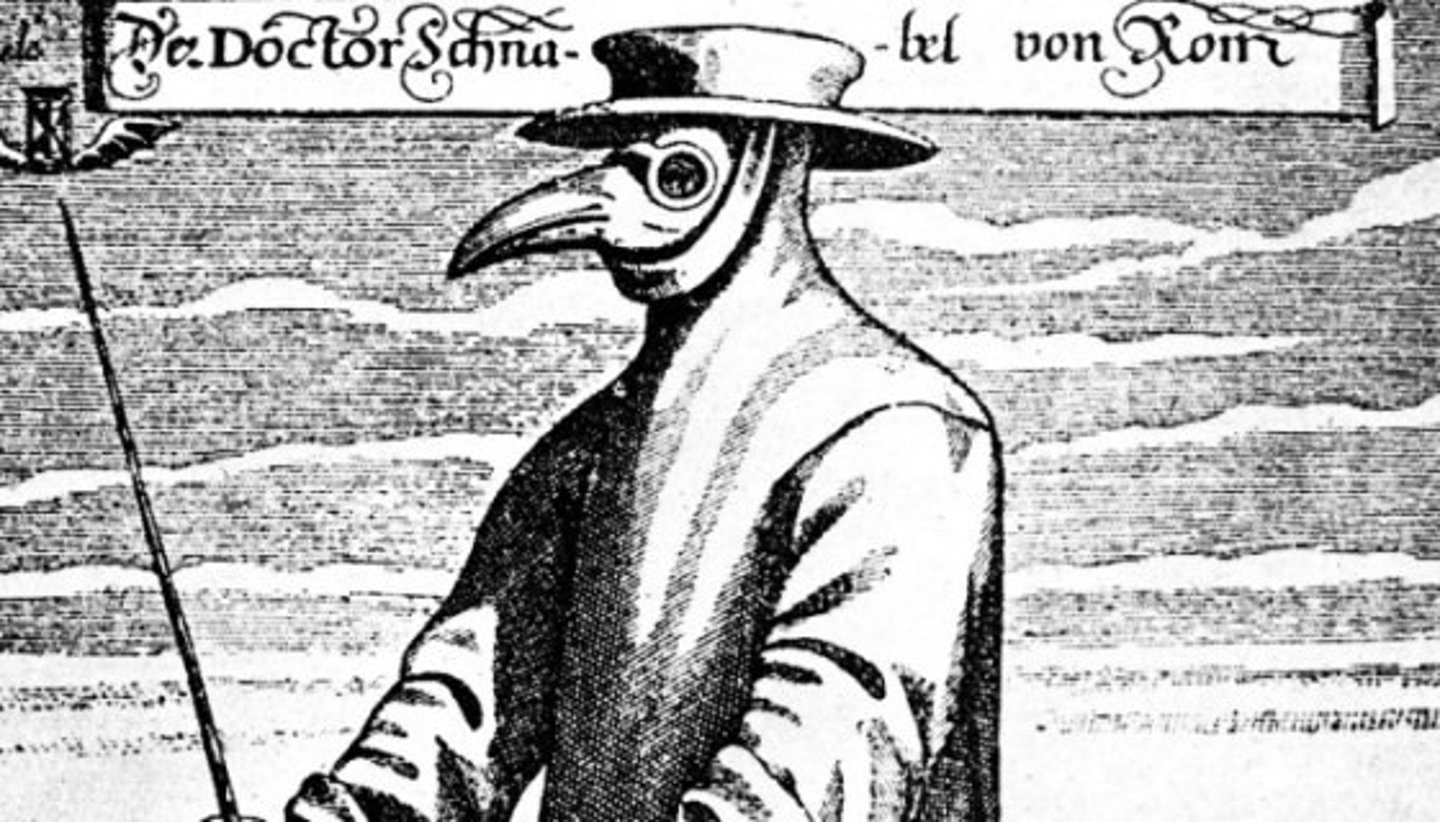
Plant families that include materials from which masks were made to escape miasma are _________, ___________, and _____________.
Linaceae, Moraceae, Malvaceae
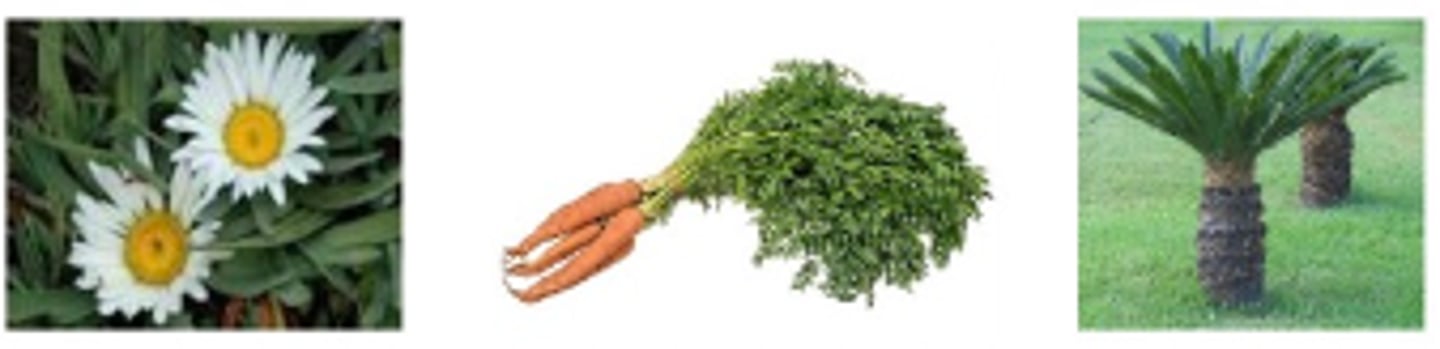
Which family or families are shown in this image
Asteraceae, Apiaceae, Cycadaceae
Cardiac glycosides bind to and inhibit which of the following?
Na+/K+ ATPase
Which agency regulates the labeling of dietary supplements?
The Food and Drug Administration (FDA)
Statements most likely refer to:
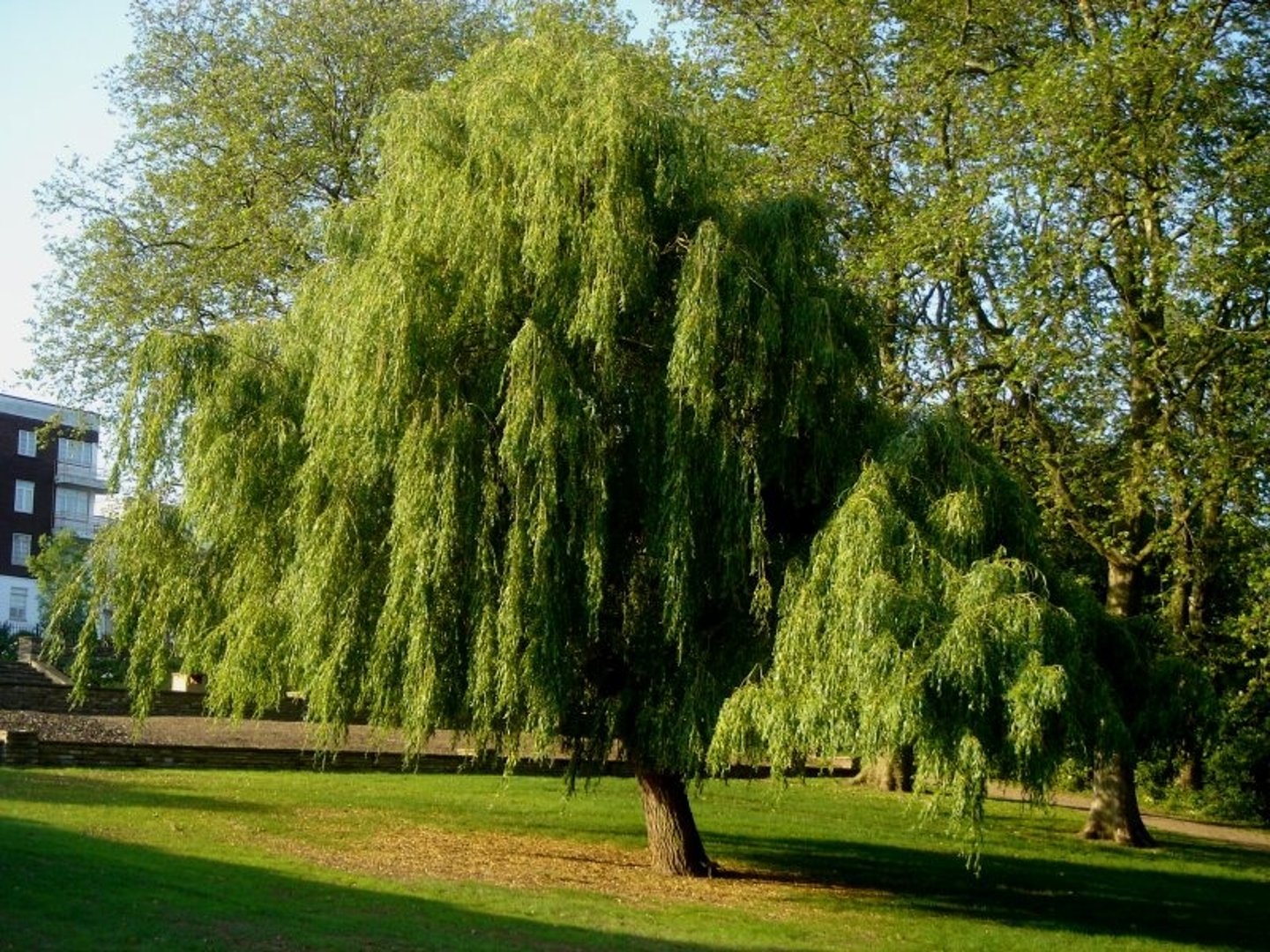
1. Known as the willow family
2. Hippocrates recommended chewing these
3. Secondary metabolites are the basis of aspirin
Salicaceae
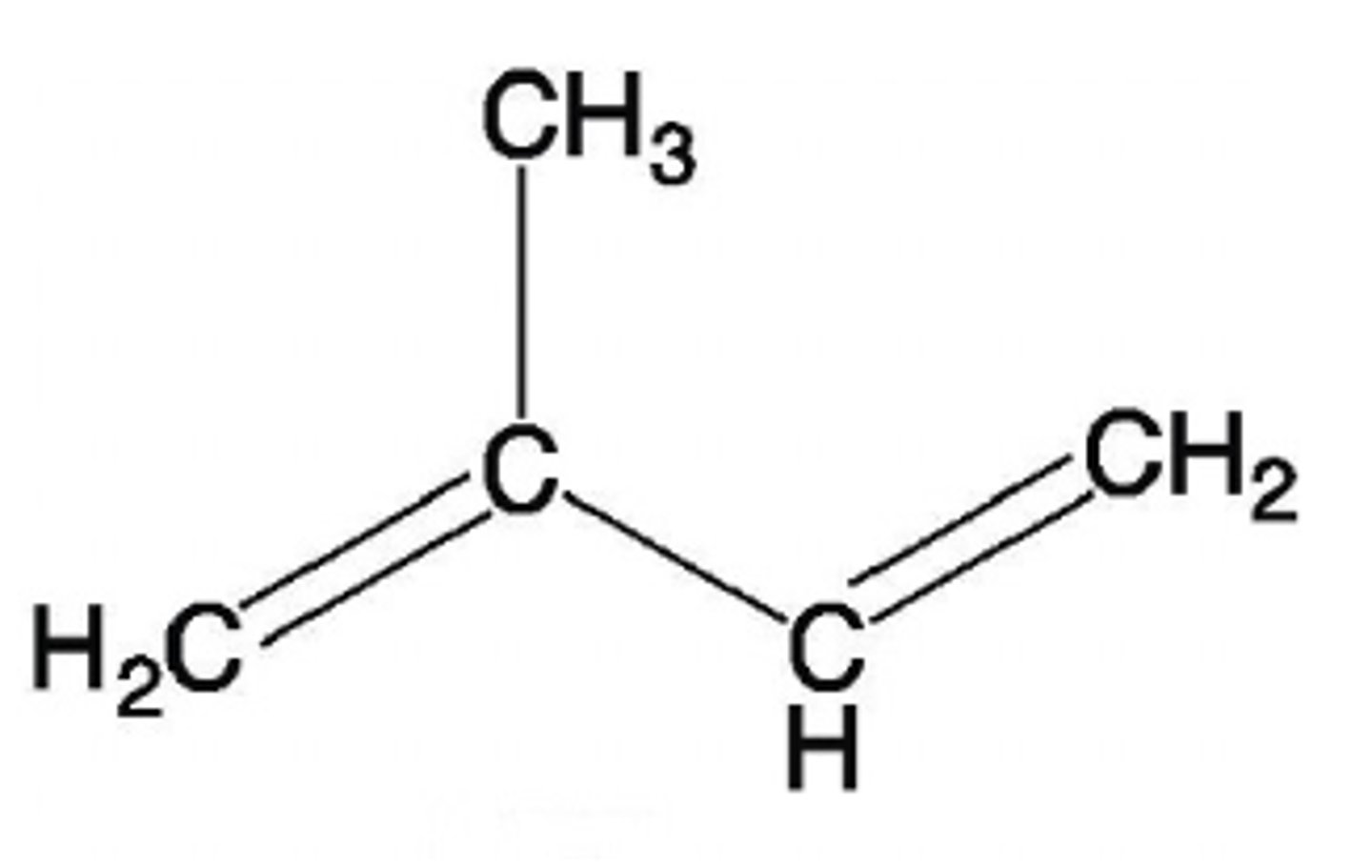
Structure shown below represents____________, Fill in the blank with single word, no special characters
Isoprene
Which of the following is NOT one of the 3 main groups of secondary metabolites
Carbonics
How can traditional herbal knowledge be lost?
- Populations of humans migrate to new areas
- loss of language
- Loss of habitat for special plants
- Pandemics
- Assimilations of culture
- Wars
Your dog may love chocolate but...
- it contains theobromine
- it is very toxic because one of the secondary metabolites in it is slowly metabolized
- do not use it as a treat for training purposes
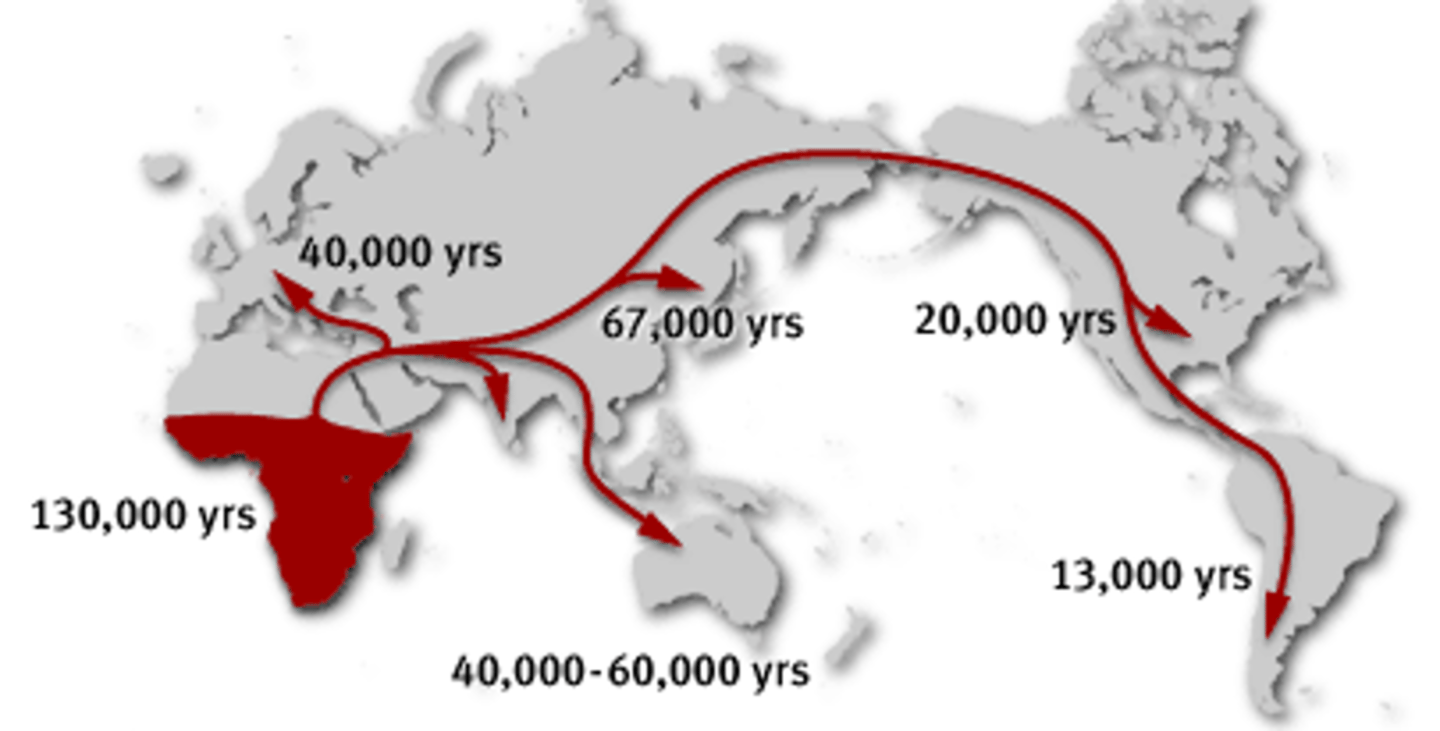
The hypothesis that humans migrated to the Americas by following retreating ice shelves down the Pacific coast in order to be able to maintain consumption of aquatic food stuffs is known as?
The Kelp Highway Hypothesis
An adage for the plant shown below is " Leaflets of three, let them be."
Which plant is shown?
Poison Ivy
3 multiple choice options
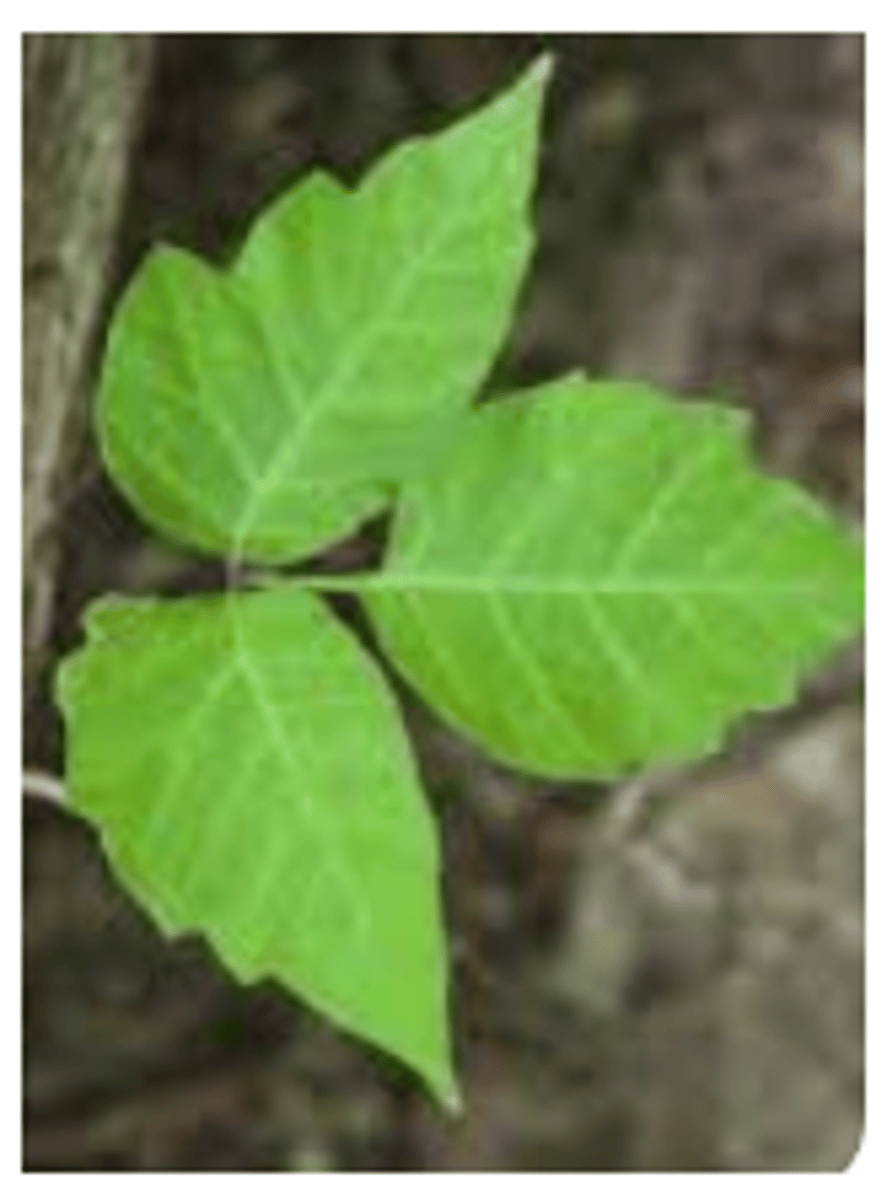
To what family does poison ivy belong?
Anacardiaceae
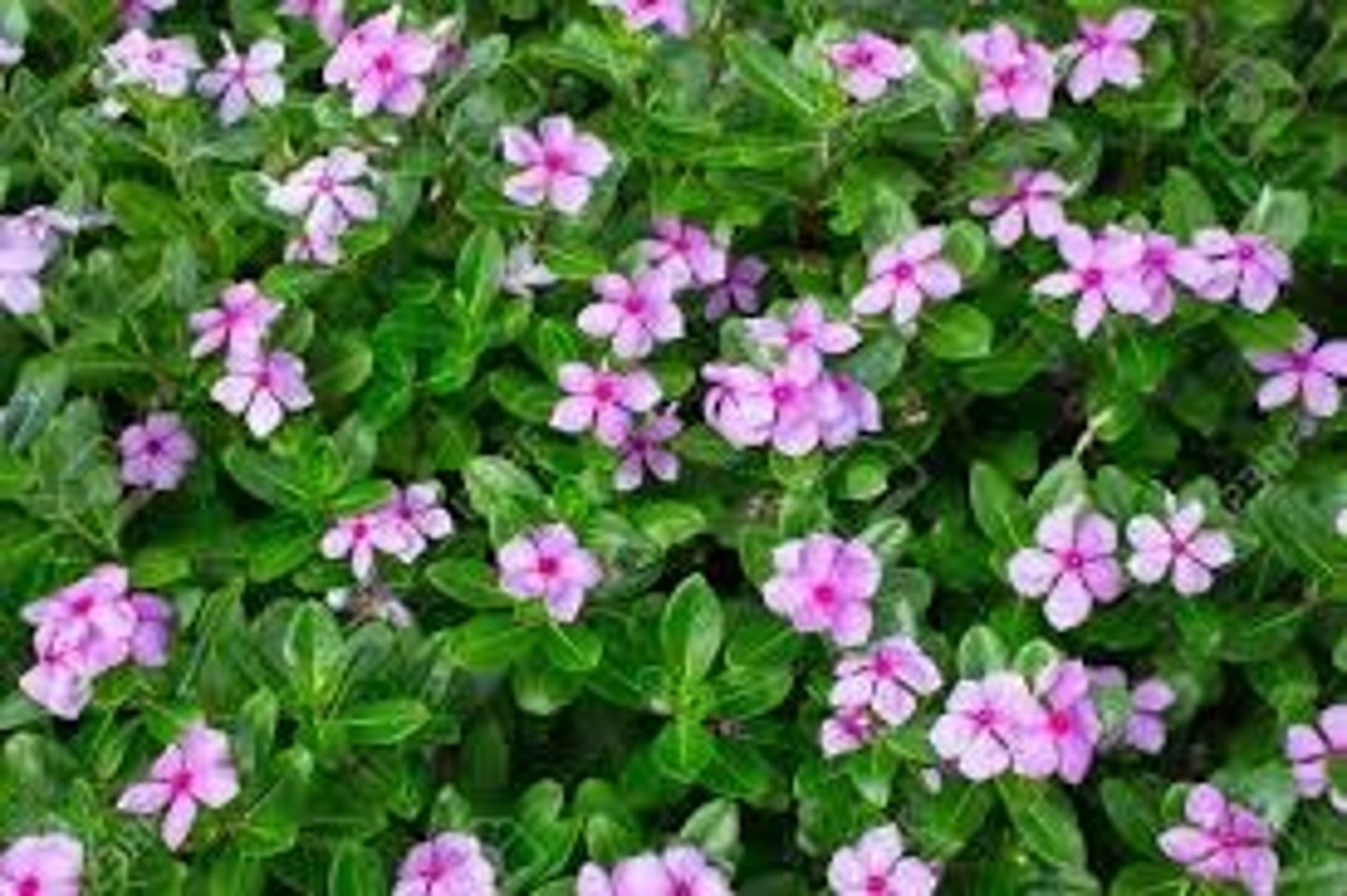
Vincristine is an alkaloid derived from the plant, Catharanthus roseus (Rosy Periwinkle). It is used as treatment for which of the following diseases/conditions.
Leukemia
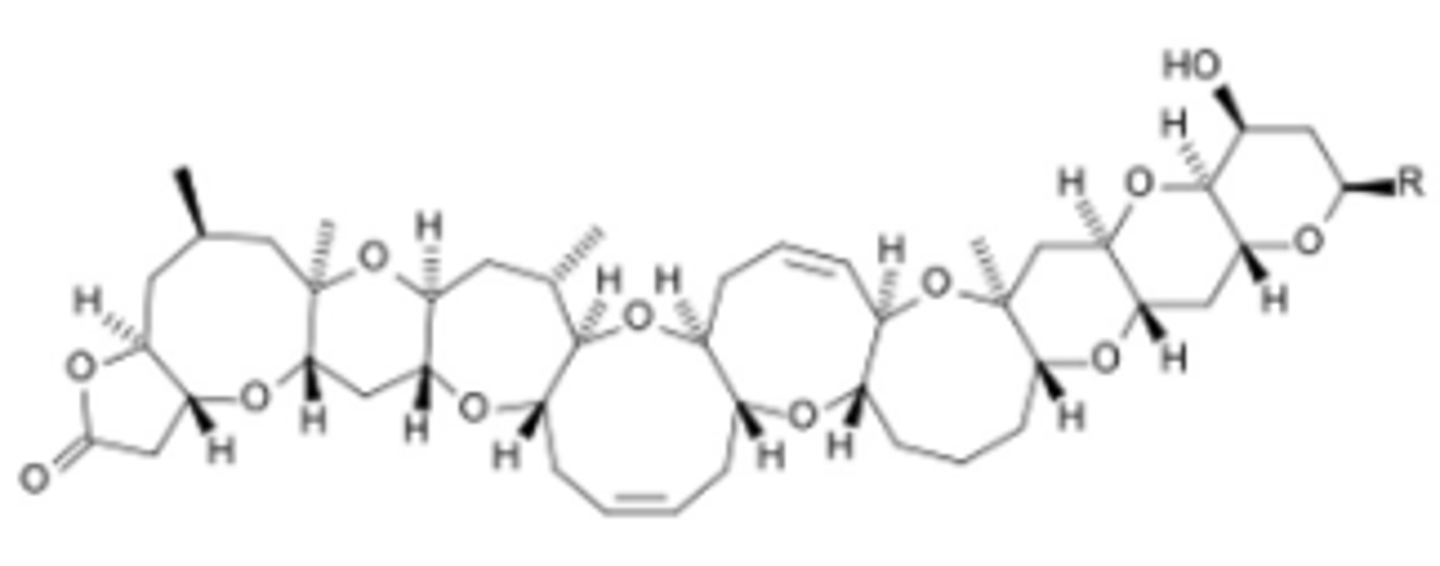
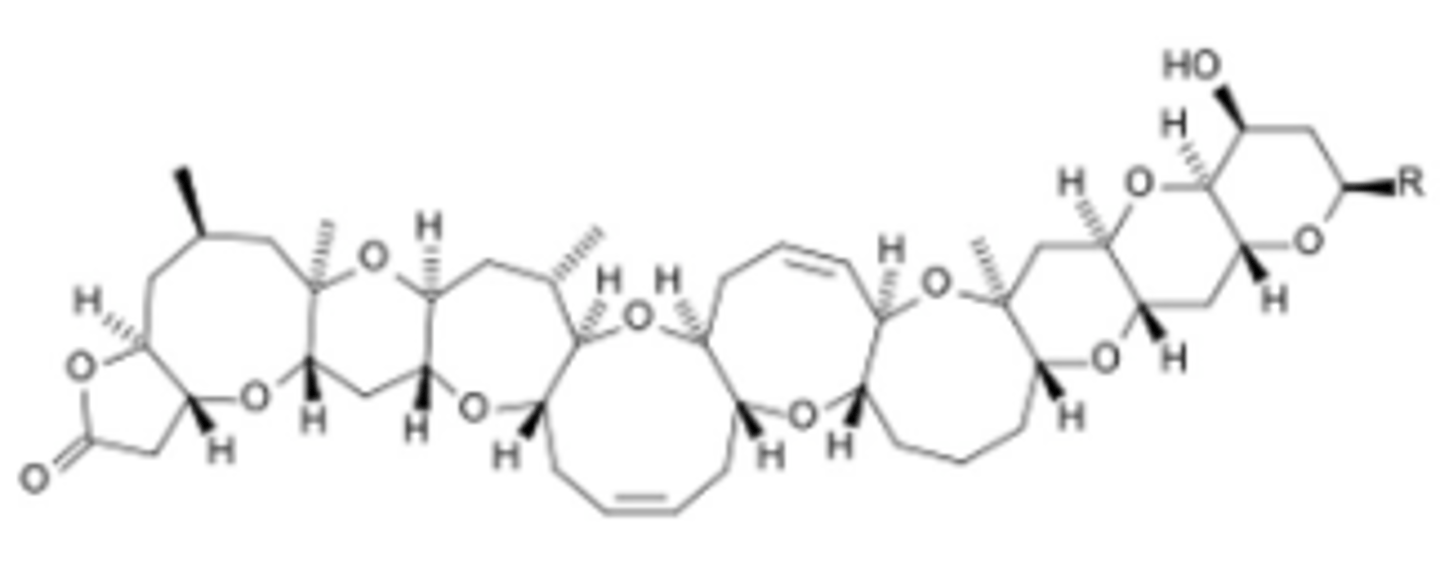
The caterpillar shaped chemical compound of a toxin shown below binds to which one of the following target proteins?
•brevetoxin (polyketide) Karenia Brevis, binds to neurons, muscles, and secretory Cells through voltage-gated Na+ channels.
Evidence for the ancient use of plants was supported by:
- The use of Carbon-14 dating
- identifying microscopic granules of plant pieces from calculus of human teeth found in very old graves and caves
- Finding starch granules on very old grinding stones
- Finding plant genetic material in the various microfossils on ancient utensils
- Finding plant material in coprolites or fossilized feces
There are micronutrients and vitamins that may not be readily available in our diet. To ensure that the population does not suffer from deficiencies, some may be provided by which of the following?
Strategies might be useful in preventing Cyanobacteria harmful algae blooms
- Maintain buffer of vegetation around water bodies to filter runoff waters that might be rich in nutrients
- Use fertilizers containing nitrogen and phosphorus cautiously and within recommended amounts only and not in excess
- Maintain sewage systems so that the fecal contaminated water is not released to the outside
- Finding solutions to climate change associated with global warming and increasing carbon dioxide concentration in the atmosphere
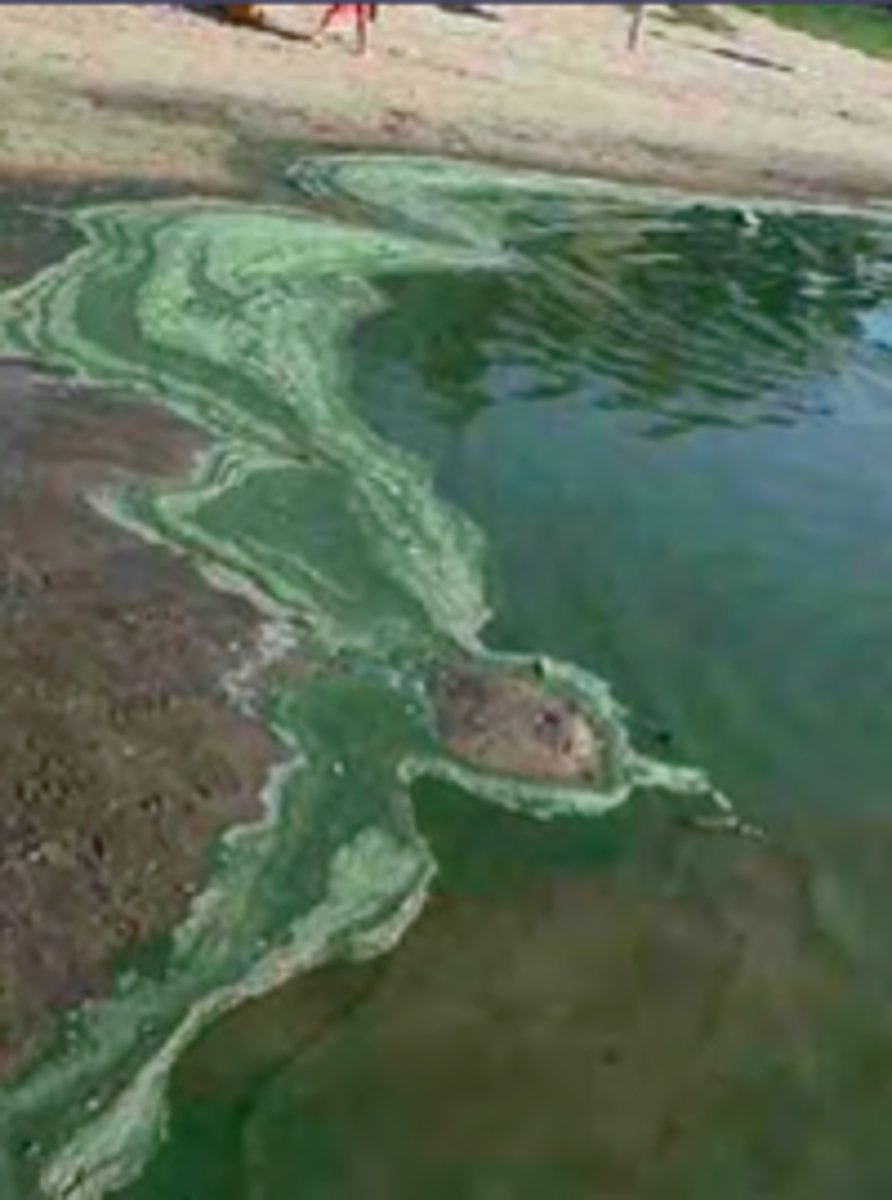
which of the following are toxins produced by HABs (harmful algal blooms) and affect the liver?
Anatoxin (antagonist of nicotinic receptors)
3 multiple choice options
Analysis of the dental plaques of Neanderthals who lived more than 24, 000 years ago suggested that they routinely consumed medicinal plants like yarrow and chamomile. Which family or families do these plants belong to?
Asteraceae family
3 multiple choice options
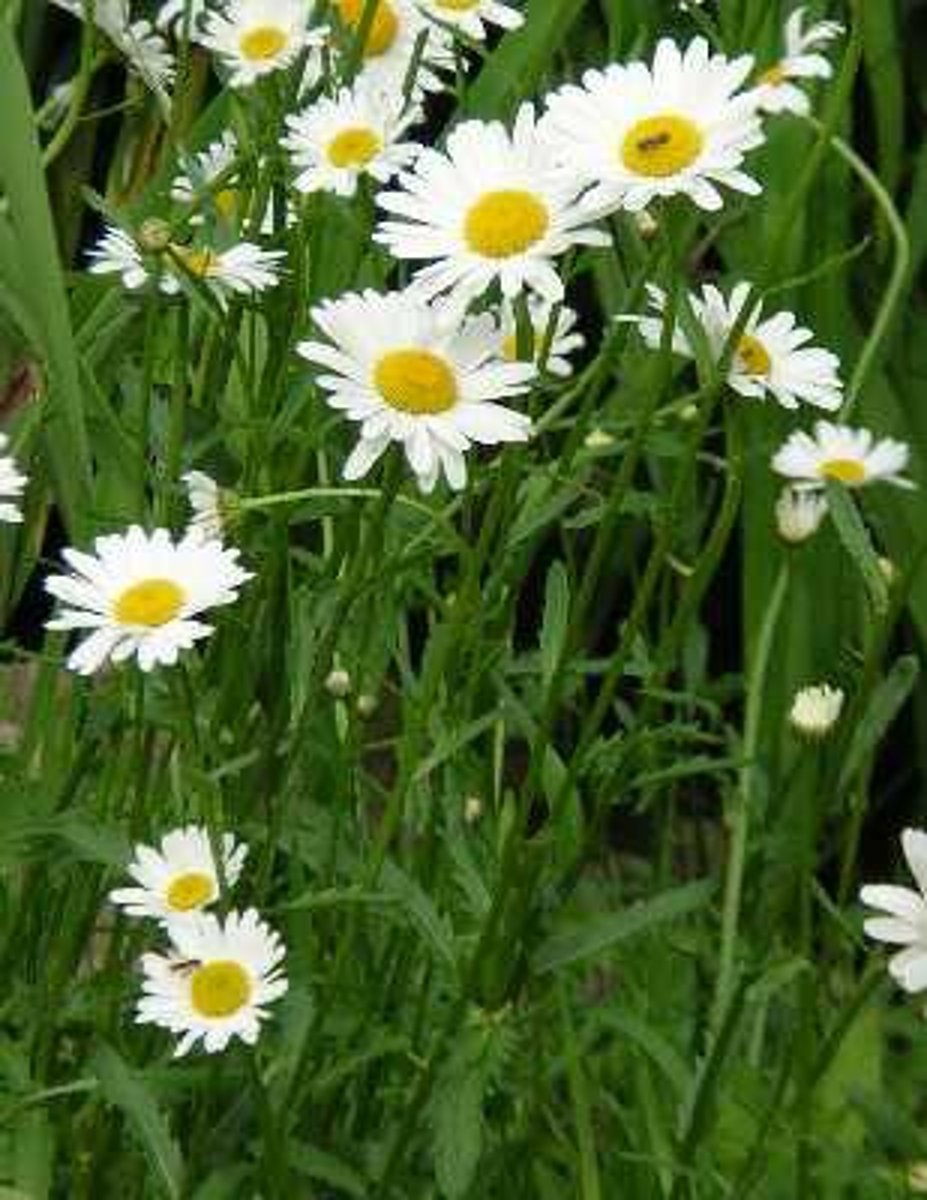
T/F: A 2020 study published in the British Medical Journal was able to find that after 1 year of being on a "Mediterranean diet" elderly participants' microbiomes were altered such that there was an increase in short/ branch chained fatty acids and a decrease of secondary bile acids, p-cresols, ethanol and carbon dioxide thereby conferring a health benefit. Markers of inflammation and frailty were reduced as well after the introduction of the Mediterranean diet in the elderly.
Overall the above passage is:
True
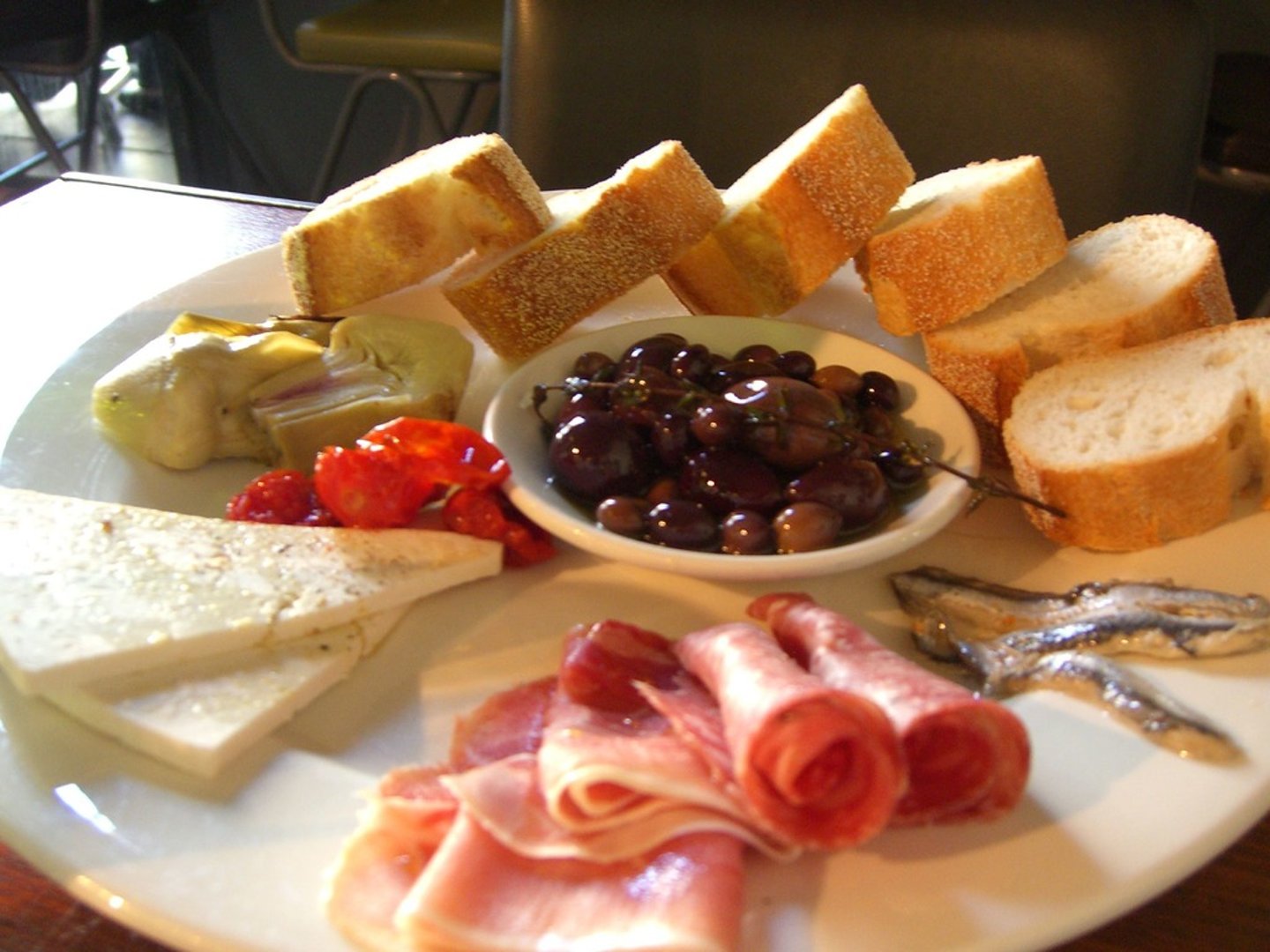
Underlying basis of the ability of cyanobacteria to float in ponds or lakes:
- Is the formation of intracellular gas vesicles
- The production of O2 from photosynthesis
- The production of CO2 and H2
- The synthesis of extracellular material containing sulfated polysaccharides that traps gas bubbles and enables the mats of cyanobacteria to float
The polyketide toxin shown below is known as _____________.
Brevetoxin
Which of the following are genera in the cyanobacteria?
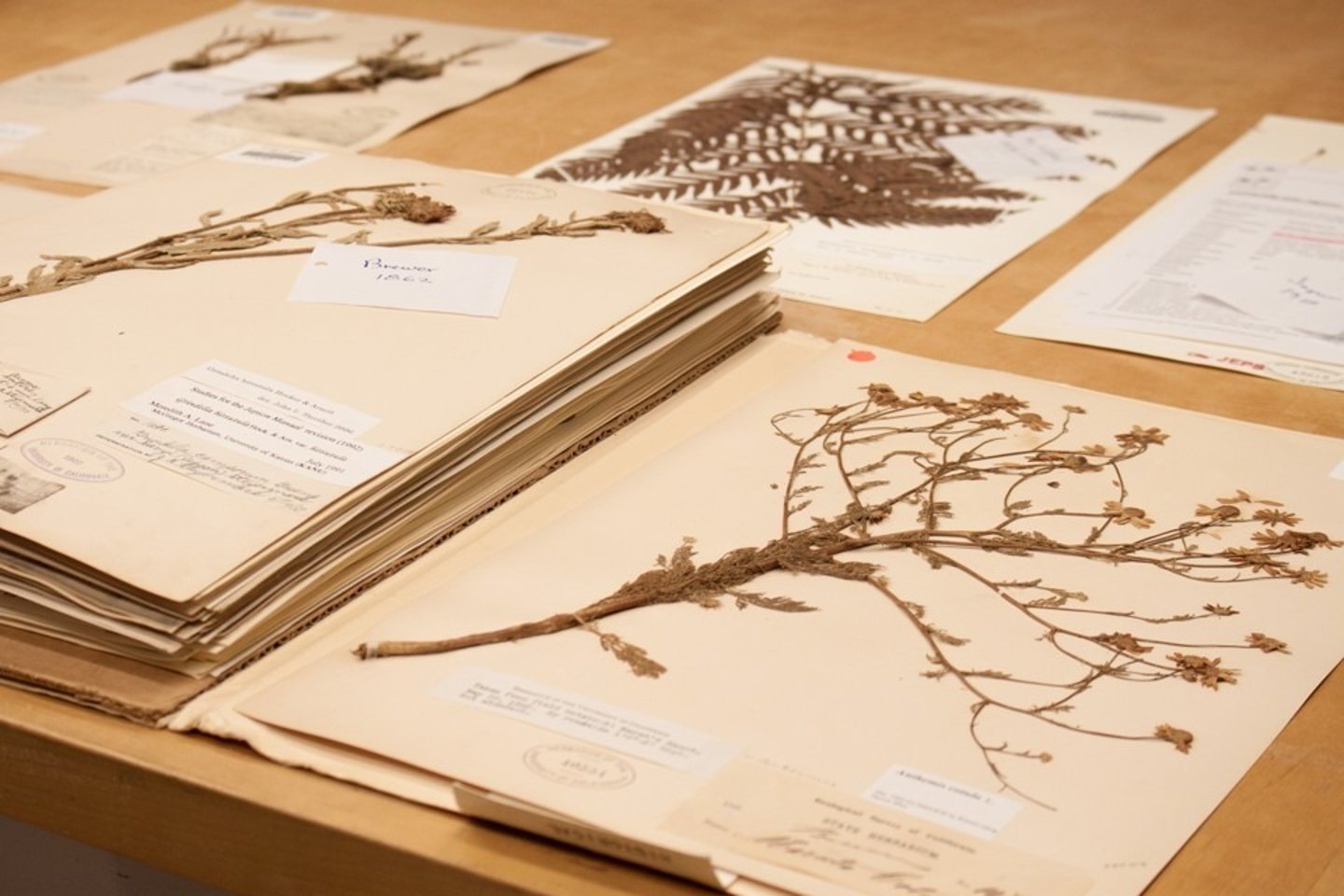
A few research directions that can be taken by herbaria are?
- Phenological studies
- Plant systematic studies
- Estimating past climatic conditions
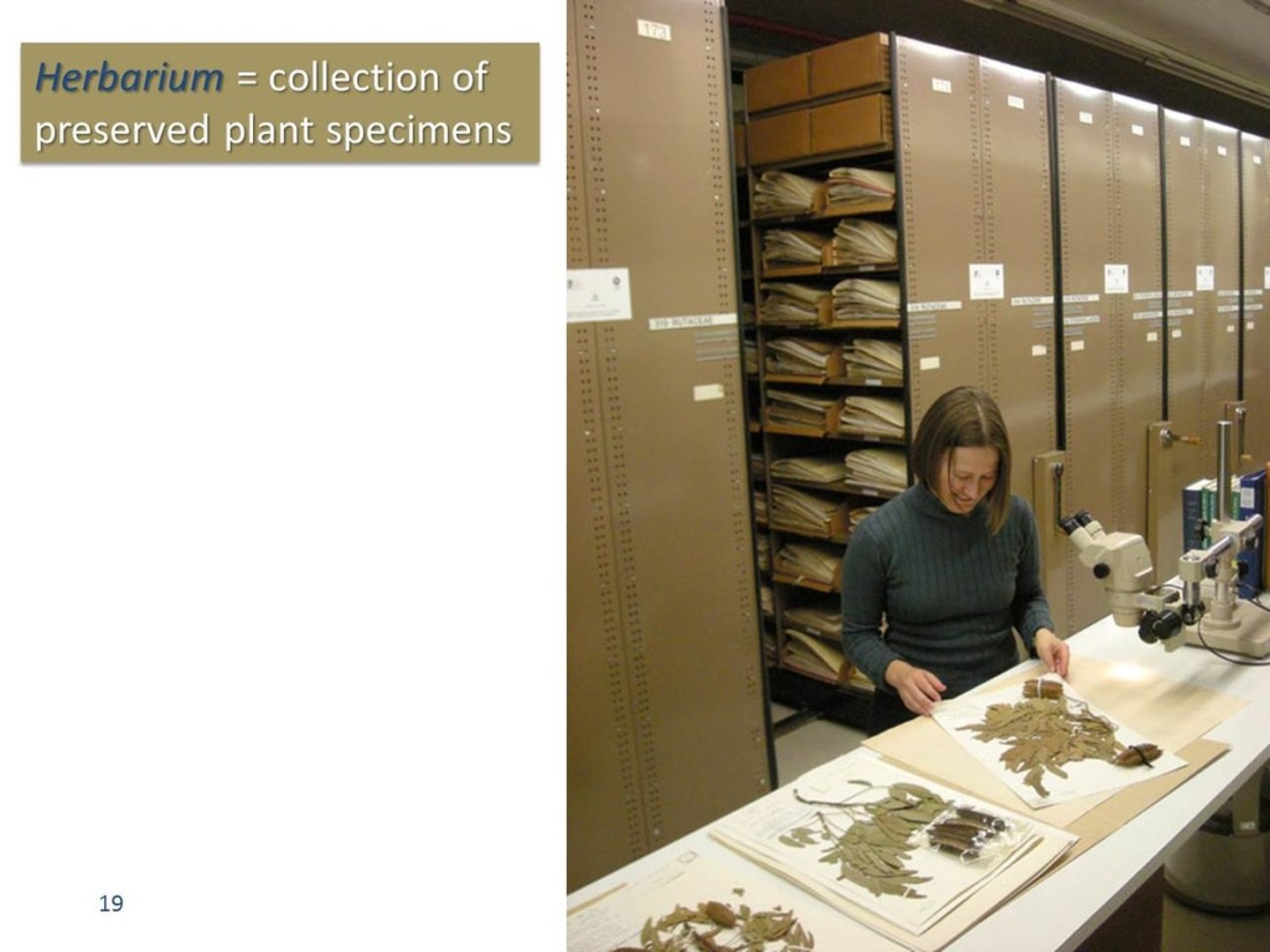
Herbaria....
- Many are found globally especially where there are interested collectors of plants
- Have been found in a relatively modern since 1753 after Linnaeus started to store plant specimens in cabinets
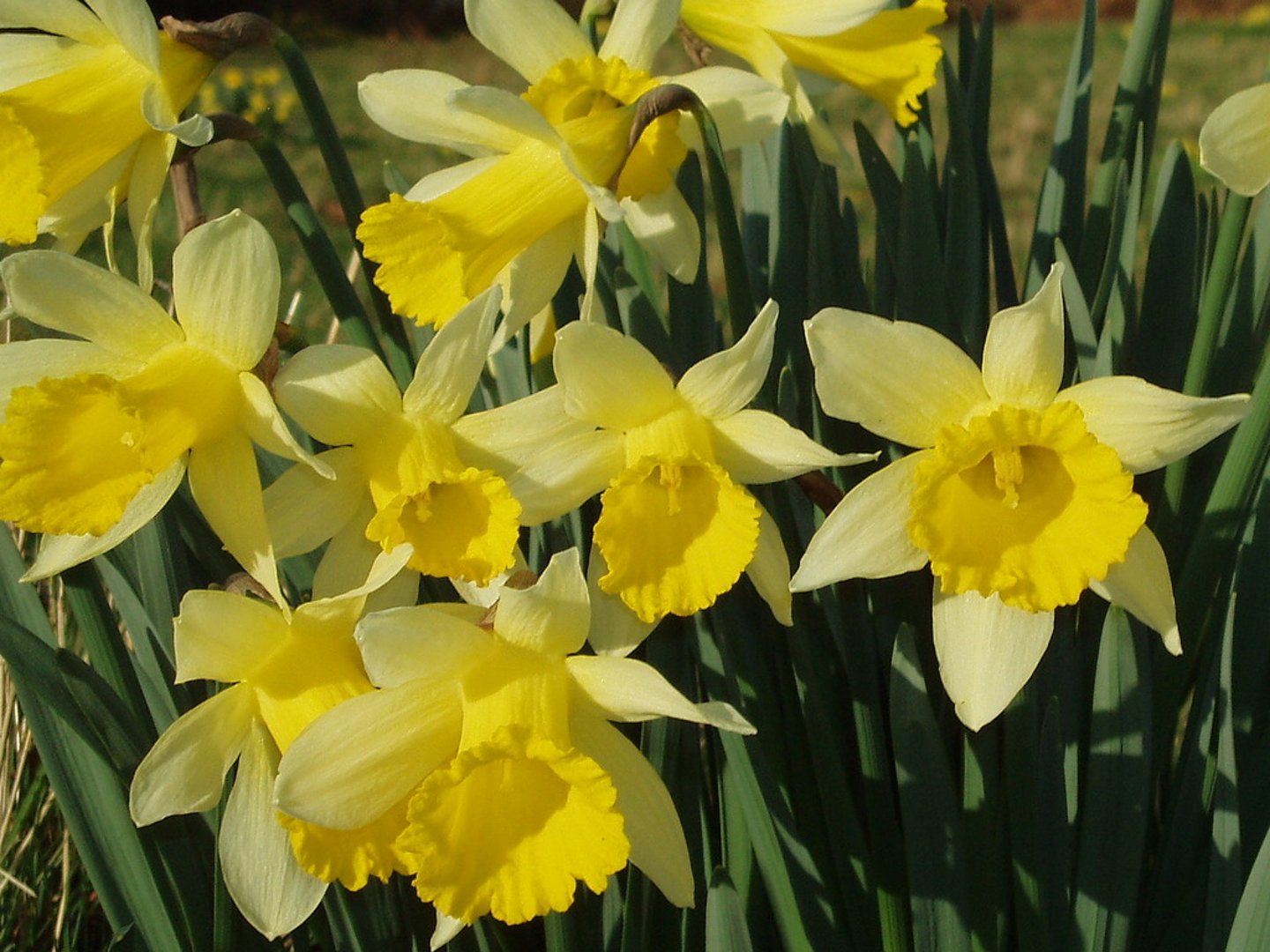
Galantamine is an FDA approved medication for the treatment of Alzheimer's disease. It was derived from plants in the Amaryllidaceae (Amaryllis Family). Plants in this family are also known to produce what toxic alkaloid?
Lycorine
What can be learned from the Florida Plant Atlas?
- Florida county distribution of almost all the collected specimen in the USF Herbarium
- Available photographs of living Florida plant species
- Labels of each digitized plant specimen with dates of collections
What do these have in common? Yam, garlic, carrot, potato, taro, and manioc?
They are examples of edible underground plant parts such as tubers, bulbs, tap roots, corms, tuberous roots
Cucurbitacin A is a steroid based secondary metabolite and toxin that acts as which of the following?
Antifeedant
If one considers landscaping a home yard from this list choose the best
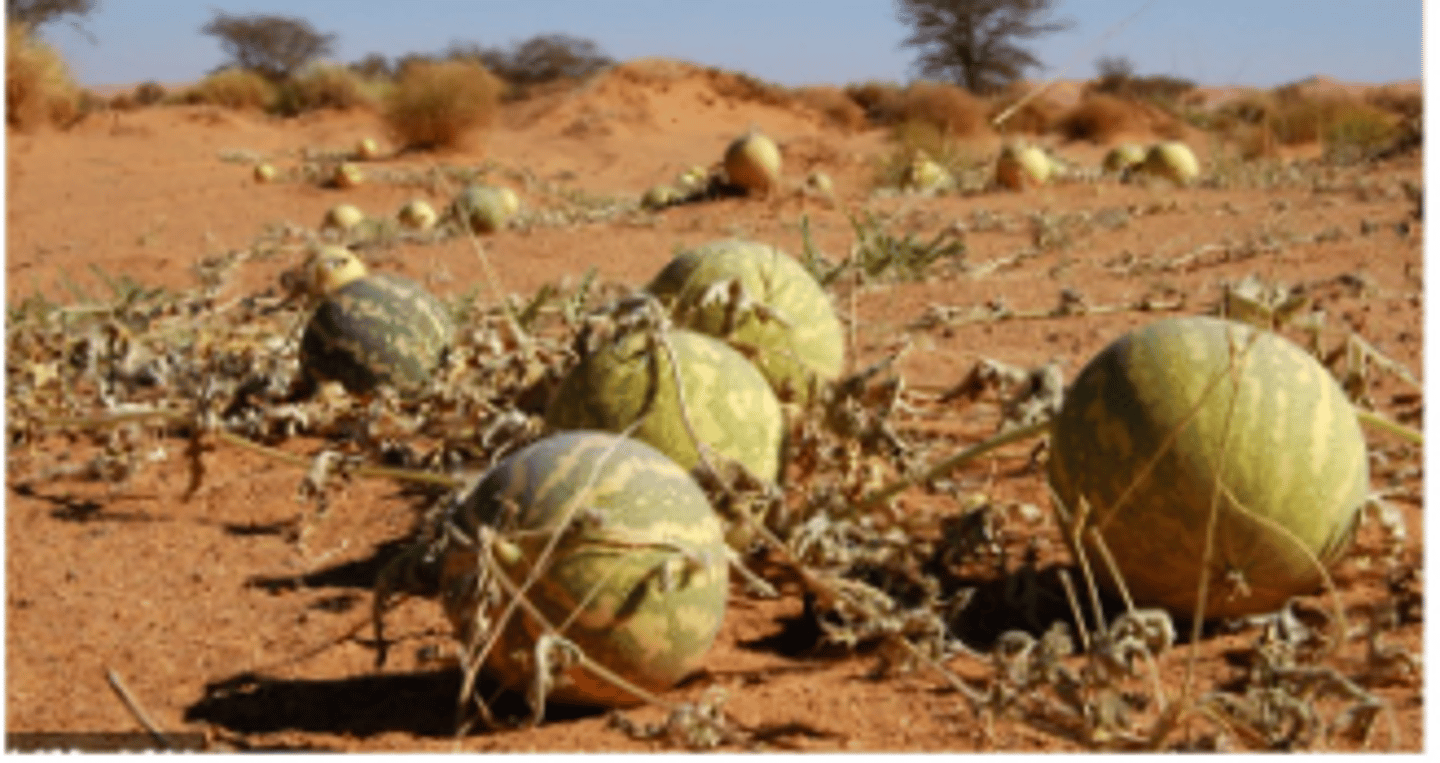
T/F: In the photo that shows arid conditions, plants grow under stress and often produce large quantities of secondary metabolites
True
Recently it has been reported that "Valley Fever" is spreading beyond it's normal range of the SW deserts. It is a respiratory infection caused by a _________
Fungus
An underground bud on a tuber such as potato will be known as:
The eye
T/F: Various plant bulbs could be used safely in gardens to keep the bugs away
False
Sulfur compounds found in _______ can impact pet hemoglobin.
Amaryllidaceae
Where is one at most risk for exposure to mycotoxins?
T/F: The most popular example of mycotoxin is ethanol produced by yeast.
False
Which of the following are major glycoalkaloids found in potatoes and that increase in amounts due to exposure to light or injury?
Solanine and Chaconine
T/F: Eating a variety of plants in our diet is helpful in detoxing after mycotoxicoses.
True
Match the descriptions with the best terms.
1. One who consumes macro-fungi could be practicing this
2. Distress from the direct consumption of a fungal organism
3. Disease from exposure to toxic fungal metabolites of filamentous fungi
1. mycophagy
2. mycetismus
3. Mycotoxicosis
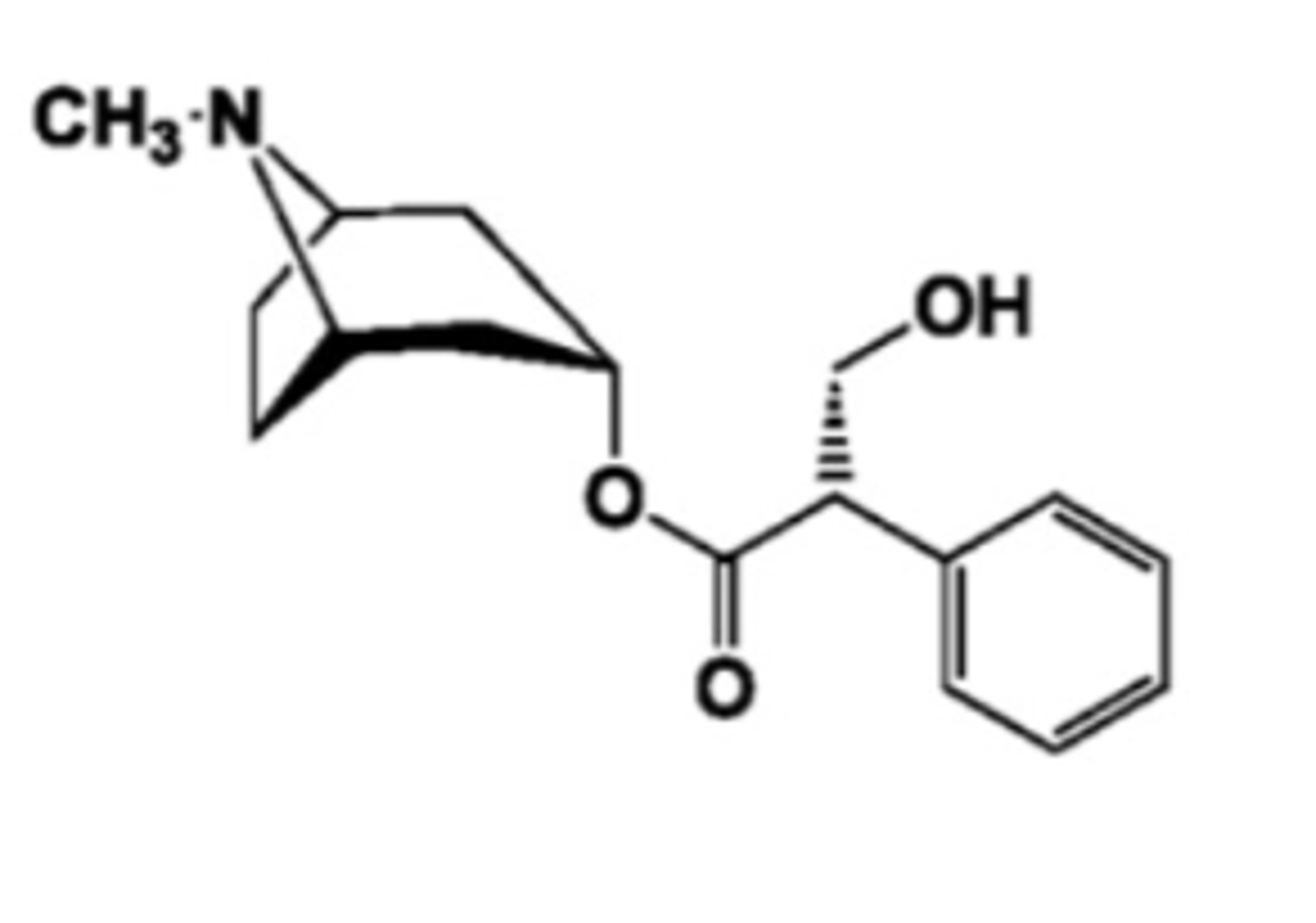
Tropane alkaloids:
- May be manifested to account for "blind as a bat"
- Antagonists of muscarinic acetylcholine receptors
T/F: By binding acetylcholine receptors in the heart, the molecule shown below induces tachycardia
True
Solanum glycoalkaloids interact with mitochondrial membranes, opening the ________ channels of mitochondria, leading to its depolarization, that causes ________ to be transported to _________, and that triggers apoptosis.
Potassium, calcium, and cytoplasm
T/F: Flowers and sprouts of Solanum Tuberosum are among the parts of this plant that contain the least amounts of glycoalkaloids.
False
Match the components of skin with the two major layers: epidermis and dermis. There is an additional fatty tissue layer beneath the dermis
1. Base of the sweat glands
2. Blood vessels and nerves
3. hair follicles
4. Stratum corneum
5. Contains pigment cells
6. provides maximum surface area for the skin microbiome exposed to air
1. Dermis
2. dermis
3. dermis
4. epidermis
5. epidermis
6. epidermis
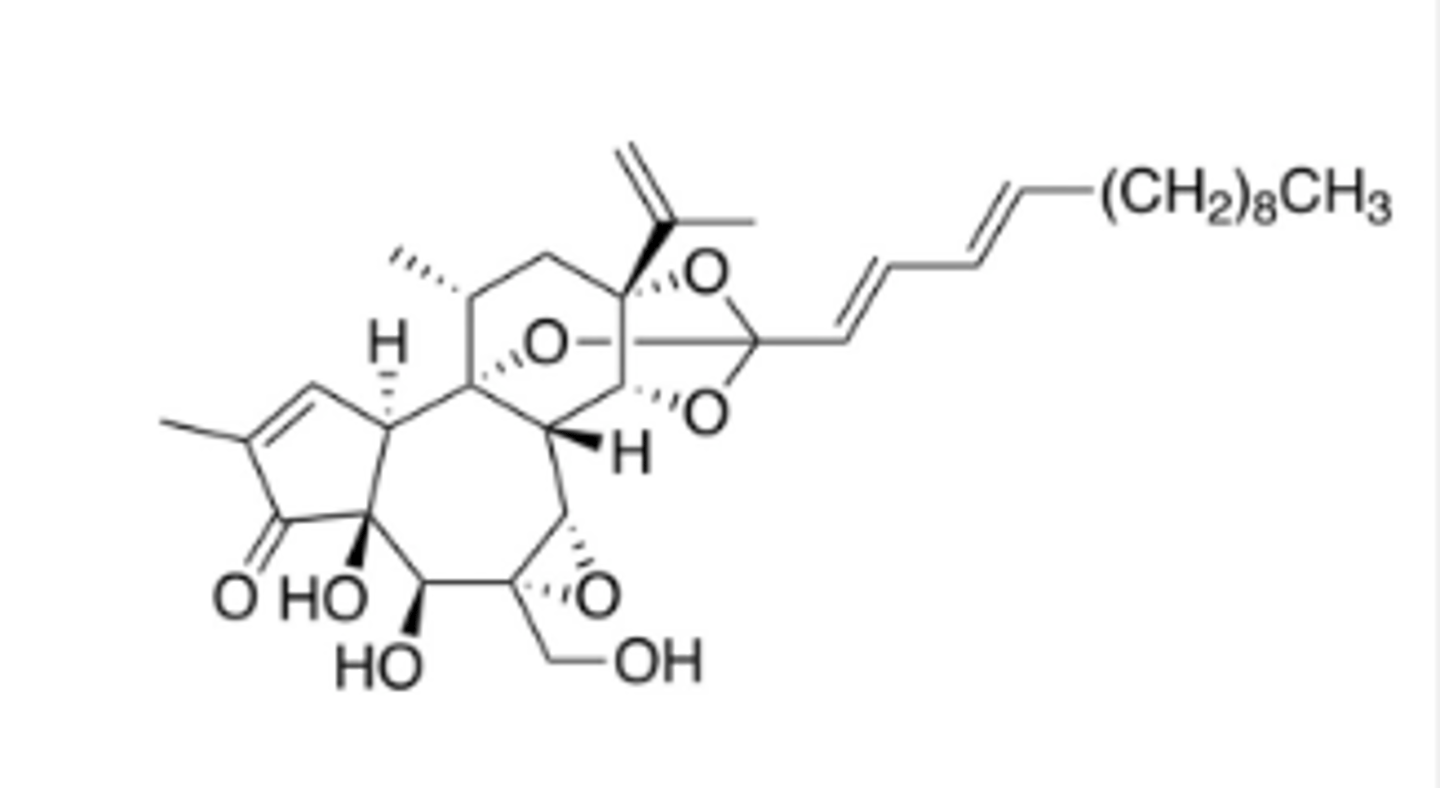
For the molecule shown below, which one of the following statements, is INCORRECT?
Is a significant toxin produced by a genus in the Cucurbitaceae family
T/F: Isothiocyanates are generated by the enzyme myrosinase acting on the substrate glucosinolate and produced by the family Brassicaceae.
True
Mechanisms that are incorrect
1. Wolfbane extracts: antagonist of muscarinic type of acetylcholine receptors
2. Chondrodendron extracts: antagonist of nicotinic type of acetylcholine receptors
3. Strychnos nux- vomica extracts: inhibition of sodium and calcium ion channels
Extracts from erythrina herbacea: antagonist of nicotinic acetylcholine receptors
1. incorrect
2. Correct
3. Incorrect
4. Correct
Which plant families that we've covered in class majorly contribute it pollinosis
Poaceae
Fagaceae
Asteraceae
T/F: An example of a GMO is having potato and tomato on the same plant
False
Which of the following is a plant toxin used to counteract the effects of cardiac glycosides on the heart?
Atropine
Poison arrow curares are used from plants that occur in proximity in South America, choose the correct genera
- Strychnos spp.
- Chondrodendron
Nitric oxide production, which can be induced by polysaccharides consumption, does which of the following with regards to bacterial infection?
It is bactericidal
What is the most serious clinical consequence of Na+/K+ pump malfunction?
Leads to an increase in intracellular Ca2+ and causes death.
Prolamin is produced by a genus in this family. Name the family. Another name for this metabolite?
Poaceae and Gluten
The toxin strychnine, produced by Strychnos spp. Is an antagonist of glycine receptors. This inhibits which part of neuronal cell signaling.
Hyperpolarization
___________ is a toxic alkaloid produced by Carapichea ipecacuanha whose primary effect in humans is to induced vomiting
Emetine
Some plants squirt toxic juices, some plants drip theirs. Which of the following would be safe to sit close to?
T/F: Mushrooms are fungi,s the poisons produced by mushrooms are considered mycotoxins.
False
The chemoreceptor trigger zone (CTZ):
-Can respond to plant toxin found in the Rubiaceae
Mycotoxins found in corn include which of the following?
-Fumonisins
- Aflatoxins
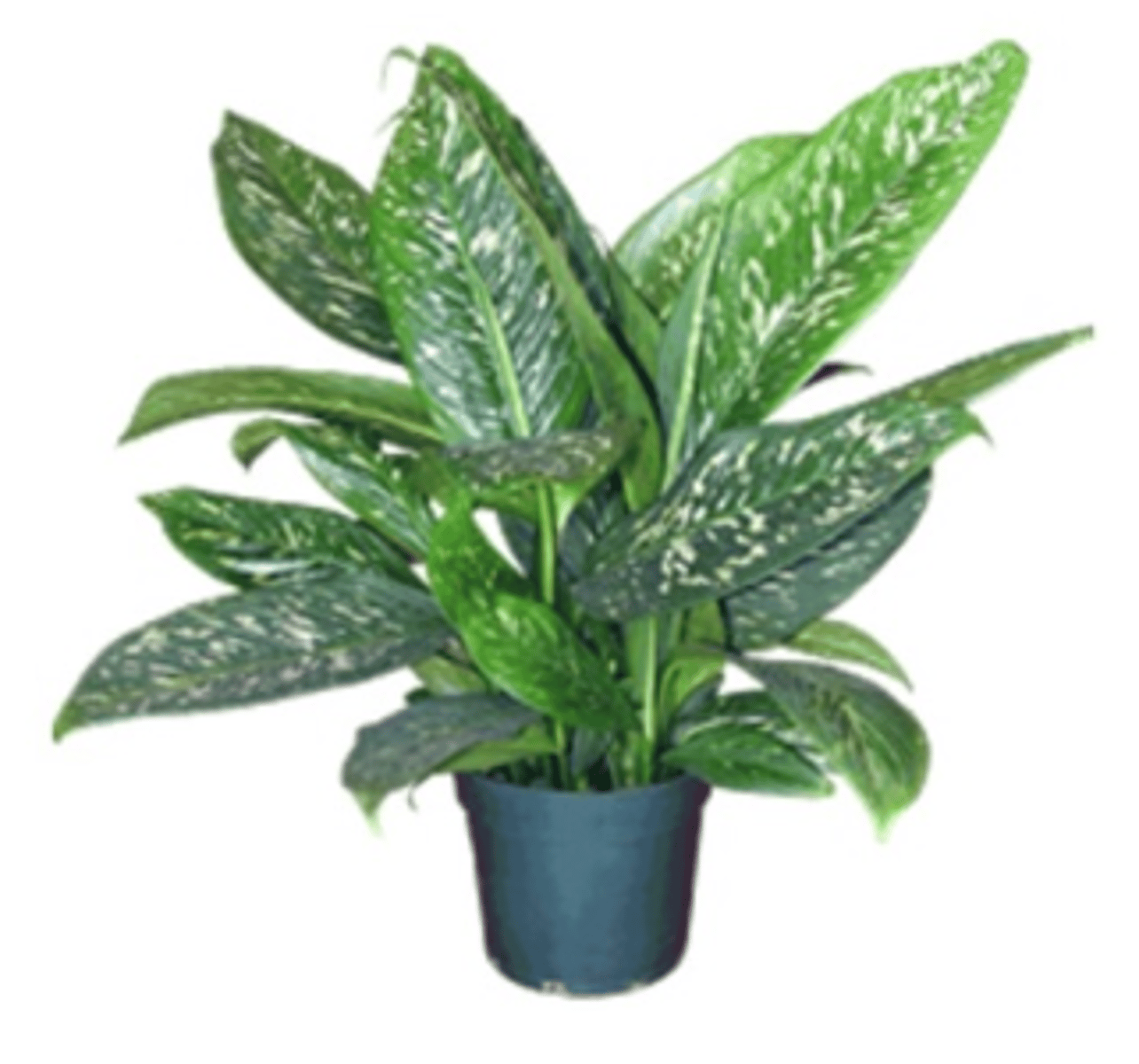
Dumbcane plant is shown below, it contains _____________, whose evolutionary benefits are to _____________ herbivores and is a member of the ______________ family.
Raphide oxalates, repel, Araceae
Match the terms with matching families. You can use the same family more than once if needed.
Terms: Euphorbiaceae, Araceae, Cactaceae, Urticaceae, Brassicaceae, Ranunculaceae, (Fabaceae, Apiaceae, Rutaceae, Moraceae)
1. Chemical irritants
2. Raphides
3. Idioblasts
4. glochids
5. Diterpene esters
6. Histamine
7. Psoralens
8. Glucosinolates, Myrosinase, Isothiocyanates
9. Protoanemonin
10. Serotonin
1. Euphorbiaceae
2. Araceae
3. Araceae
4. Cactaceae
5. Euphorbiaceae
6. Urticaceae
7. Fabaceae, Apiaceae, Rutaceae, Moraceae
8. Brassicaceae
9. Ranunculaceae
10. Urticaceae
The role of raphides which are present in some plants is:
1.To maintain the temperature in the cell
2.Remove excess oxalate ions
3.Maintain pH
4.To remove excess potassium ions
5. to Defend against herbivores
2, 3, 5
The occurrence of breast feeding greatly dropped of about the time of the Industrial Revolution. How might this have impacted future health of those children born in those times.
1. More than one of these
2. From studies we know now there would be no impact
3. Without the antibodies now known to occur in breast milk infants likely suffered more from various health issues
4. Breast feeding is known to reduce immune disorders
More than one of these
Acemannan, a polysaccharide produced by the Aloe vera plant, increases the activity of which combination of molecules in human body?
Cytokines and Nitric oxide
3 multiple choice options
Celiac disease is caused by a hypersensitivity to which of the following plant compounds?
gluten
Match the secondary metabolites with the organism
Terms: Ganoderma, Aloe, Angelica, Arachis, Echinacea
1. beta-glucans
2. Acemannan
3. angelan
4. Vicillin
5. Cichoric acid
1. Ganoderma
2. Aloe
3. Angelica
4. Arachis
5. Echinacea
Which plant families that we've covered in class majorly contribute to pollinosis?
1. Asteraceae
2. fagaceae
3. Poaceae
4. Fabaceae
1, 2, 3
Which of the following is the correct name for the cyclic peptide that interferes with the immune system and is often used to suppress the immune system of transplant patients to prevent rejection?
Cyclosporine
Match the left sides with relevant statements from the right hand side.
Terms:
-Teratogen that affects offspring's visual perception, attention, impulsivity
-Combination of sugar with aglycone part through glycosidic linkage
-Triggers and exaggerated immune response
-Derived from phenylalanine and they contain phenol like ring structures with 1 or more hydroxyls
1. Cannabis sativa
2. Glycoside
3. Allergen
4. Phenylpropanoids
1. Teratogen...
2. Combination...
3. Triggers...
4. Derived from....
T/F: Treating anaphylactic shock with adrenaline can save lives because it dilates bronchioles and enhances heart output.
True
What are the families of these plants?
Apocynaceae and Rosaceae
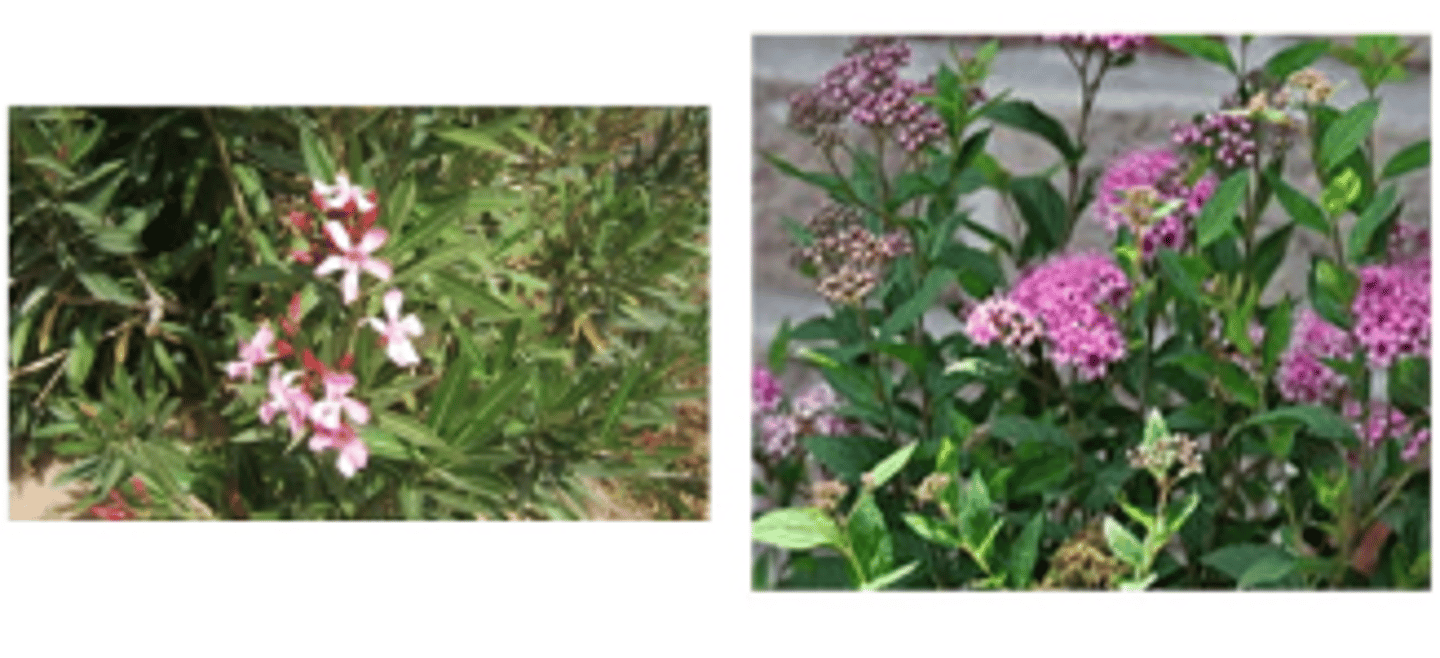
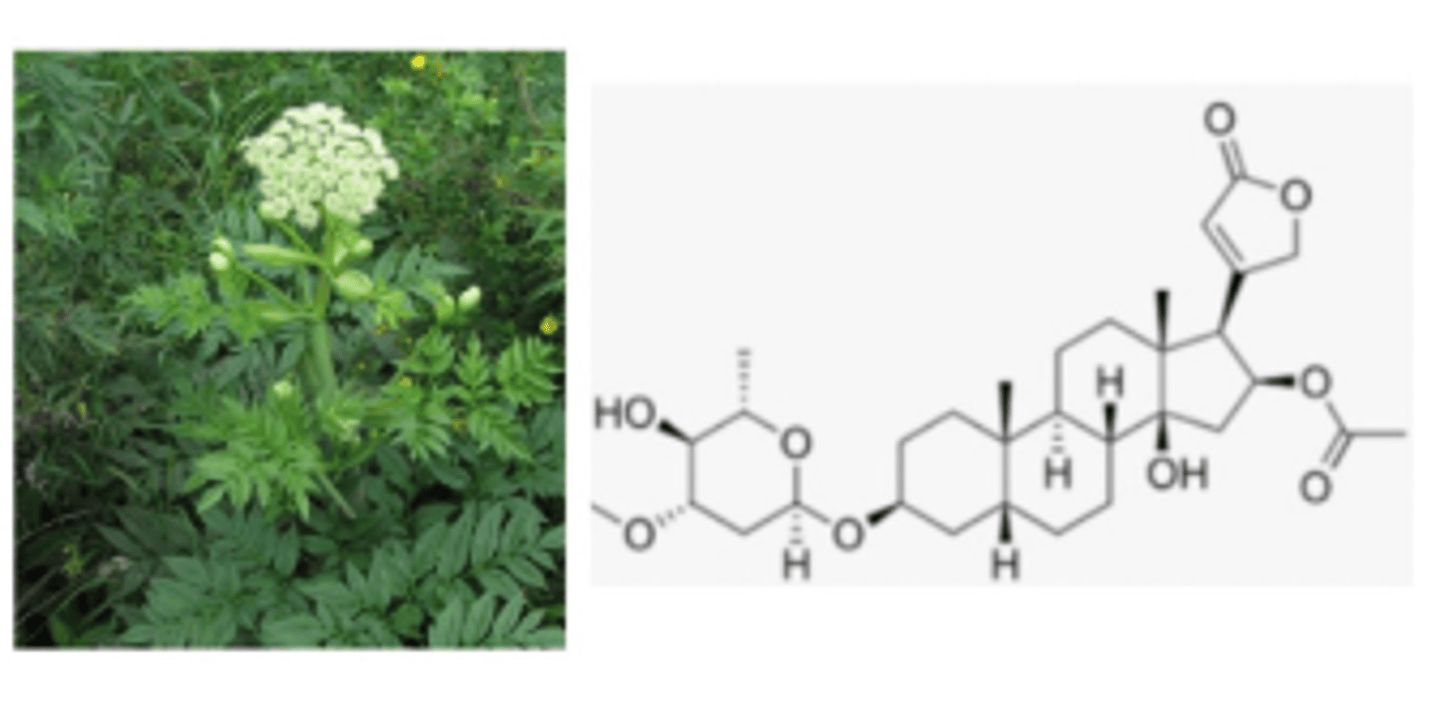
T/F:The toxin does not belong to the same family as the plant shown below
True
How many of the five families, shown below represented by relevant genera, are known to be cardiotoxic?
2 families
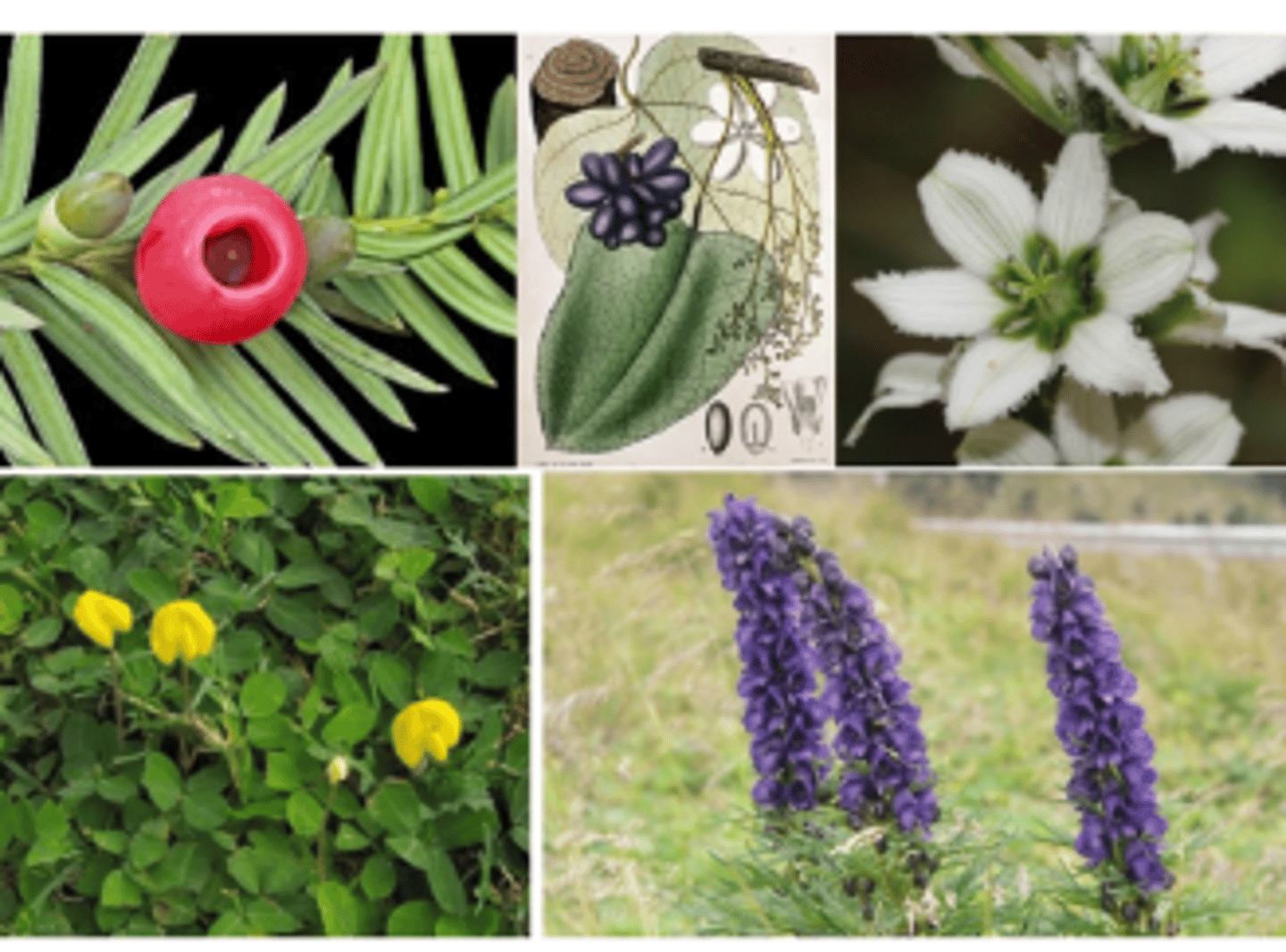
Aconitine is agonist of which of the following channels causing them to stay open and delay repolarization?
voltage gated sodium channels
Taxine B, a toxin found in the seeds and leaves of the yew tree, is known to inhibit which of the following?
Sodium channels
Normal heart Rhythm
Calcium channels
All are correct
All are correct
Gin is a distilled alcoholic drink that derives its predominant flavor from juniper berries
Which family does the genus Juniperus belong?
Cupressaceae
Which of the following is a plant toxin used to counteract the effects of cardiac glycosides on the heart?
Digoxin
Opium
Atropine
More than 1 above
More than 1 above?
(Digoxin is 1 answer)
Digoxin has been used as drug for systolic failure because:
Increase cardiac output
When ordering a bouquet of flowers from a florist it might be a good idea to not include which of the following?
Aconitum
A toxin produced by strychnos nux vomica, is an antagonist of glycine receptors. This toxin inhibits which part of neuronal cell signaling.
Hyperpolarization
Poison arrow curare are used from plants that occur in proximity in South America, choose the correct genera. (Pick two)
1. strychnos spp.
2. Erythrina
3. Dematophyllum
4. Chondrodendron
1, 4
The image below represents a plant. Select all statements related to this plant.
1. Belongs to the Solanaceae family
2. Belongs to the Roseaceae family
3. Contains piperidine alkaloid which is an agonist of nicotinic acetylcholine receptors
4. Contains erythrina alkaloids which are antagonists of nicotinic acetyl choline receptors
4. Contains toxin that influences the reward center in brain causing addiction
1, 3, 6
This drug has been used in the past for medicinal purposes, it causes skeletal muscles to contract at the slightest stimulation and stay fully contracted for extended periods of time. Causes risus sardonicus and opisthotnus where the body bends backwards. It causes repeated convulsion and leads to death from exhaustion.
Strychnine
Loganiaceae...
1.strychnos nux-vomica is a species in this family
2. Toxins such as alkaloids occur in many species
3. Includes plants with toxiferine, a paralyzing curare
4. Most important family making phorbol esters
1, 3
T/F: A major problem with using tubocurarine as an arrow poison is that the toxin can easily affect the person consuming the animal meat due to the high absorption of residual tubocurarine by the gastrointestinal tract.
False
The toxin shown and others in the same category are most likely to be responsible for historical account of death of people consuming quail meat ie. conturnism
False
Which pair of compounds act as antagonist and agonist at the same receptor?
Which of the followin is NOT an antagonist of nicotinic acetylcholine receptors?
None of the choices
Match the toxin with family.
Terms: Loganiacea, Menispermaceae, Logaiaceae, Solanaceae, Fabaceae
1. Toxiferine
2. Tubocurarine
3. strychnine
4, Nicotine
5. anabasine
6. Cytisine
1. Loganiaceae
2. Mensipermanceae
3. Loganiaceae
4. Solanceae
5. Solanceae
6. Fabaceae
Amanita bisporigera produces amanitin a, cyclopeptide that inhibits that process?
Transcription