Session 5: Viral Adaptations
 Call Kai
 Learn
Learn Practice Test
 Spaced Repetition
 Match
Match Flashcards
 Knowt Play
1/40

There's no tags or description
Looks like no tags are added yet.
Name | Mastery | Learn | Test | Matching | Spaced | Call with Kai | Chat |
|---|
No analytics yet
Send a link to your students to track their progress
41 Terms
What is a virus
Acellular infectious agents that typically consists of RNA or DNA-based genomes with single- and double-stranded nucleic acids but LACK functional translational machinery of their own.
They rely on the host cell to replicate and spread as viral particles (virions).
Integrate into the host cell genome.
Viral adaptation
Virus can adjust to host such that it evades defense mechanisms and takes over cellular metabolism for virus benefit (e.g., increased virulence, transmissibility)
Two mechanisms of viral adaptation
Antigenic drift
Antigenic shift
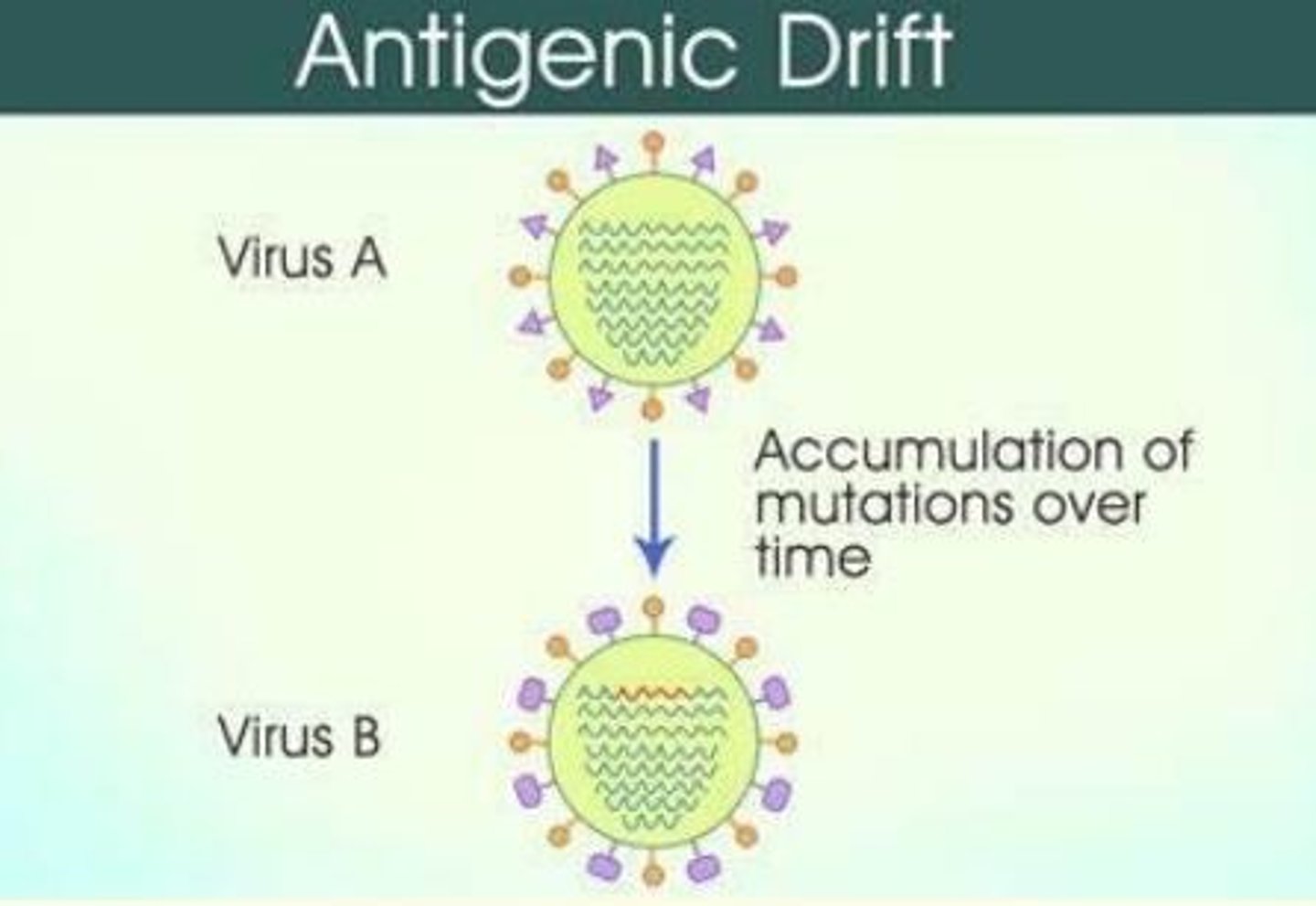
Antigenic drift
Accumulation of hemagglutinin and neuraminidase gene mutations within a SINGLE STRAIN of virus within a single place.
This is a SLOW and GRADUAL process.
Antigenic shift
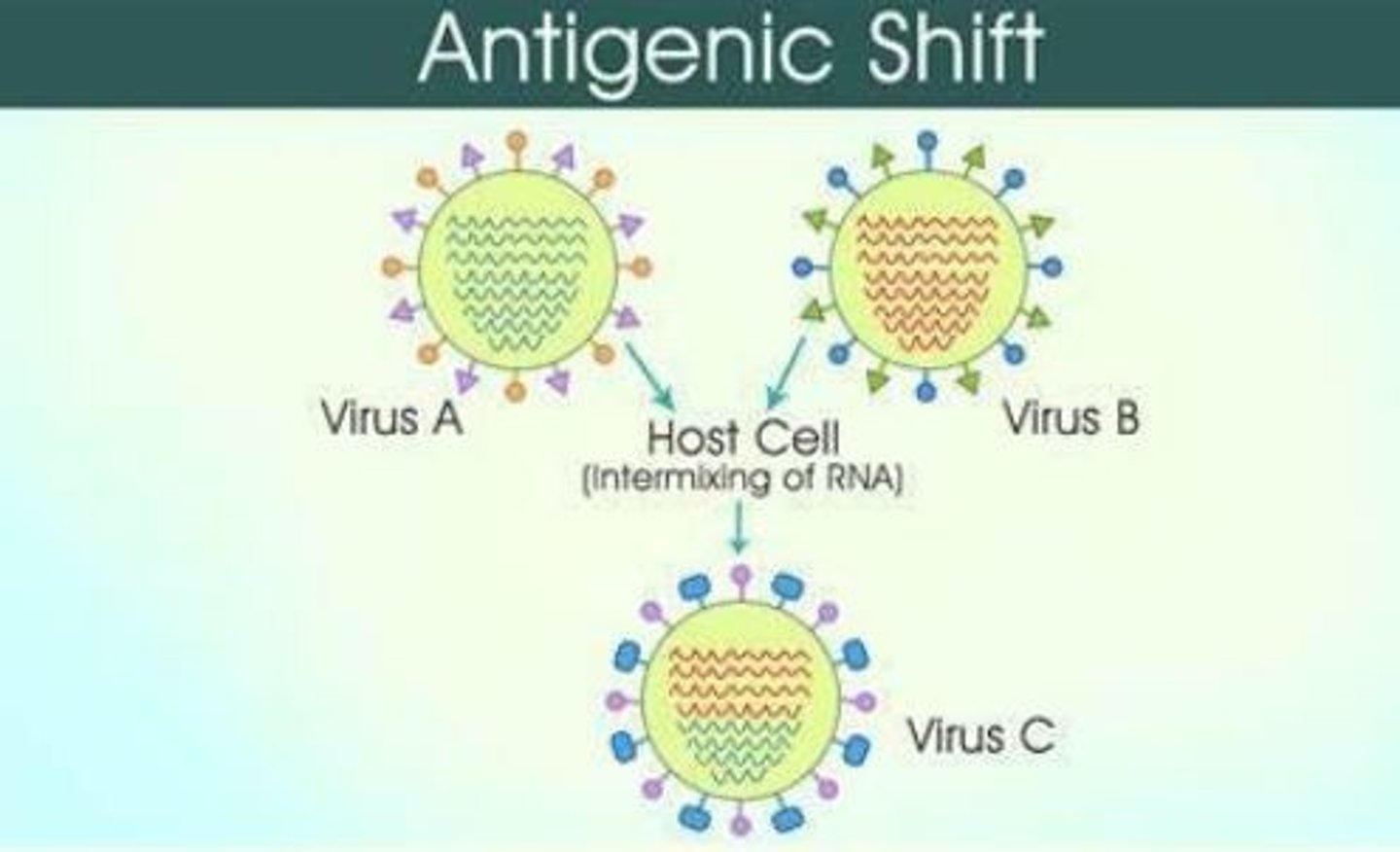
The process by which two or more different strains of a virus, or strains of two or more different viruses, combine to form a new subtype (new strain) having a mixture of the surface antigens of the two or more original strains (novel antigenic profile).
Sudden and dramatic process that results from the recombination of genetic material from DIFFERENT viruses.
Influenza B does NOT undergo antigenic shift.
Influenza A DOES undergo antigenic shift.
Features of influenza virus
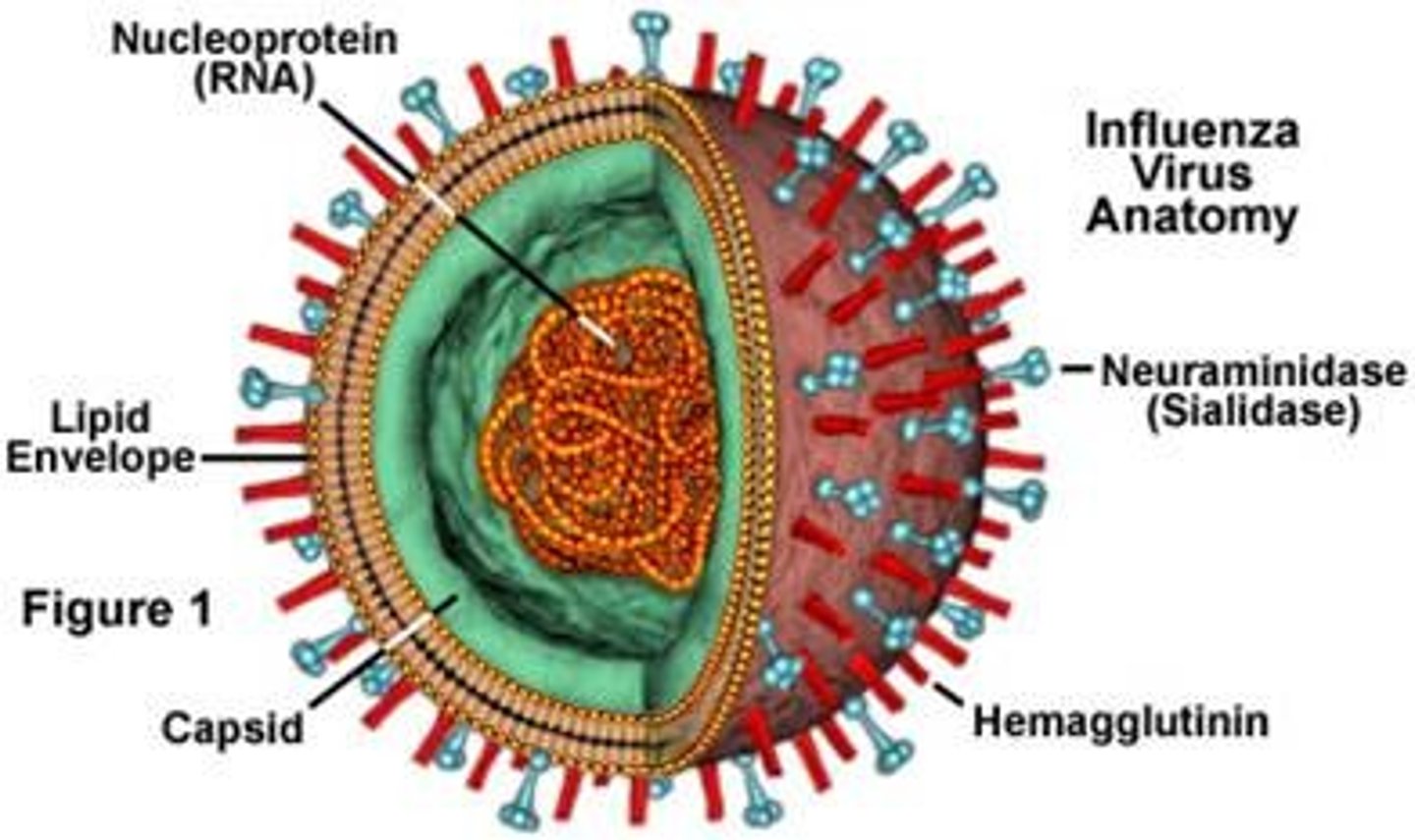
- Orthomyxovirus = virions surrounded by envelope
- Genome = single-stranded RNA = high rate of mutation
- Major serotypes of virus = A, B and C = differences based on antigens associated with the nucleoprotein
The envelope on Influenza A viruses contain TWO different surface glycoproteins.
What are they?
Hemagglutinin (HA)
Neuraminidase (NA)
Influenza A are categorised into antigenic HA and NA subtypes
- 16 HA subtypes (1-16 HA)
- 9 NA subtypes (1-9 NA)
Major influenza A subtypes that infected humans during seasonal epidemics are...
H1N1
H2N2
H3N2
Describe the pathogenesis of Influenza
1) Influenza virus prefers respiratory epithelium. The virus multiplies in the ciliated cells of the lower respiratory tract (LRT). This results in functional/structural abnormalities.
2) The cellular synthesis of nucleic acids and proteins is shut down by the virus. The ciliated and mucus producing epithelial cells are shed.
3) The virus kills the epithelia cells - removing the epithelial lining and reducing ciliary clearance. This creates gaps in the protective epithelium, which provide other pathogens with access. As a consequence, host is more susceptible to developing secondary infection.
4) Localised inflammation
Signs and symptoms of influenza
Sudden fever (38 - 40 degrees C)
Headache
Ocular symptoms - photophobia, tears, ache
Dry cough
Nasal discharge
Pharyngitis
Congestion
Myalgia
What pathogens can cause influenza
Influenza virus type A
Influenza virus type B
Why are flu patients susceptible to secondary bacterial infection?
Influenza kills the ciliated epithelial cells of the lower respiratory tract. This creates gaps in the protective epithelium, which provides other pathogens with access. Host is therefore more susceptible to secondary infections.
Give examples of bacteria which are common cause of secondary bacterial infection in flu patients (superinfection)
Streptococcus pneumoniae
Haemophilus influenzae
Staphylococcus aureus
Transmission of influenza
Respiratory droplet or aerosol
Inhalation of airborne viruses or self-inoculation
Complications of influenza mainly occur in...
Elderly
Children
People with chronic disease
Treatments for influenza
Symptomatic care
- Rest & fluid intake
- Conservative use of analgesics for myalgia/headaches
- Cough suppressants
Anticipation for potential complications
When can antiviral medications be used for influenza?
Antiviral medications such as Amantadine and Rimantadine are useful only if the infection is diagnosed in the first 12-24 hours
Why are elderly people more prone to complications of influenza?
Severe influenza due to underlying decreased effectiveness of the immune system (immunocompromised) and/or COPD or chronic cardiac disease
Why are children more prone to complications of influenza?
Lack antibodies to influenza virus because of NO prior exposure.
Younger children also have a smaller diameter of their respiratory tract - meaning that inflammation/swelling could potentially cause obstruction to respiratory tract/sinuses/Eustachian tubes.
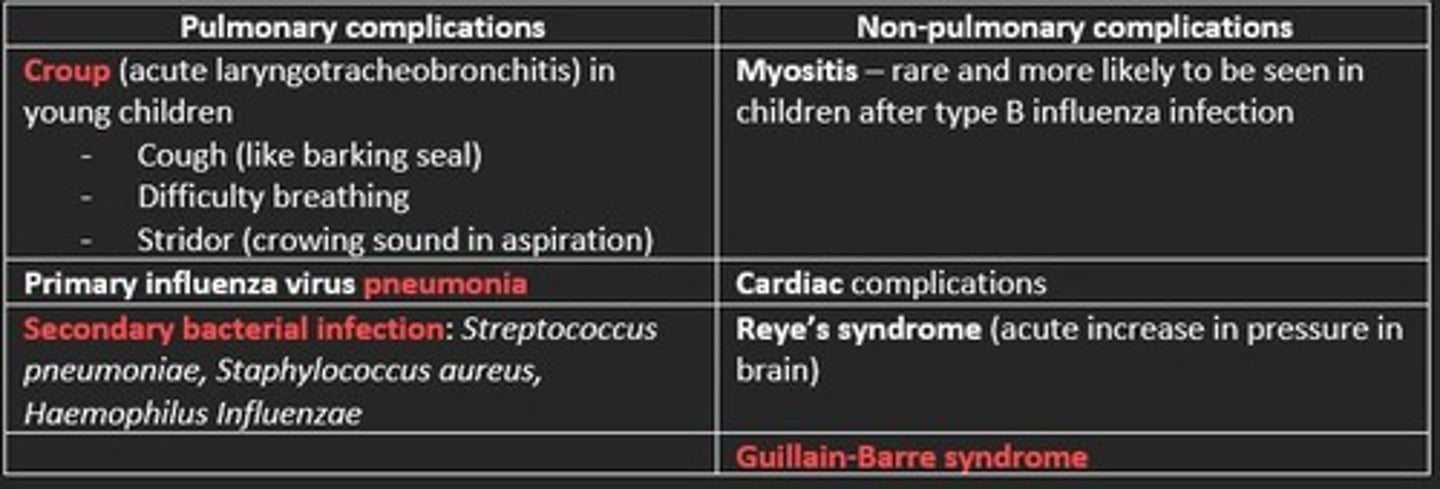
Complications of influenza can be classed as pulmonary or non-pulmonary
Pulmonary complications
- Croup
- Primary influenza virus pneumonia
- Secondary bacterial infection: Streptococcus pneumoniae, Staphylococcus aureus, Haemophilus Influenzae
Non-pulmonary complications
- Myositis
- Cardiac complications
- Reye's syndrome
- Guillain-Barre syndrome
Which influenza viruses are responsible for sporadic pandemics that cause higher mortality rates than seasonal flu epidemics?
Influenza A viruses
Spanish Flu
Pandemic that spread around the world in 1918
H1N1 influenza, avian origin
Factors which affect viral adaptation
- Host immunity
- Host range
- Environmental factors
- Selecting for viruses that are better adapted to their host & environment can result in the emergence of viral variants that are BETTER able to evade the host immune response
What is the significance of viral adaptation?
Why is it important
Viral adaptation can have significant impacts on...
- Virulence
- Transmissibility
- Treatment options for viral infections
Viral evolution can...
- Increase the ability to infect alternative types of cells
- Change in their mechanism of entry of the virus into host
Knowing the virus' ability to evolve over time along with its mutation rate helps us better to understand viral transmission, pathogenesis & infectivity threats
Coronaviruses
- Family Coronaviridae
- Enveloped viruses with positive-sense RNA genome
- Nucleo-capsid of helical symmetry
- Infect upper respiratory tract & GI tract of mammals/birds
MERS (June 2012)
Middle East Respiratory Syndrome Coronavirus
Fever, cough, dyspnoea, diarrhea
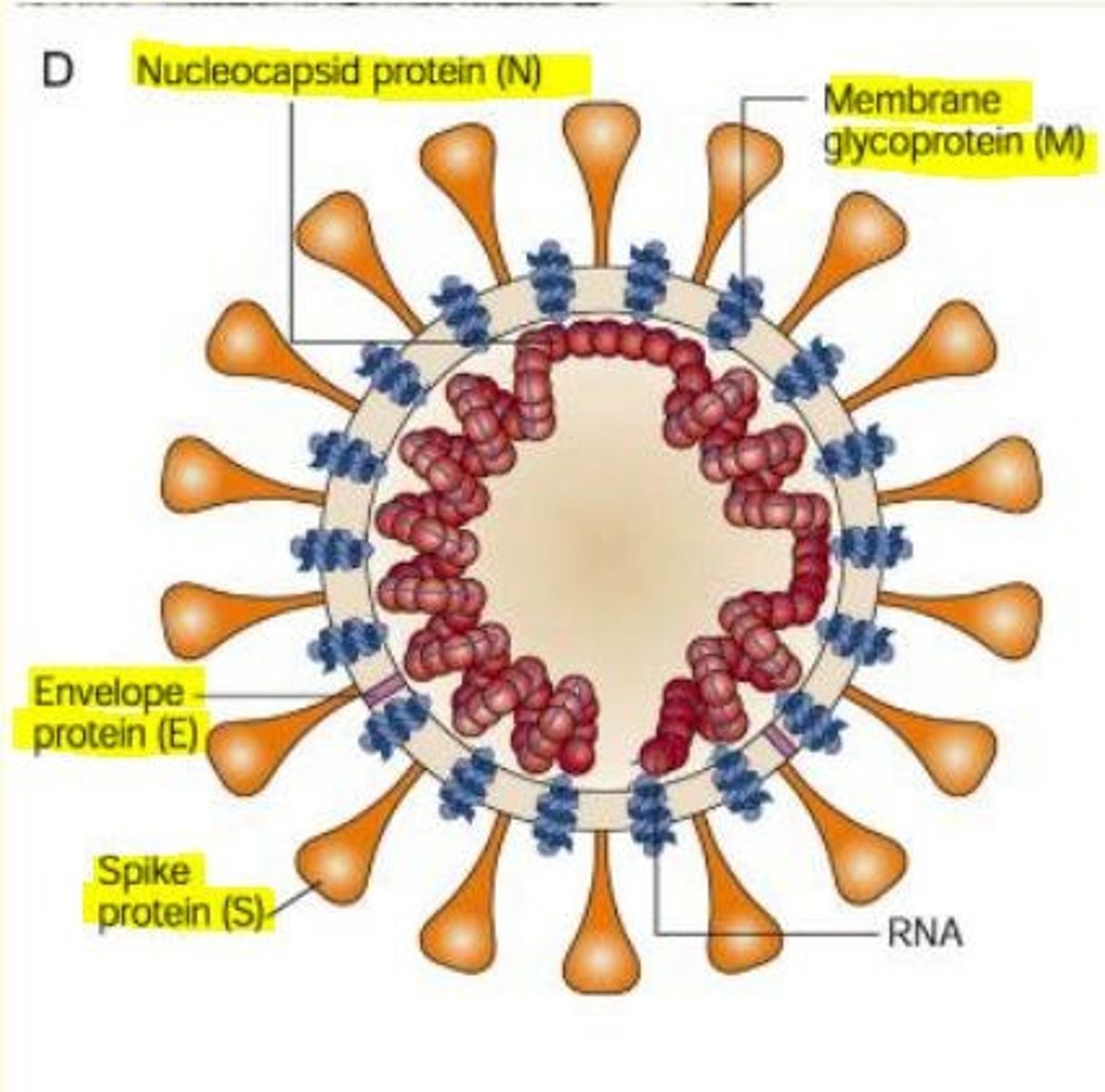
SARS-CoV-2 (COVID-19) proteins/structures responsible for different steps in viral infectivity/transmission
1) Spike protein
2) Envelope
3) Membrane
4) Nucleocapsid
COVID-19 symptoms
Mild-moderate flu-like symptoms
- Fever
- Malaise
- Cough
- Diarrhea
- Dyspnoea
Severe cases of COVID-19 (complications) in high-risk patients can lead to...
- Respiratory failure
- Systemic inflammation (sepsis)
- Multi-organ failure
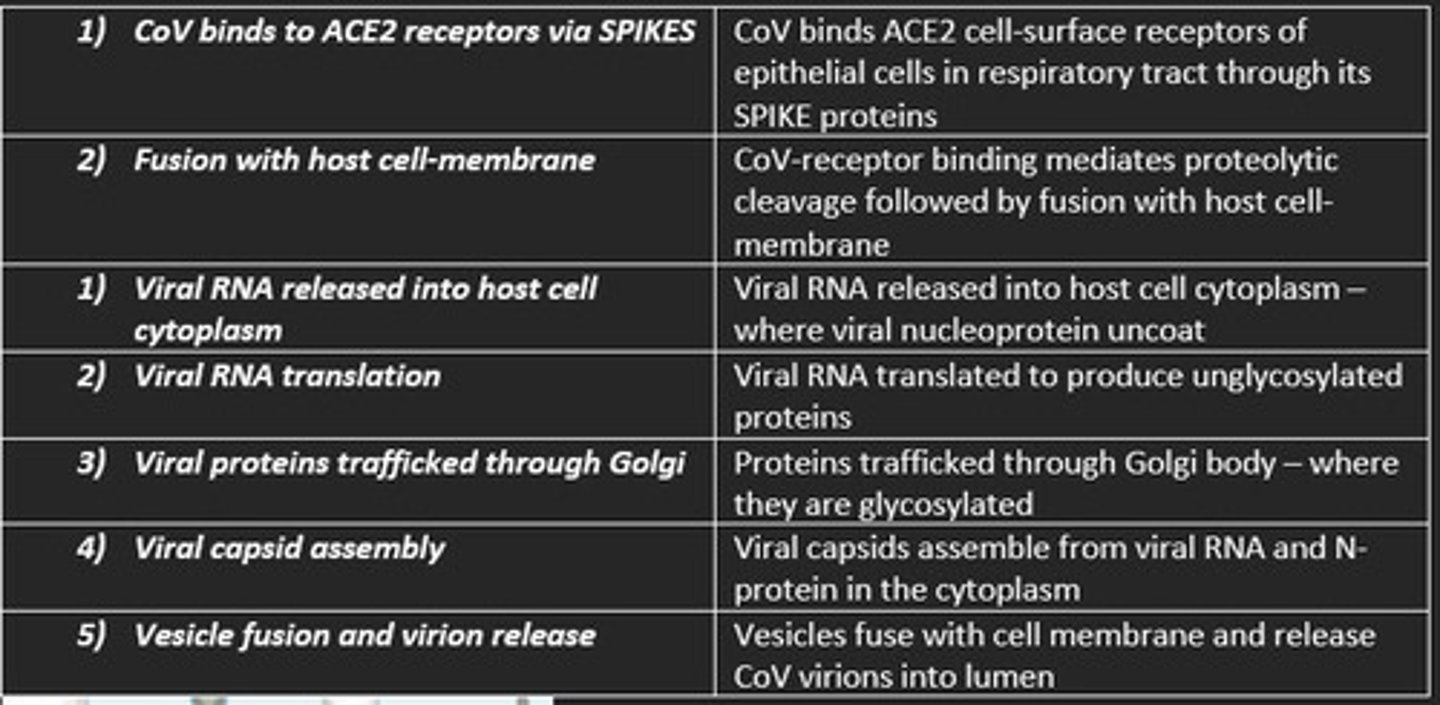
Describe the receptor-mediated entry of COVID-19 into the host cell
1) CoV binds to ACE2 receptors of epithelial cells in respiratory tract via its SPIKE proteins
2) CoV-receptor binding mediates proteolytic cleavage followed by fusion with host cell-membrane
3) Viral RNA released into the host cell cytoplasm - where the viral nucleoprotein uncoats
4) Viral RNA translated to produce unglycosylated proteins
5) Proteins trafficked via the Golgi body - where they are glycosylated
6) Viral capsids assemble from viral RNA and (nucleocapsid) N-protein in the cytoplasm
7) Vesicles fuse with the cell membrane and release CoV virions into the lumen
Origins of SARS-CoV-2
Zoonotic origin
Recent outbreaks have revealed its capability of crossing inter-species barrier and transmission from animals to humans at any time with unpredictable consequences
What three strategies can help to mitigate viral adaptation?
1) Vaccination
2) Antiviral drugs
3) Surveillance
How can vaccination mitigate viral adaptation?
1) Inducing immunity = vaccination stimulates immune system to produce antibodies that can recognise/attack virus. This immune response prevents virus from infecting cells & replicating, reducing opportunities for virus to mutate/adapt.
2) Reducing transmission = vaccination reduces the number of susceptible individuals in population, making it more difficult for the virus to spread. Reduces the opportunity for viruses to replicate/mutate & limits potential for new variants to arise.
How can antiviral drugs mitigate viral adapatation?
Inhibiting viral replication, reducing viral load, delaying or preventing resistance.
HOWEVER: viral adaptation CAN still occur in the presence of antiviral drugs. Effectiveness of these drugs are limited by the emergence of drug-resistant strains of viruses.
What is surveillance and how can it help to mitigate viral adaptation?
Surveillance is the ongoing & systematic collection, analysis and interpretation of health data in the process of describing and monitoring a health event.
Knowing the virus' ability to evolve over time along with its mutation rate would help us better understand the viral transmission, pathogenesis and infectivity threats.
Help to guide research, vaccines etc
What is the function of the hemagglutinin (HA) protein in influenza virus?
Binding to infected cells
How is influenza virus primarily transmitted?
Contact with infected person or fomites
Which population groups are most susceptible to severe influenza?
A) Very young children
B) Elderly
C) Immunocompromised adults
D) People with COPD
E) Individuals with chronic cardiac disease
F) All of the above
F) All of the above
Which TWO answers below describe how the two types of influenza vaccines are administered?
A) Intramuscular injection into deltoid muscle
B) Intravenous infusion (in older age)
C) Oral tablets (in older age)
E) Nasal spray (in infants/young age)
A) Intramuscular injection into deltoid muscle
E) Nasal spray (in infants/young age)
Definition of antigenic shift
It refers to the recombination of genetic material between different influenza virus strains.
Which is the main consequence of antigenic shift in influenza?
Rapid emergence of new influenza strains with the potential for global pandemics