exam 3 study pt 2
 Call Kai
 Learn
Learn Practice Test
 Spaced Repetition
 Match
Match Flashcards
 Knowt Play
1/21

Earn XP
Description and Tags
descriptive research ppt
Name | Mastery | Learn | Test | Matching | Spaced | Call with Kai | Chat |
|---|
No analytics yet
Send a link to your students to track their progress
22 Terms
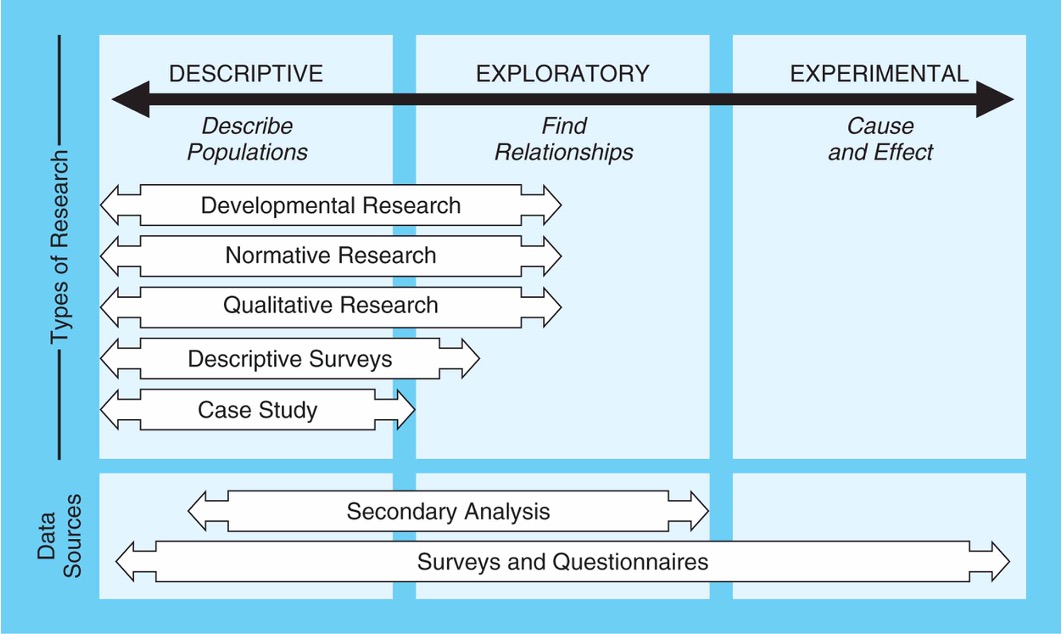
define descriptive research
describe how variables change over time
AND
characteristics, behaviors, and conditions of individuals and groups
what are the two methods of developmental research
longitudinal (preferred)
and cross sectional
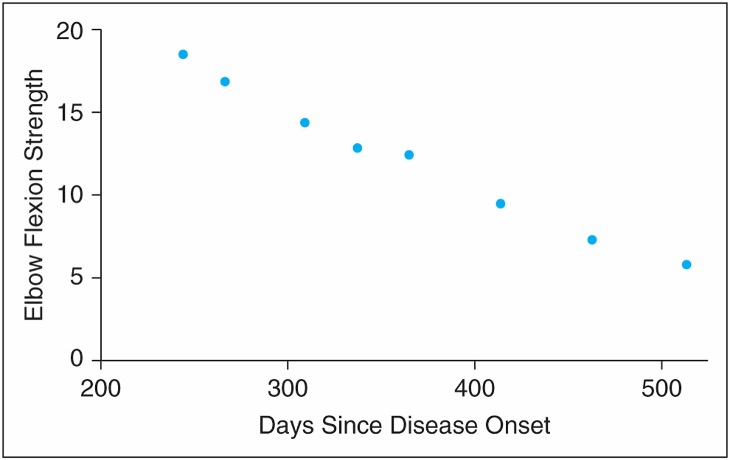
which study focuses on the natural history of disease states
Longitudinal studies ( important 4 clinical trials abt disease etc)
what is the purpose of a normative study
Research that establishes typical/standard values (norms) for characteristics or performance within a specific population.
using large, representative samples to create norms
what is the purpose of qualitative research
To examine experiences that looks at the true nature of “reality as participants perceive it
what would the benefit of combining qualitative and quantitative methods in one study be
can increase validity of findings
aka mixed methods
what is phenomenology
Understanding a person's perspective (usually through interviews/narratives).
How experiences are shaped by their social environment
ex: What was your experience like
what is ethnography
Study of attitudes, beliefs, and behaviors of a specific group of people within their own cultural milieu
Researcher becomes immersed in the subjects’ way of life
ex: How does this culture shape people
what is grounded theory
A method used to create a theory from collected data.
collect code and analyze data simultaneously
THINK- Build the theory from the ground up
what are the methods of qualitative research collection
observation- What are people doing and experiencing
interview- Form of direct contact between researcher and participant within natural environment
qualitative data analysis
Analysis happens while collecting data.
Code → Organize → Find themes.
purposeful vs theoretical sampling
puropseful» pick best informants
theoretical» elect additional participants based on emerging findings to develop categories/theories.
what are the techniques for ensuring trustworthiness of qualitative data
triangulation
audit trail
what is the purpose of descriptive surveys
collect information about a specific group
to describe characteristics or risk factors
what is a case study
Detailed description of one person, group, condition, or situation.
(Can explore the condition, emotions, thoughts, and past and present activities)
what is the format of a case study
Introduction/background
theoretical/ epidemiologic info
Patient history
Methods/treatment
Results/outcomes
Discussion/conclusions
Future research recommendations
what are the strengths and weaknesses of case studies
strengths»
Detailed understanding of rare cases
Generates new ideas and hypotheses
weaknesses»
Weak internal validity
Limited generalizability
No control group
Cannot prove causation
what are case reports in epidemiology
Description of one or more unusual medical cases.
Purpose:
Document rare events.
Describe possible causes/exposures.
Generate hypotheses.
Limitations:
No control group.
Cannot establish causation.
Cannot make broad generalizations.
what Is credibility
How accurately the study represents the participants’ true experiences and reality.
Do the findings reflect what actually happened?
(similar to internal validity in quantitative)
what is transferability
How well the findings can apply to other people, settings, or situations
( similar to external validity of quantitative)
what is consistency
Whether the research process is logical, stable, and well-documented so another researcher could understand how conclusions were reached.
(similar to reliability in quantitative)