CASA 06A-4 Corrosion
 Call Kai
 Learn
Learn Practice Test
 Spaced Repetition
 Match
Match Flashcards
 Knowt Play
1/49

There's no tags or description
Looks like no tags are added yet.
Name | Mastery | Learn | Test | Matching | Spaced | Call with Kai |
|---|
No analytics yet
Send a link to your students to track their progress
50 Terms
What is corrosion a result of?
the result of a complex
electrochemical (galvanic) action that causes metals to be transformed into their salts and oxides
What 4 components must you have for corrosion to occur?
A metal anode, A cathode, An electrolyte, Direct electrical contact between the dissimilar metals
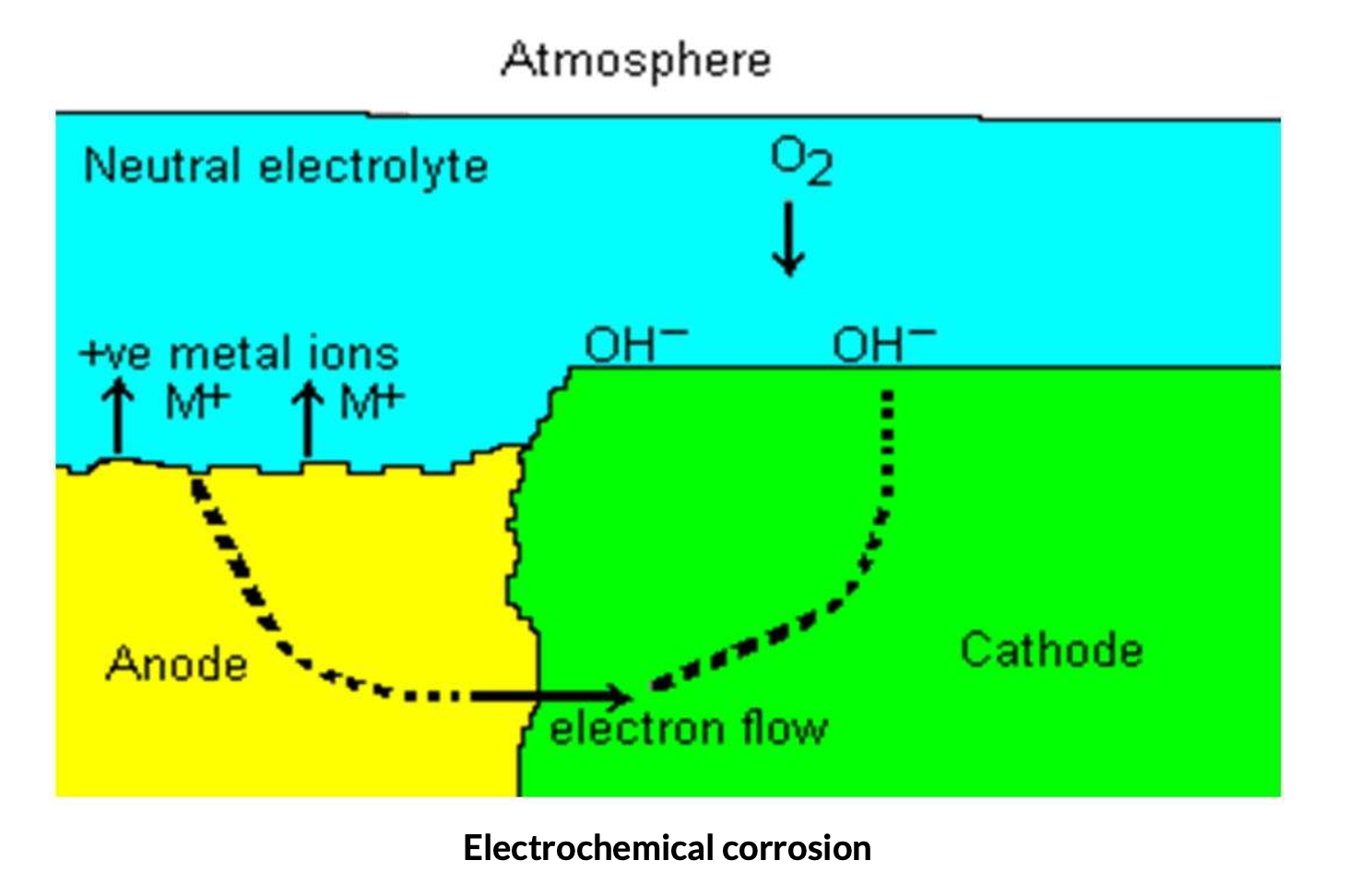
Define ‘metal anode’
A conductive material that is eaten away by corrosion
Define ‘Cathode’
A different conductive material, e.g. a less reactive metal (or carbon)
Define ‘An electrolyte”
A continuous conductive liquid in electrical contact with both metals that carries
current by providing a path for movement of ions
Define the releationship of ‘Direct electrical contact between the dissimilar metals’
conducts a flow of electrons that is equal and opposite to the +ve ion flow
Why is maintaining surface cleanliness is one of the best ways to control corrosion?
When moisture is held in contact with the metal surface by an accumulation of dirt or grease, corrosion is sure to start. If the surface can be kept perfectly dry and clean, corrosion has little chance of getting started
What type of corrosion is this? And how does it occur?
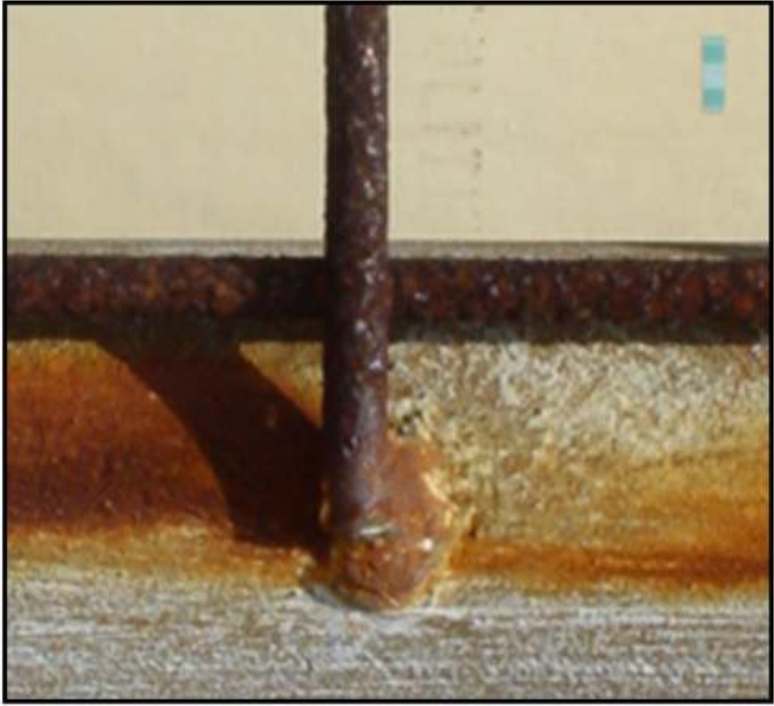
Dry corrosion is a slow chemical reaction between metal and oxygen — not electrochemical. Most metals form a thin oxide layer at room temperature. Heat causes the layer to thicken or flake off. Zinc forms a zinc patina (hydroxide/carbonate) that grows very slowly but is fairly protective. Aluminium forms a thin but highly protective oxide layer. Corrosion can occur even with no moisture present.
Define ‘Wet Corrosion”, and where is is most efficient?
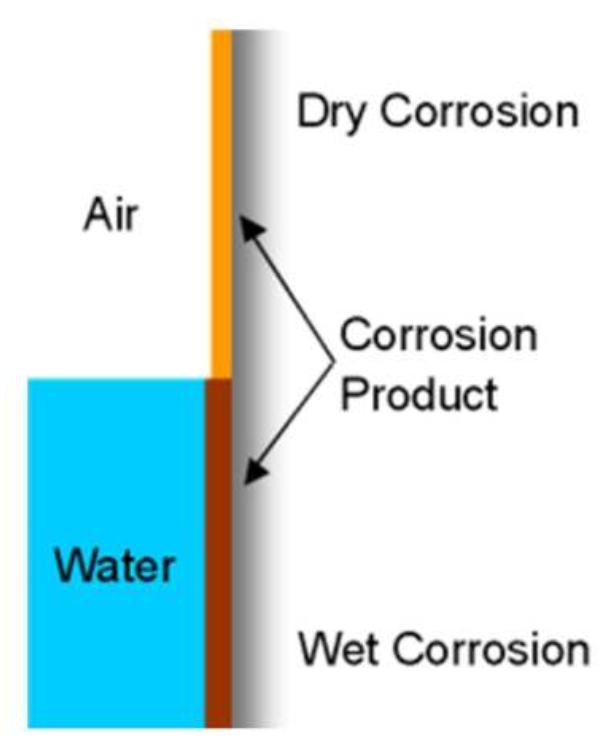
Wet corrosion is an electrochemical process. It takes place in environments where the relative
humidity is high. The corrosion may be uniform destruction of the metal surface or localised
destruction (pitting, stress corrosion cracking).
Wet corrosion is most efficient in water containing salts.
Define ‘Direct Chemical Attack’, and classify it as a electrochemical/non-electrochemical, and name one chemical that causes direct chemical attack?
Direct chemical attack happens when acid or alkali contacts metal.
It's electrochemical but has no detectable current or defined anodic/cathodic areas.
Skydrol can also cause corrosion.
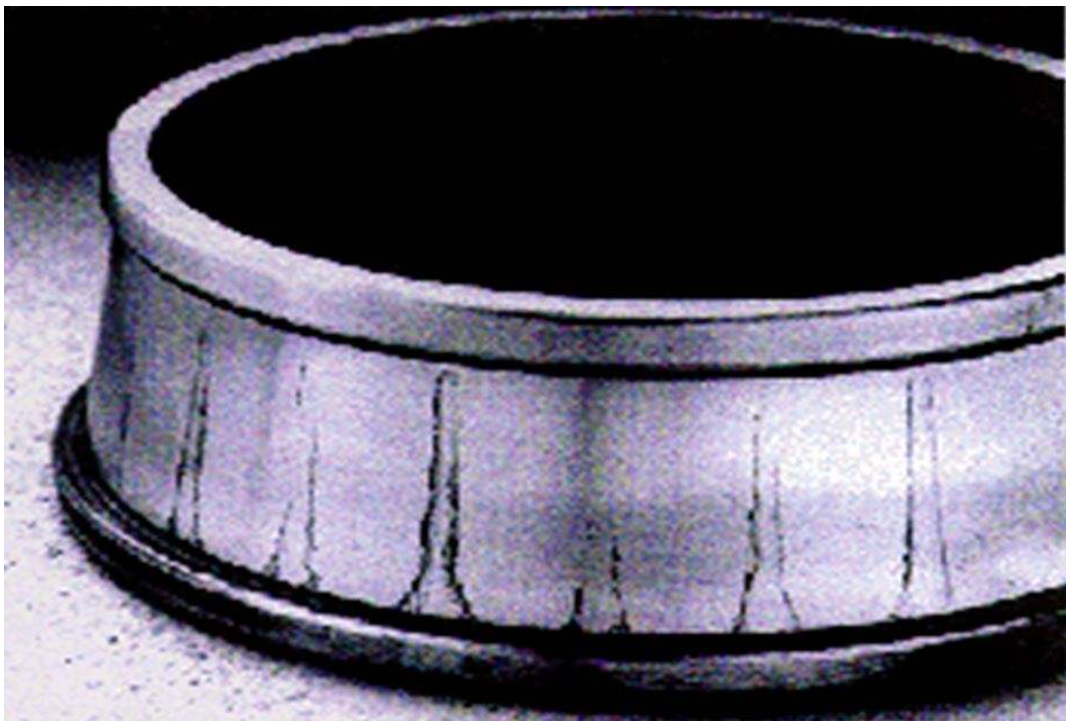
What effects the rate of direct chemical attack?
Rate is affected by protective films, corrosion byproducts, mechanical wear, and temperature. Requires electrode potential difference and an electrolyte. Battery acid (sulphuric) aggressively attacks aluminium.
How do you prevent direct chemical attack?
Weak chromic/phosphoric acid is used as a pre-paint surface treatment. Aluminium is more vulnerable to alkalis than acids — concrete floors leach lime and corrode aluminium.
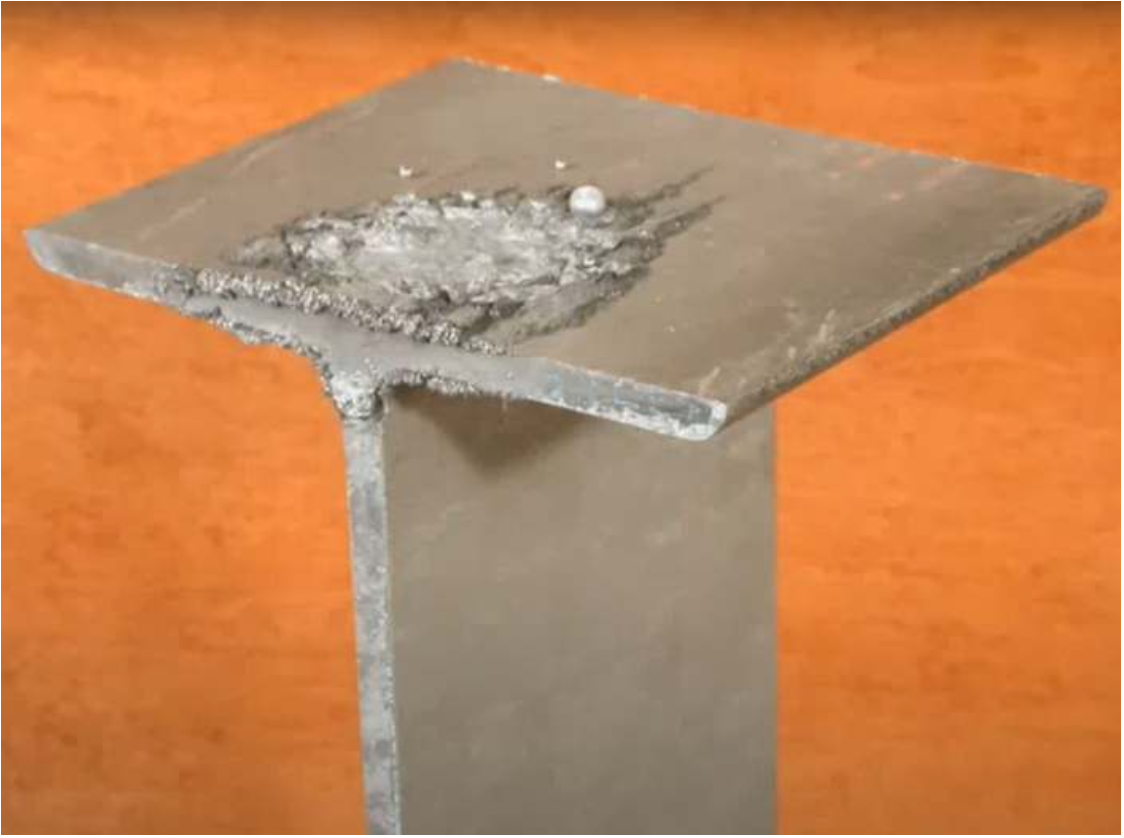
Why is mecury dangerous around aircraft?
Mercury destroys aluminium through amalgamation — it rapidly attacks along grain boundaries and can completely destroy the metal in a very short time. Rare around aircraft but a serious hazard if spilled.
What happens to corrosion rate when the anode is smaller than the cathode?
If the anode is smaller than the cathode, the anode will give up electrons more easily and the corrosion will be more rapid.
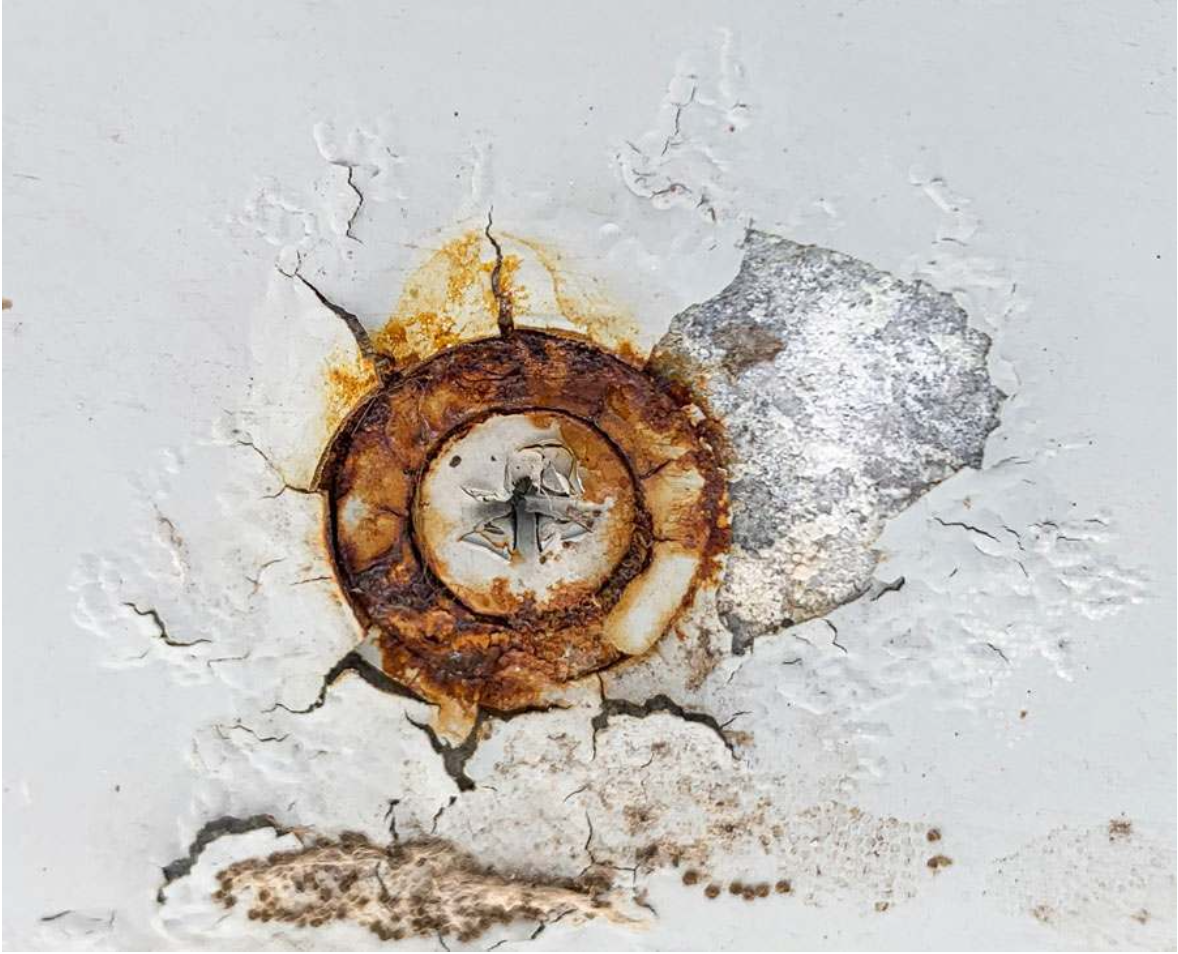
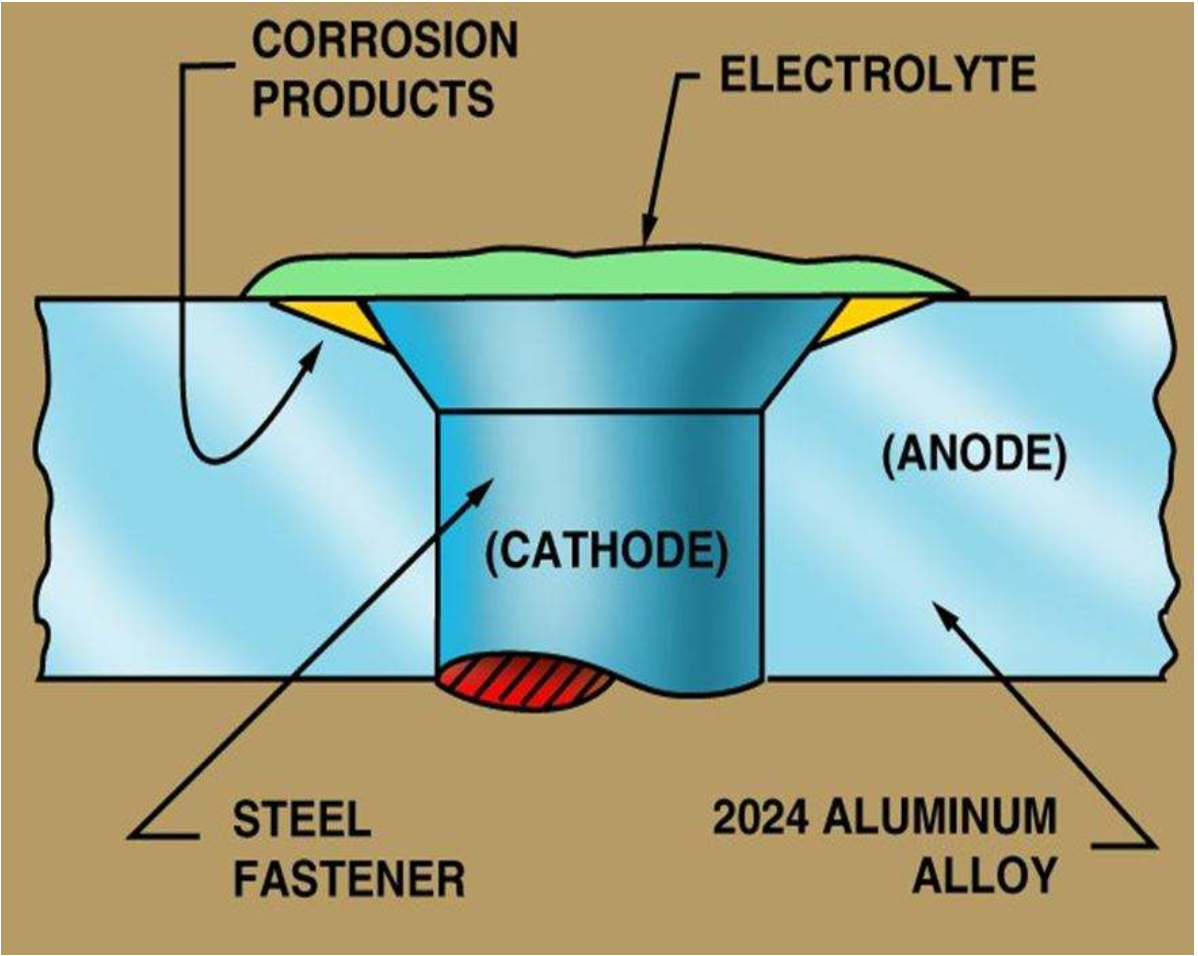
What kind of corrosion is this?
Galvanic Corrosion - Galvanic corrosion can take place where dissimilar metal skins are riveted together or where aluminium inspection plates are attached to a structure with steel screws.
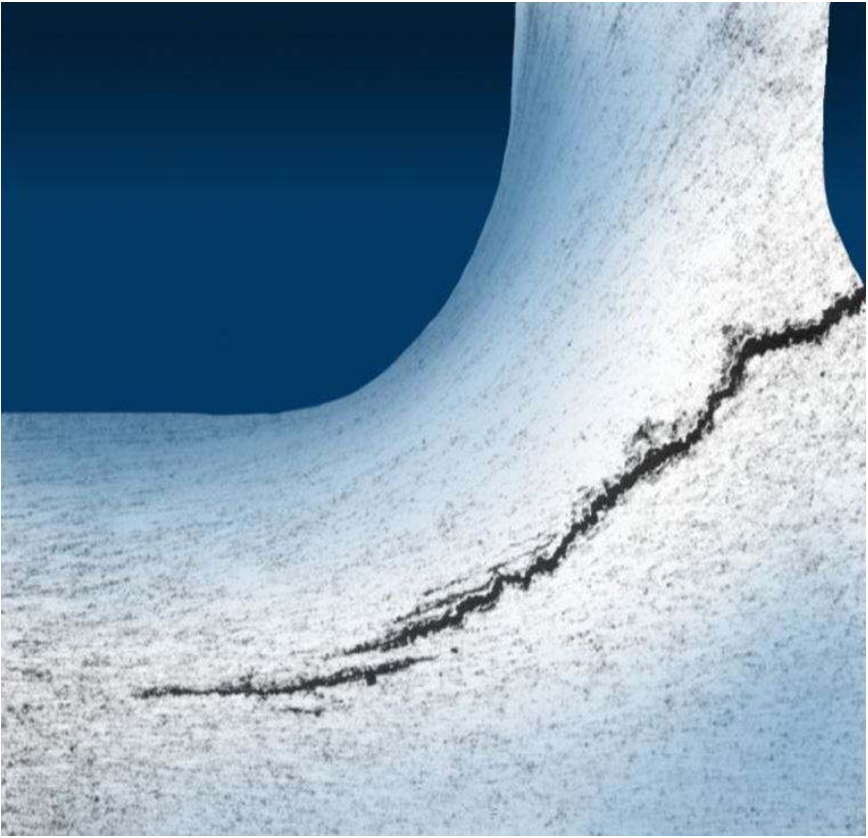
What type of corrosion is this?
Stress Corrosion - Stresses may come from a fitting that has been pressed into a structural part with an interference fit.
Cracks grow rapidly as the corrosive attack concentrates at the end of the crack rather than along its sides as in intergranular corrosion.
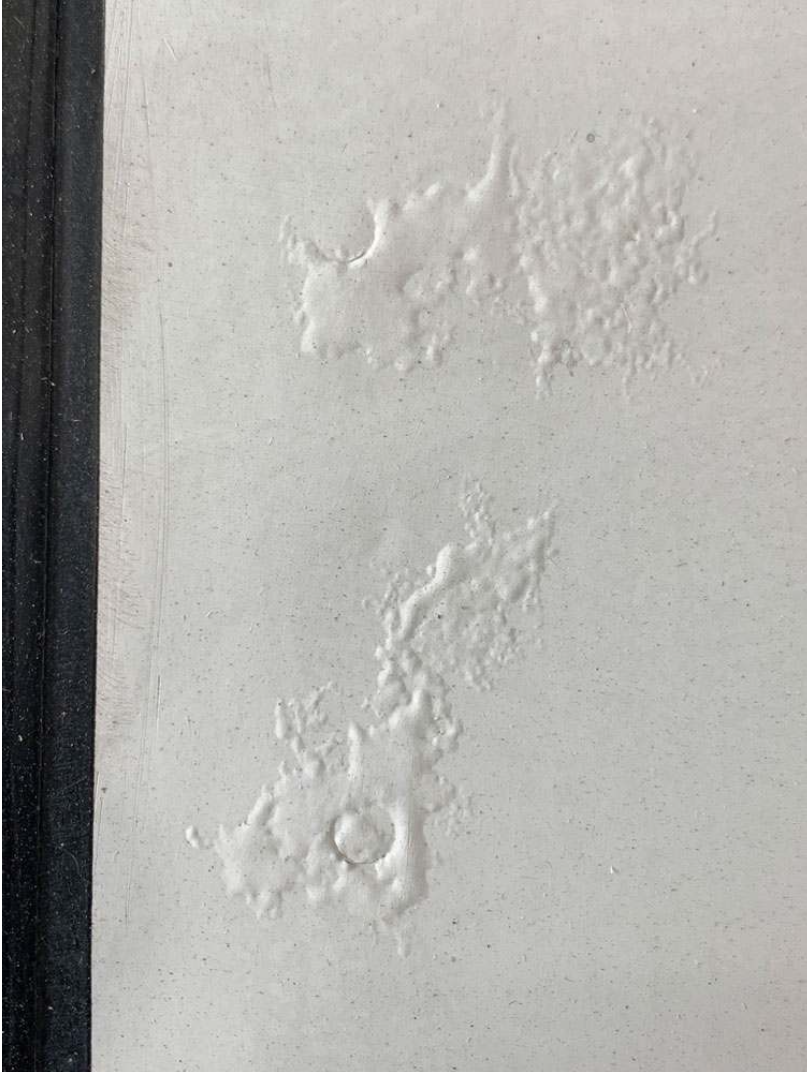
What type of corrosion in this?
Surface Corrosion - Surface corrosion is uniform attack caused by battery fumes, exhaust, or industrial contaminants converting metal into corrosion salts. If not removed, pits form. Dangerous because it can go undetected until it breaks through the metal.
What is ‘Pitting Corrosion’
Pitting is untreated surface corrosion progressing into localised anodic attack. Can eat through the full metal thickness. Identified by white powder clumps on the surface.
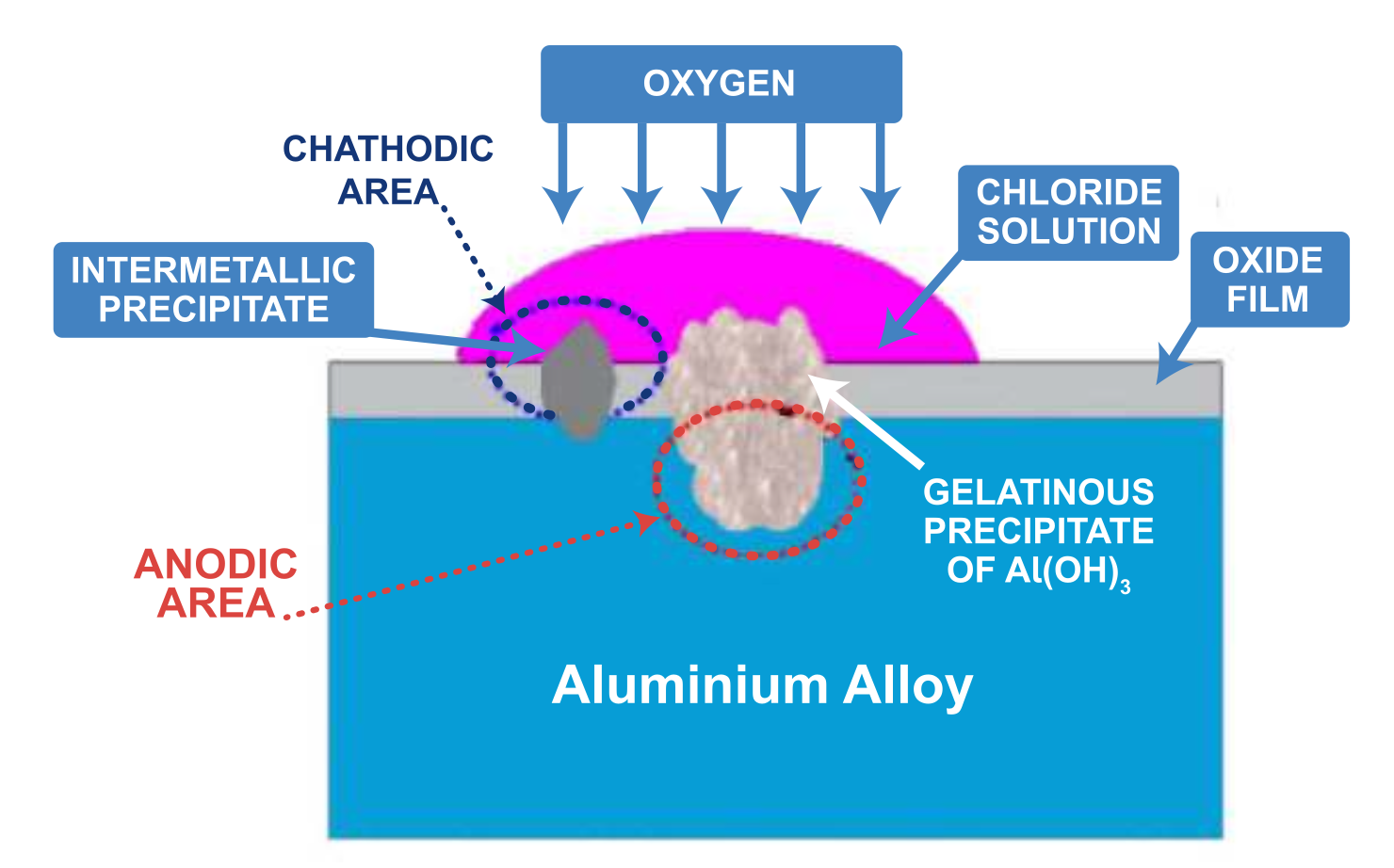
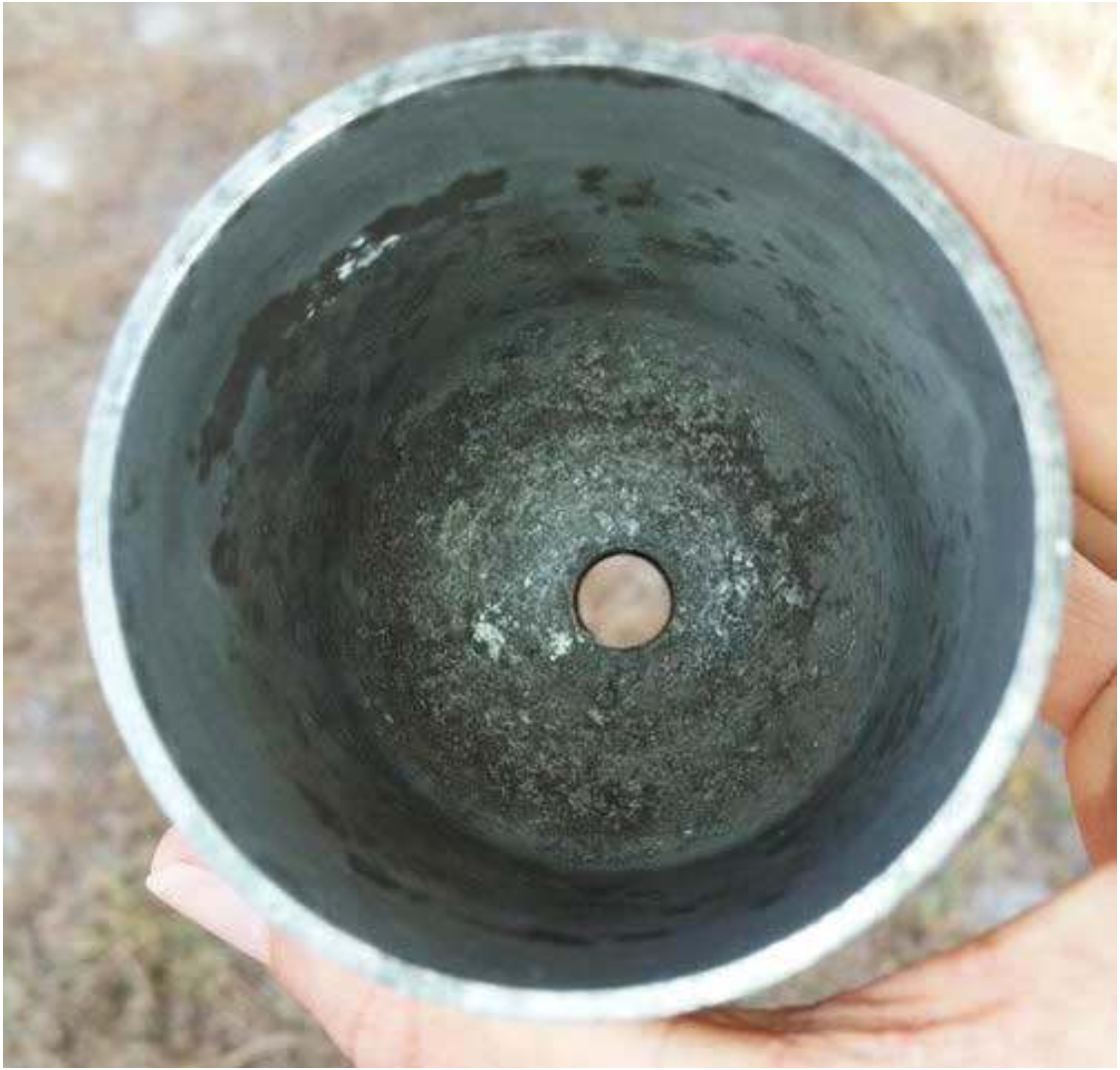
What type of corrosion is this?
Pitting Corrosion in the fuel filter bowl
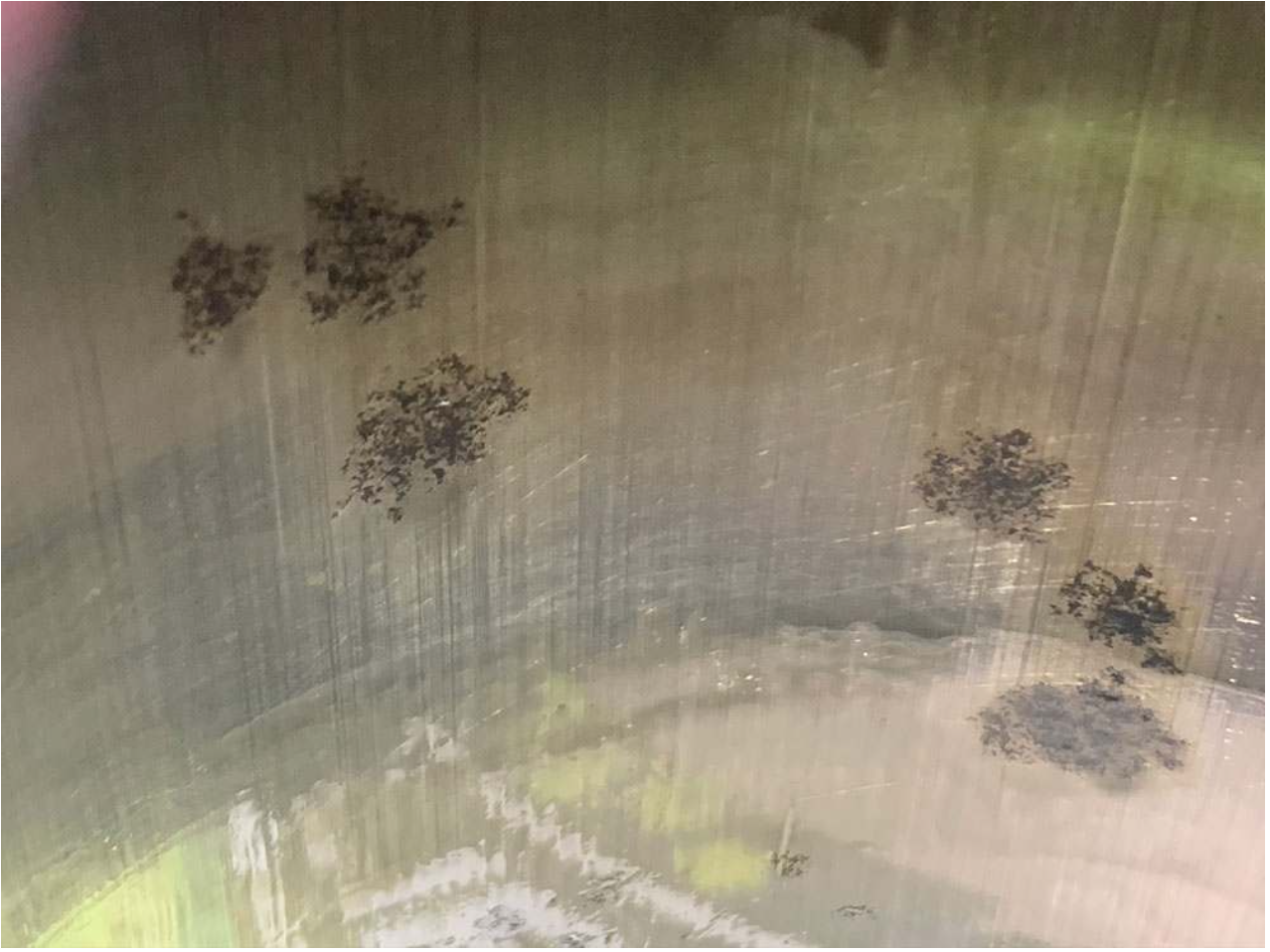
What type of corrosion is this?
Pitting Corrosion on a cylinder wall
What causes intergranular corrosion during heat treatment of aluminium alloys, and how does it typically present on the surface?
Delayed quenching allows grains to grow too large, creating dissimilar metal areas that act as anodes and cathodes, triggering corrosion along grain boundaries. It is difficult to detect internally but often presents as surface blisters.
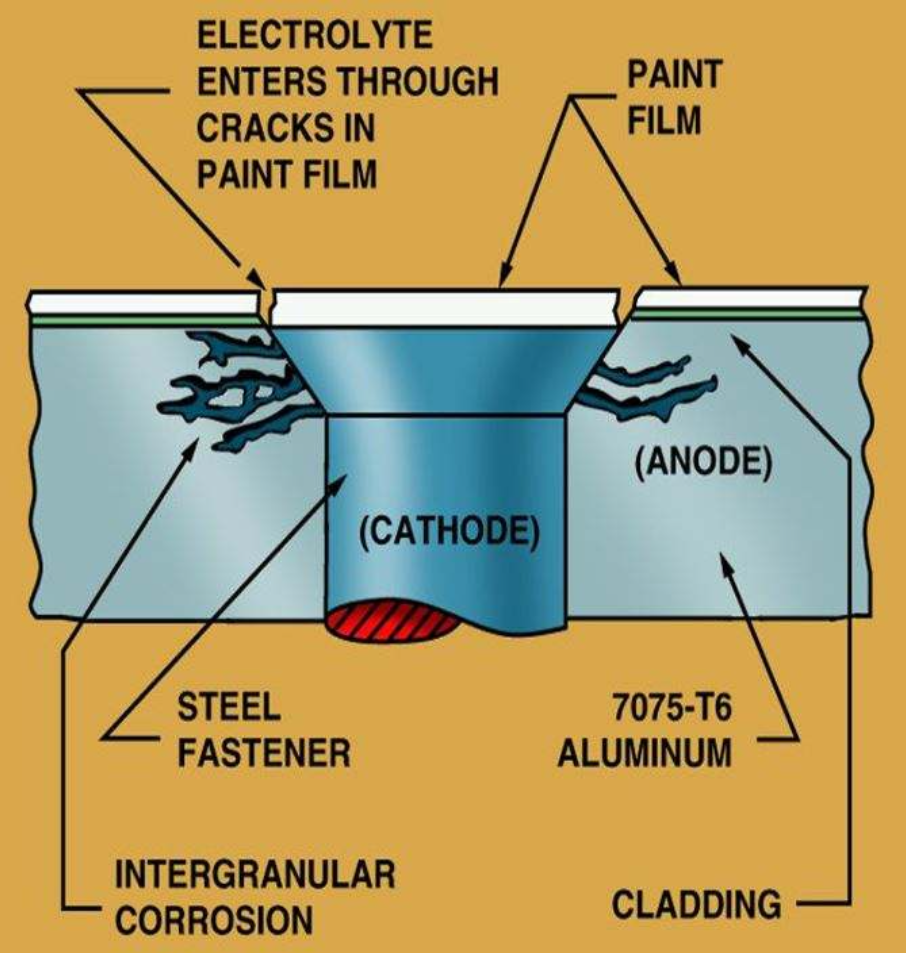
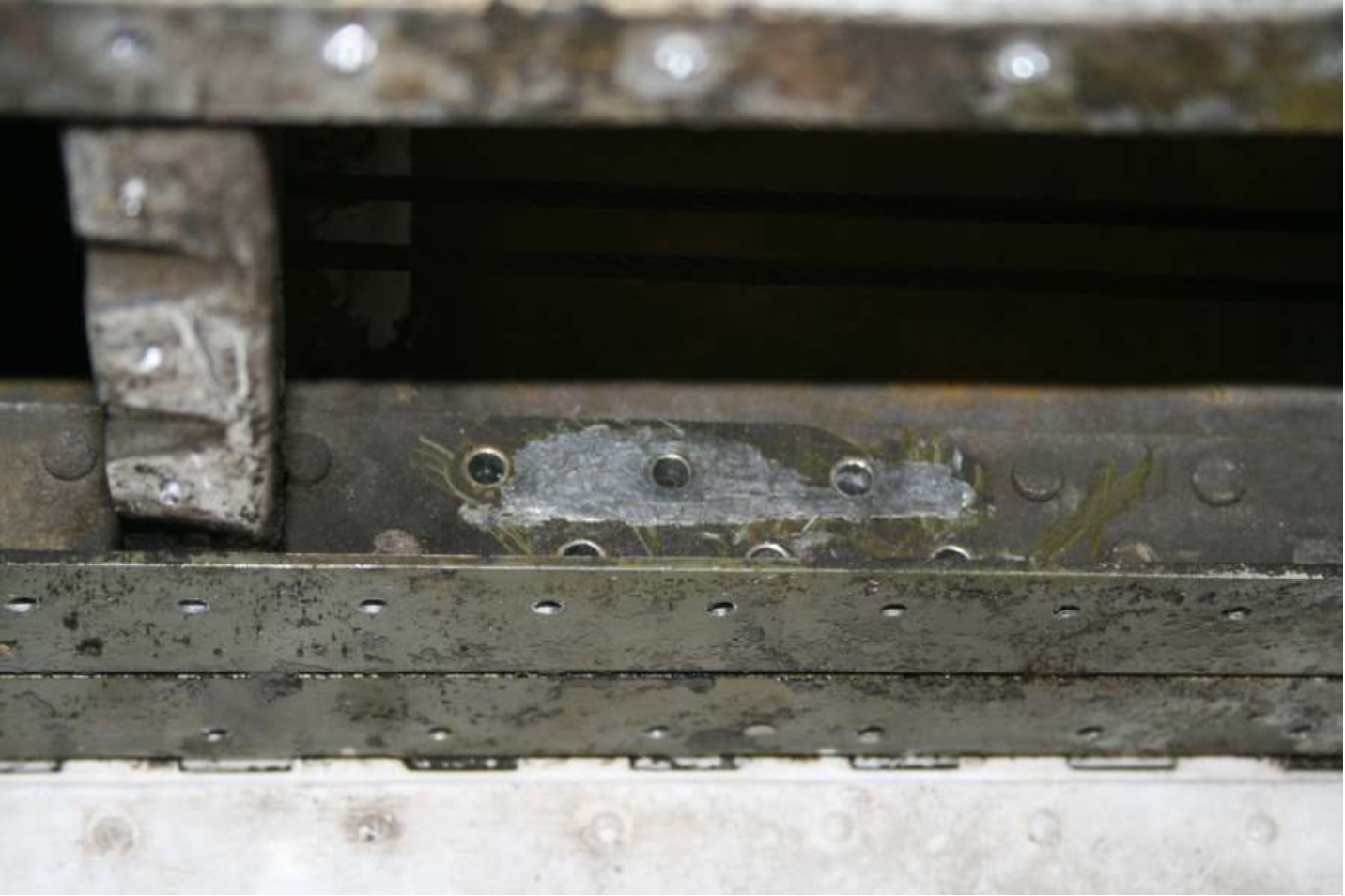
What type of corrosion is this?
this is an example of Intergranular corrosion on an aircraft wing spar
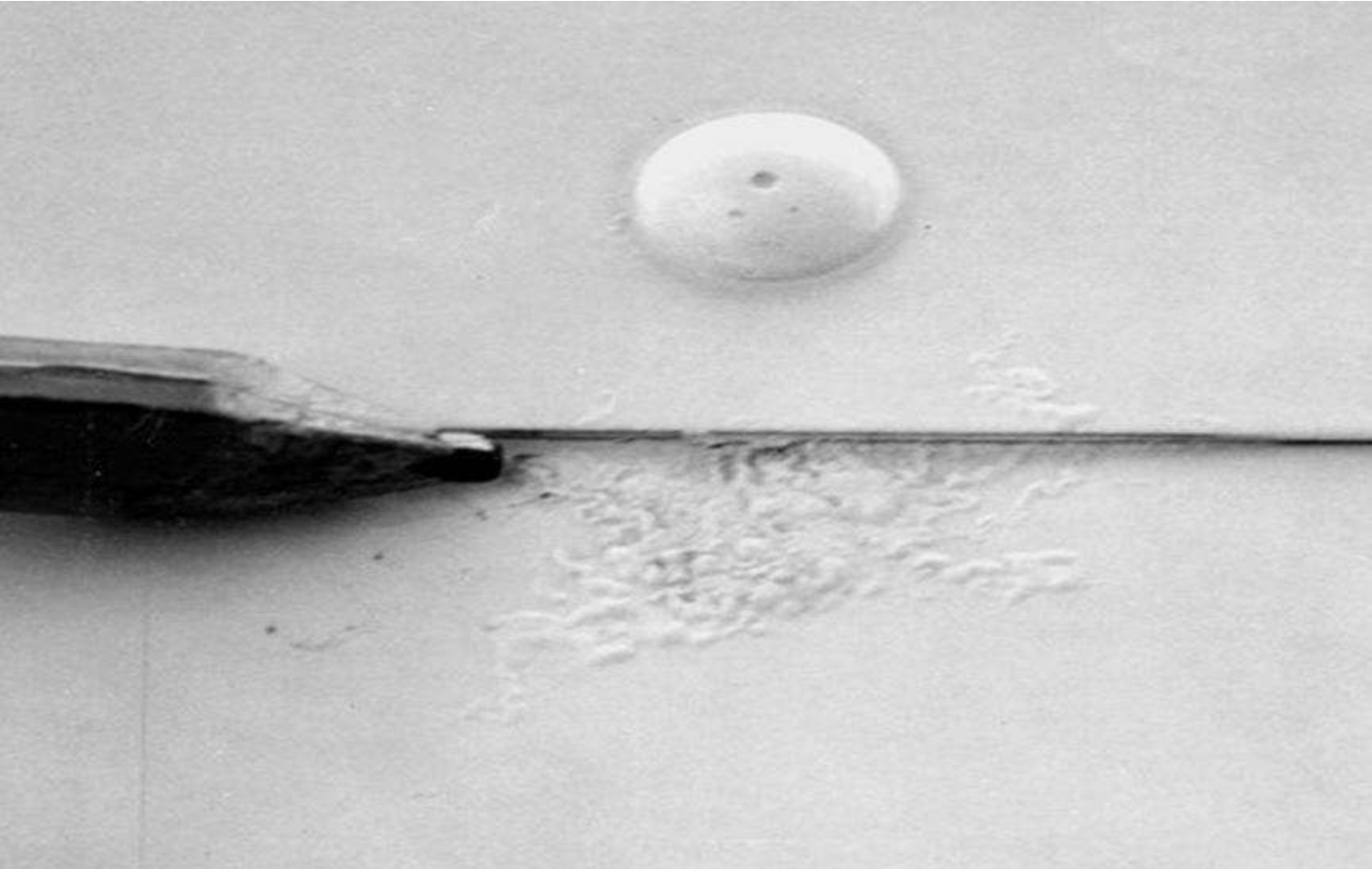
What type of corrosion is this?
Filiform Corrosion
What is filiform corrosion and what conditions allow it to propagate?
Filiform corrosion occurs under organic coatings where a defect allows corrosion to initiate and spread beneath the coating. The propagation front acts as the anode and the defect area as the cathode. It forms in oxygen-deficient areas.
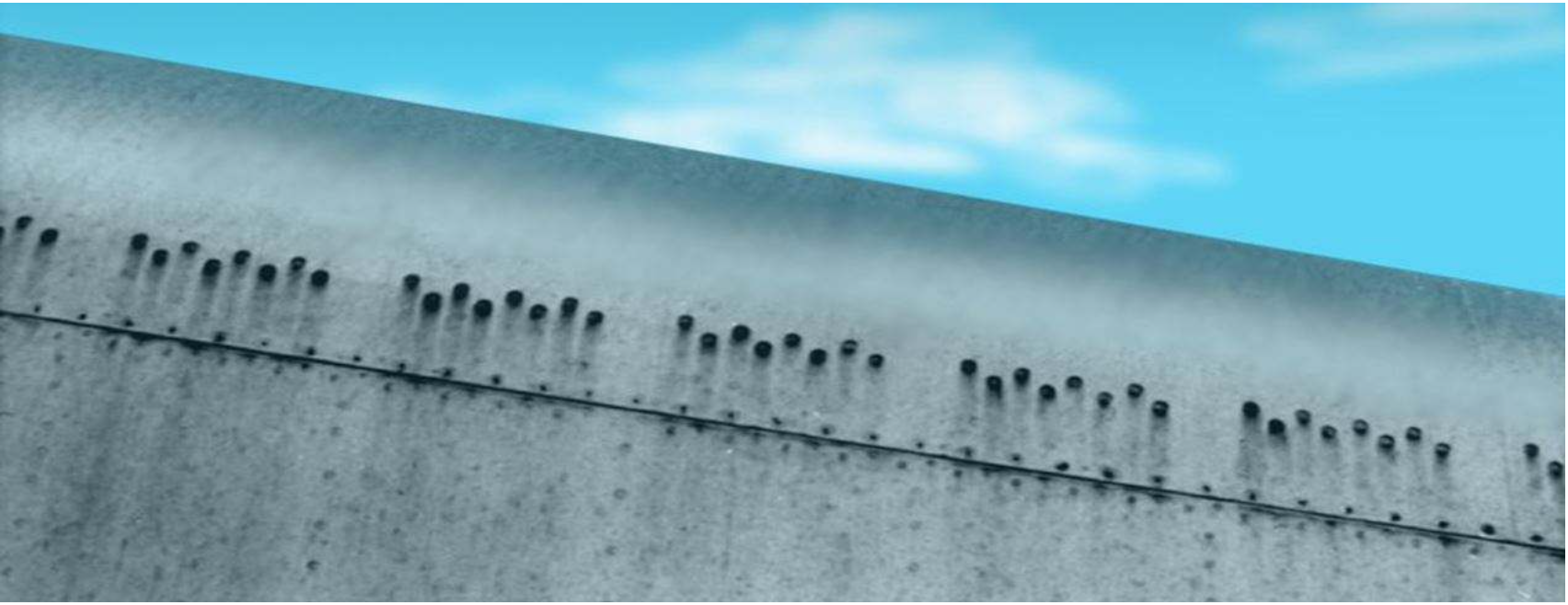
What type of corrosion is this?
This is an example of fretting corrosion
How does fretting corrosion occur and how is it identified around rivets?
Fretting corrosion occurs between tight-fitting surfaces that move relative to each other, destroying the protective oxide film through constant rubbing. Trapped debris acts as an abrasive, worsening damage. Around rivets it appears as dark deposits streaming behind the rivet head, resembling smoke. Affected rivets must be replaced immediately.
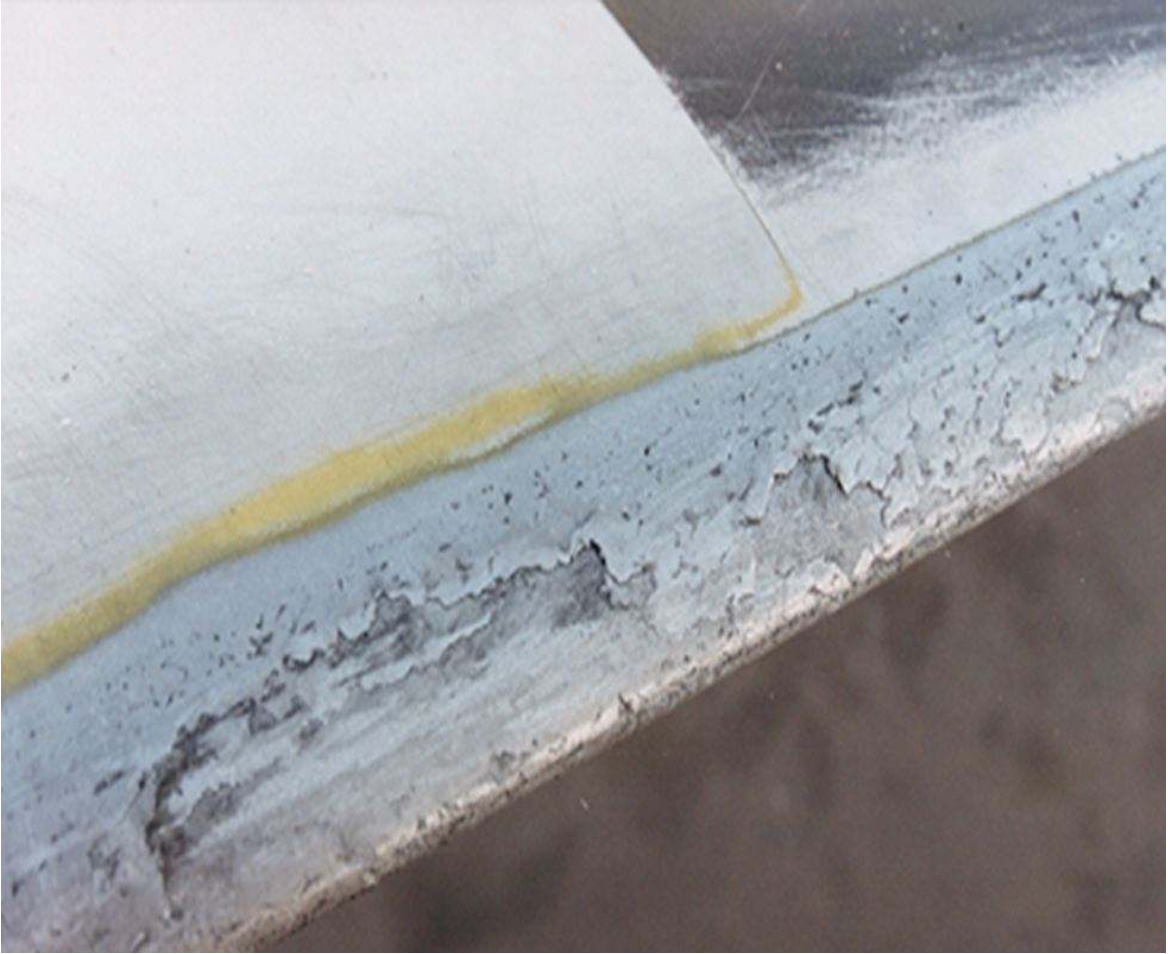
What type of corrosion is this?
this is an example of exfoliation corrosion
What is exfoliation corrosion, where does it commonly occur, and what is the only remedy?
Exfoliation is extreme intergranular corrosion occurring mainly in extruded materials where grains are layered. Corrosion along grain boundaries causes the material to delaminate. By the time it's visible, structural strength is already severely compromised. Complete removal of affected sections is the only fix.
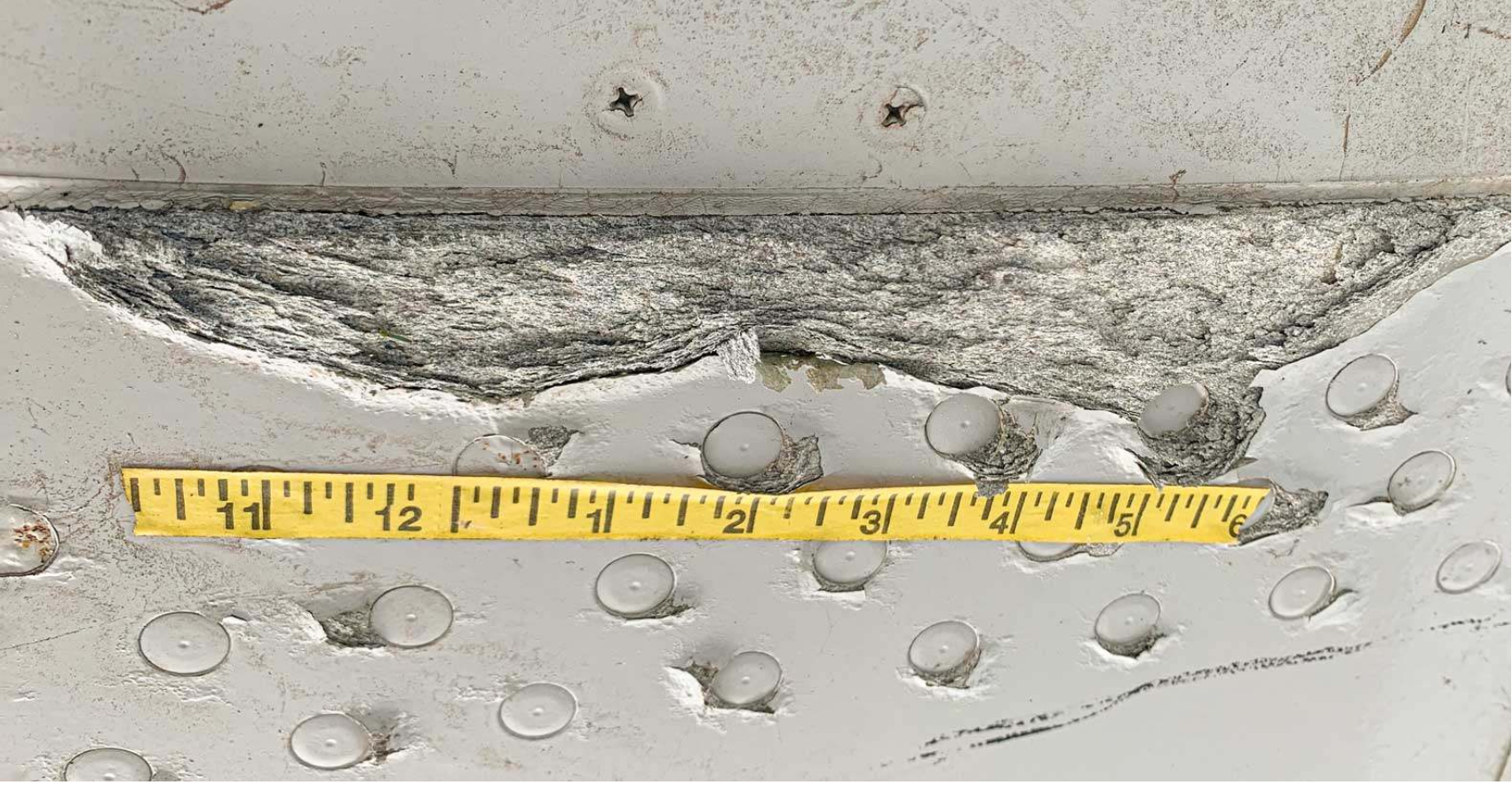
What type of corrosion is this?
Wing skin Exfoliation
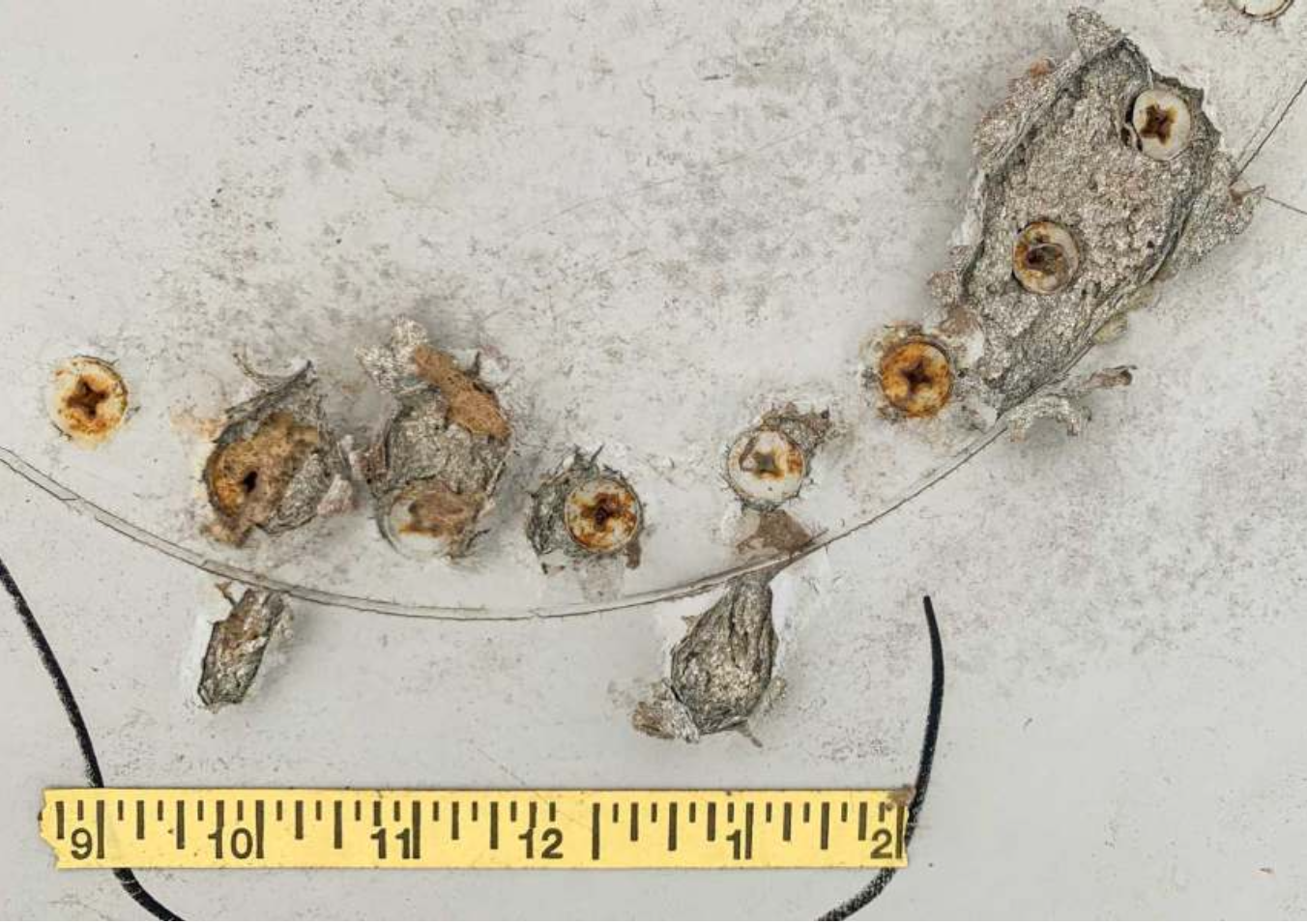
What type of corrosion is this?
Inspection panel exfoliation
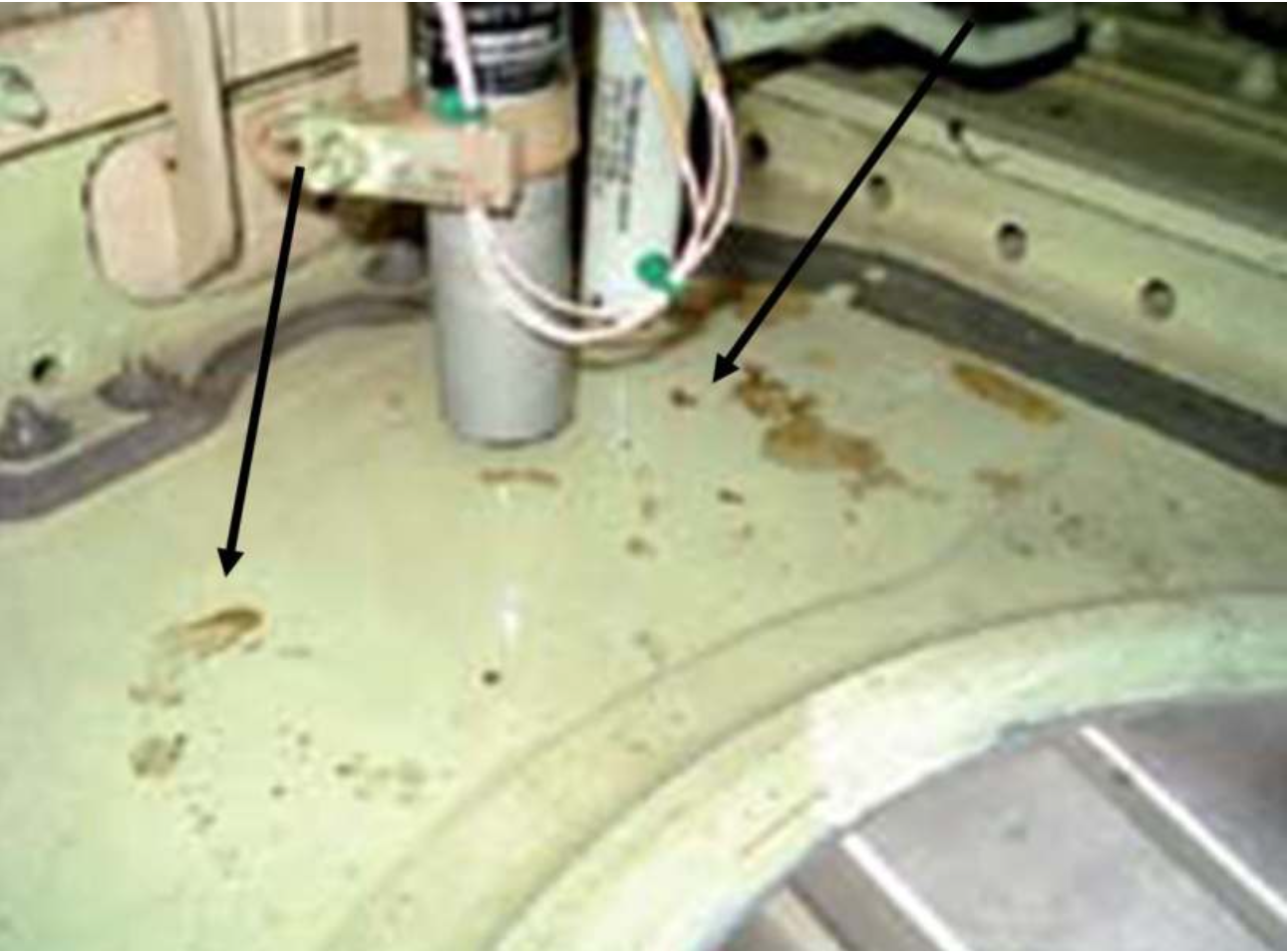
What type of corrosion is this?
Fungus growth in lower skin of a fuel tank
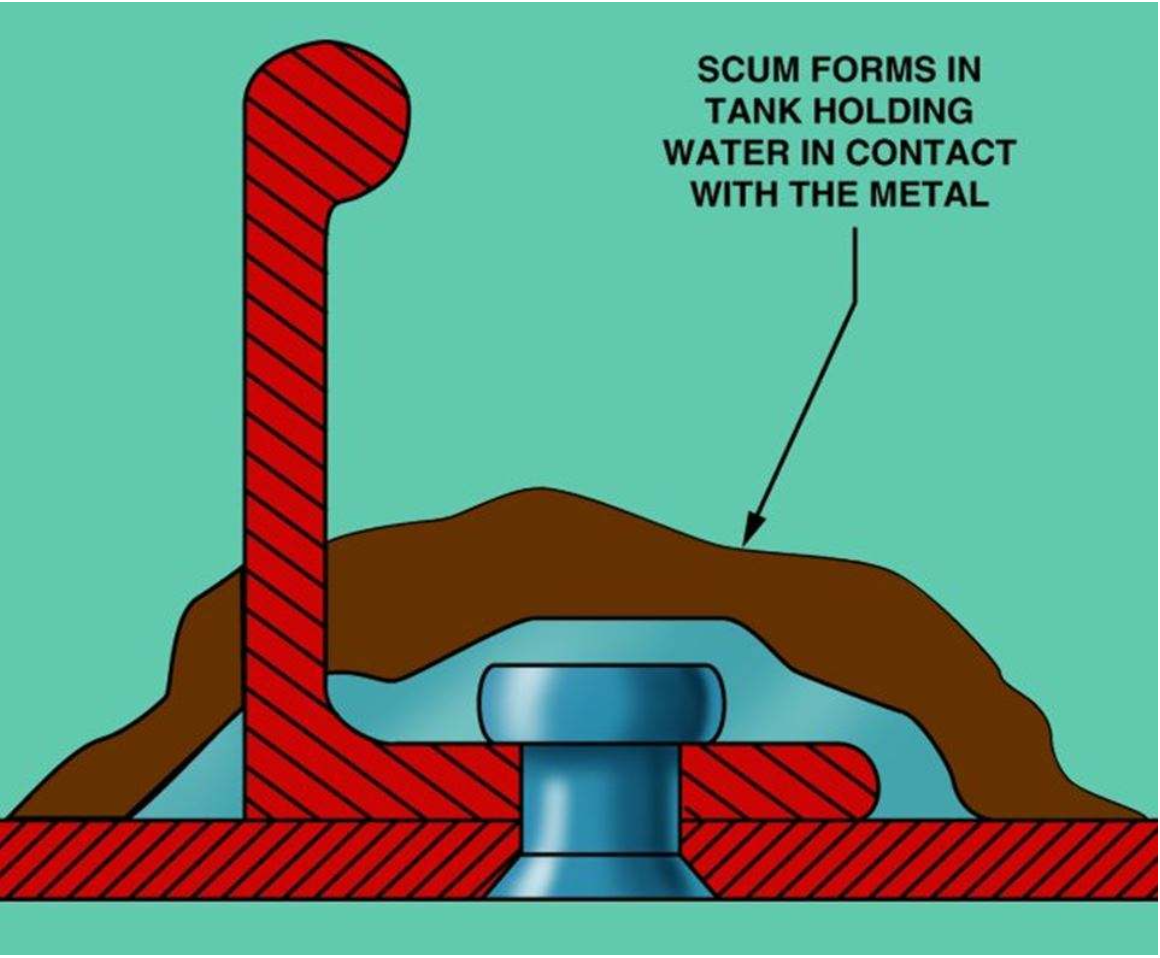
How does microbiological corrosion occur in aircraft fuel tanks and what damage can it cause?
Water condensed from fuel collects at the bottom of tanks during high-altitude flight. Microbes in the water feed on hydrocarbon fuel and multiply in the dark tank environment, producing scum. The scum holds water against the tank structure, causing concentration cell corrosion. If scum forms along seal edges it can pull sealant away from the structure, causing fuel leaks requiring expensive resealing.
Why is aluminium highly susceptible to galvanic corrosion?
Aluminium is highly anodic in the galvanic series, making it anodic to most other metals. Contact with dissimilar metals causes galvanic corrosion of the aluminium.
What are the three types of corrosion aluminium alloys are subject to?
Pitting, intergranular corrosion, and stress corrosion cracking.
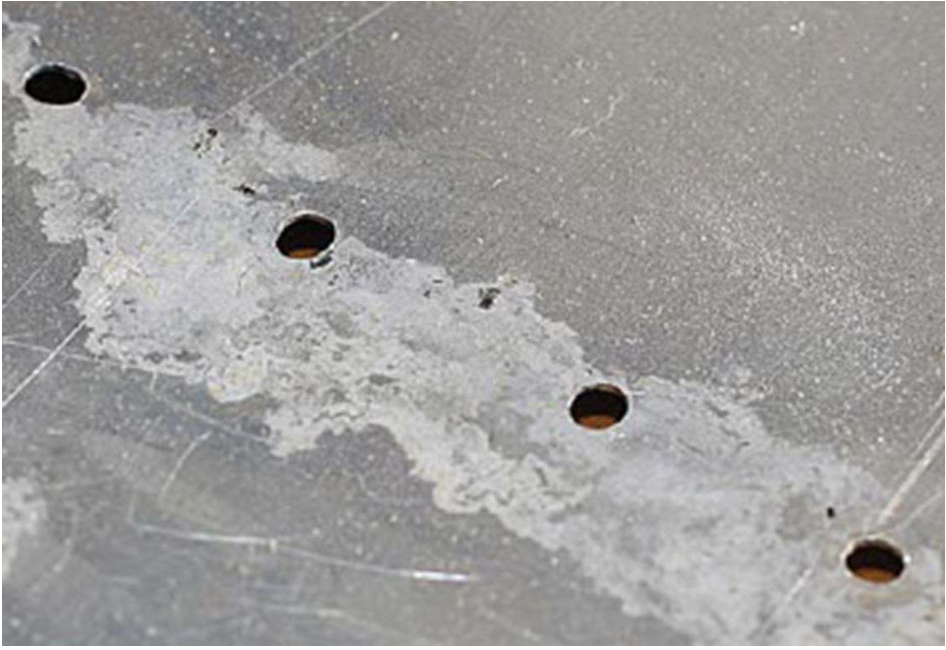
What does aluminium corrosion look like and how is it removed?
White-to-grey powdery deposits (aluminium oxide/hydroxide). Removed by mechanical polishing or abrasive brushing.
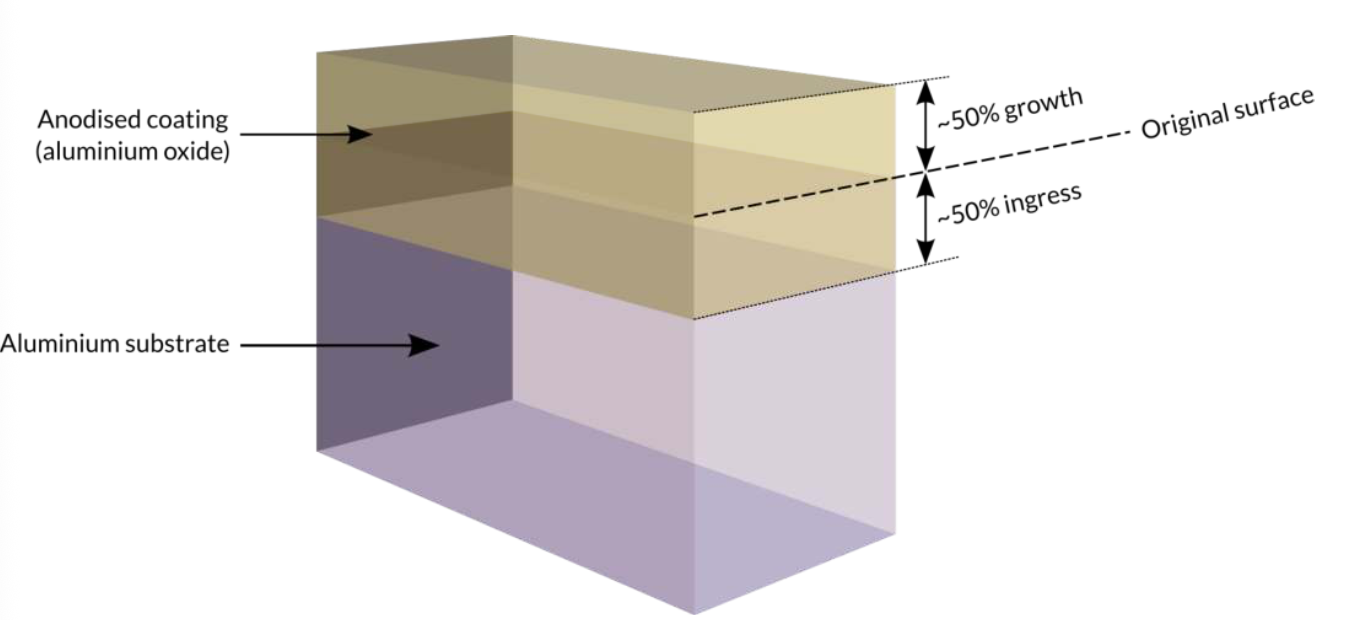
What is anodising and what happens if the coating is damaged?
An electrochemically applied oxide coating that thickens aluminium's natural oxide film. If damaged, it can only be partially restored by chemical surface treatment.
Why is magnesium corrosion considered urgent when discovered?
Magnesium corrosion spreads rapidly and can penetrate entirely through the structure if not treated promptly. Its natural oxide-carbonate film provides insufficient protection even in mild environments.
What does magnesium corrosion look like?
White, puffy raised areas on the surface.
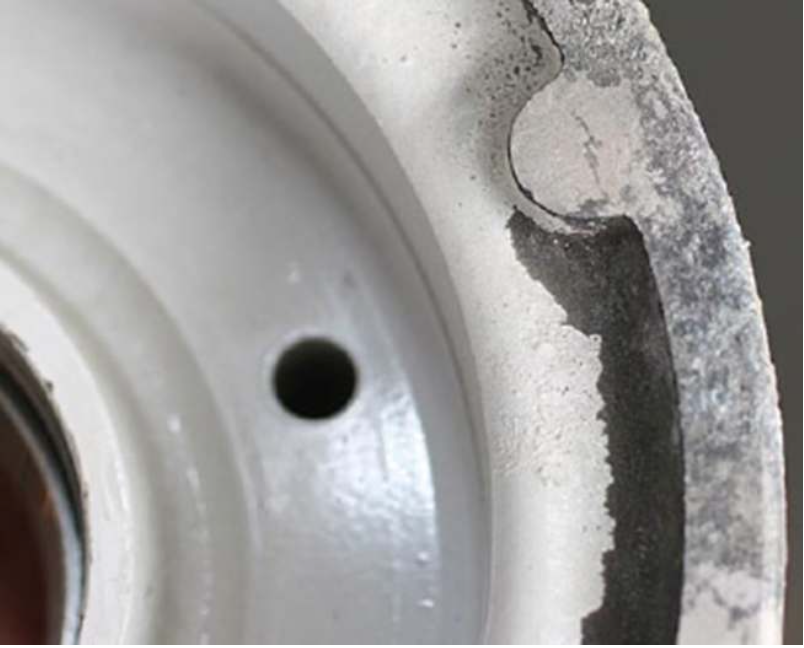
Why must titanium be electrically insulated from other metals?
itanium is cathodic to most metals, so it accelerates galvanic corrosion of any dissimilar metal it contacts.
What additional risk does titanium pose when in contact with a corroding metal?
It can absorb hydrogen and become brittle, requiring frequent inspection of insulated joints.
What is cadmium plating used for and how does it protect steel?
Used on steel hardware and high-strength steel parts like landing gear. It is anodic to steel, sacrificing itself galvanically to protect the steel beneath.
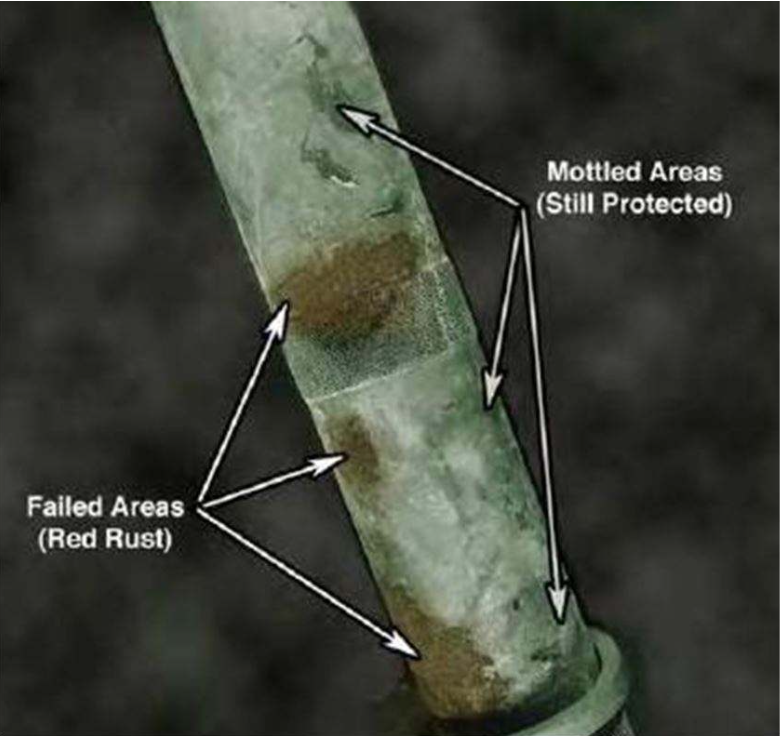
What does cadmium corrosion look like, and is the part still serviceable?
White-to-brown-to-black mottling. Mottling and cracking still indicates the cadmium is performing its protective anodic function.
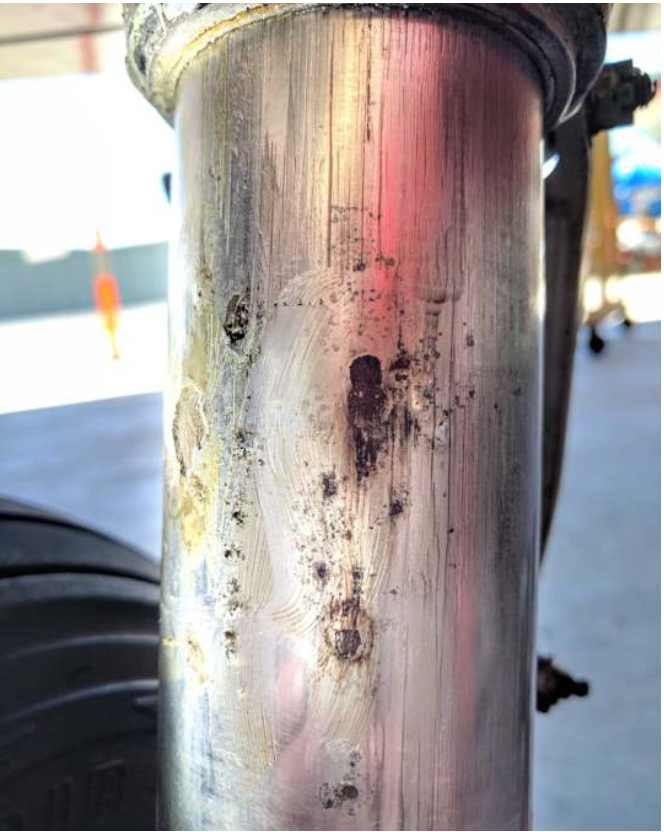
How does chromium protect underlying metal, and where does corrosion risk originate?
Chromium forms a continuous oxide coating. However, cracks in the plating allow corrosion to originate at the base metal beneath.
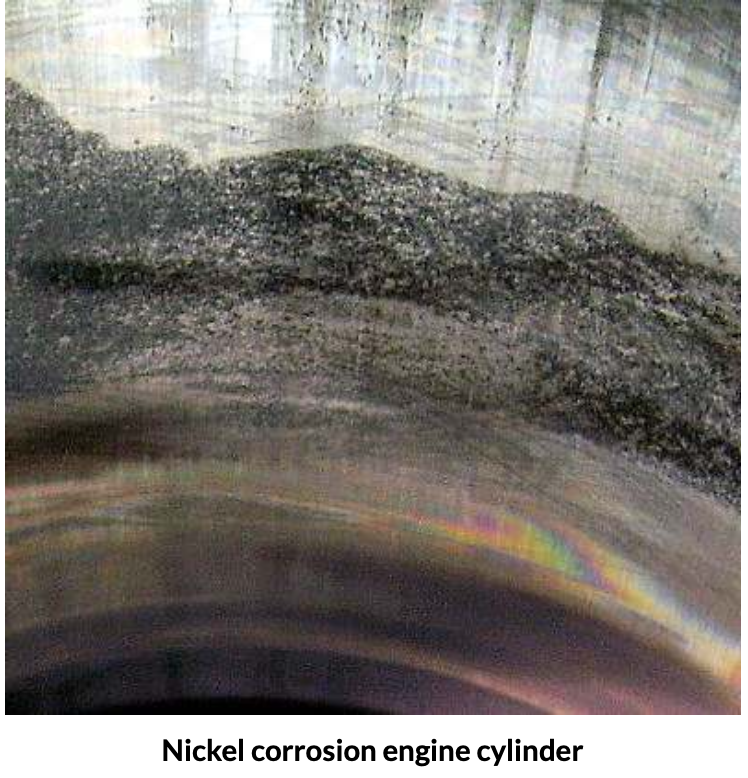
What is the corrosion risk with nickel-based alloys in high-temperature environments?
Subject to hot corrosion and embrittlement when sulphur-containing gases are present.
What does copper corrosion look like?
Blue or blue-green deposits. Surface may also develop a dull grey-green patina (copper oxide crust) which is actually protective.
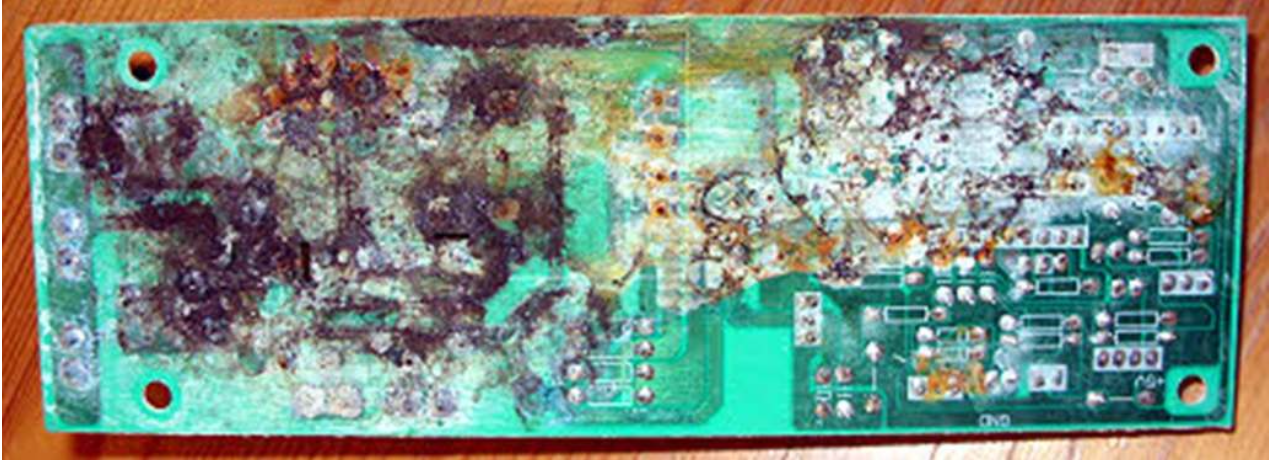
What is silver tarnish, and is it always harmful?
Silver sulphide, appearing as brown-to-black film. Whether it affects circuit performance depends on the application.
What is purple plague?
A brittle gold-aluminium compound formed when bonding gold to aluminium. Can cause failure in microelectronic interconnection bonds.
How does gold plating over silver or copper cause corrosion?
Gold is more noble, so at pinholes or pores in the thin gold layer, galvanic corrosion accelerates the less noble metal beneath — appearing as darkening on silver or blue-green deposits on copper.
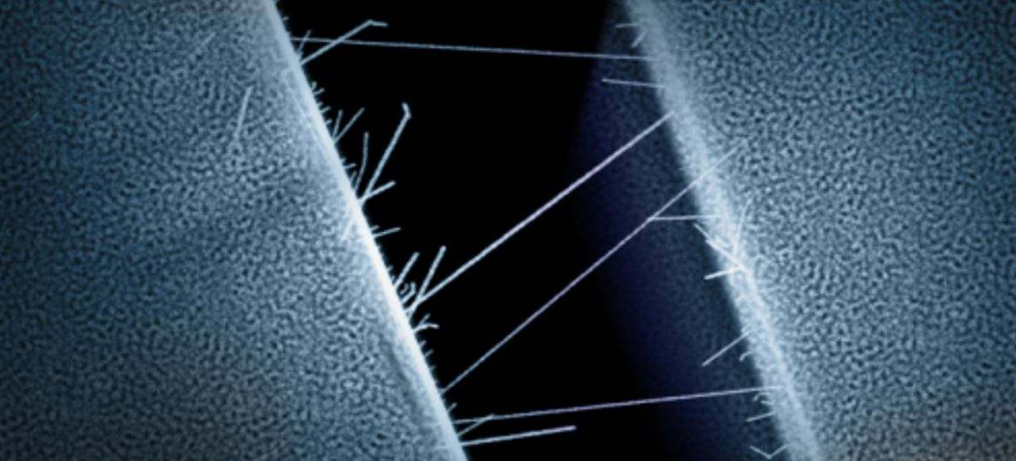
What is a known issue with tin plating?
Tin tends to grow whiskers on plated wire and other applications.
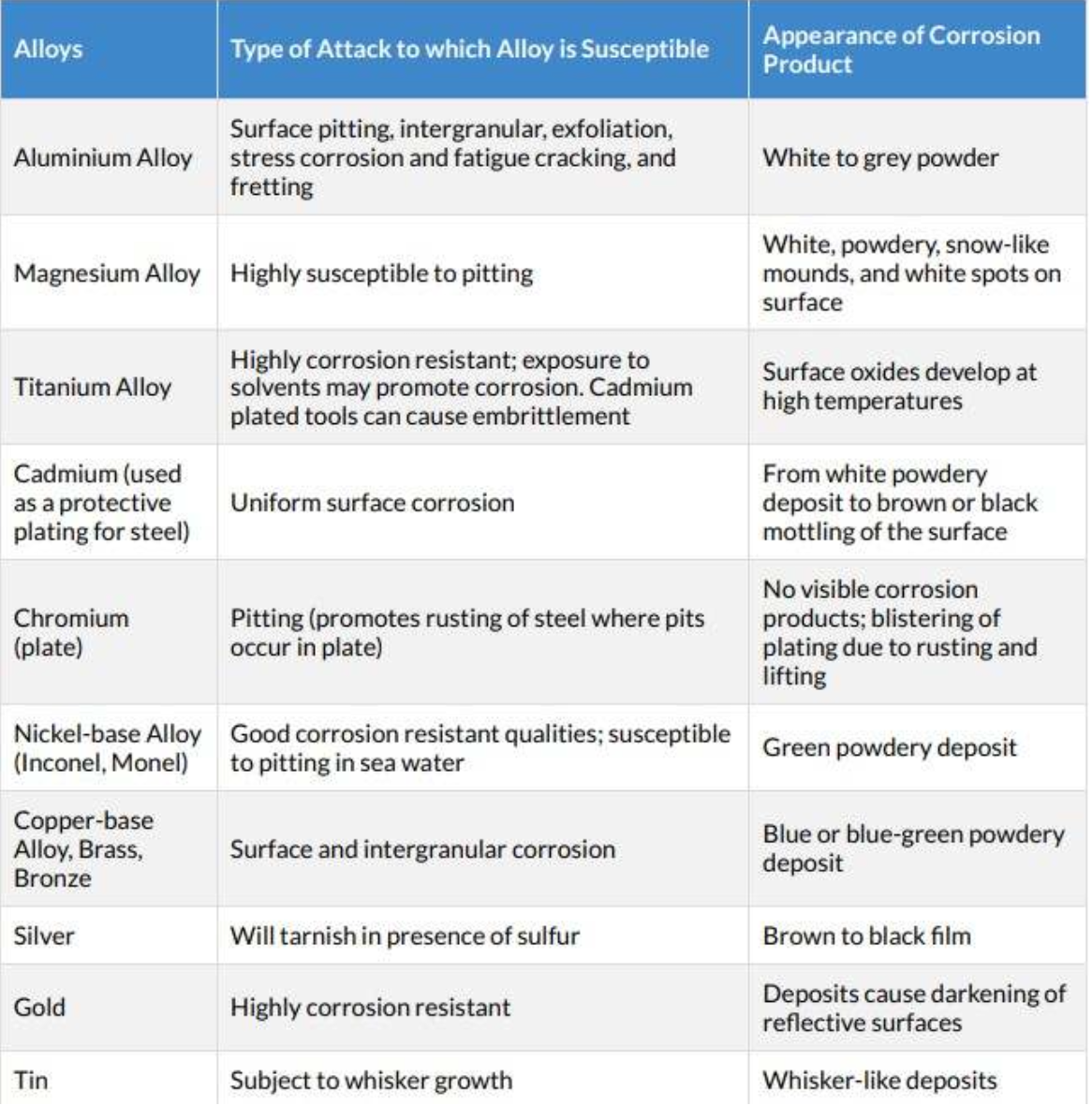
Do you know the corrosion table?
metal or not to metal, that is the question