Art History Final
 Studied by 0 people
 Call Kai
 Learn
Learn Practice Test
 Spaced Repetition
 Match
Match Flashcards
 Knowt Play
1/102

There's no tags or description
Looks like no tags are added yet.
Name | Mastery | Learn | Test | Matching | Spaced |
|---|
No study sessions yet.
103 Terms
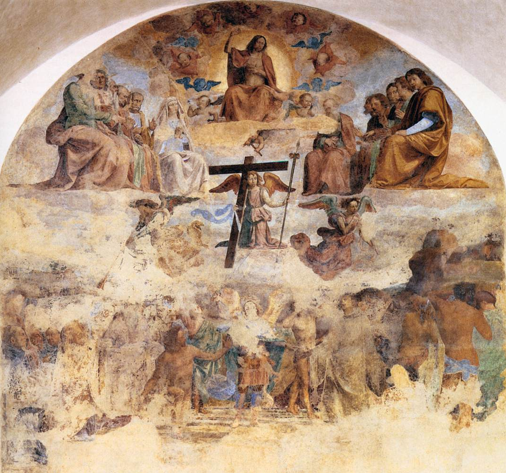
*Partnership
Fra Bartolomeo and Mariotto Albertinelli, Last Judgment, 1499-1501.
Removed from original location → damaged
Workshop apprentices as models: takeoff cloths to aid workshop masters creations
*Partnership: relationships between artists as not only economic but personal, emotional, intellectual
Who did what can be hard to distinguish
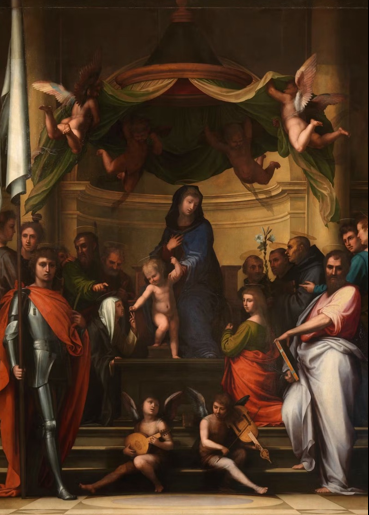
Fra Bartolomeo and Mariotto Albertinelli, Mystic Marriage of St. Catherine, 1512.
Create cartoons as preparation to draw figures
*Baldachin: draped cover, could be cloth or sculpture, casts shadow
Vasari emphasizes too much shadow/darkness
Trying to compete with Leonardo chiaroscuro
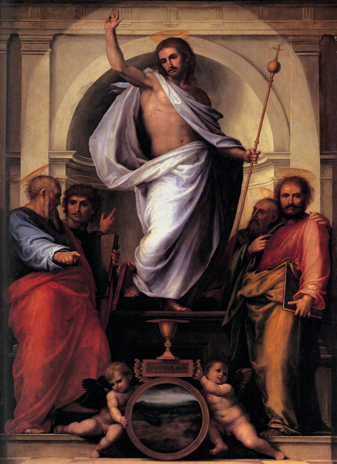
*Mass, evangelist, squaring
Fra Bartolomeo, Christ with Four Evangelists, 1516.
Christ rotating in space - luminosity
Altarpiece making statement about importance of mass
*Mass: how blood and body of Christ becomes wine - important ritual
*Evangelist: someone seeking to covert others to Christian faith
*Squaring: creating small grid through hash lines, maintaining proportion for scaling up

*Pen and ink
Fra Bartolomeo, Two Friars on a Hillside, c. 1508.
Relationship with natural world (hilly landscape around Florence) → age of exploration: size of Florence small compared to whole world
*Pen and ink: materials used
Making drawings from observation, physically going there
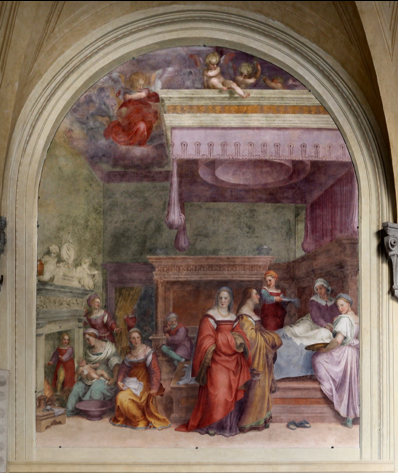
Andrea del Sarto, Birth of the Virgin, 1514. Cloister of the Voti, Santissima Annunziata.
Within space of cloister, one can judge/compare works, artist competition
Vasari thinks figures are smothered with fabrics
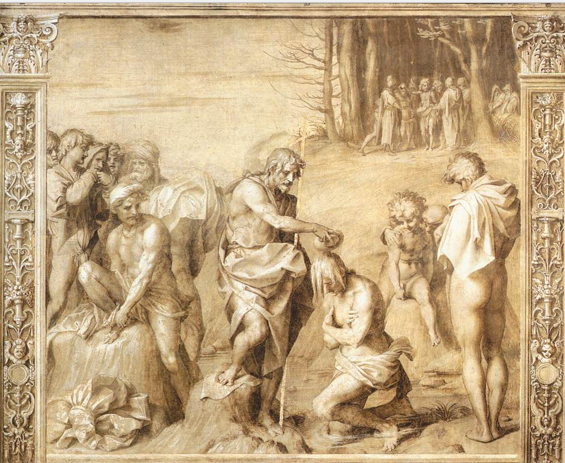
*Monochrom
Andrea del Sarto, Baptism of the Crowds, 1517. Cloister of the Scalzo.
Comparison overtime to himself through long tern fresco pieces
Adds pieces of drapery (even in usually unclothed Baptism) → competing with relief techniques in sculpture
*Monochrome: one color
By removing colors shows not relying on color

Andrea del Sarto, Last Supper, 1519-26. San Salvi.
Vallombrosian church: outside walls of Florence (not protected). Paining made in vulnerable religious space
Place with poses (as well as fabrics) to show work with shadows
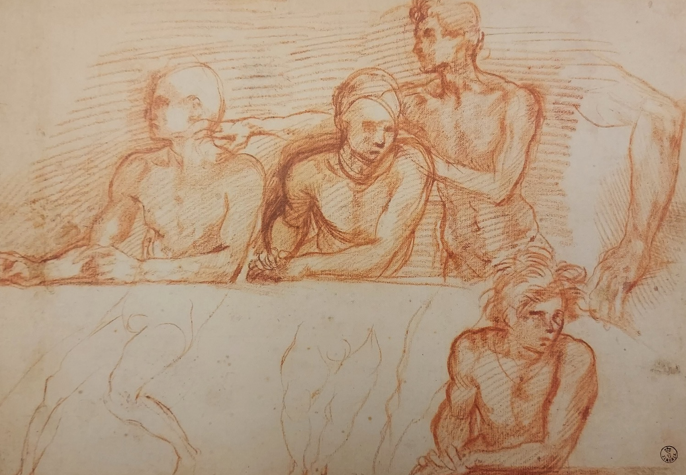
Andrea del Sarto, Study for the Last Supper, 1519-26.
Young men in workshop as models
Upper part subtle, well designed, bottom legs messier (maybe drawn by apprentices)
Part of workshop process but hand in creation limited

*Manuscript, Sonnet, Petrarchism, Stanza
Andrea del Sarto, Portrait of a Woman with a Book, 1528.
*Manuscript: A handwritten book, often luxurious, using parchment, featuring decorative script and images.
*Sonnet: poem 14 lines long meaning little song
*Petrarchism: strict literary discipline, perfecting the sonnet form and exploring themes of love, desire, and the inner emotional life of the speaker, humanism
*Stanza: verse in a poem
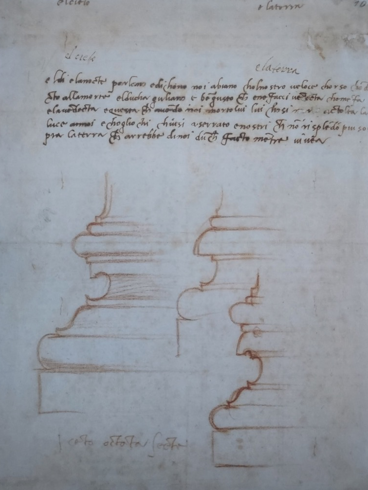
*Base
Michelangelo, Text and Studies of Bases for the Medici Chapel, c. 1521-24.
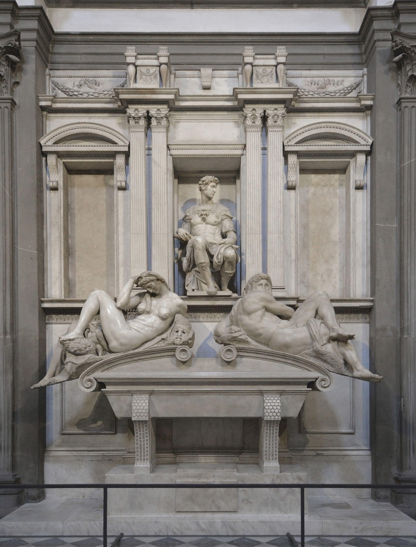
*Marble, pietra serena, bracket, sacrophagus
Michelangelo, Tomb of Giuliano de’ Medici, 1524-34. The New Sacristy, San Lorenzo.
*Marble
*Pietra serena: a blue-gray sandstone from Tuscany, famously used in Renaissance Florence for architectural details like columns, pilasters, and arches
*Bracket: architectural element, often made of wood, stone, or brick, that projects from a wall and serves to support a structure above it
*Sacrophagus: stone coffin, typically adorned with sculpture and inscriptions
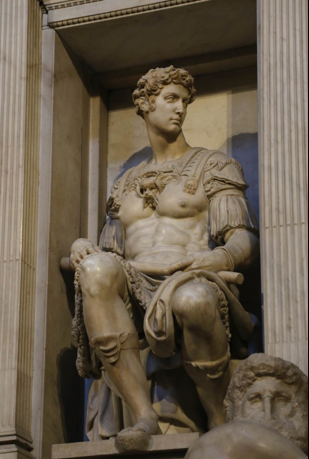
*Niche
Michelangelo, Giuliano de’ Medici, 1524-34. The New Sacristy, San Lorenzo.
*Niche: an architectural term for a decorative, often semi-circular or arched, recess built into the thickness of a wall
Often contains bust
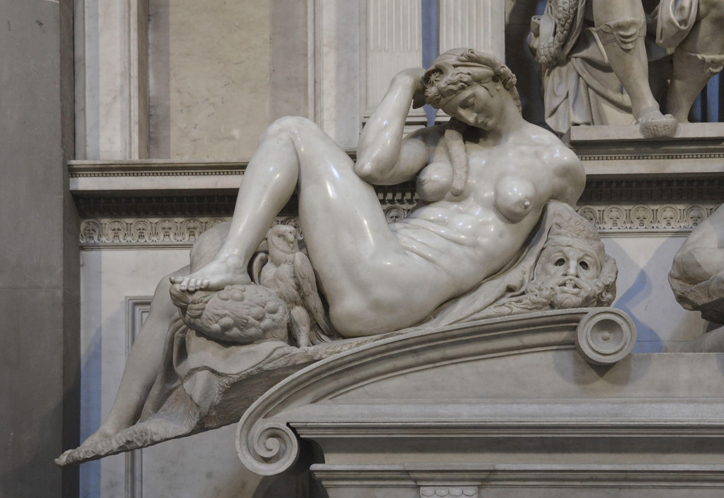
*Volute
Michelangelo, Night. 1524-34.
*Volute: spiral, scroll-like ornament associated with ionic column
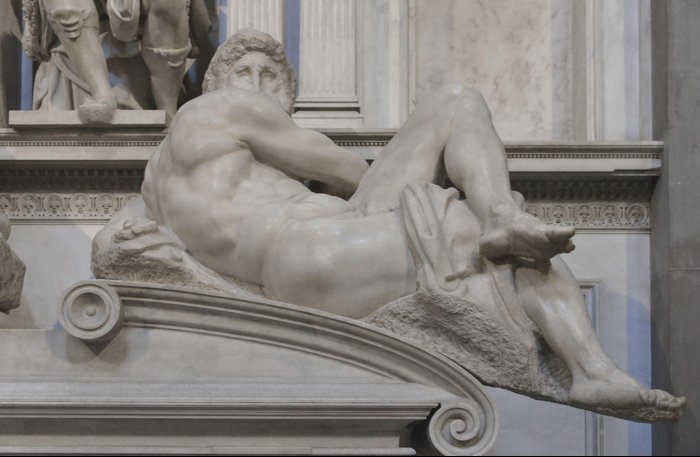
Michelangelo, Day. 1524-34.
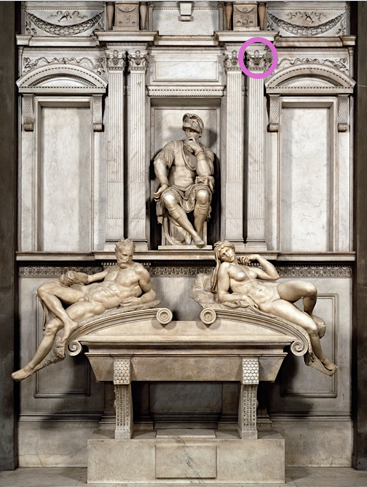
Michelangelo, Tomb of Lorenzo de’ Medici, 1521-34. The New Sacristy, San Lorenzo.
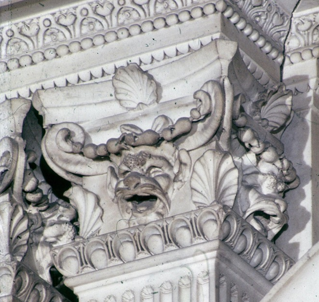
*Grotesque
Silvio Cosini, Grotesque Capital, 1524.
*Grotesque: featuring fantastical hybrids of humans, animal for playful decoration, beyond ugliness to whimsical
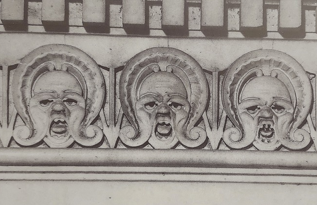
*Frieze
Francesco da Sangallo, Frieze of Masks, c. 1524. The New Sacristy, San Lorenzo.
*Frieze: long, decorative horizontal band on buildings or art
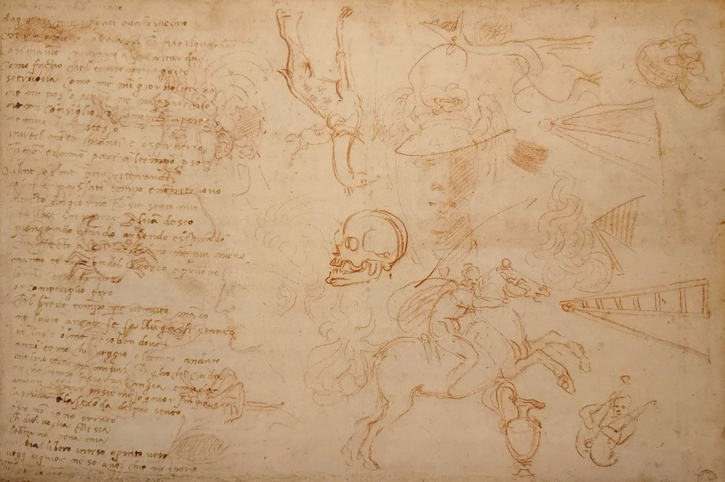
Michelangelo, Poem and Various Sketches, 1521-34.
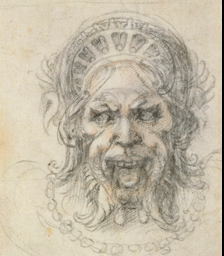
Michelangelo, Grotesque Mask, c. 1524.
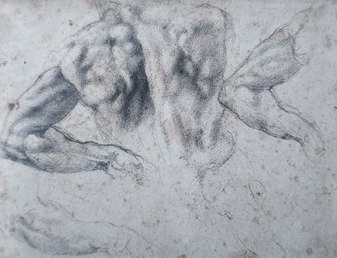
Michelangelo, Studies for the Shoulders of Day, c. 1524.
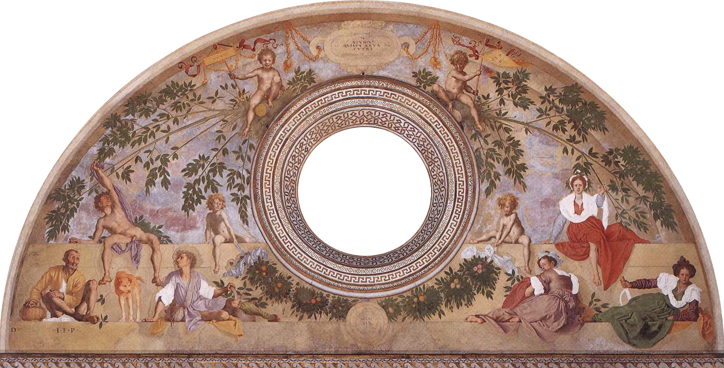
*Villa
Pontormo, Vertumnus and Pomona, c. 1520-21. Villa Medici, Poggio a Caiano.
*Villa: outside city, large parcel of land attached (orchards, vineyards)
Myth/story of these 2, light coming at you through central window
Circle light source to represent cycle of seasons
Artist thinking about labor of servants so villa can function
Medici roaring back, unrepentant, return to material enjoyment of the world
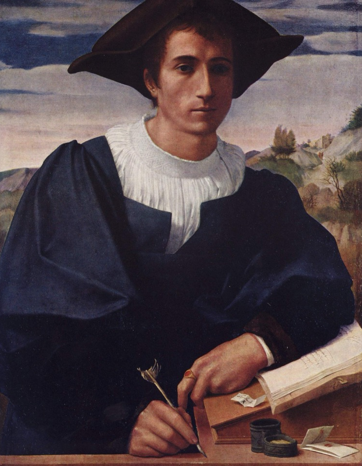
Franciabigio, Portrait of a Man Writing, 1522.
Material process of letter writing
World renowned postal system at this time, concerns about transport/timeliness of letters, world growing more spread out
Letter mater of life/death: time of war, politics
Effort to create tamper proof seals, wanting it to remain private
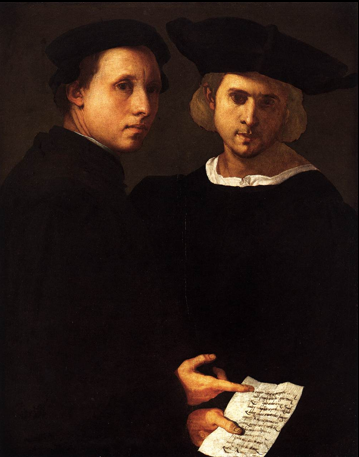
Pontormo, Portrait of Two Friends, c. 1523-24.
Idea of creating double portrait
Monument to friendship, mutual exchange/learning
Study of Latin text → humanism: building social bonds
Men specific, exclude women from friendship networks, women found other ways to demonstrate their knowledge
*Italian wars
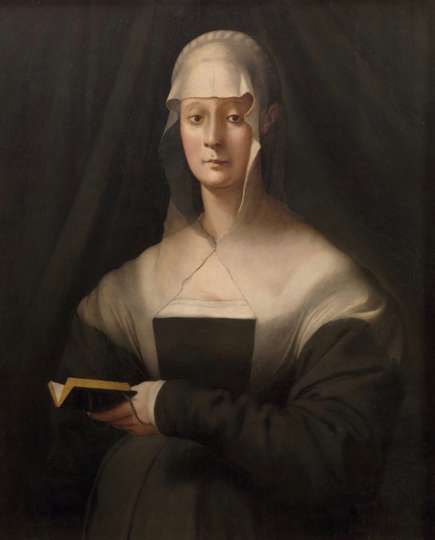
Pontormo, Maria Salviati, 1537-43.
*Italian wars
Position in Renaissance Florence prominent, mother of Cosimo (future duke)
Clothing IDs her as widow, noble woman, books demonstrate educated woman
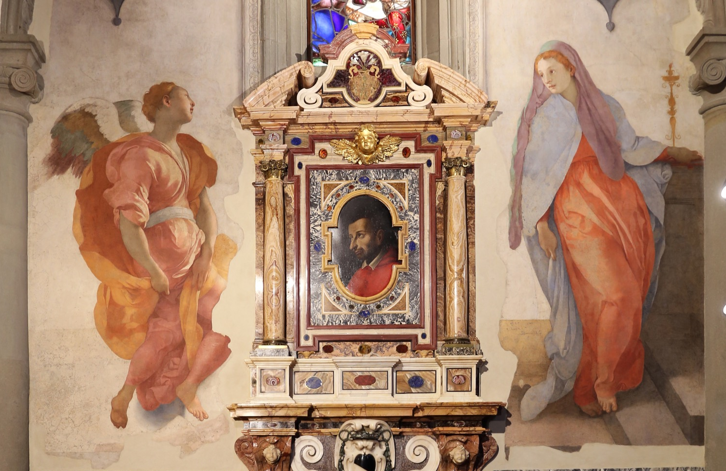
Pontormo, Annunciation, 1527-28. Capponi Chapel, Santa Felicità.
Using natural light responding to environment (chiaroscuro)
One hand: real individuals responding to real light BUT angle is floating too
Luminosity of Virgin
Chapel beautiful, made in time of intense war and in a way responding to reformation concerns
Beginning of light of Christ
*Pieta, reformation
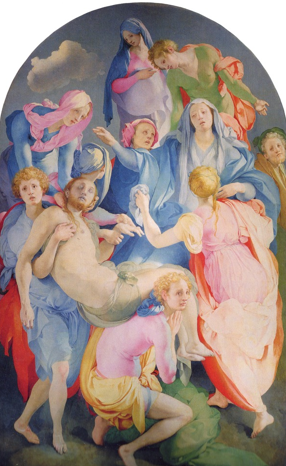
Pontormo, Pietà (Entombment), 1525-28. Capponi Chapel, Santa Felicità.
*Pieta: Christ dies on cross, is taken down, mother outpouring of grief
*Reformation: forming direct connection w God, Pontormo sympathetic to these ideals
Moment of greatest emotional intensity for Christ
End of life of Christ
Trained by del Sarto - master of drapery
Engaging w and fighting against gravity (elongated proportions)
Right figure as self portrait (different colors, turban as status and specific to artists), sad gaze (horrific traumatic seize of Florence)
Human relationship w workshop, little work/life balance
Interactions of figures to new heights, about intimacy instead of combat
*Sack of Rome
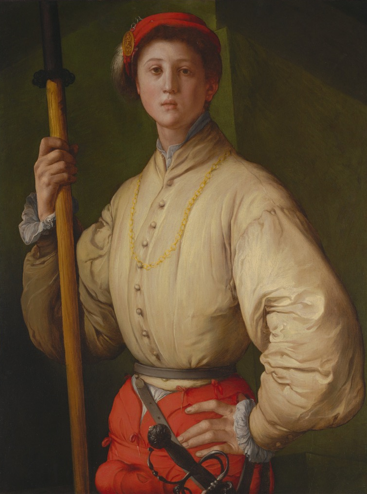
Pontormo, Francesco Guardi as a Halberdier, 1529.
*Sack of Rome: Pop hides, fighters ransack city
1527: new republican govt, but short lived
Figure bearing weapon to defend city but no chance, sacrifice of man, hollow eyes hollowness of wars
Medici return
Sword is halberd as weapon: technologies of warfare (longer weapon)
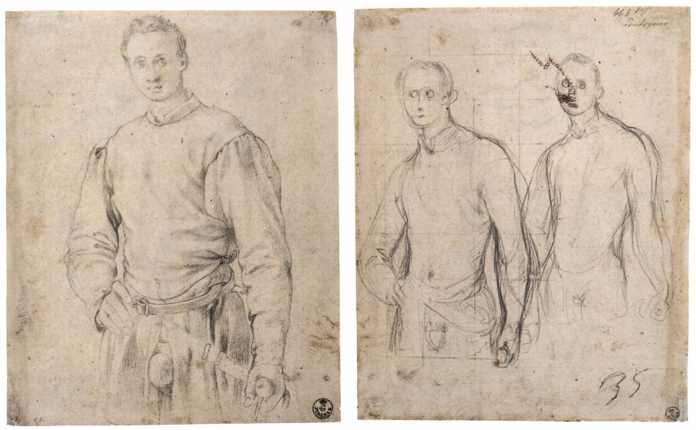
Pontormo, Francesco Guardi with a Sword (obverse and reverse), 1529.
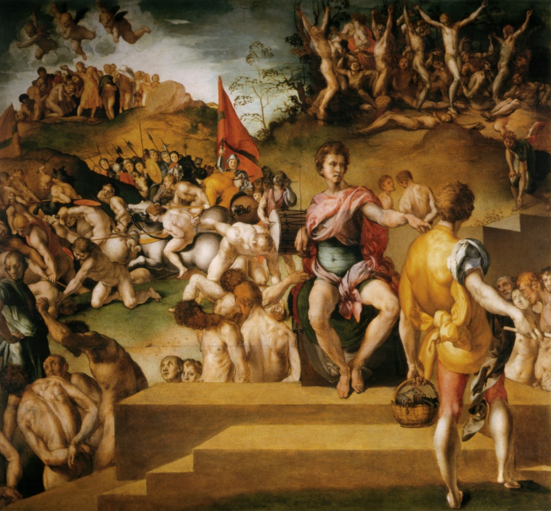
*Martyr
Pontormo, Ten Thousand Martyrs, c. 1529.
*Martyr
Christian martyrdom story reset to time of Florence → battle of the nudes
Cruelness of Medici, antichristian
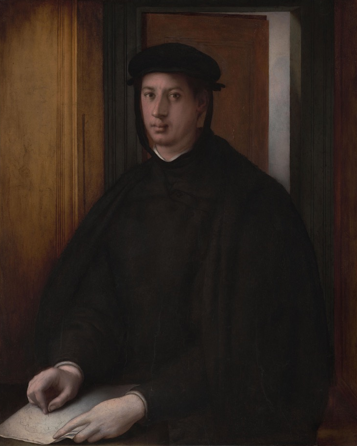
Pontormo, Alessandro de’ Medici, c. 1534.
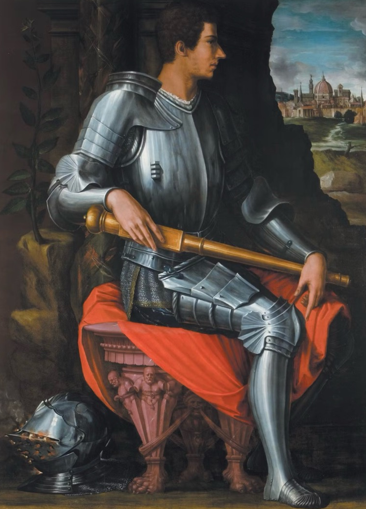
*Herm
Giorgio Vasari, Alessandro de’ Medici, 1534.
*Herm: sculpture featuring head or bust mounted on pillar or pedestal
Revival from ancient Rome, align Renaissance humanism with fascination with classical antiquity

Francesco dal Prato, Portrait Medal of Alessandro de’ Medici (Obverse), Perseus (Reverse),1536-37.
*Pileus
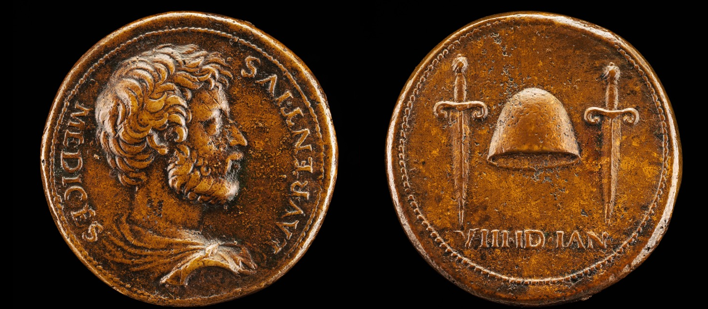
Giovanni da Cavino, Portrait Medal of Lorenzino de’ Medici (Obverse), Pileus between Daggers (Reverse), 1537-39.
*Pileus: specific type of brimless, close-fitting cap, connection to ancient and as symbol of freedom ‘liberty hat”
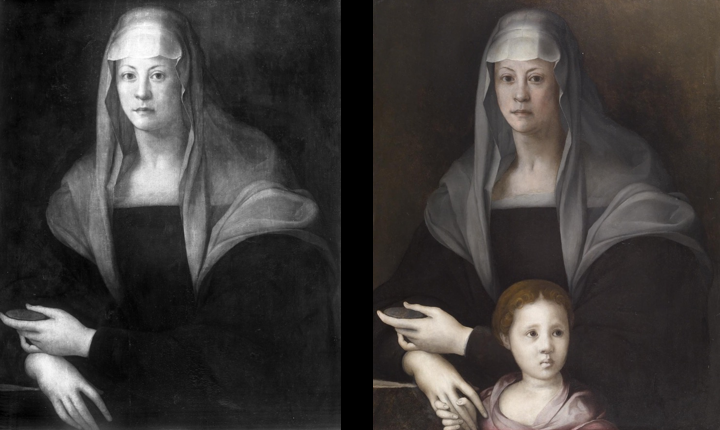
Pontormo, Maria Salviati de’ Medici and Giulia de’ Medici, c. 1539. (Before and after the removal of overpainting.)
Girl pained over, Alessandro’s daughter who has mixed race showing Medici desire for their dynasty continuity

Domenico di Polo de’ Vetri, Portrait Medal of Alessandro de’ Medici (Obverse) and Cosimo I de’ Medici (Reverse), c. 1537.
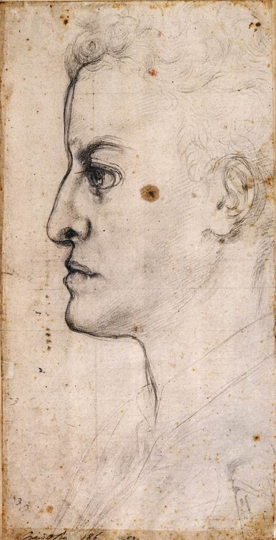
Pontormo, Portrait Drawing of Cosimo I de’ Medici in Profile, 1537.
*Lira da braccio
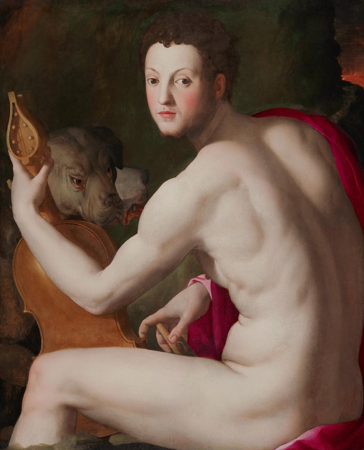
Bronzino, Cosimo de’ Medici as Orpheus, c. 1538.
*Lira da braccio: bowed string instrument, warm sound

*Rondel
Bronzino, Portrait of Cosimo I de’ Medici, c. 1545.
*Rondel: small, circular work of art, which can be a painting, a relief sculpture, or a decorative motif
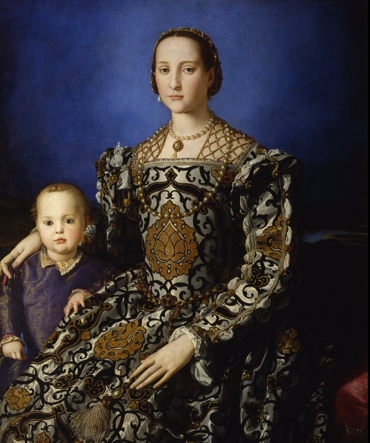
*Embroidery
Bronzino, Eleonora di Toledo and her son Giovanni, c. 1545.
*Embroidery; fine art using needle and thread to create decorate image on fabric, often using costly materials it was highly prized
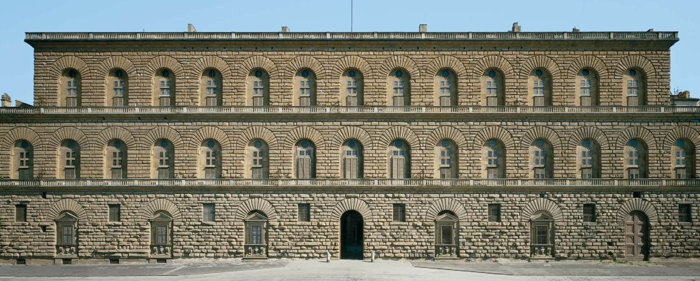
*Bay
Luca Fancelli, Palazzo Pitti, begun 1457.
*Bay: specific architectural division within buildings creative distinct units
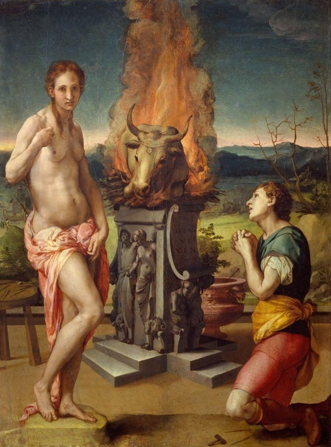
*Portrait cover
*Bronzino, Pygmalion and Galatea, c. 1529
*Portrait cover: cover and complement painting under, Portrait of Halberdier behing by Bronzino’s mentor pontormo
Enlivenment of sculptural aspect in painting
Which is greater artform: sculpting or painting
Pygmalion as embedded portrait of Francesco
How portrait cover prepares viewer for viewing of portrait
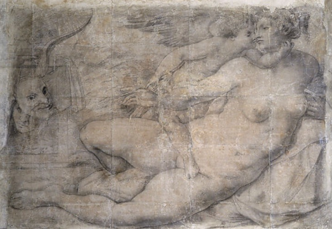
Attributed to Michelangelo, Cartoon of Venus and Cupid, 1531-32.
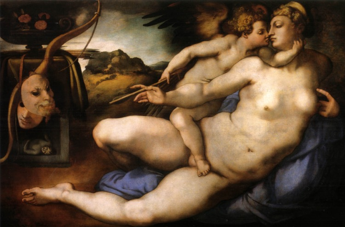
Pontormo after Michelangelo, Venus and Cupid, c. 1533.
Based on Michelangelo’s og charcoal drawing
Michelangelo no longer in Florence but his draws were
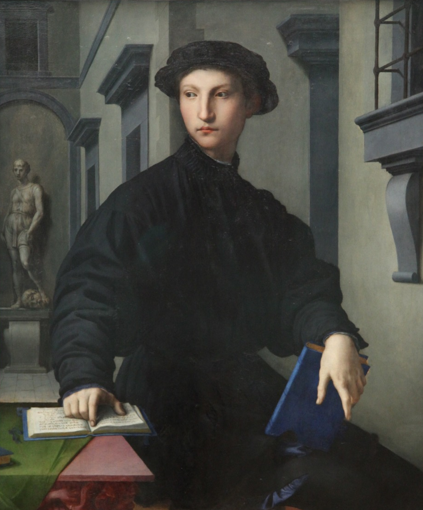
Bronzino, Ugolino Martelli, 1536-37.
Holding book of vernacular language: debate on oral vs written language in Florence
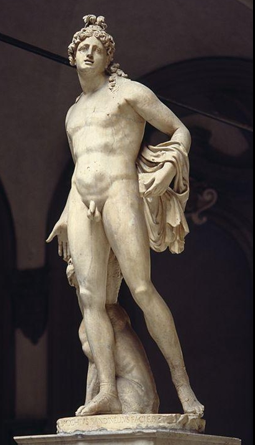
Baccio Bandinelli, Orpheus, c. 1519.
Meant to recall Roman Apollo, 3rd cent
Competition of sculptor vs antiquity
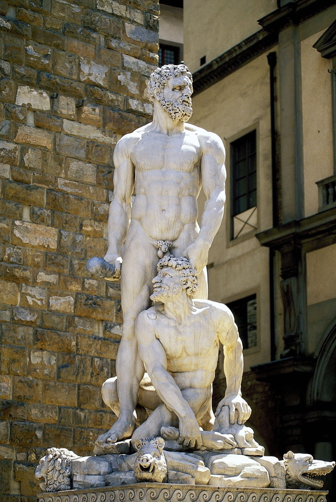
*Colossal, marble block
Baccio Bandinelli, Hercules and Cacus, 1525-34.
*Colossal: monumental sculptures of exceptional size, humanistic ideals
*marble block
Right near one of Michelangelo’s David, weaknesses very apparent, future architects understanding Michelangelo as the bar
Poems about how much Florentines hate this piece → one foot gone, ran out of room
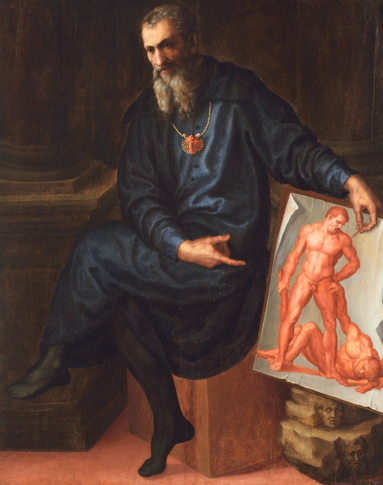
*Nobility, knighthood
Baccio Bandinelli, Self-Portrait, c. 1545.
*Nobility: related to class/fam dynasty vs relative nobility of various art form
*knighthood: less a military function and more an honorific social rank and a display of being in elite class
Material limitation of marble medium, shows his ambition

*Relief
Michelangelo, Victory, 1532-34.
*Relief
He leaves it behind, Medici take it for themselves
Figure is rotated/twisted within limitation of marble (purely subtractive)
Powerful nude figure above lower figure (careful foot placement)
Willingness to leave pieces unfinished, contracts of patron forcing him to finish things

*Scattered rhymes
Bronzino, Laura Battiferra degli Ammannati, c. 1555-60.
*Scattered rhymes
Expectation of her as a mother
Constraints upon women poet who is married on how she can write → carefully navigates this, carves her own space
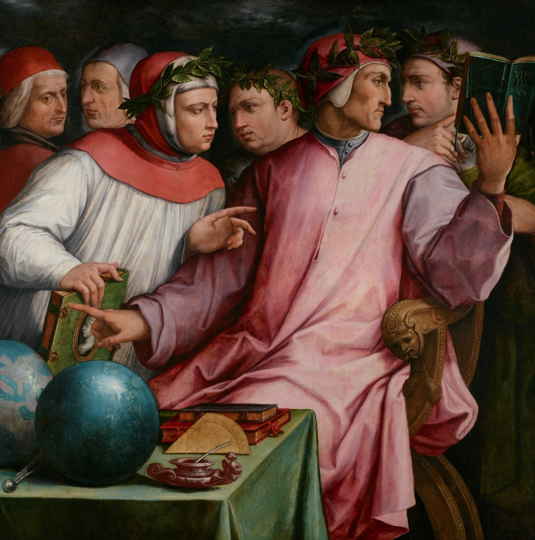
*Laurel
Giorgio Vasari, Six Tuscan Poets, 1544.
*Laurel: leave associated with poets
Goal of creating continuity of intellectuals in Florence

*Divine comedy, terracotta
Pierino da Vinci, Ugolino and his Sons, 1550.
*Divine comedy: Donte condemned Ugolino to deep part of hell after eating his children (place reserved for political + familiar traitors)
*terracotta: affordable baked clay, accessible over marble
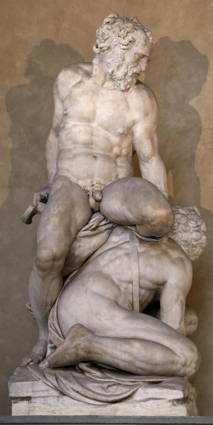
Pierino da Vinci, Samson Slaying the Philistine, 1551-52.
Full scale models into sculptural designs, difficult to beat torsion of Michelangelo
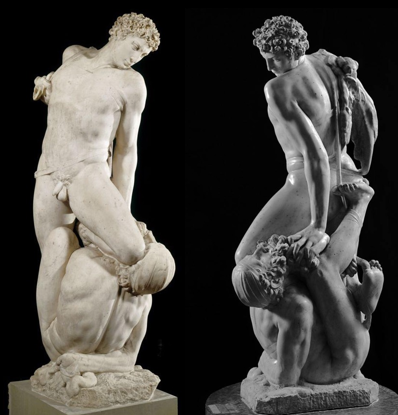
*Allegory
Vincenzo Danti, Allegory of Deceit, 1561.
*Allegory: using symbolic figures to convey deeper meaning beyond literal interpretation
Figure of honor, victory, genius slaying deceit
Figure of deceit very compressed, pretzel like
Band wrapping all around figure → prompting you to move 360 degrees around piece
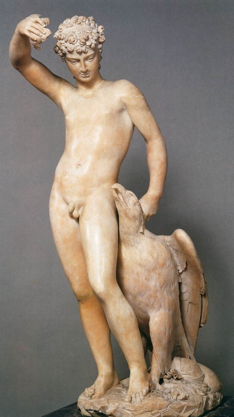
Cellini, Ganymede, 1540s.
Allows Cellini to think about relationship to his patron
Threading figures through eagle (Zeus) → autonomy of artists to seduce patron through his craft
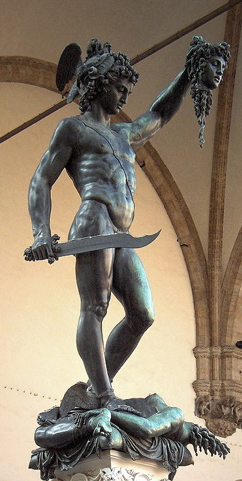
*Alloy, plaster
Cellini, Perseus and Medusa, 1545-54. Loggia dei Lanzi.
*Alloy: combination of different metals, chemistry/thought necessary, not frenzied chaos, advanced planning going into sculpture
model - larger plaster - cast metal
*Plaster
Fill space next to piatza di priori
Cellini negotiated just Perseus → Perseus and Medusa
Gender based violence
Michelangelo under Republican govt, Cellini under Cosimo monarchy
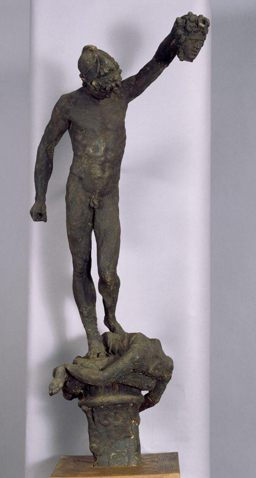
*wax
Cellini, Model of Perseus and Medusa, 1545-53.
*wax: wax models made pretty rough, think about pose, scale, proportion to ensure components fit but not especially detailed
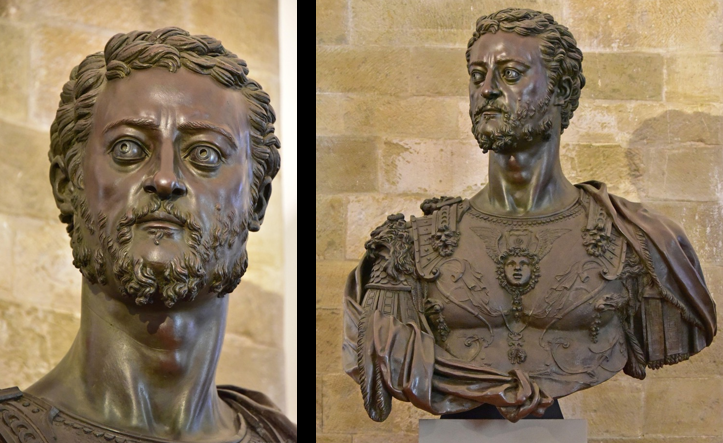
*Silvered
Cellini, Bust of Cosimo I de’ Medici, 1545-48.
*Silvered: eyes to make them pop
trained as goldsmith, allowing technique to transfer to other medium
Central figure somewhat similar to Medusa head
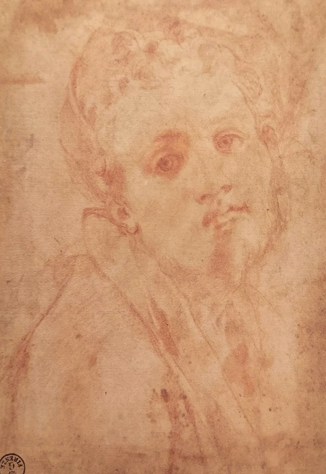
Pontormo, Nicodemus / Self Portrait, 1525-27
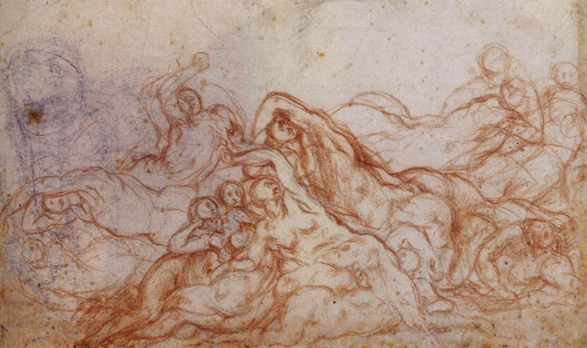
Pontormo, Study for the Deluge, c. 1546.

Giorgio Vasari, Courtyard of the Uffizi, begun 1559.
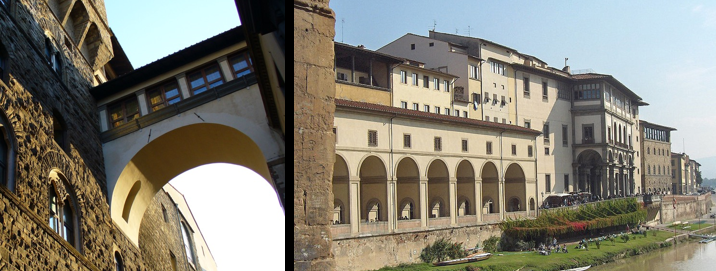
Giorgio Vasari, Corridor, 1565.
Area along river og undesirable
Corridors hiding Medici bodies from public (architecture as withholding access) → grand event when they revealed themselves
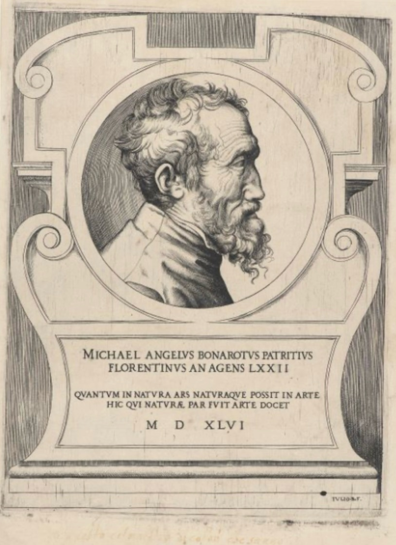
Giulio Bonasone, Portrait of Michelangelo Buonarroti, 1546.
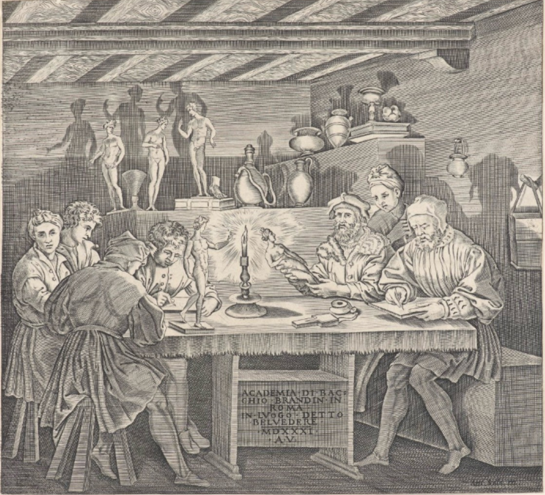
Agostino Musi, The Academy of Baccio Bandinelli, 1531.
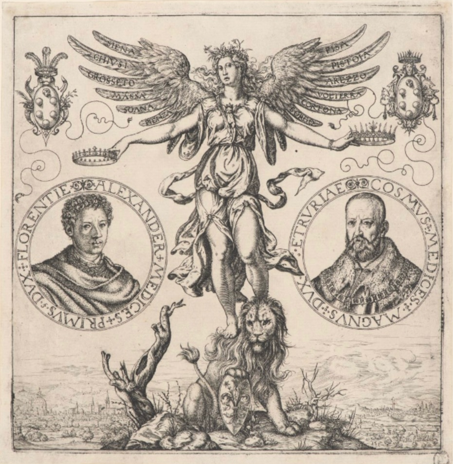
*Grand Duke, Giglio, Siena
Martino Rota, Alessandro de’ Medici and Grand Duke Cosimo I de’ Medici, after 1569.
*Grand Duke: hereditary monarch established by the Medici family (transition from republic to monarchy)
Giglio: stylized red iris on a white background, which is the enduring civic and heraldic symbol of the city of Florence
Siena: major rival to Florence, a distinct artistic center known for its rich, gold-laden, Gothic-influenced painting that emphasized lyricism, divine radiance, contrasting with Florence's focus on naturalism/humanism
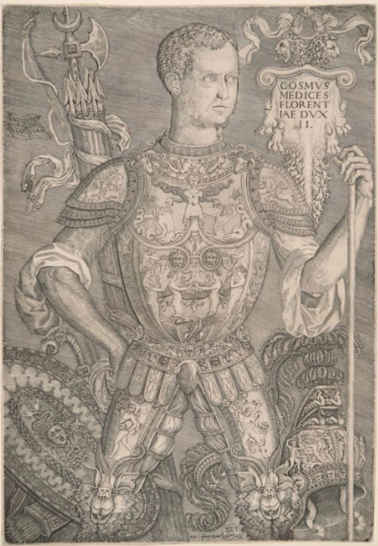
*State, matrix
Nicolò della Casa after Baccio Bandinelli, Cosimo I, Grand Duke of Tuscany, 1544.
*State: Florence as city state, artistic hub
matrix: physical mold or template for mass producing
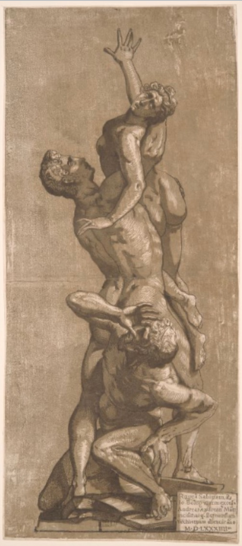
*Chiaroscuro, woodcut
Andrea Andreani after Giambologna, Abduction of the Sabine, ca. 1584.
*Chiaroscuro
*Woodcut
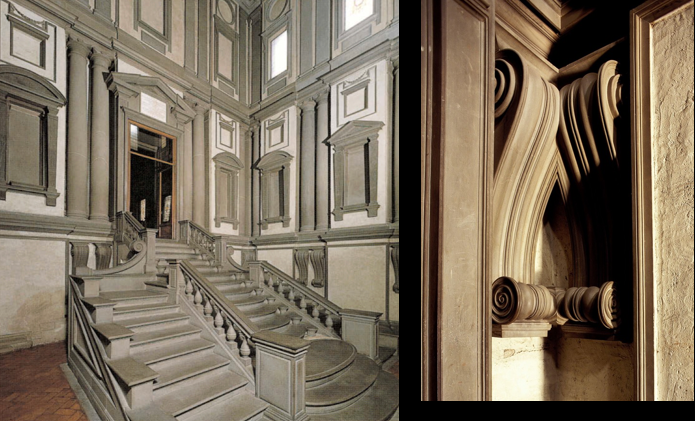
Designed by Michelangelo, completed by Bartolomeo Ammannati, The Laurentian Library Vestibule, 1524-59. San Lorenzo.

*Disegno, Academy of Design, Ekphrasis, Catafalque, River of God
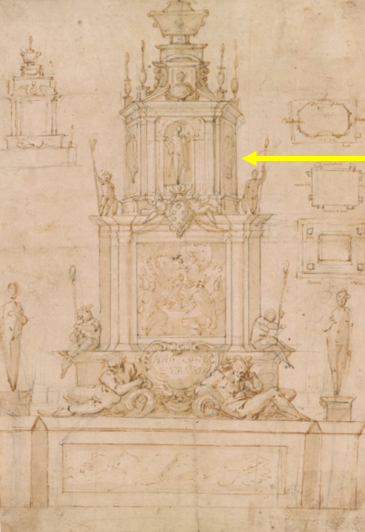
Vincenzo Borghini, Design for the Catafalque of Michelangelo, 1564.
*Disegno: drawing giving form and structure to art
*Academy of Design: first official art academy, artist elevated beyond just craft by teaching
*Ekphrasis: literary device of vivid verbal description of a visual work of art
*Catafalque: means scaffolding, raised platform to support coffin
*River of God: sculpture model by Michelangelo created as a symbolic, classical element for the Medici Chapels' tombs
*Liberality, charity, prudence, justice
Jacopo Zucchi, Design for the Catafalque of Grand Duke Cosimo I, 1574.
*Liberality: refers to the virtue of generosity or munificence, patrons in commissioning art for benefit and honor of city
*charity
*prudence: choose good and act wisely
*justice: fairness and maintenance of public order
*Last judgement
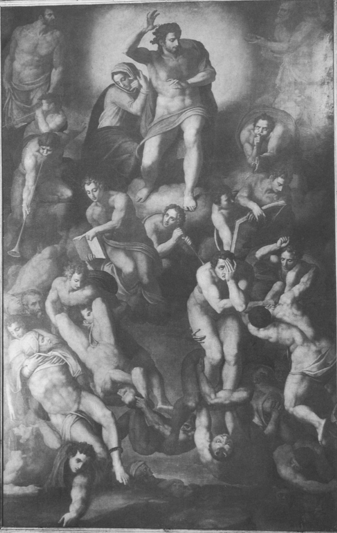
Alessandro Allori, Last Judgment, c. 1560. Montauti Chapel, Santissima Annunziata.
*Last judgement: eternal judging of all humanity by god
*Counter reformation
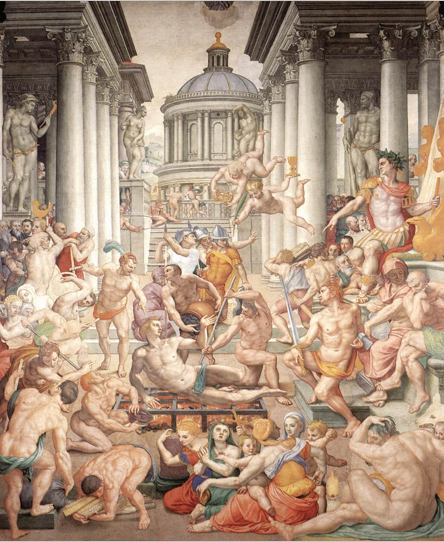
Bronzino, The Martyrdom of St. Lawrence, 1565-69. San Lorenzo.
*Counter reformation: reinforce power of the catholic church, revitalization of faith

Giorgio Vasari and Workshop, Cosimo I de’ Medici crowned by a Personification of Florence, 1567. Salone del Cinquecento, Palazzo Vecchio.
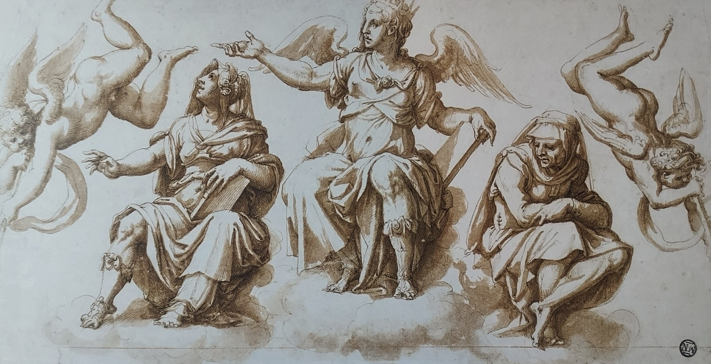
*Ink and wash
Giorgio Vasari, Beatitude of the Hungry, The Gift of Science, and the Virtue of Sobriety with Angels, 1572-73.
*Ink and wash: line to define details, wash as diluted medium brushed over lines to create gradation
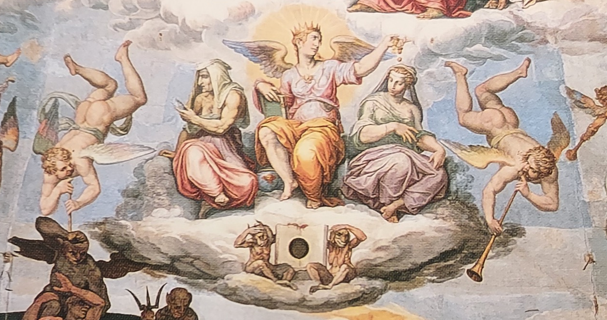
Giorgio Vasari, Detail of The Beatitude of the Hungry, the Gift of Science, and the Virtue of Sobriety with Angels, 1572-74. Cupola, Santa Maria del Fiore (Duomo).
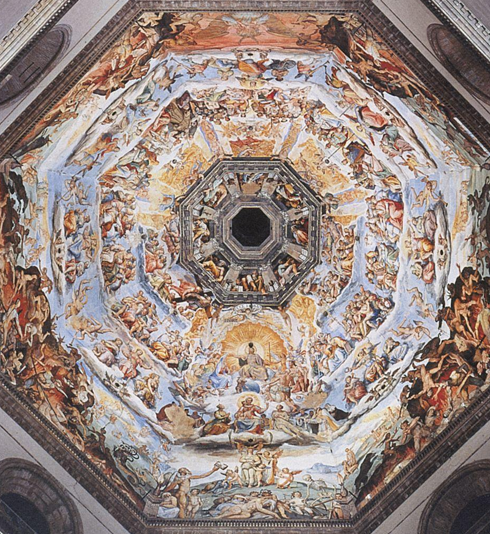
Giorgio Vasari and Federico Zuccaro, Last Judgment, 1572-79. Cupola, Santa Maria del Fiore (Duomo).
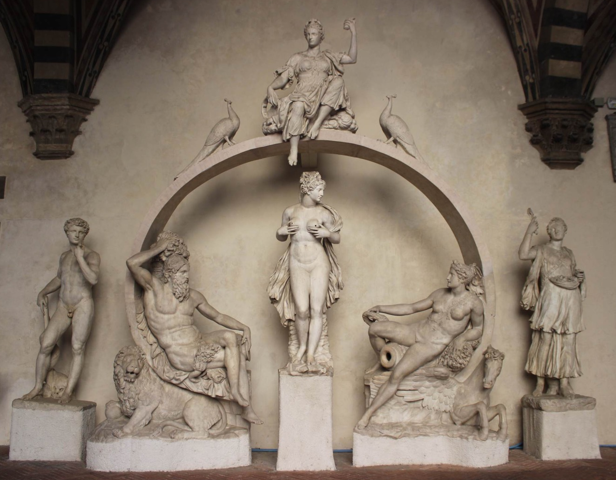
*Juno, ceres
Bartolomeo Ammannati, Juno Fountain, 1556-65
*Juno: Roman goddess, symbol of marriage, fertility
*ceres: goddess of agriculture, taught humanity to grow wheat so they didn’t starve, fertility and motherhood
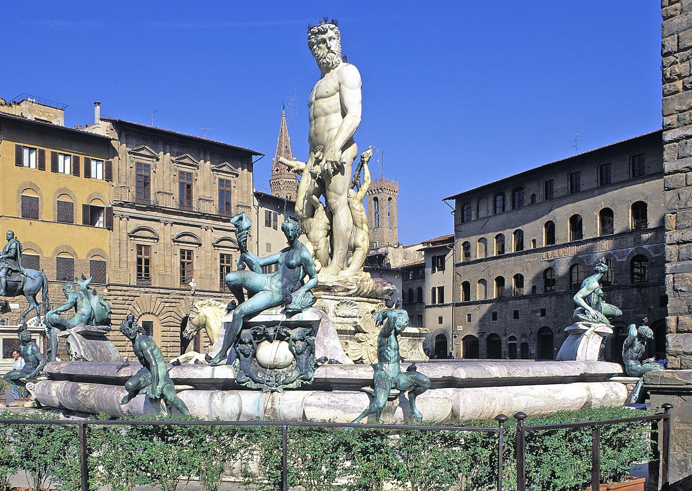
Bartolomeo Ammannati, Neptune Fountain, 1560-75. Piazza della Signoria
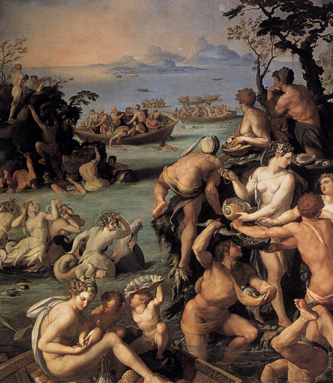
Alessandro Allori, The Pearl Fishers, 1570-72. Studiolo of Francesco I de’ Medici, Palazzo Vecchio.
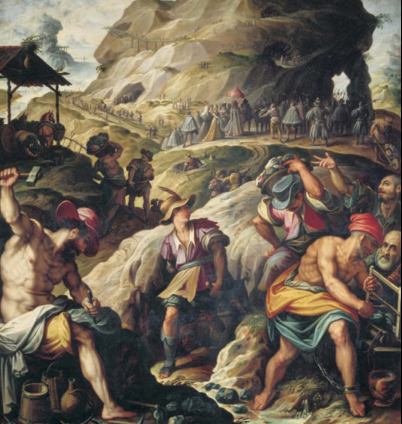
Jacopo Zucchi, The Mines of Potosí, 1570-71. Studiolo of Francesco I de’ Medici, Palazzo Vecchio
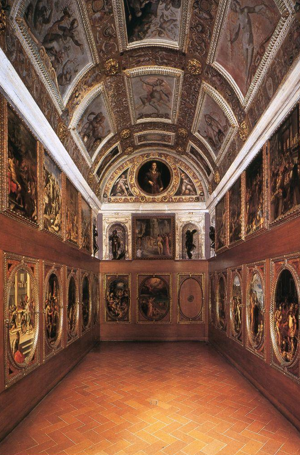
*Studiolo
Studiolo of Francesco I de’ Medici, Palazzo Vecchio.
*Studiolo: small decorated private room for reading, studying, display of owners objects
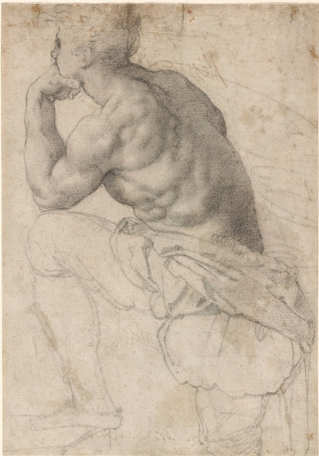
Breeches
Alessandro Allori, Pearl Fisher, c. 1570
*Breeches: form of lower body clothing, knee length pants
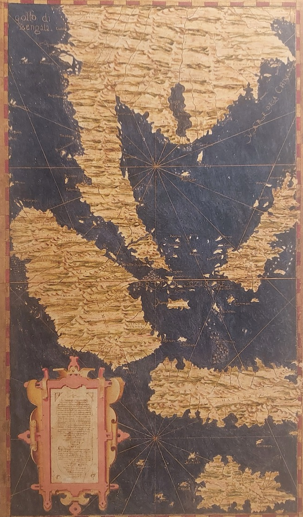
Ignazio Danti, Indonesian Islands and the Malay Peninsula, 1573. Guardaroba Nuova, Palazzo Vecchio.
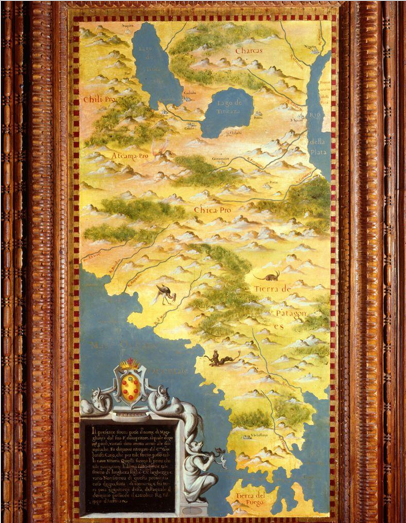
Stefano Buonsignori, Chile and the Straights of Magellan, c. 1585-86. Guardaroba Nuova, Palazzo Vecchio.

Ewer, porcelian
Medici Porcelain Manufactory, Ewer, ca. 1575-78.
* Ewer: pitcher of jug, flared spout and handle
porcelain: fine grained ceramic material, durability and delicate appearance, come from China
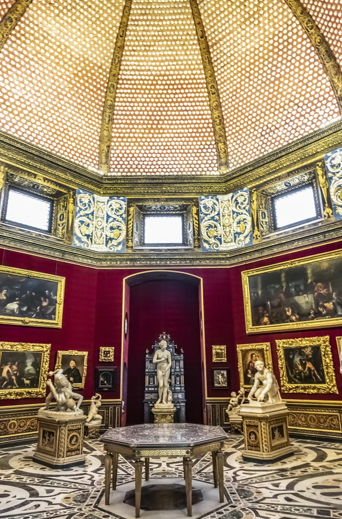
*Tribune
Bernardo Buontalenti, Tribuna, 1581-84. Uffizi.
*Tribune: octagonal room in the Uffizi gallery
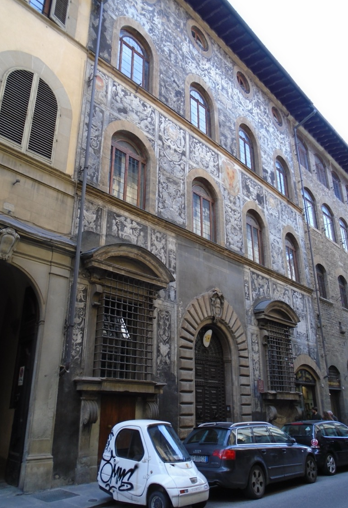
*Sgraffito
Bernardo Buontalenti and Bernadino Poccetti, Palazzo di Bianca Cappello, 1568-80.
Facade of palace designed using sgraffito
*Sgraffito: multiple layers of plaster, different colors, scratch away white plaster to reveal dark plaster → relation to metal point work/engraving
EX of a widow as a patron, projected onto street for all to see, she was mistress of Medici
Died within 1 day of her husband (poisoning? malaria?)
Facade as front to fear of violence, ever present threat of death
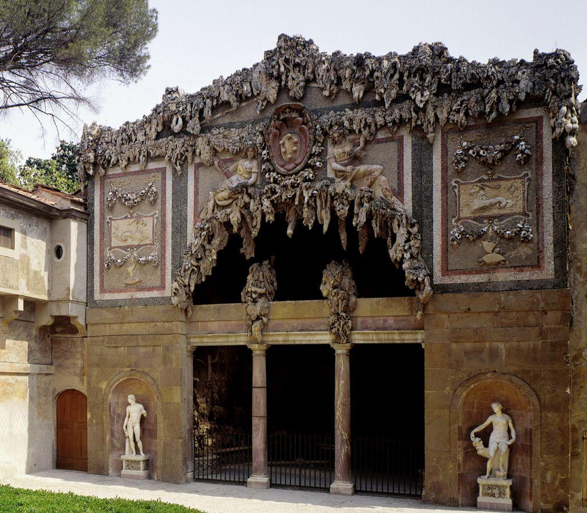
Giorgio Vasari and Bernardo Buontalenti, Great Grotto Façade, 1557-88. Boboli Gardens.
* Tufa: volcanic rock, much more plausible
*Facade
Details reveal themselves as you get closer
Used porous volcanic stone → impression of natural space but fictional, above ground
Architecture to channel/compete w nature, attempt to outdo nature
Mosaic: shells/colored stones as decoration
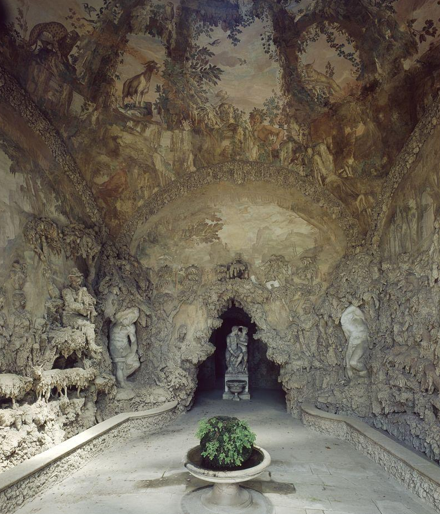
Bernardo Buontalenti, Great Grotto Interior, 1583-88. Boboli Gardens.
*Grotto: cave/underground space
Sheppard blowing bagpipe to sheep, ideas of finished/unfinished artwork over growing
Embodied new aqueduct development
Unique to materials Michelangelo used
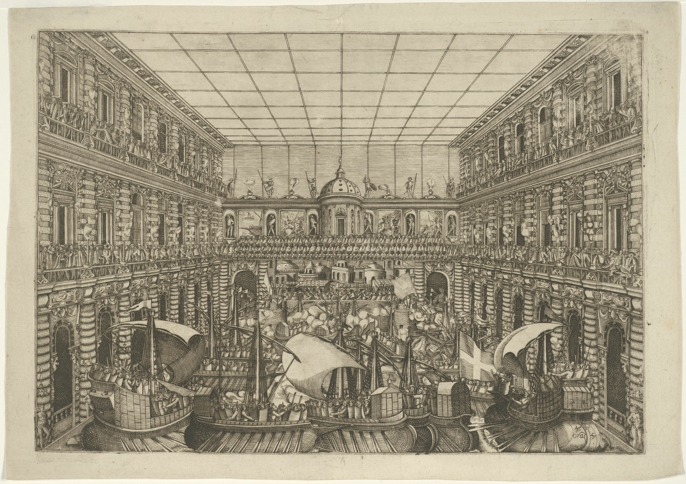
After Bernardo Buontalenti, Sea Battle, 1589.
Indoors production, spectators overlooking from balcony
Want to give impression that everything when incredible → attempt to display splendor Medici able to create (did not have wealth/territory of other so cultural display)
Counter idea of their decline after Michelangelo: no threat to dynastic continuity

Bernardo Buontalenti, Costume Design, 1589.
Reverence of play to this Medici wedding, long distance, banter of storytelling between woman and her servant
Sea baring articles (coral, shell) show Mediterranean proximity

Attributed to Giovanni Antonio Dosio, Façade of Santa Maria della Neve, 1586-87. Ex-Convent of Le Murate.
*Convent: nuns residence
One of the largest female convents at the time
Ex-convent: properties of religious locations seized, today luxury apartments
Facade does not jut out → unobtrusiveness responding to distrust of female community while engaging with public to voice identity, positioning in deeply patriarchal society
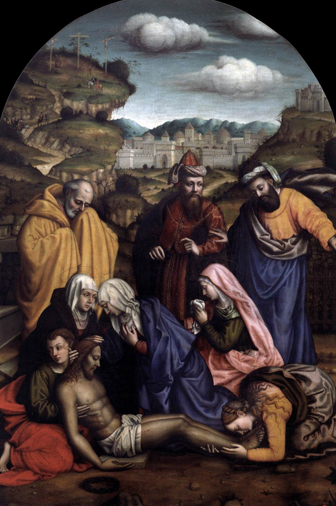
Plautilla Nelli, Lamentation, c. 1560. Convent of St. Catherine (originally).
Connected to Bartolomeo but she incorporates more women, shared mourning of women
Not ascribing to competing w Michelangelo, she has different artistic goal
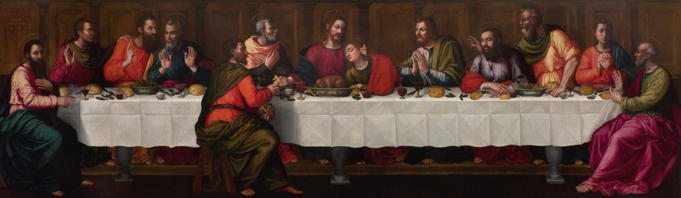
Plautilla Nelli, Last Supper, c. 1560. Convent of St. Catherine (originally).
Few women artists
Loving relationship between artists w his disciples understood by nuns w Christ in their same sex environment
Folding of table cloth = painting on canvas
Honoring communal labor of repetitive folding/unfolding cloth
Simplicity of tablecloth = that of barefoot Christ/disciples
Not trying to compete but instead promote devotion

Giambologna, Samson Slaying a Philistine, 1562.
Competing to be the one to proceed Michelangelo (old, doesn’t want to return to Florence)
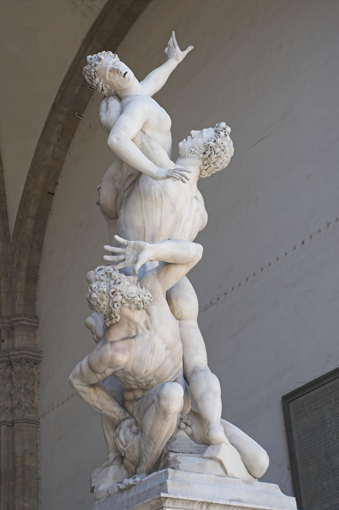
Giambologna, Abduction of the Sabine, 1579-83.
Sculptural ambition of adding a 3rd figure
How do you manipulate/control history to suit one in control?: Medici links to ancient Romans, wanting to legitimize themselves
Print is reversed: exact 1:1 copy, had choice to invert but didn’t to show technique

Giambologna, The Appenine, 1580-3. Medici Villa at Pratolino.
Colossal stone sculpture: Medici power over land + people living on this land
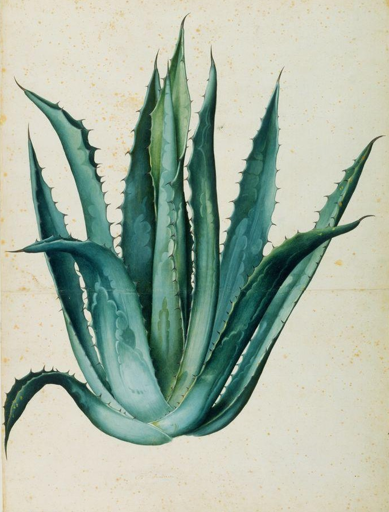
Jacopo Ligozzi, Agave Americana (detail), c. 1577-87.
Shows very accurate spines of plant
Plant almost reacting edges of paper but stops
Incredible root system allows succulent to live w little water, painting denies this life, roots cut off
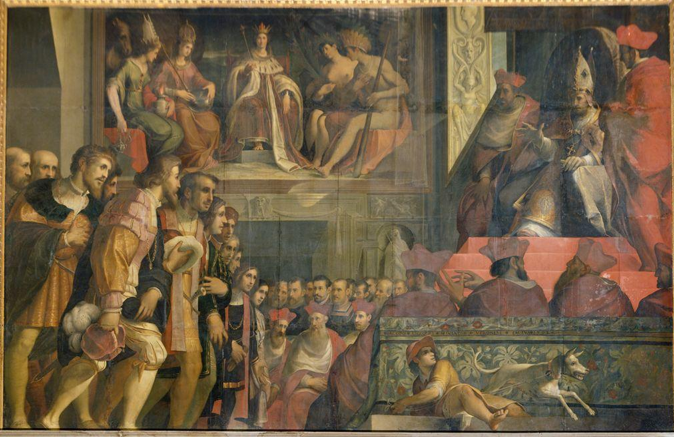
Jacopo Ligozzi, Pope Boniface VIII Receiving Twelve Ambassadors, 1590-92.
*Slate: medium, panel come through, smooth fark stone used beneath oil paintings
Ambassadors from 4 different continents
Attempt to rewrite history with Florence claiming domination
Even without knowledge of America existing, still claiming it under dominion of Catholic Church
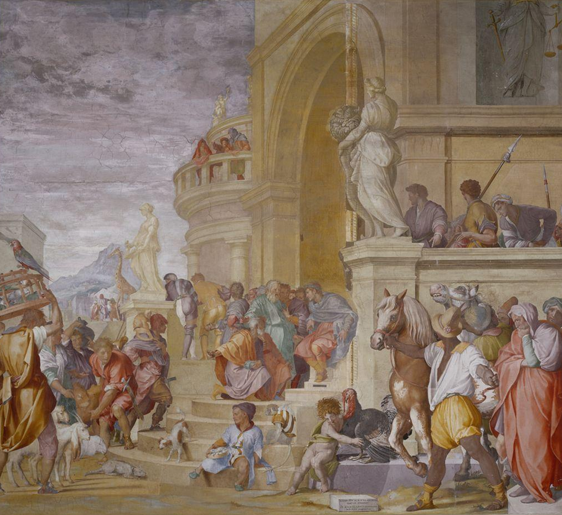
Andrea del Sarto and Alessandro Allori, Tribute to Caesar, 1520-82. Villa Medici, Poggio a Caiano.
Fresco located in the same room as Vertumnus and Pomona
Showing receiving gifts (difference from og: addition of animals, genealogical continuity Del Sarto → Allori)
Capacity to bring in things from the new world unique to the Medici
Proximity/continuity of people of Florence closely interacting with New World
This scene under eye of justice, but injustice in bringing these things here
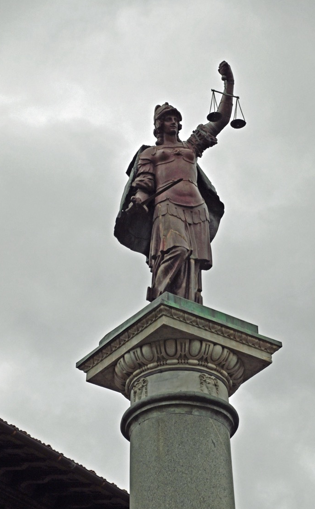
Bartolomeo Ammannati and Francesco del Tadda, Justice, 1565-81.
*Porphyry: sculpture made of 3 pieces of porphyry (primarily north Africa: expansion of Medici power)
By this point, Rome is gaining more power, shown by Rome shipping column this lays on to Florence