PLTW 2.2.1-2.2.5
0.0(0)
Studied by 1 person Call Kai
 Learn
Learn Practice Test
 Spaced Repetition
 Match
Match Flashcards
 Knowt Play
Card Sorting
1/81

Earn XP
Description and Tags
Last updated 10:38 AM on 12/8/22
Name | Mastery | Learn | Test | Matching | Spaced | Call with Kai | Chat |
|---|
No analytics yet
Send a link to your students to track their progress
82 Terms
1
New cards
the nervous system contains
brain, spinal cord, and nerves
2
New cards
the nervous system is responsible for...
receiving, interpreting, and reacting to signals from inside and outside the body
3
New cards
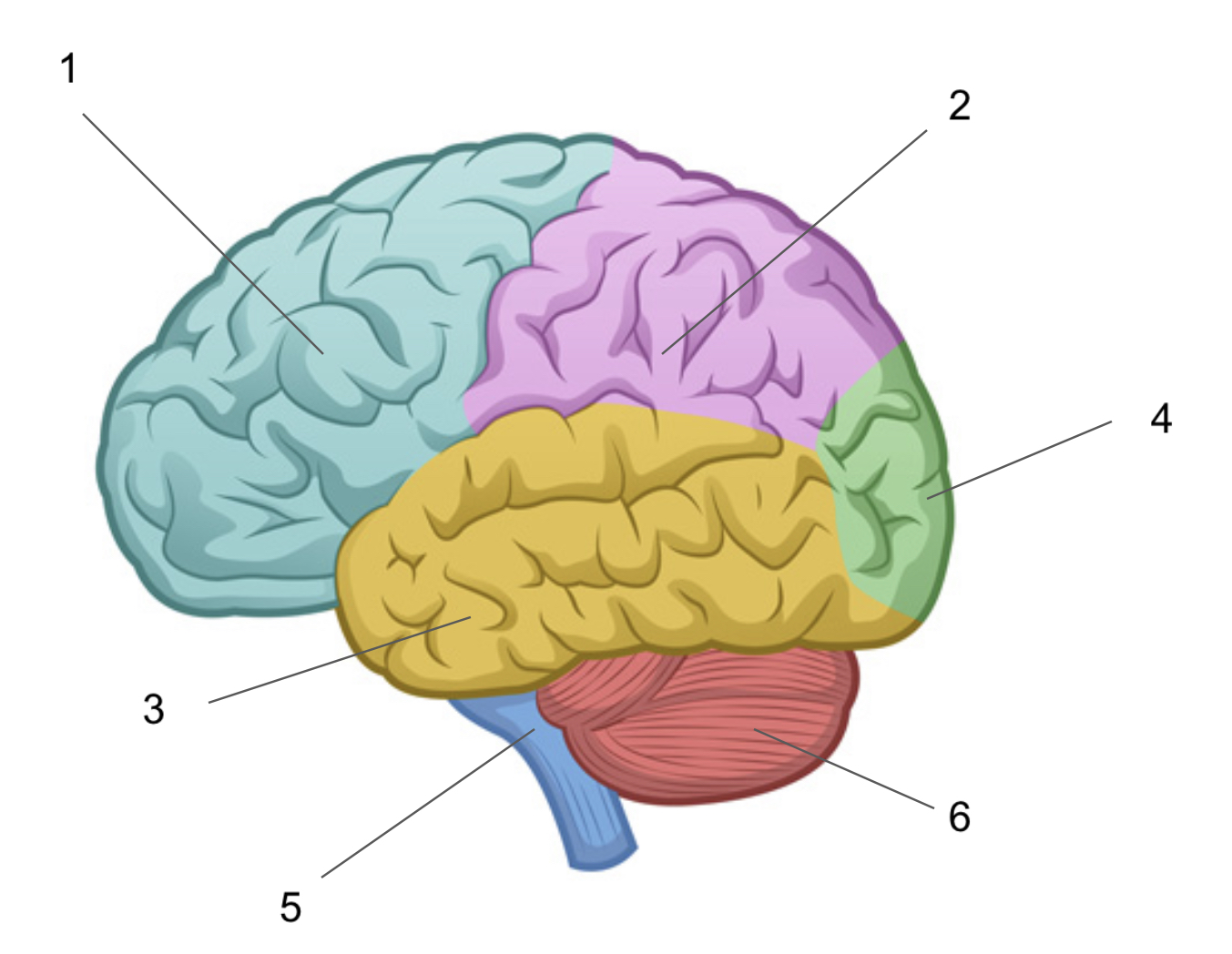
frontal lobe is
responsible for planning and organizing incoming information
- controls behavior & emotion
- controls behavior & emotion
4
New cards
temporal lobe is
used for processing language and storing information in the long-term memory
5
New cards
parietal lobe is
crucial in integrating sensory and visual information
6
New cards
occipital lobe is
receives and processes sensory and nerve impulses from the eyes
7
New cards
traumatic brain injury
a brain dysfunction caused by an outside force to the head
8
New cards
chronic traumatic encephalopathy
a progressive degenerative, and/or death of nerve cells caused by repeated head injuries
9
New cards
what is a concussion?
an injury to the head that causes the brain to quickly move back and forth
10
New cards
short term effects of a concussion:
- headache
-dizziness
-memory defects
-sensitivity to light or noise
-ringing in the ears
-emotional irregularities
-nausea
-dizziness
-memory defects
-sensitivity to light or noise
-ringing in the ears
-emotional irregularities
-nausea
11
New cards
what are the potential long-term effects of a concussion?
long term deficits
12
New cards
arteries are responsible for...
carrying blood away from the heart
13
New cards
veins are responsible for...
returning blood back to the heart
14
New cards
agina
a chest pain or discomfort caused when your heart doesn't get enough oxygen-rich blood
15
New cards
atherosclerosis
refers to the build-up of fats or other substances in or on your artery wall (plaque)
16
New cards
myocardial infarction
a blockage of blood flow to the heart muscle (heart attack)
17
New cards
aortic valve stenosis
narrowing of the valve in the large blood vessel branching off the heart
18
New cards
patent foramen ovale
a hole in the heart that didn't close all the way it should have after birth
19
New cards
congestive heart failure
a chronic condition when the heart doesn't pump blood as well as it should
20
New cards
hypertrophic cardiomyopathy
a condition that causes the heart muscle to become thick; makes it hard for the heart to pump blood
21
New cards
bacterial endocarditis
the inflammation of the inner linings of your heart chambers and valves; usually caused by infection
22
New cards
what happens to tissues if oxygenated blood isn't delivered in a timely manner
the tissues start to die because the cells will be derived of oxygen
23
New cards
nervous system includes...
brain, spinal cord, nerves, sensory receptors
24
New cards
digestive system includes...
oral cavity, esophagus, small intestine, large intestine, stomach
25
New cards
digestive system
breaks down food into its nutrients molecules; absorbs nutrients; rids the body of waste
26
New cards
algor mortis
the change in body temperature after death
27
New cards
rigor mortis
the stiffening of joints and muscles after death
28
New cards
livor mortis
pooling of the body following death that causes a purplish red discoloration of the skin; also referred to as lividity
29
New cards
immediately after death
the body begins cooling or heating to match the temperature of the body's surroundings; this postmortem change is known as algor mortis
30
New cards
first several hours of death
clouding of the corneas
31
New cards
2-4 hours after death
the muscles contract and stiffen; this is known as rigor mortis; observed in the head and neck and moves to the arms and legs
32
New cards
8-12 hours after death
blood settles or collects on the parts of the body facing the ground; the bluish color on the skin where this blood pools is known as livor mortis or lividity
33
New cards
36-48 hours after death
decomposition; the body turns greenish in color and may swell or bloat
34
New cards
24-48 hours after death
insect activity occurs when the presence of insect eggs, larva, or full-grown bugs
35
New cards
the glaister equation
98.4 - rectal temperature / 1.5 = apx hours since death
36
New cards
what is a toxin
a poisonous substance that is harmful or deadly
37
New cards
what is the main function of the digestive system
to break down the food you eat
38
New cards
oral cavity
the mouth, where food enter; accessory organ which aids in digestion include teeth, tongue, and salivary gland
39
New cards
esophagus
a muscular tube the transports food from oral cavity to the stomach
40
New cards
stomach
a muscular sac that contains acids and enzymes and contradicts to break down food
41
New cards
large intestine
shorter and wider than the small intestine, it reabsorbs water and forms feces to be released from the body
42
New cards
small intestine
between the stomach and the large intestine, breaks down food into molecules and absorbs digested nutrients
43
New cards
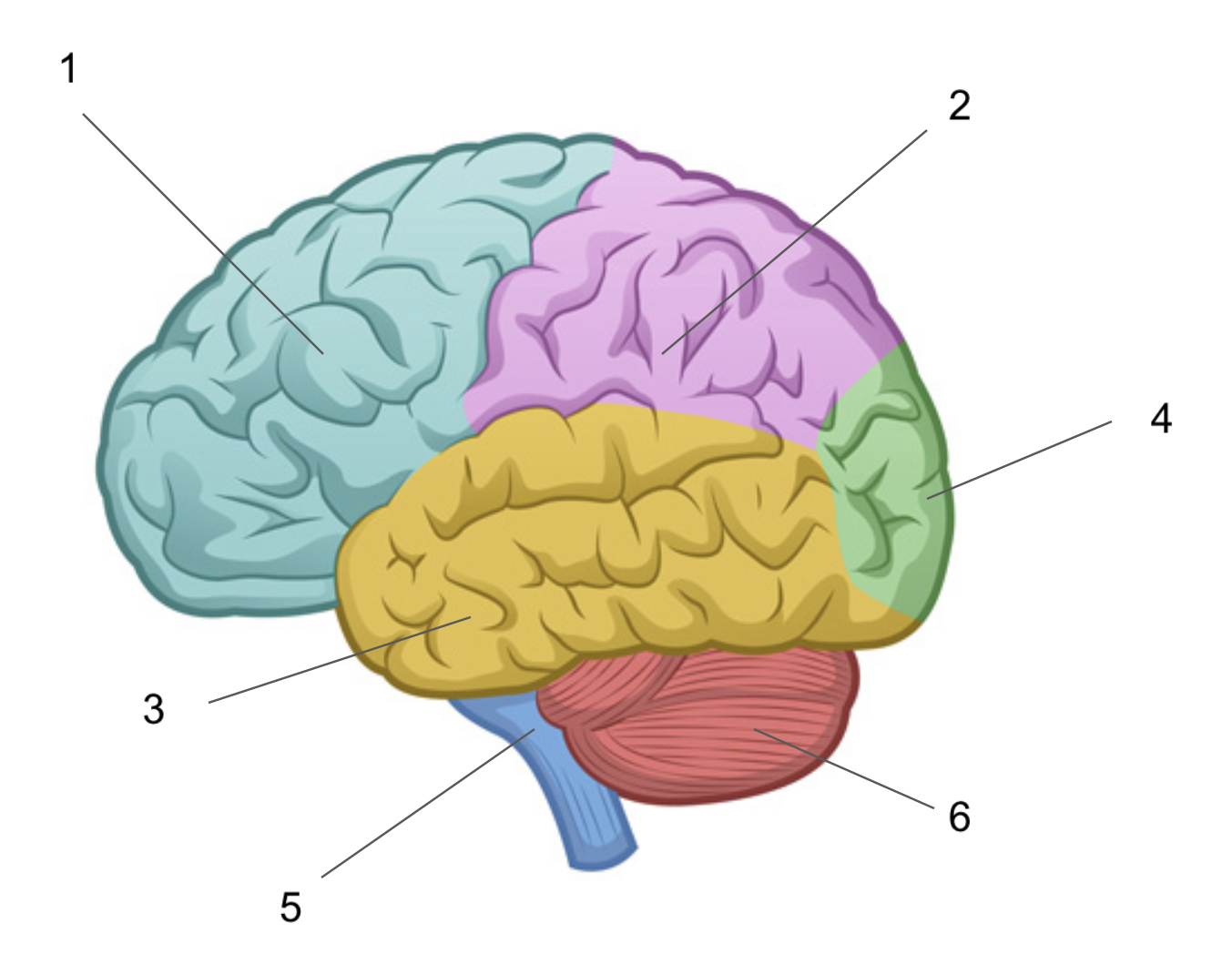
what is 1
frontal lobe
44
New cards
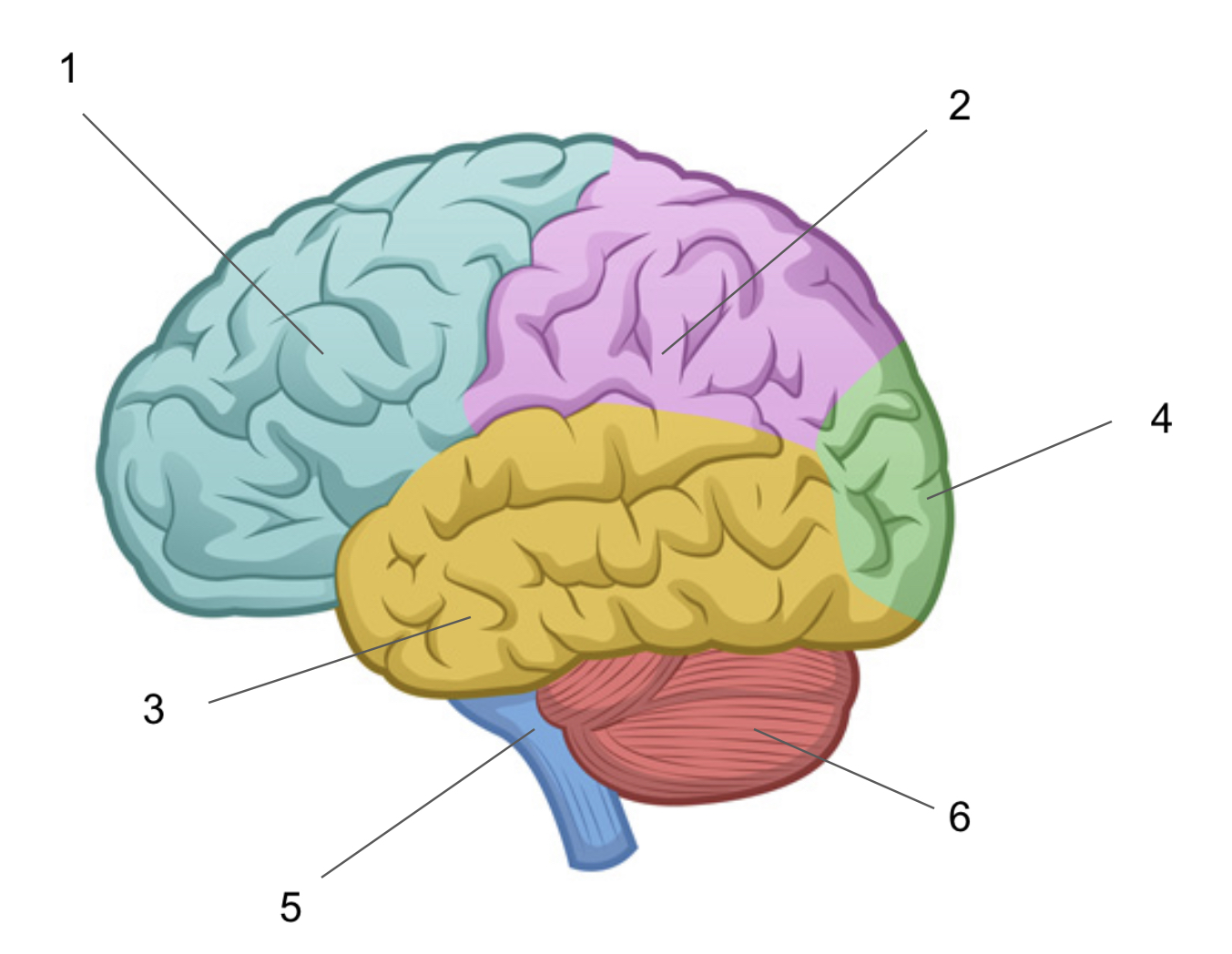
what is 2
parietal lobe
45
New cards
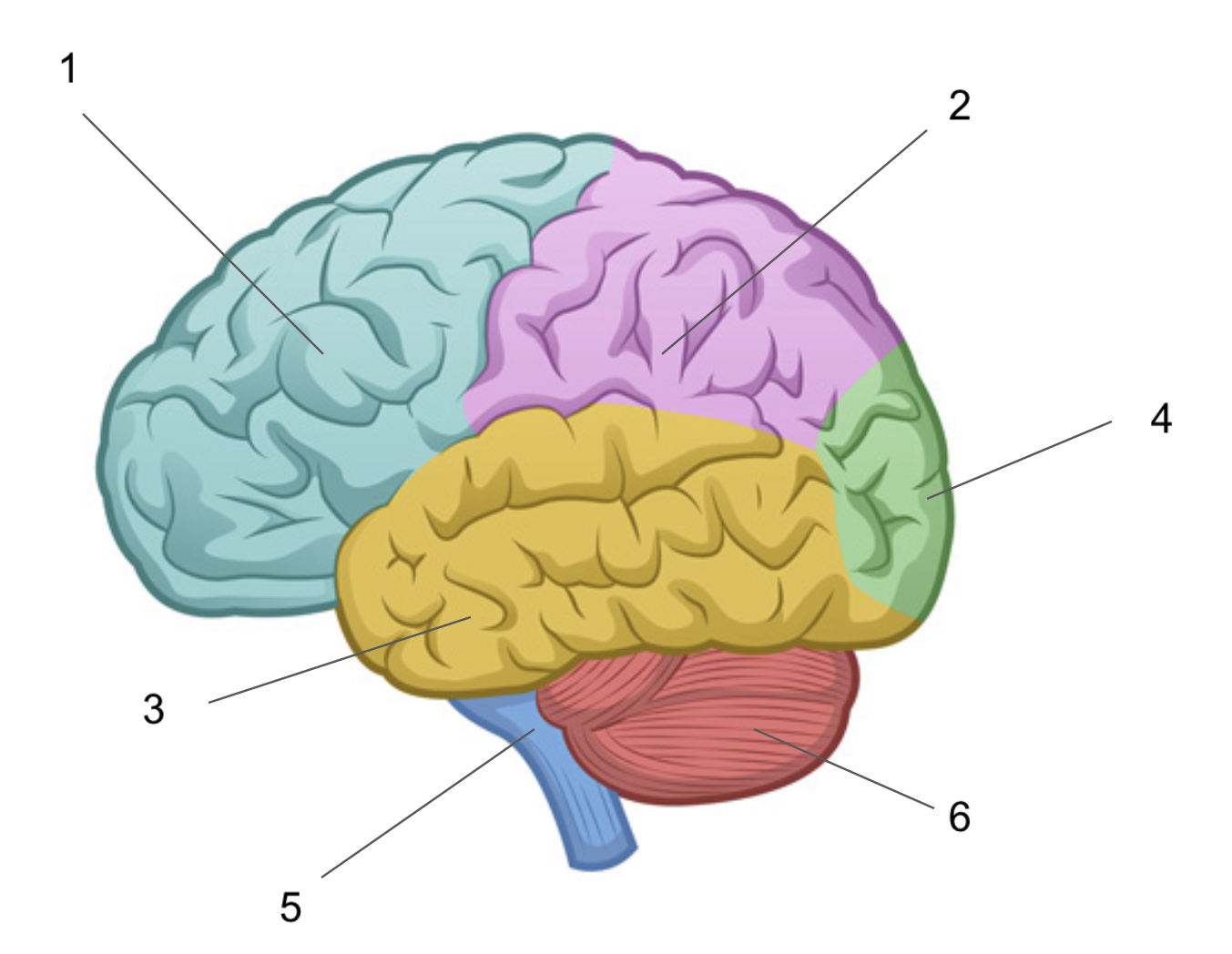
what is 3
temporal lobe
46
New cards
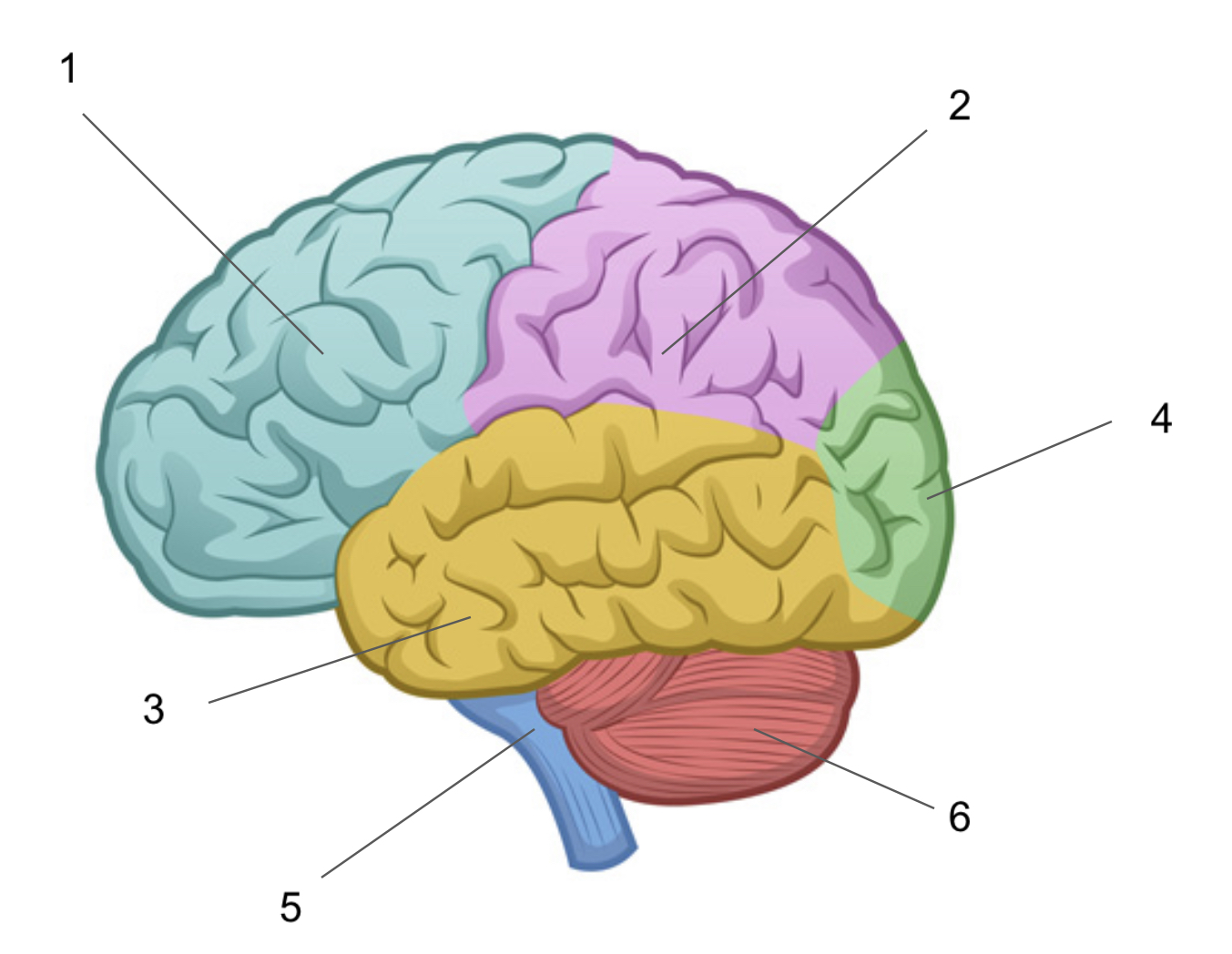
what is 4
occipital lobe
47
New cards
what is 5
brain stem
48
New cards
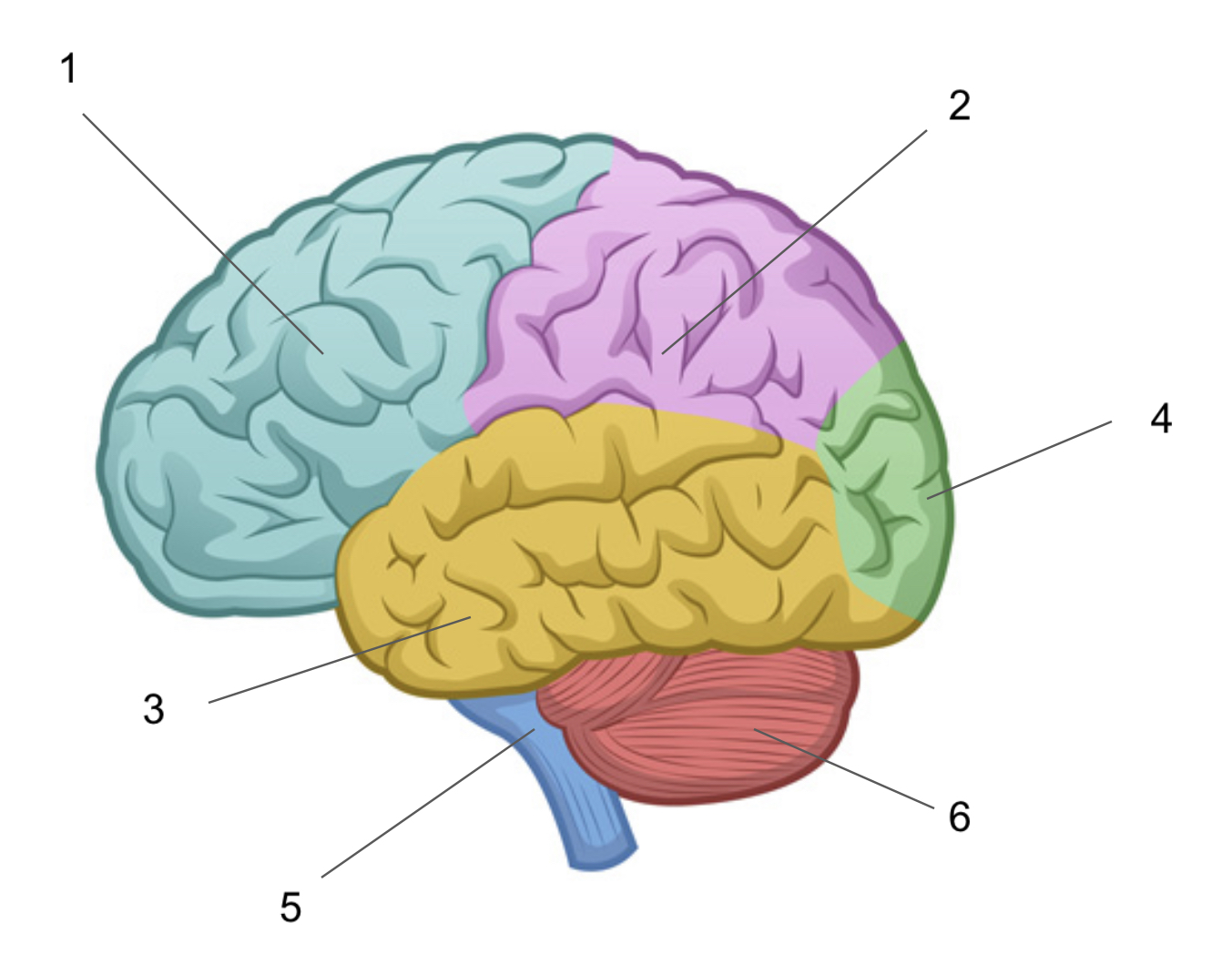
what is 6
cerebellum
49
New cards
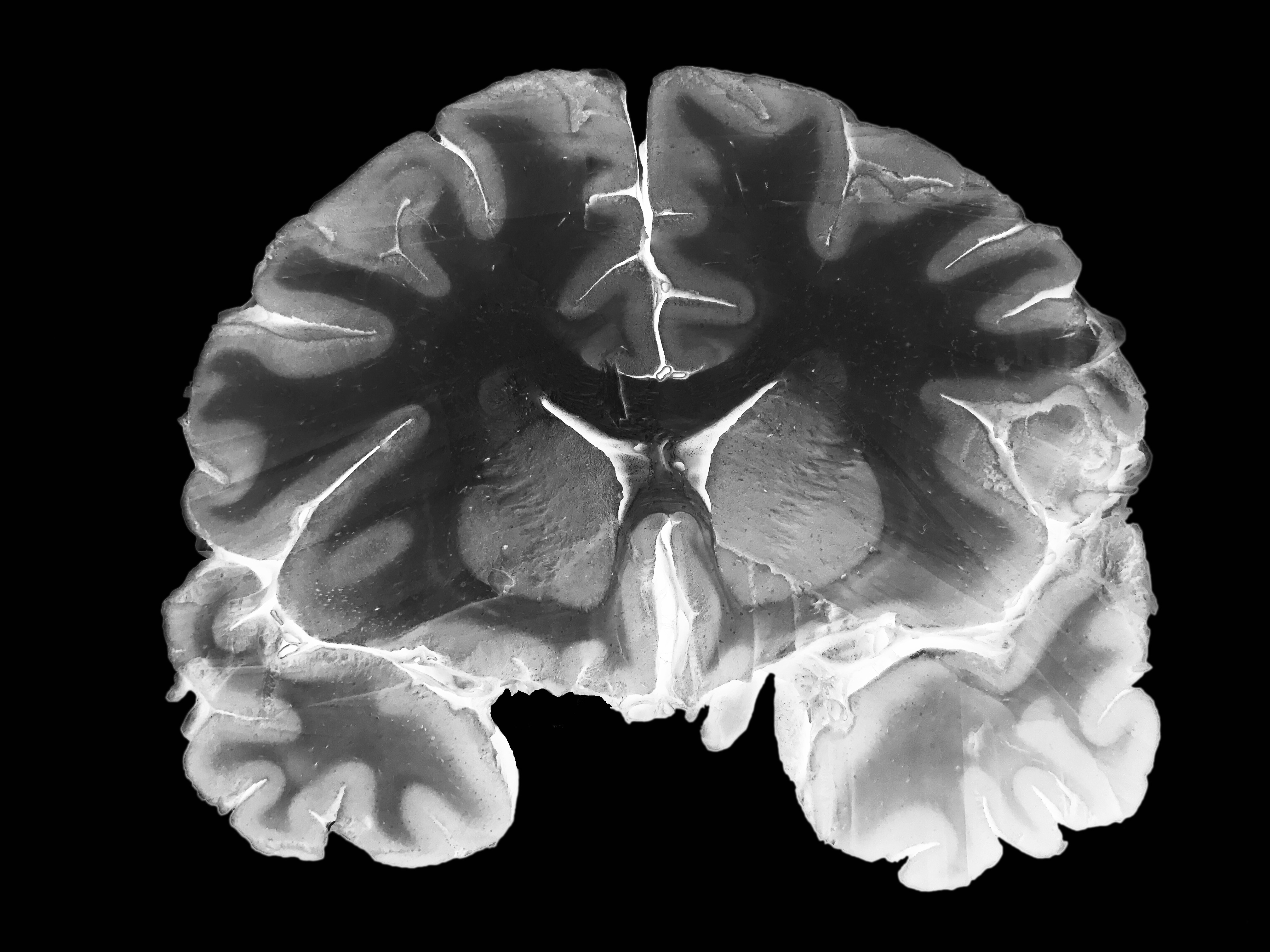
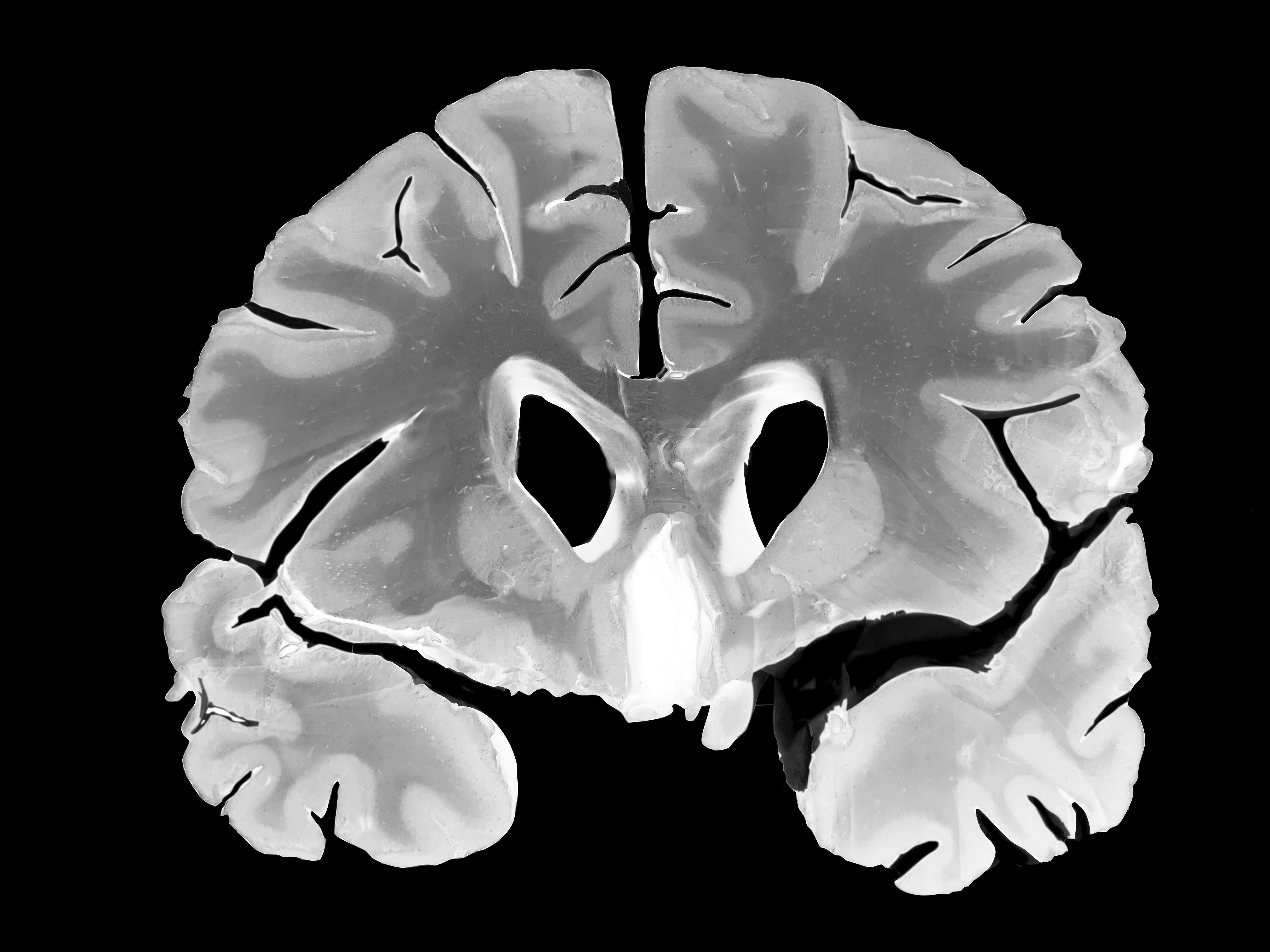
this MRI shows
Normal Brain
50
New cards
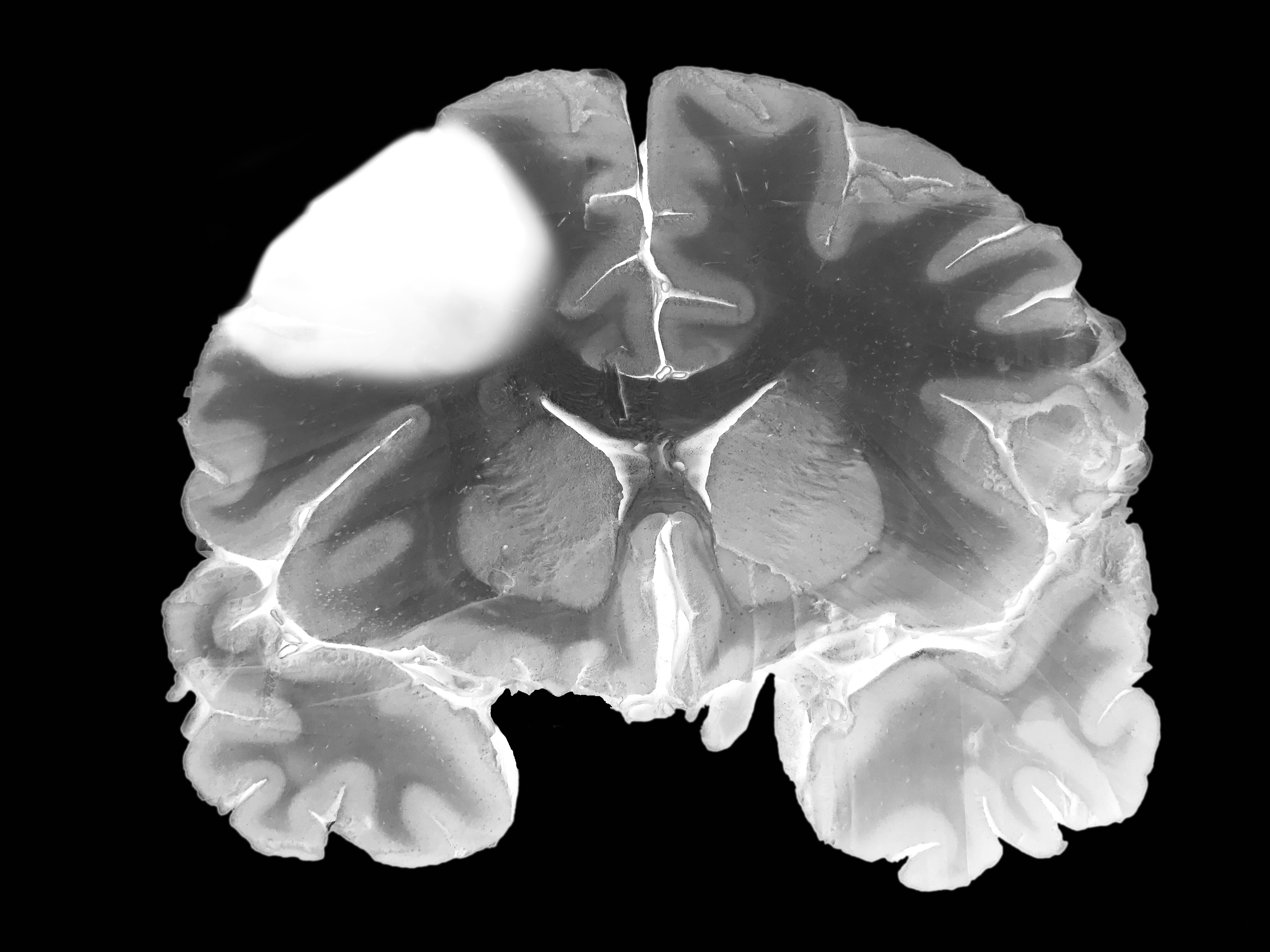
this MRI shows
Traumatic Brain Injury
51
New cards
this MRI shows
Chronic Traumatic Encephalopathy
52
New cards
What does a toxicologist do?
A person in the study of poisonous substances and their effects upon body parts.
53
New cards
What is histology?
The study of microscopic anatomy of tissues
54
New cards
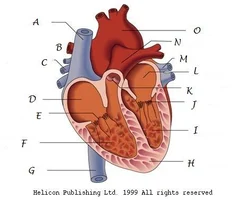
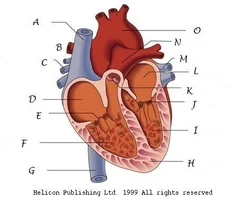
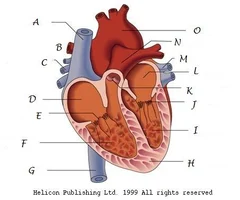
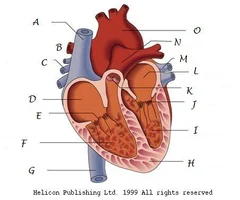
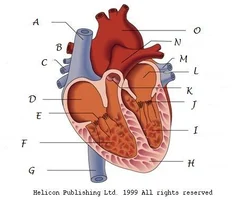
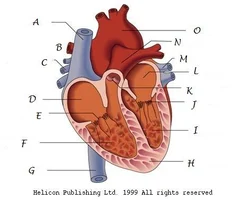
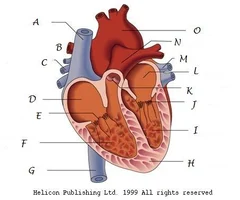
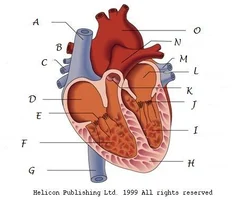
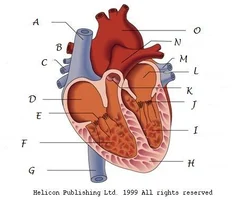
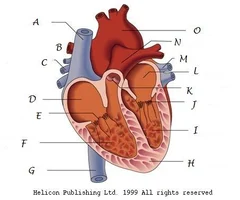
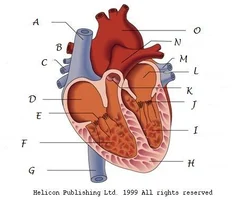
Which vessel does blood flow from the right ventricle
Blood flows to the pulmonary artery
55
New cards
What valve is between LA and LV
Mitral valve
56
New cards
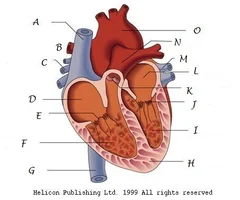
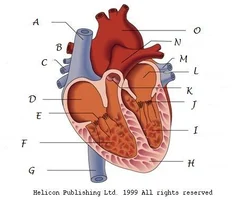
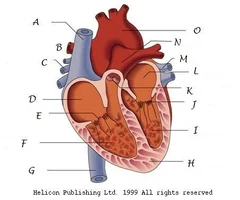
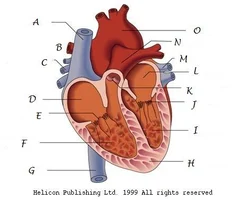
Superior Vena Cava
A
57
New cards
Right Pulmonary Artery
B
58
New cards
Right Pulmonary Vein
C
59
New cards
Right Atrium
D
60
New cards
Tricuspid Valve
E
61
New cards
Right Ventricle
F
62
New cards
Pulmonary Valve
K
63
New cards
Left Atrium
L
64
New cards
Left Ventricle
I
65
New cards
Inferior Vena Cava
G
66
New cards
Aorta
O
67
New cards
Septum
H
68
New cards
Left Pulmonary Vein
M
69
New cards
Left Pulmonary Artery
N
70
New cards
Mitral Valve
J
71
New cards
Anna’s toxicology result
-caffeine 10mg/L
-Aspirin 20mg/L
-Aspirin 20mg/L
72
New cards
Superior Vena Cava to
Right Atrium
73
New cards
Right Atrium through
Tricuspid Valve
74
New cards
Tricuspid valve to
Right Ventricle
75
New cards
Right ventricle to
Pulmonary valve
76
New cards
Pulmonary valve to
Pulmonary artery
77
New cards
Pulmonary artery to
Pulmonary vein
78
New cards
Pulmonary vein to
Left atrium
79
New cards
Left atrium to
Mitral valve
80
New cards
Mitral valve to
Left ventricle
81
New cards
Left ventricle to
Aortic valve
82
New cards
Aortic valve to
Aorta