Grade 11 Chemistry Lab Safety Test - SCH3UP
 Call Kai
 Learn
Learn Practice Test
 Spaced Repetition
 Match
Match Flashcards
 Knowt Play
1/70

There's no tags or description
Looks like no tags are added yet.
Name | Mastery | Learn | Test | Matching | Spaced | Call with Kai | Chat |
|---|
No analytics yet
Send a link to your students to track their progress
71 Terms
Exploding Bomb
- For explosion or reactivity hazards
- Materials may be self-reactive and have explosive reactions

Flame
- For fire hazards and materials that can burn and become hot in air
- May be self-reactive/self-heating, emit flammable gases in water and decompose slowly

Flame Over Circles
- For oxidizing hazards and materials that can cause/increase a fire
- Can cause skin or eye burns

Gas Cylinder
- For gases under pressure
- Materials that can explode by pressure/heat/dropping

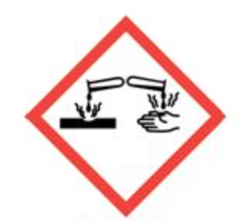
Corrosion
- For corrosive damage to metals, as well as skin and eyes
- Can cause irritation to skin and eyes, lung damage, severe burns/tissue damage after a long time
Skull and Crossbones
- Causes death or toxicity with short exposure to small amounts
- Small volumes may be fatal or toxic if inhaled, ingested or absorbed through skin

Health Hazard
- May cause or suspected of causing serious health effects
- May contain carcinogens, damage DNA, reproductive capability, facilitate respiratory problems

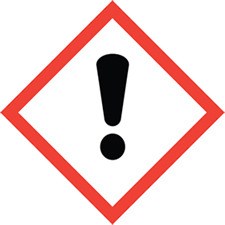
Exclamation Mark
- May cause less serious health effects or damage to the ozone layer
- Can cause allergies, skin, eye or respiratory irritation
Environment
- May cause damage to the aquatic environment
- Can create environmental risks, pollute and destroy habitats

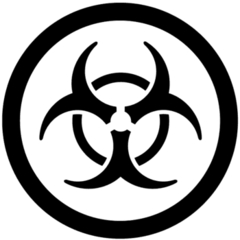
Biohazardous Infectious Material
- For organisms or toxins that can cause diseases in people or animals
- May cause shock
Explosive
- Container can explode if heated or punctured
- Flying pieces of container can cause injury

Poison
- Product can cause illness or death if swallowed, licked, or inhaled

Flammable
- Product or its fumes may catch fire easily if near heat, flames, or sparks
- Rags soaked in product may burn on their own

Corrosive
- Product can burn skin, eyes, throat and stomach if ingested
- Contents may also eat away at other materials

Workplace Hazardous Materials Information System
What does WHMIS stand for?
Hazardous Household Product Symbols
What does HHPS stand for?
Triangle - CONTAINER is dangerous
Octagon - CONTENTS are dangerous
HHPS Symbol Frames
Caution: Temporary injury, lots of exposure maybe fatal
Danger: May cause permanent injury or death
Extreme Danger: low amounts may cause death or serious injury
HHPS Signal Words
WHMIS: standardize labelling of dangerous materials in all workplaces
HHPS: for danger to be specified in the use of consumer products
HHPS and WHMIS purpose
Dynamite, Fireworks
Examples of Exploding Bomb
Gasoline, Paint Thinner
Examples of Flame
Hydrogen Peroxide, Chlorine
Examples of Flame over Circle
Propane tank, Fire Extinguisher
Examples of Gas Cylinder
Battery Acid, Drain Cleaner
Examples of Corrosion
Insect sprays, Toiletries (eg. Lysol Spray)
Examples of Skull and Crossbones
Washing detergent, toilet cleaner
Examples of Health Hazard
Ammonia, bleach
Examples of Exclamation Mark
Oil spill, Lead
Examples of Environment
Viruses, yeasts, molds
Examples of Biohazardous Infectious Material
Aerosol cans, fireworks
Examples of Explosive (HHPS)
Paint, windshield washer fluid
Examples of Poison (HHPS)
Nail polish, gasoline
Examples of Flammable (HHPS)
Over cleaner, batteries
Examples of Corrosive (HHPS)
1. Point tubes to wall when heating liquid
2. Never leave a burner unattended
3. Dispose waste as directed by teacher
4. Wear goggles
5. Have a clean area
6. No horseplay
7. No food
8. Smell chemicals by wafting
9. No tasting chemicals
10. Tie long hair
11. Never work alone
12. Report all injuries
13. Use assigned scoopula
14. Notify about damaged equipment
15. Use cold water if burned
Rules of Lab Safety
Beaker
- Holds solids/liquids that WON'T release gases or splatter if stirred or heated in a reaction

Erlenmeyer Flask
- Holds solids/liquids that MIGHT release gases or splatter if stirred or heated in a reaction

Florence Flask
- For the mixing of chemicals, the narrow neck prevents splatter during reaction

Graduated Cylinder
- Used to measure volumes of liquid

Gas Collecting Bottle
- Used when large amount of gases are produced and must be collected via the DISPLACEMENT of water

Test Tube

Beaker Tongs
- Used to move beakers with hot liquids

Crucible Tongs
- Used for handling crucibles and picking up other hot objects (besides beakers)

Test Tube Holder
- Used to hold a test tube too hot to handle

Test Tube Brushes
- Used to clean test tubes and graduated cylinders

Test Tube Rack
- Used for holding and organizing test tubes

Rubber Stoppers
- Used to close containers to avoid spillage or contamination
- Container never heated with stopper

Spot Plate
- Used to perform many small scale reactions at once

Watch Glass
- Hold a small amount of solid, such as a precipitate

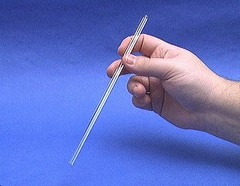
Glass Stir Rod/Stirring Rod
- Used to manually stir solutions or to transfer a single drop of a solution
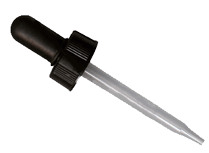
Medicine Dropper
- Used to transfer a volume of liquid less than 1 mL
- Top of medicine dropper is a "rubber bulb"
Litmus Paper
- To identify pH, Red paper for bases, Blue paper for acids

Forceps/Tweezers
- Used to pick up small objects

Funnel
- Used to aid in transferring liquid from one vessel to another

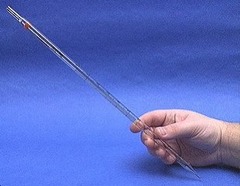
Mohr Pipet
- Measures and delivers exact volumes of liquids
Wash Bottle
- Uses a spout to deliver a wash solution in a specific area (distilled water is the only liquid used)

Weighing Boat
- Used to weigh solids that will be transferred to another vessel

Spatulas
- Used to dispense solid chemicals from their containers

Bunsen Burner
- Used to heat nonvolatile liquids & solids

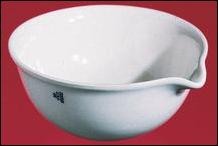
Evaporating Dish
- Used for the heating of stable solid compounds and elements
Crucible
- Used to heat solids, often metals to high temperatures

Clay Triangle
- Support for crucibles when heating on a burner

Glass Plates
- Surface used for semi-micro scale experiments: drop reactions and testing of acids & bases

Triangular File
- Used to primarily cut a glass rod

Ringstand/Retort Stand
- Safe and convenient way to perform reactions with a bunsen burner

Iron Rings - Part of Ringstand
- Connects to ringstand to provide a stable elevated platform

Utility Clamps - Part of Ringstand
- Used to secure test tubes, distillation columns and burets to ringstand

Double Buret Clamps - Part of Ringstand
- Used to clamp burets-long graduated tubes- in titration (where you find concentration of unknown solution)

Wire Gauze - Part of Ringstand
- Sits on iron ring and provides place to stand beaker

Pressed Fiber Pad - Part of Ringstand
- Square of ceramic fiber to use as a surface for hot beakers
(used to not come in contact with a cold counter and shatter)

Strikers - Part of Ringstand
- Used to light bunsen burners

Scoopula - used for transferring dry chemicals
