Exam 2 Medical Botany 3850 USF
 Call Kai
 Learn
Learn Practice Test
 Spaced Repetition
 Match
Match Flashcards
 Knowt Play
1/134

There's no tags or description
Looks like no tags are added yet.
Name | Mastery | Learn | Test | Matching | Spaced | Call with Kai | Chat |
|---|
No analytics yet
Send a link to your students to track their progress
135 Terms
Mycotoxins
low-molecular weight natural products produced as secondary metabolites by filamentous fungi
Mycotoxicoses
Diseases produced by the exposure to toxic fungal metabolites
Dietary, Respiratory, Dermal......
Endophyte Life Cycle
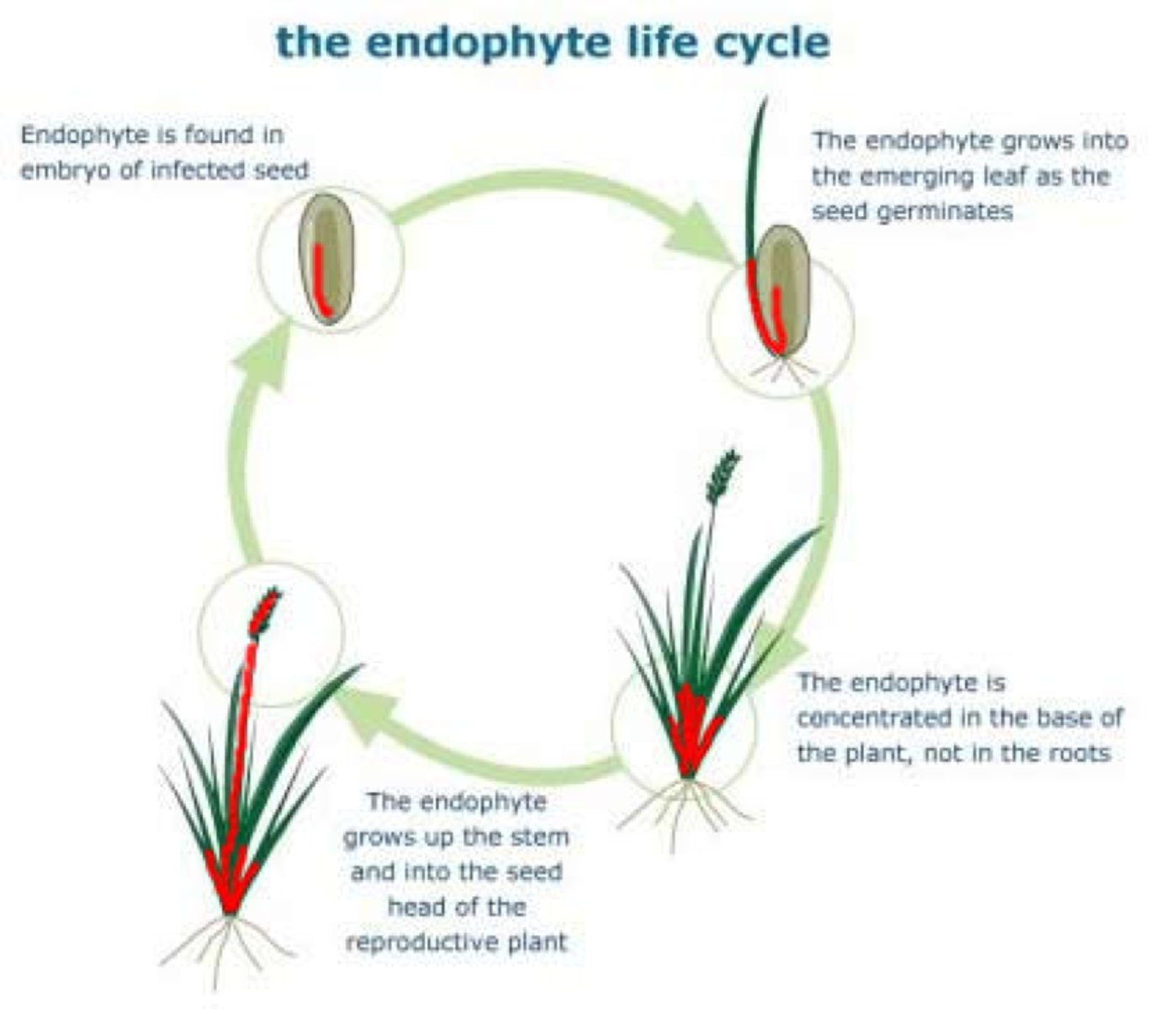
Mycotoxin "Gold Rush" 1960-1975
Many scientists joined the well-funded search for toxigenic agents produced by fungi
300-400 compounds now recognized as mycotoxins; 12+ groups
The biggest problems with mycotoxicoses
-Heighten vulnerability to microbial diseases
-Worsen the effects of malnutrition
-Interact synergistically with other toxins.
not all toxic compounds produced by fungi are called mycotoxins
Mycotoxins versus vertebrates and other animals
Mycotoxins - LOW conc. vs Ethanol - HIGH conc.
Antibiotics versus Bacteria
Phytotoxins versus Plants
Mushroom Poisons - macroscopic fungi, ingestion because of misidentification
Control of Mycotoxins
Sufficient drying of crops after harvest before storage
Plant breeding
Genetic engineering - enhance antifungal genes
Use of biocontrol agents that target regulatory genes in the mycotoxin development
Improved government screening and regulation programs
Which foods are aflatoxins found in?
peanuts, corn, Brazil Nuts, pistachios, pumpkin seeds, cotton seeds, and watermelon seeds
What common disease is aflatoxin associated with?
Isolated after Turkey X Disease
Consumption of a mold-contaminated peanut meal
What are the four major aflatoxins?
B1, B2, G1 and G2
Which type of aflatoxin is the most potent?
B1 is the most potent natural carcinogen known, unfortunately major aflatoxin produced by toxigenic strains
Which fungi are major producers of aflatoxin?
Aspergillus flavus and Aspergillus parasiticus
What family do Aspergillus flavus and Aspergillus parasiticus belong to?
Trichocomaceae
Problems aflatoxin is causing
Contamination of grain causes:Increased mortality in farm animalsIncreased mortality in farm animalsLowers the value of exported grain as animal feeds
Lowers the value of exported grain as animal feeds
Location of biggest problem is countries where the
- population is facing starvation or regulations the
-population is facing starvation or regulations non-existent or not enforcednon-existent or not enforce
Mechanism of action of aflatoxin
Cytochrome enzymes convert to an epoxide that binds to N7 of guanine.
Guanine is now only able to make 2 hydrogen bonds instead of 3 hydrogen bonds.
Eventual mutation of G/C to A/T
Is aflatoxin a carcinogen?
Human carcinogen- liver cancer
China, Philippines, Thailand, and many African countries
nRisk factor: Hepatitis B
Aflatoxin Structure
Ergot alkaloids
Produced by Claviceps, primarily
a grass pathogen
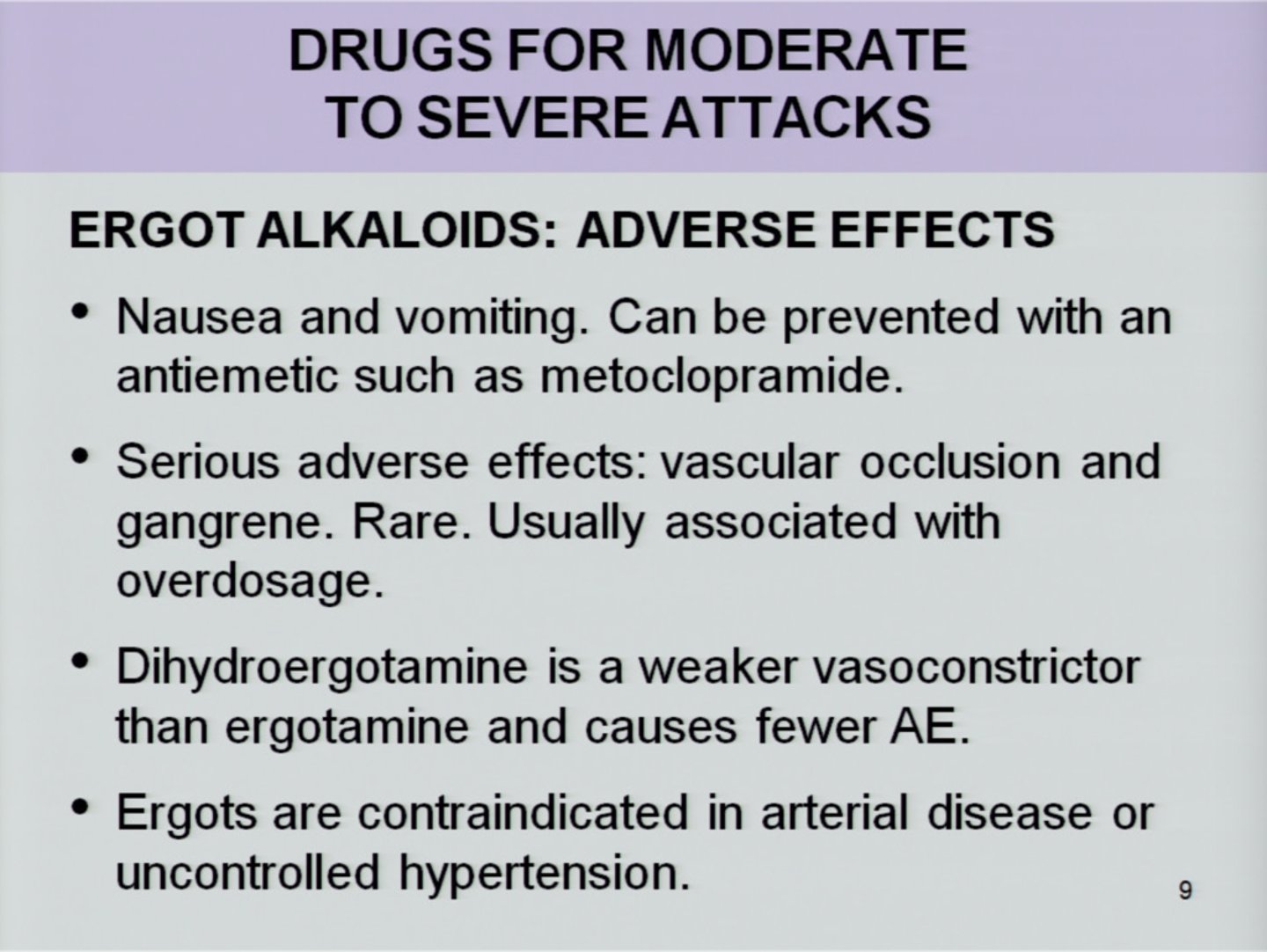
Claviceps purpurea Family?
(This is a mold that causes food to rot and it makes a hallucinogenic toxin.)
Clavicipitaceae
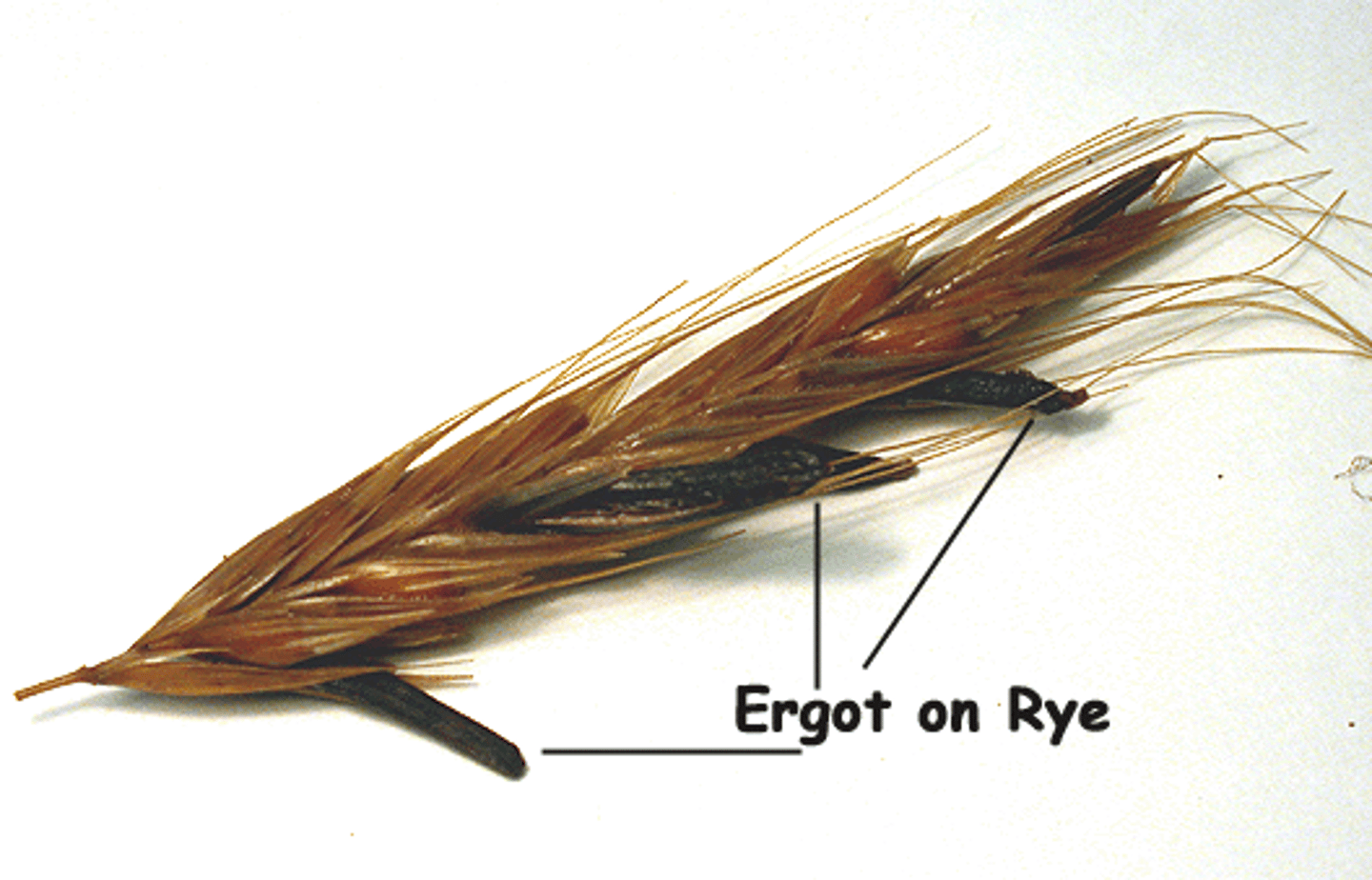
Ergot Alkaloids History
Common in Europe during Middle Ages
"..noxious pustule in the ear of grain"
Eating cereals infected with a toxic cocktail of alkaloids with ergoline ring systems
St. Anthony's Fire (ergotism)
St Anthony's Fire - bread from contaminated flour
Gangrenous - blood supply to the extremities
Convulsive - affect CNS
195-Last break out in Pont-saint-esprit France
Rye Scientific Name and Family
Secale cereale
Family: {Poaceae}
What is the current state of ergot alkaloid problem?
It is a veterinary problem. Cattle, sheep, pigs, chicken
Ergot Alkaloids Mechanism of Action and Symptoms
Mechanism of action:
-Induce smooth muscle contraction
-Midwives administer to women in labour as a natural product to accelerate uterine contractions
Other Symptoms:
Gangrene, abortions, convulsions, suppression of lactation, hypersensitivity
Sclerocia
Ergot Alkaloids and LSD
1943 - Birth of LSD
-Hoffman - research involved varying the amino alcohol of lysergic acid
-Developed Methergine - control hemorrhaging after childbirth
Continued research...
-Intentionally Ergot Alkaloids and LSD ingested compound #25 and discovered the hallucigenic properties of lysergic acid diethylamide (LSD)
-Marketed as Delysid - unsuccessful treatment of schizophrenia
Ergot Alkaloids Uses in War
MK-ULTRA code name
-After WWII - CIA used as a truth serum for interrogating suspected communists
Ergot Alkaloid Uses in Witchcraft
Hypothesized Salem witchcraft affair probably the result of convulsive ergotism related to consumption of rye with Claviceps ergot alkaloids cocktail
Ergot Alkaloid Uses in Headaches
Ergotamine - used to treat migraine headaches
Ergot Alkaloid Uses in Parkinsons
Ergot derivatives - used in the treatment of Parkinsonism
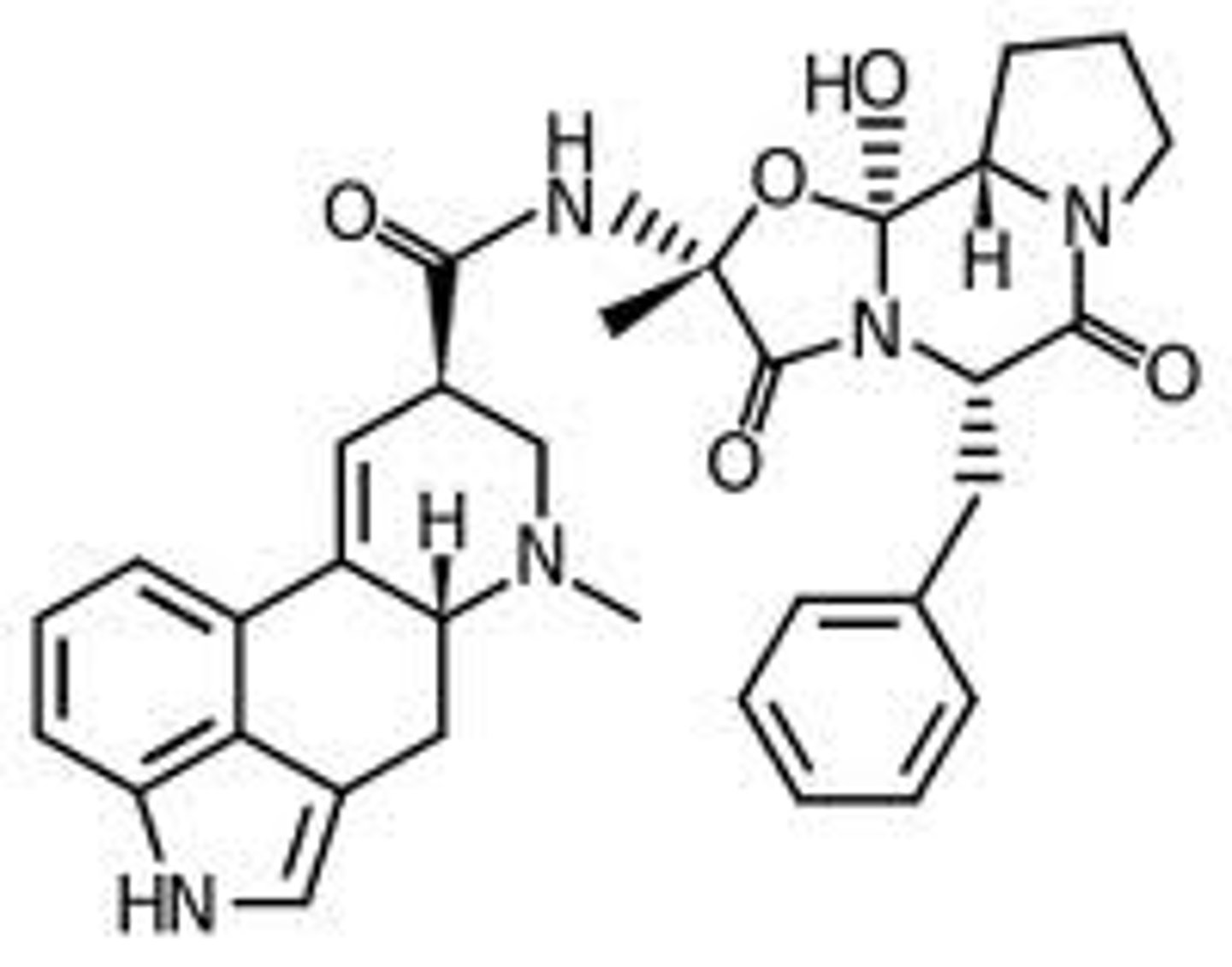
Ergot Alkaloid Structure
Look for the nitrogens
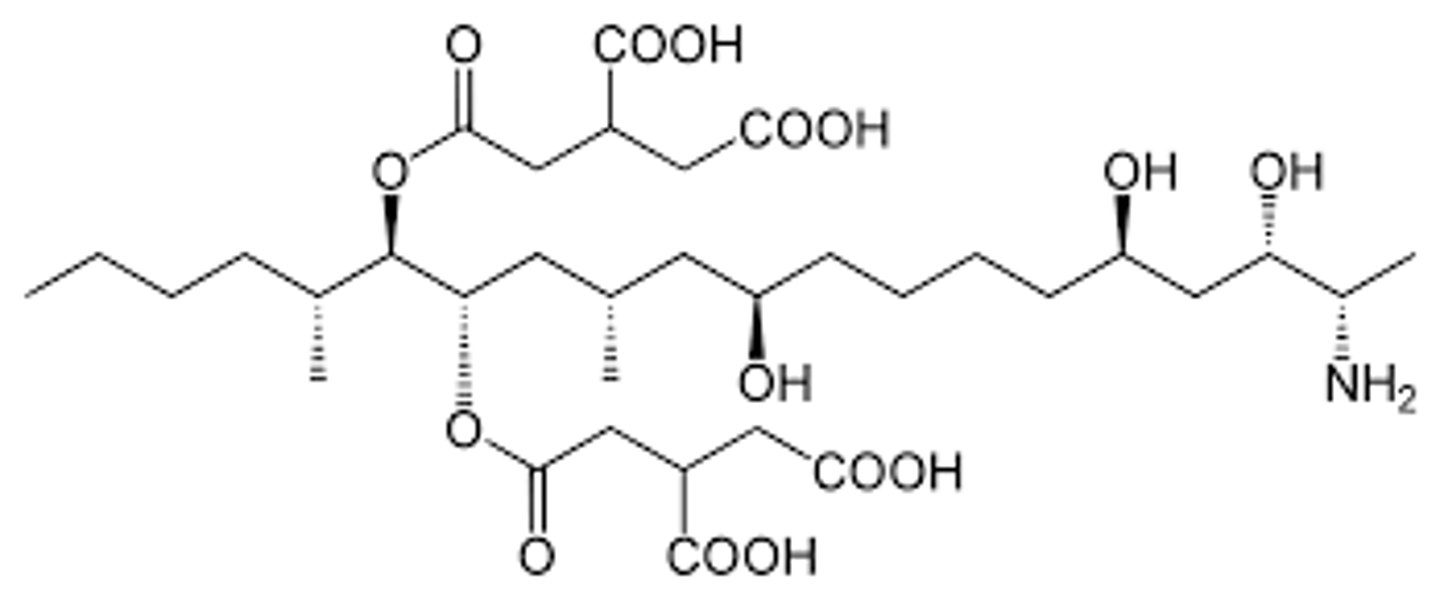
Fumonisin Structure
The fungal species that produce fumonisin
Fusarium spp.
Alternaria alternata
What family does Fusarium spp. belong to?
Nectriaceae
Sclerotia
A sclerotium (/skləˈroʊʃəm/; pl. sclerotia (/skləˈroʊʃə/),[help 1] is a compact mass of hardened fungal mycelium containing food reserves. One role of sclerotia is to survive environmental extremes. In some higher fungi such as ergot, sclerotia become detached and remain dormant until favorable growth conditions return. Sclerotia initially were mistaken for individual organisms and described as separate species until Louis René Tulasne proved in 1853 that sclerotia are only a stage in the life cycle of some fungi.[1] Further investigation showed that this stage appears in many fungi belonging to many diverse groups. Sclerotia are important in the understanding of the life cycle and reproduction of fungi, as a food source, as medicine (for example, ergotamine), and in agricultural blight management.
![<p>A sclerotium (/skləˈroʊʃəm/; pl. sclerotia (/skləˈroʊʃə/),[help 1] is a compact mass of hardened fungal mycelium containing food reserves. One role of sclerotia is to survive environmental extremes. In some higher fungi such as ergot, sclerotia become detached and remain dormant until favorable growth conditions return. Sclerotia initially were mistaken for individual organisms and described as separate species until Louis René Tulasne proved in 1853 that sclerotia are only a stage in the life cycle of some fungi.[1] Further investigation showed that this stage appears in many fungi belonging to many diverse groups. Sclerotia are important in the understanding of the life cycle and reproduction of fungi, as a food source, as medicine (for example, ergotamine), and in agricultural blight management.</p>](https://assets.knowt.com/user-attachments/8d7f6617-91ec-49c7-9ef1-ee32b1af4e0d.jpg)
What family does Alternia alternata belong to?
Pleosporaceae
Fumonisin mechanism of action
- Interferes with sphingolipid biosynthesis (Sphingolipid is a major lipid in the cell membranes of nerve and liver cells)
- Toxin blocks enzymes involved in formation of intermediate lipid ceramide
- Results in an accumulation of sphinganine which has toxic effects
-Cause leukoencephalomalacia (hole in head syndrome) in birds and rabbits
Humans:
Can cause neural tube defects
Linked to esophageal cancer
-Charleston, SC - 7 samples
nIsolated high concentration in corn meal and corn grits
-US city with highest incidence of esophageal cancer among African-Americans
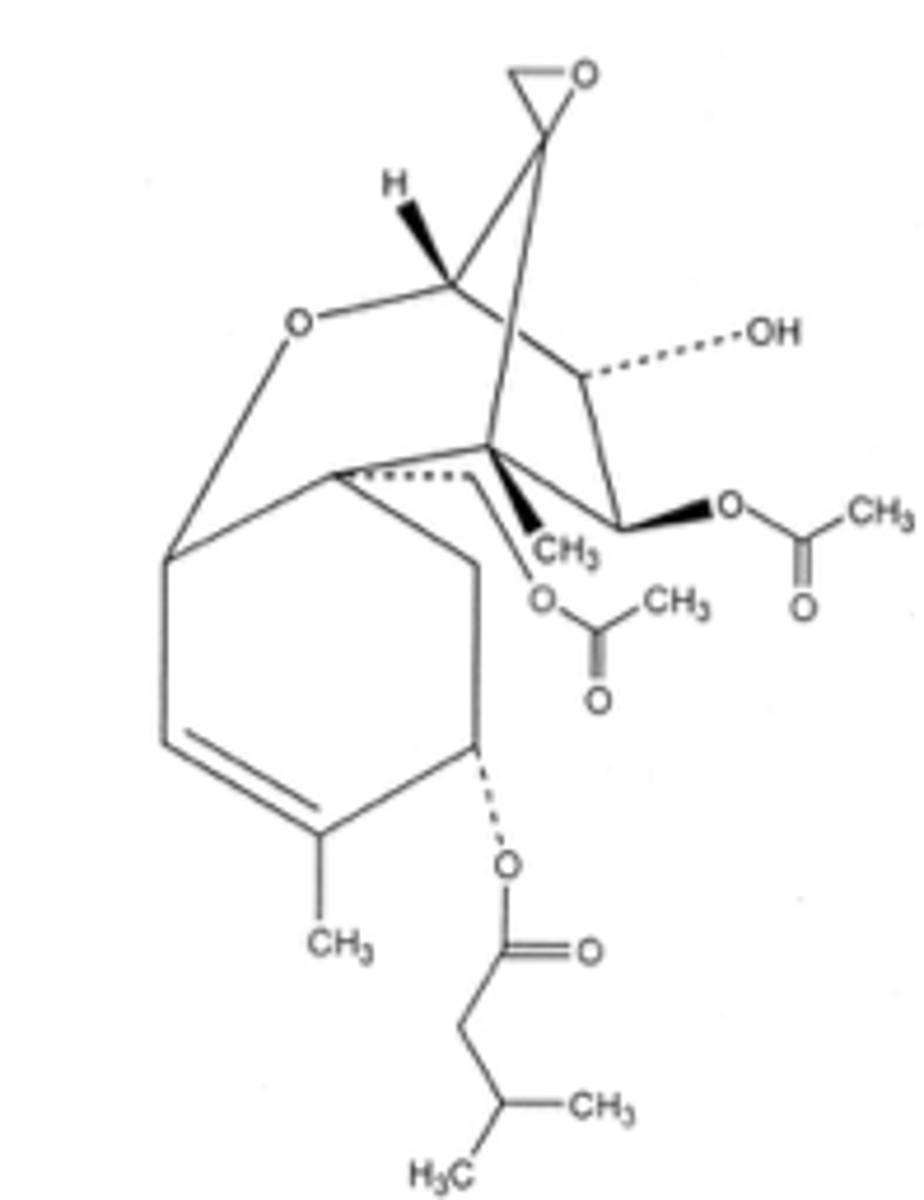
Trichothecene (Type A Group)
T-2 toxin {Non macro cyclic}
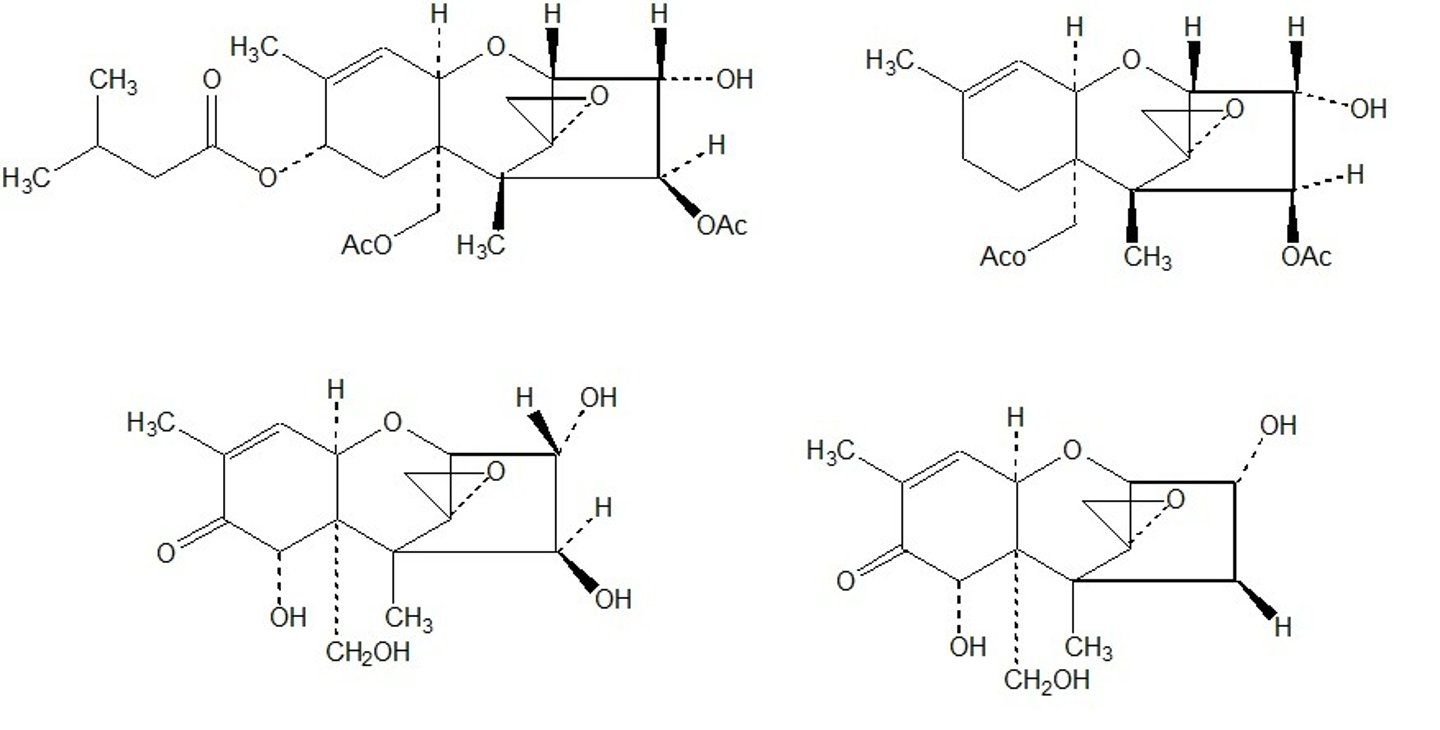
Trichothecene (Type B Group)
deoxynivalenol (vomitoxin) {non macrocyclic}
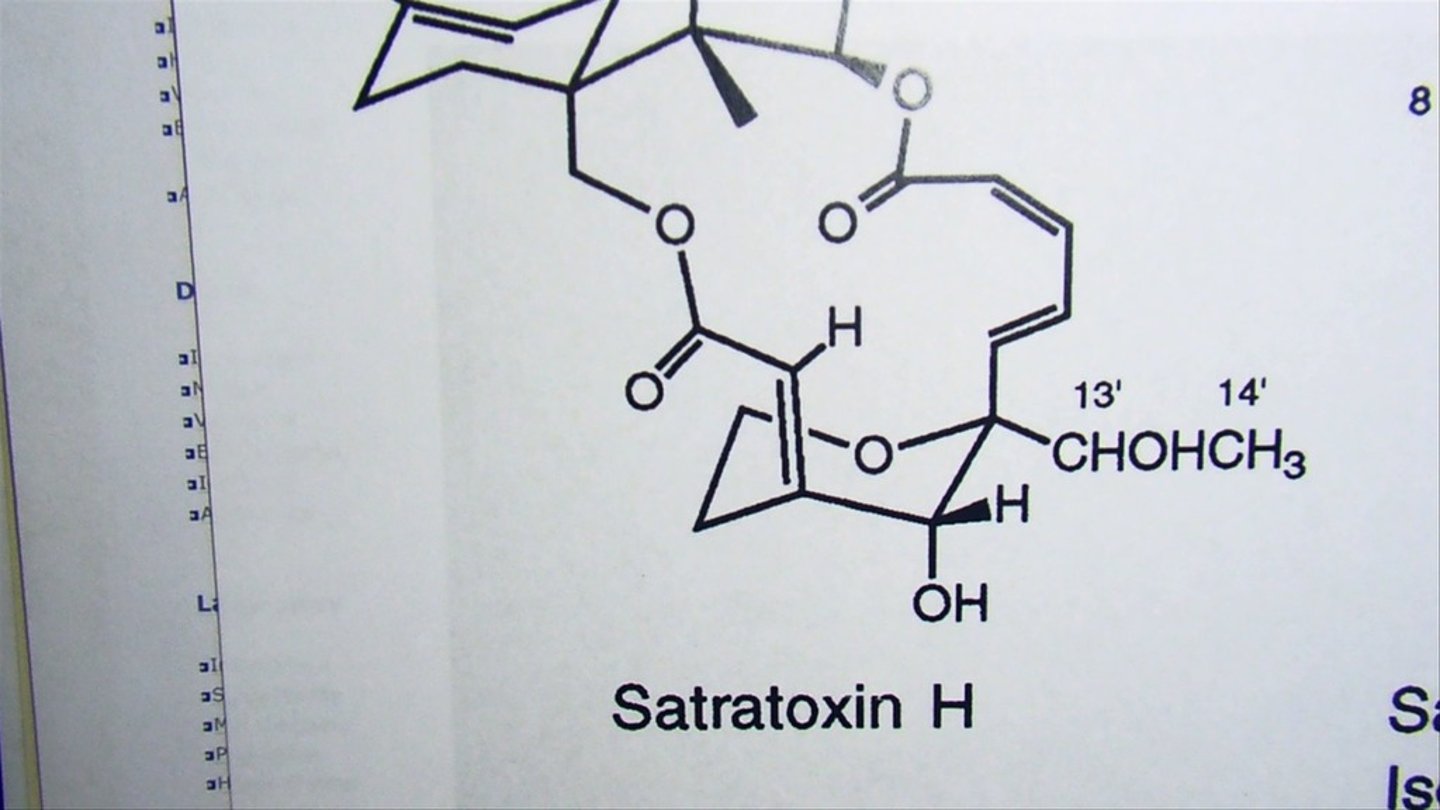
Trichothecene (Macrocyclic)
Satratoxin H. {macrocyclic}
What organisms produce trichothecenes?
Over 60 compounds produced by:
-Fusarium, Phomopsis, Trichoderma, Myrothecium, Stachybotrys, Trichothecium...
stachybotyrs are the most famous and are involved in hurricances etc.
Syptoms of trichothecenes
-Common food & feed contaminants
-Consumption:
Alimentary hemorrhaging and vomiting
-Skin contact:
Dermatitis
Trichothecenes Mechanism of Action
-Extreme potent inhibitors of eukaryotic protein synthesis, specifically peptidyl transferase. Interferes with process of transalation.
Compare to ricin which also affects protein synthesis but target the ribosomes. It inactivates 90,000 ribosomes in one minute.
Trichothenes, Deoxynivalenol
Most common mycotoxin found in grain
-Especially barley
A.k.a. Vomitoxin or food refusal factor
-Farm animal - nausea, vomit, diarrhea, weight loss and food refusal
Trichothecenes, T-2 & diacetoxyscirpenol
Cytotoxic activity
Immunosuppressive effect
Human disease:
-Alimentary toxic aleukia
---Inflammation of skin, vomiting, necrosis of oral cavity, bleeding (nose, mouth & vagina), and CNS problems
Trichothecenes, Stachybotrys
Wet building material harbor organism
--Gypsum board, ceiling tiles, wood fiber board, dust lined A/C vents
Mycotoxin people talk about when referring to Sick-building Syndrome
Shown to cause pulmonary bleeding in infants when exposed for prolonged times
Described as the 10th plague visited on Egypt
which organism produces the mycotoxin that causes the sick-building syndrome? Caused the 10th plague in Egypt?
stachybotrys
Cucurbitaceae (Gourd family)
-Vines (often with tendrils)
-Palmately, 5-lobed leaves
-Imperfect flowers
-Female flowers with 3 carpels
-Pepo fruit
-1000 species
-Highest Portion Used for Food
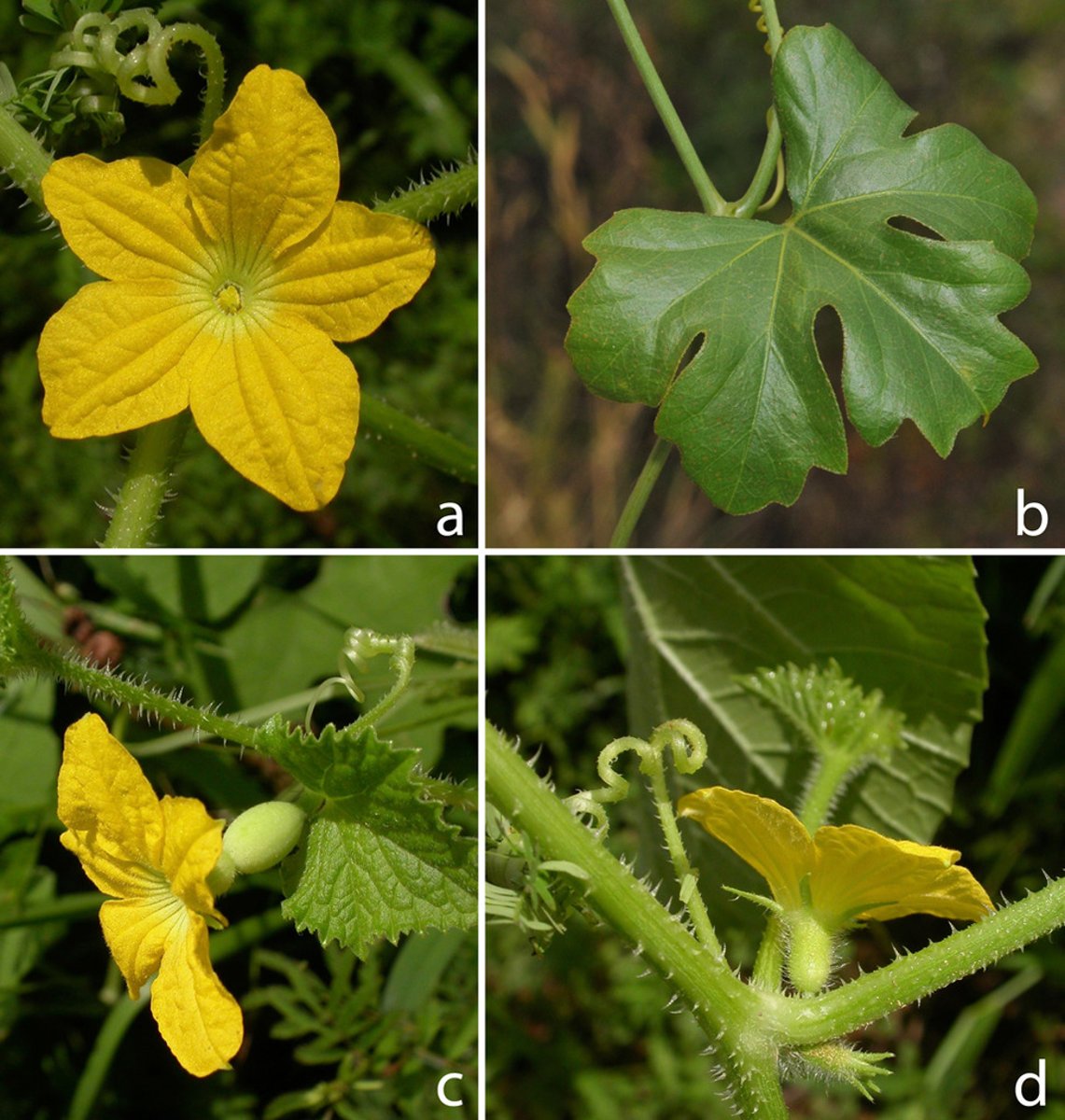
Example Genus in the Cucurbitaceae Gourd Family
Cucurbita
Citrillus
Trichosanthes
Ecballium
Luffa
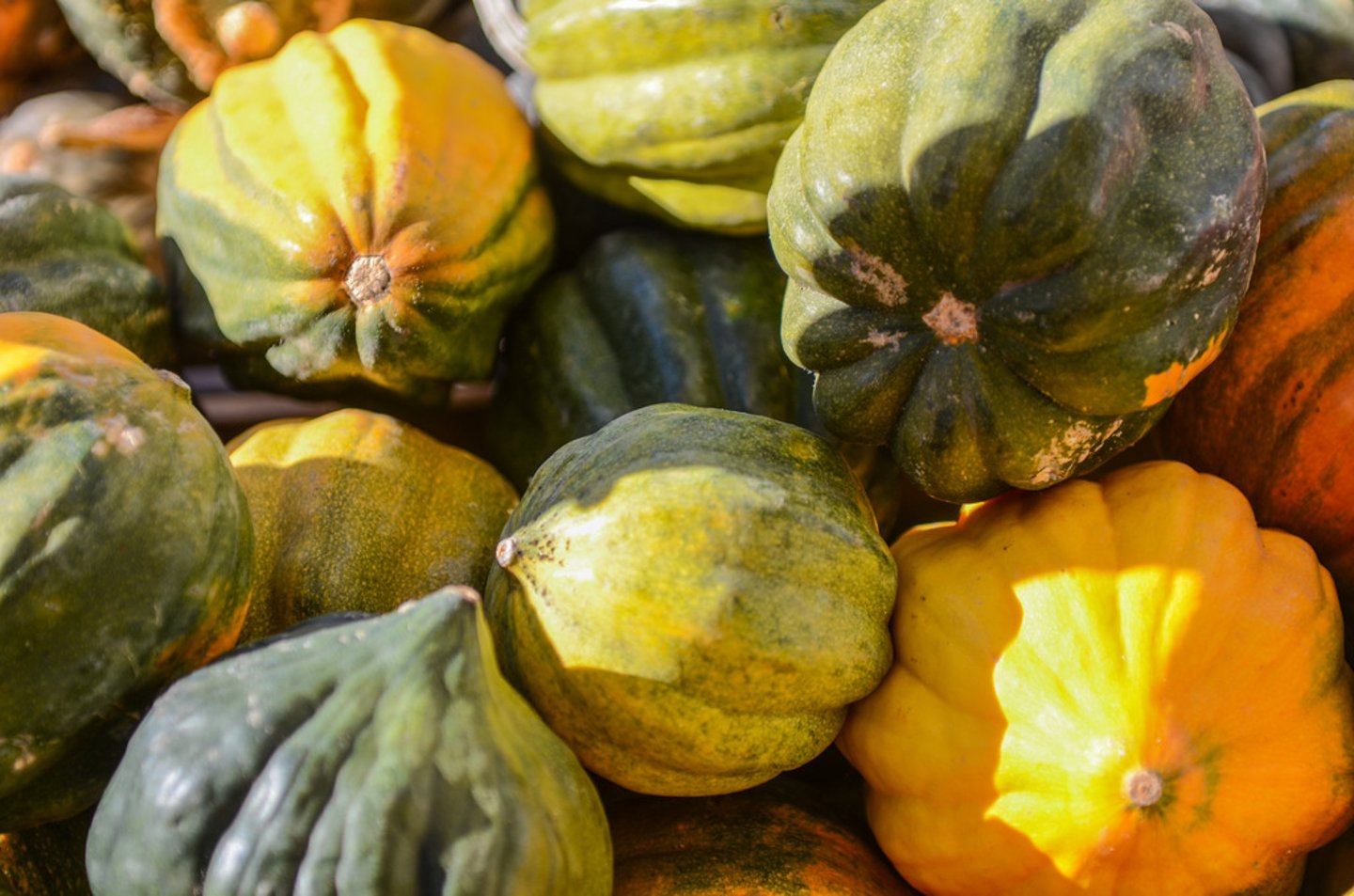
Cucurbita genus
Squash, Pumpkin, Gourd
Citrillus Genus
Watermelon
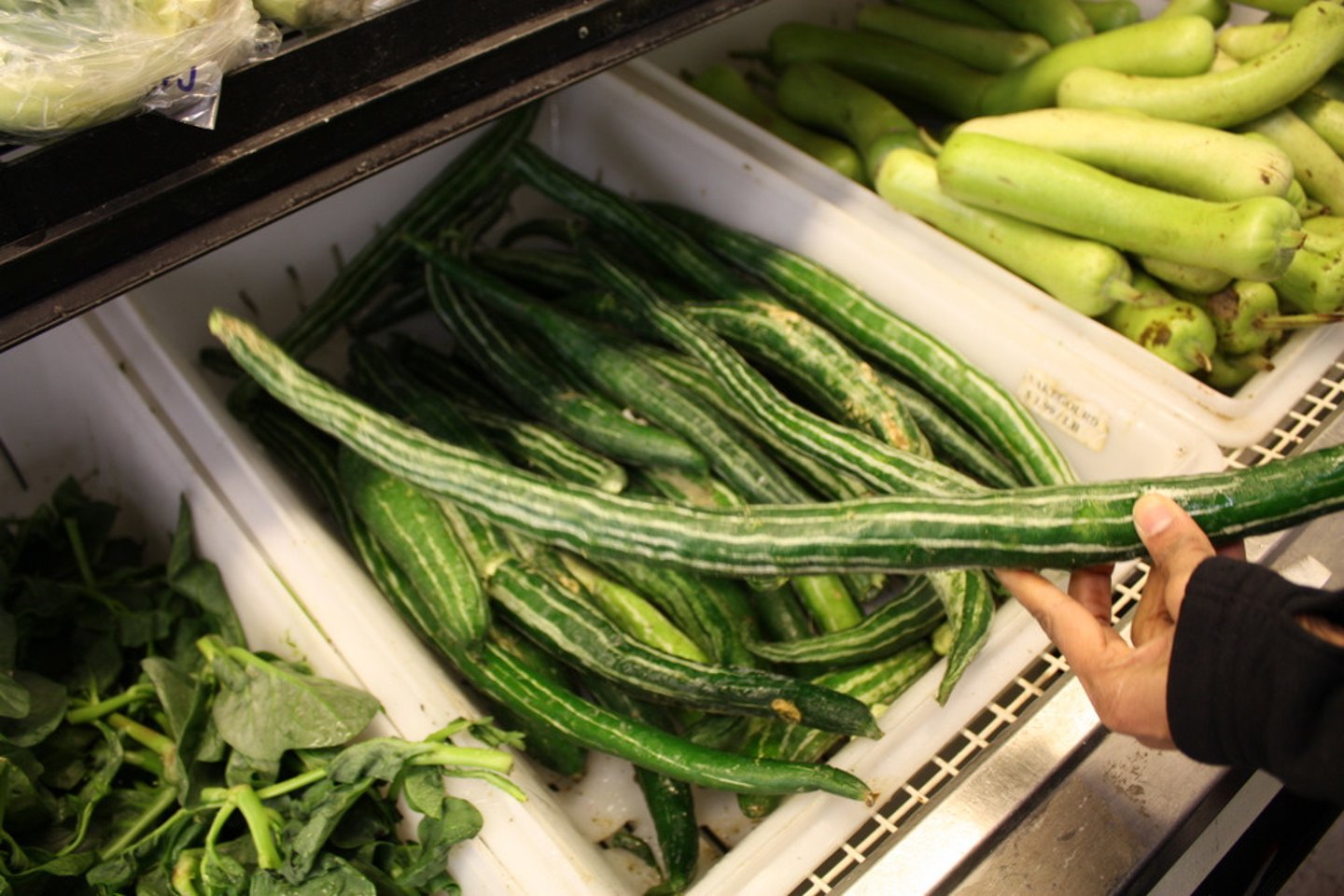
Trichosanthes Genus
Snake Gourd, Gualou (used in medicine in ancient china to break down phlegm)
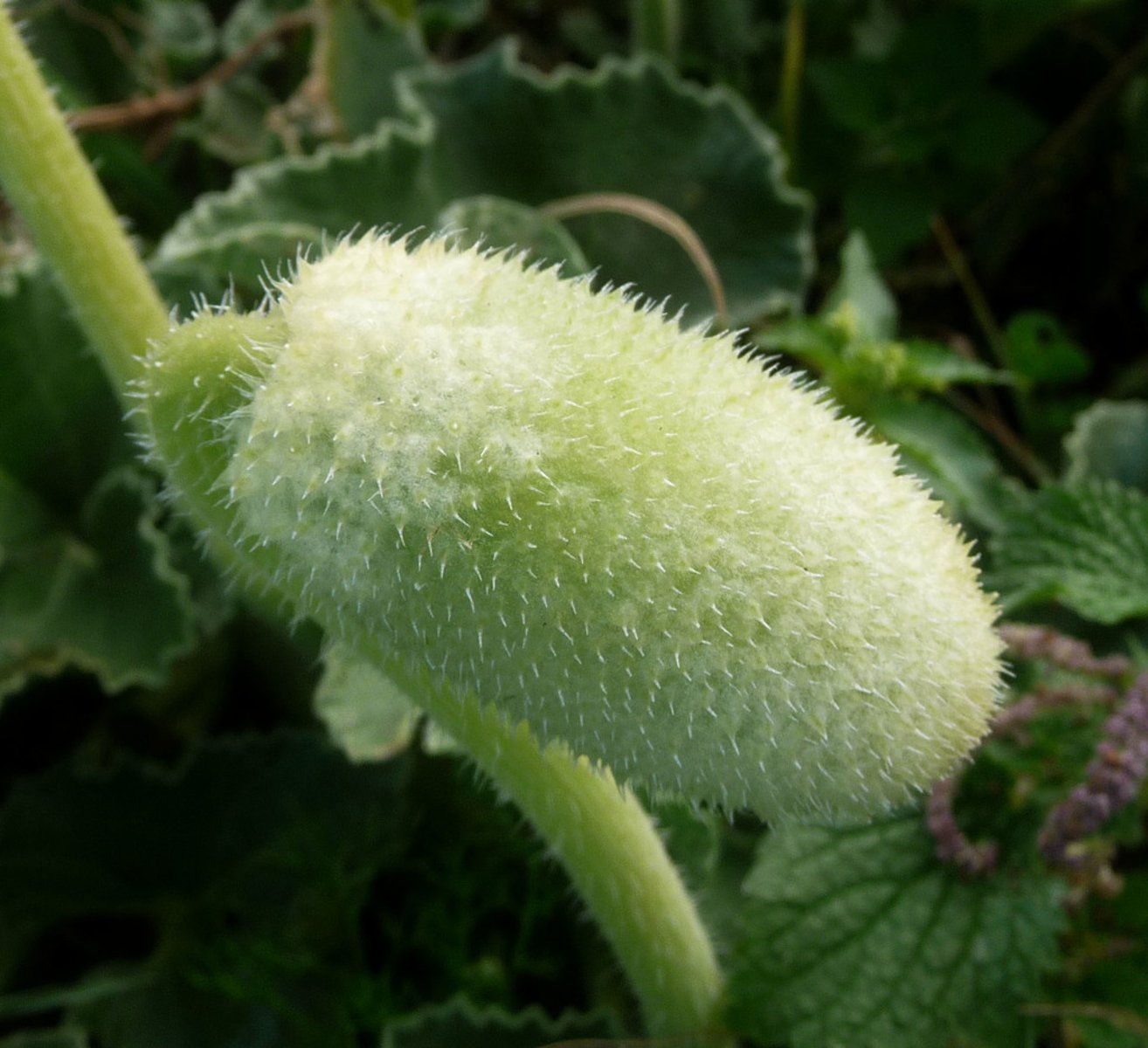
Ecballium Genus
Squirting Cucumber
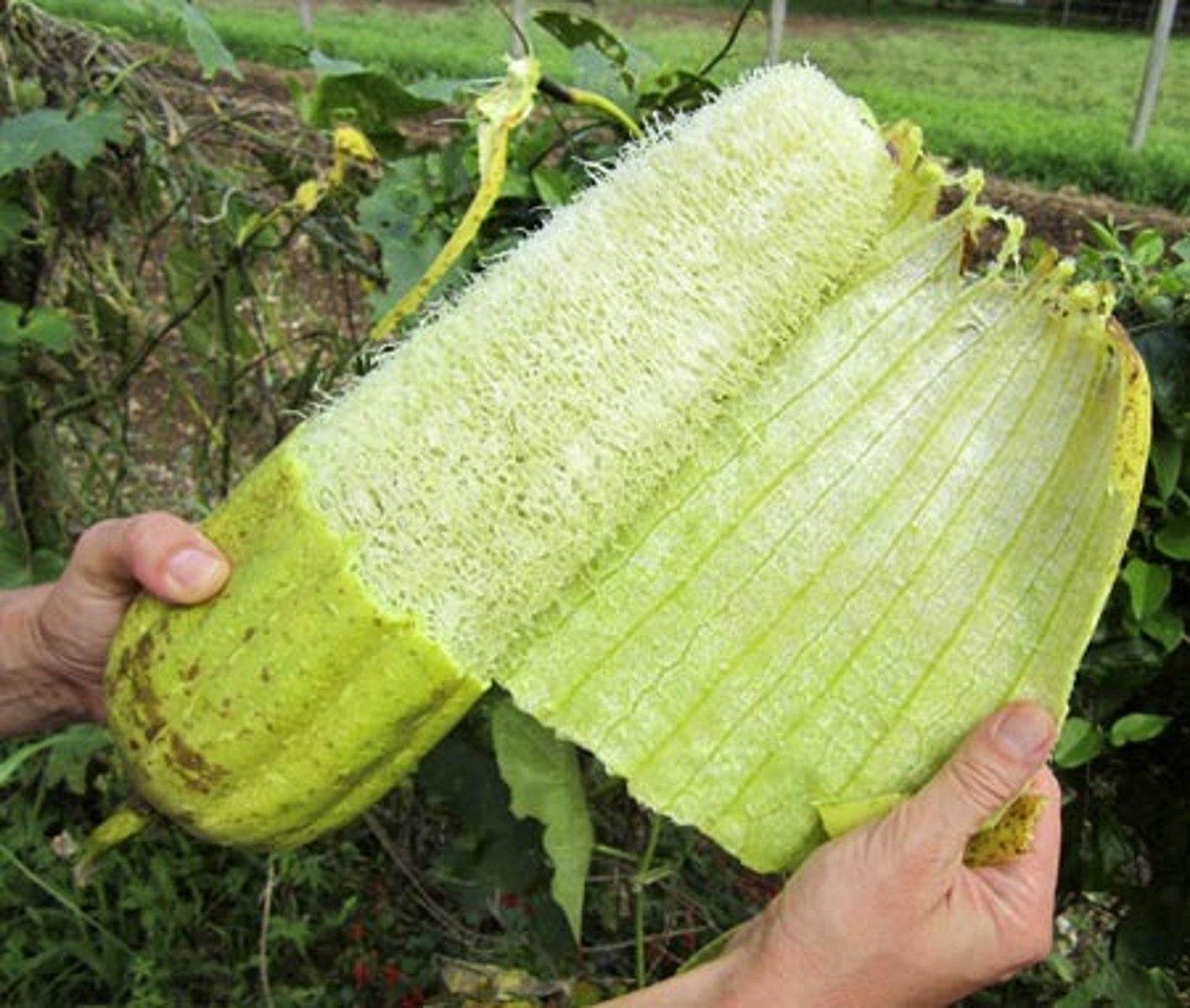
Luffa Genus
Loofah fruit and can be used as a scrubbing sponge as well
What are the effects of toxins in the Cucurbitaceae family?
-stomach cramps
-salivation
-diarrhea
-death
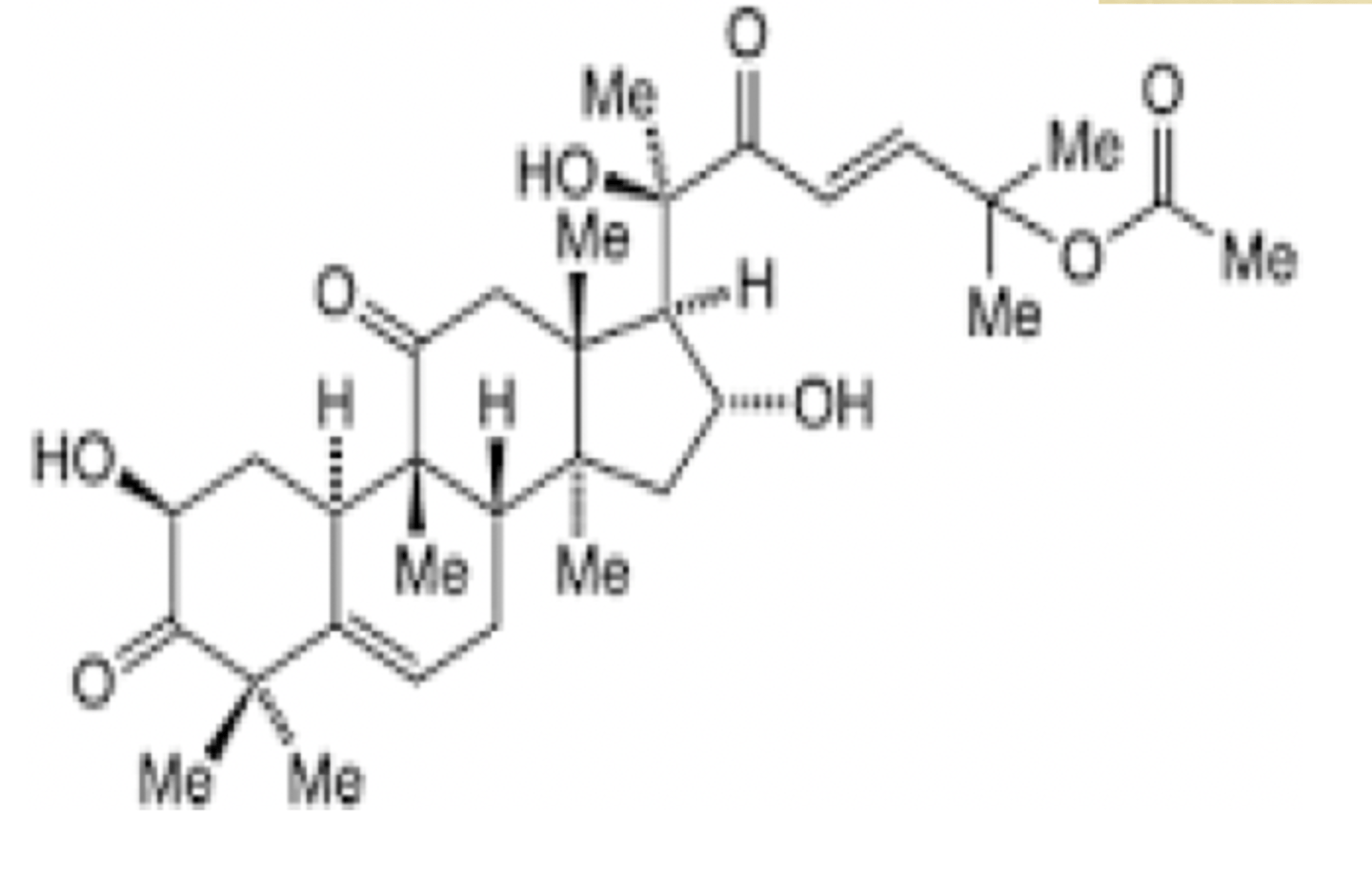
Cucurbitacin Toxin
-steroid compound
-antifeedant
-Cucurbitacin A---> Image
-Cucurbitacin E--> Induces apoptosis in human cervical cancer cell lines by upregulating death receptor 5
Trichosanthes cucumerina
Snake Gourd (eat when green and not ripe/red)
Cucurbitacin and Cancer Connection?
Cucurbitacin E--> Induces apoptosis in human cervical cancer cell lines by upregulating death receptor 5
Amaryllidaceae Family (below ground structures to consider)
Allium Genus (onion, garlic, scallion, shallot, leek, chives)
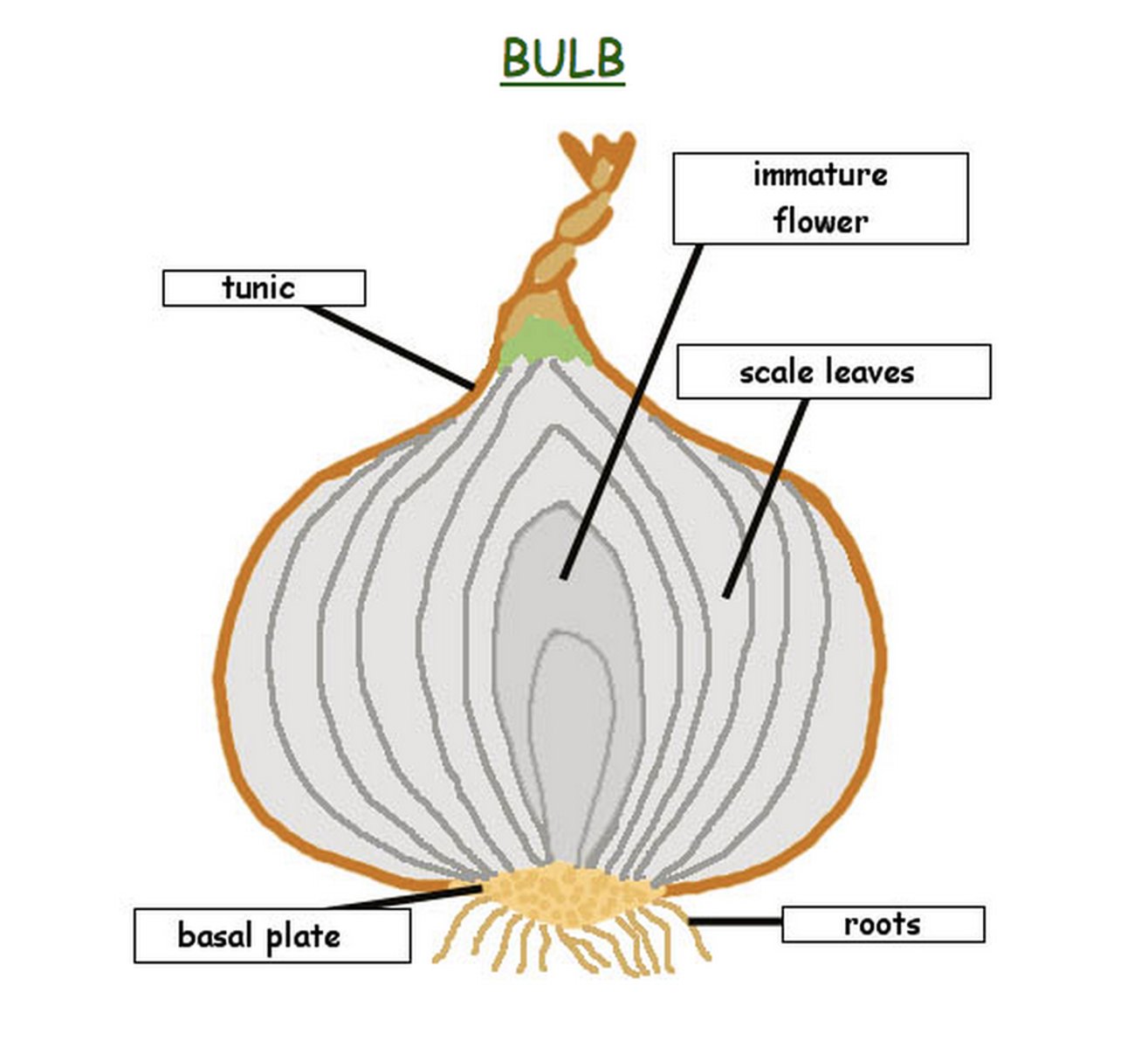
Classified as a true bulb, MONOCOTS
What is a true bulb?
The definition of a bulb is any plant that stores its complete life cycle in an underground storage structure. Bulbs or bulb-like plants are usually perennials. They have a period of growth and flowering. This is followed by a period of dormancy where they die back to ground level at the end of each growing season.
A bulb is comprised of a plant's stem and leaves. The bottom of the bulb is a compacted stem, and roots grow from this part of the bulb. Layers of nutrient-filled leaves sit at the bottom of the bulb and surround a bud that eventually becomes the flower.
FOUND IN MONOCOTS
Solonaceae Family (below ground structures to consider)
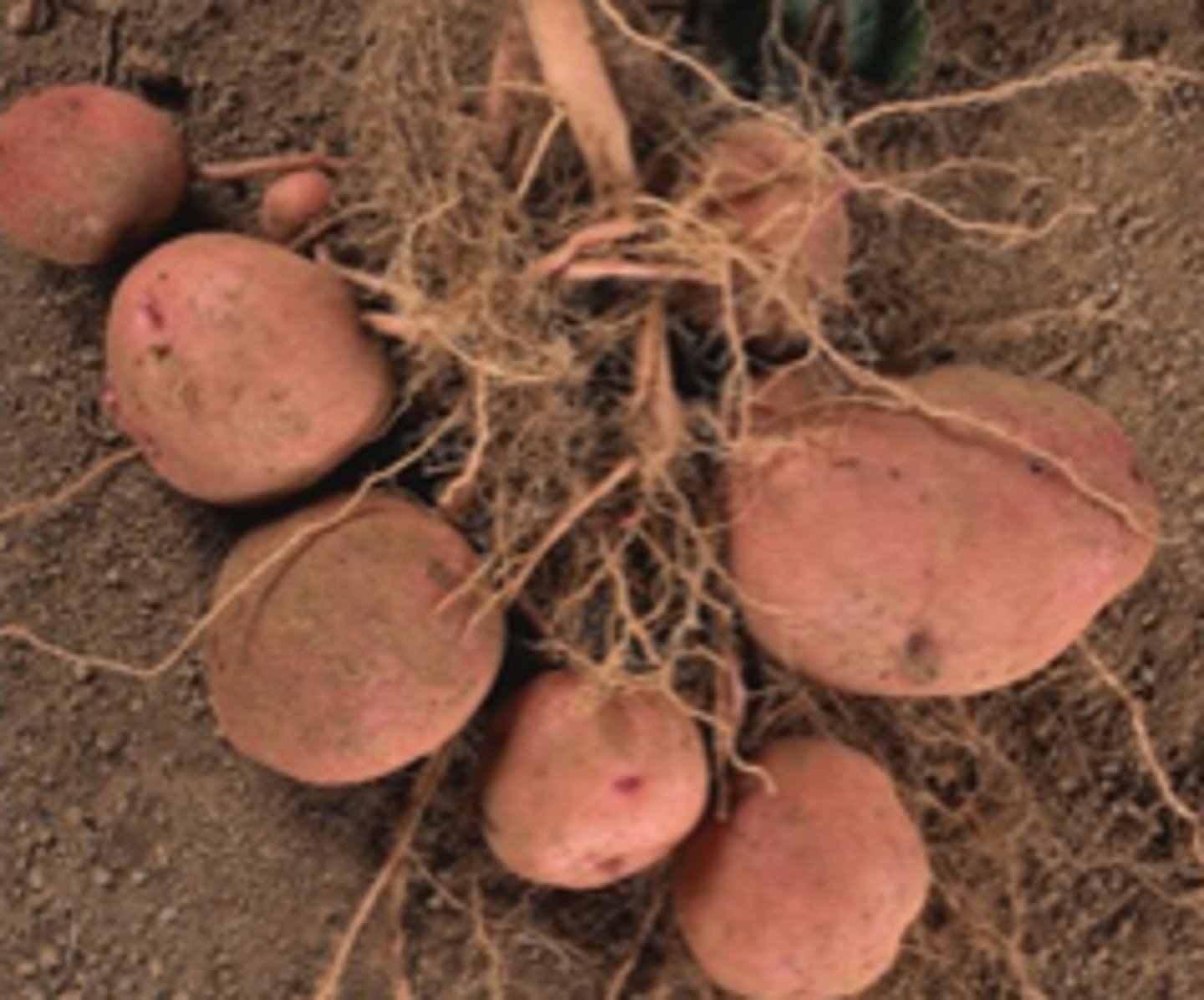
Solanum Genus: Potato, Eggplant, Tomato Plants.
This family has tubers which are underground stems that function as food reserves and can bear buds from which new plants can arise.
What is a tuber?
a much thickened underground part of a stem or rhizome, e.g. in the potato, serving as a food reserve and bearing buds from which new plants arise.
Apiaceae Family (below ground structures to consider)
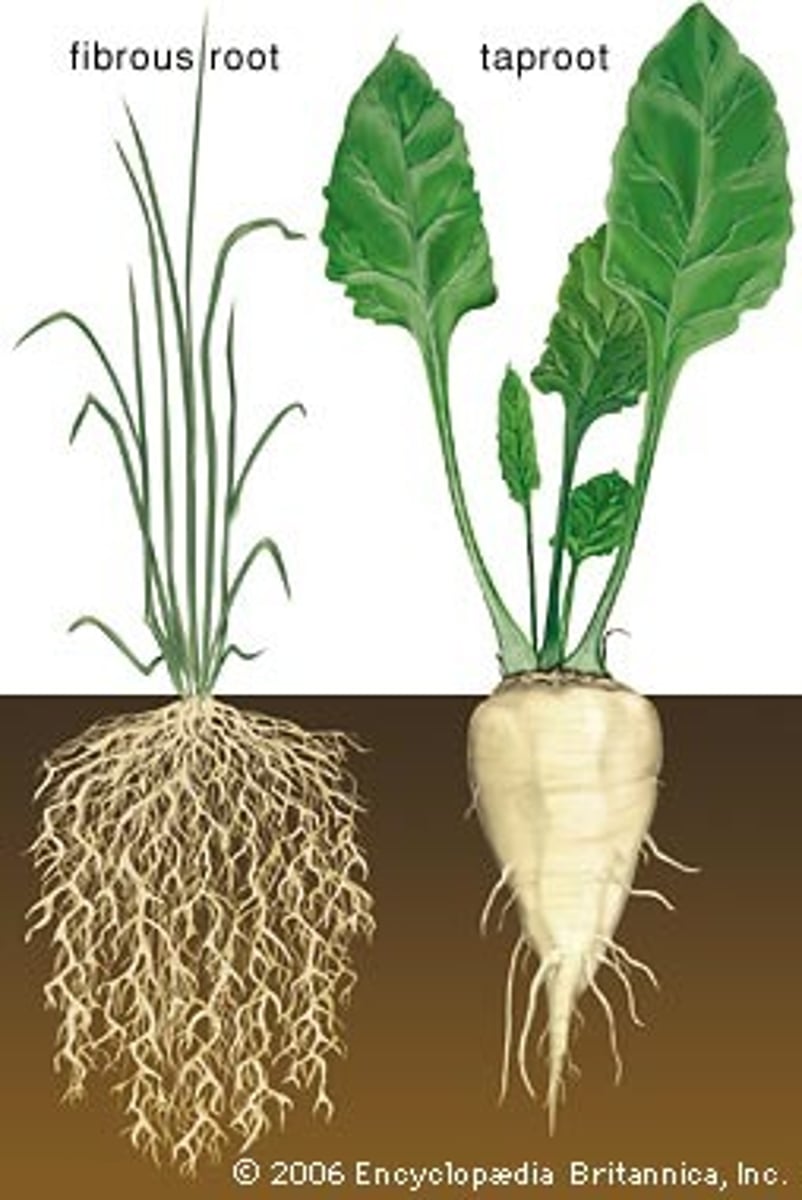
carrot(daucus), parsley, celery. Carrots involve true roots or tap roots.
What is the difference between tap root and fibrous root?
A tap root system has a single main root that grows down. A fibrous root system forms a dense network of roots that is closer to the soil surface. An example of a tap root system is a carrot. Grasses such as wheat, rice, and corn are examples of fibrous root systems.
Convolvulaceae Family (below ground structures to consider)
Ipomea genus (Sweet Potato, morning glories)
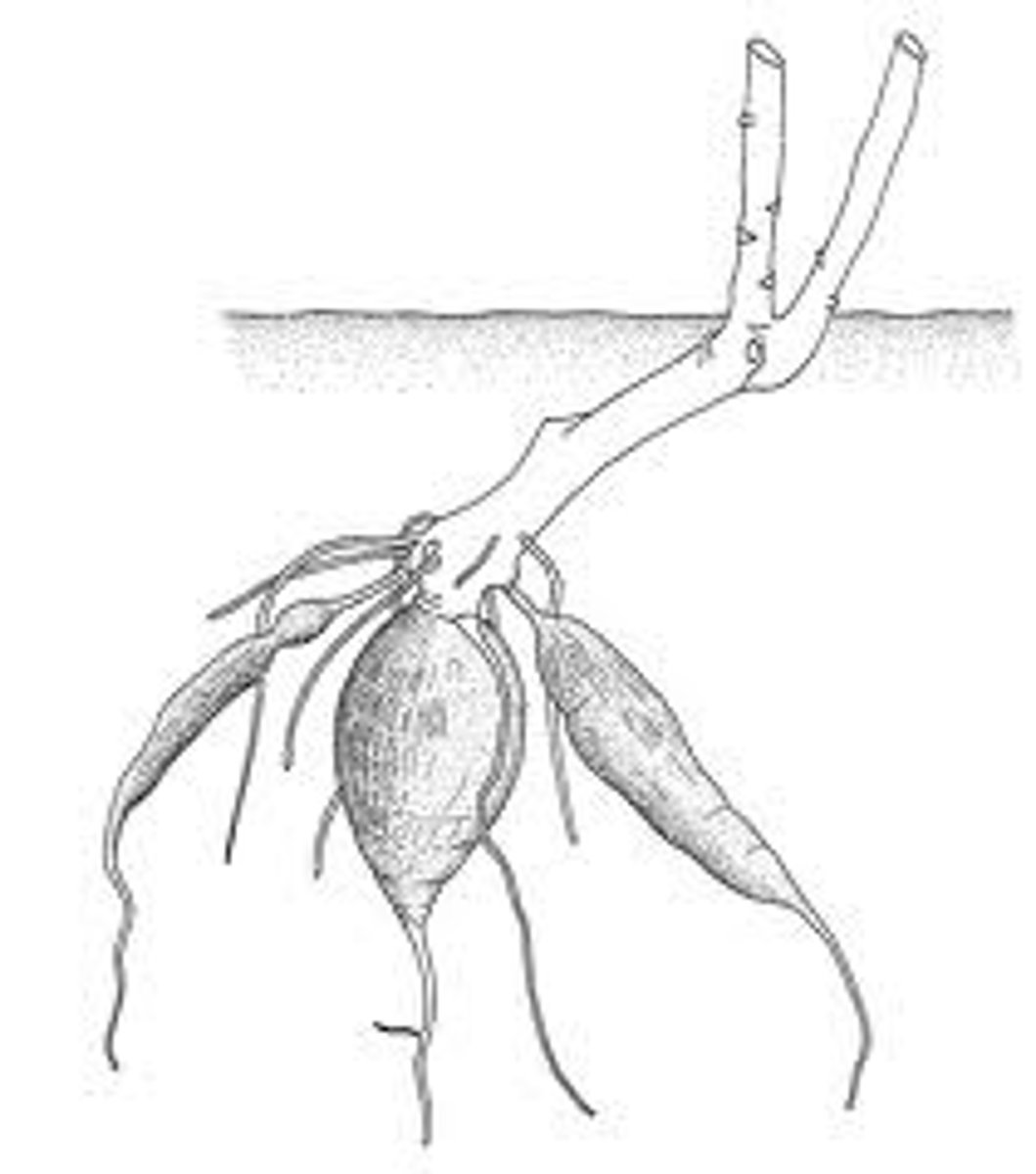
Sweet Potato involves enlarged roots which are known as tuberous roots.
What is a tuberous root? How does it differ from a tuber?
A tuberous root is an enlarged fleshy root modified as a storage organ with shoots produced at one end and roots produced at the other. Dahlia. Sweet potato is produced from a tuberous root. Botanically, tuberous roots differ from true tubers because tubers are modified stem tissue.
Araceae Family (below ground structures to consider)
Colocasia genus (taro plant)
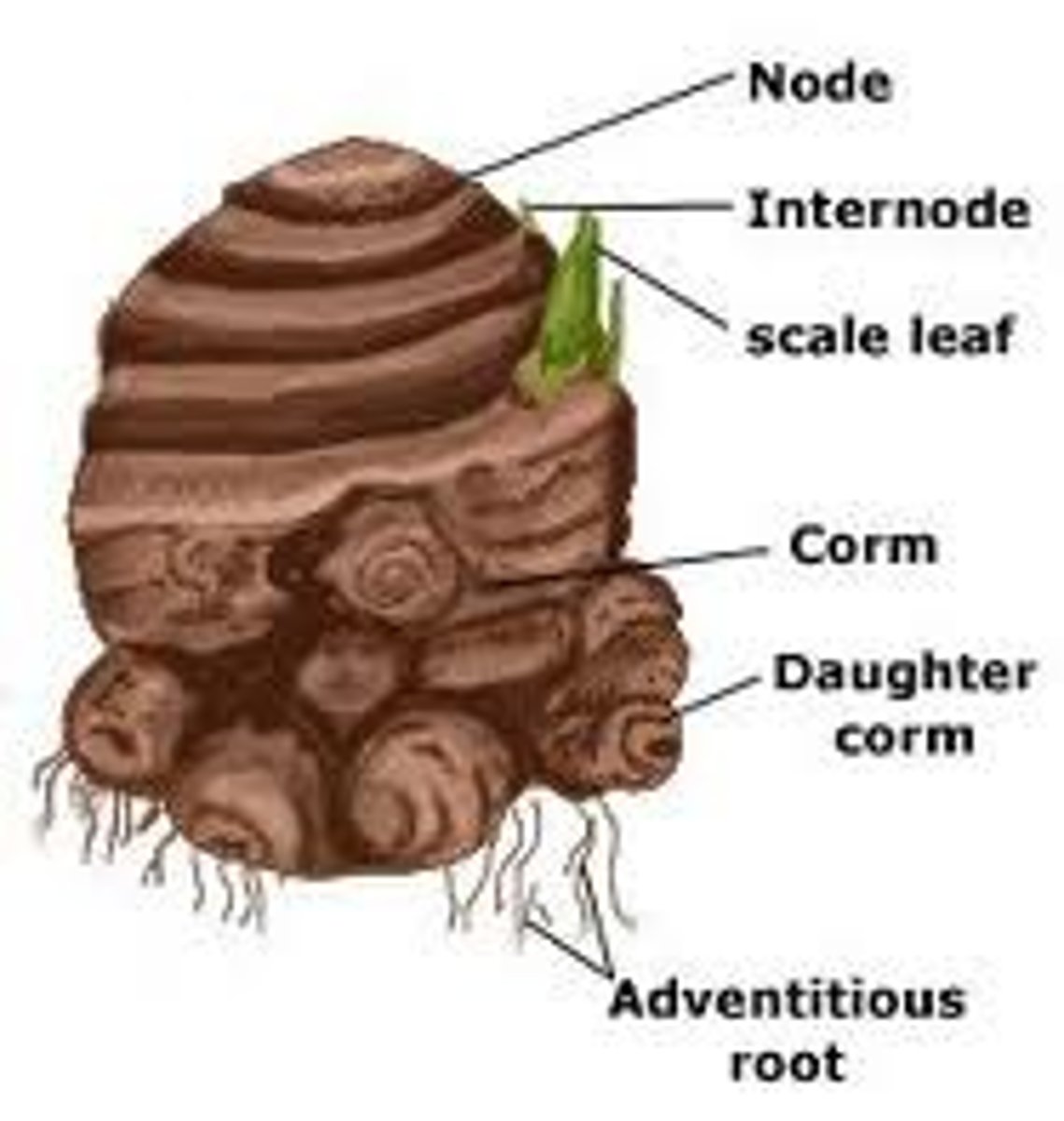
Taro has structures called corms which are essentially modified underground stems (corms) that look like a bulb and can give rise to a whole plant. MONOCOTS
What is a corm?
Corms are actually enlarged underground stems that store nutrients, surrounded by papery outer layers. After stems sprout from the corm, buds form on top of the stem. Corms at their center are solid tissue, whereas Bulbs are immature layers of leaves. At the end of the growing season, a new corm typically grows on the base of the spent one, and plants regrow from new corms each season. Usually MONOCOTS
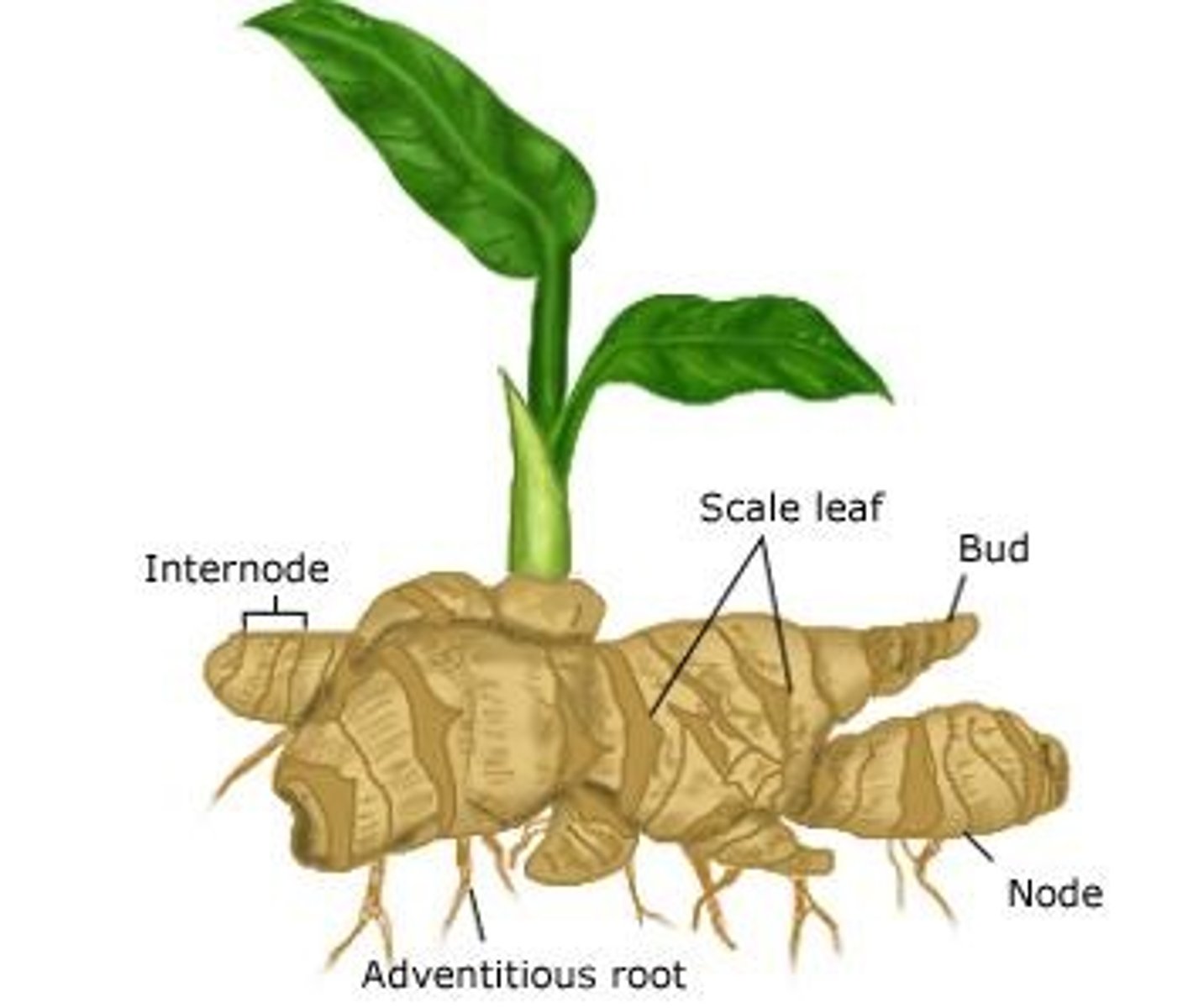
What is a Rhizome?
a continuously growing horizontal underground stem which puts out lateral shoots and adventitious roots at intervals. Ex. Ginger
What toxins do the Amaryllidaceae family produce?
Alkaloids- Lycorine
Raphides- Sharp calcium oxalate structures
Lycorine Structure
Alakloid cotains nitrogen. Search up image unable to put in quizlet
Raphide
a needle-shaped crystal of calcium oxalate occurring in clusters within the tissues of certain plants. Poke mucous membranes and cause large inflammatory response.
What are some toxins found in Daffodils? Explain!
Galantamine- Galantamine has been used for decades in Russia and Eastern Europe for treatments of myasthenia, myopathy, and sensory and motor dysfunction associated with disorders of the central nervous system, and it is now FDA approved in the US for the treatment of Alzheimer's disease and other memory impairments (vascular ones in particular)
Lycorine- Conversely, lycorine isn't used for medicinal purposes - in fact, it has the opposite effect because it's toxic, causing severe vomiting and diarrhoea when ingested. It is present in the daffodil's bulb and therefore is usually consumed accidentally when the bulbs are confused with onions.
Lycorine
-inhibits protein synthesis
-inhibits ascorbic acid synthesis
-inhibts acetylcholinesterase
No good, just a toxin
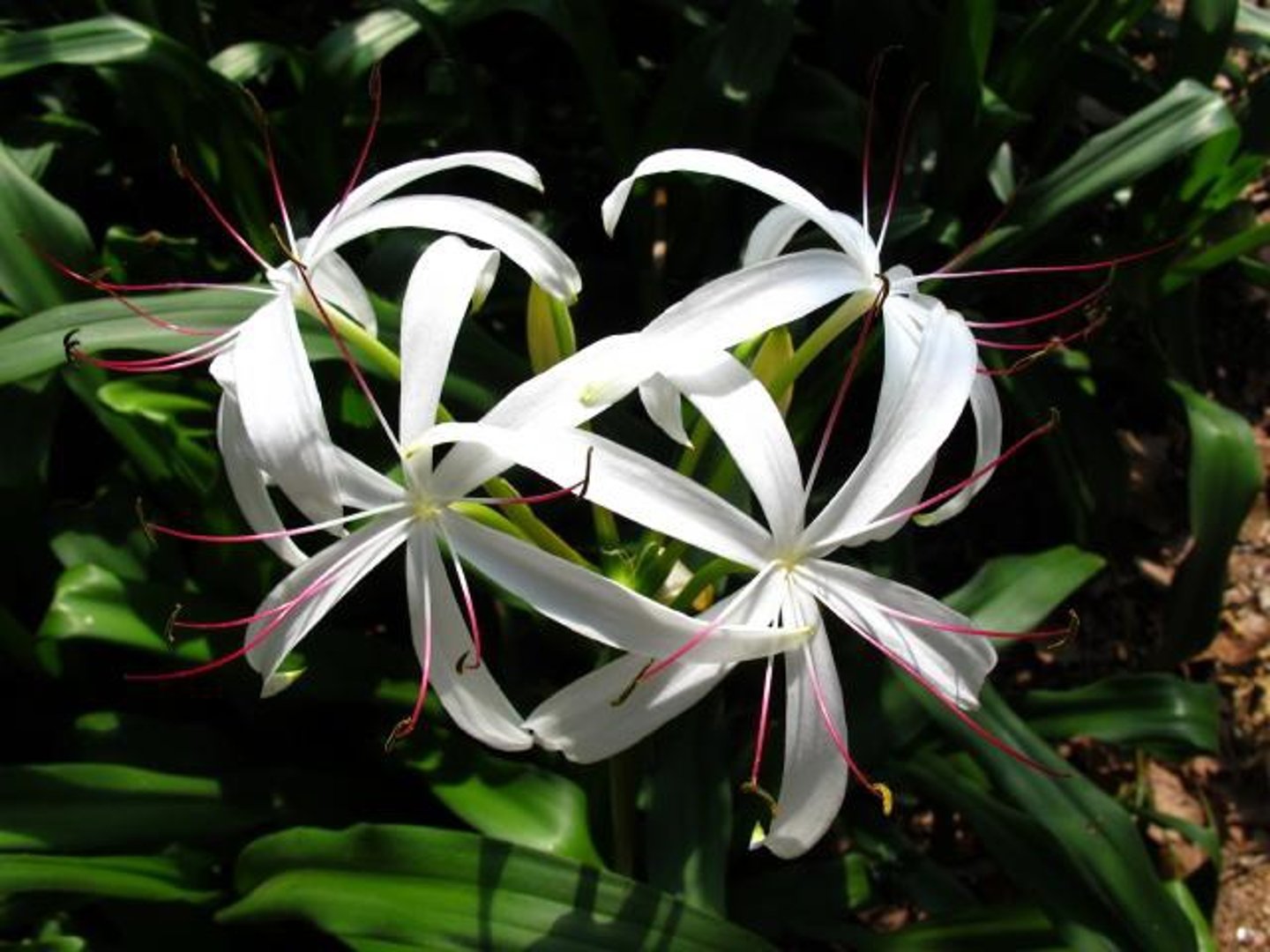
What are some common Amaryllidaceae family members that flower, are in florida, and are called "lilies"?
Swamp Lily and Garden Lily
What are some dangers for pets in the allium genus?
Allium sativum (garlic)
Allium cepa (onion)
Sulfur compounds: impact on hemoglobin
Discoreaceae Family (below ground structures to consider)
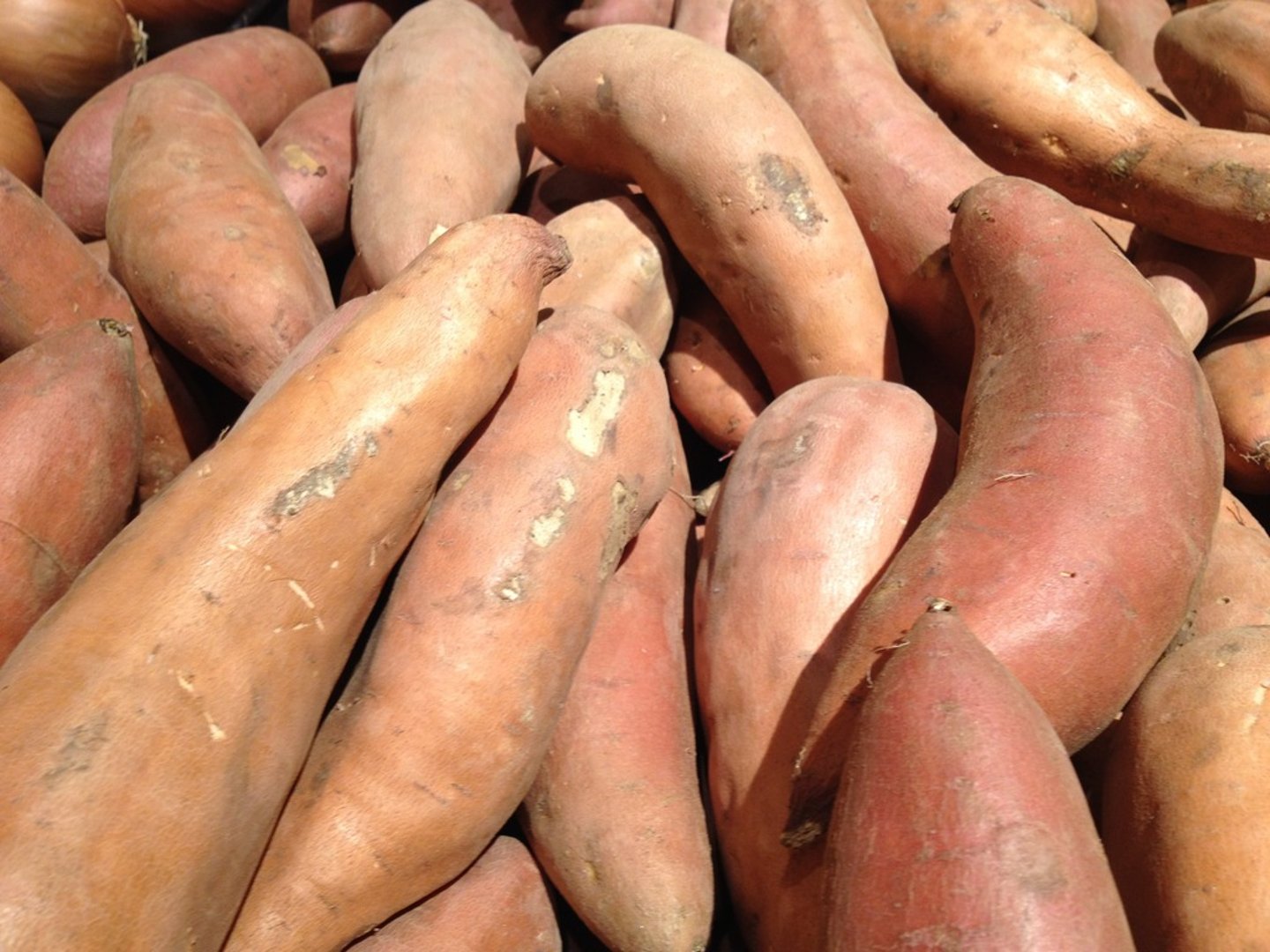
Discorea genus (yams)- They are tubers like potatoes
Euphorbiaceae Family (below ground structures to consider)
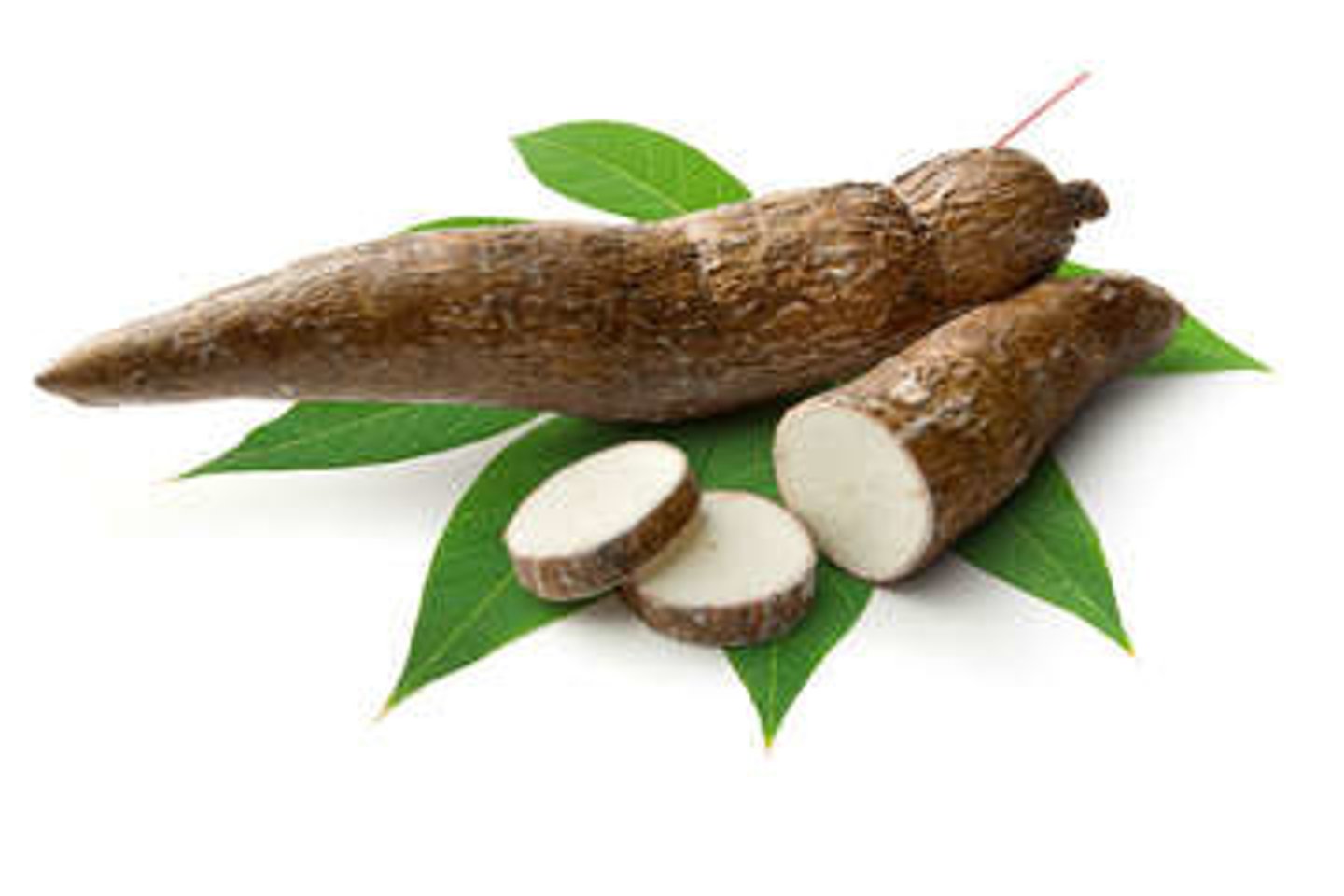
Manihot esculenta (Cassava), Ricinus communis (castor bean)
Cassava is classified as a tuberous root.
Solanaceae (Nightshade Family)
tomatoes, potatoes, eggplant, peppers, tomatillo
What are some deadly members of the Solonaceae family?
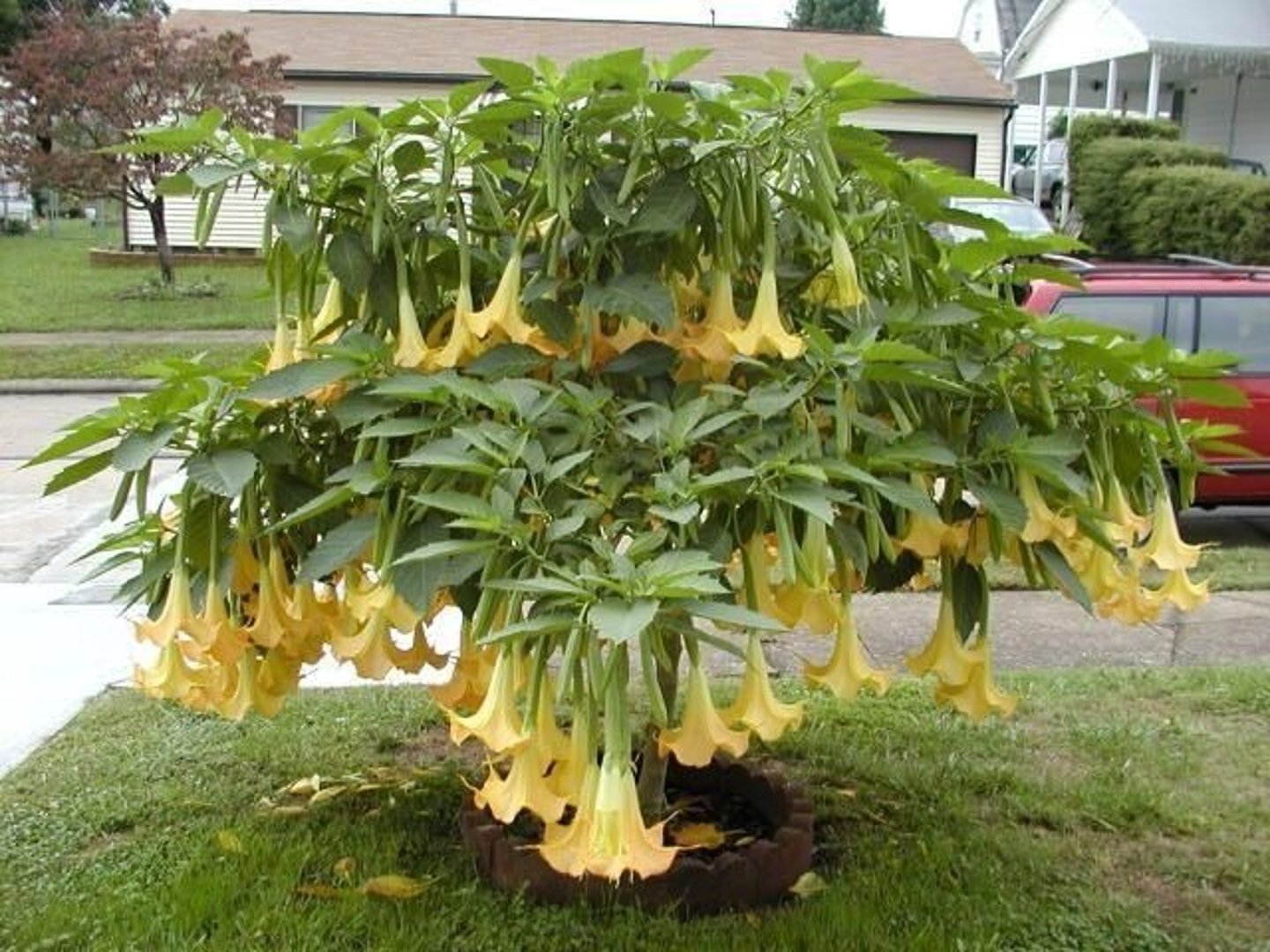
Brugmansia
•angel's trumpet
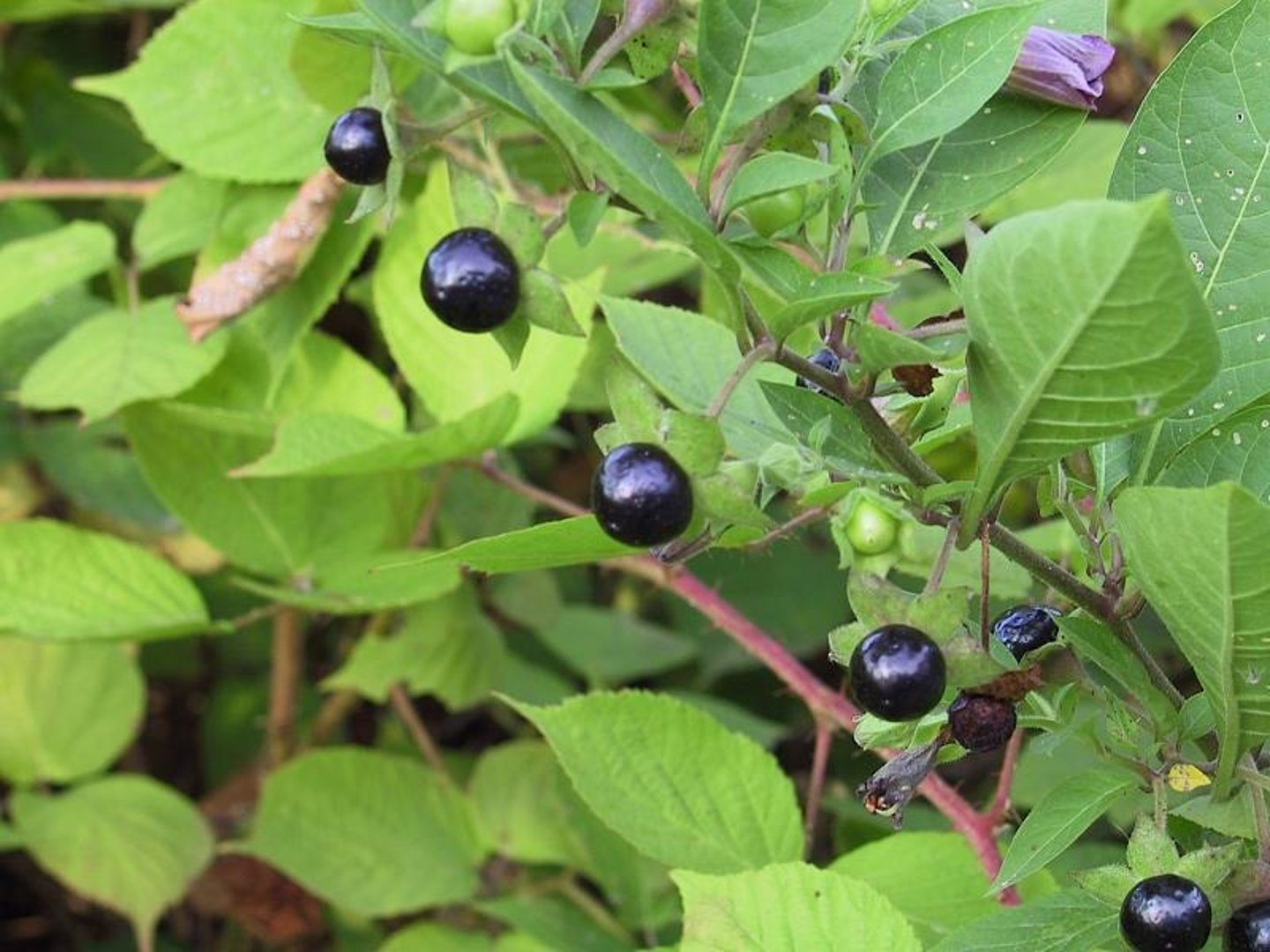
Atropa belladonna
•deadly nightshade
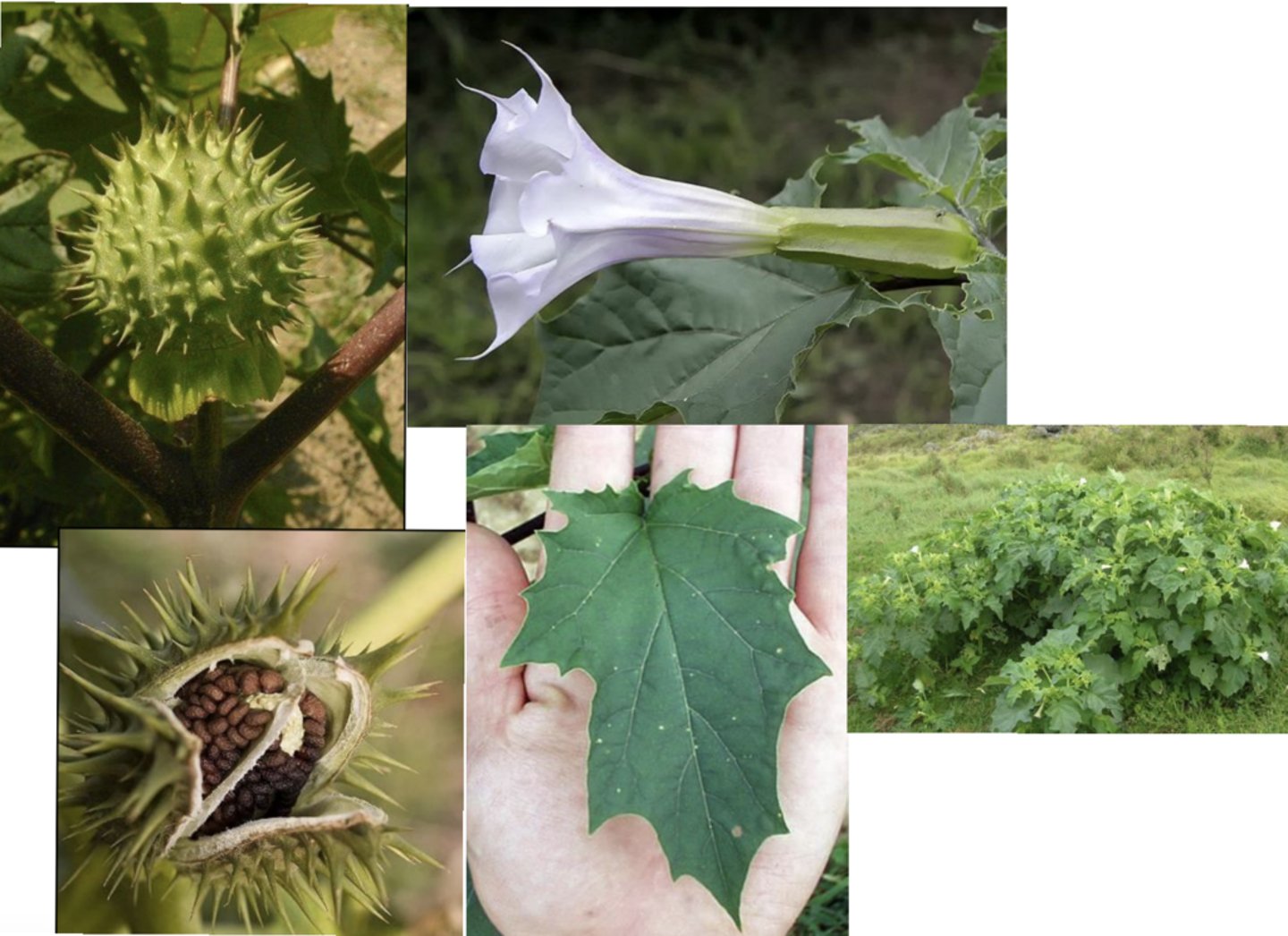
Datura
•jimsonweed
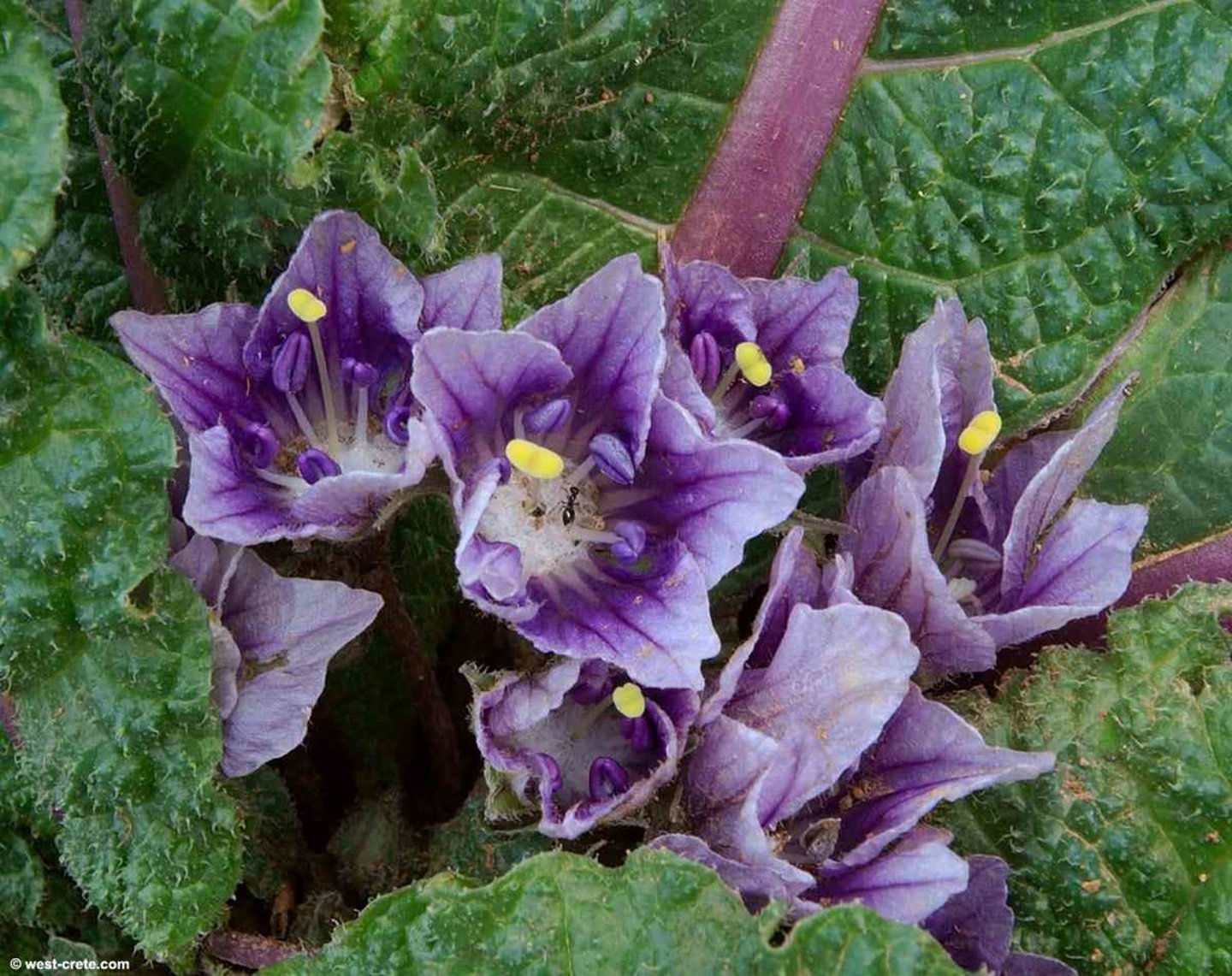
Mandragora
•mandrake
Brugmansia- angel's trumpet Picture
Deadly member of the solanaceae family
Atropa belladonna (deadly nightshade)
Deadly member of the solanaceae family
Datura (jimsonweed)
Deadly member of the solanaceae family
mandragora (mandrake)
Deadly member of the solanaceae family
What toxins does the solanaceae family produce?
Tropane Alkaloids (Nitrogen Reading a Book)
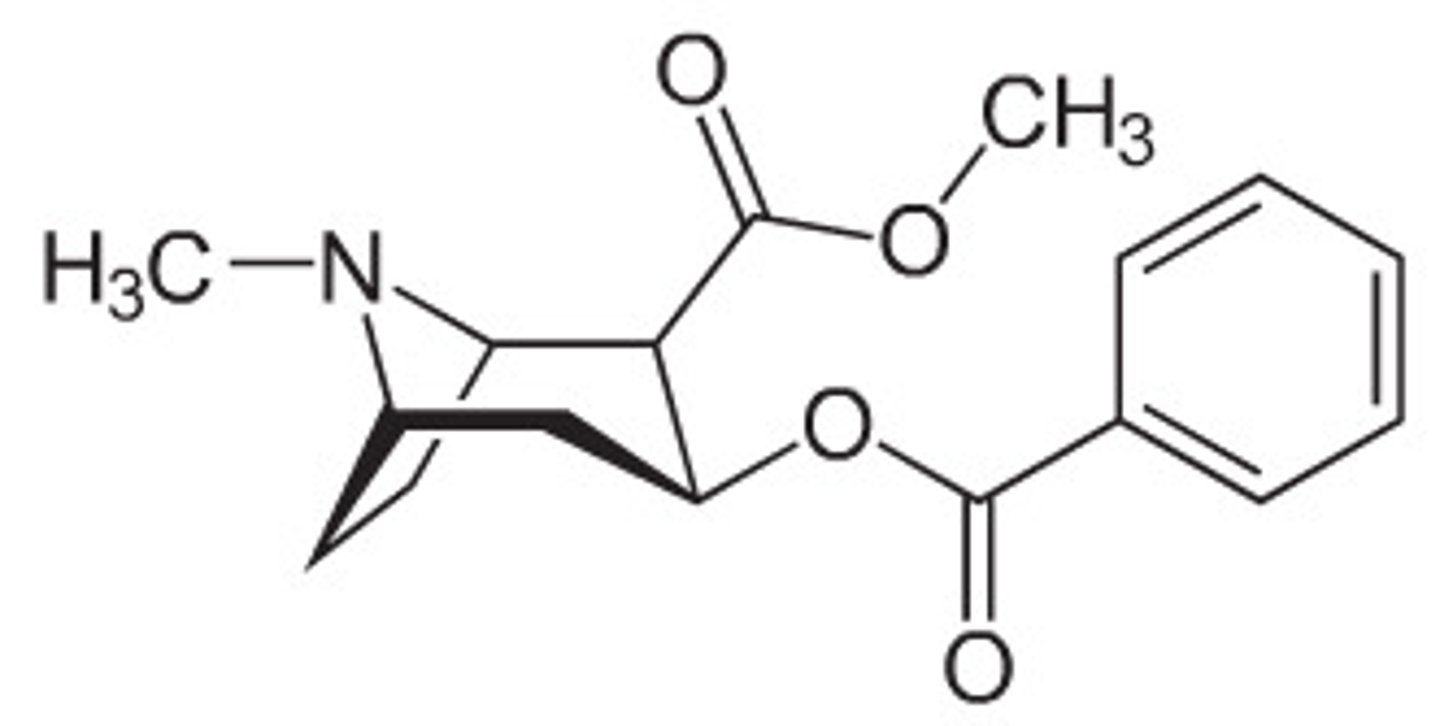
Hyoscyamine, Atropine (racemic Mixture of hyoscyamine), Scopolamine (an extra eposide group)
Tropane alkaloids
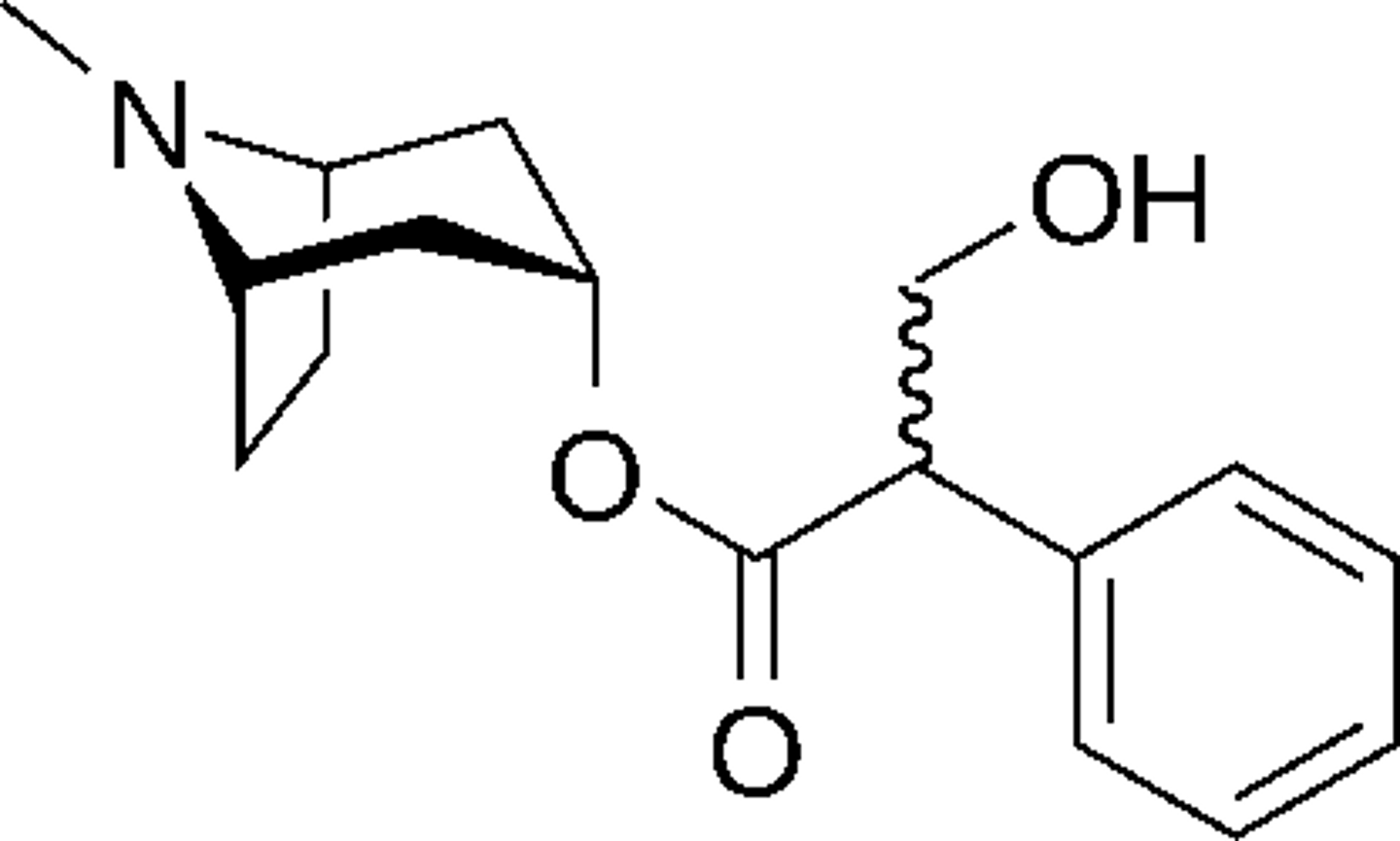
What are the symptoms caused by tropane alkaloids? What is the mnemonic?
dryness, tachycardia, severe hallucinations, confusion, nonsense speech, amnesia, coma, death
mnemonic for the clinical signs of tropane alkaloid poisoning: "hot as hare, blind as a bat, dry as a bone, red as a beet, and mad as a hatter
What is the mechanism of action of tropane akaloids?
•antagonist of muscarinic acetylcholine receptor
•prevent acetylcholine binding
-effects on the parasympathetic nervous system
-increases heart rate cause it prevents hyperpolarization of heart muscle that is required for a slow heart rate.
-inhibits digestion which should be occuring in the parasympathetic response
Acetylcholine (ACh)
A neurotransmitter that enables learning and memory and also triggers muscle contraction. Involved at nicotnic and muscarinic junctions
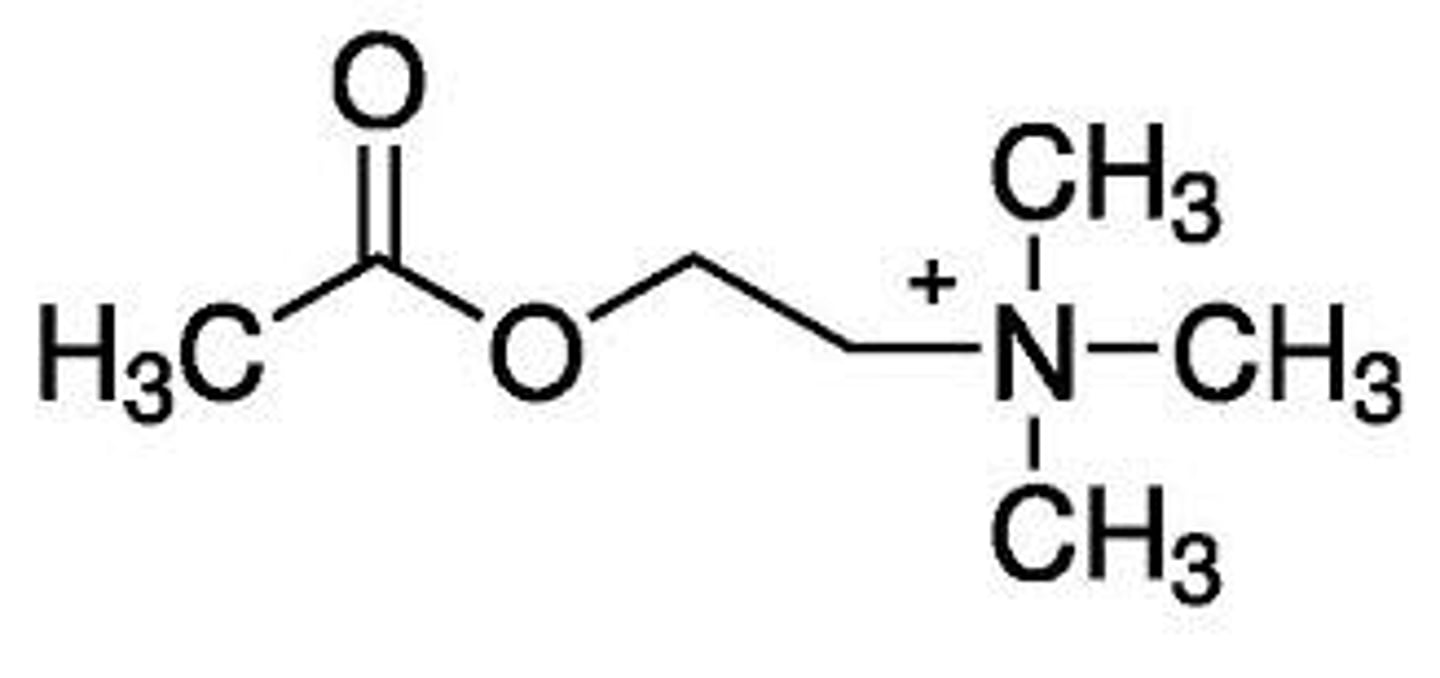
Is potato and tomato in the same genus?
Yes, they are in the same genus. Potato is Solanum tuberosum and tomato is Solanum lycopersicum.
Describe the effect of light on the toxicity of potato
when light hits the potato, it green because it is producing cholrophyll and sprouts since it is trying to grow a new plant. This process however releases a lot of toxins and therefore green or sprouted tubers of potato should never be consumed. toxins that they create are called glycoalkaloids.
what are the parts of the potato plant that makes abundant glycoalkaloid toxins? List them from high to low
For the plant: Flowers, sprouts, leaves
If you just look at the tuber in isolation: Peel, skin, flesh
what exactly are the toxins that the potato produces?
•Glycoalkaloids:
α-solanine & α-chaconine
•synergistic
•cell lysis (membrane disruption)
•inhibits acetylcholinesterase
which is involved in hydrolyzing acetylcholine.
gastrointestinal discomfort
•rapid & weak pulse, breathing
Herbivore defense
α-solanine and α-chaconine structure
this was the best image I could add using free quizlet. Both of these molecules basically have an indolizidine ring, steroid molecule, and then three monosacchardies connected with glycosidic linkages
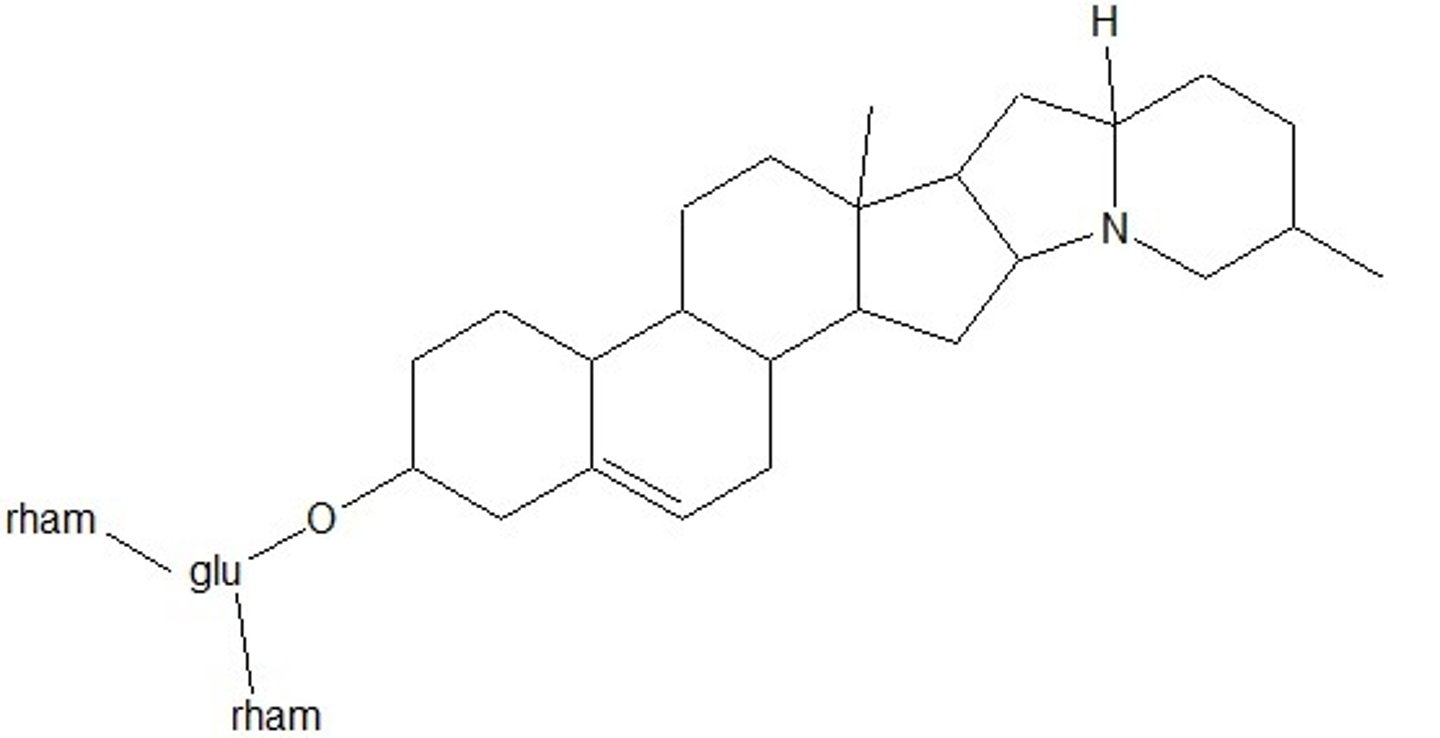
what are the toxic effects of solanine glycoalkaloids?
-all the effects of a typical glycoalkaloid
-inhibits cholinesterase
-disrupt cell memebranes (likely because of its cholesterol structure)
-cause birth defects
-cause apoptosis by affecting mitochondrial membranes and relasing so much caclium into the cell that apoptosis is triggered.
what are the toxic effects of chaconine glycoalkaloids?
-all the effects of a typical glycoalkaloid
-natural toxicant that produces a bitter taste
-produced in response to stress and has insecticidal and fungicidal properties.
What are the five major categories of toxins/irritants that affect the skin?
1. Raphide oxalates
2. Stinging hairs
3. Chemical irritants
4. Phototoxins
5. Allergens
Structure of the Skin
epidermis, dermis, hypodermis(fat layer or subcutaneous layer)
What families are raphide oxalates associated with? What are the raphides made of?
Araceae
Polygonaceae (buckwheat family)
They are made of calcium oxalate.
Name some plants in the Araceae family
Wide variety of attractive house plants are involved in this family.
Peace Lily (Spathiphyllum)
Dumb Cane (Dieffenbachia)
syn pothos (Epipremnum)
Monstera
Philodendron
Elephant Ears, Taro (Colocasia)
What are the benfits of calcium oxalate crystals in plant cells?
-pH balance
-defense against herbivores (immediate stinging and edema)
-remove excess oxalic acid