Pericardial dz
 Call Kai
 Learn
Learn Practice Test
 Spaced Repetition
 Match
Match Flashcards
 Knowt Play
1/32

There's no tags or description
Looks like no tags are added yet.
Name | Mastery | Learn | Test | Matching | Spaced | Call with Kai | Chat |
|---|
No analytics yet
Send a link to your students to track their progress
33 Terms
What are the layers of the pericardium?
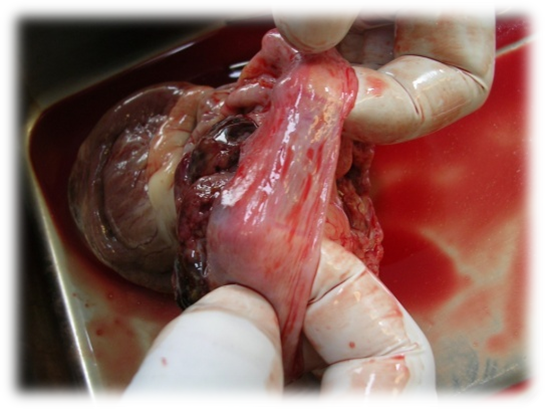
Outer – fibrous
Inner – serous
Parietal layer
Visceral layer - epicardium
How much pericardial fluid is normal?
0.25 mL/kg
What is the function of the pericardium?
Prevents over dilation
Systolic function (torsion)
Co-ordinates LV-RV interaction
Protects heart
Maintains position
What are the different acquired pericardial diseases you can get?
Pericardial effusion (dog) - Haemorrhagic (trans-/exudate)
Idiopathic
Neoplasia
CHF (LA rupture, cats) - if a dog is in R-CHF then do not forget pericardial effusion as a differential but more common cause in cats (NOT due to L-CHF in dogs as doesn’t cause pericardial effusion)
Coagulopathy (rat bait)
Hypoproteinaemia (effusions in lots of places)
PPDH - peritoneopericardeal diaphragmatic hernia
FIP, FB?
Renal failure
Constrictive pericardial dz
effusive-constrictive Pericarditis
What are the congential pericardial diseases you can get?
Peritoneal pericardial diaphragmatic hernia (can predispose to pericardial effusion)
Pericardial cyst
Pericardial defect/absence
What are the main causes of pericardial effusion and how does this differ between dogs and cats?
DOGS:
Idiopathic
Neoplasia
Older, large breed dogs
CATS:
Congestive heart failure
FIP
Infectious, lymphoma, mesothelioma, rhabdomyosarcoma, coagulation, uraemia
How do you diagnose Idiopathic PE Dogs?
Exclusion diagnosis
No mass on echo
Cytology negative for neoplasia
(warn the owner they might still have neo you just haven't found it)
Pericardial fibrosis + mixed inflammatory response result in hypersecretion of fluid
How do you treat Idiopathic PE Dogs?
What would you do if it recurs more than 3 times?
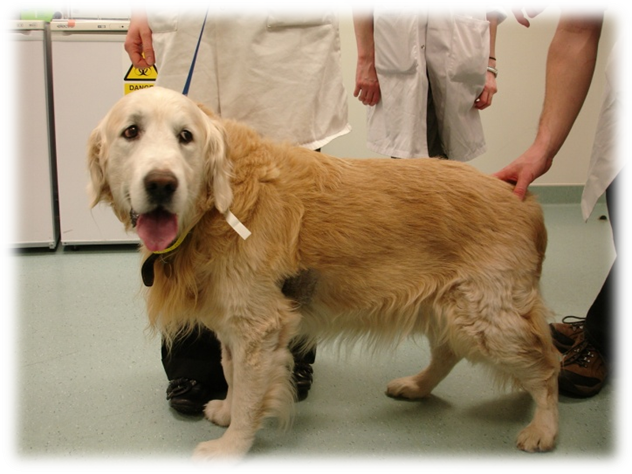
Drain it
Can recur
Pericardectomy if recurrence more than 3 times
What are the neoplasias that can cause pericardial effusion?
Haemangiosarcoma - Likes Right atrium, spleen and liver
Chemodectoma - Aortic body tumour
Mesothelioma - can cause multicavity effusions (hard to diagnose, this is on differentials if there is no mass found)
RARE —> Ectopic thyroid carcinoma, Lymphoma, Rhabdomyosarcoma
What breeds are predisposed to Haemangiosarcoma?
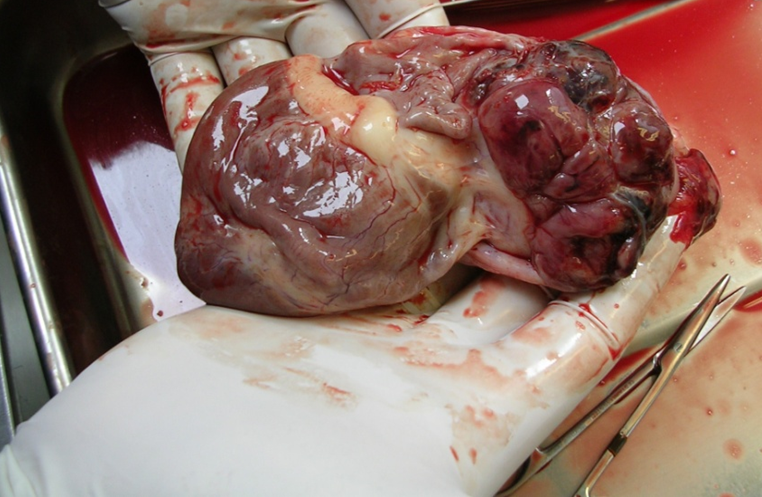
GSD, GR, Setters
How do you treat PE due to Haemangiosarcoma in Dogs?
Grave prognosis (malignant)
Pericardiocentesis - will be draining blood from the mass
Pericardectomy (not recommended as will bleed into thorax)
Balloon pericardiotomy
Chemotherapy +/- surgery
Often palliative - elective euthanasia
present with very acute haemorrhagic shock
What is being shown here?
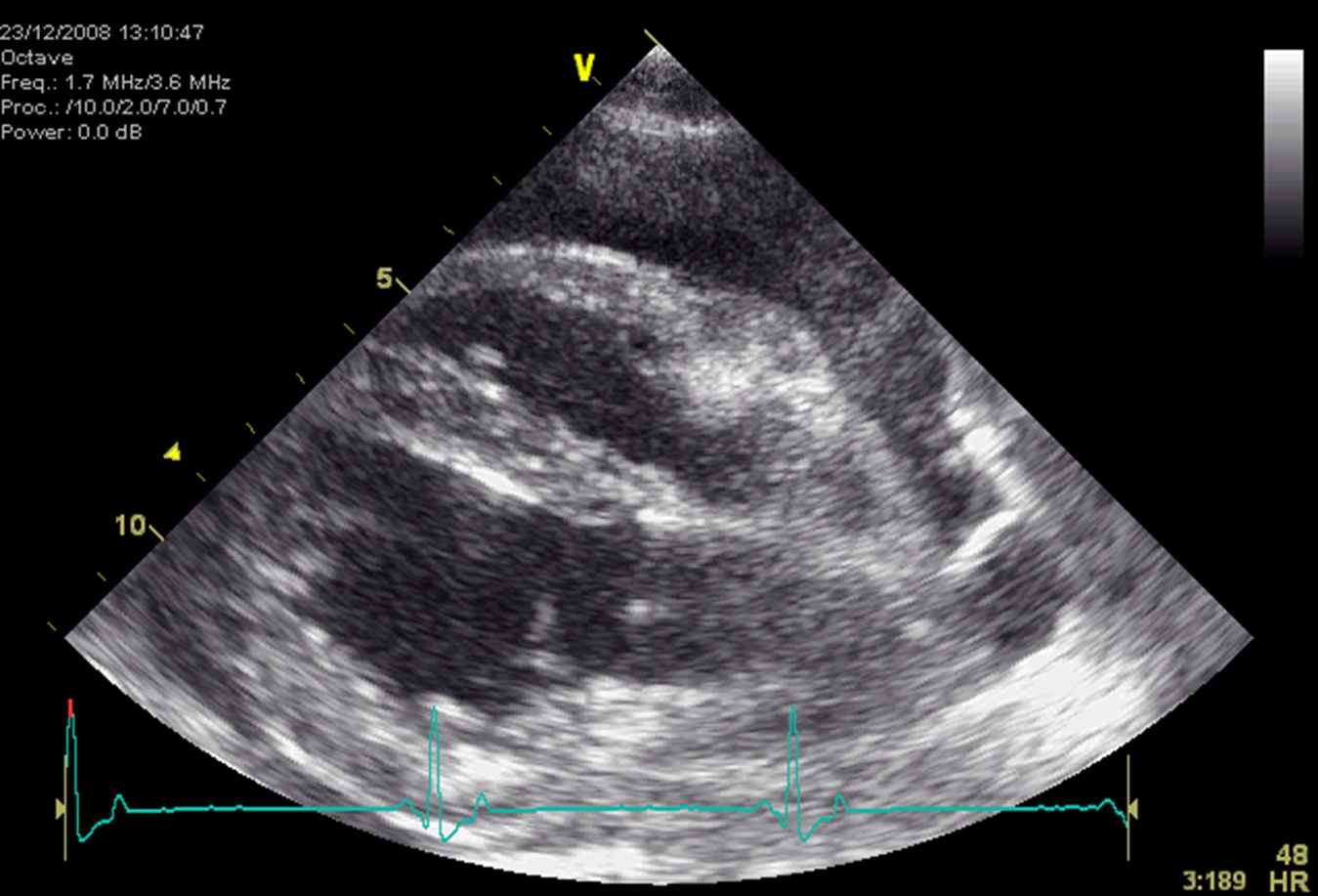
Black above the heart is the pericardial effusion
There is a mass on the right atrium
likely haemangiosarc.
Where are chemodectomas located?

What is the treatment of a chemodectoma pe?
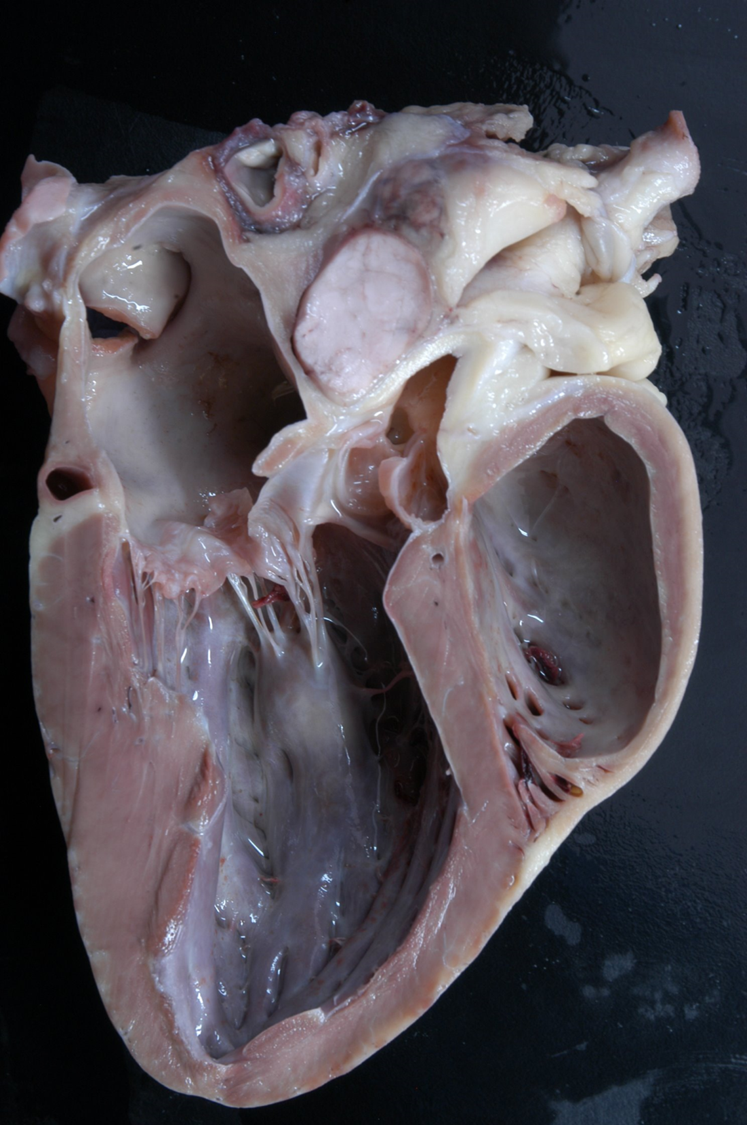
Generally reasonable prognosis (slow growing and low met rate)
Drain PE
Palliative pericardiectomy
mesothelioma
What is the treatment for mesothelioma?
Poor prognosis
Palliative - drain
What is the impact of a pericardial effusion?
Reduced right ventricular filling (lower pressure system so easier to squash)
Red SV - collapse, tachycardia, RAAS
Venous congestion - right sided heart failure - organomegaly (bowel signs), ascities and pos pleural effusion
During inspiration normally right heart fills better - with PE you will get pulses paradoxus (pulse weaker on inspiration)
(with these signs it will be a chronic effusion)

How would a patient present with an acute effusion and what would you suspect?
Will present with shock - haemorrhaging into pericardium and cant pump blood properly
Would suspect malignant process - hemangiosarcoma
How are cats likely to present?
Congestive heart failure
What are the signs of Chronic PE in Dogs?
R-CHF
Organomegaly
Abdominal effusion
Postive hepatojugular reflux
Jugular distension/pulsation
Tachycardia
Femoral pulses
Weak
Pulsus paradoxus
Muffled heart sounds
What are the signs of Acute PE in Dogs?
Weak
Collapsed
Tachycardic
Pale MM
Arrhythmic potentially
Signs of haemorrhagic shock
Signs of forward failure
Weak pulses
Very poor prognosis
What do you need to do for diagnostics before pericardiocentesis?
Patient PCV (checking to see if its haemorrhage)
Haem, biochem, CTnI
Coags
BP
ECG
Radiography (looks like football)
Abdominal ultrasound to check for fluid
FLUID ANALYSIS
What will you see on ECG?
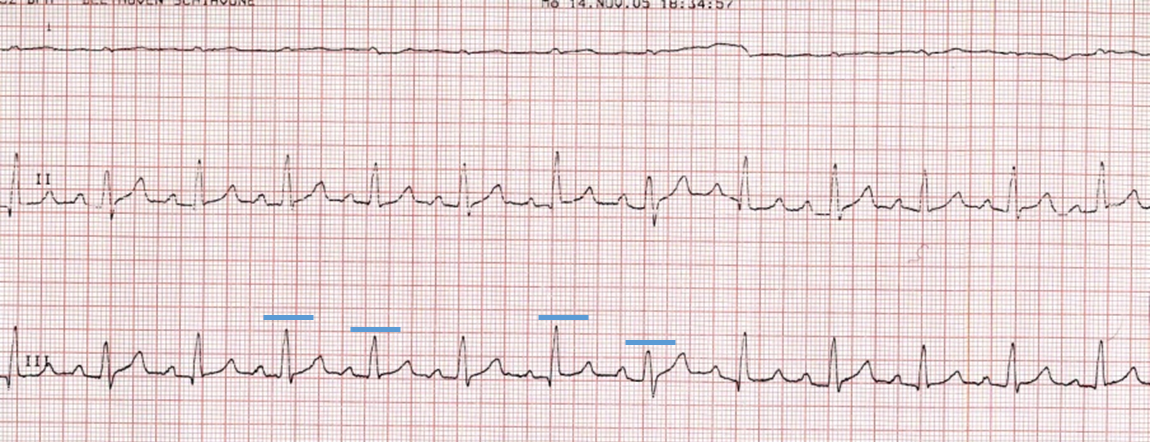
Sinus tachycardia HR 180bpm
Small QRS - because heart is smaller
Electrical alternans - because heart is swinging (QRS alternate in height)
Will see improvements once it has been drained
What is an important take home message about treatment of PE in dogs?
Do NOT use Furosemide in dogs with PE
Do not want to reduce blood volume because the filling is reduced anyway
(not the same for cats because they come in with CHF)
How do you carry out pericardiocentesis?
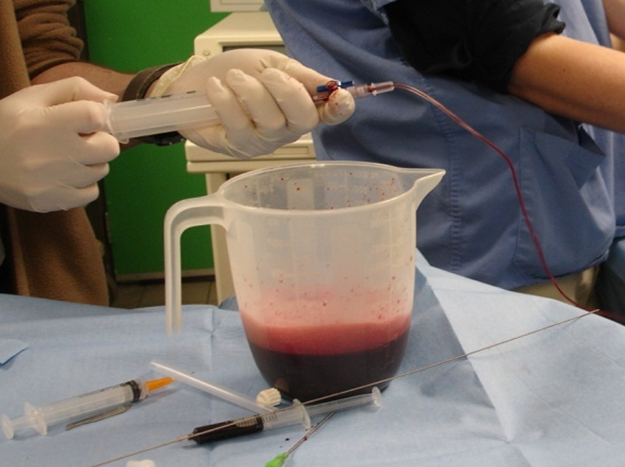
Mild sedation - Opiates ideal
Left lateral recumbency (3rd-8th ICS)
Echo to check incision point
LA
14G over the needle catheter, extension, 3 way tap
Check the PCV of the fluid - if it is 35 then may be haemangiosarcoma and you don't want to keep draining this and euthanasia will have to be considered
What could be the reason if the paramotors aren't improving after draining?
Iatrogenic cardiac puncture - get to correct place
Bleeding cardiac neoplasia causing hemorrhagic effusion - STOP
What do you do after pericardiocentesis?
Hospitalise for 12-24 hours to check for atrial fibrillation or ventricular arrhythmias
Weigh twice per day to see if its lost fluid
If recurrence suspect neoplasia (poor prognosis)
How will constrictive pericarditis present?
How is this treated and what is the prognosis?
R-CHF, cardiac tamponade with little fluid
Pericardectomy, pericardial stripping
Guarded prognosis without pericardiectomy
Difficult to diagnose
Specialist Cardiology needed
Which animals are predisposed to PPDH?
Weimaraners and Persian cats
What is PPDH?
Defect of closure
Ventral diaphragm
Pericardium
When would you get left atrial rupture?
Advanced MDVD - jet lesions
Severe LA enlargement
If there is left atrial rupture what do you do?
Pericardiocentesis
Blood transfusion
Thoracotomy
Guarded prognosis
What would you do with infectious pericarditis?
Aggressive antibiosis
Fluid Culture
Exploratory thoracotomy
Pericardiectomy