ch 3 pt 1
 Call Kai
 Learn
Learn Practice Test
 Spaced Repetition
 Match
Match Flashcards
 Knowt Play
1/21

Earn XP
Name | Mastery | Learn | Test | Matching | Spaced | Call with Kai |
|---|
No analytics yet
Send a link to your students to track their progress
22 Terms
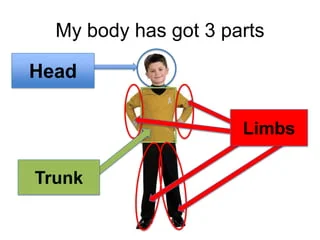
the bodys core region
includes teh back , abdomen, thorax (chest), and pelvis
for maintainign or transitioning to various positions
Core (trunk)
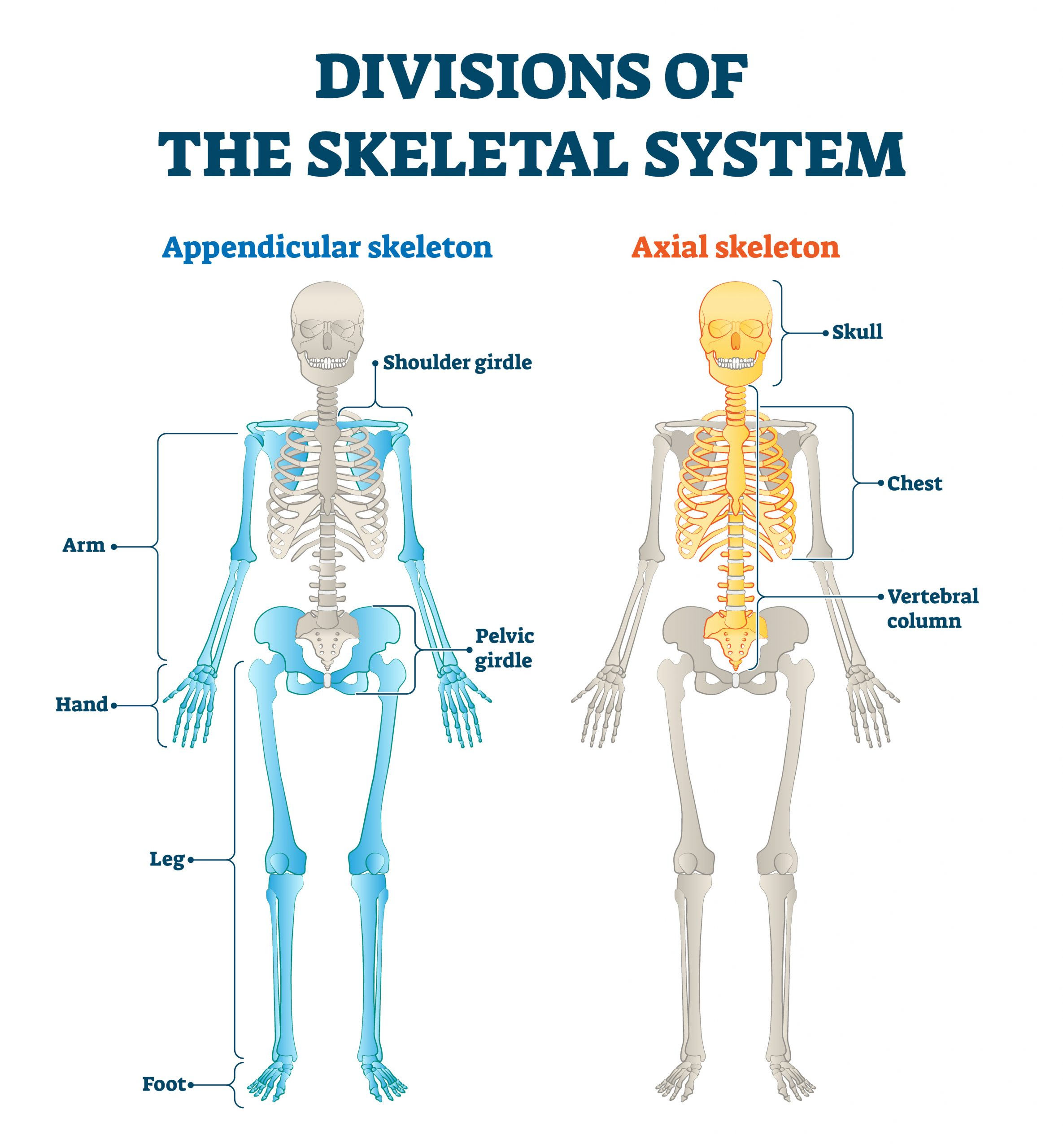
what is the axial skeleton made of and what is it for
vertebral column
ribs
sternum
skull
it is an attachment site for large muscles
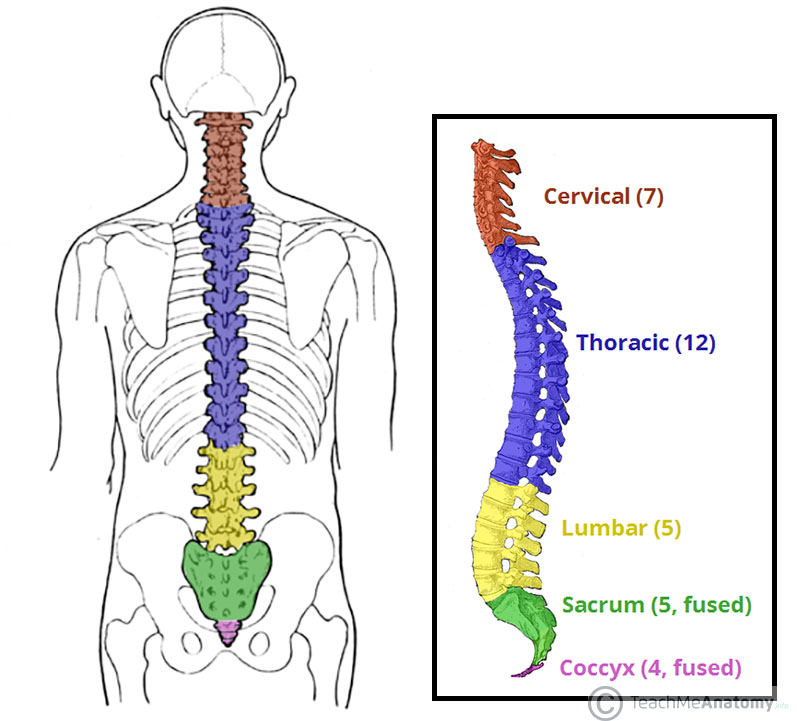
what is the makeup of the vertebral column
cervical (7)
thoracic (12)
lumbar (5)
sacral (5)
coccygeal (4)
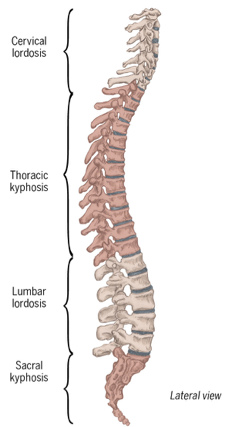
what is kyphosis and lordosis and which sections of the vertebral columns do what
kyphosis- posterior curvature of spine ( thoracic and sacral vertebrae’s)
lordosis- anterior curvature of spine ( cervical and lumbar vertebrae’s)
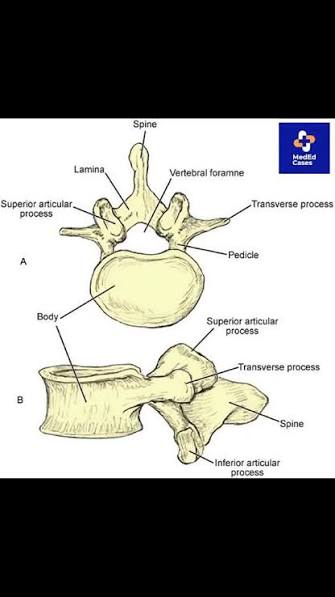
vertebral body
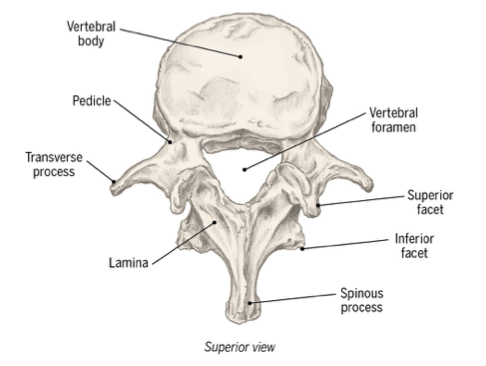
main portion of vertebrae
cancellous (spongy bone)
absorbs compressive forces
vertebral arch
formed by pedicles and lamine
bony base for processes
vertebral foramen
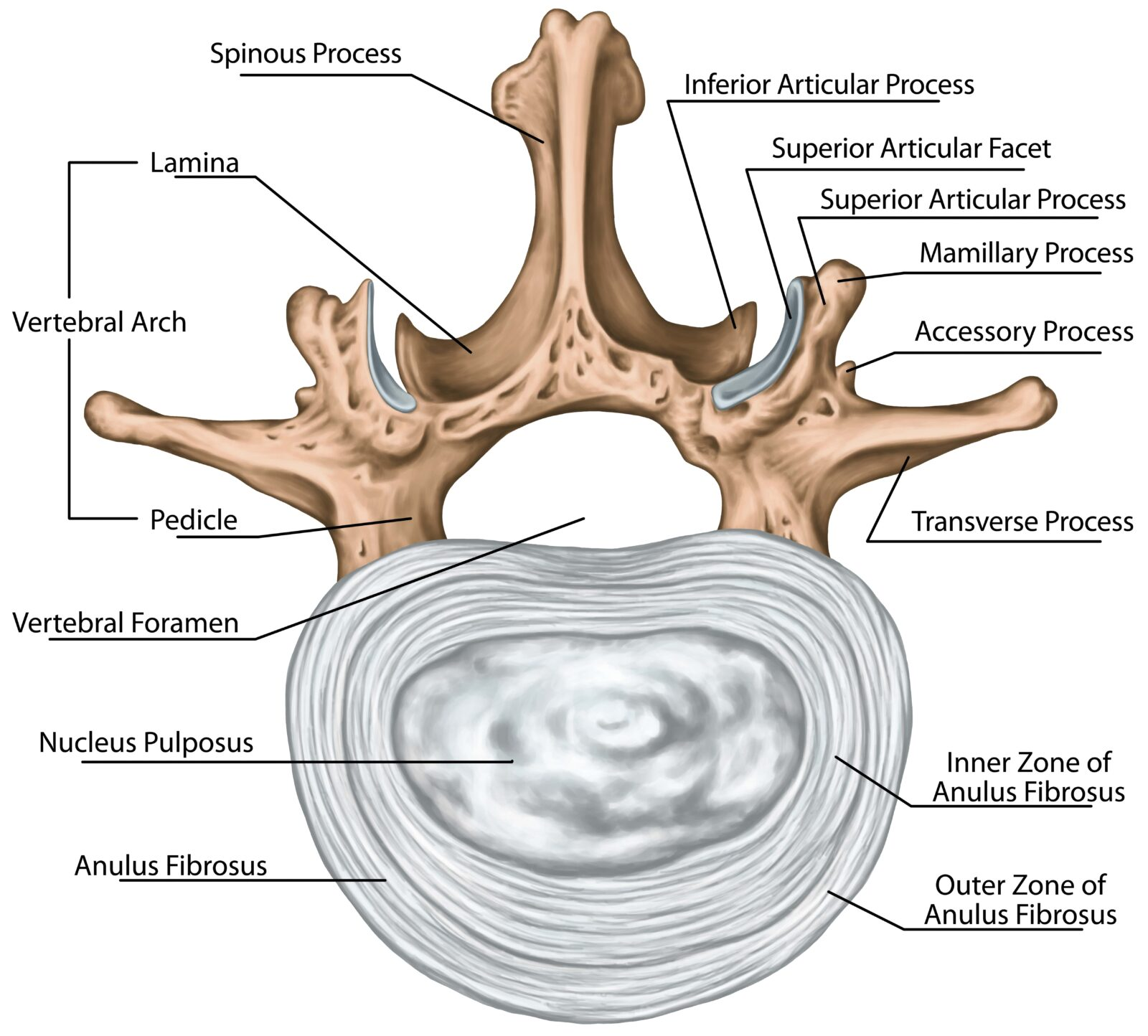
opening posterior to vertebral body
bony canal for spinal cord
intervertebral foramen
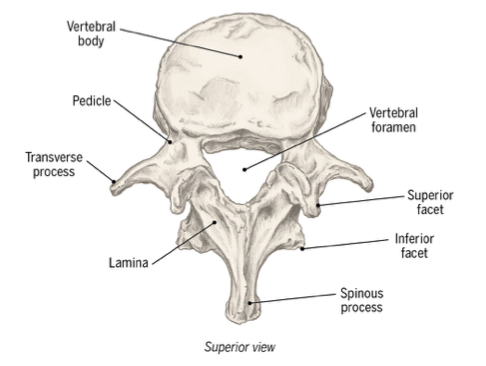
Opening between neighboring vertebrae
Passage for spinal nerves
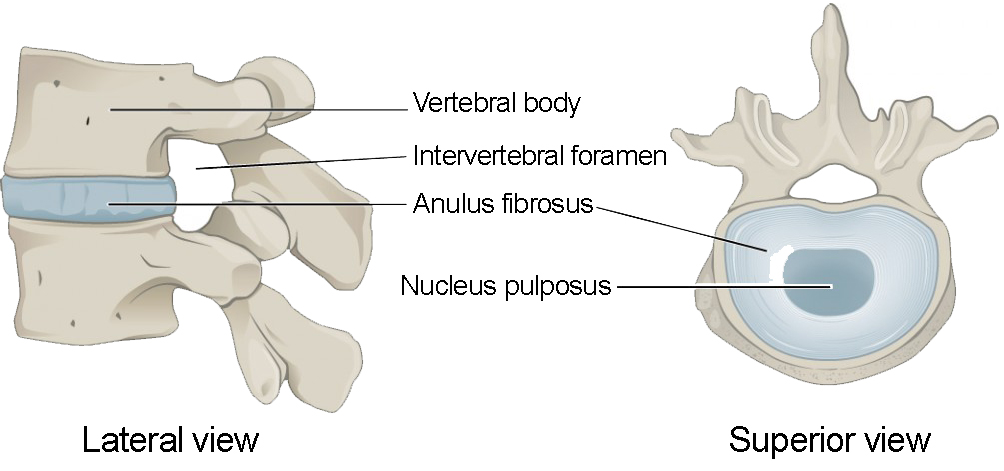
intervertebral disks purpose
is between vertebral bodies
stabilizes and absorbs shocks
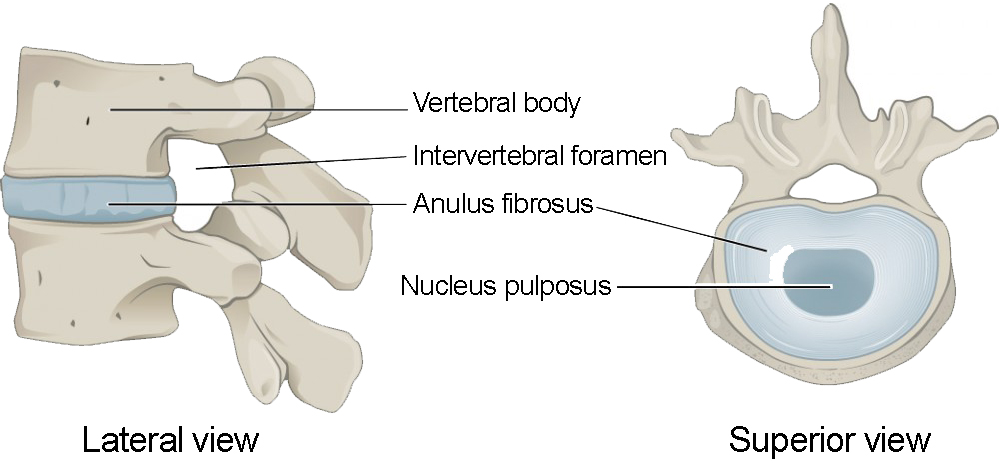
annulus fibrosus
fibrous outer rings of the intervertebral disks
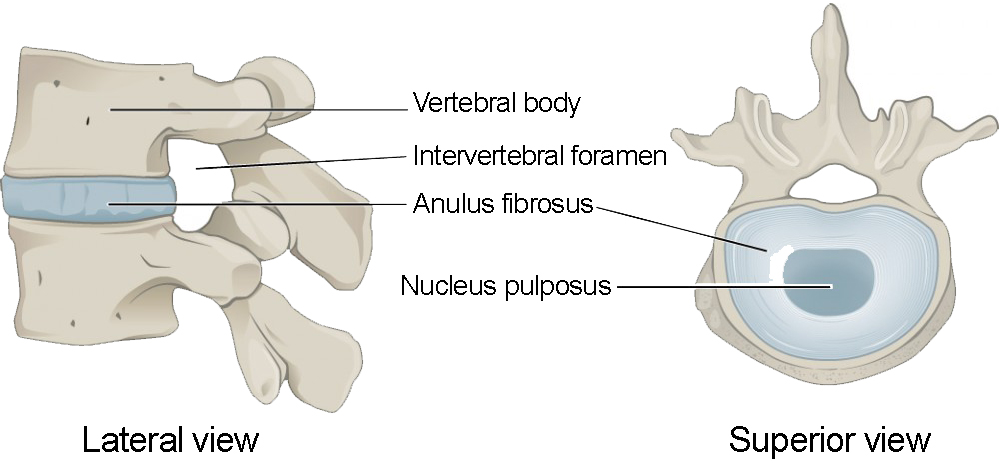
nucleus pulposus
gel like inner core of the intervertebral disc
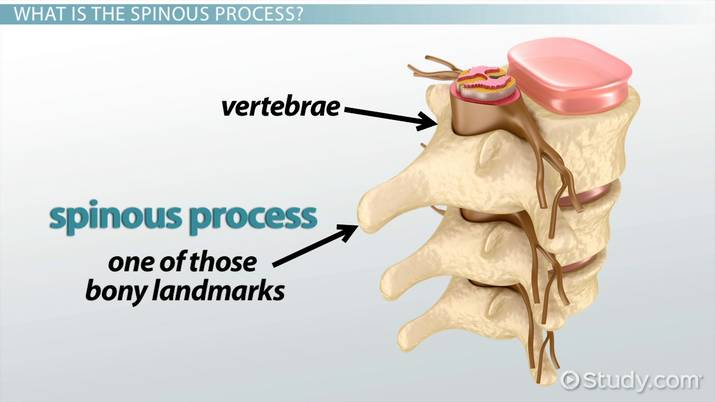
what are the bony landmarks of the vertebral column
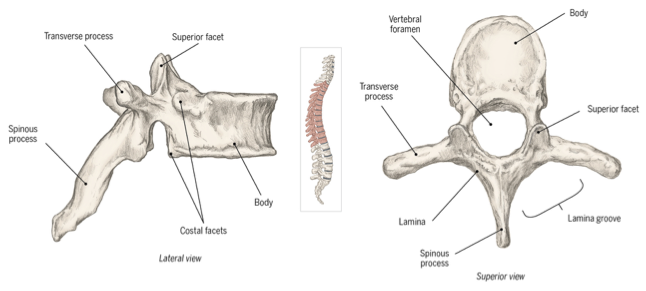
spinous process ( a bony landmark)
projects dorsally and inferiorly
transverse process ( a bony landmark)
extends laterally from each side
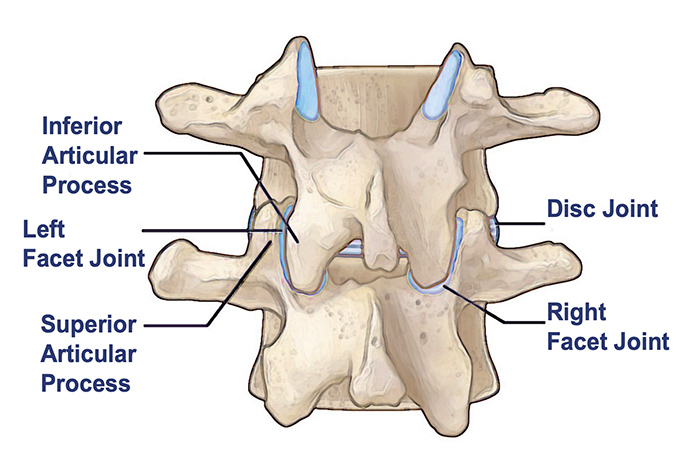
superior and inferior facets (bony landmark of vertebral column)
on each side of the vertebrae
joints between the vertebrae
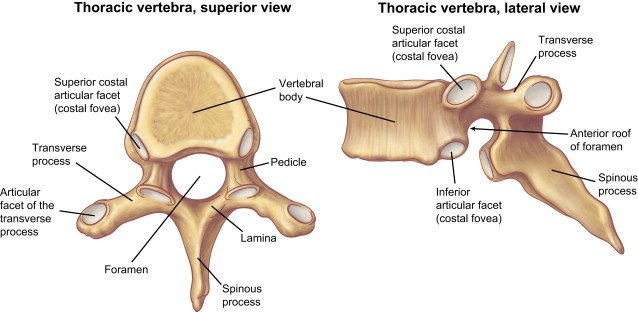
costal facets (bony landmark
only the thoracic vertebrae
articular surfaces for ribs
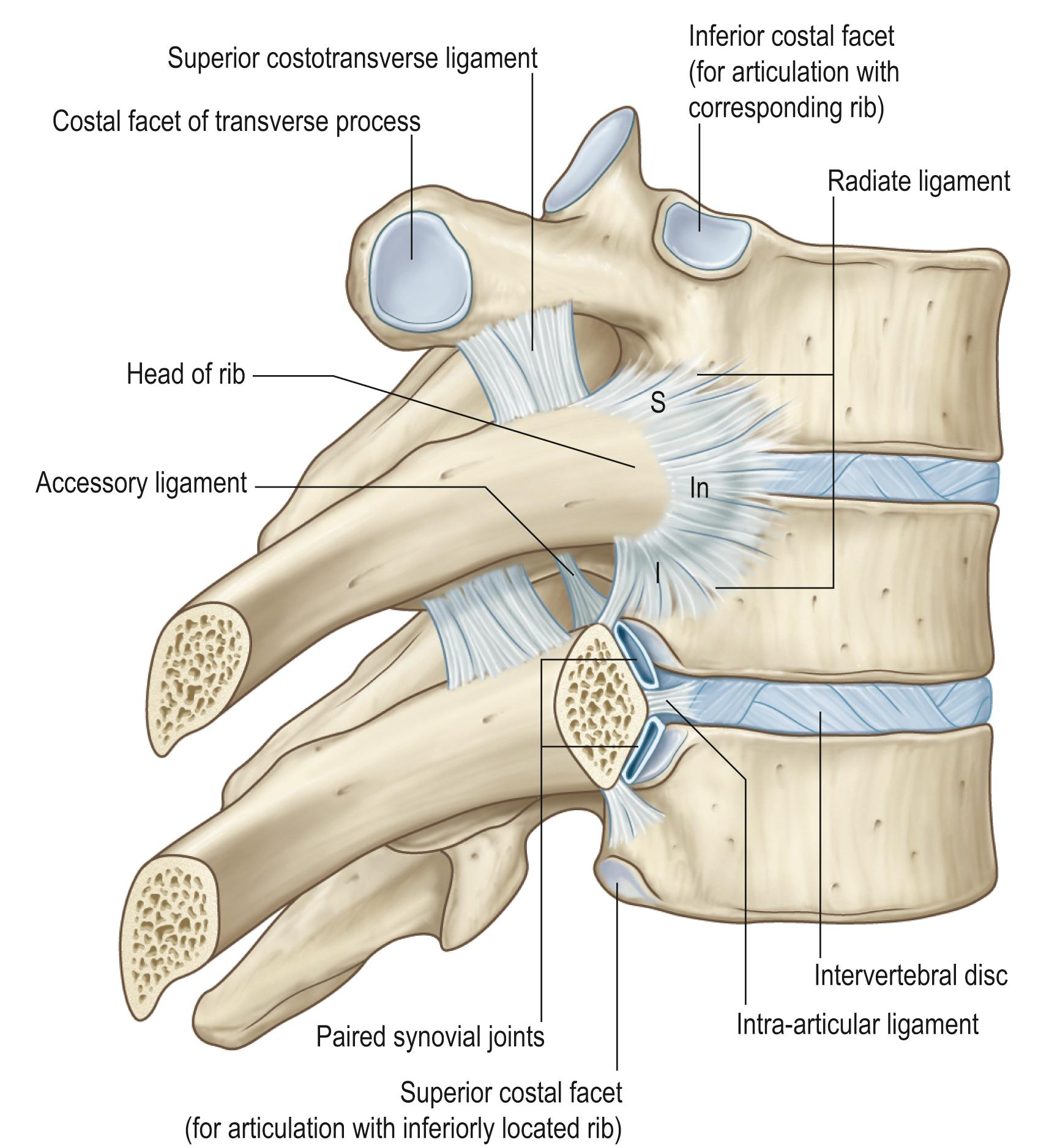
atlas and axis and the functions they do
atlas- c1 ( allows for yes nodding motion)
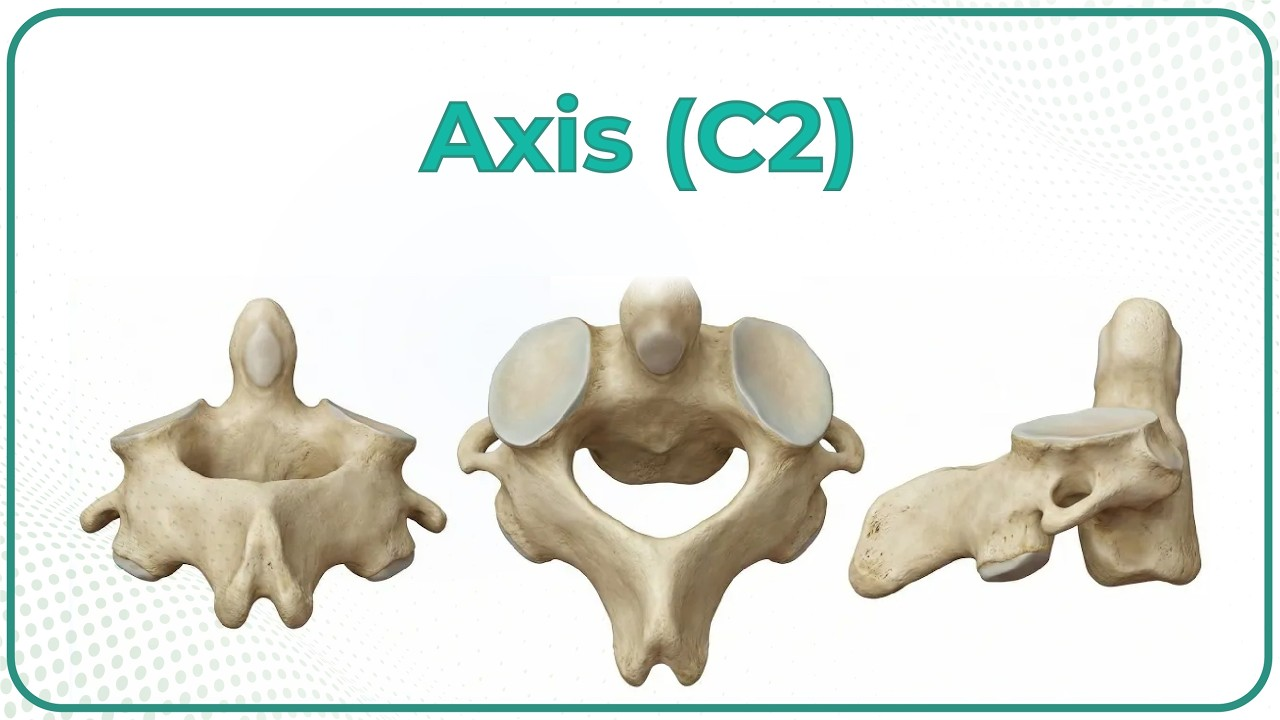
axis- c2 (allows for shaking of the head, no motion)
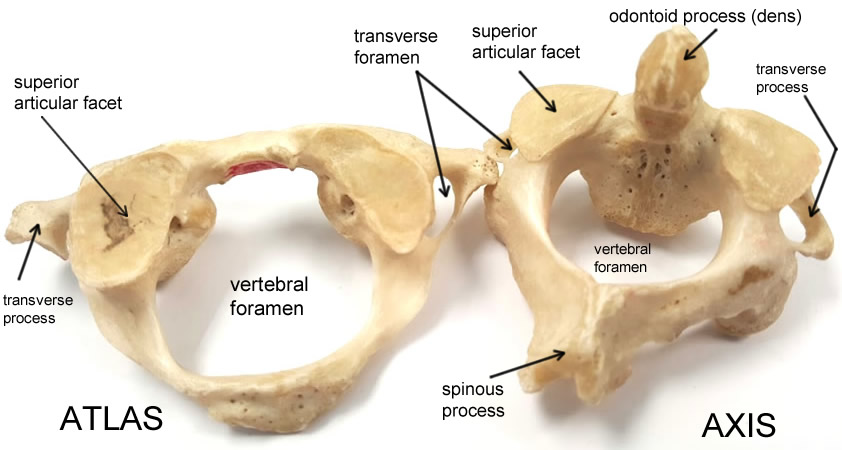
what is the odontoid process ( dens)
superior projection through foramen of atlas (c2)
works as a pivot point
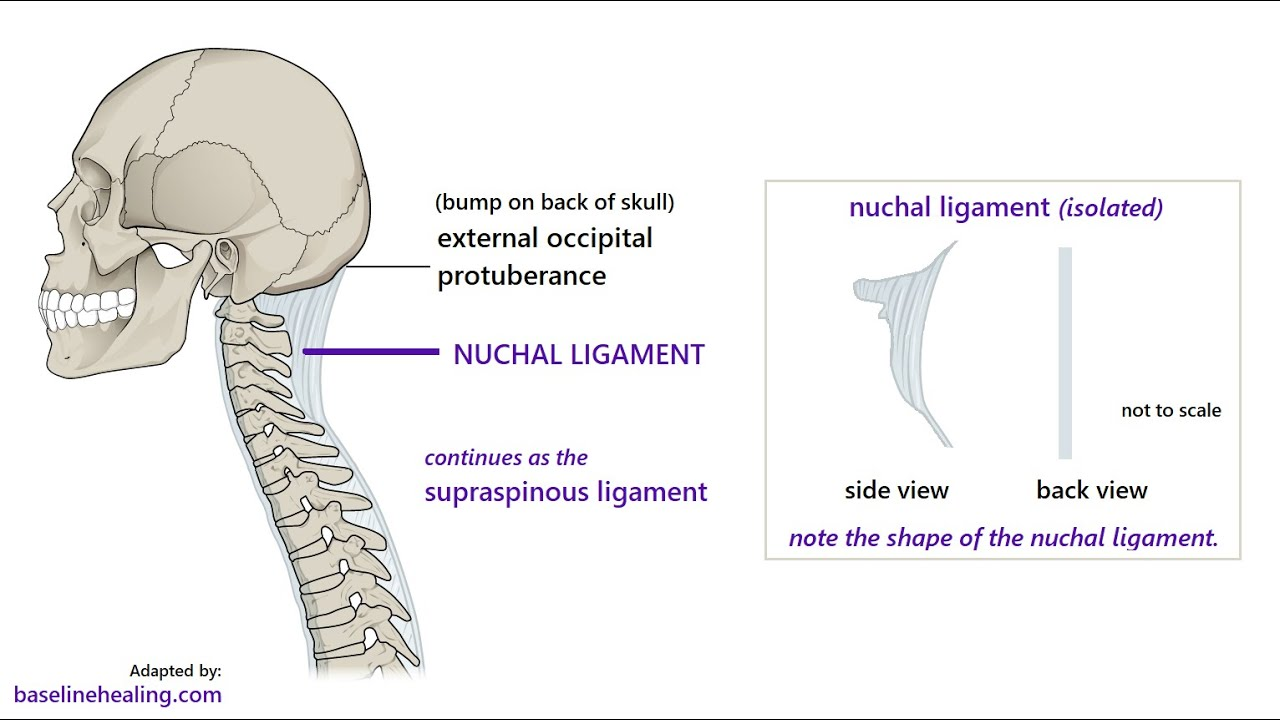
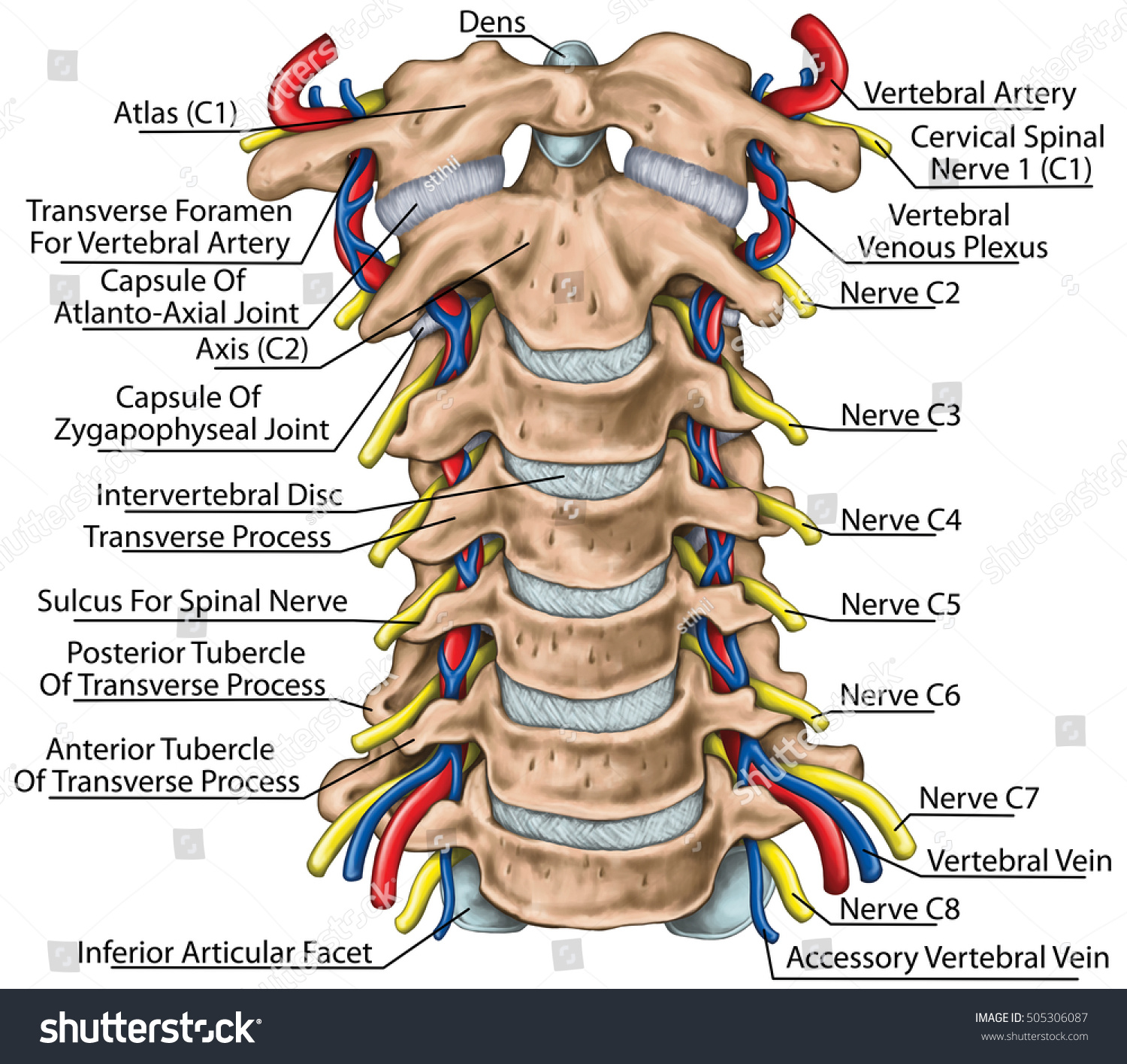
what is special about the cervical vertebrae’s
transverse foramen- Hole in transverse process for vertebral artery and vein to pass through ( not on c1)
nuchal ligament- Strong neck ligament that supports the head
c7- most prominent vertebral column
what is special about the thoracic vertebrae
has costal facets for rib attatchments
thicker posteriorly
thinner anteriorly
kyphotic curve
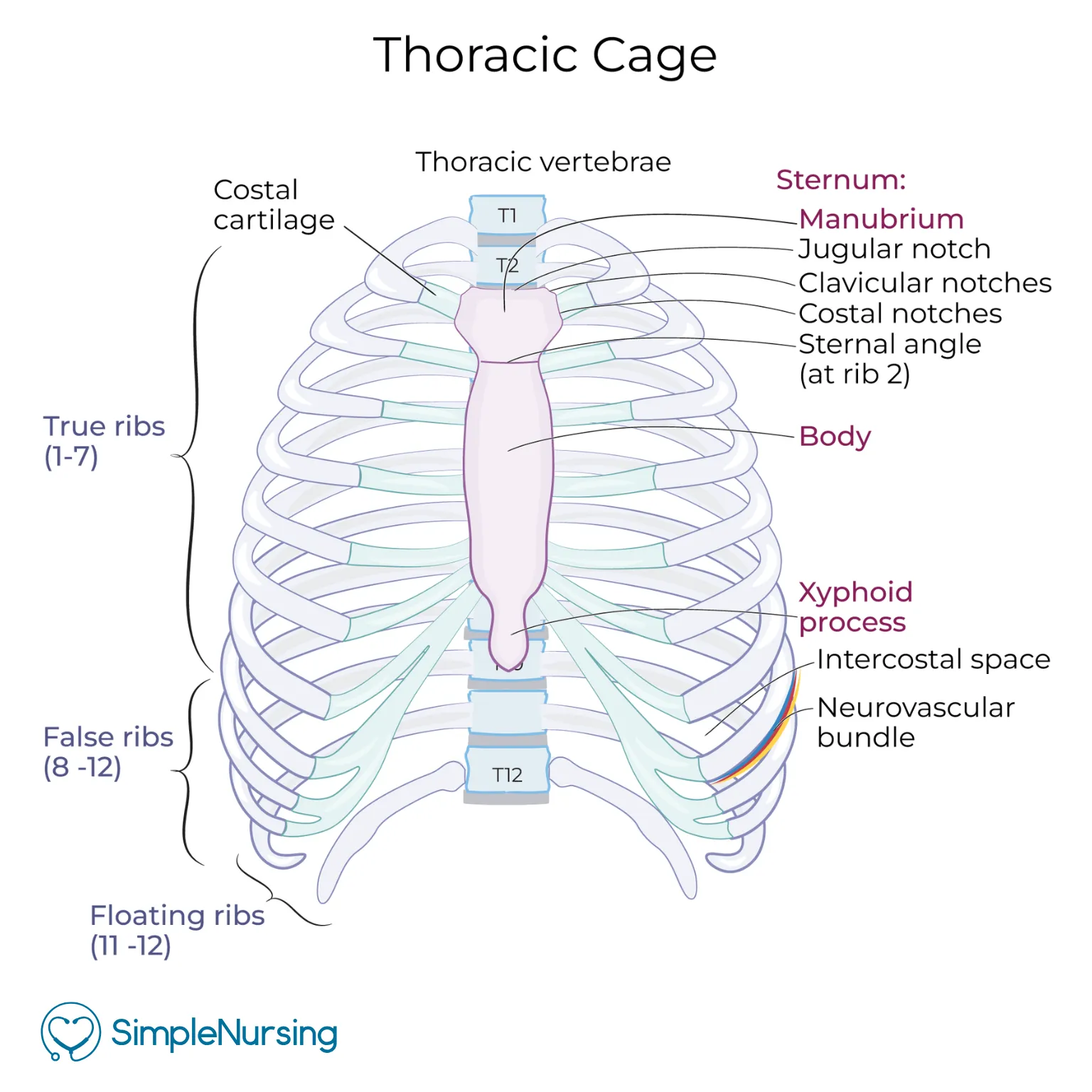
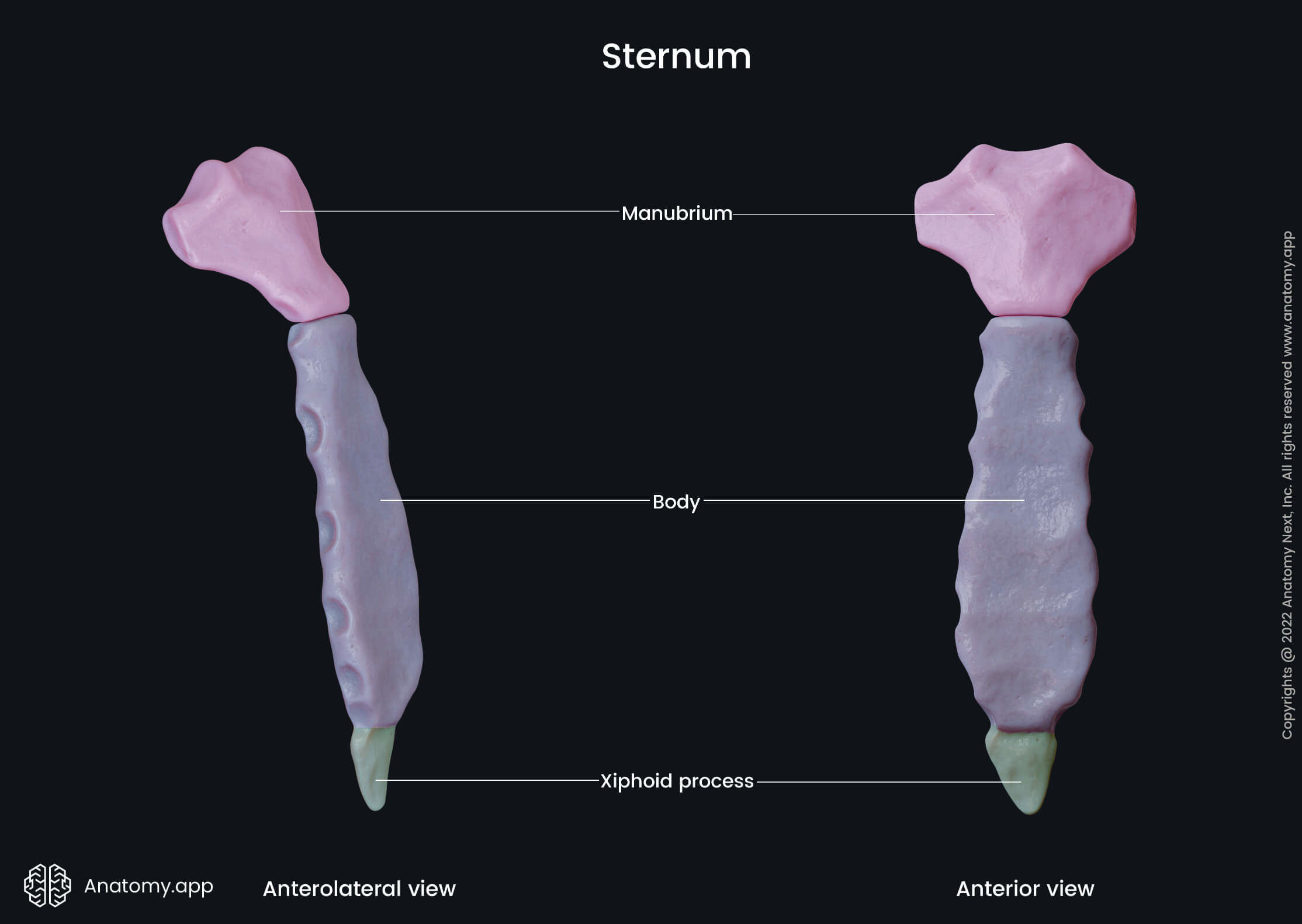
sternum purpose and its make
anterior support for rib cage
made of manubrium, body, and xiphoid process
forms sternocostal joints
what is the make of your ribcage and what is the function of the ribcage
12 pairs of ribs
Attached to skeleton by thoracic vertebrae and sternum
Protects thoracic organs
True Ribs (1–7)
Attach directly to sternum via costal cartilage
False Ribs (8–10)
Attach indirectly to sternum through cartilage of rib above
Floating Ribs (11–12)
No anterior attachment to sternum