MAIA KATHARINA A. SERO - BIOPSYCH MIDTERMS REVIEWER

0.0(0)
Studied by 0 people
call kaiCall Kai
Locked
learnLearn
examPractice Test
spaced repetitionSpaced Repetition
heart puzzleMatch
flashcardsFlashcards
GameKnowt Play
Card Sorting

1/169

encourage image

There's no tags or description

Looks like no tags are added yet.

Last updated 9:01 AM on 9/3/26
Name
Mastery
Learn
Test
Matching
Spaced
Call with Kai
Chat

No analytics yet

Send a link to your students to track their progress

170 Terms

1
New cards

Hierarchical organization

Information is processed through successive levels, with higher levels dealing with increasingly complex aspects of sensory information.

2
New cards

Functional segregation

Different areas of the brain specialize in processing different types of sensory information.

3
New cards

Parallel processing

Different aspects of information can be processed simultaneously by separate neural pathways.

Example:

When looking at an object, different neural systems can process its:

- shape

- color

- movement

- location

at the same time.

<p>Different aspects of information can be processed simultaneously by <u><mark data-color="green" style="background-color: green; color: inherit;">separate neural pathways</mark></u>.</p><p><strong>Example:</strong></p><p>When looking at an object, different neural systems can process its:</p><p><strong>- shape</strong></p><p><strong>- color</strong></p><p><strong>- movement</strong></p><p><strong>- location</strong></p><p>at the same time.</p>
4
New cards

Sound

A form of physical energy produced by vibrations.

Major structures:

Outer ear → middle ear → inner ear → auditory nerve → brainstem → thalamus → auditory cortex

<p>A form of physical energy produced by <strong>vibrations</strong>.</p><p><strong>Major structures:</strong></p><p>Outer ear → middle ear → inner ear → auditory nerve → brainstem → thalamus → auditory cortex</p>
5
New cards

Cochlea

The inner-ear structure that converts sound vibrations into neural signals.
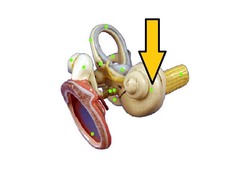
<p>The <u><mark data-color="red" style="background-color: red; color: inherit;">inner-ear structure </mark></u>that converts sound vibrations into neural signals.</p>
6
New cards

Basilar membrane

A structure within the cochlea that responds differently to different sound frequencies.

<p>A <u><mark data-color="#f7e6d9" style="background-color: rgb(247, 230, 217); color: inherit;">structure within the cochlea</mark></u> that responds differently to different sound frequencies.</p>
7
New cards

Auditory cortex

The cortical area involved in processing auditory information.

<p>The cortical area involved in <u><mark data-color="#dcf4d5" style="background-color: rgb(220, 244, 213); color: inherit;">processing auditory information</mark></u>.</p>
8
New cards

Sound localization

The ability to determine where a sound originates.
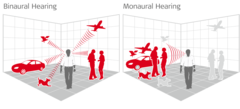
<p>The ability to<u><mark data-color="#f4e5f9" style="background-color: rgb(244, 229, 249); color: inherit;"> determine where a sound originates</mark></u>.</p>
9
New cards

Somatosensory System

Processes sensations involving:

- touch

- pressure

- temperature

- pain

- body position

<p>Processes sensations involving:</p><p><strong>- touch</strong></p><p><strong>- pressure</strong></p><p><strong>- temperature</strong></p><p><strong>- pain</strong></p><p><strong>- body position</strong></p>
10
New cards

Cutaneous receptors

Sensory receptors located in the skin.
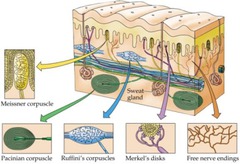
<p>Sensory <u><mark data-color="yellow" style="background-color: yellow; color: inherit;">receptors located in the skin.</mark></u></p>
11
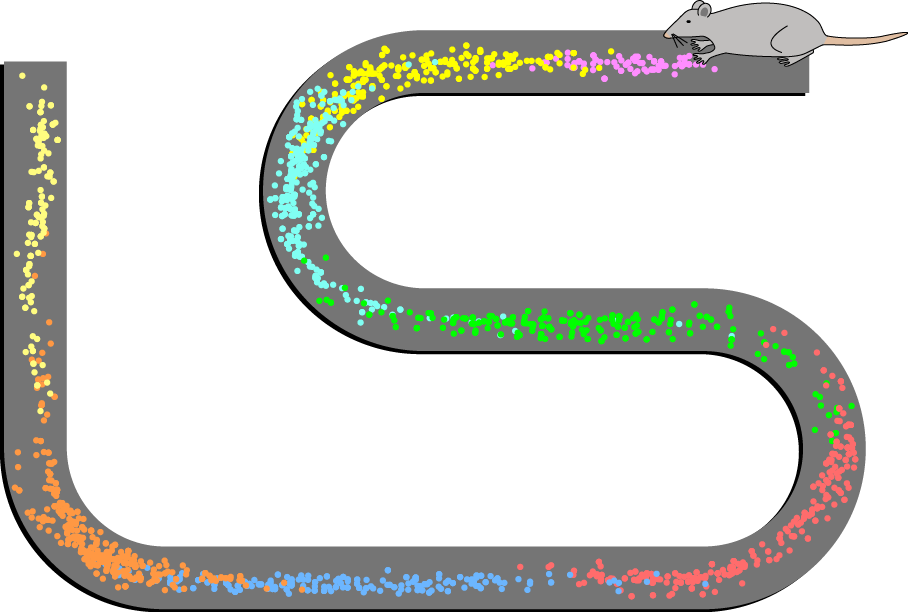
New cards

Dermatomes

Areas of the body associated with particular spinal nerves.
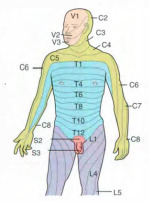
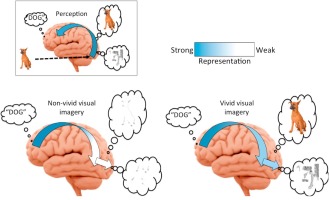
<p>Areas of the body associated with <u><mark data-color="#fce8f6" style="background-color: rgb(252, 232, 246); color: inherit;">particular spinal nerves</mark></u>.</p>
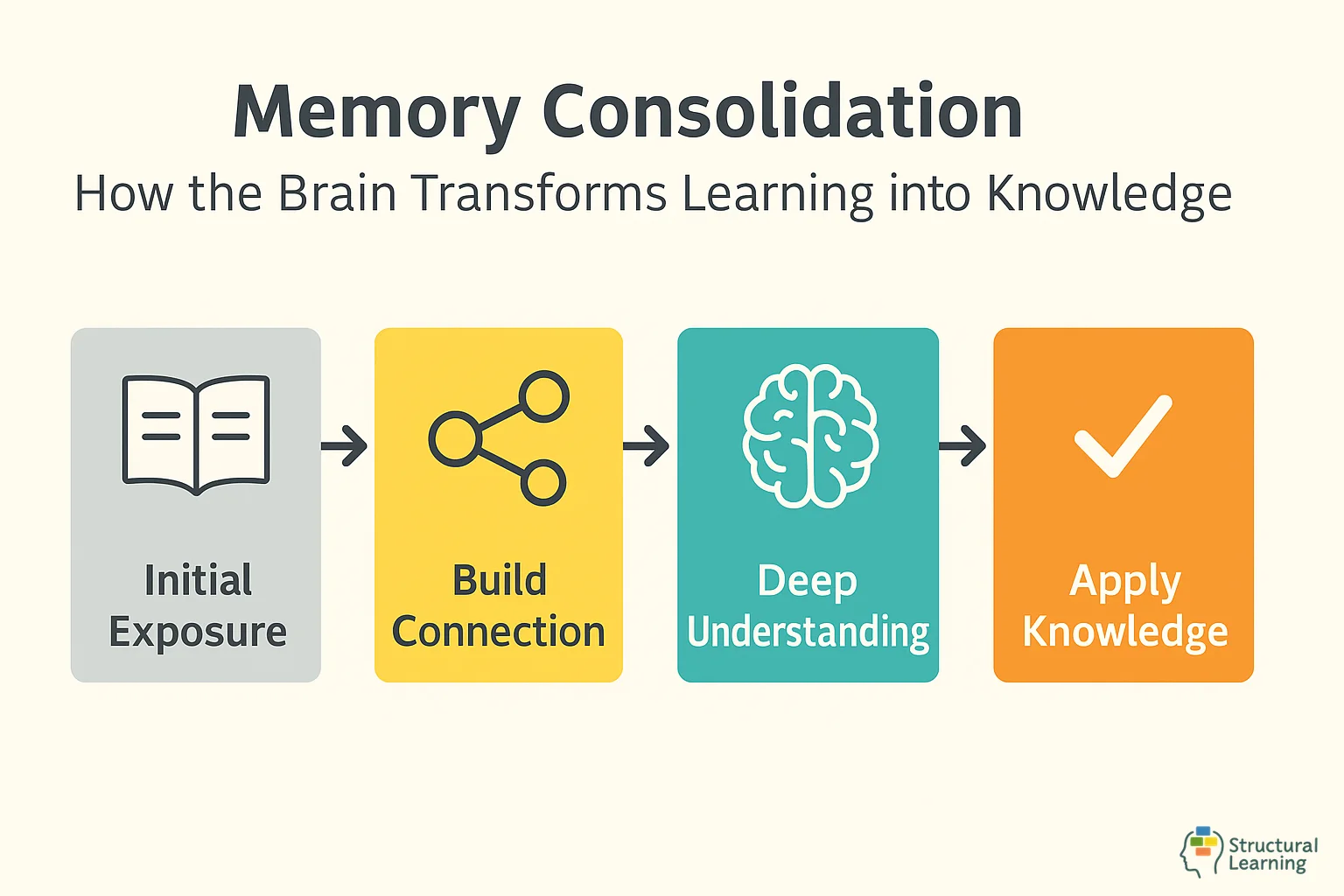
12
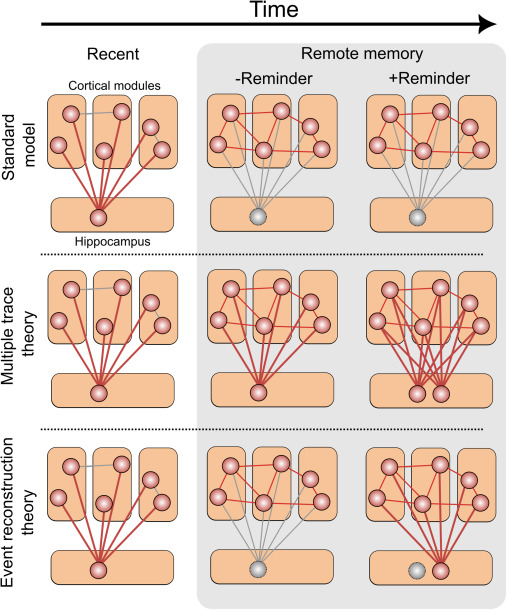
New cards

Primary somatosensory cortex

The cortical area that receives and processes much of the body's somatosensory information.

<p>The cortical area that <u><mark data-color="#faebf3" style="background-color: rgb(250, 235, 243); color: inherit;">receives and processes much of the body's somatosensory information.</mark></u></p>
13
New cards

Somatosensory pathways

The two major pathways carrying somatosensory information toward the brain.

<p>The <u><mark data-color="#e5f9fa" style="background-color: rgb(229, 249, 250); color: inherit;">two major pathways carrying somatosensory information</mark></u> toward the brain.</p>
14
New cards

Pain

A sensory and emotional experience associated with actual or potential tissue damage.

<p>A<u><mark data-color="red" style="background-color: red; color: inherit;"> sensory and emotional experience</mark></u> associated with actual or potential tissue damage.</p>
15
New cards

Neuropathic pain

Pain resulting from abnormal functioning or damage within the nervous system.
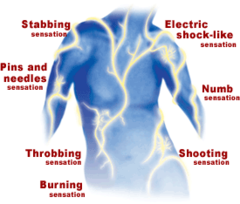
<p><strong>Pain </strong>resulting from <u><mark data-color="#e5f1fa" style="background-color: rgb(229, 241, 250); color: inherit;">abnormal functioning or damage within the nervous system.</mark></u></p>
16
New cards

Olfaction

The sense of smell.

<p>The sense of <strong>smell</strong>.</p>
17
New cards

Olfactory receptors

Receptors that detect chemicals associated with odors.
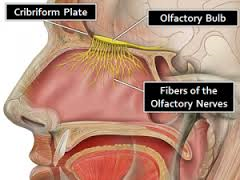
<p>Receptors that <u><mark data-color="green" style="background-color: green; color: inherit;">detect chemicals associated with odors</mark></u>.</p>
18
New cards

Olfactory glomeruli

Structures in the olfactory bulb where information from olfactory receptor neurons is organized.

<p><strong>Structures in the olfactory bulb</strong> where <u><mark data-color="#e9f4c9" style="background-color: rgb(233, 244, 201); color: inherit;">information from olfactory receptor neurons is organized.</mark></u></p>
19
New cards

Taste receptor proteins

Proteins involved in detecting different taste stimuli.
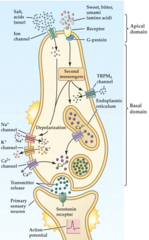
<p><strong>Proteins </strong>involved in <u><mark data-color="#fce9fb" style="background-color: rgb(252, 233, 251); color: inherit;">detecting different taste stimuli.</mark></u></p>
20
New cards

Gustation

The sense of taste

<p>The sense of <strong>taste</strong></p>
21
New cards

Selective attention

The ability to focus on some sensory information while ignoring other

information.

<p>The ability to focus on some sensory information<u><mark data-color="#fbe6f1" style="background-color: rgb(251, 230, 241); color: inherit;"> while ignoring other</mark></u></p><p><u><mark data-color="#fbe6f1" style="background-color: rgb(251, 230, 241); color: inherit;">information.</mark></u></p>
22
New cards

Change blindness

Failure to notice changes in a visual scene.

<p><u><mark data-color="#f7f6c2" style="background-color: rgb(247, 246, 194); color: inherit;">Failure to notice changes</mark></u> in a visual scene.</p>
23
New cards

Simultanagnosia

Difficulty perceiving more than one object at a time.
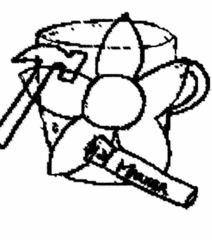
<p><strong>Difficulty </strong>perceiving more than <strong>one object at a time</strong>.</p>
24
New cards

sensorimotor system

controls movement through constant interaction between sensory information and motor output.

<p>controls movement through <u><mark data-color="#e7ebfc" style="background-color: rgb(231, 235, 252); color: inherit;">constant interaction between sensory information and motor output.</mark></u></p>
25
New cards

Hierarchical organization

- The sensorimotor system is organized in levels.

- Higher levels issue general commands while lower levels carry out specific actions.

<p>- The <u><mark data-color="#f9f3d0" style="background-color: rgb(249, 243, 208); color: inherit;">sensorimotor system is organized in levels</mark></u>.</p><p>- Higher levels issue general commands while lower levels carry out specific actions.</p>
26
New cards

Motor output is guided by sensory input

Movement is continuously adjusted according to sensory feedback.

<p>Movement is <u><mark data-color="#f5ead8" style="background-color: rgb(245, 234, 216); color: inherit;">continuously adjusted according to sensory feedback.</mark></u></p>
27
New cards

Learning changes sensorimotor control

Practice changes how movements are controlled and where control occurs in the nervous system.

<p>Practice changes how <span style="color: rgb(0, 0, 0);"><u><mark data-color="#e5f5d0" style="background-color: rgb(229, 245, 208); color: inherit;">movements are controlled and where control occurs in the nervous system</mark></u></span>.</p>
28
New cards

Sensory feedback

- Information about the current condition of the body and environment that helps guide movement.

Example:

When carrying a bag, your muscles continuously receive information about its weight and your arm position. Your nervous system adjusts your muscle activity accordingly.
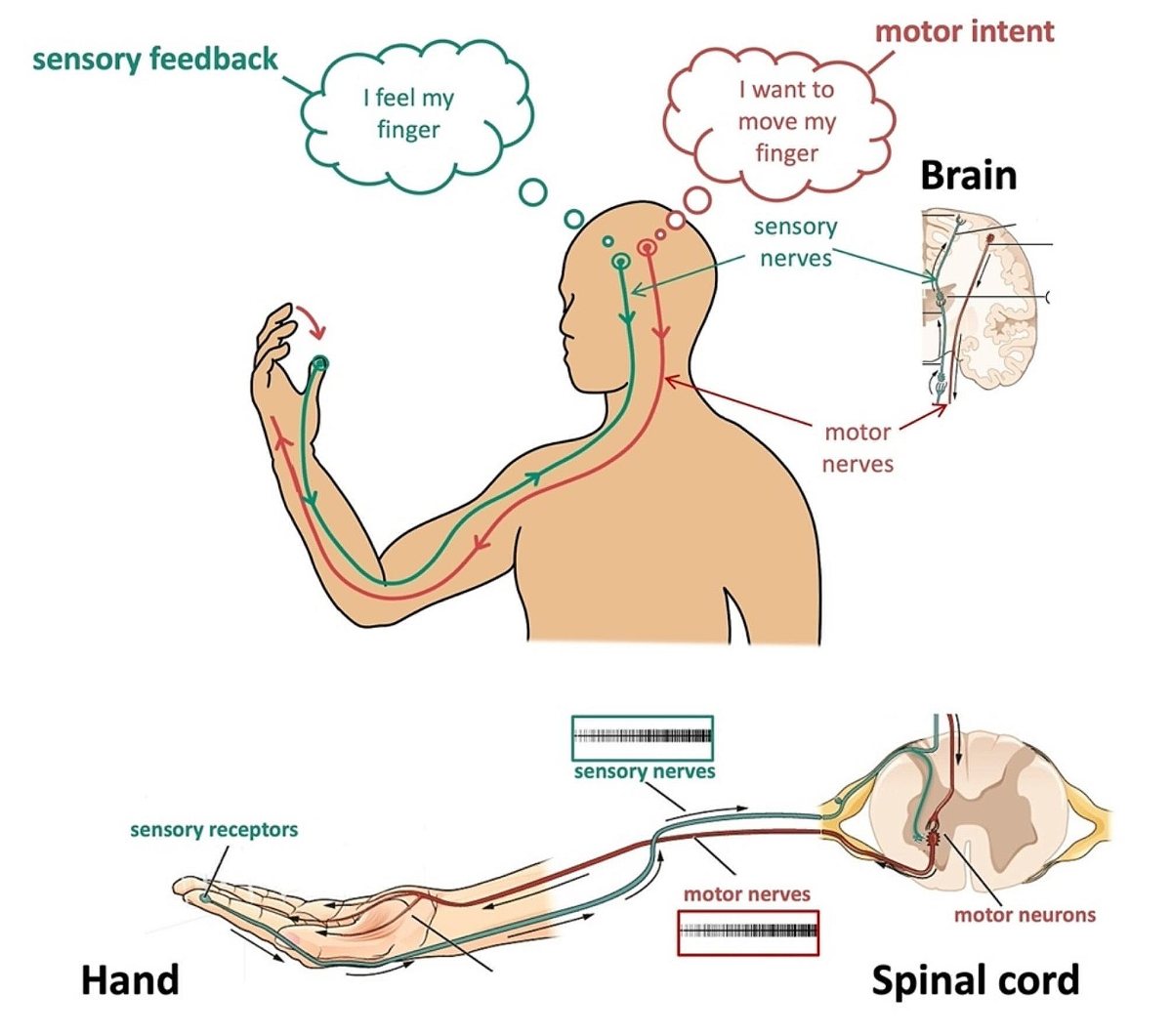
<p>- <u><mark data-color="#f7e8e0" style="background-color: rgb(247, 232, 224); color: inherit;">Information about the current condition of the body</mark></u> and environment that <u><mark data-color="#f8e7db" style="background-color: rgb(248, 231, 219); color: inherit;">helps guide movement</mark></u>.</p><p><strong>Example:</strong></p><p>When carrying a bag, your muscles continuously receive information about its weight and your arm position. Your nervous system adjusts your muscle activity accordingly.</p>
29
New cards

Posterior parietal association cortex

Important for using sensory information to guide movement.
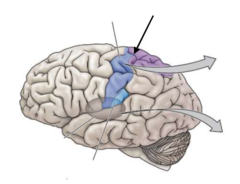
<p>Important for using <u><mark data-color="#f1e6fb" style="background-color: rgb(241, 230, 251); color: inherit;">sensory information to guide movement</mark></u>.</p>
30
New cards

Frontal eye field

Involved in the control of eye movements.

<p><strong>Involved </strong>in the control of eye movements.</p>
31
New cards

Apraxia

Difficulty performing learned purposeful movements despite adequate strength and understanding.
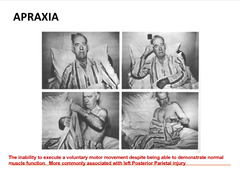
<p><strong><u><mark data-color="#f4f7d7" style="background-color: rgb(244, 247, 215); color: inherit;">Difficulty </mark></u></strong><u><mark data-color="#f4f7d7" style="background-color: rgb(244, 247, 215); color: inherit;">performing learned purposeful movements</mark></u> despite adequate strength and understanding.</p>
32
New cards

Contralateral neglect

Failure to respond to or be aware of stimuli on the side of space opposite a brain lesion.
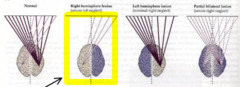
<p><strong>Failure </strong>to respond to or be aware of <u><mark data-color="#e8fae9" style="background-color: rgb(232, 250, 233); color: inherit;">stimuli on the side of space opposite a brain lesion.</mark></u></p>
33
New cards

Dorsolateral prefrontal association cortex

Important for planning and controlling complex behavior.
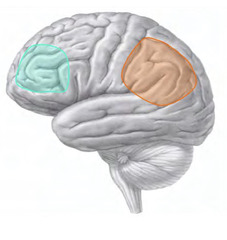
<p>Important for <u><mark data-color="#f1e2f7" style="background-color: rgb(241, 226, 247); color: inherit;">planning and controlling complex behavior.</mark></u></p>
34
New cards

Premotor cortex

- Particularly involved when movements are guided by sensory stimuli.

- is especially involved in movements guided by sensory information, while the supplementary motor area becomes more prominent for well-practiced sequences.

<p>- Particularly involved when <u><mark data-color="#f7e5e5" style="background-color: rgb(247, 229, 229); color: inherit;">movements are guided by sensory stimuli.</mark></u></p><p>- is especially involved in movements guided by sensory information, while the supplementary motor area becomes more prominent for well-practiced sequences.</p>
35
New cards

Supplementary motor area

Important for internally generated and well-practiced sequences.
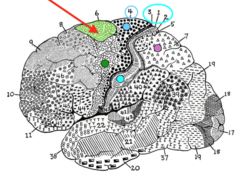
<p>Important for<u><mark data-color="#e7f2c7" style="background-color: rgb(231, 242, 199); color: inherit;"> internally generated and well-practiced sequences.</mark></u></p>
36
New cards

Cingulate motor areas

Motor-related areas associated with motivation and action.
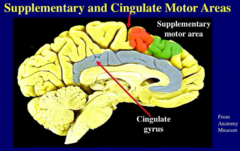
<p><strong>Motor-related areas </strong>associated with <u><mark data-color="green" style="background-color: green; color: inherit;">motivation and action.</mark></u></p>
37
New cards

Mirror neurons

Neurons that respond both when an individual performs an action and when the individual observes a similar action.
<p><strong>Neurons </strong>that respond both when an individual performs an action and <u><mark data-color="#e5ecf6" style="background-color: rgb(229, 236, 246); color: inherit;">when the individual observes a similar action</mark></u>.</p>
38
New cards

Primary motor cortex

- A major cortical area involved in controlling voluntary movement.

- May encode the intended endpoint of a movement rather than simply the movement itself.
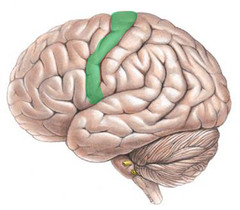
<p>- A <strong>major cortical area</strong> involved in<u><mark data-color="#fce4d3" style="background-color: rgb(252, 228, 211); color: inherit;"> controlling voluntary movement.</mark></u></p><p>- May <u><mark data-color="#f6eacc" style="background-color: rgb(246, 234, 204); color: inherit;">encode the intended endpoint of a movement</mark></u> rather than simply the movement itself.</p>
39
New cards

Cerebellum

is involved in:

- coordination

- motor learning

- fine-tuning movement

- timing of movement

was more active during newly learned finger-movement sequences than well-practiced sequences, supporting its role in motor learning.
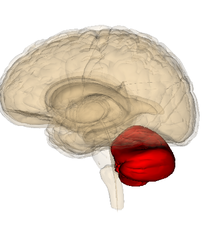
<p>is involved in:</p><p><strong>- coordination</strong></p><p><strong>- motor learning</strong></p><p><strong>- fine-tuning movement</strong></p><p><strong>- timing of movement</strong></p><p>was more<u><mark data-color="#f0f7d7" style="background-color: rgb(240, 247, 215); color: inherit;"> active during newly learned finger-movement sequences</mark></u> than well-practiced sequences, supporting its role in motor learning.</p>
40
New cards

Basal Ganglia

are a collection of interconnected nuclei involved in:

- movement modulation

- motor learning

- reward-related response learning

- some cognitive functions

They form loops between the cortex and thalamus.
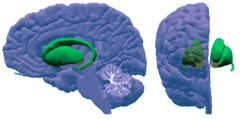
<p>are a <u><mark data-color="#f3ded8" style="background-color: rgb(243, 222, 216); color: inherit;">collection of interconnected nuclei </mark></u>involved in:</p><p><strong>- movement modulation</strong></p><p><strong>- motor learning</strong></p><p><strong>- reward-related response learning</strong></p><p><strong>- some cognitive functions</strong></p><p>They <u><mark data-color="#f9dbdb" style="background-color: rgb(249, 219, 219); color: inherit;">form loops between the cortex and thalamus</mark></u>.</p>
41
New cards

Muscle spindle

A receptor that detects muscle length.
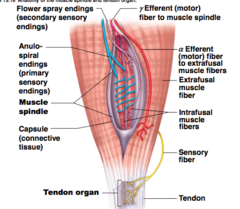
<p>A receptor that <u><mark data-color="#e7fce8" style="background-color: rgb(231, 252, 232); color: inherit;">detects muscle length</mark></u>.</p>
42
New cards

Golgi tendon organ

A receptor that provides information about muscle tension.
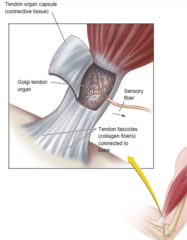
<p>A receptor that <u><mark data-color="#e7f3fe" style="background-color: rgb(231, 243, 254); color: inherit;">provides information about muscle tension</mark></u>.</p>
43
New cards

Stretch reflex

A reflex response to the stretching of a muscle.

<p>A<strong> reflex response </strong>to the<u><mark data-color="#ebe4f7" style="background-color: rgb(235, 228, 247); color: inherit;"> stretching of a muscle.</mark></u></p>
44
New cards

Patellar reflex

Tap knee tendon → thigh muscle stretches → muscle spindle fires → motor neurons activate → thigh muscle contracts

<p>Tap knee tendon → thigh muscle stretches → muscle spindle fires → motor neurons activate → thigh muscle contracts</p>
45
New cards

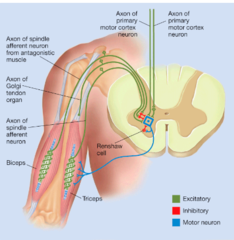
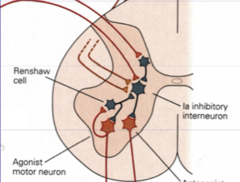
Recurrent collateral inhibition

A mechanism in which a motor neuron activates an inhibitory interneuron that inhibits the same motor neuron.
<p>A mechanism in which<u><mark data-color="#f8f2d2" style="background-color: rgb(248, 242, 210); color: inherit;"> a motor neuron activates an inhibitory interneuron that inhibits the same motor neuron</mark></u>.</p>
46
New cards

Renshaw cells

The inhibitory interneurons responsible for recurrent collateral inhibition.
<p>The<strong> inhibitory interneurons </strong>responsible for <span style="color: rgb(0, 0, 0);"><u><mark data-color="#f7e9d8" style="background-color: rgb(247, 233, 216); color: inherit;">recurrent collateral inhibition.</mark></u></span></p>
47
New cards

Motor equivalence

The ability to perform essentially the same action in different ways using different muscles or movements.

Example:

A person can write their name using their hand or even their toe, and the basic characteristics of the signature can remain recognizable.

<p>The ability to<u><mark data-color="#f8f2fe" style="background-color: rgb(248, 242, 254); color: inherit;"> perform essentially the same action in different ways using different muscles or movements</mark></u>.</p><p><strong>Example:</strong></p><p>A person can write their name using their hand or even their toe, and the basic characteristics of the signature can remain recognizable.</p>
48
New cards

Neurogenesis

The formation of new neurons.

<p>The<u><mark data-color="#dae5f7" style="background-color: rgb(218, 229, 247); color: inherit;"> formation of new neurons</mark></u>.</p>
49
New cards

Neural/Neuronal migration

The movement of developing neurons to their appropriate locations.

<p>The movement of <u><mark data-color="#e3f5d1" style="background-color: rgb(227, 245, 209); color: inherit;">developing neurons to their appropriate locations</mark></u>.</p>
50
New cards

Axon growth

The development and extension of axons toward their target cells.

<p>The <u><mark data-color="#dbf4f7" style="background-color: rgb(219, 244, 247); color: inherit;">development and extension of axons</mark></u> toward their target cells.</p>
51
New cards

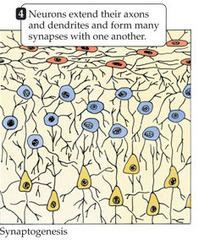
Synaptogenesis

The formation of synapses between neurons.
<p>The <u><mark data-color="#d6fbe9" style="background-color: rgb(214, 251, 233); color: inherit;">formation of synapses</mark></u> between neurons.</p>
52
New cards

Apoptosis

Programmed cell death.

<p>Programmed cell <strong>death</strong>.</p>
53
New cards

Neural reorganization

Changes in neural connections occur as the nervous system develops and responds to experience.

<p><u><mark data-color="#fae2e2" style="background-color: rgb(250, 226, 226); color: inherit;">Changes in neural connections </mark></u>occur as the nervous system develops and responds to experience.</p>
54
New cards

Deprivation

A lack of normal sensory or environmental stimulation.

<p>A <u><mark data-color="#ddf6c9" style="background-color: rgb(221, 246, 201); color: inherit;">lack of normal sensory</mark></u> or environmental stimulation.</p>
55
New cards

Enrichment

Exposure to a stimulating and complex environment.

<p>Exposure to a<u><mark data-color="#eef3d6" style="background-color: rgb(238, 243, 214); color: inherit;"> stimulating and complex environment</mark></u>.</p>
56
New cards

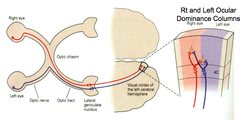
Ocular dominance

- The tendency of some visual cortex neurons to respond more strongly to input from one eye.

- Experience can influence the development of ocular dominance columns.
<p>- The tendency of <u><mark data-color="#f9ffde" style="background-color: rgb(249, 255, 222); color: inherit;">some visual cortex neurons to respond more strongly to input </mark></u>from one eye.</p><p>- Experience can influence the development of ocular dominance columns.</p>
57
New cards

Adult neurogenesis

The formation of new neurons in some areas of the adult mammalian brain.

<p>The <strong>formation of new neurons</strong> in <u><mark data-color="#eefbfc" style="background-color: rgb(238, 251, 252); color: inherit;">some areas of the adult mammalian brain.</mark></u></p>
58
New cards

Cortical reorganization

Changes in the organization of cortical areas as a result of experience.
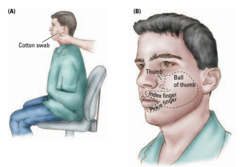
<p><u><mark data-color="#fafacd" style="background-color: rgb(250, 250, 205); color: inherit;">Changes in the organization of cortical areas</mark></u> as a result of experience.</p>
59
New cards

Autism

A neurodevelopmental disorder associated with differences in social interaction, communication, and behavior.

<p>A <strong>neurodevelopmental disorder</strong> associated with<u><mark data-color="#e0eff7" style="background-color: rgb(224, 239, 247); color: inherit;"> differences in social interaction, communication, and behavior.</mark></u></p>
60
New cards

Williams syndrome

A neurodevelopmental condition characterized by an unusual pattern of cognitive and behavioral abilities.

<p>A <strong>neurodevelopmental condition</strong> characterized by an<u><mark data-color="#f0f8d1" style="background-color: rgb(240, 248, 209); color: inherit;"> unusual pattern of cognitive and behavioral abilities.</mark></u></p>
61
New cards

Degeneration

The deterioration or death of neurons and neural structures after damage.

<p>The<span style="color: rgb(0, 0, 0);"><u><mark data-color="#d9f8e8" style="background-color: rgb(217, 248, 232); color: inherit;"> deterioration or death of neurons</mark></u></span> and neural structures after damage.</p>
62
New cards

Regeneration

The regrowth or restoration of damaged neural connections.
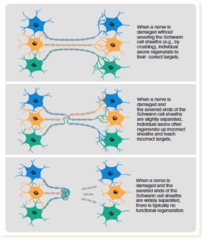
<p>The <strong>regrowth or restoration</strong> of <strong>damaged </strong>neural connections.</p>
63
New cards

Reorganization

The nervous system changes the way its remaining structures and connections function.
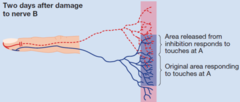
<p>The <u><mark data-color="#e4e7f9" style="background-color: rgb(228, 231, 249); color: inherit;">nervous system changes the way its remaining structures and connections function.</mark></u></p>
64
New cards

Recovery of function

Improvement in abilities after nervous-system damage.
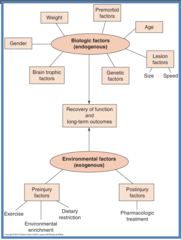
<p><u><mark data-color="#ddf6e2" style="background-color: rgb(221, 246, 226); color: inherit;">Improvement in abilities</mark></u> after nervous-system damage.</p>
65
New cards

Release from inhibition

Existing neural connections become more active after inhibitory influences are reduced.

<p>Existing neural connections become more active<u><mark data-color="#faf2d9" style="background-color: rgb(250, 242, 217); color: inherit;"> after inhibitory influences are reduced.</mark></u></p>
66
New cards

Collateral sprouting

New branches develop from existing axons and establish new connections.

<p><strong>New branches</strong> develop from existing axons and establish new connections.</p>
67
New cards

Substitution of function

Learning new cognitive or behavioral strategies to accomplish a task rather than actually restoring the original damaged function.
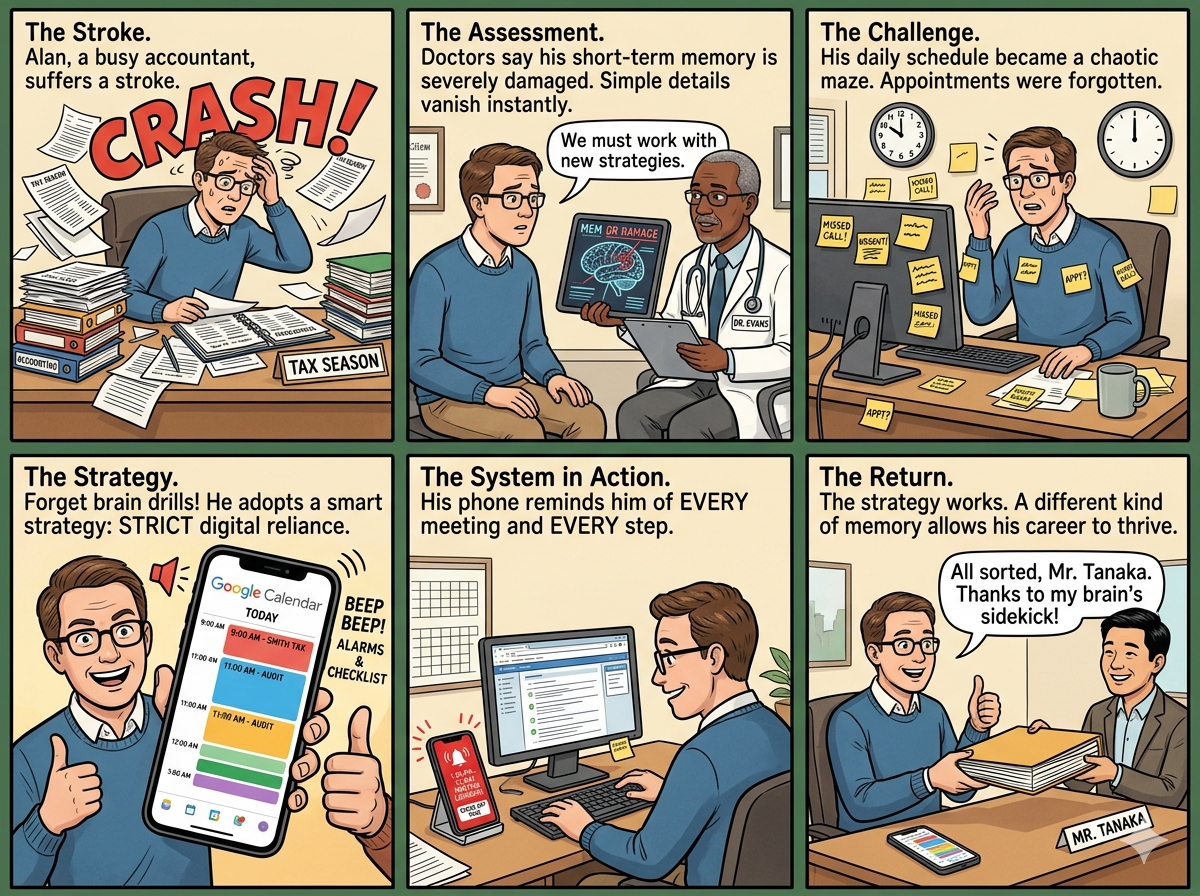
<p><u><mark data-color="purple" style="background-color: purple; color: inherit;">Learning new cognitive or behavioral strategies to accomplish a task </mark></u>rather than actually restoring the original damaged function.</p>
68
New cards

Cognitive reserve

The ability to use alternative strategies to perform tasks despite brain damage.
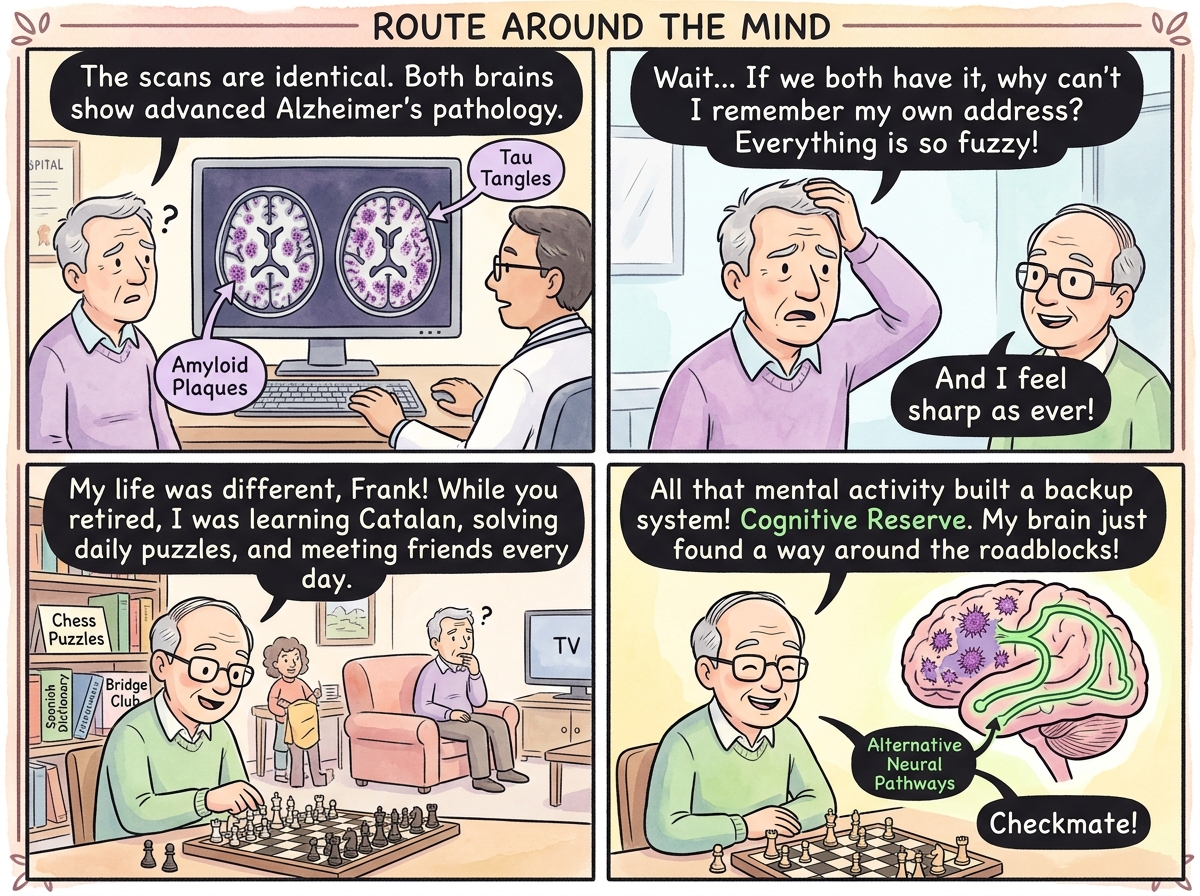
<p>The<u><mark data-color="#f4f1d0" style="background-color: rgb(244, 241, 208); color: inherit;"> ability to use alternative strategies to perform tasks</mark></u> despite brain damage.</p>
69
New cards

Rehabilitation

- should begin as soon as possible after brain damage, because some treatments may be most effective when started early.

- The possibility that cognitive and physical exercise can promote recovery and neuroplasticity.

<p>- should<u><mark data-color="red" style="background-color: red; color: inherit;"> begin as soon as possible after brain damage</mark></u>, because some treatments may be most effective when started early.</p><p>- The <u><mark data-color="#f8e5f4" style="background-color: rgb(248, 229, 244); color: inherit;">possibility that cognitive and physical exercise can promote recovery</mark></u> and neuroplasticity.</p>
70
New cards

Learning

- A process through which experience produces relatively lasting changes in behavior or knowledge.

- A change in behavior or knowledge resulting from experience.

<p>- A process through which <u><mark data-color="#d7e3fc" style="background-color: rgb(215, 227, 252); color: inherit;">experience produces relatively lasting changes</mark></u> in behavior or knowledge.</p><p>- <span style="background-color: transparent;">A change in behavior or knowledge resulting from experience.</span></p>
71
New cards

Memory

- The ability to retain and use information acquied through learning.

- The nervous system's ability to retain information from experience.
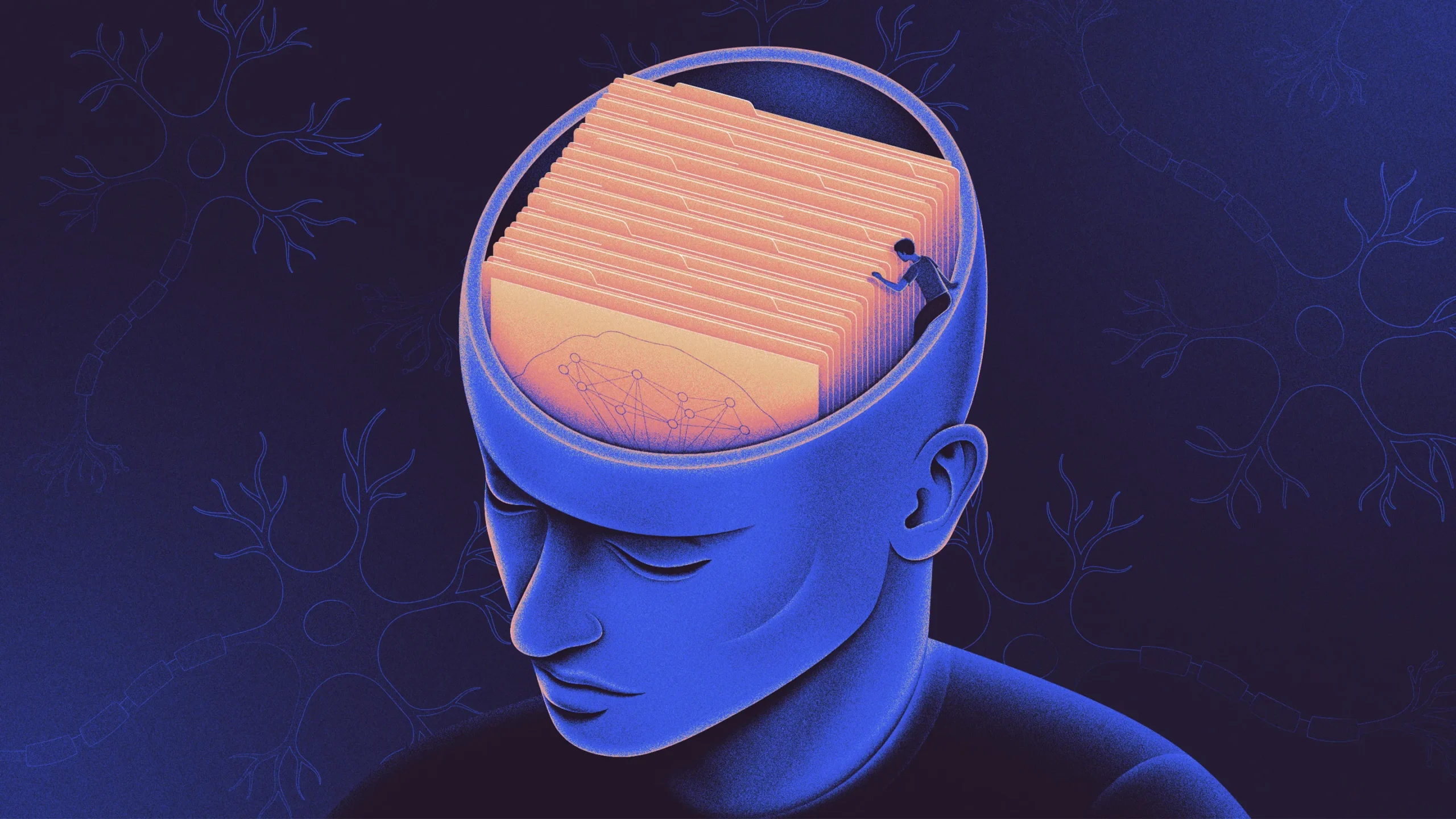
<p>- The <u><mark data-color="#edf9e1" style="background-color: rgb(237, 249, 225); color: inherit;">ability to retain and use information </mark></u>acquied through learning.</p><p>- <span style="background-color: transparent;">The nervous system's ability to retain information from experience. </span></p>
72
New cards

Amnesia

- A disorder involving significant problems with memory.

- Significant disruption or loss of memory.

<p>- <span style="background-color: transparent;">A disorder involving<u><mark data-color="#f6f2db" style="background-color: rgb(246, 242, 219); color: inherit;"> significant problems with memory.</mark></u></span></p><p>- Significant <u><mark data-color="yellow" style="background-color: yellow; color: inherit;">disruption or loss of memory</mark></u>.</p>
73
New cards

H.M.

- Underwent surgery involving the medial temporal lobes to treat severe epilepsy.

- Proved that memory involves specific brain structures, is not a single unified ability, and different types of memory can be affected independently.

- demonstrated that memory involves different systems.

<p>- Underwent <u><mark data-color="yellow" style="background-color: yellow; color: inherit;">surgery involving the medial temporal lobes </mark></u>to treat severe epilepsy.</p><p>- Proved that <u><mark data-color="green" style="background-color: green; color: inherit;">memory involves specific brain structures, is not a single unified ability</mark></u>, and different types of memory can be affected independently.</p><p>- demonstrated that memory involves different systems.</p>
74
New cards

Explicit Memory

→ Conscious long-term memory

Conscious memory.

Examples:

  • remembering what you studied

  • remembering a birthday

  • remembering what happened yesterday


<p>→ Conscious<strong> long-term memory</strong></p><p>→ <strong>Conscious </strong>memory.</p><p><span style="background-color: transparent;"><strong>Examples:</strong></span></p><ul><li><p><span style="background-color: transparent;">remembering what you studied</span></p></li><li><p><span style="background-color: transparent;">remembering a birthday</span></p></li><li><p><span style="background-color: transparent;">remembering what happened yesterday</span></p></li></ul><p></p>
75
New cards

Implicit Memory

- Long-term memory demonstrated through performance without conscious awareness of remembering.

- Long-term memory that does not require conscious awareness

- Conscious memory.

Examples: learned skills, habits, and conditioned responses; a person may improve at a skill through practice even though they cannot consciously remember practicing it.

<p>- <span style="background-color: transparent;">Long-term memory demonstrated through performance <u><mark data-color="#e3f1d6" style="background-color: rgb(227, 241, 214); color: inherit;">without conscious awareness of remembering.</mark></u></span></p><p>- Long-term memory that <strong>does not</strong> require conscious awareness</p><p>- Conscious memory.</p><p><strong>Examples: </strong><span>learned skills, habits, and conditioned responses;&nbsp;</span><span style="background-color: transparent;">a person may improve at a skill through practice even though they cannot consciously remember practicing it.</span></p>
76
New cards

Episodic memory

Memory for specific personal experiences.

Example: Remembering what happened during your first day of college.

<p>Memory for <u><mark data-color="green" style="background-color: green; color: inherit;">specific personal experiences.</mark></u></p><p><strong>Example:</strong> Remembering what happened during your first day of college.</p>
77
New cards

Semantic memory

Memory for facts and general knowledge.

Example:

Knowing that Manila is the capital of the Philippines.
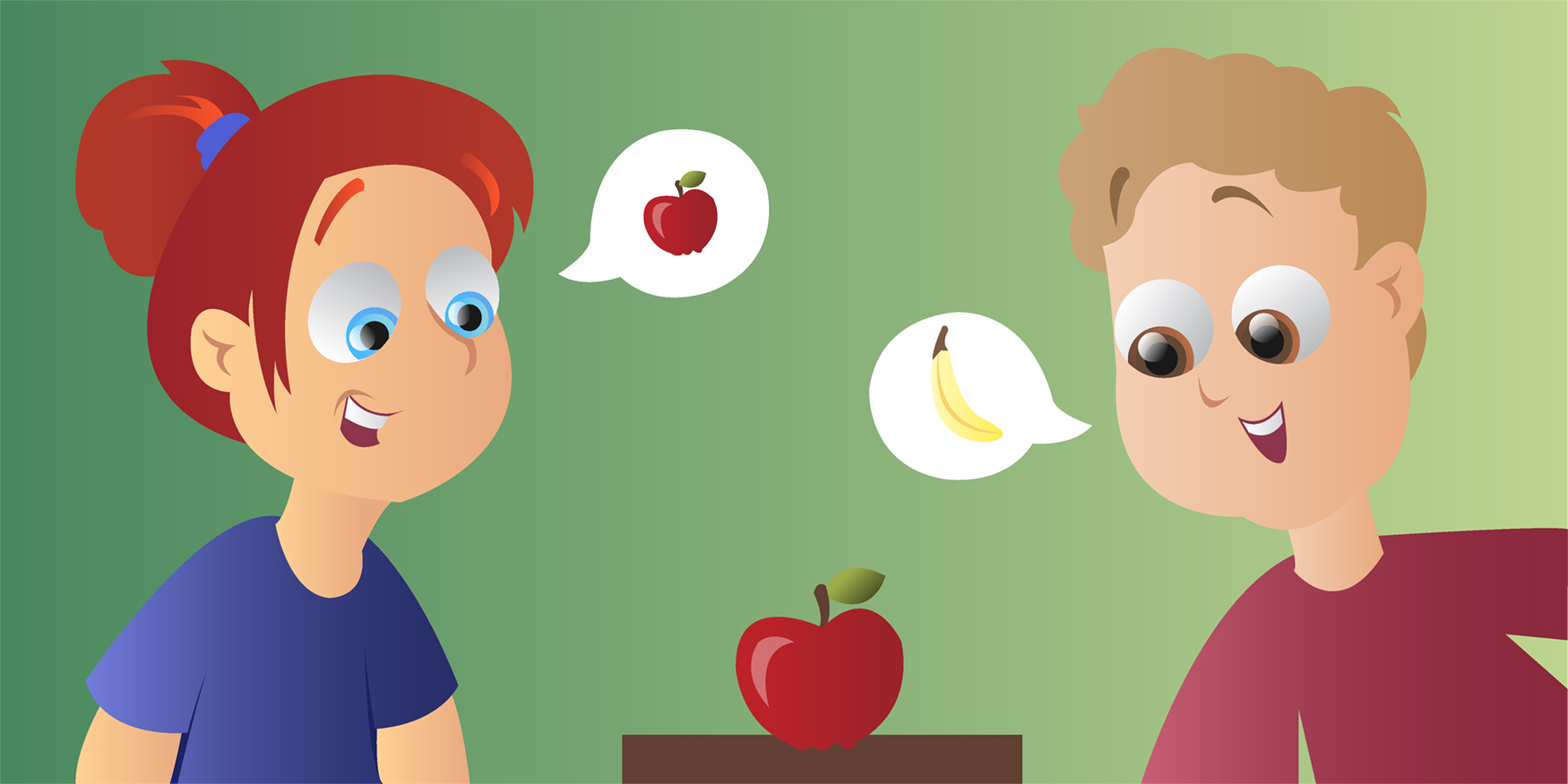
<p>Memory for <u><mark data-color="#f2f6d5" style="background-color: rgb(242, 246, 213); color: inherit;">facts and general knowledge.</mark></u></p><p><span style="background-color: transparent;"><strong>Example:</strong></span></p><p><span style="background-color: transparent;">Knowing that Manila is the capital of the Philippines.</span></p>
78
New cards

Post-traumatic Amnesia

- Memory disruption following a head injury or concussion.

- Amnesia that occurs following a traumatic brain injury.
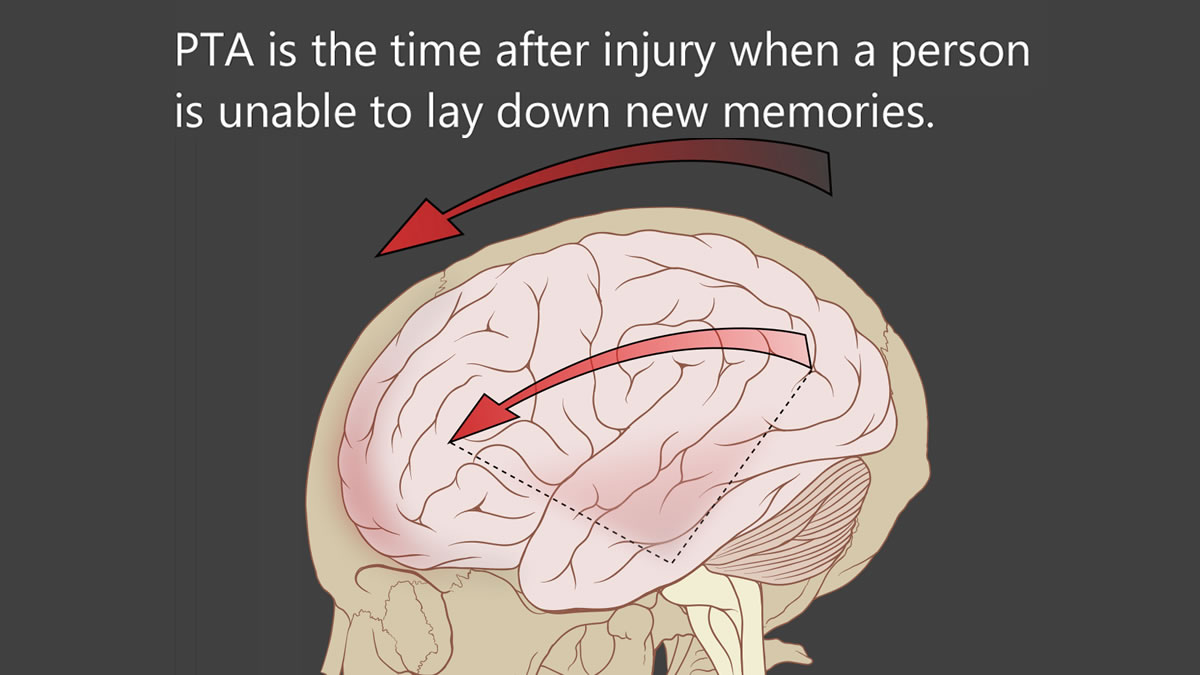

<p>- Memory <strong>disruption </strong>following a <u><mark data-color="#d4dff2" style="background-color: rgb(212, 223, 242); color: inherit;">head injury or concussion.</mark></u></p><p>- <span style="background-color: transparent;">Amnesia that occurs following a traumatic brain injury.</span></p><p></p>
79
New cards

Retrograde Amnesia

- Loss of memories formed before the onset of the condition.

- Loss of memories formed before an injury or neurological event

- Recent memories are often more vulnerable than older memories.

- Loss of previously formed memories.

<p>- <span style="background-color: transparent;">Loss of memories formed before the onset of the condition.</span></p><p>- Loss of memories formed <strong>before </strong>an injury or neurological event</p><p>- Recent memories are often more vulnerable than older memories.</p><p>- <u><mark data-color="#dbf1da" style="background-color: rgb(219, 241, 218); color: inherit;">Loss of previously formed memories.</mark></u></p>
80
New cards

Anterograde Amnesia

- Difficulty forming new memories after an injury or neurological event

- Difficulty forming new memories.

- Difficulty forming new memories after the onset of the condition.

<p>- <u><mark data-color="green" style="background-color: green; color: inherit;">Difficulty forming new memories</mark></u> <strong>after an injury</strong> or <strong>neurological event</strong></p><p>- Difficulty forming new memories.</p><p>- <span style="background-color: transparent;">Difficulty forming new memories<u><mark data-color="green" style="background-color: green; color: inherit;"> after the onset of the condition.</mark></u></span></p>
81
New cards

Korsakoff's Syndrome

- Often associated with heavy alcohol consumption.

- Particularly affects the formation of explicit episodic memories.

- A memory disorder associated with severe alcohol consumption and brain damage related to thiamine deficiency.

It can involve:

  • severe memory problems

  • confusion

  • personality changes

  • sensory and motor problems


<p>- Often associated with <u><mark data-color="#d6f4de" style="background-color: rgb(214, 244, 222); color: inherit;">heavy alcohol consumption.</mark></u></p><p>- Particularly affects the formation of explicit episodic memories.</p><p>- <span style="background-color: transparent;">A <strong>memory disorder</strong> associated with </span><span style="background-color: transparent; color: rgb(0, 0, 0);"><u><mark data-color="#e3f8eb" style="background-color: rgb(227, 248, 235); color: inherit;">severe alcohol consumption and brain damage related to thiamine deficiency.</mark></u></span></p><p><span style="background-color: transparent;">It can involve:</span></p><ul><li><p><span style="background-color: transparent;">severe memory problems</span></p></li><li><p><span style="background-color: transparent;">confusion</span></p></li><li><p><span style="background-color: transparent;">personality changes</span></p></li><li><p><span style="background-color: transparent;">sensory and motor problems</span></p></li></ul><p></p>
82
New cards

Alzheimer's Disease

- A progressive neurological disorder.

- Memory deterioration is often an early sign.

- The condition can eventually progress to dementia.

- Associated with degeneration of the basal forebrain and reduced acetylcholine.

example: person who repeatedly asks the same questions, forgets recent conversations, and gets lost in familiar places
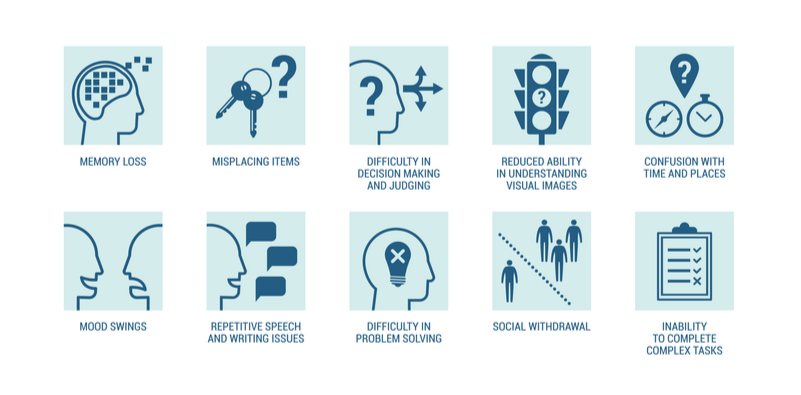
<p>- A <strong>progressive neurological disorder.</strong></p><p>- Memory deterioration is often an early sign.</p><p>- The condition can eventually<u><mark data-color="#f5dfee" style="background-color: rgb(245, 223, 238); color: inherit;"> progress to dementia.</mark></u></p><p>- Associated with <u><mark data-color="purple" style="background-color: purple; color: inherit;">degeneration of the basal forebrain and reduced acetylcholine.</mark></u></p><p><strong>example:</strong> person who repeatedly asks the same questions, forgets recent conversations, and gets lost in familiar places</p>
83
New cards

Infantile Amnesia

- Adults generally remember very little from infancy.

- Demonstrates that early-life learning and later conscious remembering are not necessarily the same thing.

example: “My parents talk about our family trip to the beach when I was two, but I have no mental picture of it.”

<p>- Adults generally<u><mark data-color="#f1e3da" style="background-color: rgb(241, 227, 218); color: inherit;"> remember very little from infancy.</mark></u></p><p>- Demonstrates that <u><mark data-color="#e0f2d1" style="background-color: rgb(224, 242, 209); color: inherit;">early-life learning and later conscious remembering are not necessarily the same thing.</mark></u></p><p><strong>example:</strong> “My parents talk about our family trip to the beach when I was two, but I have no mental picture of it.”</p>
84
New cards

hippocampus

amygdala

cerebellum

perirhinal cortex

prefrontal cortex

striatum

6 The distributed neurological network of memory

85
New cards

Hippocampus

- New memories and spatial memory.

- Particularly important for forming new memories, spatial memory, navigation, and remembering locations and environments.

- New memories and spatial memory.

<p>- <strong>New memories </strong>and<strong> spatial memory.</strong></p><p>- Particularly important for<u><mark data-color="red" style="background-color: red; color: inherit;"> forming new memories</mark></u>, spatial memory, navigation, and remembering locations and environments.</p><p>- <u><mark data-color="#fde3f2" style="background-color: rgb(253, 227, 242); color: inherit;">New memories and spatial memory.</mark></u></p>
86
New cards

Amygdala

- Emotional and fear-related memory.

- Emotional memory.

<p>- <u><mark data-color="blue" style="background-color: blue; color: inherit;">Emotional and fear-related </mark></u>memory.</p><p>- Emotional memory.</p>
87
New cards

Cerebellum

Learned sensorimotor skills.
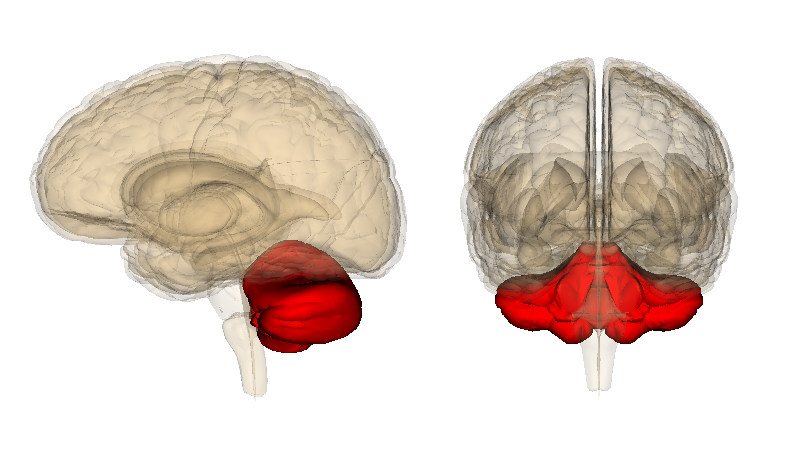
<p>Learned <strong>sensorimotor skills</strong>.</p>
88
New cards

Perirhinal cortex

Object-recognition memory.
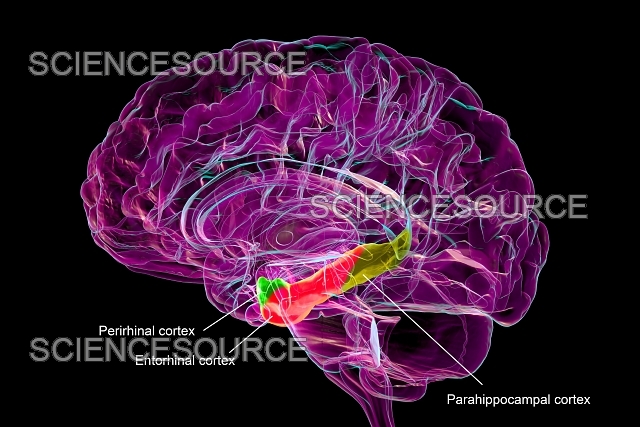
<p><strong>Object-recognition</strong> memory.</p>
89
New cards

Prefrontal cortex

Working memory and organization.

<p><strong>Working memory </strong>and <strong>organization</strong>.</p>
90
New cards

Striatum

Habits and procedural memory.

<p><strong>Habits </strong>and<strong> procedural memory.</strong></p>
91
New cards

Grid Cells

- Located in the entorhinal cortex.

- They provide fundamental spatial coordinate information.

<p>- <u><mark data-color="#dddef6" style="background-color: rgb(221, 222, 246); color: inherit;">Located in the entorhinal cortex.</mark></u></p><p>- They <u><mark data-color="#fcdffb" style="background-color: rgb(252, 223, 251); color: inherit;">provide fundamental spatial coordinate information.</mark></u></p>
92
New cards

Spatial Information

Transmitted from the entorhinal cortex.

<p>Transmitted from the<strong> entorhinal cortex.</strong></p>
93
New cards

Place Cells

Neurons in the hippocampus that become active when an individual is in a particular location.
<p><strong>Neurons </strong>in the hippocampus that <u><mark data-color="red" style="background-color: red; color: inherit;">become active when an individual is in a particular location.</mark></u></p>
94
New cards

Place Representation

They help represent the spatial layout of an environment.
<p>They help represent the<u><mark data-color="#efe3fd" style="background-color: rgb(239, 227, 253); color: inherit;"> spatial layout of an environment.</mark></u></p>
95
New cards

Memory Consolidation

- The process through which newly formed memories become more stable and resistant to disruption. (New memory → Consolidation → More stable memory)

- The process through which short-term memories are transformed into long-term memories.
<p>- The process through which<u><mark data-color="#eafce3" style="background-color: rgb(234, 252, 227); color: inherit;"> newly formed memories become more stable and resistant to disruption.</mark></u><strong> (New memory → Consolidation → More stable memory)</strong></p><p>- <span style="background-color: transparent;">The process through which<u><mark data-color="#e3f7e6" style="background-color: rgb(227, 247, 230); color: inherit;"> short-term memories are transformed into long-term memories.</mark></u></span></p>
96
New cards

Standard Consolidation Theory

- New memories initially depend strongly on the hippocampus.

- Over time, memories become increasingly represented in the cortex.

- Older memories become less vulnerable to hippocampal damage.

- stabilizes new memories.
<p>- New memories initially <strong>depend strongly</strong> on the hippocampus.</p><p>- Over time, memories become increasingly represented in the cortex.</p><p>- <u><mark data-color="#e3e8fc" style="background-color: rgb(227, 232, 252); color: inherit;">Older memories become less vulnerable </mark></u>to hippocampal damage.</p><p>- stabilizes new memories.</p>
97
New cards

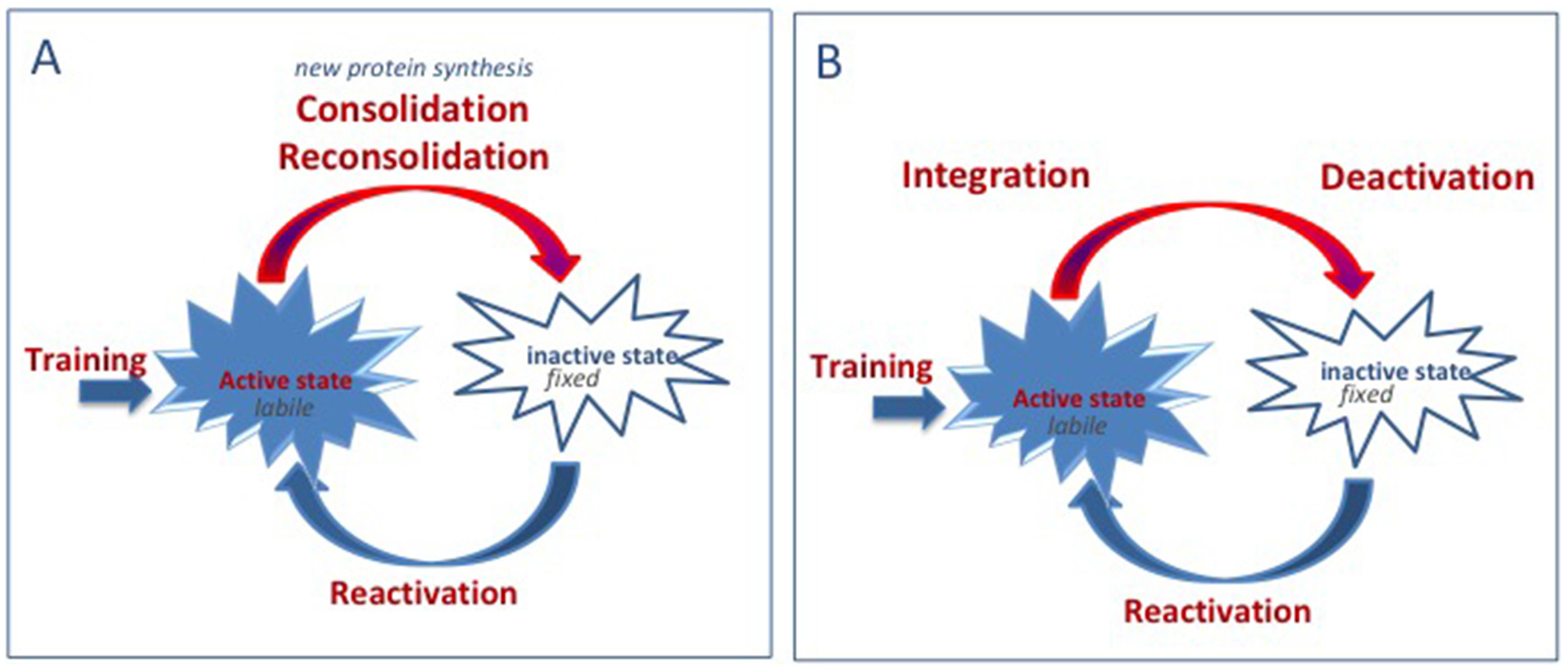
Reconsolidation

- When a stored memory is retrieved, it temporarily becomes unstable and is then stored again.

- During this period, the memory may be susceptible to disruption or modification.

- retrieved memories become temporarily unstable before being stored again.
<p>- When a stored memory is retrieved, it <u><mark data-color="green" style="background-color: green; color: inherit;">temporarily becomes unstable and is then stored again.</mark></u></p><p>- During this period, the <u><mark data-color="#e2f6d7" style="background-color: rgb(226, 246, 215); color: inherit;">memory may be susceptible to disruption or modification.</mark></u></p><p>- retrieved memories become temporarily unstable before being stored again.</p>
98
New cards

Long-Term Potentiation (LTP)

- A long-lasting increase in the strength of synaptic transmission following certain patterns of neural activity.

- A long-lasting strengthening of communication between neurons.

- It provides an important model for understanding how learning can produce lasting changes in the nervous system.

- It illustrates how neural connections can strengthen during learning and memory.

<p>- <span style="background-color: transparent;">A <u><mark data-color="purple" style="background-color: purple; color: inherit;">long-lasting increase in the strength of synaptic transmission</mark></u> following certain patterns of neural activity.</span></p><p>- A <u><mark data-color="#fce5f5" style="background-color: rgb(252, 229, 245); color: inherit;">long-lasting strengthening of communication</mark></u> between neurons.</p><p>- It provides an important model for <u><mark data-color="#f7ecfb" style="background-color: rgb(247, 236, 251); color: inherit;">understanding how learning can produce lasting changes in the nervous system.</mark></u></p><p>- It illustrates how neural connections can strengthen during learning and memory.</p>
99
New cards

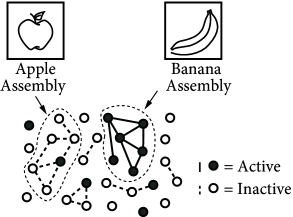
Hebbian Principle

Neurons that are repeatedly active together can develop stronger connections.
<p>Neurons that are <u><mark data-color="#f7f7de" style="background-color: rgb(247, 247, 222); color: inherit;">repeatedly active together can develop stronger connections.</mark></u></p>
100
New cards

Short-term memory

Memory maintained for a relatively short period.

<p><span style="background-color: transparent;">Memory maintained for a <u><mark data-color="#eee8f7" style="background-color: rgb(238, 232, 247); color: inherit;">relatively short period.</mark></u></span></p>