Light & Sound
 Call Kai
 Learn
Learn Practice Test
 Spaced Repetition
 Match
Match Flashcards
 Knowt Play
1/74

There's no tags or description
Looks like no tags are added yet.
Name | Mastery | Learn | Test | Matching | Spaced | Call with Kai | Chat |
|---|
No analytics yet
Send a link to your students to track their progress
75 Terms
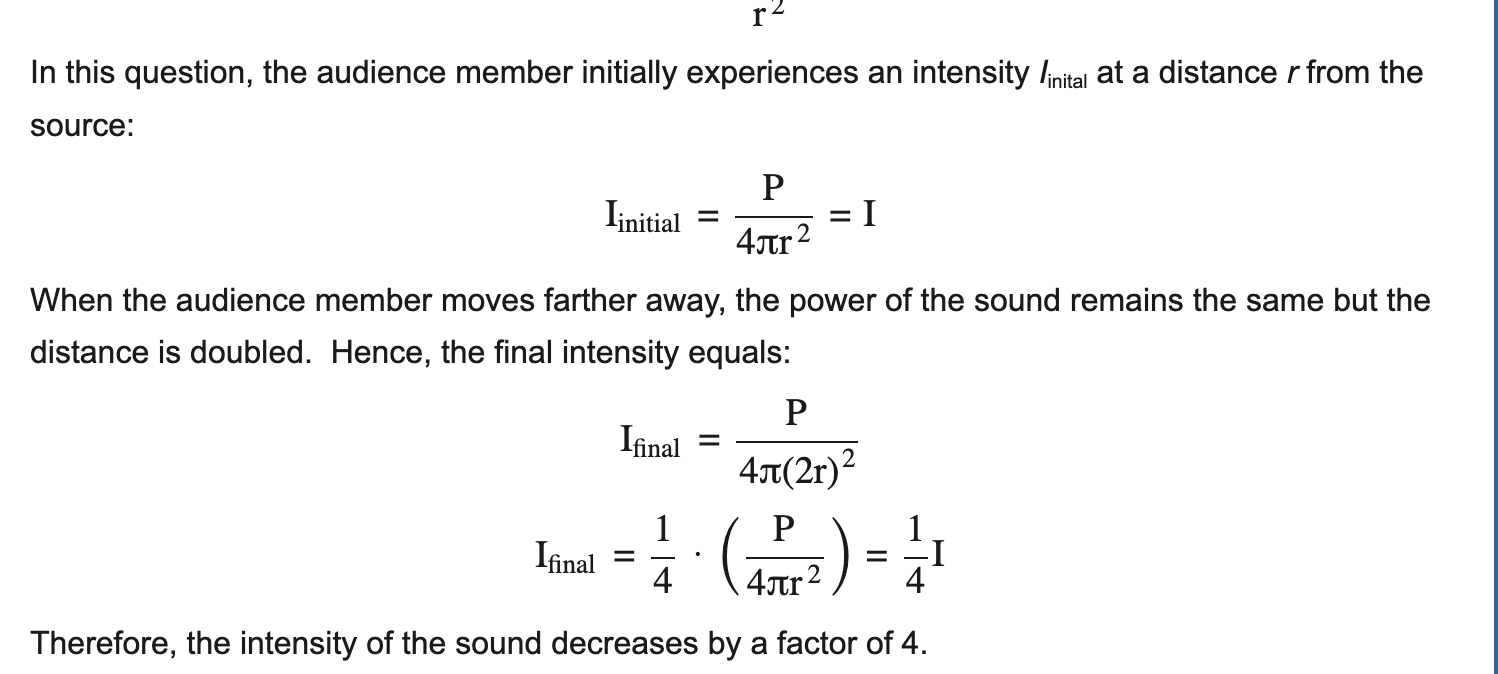
intensity of sound equation
I = P/A where P = power and A= area
P=energy/t and be substituted

decrease by factor of 4

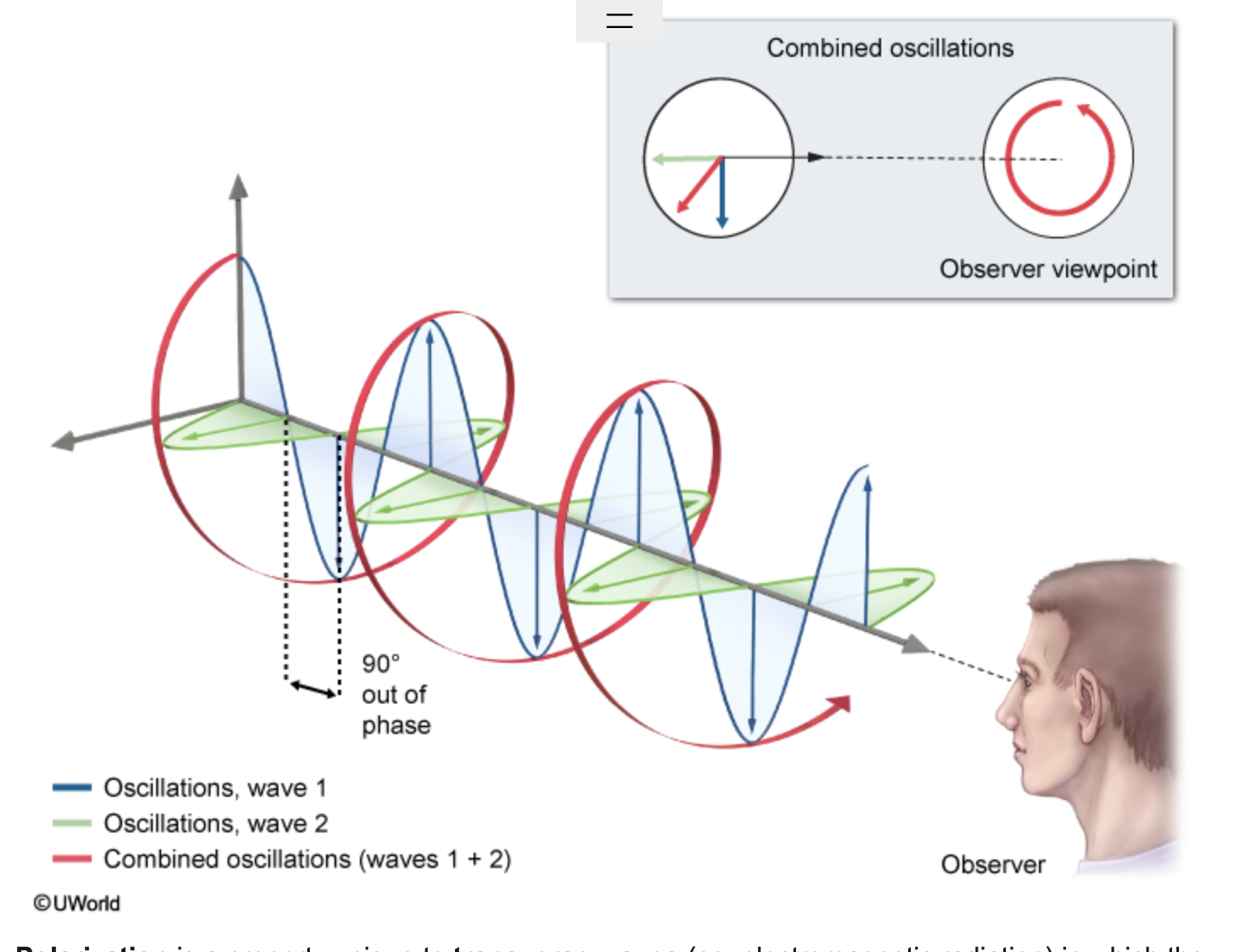
0, 90, 180, or 360º?
90º
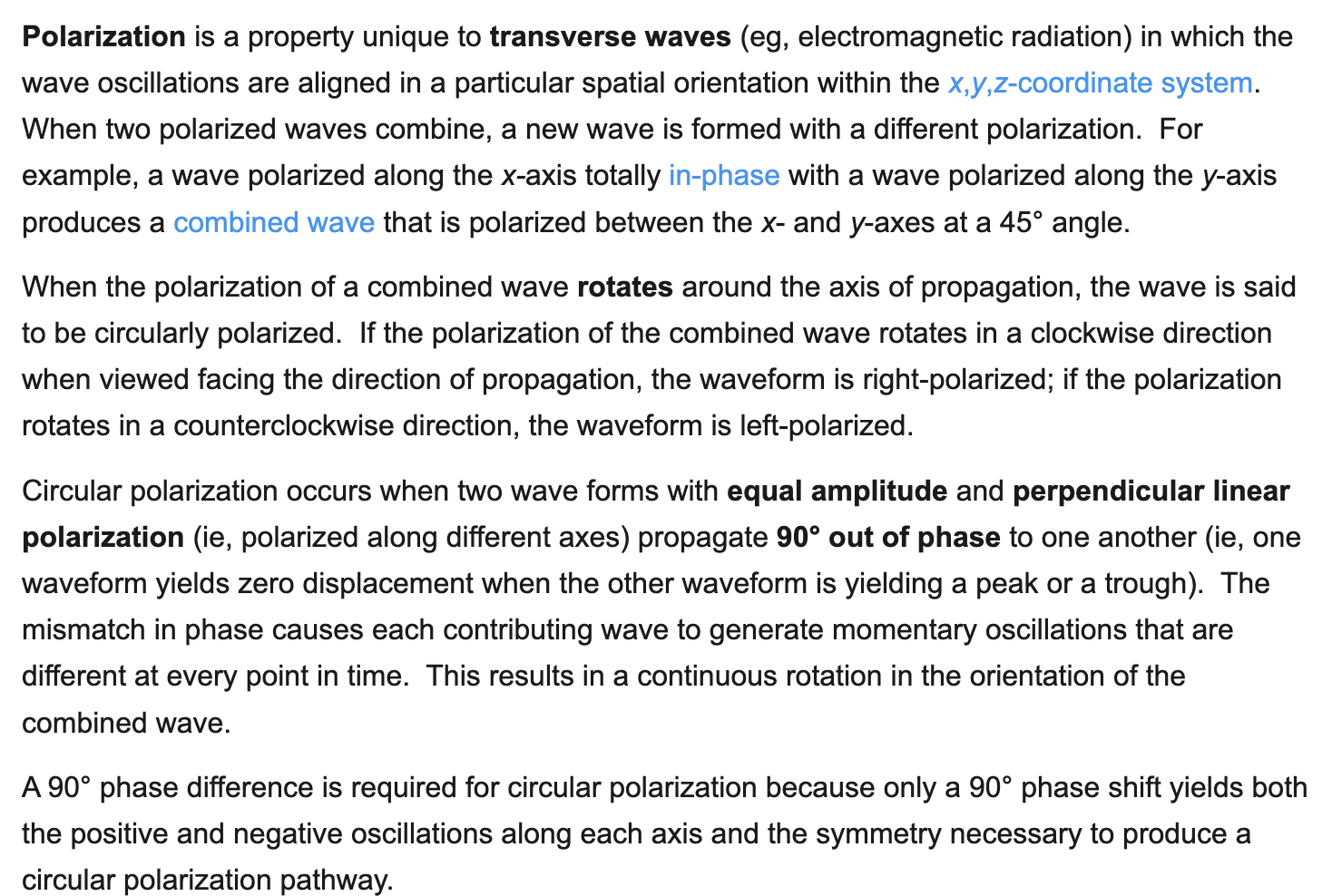
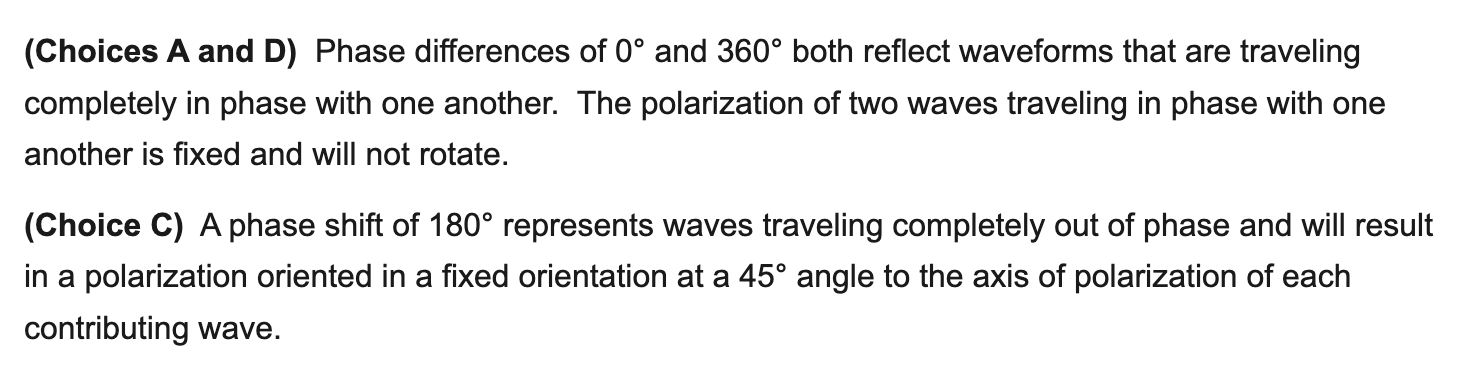

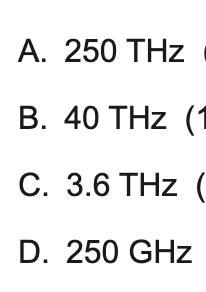
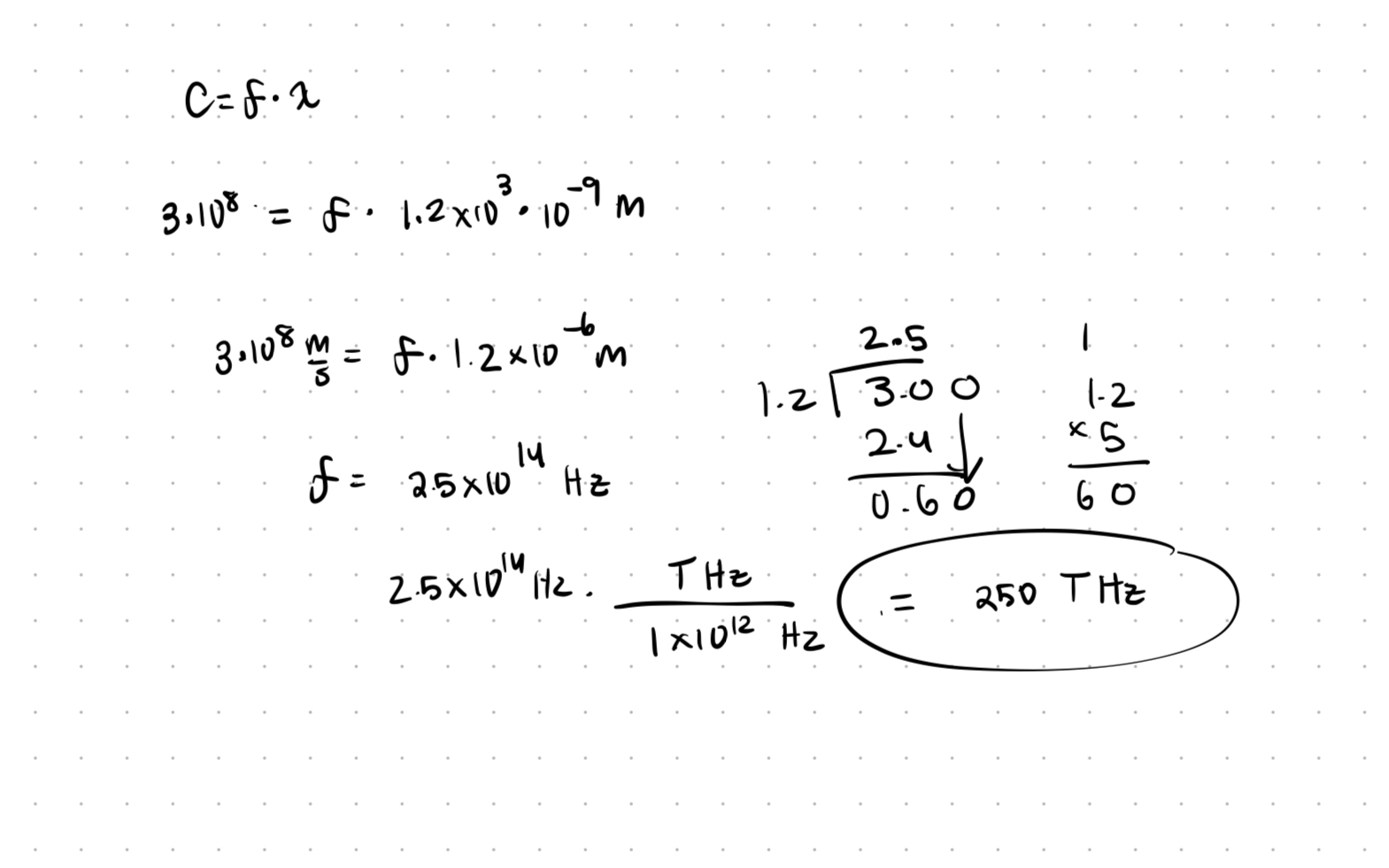
Passage A
passage A
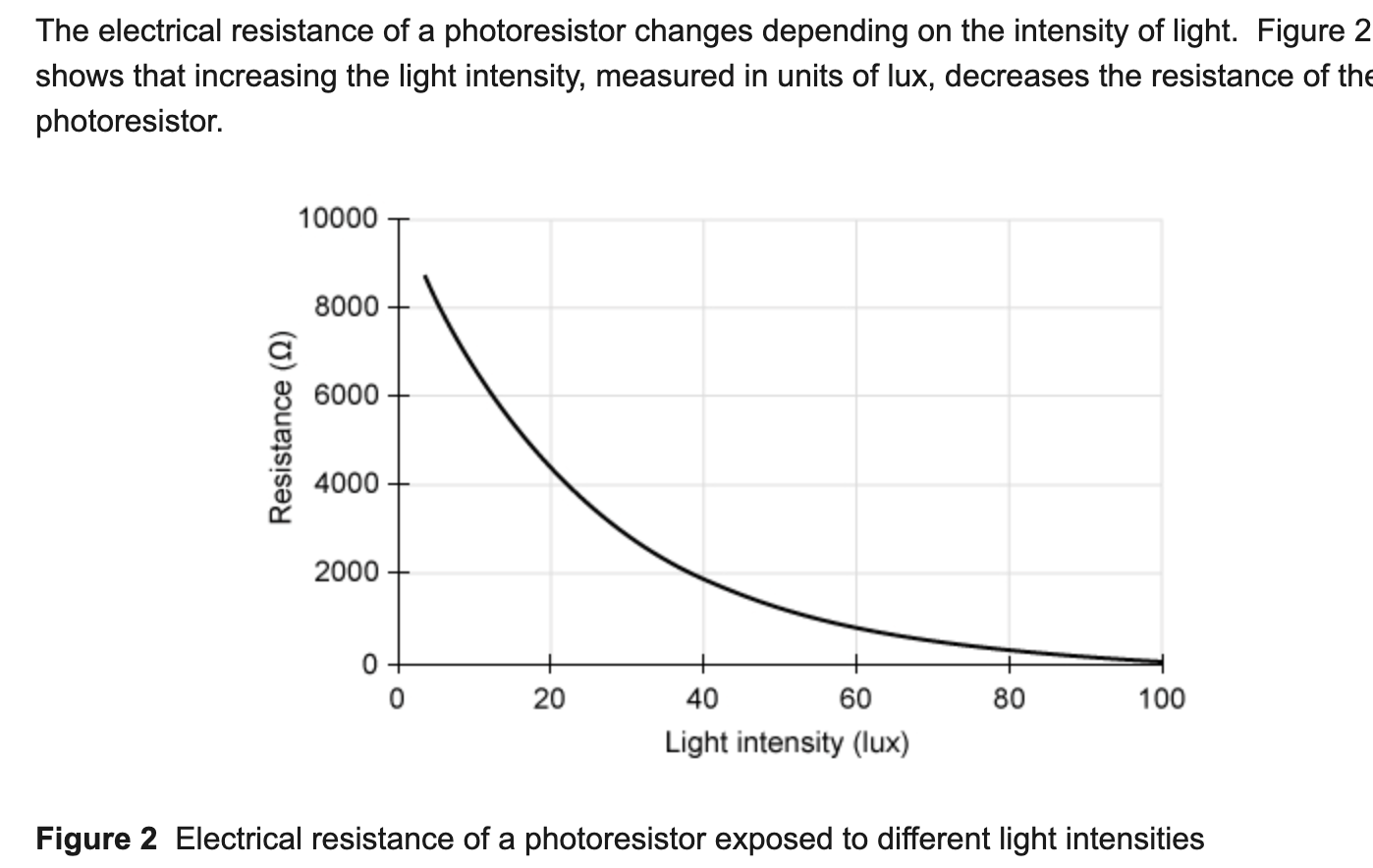
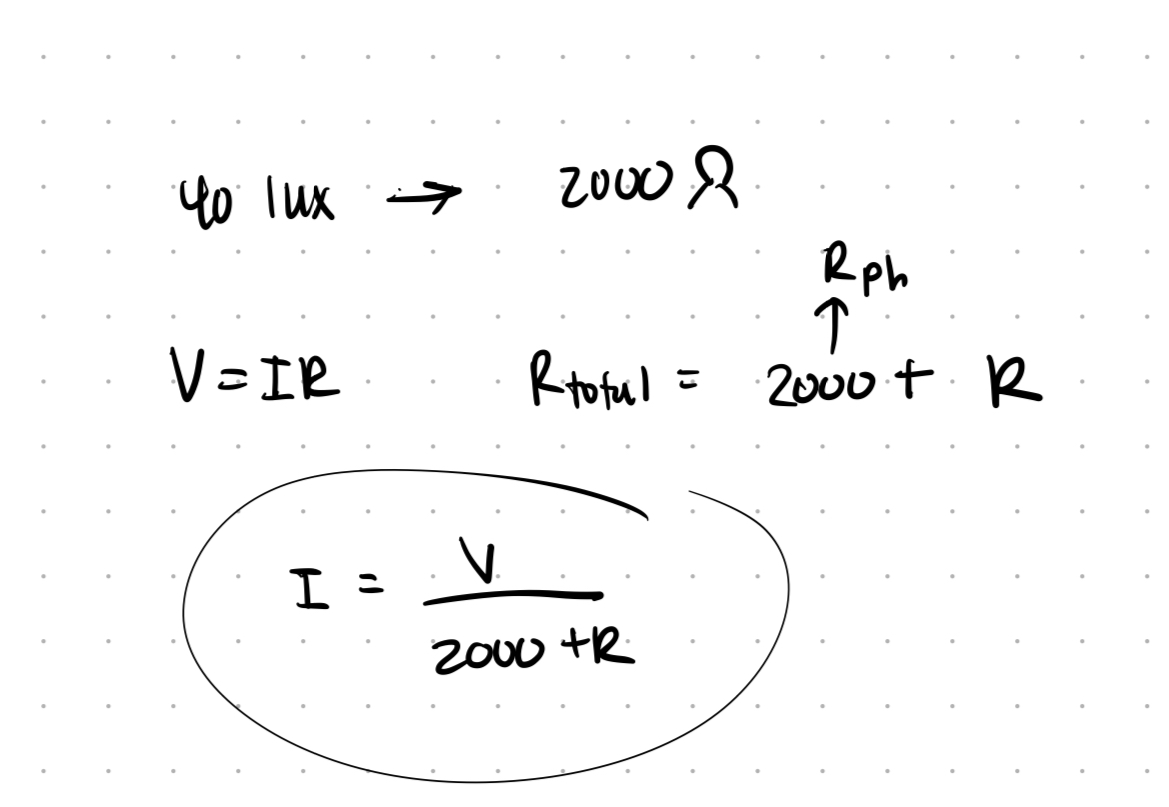
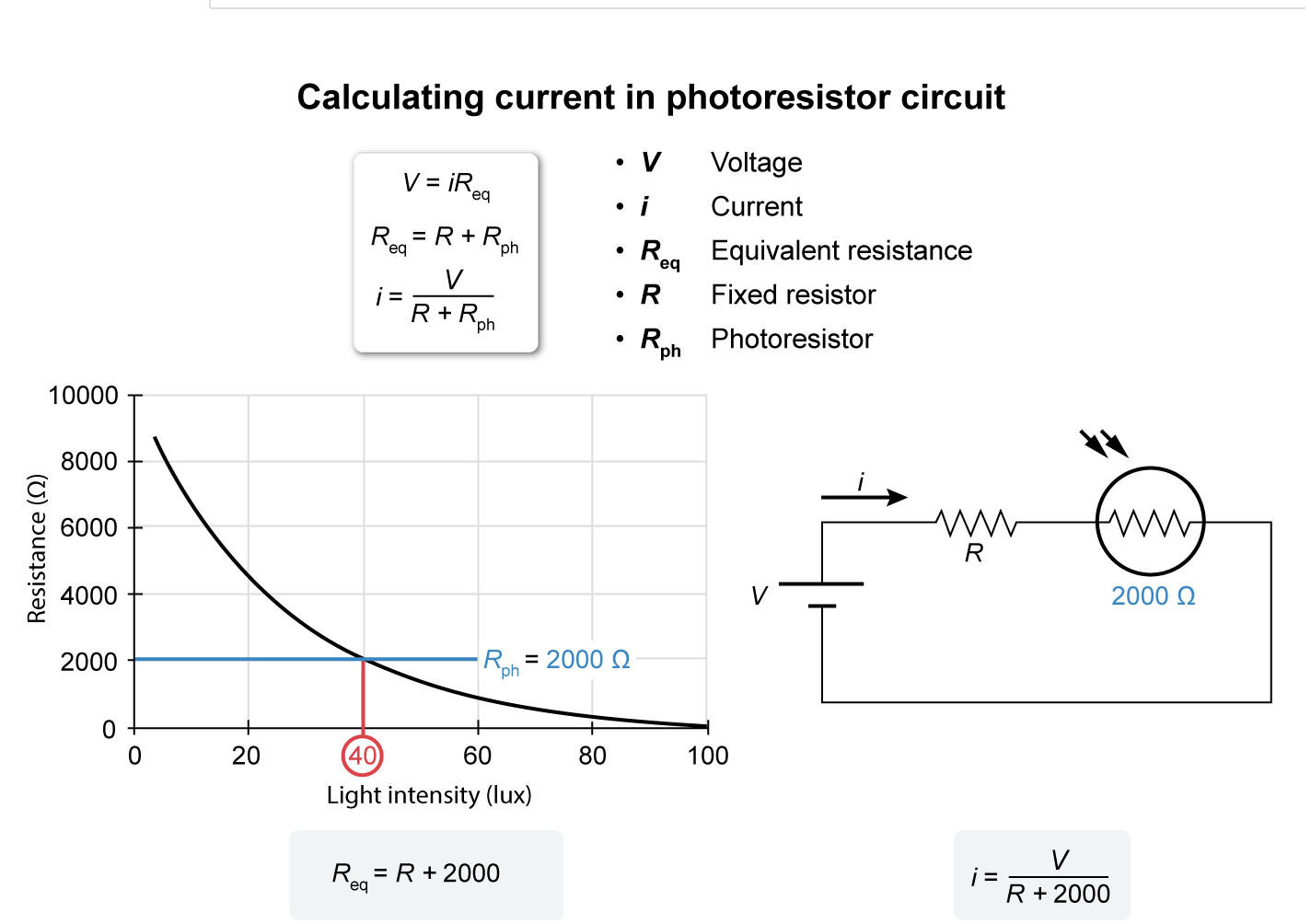
solve for I

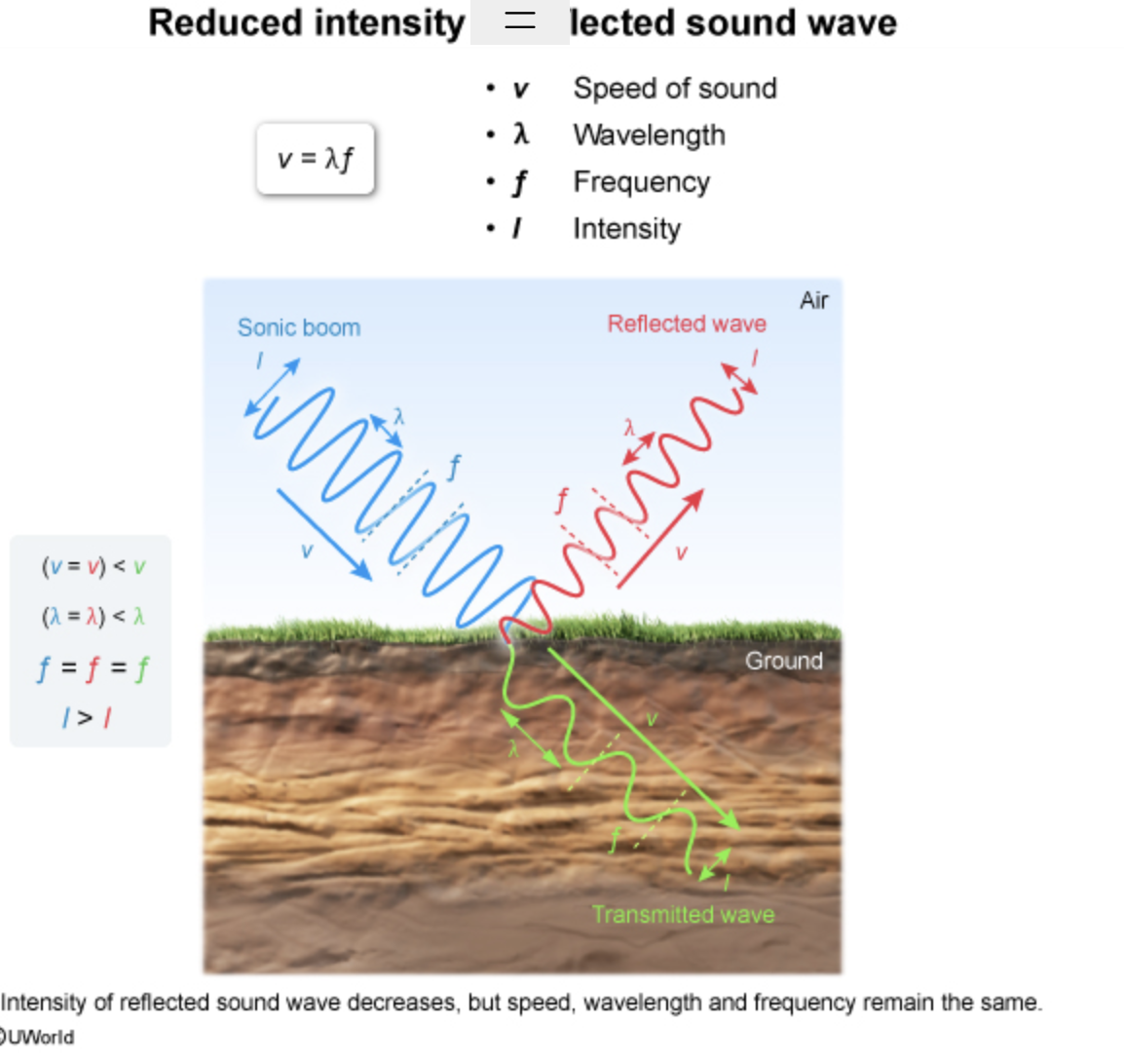
frequency, wavelength, intensity or speed?
intensity

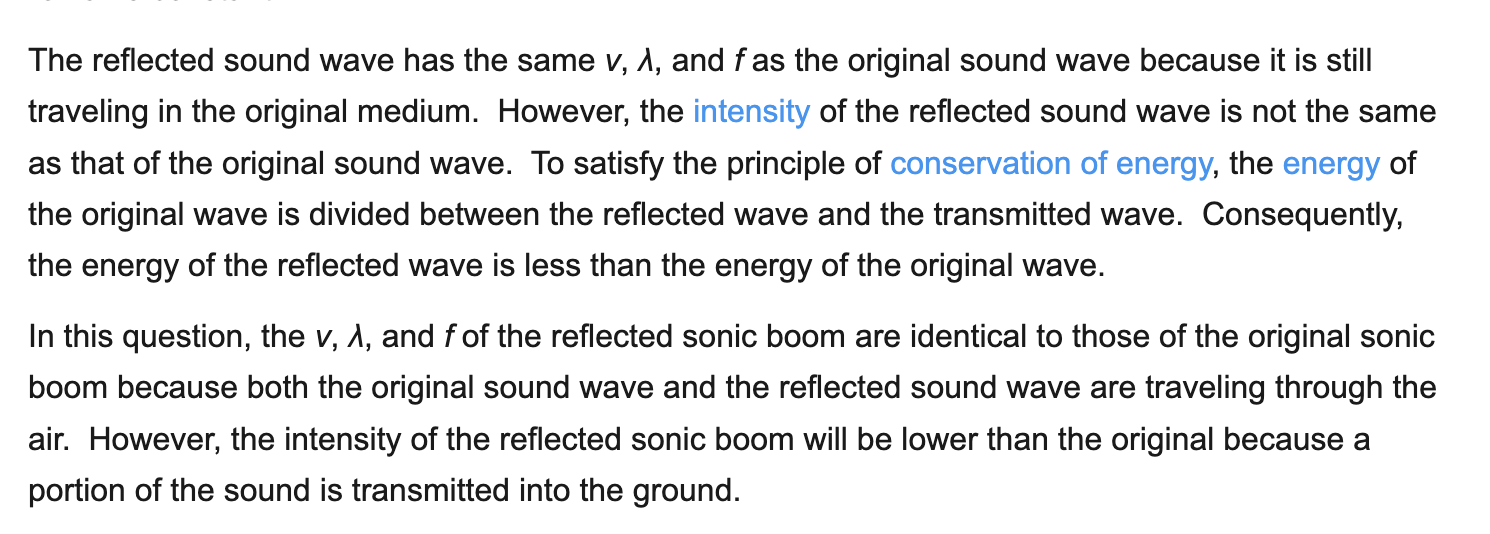
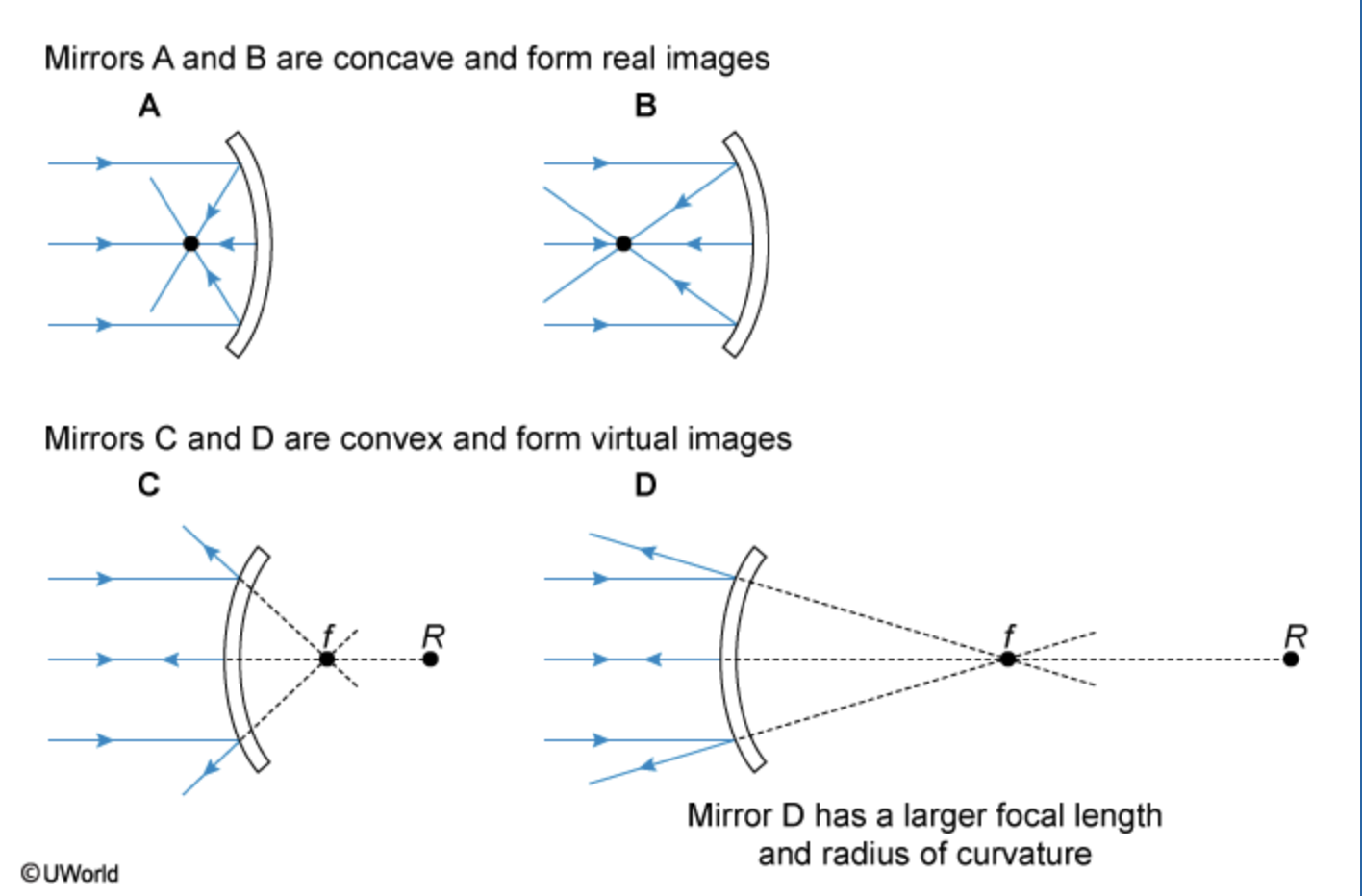
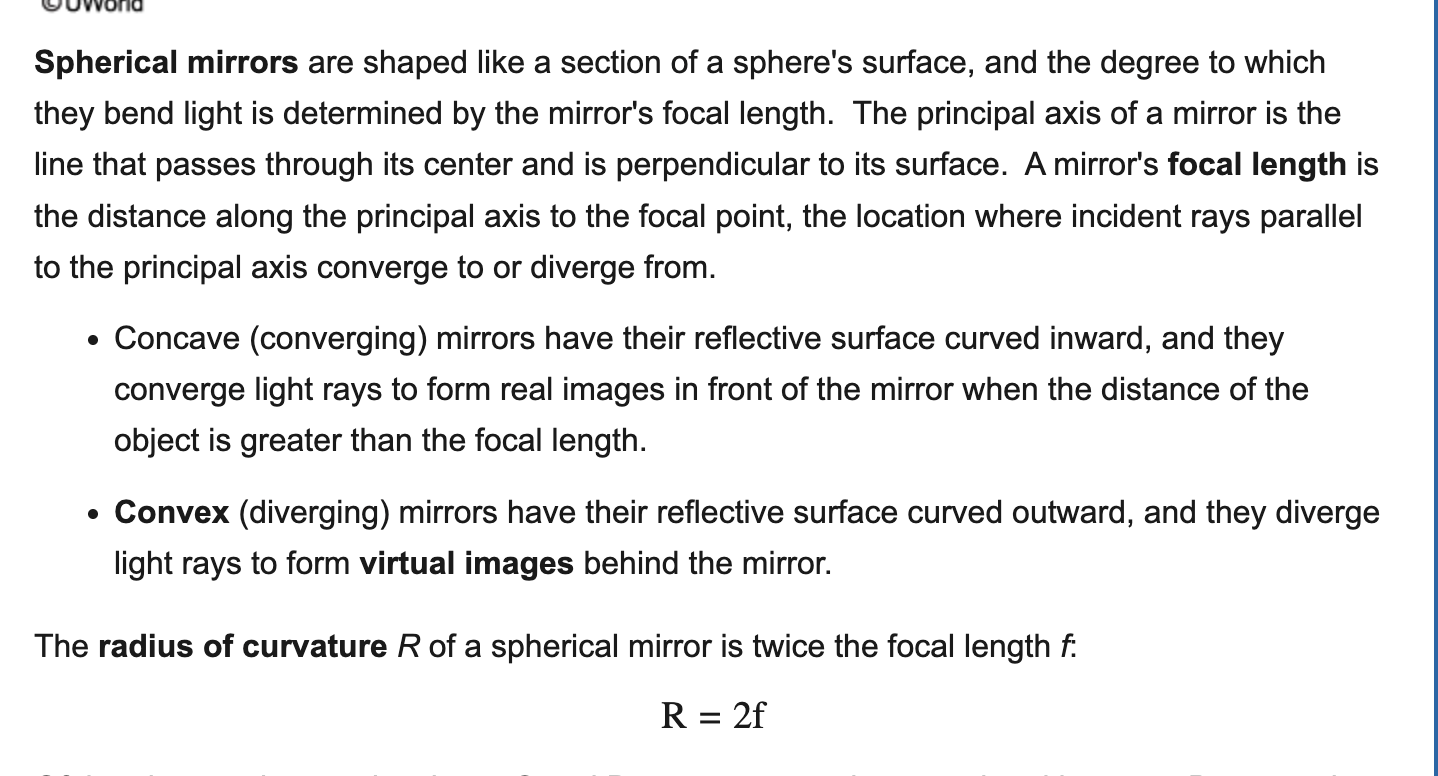
Concave vs Convex mirror
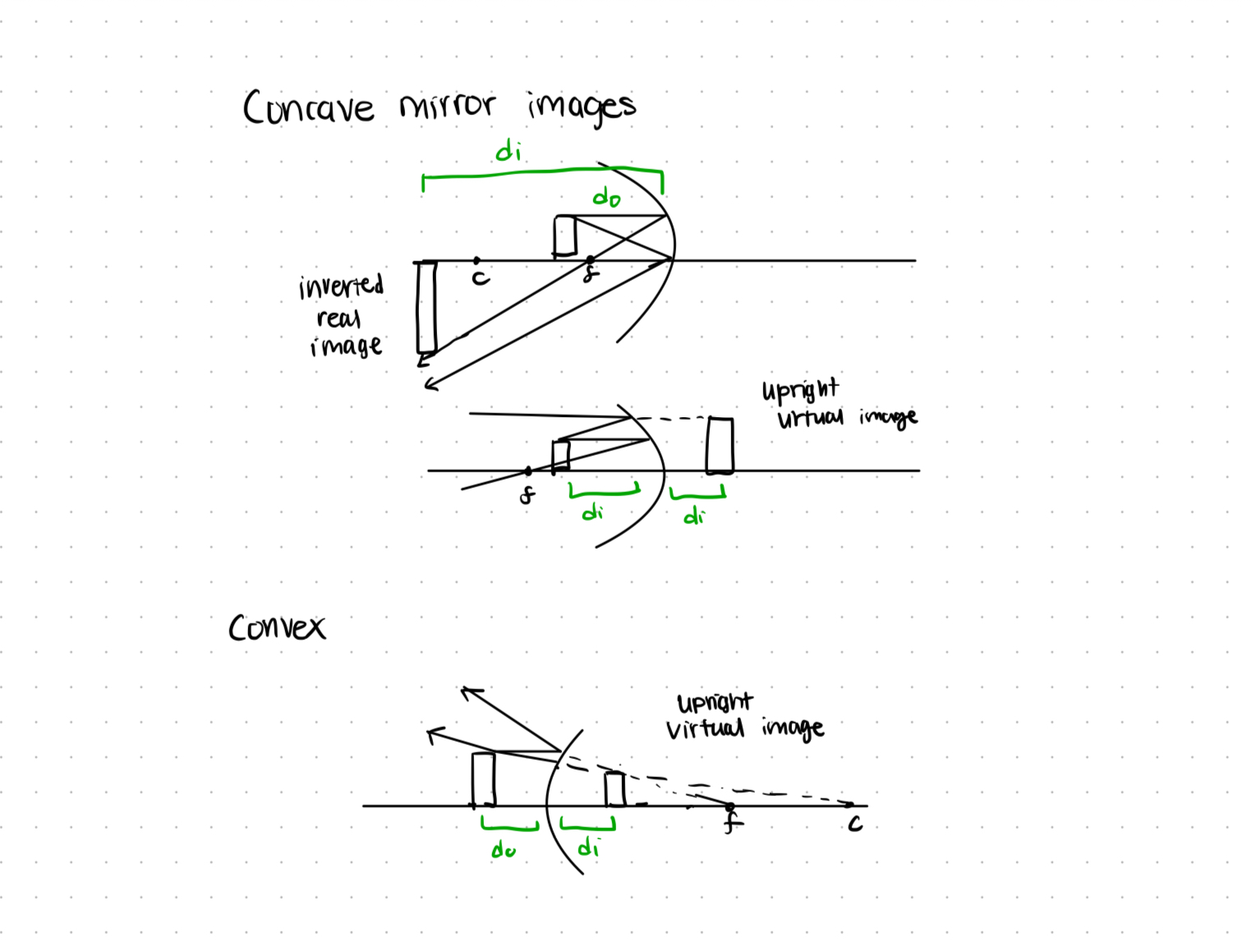
converging vs diverging lenses
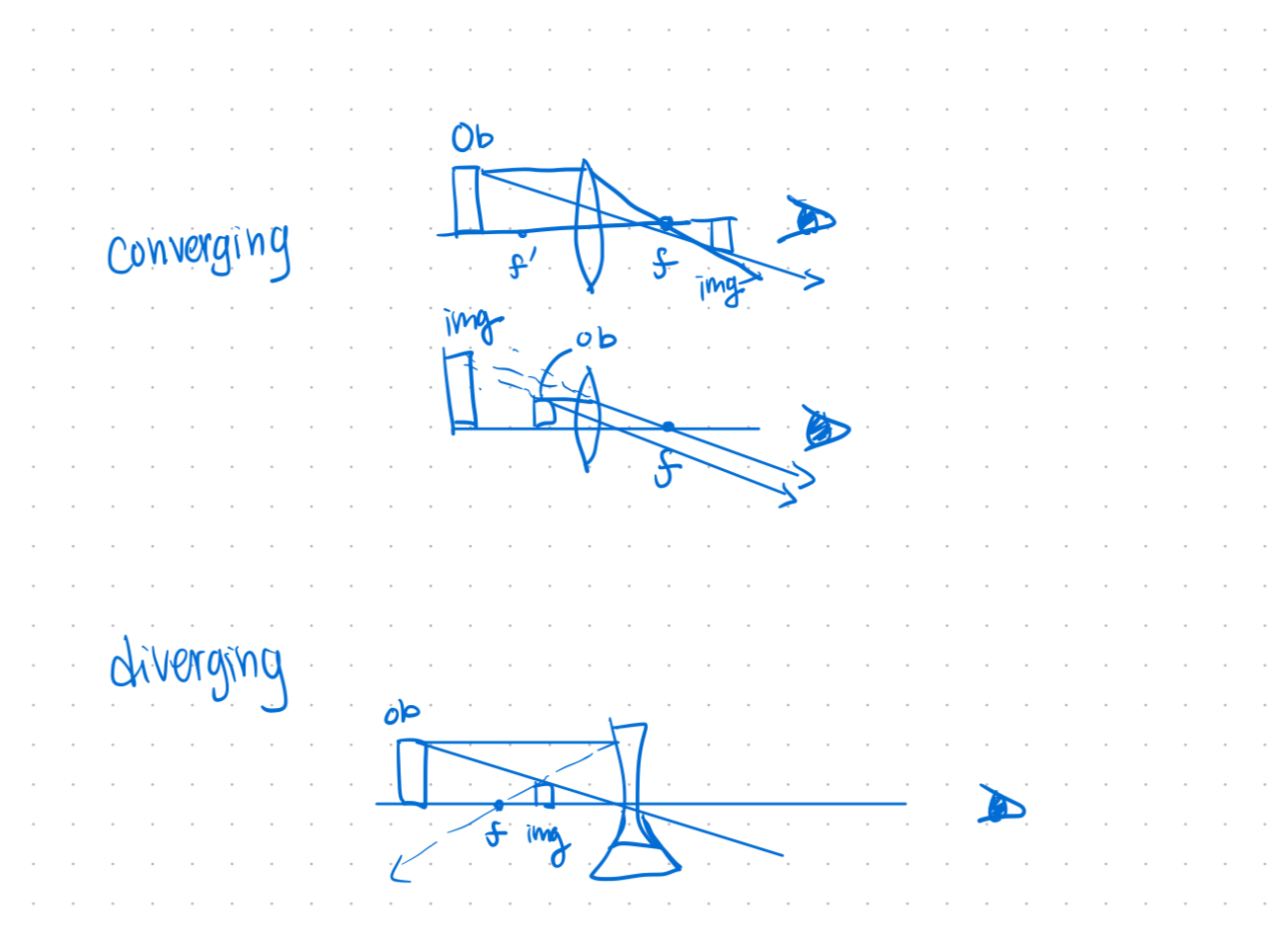
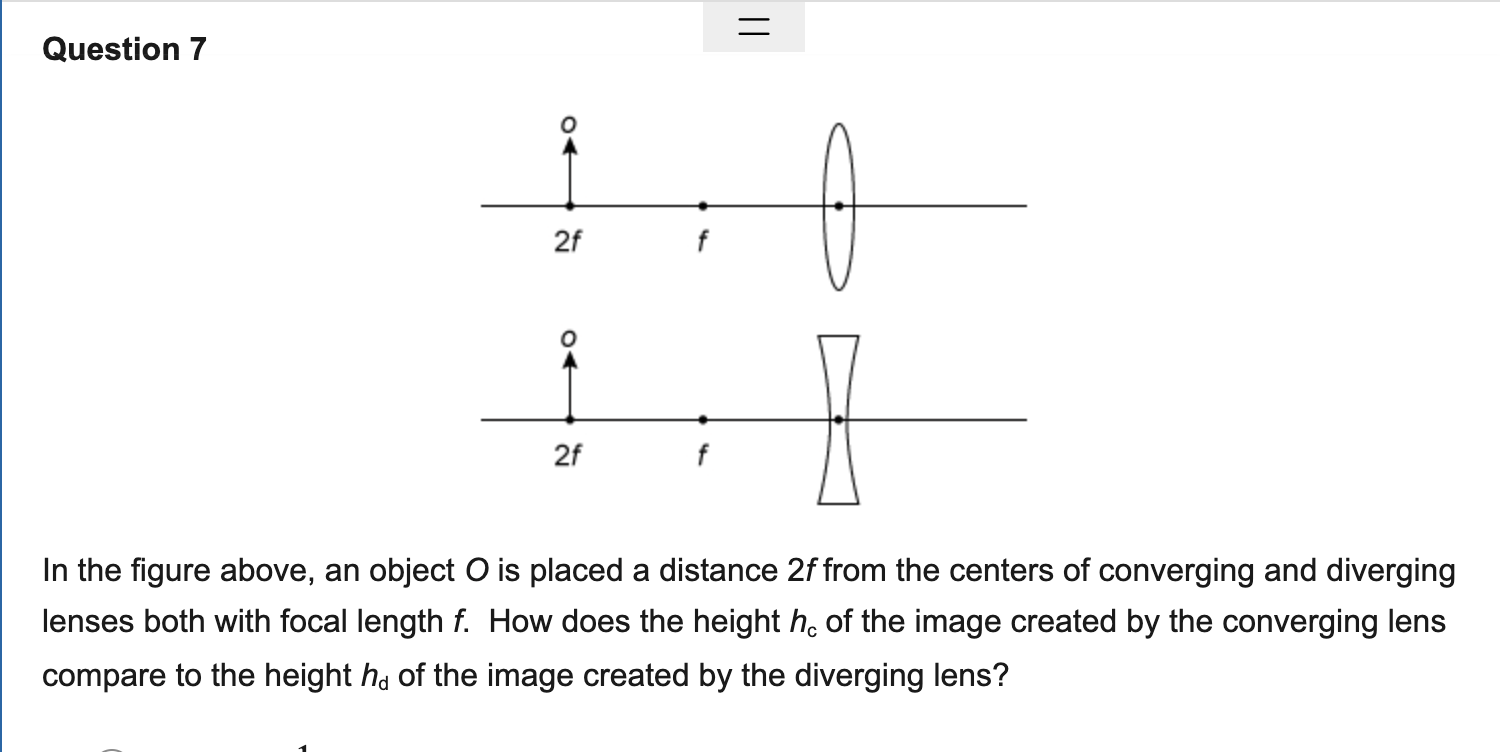
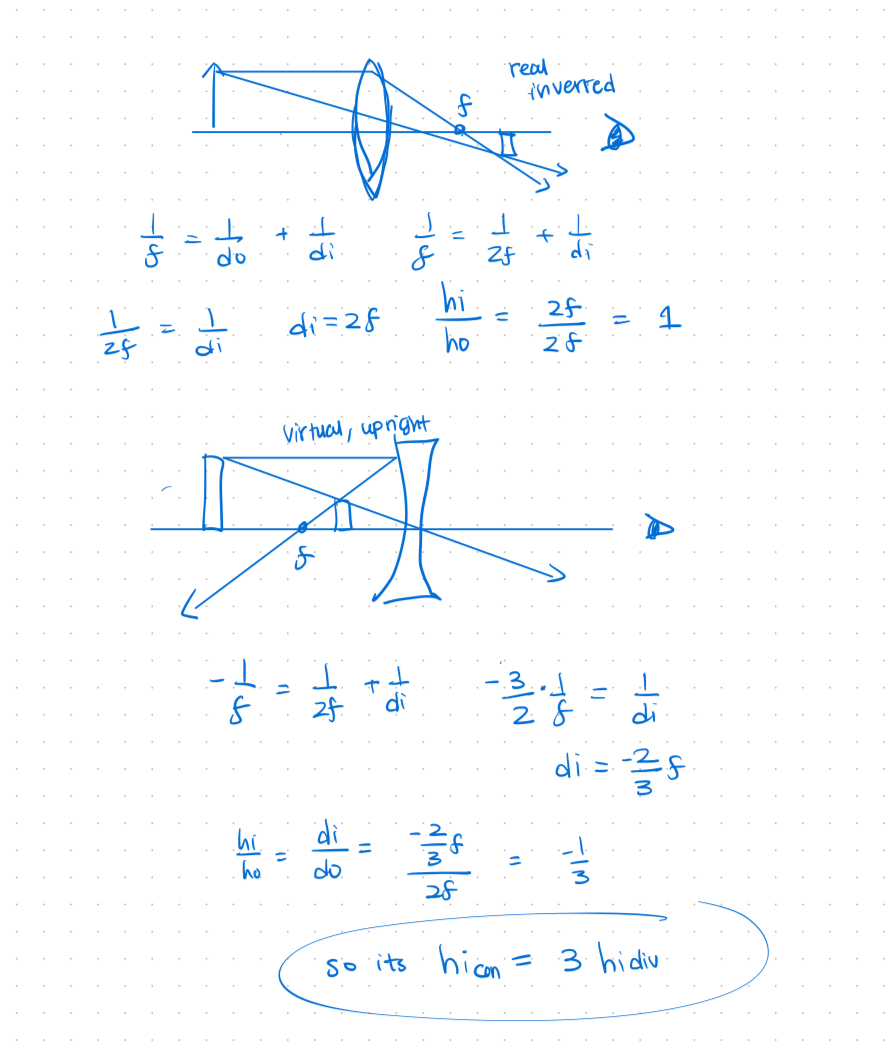
image is on virtual end for diverging so f= negative
Passage B
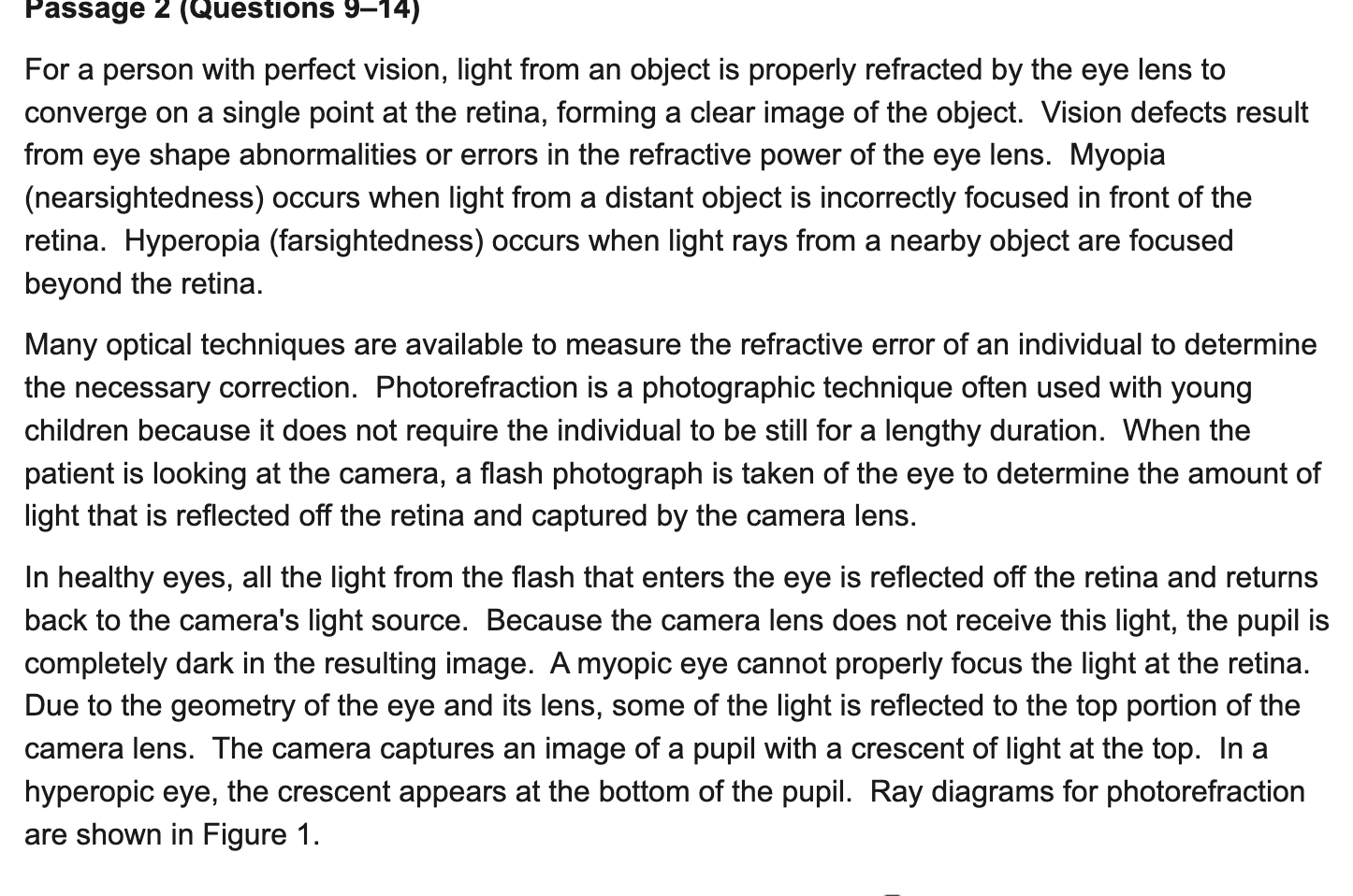
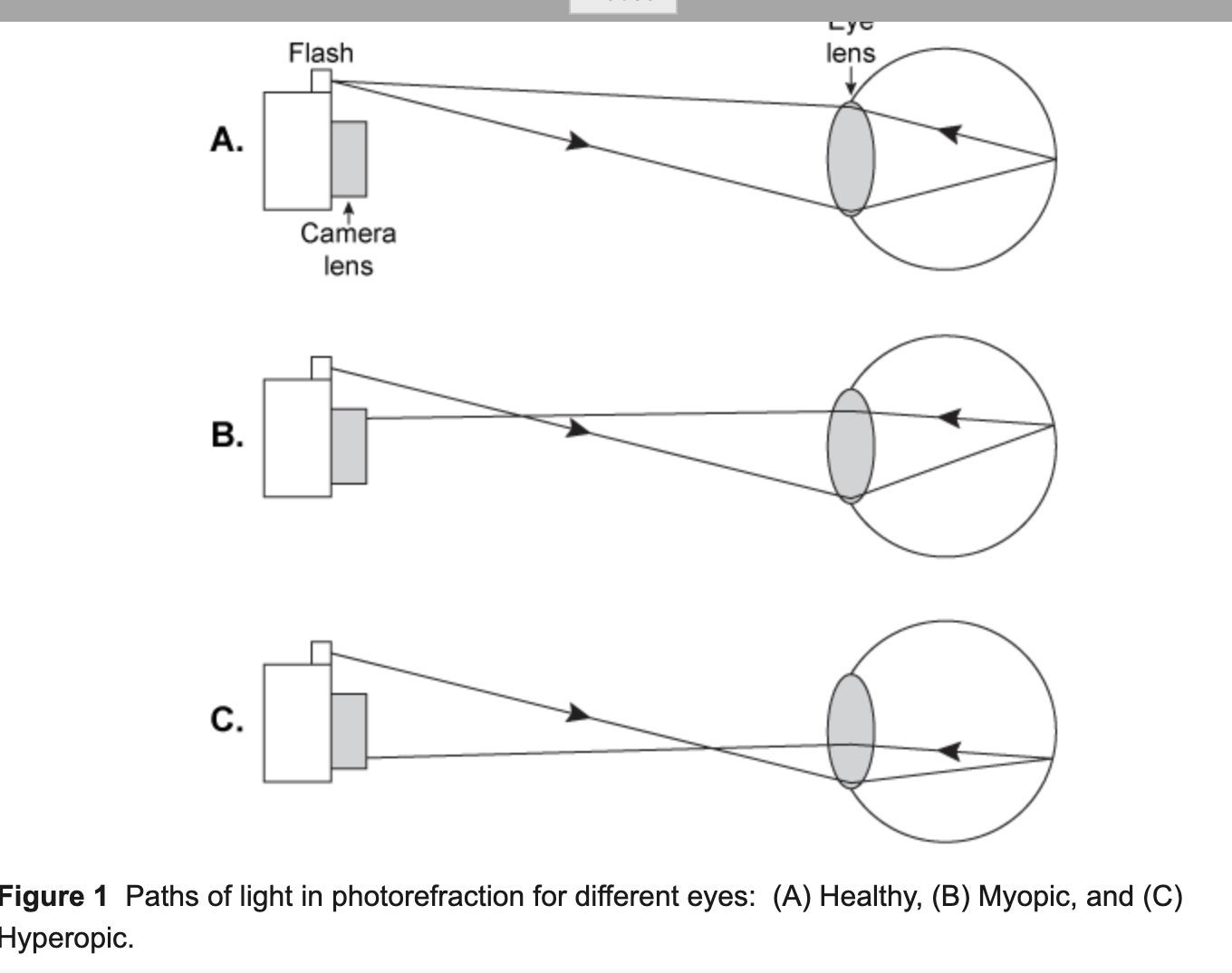
Passage B
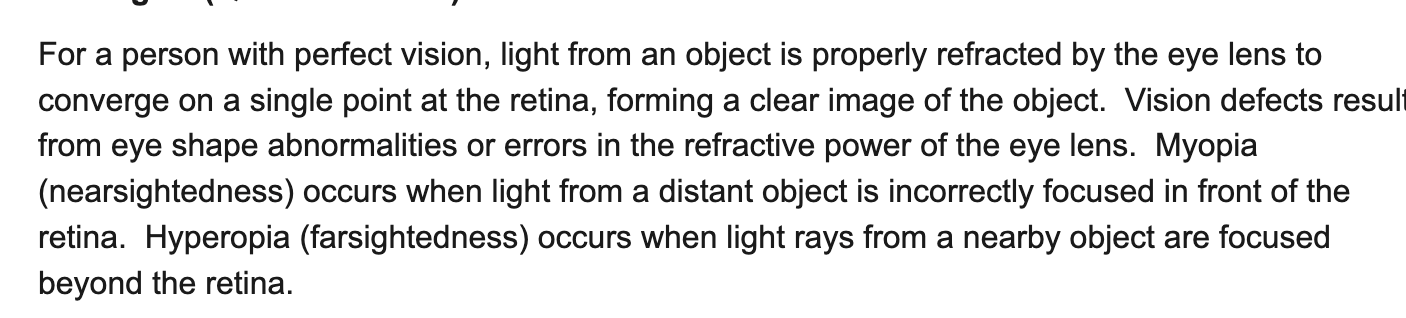

which creates what kind of image too?
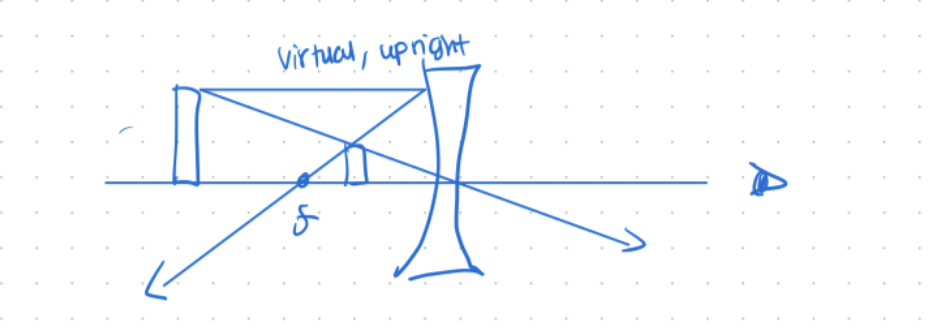
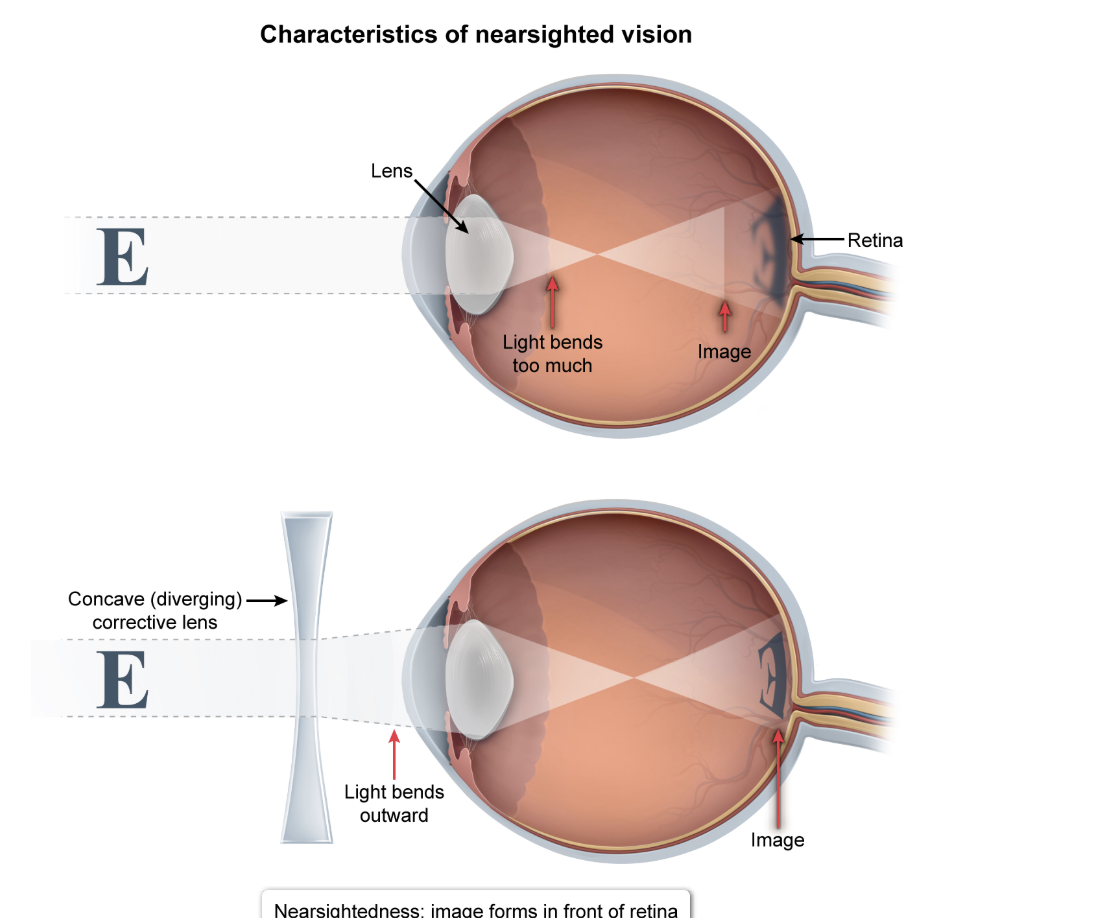
Myopia—nearsightedness— requires a lens that can help see far distance (so diverging lens)
which creates a virtual upright image


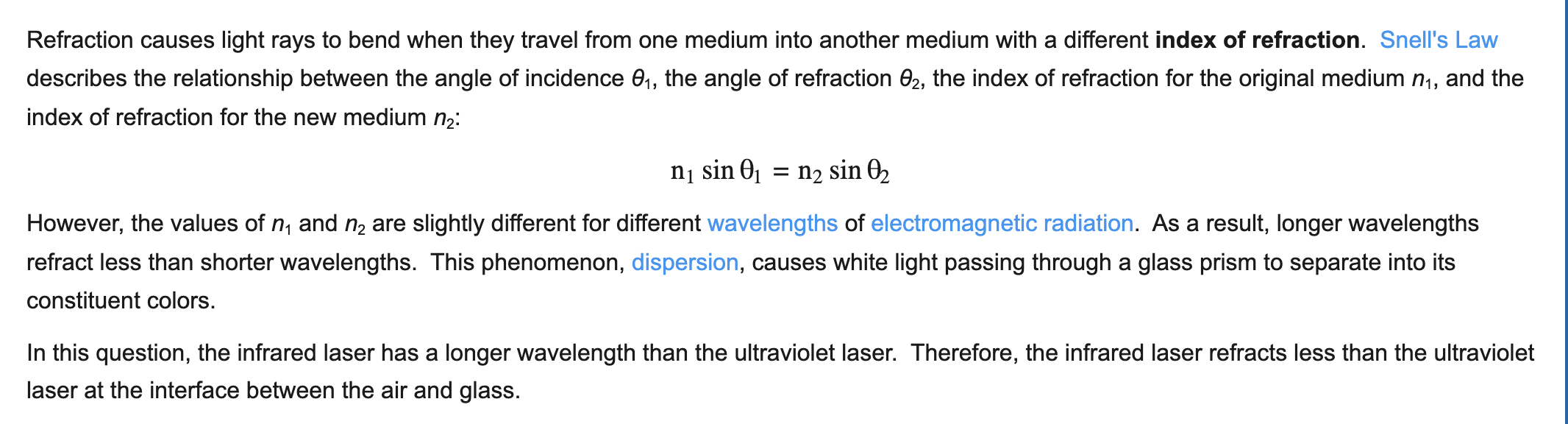
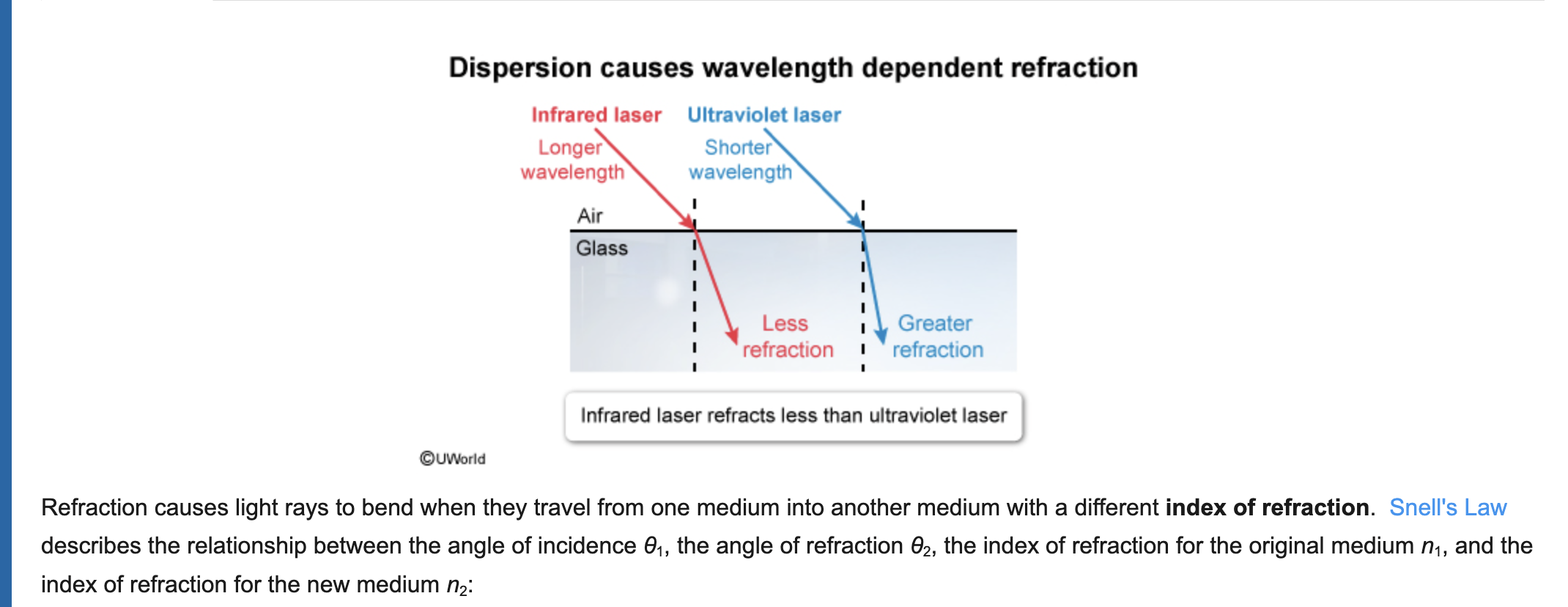
violet refracts mroe than red light, because as wavelength decreases and/or frequency increases, the refractive idex of light increases making the image more blurry

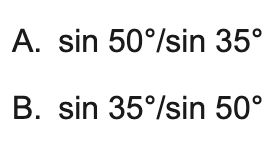
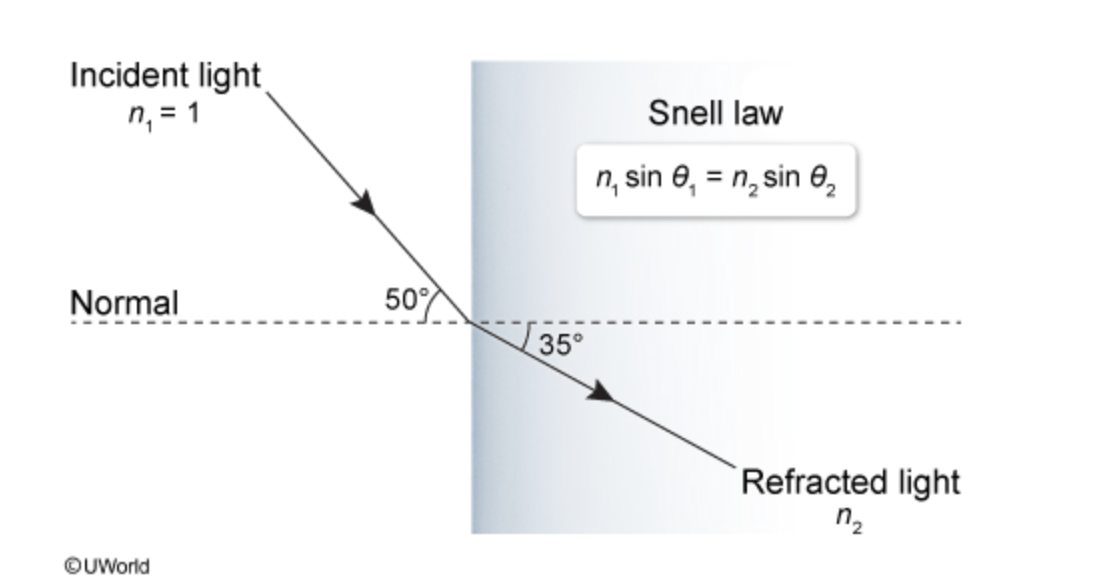

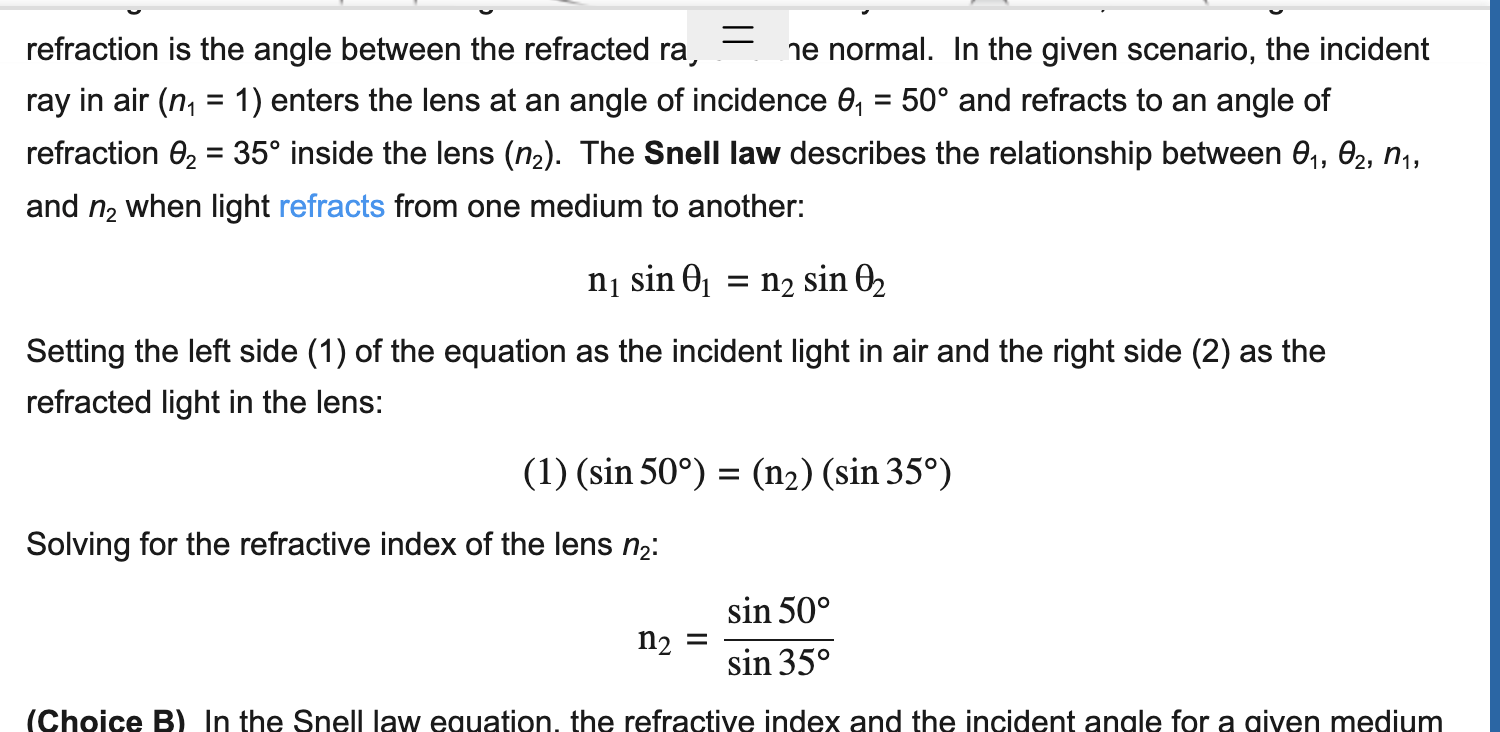

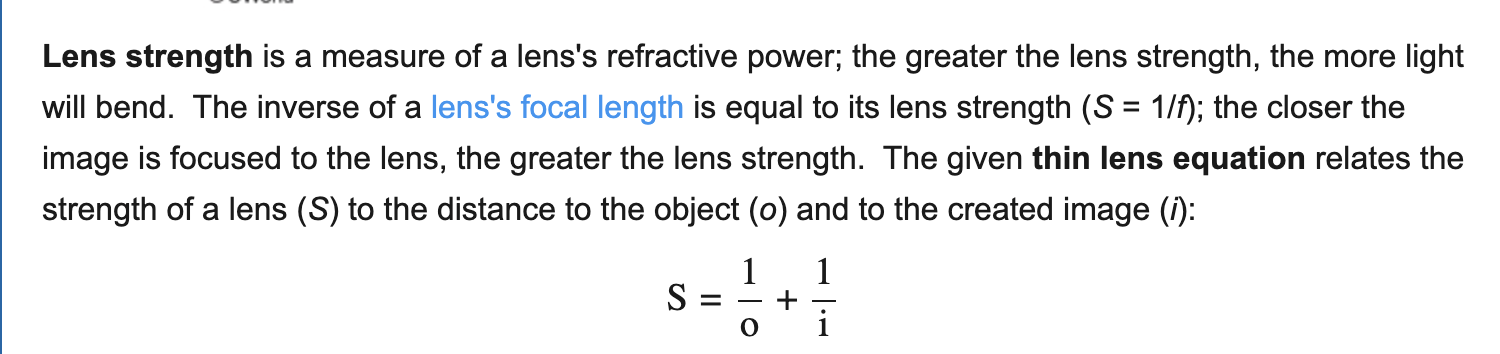
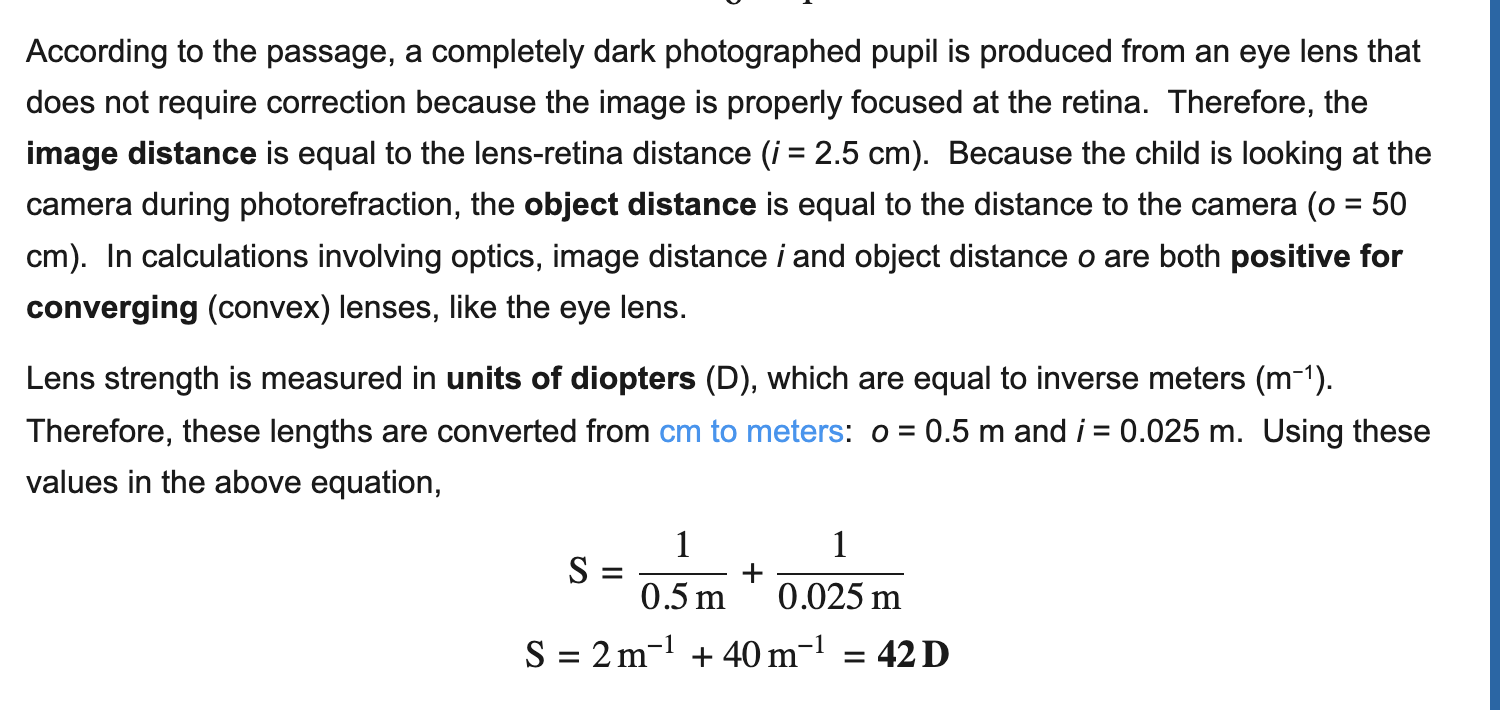

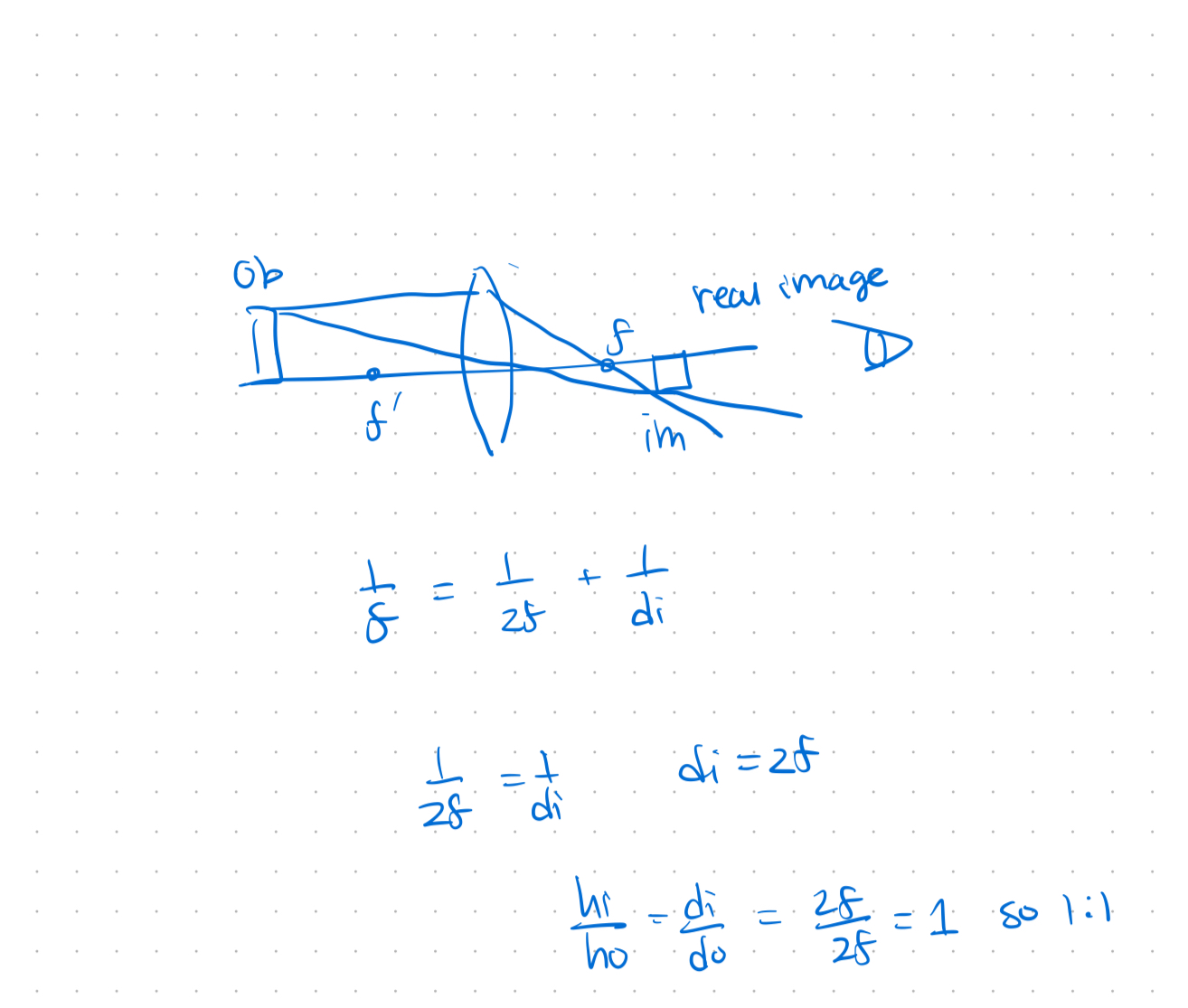

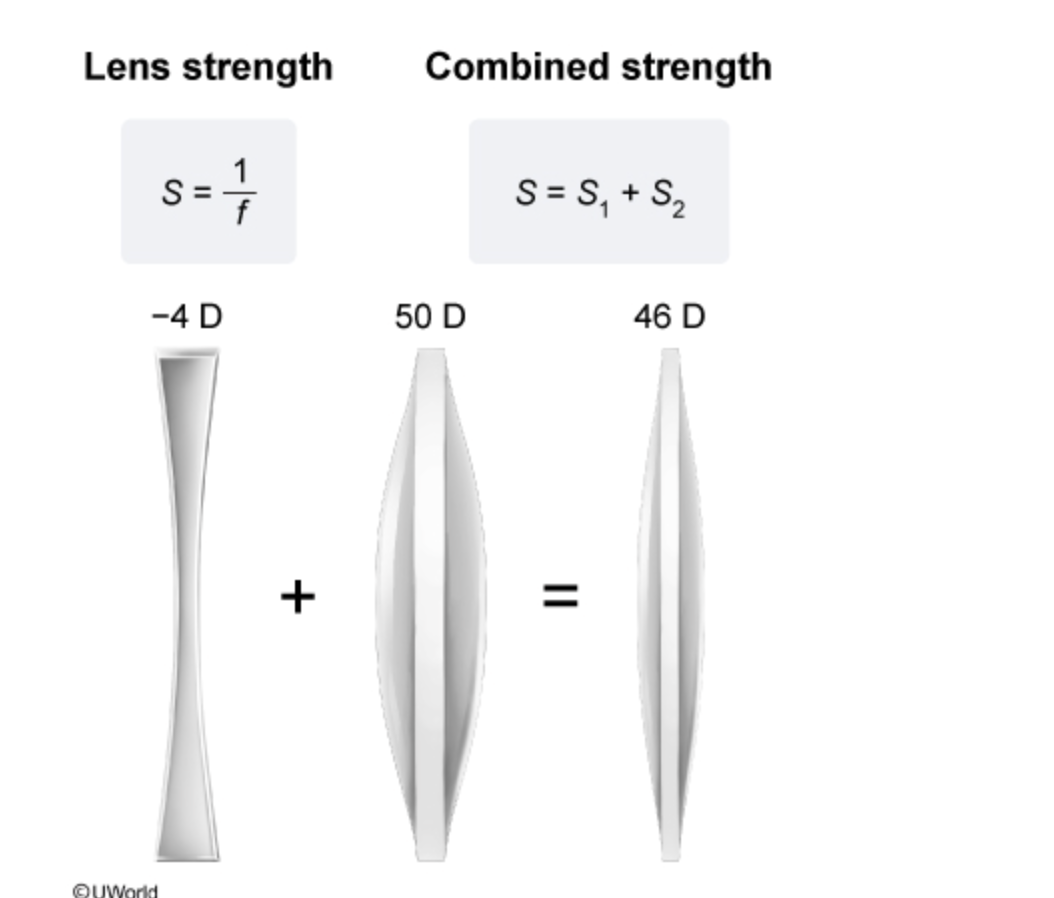
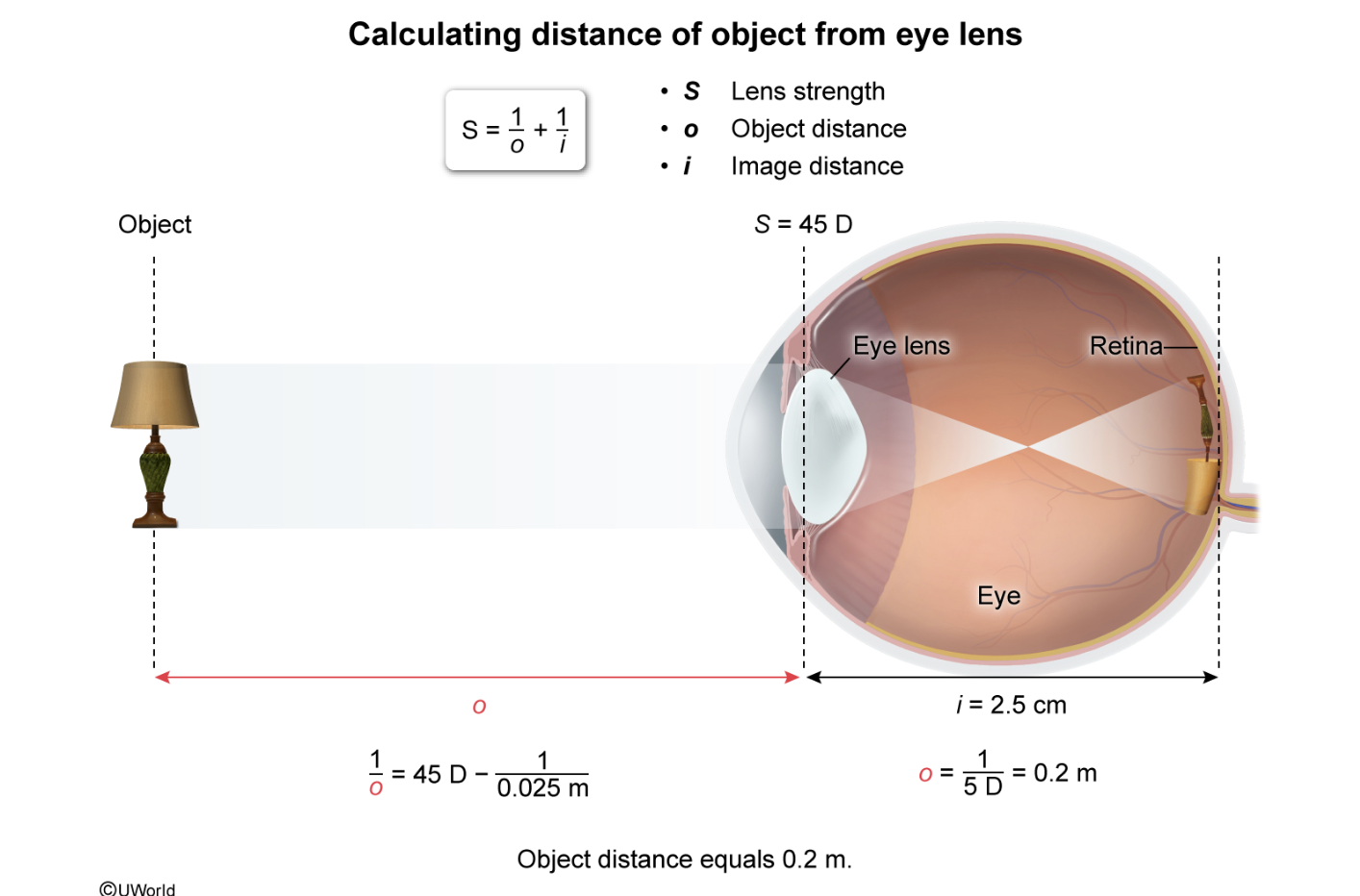
1/.02 = 50 D
50D + (-4D) = 46D

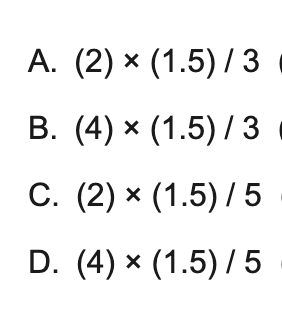
Answer: B
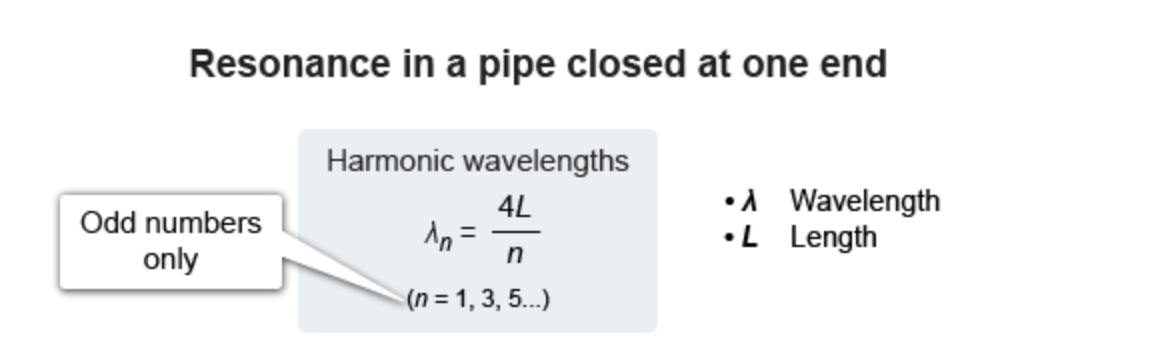
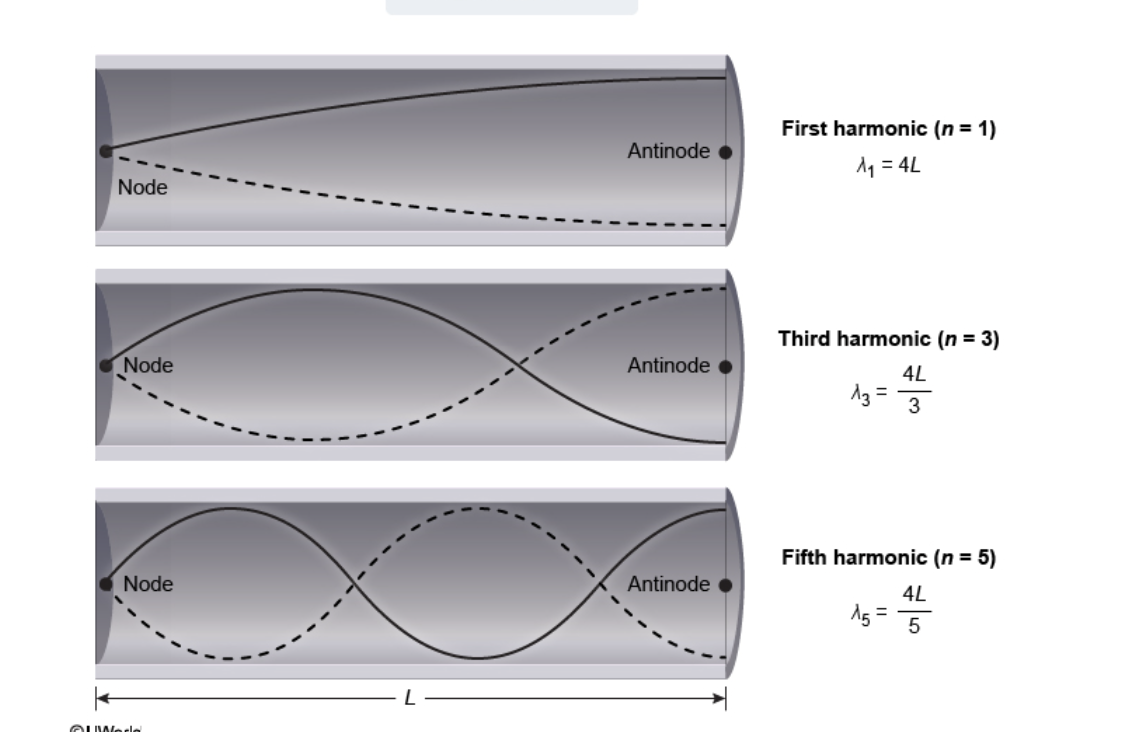

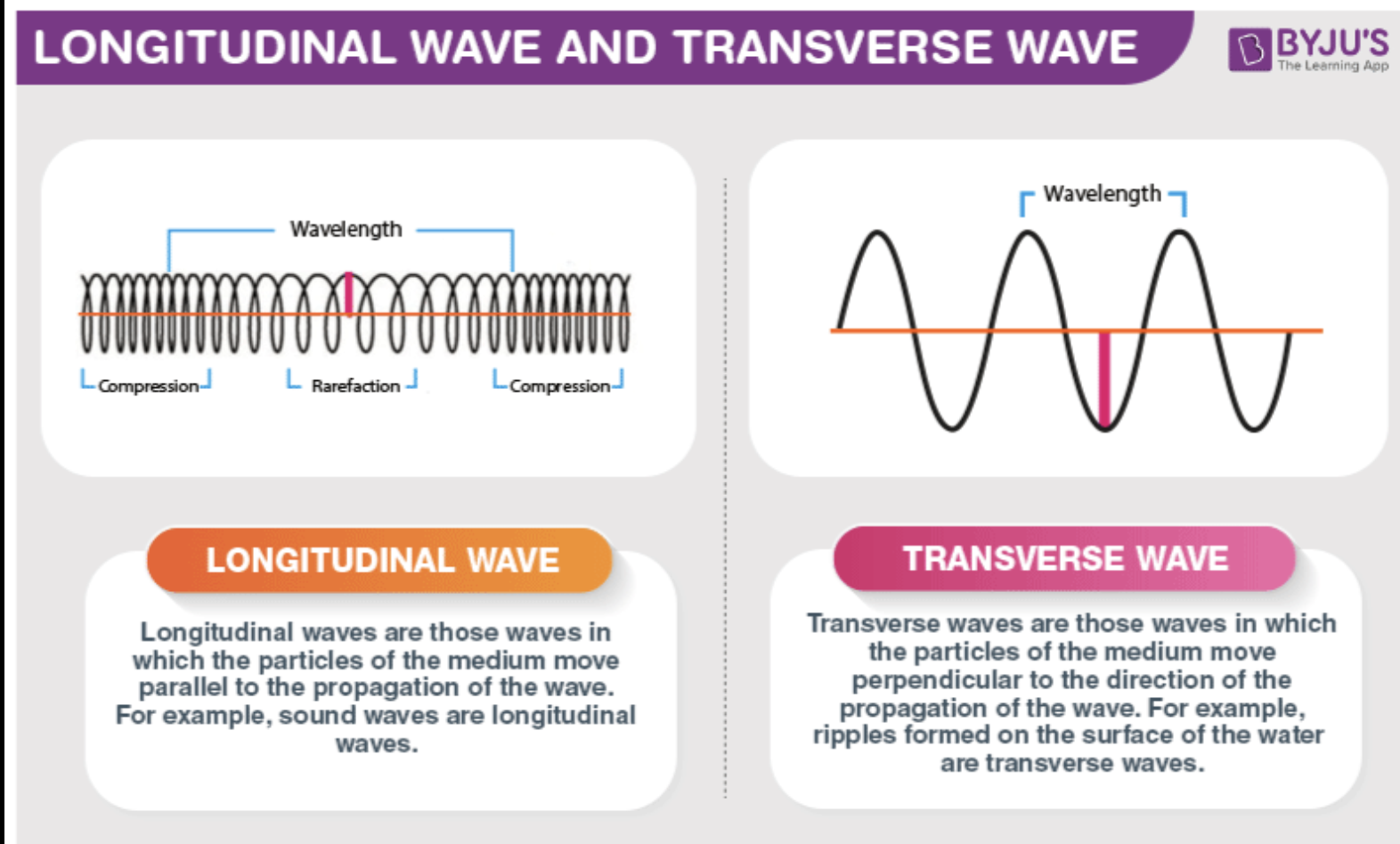
Tranverse vs Longitudinal wave
myopia (nearsightedness)
occurs when..
image forms…
corrected with
light bends too much
in front of retina
concave or diverging lenses

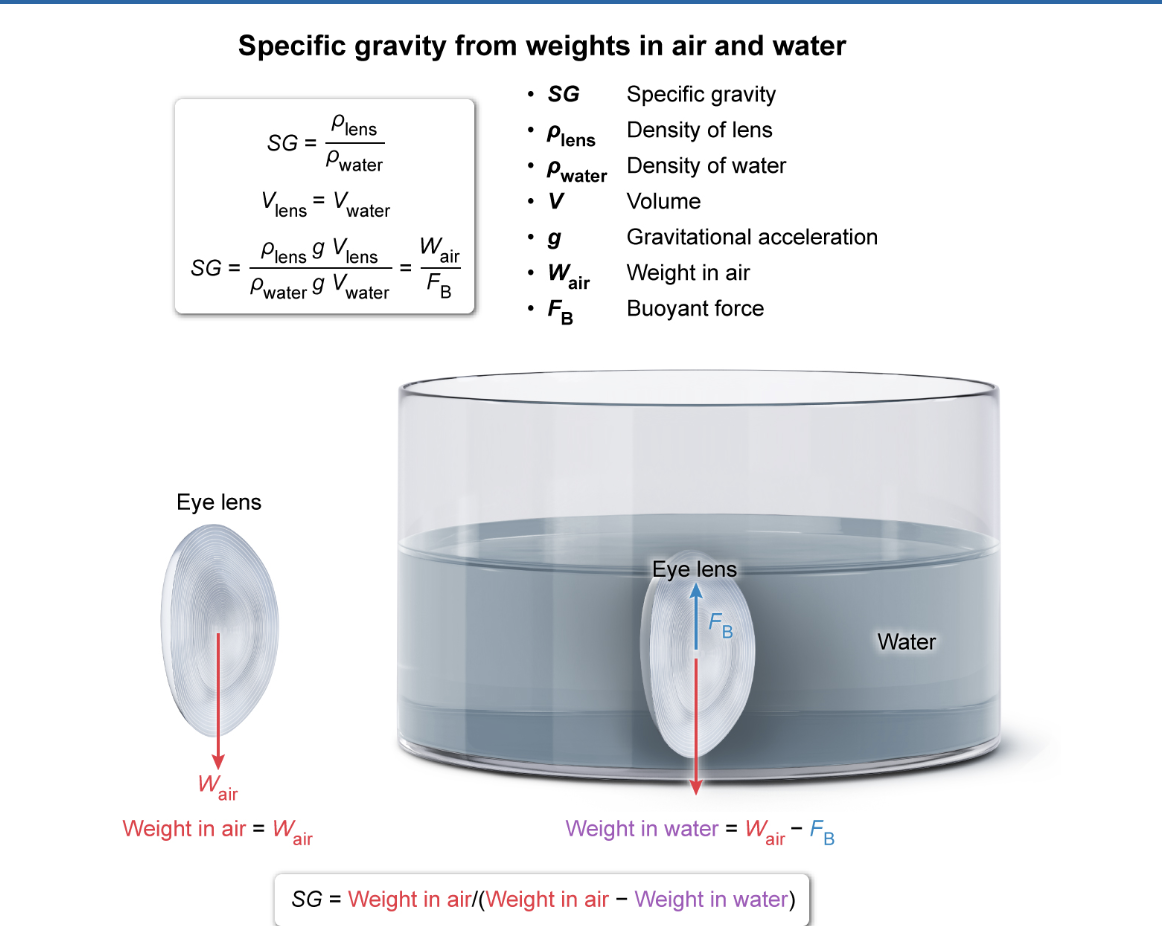
Specific gravity
SG= density of object/ density of reference
where Volume of object = Volume of reference

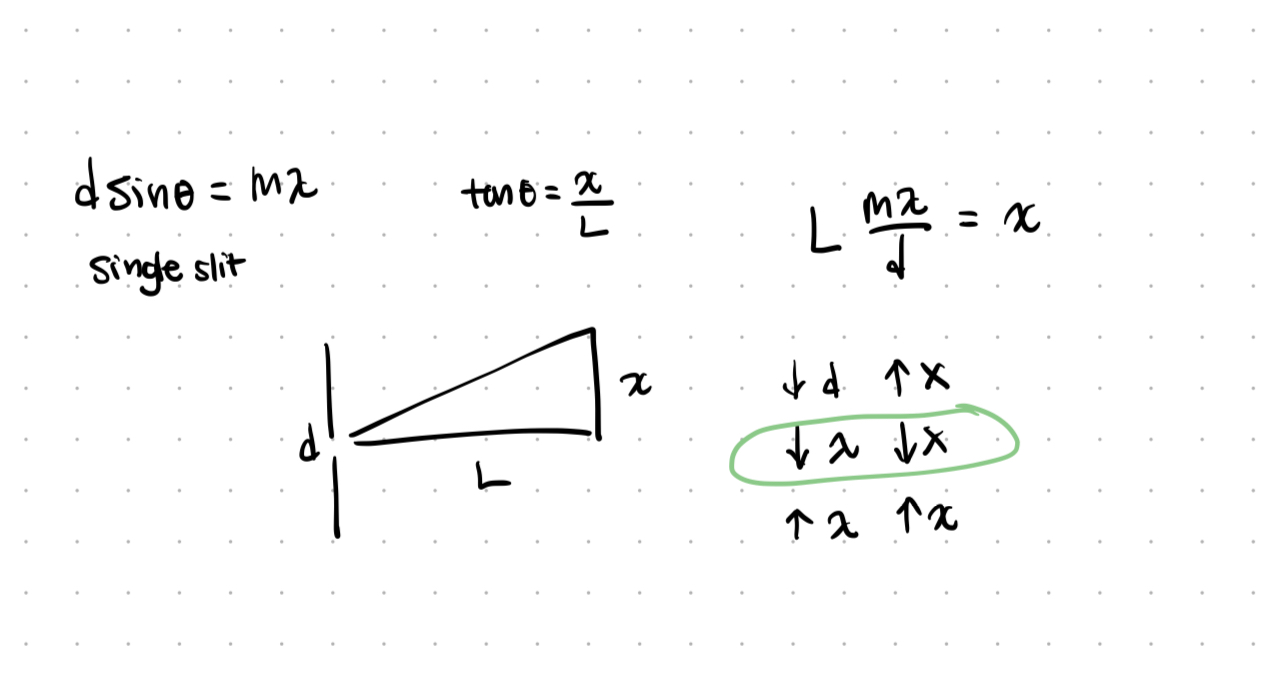
A. decreasing width of slit
B. decreasing wavelength
C. Increasing wavelength
D. Increasing intensity
Answer: B

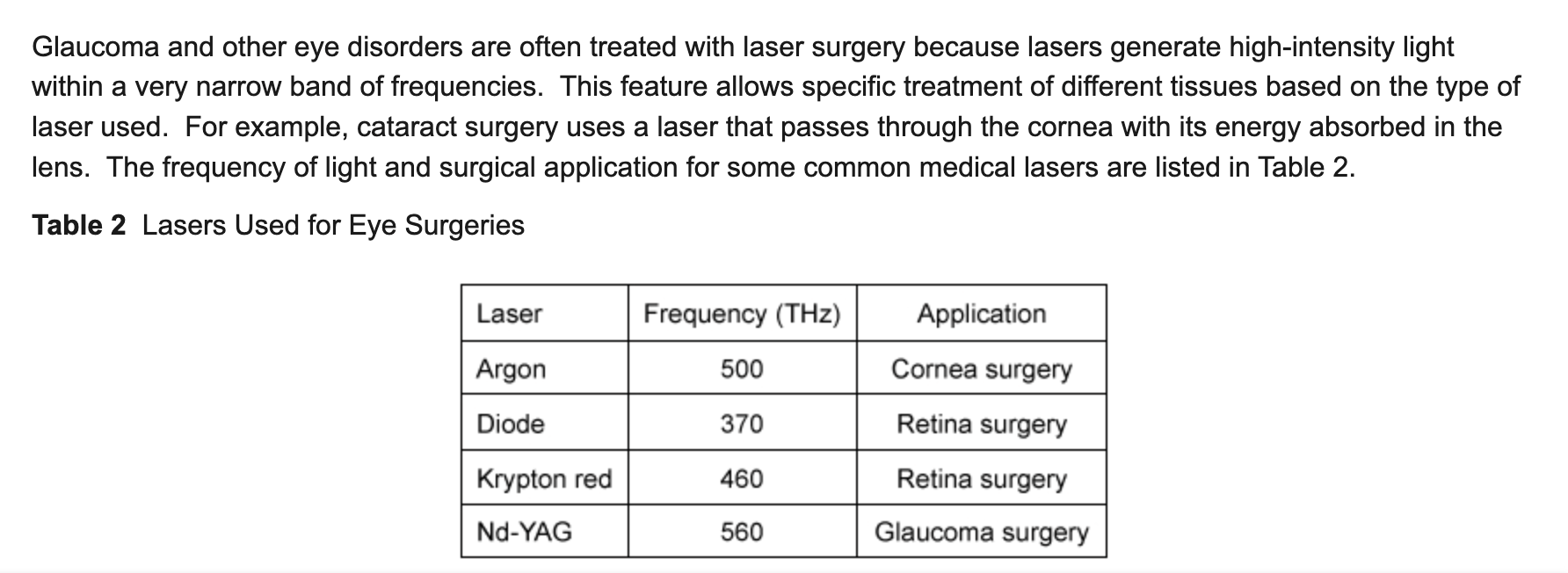
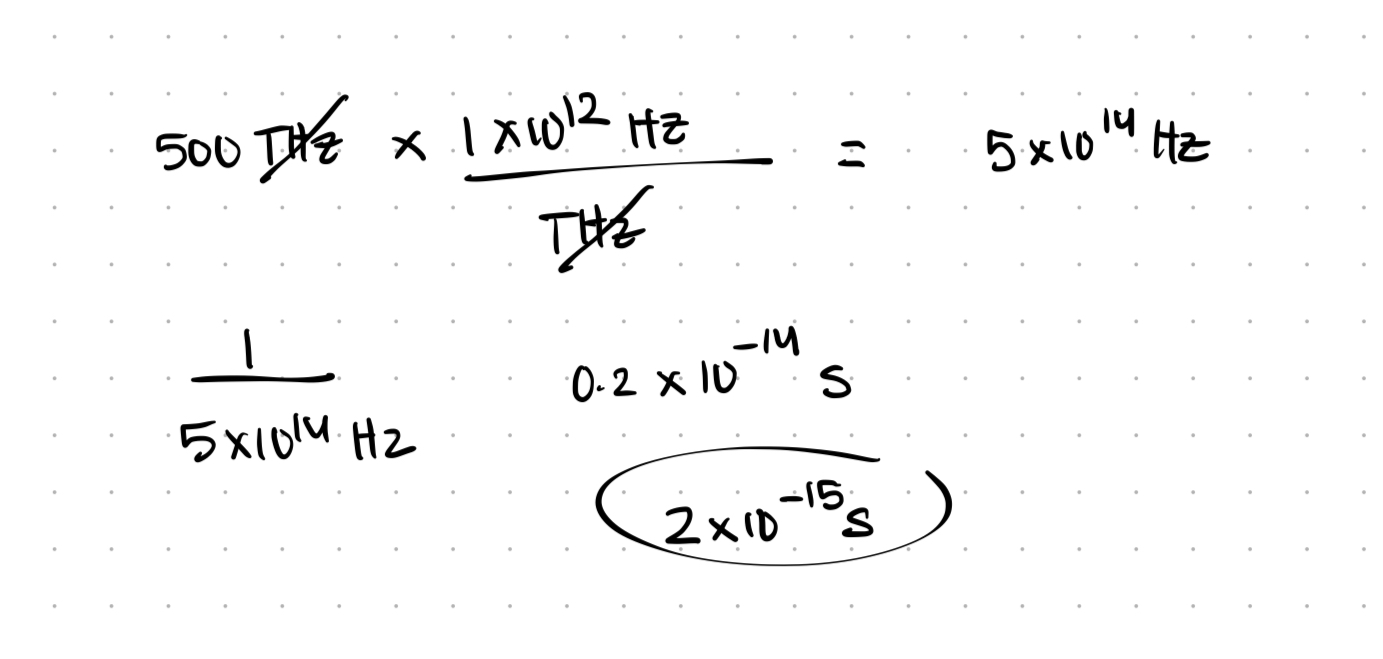
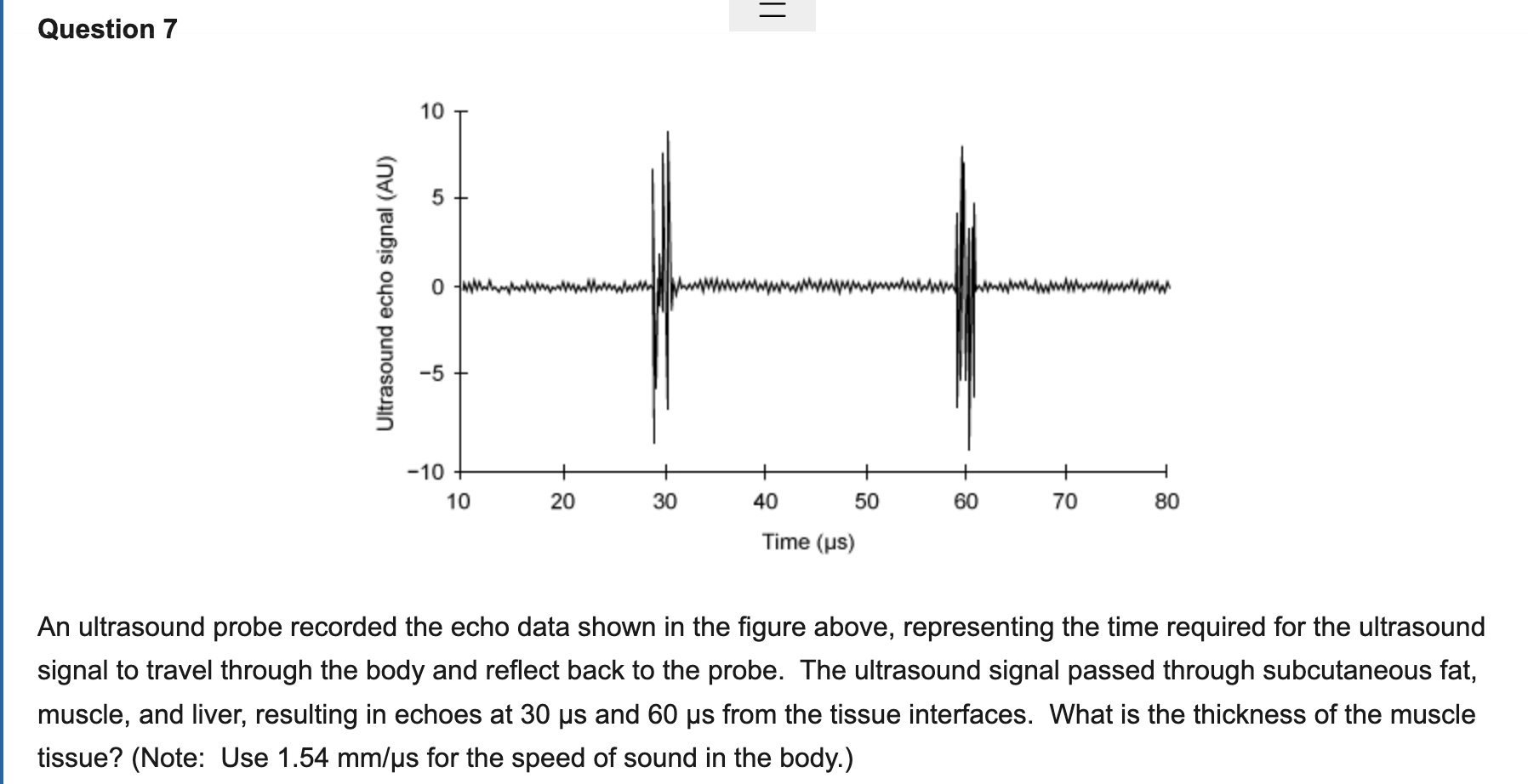

it will be the same because speed of light is 3×10^8m/s

n= C/v where n= refractive index—→ plug in C (3×10^8)/ V (1.6×10^8)—>1.9
Force and Electric field
F= Eq
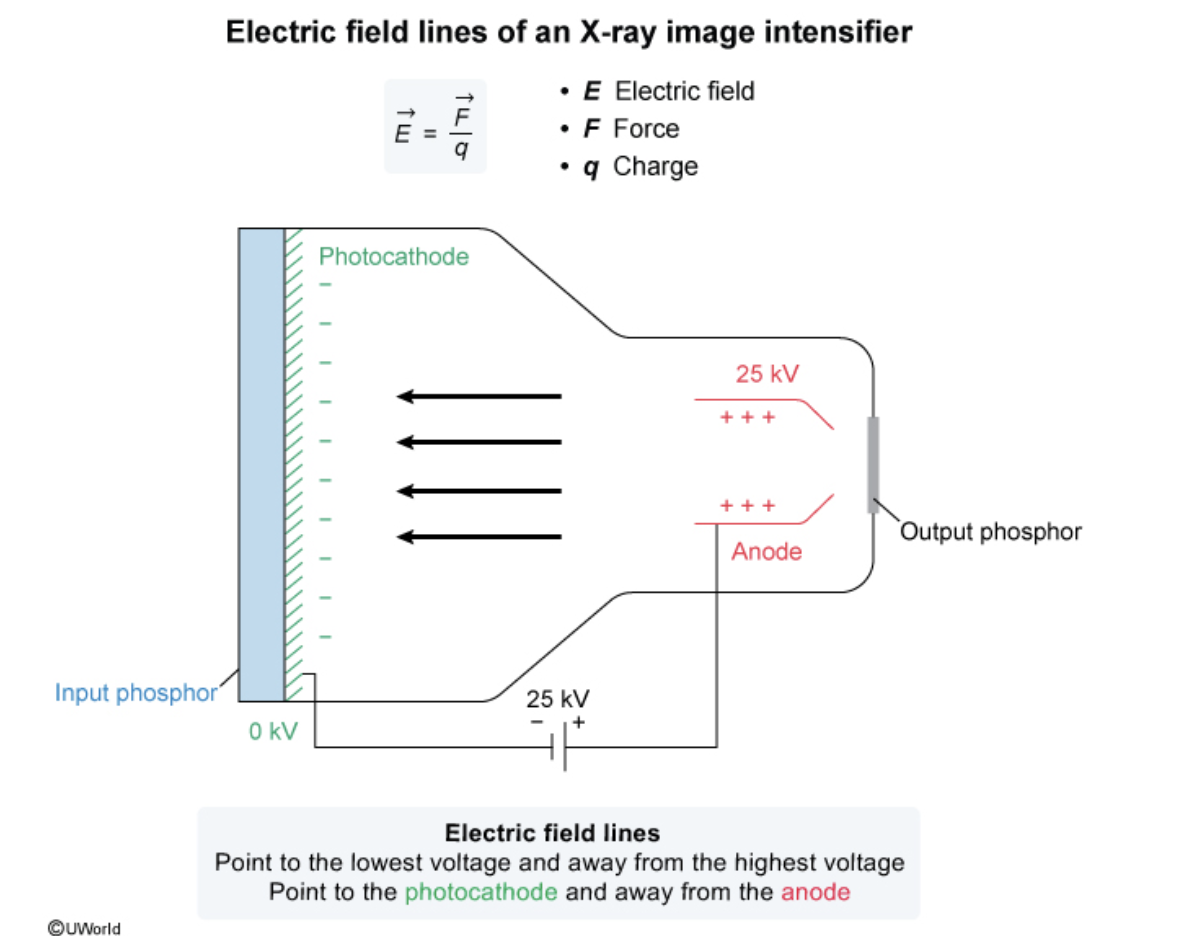
Electric field lines graphically indicate the direction and rlative strenght of E. Where does it begin and end?
begins positive and go towards negative charges, hence they point away from higher voltages towards lower voltages
E field induces postive charges to move in _____ direction as field lines and negative in ____ direction
positve- same direction
negative-opposite
Draw the direction of E-field

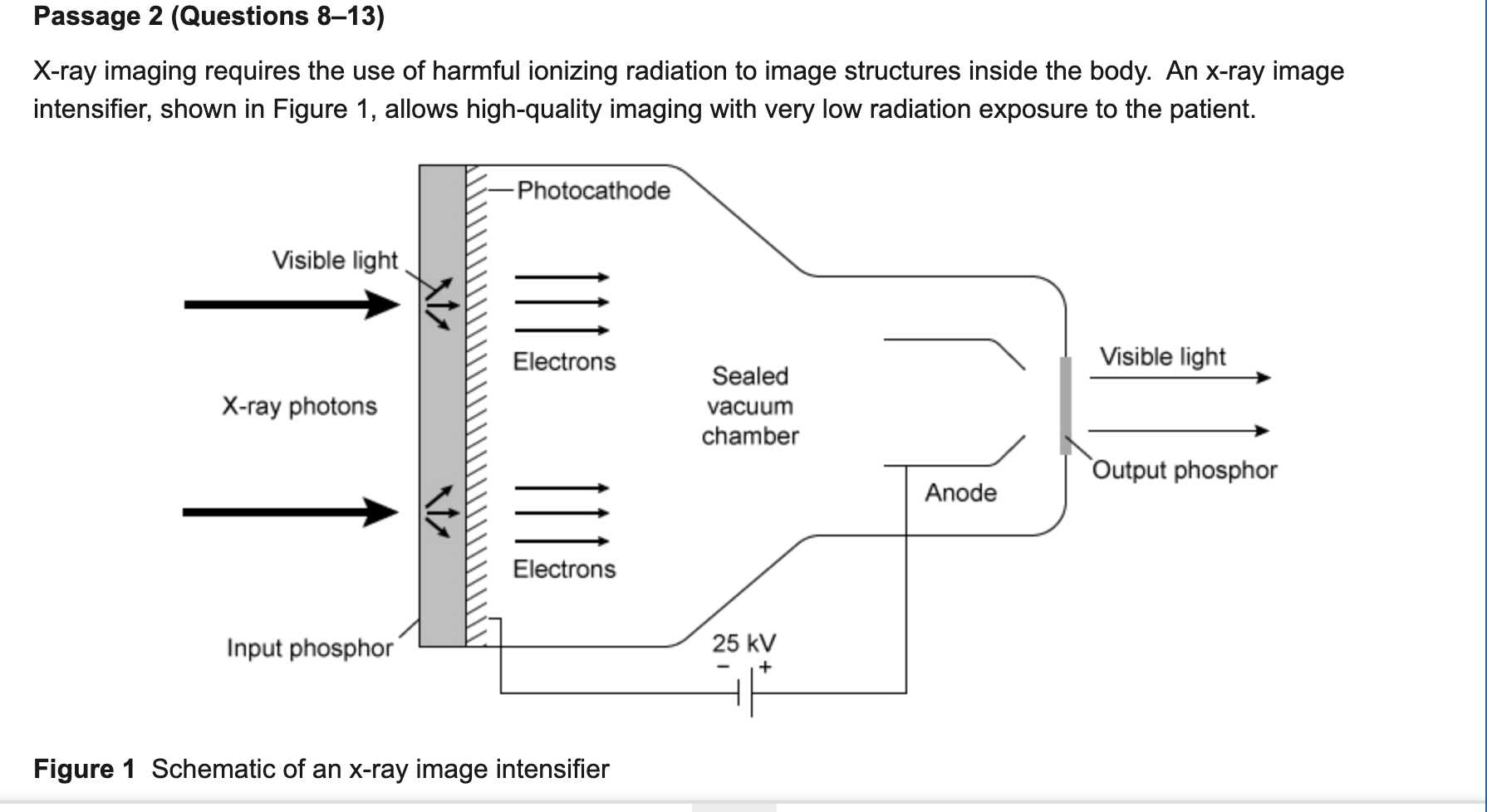
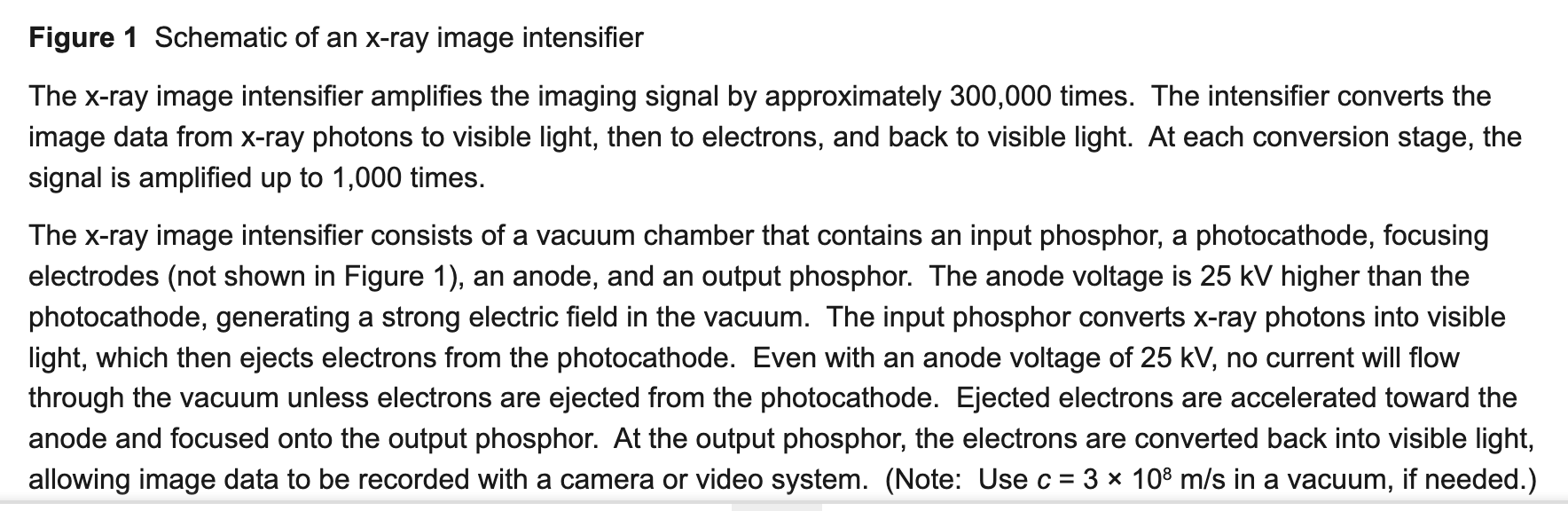
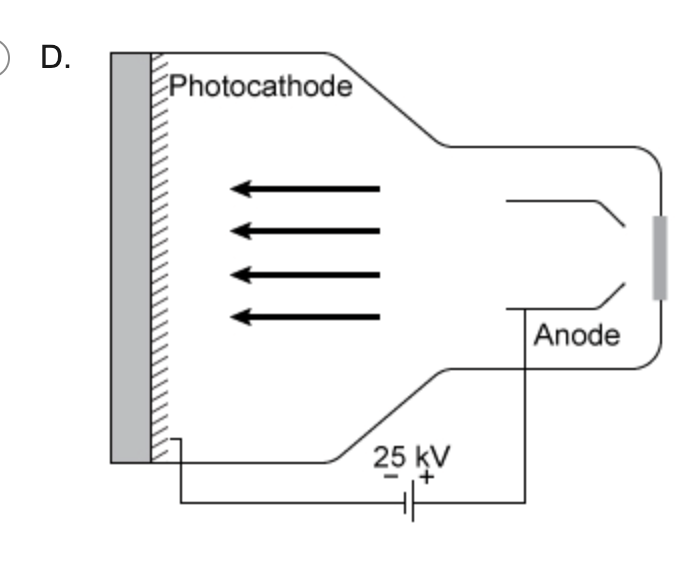
Electrical conductors allow—
the flow of electric charges when they are exposed to a voltage because they contian mobile charge carriers, such as negatively charged electrons or positvely charged carriers
Electrical insulators…. (contain mobile charge carriers?)
do not contain mobile charge carriers, and thus do not allow electric charges to flow when a voltage is applied
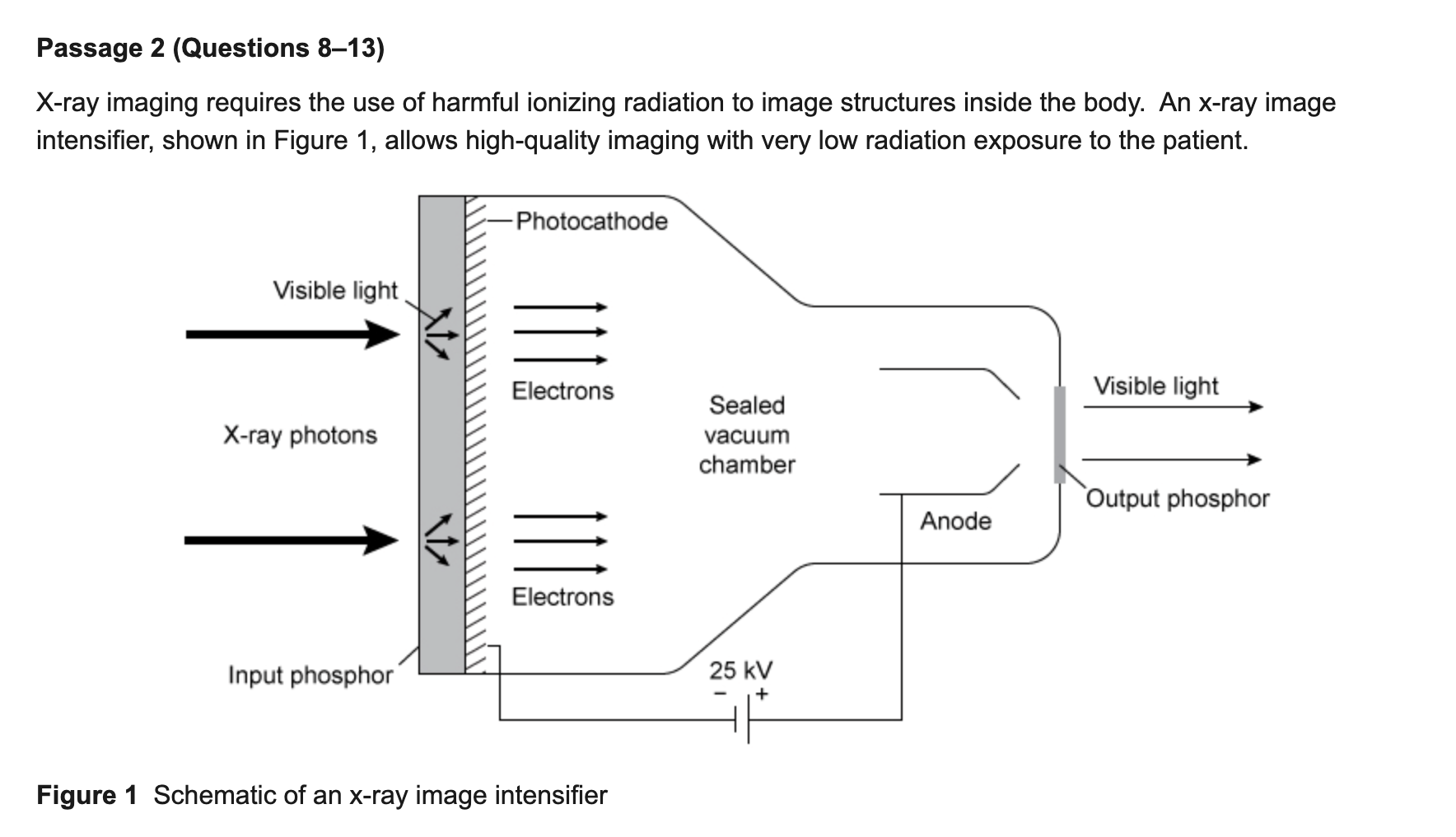
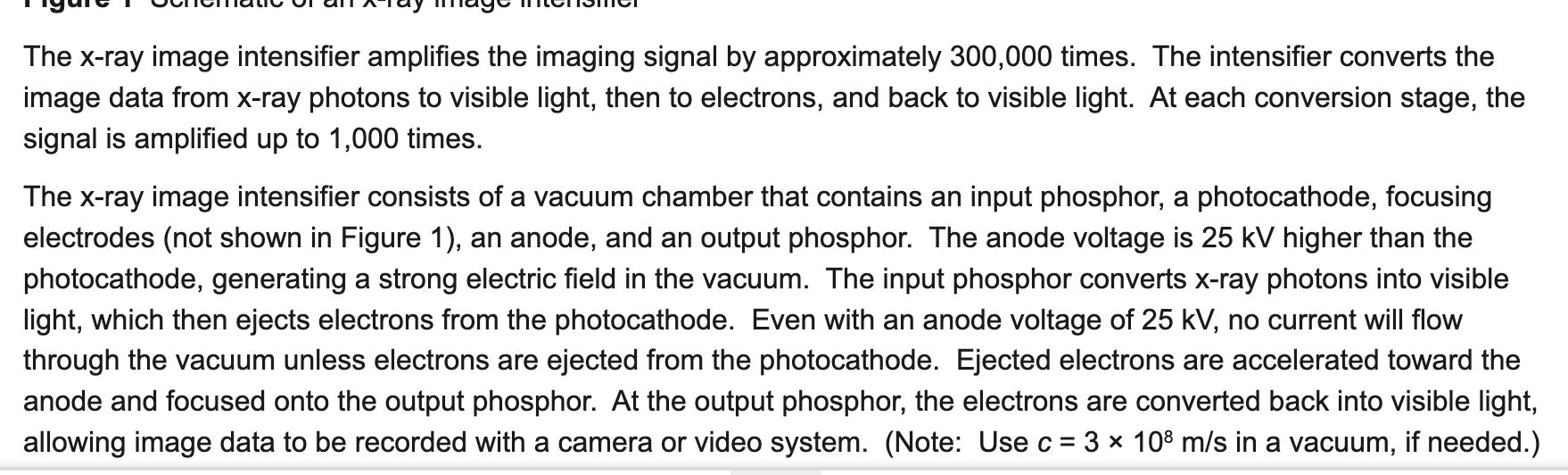
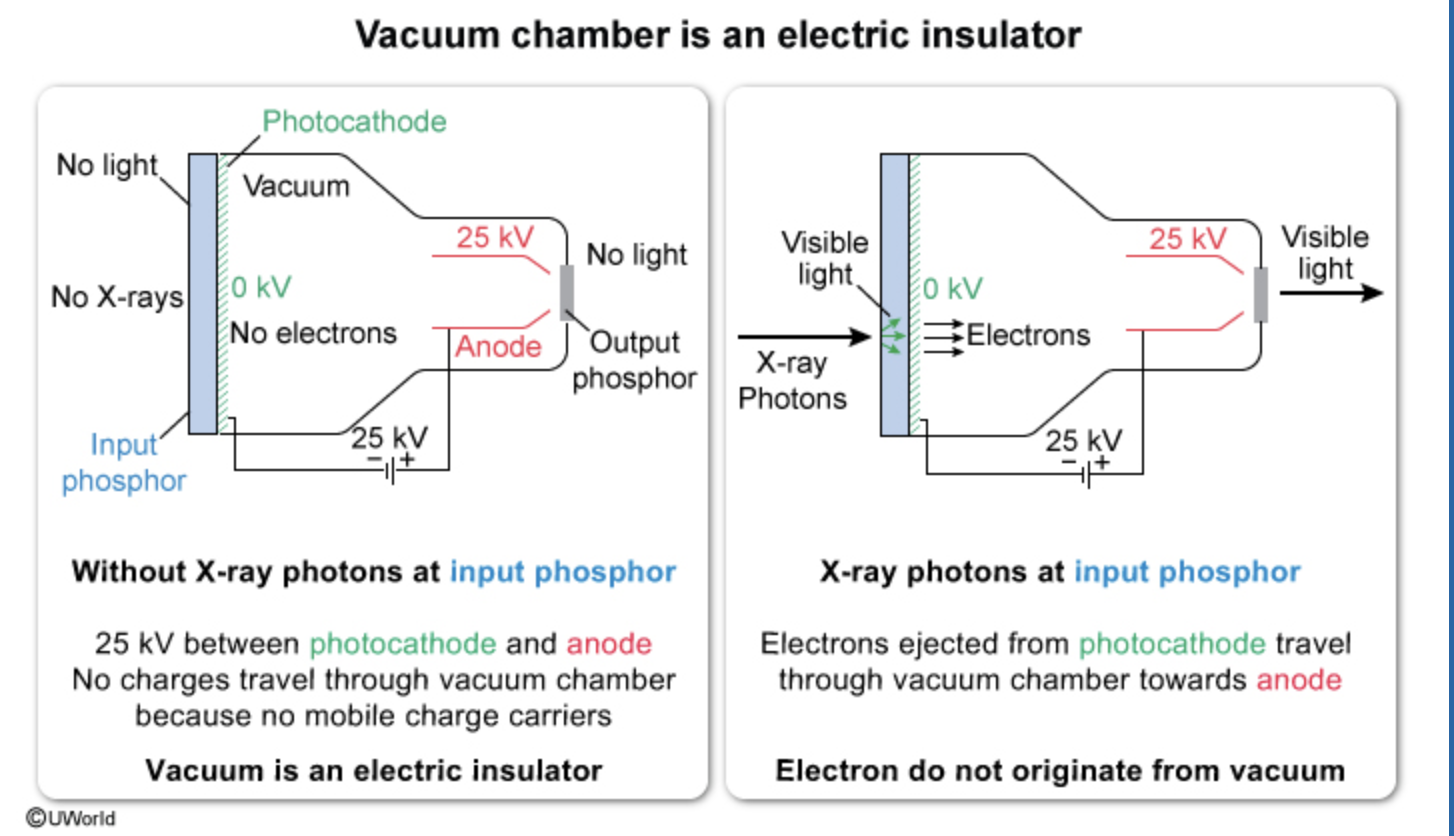
Is the vacuum chamber in an x-ray image intensifier an electrical insulator?
A> Yes, because only electrons ejected form the photocathode cna travel throught he vacuum chamber
B. yes, because no electrons can travel throught eh vacuum chamber
C. no, because electrons can travel through the vacuum chamebr even without x-raysn at input
Answer. A
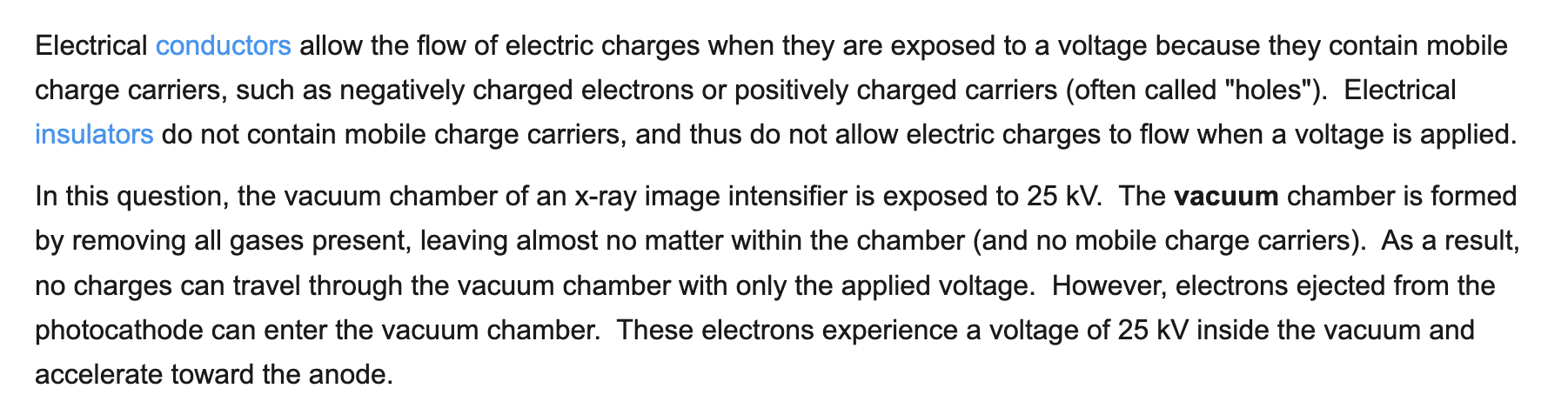

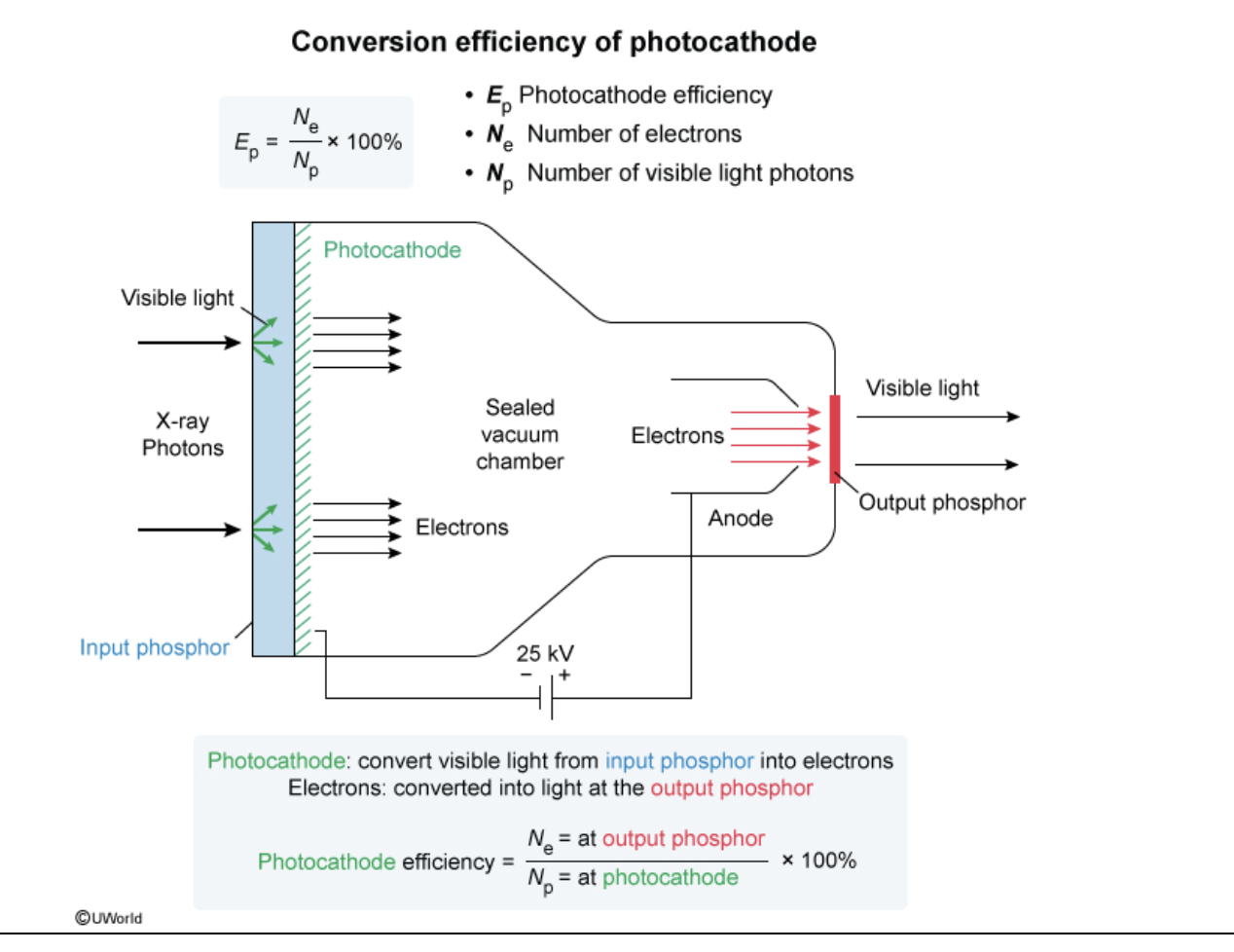
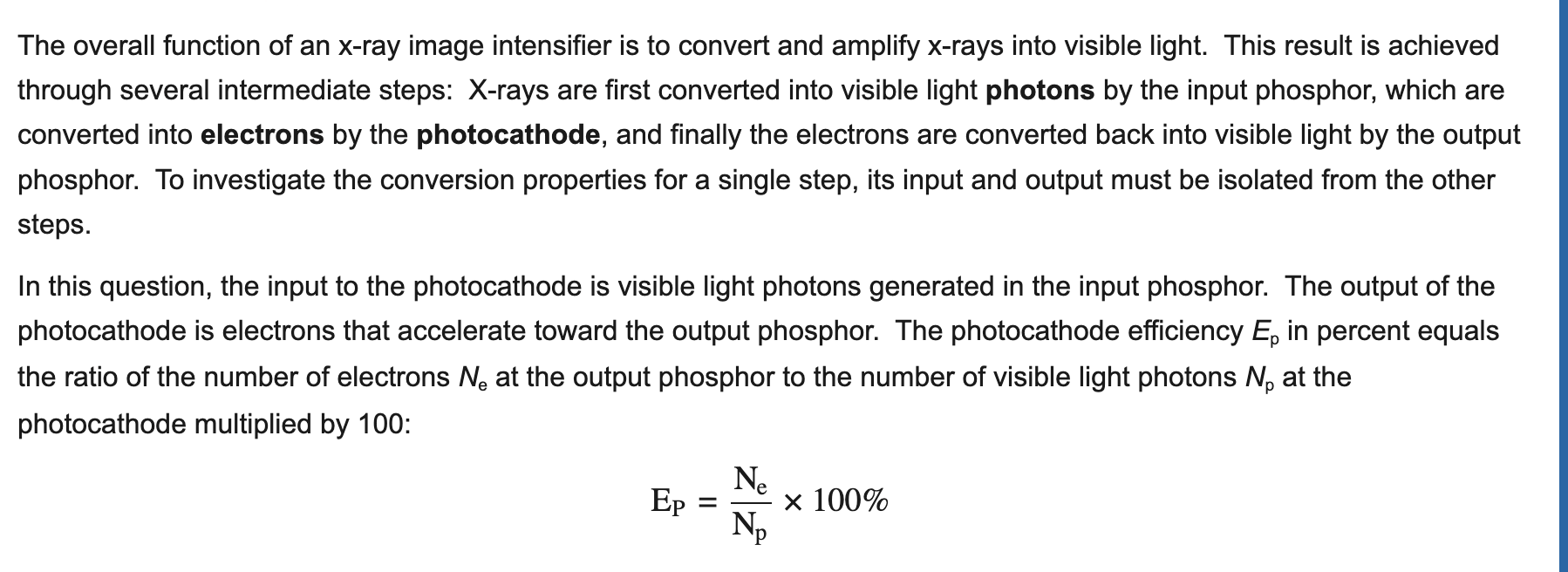
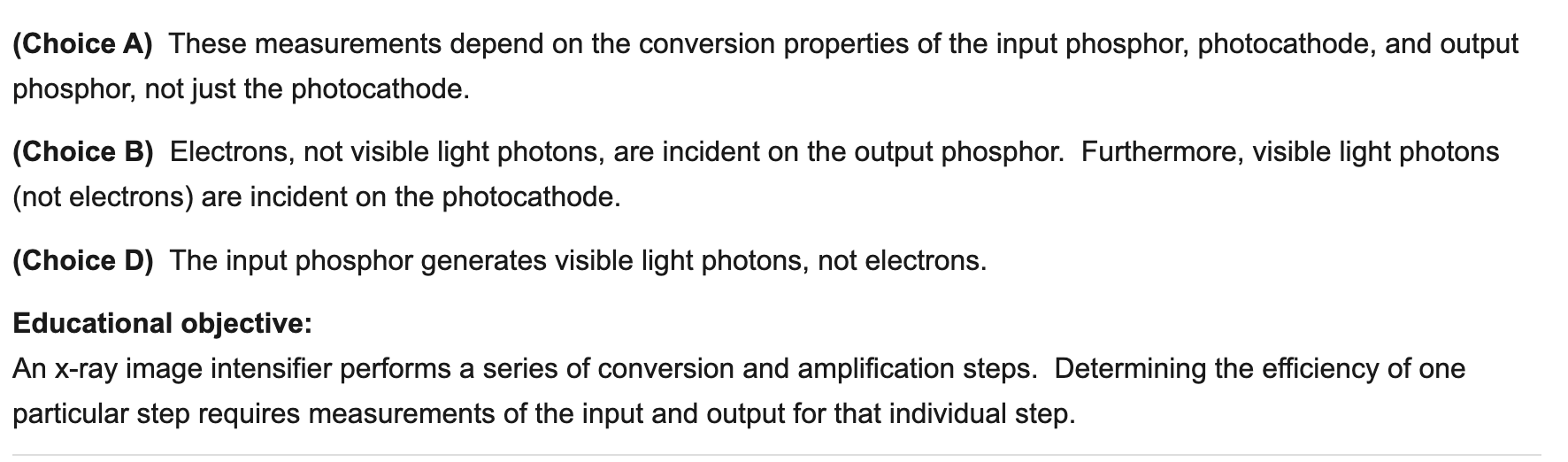
A. number of x-rays incident on the input phosphor and number of visible light photons generated at output phosphor
C. number of visible light photons icident on the photocathode and number of electrons incident on the output phosphor
D. Nymber of visible light on the photocathode and nymber of electrons generated by input phosphor
Answer: C

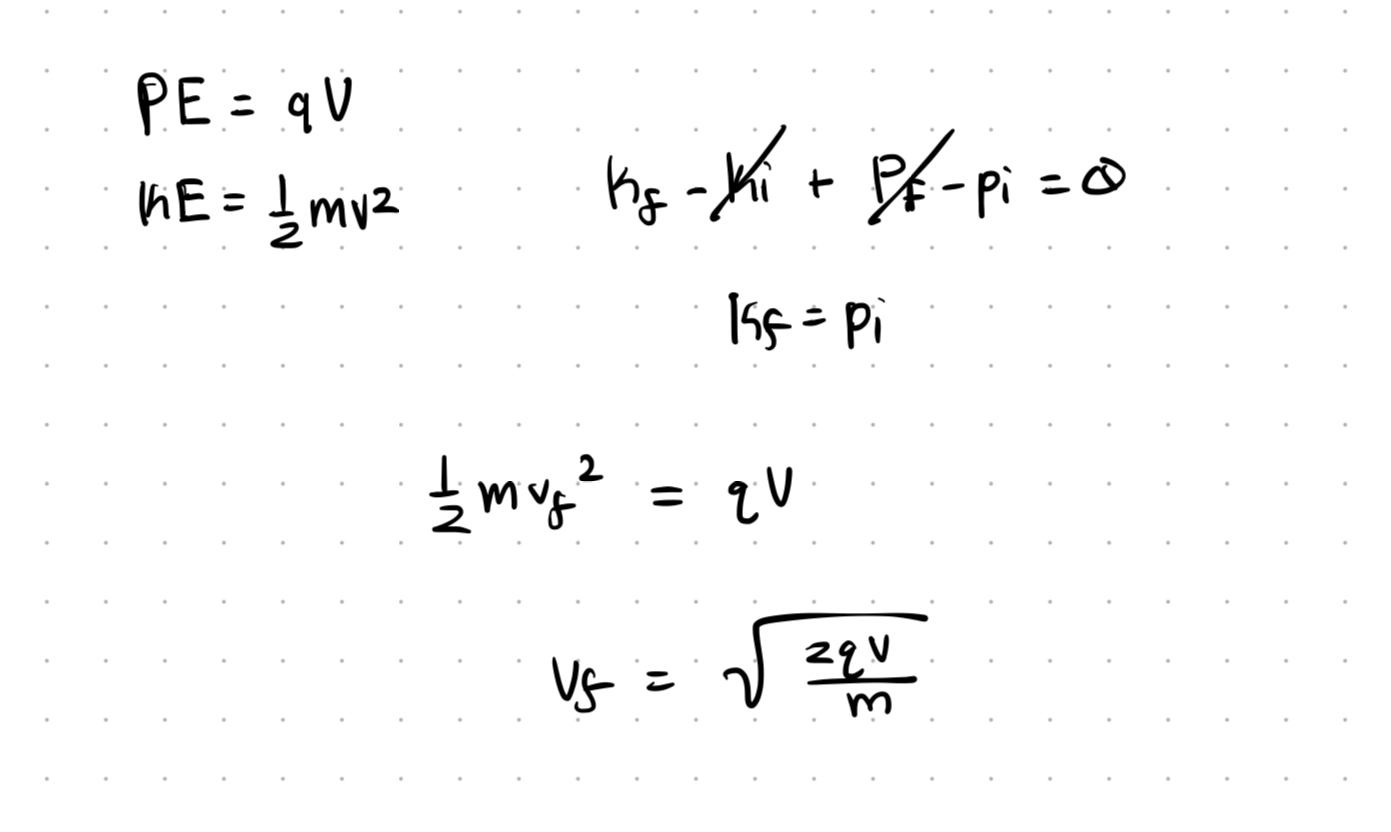

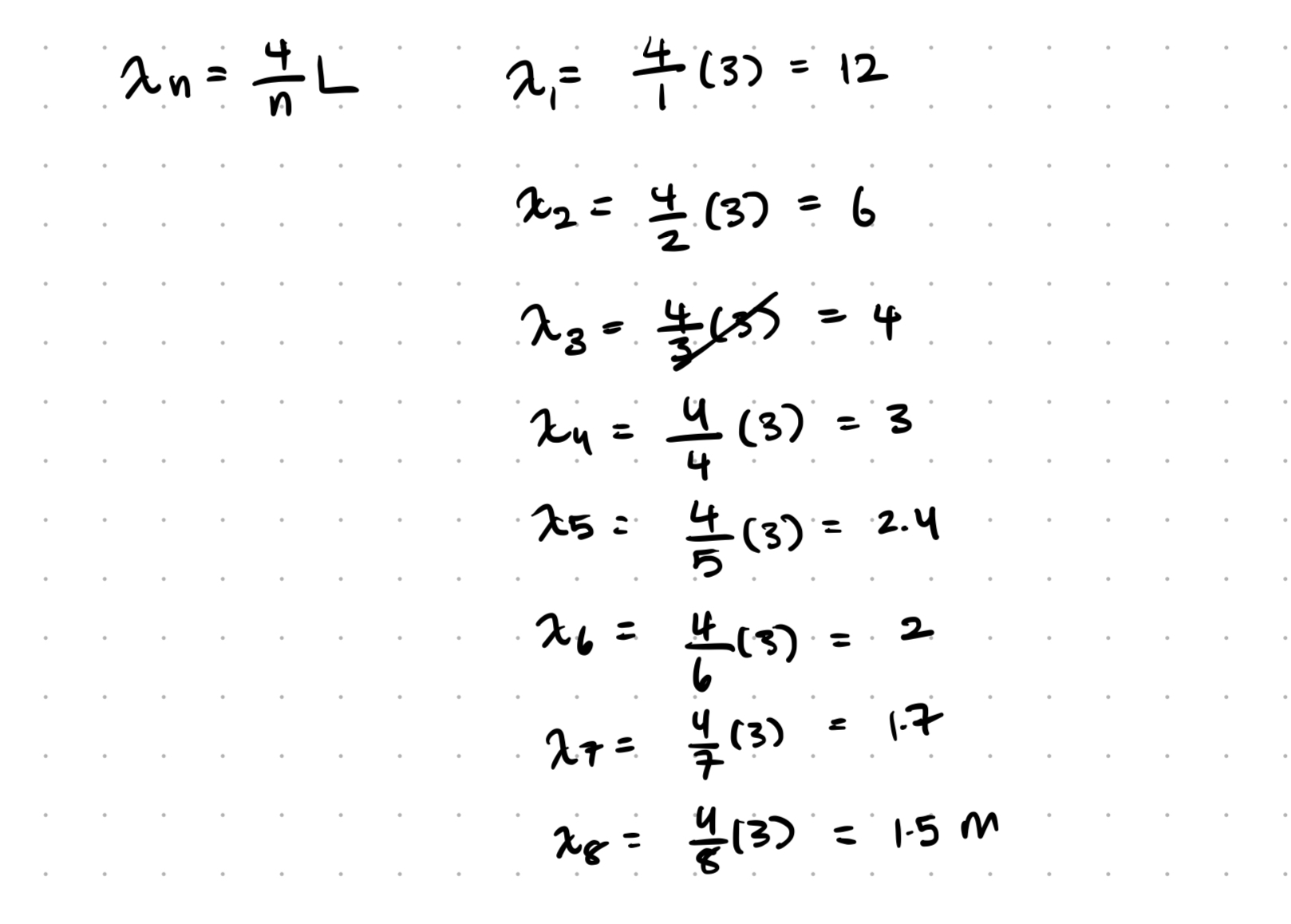
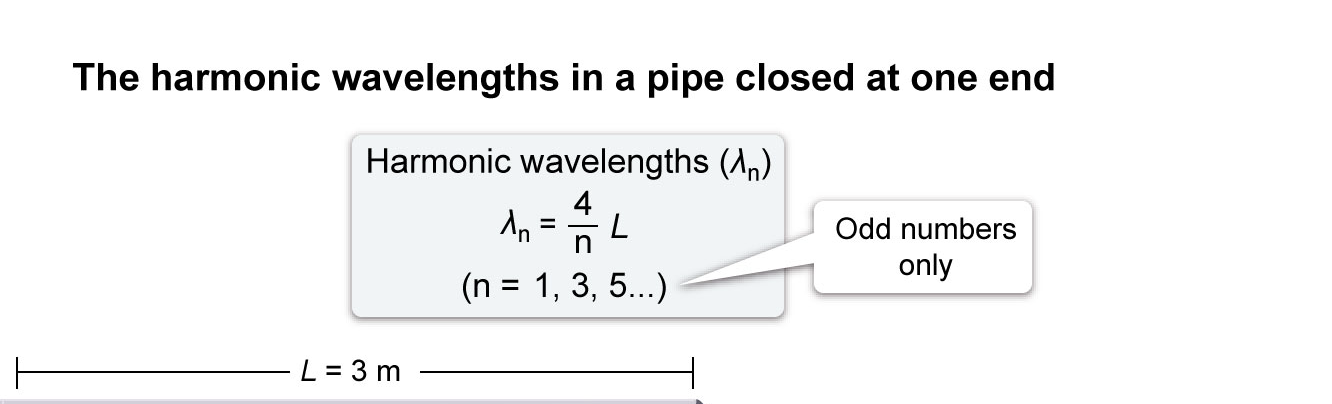
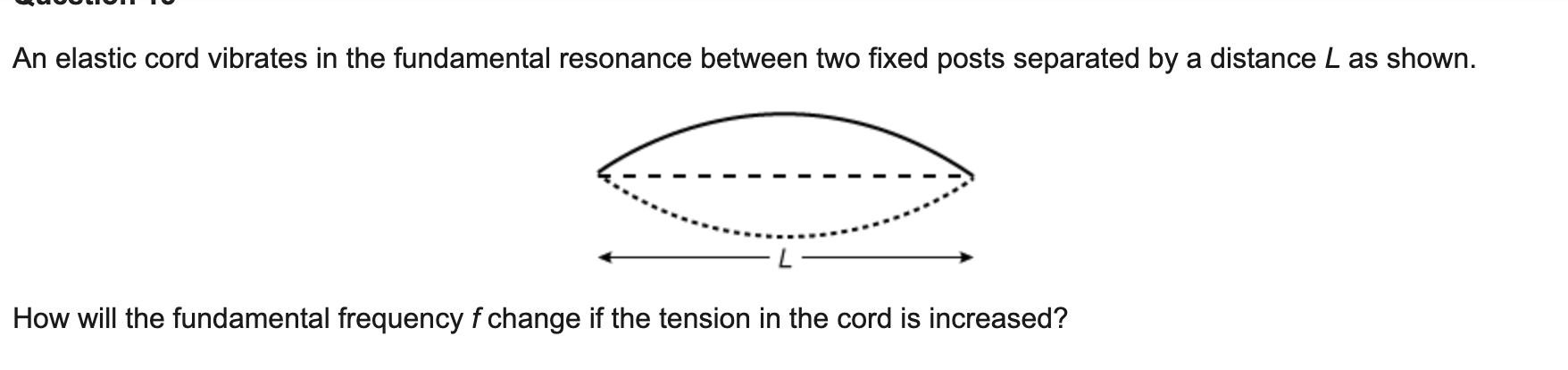

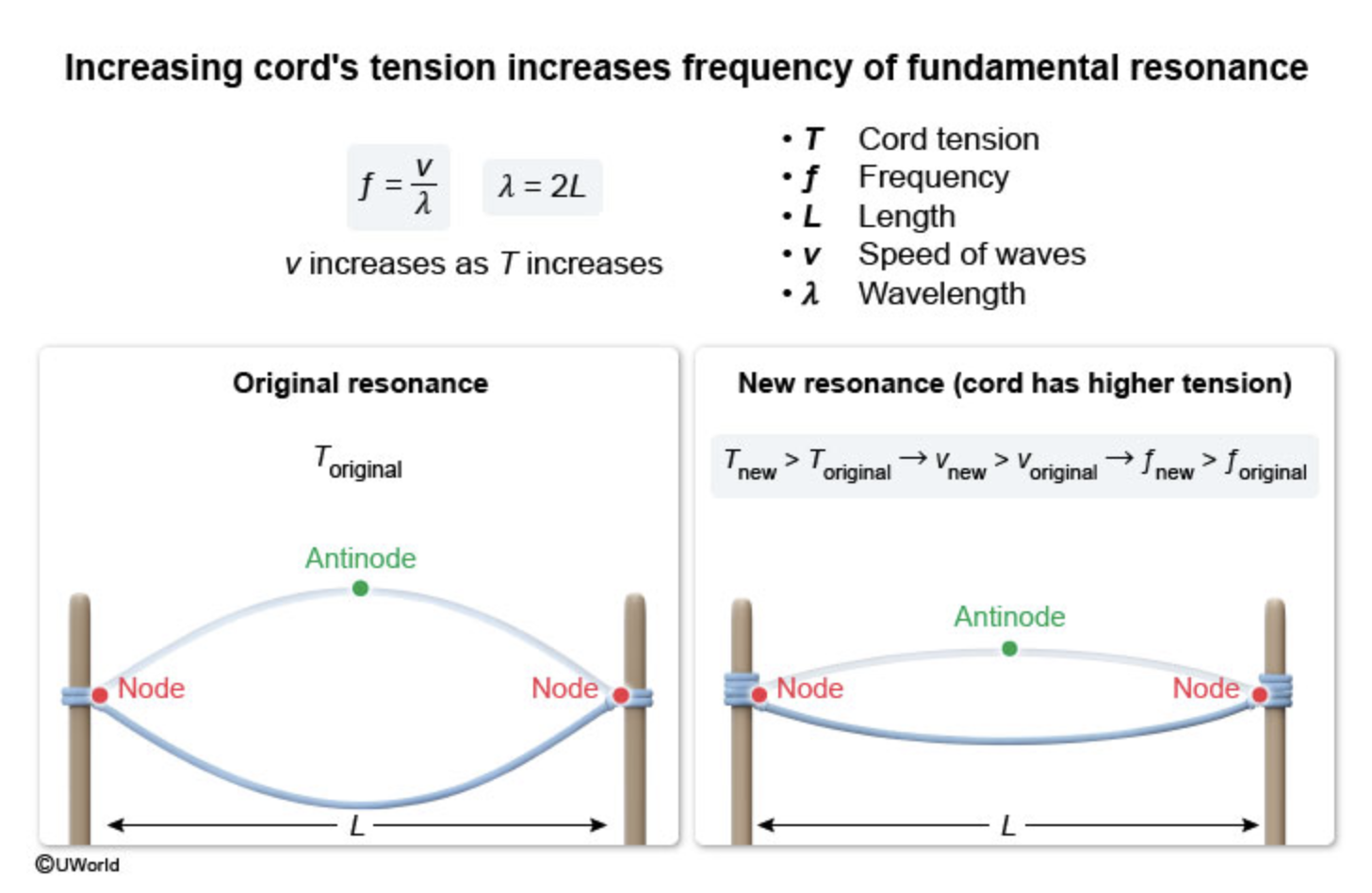
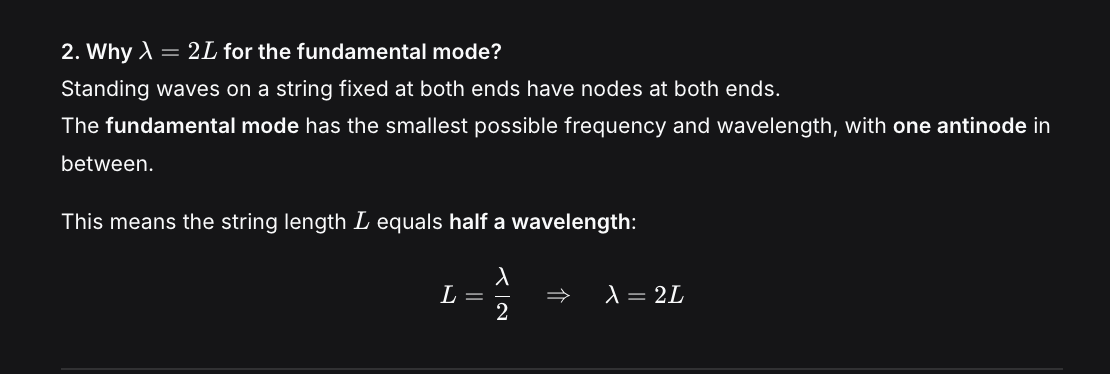
F will….
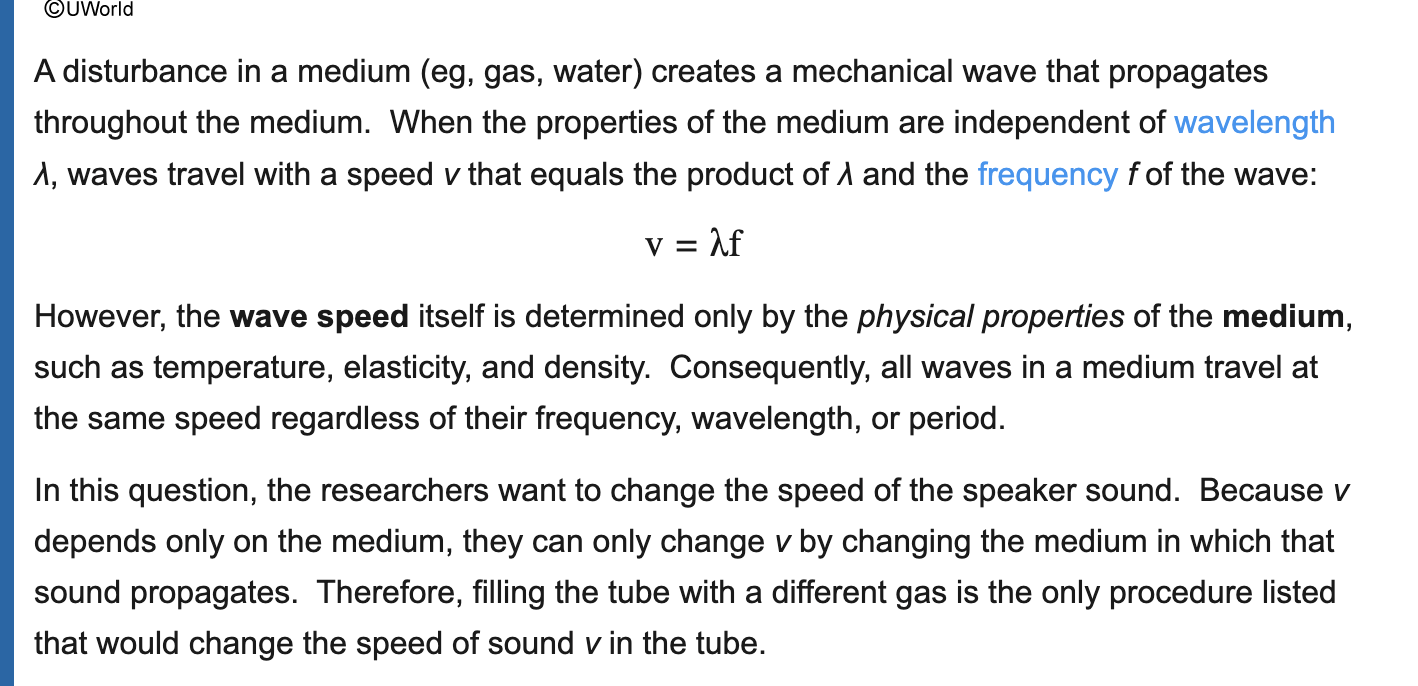
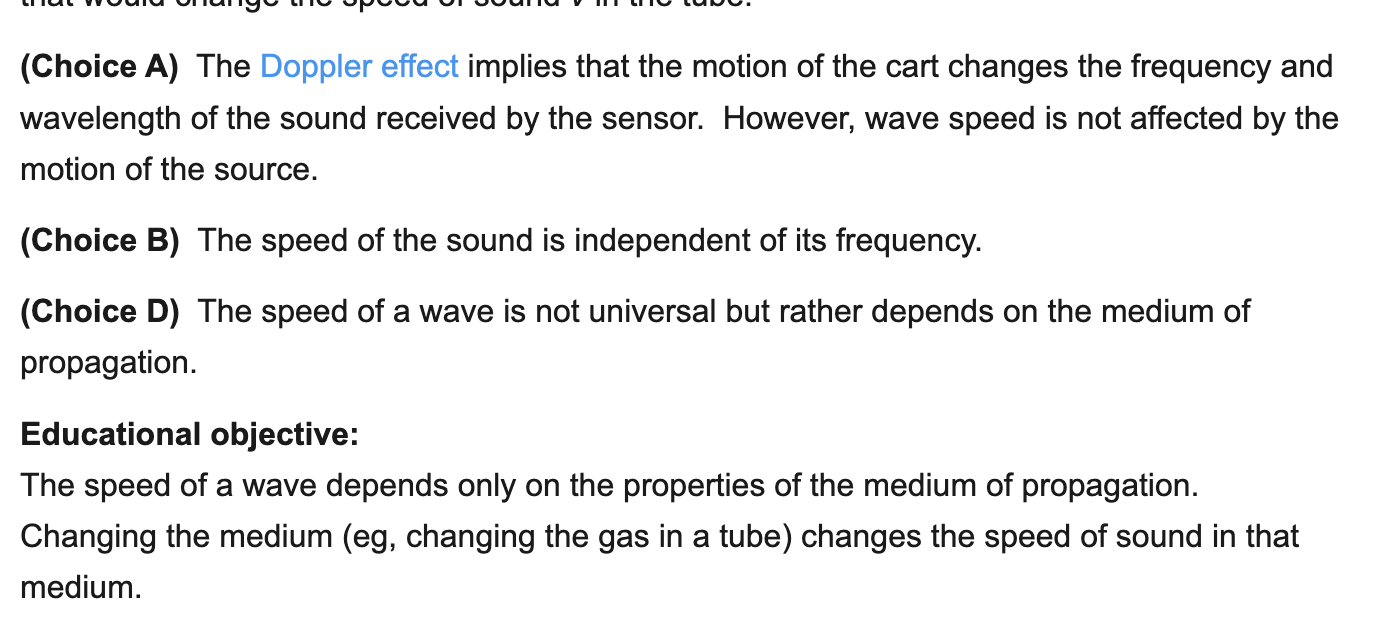
A. decrease because waves will travel at a lower speed along the cord
B. will not change because the posts remain the same distance apart
C. will not change because waves will travel at the same speed along the cord
D. will increase because waves will travel at a higher speed along the cord
Answer: D


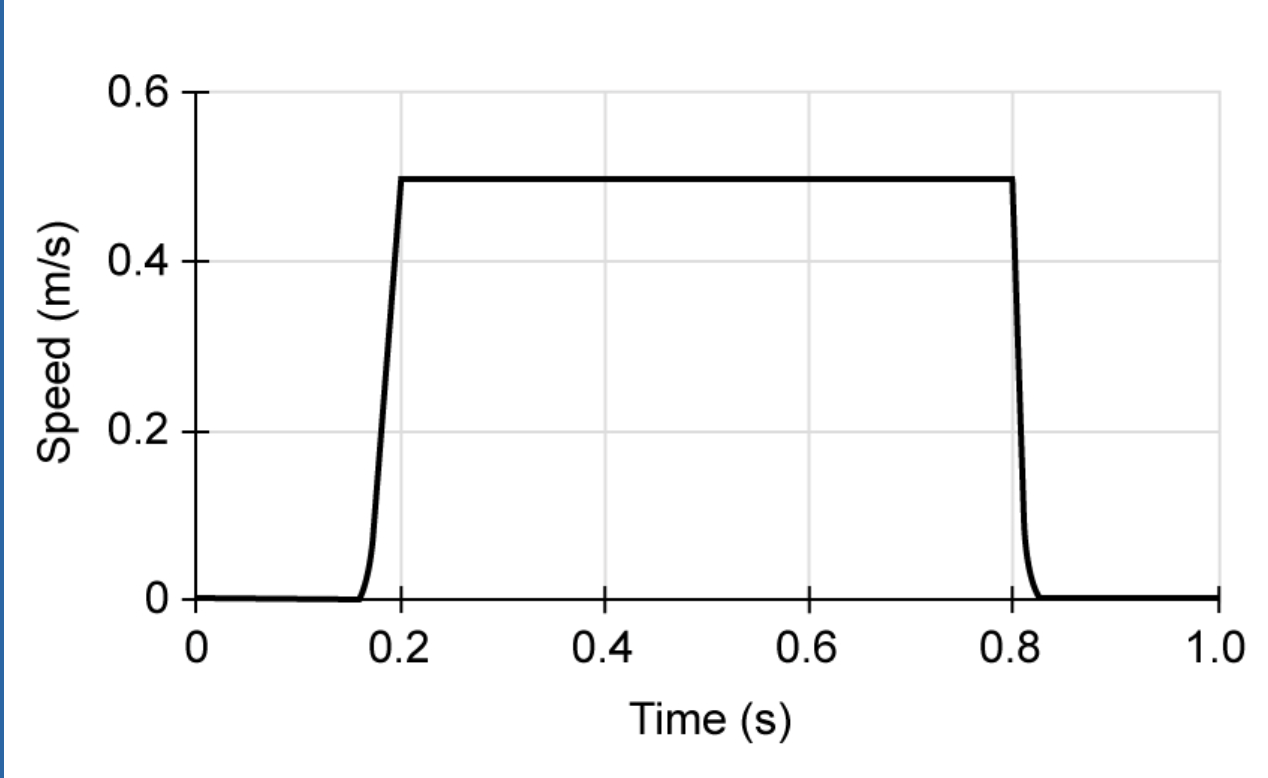
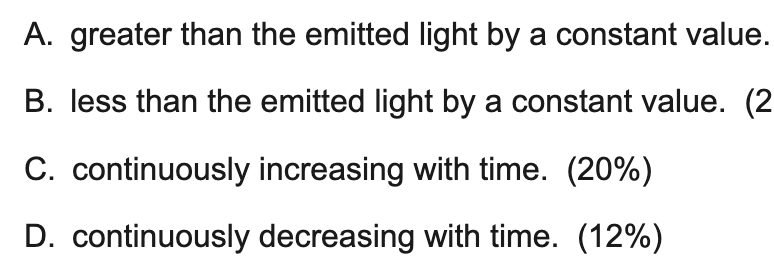
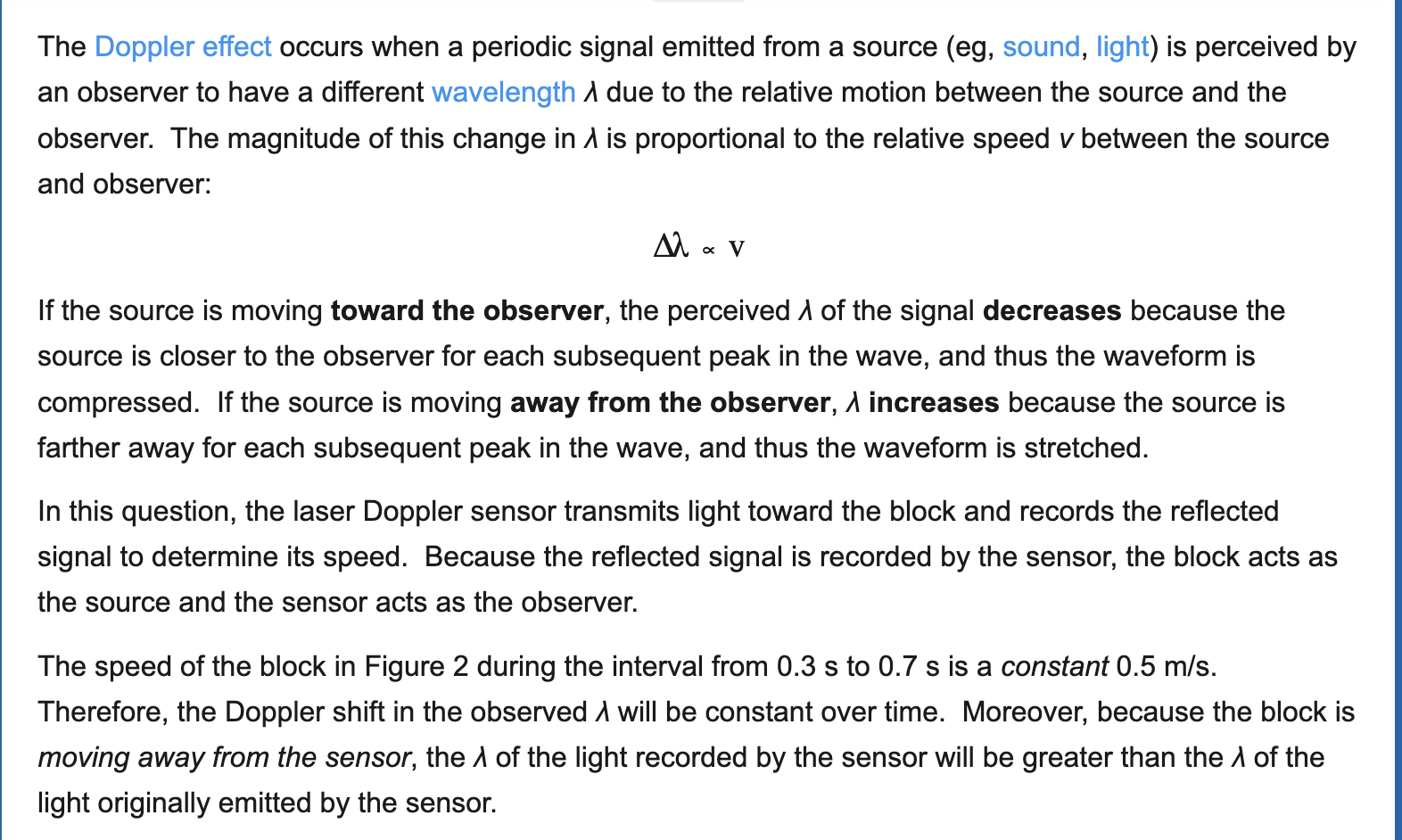
Passage C
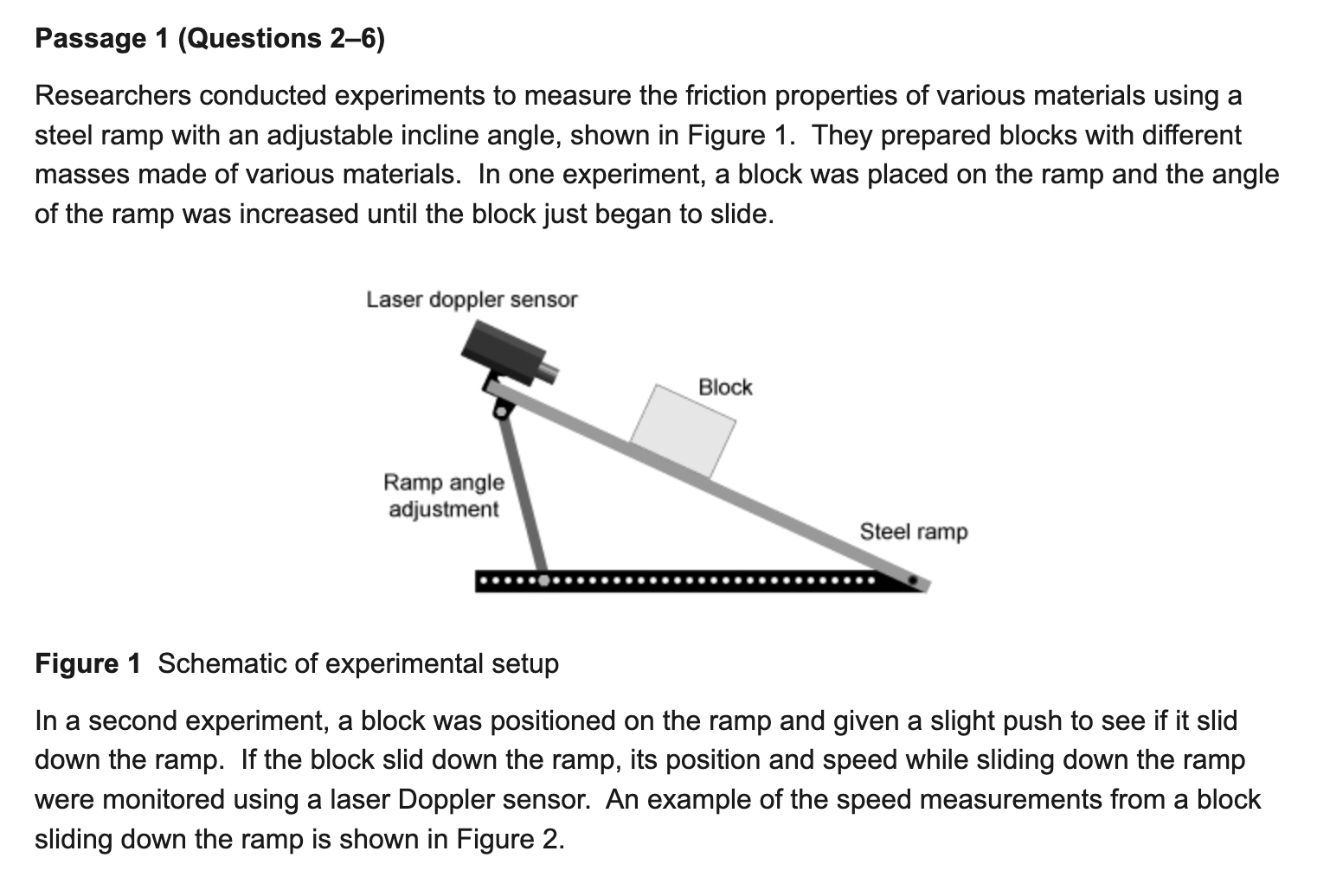
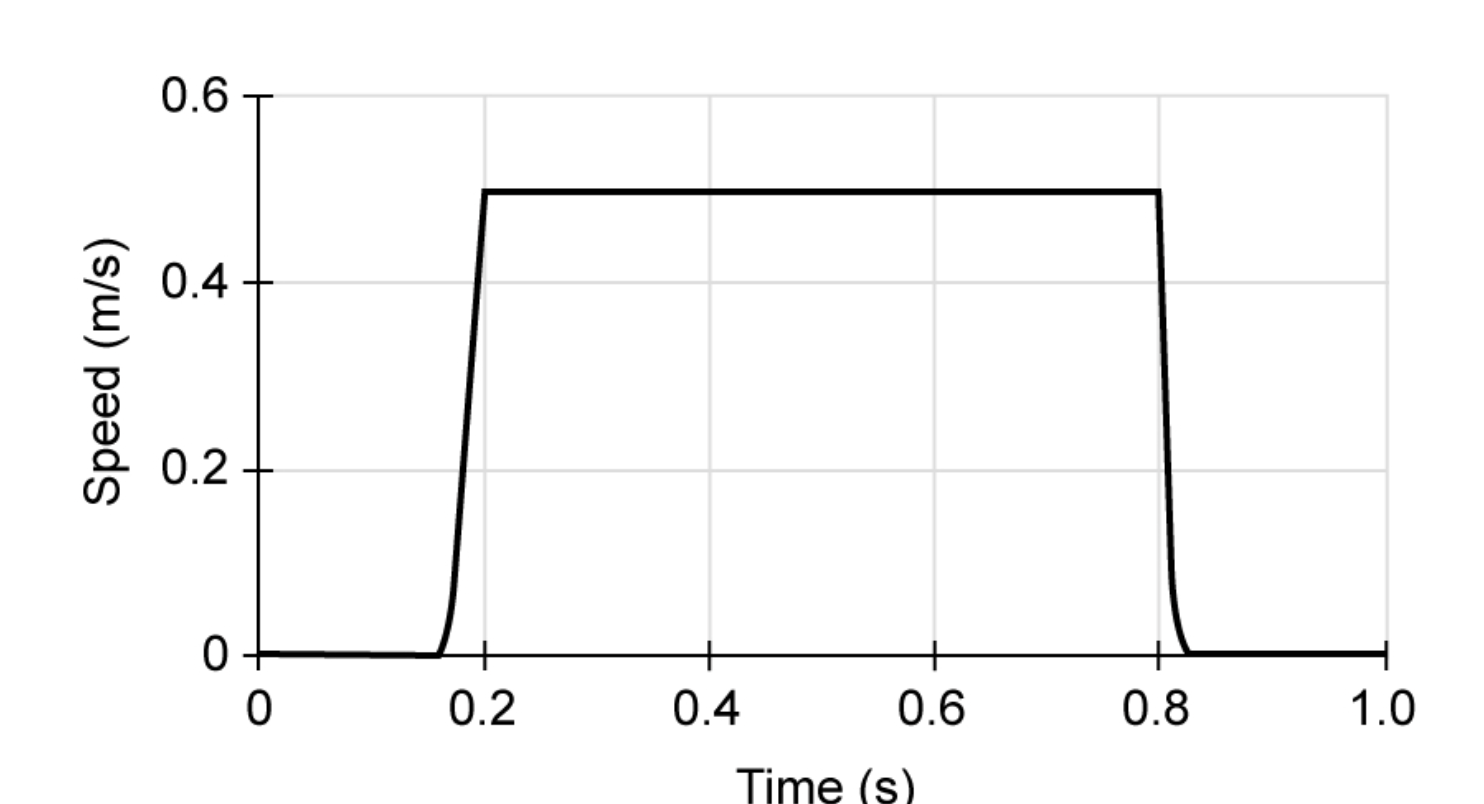
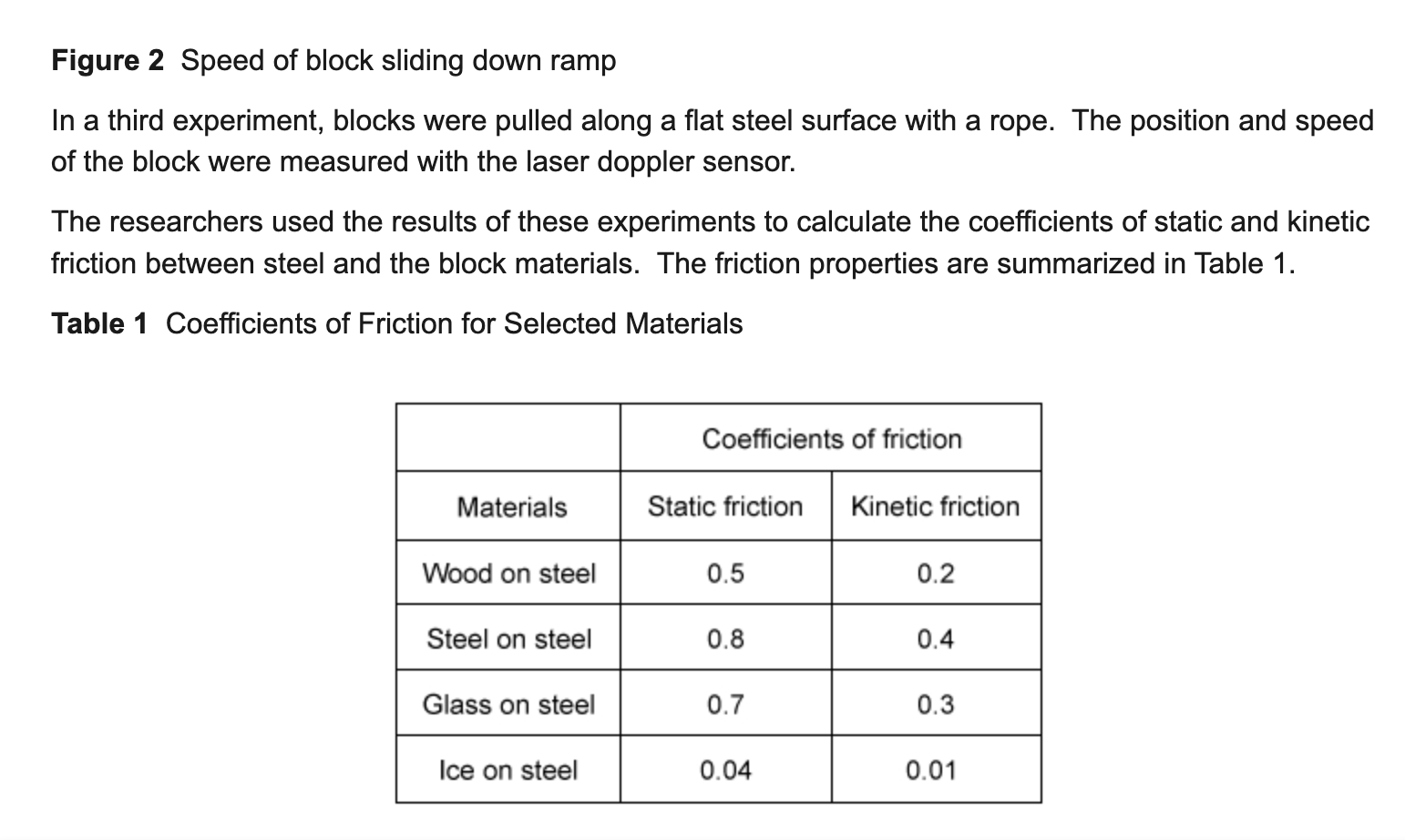
Passage C

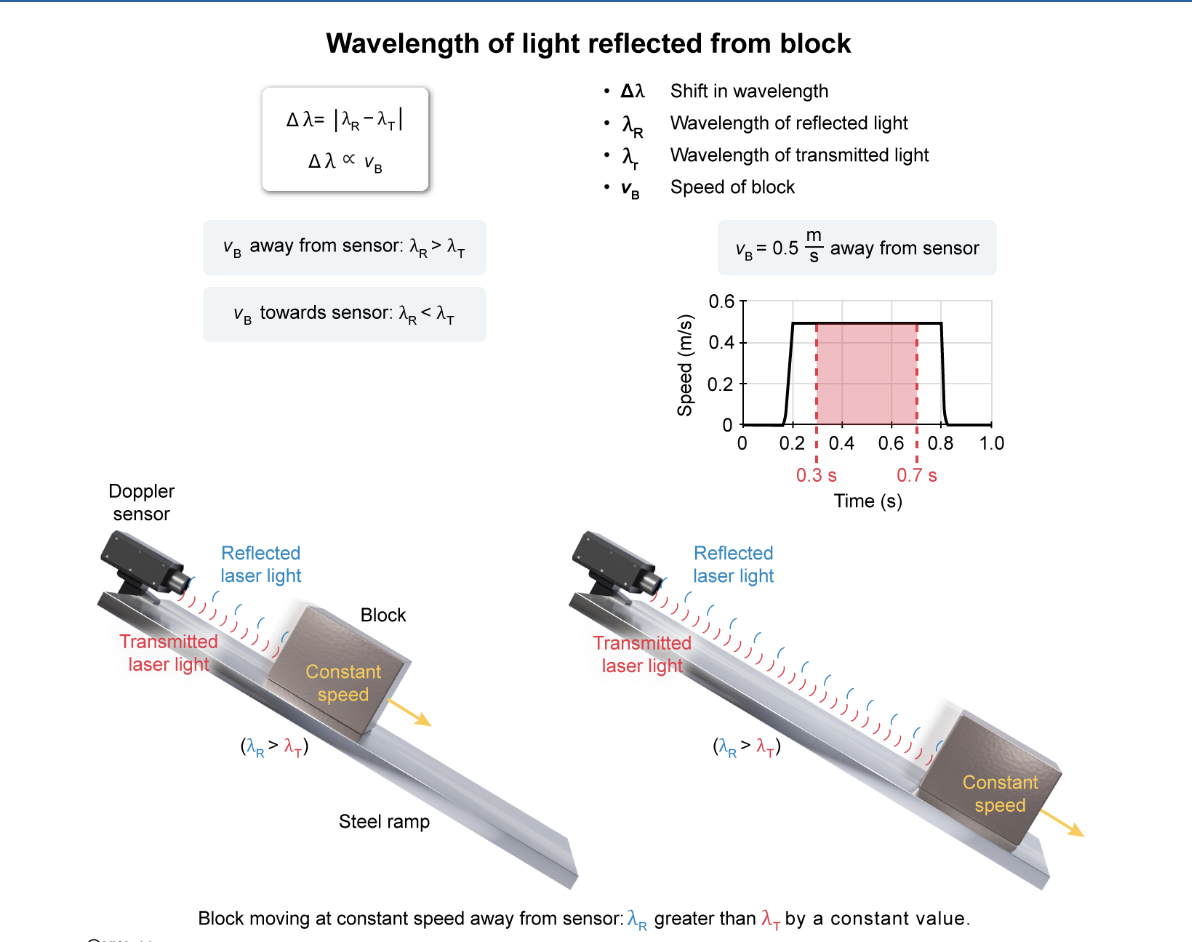
As wave propagates, it carries energy form one location to another. Energy contianed in a wave is indirectly proportional to the square of its amplitude. True or false?
Flase—- it is directly proportional
When a wave moves form one medium to another, the amplitude and wavelength changes but not the frequency (true or flase)
True

is this logic correct?
No, although standing waves may be shorter, this change is caused by the wave mvoing form one medium to another.
The wavelenghts of sound waves and standing waves are not the same because the air and string are different media
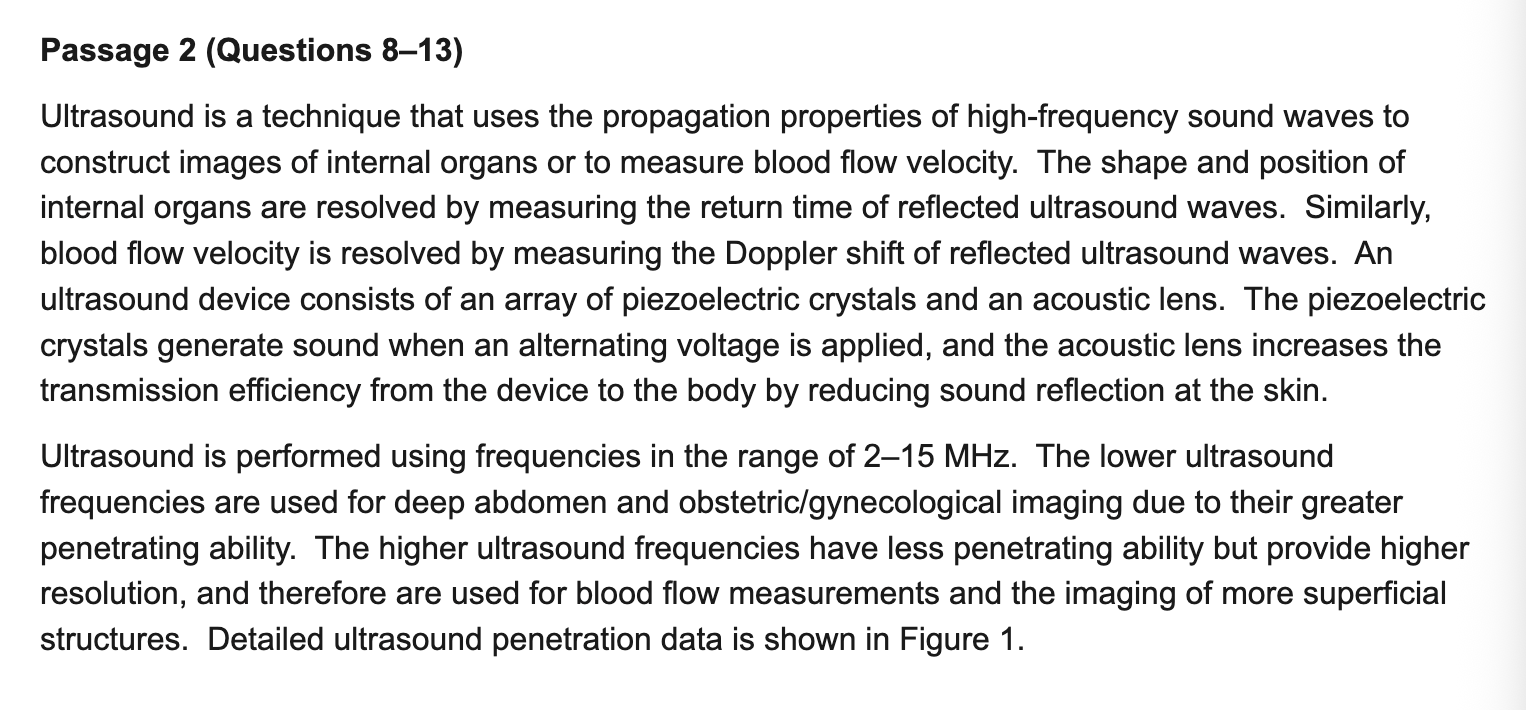
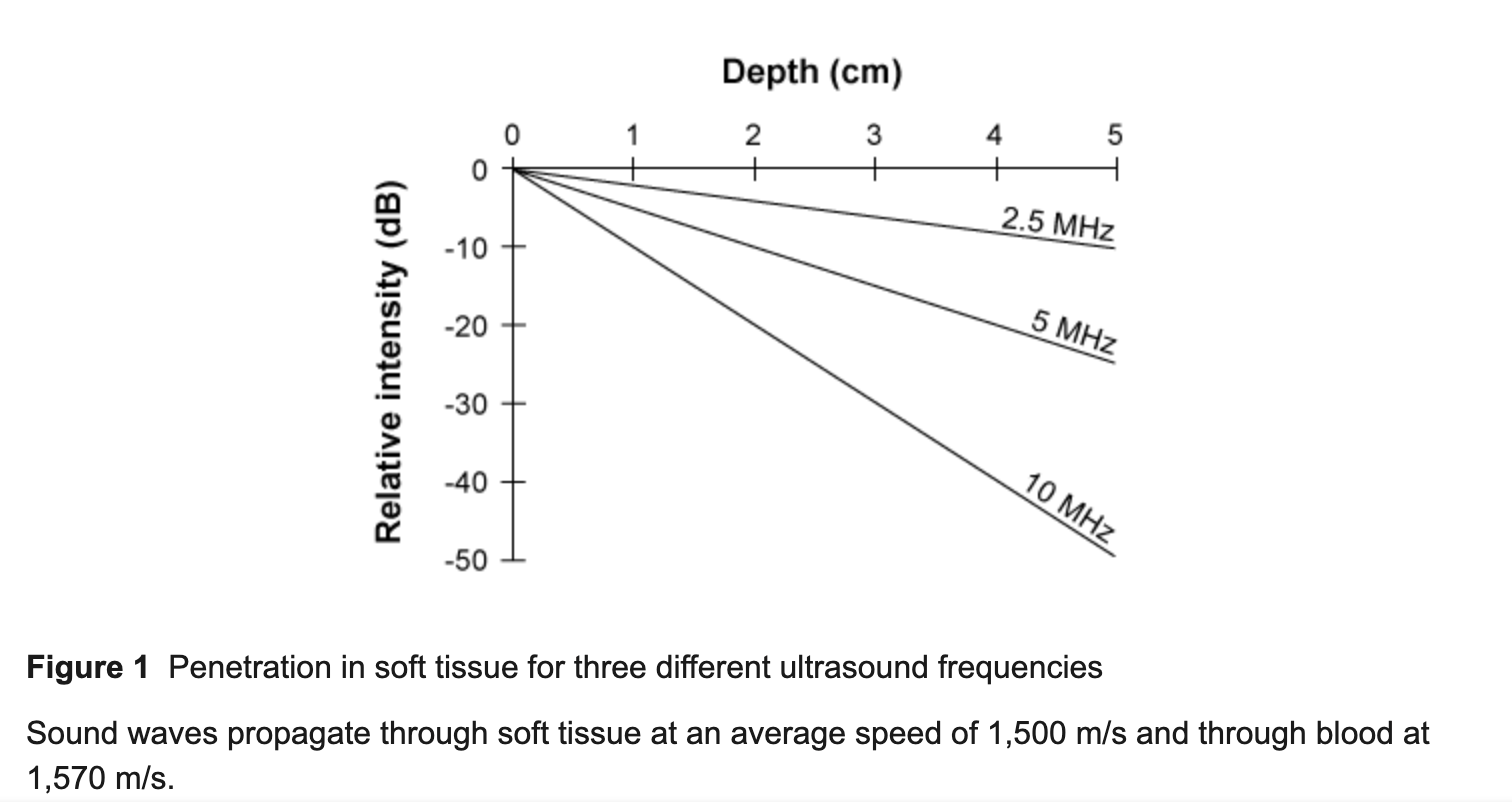

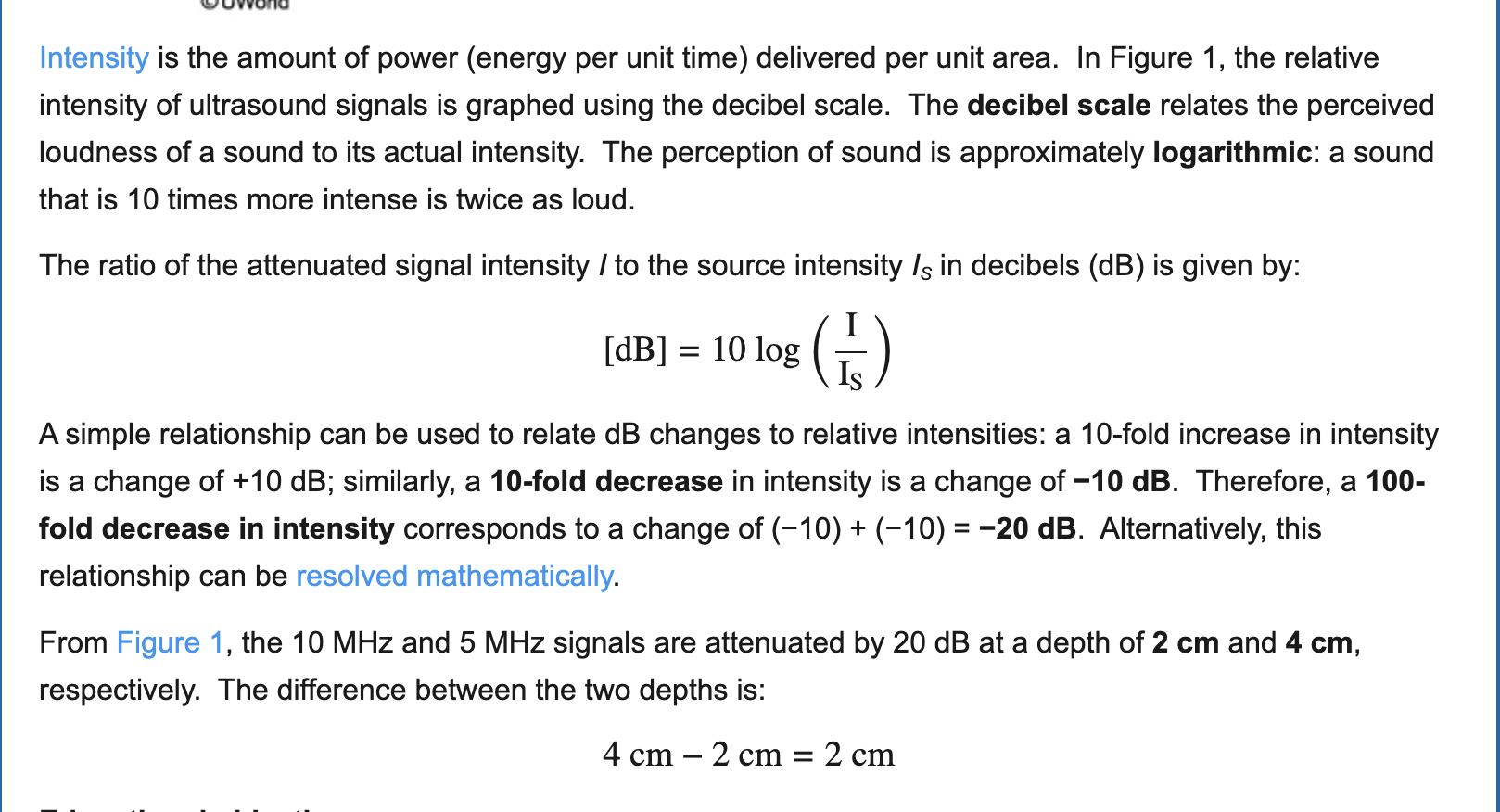

draw it
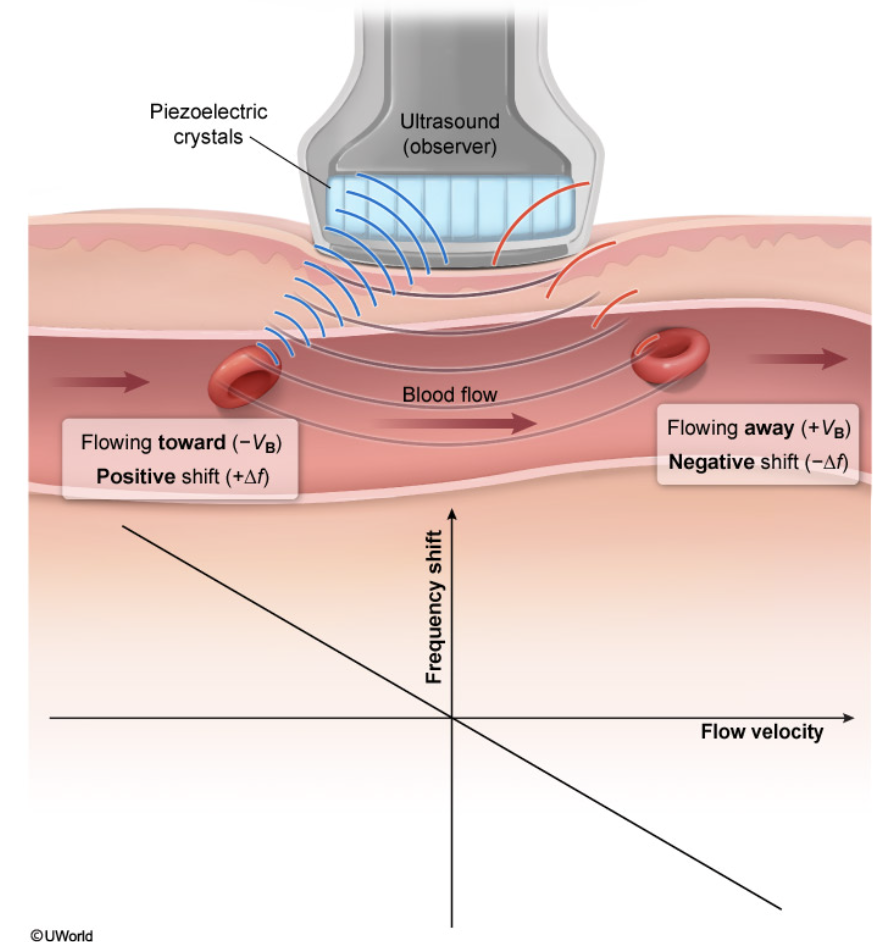
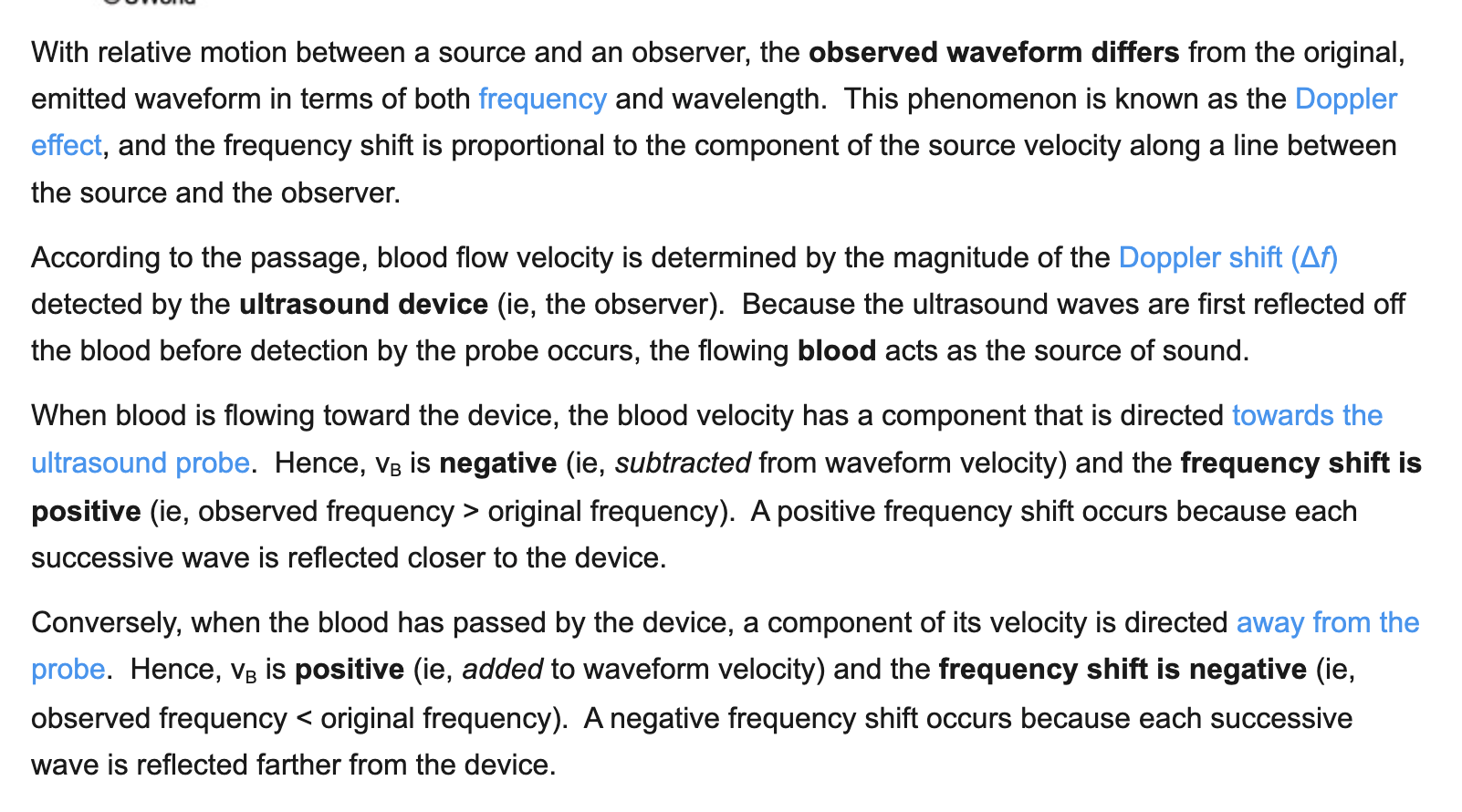

Sound is propagated in the form of…
Pressure waves by the vibration/pressure of the molecules in a medium. NOT heat waves or electric waves

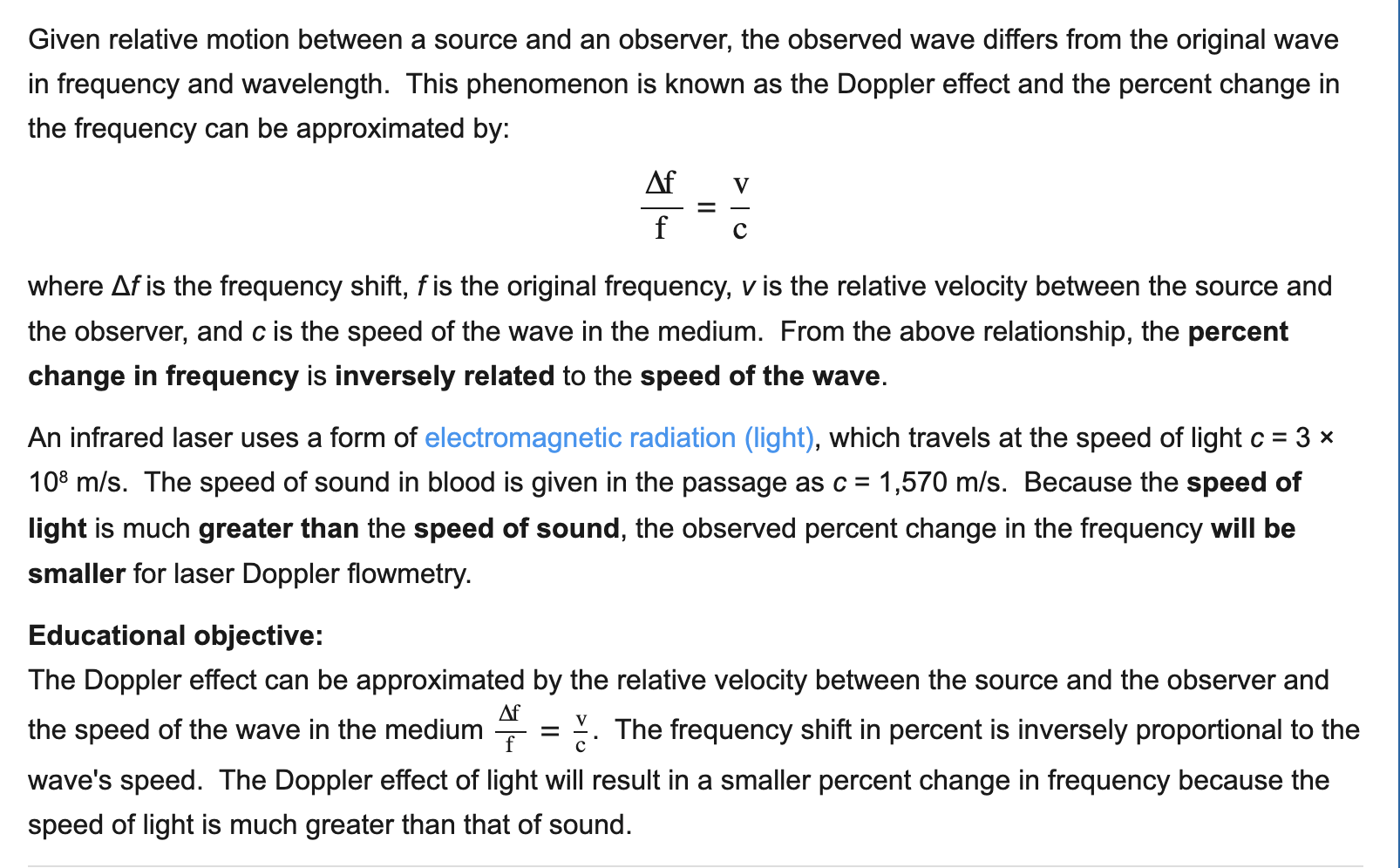
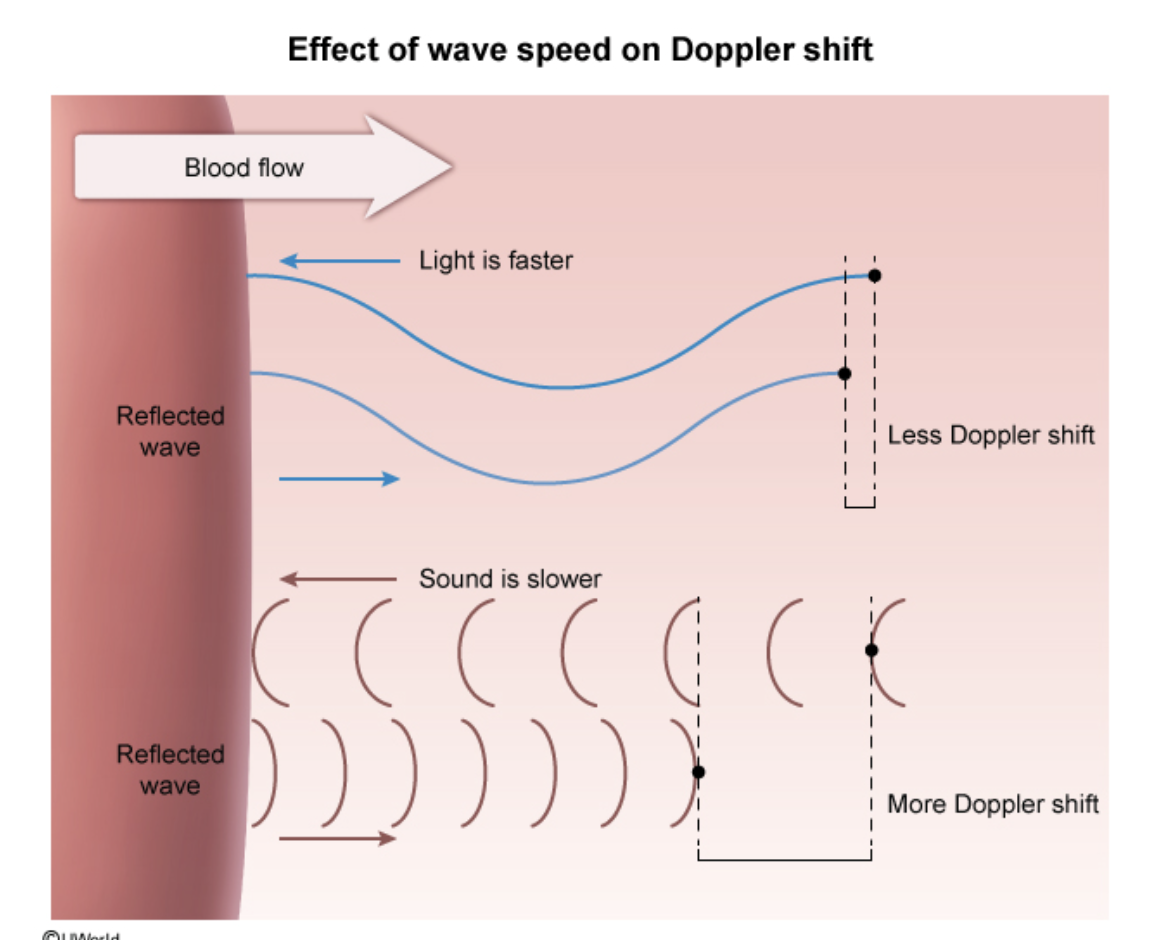
smaller, larger, or same?
Smaller, light travels faster

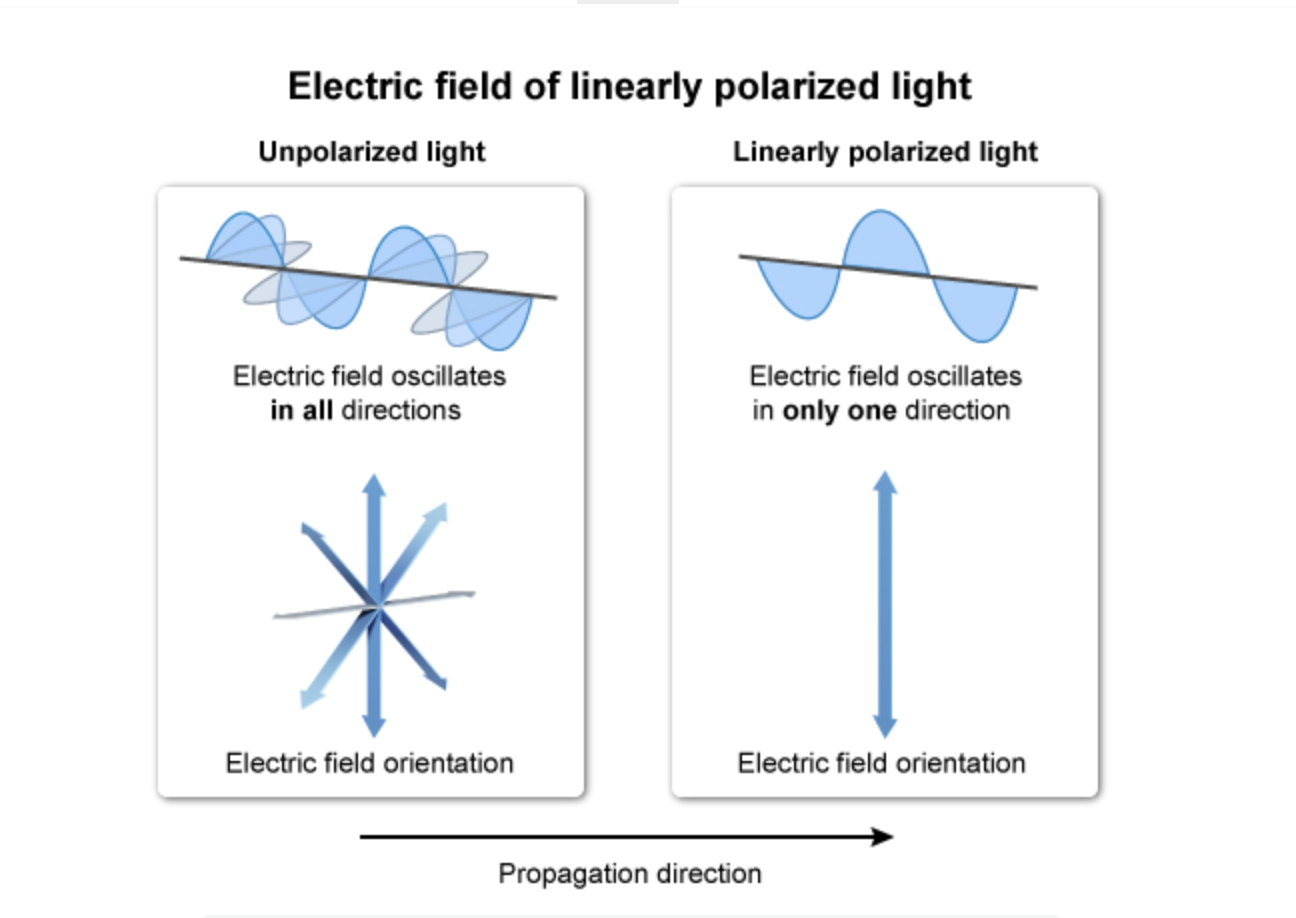
electric field or magnetic field
oriented perpendicular to the axis of polarization are absorbed
electric field
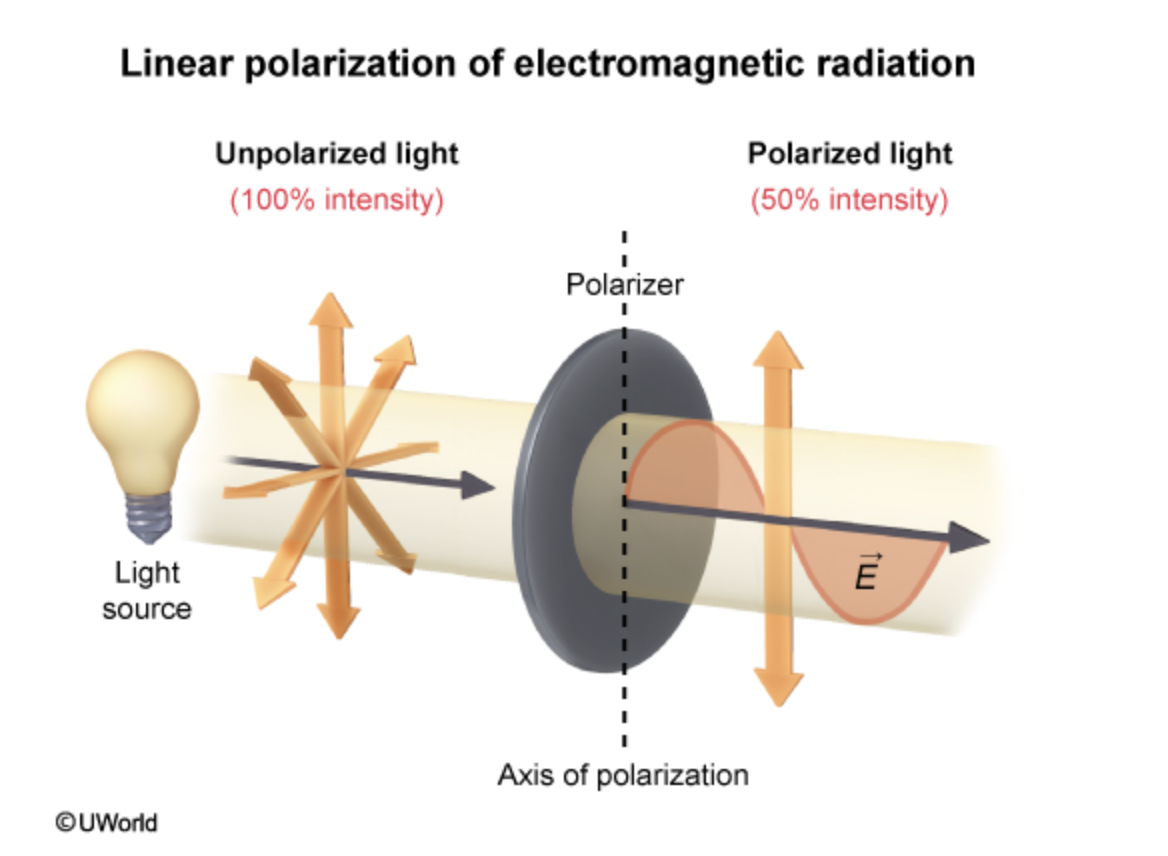


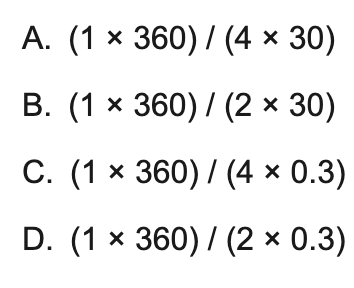
Answer C

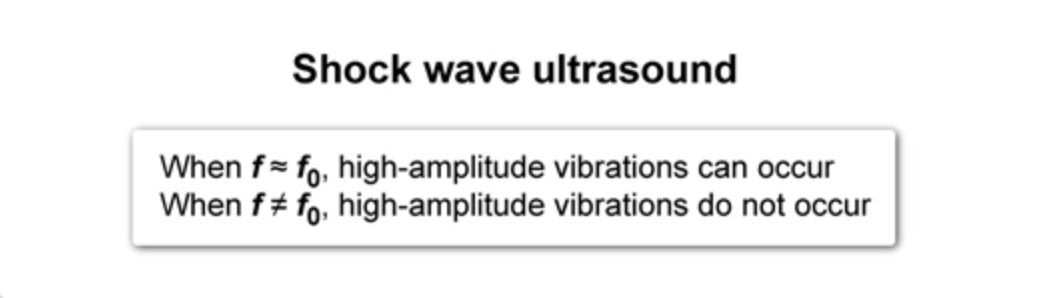
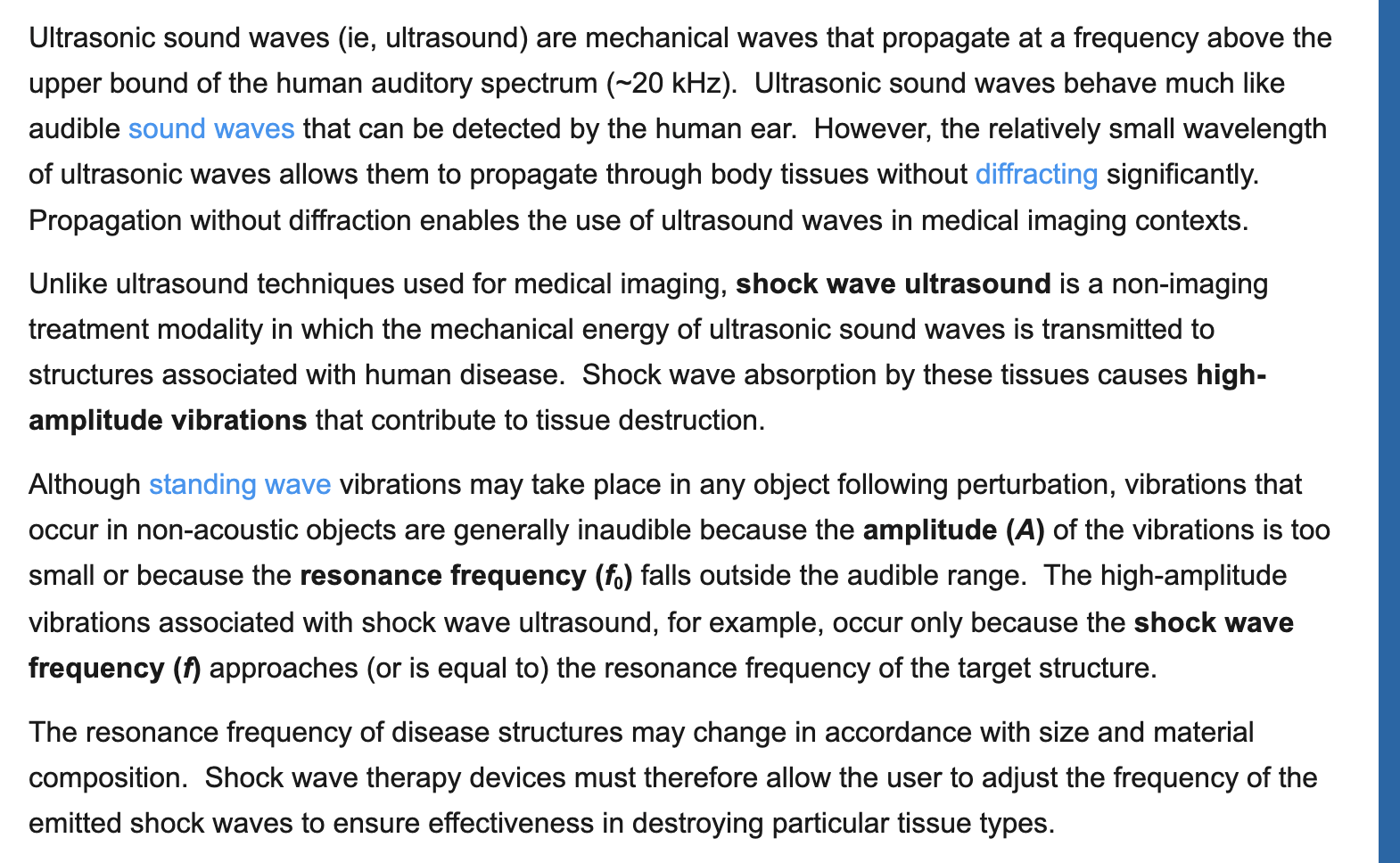
B. enables high amplitude resonance within diverse target tissues
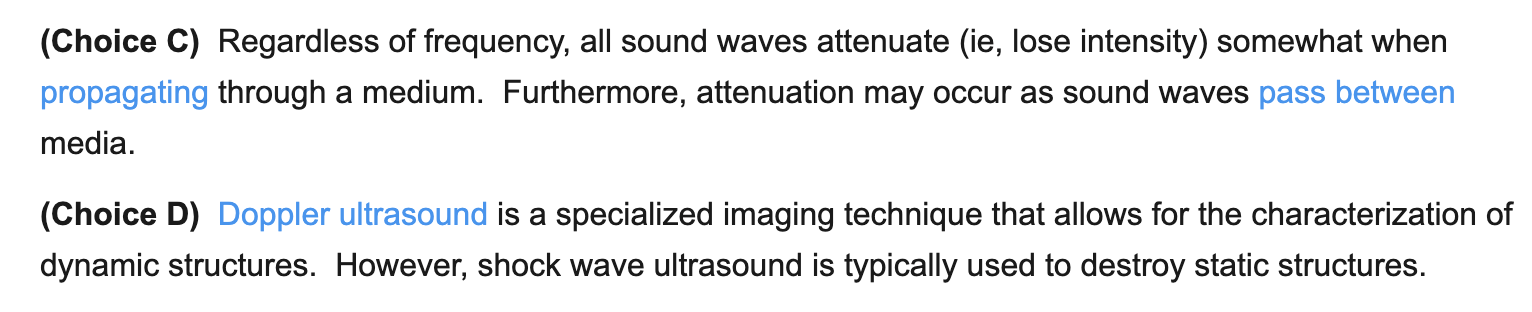
C. may eliminate the attenuation effects associated with tissue interfaces
D. assists in the measurement of bodily fluid velocity
Answer B


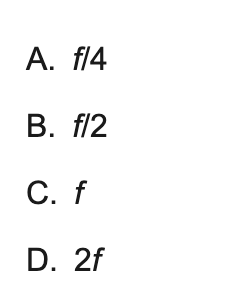
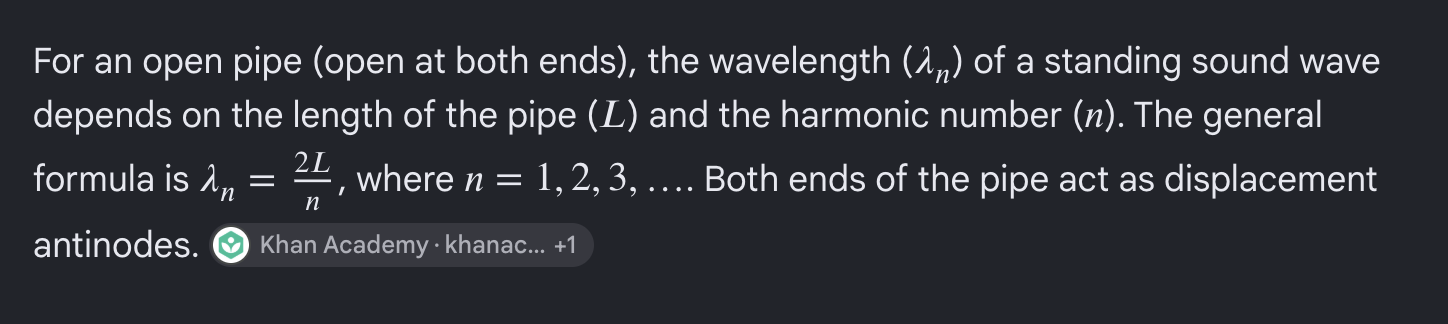
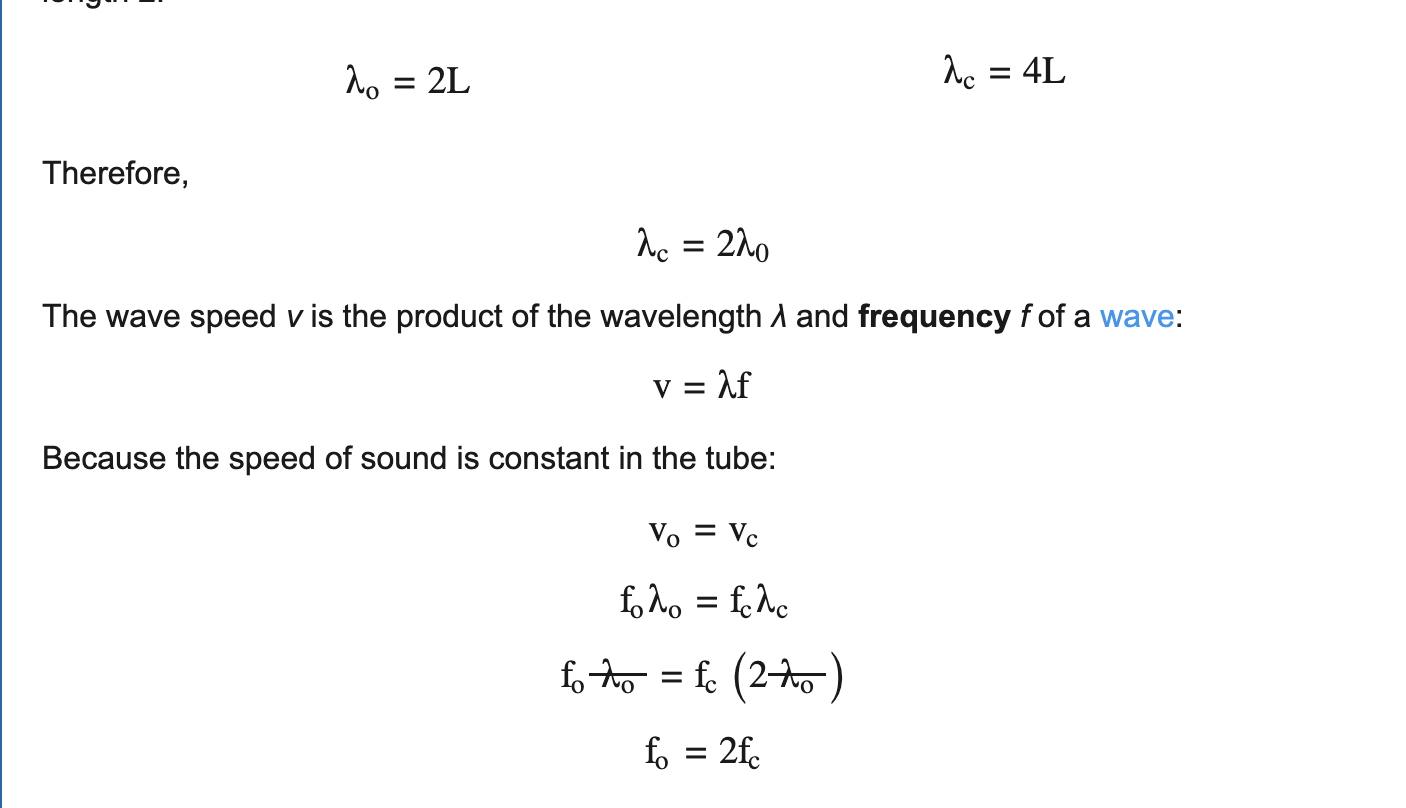
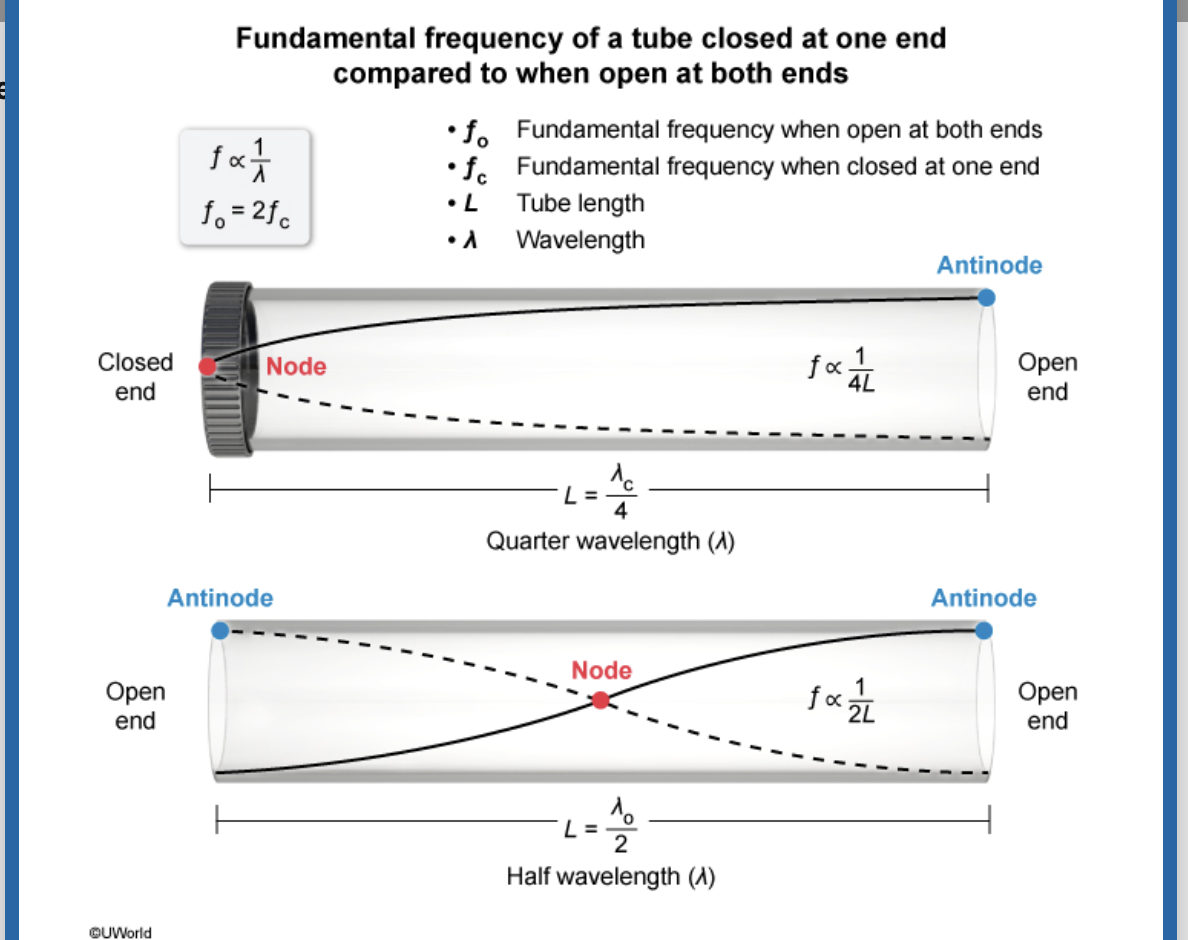
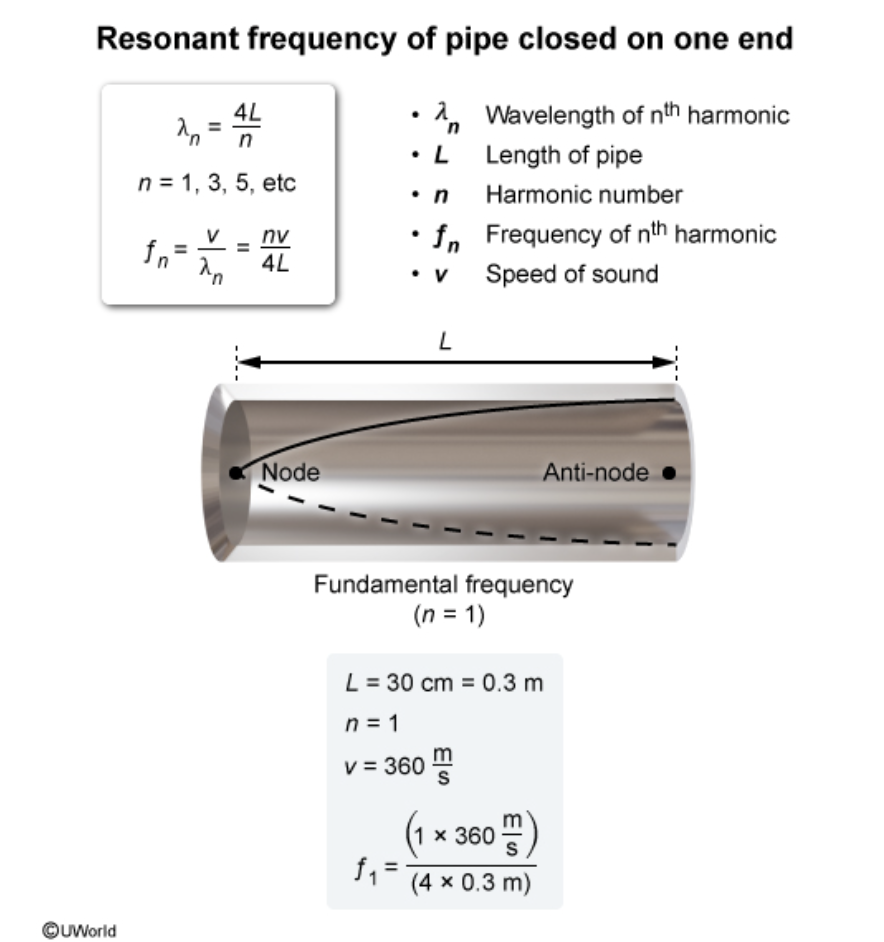
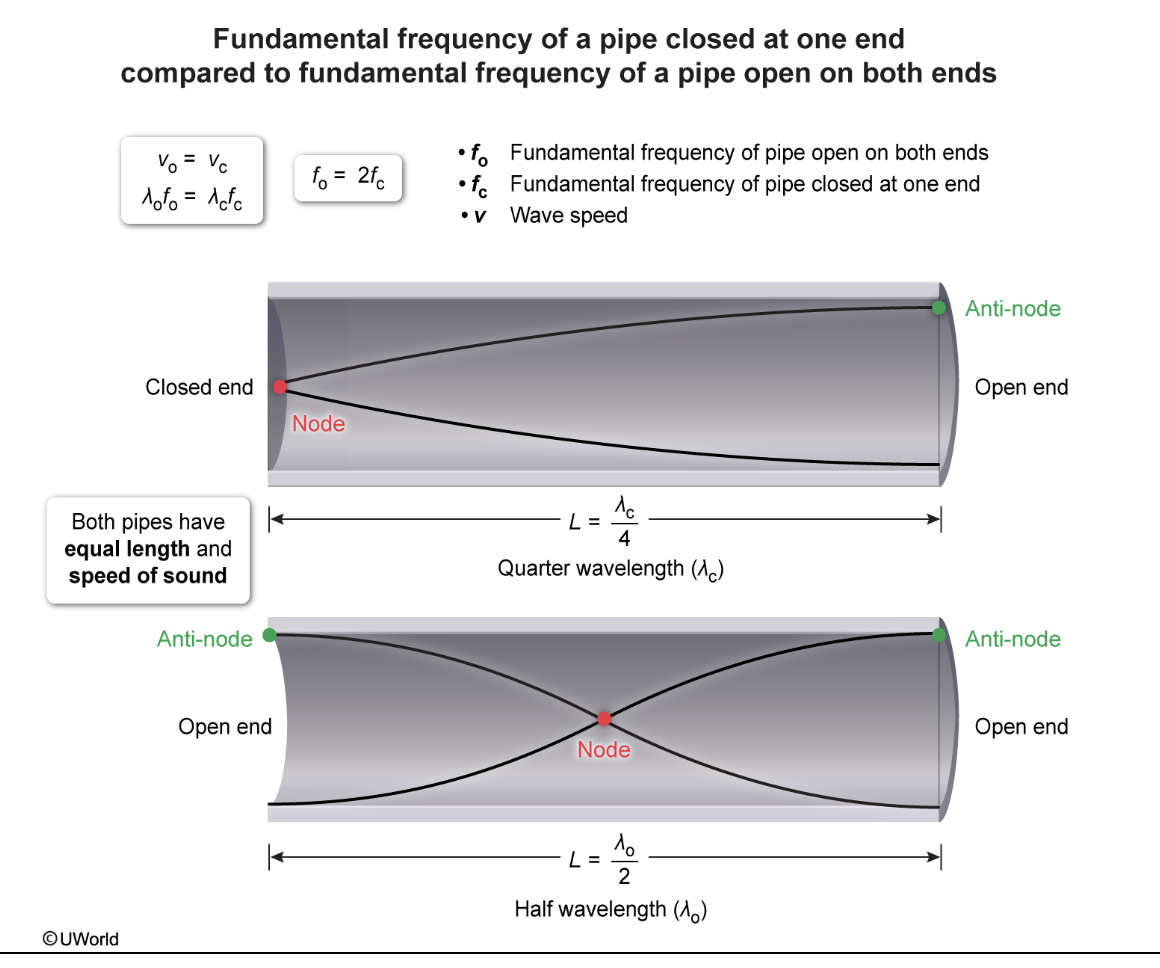
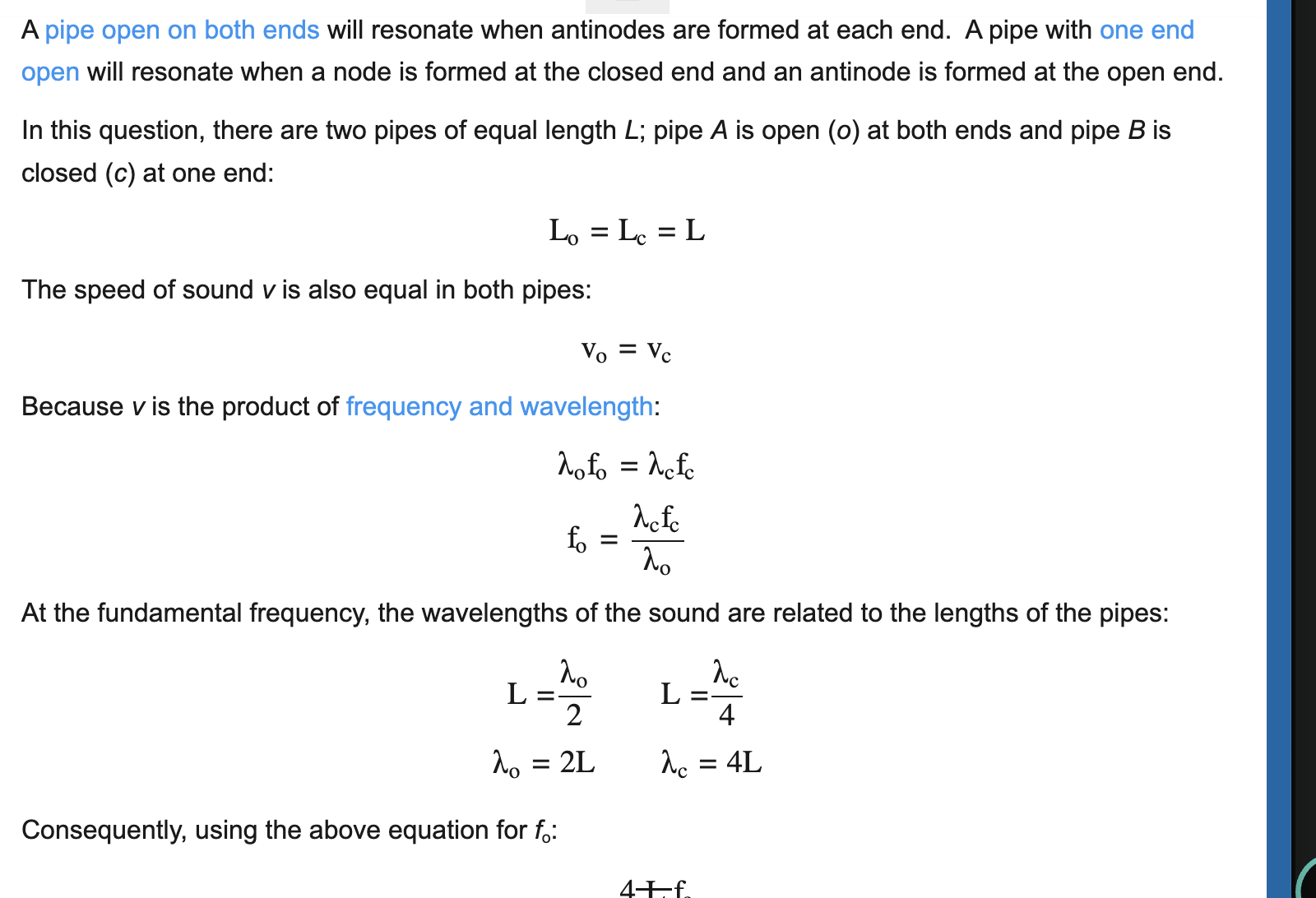
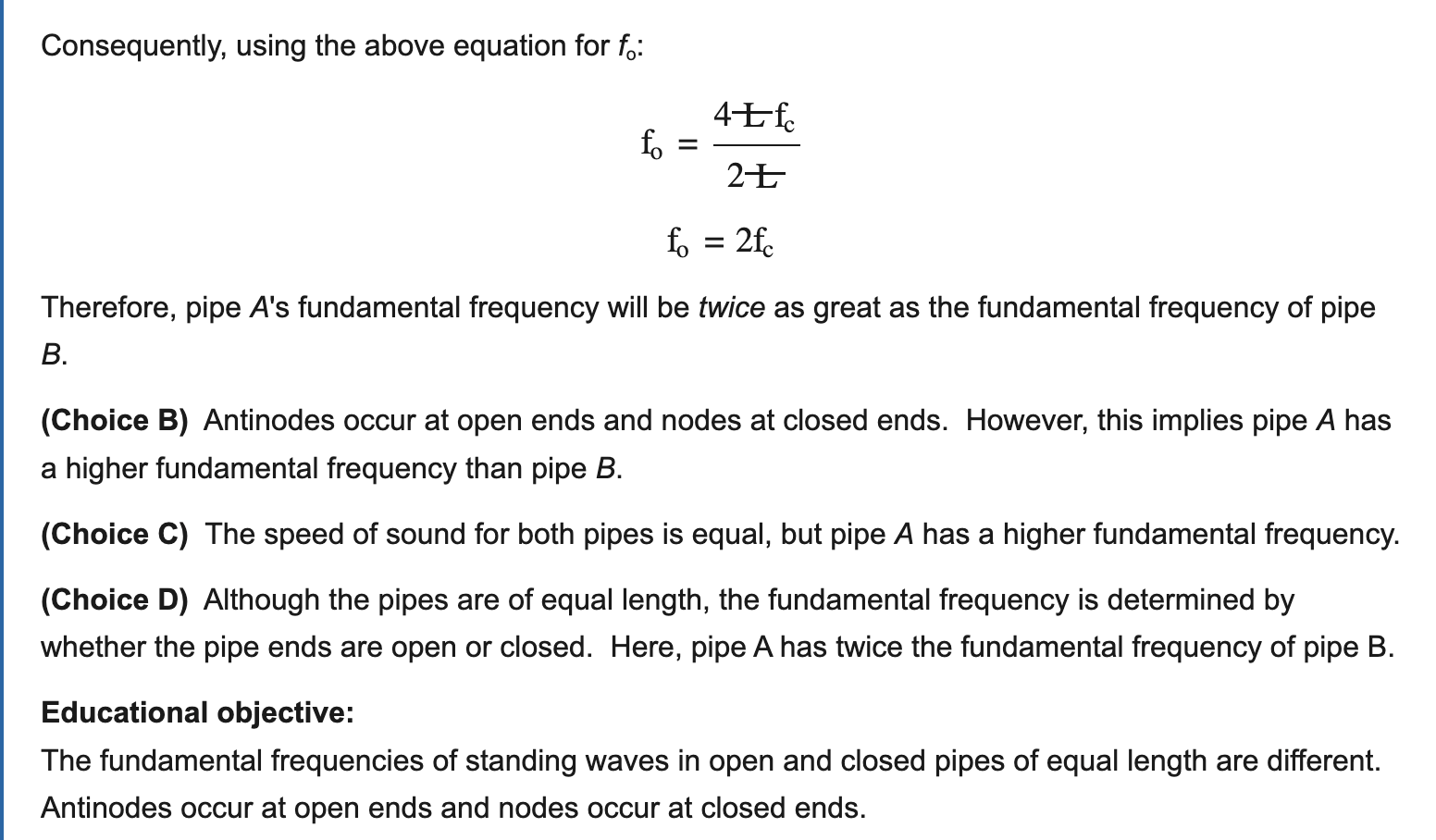
A. f of pipe A will be twice as great as f of pipe B
B. f of pipe be will be half as great……
because antinodes must occur at open ends and nodes must occur at close ends…
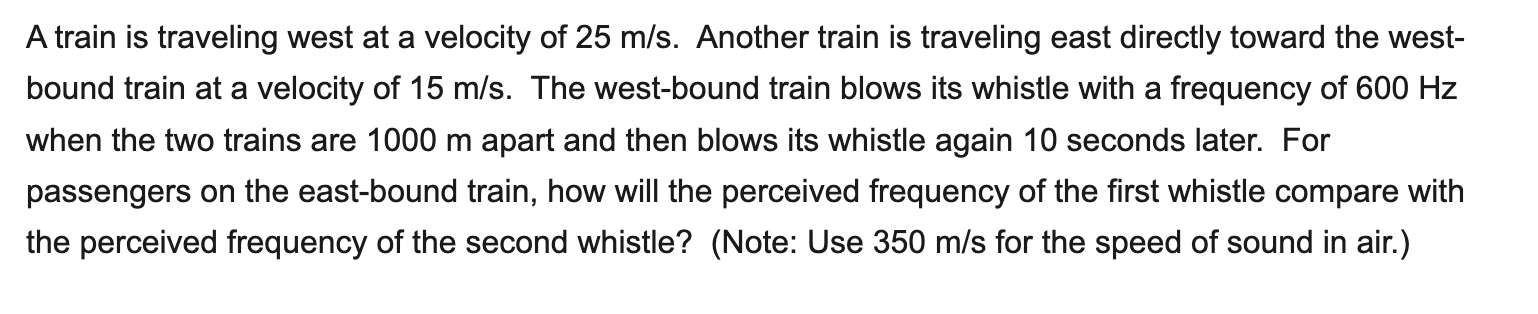
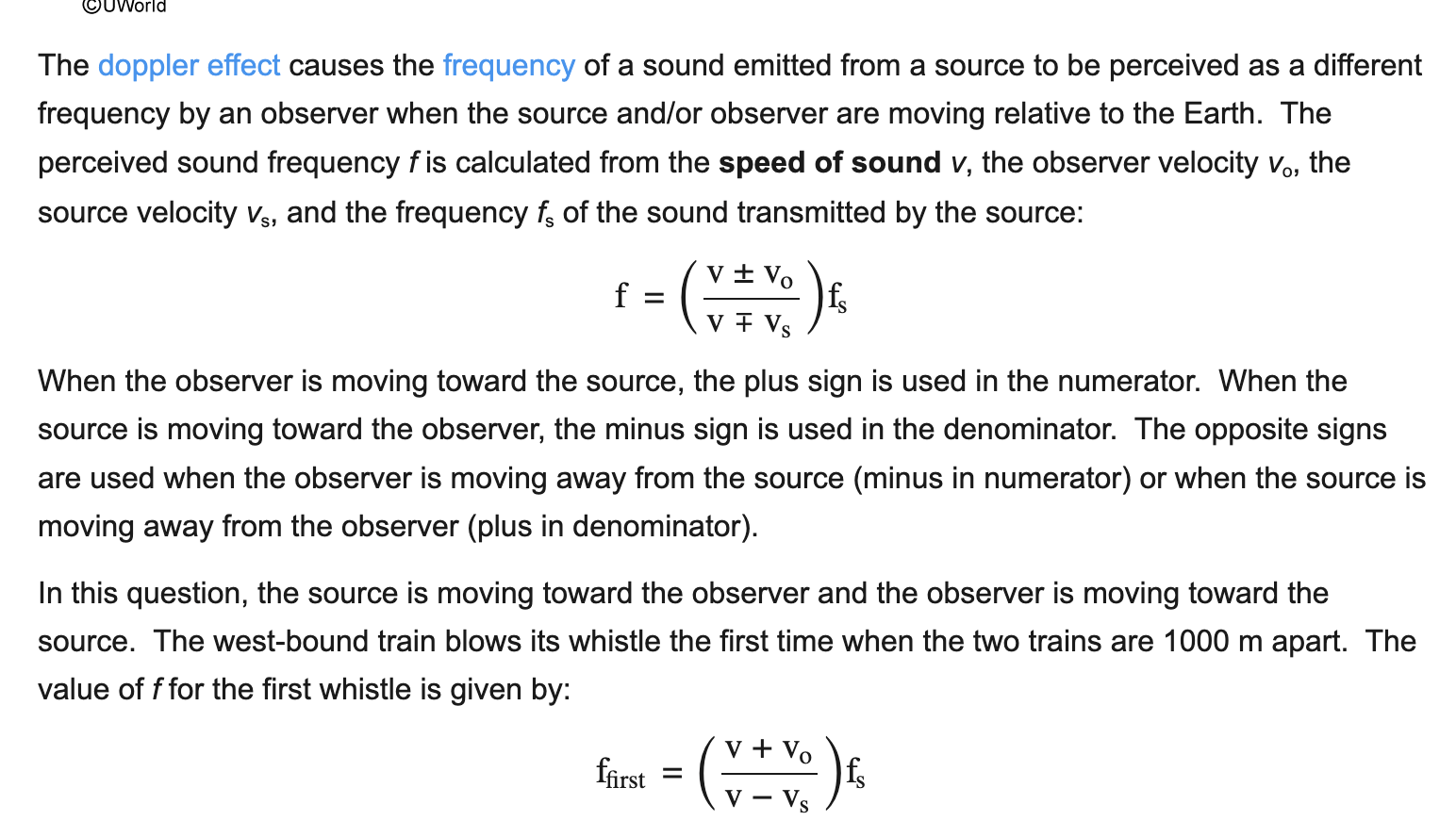
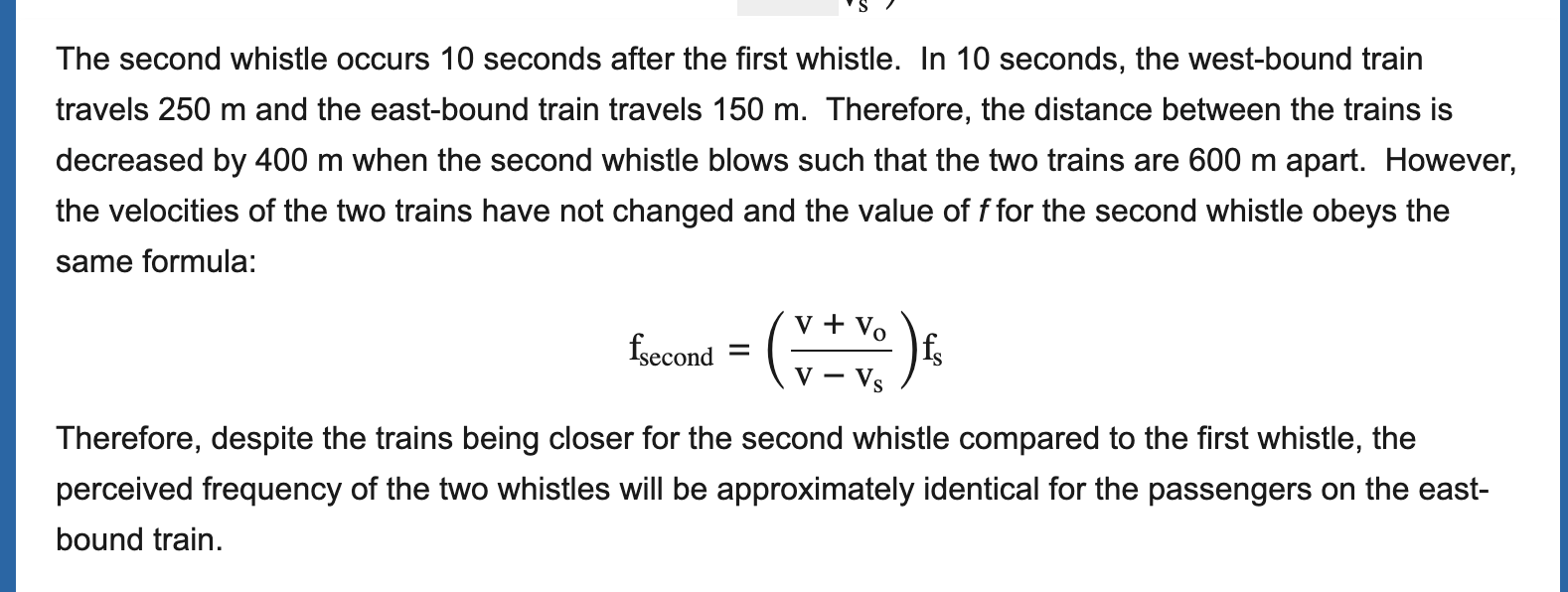
it will be higher, lower, or same?
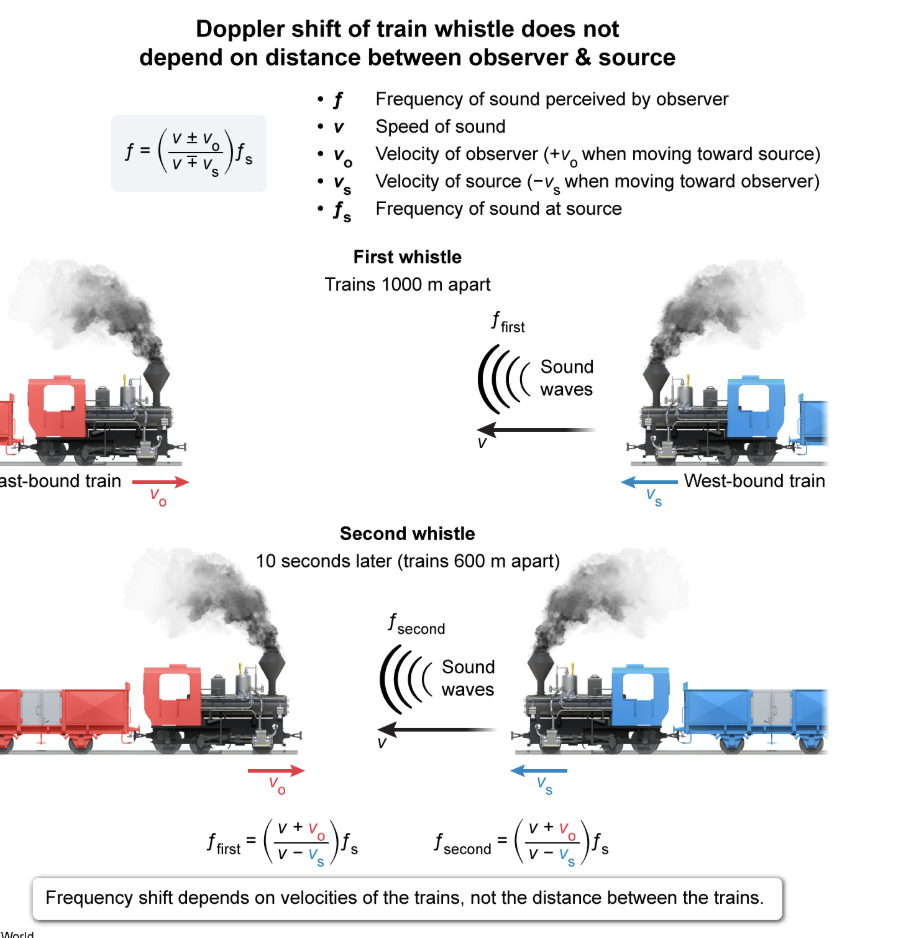
identical to the frequency of second whistle.
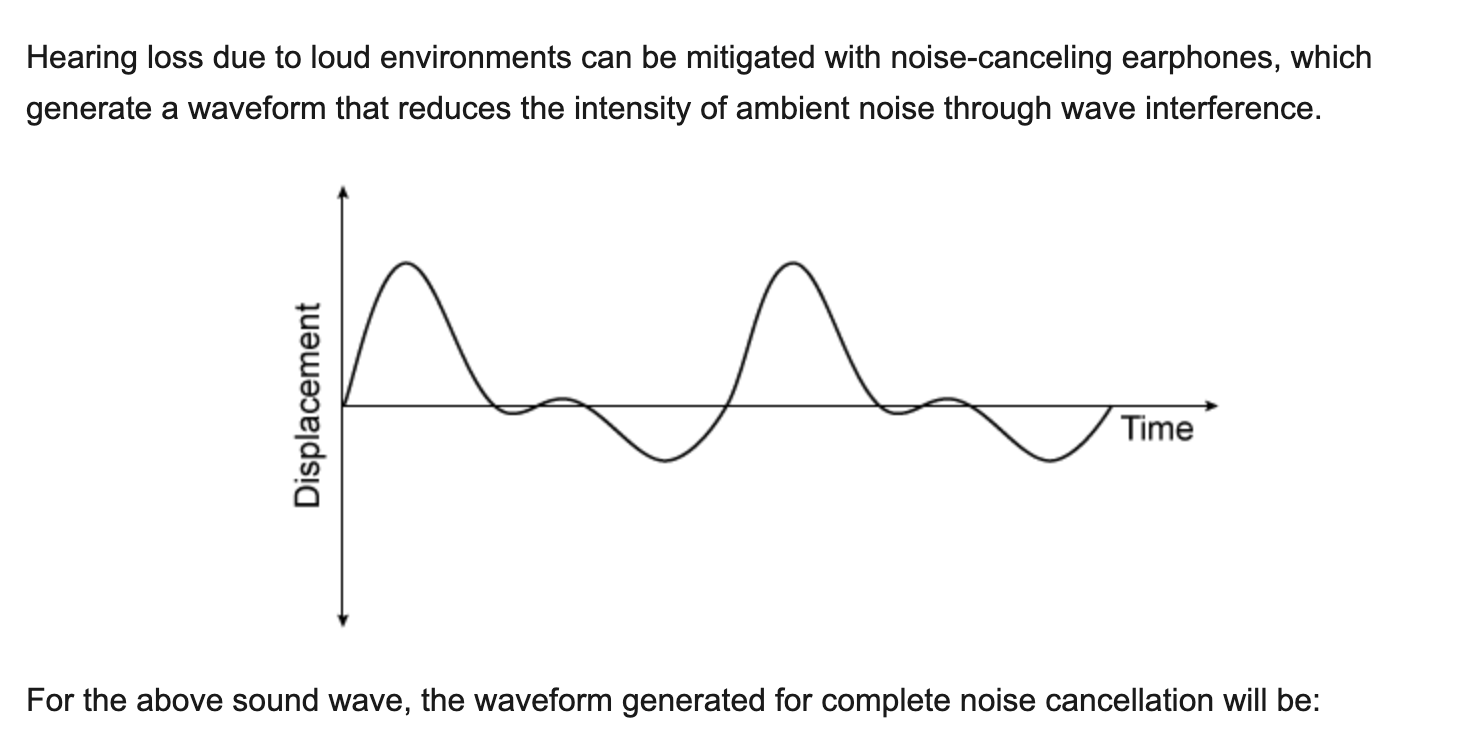
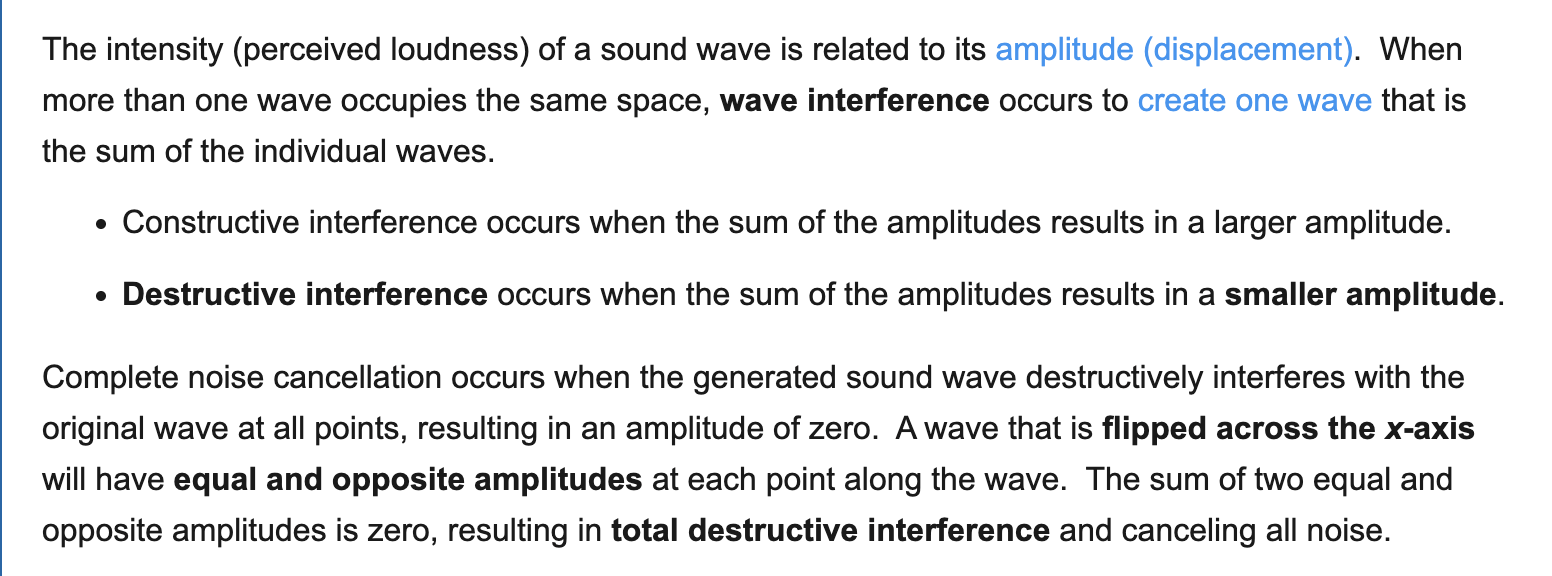
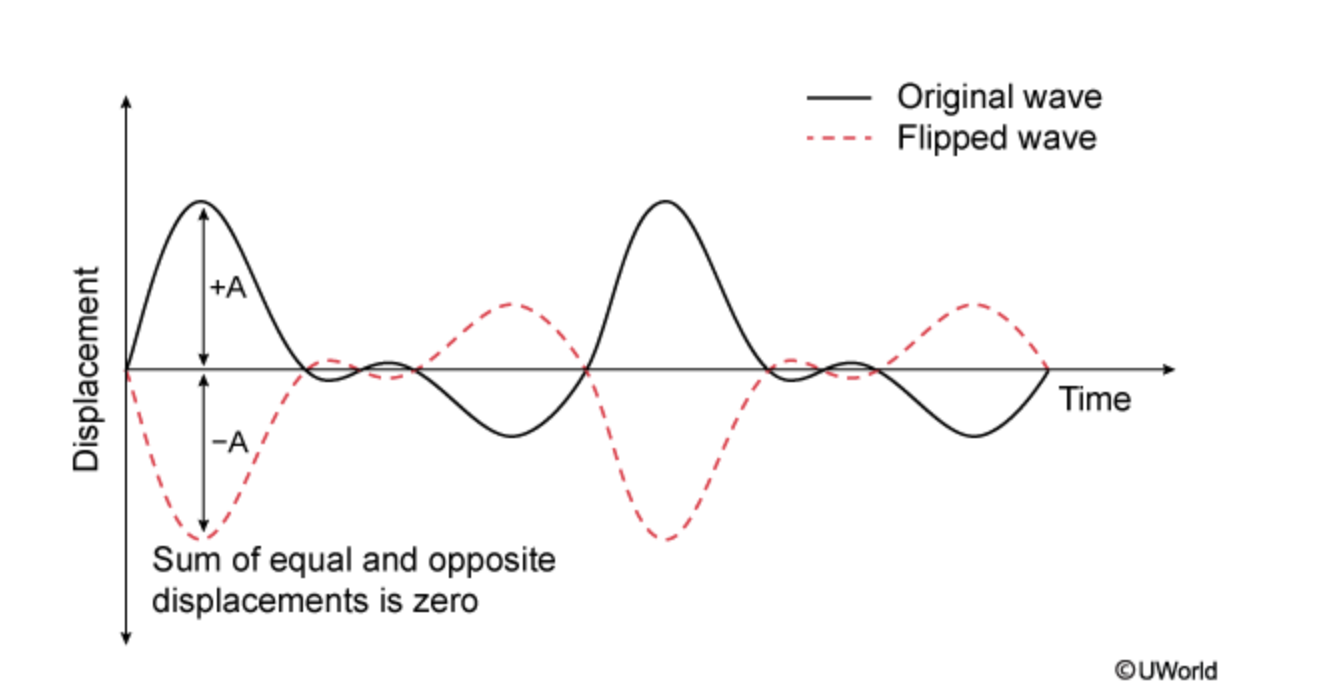
phase shifted by half a wavelength, or flipped across the x-axis?
Flipped across the x-axis
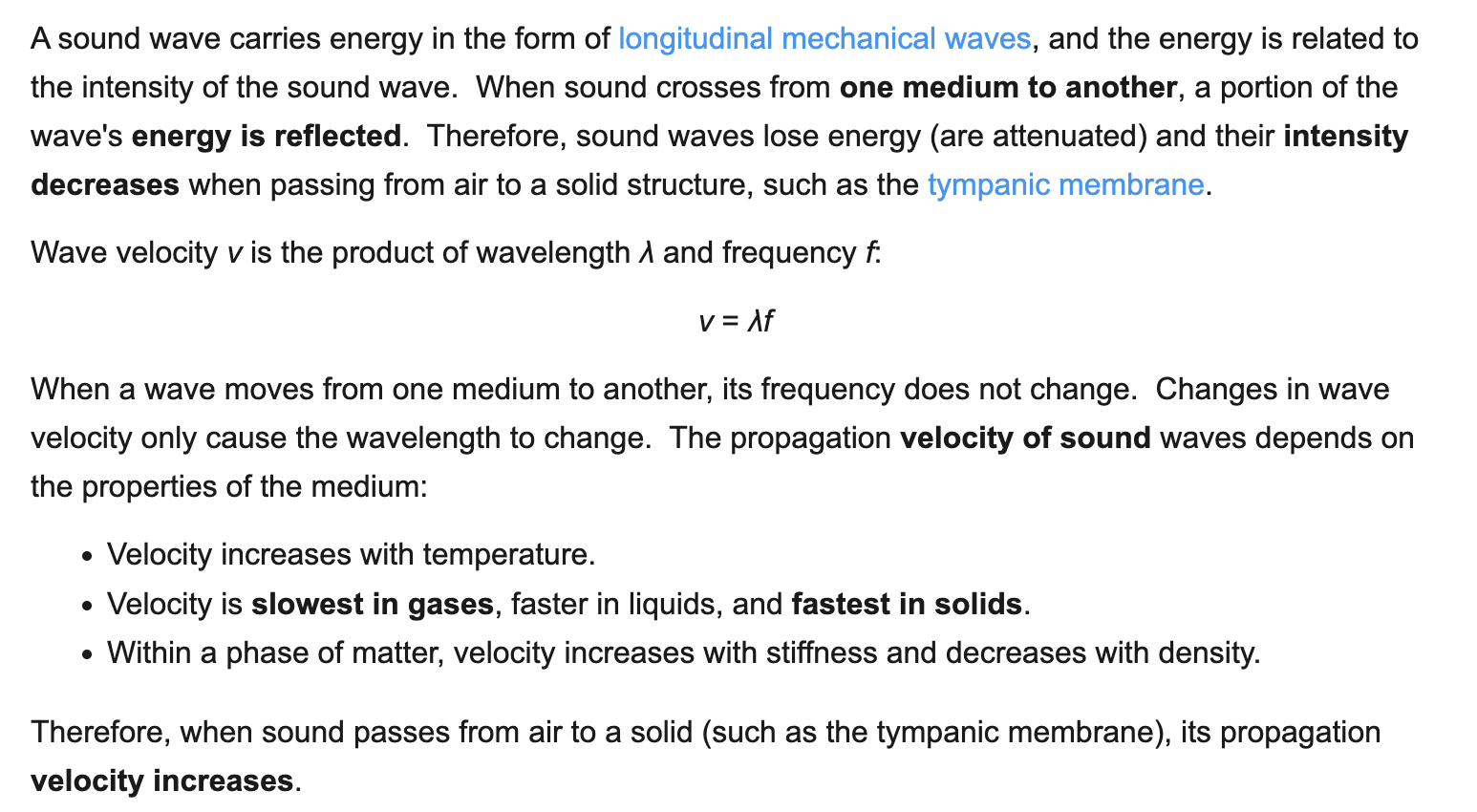
When sound passes from air to the tympanic membrane, what changes occur to the sounds intensity and velocity?
intensity decrease
travelling through from air to solid increases velocity


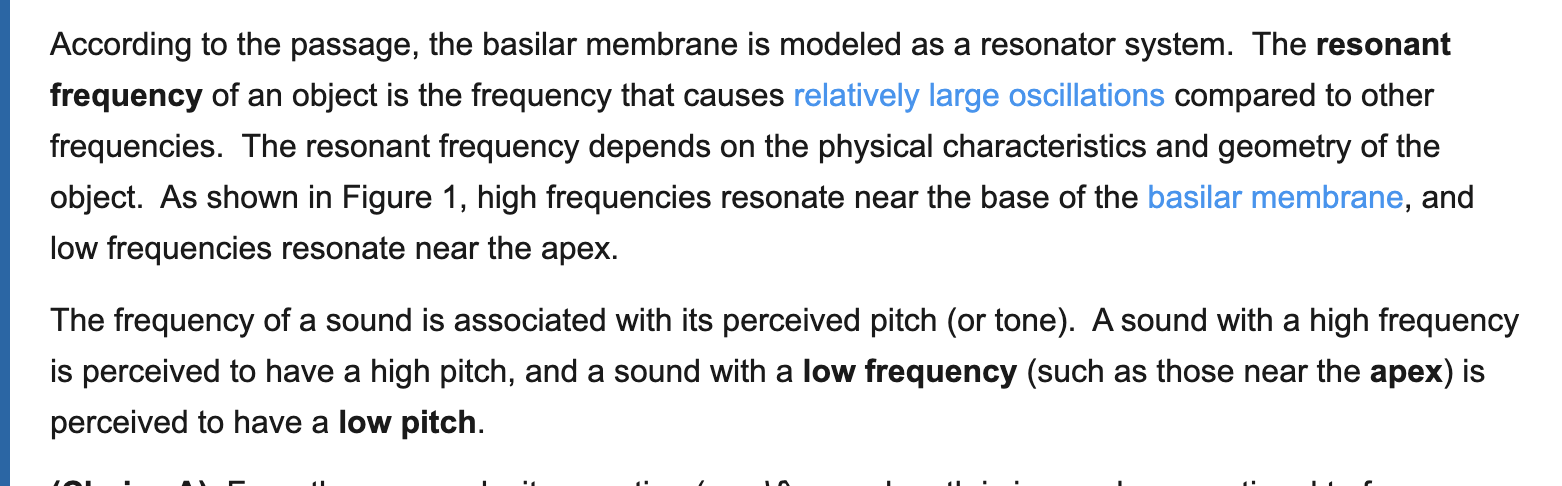
A. shortwavelength
B. high intesnity
C. low pitch
D. large phase shift
Answer: C
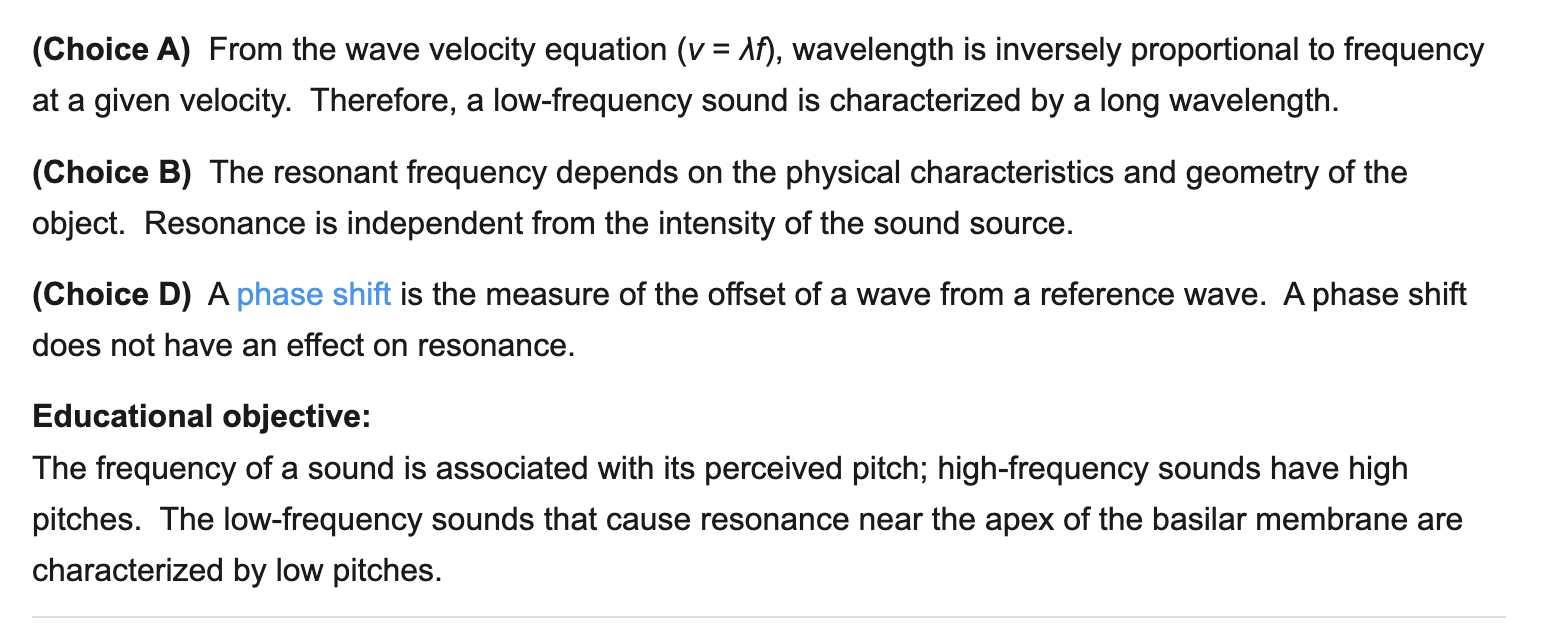

frequency or wavelength?
Frequency
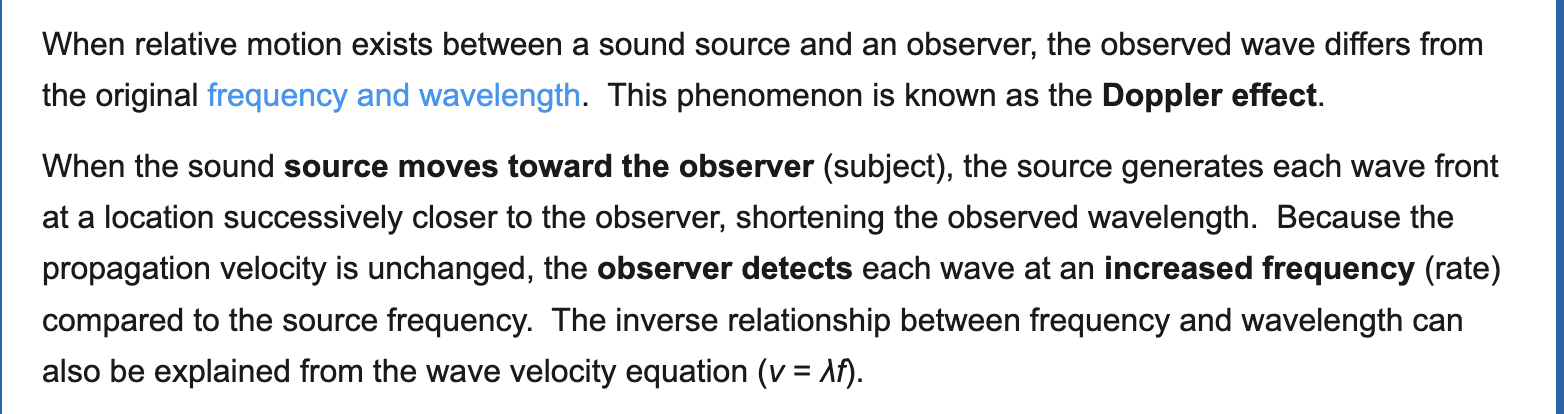
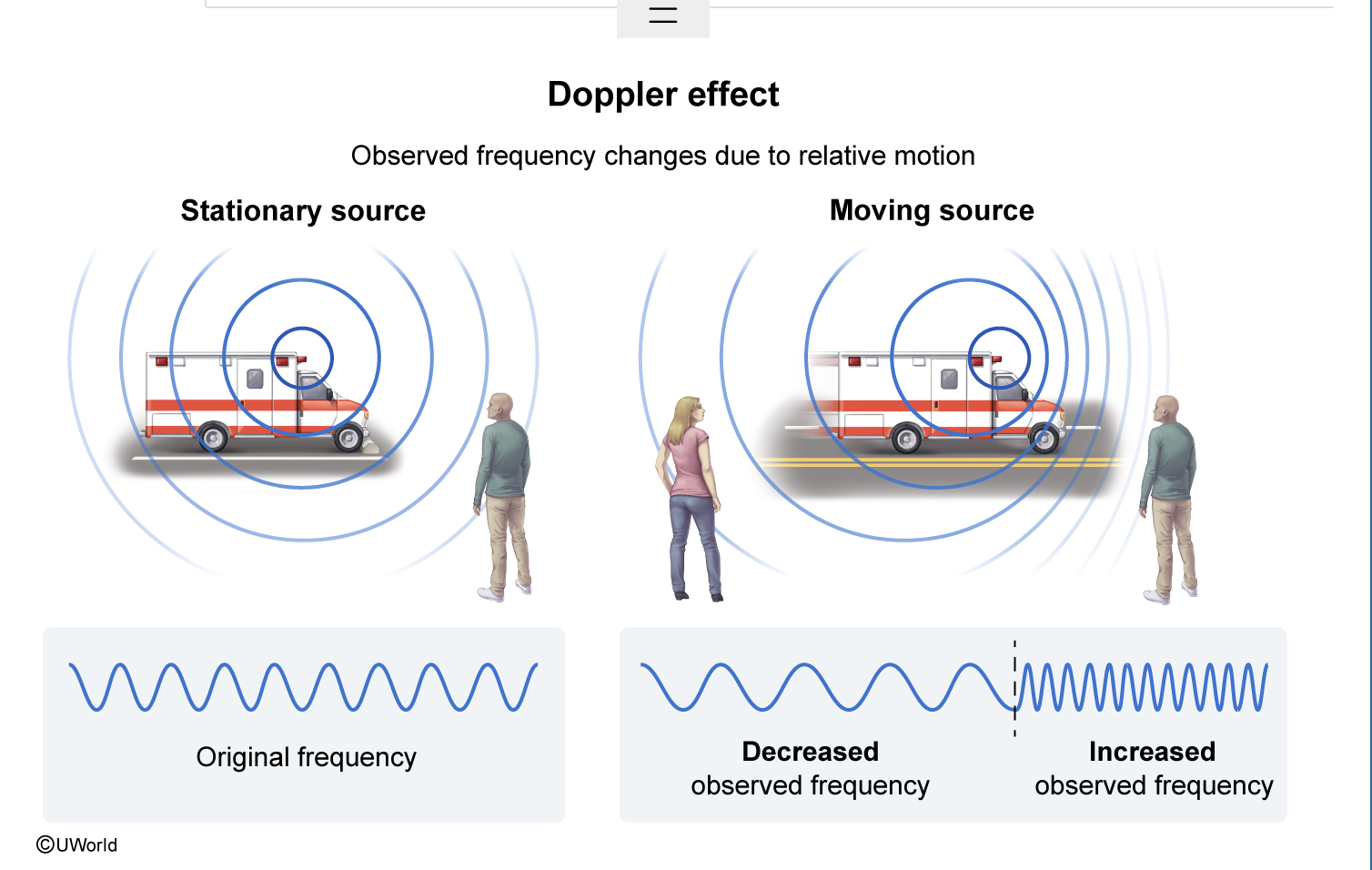
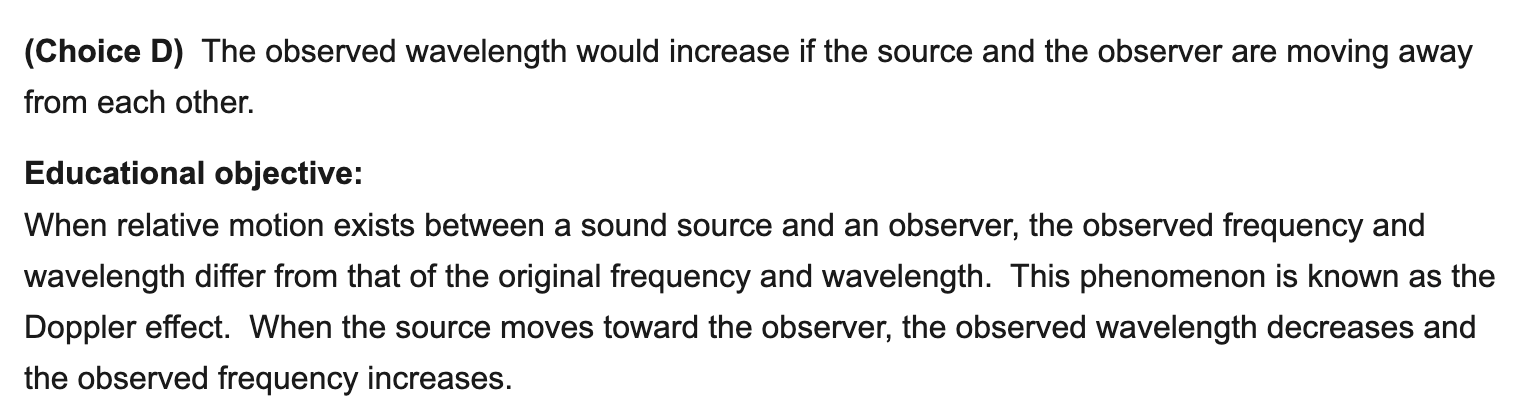
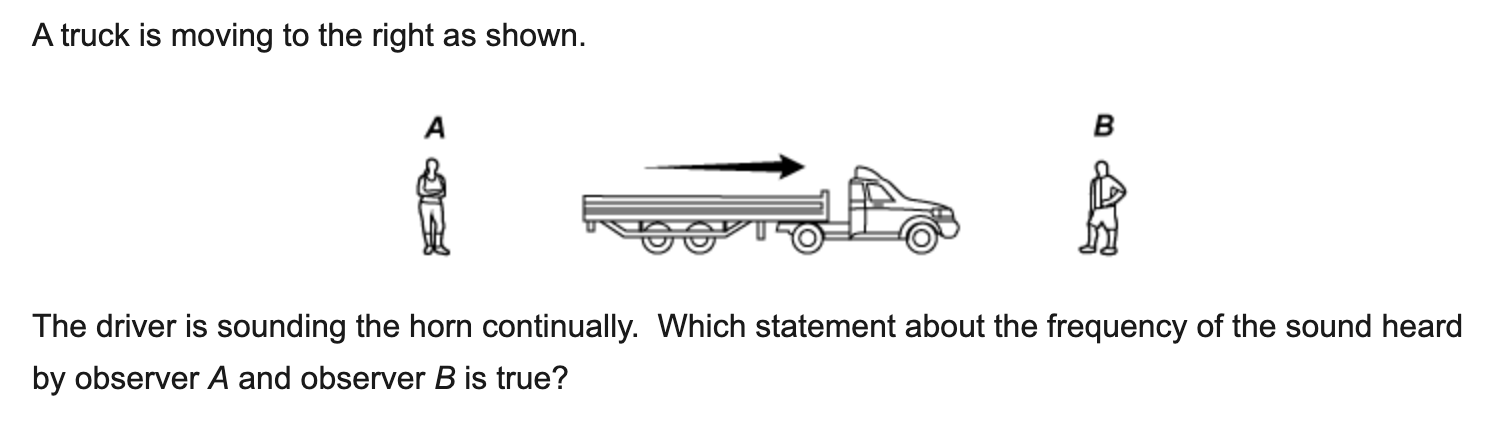
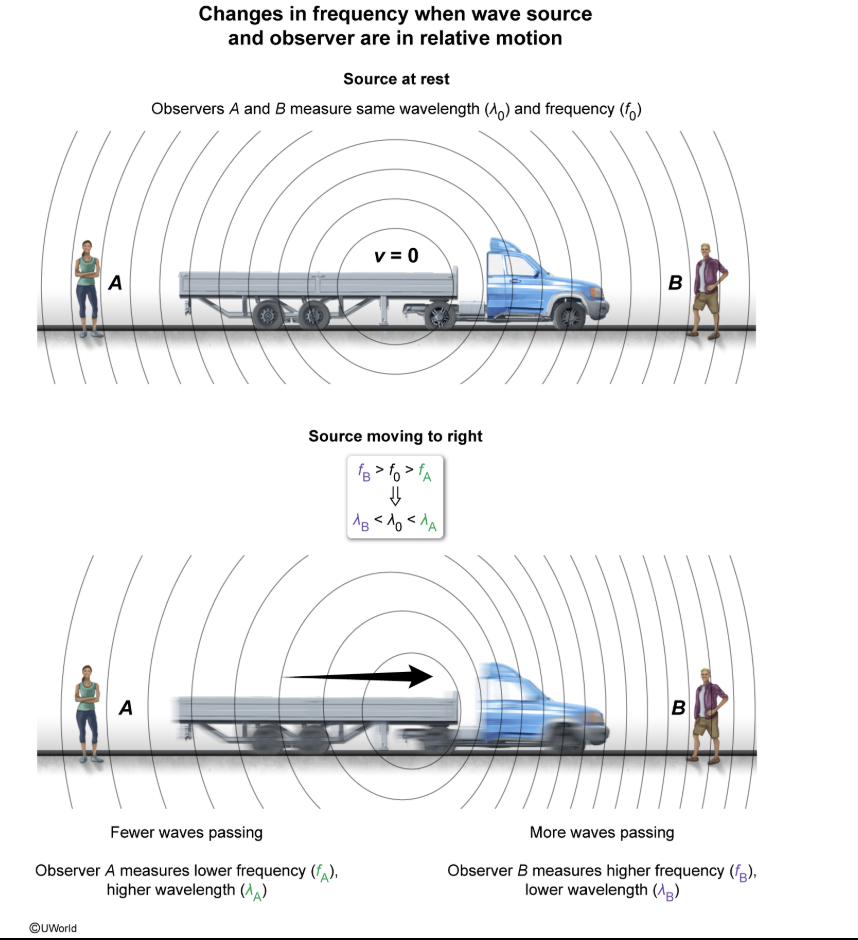
A hears higher frequency than B
or
B hears hgihger freqeuncy thatn A
B hears hgihger frequency than A
because wavelength becomes shorter
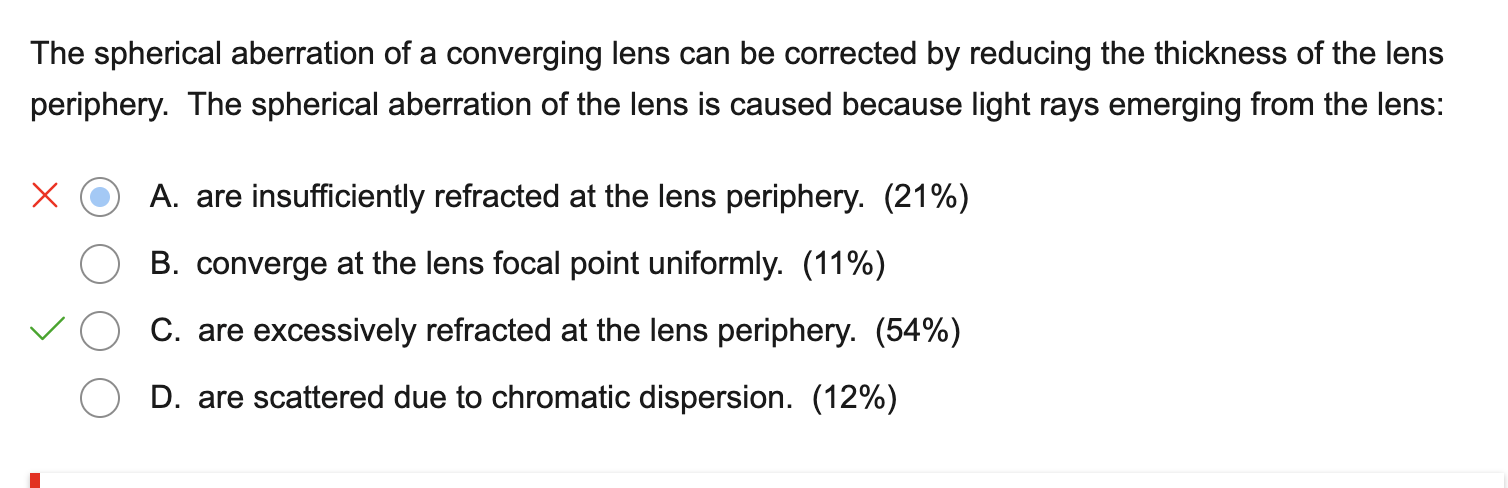
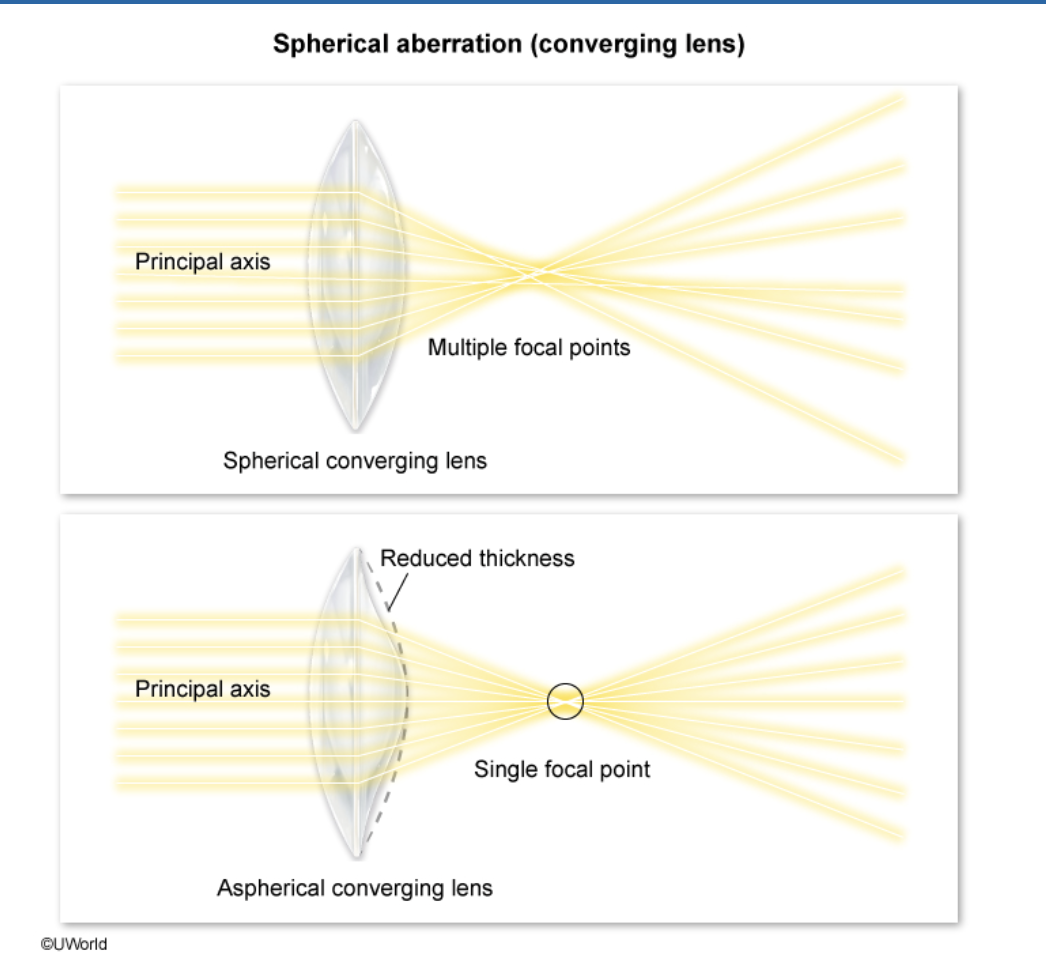
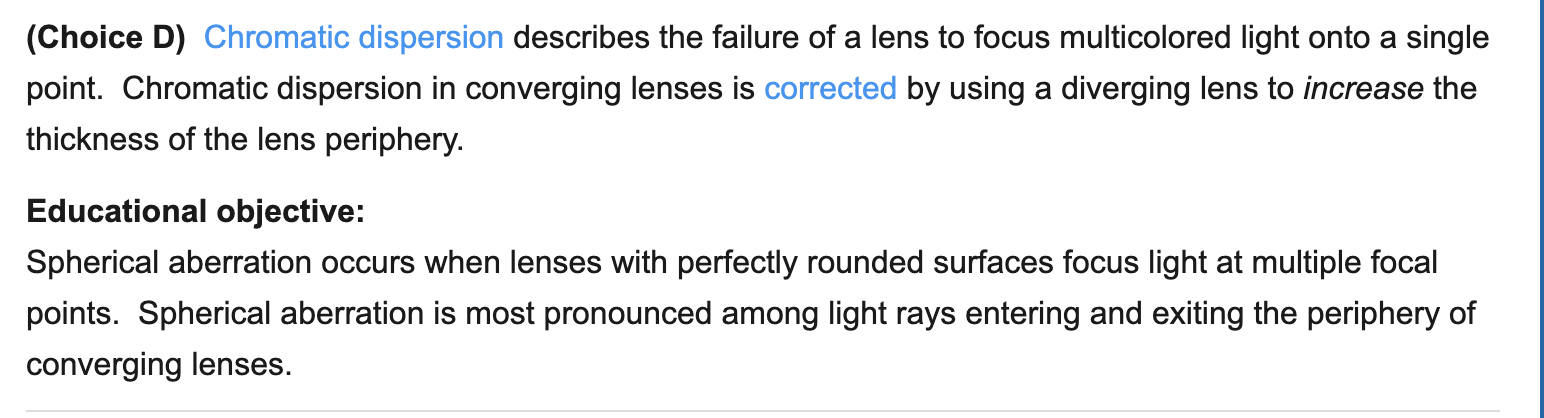
Spherical aberration
phenomenon by which real lenses’ perfectly rounded (spherical) surfaces do not produce an image at a single point but rather at a series of focal points
in converging lenses, spherical aberration is mosted pronounced amongs rays entering and exiting the lens _______. So correctly spherical aberration in covnersing lenses requires using an ________ lens in which the thickness of lens periphery is decreased
lens periphery (ex. distance from the principal axis)
Aspherical lens



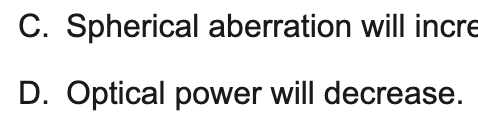
Answer B
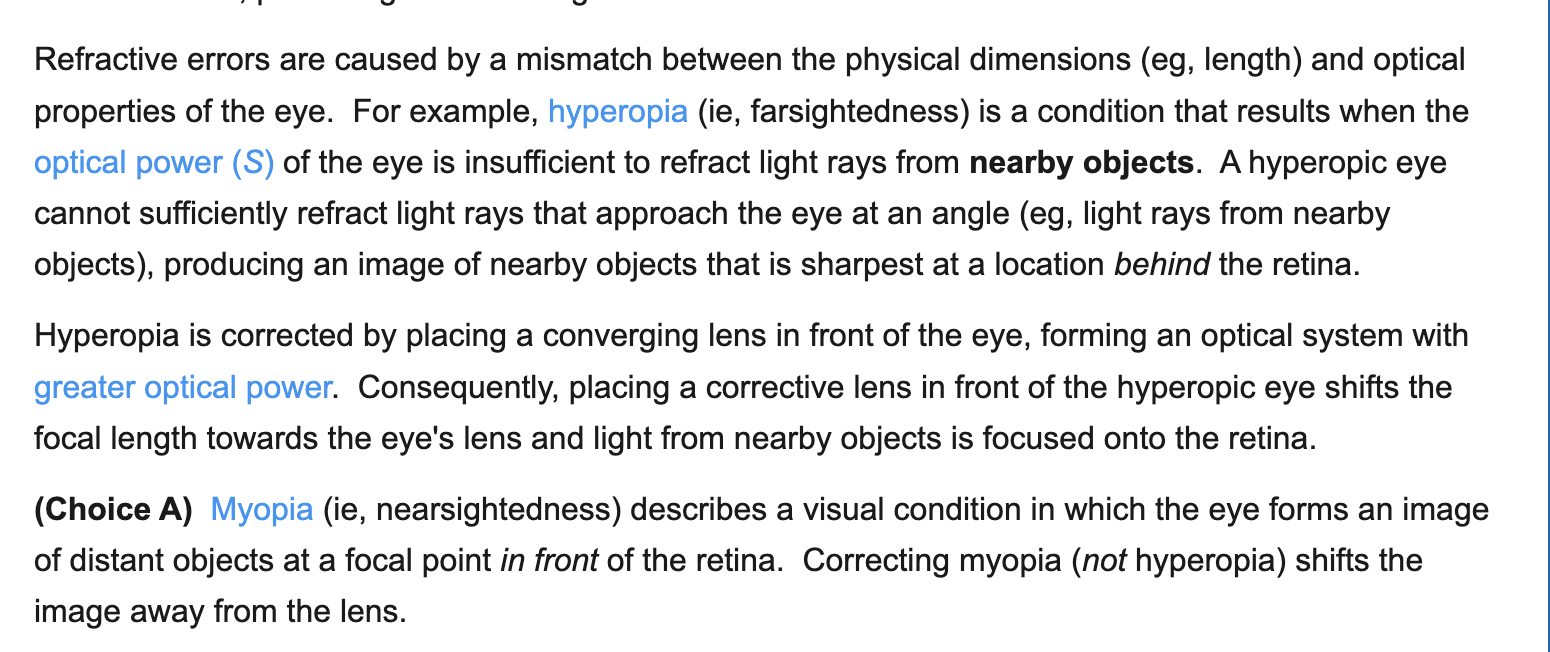
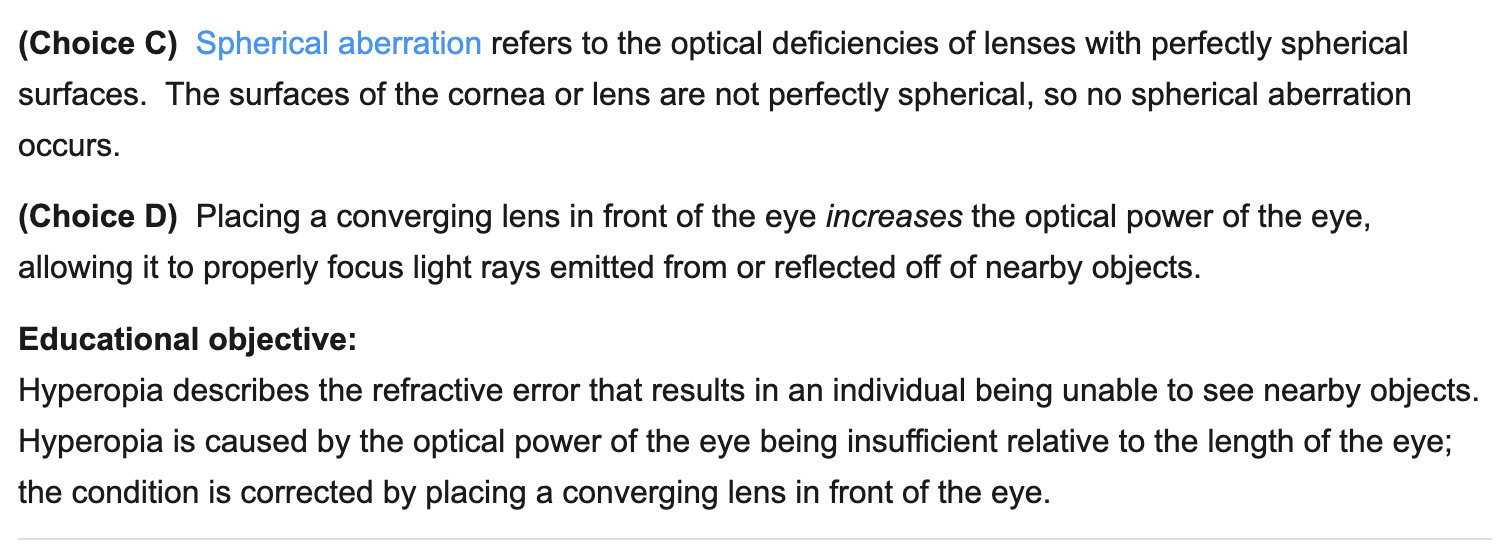
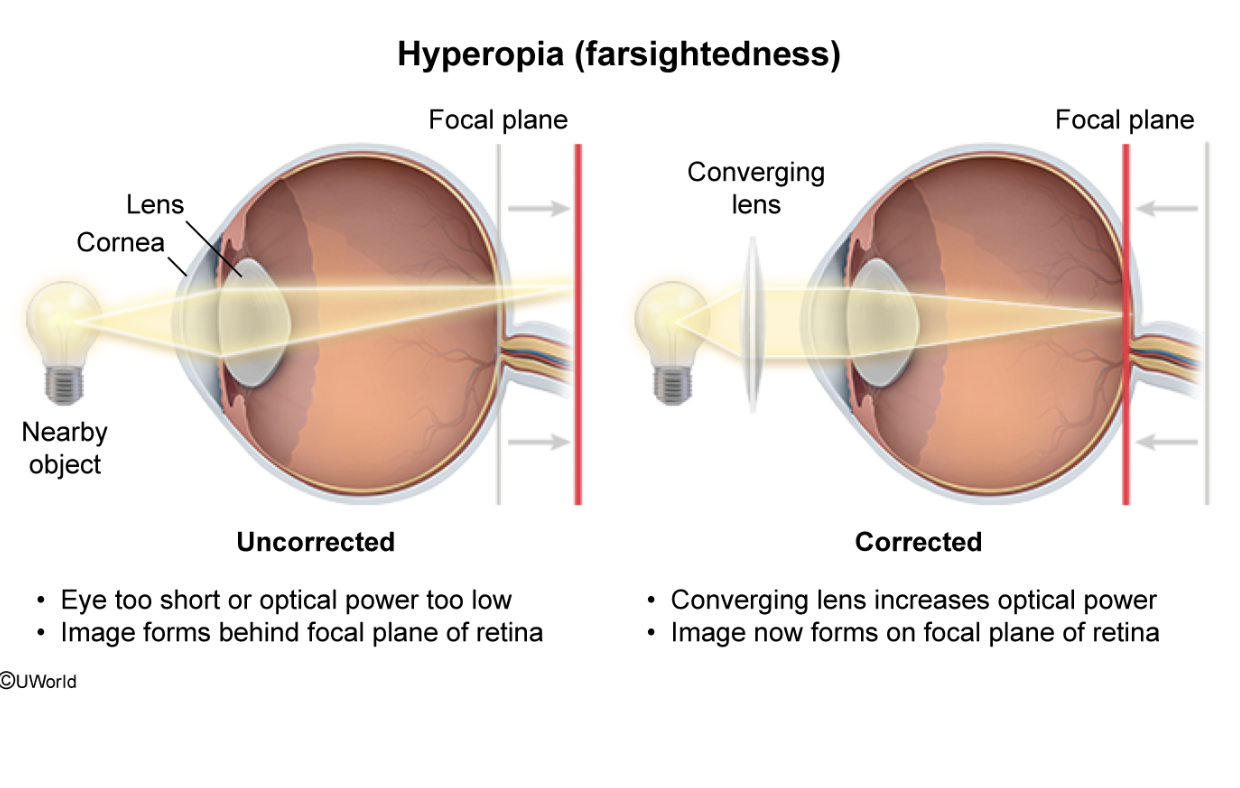
Concave vs convex, and how the angles affect focal length
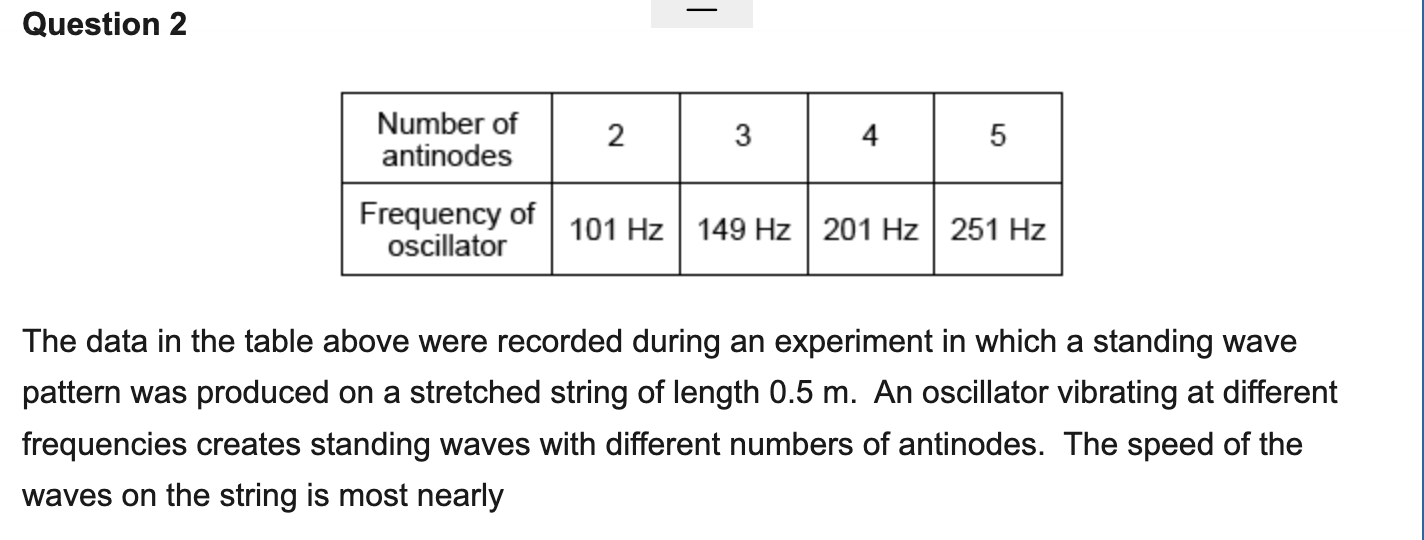
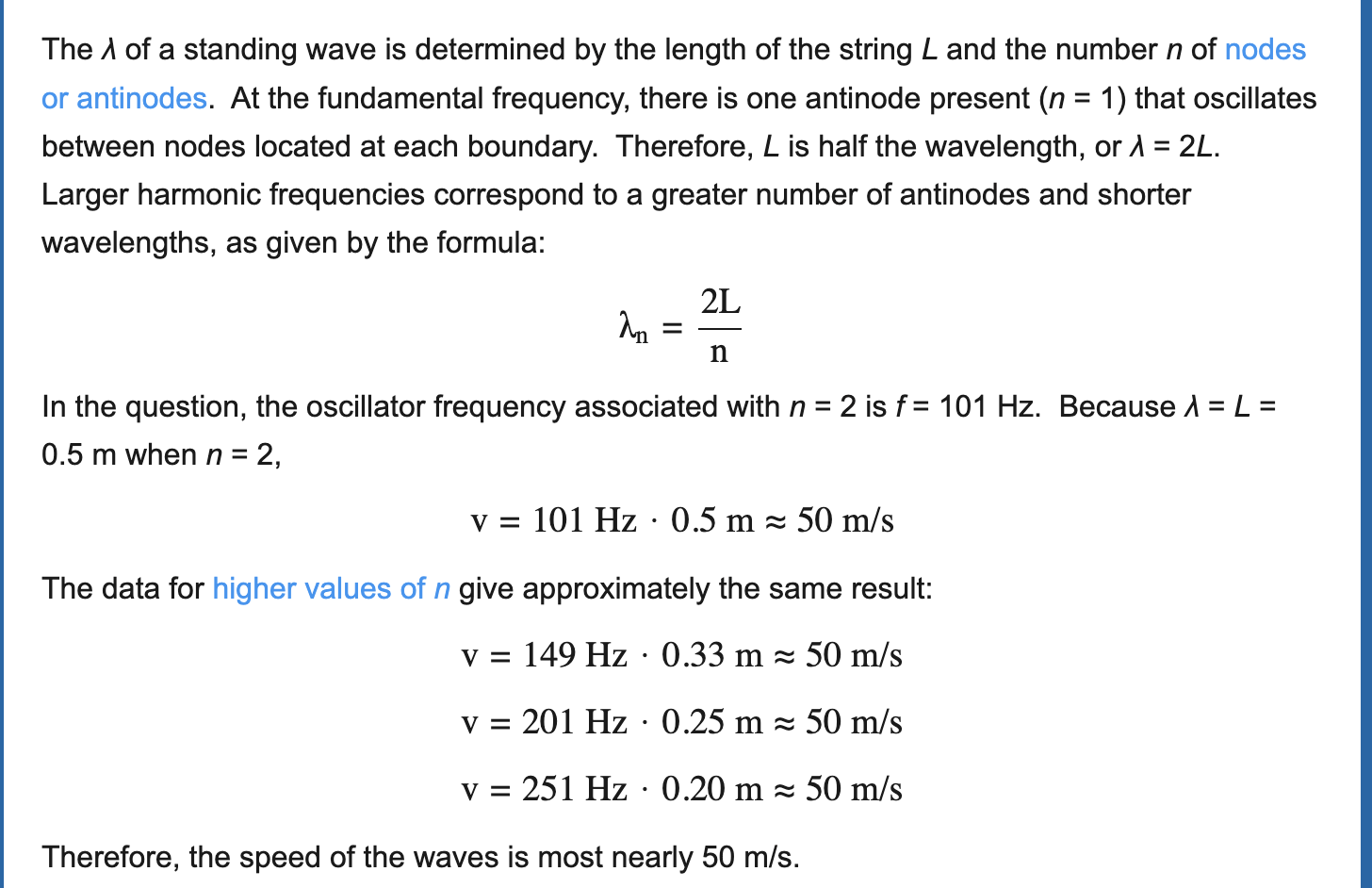

C. period reflected waves is less than the emitted waves because the observer moves in the opposite direction from the reflected waves
A. the period of reflected is the same as the emitted waves because the returing waves travel the same speed as the outgoing waves
Answer C
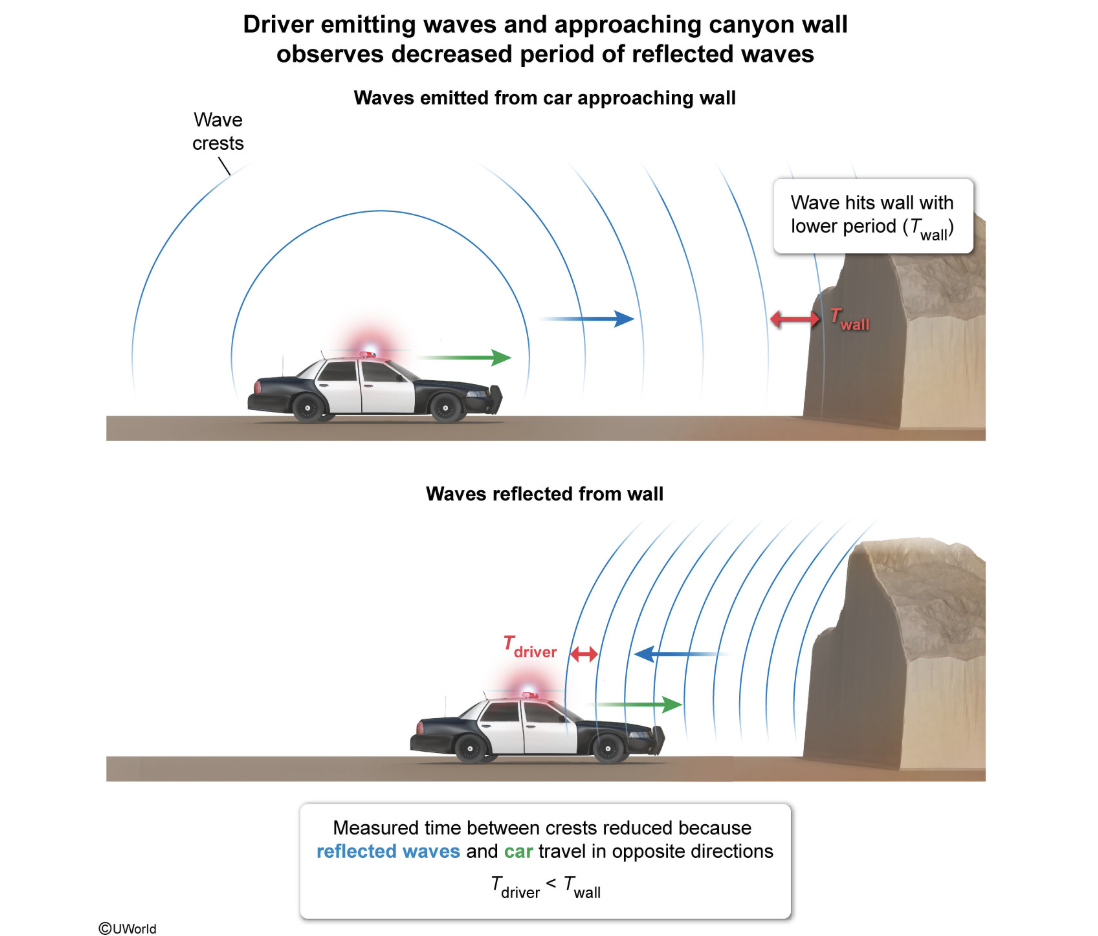
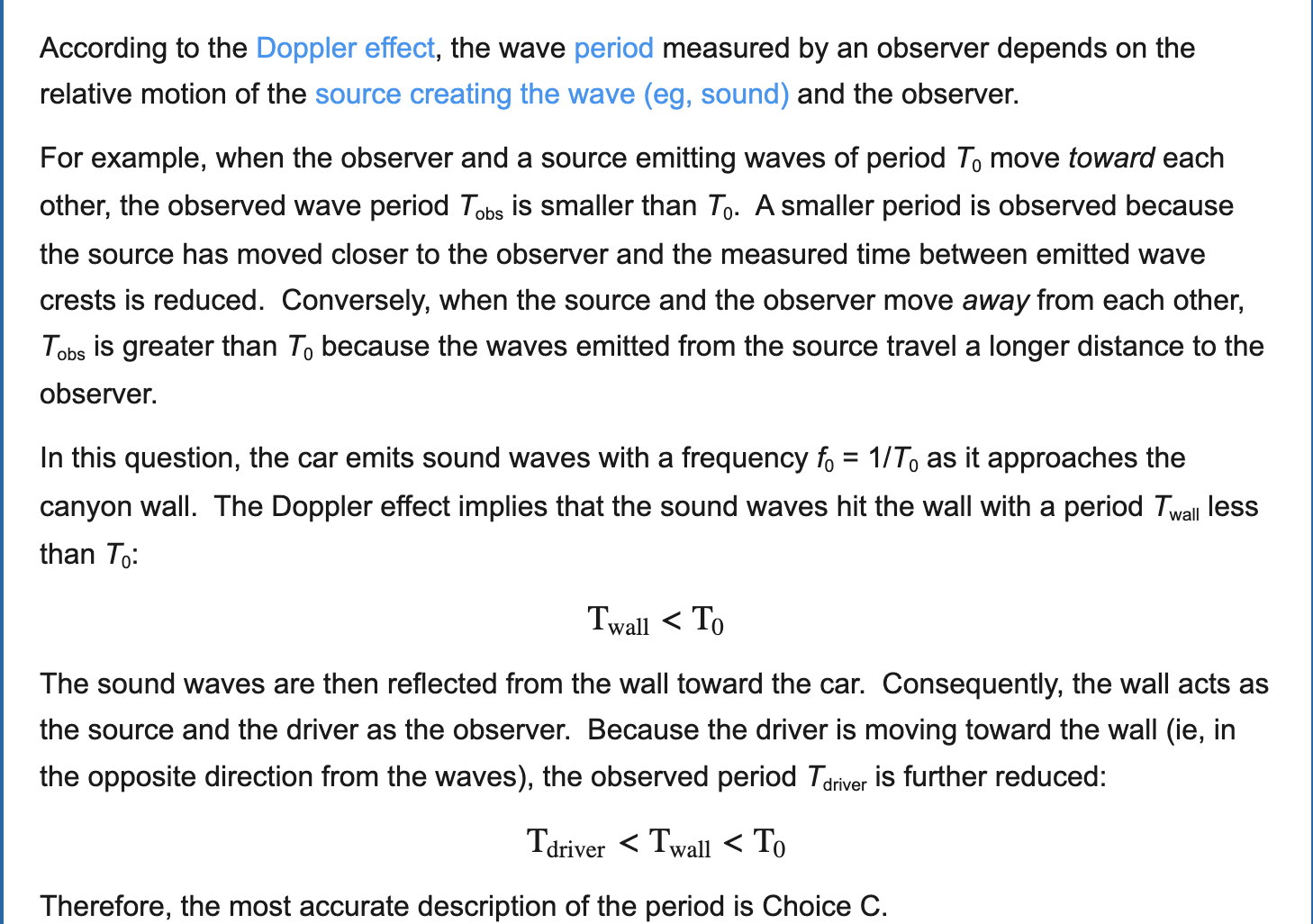
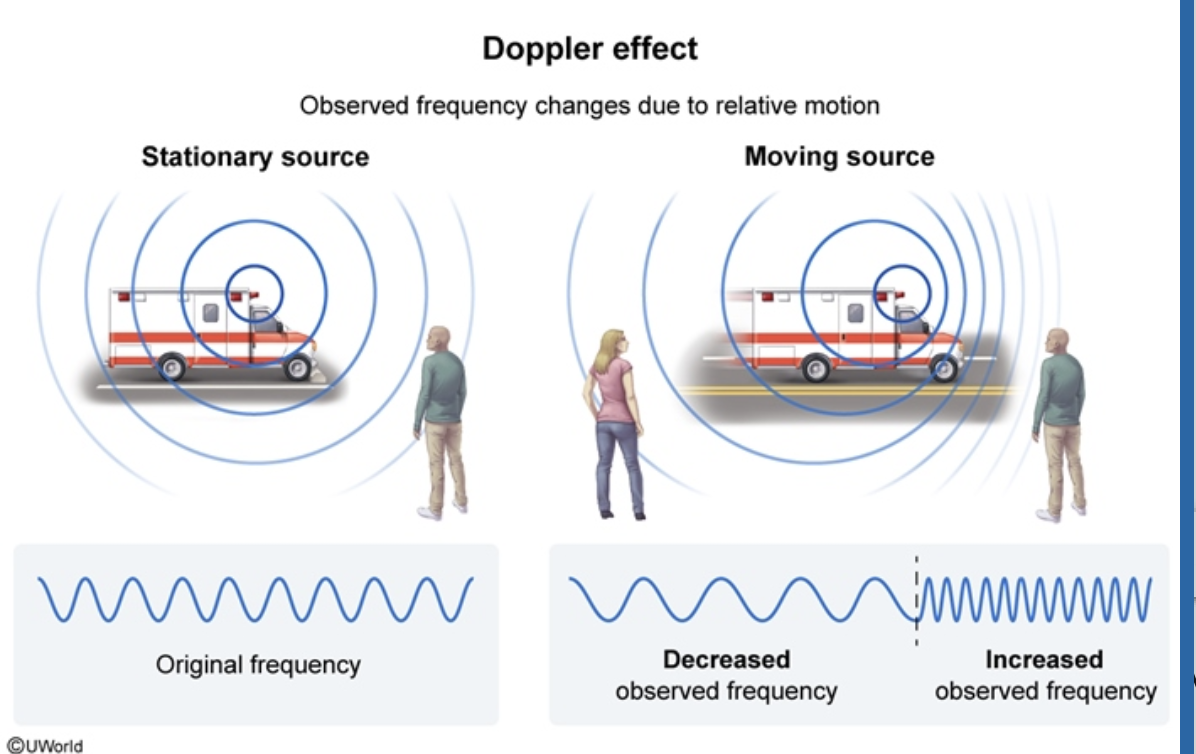
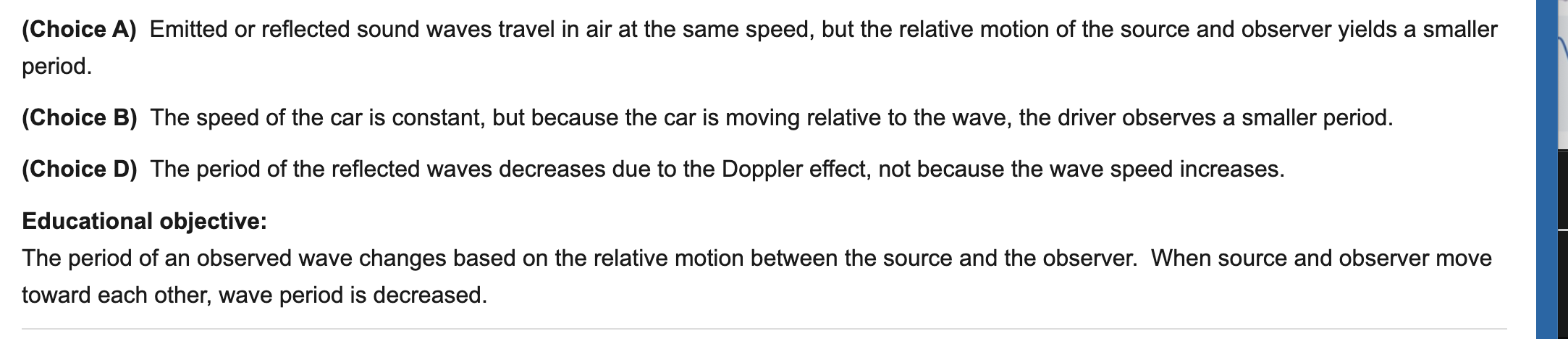

(just explain why)

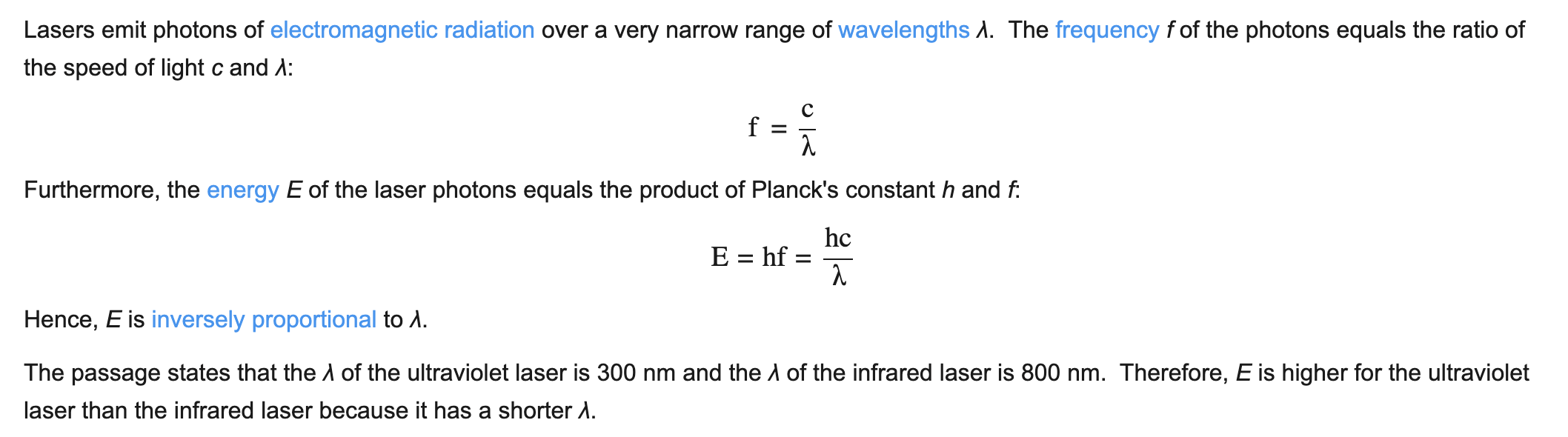
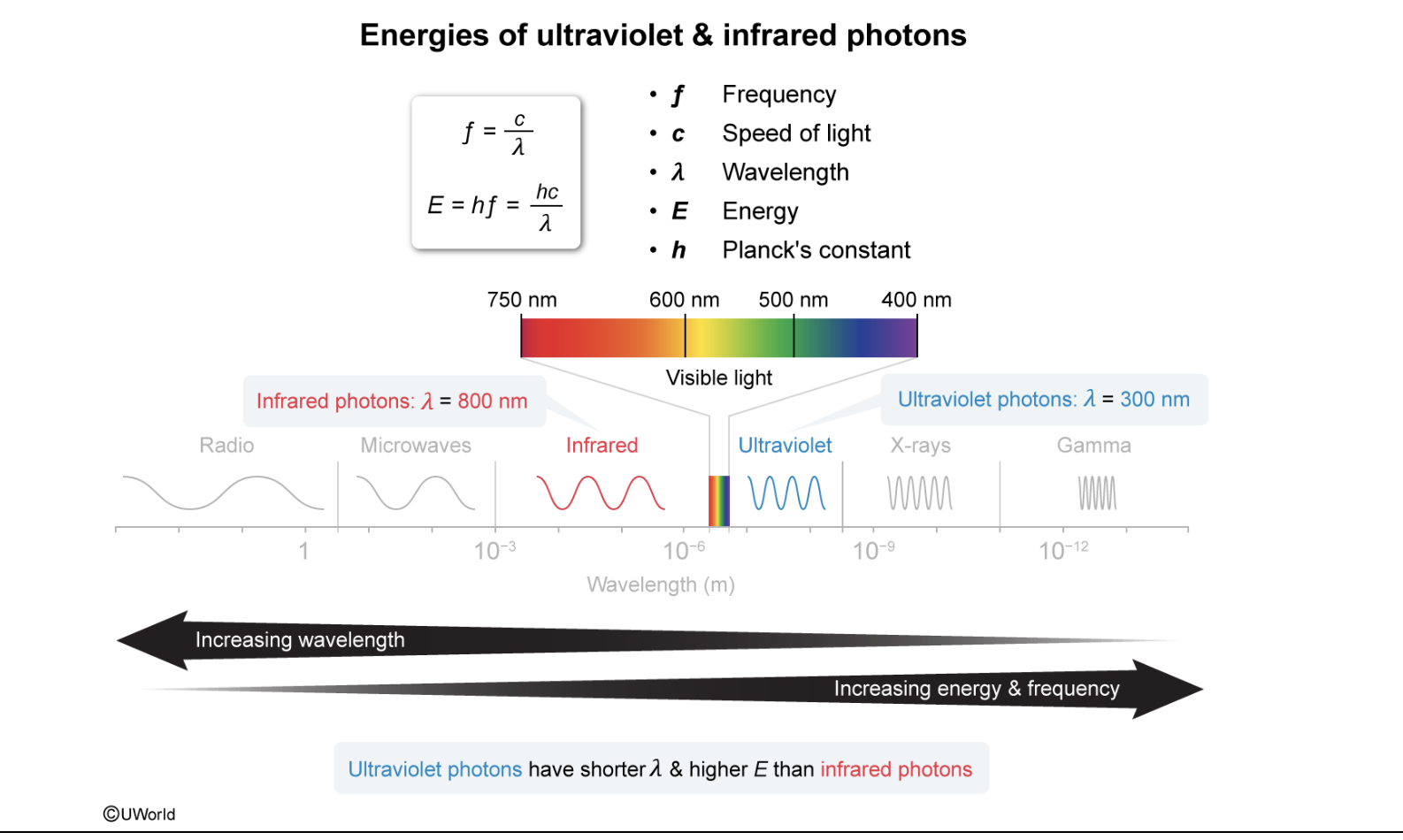


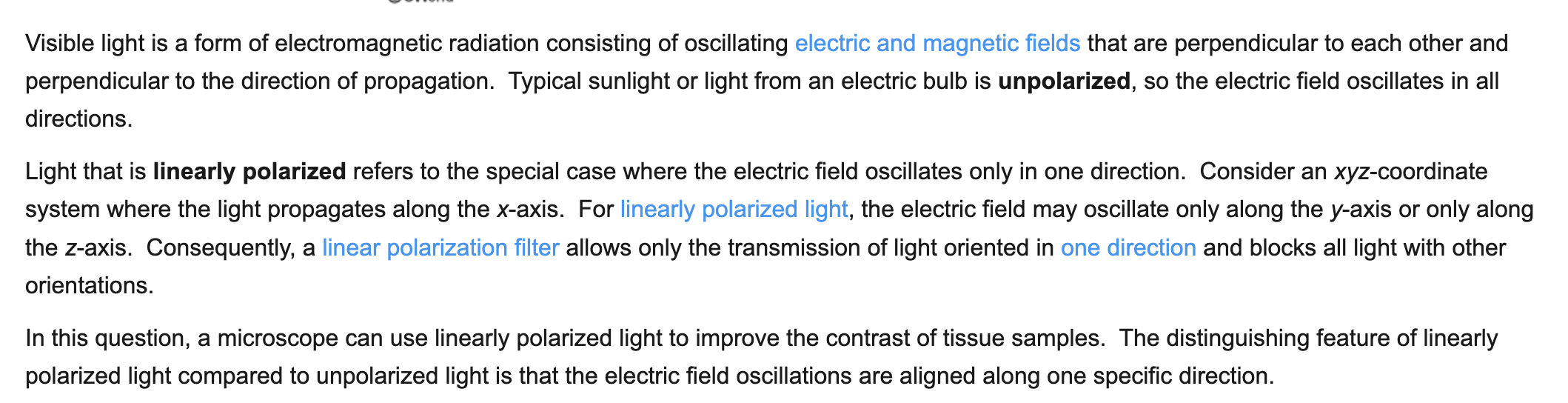



Answer C

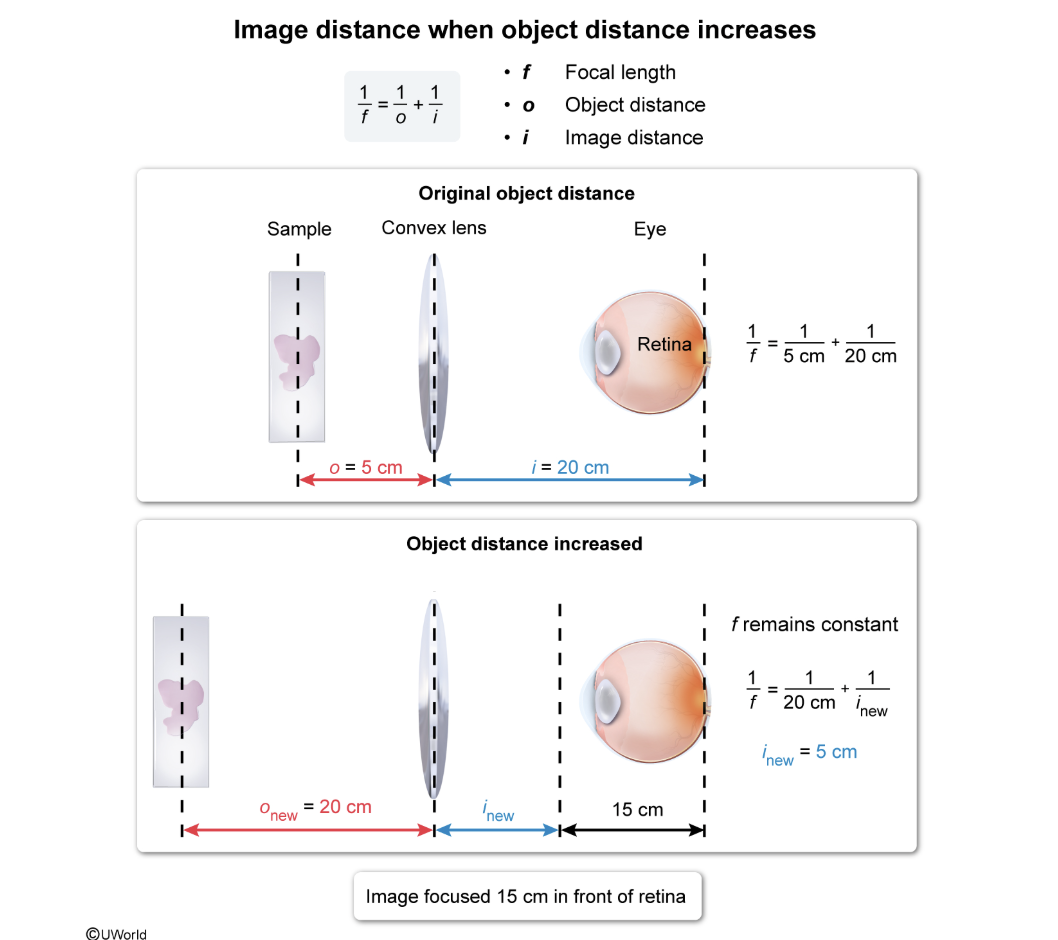

Note: the focal length of a converging convex lens is positive; concave diverging is negative
solve for 1/f which is…
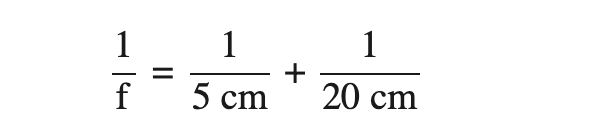
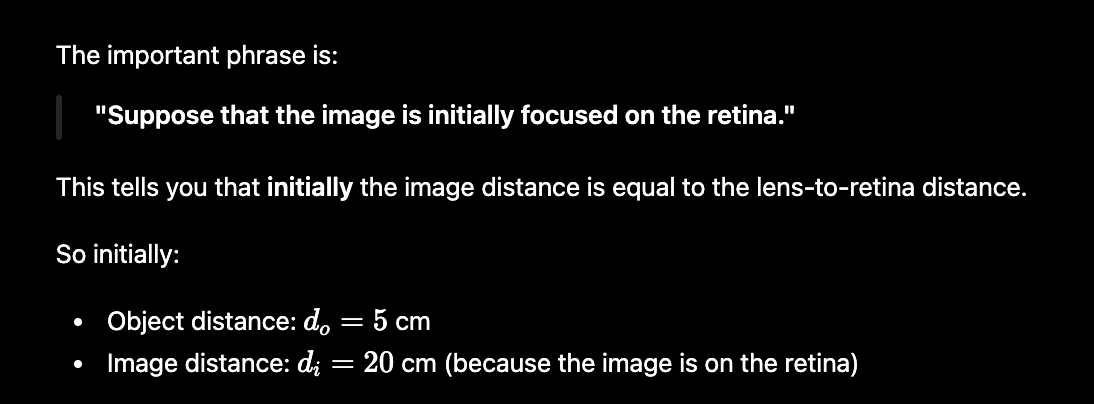
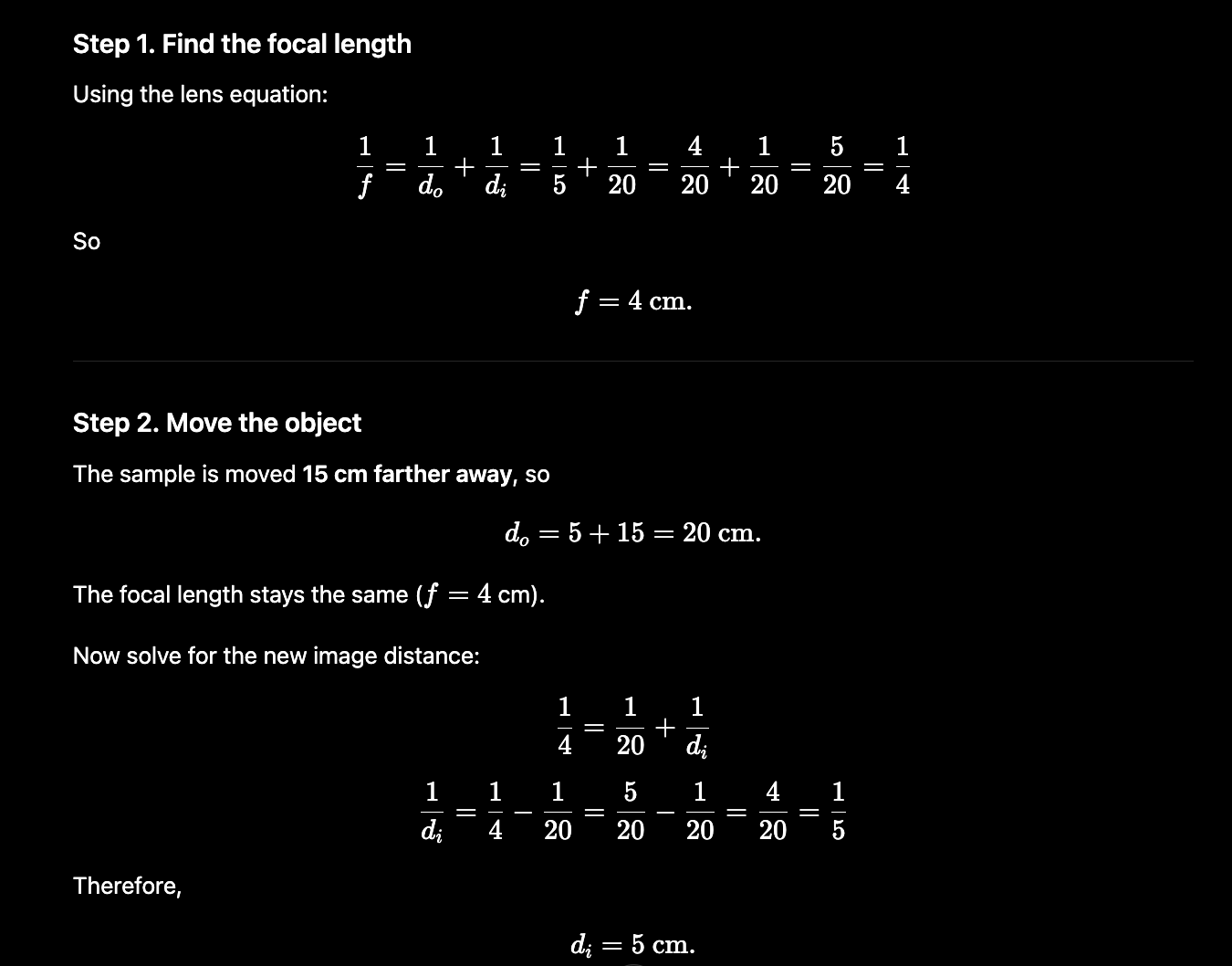
Then set 1/f equal to the Onew and Inew


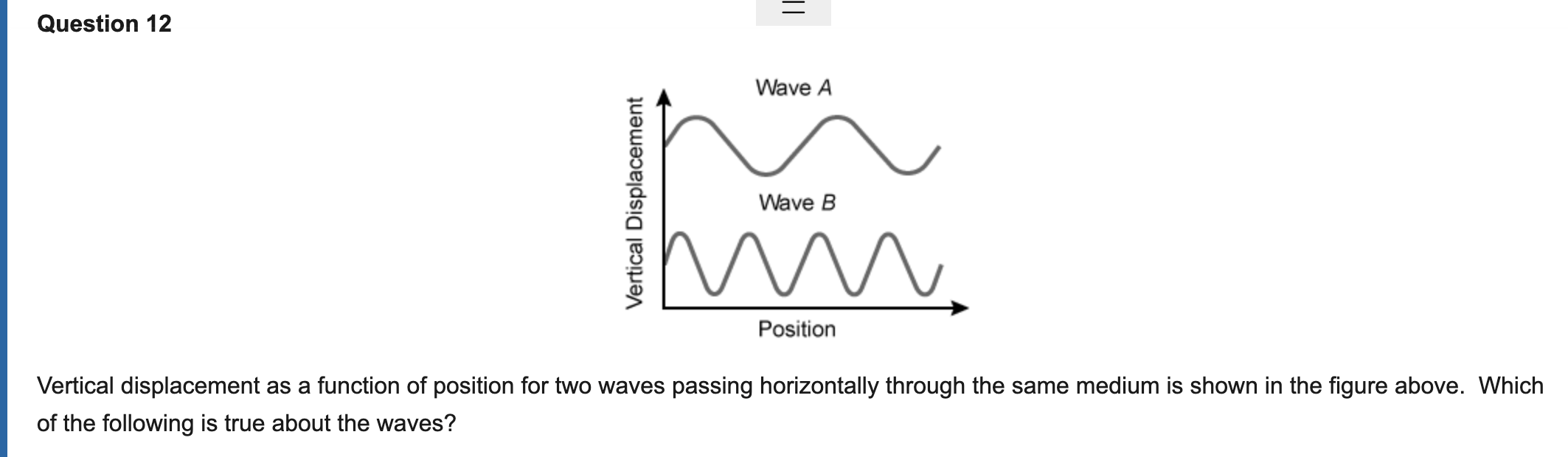
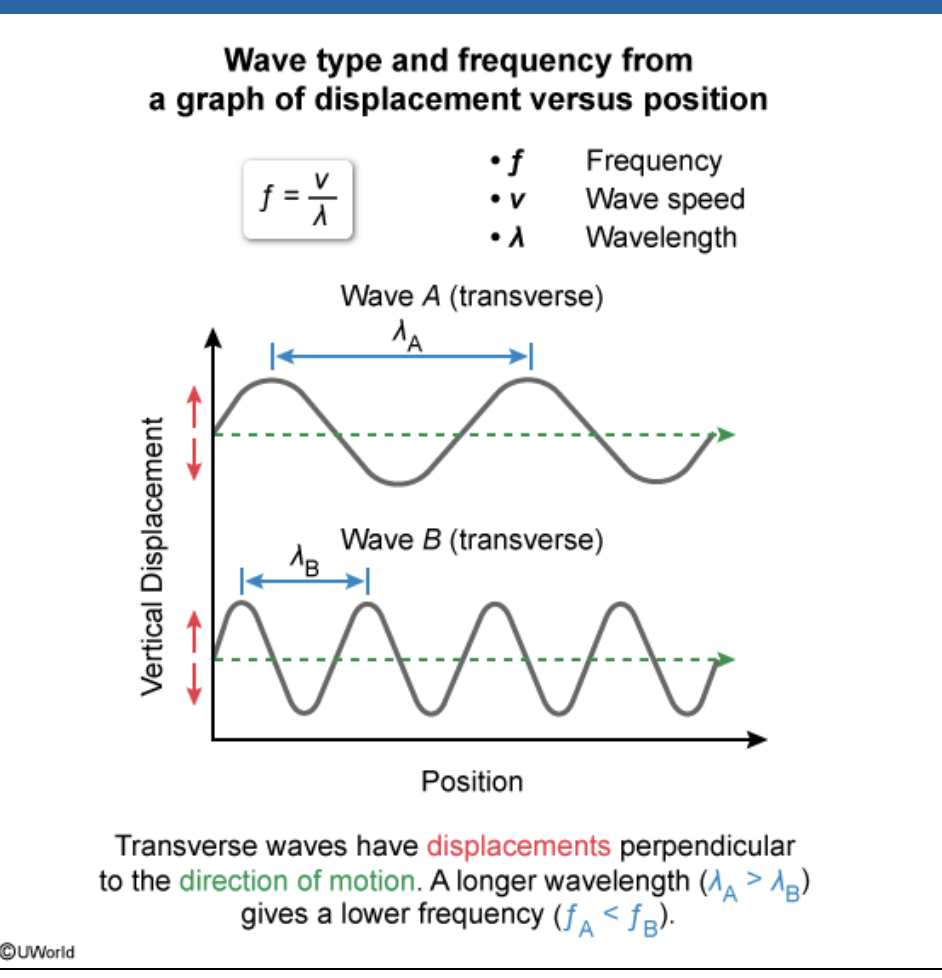
are these transverse or longitudinal waves
transverse

increase, decrease, constant?
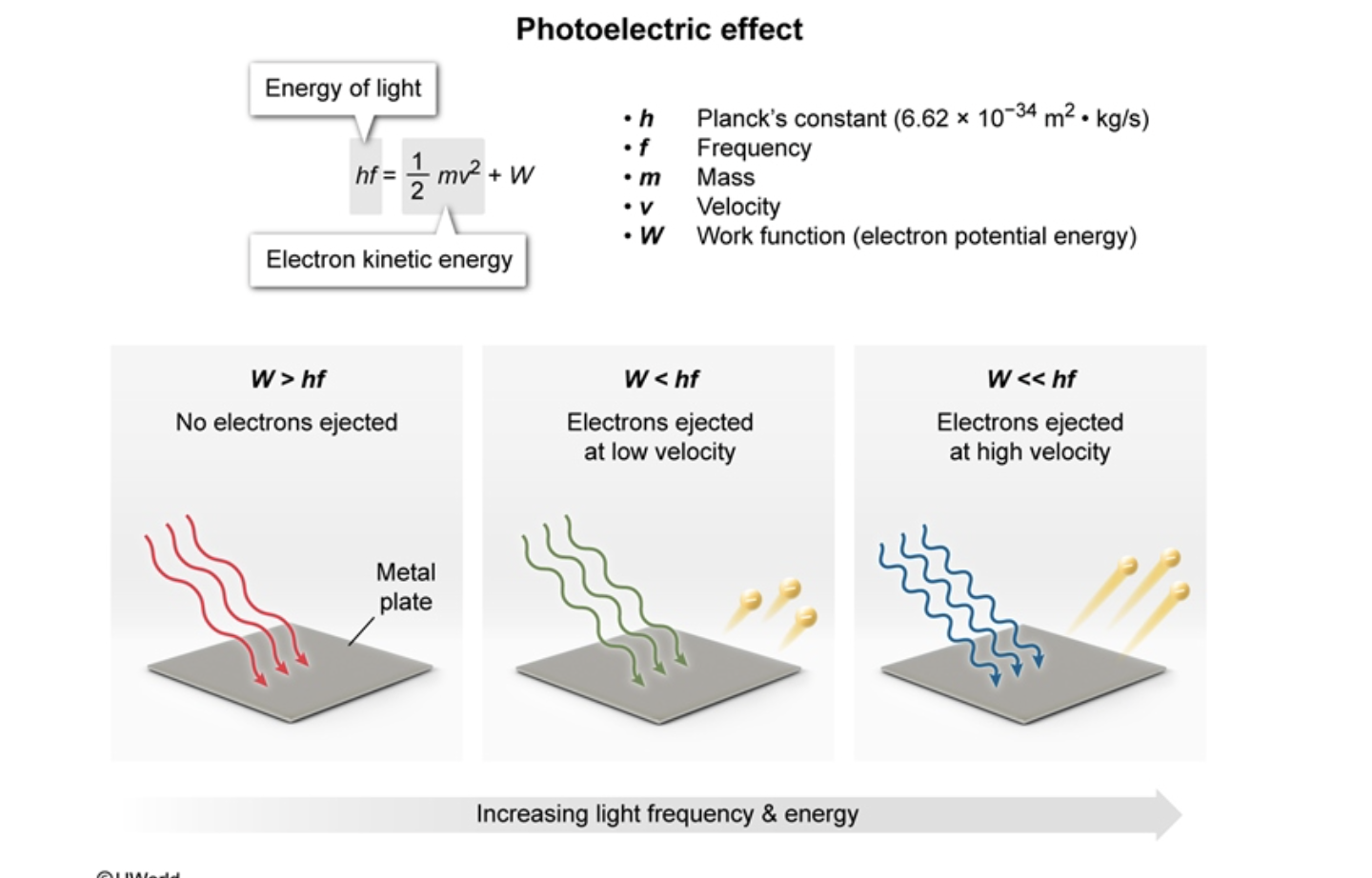
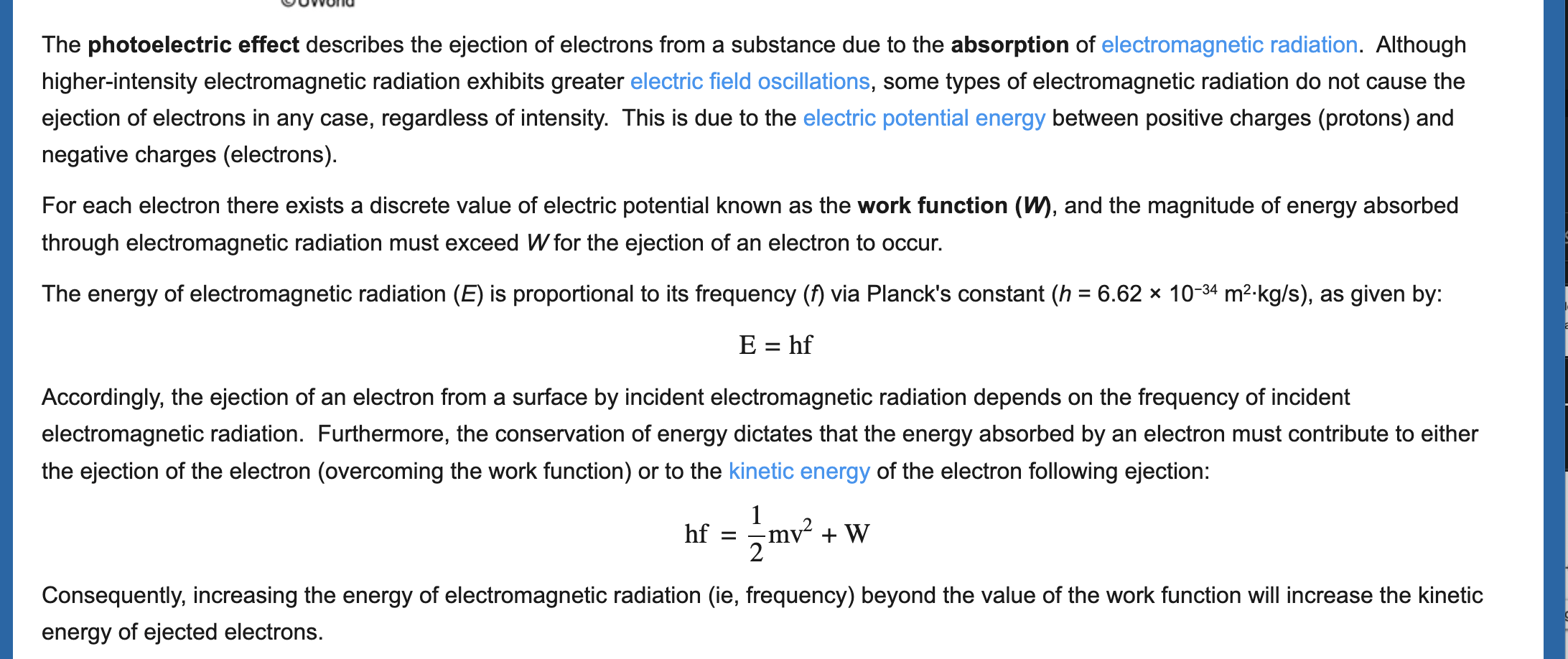
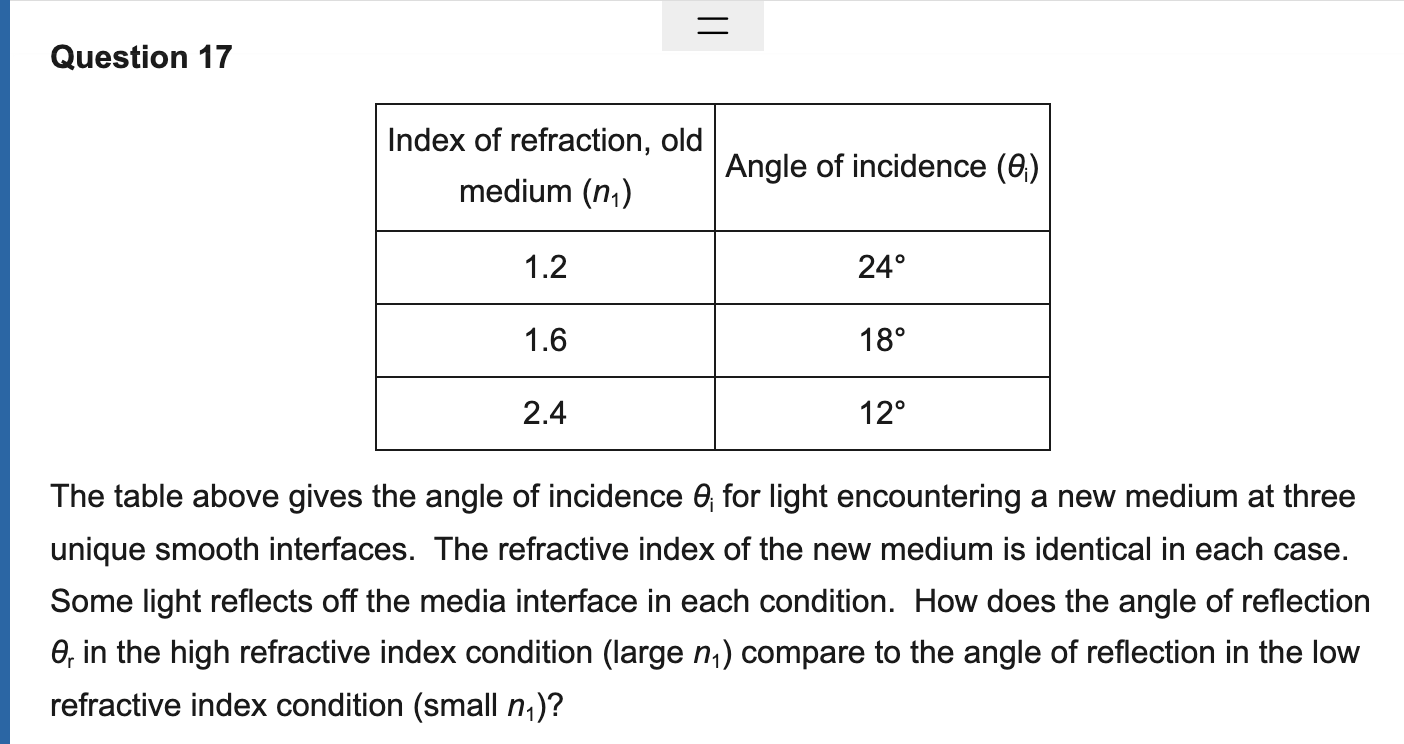
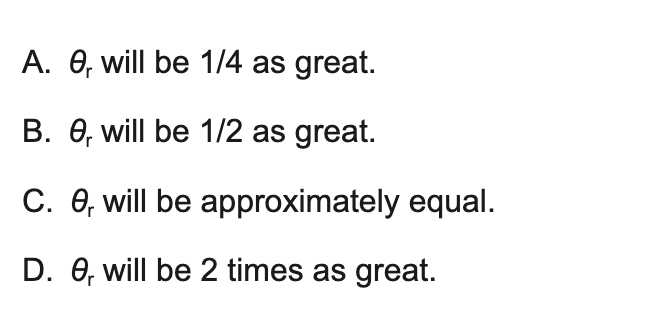
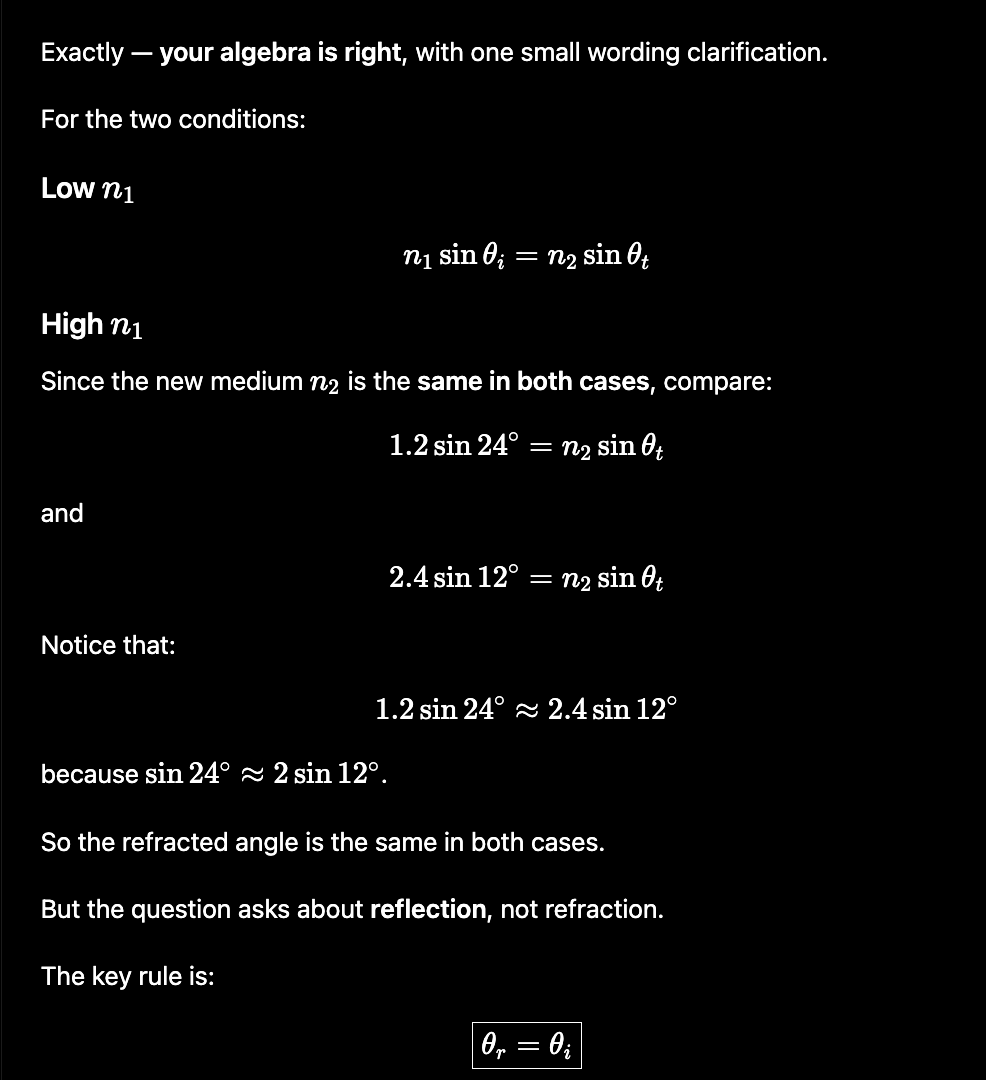
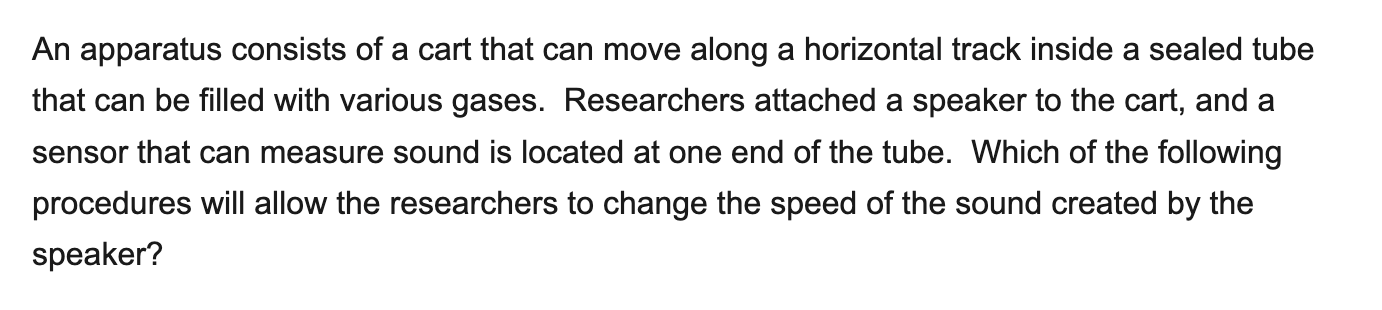
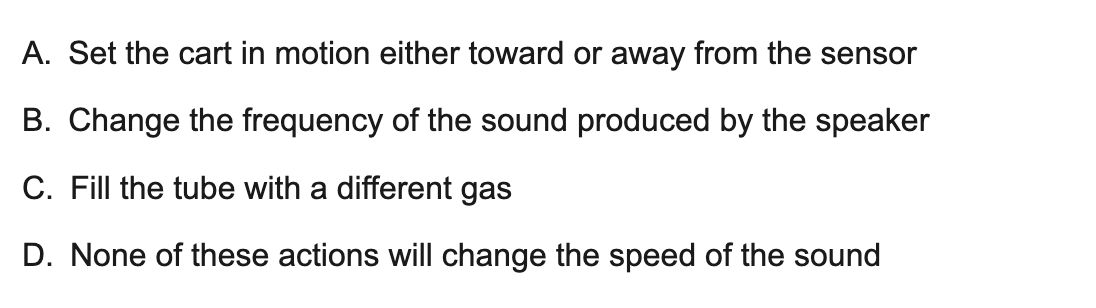
Answer C