Western Art History
 Studied by 0 people
 Call Kai
 Learn
Learn Practice Test
 Spaced Repetition
 Match
Match Flashcards
 Knowt Play
1/85

There's no tags or description
Looks like no tags are added yet.
Name | Mastery | Learn | Test | Matching | Spaced |
|---|
No study sessions yet.
86 Terms
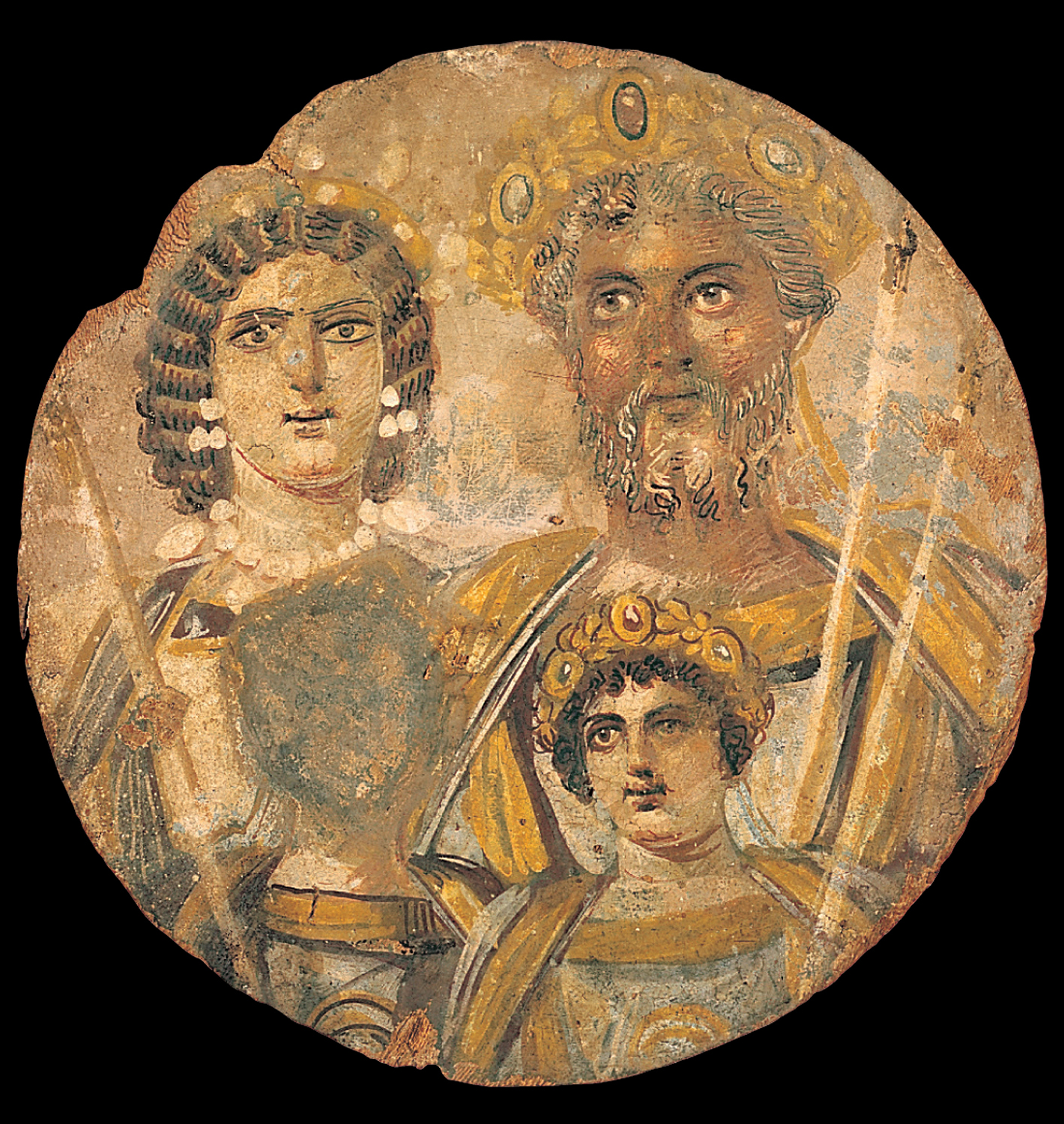
Portrait of Severus and his family
200 CE
Special because of its survival, showcase of age, and defacing for political reasons
shows shifting imperial ideology in the late empire

Bust of Caracalla
211-217 CE
Departs from classical busts by showing a new male hairstyle and intense emotions
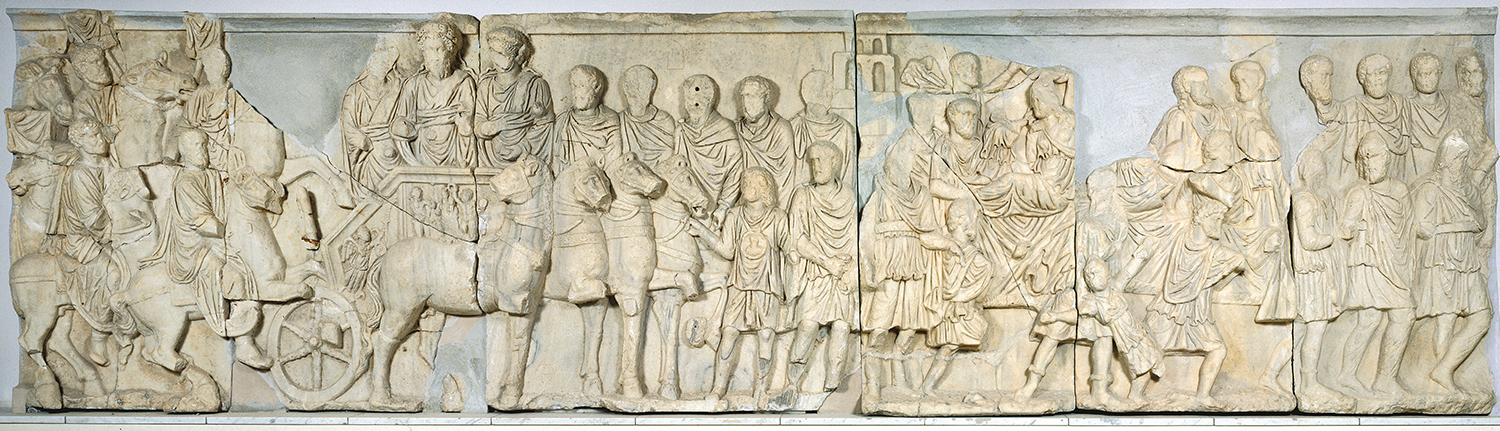
Chariot Procession of Severus
203 CE
Shows a new non naturalistic aesthetic-much stiffer with frontal and floating figures
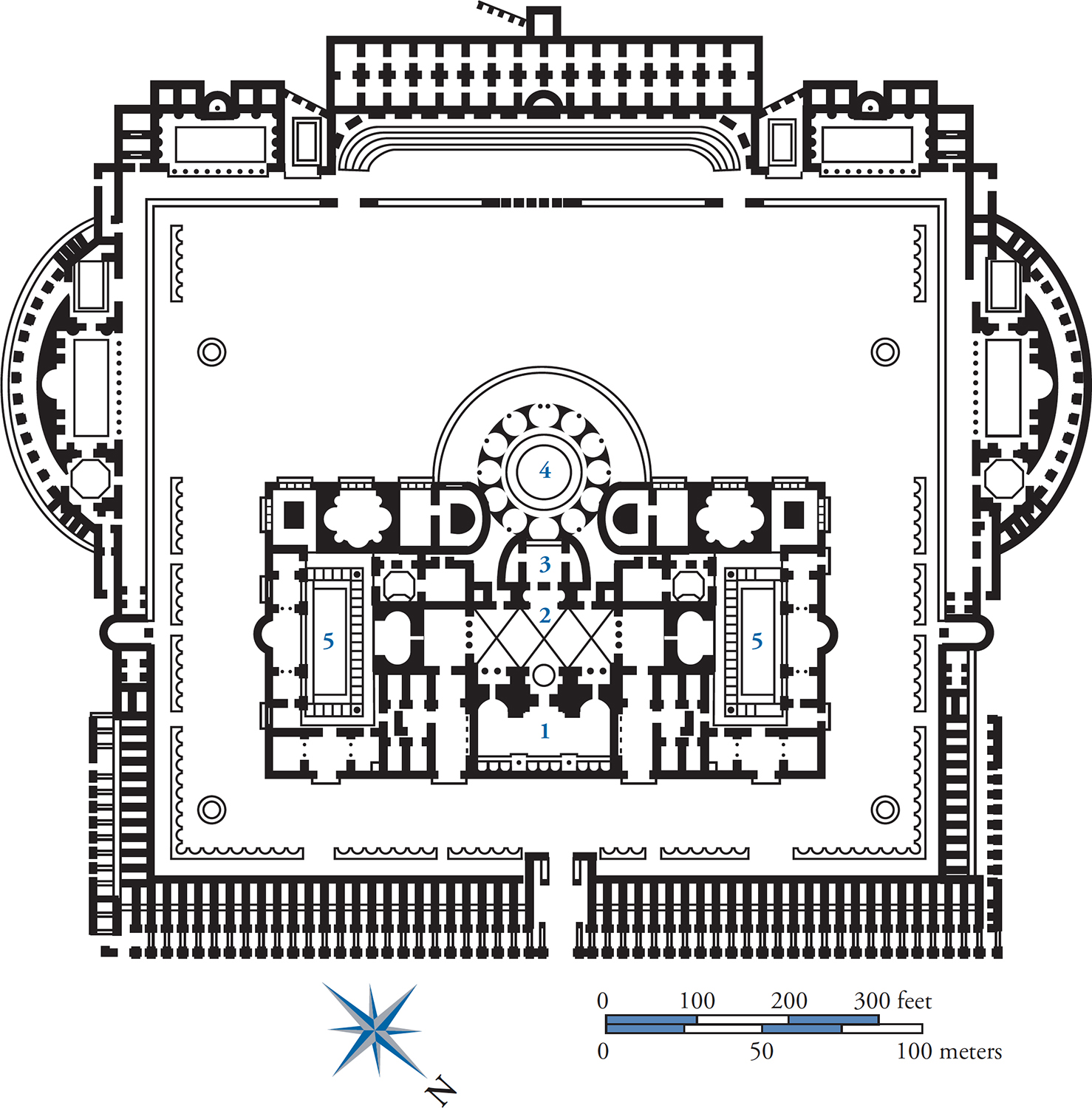
Baths of Caracalla
212-218 CE
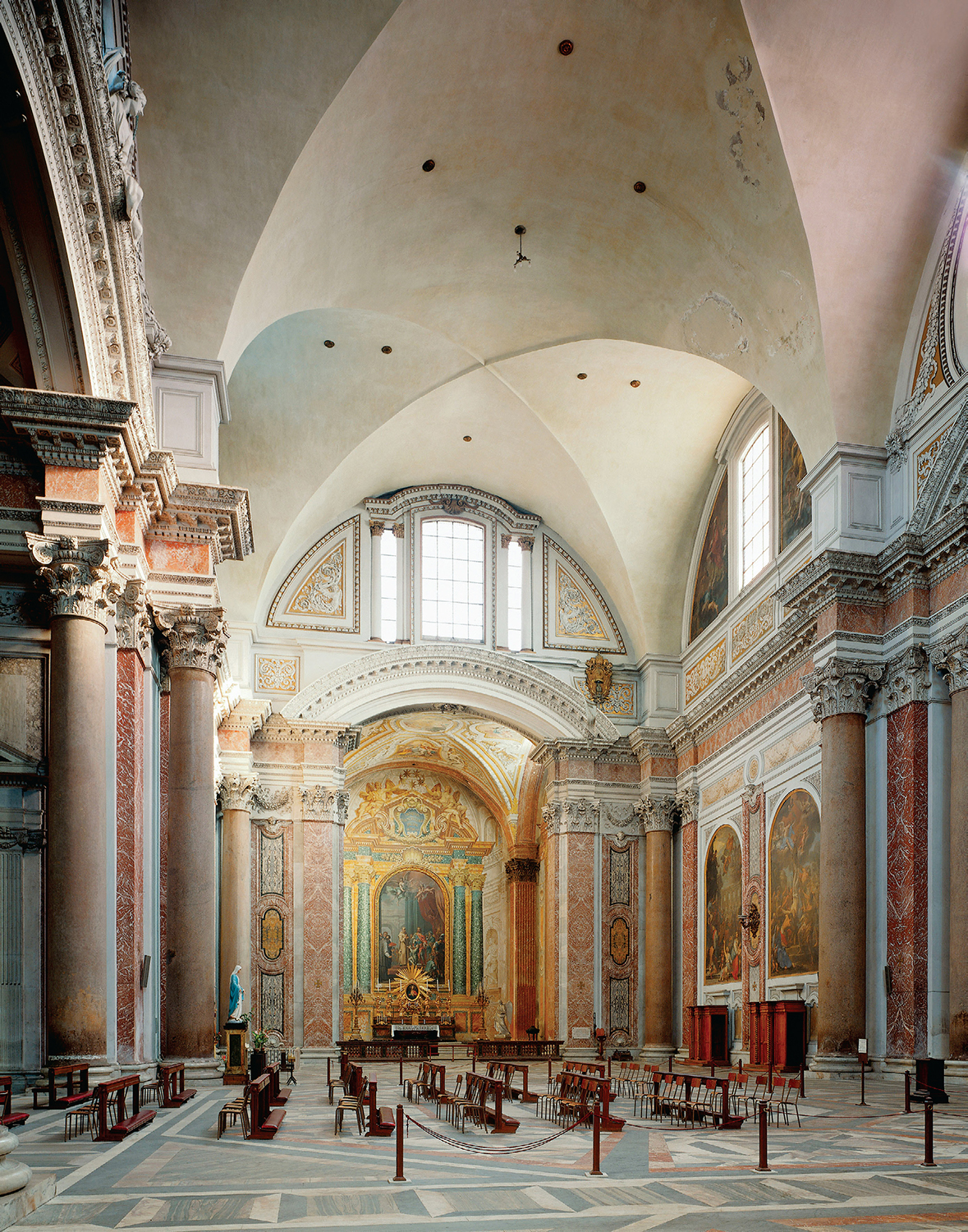
Frigidarium
298-306 CE
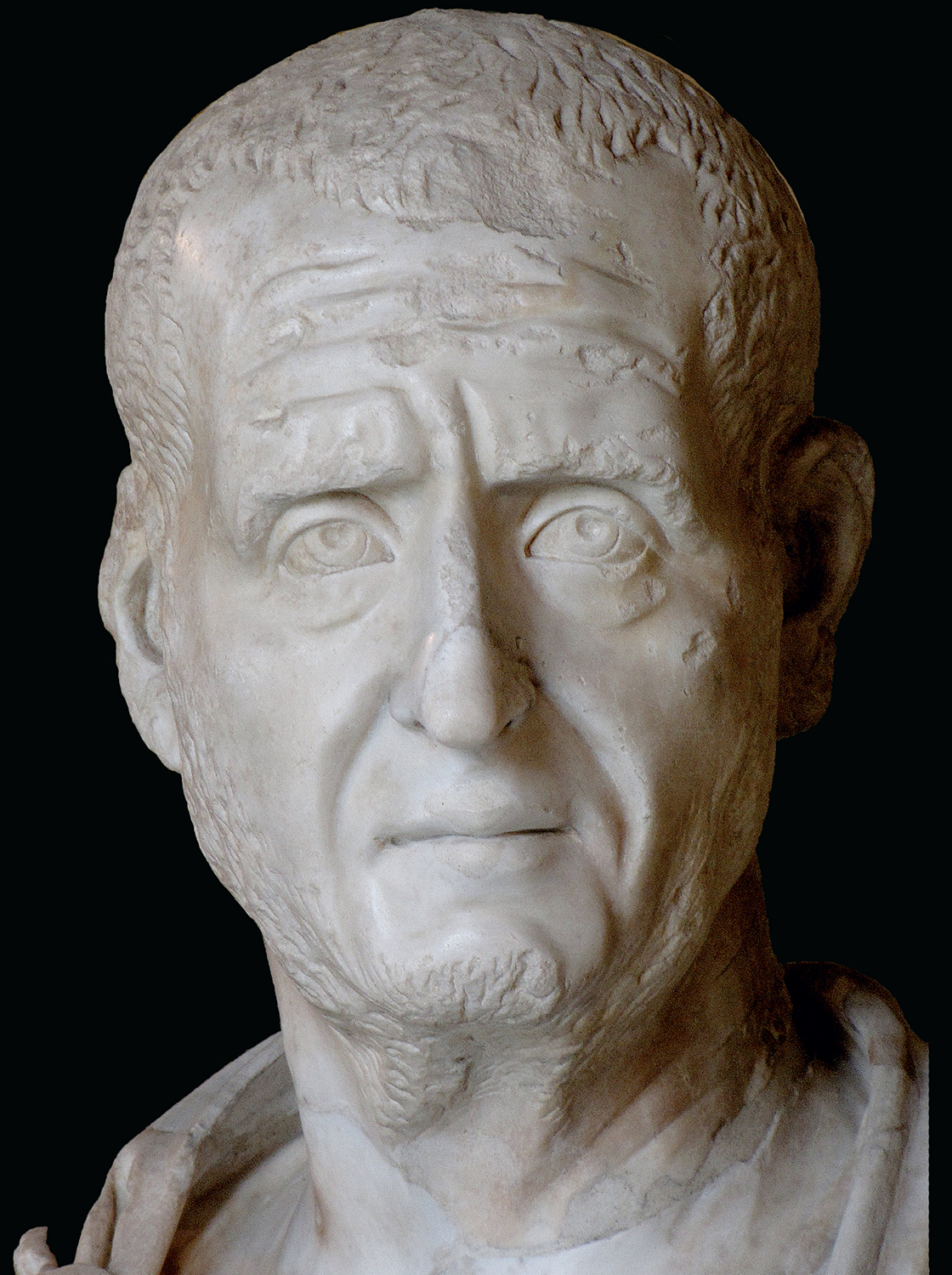
Bust of Trajan Decius
249-251 CE
Shows high degree of vulnerability, calls into question if the emperor signed off on this
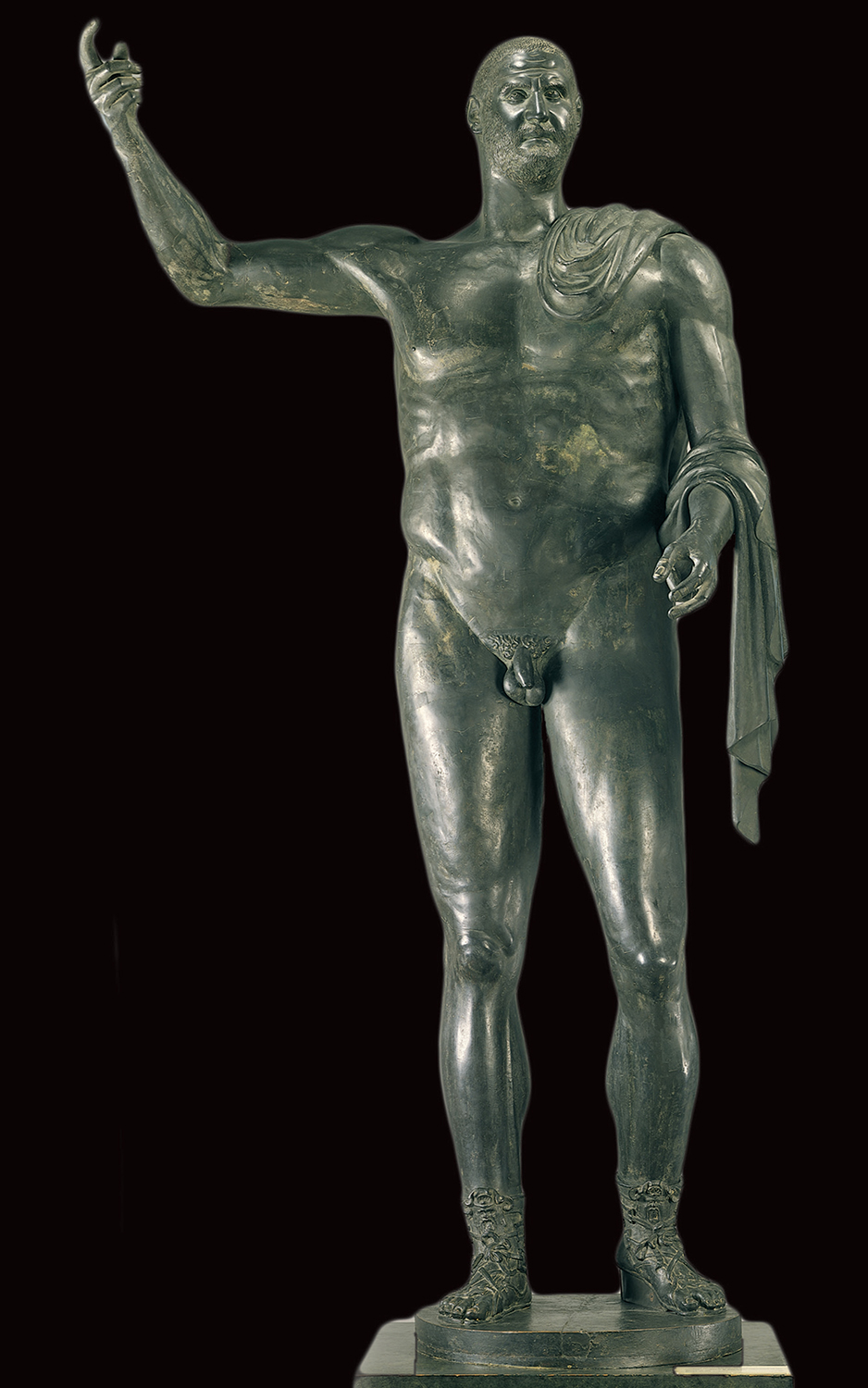
Statue of Philip the Arabian
251-253 CE
Shows a nervous looking face with a wrestler’s body, departs from the classical greek style of a lean athletes body with a keen mind
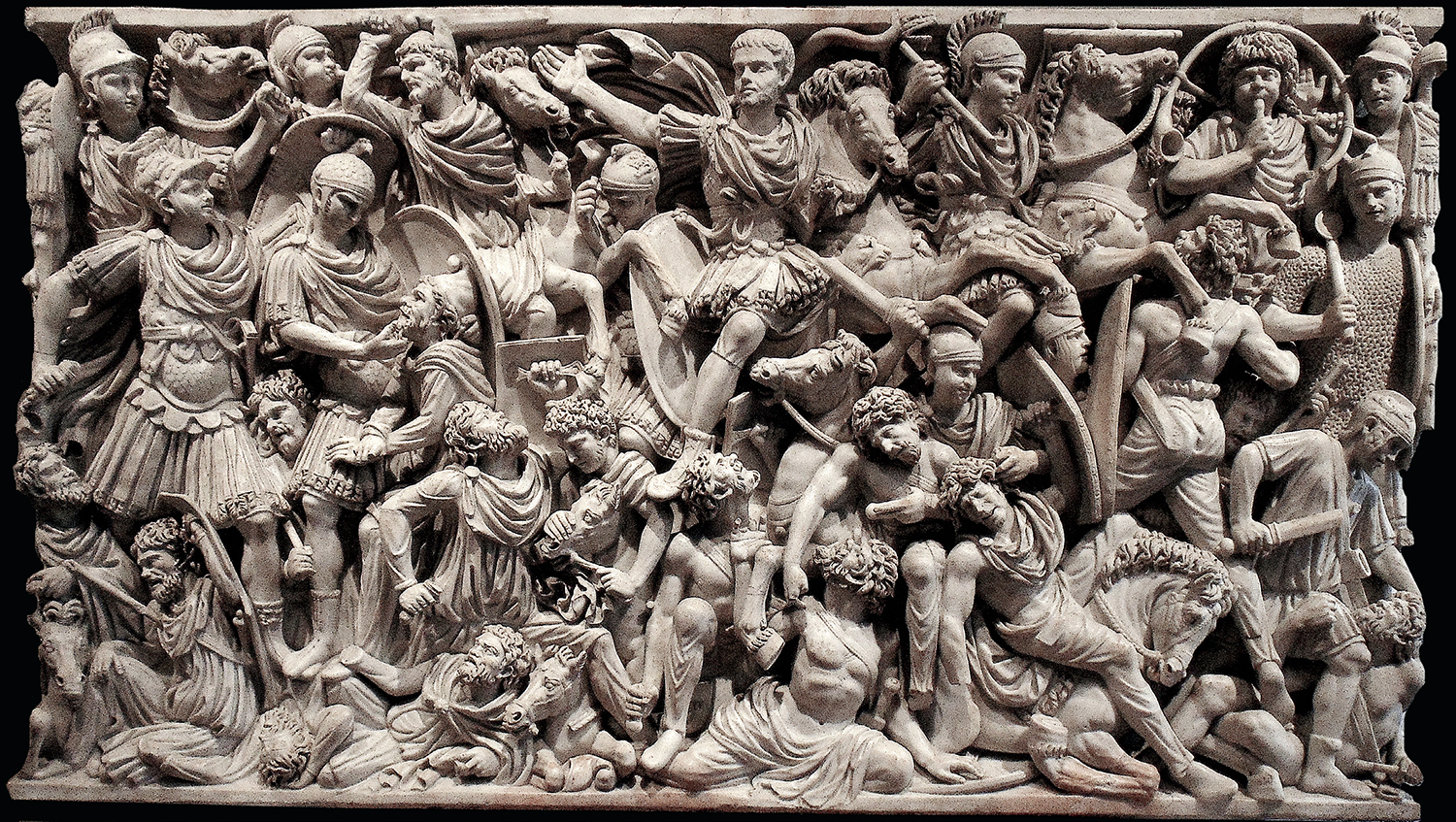
Ludovisi Battle Sarcophagus
250-260 CE
At this time burials suprassed cremation in popularity
The piles of bodies reject the classical style with its lack of a background and high emotional quality
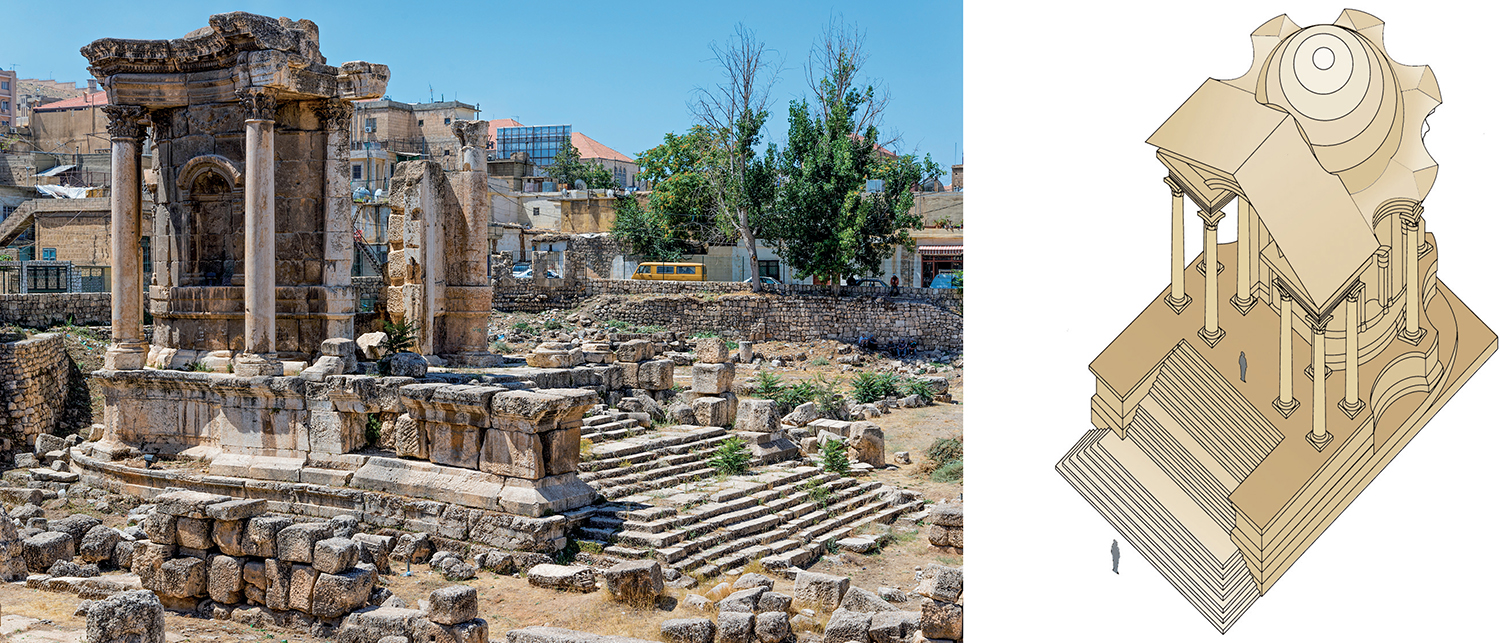
Temple of Venus
3rd century CE
Breaks all the traditional Classical rules for temples
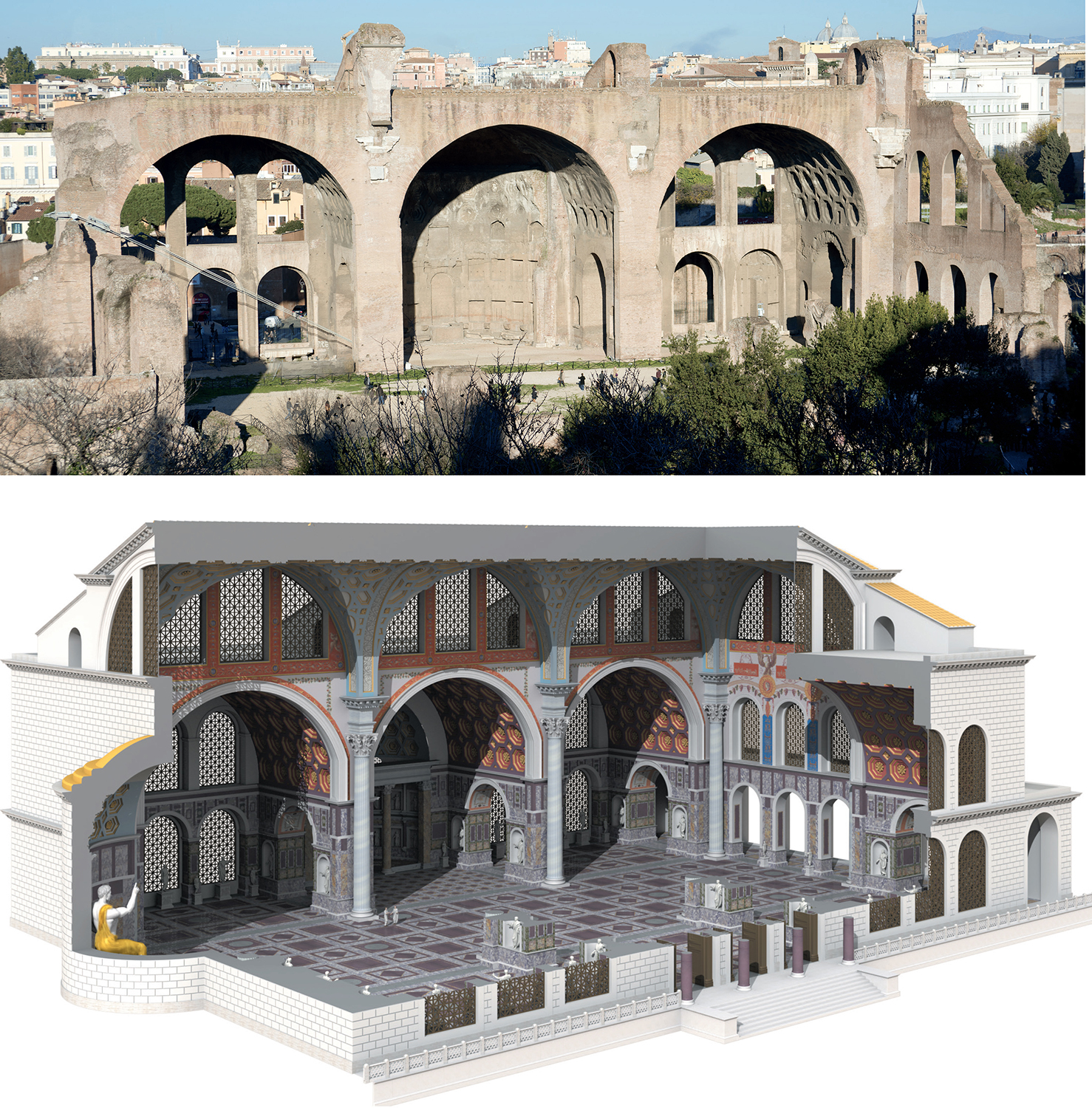
Basillica Nova
306-312 CE
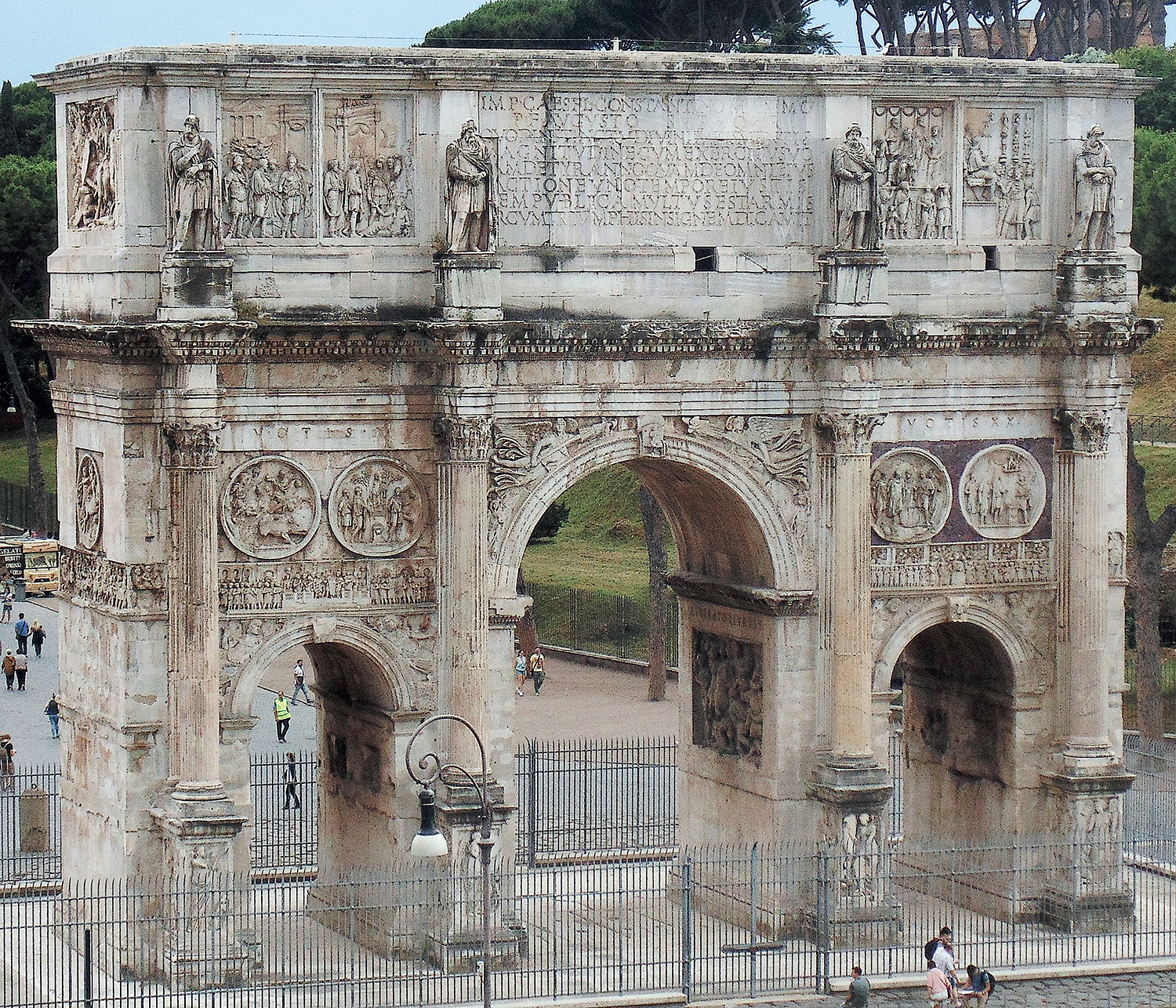
Arch of Constantine
312-315 CE
Signals the rise of Christian imperial ideology
Used spoils from other monuments
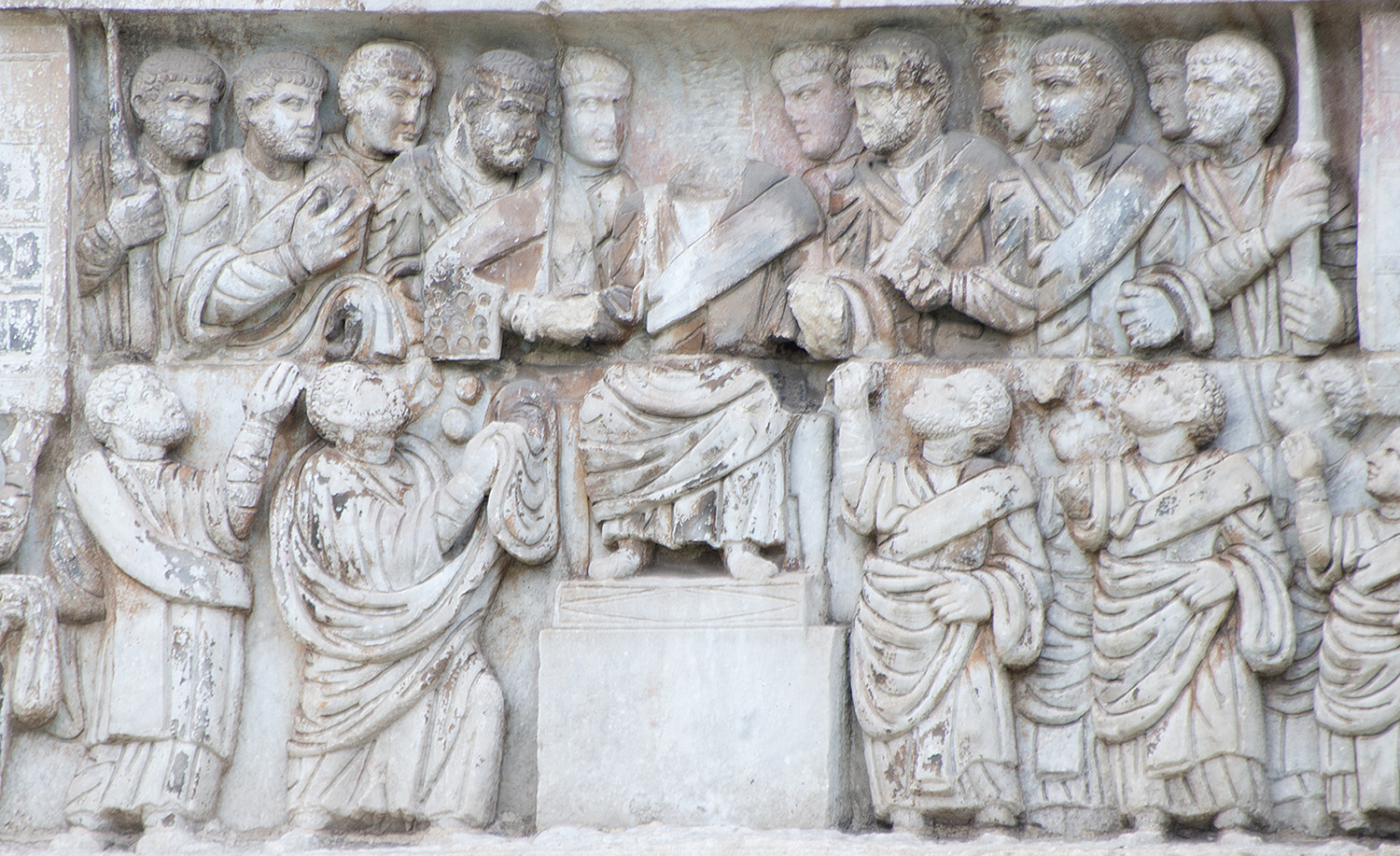
Constantine distributing largesse
312-315 CE
Shows the stillness and stiffness of form that becomes the canon for medieval art
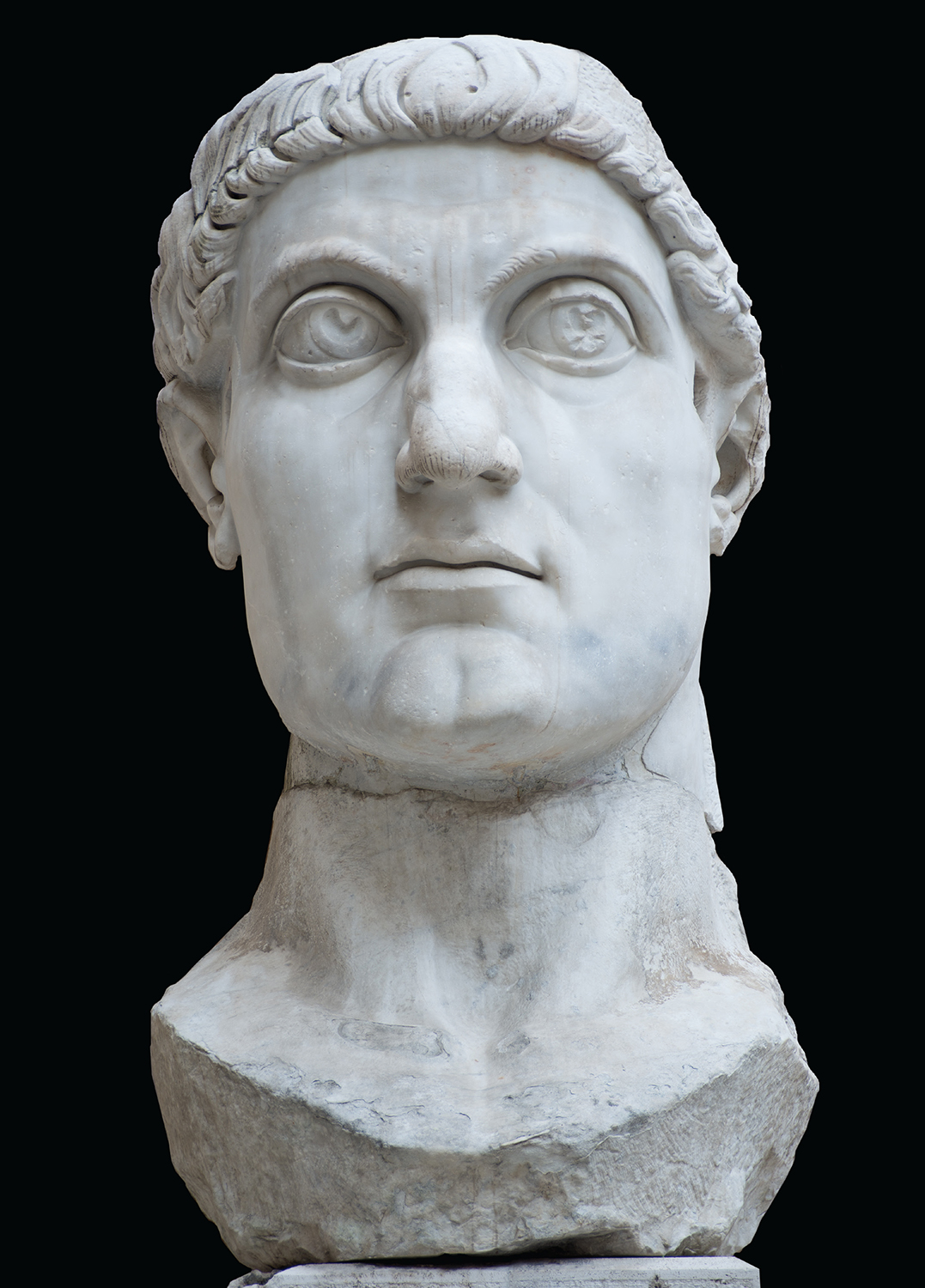
Bust of Constantine
315-330 CE
Shows abstraction and rejection of naturalism to convey spiritual and political ideologies
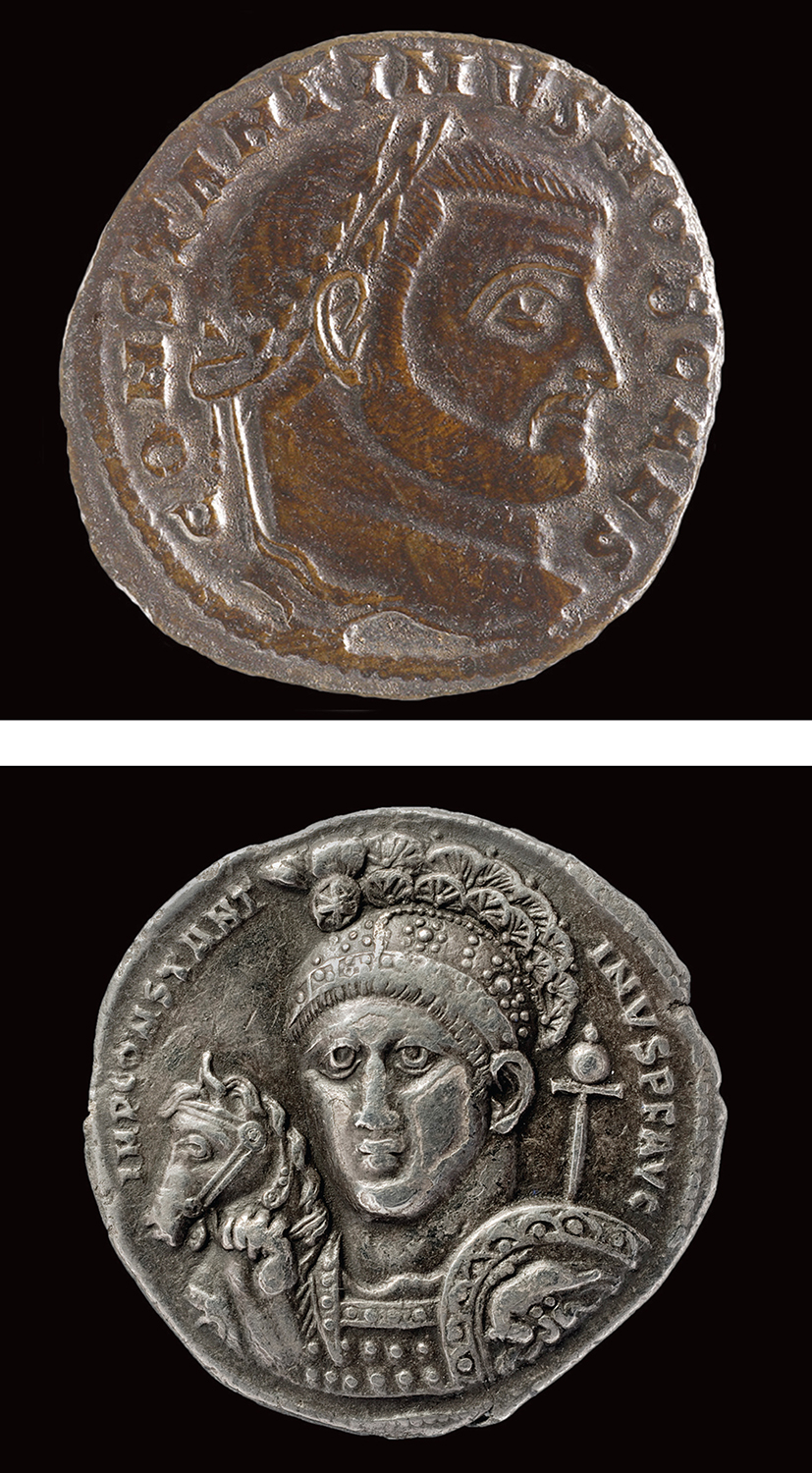
Coin of Constantine
307 CE
Blends pagan and christian iconography together, marks the transition from the ancient roman empire to the medieval christian empire
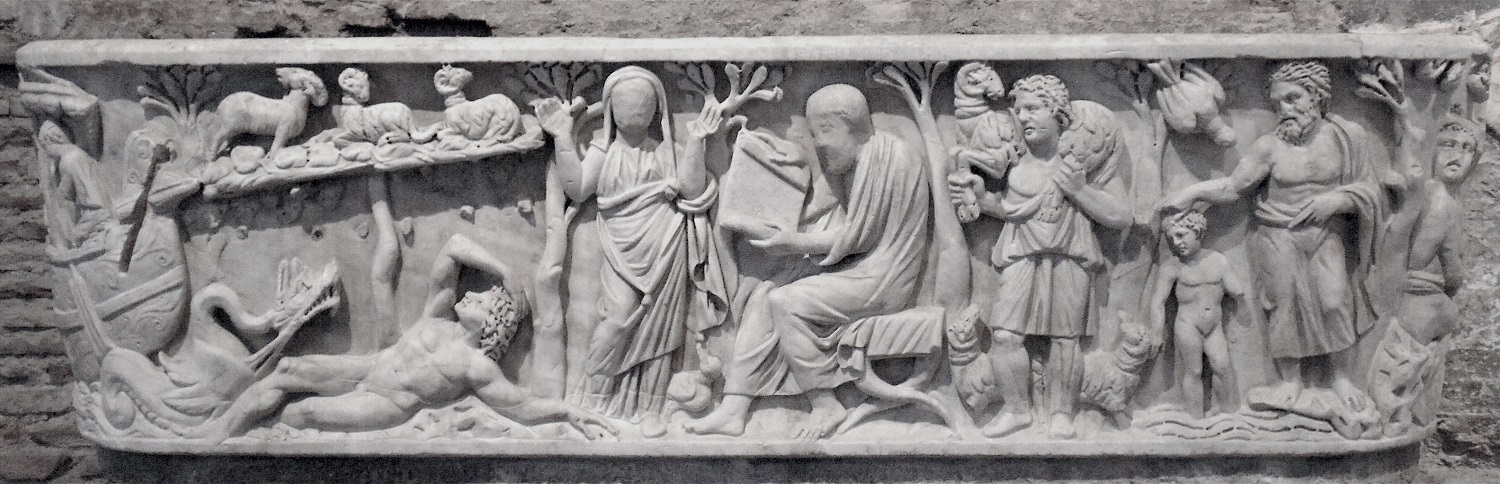
Sarcophagus with philospher, orant
270 CE
Shows how Jesus was first portrayed as a humble shepherd
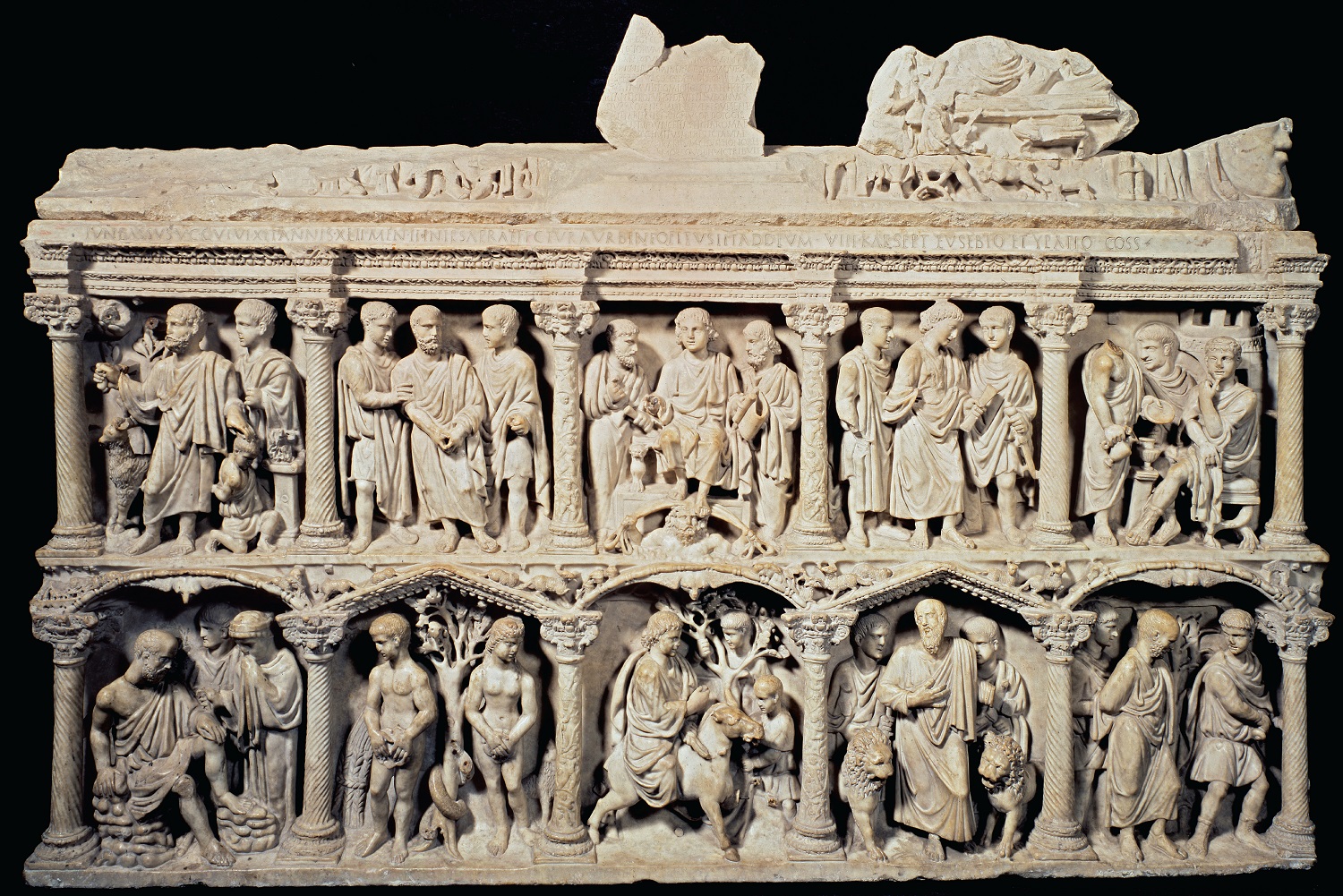
Sarcophagus of Junius Bassus
359 CE
Christian imagery modeled on roman imperial art
adam and eve are ashamed of their nudity, rejection of the classical ideals
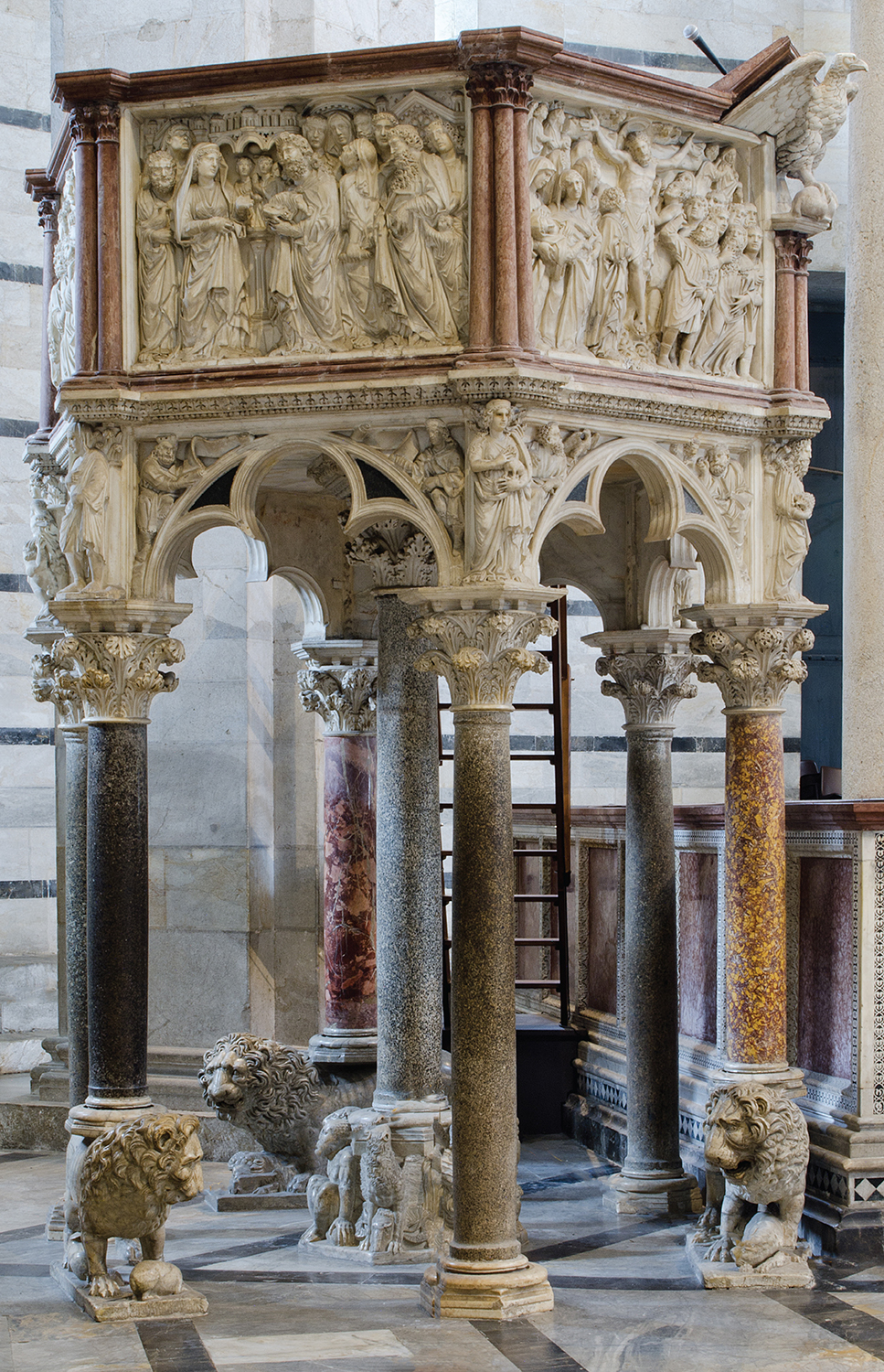
Pulpit of the Baptistery, Pisa
1259-1260 CE
blends classical and medieval styles
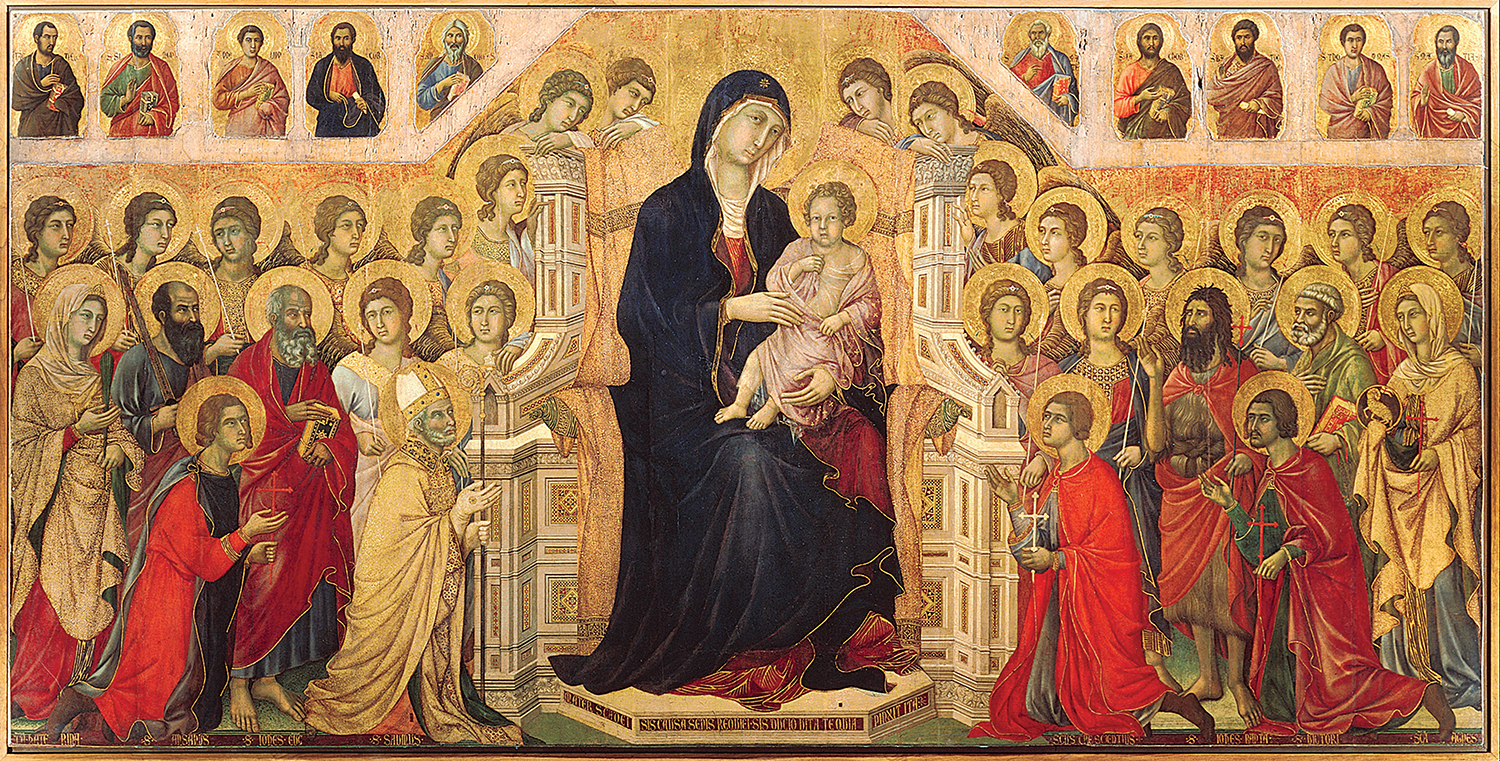
Virgin and child enthroned
1308-1311 CE
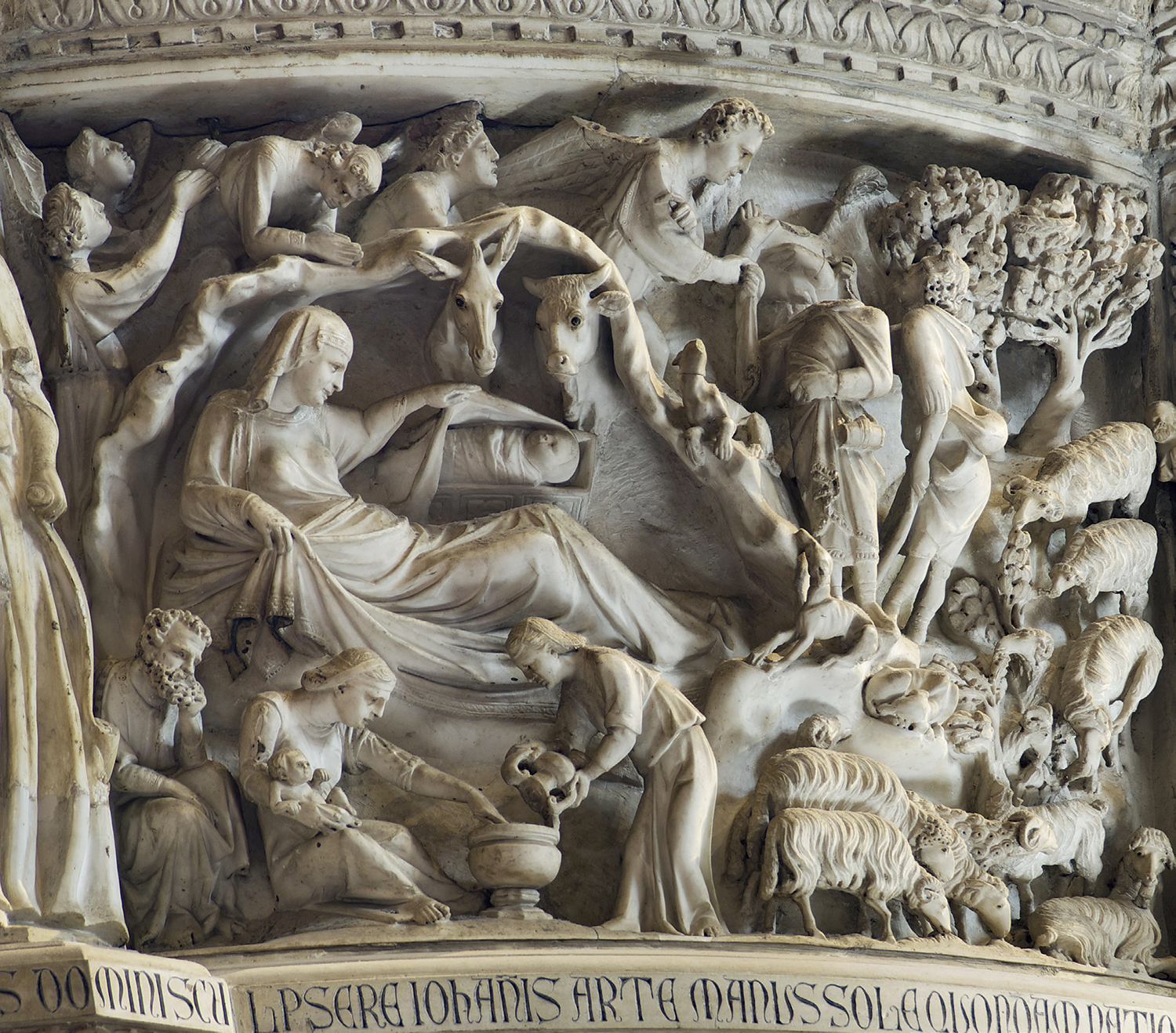
Nativity and announcement to the shepherds
1298-1301 CE
reclining virgin recalls roman and Etruscan sarcophaguses
figures show classical influence
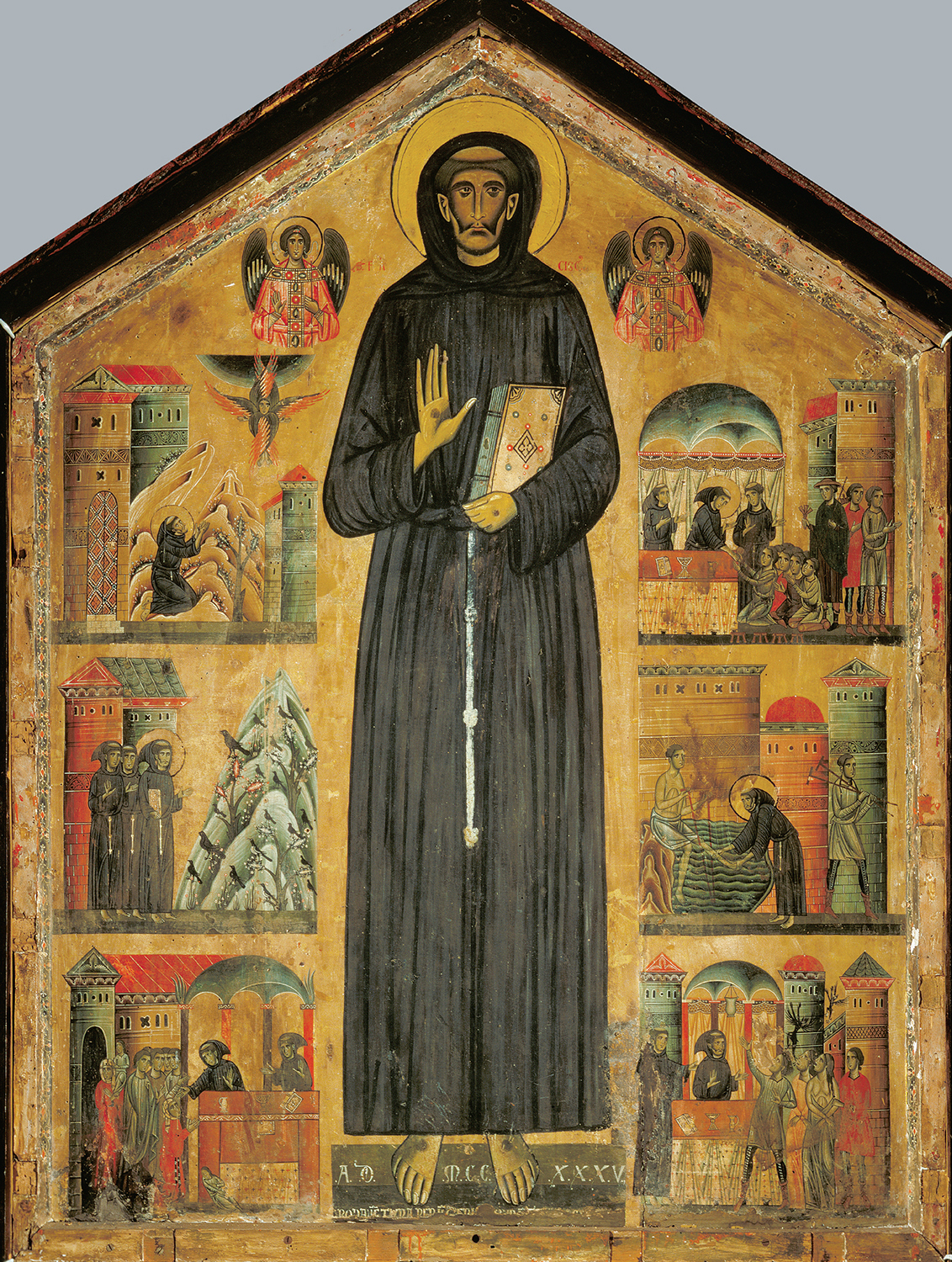
Bonaventura Berlinghieri
1235 CE
strong Byzantine influence
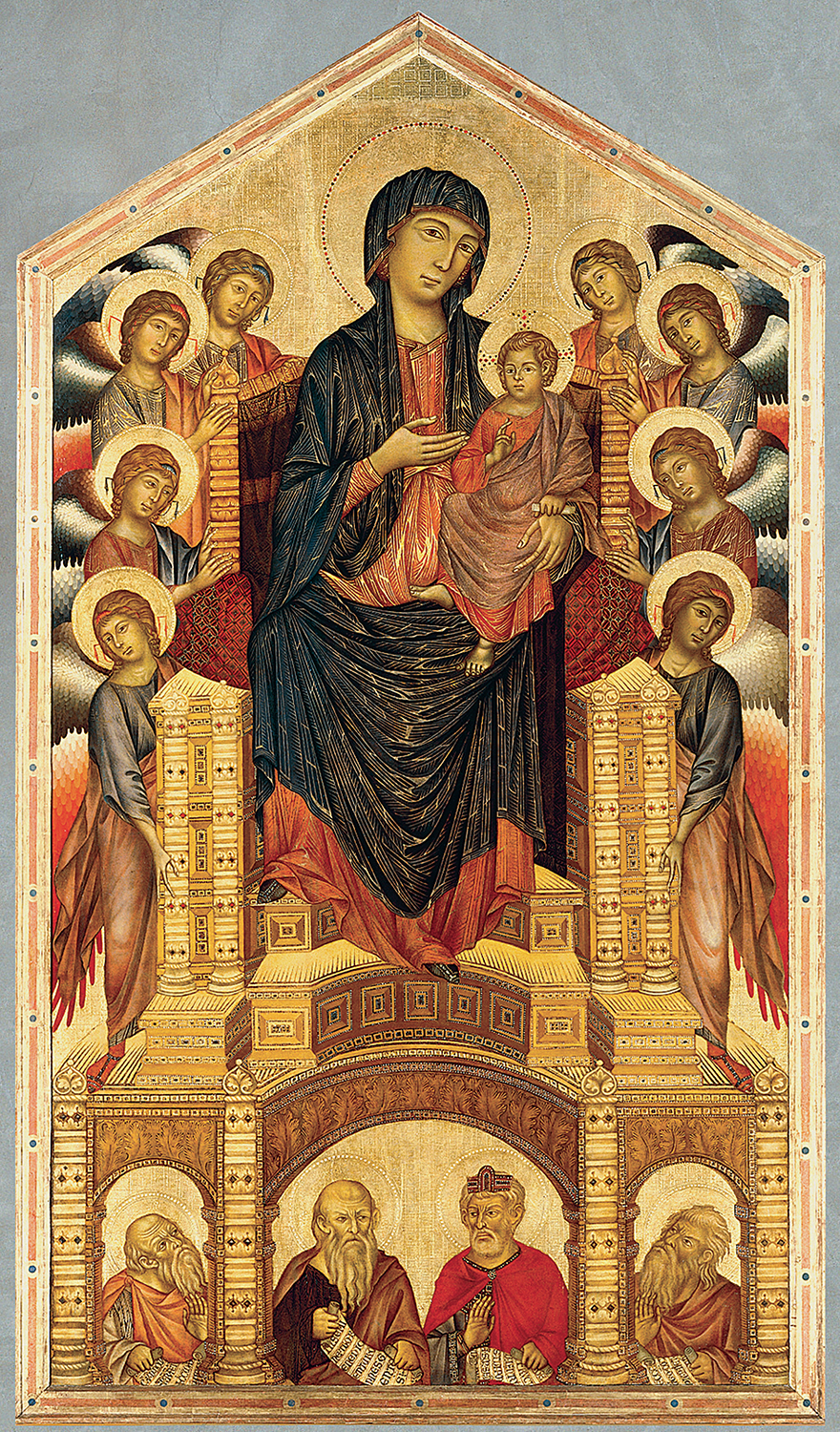
Madonna Enthroned with Angels
1280-1290
transitional work between byzantine and early italian naturalism
spatial layering
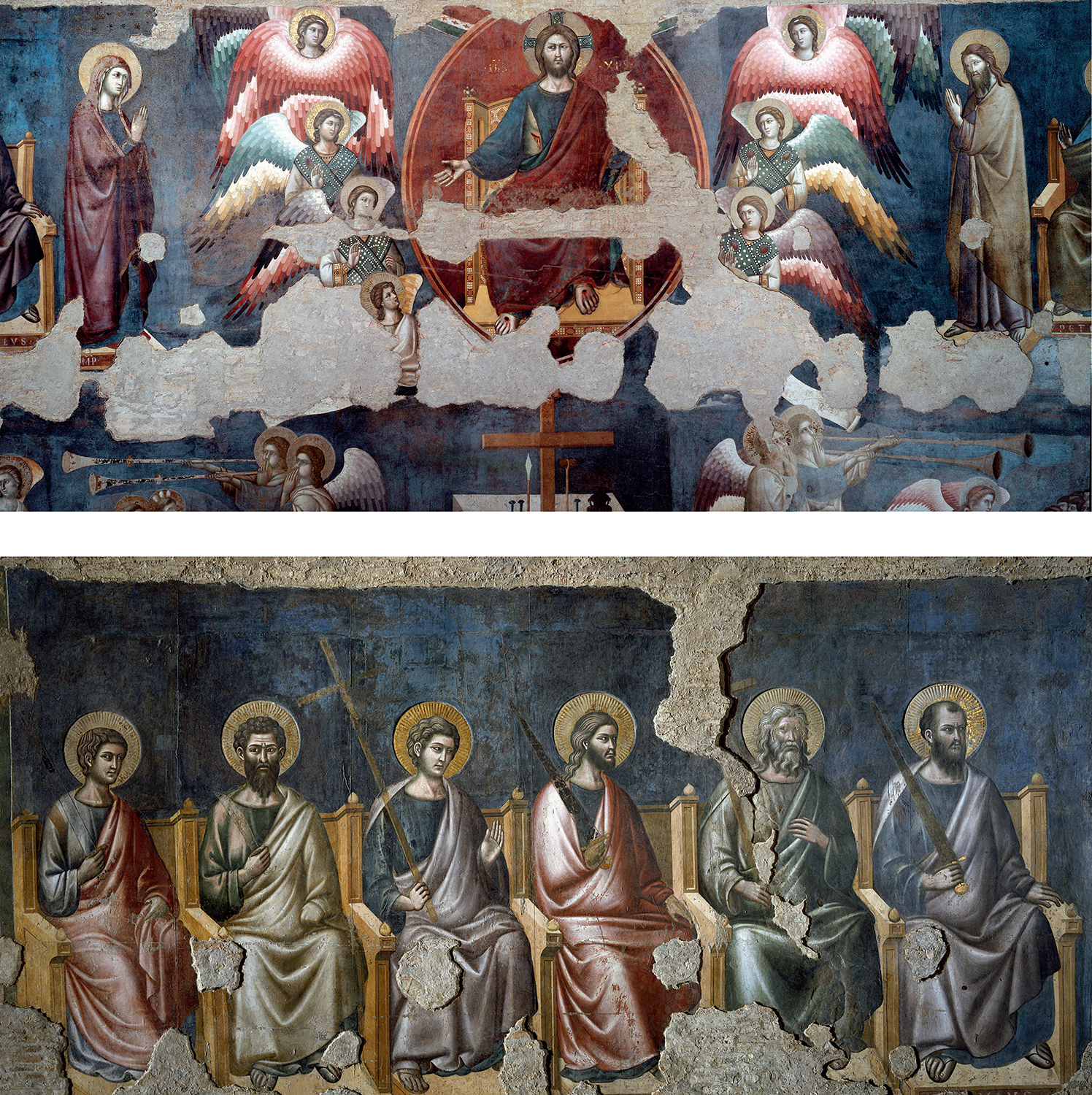
Christ Flanked by Angels
1290
figures are fully modeled with light and dark
breaks from maniera greca flatness
key precursor to giotto
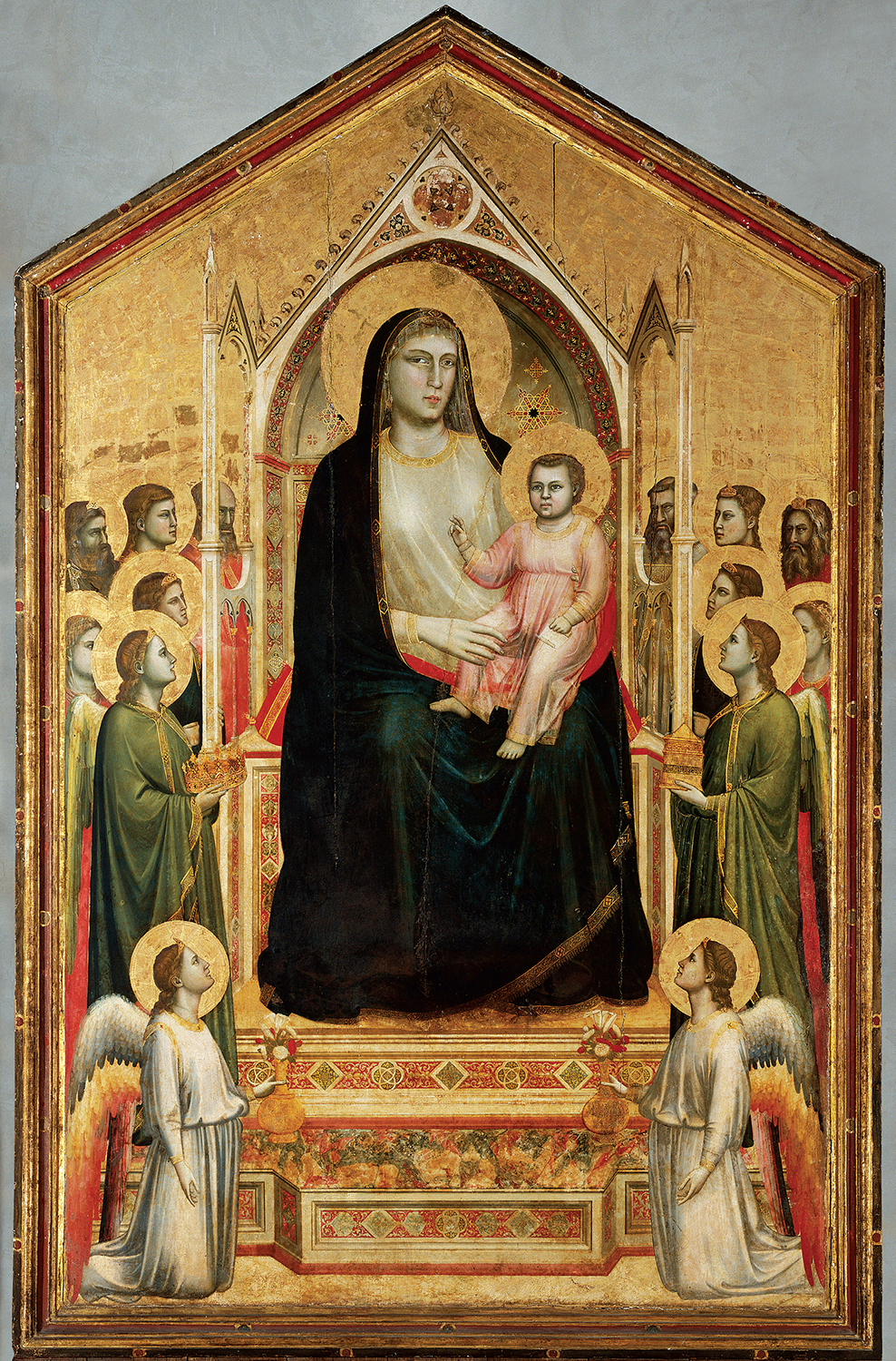
Madonna Enthroned
1310
keeps gold background but high levels of shading
shows weight and gravity
rejects byzantine spiritual immateriality and maniera greca
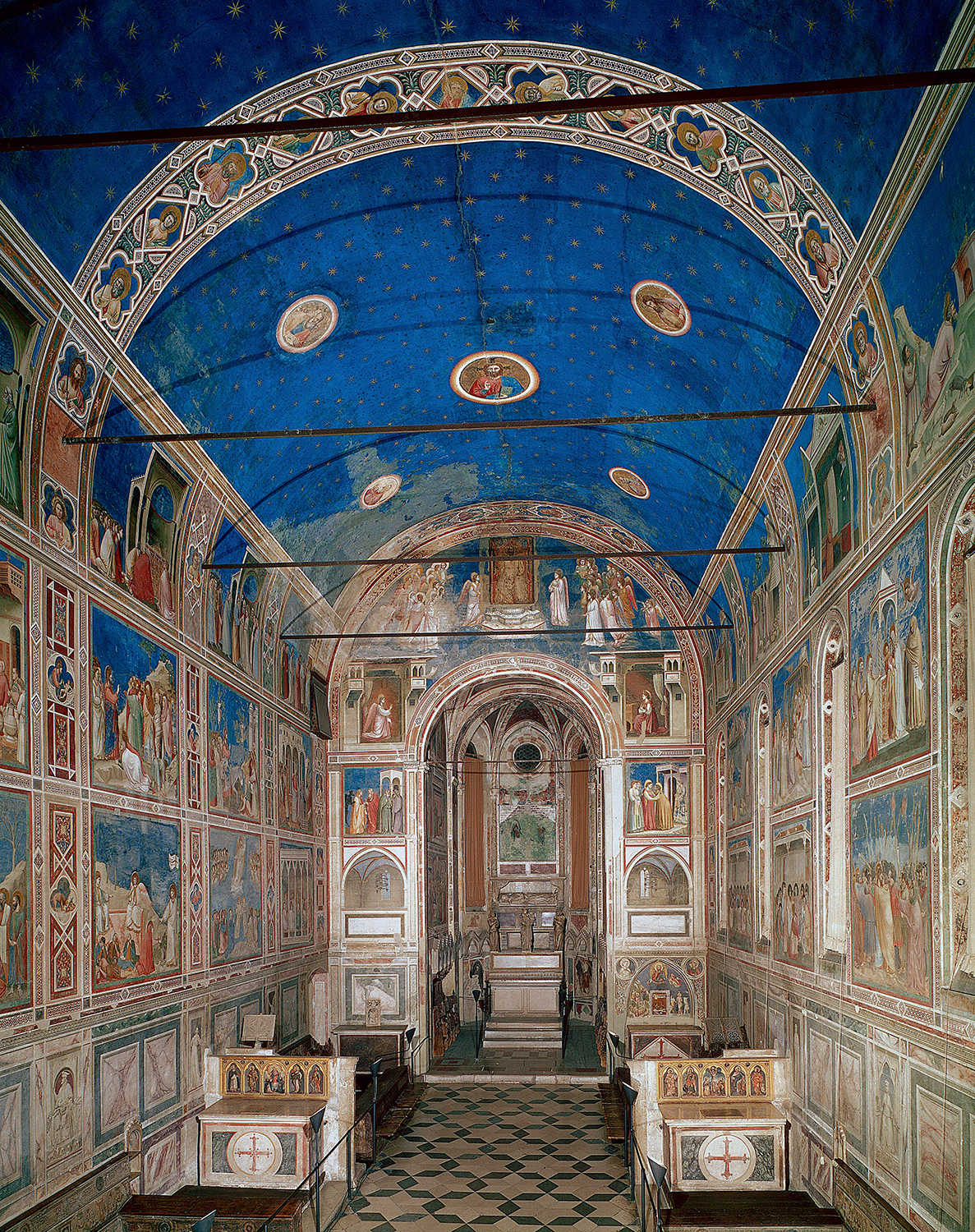
Arena Chapel Frescoes
1305-1306
breaks from maniera greca
emphasis on naturalism and the visible world
foundation for renissance realism
has the lamentation
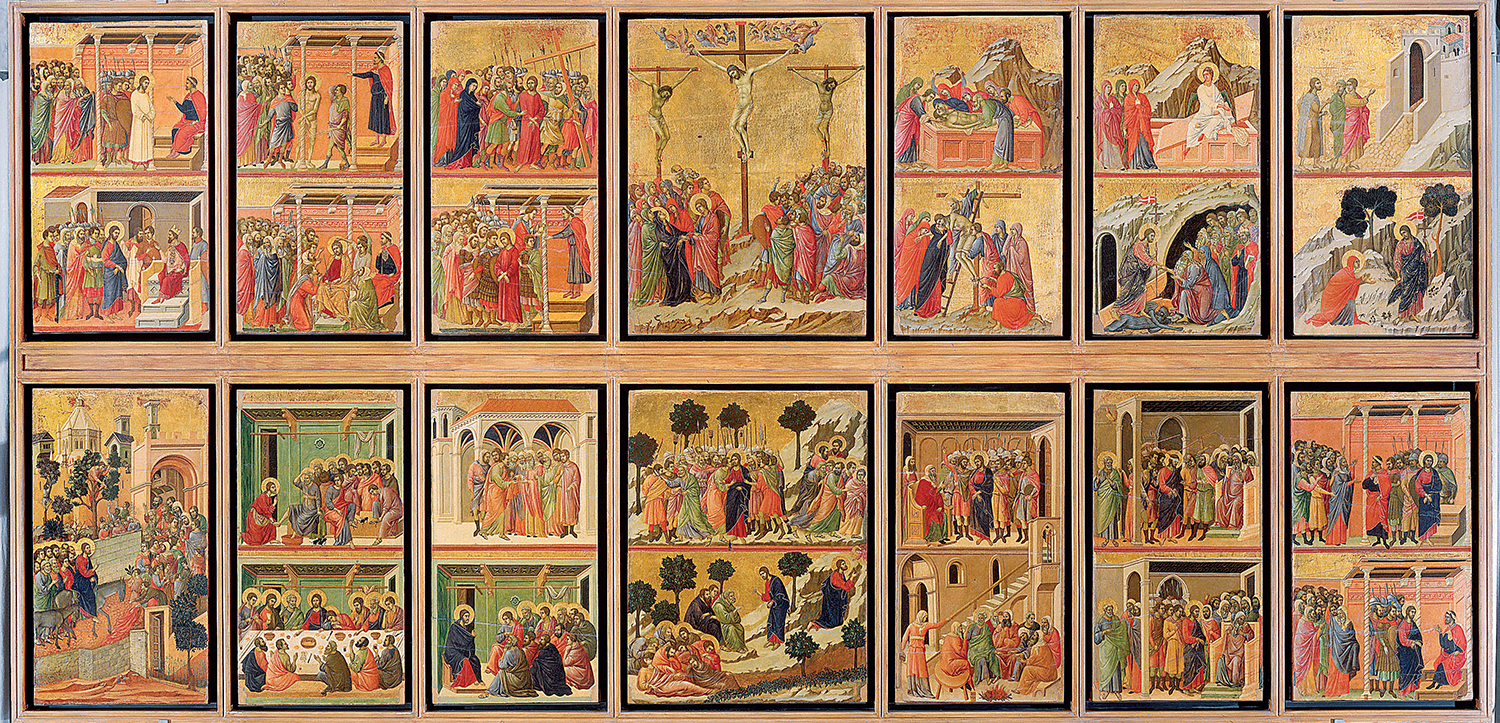
Maesta
Duccio di Buoninsegna
1308-1311
combines spiritual elegance with human presence
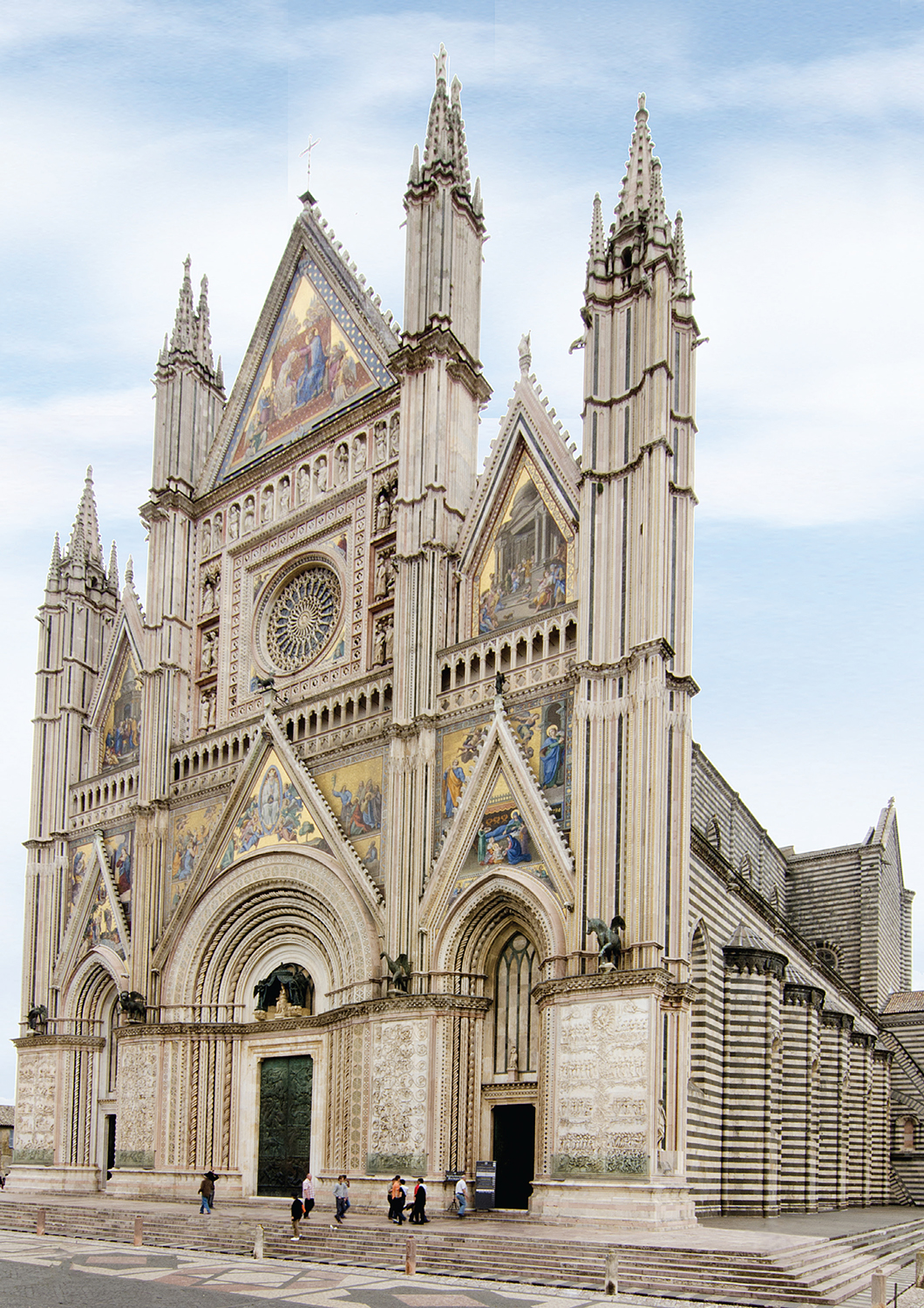
Orvieto Cathedral
1310
embraces french gothic
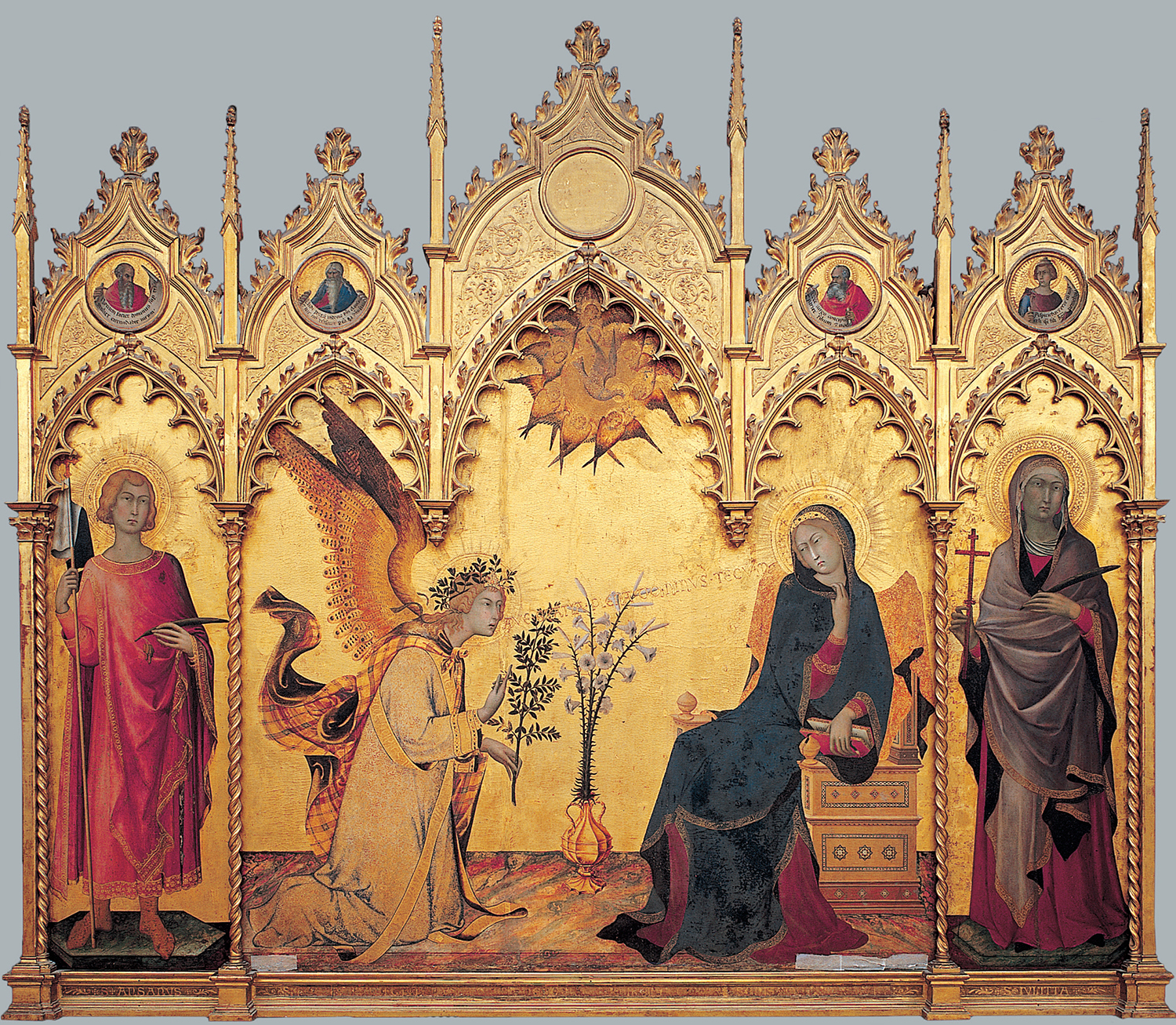
Annunciation
Simone Martini and Lippo Memmi
1333
International Gothic style
Punchwork halos- Sienese painting
contrast with florentine naturalism
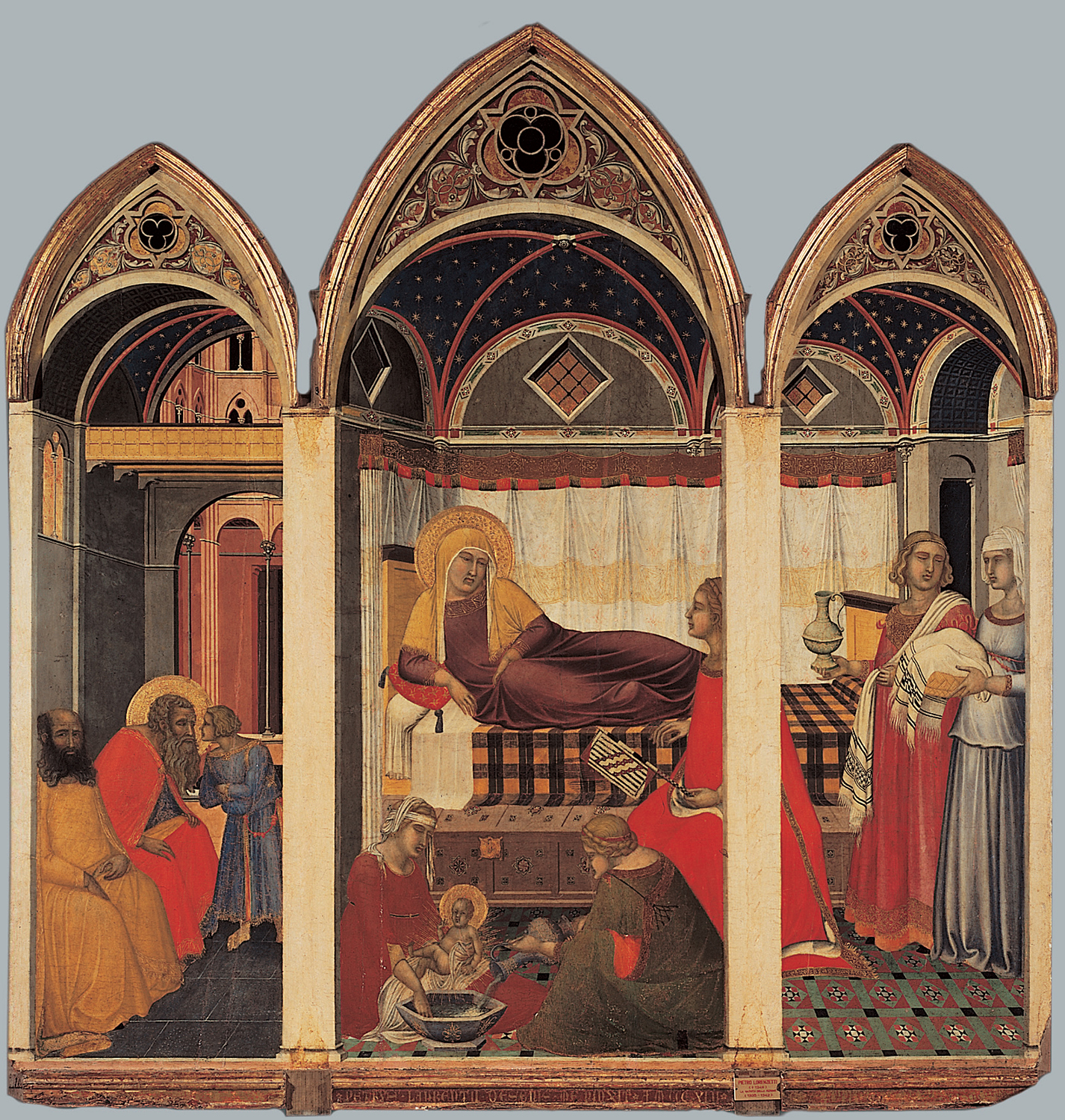
Birth of the Virgin
1342
illusion of spatial recession
has a background
reclining virgin like a roman sarcophagus
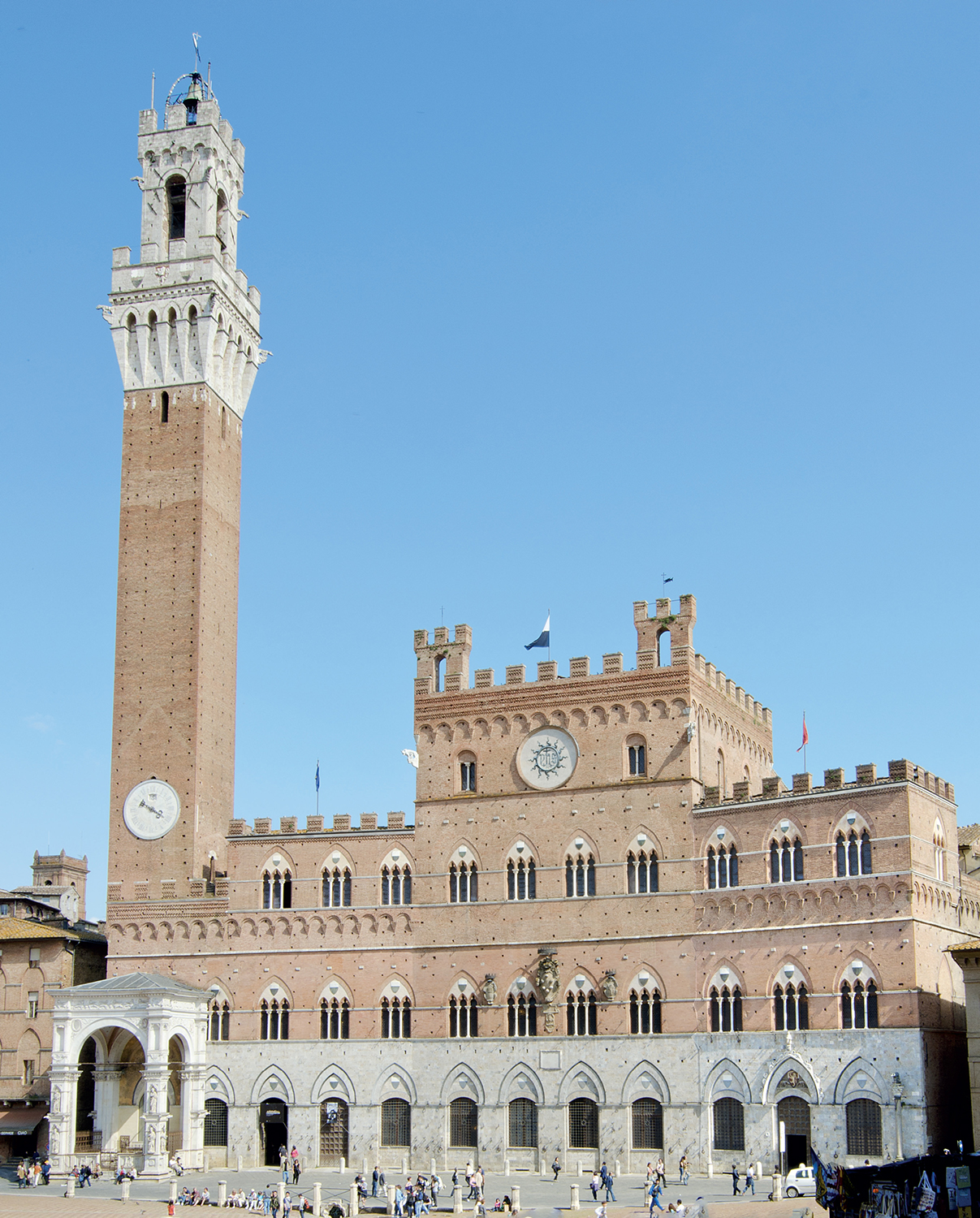
Palazzo Pubblico
1297-1310
major civic fresco cycle
civic propoganda-symbol of the city states power
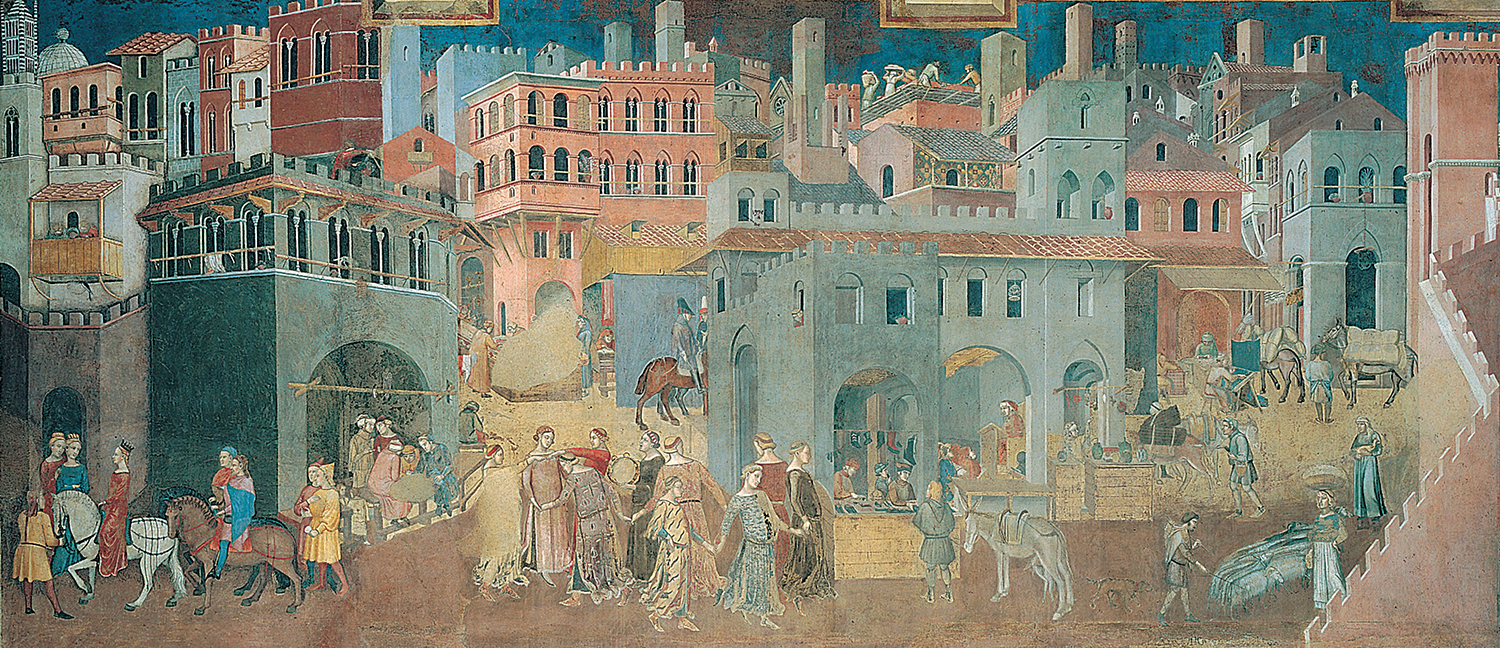
Ambrogio Lorenzetti Peaceful City and Peaceful Country
1338-1339
allegory of good government
shows harmony between city and countryside
one of the first true cityscapes and landscapes in medieval art
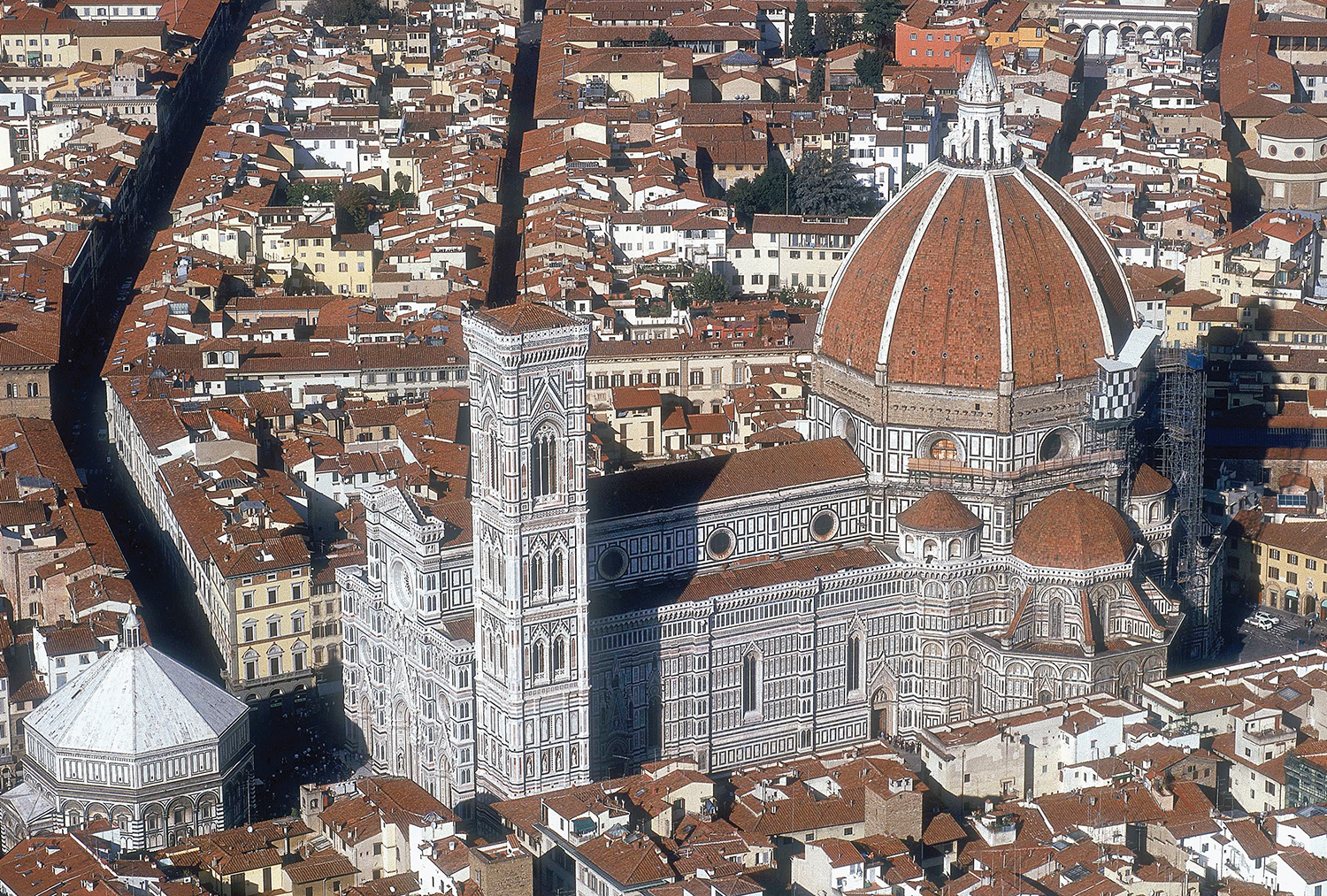
Santa Maria del Fiore
1296-campanile by giotto in 1334
geometric forms with no reaching for the sky
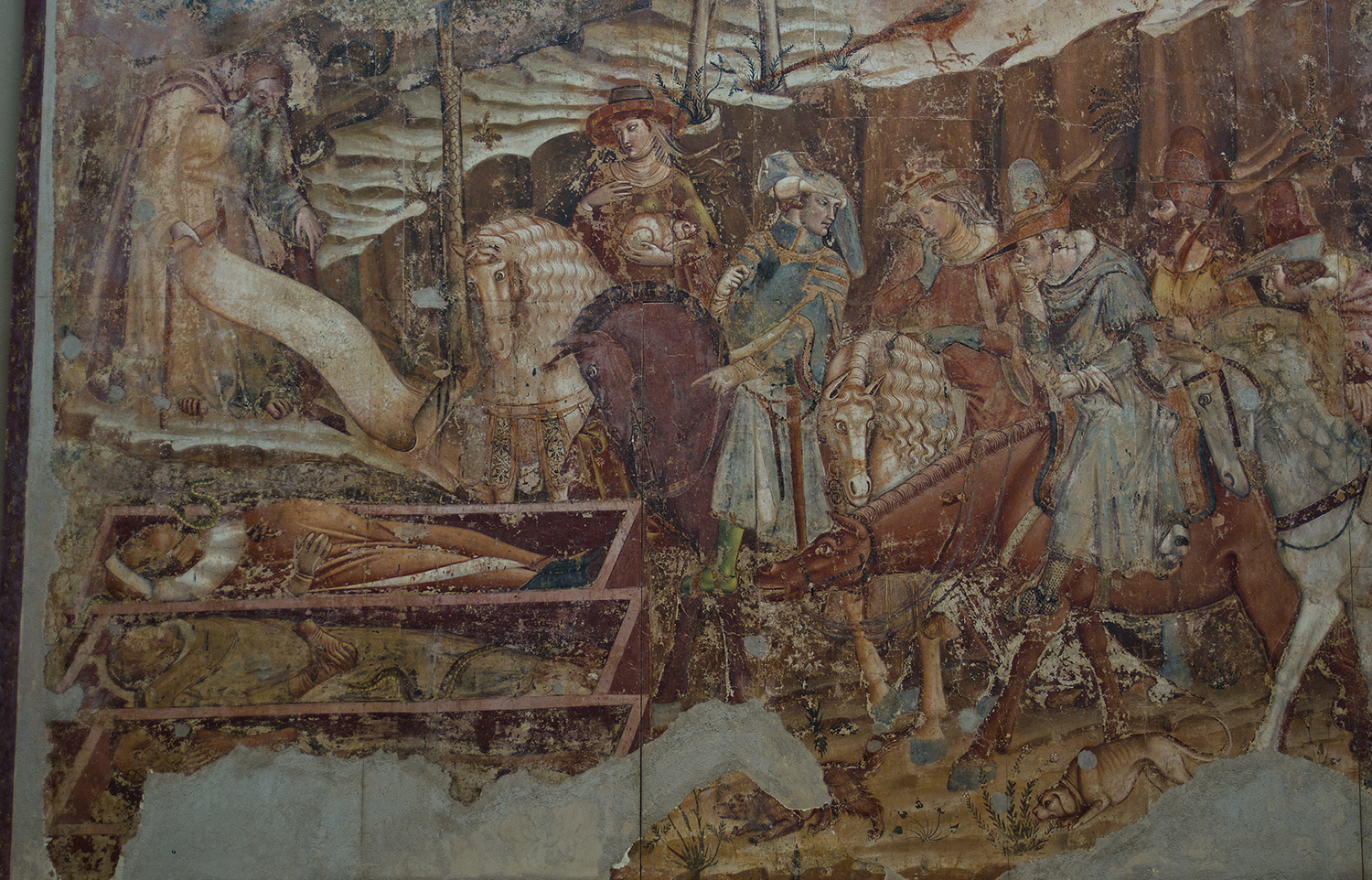
Riders discover three corpses
Traini or buffalmacco
1330
naturalism
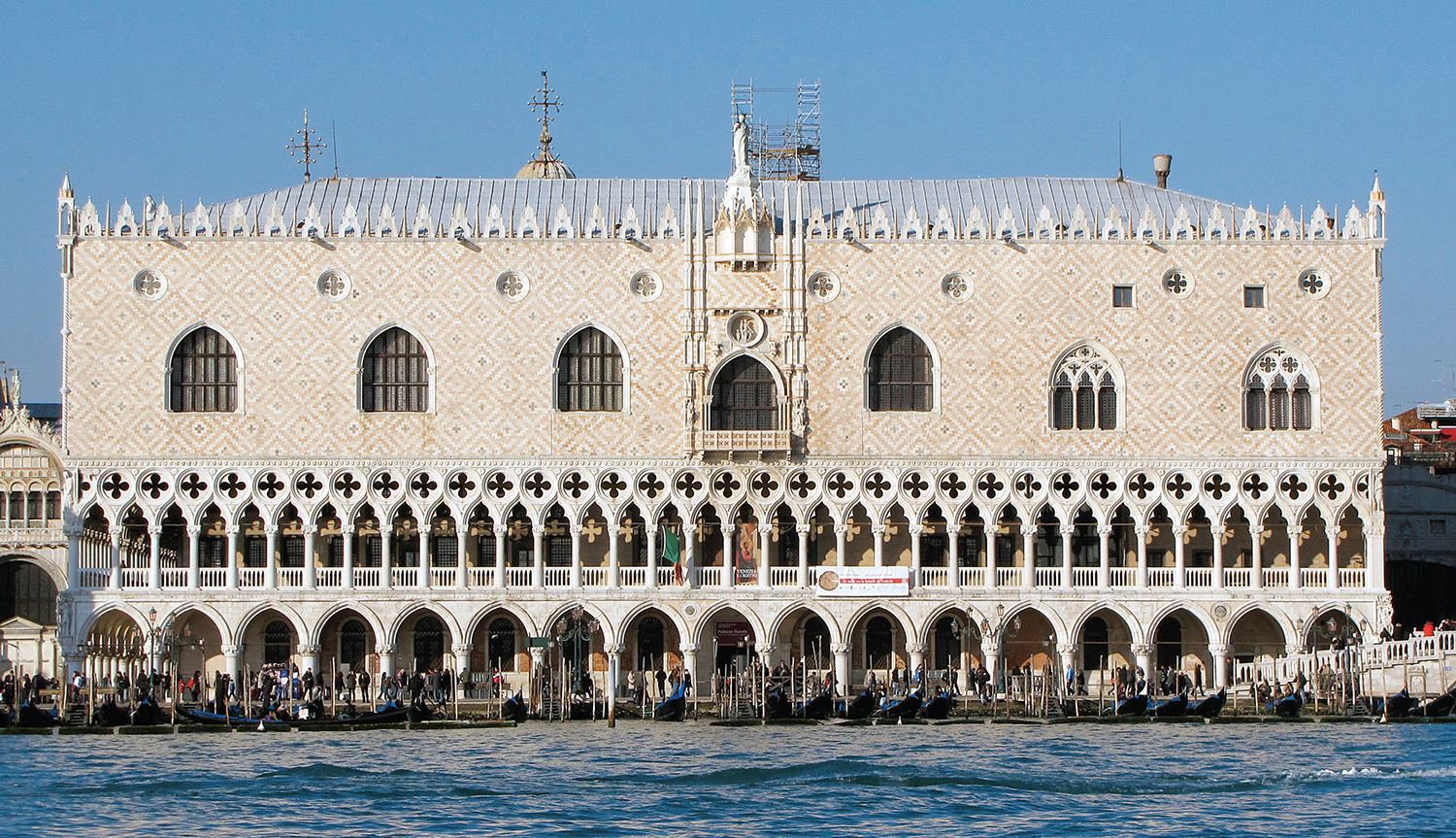
Doge’s Palace
1340-1345
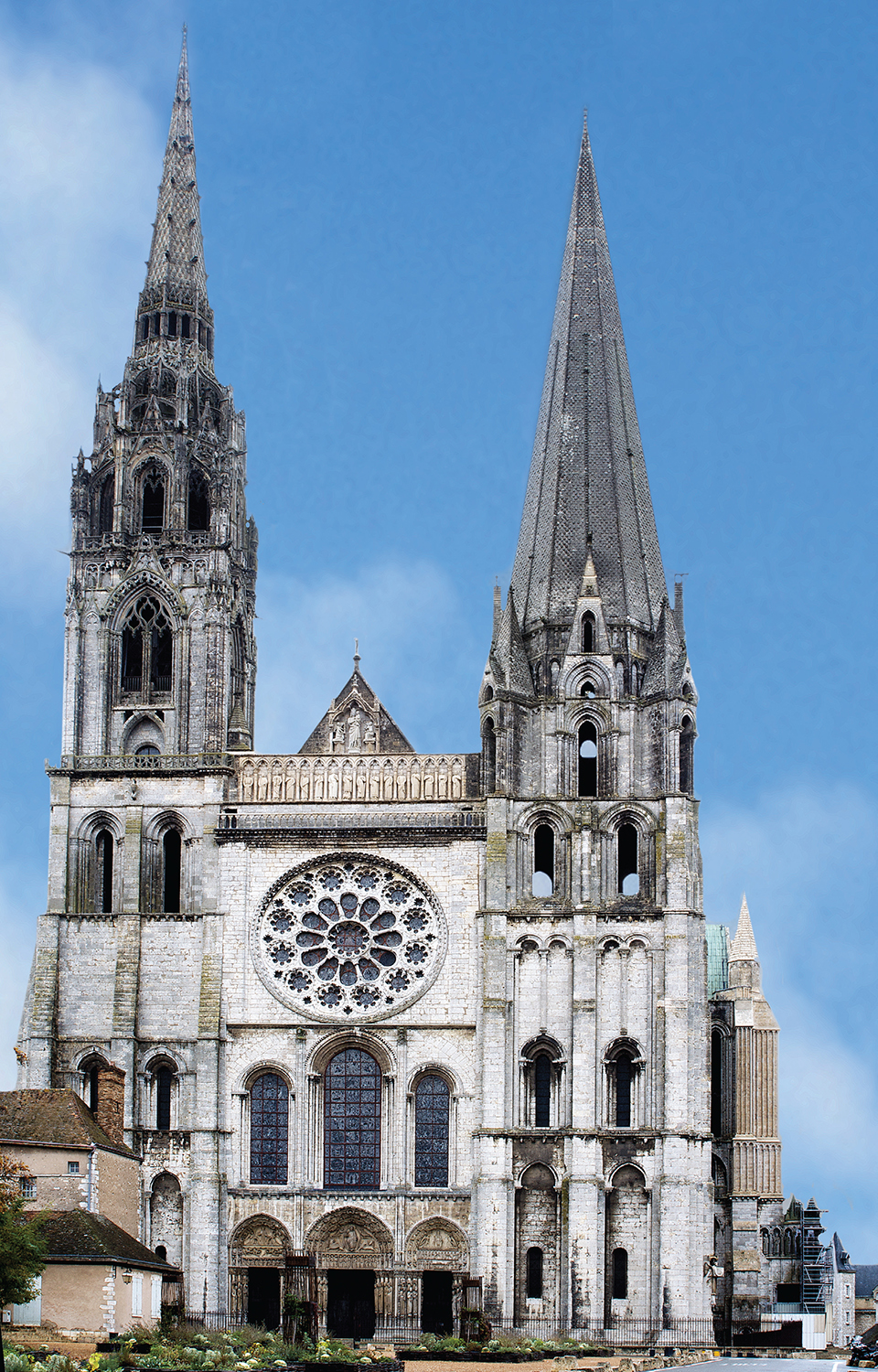
Chartes Cathedral
1145-1155
first high gothic cathedral
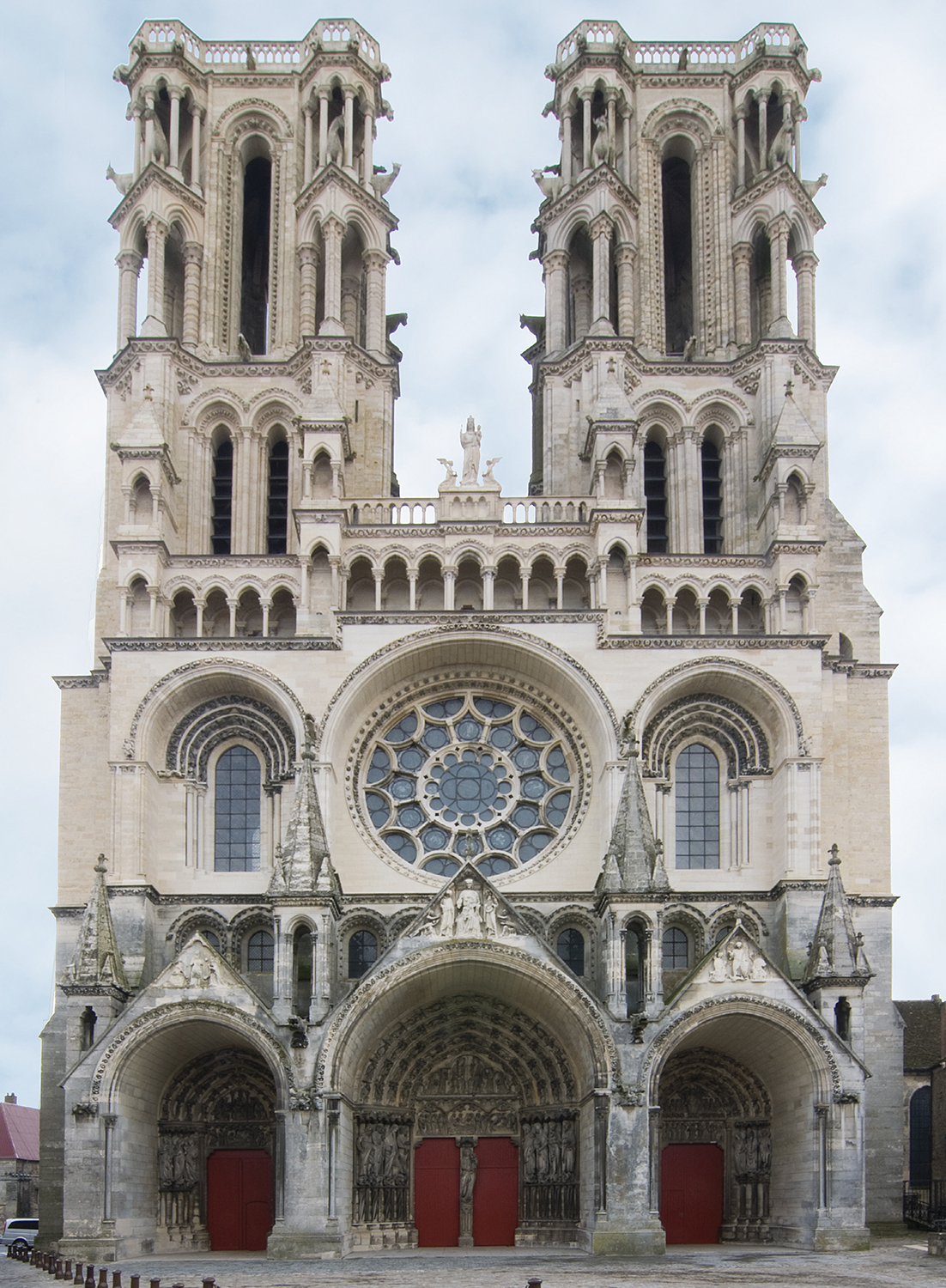
Leon Cathedral
1190
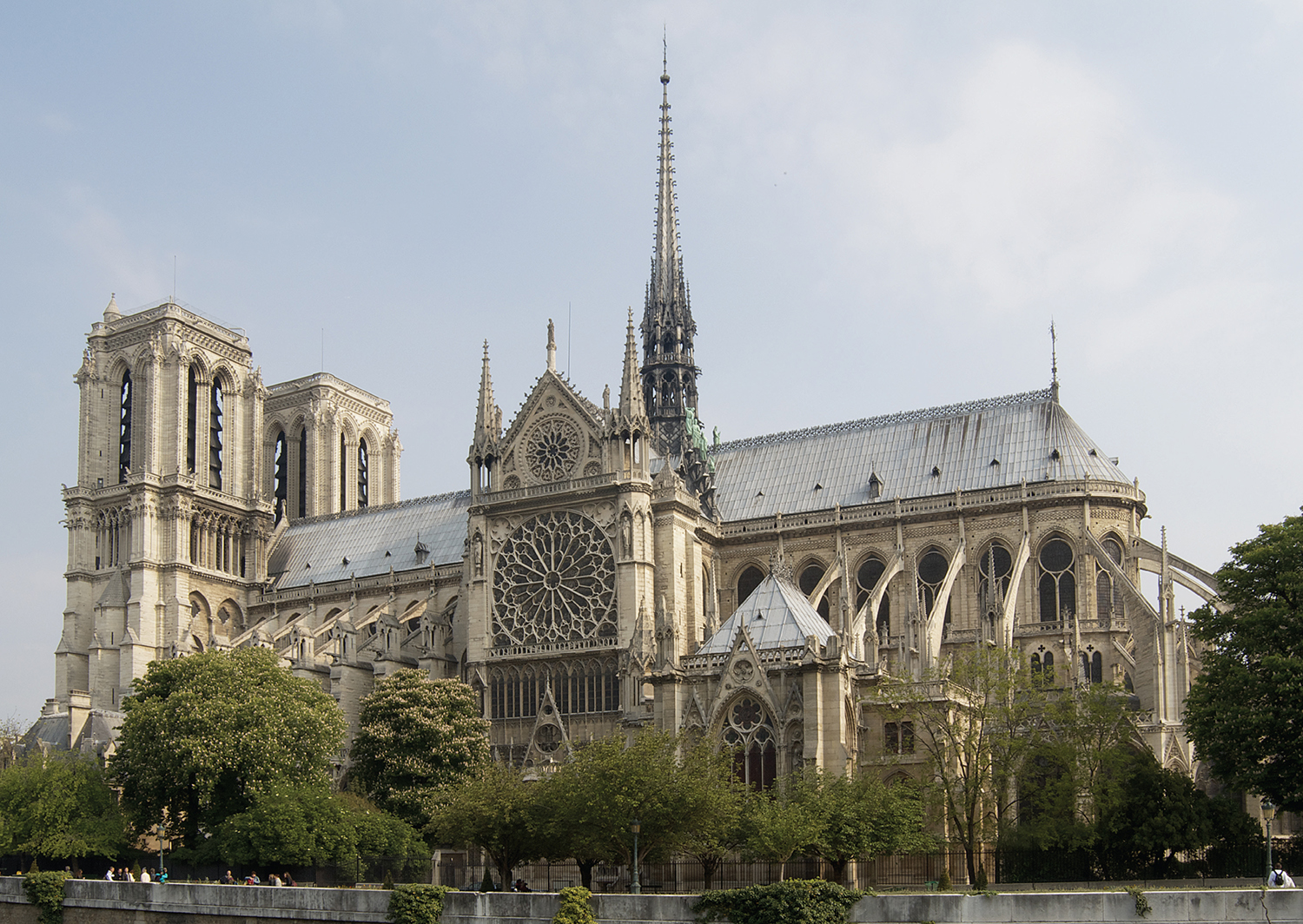
Notre Dame
1163
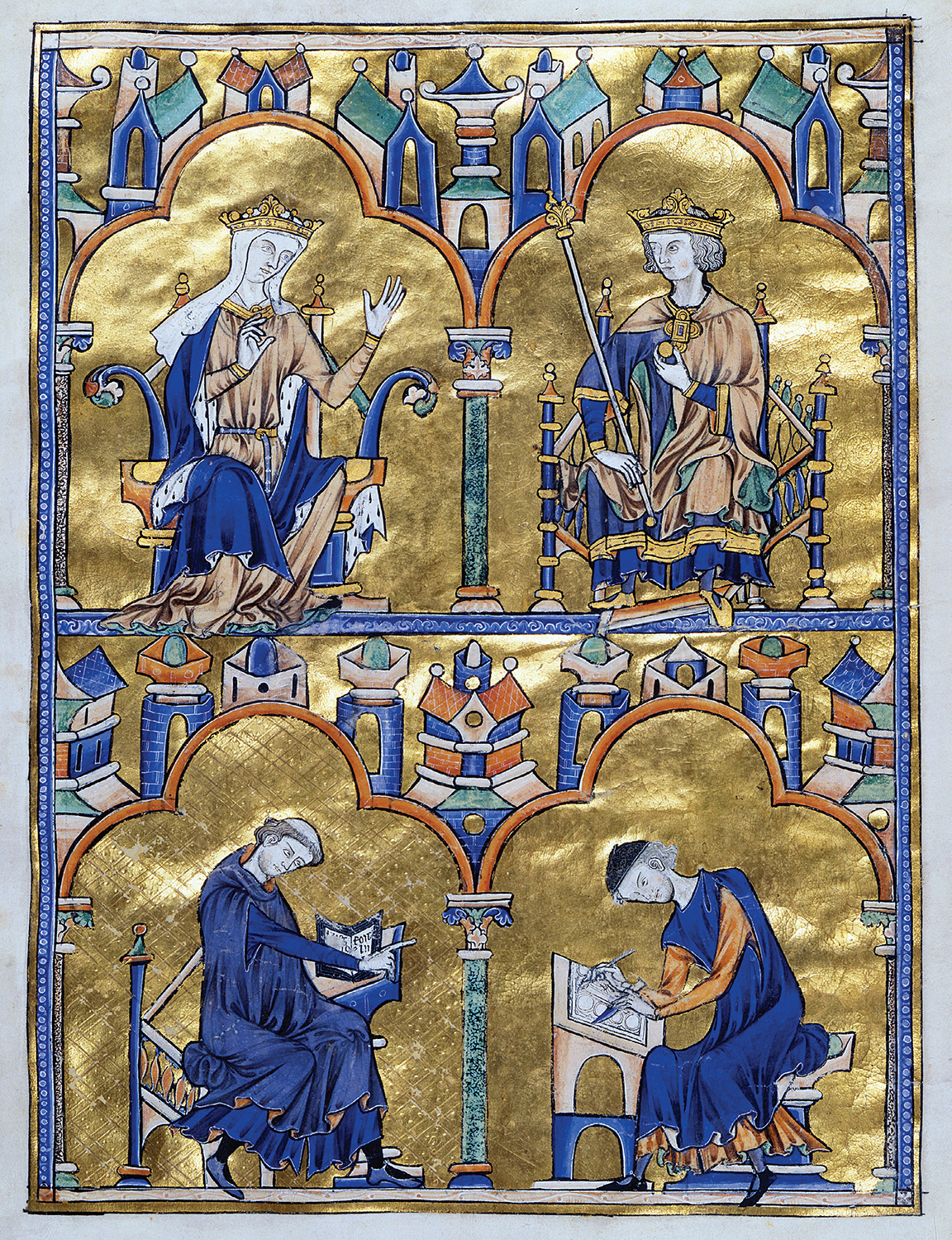
Blanche of Castille
1226-1234
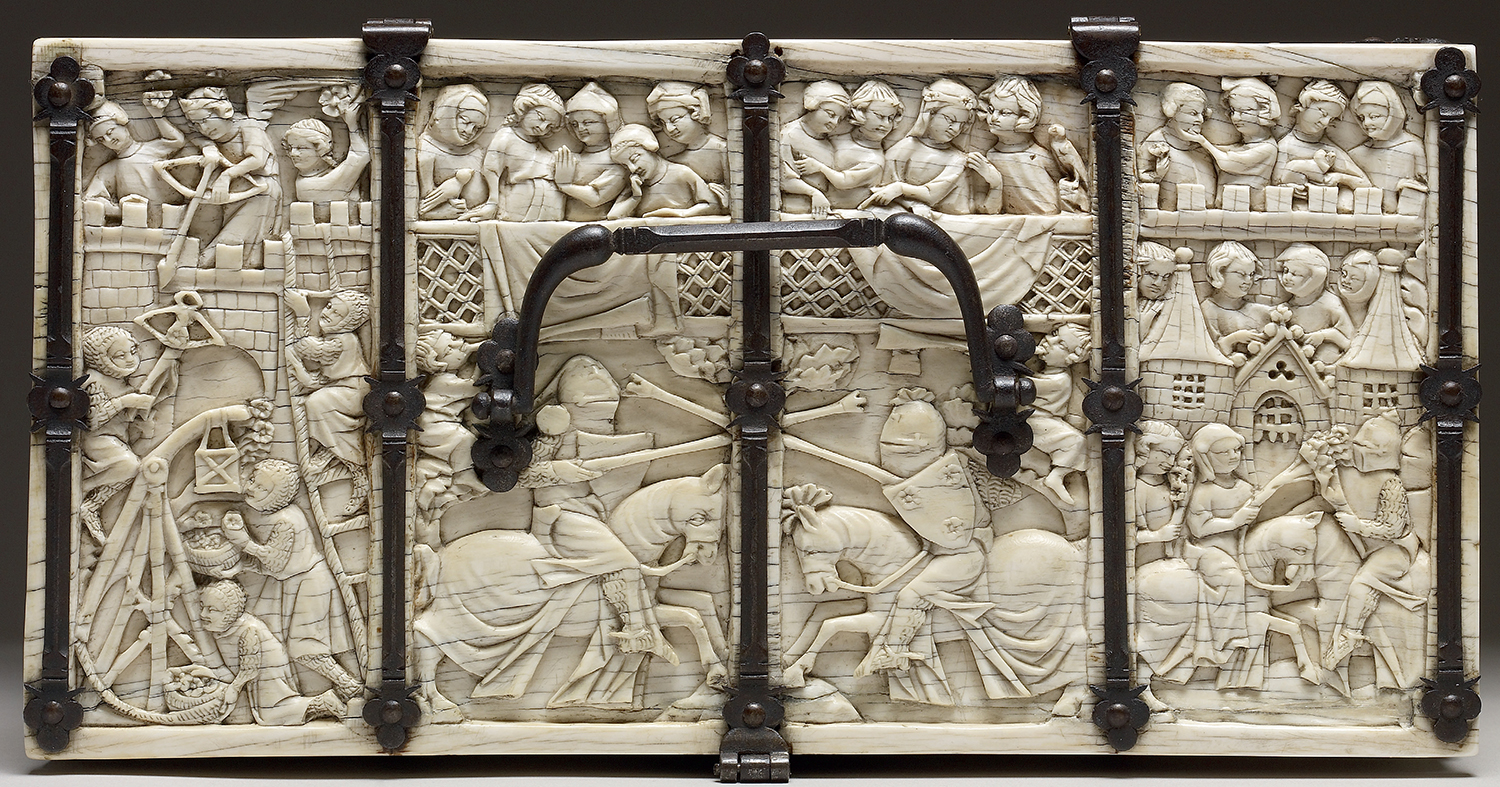
Castle of Love
1330-1350
aristocratic leasiure culture
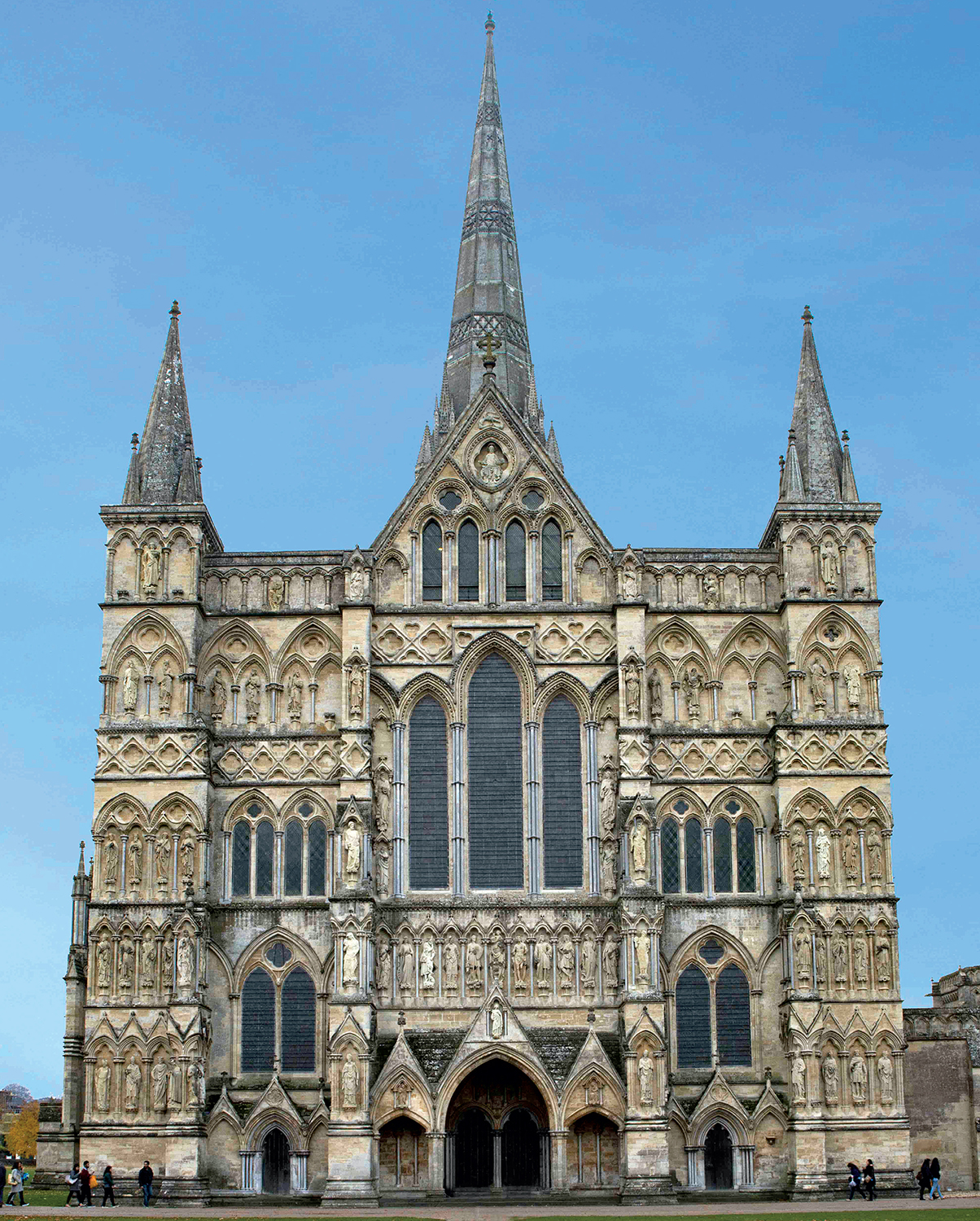
Salsibury Cathedral
1220-1265
french english fusion
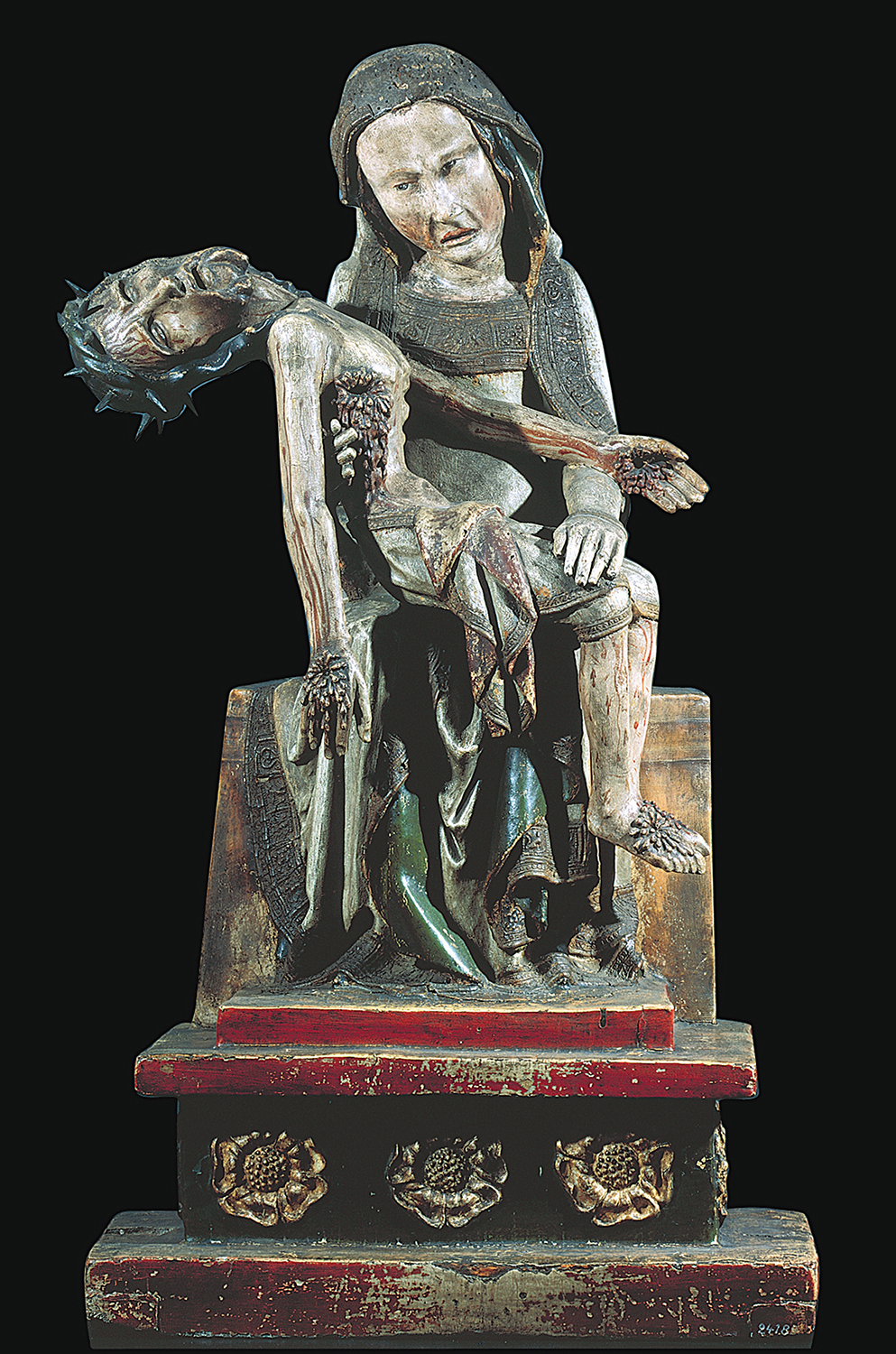
Rottgen Pieta
1300-1325
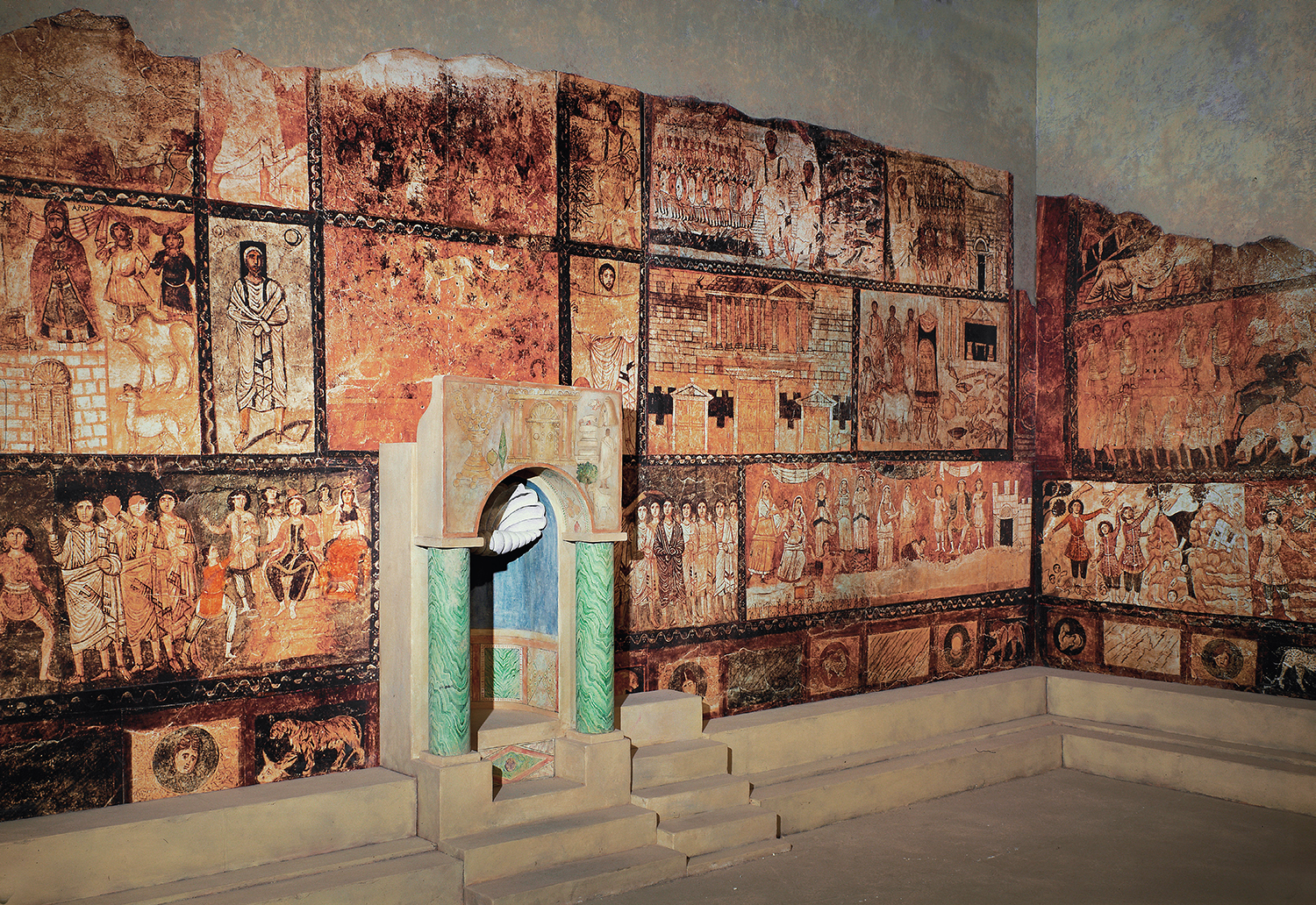
Dura Synagogue
245-256
oldest christian iconography program
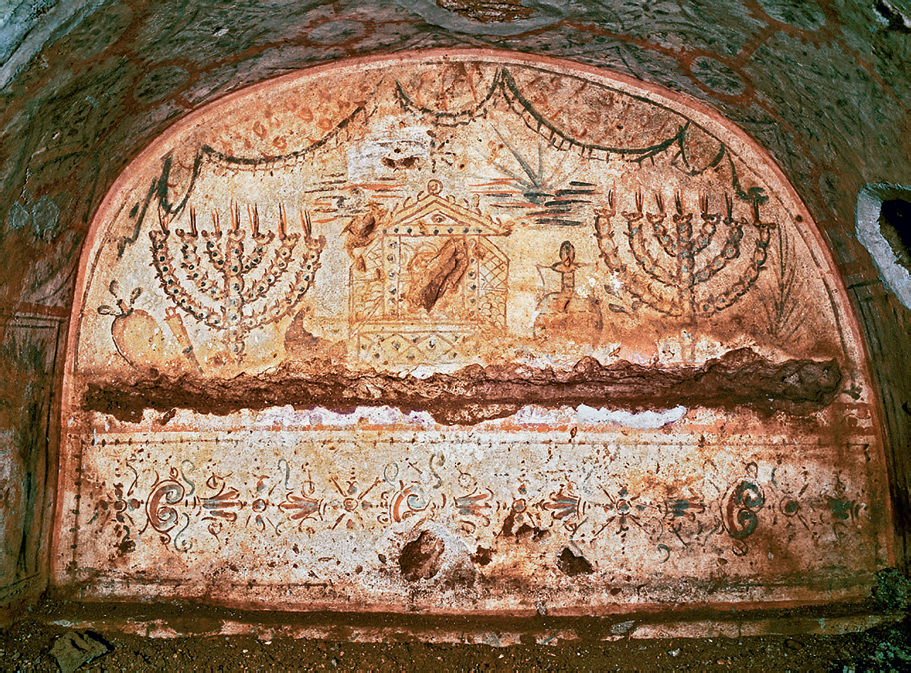
Ark of the Covenant and two menorahs
3rd century
catacomb
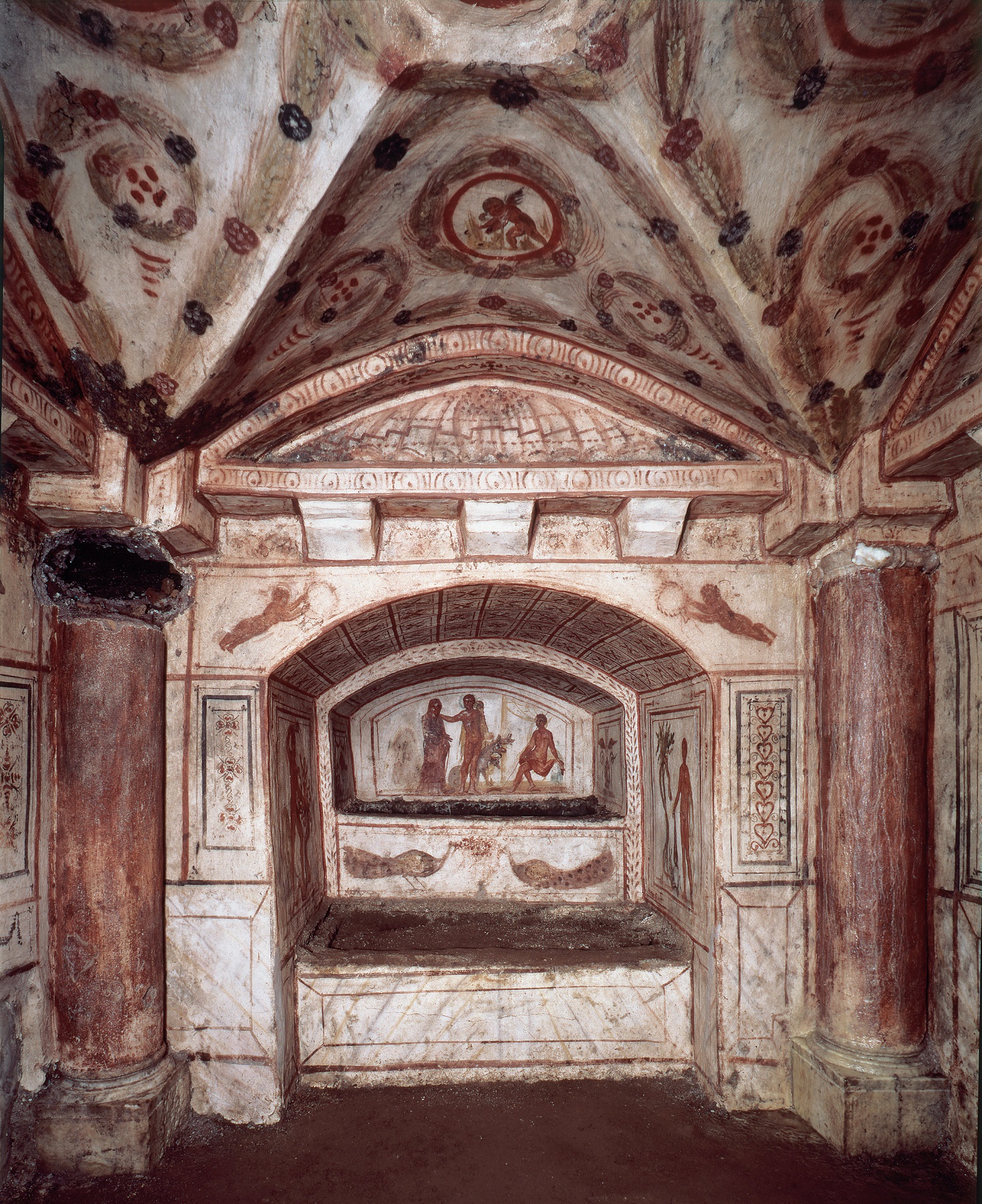
Via Latina Catacomb
320-360
Christian burial place that blends jewish and greco roman myths

The Good Shephard, Catacombs of Saint Peter and Marcellinus
4th century
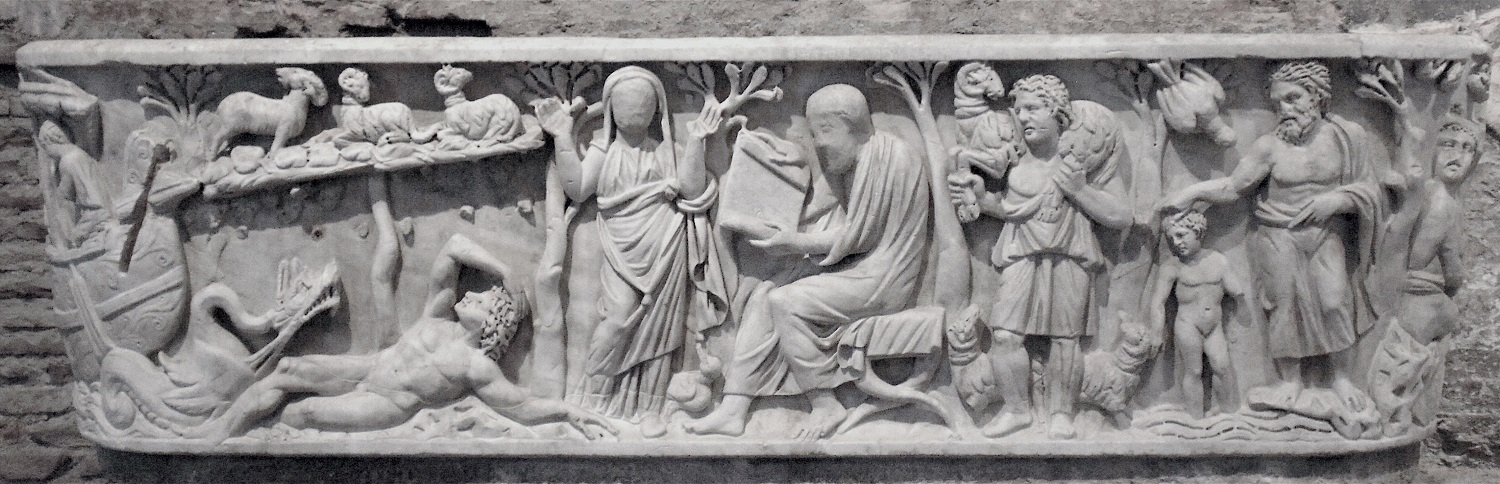
sarcophagus with philosopher, orant
270
christians wanted burials instead of cremation
early christian art depicted jesus as a humble shepherd
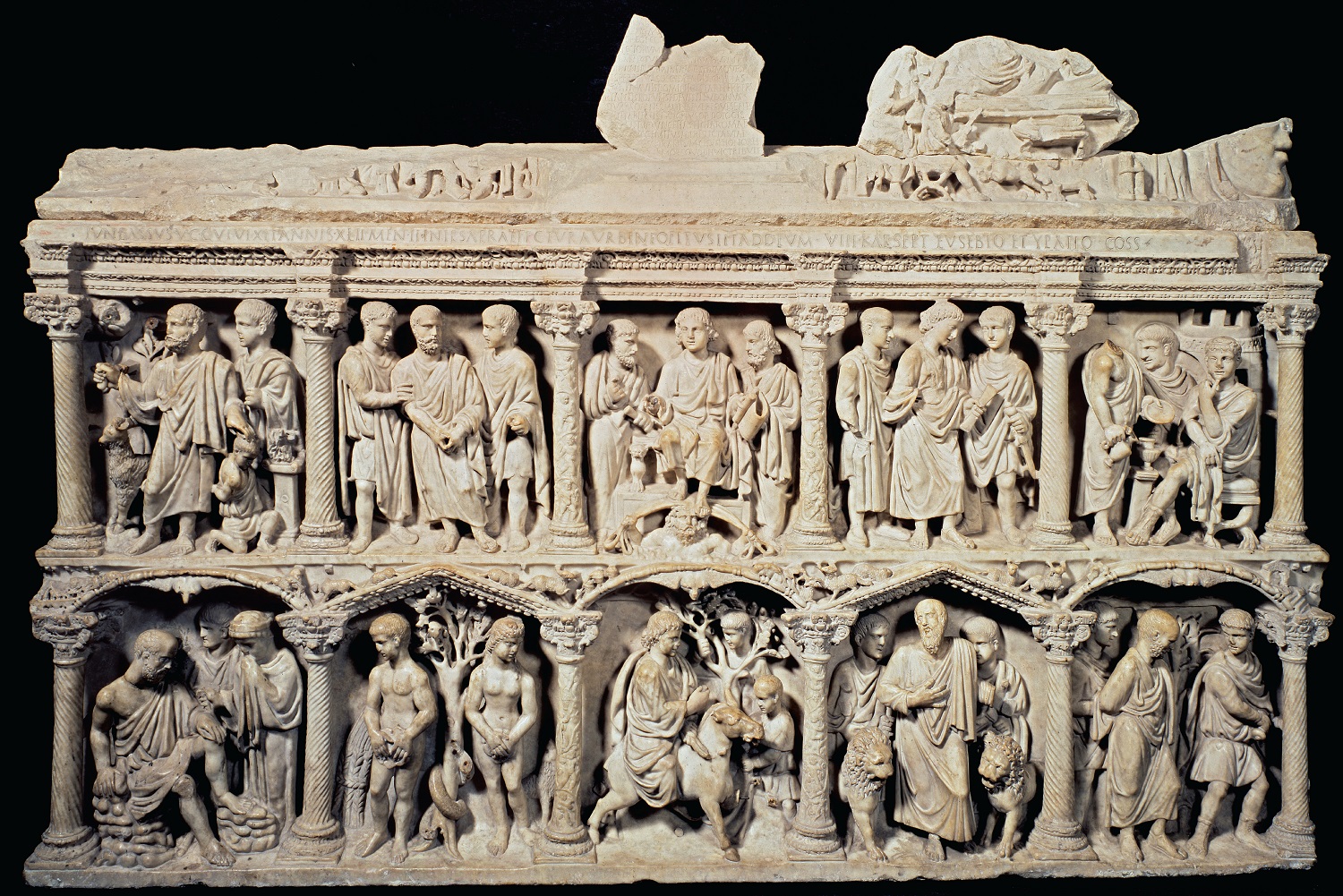
Sarcophagus of Junius Bassus
359
christian
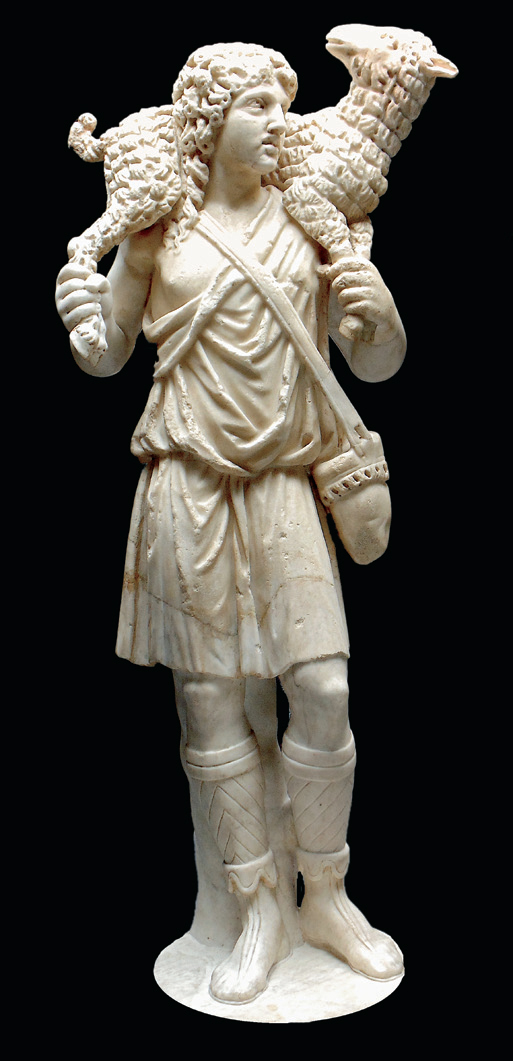
Christ as the Good Shepherd
300-350
made by recent convert to christianity, marble statues seen as pagan
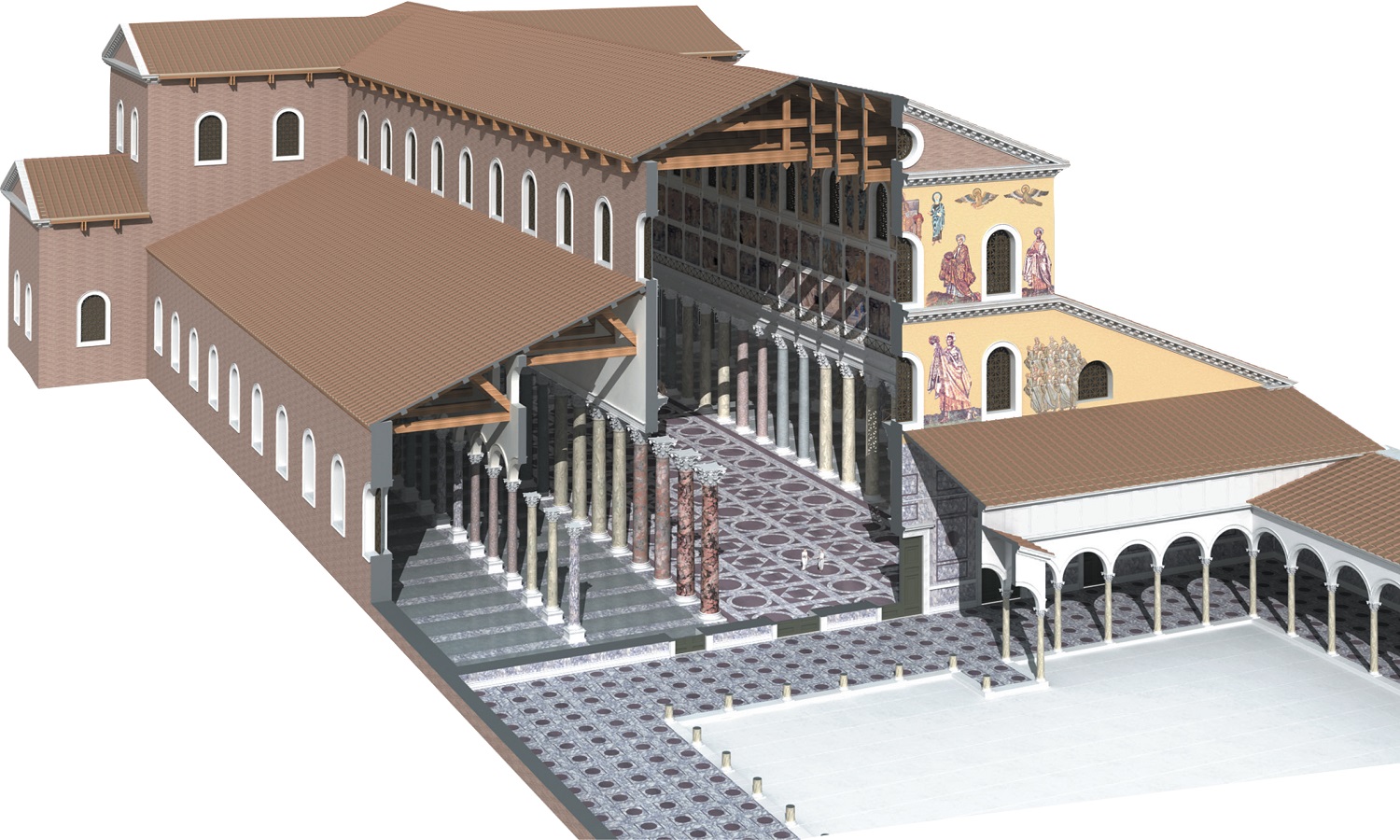
old saint peters church
319
early churches modeled after secular spaces like the forum of trajan instead of temples
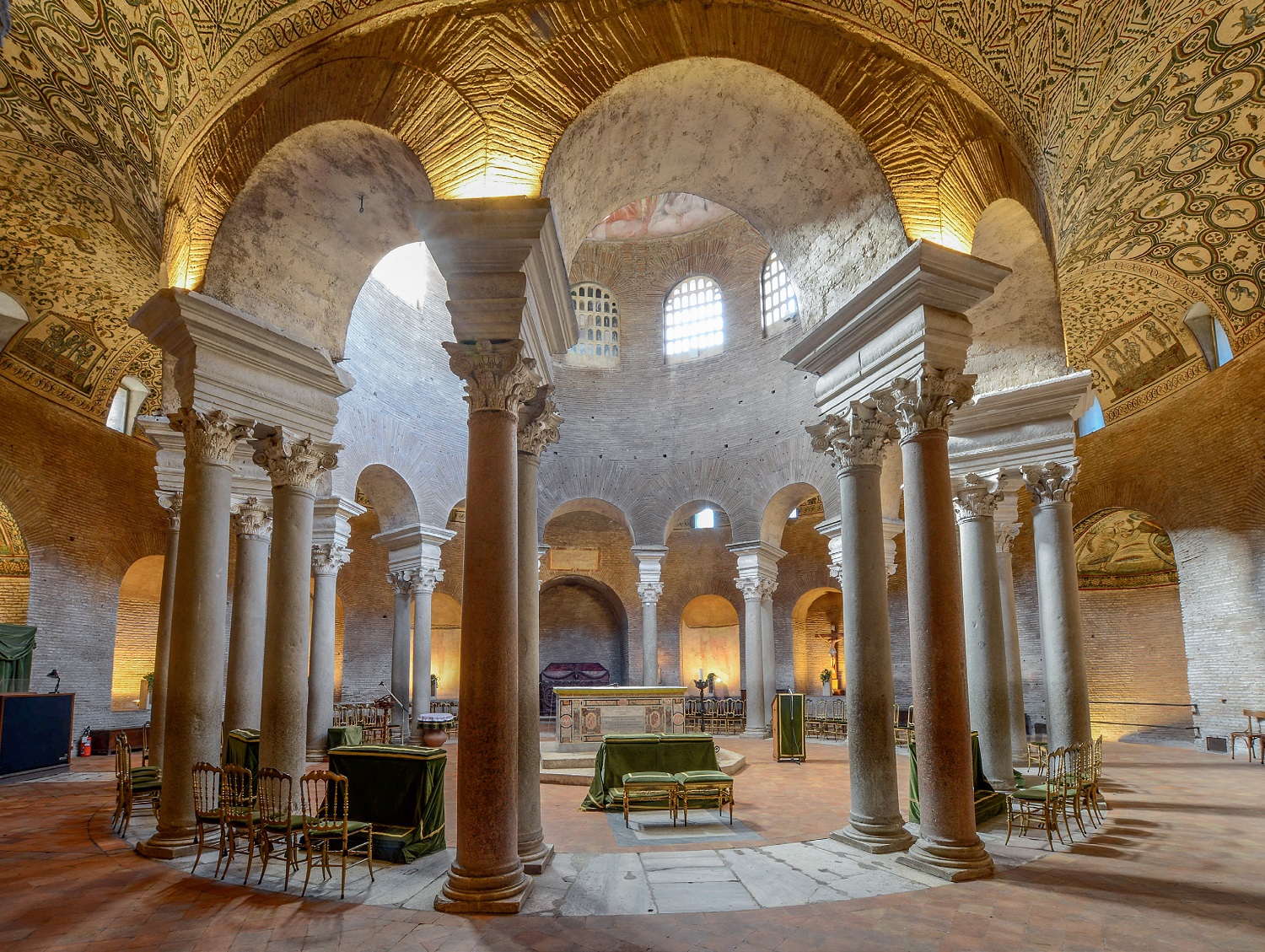
santa Costanza
337-351
central plan
would be used for byzantine churches
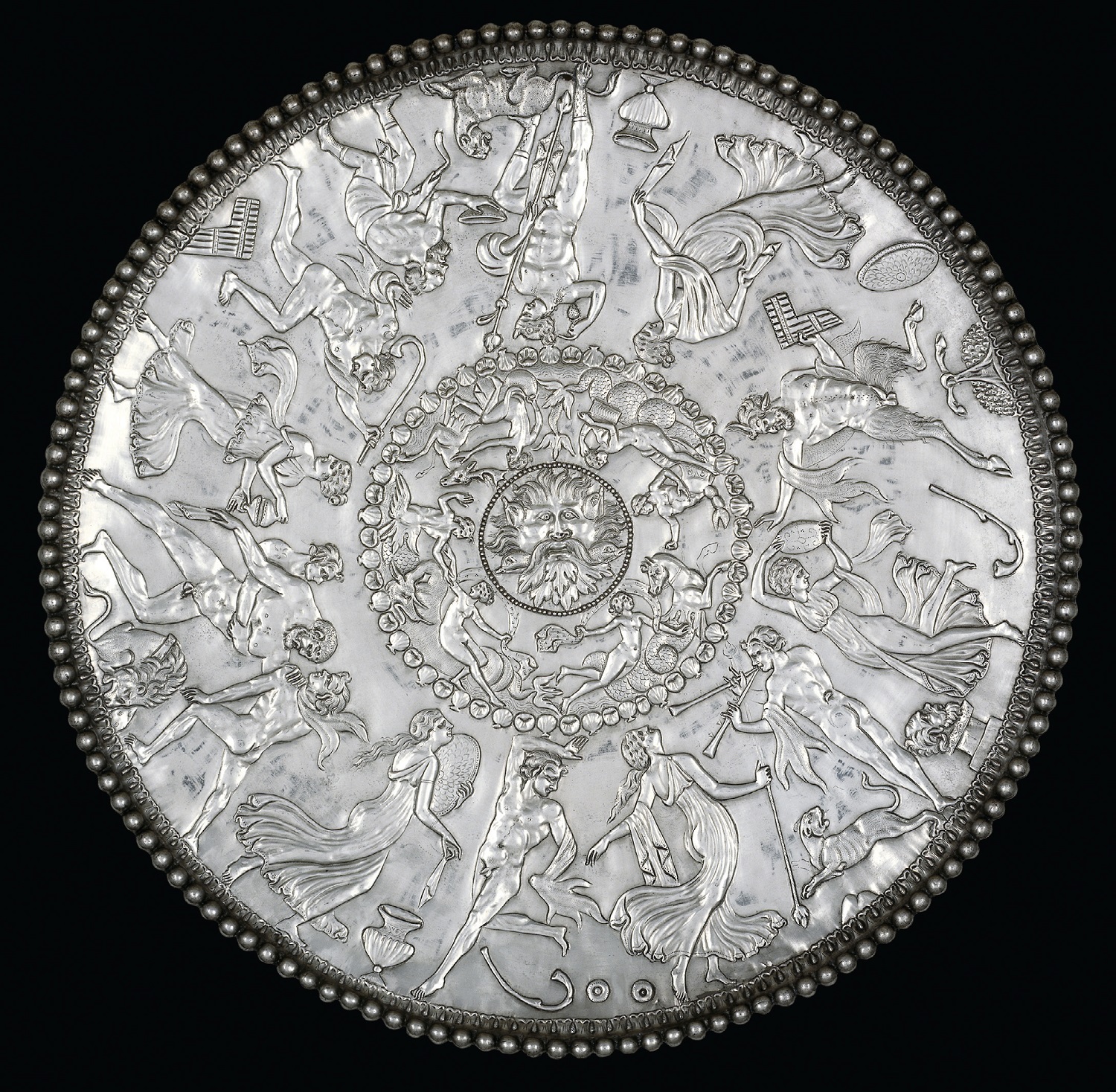
Great Dish
4th century
blends christian imagrey and roman gods
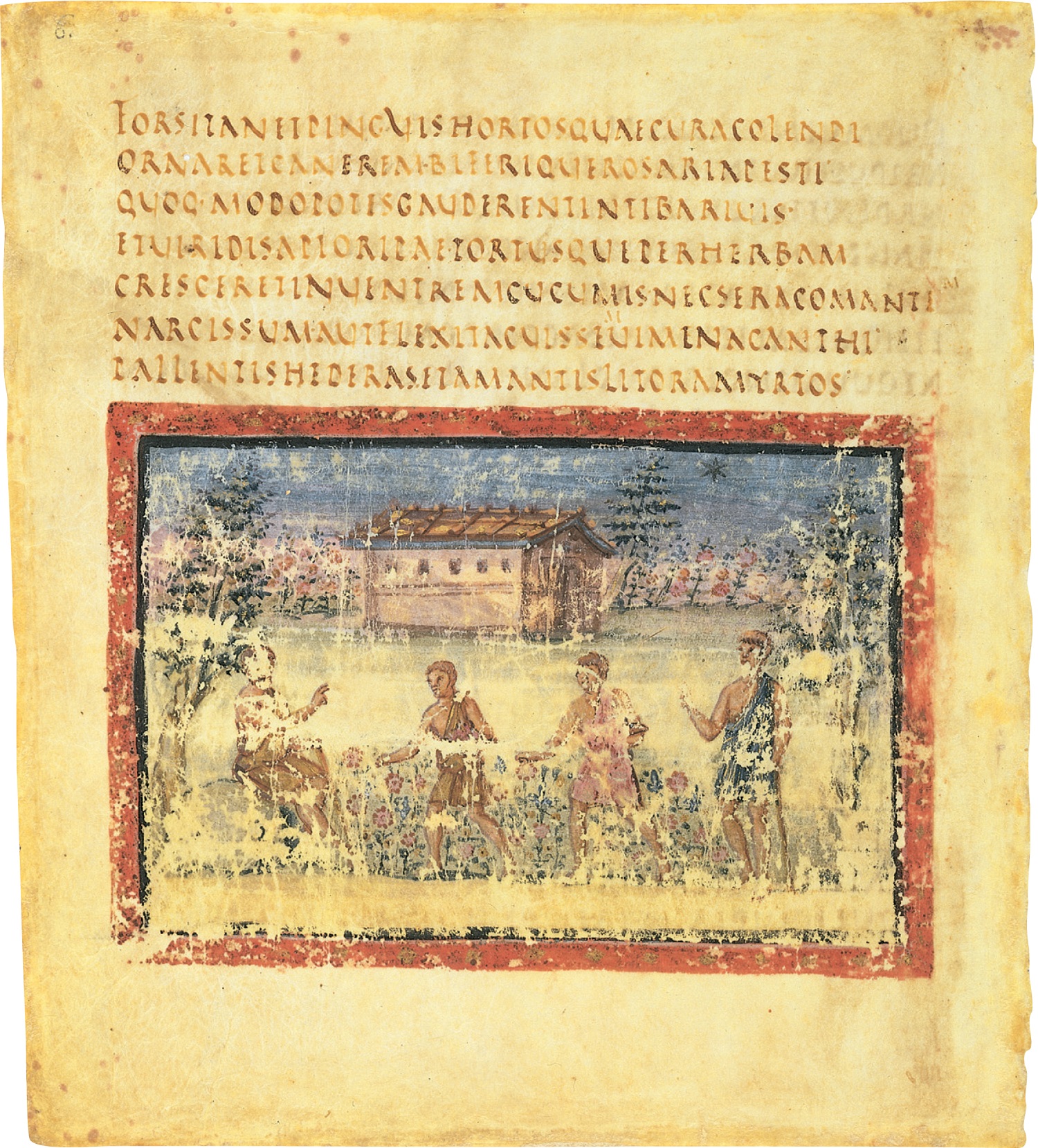
Old Farmer of Corycus
400
oldest latin manuscript
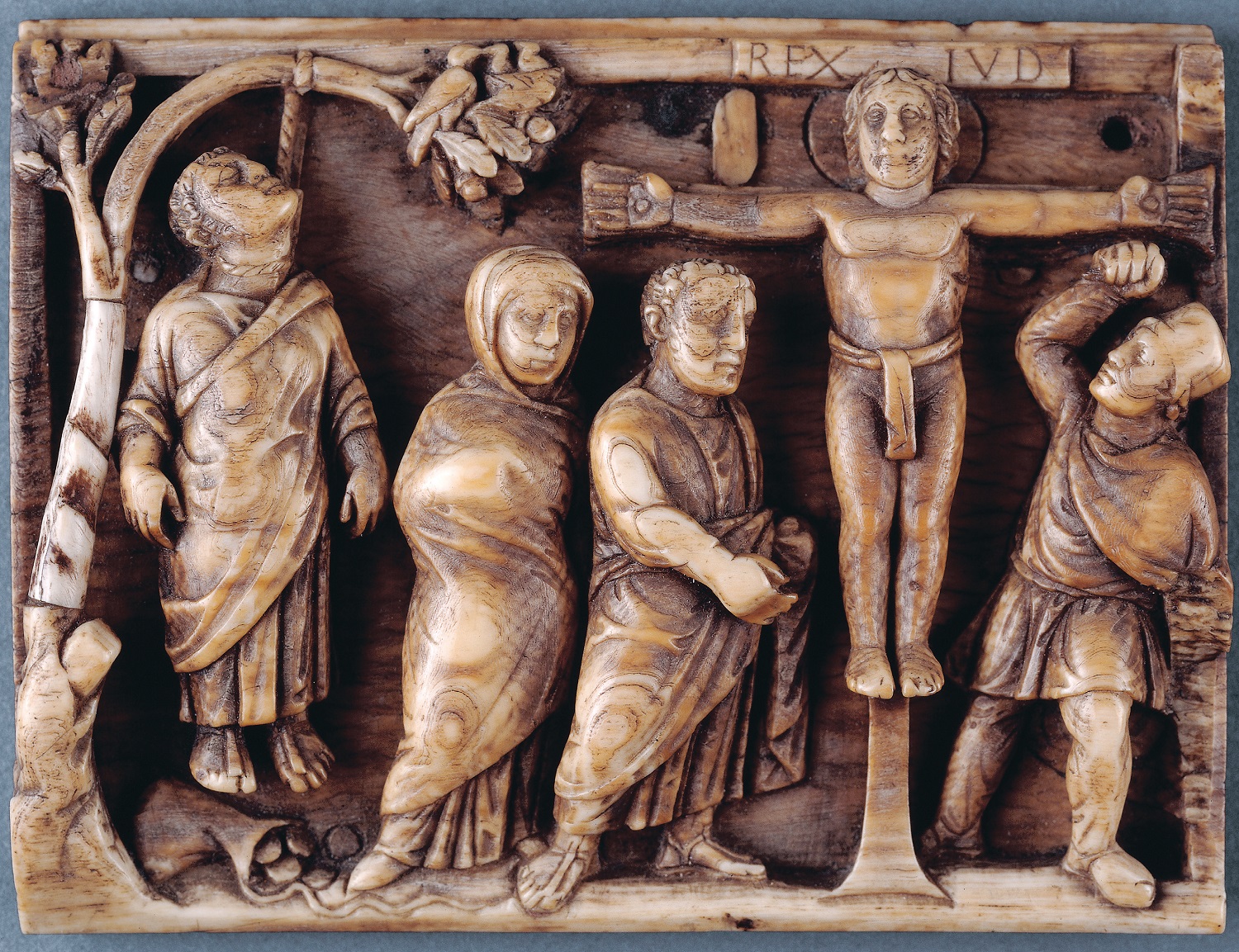
Suicide of Judas and Crucifiction of Christ
5th century
one of the first known representations of crucifiction
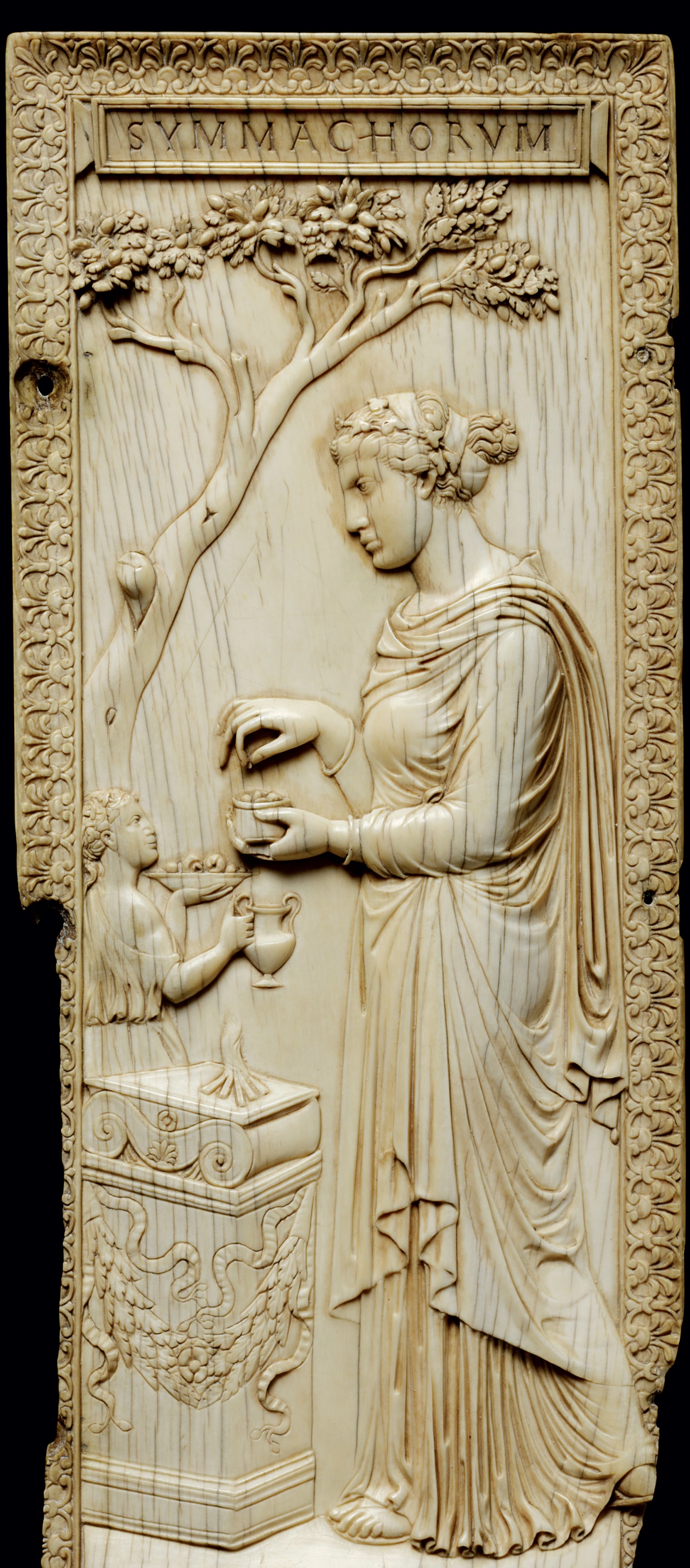
Woman Sacrificing at an alter
400
shows how even when banned artists and families carried on classical ideals
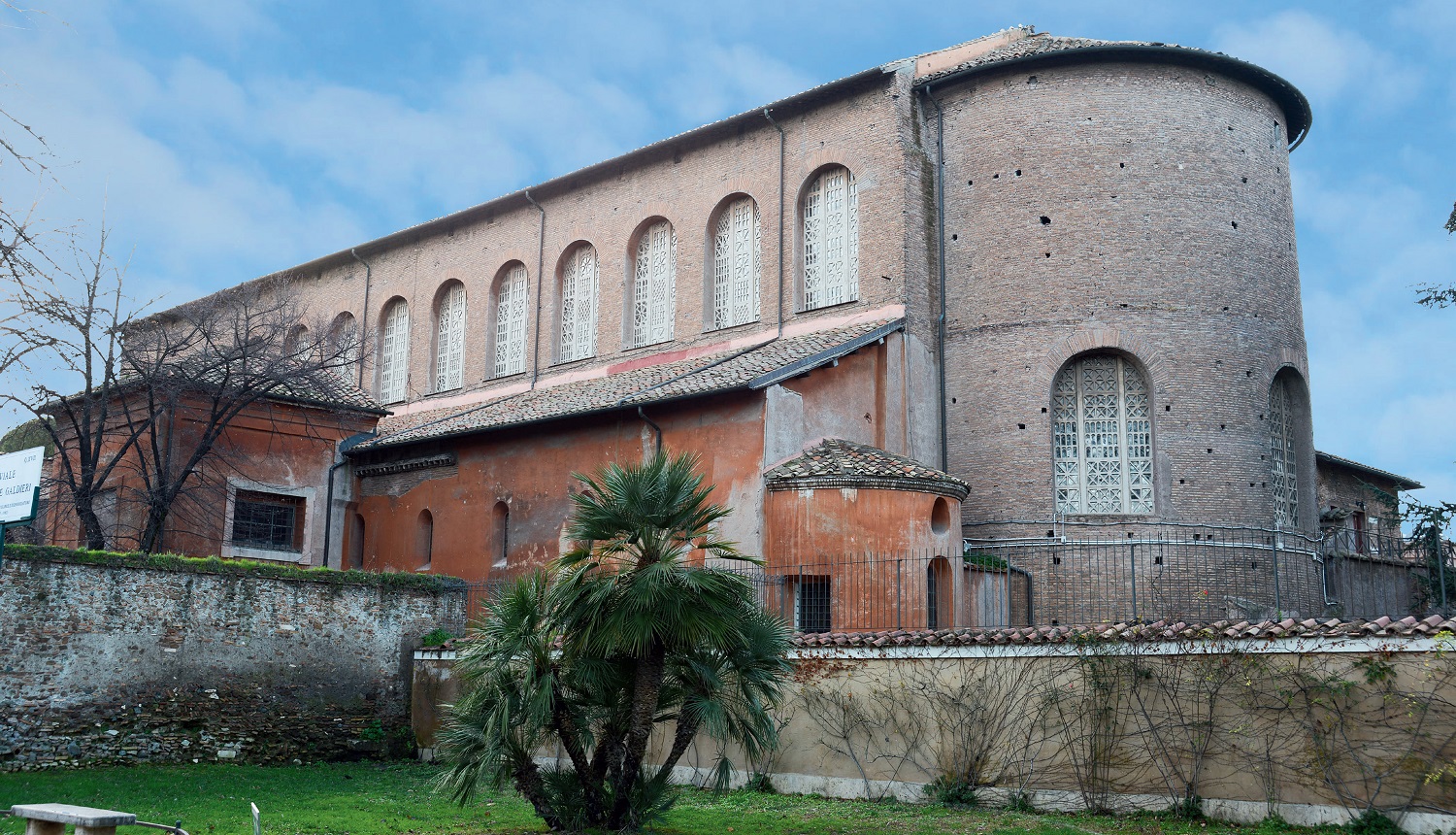
Santa Sabina
422-432
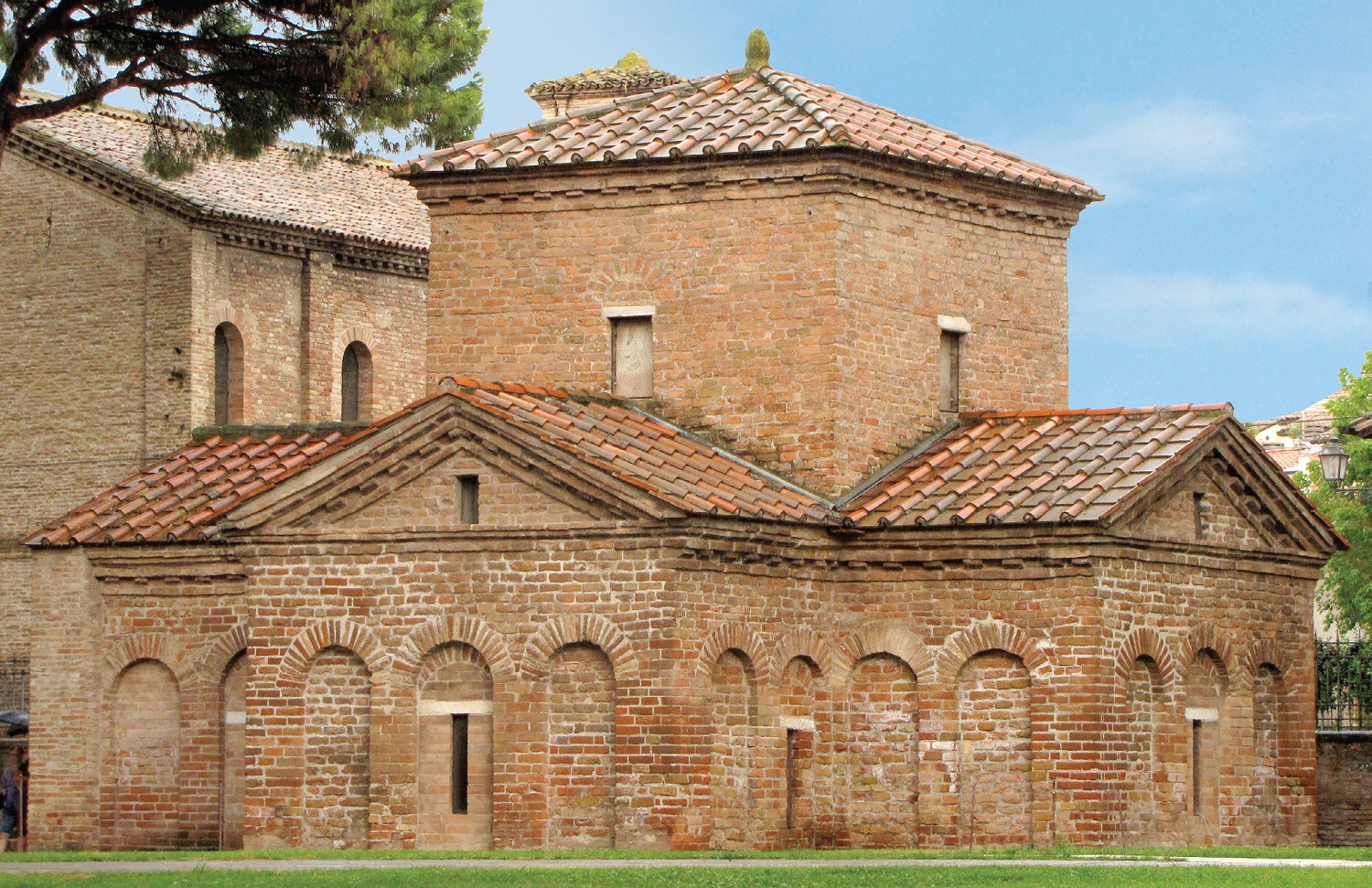
Mausoleum of Galla Placidia
425
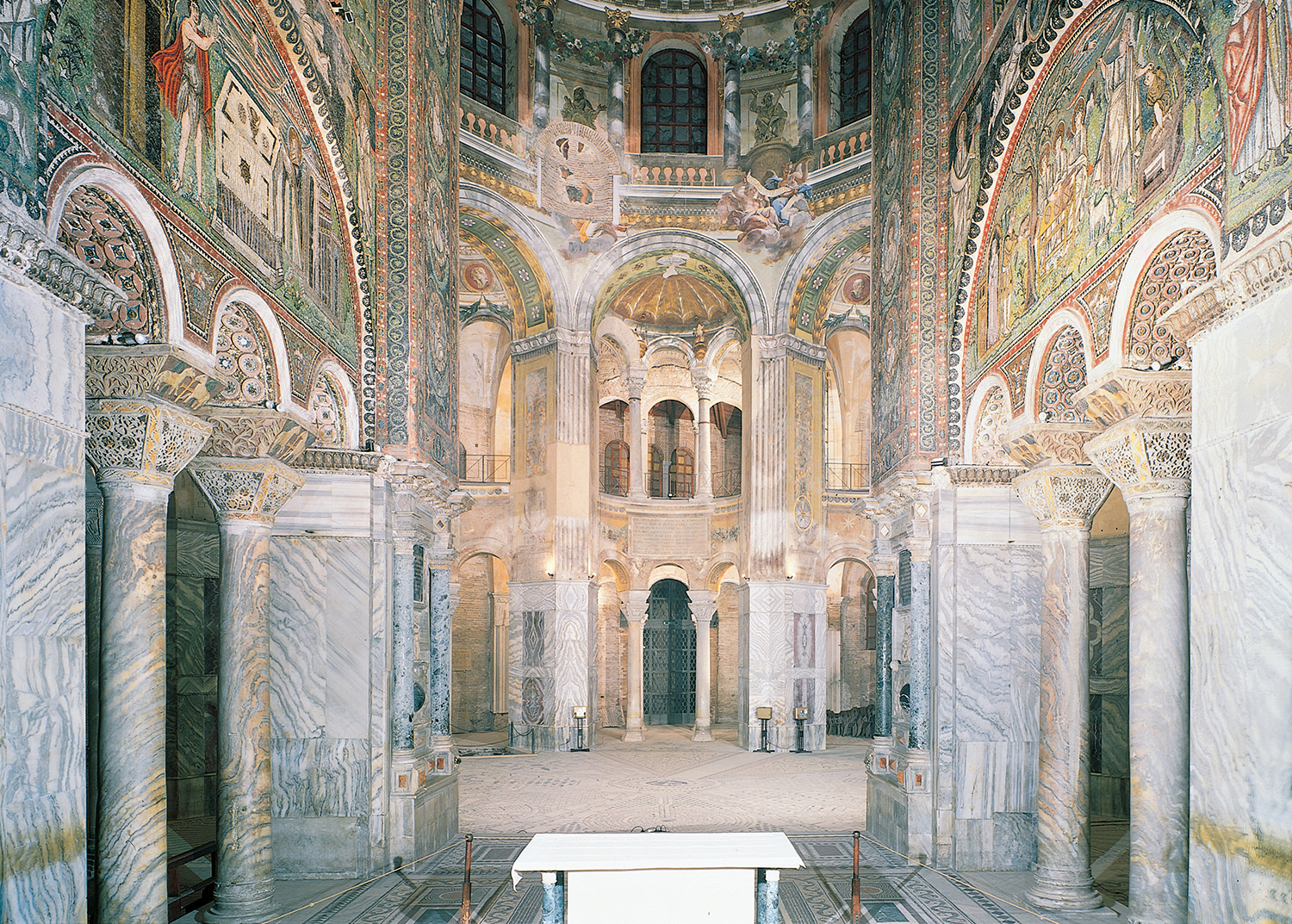
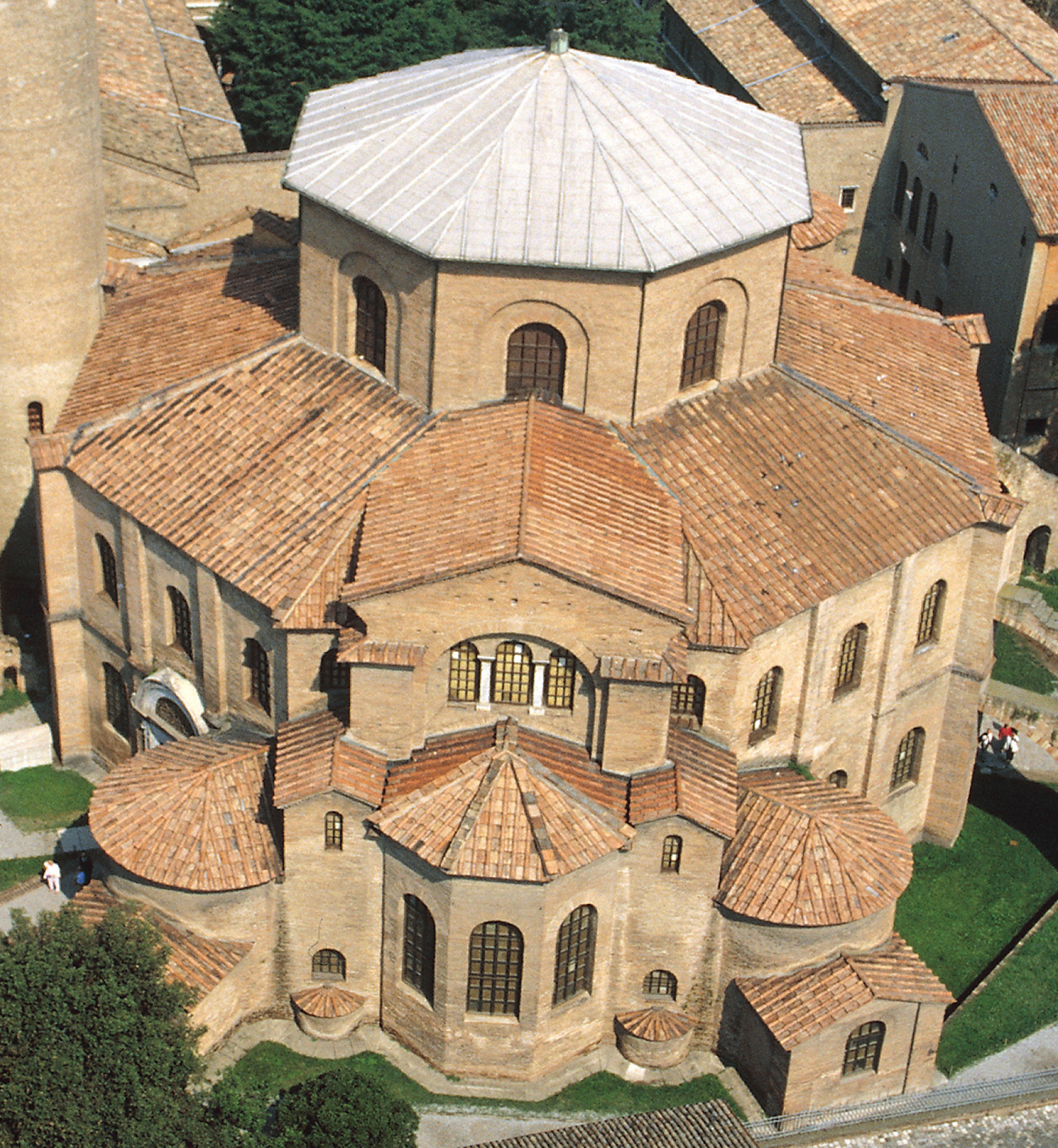
San Vitale
500
one of the greatest achievements of byzantine art
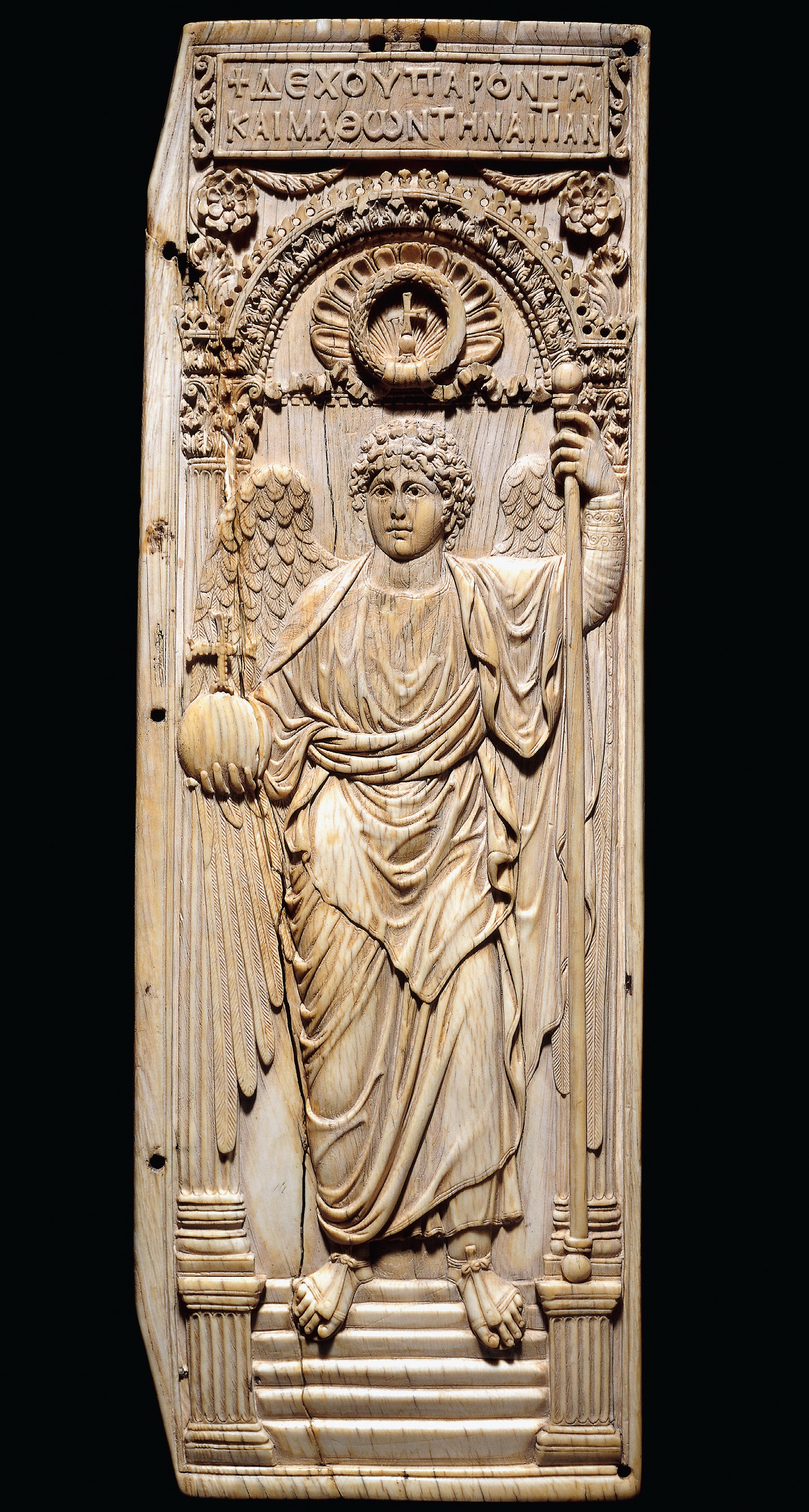
Archangel Micheal
6th century
angel is detatched from architecture
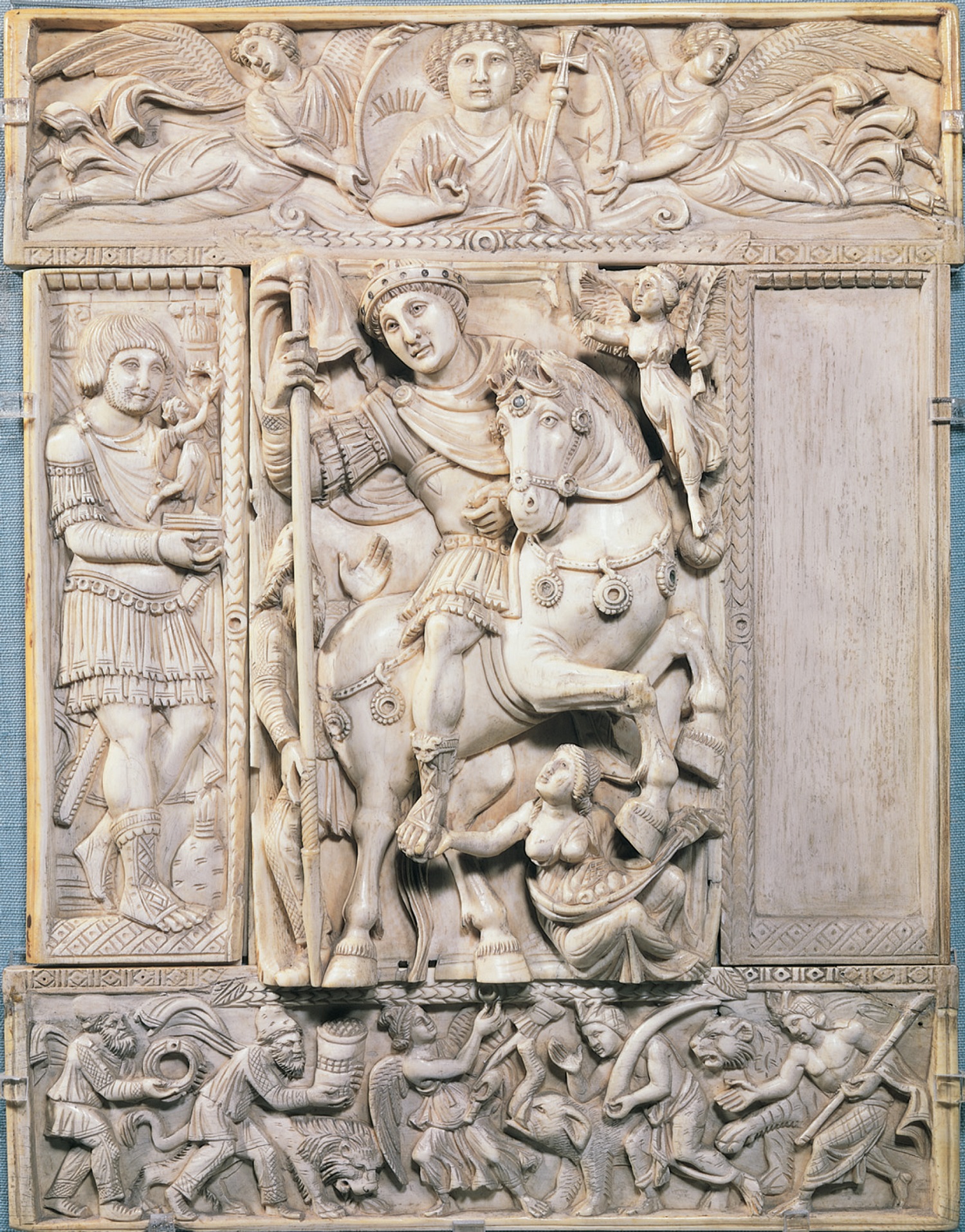
Justinian as a world conqueror
6th century
classical motiffs live on in byzantine empire
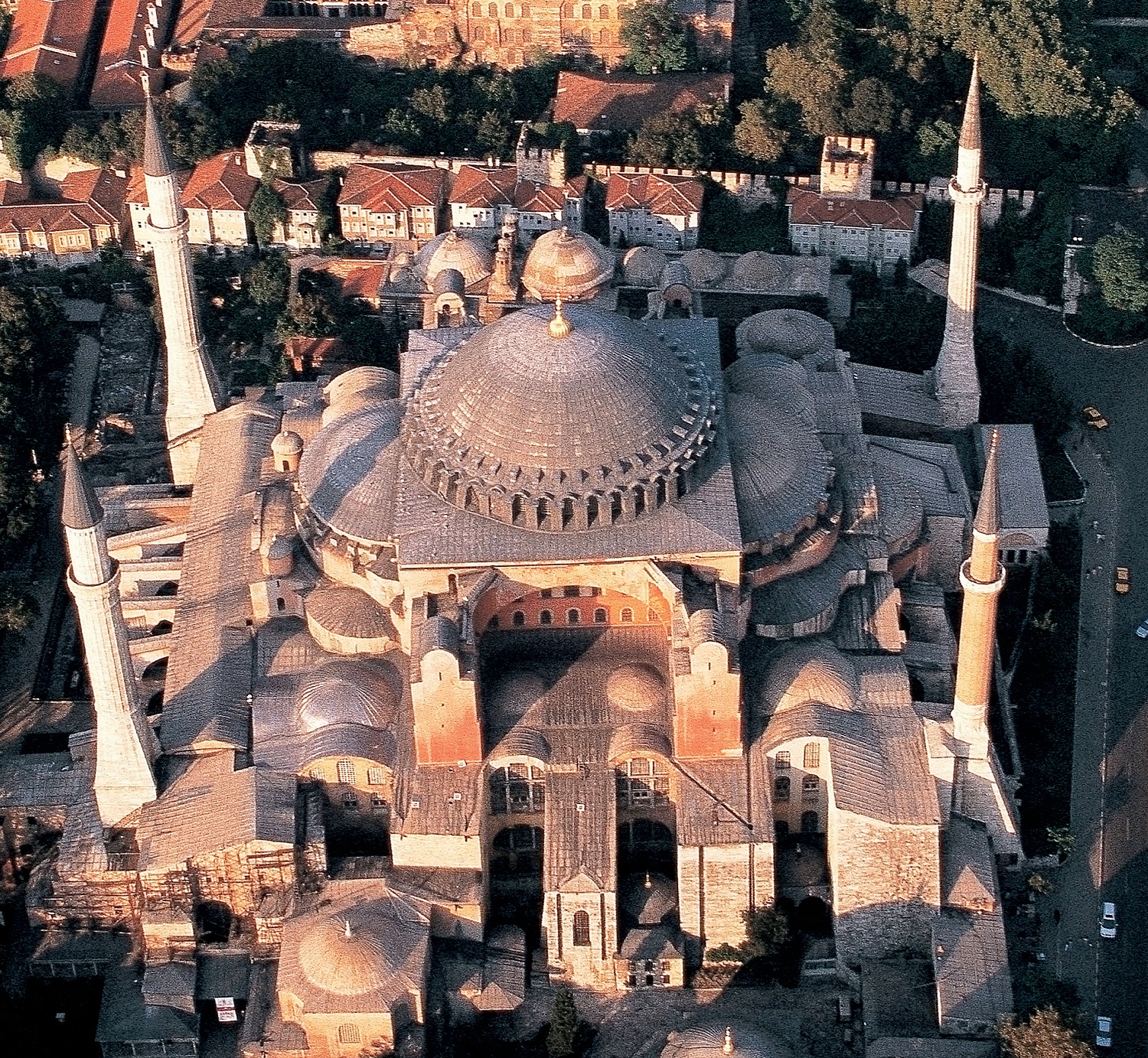
Hagia Sophia
530
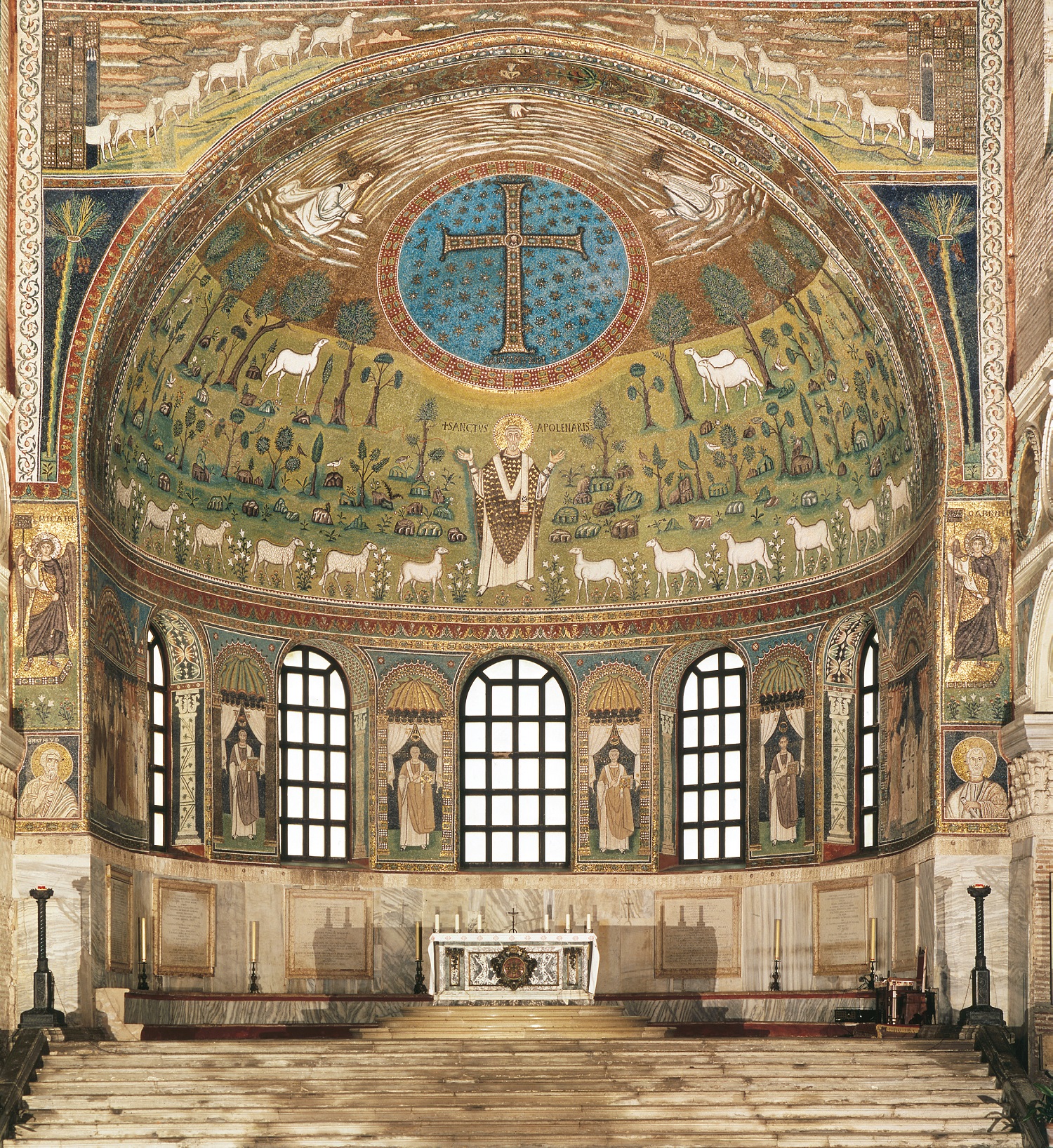
Saint Apollinarus with sheep
500
artist rejects classical background

Virgin and child
6th or 7th century
survived iconoclasm
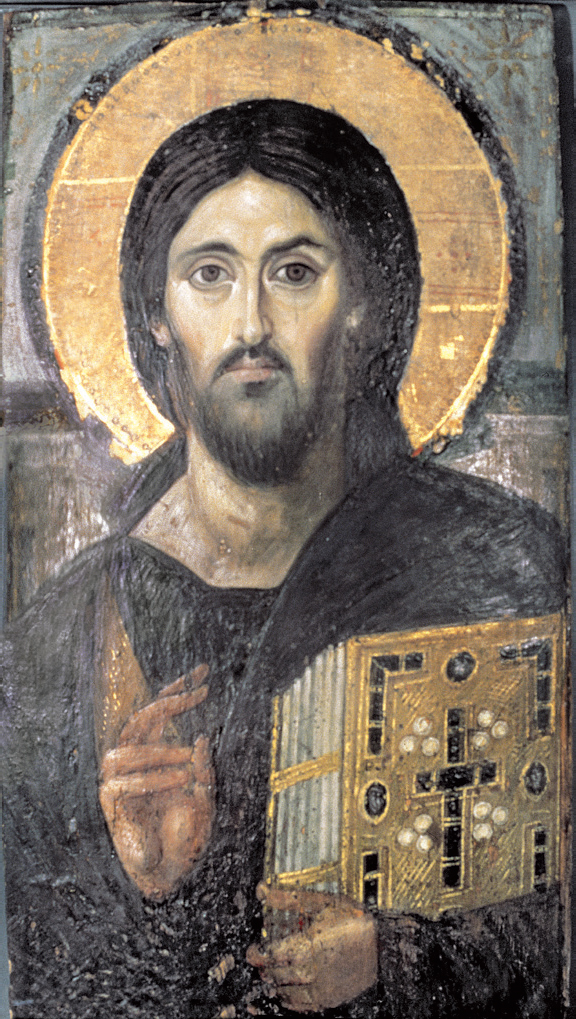
Christ Blessing 6th century
naturalism
has charecteristics of zeus

San Marco
1063
Virgin of Compassion-Vladmir Virgin
11th-12th century
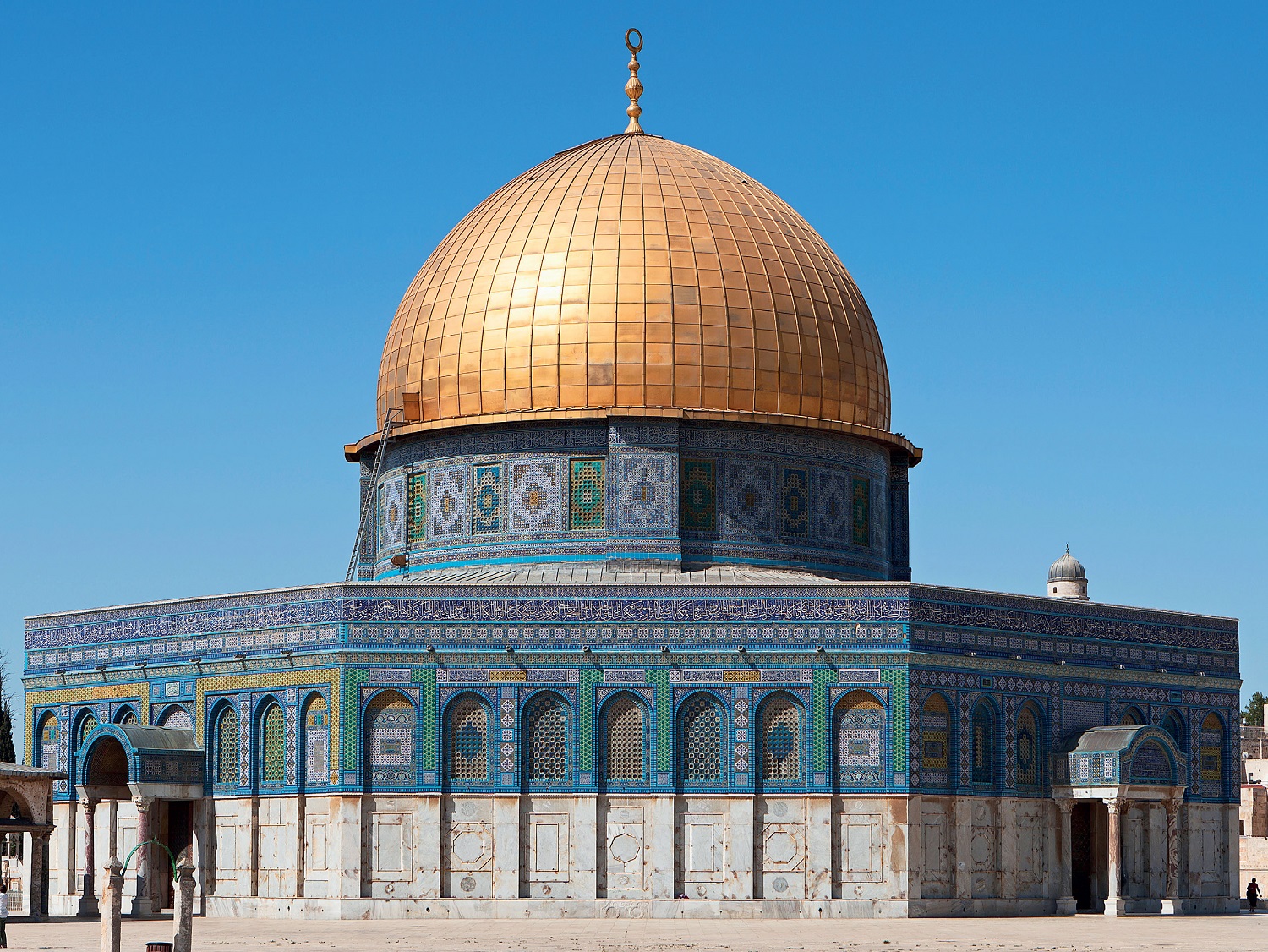
Dome of the Rock
600
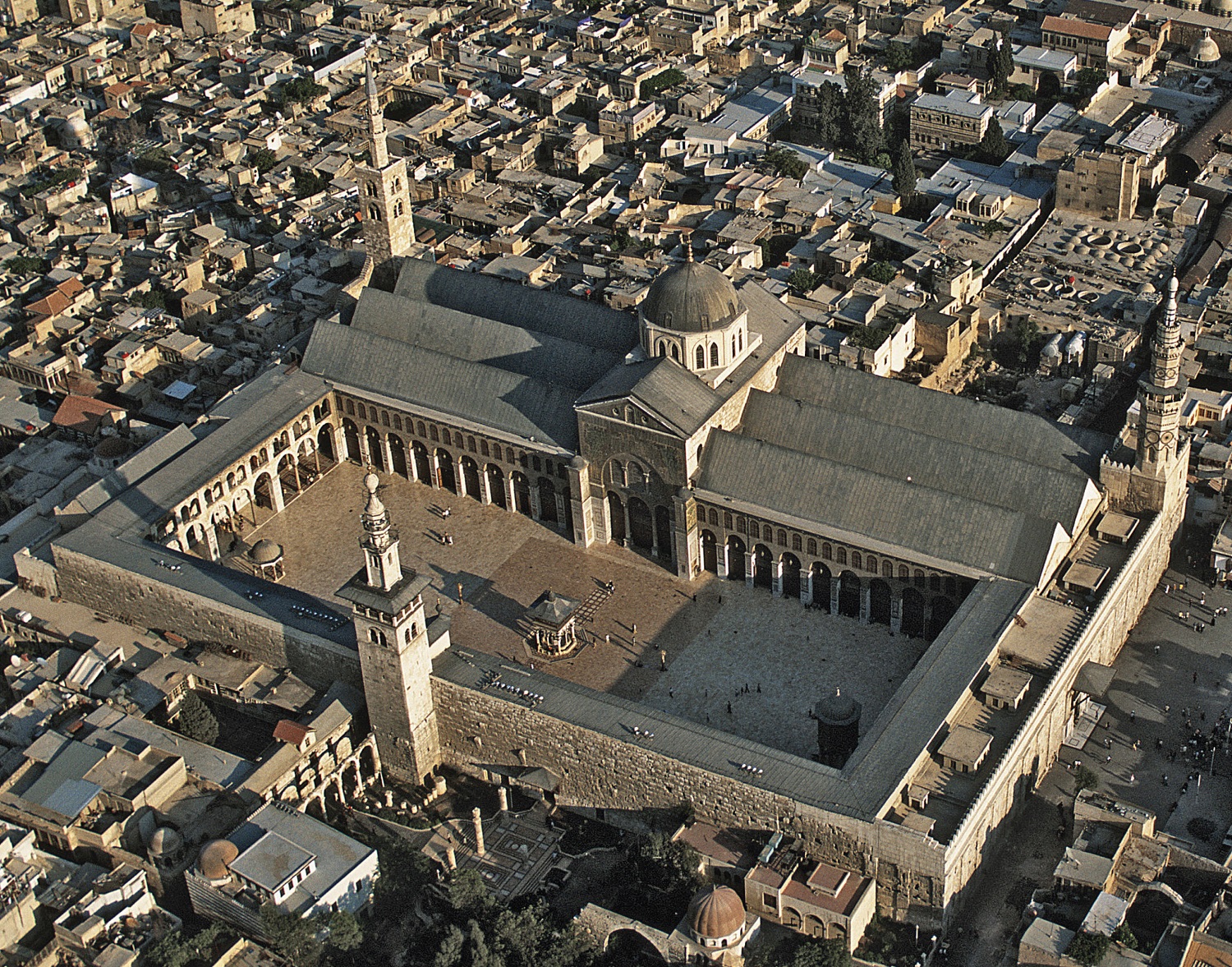
Great Mosque of Damascus
700
influenced by roman and early christian architecture
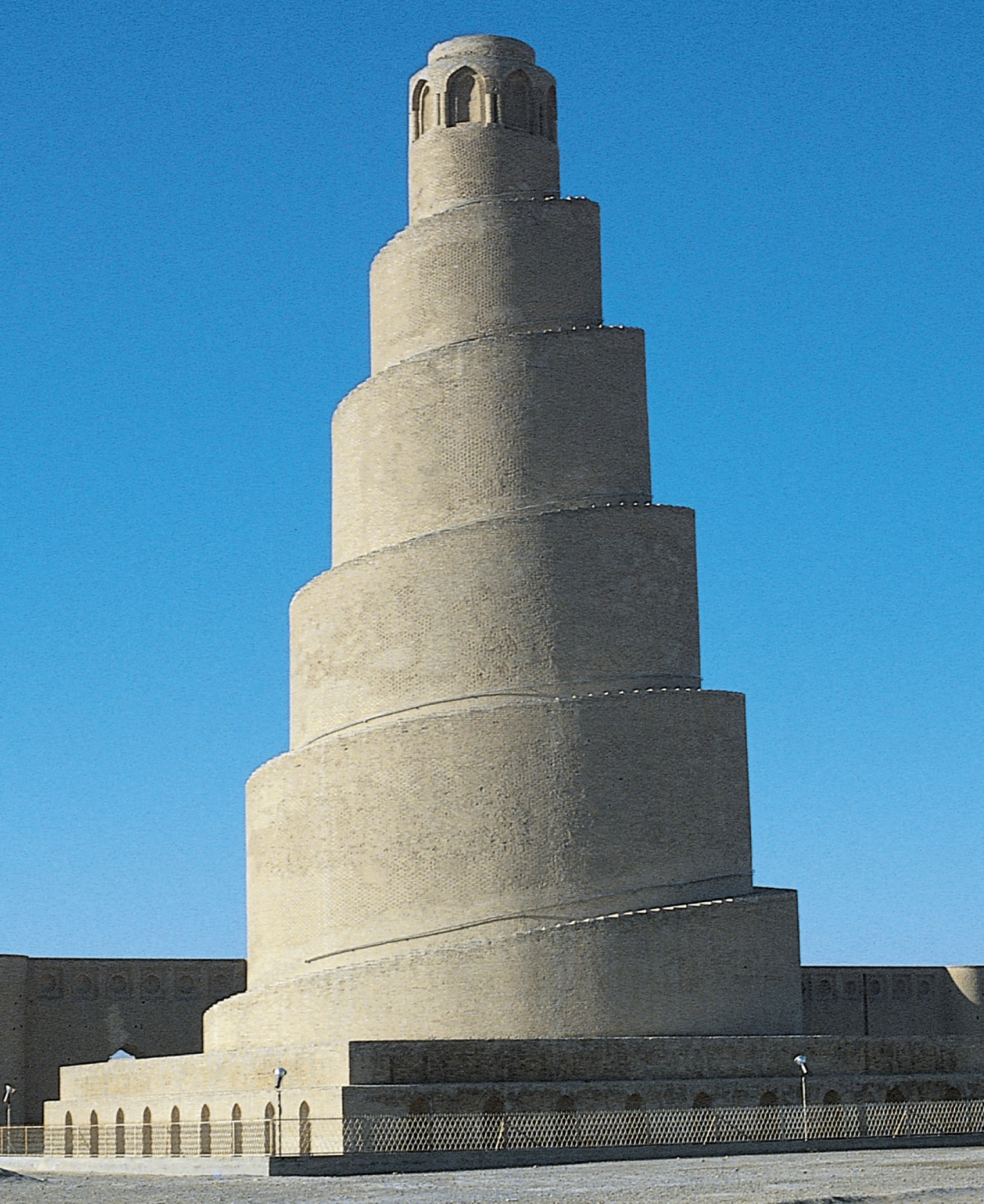
Great mosque of samarra
848
marker of islam
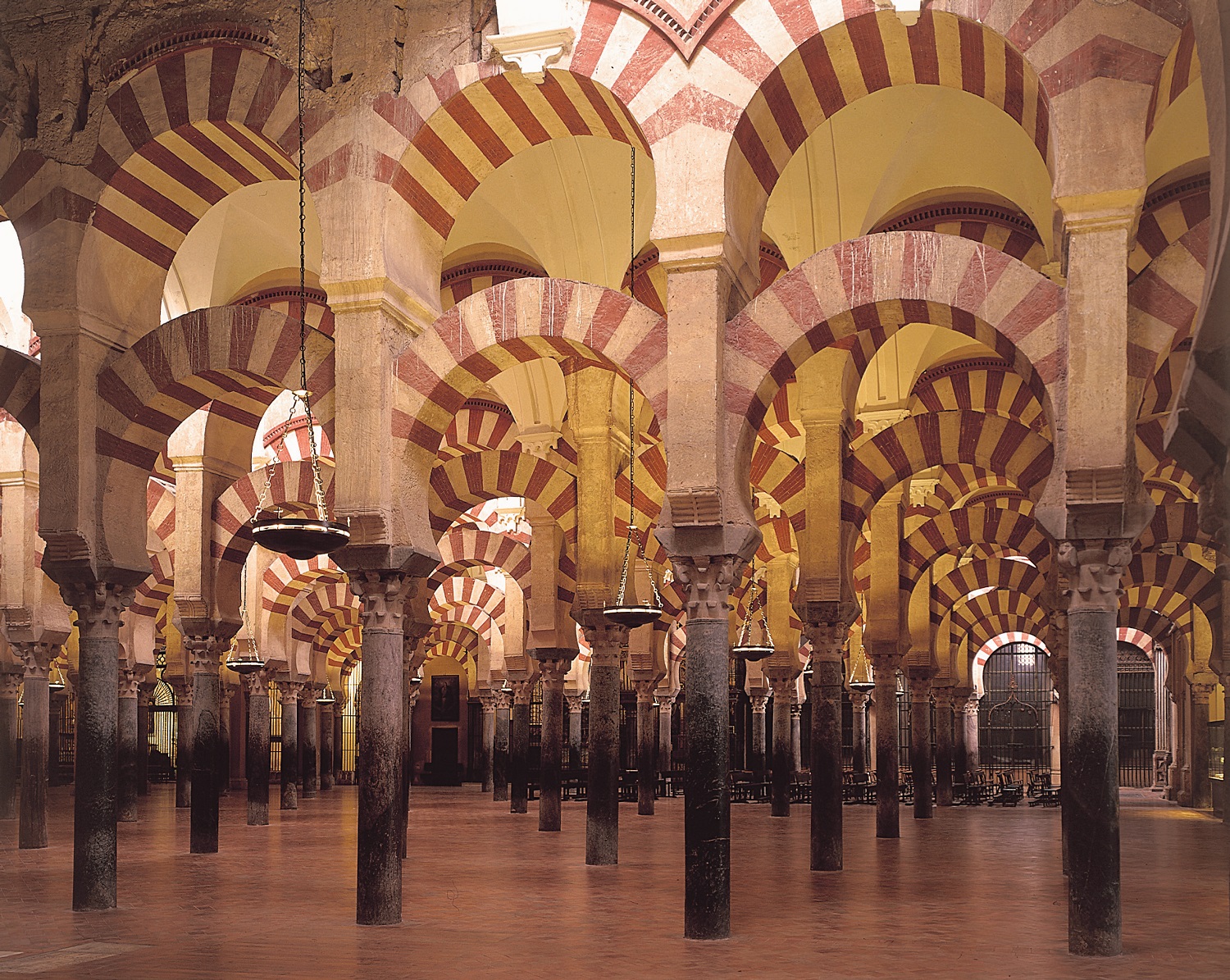
Great Mosque of cordoba
8th-1oth century
uses spoils from roman buildings
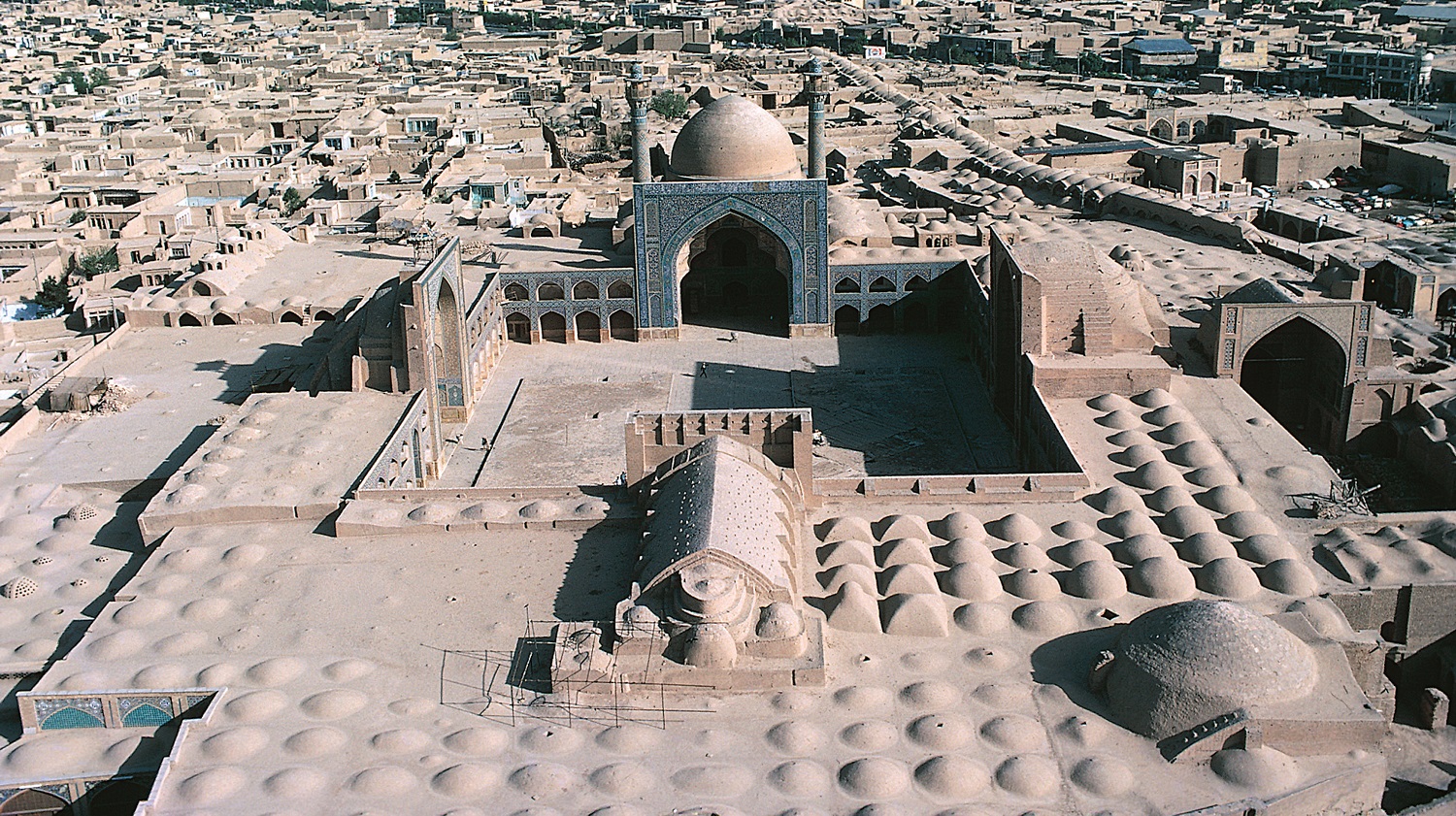
Friday Mosque 11th -17th century
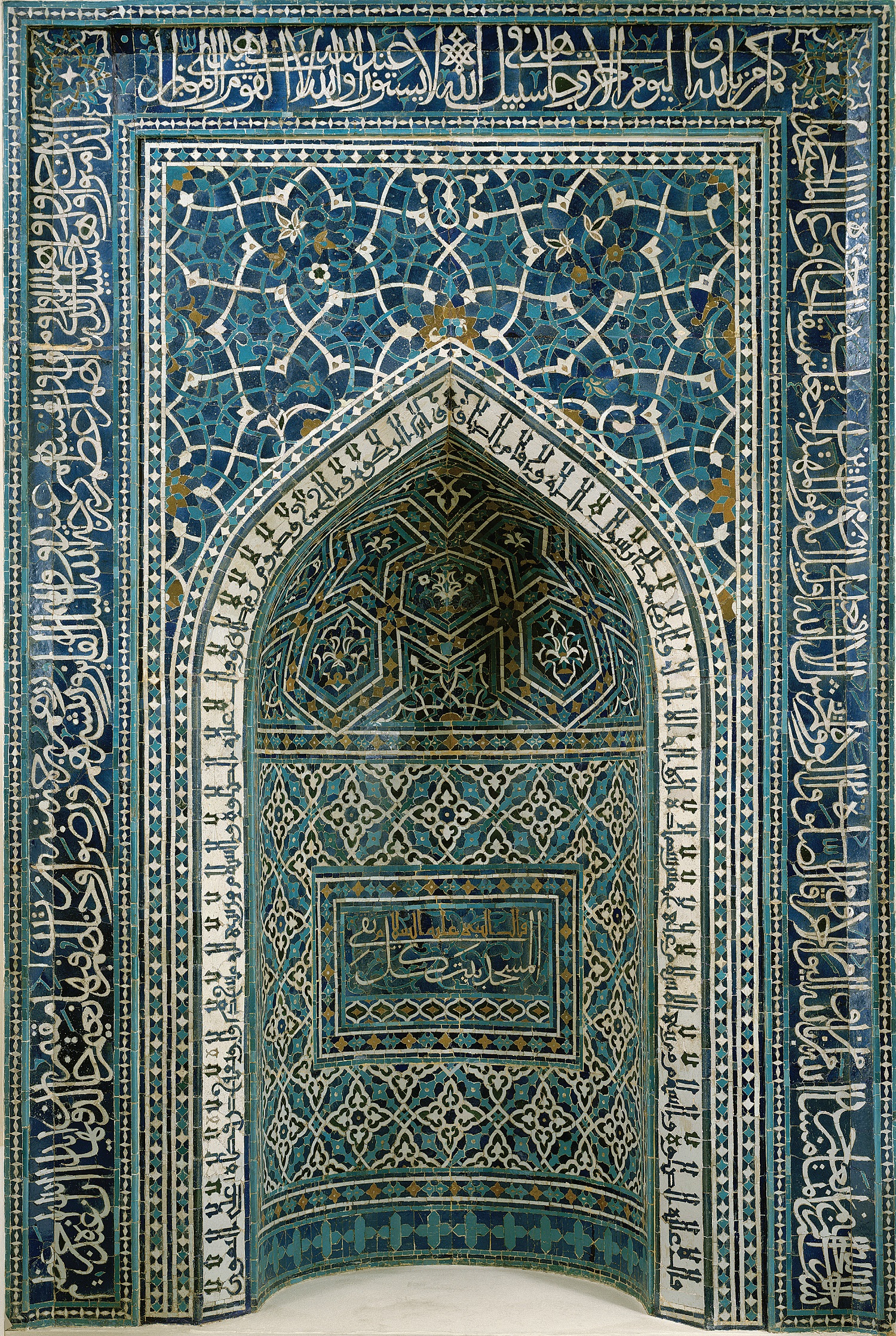
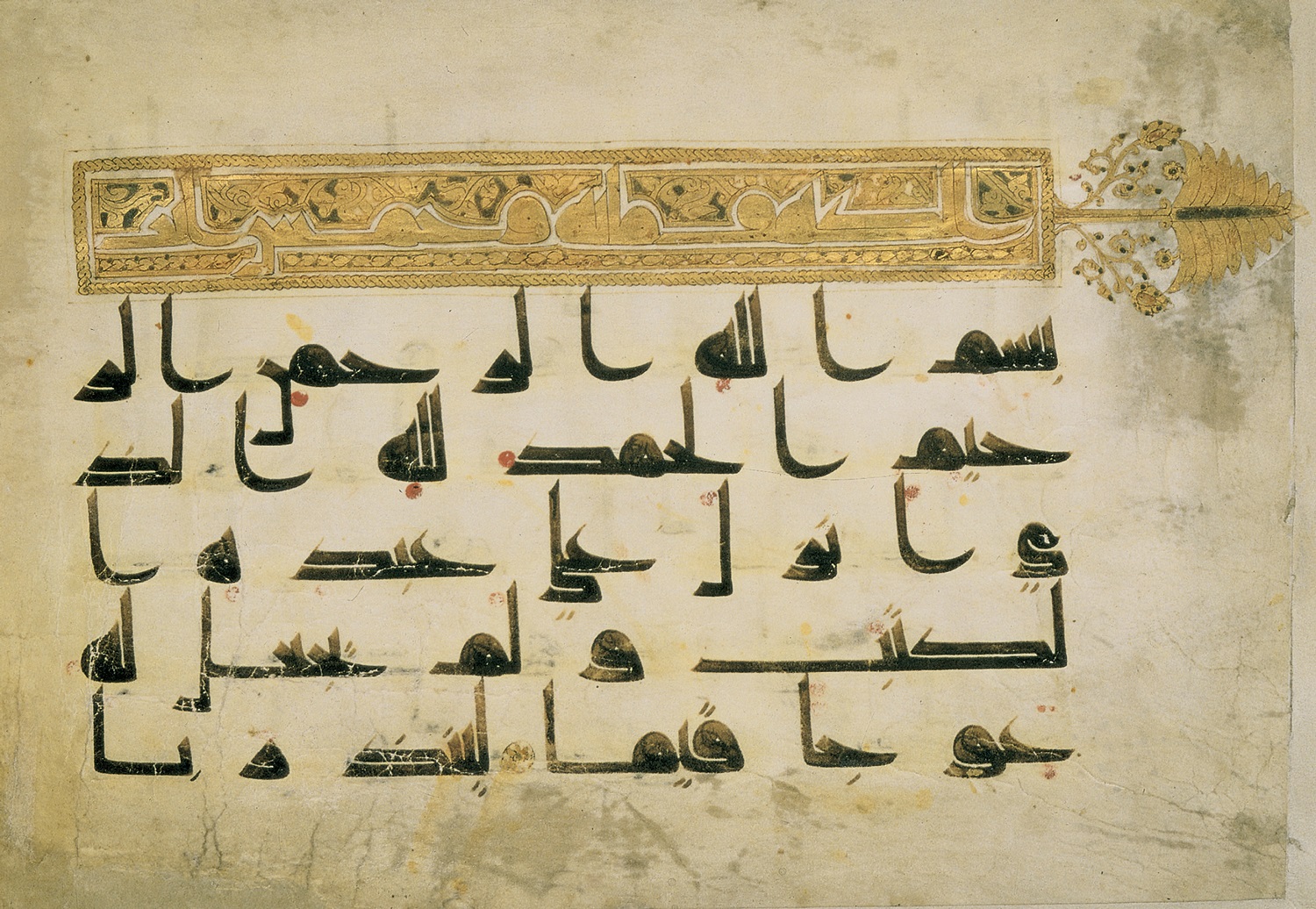
Koran page with begining of surah
9th or 10th century
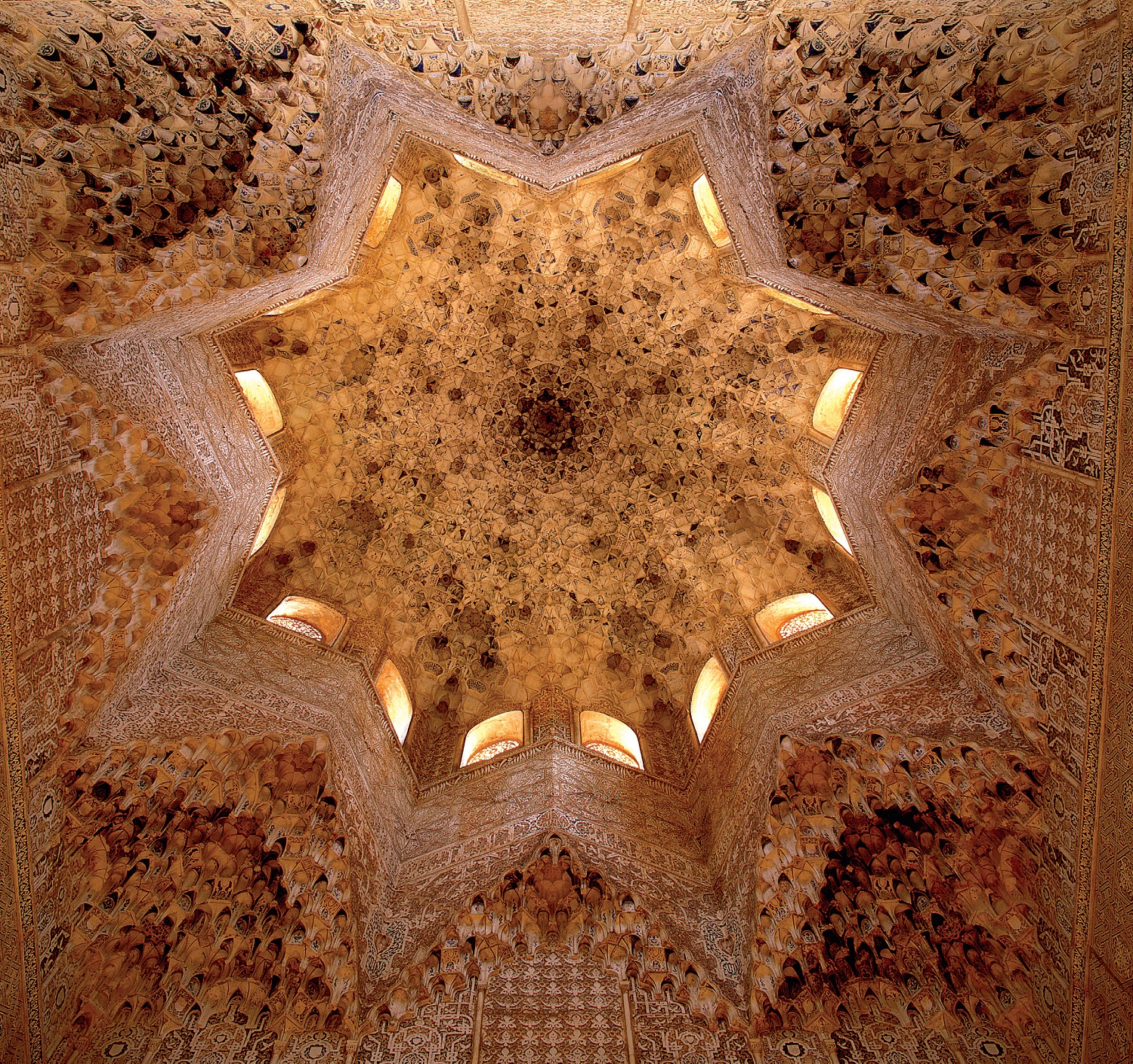
Alhambra palace of lions
1354
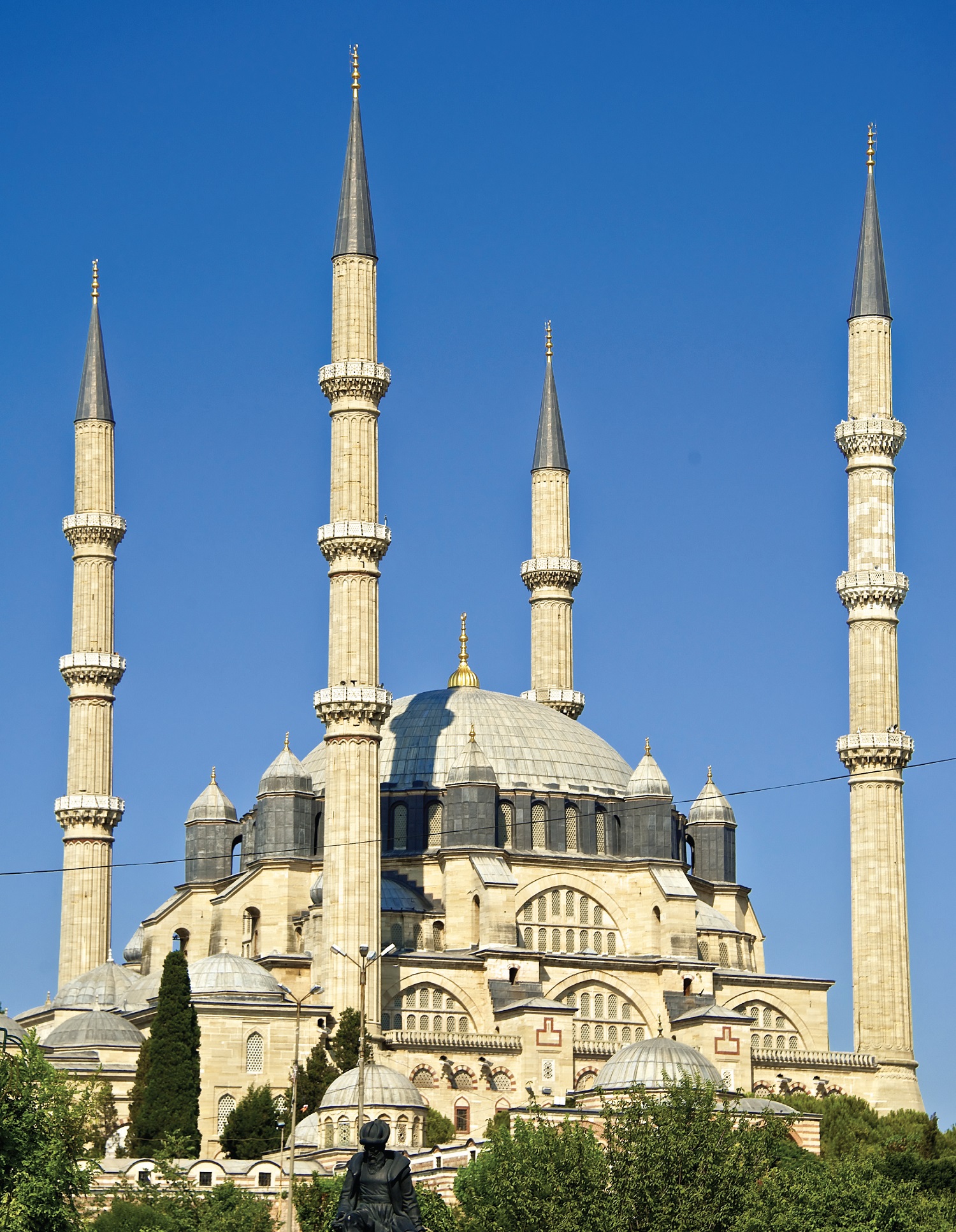
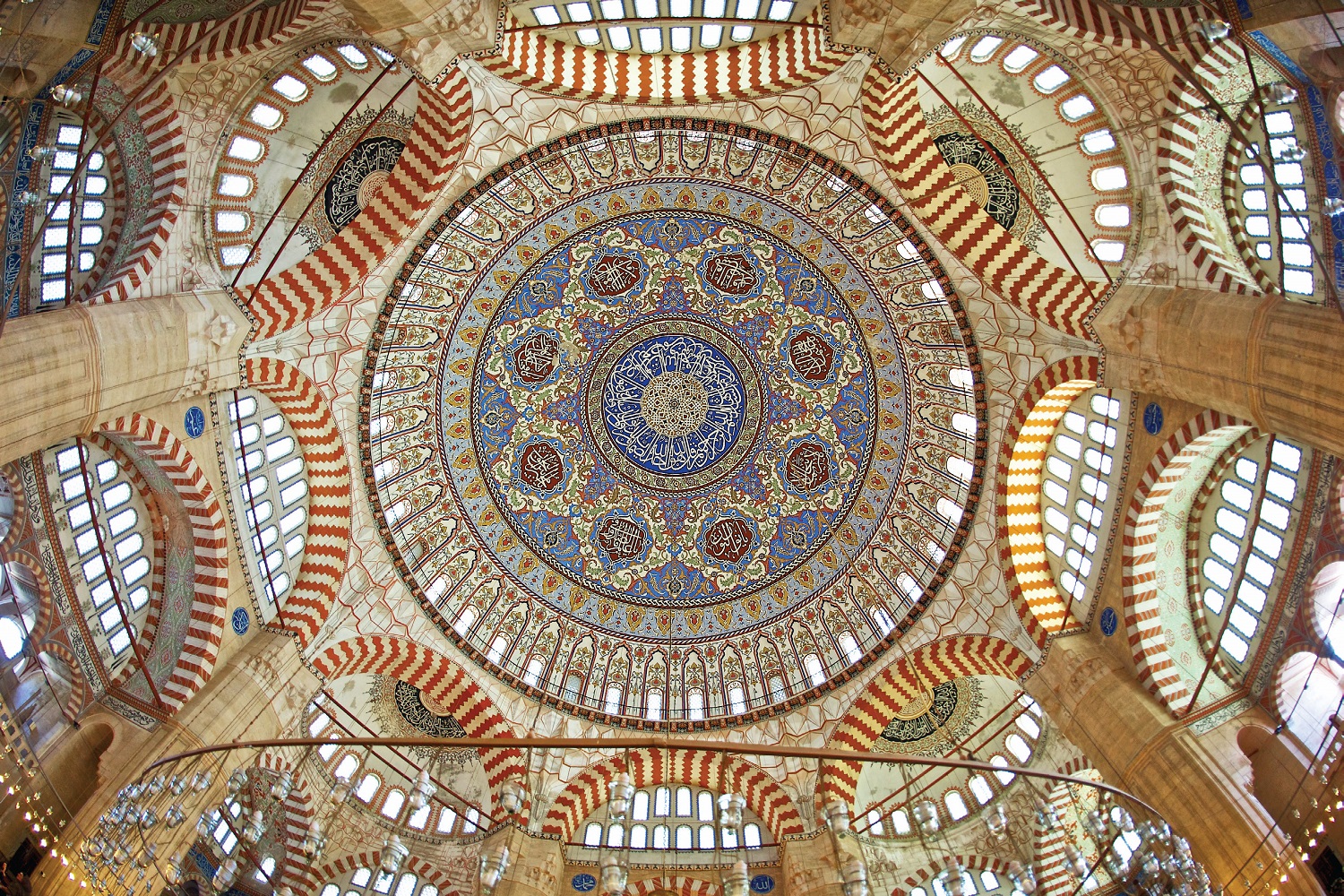
Mosque of Selim II
1568
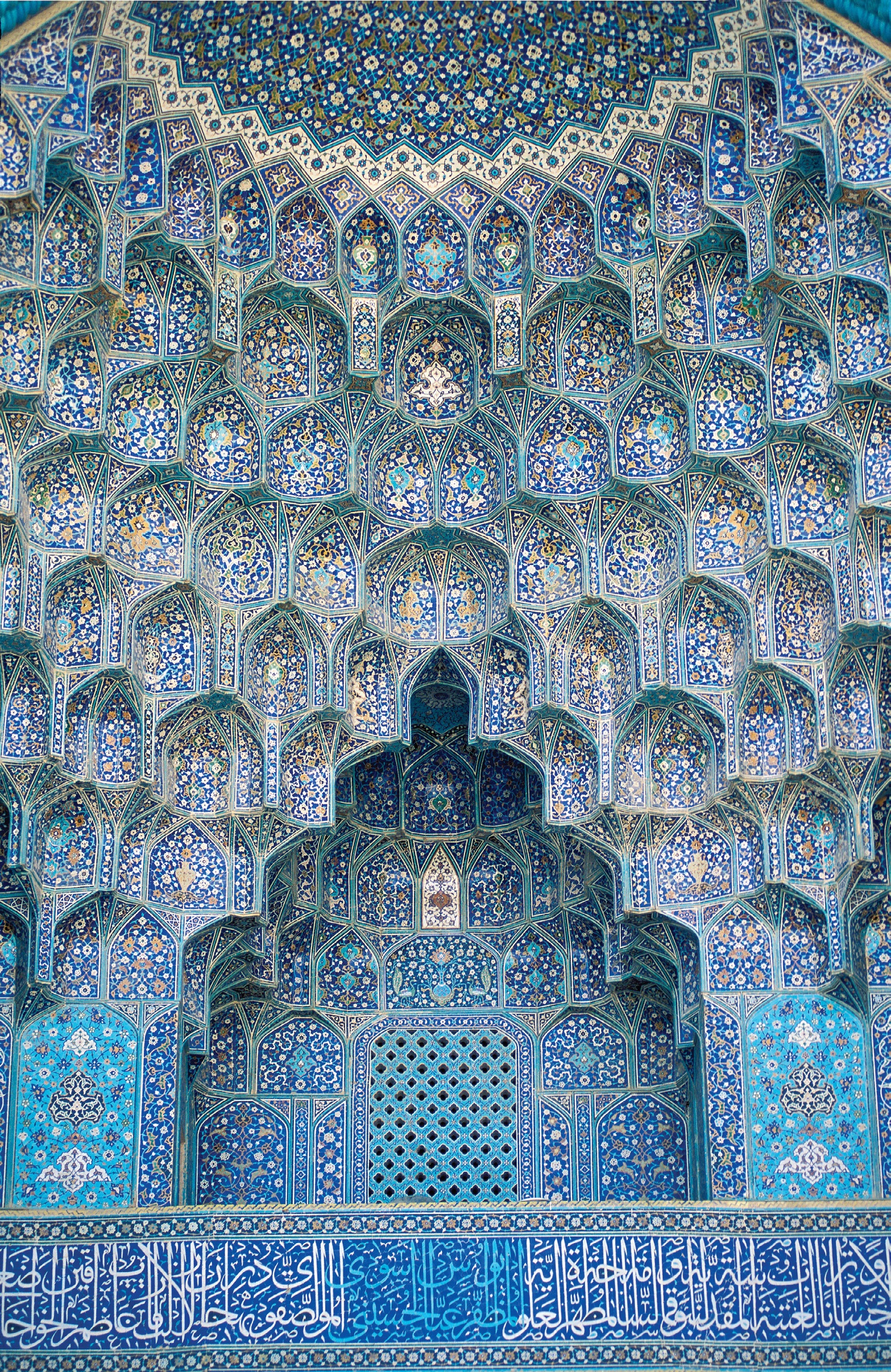
Imam Mosque
1163-1638
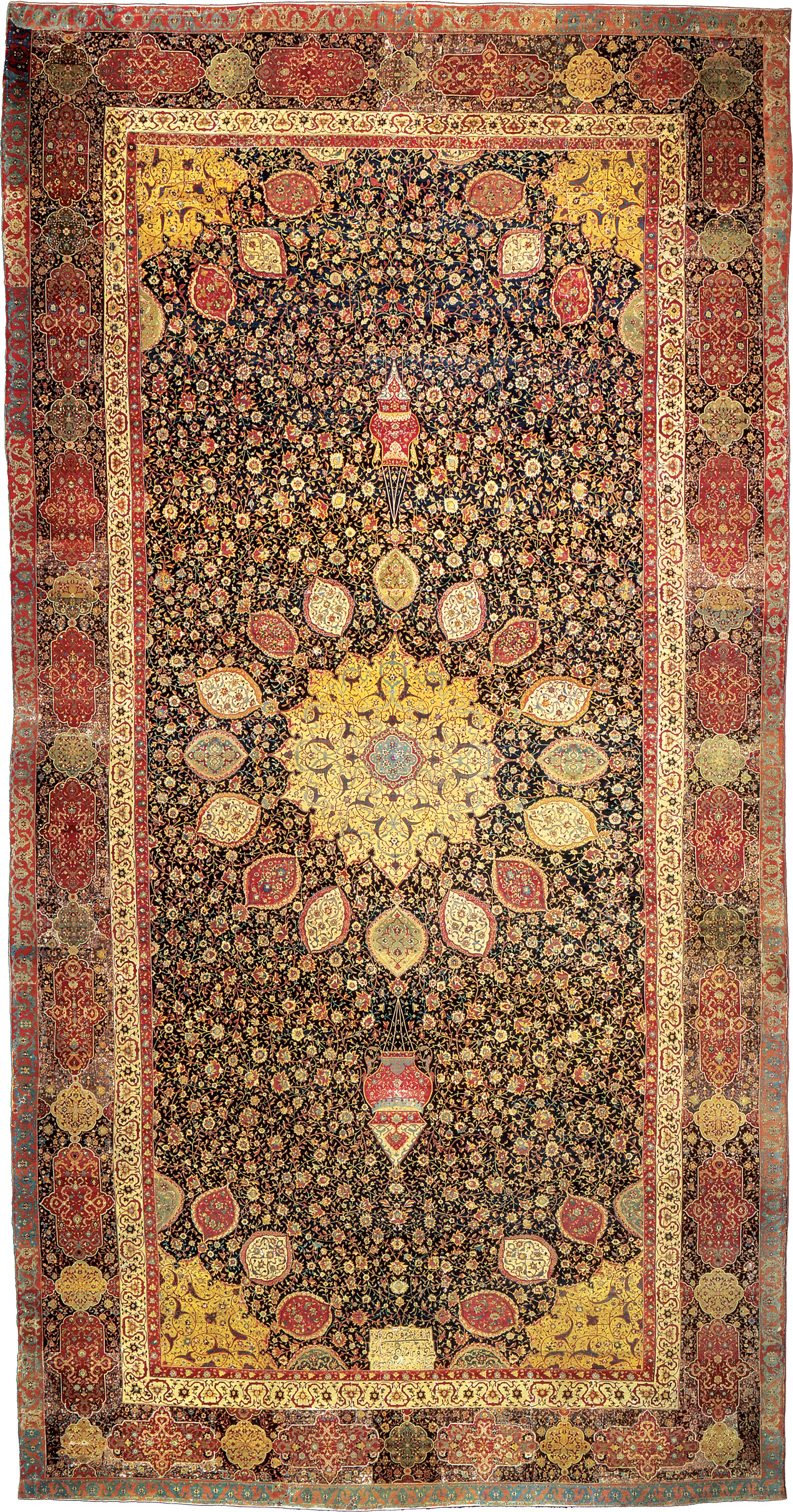
Ardabil Carpet
1540
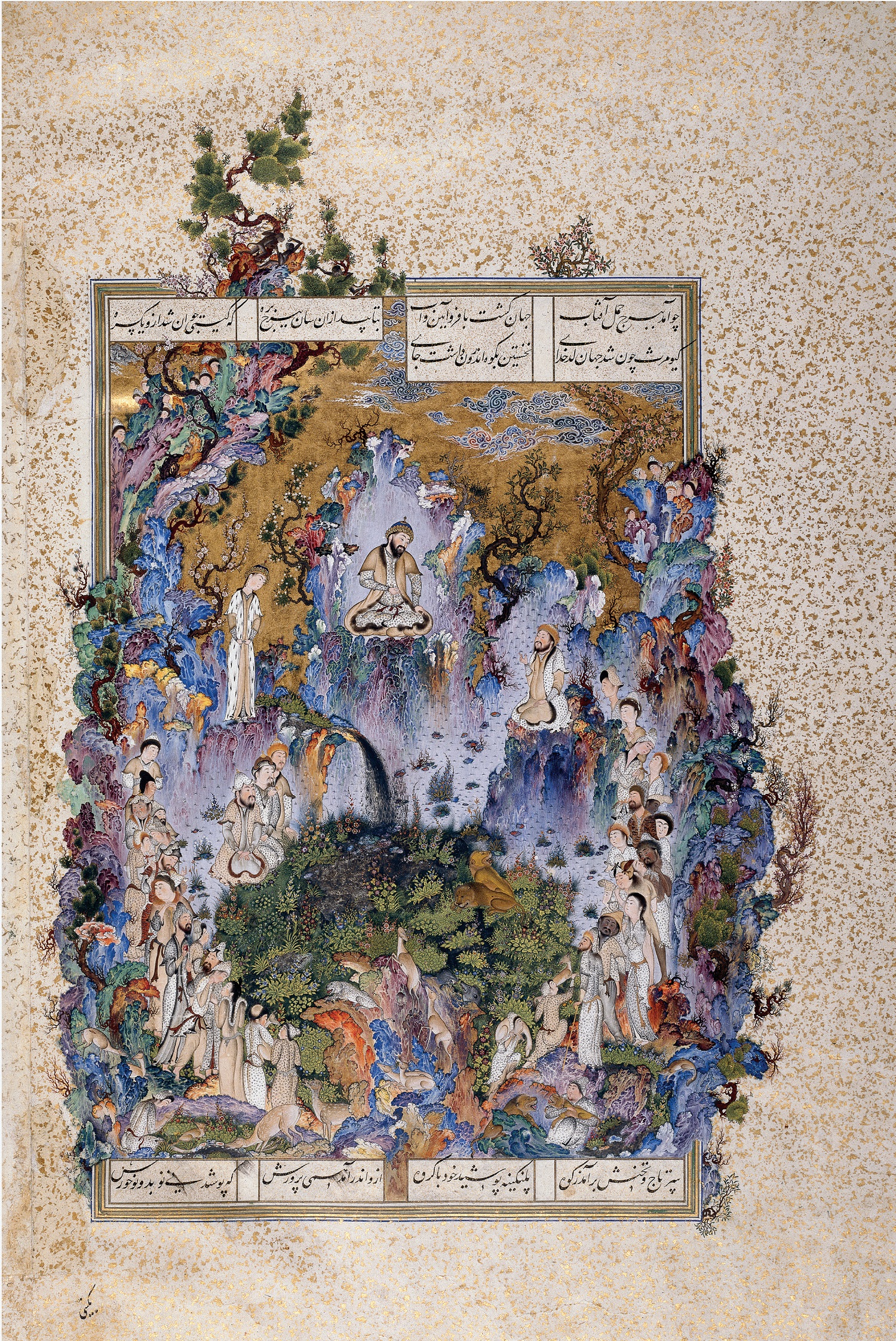
Court of Gayumars
1525
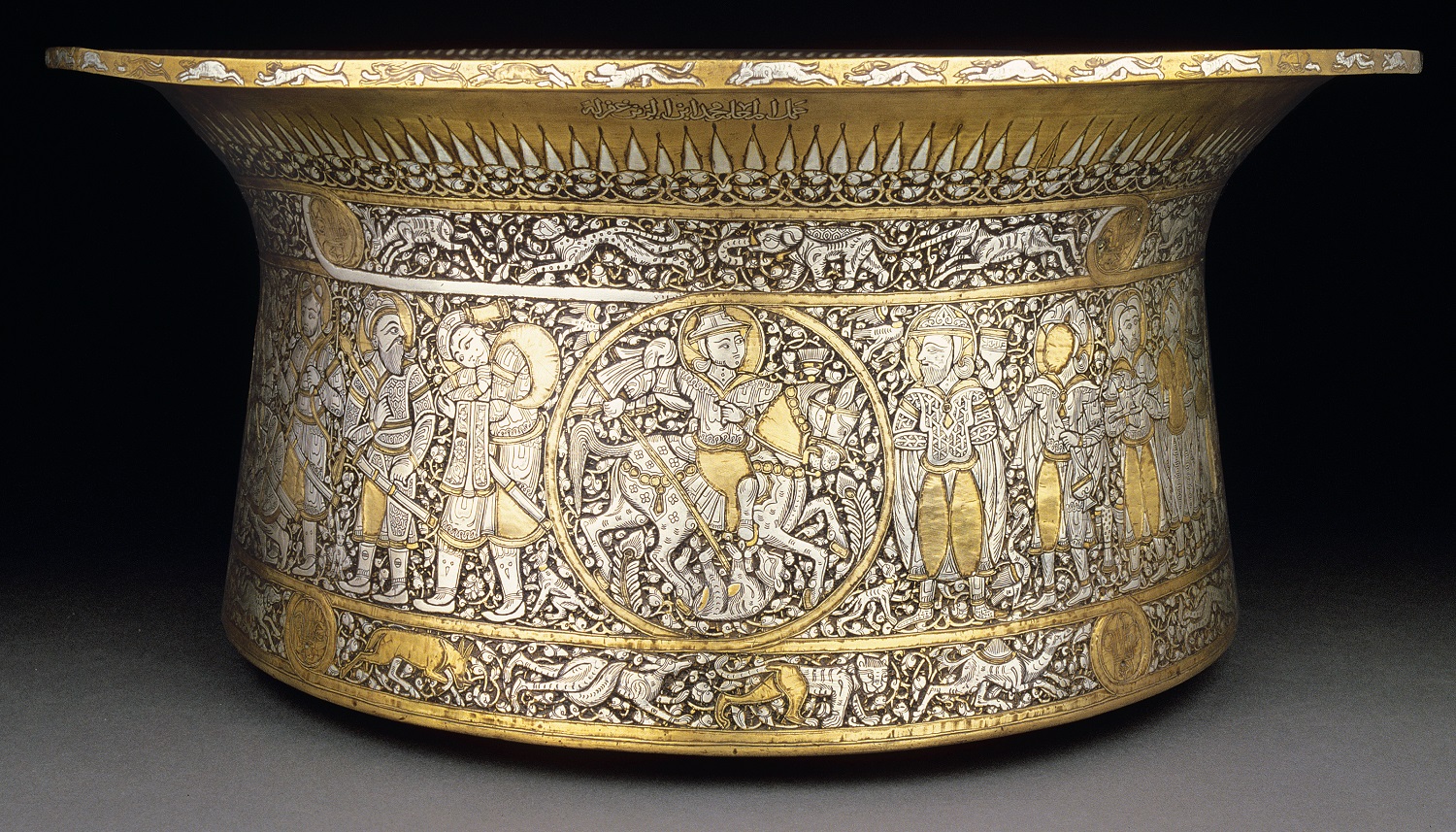
Baptistere de Saint Louis
1300
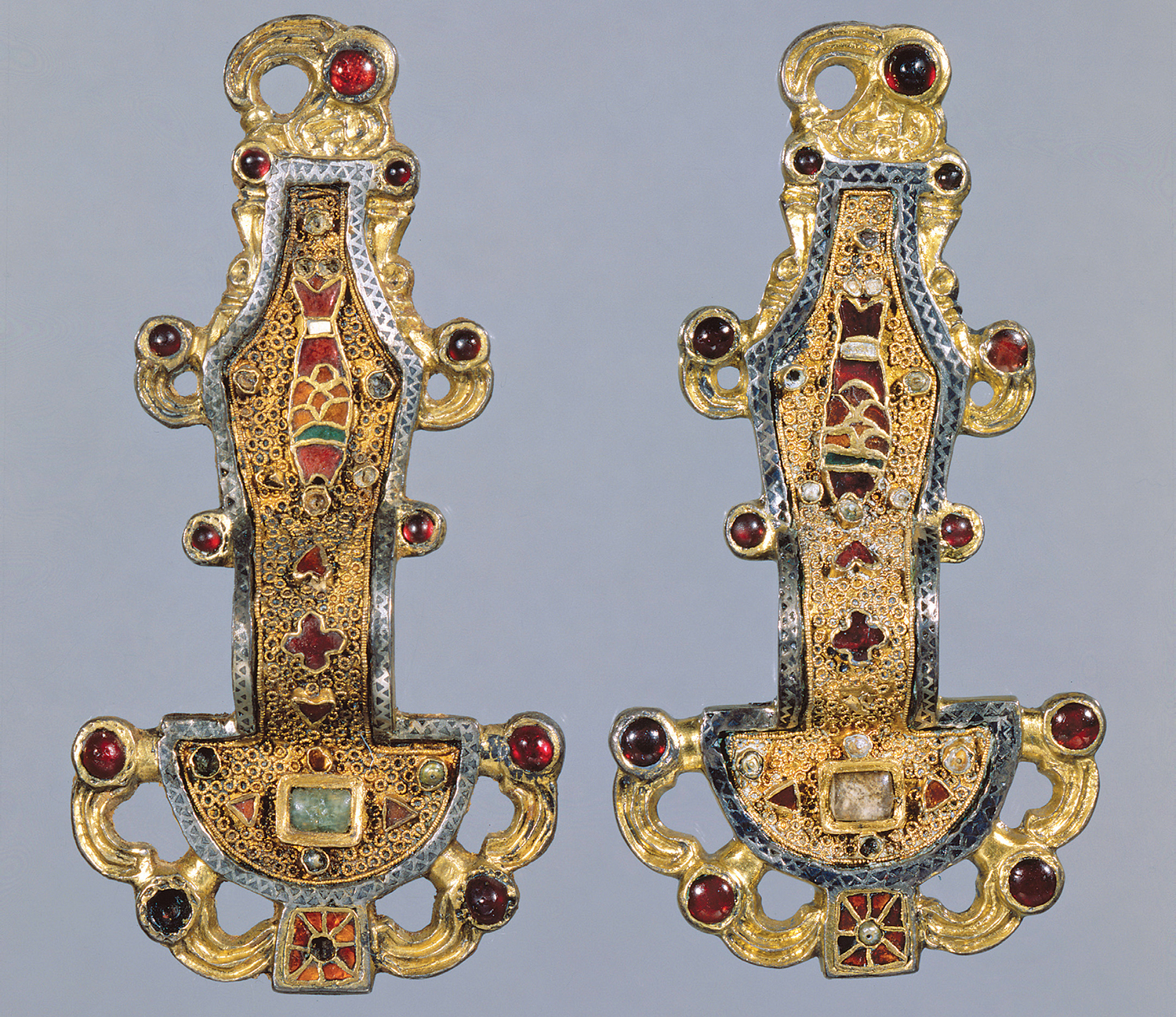
Merovingian looped fibulae
6th century
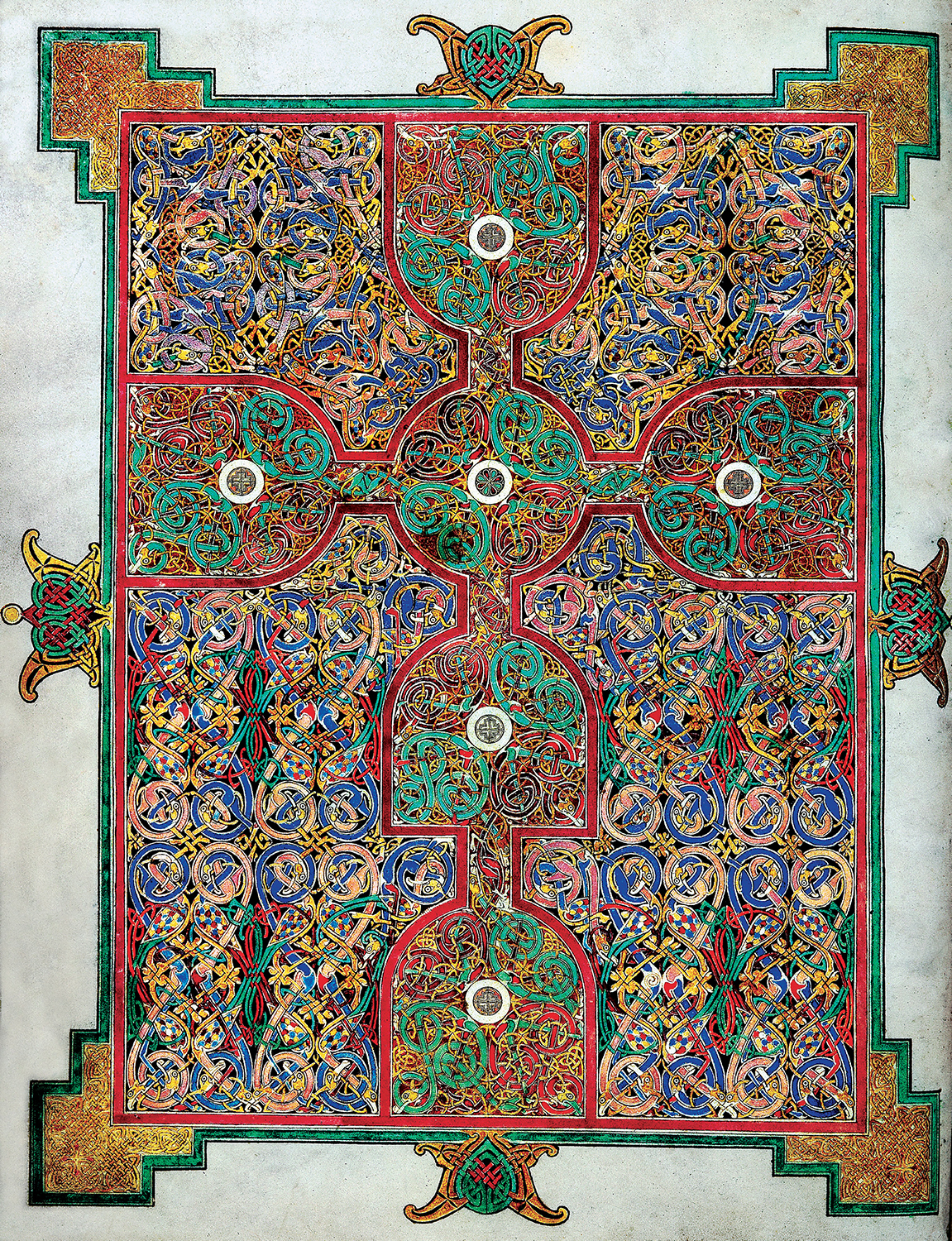
Lindsfarne Gospel
698-721
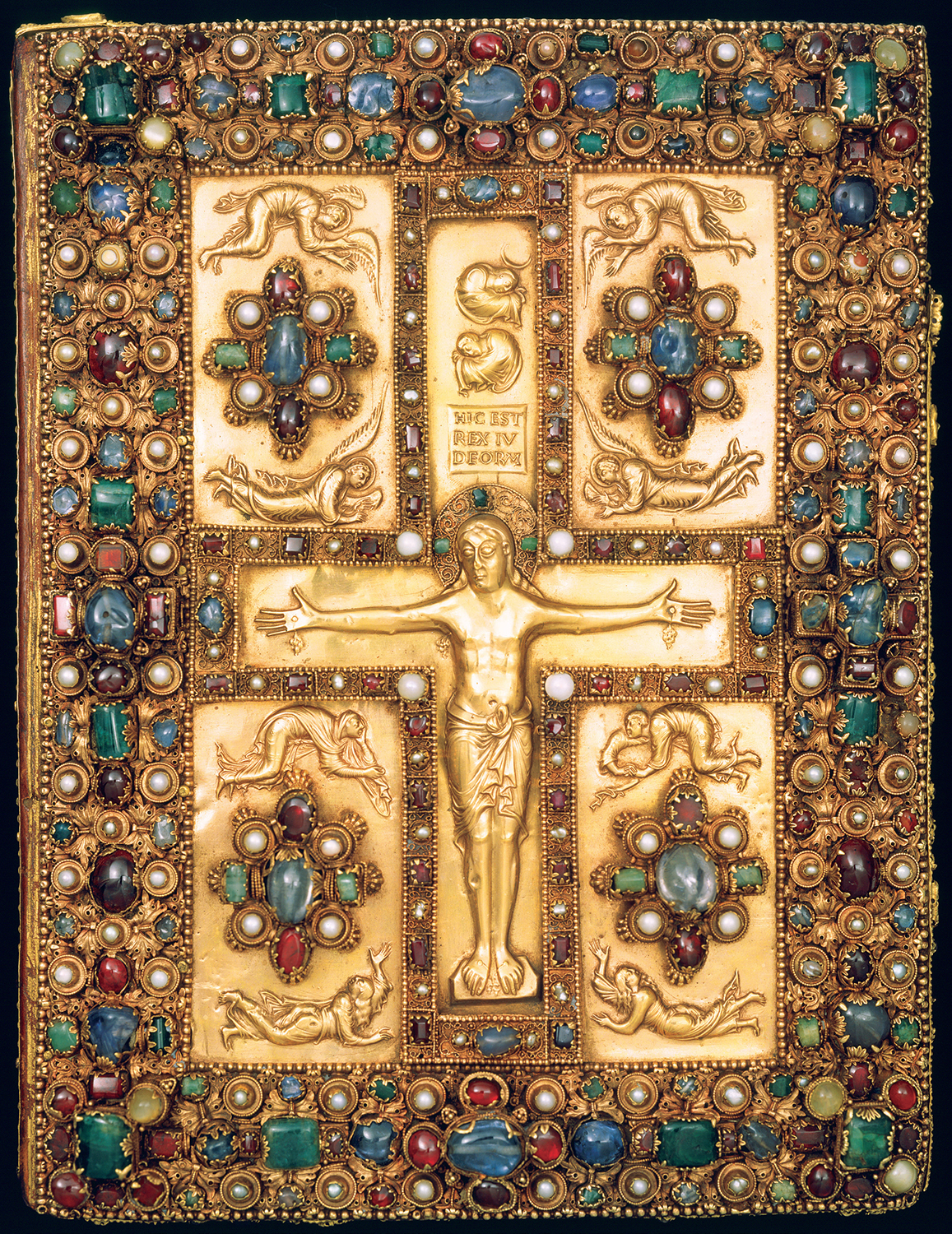
Lindau Gospel
870
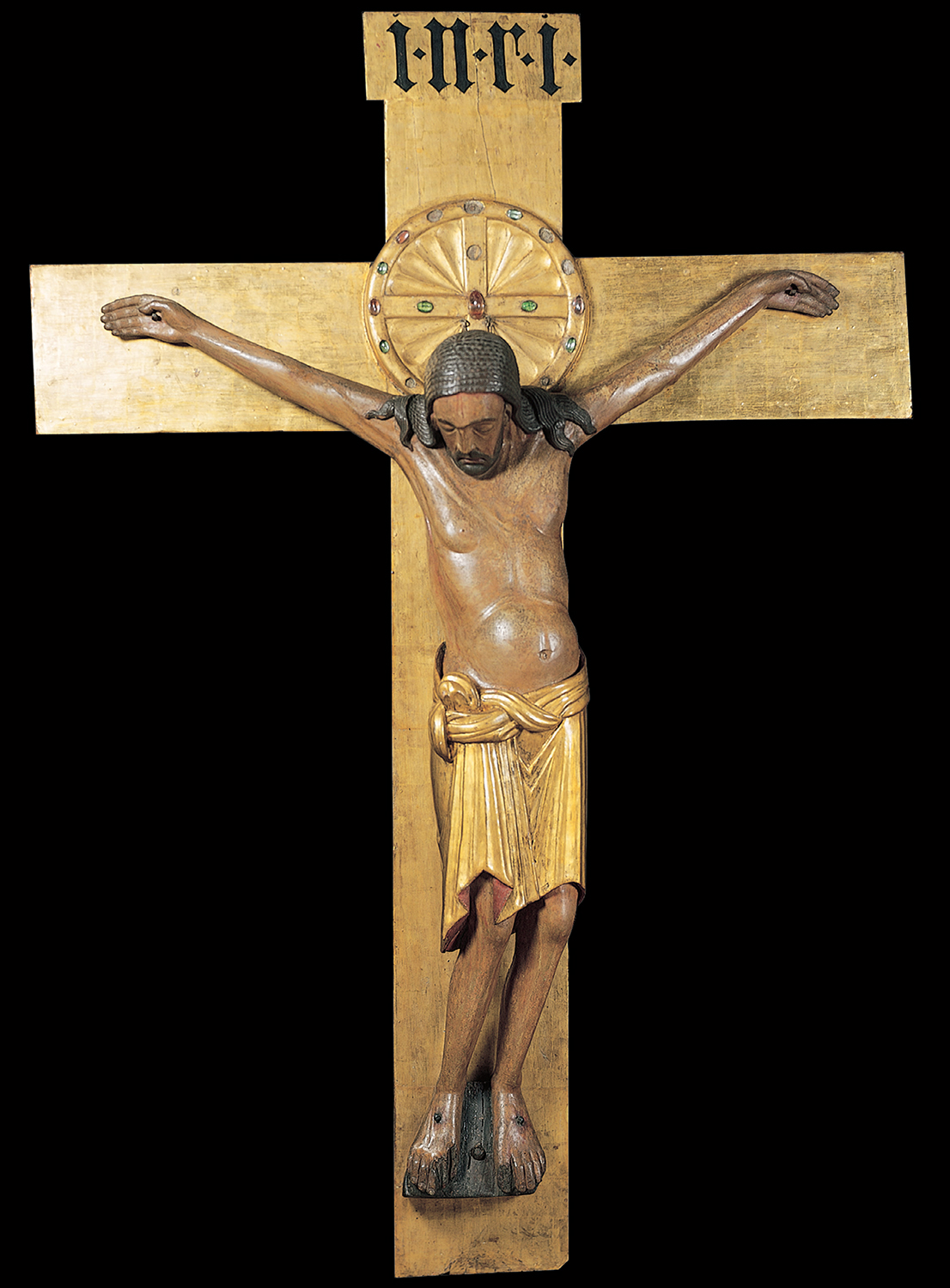
Gero Crucifix
970
shows agony and pain
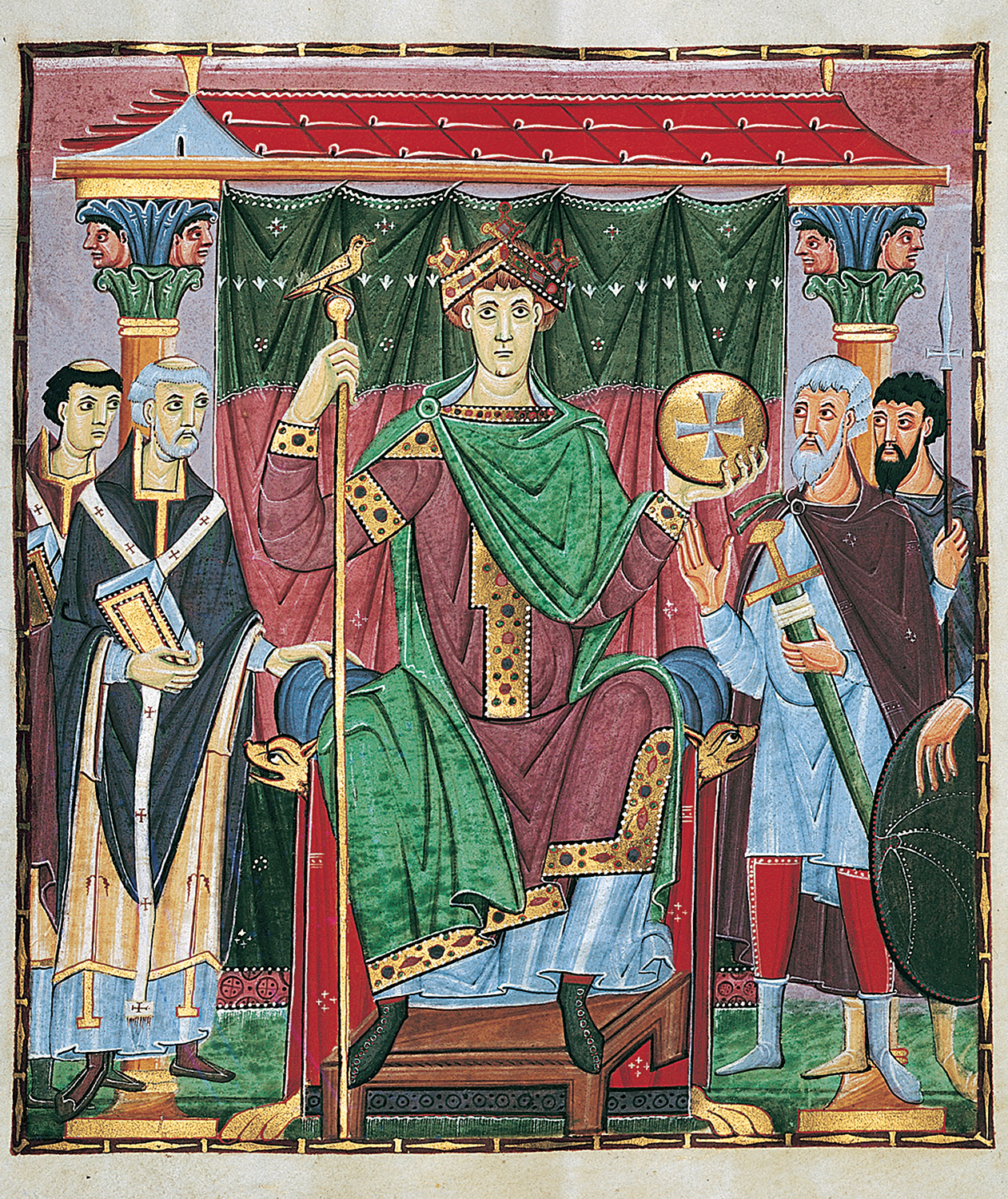
Gospel book of Otto iii
1000
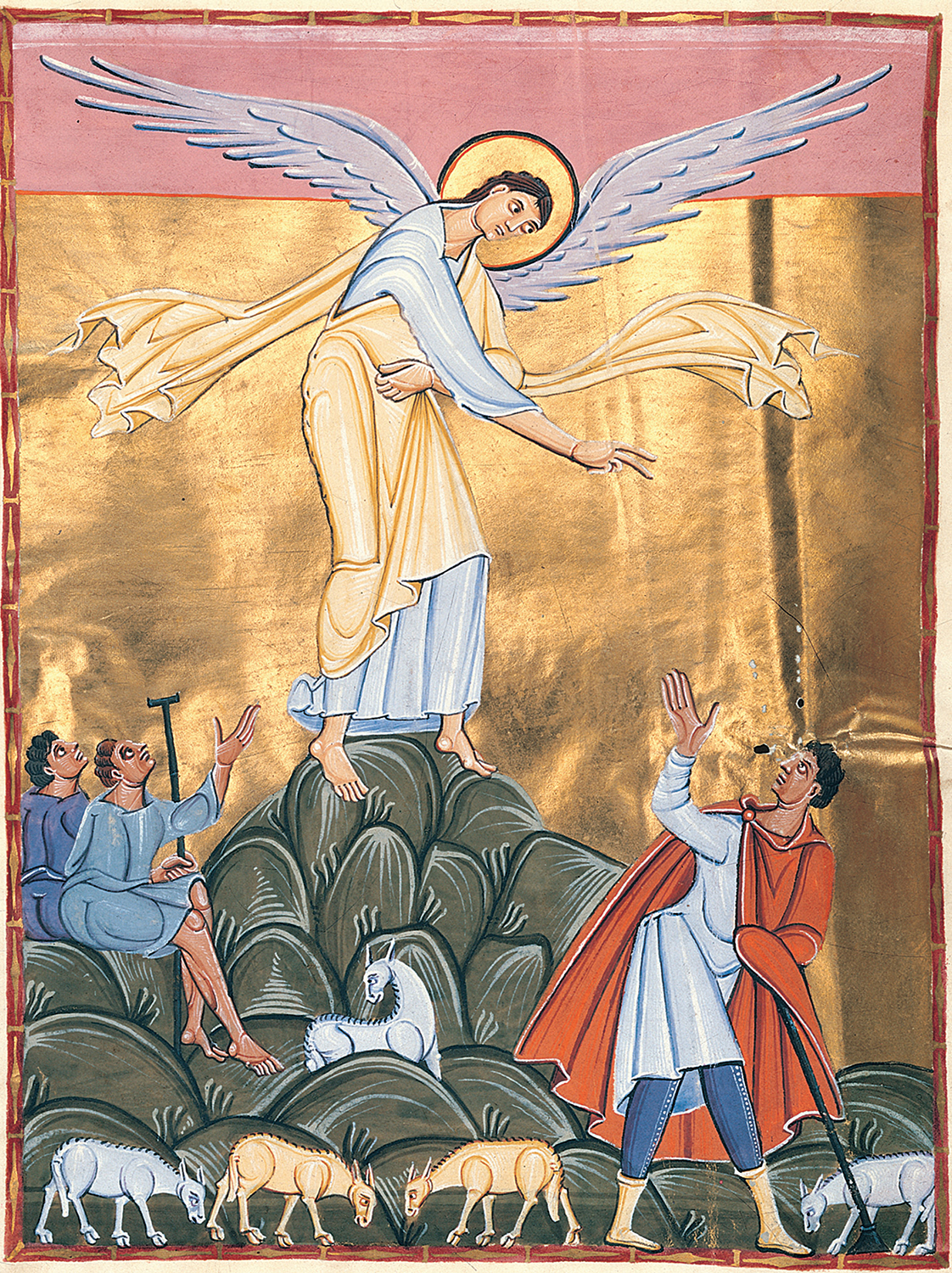
Lectinoary of Henry 11
1002
fuses elements of byzantine baackground, late antique landscape, and ottonian anecdotal narrative tradition
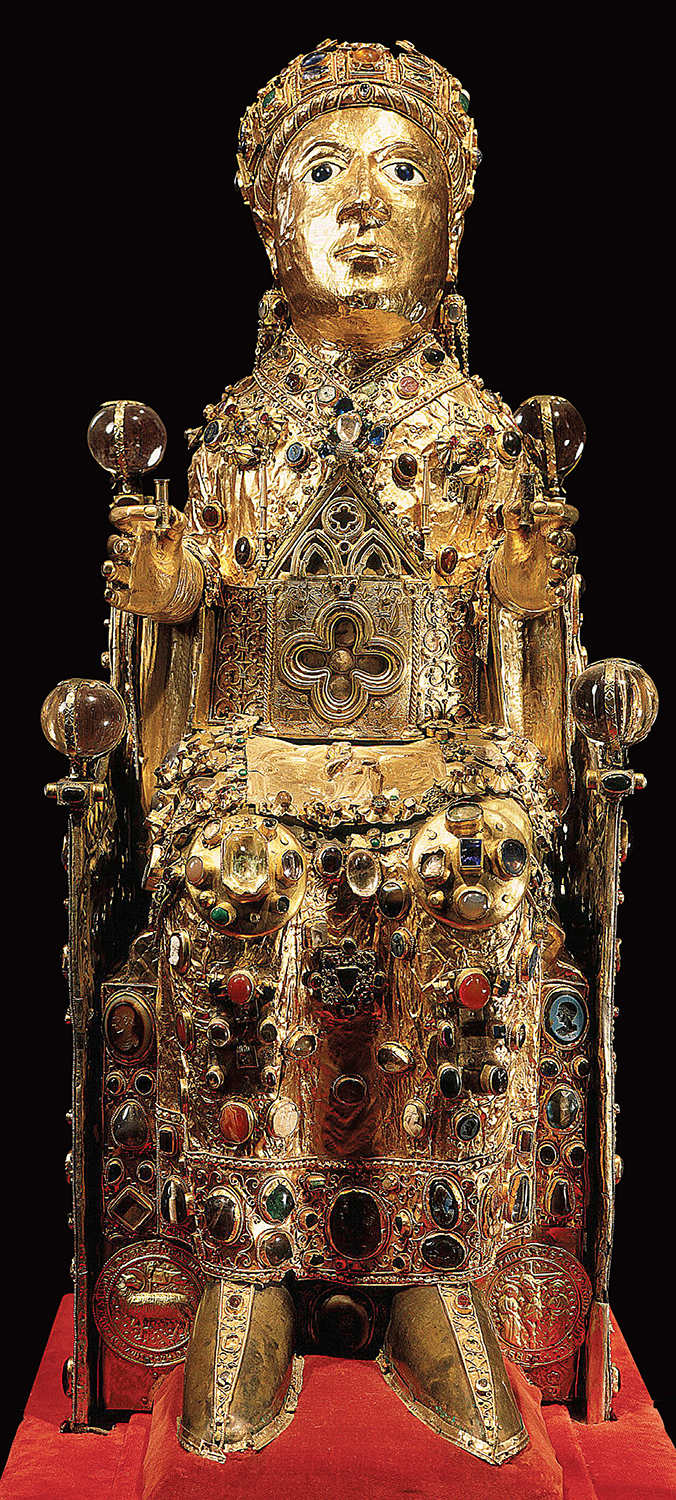
reliquary of sainte foy
10th-11th century
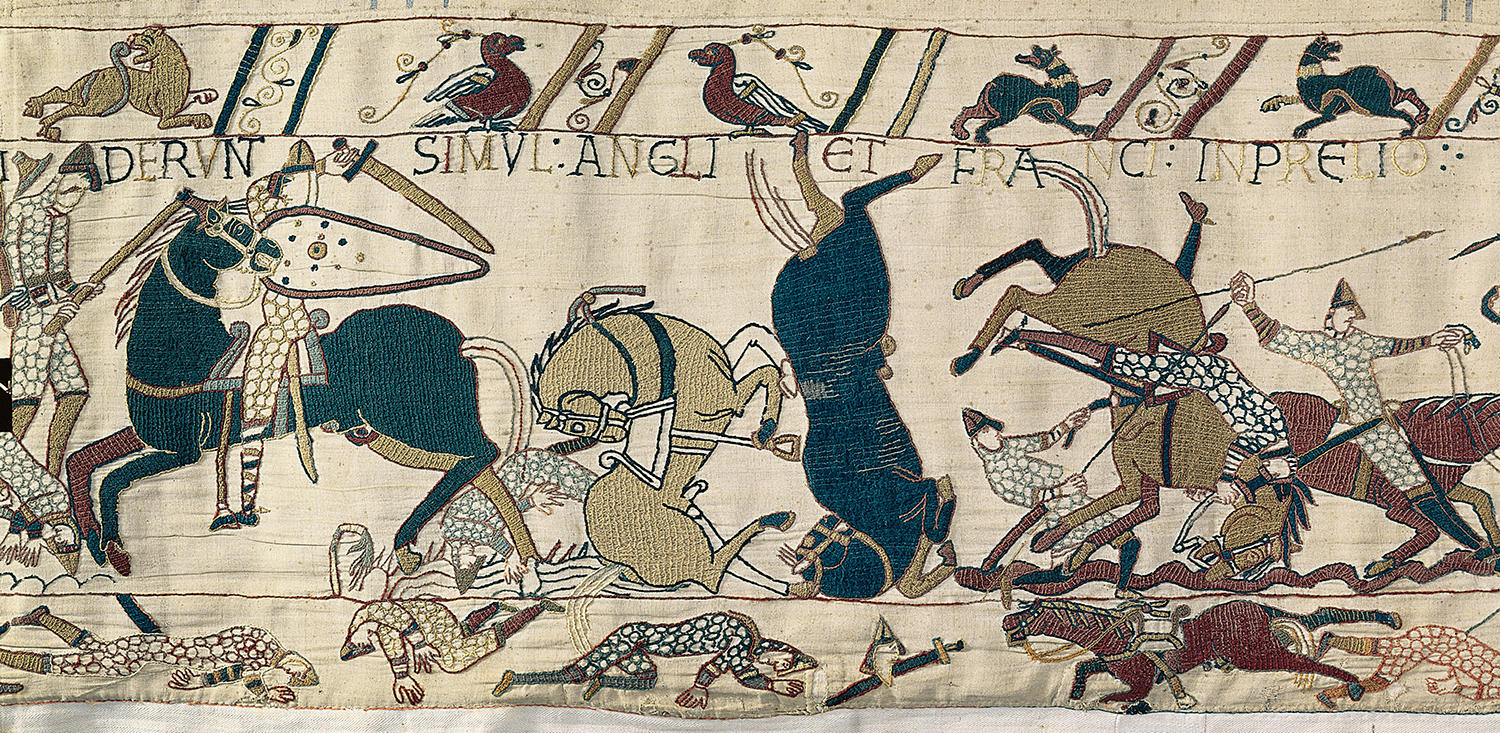
Bayuex Tapestry
1070
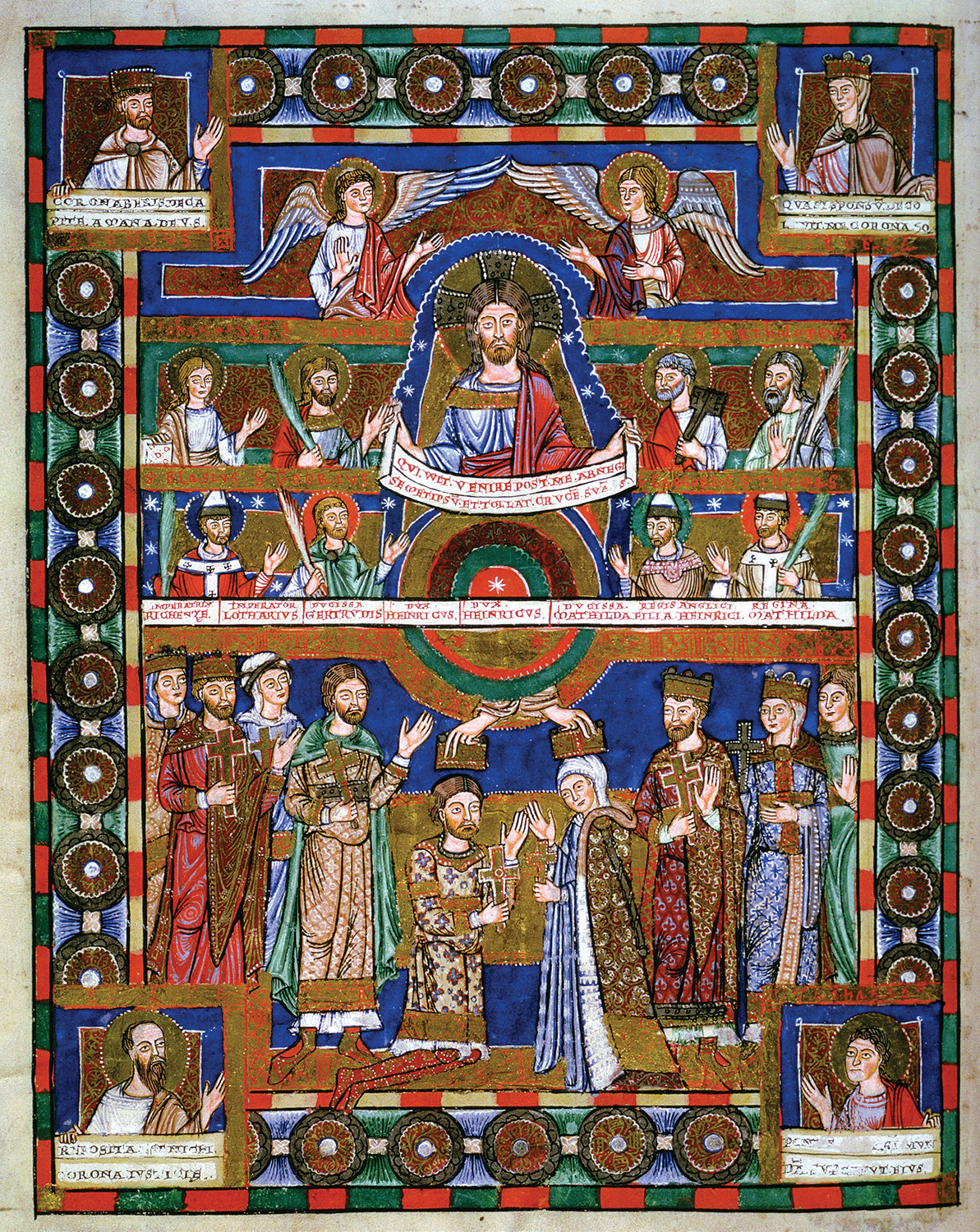
Gospels of Henry the Lion
1188