War of the Roses - Transition work
 Call Kai
 Learn
Learn Practice Test
 Spaced Repetition
 Match
Match Flashcards
 Knowt Play
1/32

There's no tags or description
Looks like no tags are added yet.
Name | Mastery | Learn | Test | Matching | Spaced | Call with Kai | Chat |
|---|
No analytics yet
Send a link to your students to track their progress
33 Terms
How did the government work in 15th-century England?
It was a personal monarchy where the King held ultimate power and made all major decisions, but he relied on a small royal council of advisors and noblemen to help him govern.
What role did Parliament play in the 15th century?
Parliament was not a permanent body; it was called by the King only when he needed to raise new taxes or pass specific laws.
How was law and order maintained in 15th-century England?
Through local landowners and Justices of the Peace (JPs) who enforced the King's law in the counties, backed up by the threat of royal punishment.
How was 15th-century English society organised?
It was a strict hierarchy (feudal system): the King was at the top, followed by the nobility, the gentry, merchants, and a large majority of peasant farmers.
How was the English economy structured in the 15th century?
It was predominantly agricultural, heavily reliant on farming, with the production and export of raw wool and cloth serving as the main source of trade wealth.
How important was the Church in 15th-century England?
Massive. It controlled everyday social life, held vast amounts of land and wealth, and shaped people's deeply religious beliefs about salvation and the afterlife.
What was England's relationship like with its continental neighbours?
Highly tense and conflict-driven, dominated by the closing stages and immediate aftermath of the Hundred Years' War with France.
What potential problems were there with 15th-century England?
A weak or unstable King could lead to factional rivalries among powerful nobles, private armies ("bastard feudalism"), lawlessness, and civil war.
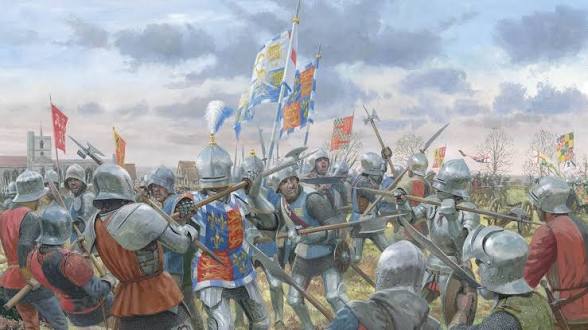
What happened at the Battle of St Albans?
1455 - It was the first battle of the war. York defeated Henry VI’s army, and Richard, Duke of York, became Protector of England for the second time.
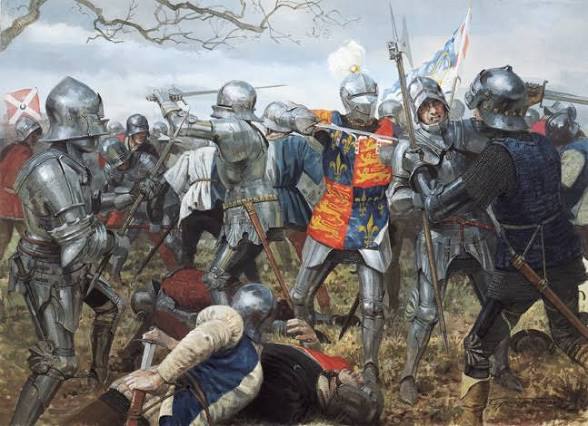
What happened at the Battle of Wakefield?
1460 - Queen Margaret’s Lancastrian army killed Richard, Duke of York. The Lancastrians almost won the war here.
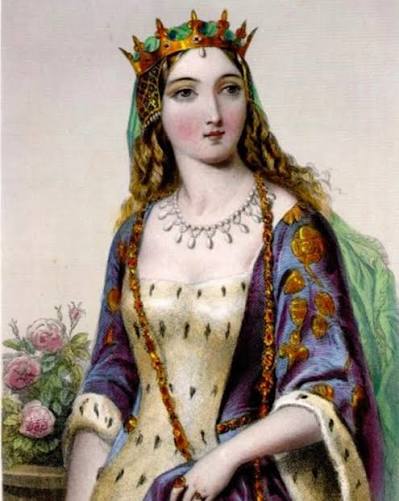
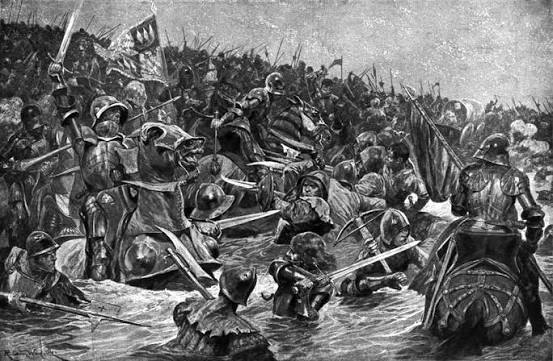
What happened at the Battle of Towton?
1461 - Edward IV avenged his father's death by winning a brutal victory and establishing himself securely as King.
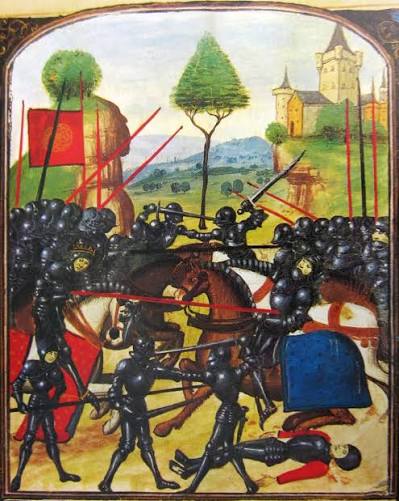
What happened at the Battle of Barnet?
April 1471 - Edward IV defeated and killed his old ally, Warwick the "Kingmaker", three weeks before the Battle of Tewkesbury.
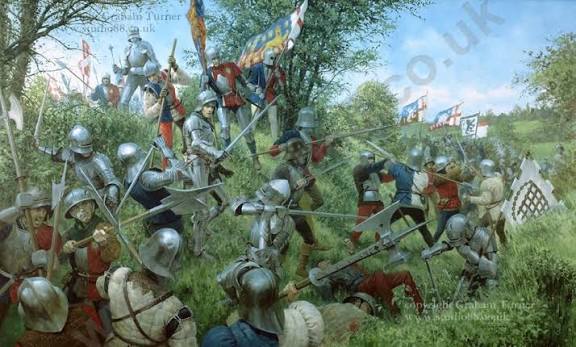
What happened at the Battle of Tewkesbury?
May 1471 - Edward IV regained the throne for good by defeating the Lancastrians and killing Edward, Prince of Wales (the son of Henry VI and Margaret).
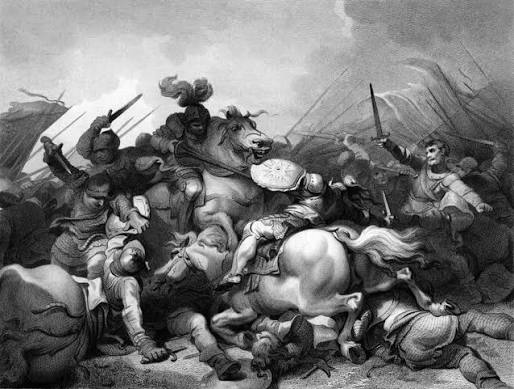
What happened at the Battle of Bosworth?
August 1485 - Henry Tudor fought and killed Richard III, ending the Plantagenet dynasty and seizing the crown.
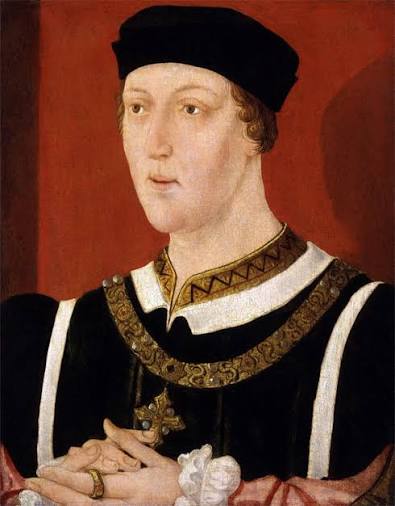
Who was Henry VI?
The Lancastrian King who came to the throne in 1422. He reigned for 39 years before losing power, briefly regained it, but was ultimately killed in 1471.
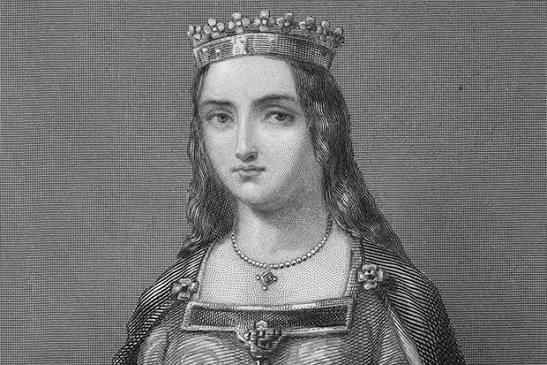
Who was Margaret of Anjou?
The fierce wife of Henry VI. She was determined to defend the royal rights of her son, Edward of Lancaster, and secure his inheritance to the throne.
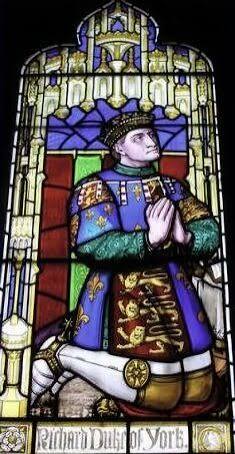
Who was Richard, Duke of York?
The leading nobleman in England who served as Protector twice (1454 and 1455) while Henry VI was mentally ill. He was killed by Margaret’s army in 1460.
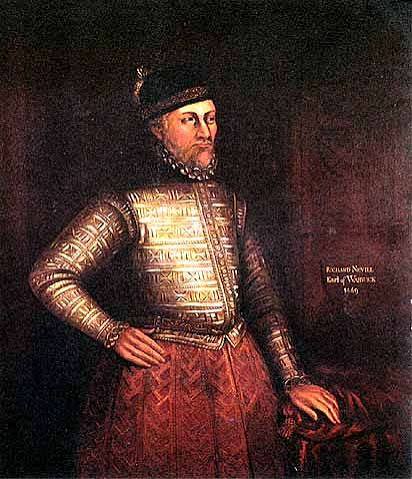
Who was the Earl of Warwick?
An immensely powerful nobleman known as the "Kingmaker". He first supported York and Edward IV, then changed sides to support Henry VI and Margaret. He was killed in 1471.
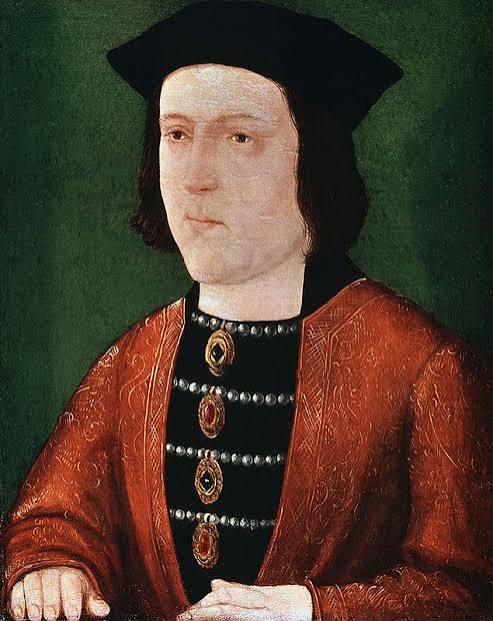
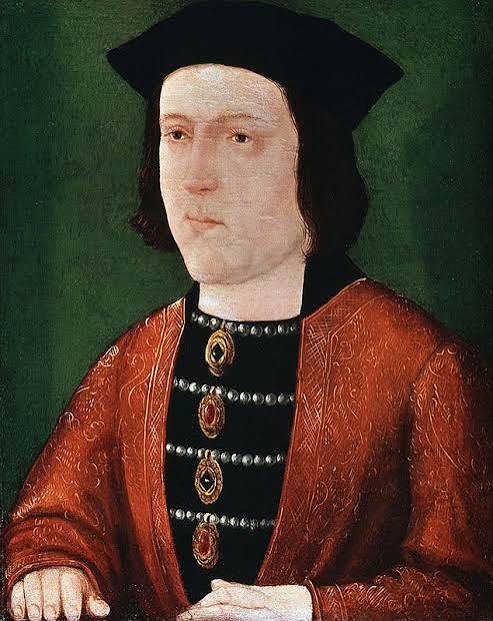
Who was Edward IV?
The son of Richard, Duke of York. He became King in 1461, temporarily lost the throne in 1470–1471, regained it by force, and ruled until his death in April 1483.
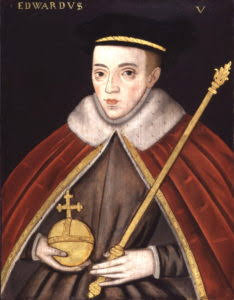
Who was Edward V?
The 12-year-old son of Edward IV. He became King when his father died, but ruled for only three months before mysteriously disappearing.
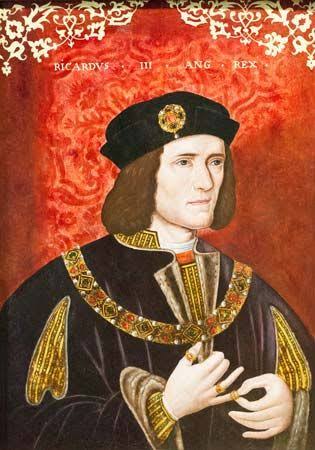
Who was Richard III?
The brother of Edward IV. He was crowned King in July 1483 and ruled until he was killed at Bosworth by Henry Tudor.
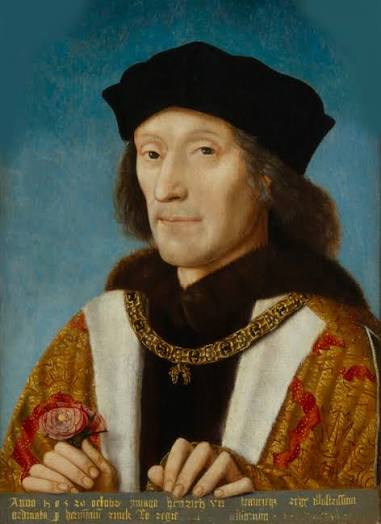
Who was Henry VII (Henry Tudor)?
A Lancastrian noble distantly related to Henry VI. He won the English crown by killing Richard III at the Battle of Bosworth in 1485, founding the Tudor dynasty.
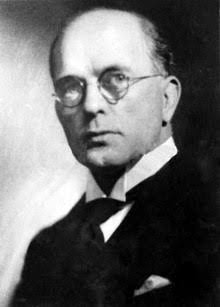
What did Basil Clarke conclude that Henry VI suffered with?
A schizoid personality, experiencing one or more major psychotic breakdowns with catatonic interludes.
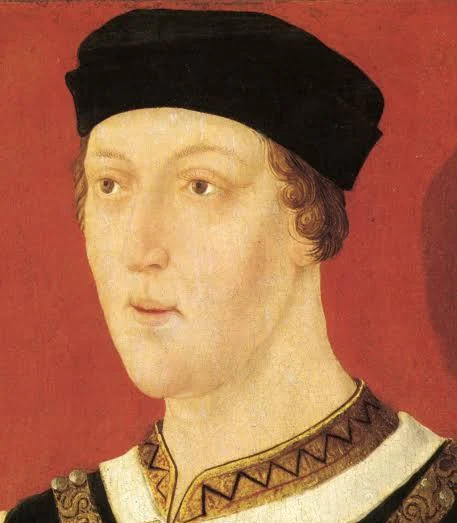
How does Clarke describe Henry VI’s mental health between July 1454 and Autumn 1455?
A period of long incapacity and subsequent lapses where his mental health was a rather tenuous hold on reality.
What were the two basic categories of responses to 'madness' at the time?
A 'natural' or 'scientific' interpretation by the medical profession.
2. A judgmental view seeing it as a punishment inflicted by God for wrongdoing.
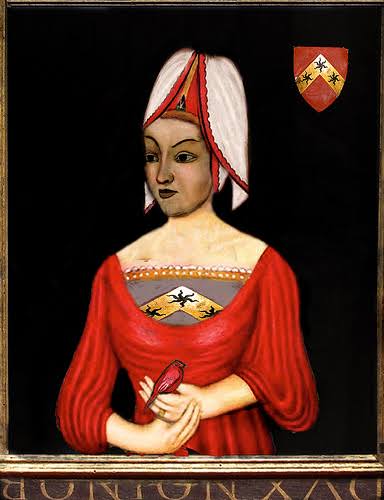
What did people believe that Eleanor Cobham had done to the young Henry VI?
It was claimed by a conspiracy theory that he had fallen victim to magic spells cast by her enemies, presumably employed by Eleanor Cobham against the young King.
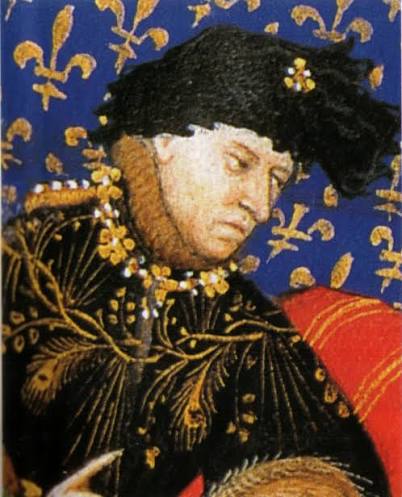
How was Charles VI of France related to Henry VI?
Charles VI of France was Henry VI’s maternal grandfather.
What did Charles VI suffer with?
He went spectacularly and violently mad in 1392 and deteriorated thereafter, with increasingly short periods of lucidity between bouts of mania.
What did they believe caused Charles VI's illness?
1. It was hereditary (a view shared by medical historians).
2. Exacerbated by physical factors like sunstroke.
3. A divine punishment sent from on high because he supported the schismatic Avignon papacy.
How did they try to treat Charles VI's illness?
Physicians tried to restore his humours through diet, rest, drugs, and purgation, alongside sending envoys to various shrines to procure holy relics for spiritual medicine.
What was the book 'Smagorad'?
A magic book, which a sorcerer claimed had been copied from one given by God to Adam to help recover 'what he had lost through Original Sin'.
What role did the humours have in diagnosing and treating illness?
Medical authorities believed health depended on keeping the bodily humours in balance; an imbalance (like too much phlegm or black bile) caused conditions like stupor, catatonic trances, or depression.
Who would treat royal or aristocratic families?
A resident physician whose primary duty was to prevent the patient from falling sick, alongside a team of surgeons, apothecaries, and astrologers.