Principles of Biology: Molecules and Cells module 2
 Call Kai
 Learn
Learn Practice Test
 Spaced Repetition
 Match
Match Flashcards
 Knowt Play
1/48

Earn XP
Description and Tags
Describe how elements combine into molecules and compounds, based only on the atoms involved in a bond identify the bond type, predict the types of bond an atom can form based on electronegativity, based only on the atoms involved identify if the molecule is hydraulic or hydrophobic, predict which kinds of molecules will form hydrogens, distinguish between a chemical bond and van de Waals attractions, explain how the structure of water leads ti hydrogen bond formation, explain how hydrogen bonds relate to the properties of water
Name | Mastery | Learn | Test | Matching | Spaced | Call with Kai | Chat |
|---|
No analytics yet
Send a link to your students to track their progress
49 Terms
cytosol
water environment
what are atoms composed of?
atoms are composed of 3 subatomic particles: protons, neutrons, and electrons
what are electrons used for?
electrons are shared or transferred to make chemical bonds
How many protons and neutrons of neutral atoms have?
neutral atoms have the same amount of protons and neutrons
Cations
have more protons than electrons
net positive charge
Anions
more electrons than protons
net charge is negative
what is determined by electronegativity?
bond types
non polar covalent bond
small difference in electronegativity
equal sharing of electrons
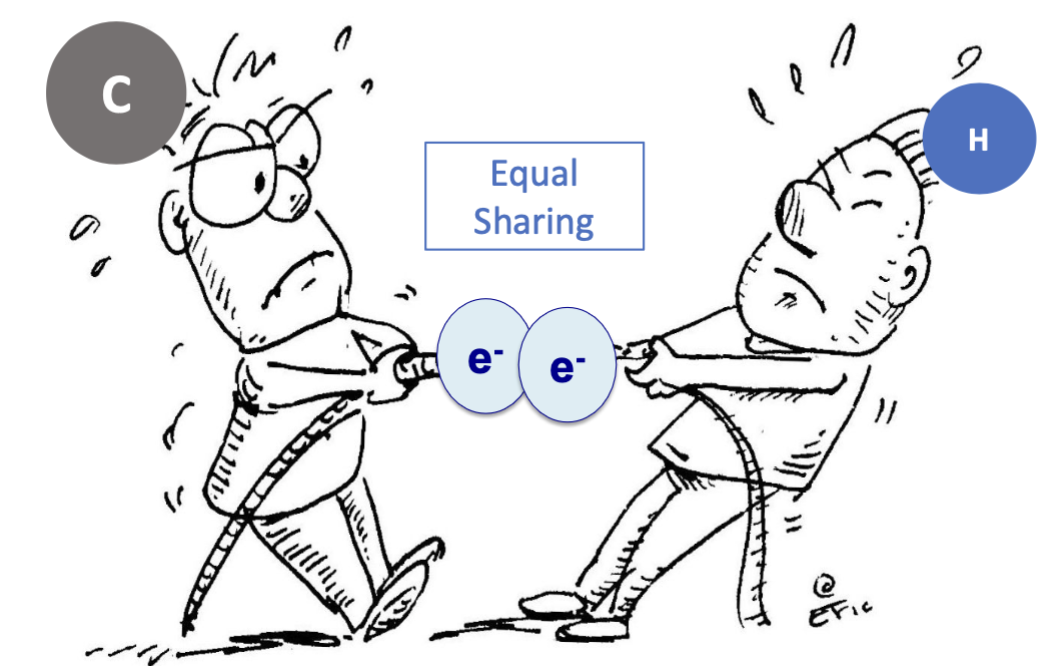
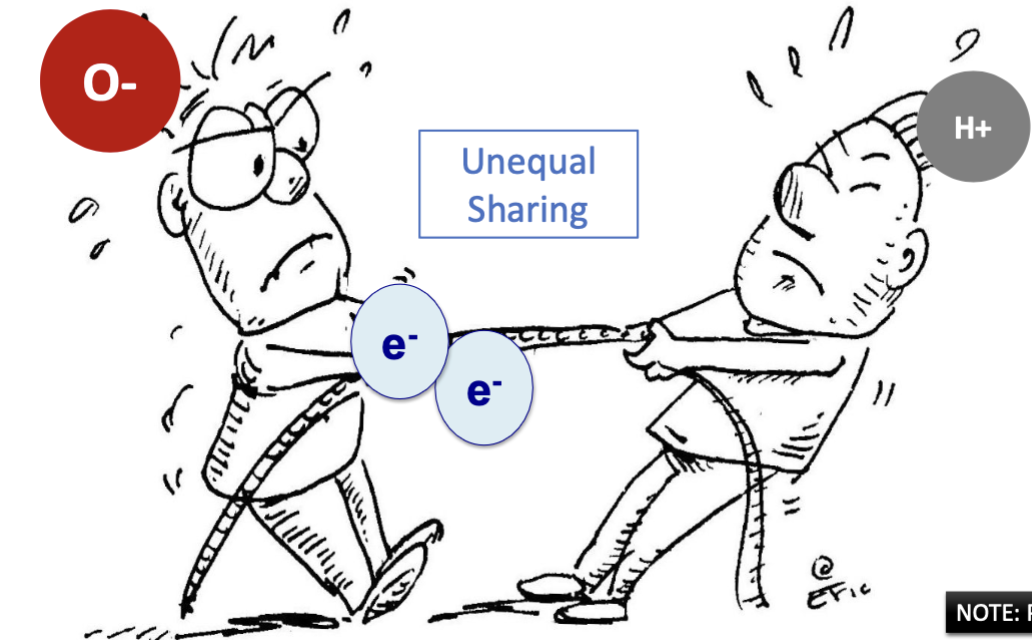
polar covalent bond
medium difference in electronegativity
unequal sharing of electron
partia charges
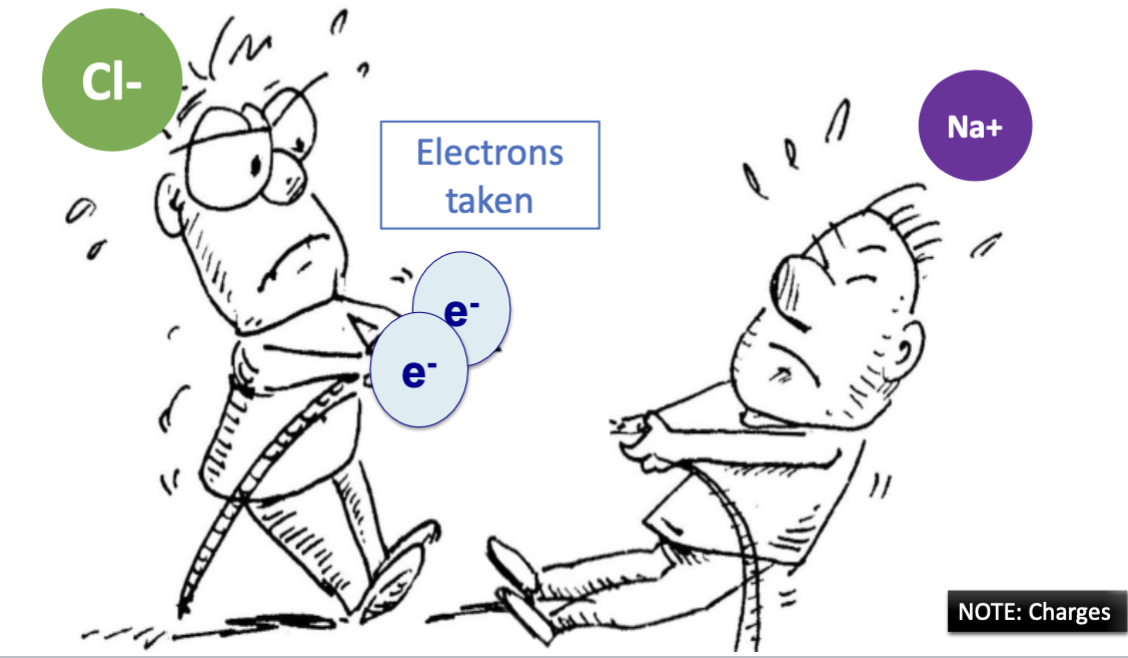
ionic bond
very large difference in electronegativity
electrons are taken
charges
what is the difference of electronegativity for ionic bonds
a difference in electronegativity larger than 2hat is w
what is the difference in electronegativity for polar covalent bonds
a difference in electronegativity larger than .5
what is the difference in electronegativity for non polar covalent bonds
a difference in electronegativity less than .5
hydrophobic molecules
water fearing
no charges
no attraction
hydrophilic molecules
water loving
full or partial charges
What is a bond
shared or transferred electrons between two atoms (non polar covalent, polar covalent, ionic)
What is a bind
chemical attraction between molecules ( charge to charge interactions, ionic bonds in water, hydrogen bonds, chemical attraction)
what is electronegativity
an atom’s attraction for electrons
what is a hydrogen bond
electropositive hydrogen from a polar molecule is attracted to an electronegative atom that is often negative
what produces hydrogen bonds
attraction
what is the strength and length of a hydrogen bond
each individual bond is weak and temporary
What are hydrogen bonds responsible for
most of water’s important physical characteristics
what is van de Waals attraction
a weak bond
what type of force is associated with van de Waals attraction
a non directional attractive force
how is van de Waals attraction formed
when two atoms are very close to one another
what to antibodies recognize with the van de Waals attraction bond
they recognize the shape of an invading organism
What is the polarity of water
the bond between hydrogen and oxygen atoms are polar covalent with hydrogen having a partial positive charge and oxygen having a partially negative charge
What about a water molecule makes hydrogen bonding possible?
The shape of a water molecule and its polarity
Why does water have a high heat capacity
the many hydrogen bonds allow water to absorb a large amount of thermal energy with out a lot of temperature change
what is the speed for water temperature rising and falling
Water temperature rises and falls at a slow speed
what allows organisms to maintain their normal temperature and protect them from rapid temperature changes
water
water has a high what
heat evaporation
what must be broken to evaporate water
hydrogen bonds
What is water
why is water a good solvent
its polarity
what does a solution contain
a solution contains dissolved substances or solutes
Is ice more or less dense than water
ice is less dense than liquid water
What happens at temperatures below 4 degrees celsius
at below 4 degrees celsius hydrogen bonds between water molecules become more rigid and open
What happens at 0 degrees celsius
water expands and freezes
what would happen if ice was more dense than water
ice would sink and the ocean would freeze solid instead of from the top down
Ice acts as a what on top of a frozen body of water
an insulator
water molecules are blank and blank
cohesive and adhesive
what is cohesion
ability of water to cling to each other during hydrogen bonding
what is adhesion
ability of water molecules to cling to other polar surfaces because of water’s polarity
high specific heat
hydrogen bonds absorb heat when they break and release heat when they form minimizing temperature changes
high heat of vaporization
many hydrogen bonds must be broken for water to evaporate
lower density of ice
water molecules in an ice crystal are spaced relatively far apart because of hydrogen bonding
solubility
polar water molecules are attracted to ions and polar compounds, making these compounds more soluble
hydrophobic exclusion
water repels hydrophobic compounds forcing them to associate together