MA Certification Exam
 Call Kai
 Learn
Learn Practice Test
 Spaced Repetition
 Match
Match Flashcards
 Knowt Play
1/98

There's no tags or description
Looks like no tags are added yet.
Name | Mastery | Learn | Test | Matching | Spaced | Call with Kai | Chat |
|---|
No analytics yet
Send a link to your students to track their progress
99 Terms
CLIA-waived tests
properly identify patient
use proper personal protection equipment (including wearing gloves) when handling bodily fluids
read manufacteur’s directions
follow directions for processing specimen
retain product insert for instructions and further referral
record patient results before clearing equipment display
do not mix supplies
follow instructions for storage
sharps container
needles, anything with sharp edge or blade
must be puncture proof, leak-proof, and labeled w/ biohazard symbol
biohazard bag
gloves, gauze, bandage, anything that does not have sharp edges of needles
when is soap and water necessary?
patient suspect of having diarrhea that could be caused by highly-infectious agent, such as Clostridium difficile
patient’s temp
97.6-99.6 F (36.4 to 36.7 C)
fever range
above 100 (or 37.8) for oral or rectal/ear above 101 (38.3).
pediatric, rectal temp 100.4 (38) or above
normal BP
<120/<80 (systolic/diastolic)
prehypertension
120-139/80-89
Hypertension S1
140-159/90-99
Hypertension S2
>160/>100
hypertensive crisis
>180/>110
hypotensive stage
<90/<60
HR
60-100 bpm
athletes HR
40 bpm
tachycardia
>100 bpm, fainting, dizziness, SOB
bradycardia
<60 bpm, fainting, dizziness, SOB
respiration rate
12-20 resp/min
cyanotic skin
below or above normal resp rate; cold to the touch
vital signs
BP, temp, pulse, resp
systolic
contract
diastolic
relax
sphygmomanometer
used to measure patient’s BP
uses mmHg
has a bladder, a bulb to inflate, valve to open/close bladder, connecting tube, and Velcro
patient position to take BP?
seated position with feet flat on floor
prepare BP reading
palpate the brachial artery in the antecubital fossa
palpate both arm regions
position in outstretched relaxed position
1 inch above elbow bend
gauge at eye level
don steth
bell between first and second fingers
reading BP
first beat you hear is the systolic, the second you no longer hear is diastolic
why is HR important?
provides info about rhythm, volume, and vessel elasticity
what do you use for HR
radial artery in wrist
either measure for 30 sec or 1 min
where to take temp?
tympanic membrane (aurally → in ear), orally, temporally artery, axillary
rectal is most accurate
what should the MA ask patient before performing temp?
if they have drinken/eaten, smoked cig, or exercised in past 30 min
why no rectal temp?
potential risks, uncomfy, patient has hemorrhoids, rectal bleeding, or surgery, tendency of bleeding, recent prostate surgery, diarrhea, colostomy, severe heart disease, or rash in rectal area
rectal temp instructions
remove pants, provide drape, wash hands and don gloves, grab supplies (including water-based lubricant), guide into Sims’ position
insert probe around 1 inch (1/2 inch if pediatric)
Sim’s position
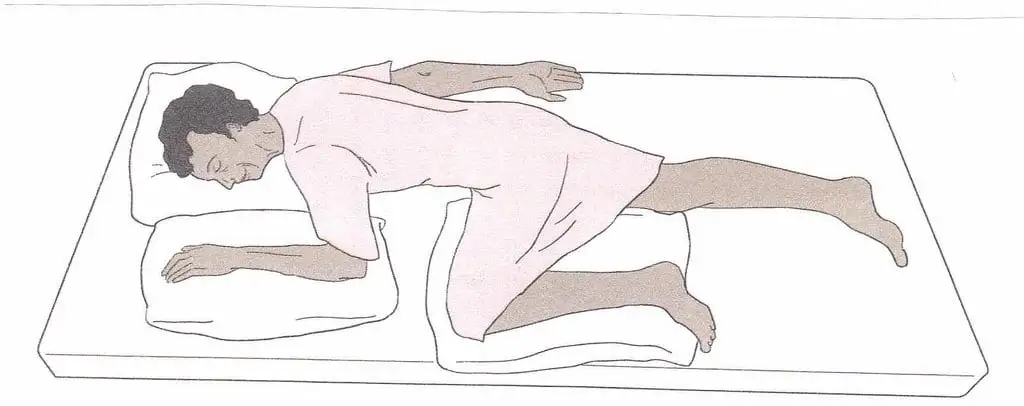
anthrompometric measurements
height/weight
remove coat, no purse or heavy weights
weight to nearest ¼ inch
additional pediatric anthropometric measurements
head circumference (up until 3 yrs) and length (until child can stand)
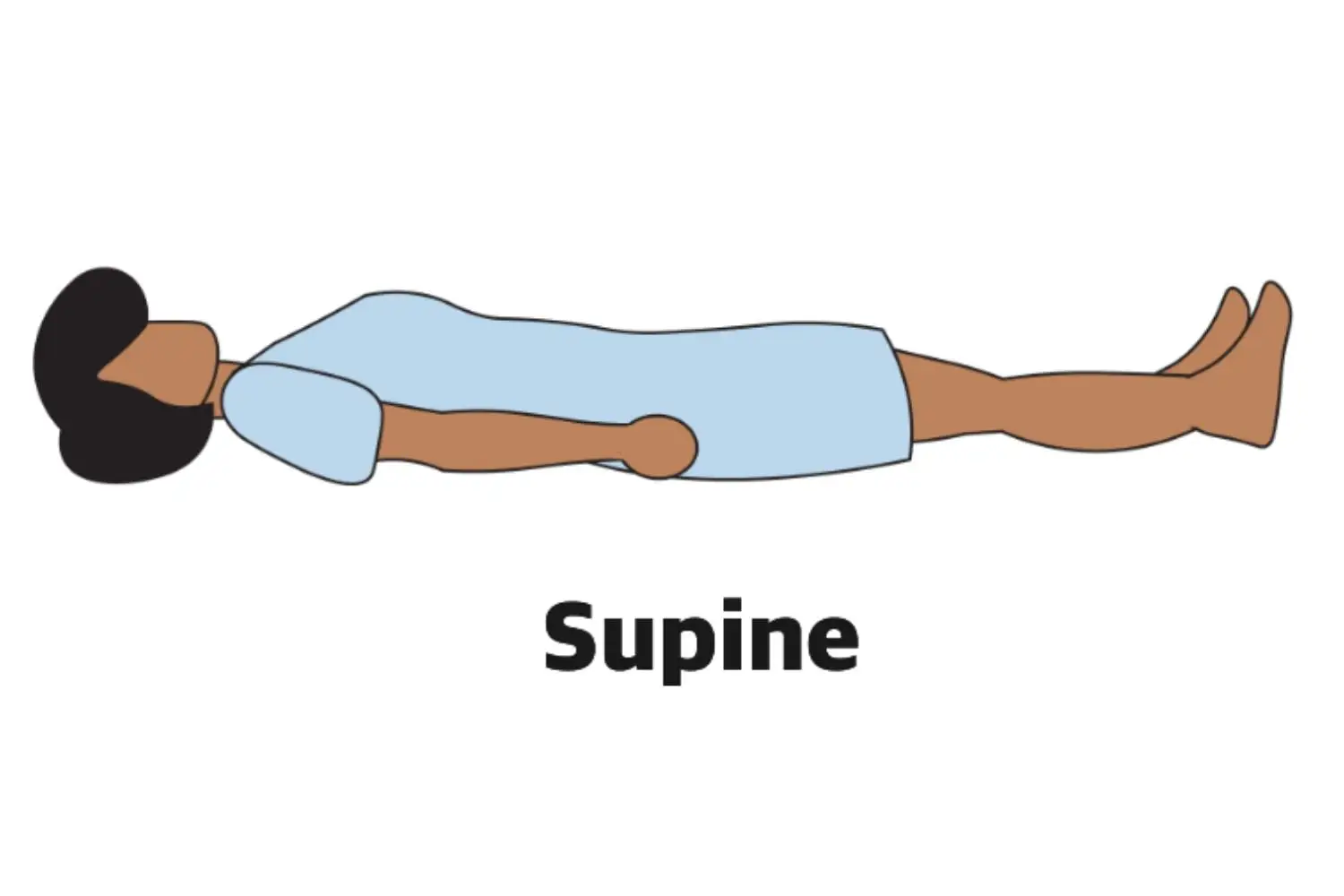
Supine
head circumference measurement
Celsius to Fahrenheit
(Cx9/5) + 32
F to C
(F-32) x 5/9
lb to kg
1 lb = .45 kg
kg to lb
2.2
inch to cm
*2.54
cm → in
x0.39
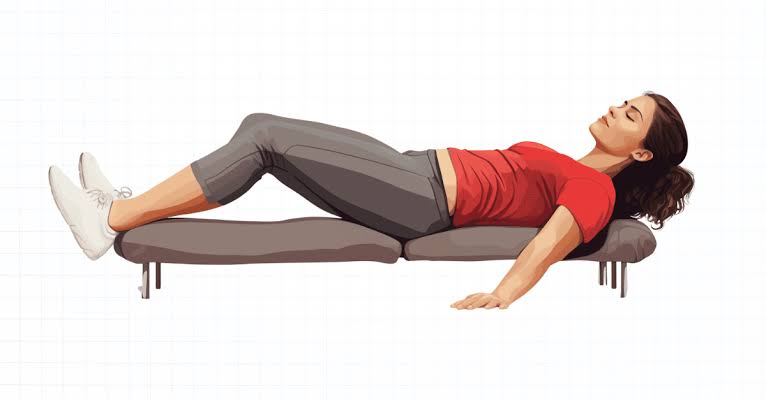
dorsal recumbent
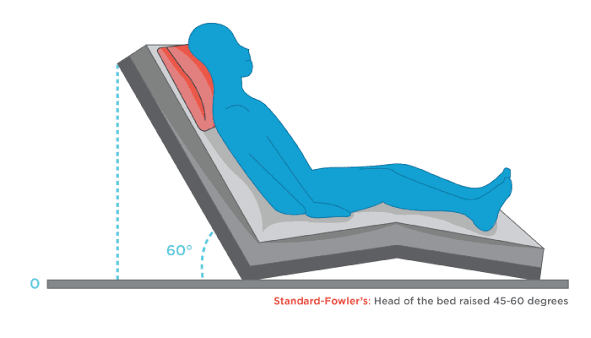
Fowler
Semi-Fowlers is 45*
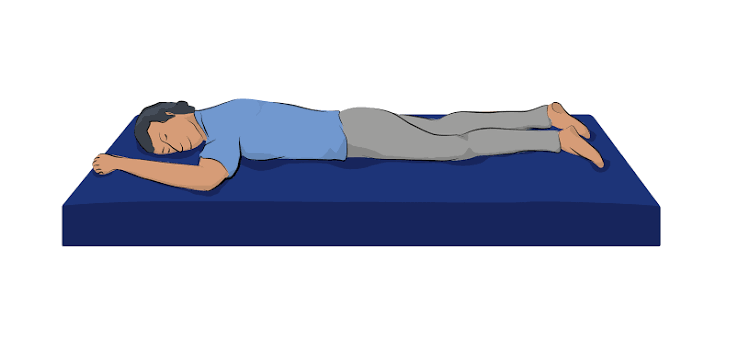
prone
types of medication administration
oral, topical, parenteral
oral medication
liquid, tablet, capsule
topical med
applied on skin for local effect
lotions, liniments, ointment, also transdermal patch
for transdermal patch, med transfered slowly through skin → write date on patch for administration
parenteral medication
injections
Intramuscular
deltoid (2-3 finger widths below acromial process), vastus lateralis (outer side of thigh), gluteus maximus, gluteus medius
90*, 2.5-5 cc syringe, 20-22 gauge, 1-1 ½ inch needle
**aspirate
intradermal
upper chest, upper back, volar (back of hand side) forearm
15-20*, 1 cc, 25-27 gauge, 1/4-1/2 in needle
allergy testing, patient in prone (upper back)
TB, form wheal check 48-72 hours
subcutaneous
posterior upper arm, lateral upper arm, abdomen, anterior thigh
45*, 2.5-3 cc, 23-25 gauge, 1/2-7/8 in needle
Pulmonary Function Test (PFT)
when patient’s lung volume/strength in question
refrain from nebulizers (turns liquid me into mist) and bronchodilators (meds that widen airways in lungs) for 6 hrs prior
spirometer - measures airflow: patient takes a deep breath and blows as hard as possible into tube
3 acceptable tests goal
Snellen chart
typical chart with letters, patients 20 ft away with spoon over one eye
start with 20/70 row, then 20/60, so on
exam stops when they cannot read or make two mistakes— last accurate line is recorded as vision for given eye
Suture removal
after prepping, grab knot on suture with forceps, cut suture close to skin, gently pull suture through the skin and place on gauze pad
Obtain/Label Specimens for Diagnostic Purposes
bodily fluids: urine, sputum (salive and mucus), feces, semen, blood
Urinary Analysis
random collection, midstream (urinate little, collect, then continue), clean-catch (area around urethral opening cleaned by patient prior), timed, first of morning, tasting
Physical characteristics: foamy, color
chemical analysis: pH (6), specific gravity (urine density 1.002-1.035), glucose, ketones (diabetic ketosis), nitrate (bacteria), protein, human chorionic gonadotropin (hCG) (pregnancy), leukocyte esterase (clean-cath, midstream)
catherization
enables you to drain bladder contents, decompress bladder, obtain specimen, and introduce passage into genitourinary tract
indicates kidney fucntion
sized in French units (1 FR = ½ mm)
vary from 12 FR (small) - 48 FR (large)
complications: urethral trauma, blood at meatus of urethra, scrotal hematoma, pelvic fracture, high riding prostate
alternatives: suprapubic catheterization and external condom catheters
sputum
3-5 mL collected in morning or 1 hour after meal
to detect lower respiratory traction infections (TB)
saliva
used to monitor hormone/drug/alc levels
fecal
presence of parasites, blood, bacteria
semen
fertility testing/future insemination
eye irrigation
inflammation, drainage, chemicals, foreign bodies in patient’s eye
after prepping (usuls prep stuff, container holding irrigation fluid, and collection container), open eyes with first finger and thumb an aim solution into lower conjunctiva sac
begin flow at inner canthus of eye
ear irrigation
impacted w/ cerumen (earwax)
after prepping (container holding irrigation fluid, drainage basin, and otoscope (shines beam of light to help visualize)), pull ear up and back (patients younger than 3 pull ear down and back) and rotate between using otoscope to check progress and squirting irrigation fluid
surgical aspesis
removal/absence of microorganisms and pathogens along w/ maintaining elimination of all microorganism and pathogens
sterile techniques, invasive activities
autoclave
sterilization
autoclave
used to sterilize some items
250-320 degrees F
sterilization
process of eradicating the presence of growth of microorganisms and pathogens
medical aspesis
reduction of number and prevention of growth of microorganisms and pathogens
handwashing and disinfecting (Cidex or bleach and water in 1:10 ratio)
venipuncture verification
name of physician ordering test
patients name
patients DOB
type of test being performed
date of test being performed
test status: fasting, basal state, or timed test
any special precautions: patient latex allergy, mastectomy, or other information that may affect the blood draw
blood draw for inpatient
patient’s medical record number, room number, bed number
blood draw for outpatient
billing info and ICD-9 codes must be present
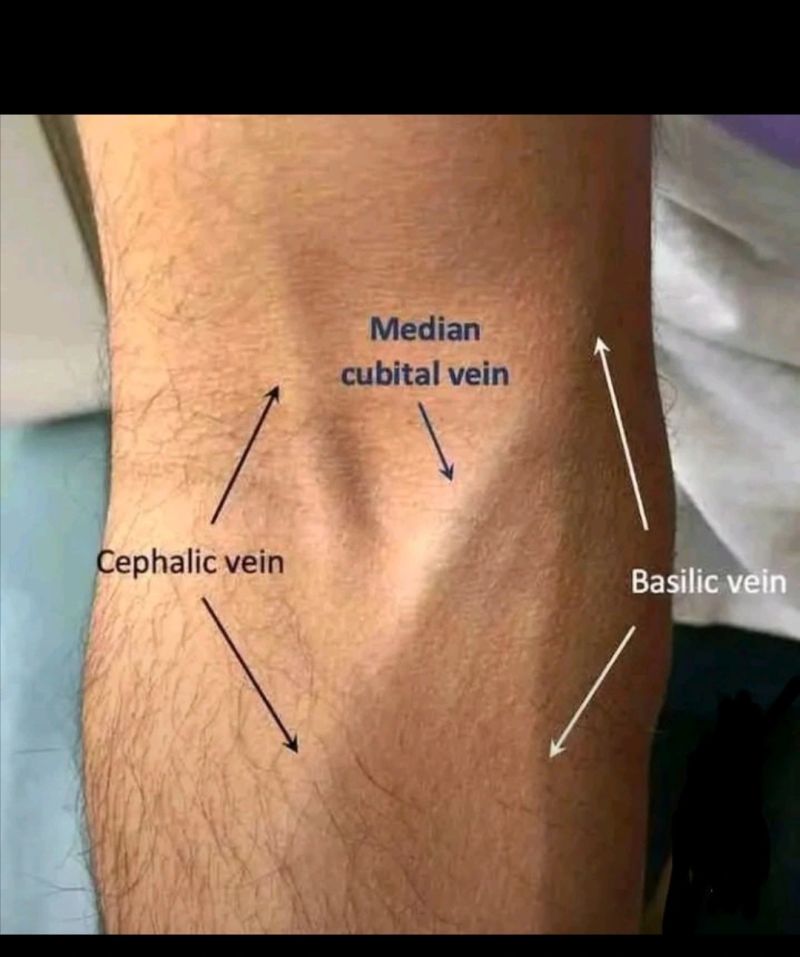
veins in antecubital fossa
median cubital, basilic, cephalic
if not, dorsal of hand
veins should be spongy and bouncy
syncope
fainting
blood draw in younger than 2
capillary preferred
blood draw - scalp, wrist, medial ankle
capillary collection - preferred medial or lateral plantar portions of heel
EKG placement
RA (white) — right arm
LA (black) — left arm
RL (green) — right leg
LL (red) — left leg
V1 (red) — 4th intercostal space on right
V2(yellow) — 4 IS on left
V3 (green) — b/w V2 and V4 (place after them)
V4 (blue) — 5th IS left midclav line
V5 (orange) — b/w V4 and V6 (anterior axillary)
V6 (purple) — midaxillary in line w/ V4
precordial leads and limb leads?
12-lead
Holter monitoring
for placing electrodes for Holter monitor, important to determine if monitor 3-channel, 5- or 7- lead model
pg 41?
ambi-
both
olig-
scanty (insufficient)
infra-
below, beneath
meta-
change
supra-
excessive, outside
super-
excessive, more
ultra-
excessive
para-
along, beside
per-
through
retro-
backward, behind
corp-
body
cost-
ribs
hemat-, hem-
blood
muscul-, myo-
muscle
nephr-, ren-
kidney
neur-
nerve
-meter
measure
-scope
instrument for viewing
-graph
record
-lactric
treatment
-tripsy
crushing
HIPAA
Health Insurance Portability and Accountability Act
governs sharing or disclosure of patient information
patients must sign a ROI (release of information) stating what info can be released
privacy rule: minimum necessary standard to protect patient info is applied
applies to medical records being forwarded to insurance for payment requirements
security rule: requires specific tech precautions be taken to ensure that patient info stored/transmitted in electronic format remains confidential, accessible, and of high quality
Chain of Command
office manager = physician’s representative (changes adhered to)
responsible to provide/arrange training necessary for subordinates to fulfill required tasks
relays info to subordinates