AP geo Unit 1 GREEN WORDS
 Call Kai
 Learn
Learn Practice Test
 Spaced Repetition
 Match
Match Flashcards
 Knowt Play
1/33

There's no tags or description
Looks like no tags are added yet.
Name | Mastery | Learn | Test | Matching | Spaced | Call with Kai | Chat |
|---|
No analytics yet
Send a link to your students to track their progress
34 Terms
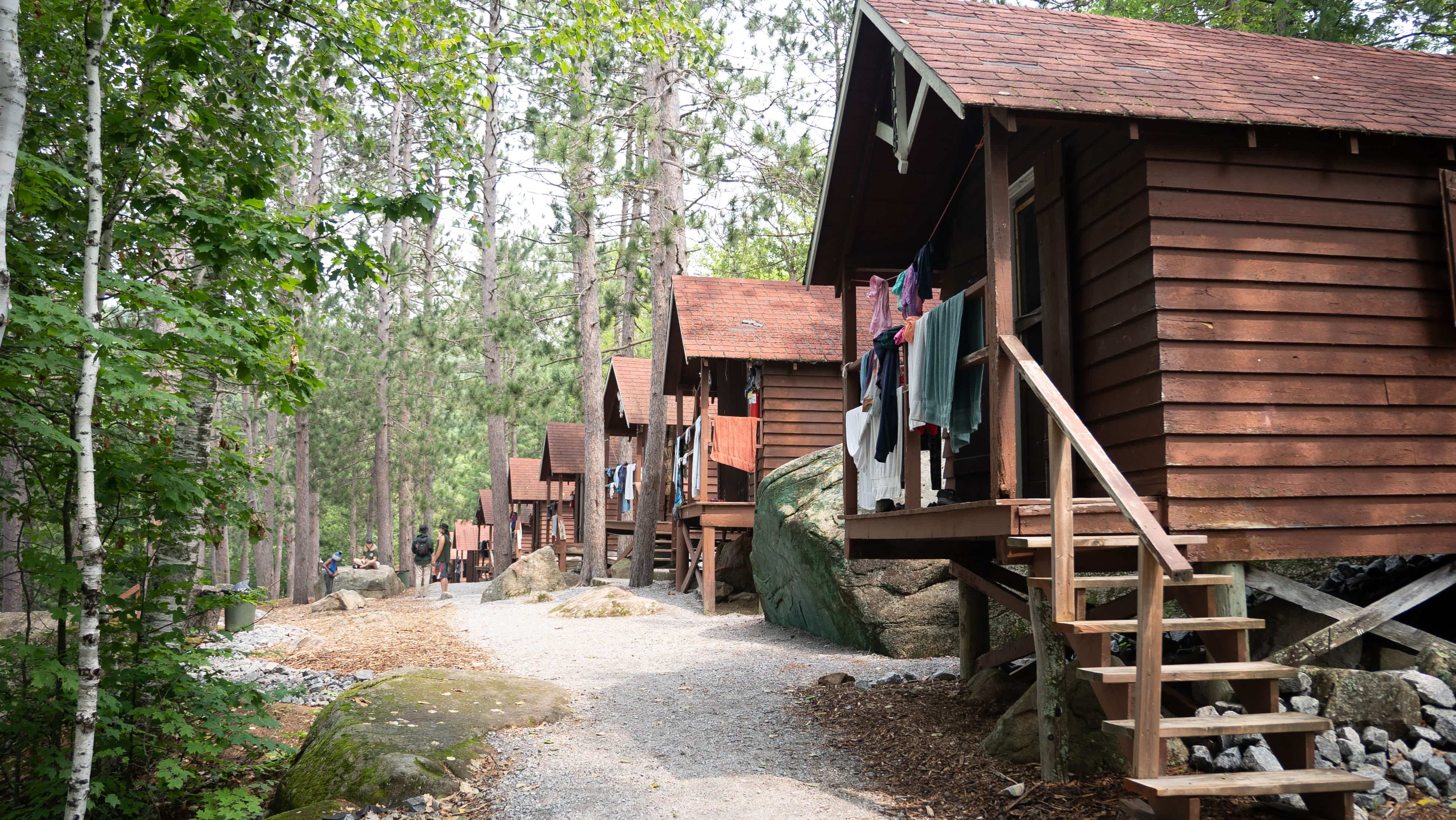
built environment
The human-made space in which people live, work, and engage in leisure activities on a daily basis
(a space made by humans wherebthey live and engage in wokr and activities every day)

climate
The average pattern of weather over a 30-year period for a particular region
(average weather for the long run)
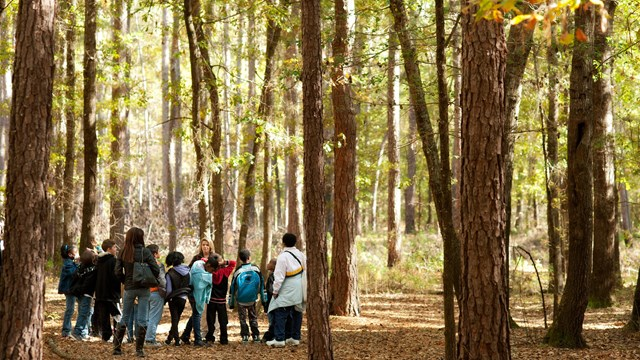
cultural ecology
The study of the interactions between societies and their local environments
(studying the interactions of people and the enviorment)
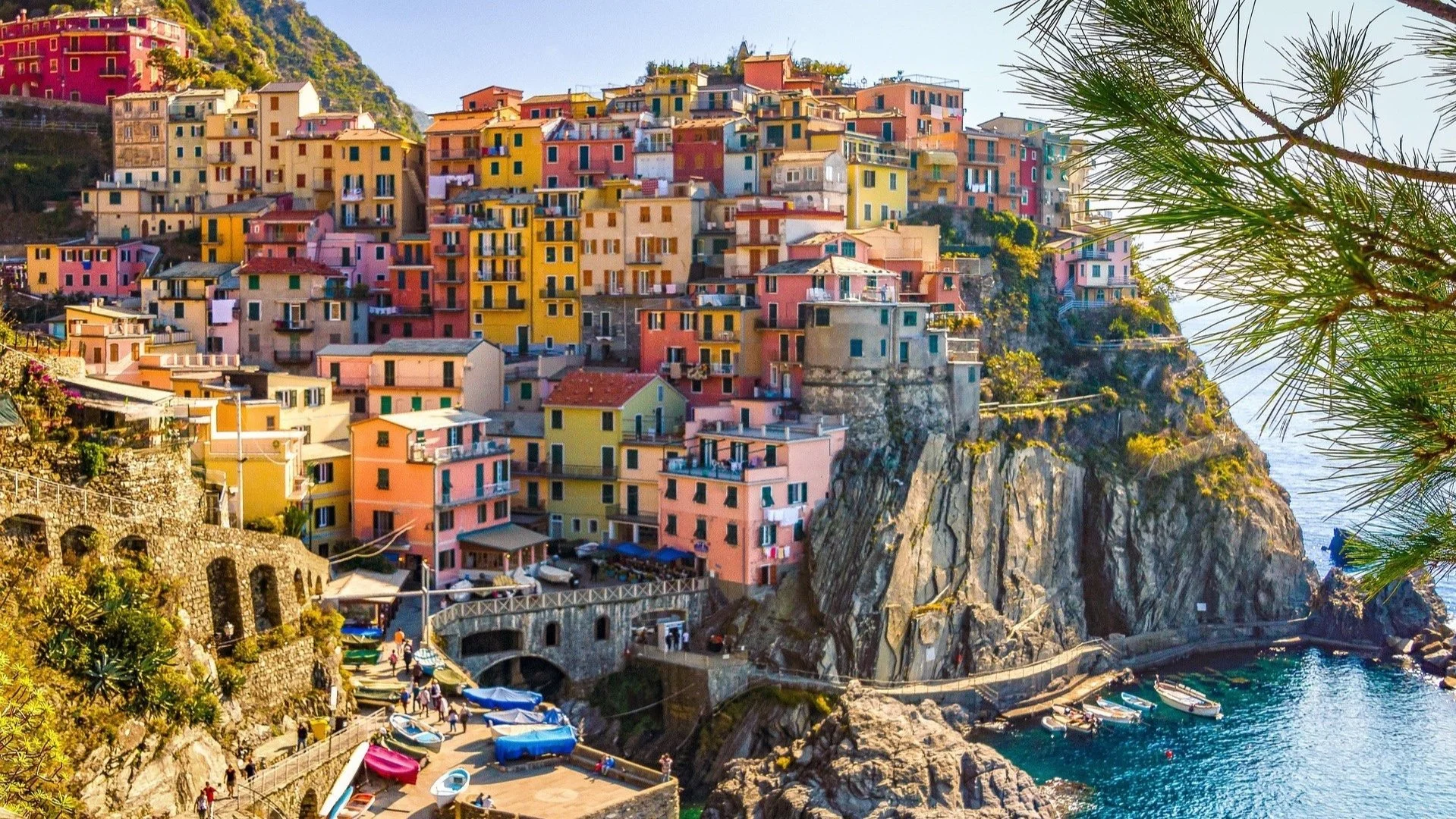
cultural landscape
The built forms that cultural groups create in inhabiting Earth — farm fields, cities, houses, and so on and the meaning, values, representations, and experiences associated with those forms
(Cultural groups creations when inhabiting earth like farm feilds, houses, etc.)
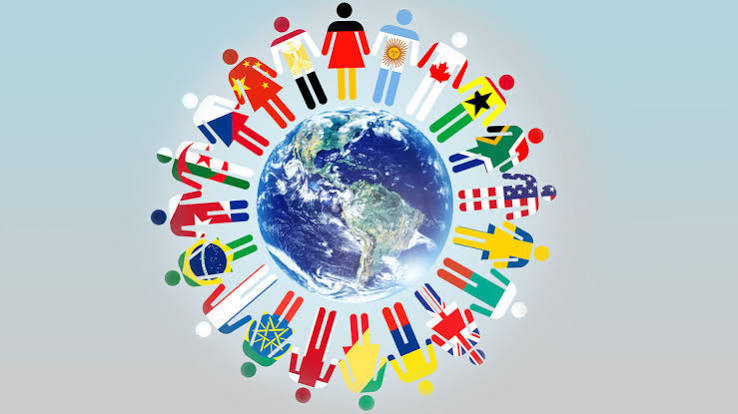
culture
The shared practices, technologies, attitudes, and behaviors that a society transmits from one generation to the next
(shared practices and/or behaviors in a society of people)
environmental determinism
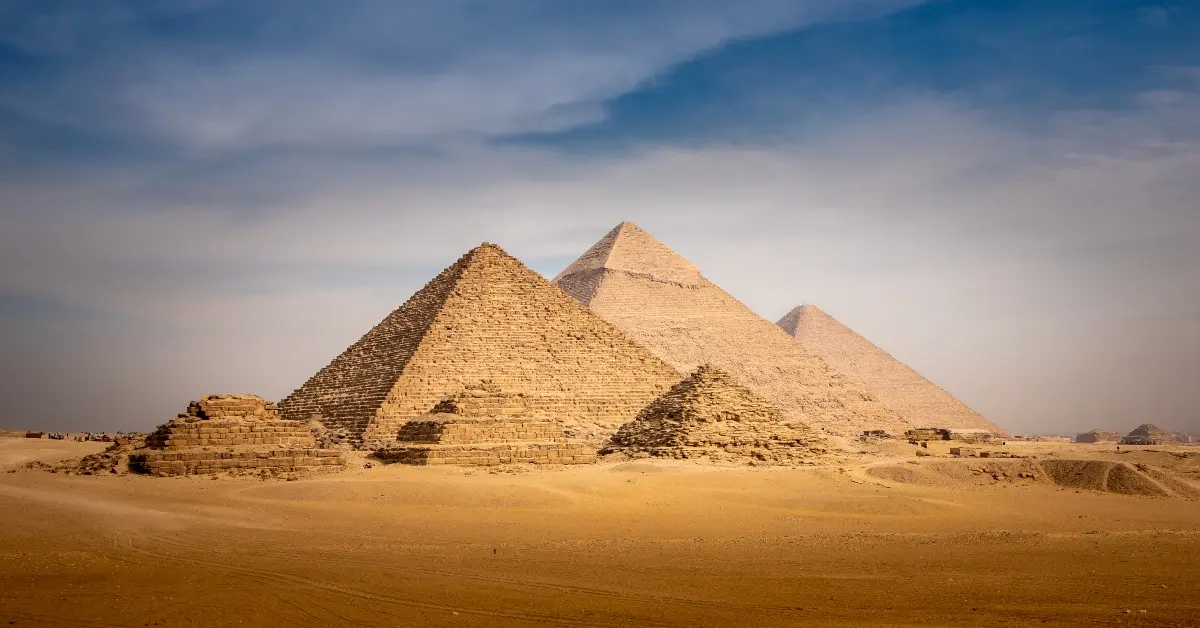
The belief that the physical environment is the dominant force shaping cultures and that humanity is a passive product of its physical surroundings
(believing that the environment is the force shaping cultures)
field observations
the act of physically visiting a location, place, or region and recording, firsthand, information there.
(taking pictures or videos in the moment when your on vacation)

Flow (diffusion)
Patterns and movement of ideas, people, products, and other phenomena
(the movement of people ideas and products in patterns)
formal region
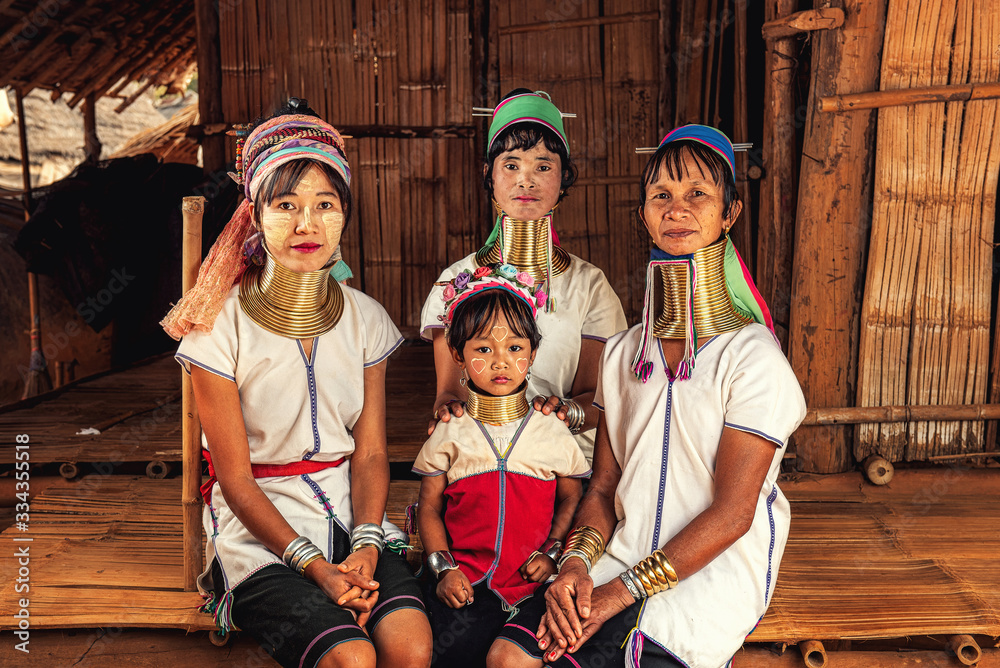
A geographical area inhabited by people who have one or more traits in common
(a place inhabited by people with shared traits)
![<p>functional regions (nodal regions) </p><p>\]’.,mj2qA4</p>](https://assets.knowt.com/user-attachments/b7097c9f-7b64-484b-b8cd-d390d35fdfc4.png)
functional regions (nodal regions)
\]’.,mj2qA4
A geographic area that has been organized to function politically, socially, culturally, or economically as one unit
(a area being organized culturally, politically, etc.)

human-environmental interaction
The effect that humans have on their environment and the effect that the environment has on humans.
(the effect humans have on the enviorment and vis versa)

location
The position of anything on Earth's surface.
(Where things are on earth)
map scale
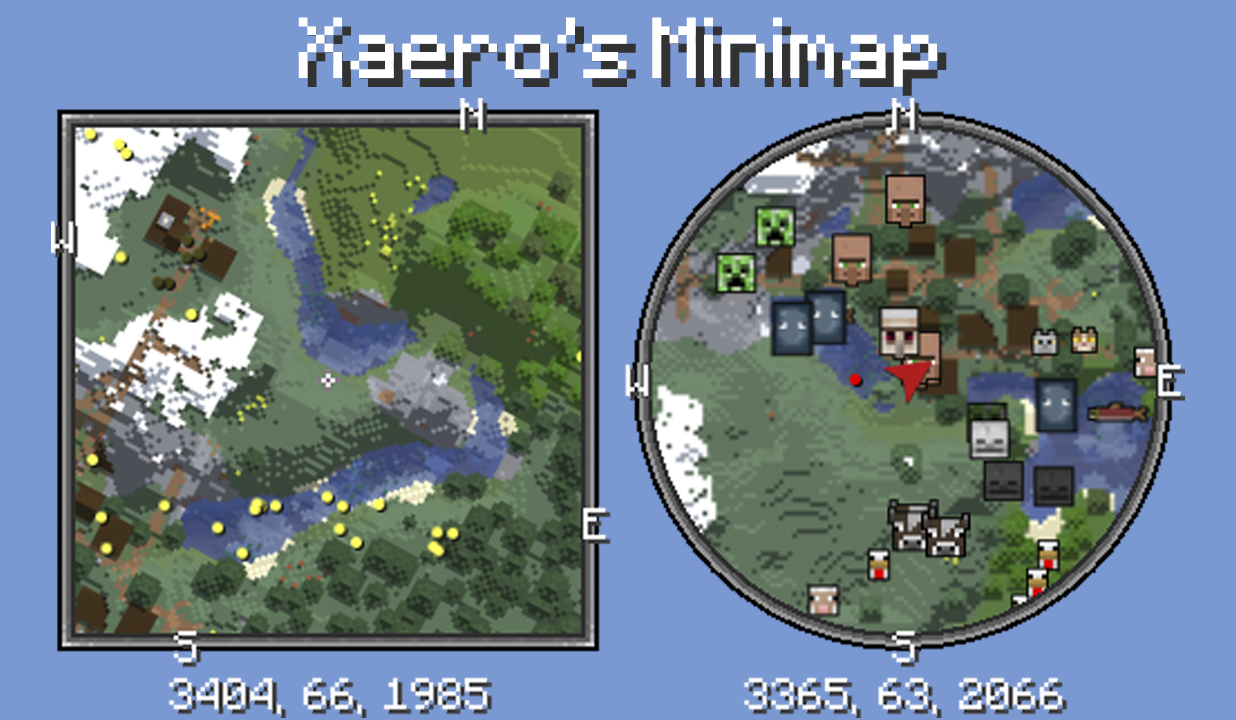
The distance on a map in relation to distance in actual space; for example, 1 inch on a map might indicate a distance of 100 miles
(changing the scale on a map so everthing fits)
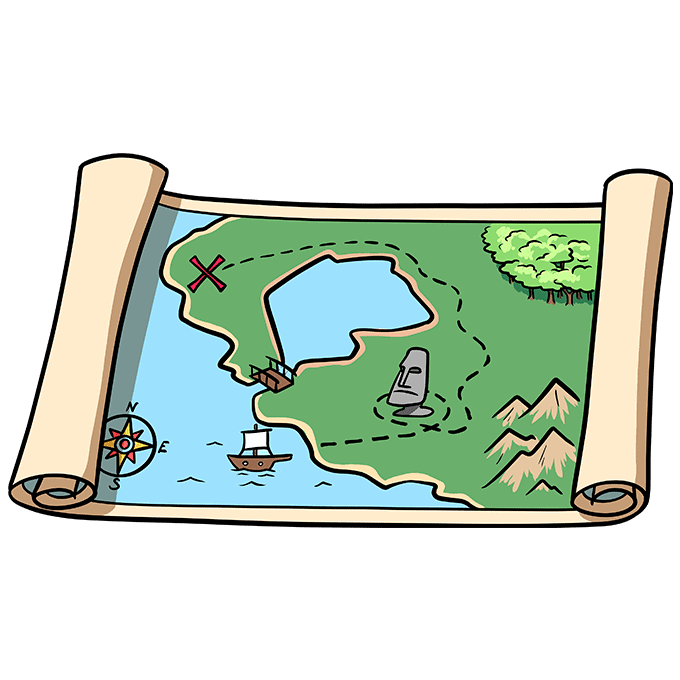
mental map
A personal representation of a portion of Earth’s surface
(a drawing or picture of earth surface for personal use)

perceptual regions (vernacular regions)
A geographic area that is perceived to exist by its inhabitants, based on the widespread acceptance and use of a unique regional name
(area ment to to exist and inhabited by ingonesus people)
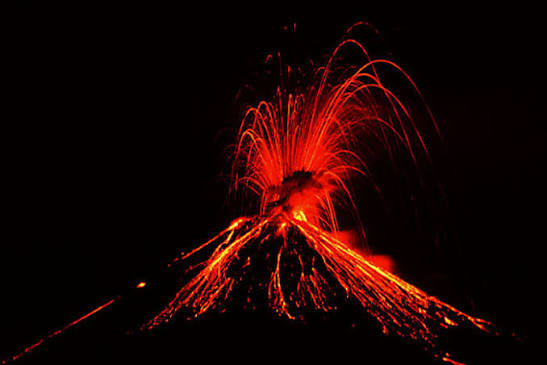
physical geography
The study of Earth’s physical characteristics and processes: how they work, how they affect humans, and how humans affect them
(studying earths natural processes)

place
A specific point on Earth, distinguished by a particular characteristic.
(a place on earth)
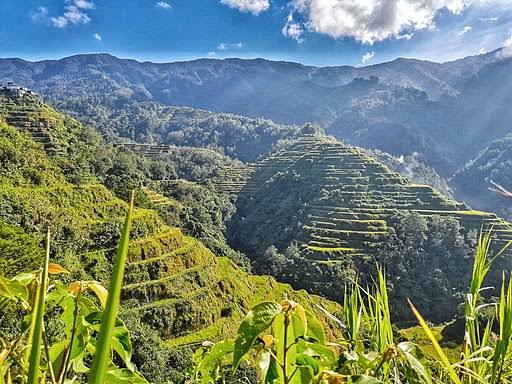
Possibilism
The belief that any physical environment offers a number of possible ways for a society to develop and that humans can find ways to overcome environmental challenges
(believing that the environment has multipul ways for people to live and overcome challenges)
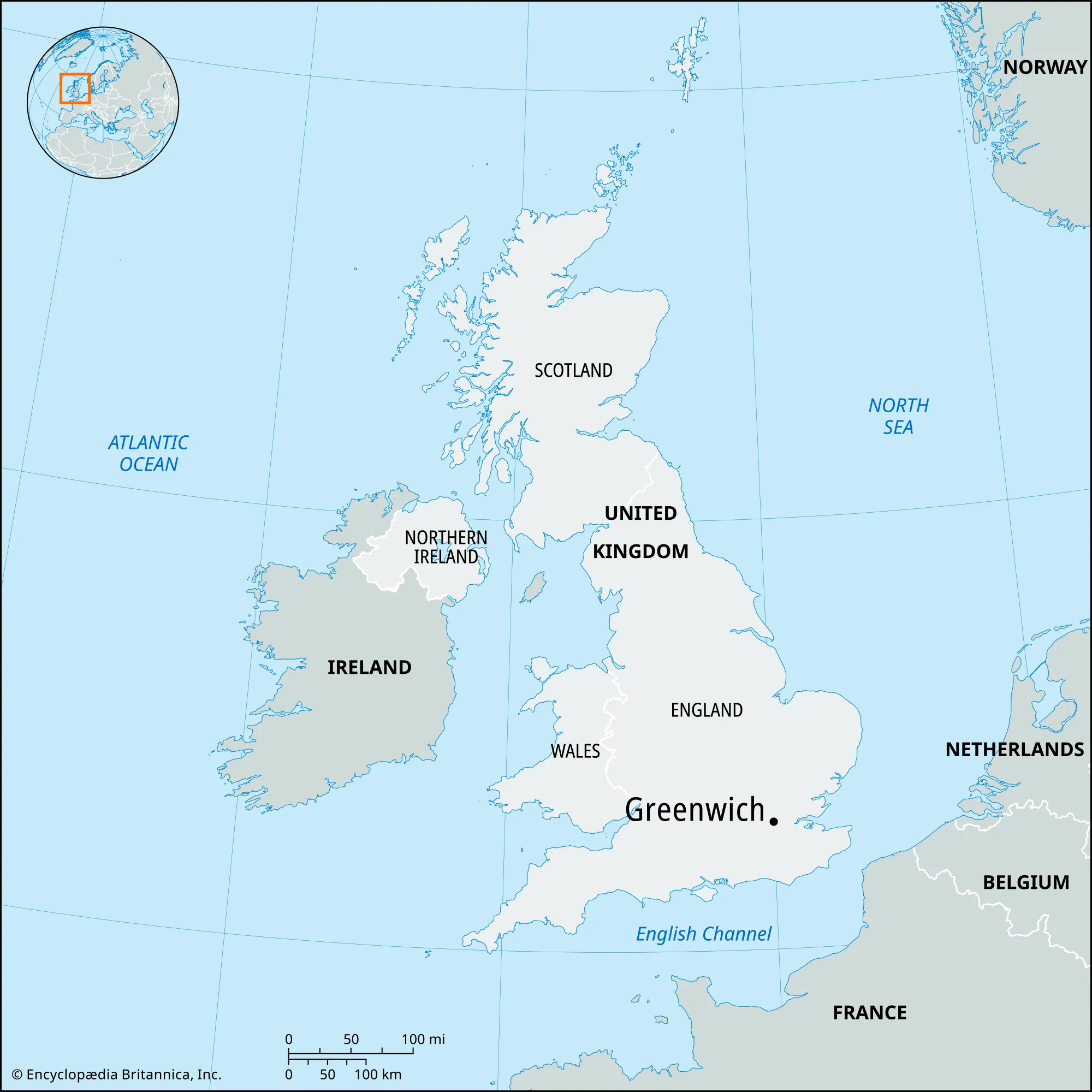
prime meridian
The zero-degree longitude line that runs through Greenwich, England; also known as the Greenwich Meridian
(the zero degree vertical line through England)

qualitative data
descriptive rather than numerical or statistical in nature. Qualitative geography involves methods such as ethnography, interviews, and participant observation to gather data and make sense of the complexity and diversity of human geography.
(methods for interviews and more to gather data of complex human geo)

quantitative data
data that can be counted or measured in numerical values
(measured in numbers)

Region
A geographical unit based on one or more common characteristics or functions
(a unit based on common characters or traits)

Regionalization
the process of dividing up the earth into smaller regions or units or the tendency to form decentralized regions.
(dividing earth in to small regions)

sense of place
How a person feels about a particular place and why it is important to them
(opinions of a place)

site
The physical character of a place.
(how a place looks)
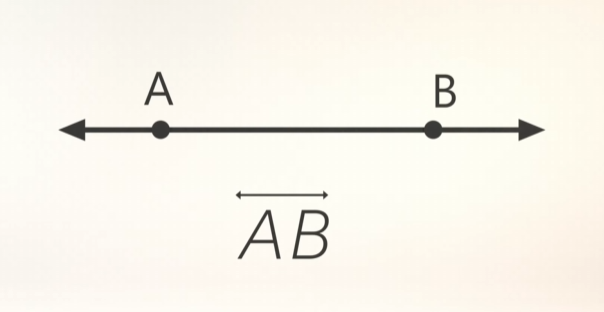
situation
The location of a place relative to another place.
(the location of somewhere relating to somewhere else)
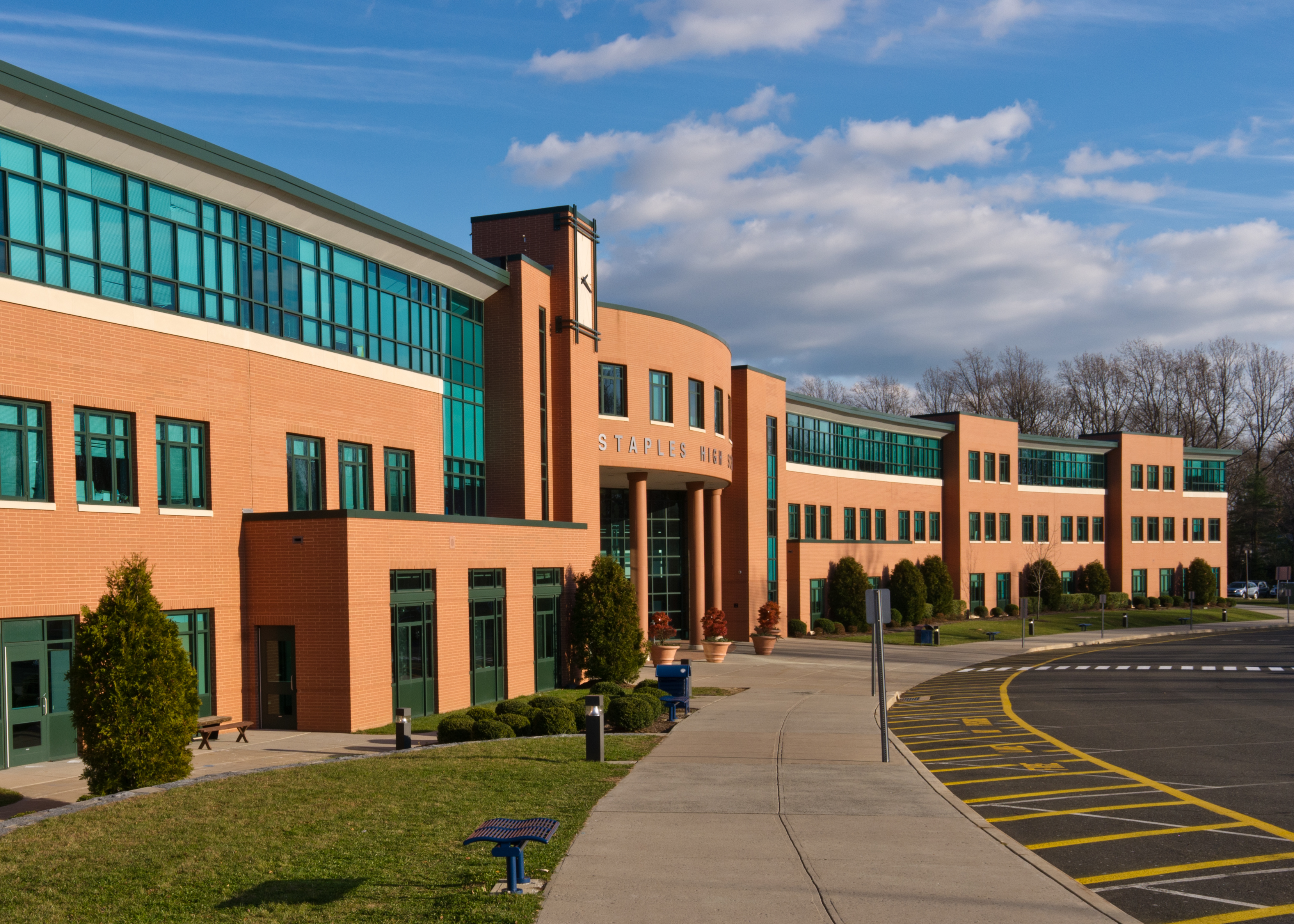
Space
The areas we occupy as humans; it has no value until the people who occupy it make it their own
(a place with no value until settled or occupied by people)

Space-time compression
The reduction in the time it takes to diffuse something to a distant place as a result of improved communications and transportation systems.
(removing time to diffuse something and improve communications
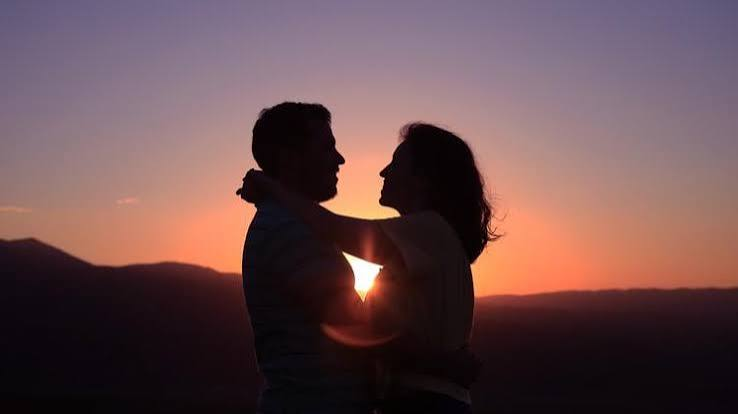
spatial association
The relationship between the distribution of one feature and the distribution of another feature.
(A relationship between two objects)

subregions
a part of a larger region or continent and is usually based on location.
(part of a larger region or continet based on location)

sustainability
The group of practices that meet the needs of the present without compromising future generations’ ability to meet their needs
(Practicng the needs of the present for future generations)
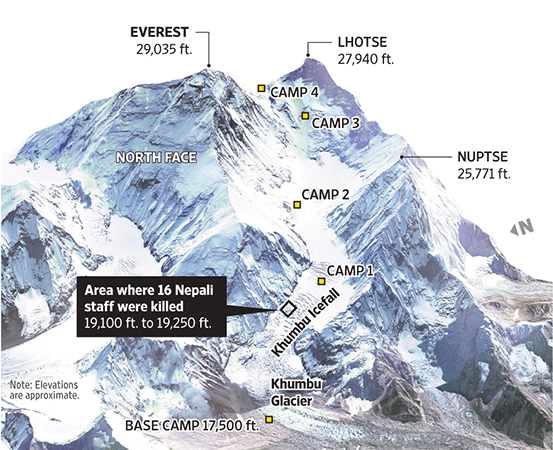
Toponyms
The name given to a portion of Earth's surface.
(Name of a place on earth)

Transnational corporations
A firm with the power to coordinate and control operations in more than one country, even if it does not own those operations
(a buisness or corporation with the power to control operations in different countries)

Vernacular region (perceptual)
An area that people believe exists; is part of their cultural identity.
(A place on earth that people believe is part of their cultural identity)