Mr Bob A&P Nervous Lab
 Call Kai
 Learn
Learn Practice Test
 Spaced Repetition
 Match
Match Flashcards
 Knowt Play
1/216

There's no tags or description
Looks like no tags are added yet.
Name | Mastery | Learn | Test | Matching | Spaced | Call with Kai | Chat |
|---|
No analytics yet
Send a link to your students to track their progress
217 Terms
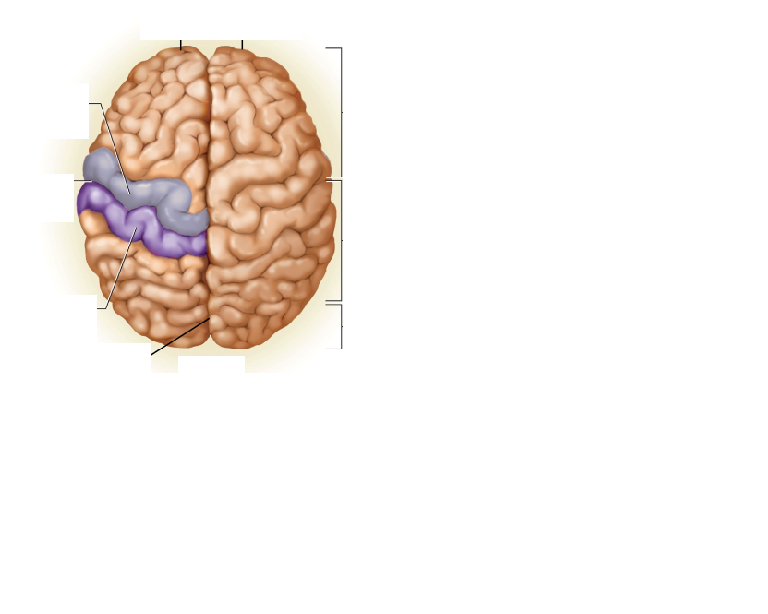
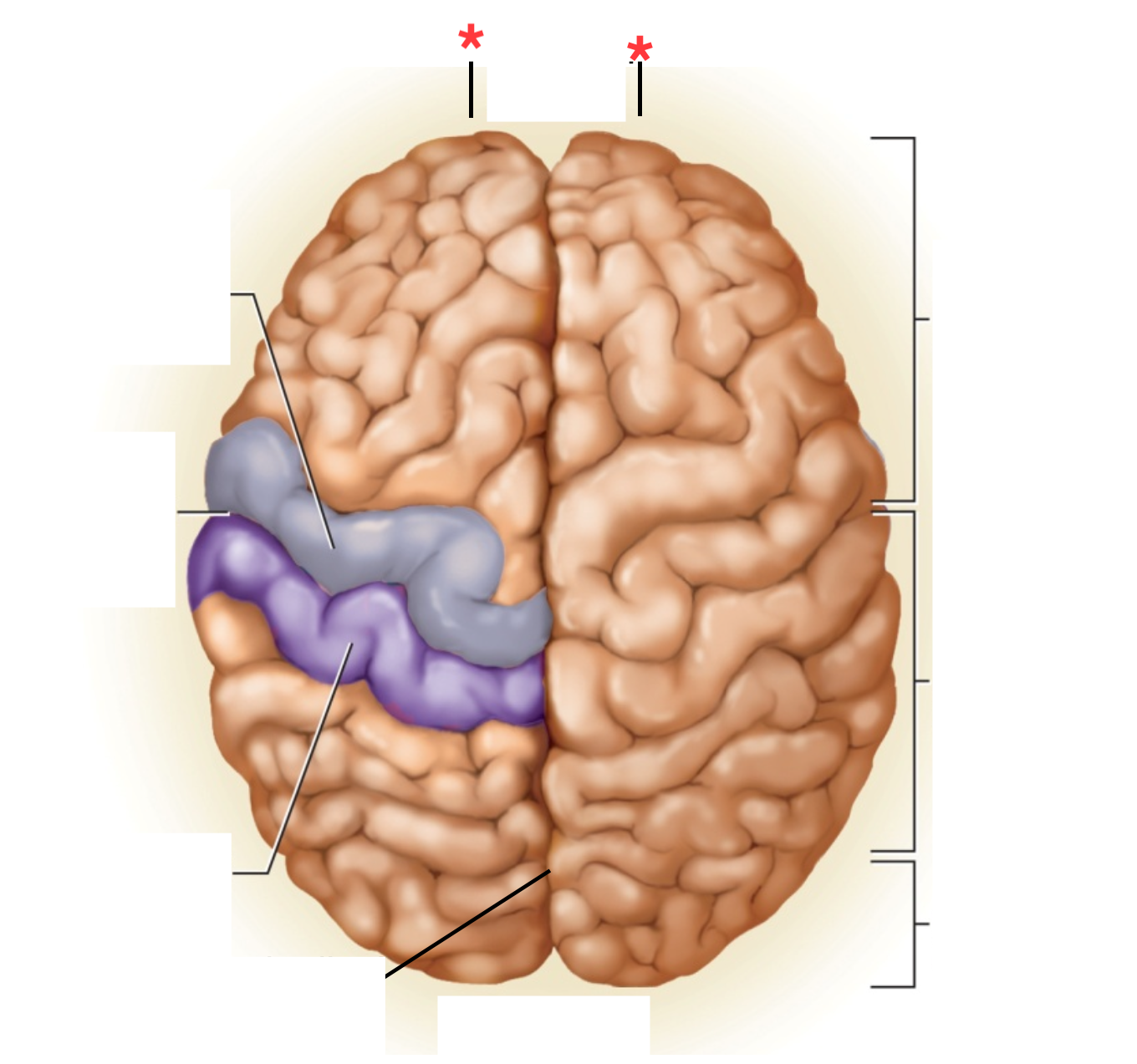
cerebrum
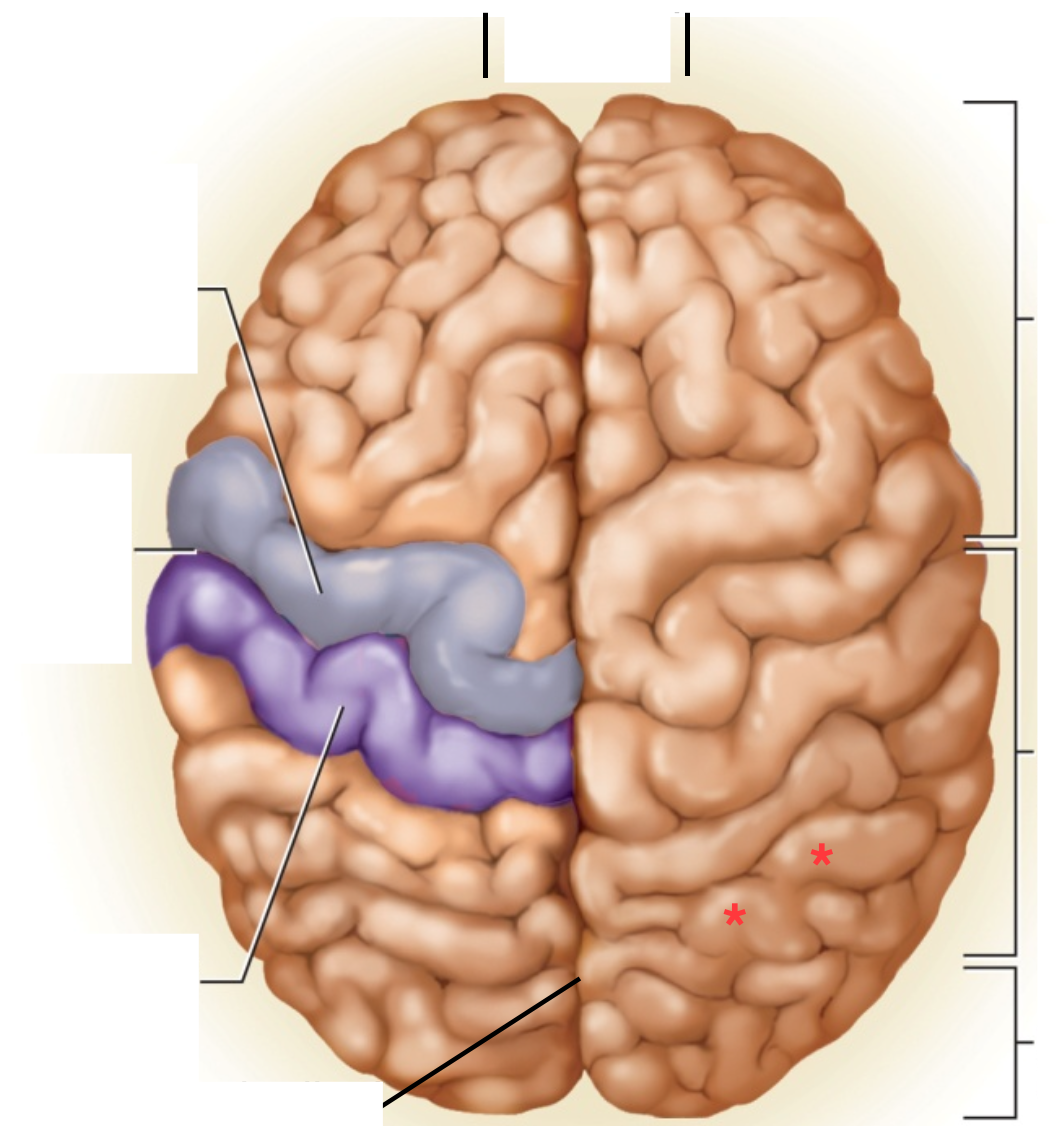
gyri (singular - gyrus)
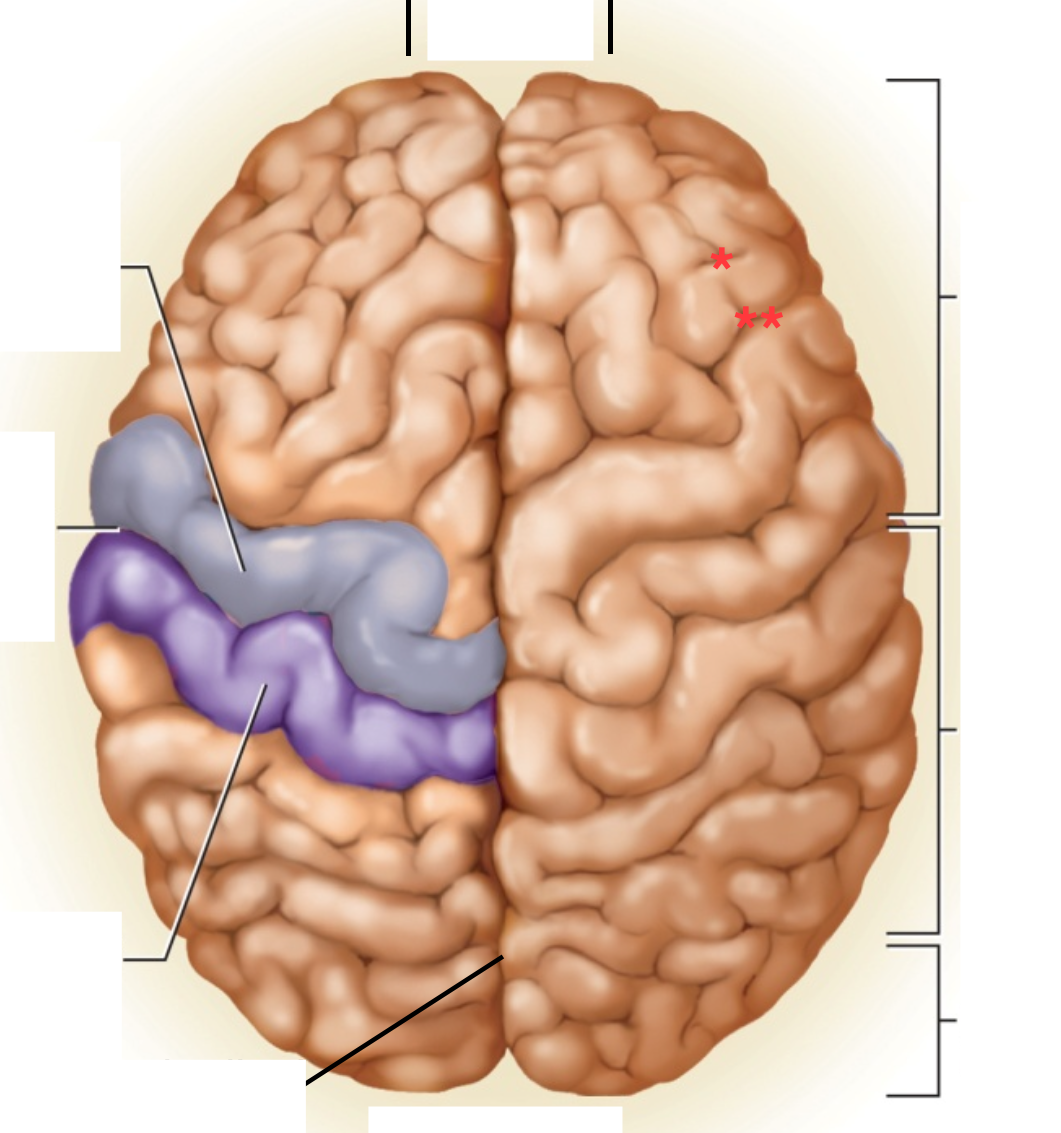
sulci (singular - sulcus)
3 deeper grooves on cerebrum
fissures
cerebral hemispheres
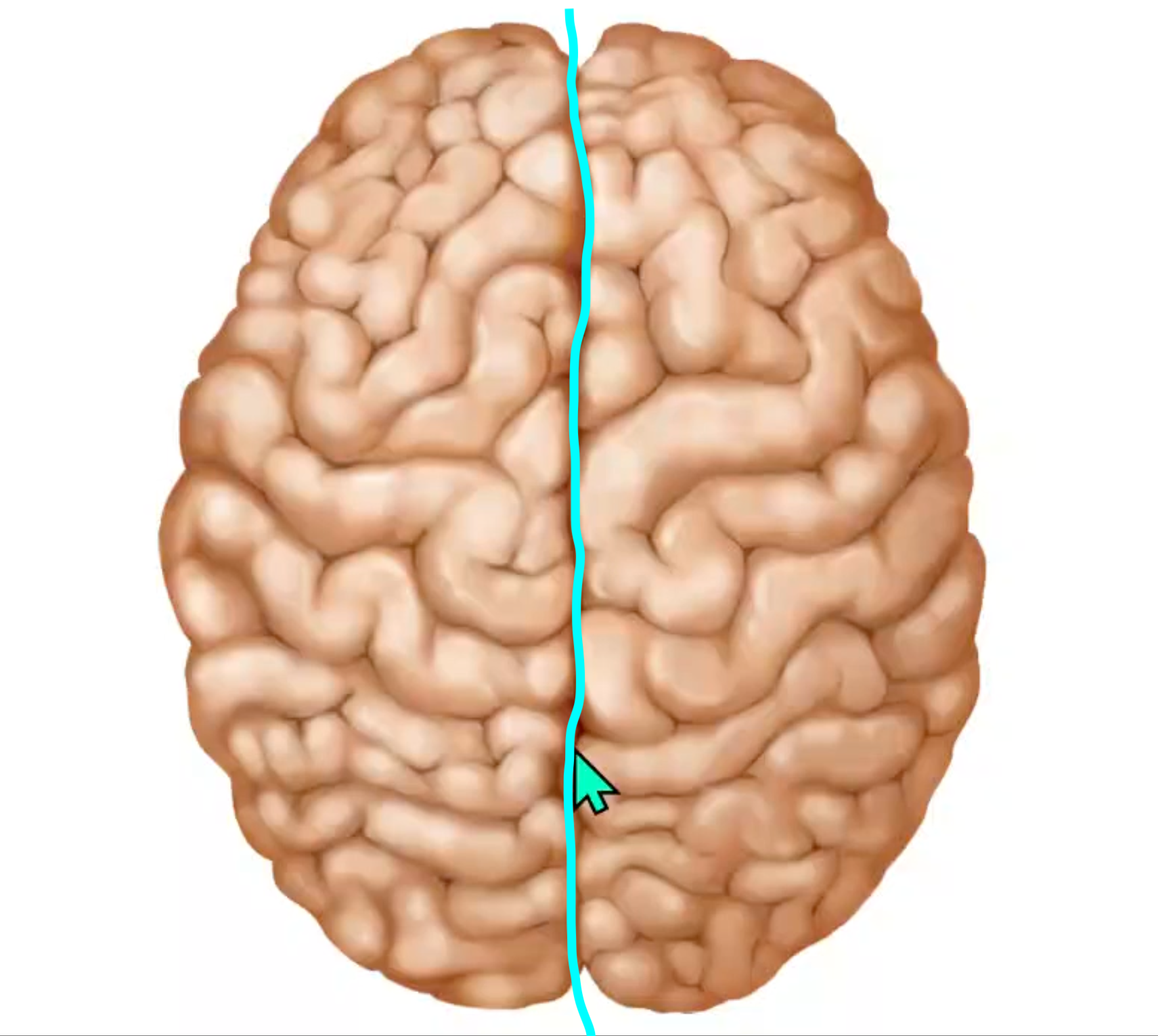
longitudinal fissure
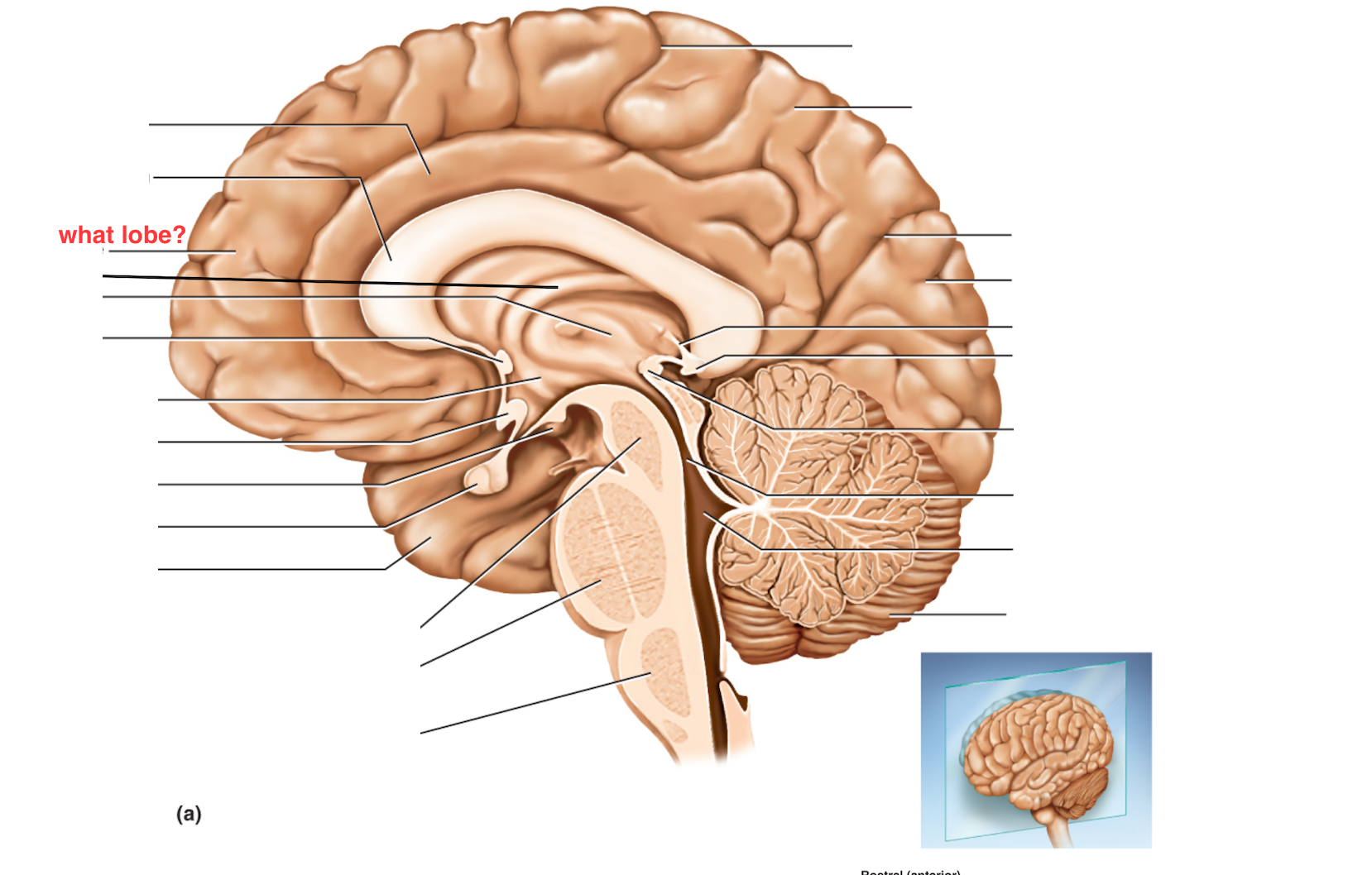
frontal lobe
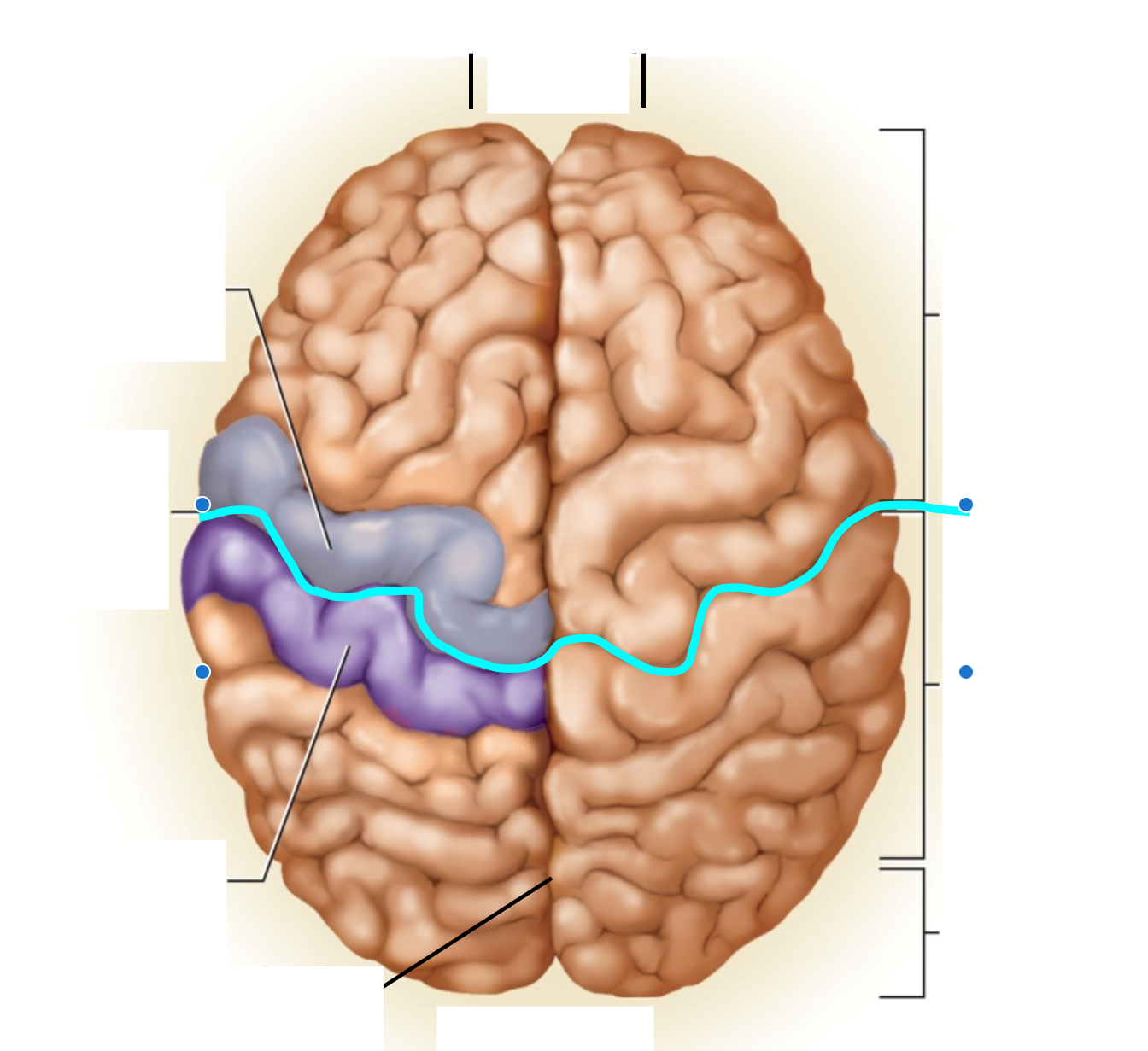
central sulcus
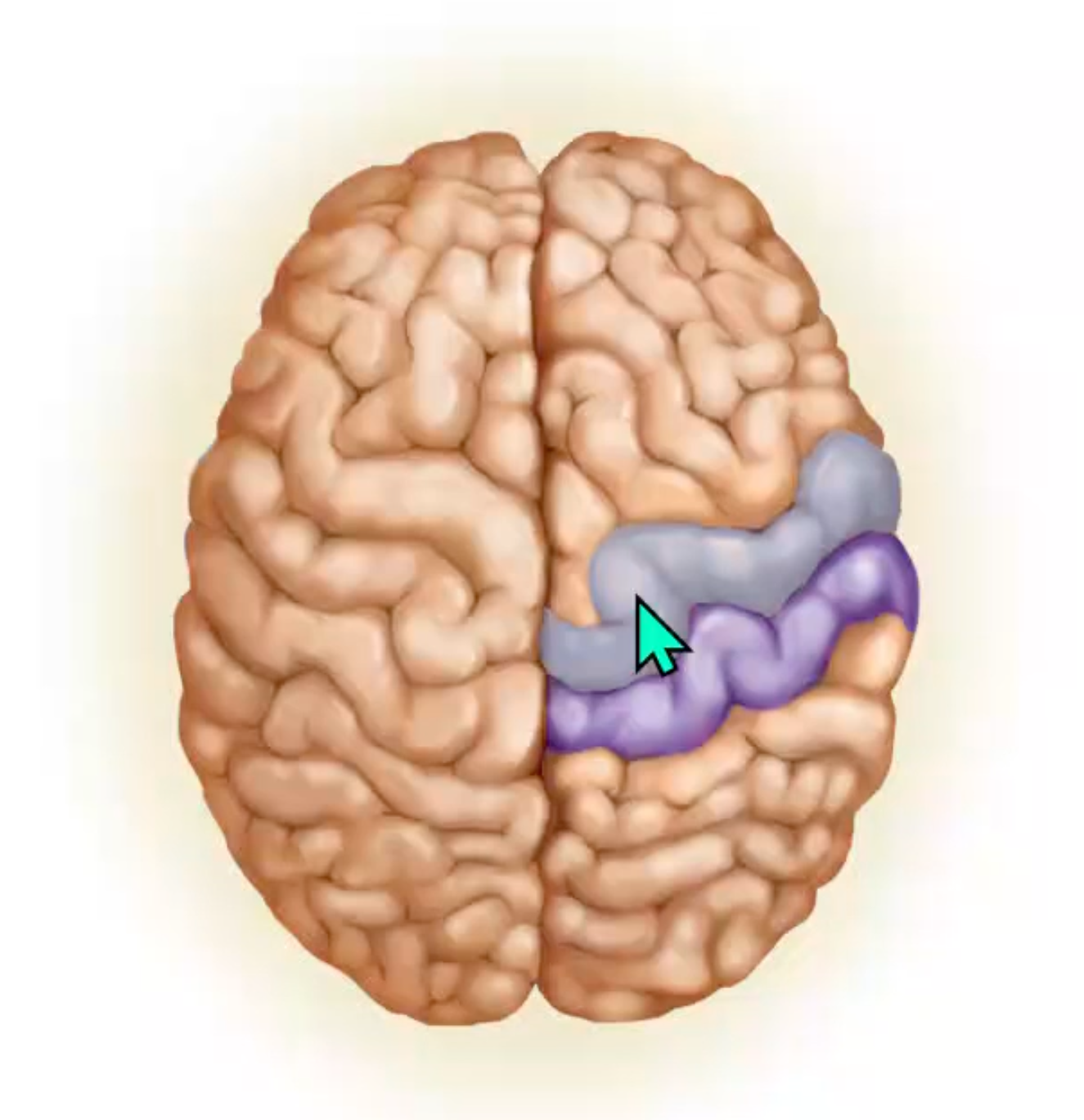
pre-central gyrus
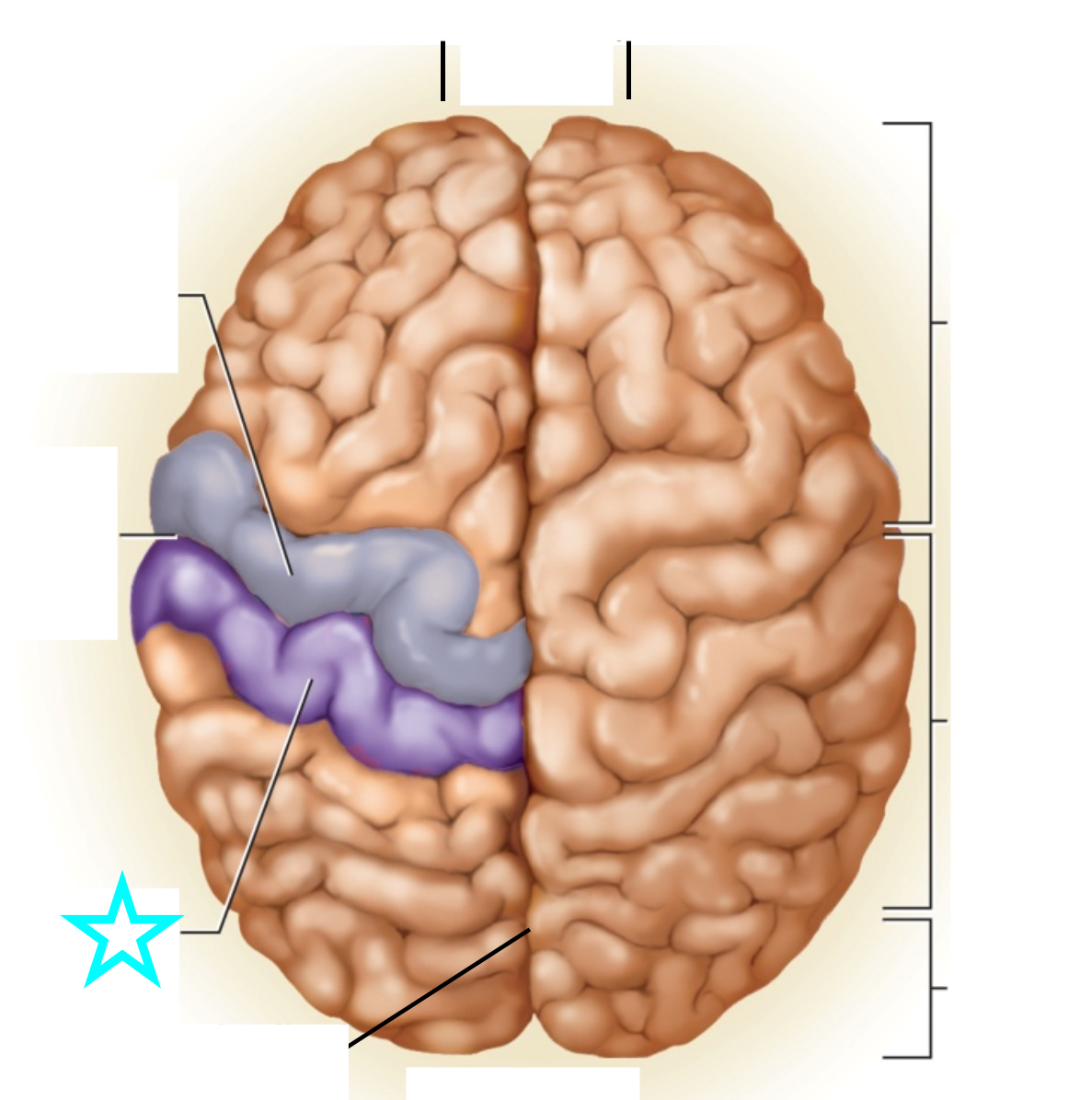
post-central gyrus
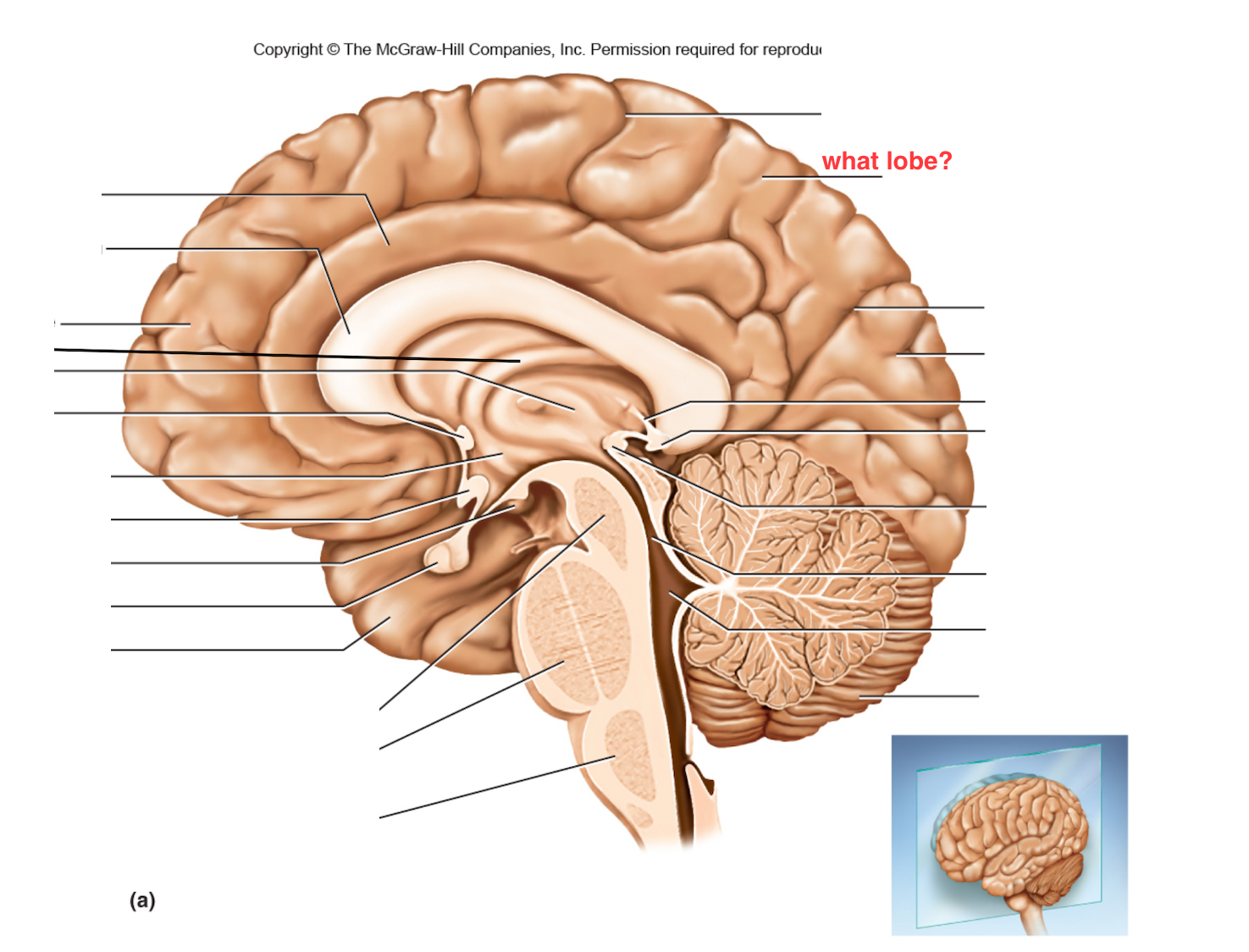
parietal lobes
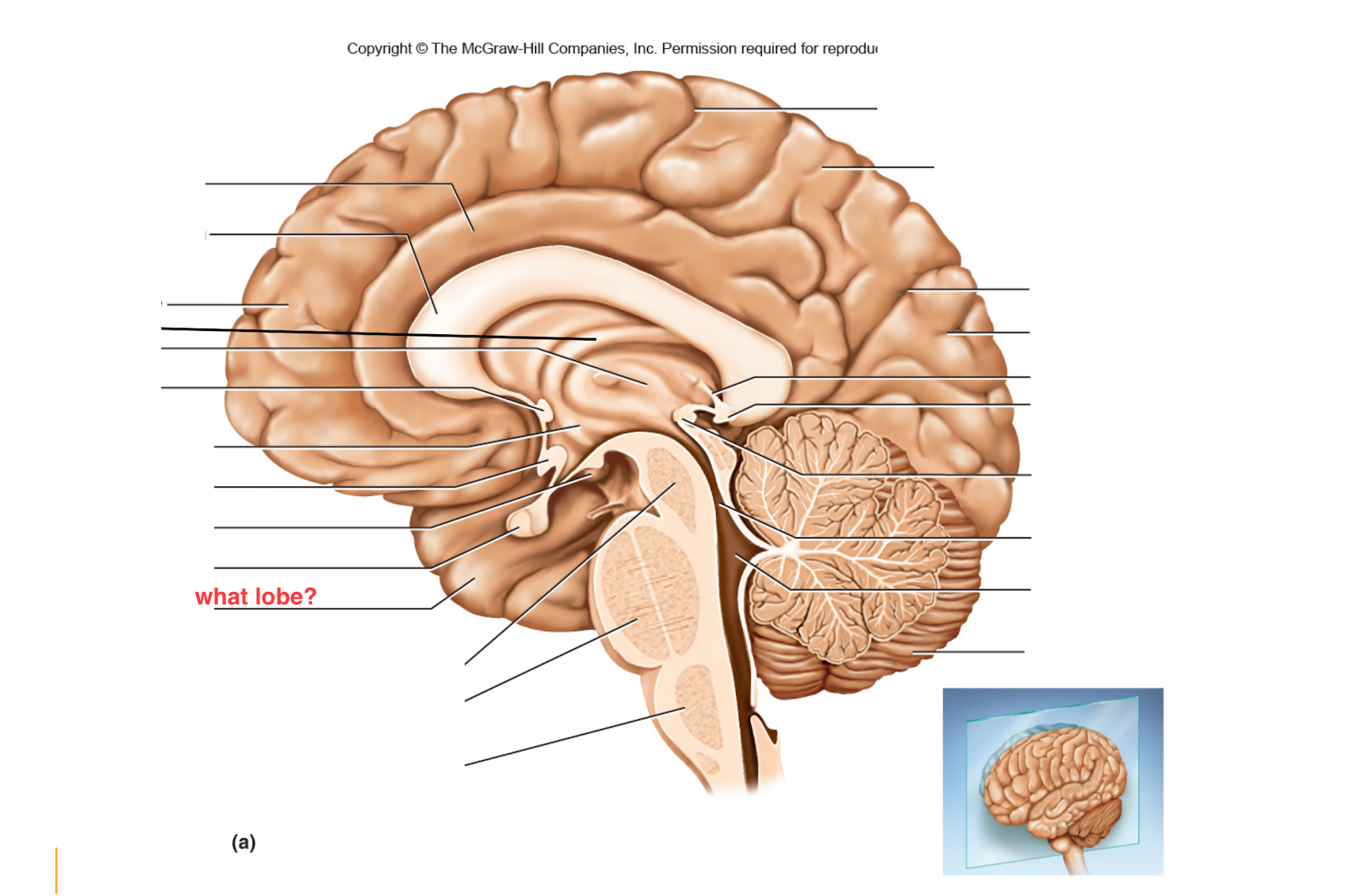
temporal lobes
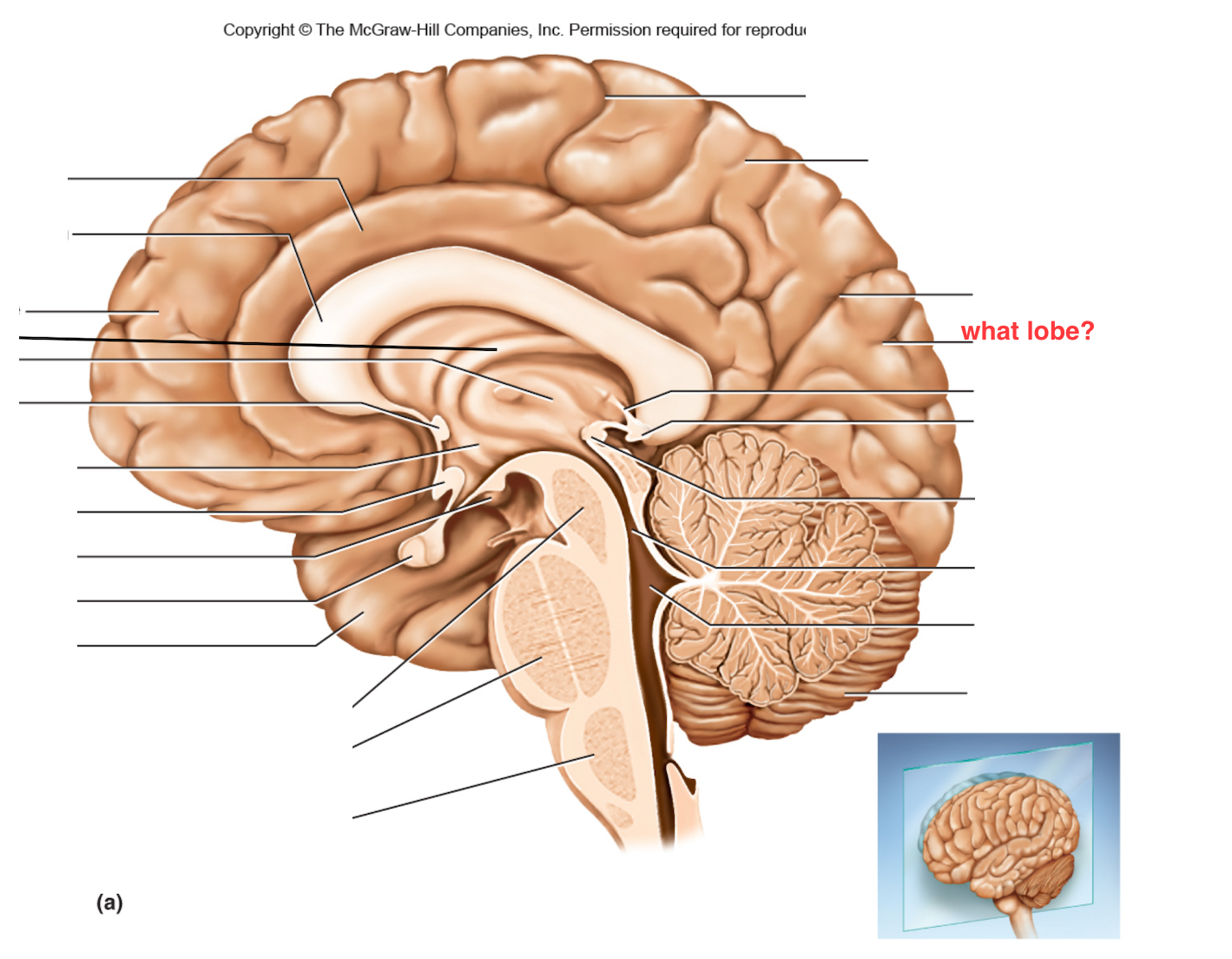
occipital lobe
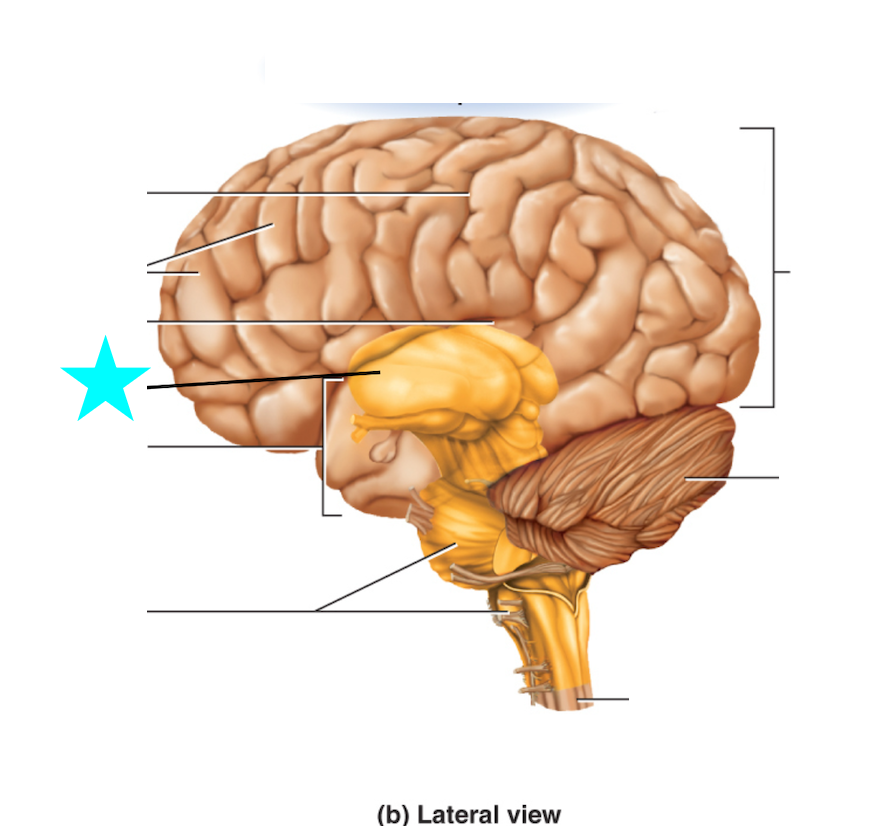
lateral fissure/lateral sulcus
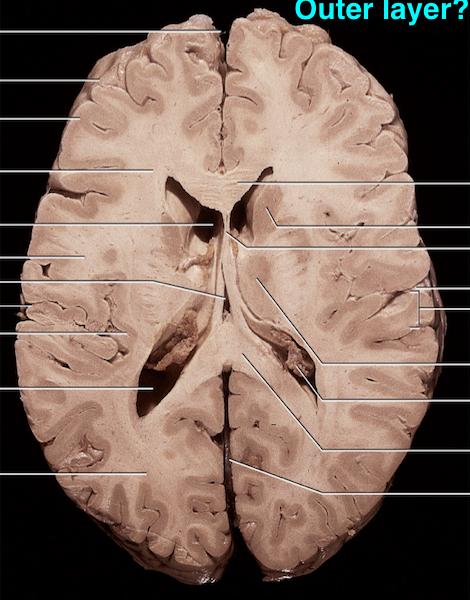
cerebral cortex (gray matter)
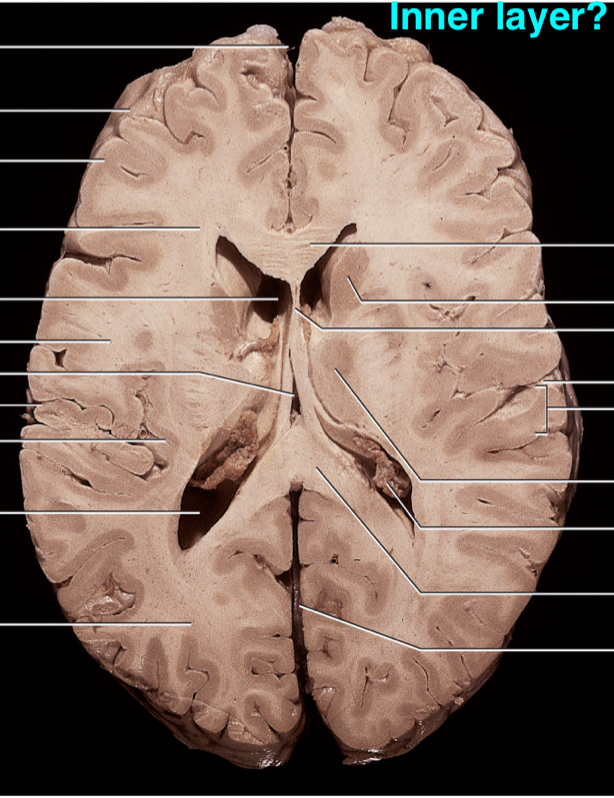
white matter
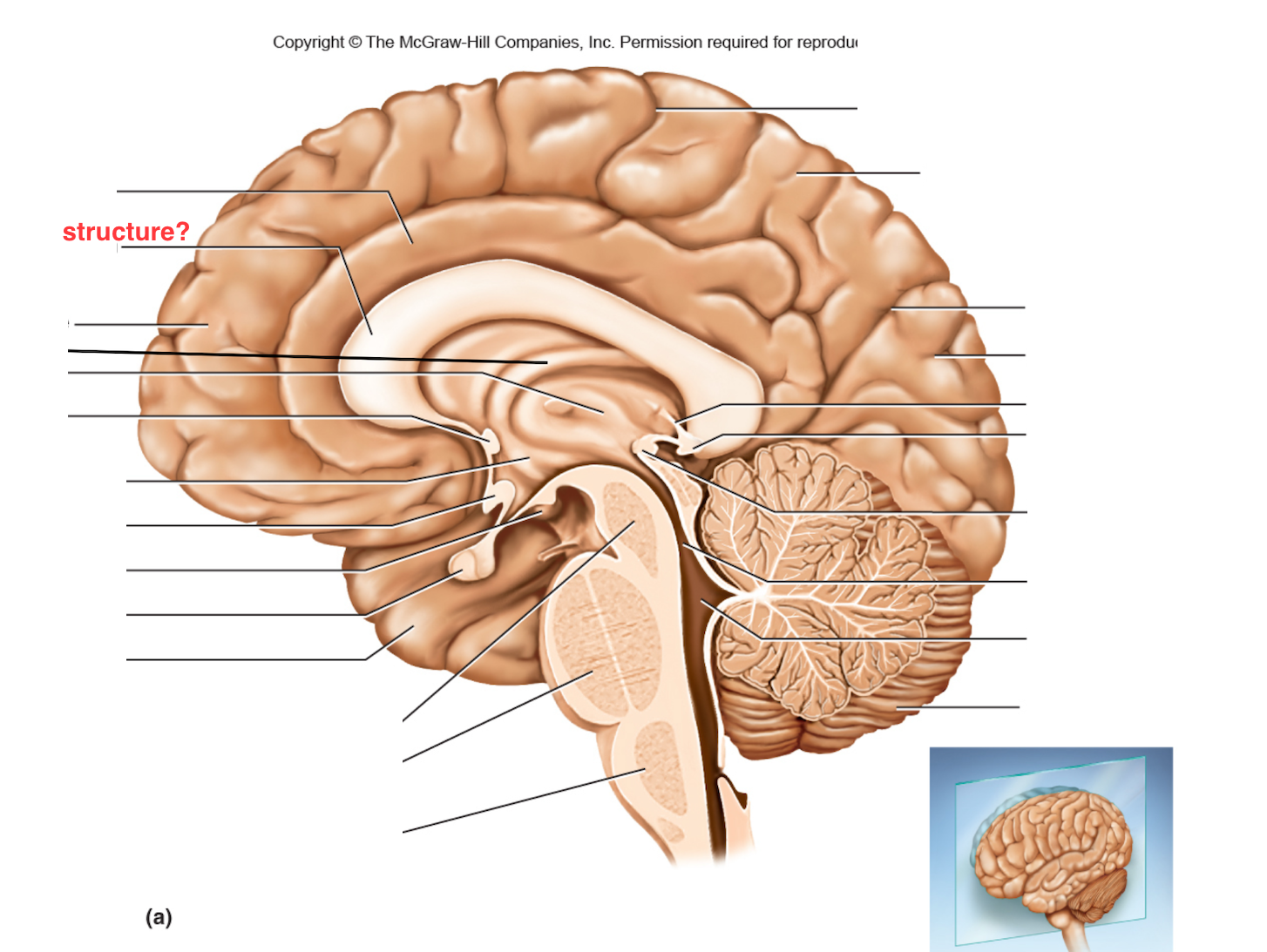
corpus callosum
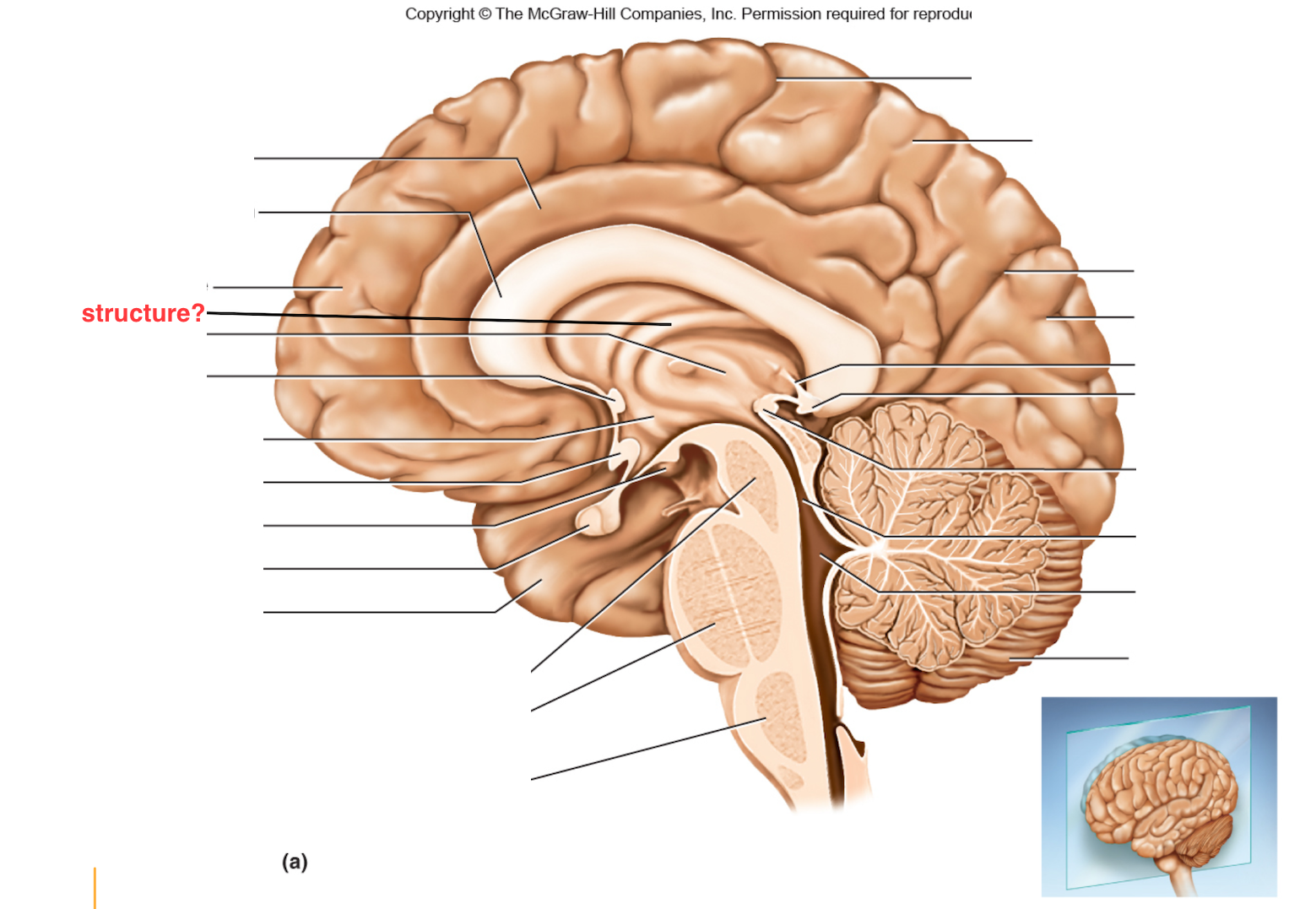
fornix
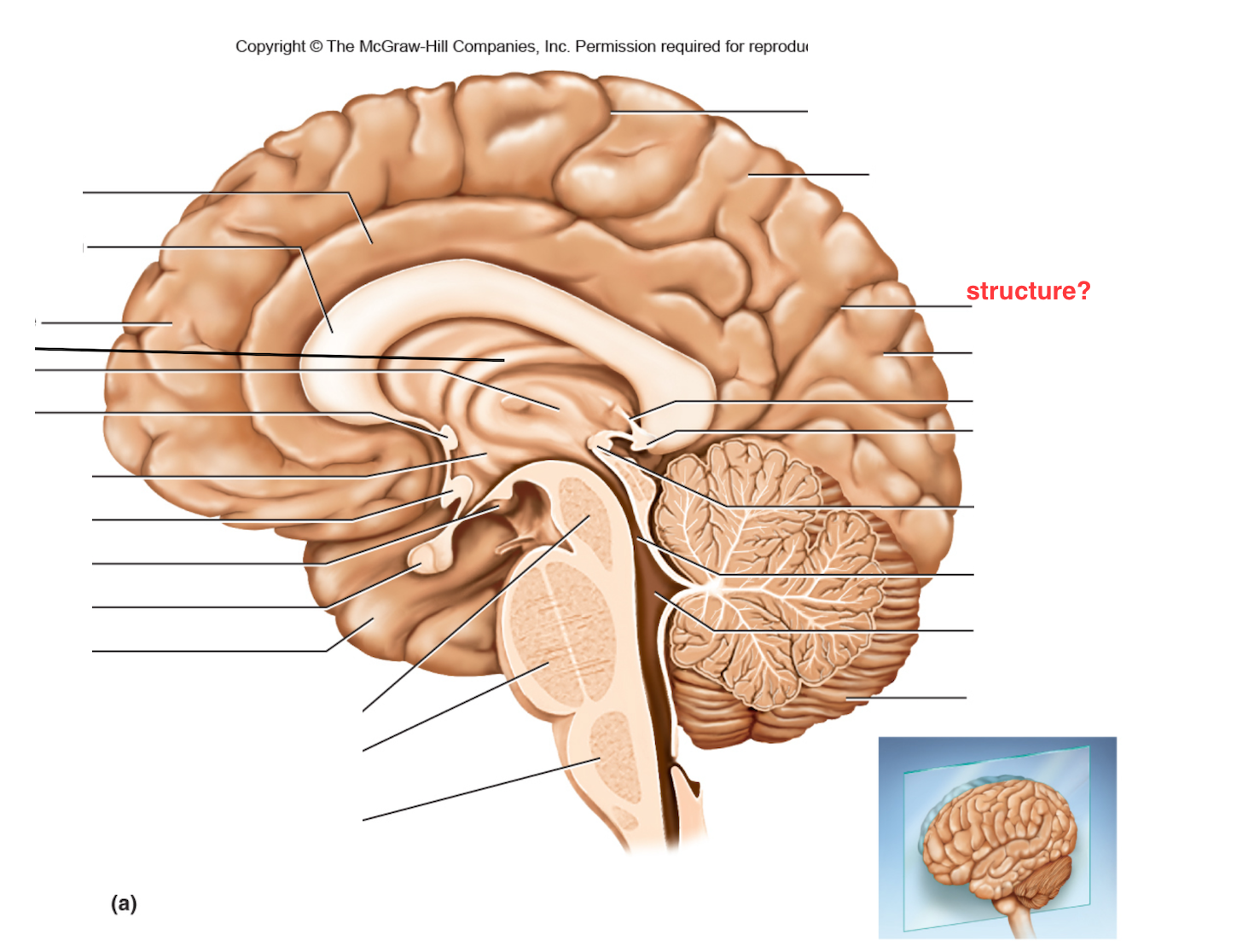
parieto-occipital sulcus
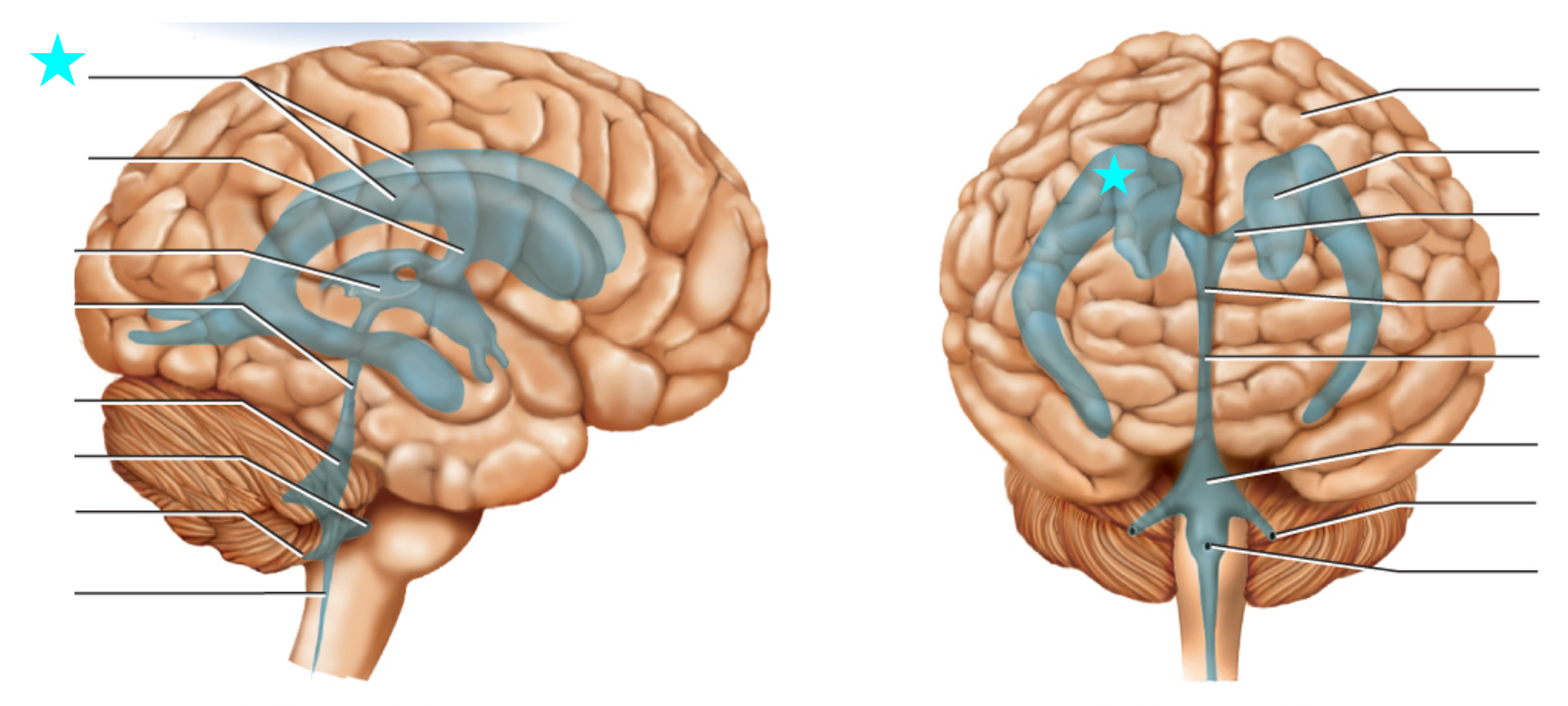
lateral ventricles
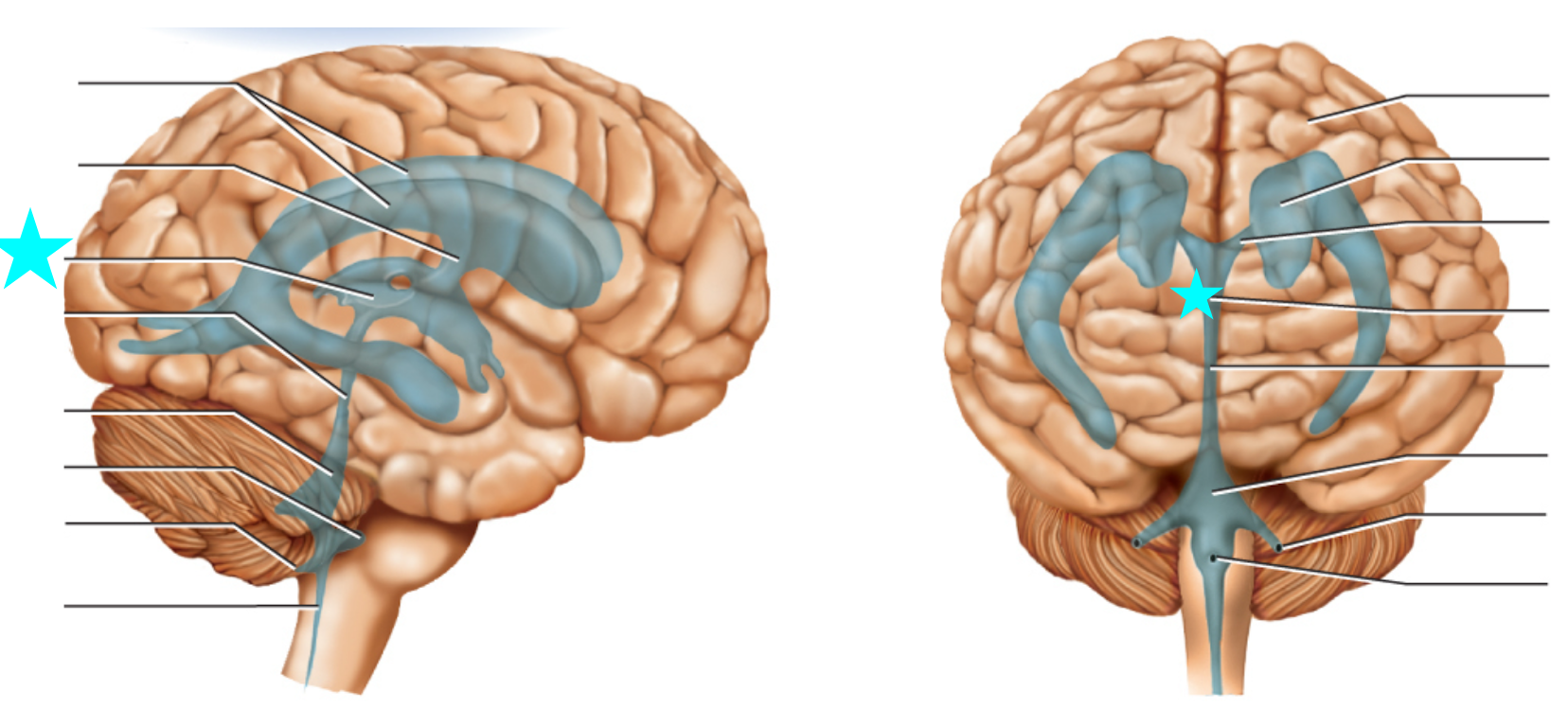
third ventricle
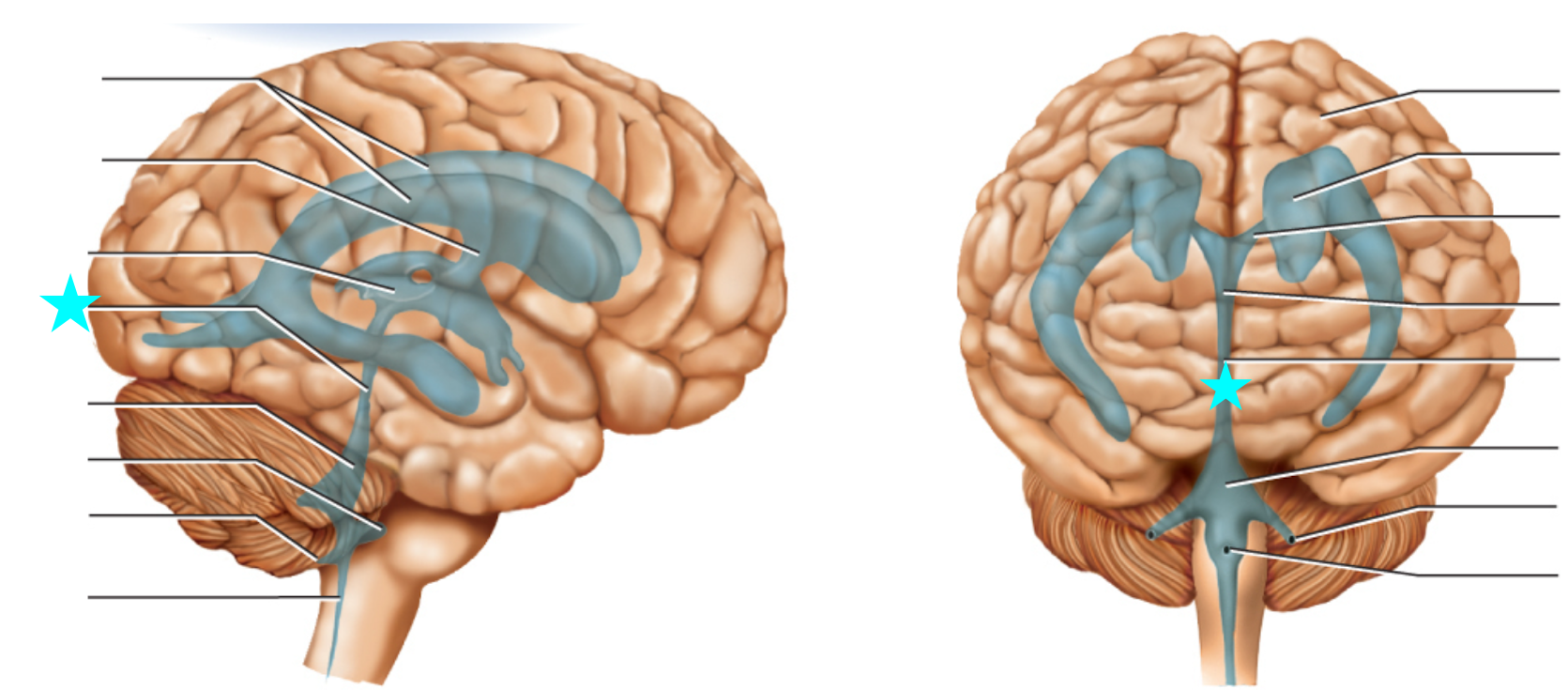
cerebral aqueduct
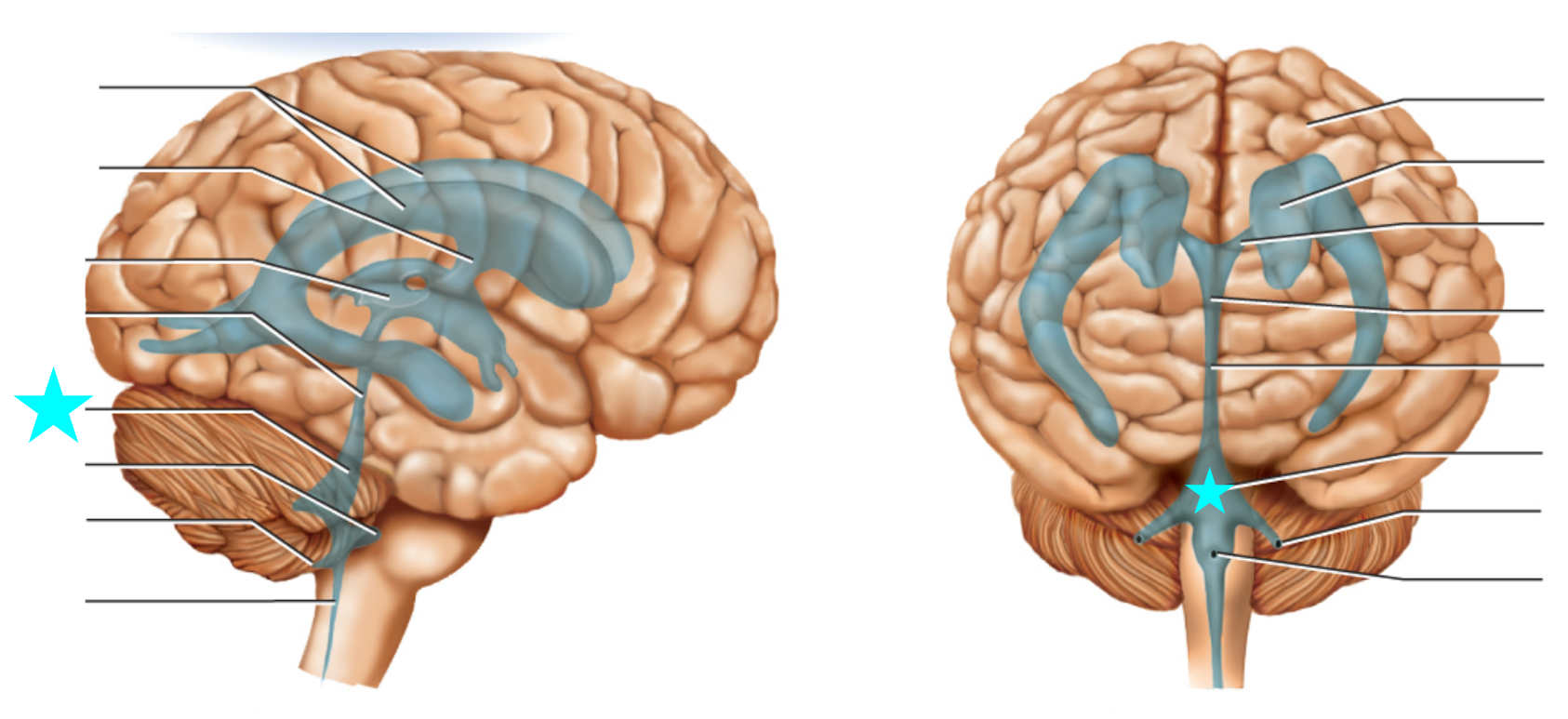
fourth ventricle
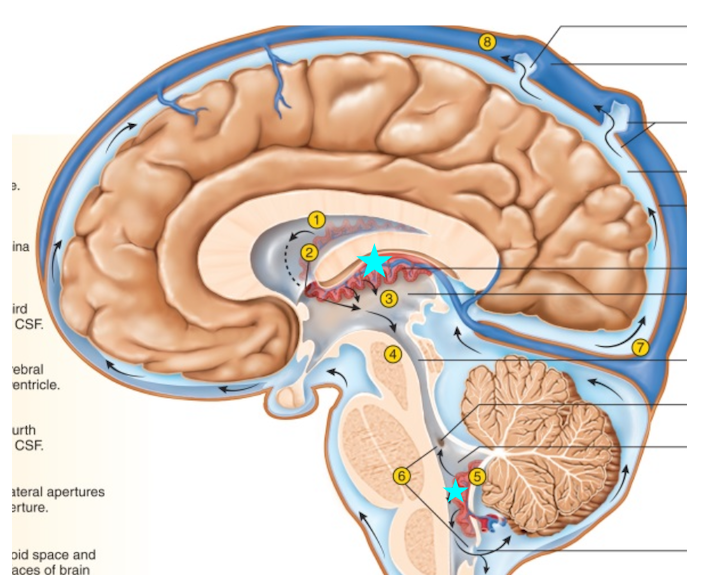
choroid plexus (structure inside each ventricle that produces cerebral spinal fluid)
structures of diencephalon
thalamus, intermediate mass, hypothalamus, infundibulum, pituitary gland, mammillary body, pineal gland
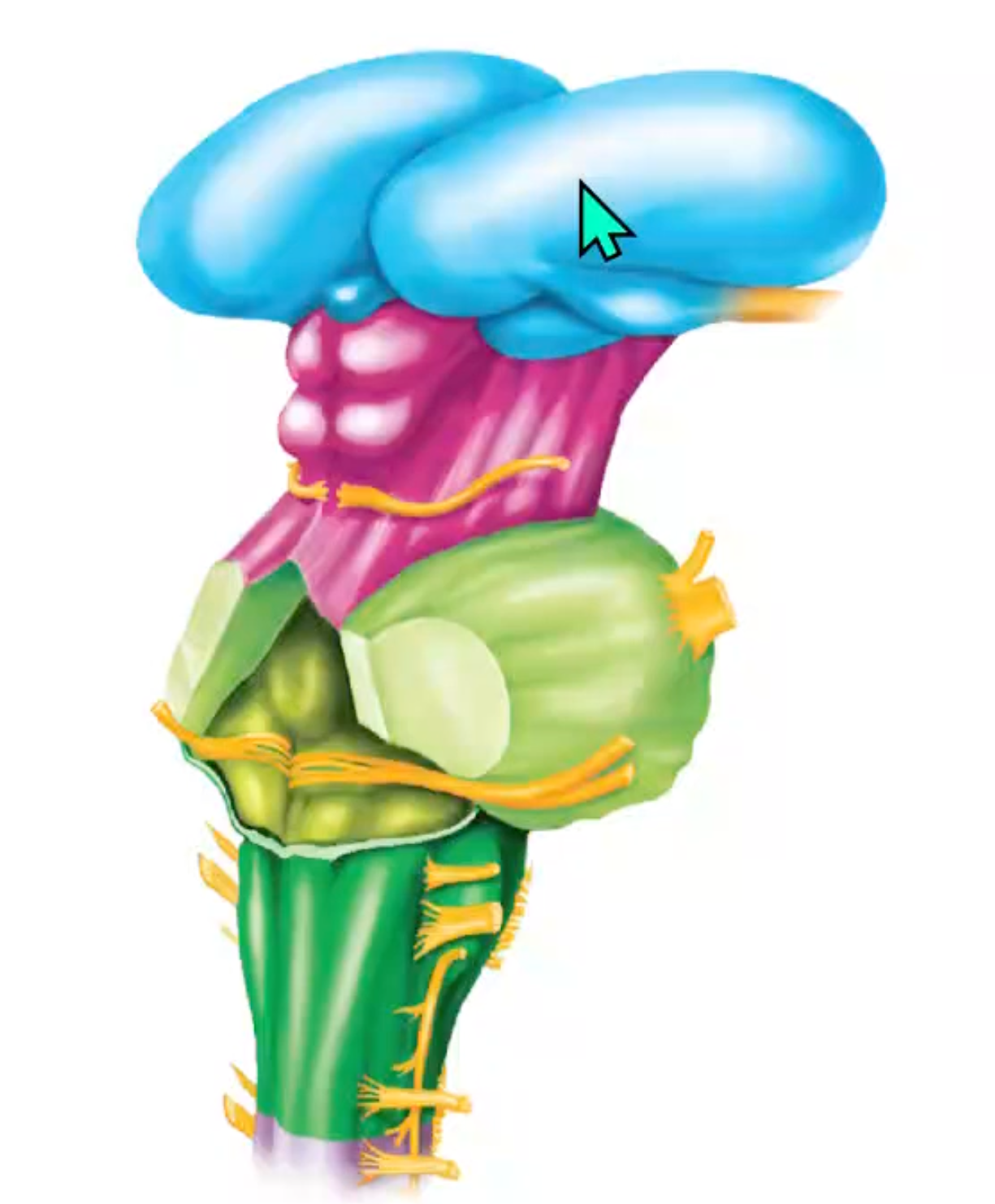
thalamus
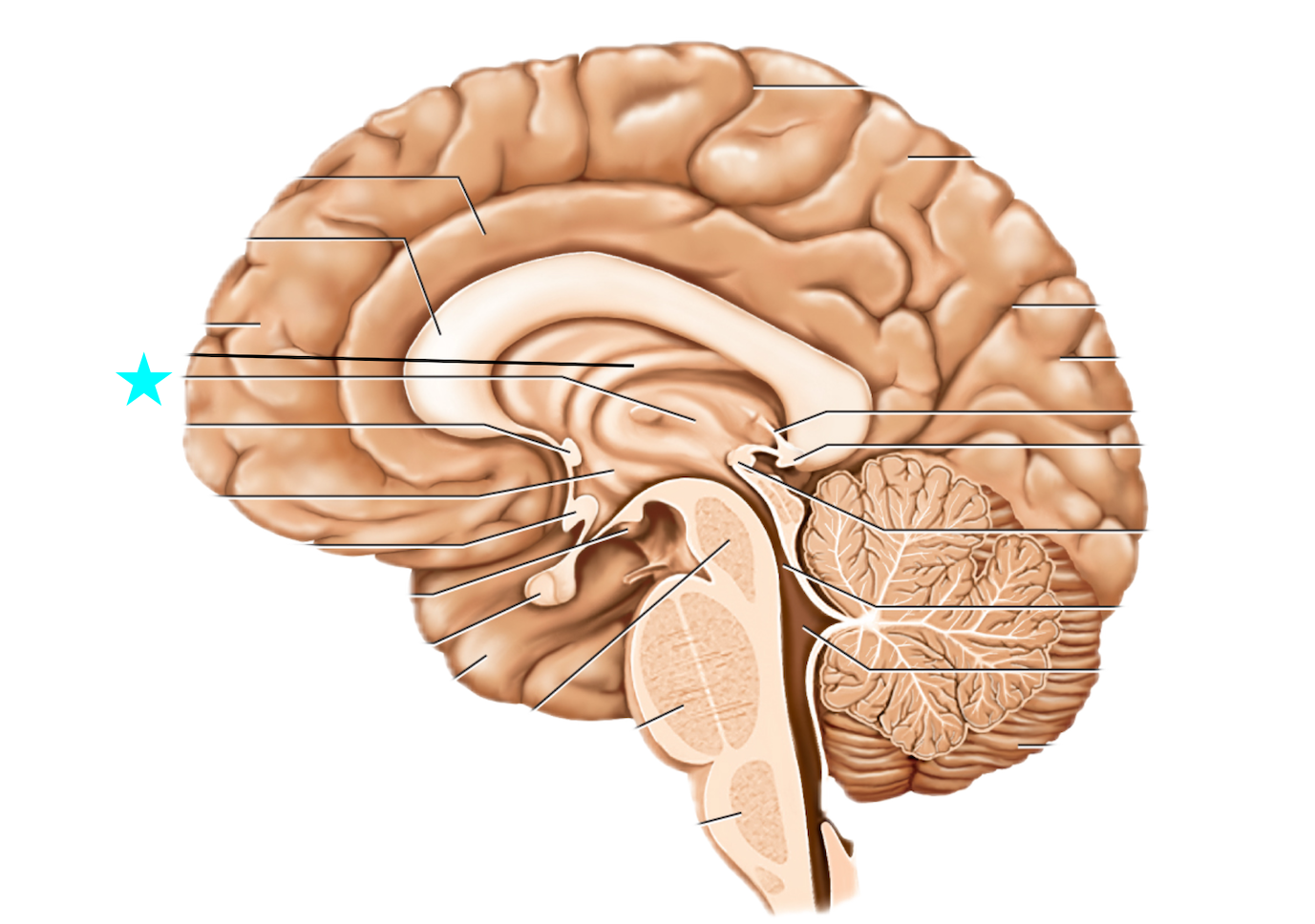
thalamus
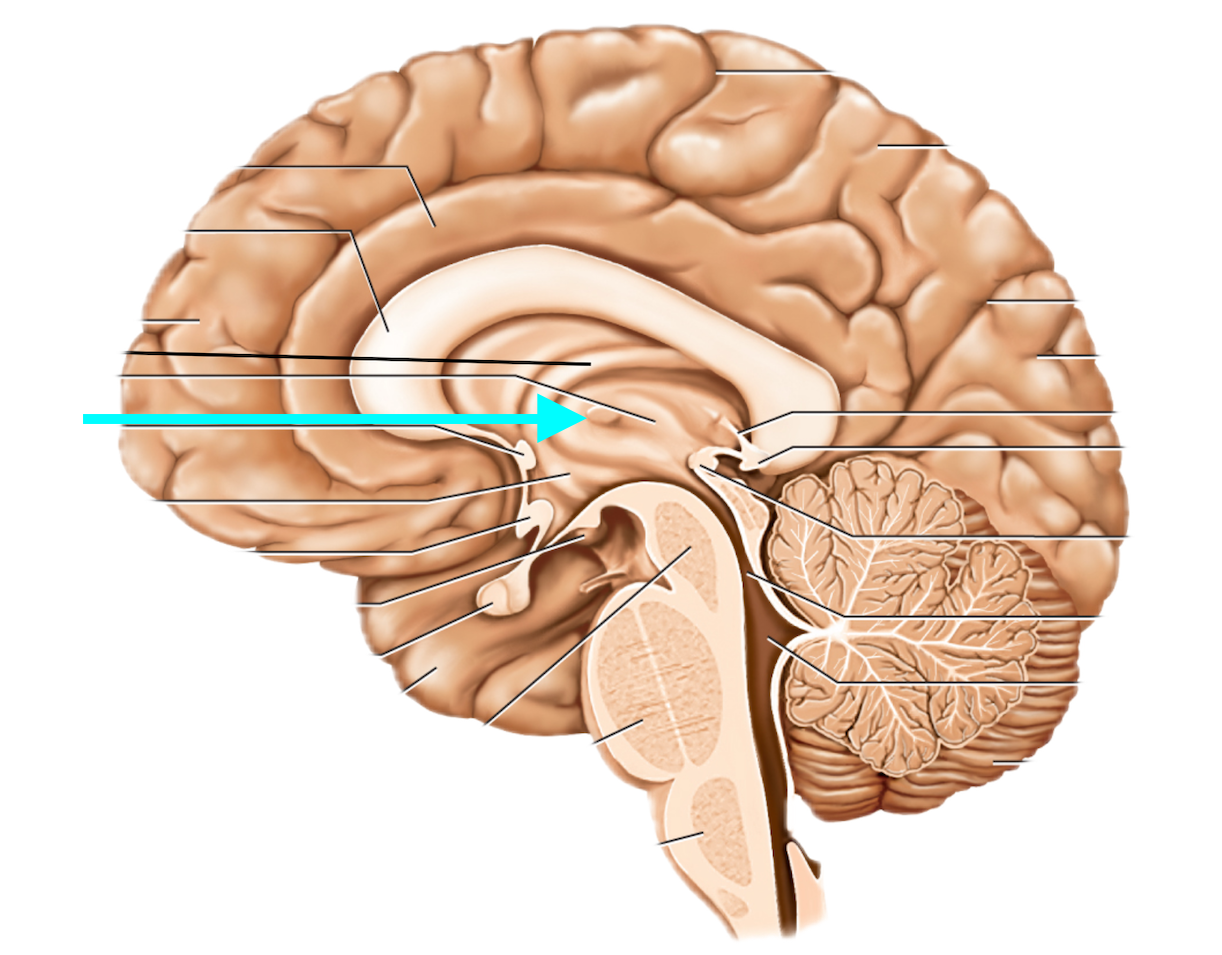
intermediate mass
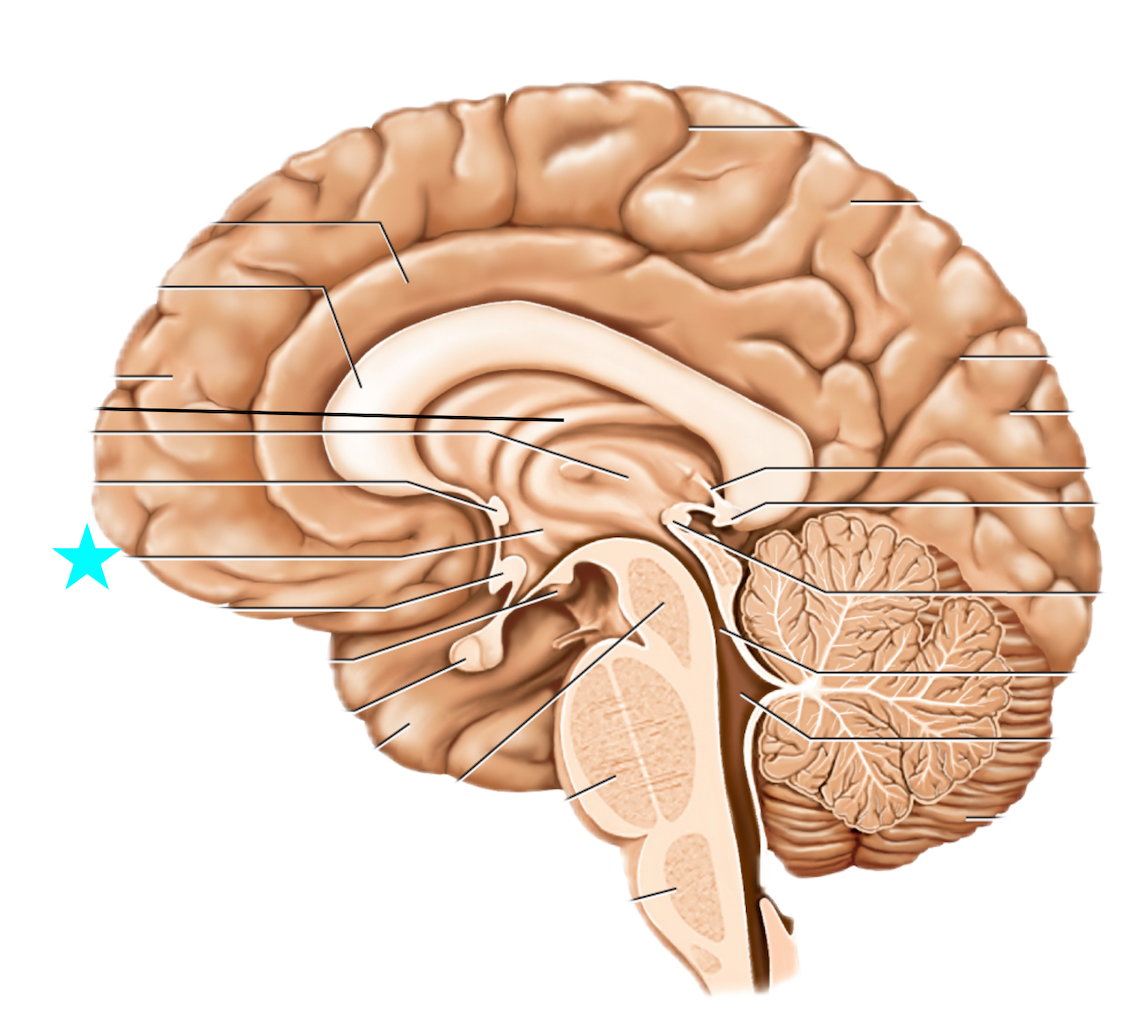
hypothalamus
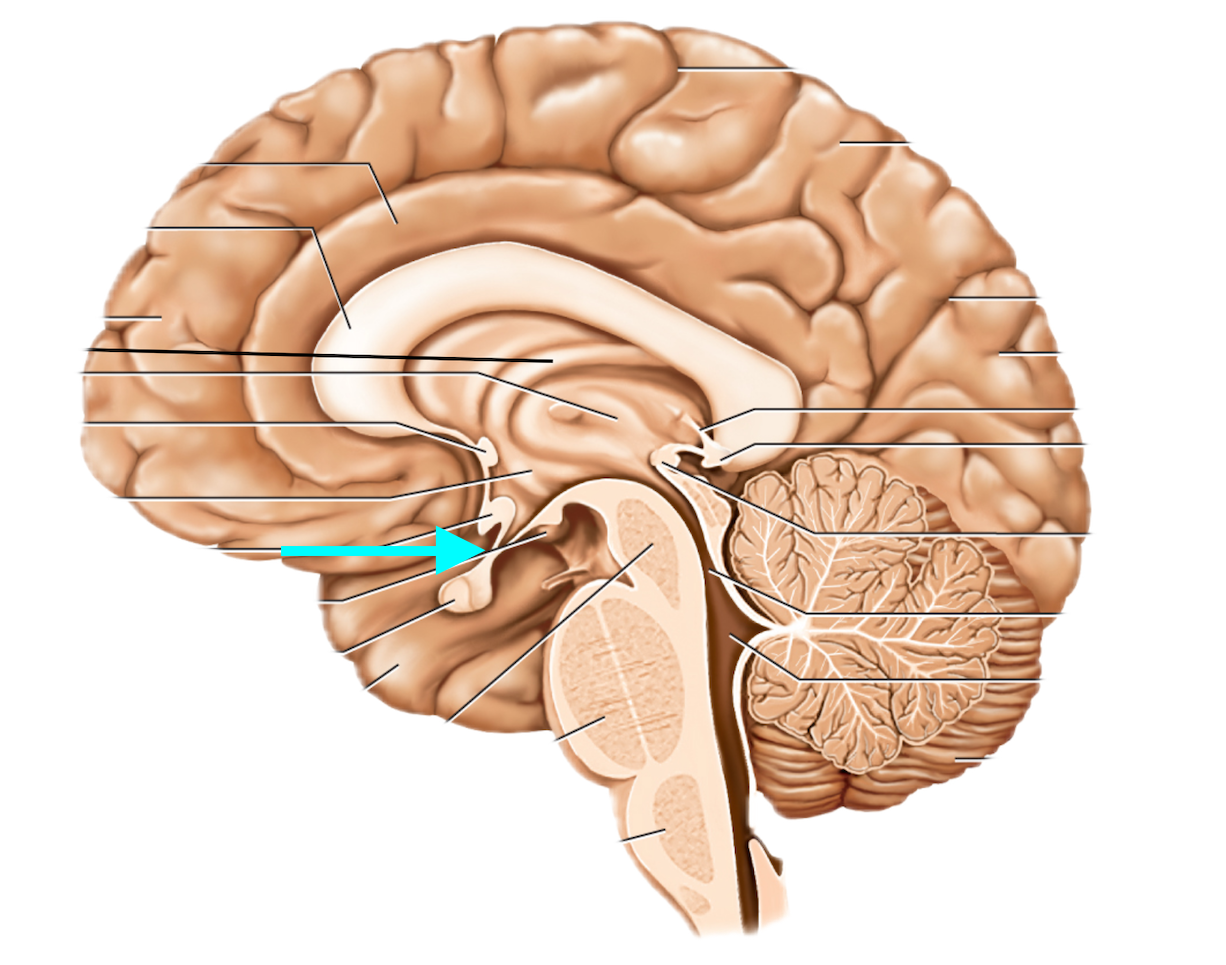
infundibulum
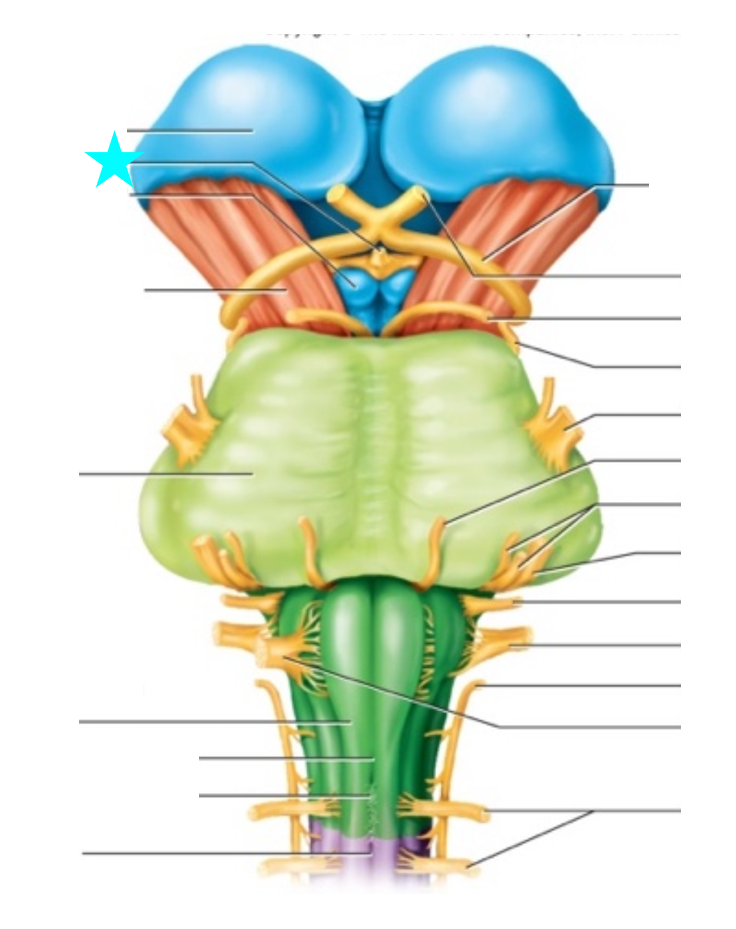
infundibulum
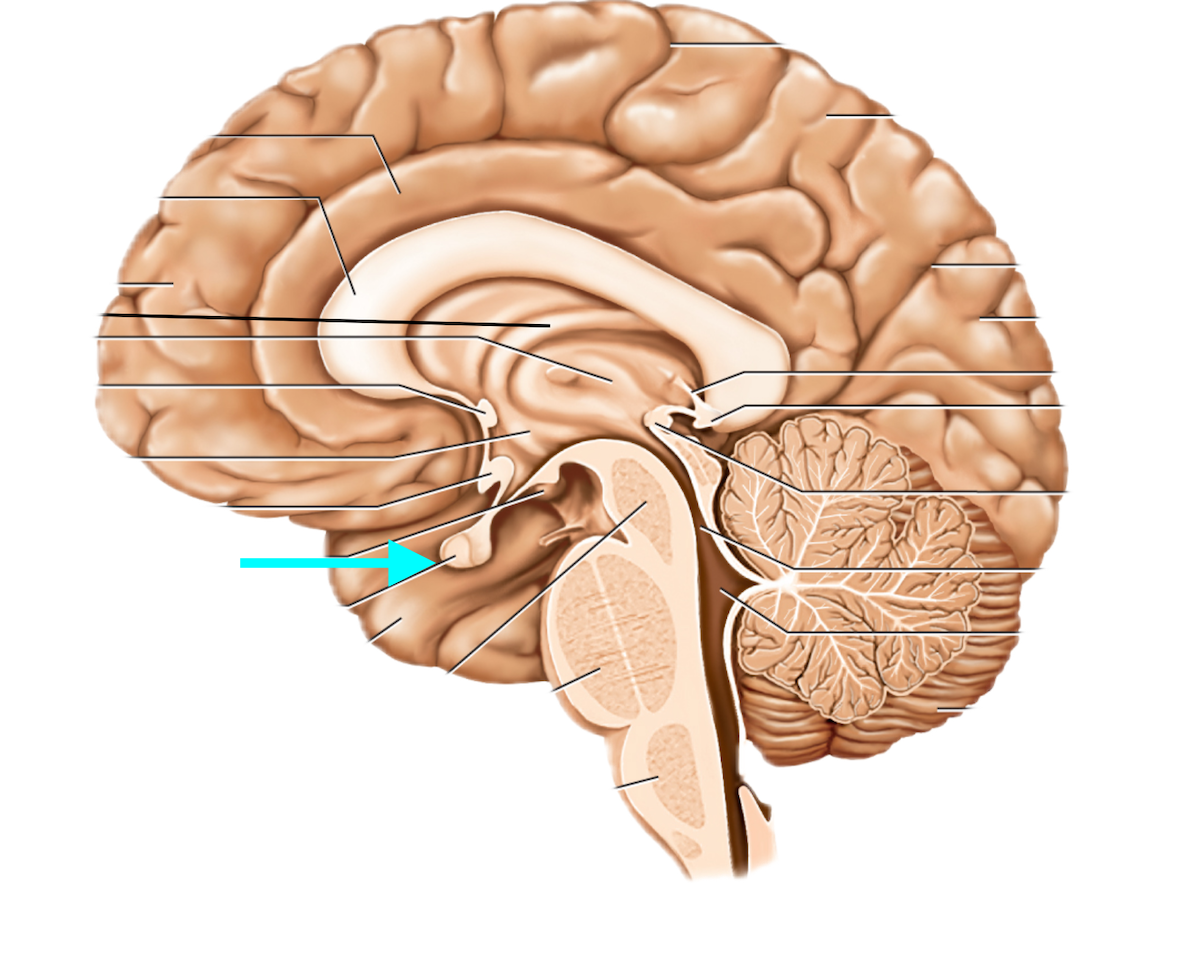
pituitary gland
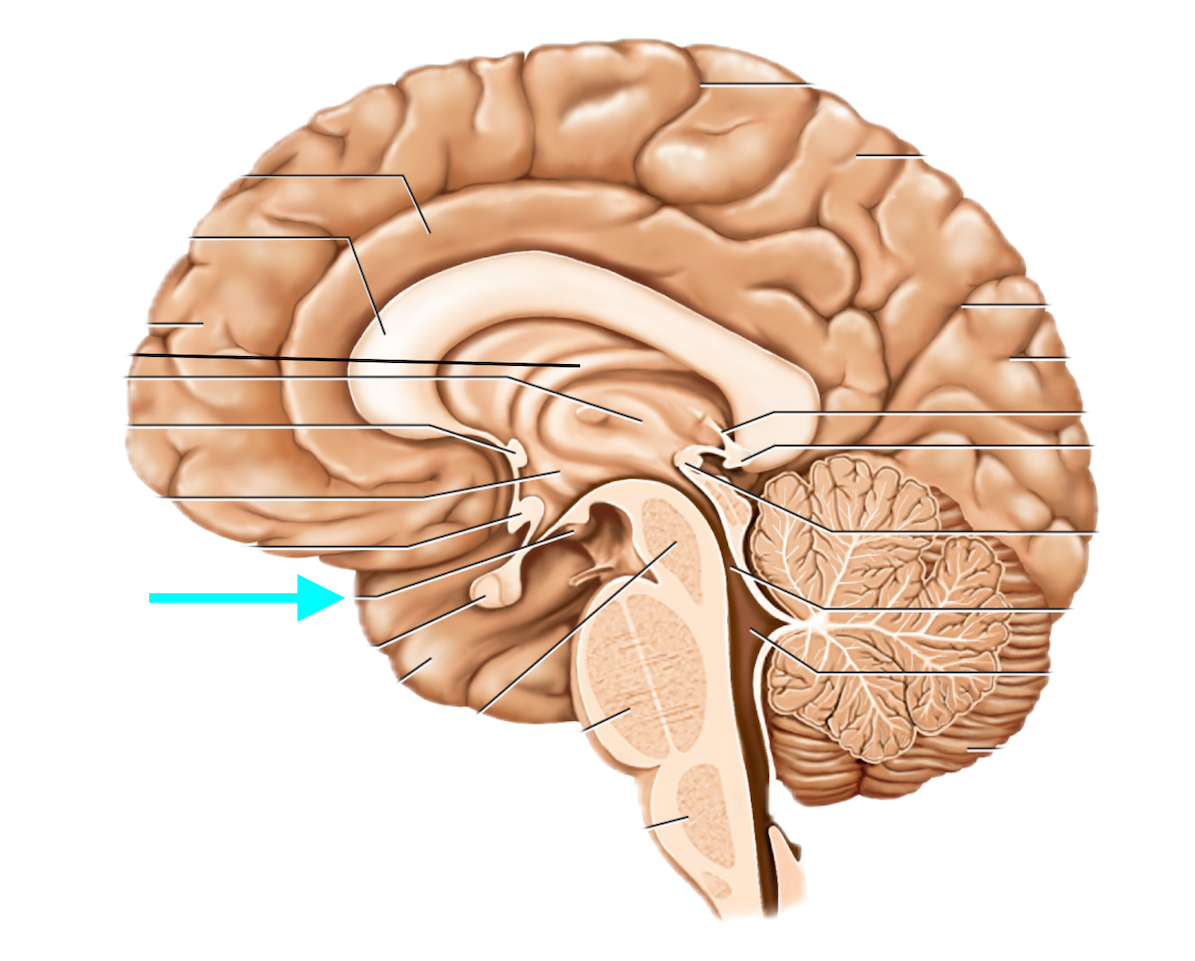
mammillary body
mammillary body
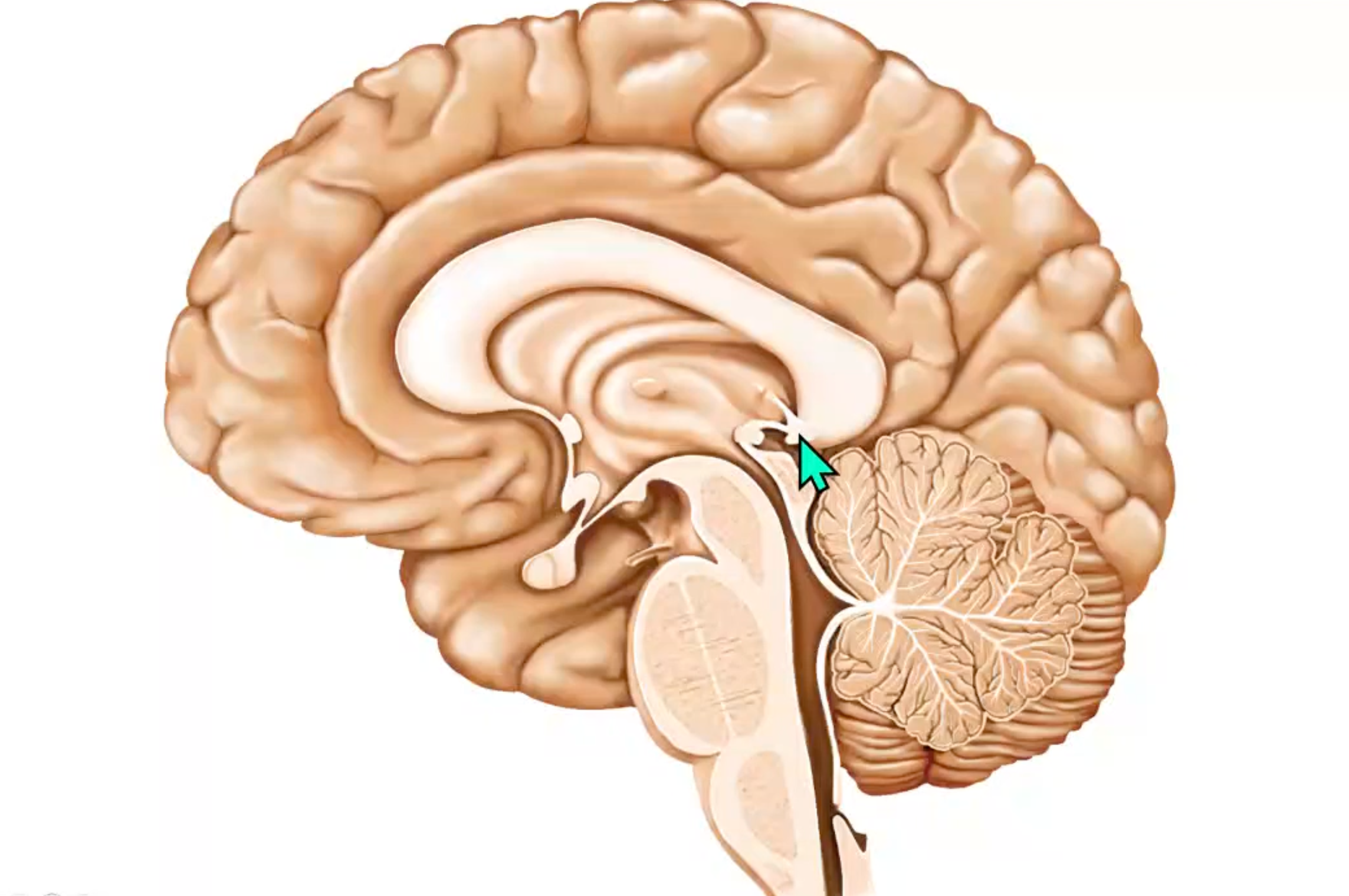
pineal gland
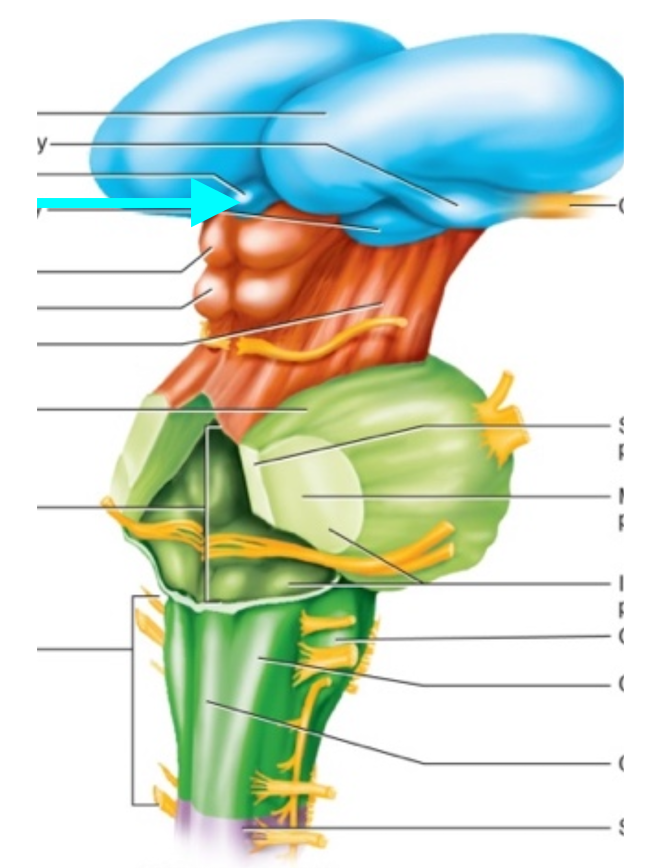
pineal gland
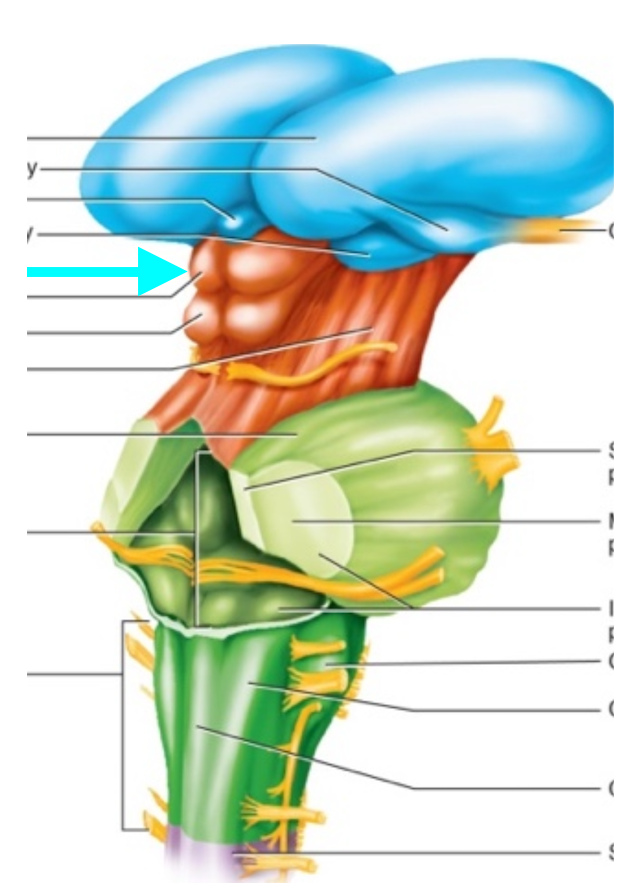
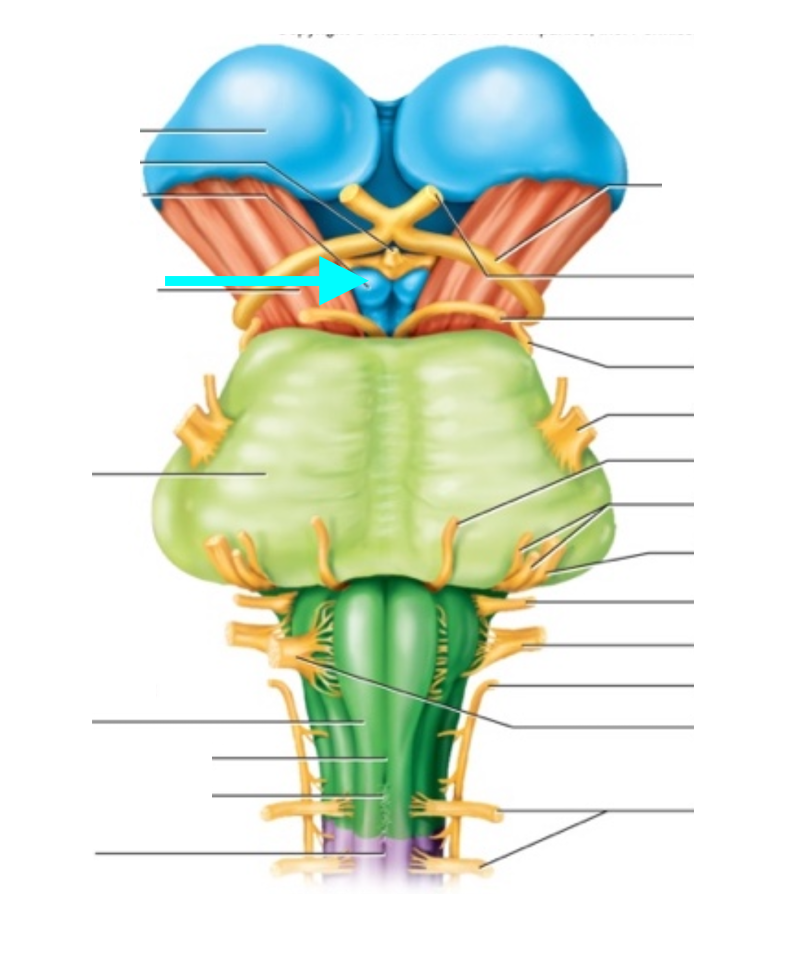
superior colliculi (singular colliculus)
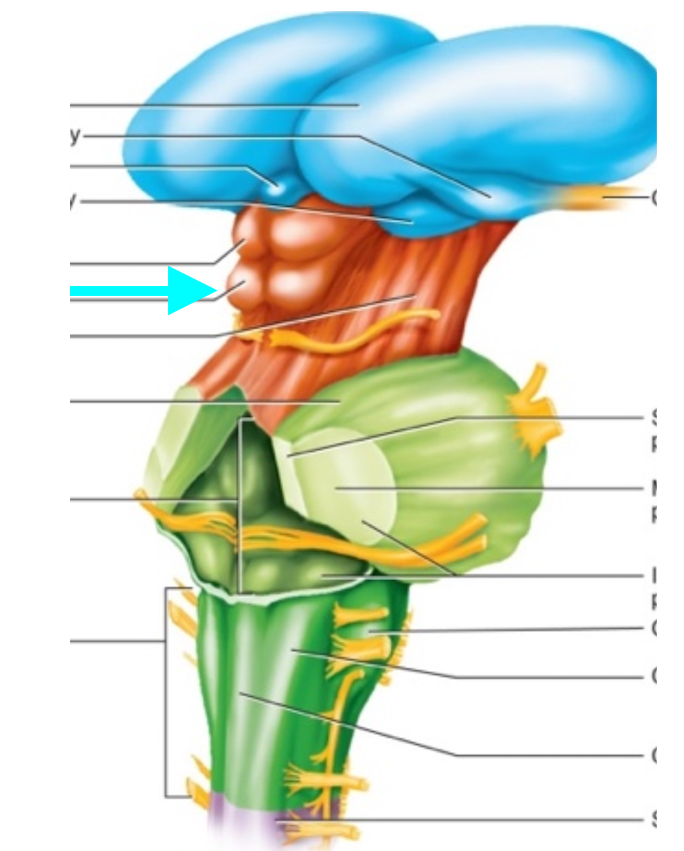
inferior colliculi (singular colliculus)
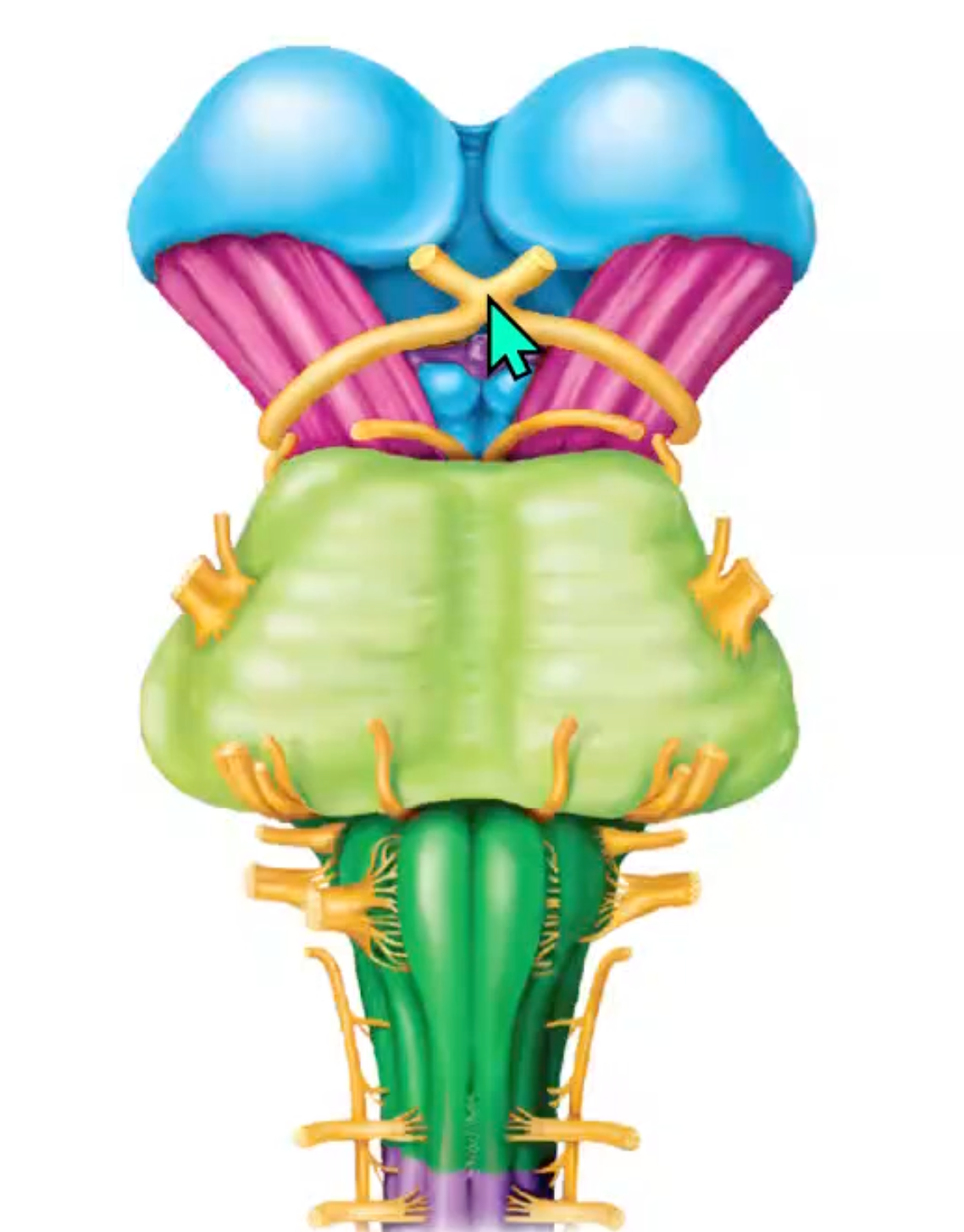
optic chiasm
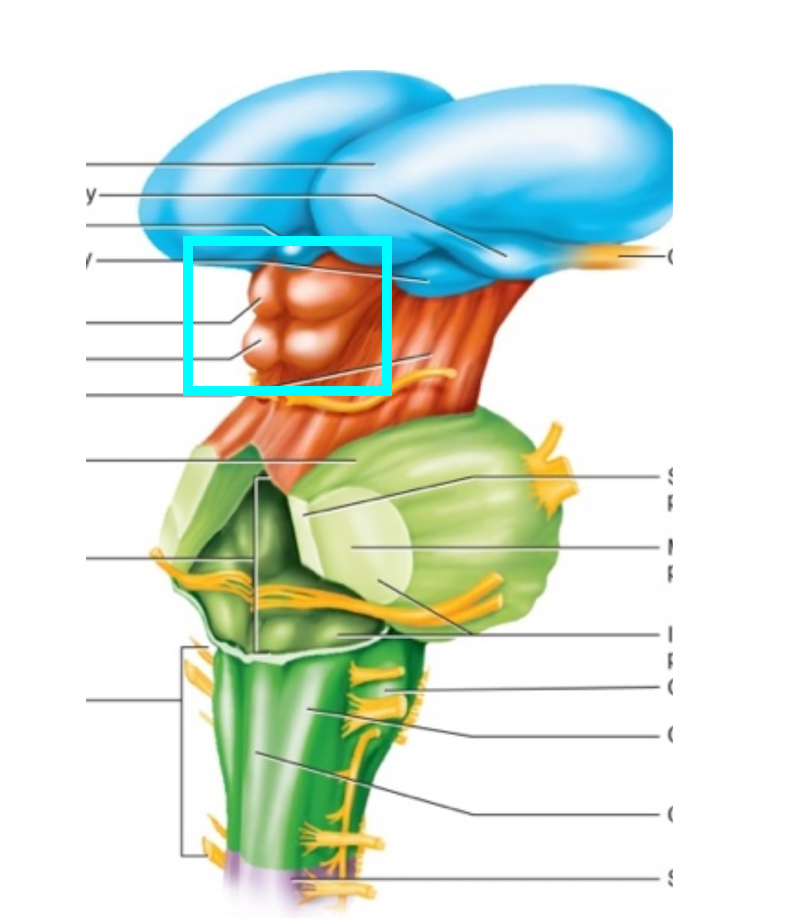
corpora quadrigemina
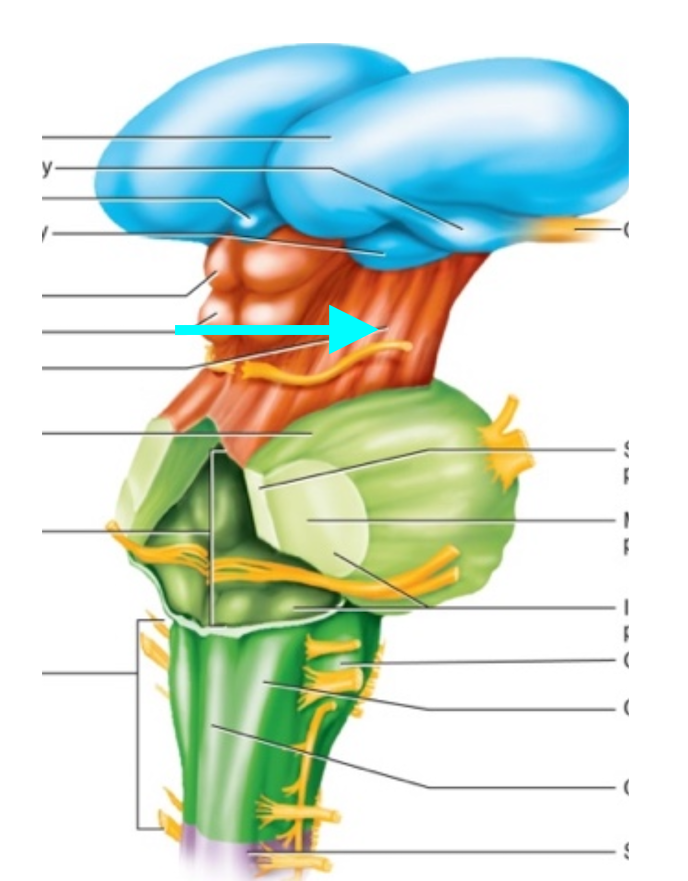
cerebral peduncles
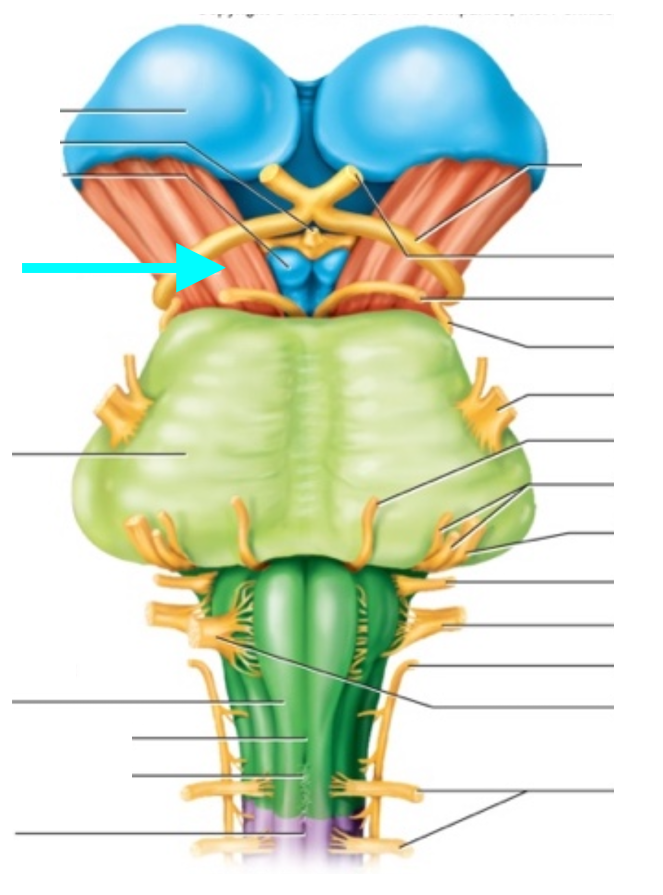
cerebral peduncles
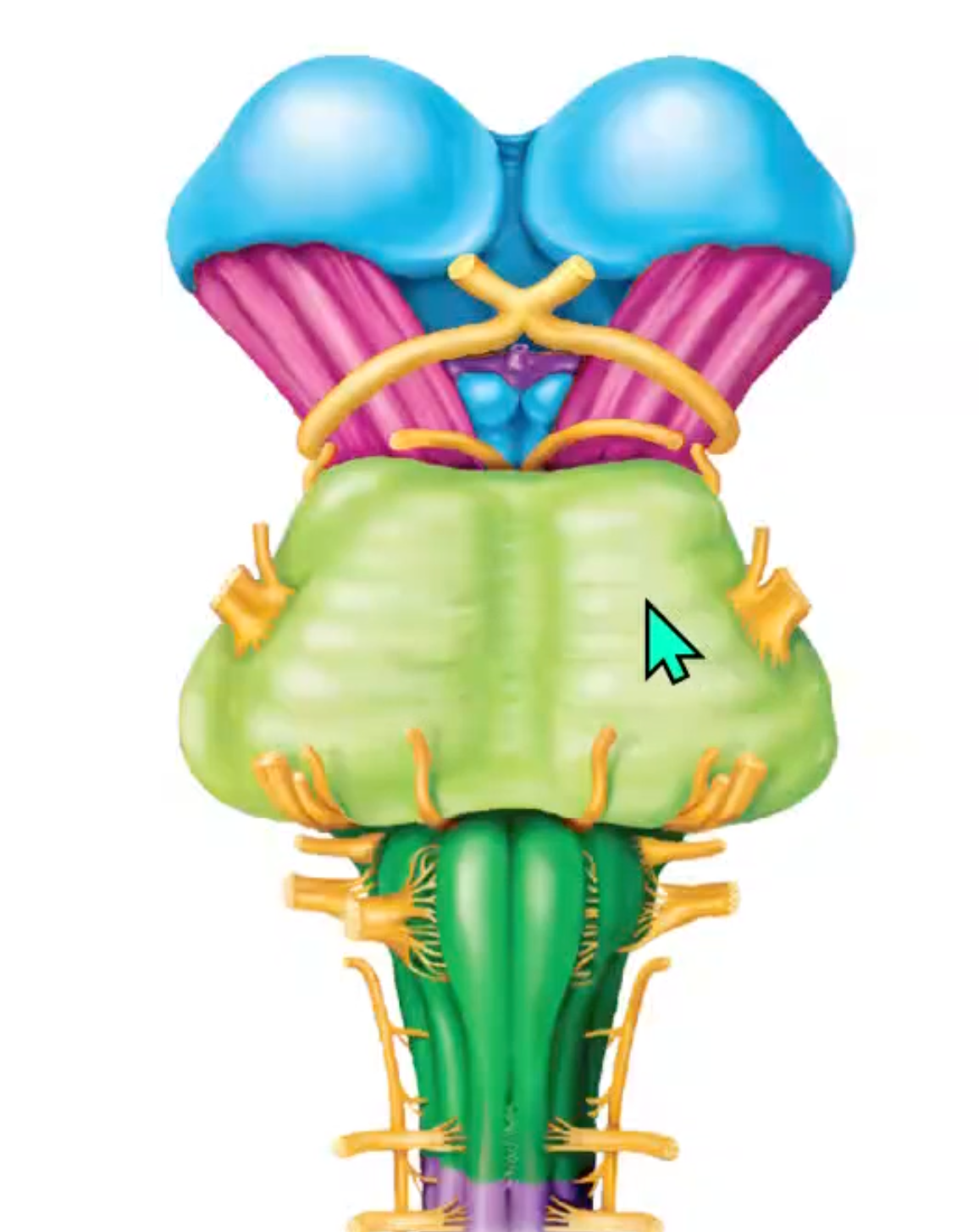
pons
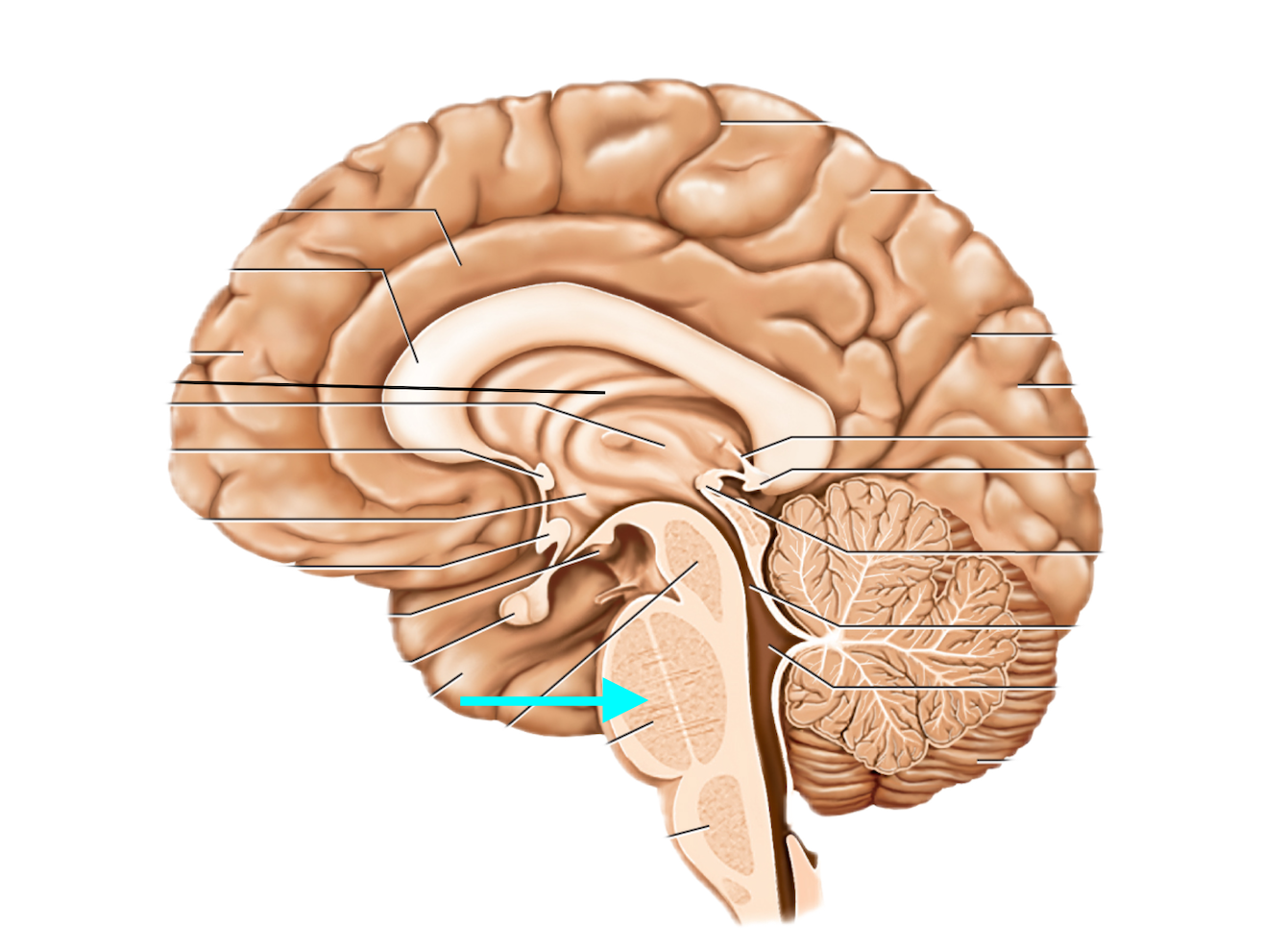
pons
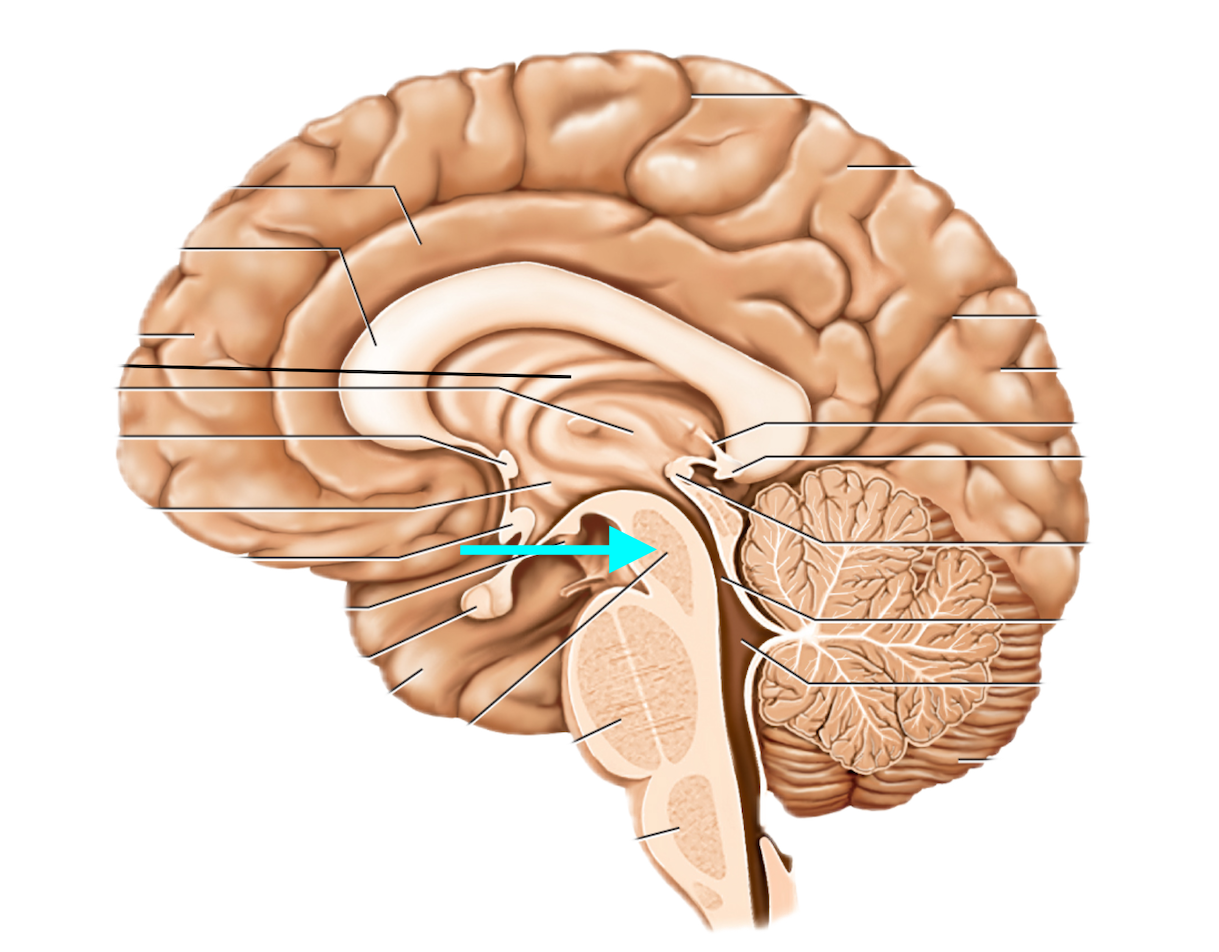
midbrain
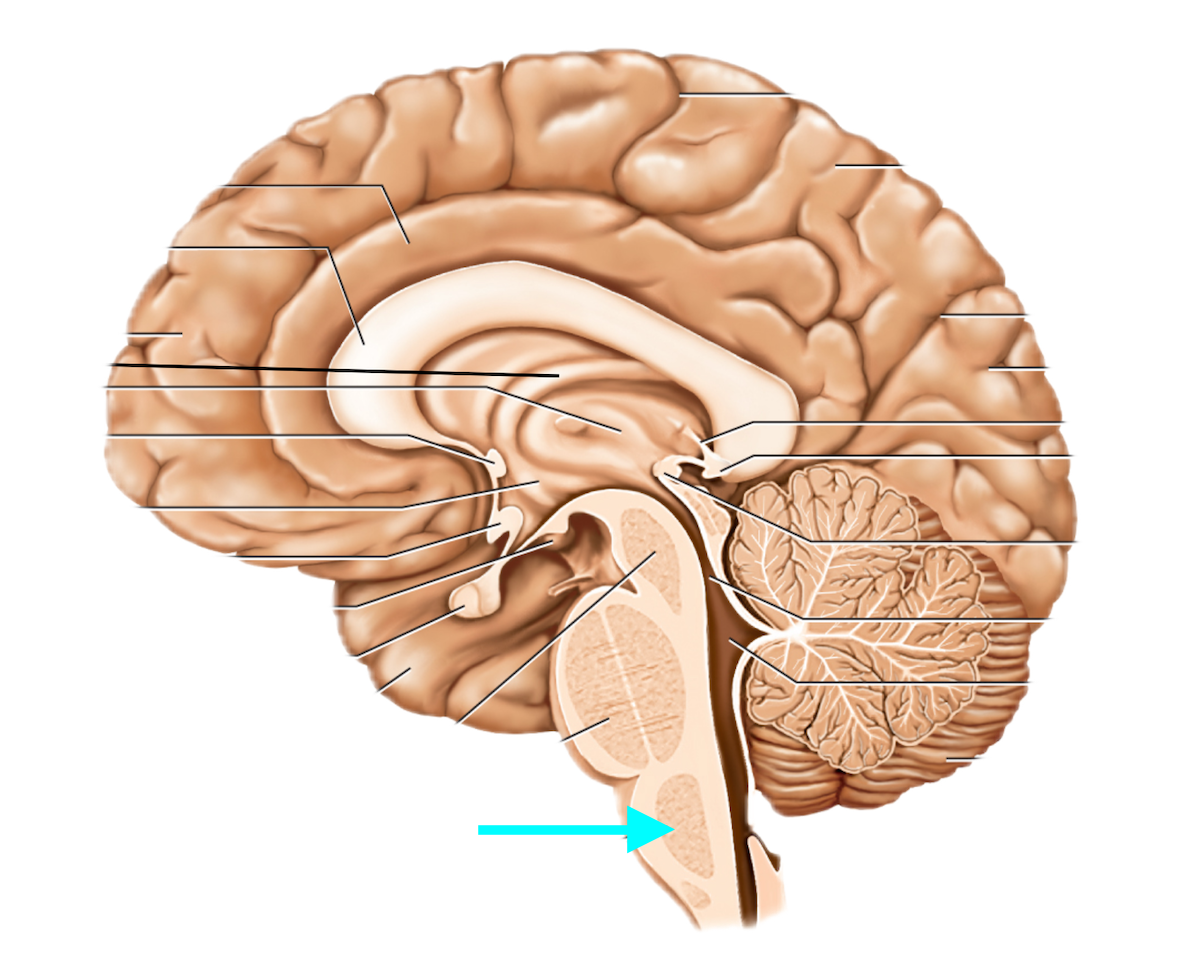
medulla oblongata
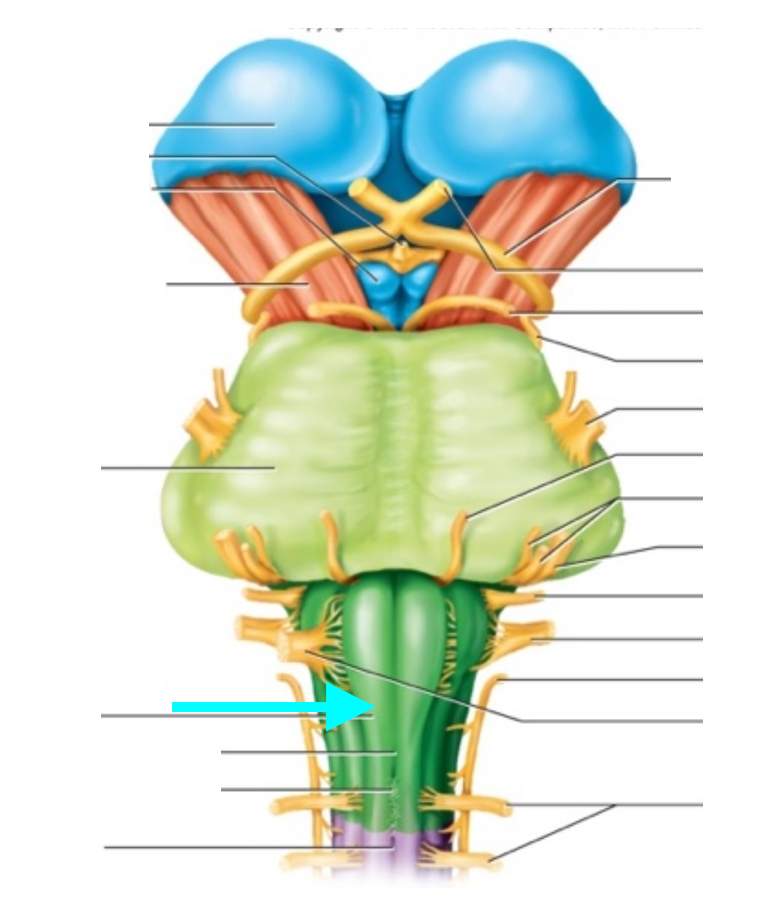
medulla oblongata
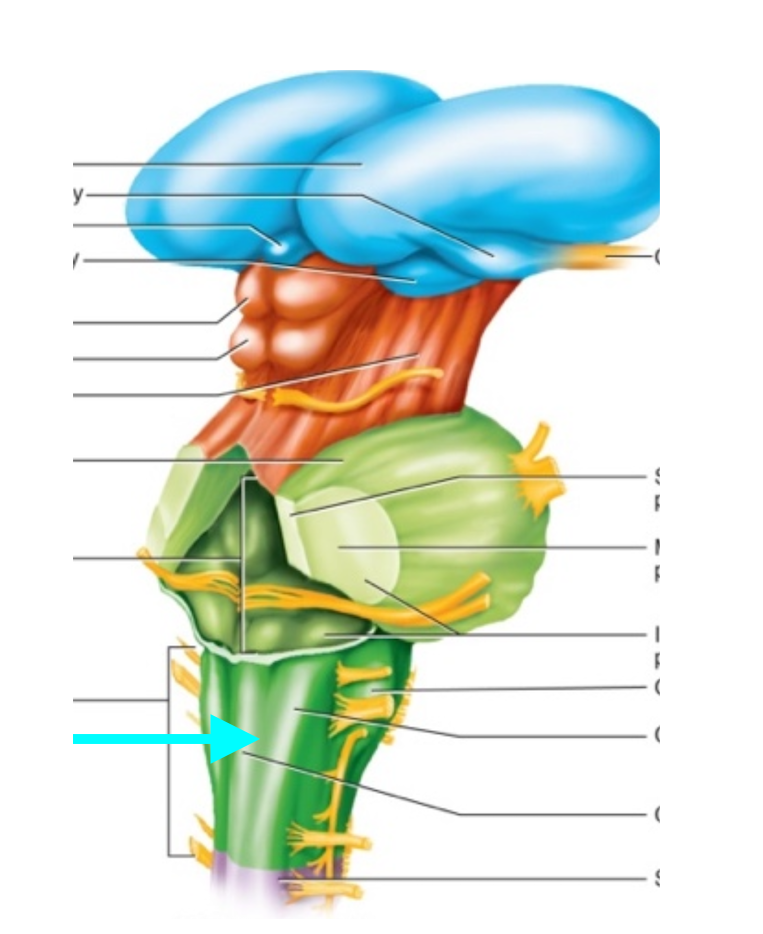
medulla oblongata
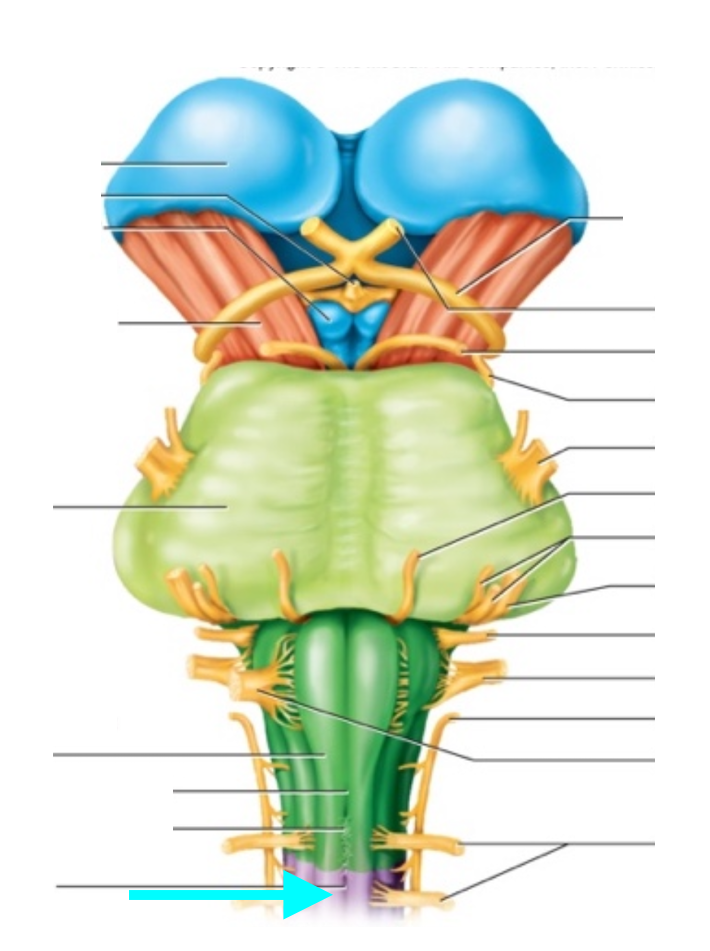
spinal cord
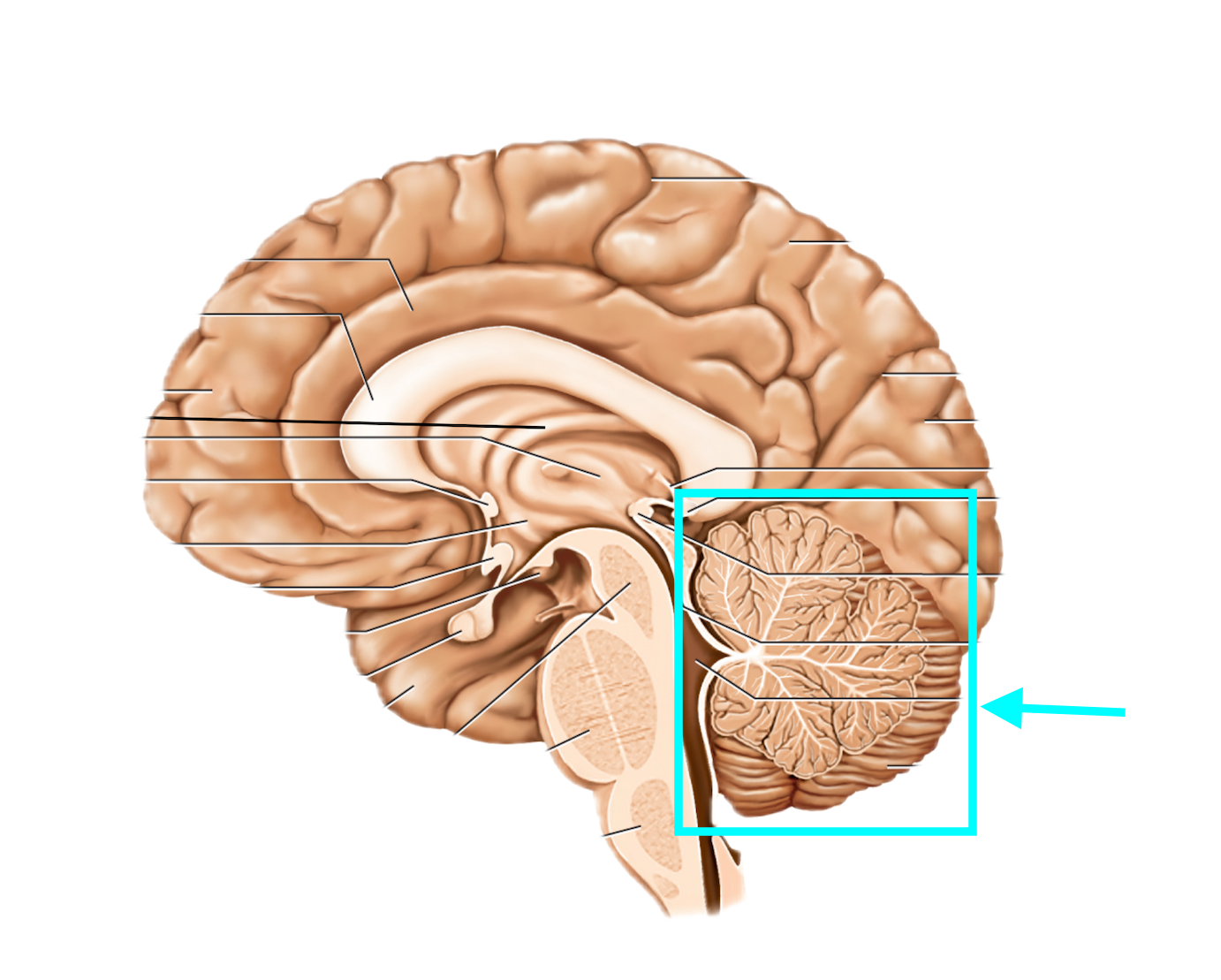
cerebellum
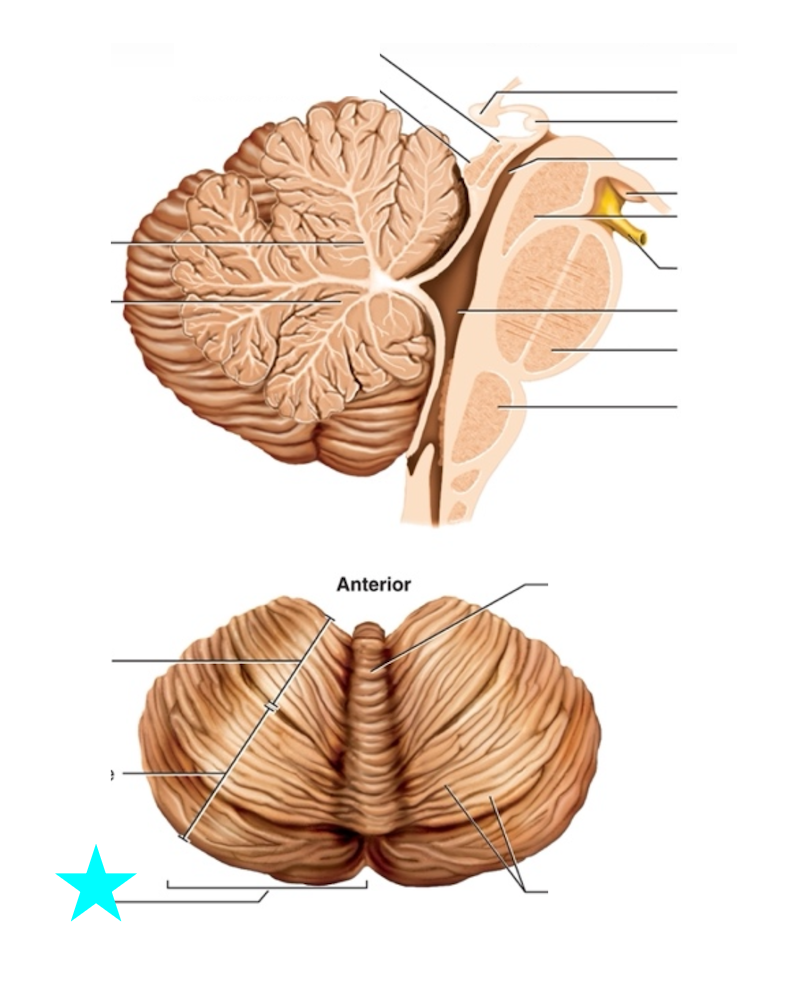
cerebellar hemispheres
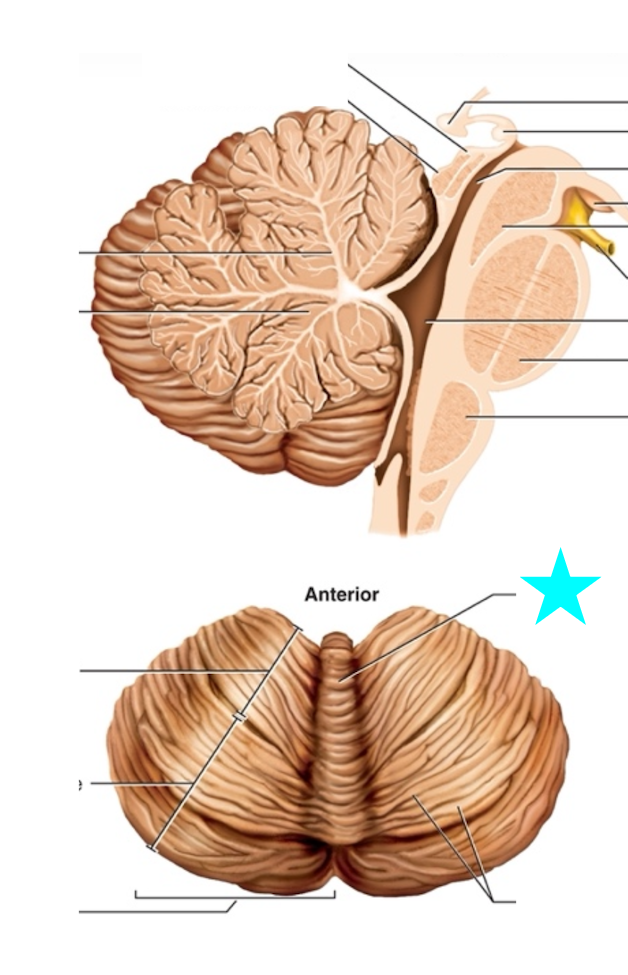
vermis
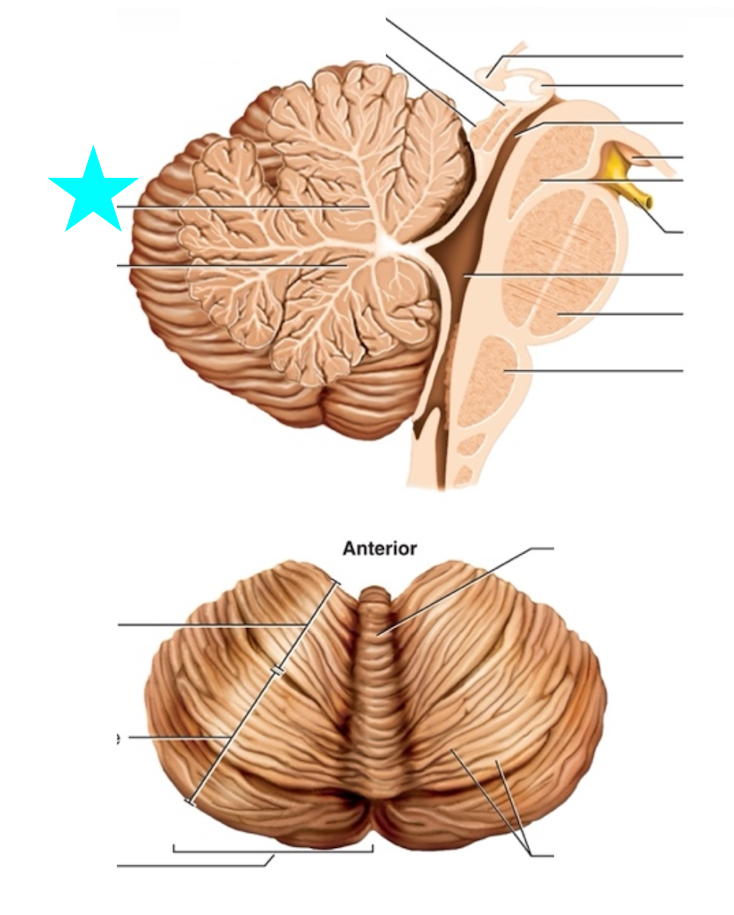
arbor vitae (white matter)
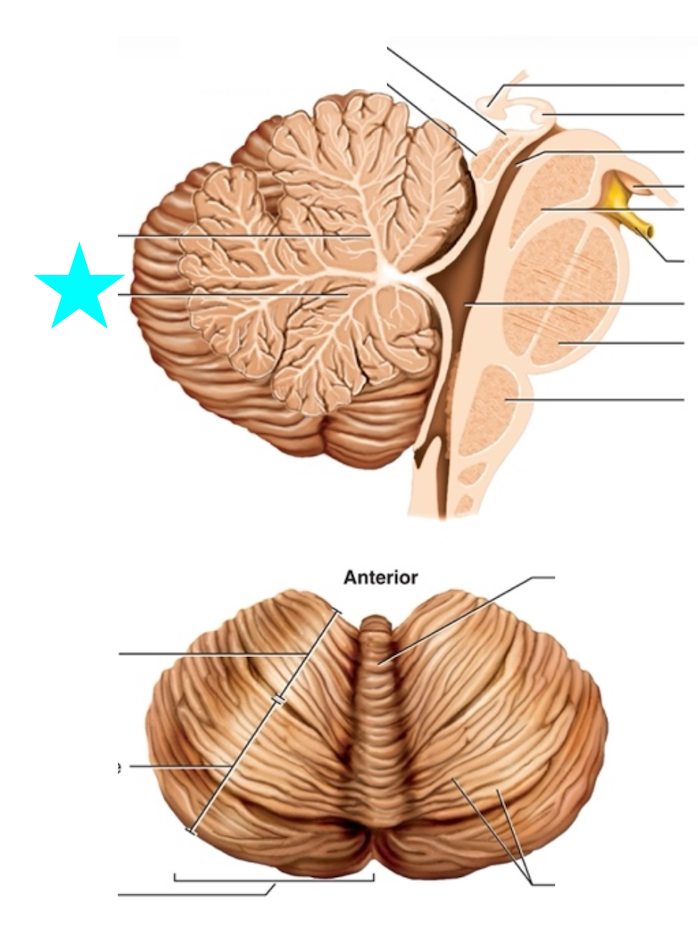
cerebellar cortex (gray matter)
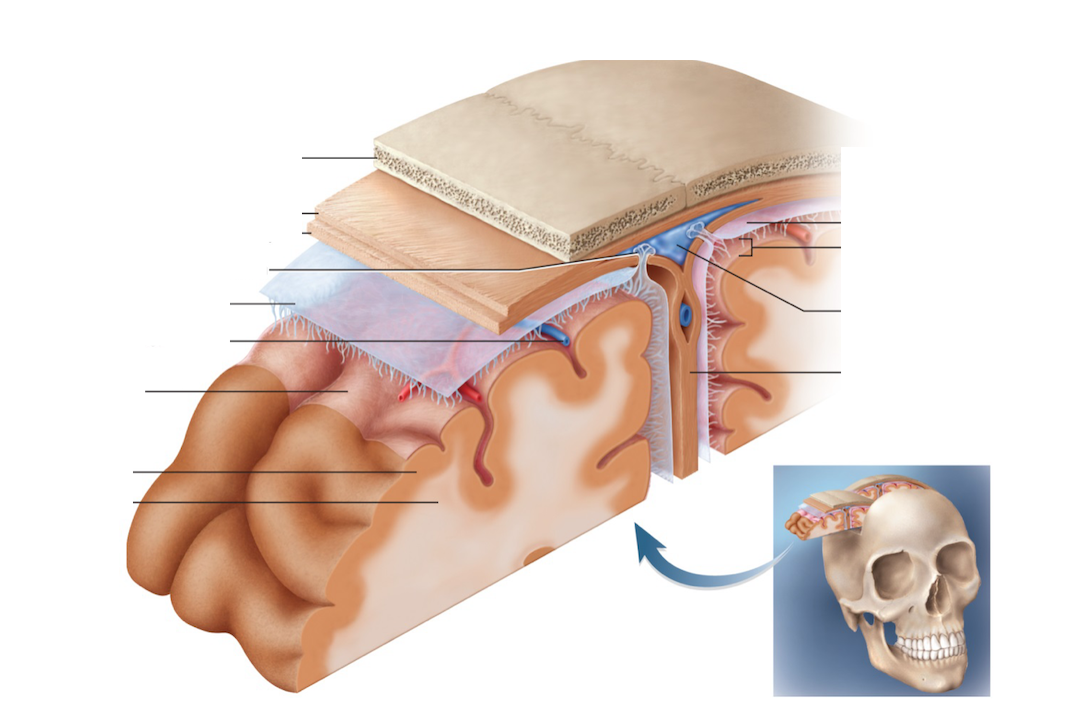
meninges
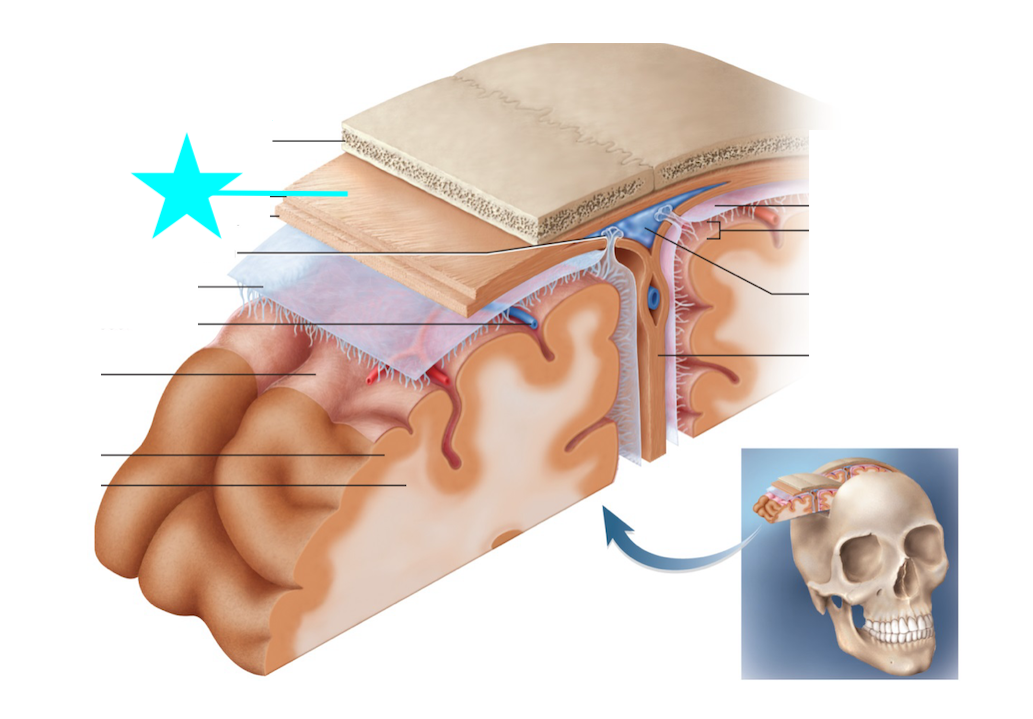
dura mater
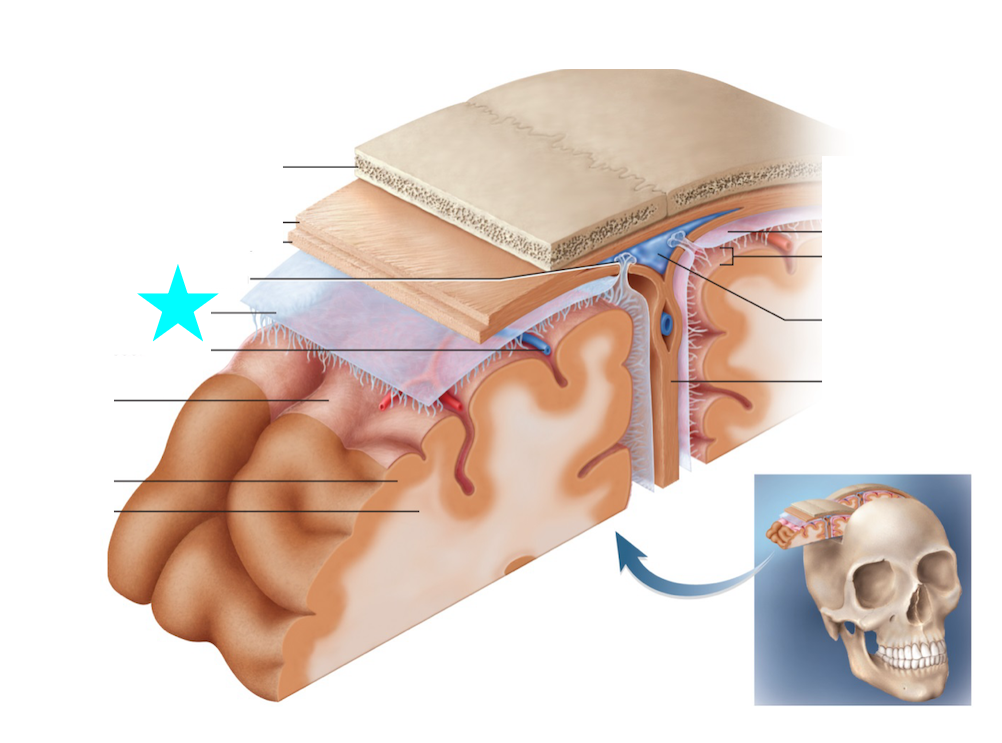
arachnoid mater
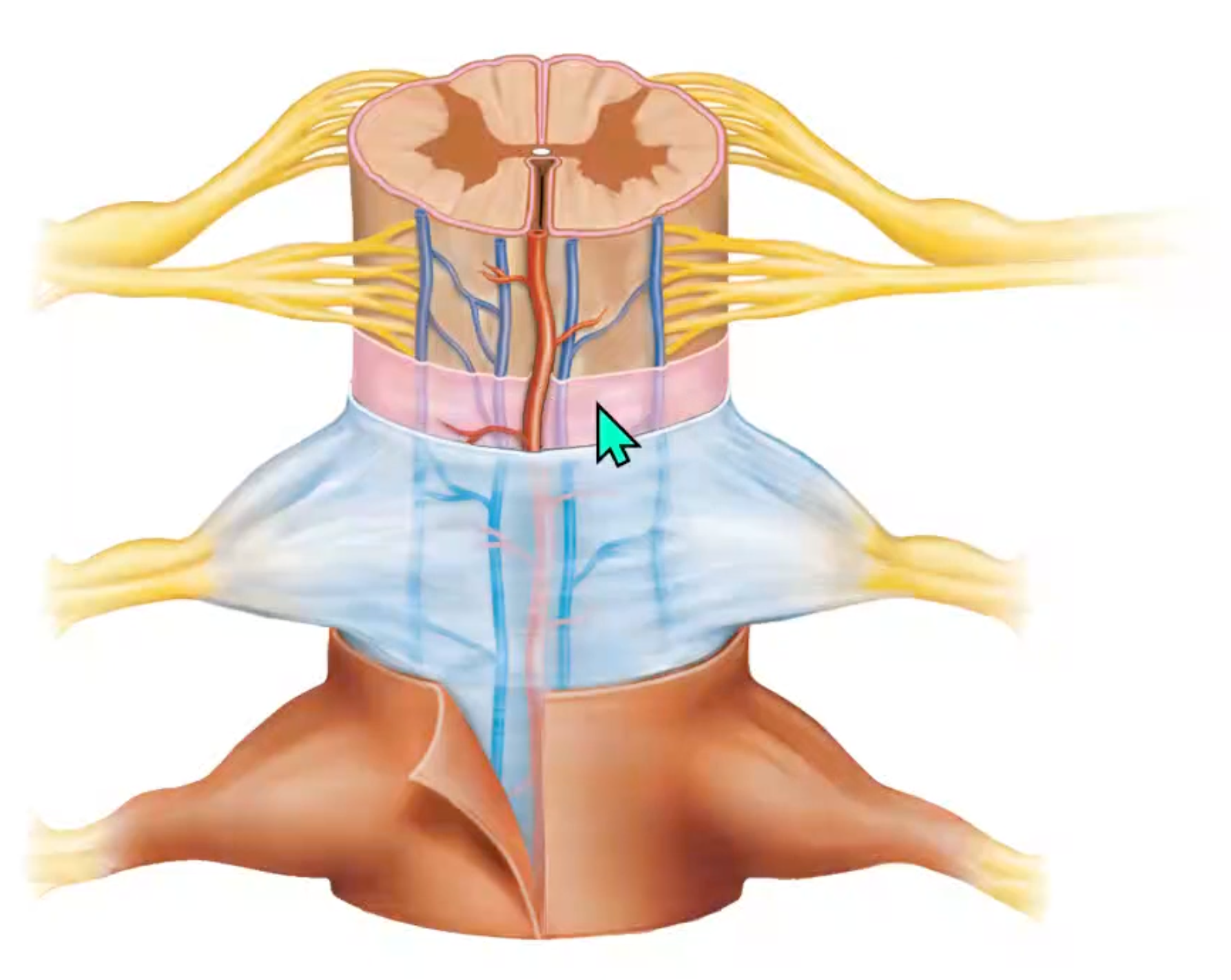
pia mater
receives visual signals
primary visual cortex
receives auditory signals
primary auditory cortex
receives taste signals
primary gustatory cortex
receives smell signals
primary olfactory cortex
receives senses such as touch, pressure, stretch, movement, heat, cold, and pain
primary somatosensory cortex
where neurons compile a program for the degree and sequence of muscle contractions required for an action such as dancing, typing, or speaking
primary motor cortex
responsible for the recognition of spoken and written language; formulates phrases according to learned rules of grammar and transmits a plan of speech to the Broca area
Wernicke area
generates a motor program for the muscles of the larynx, tongue, cheeks, and lips to produce speech; transmits this program to the primary motor cortex
Broca area
limited to the head and employ relatively complex sense organs (senses of vision, hearing, equilibrium, taste, and smell)
special senses
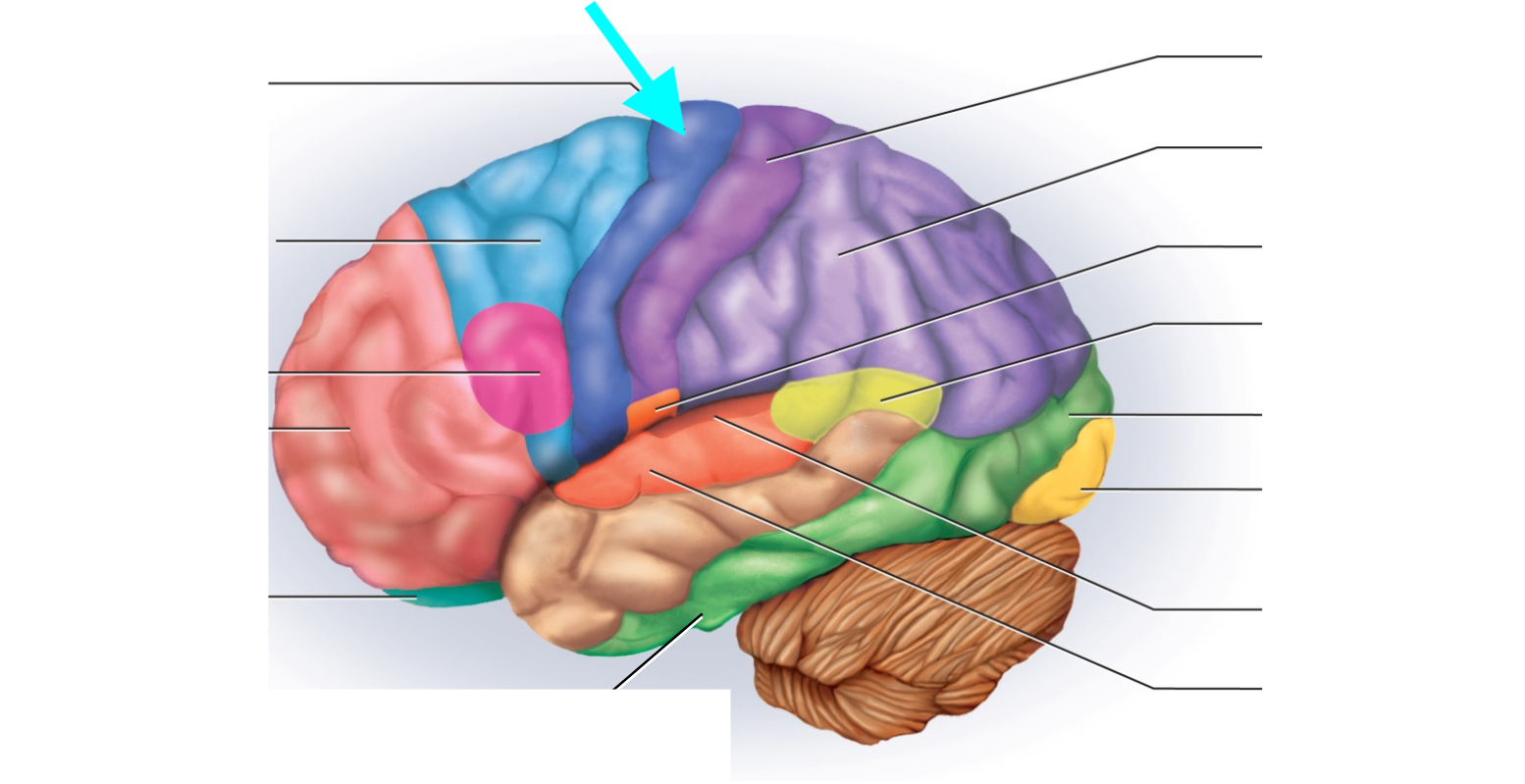
primary motor cortex
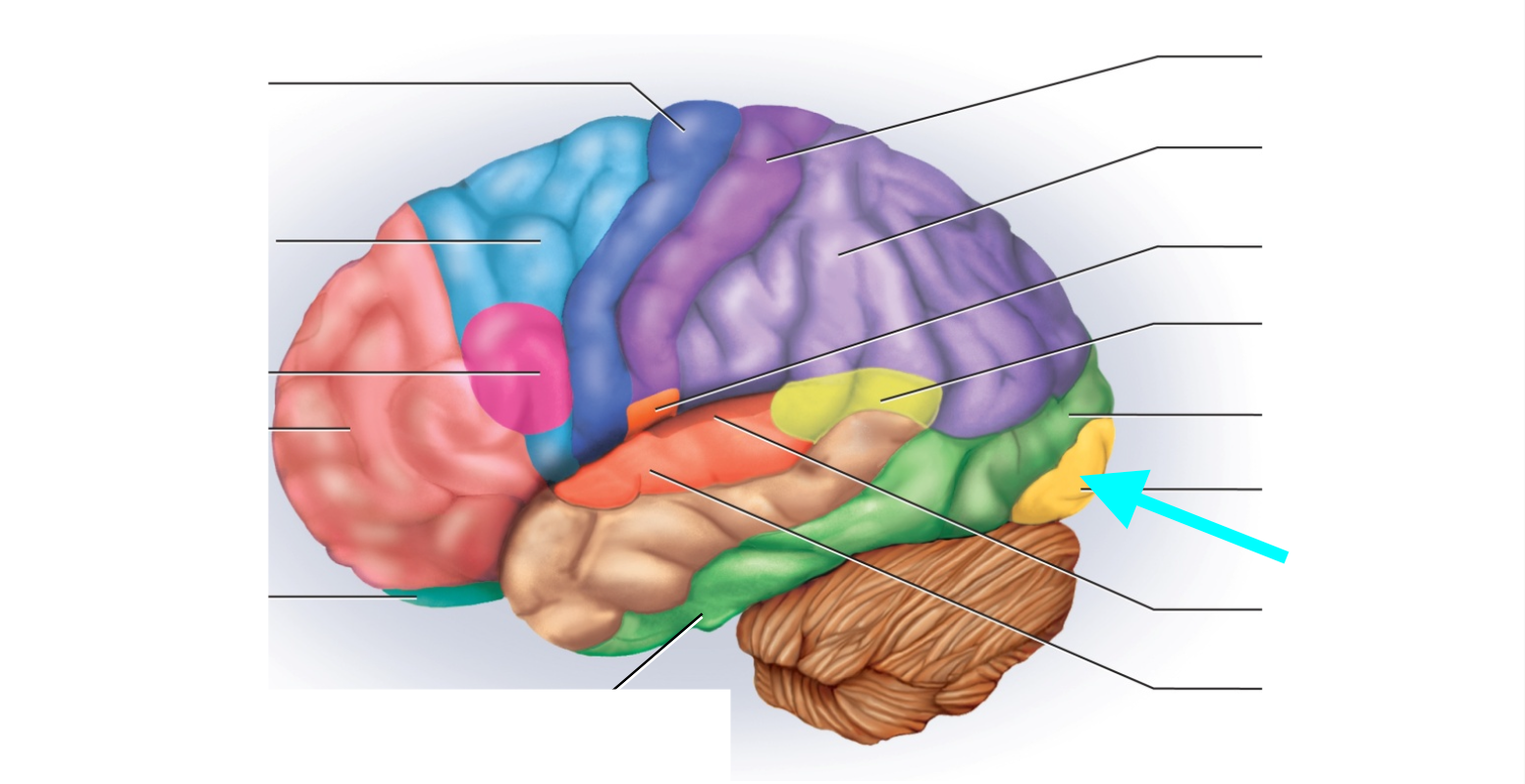
primary visual cortex
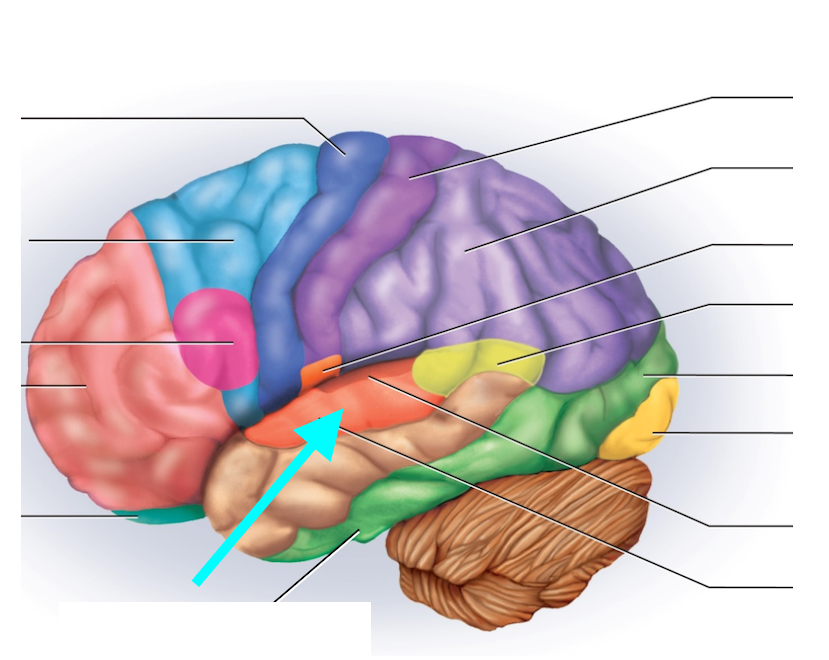
primary auditory cortex
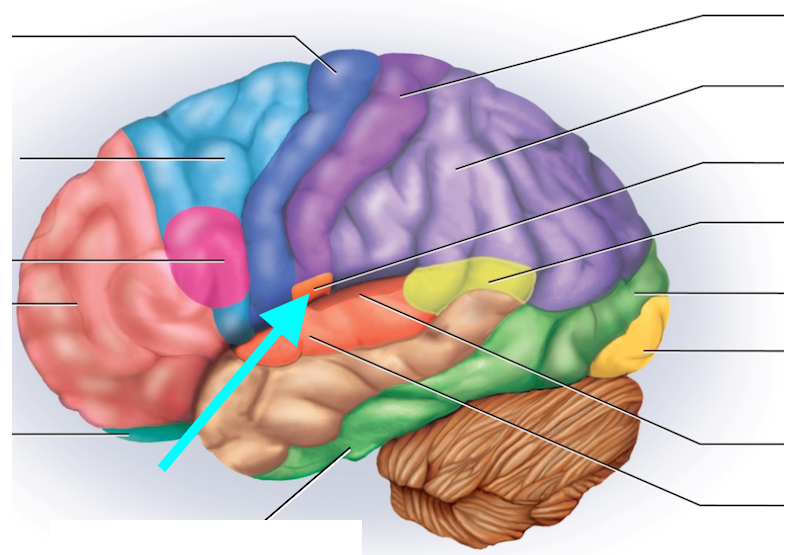
primary gustatory cortex
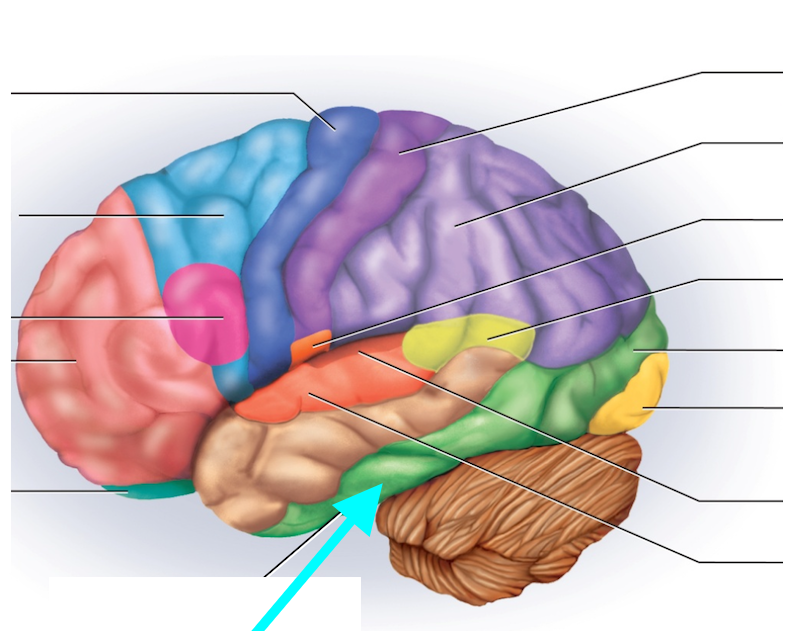
primary olfactory cortex
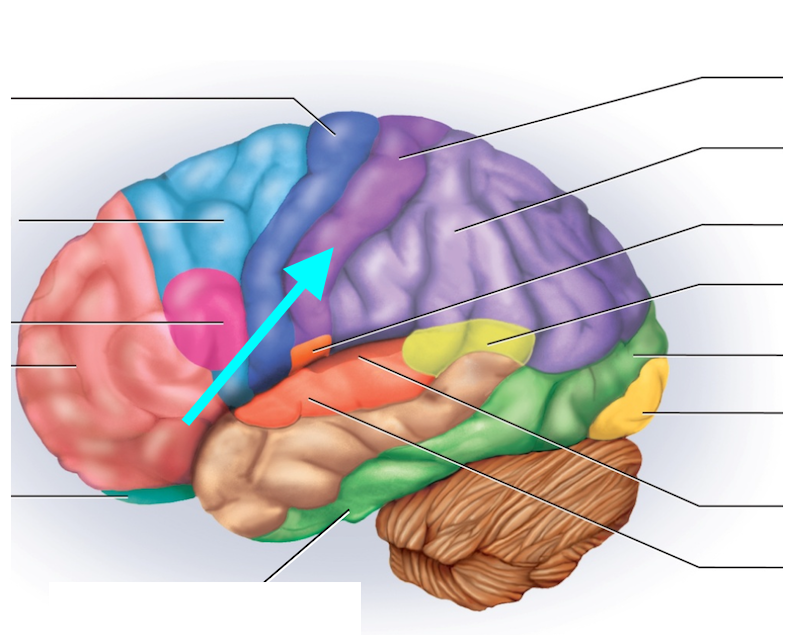
primary somatosensory cortex
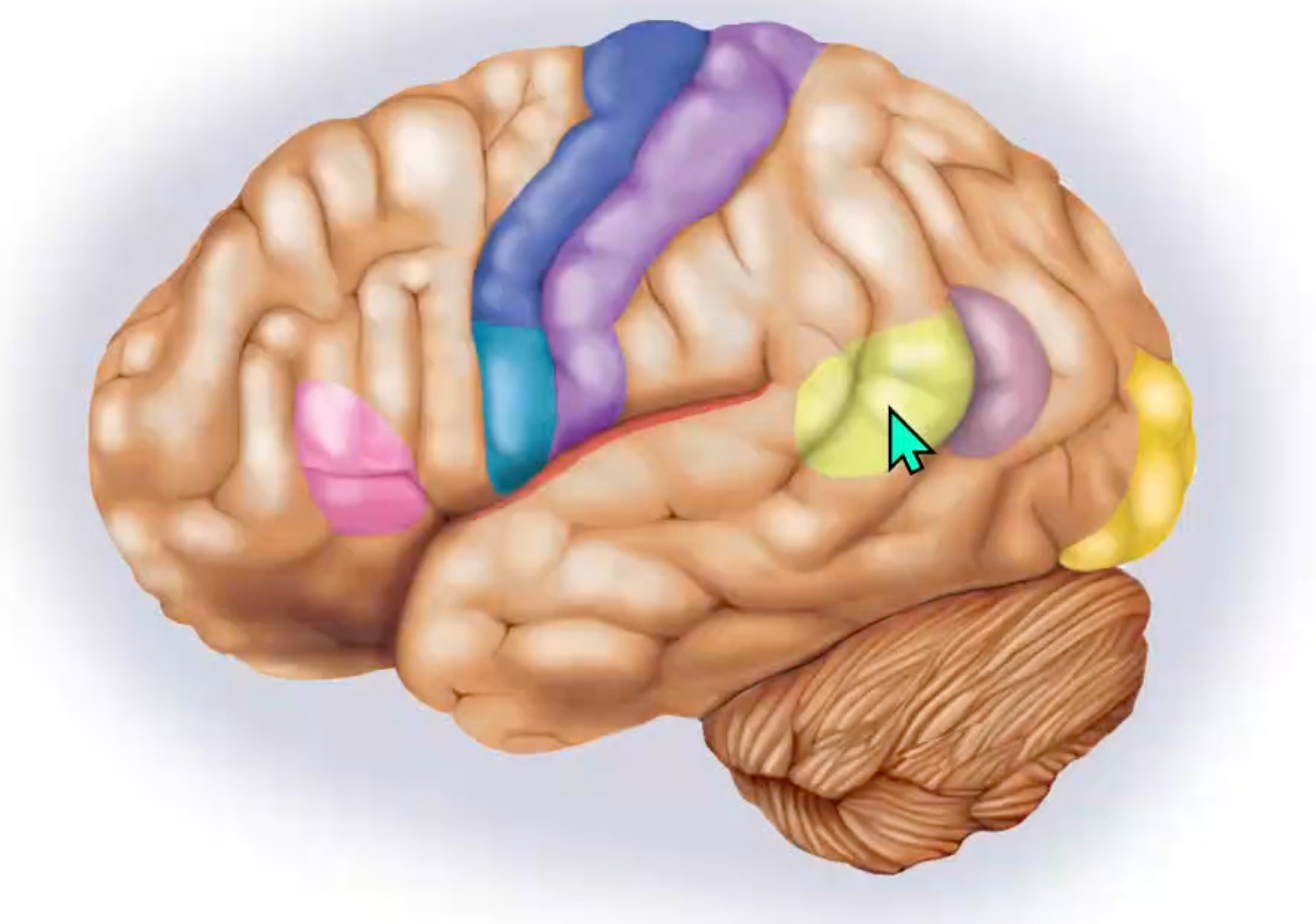
Wernicke area
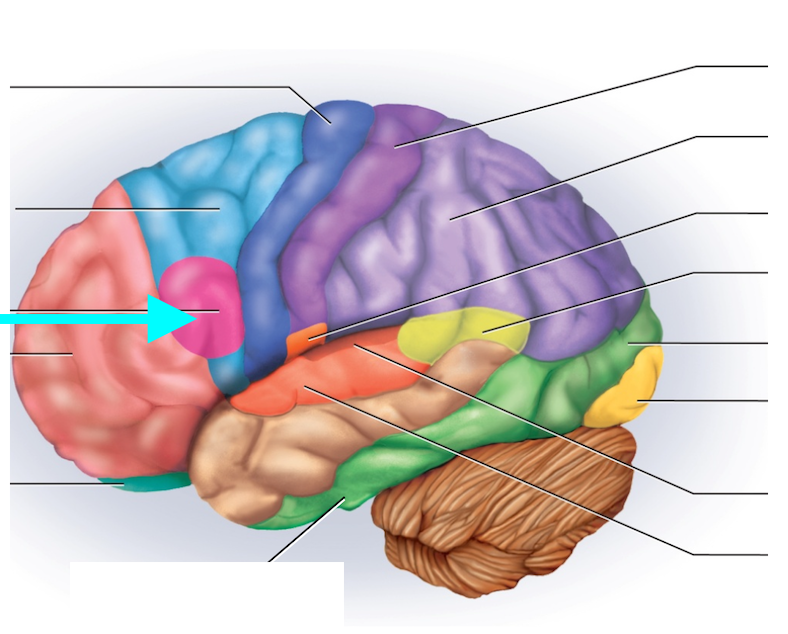
Broca area
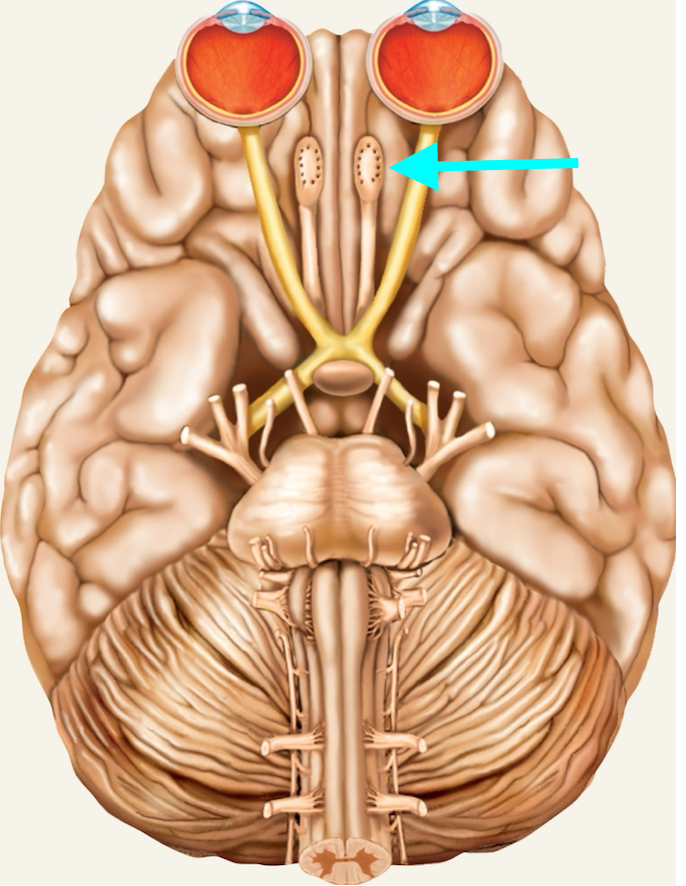
Nerve, number, sensory or motor?
olfactory nerves, I, Sensory
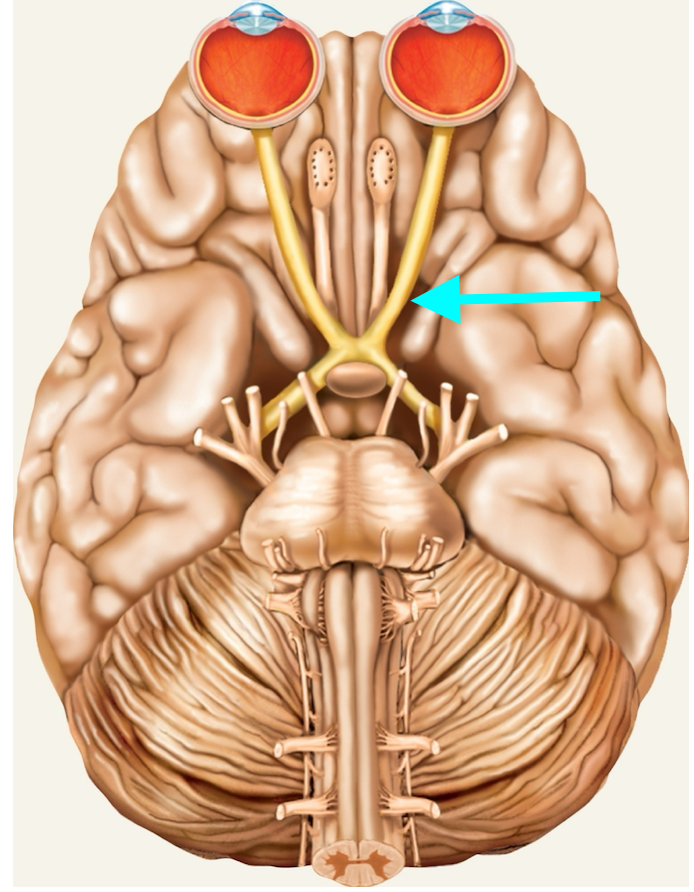
Nerve, number, sensory or motor?
Optic nerves, II, Sensory
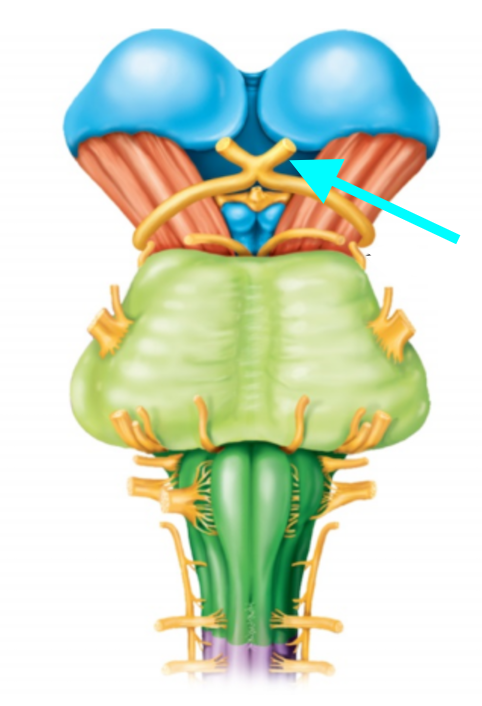
Nerve, number, sensory or motor?
Optic nerves, II, Sensory
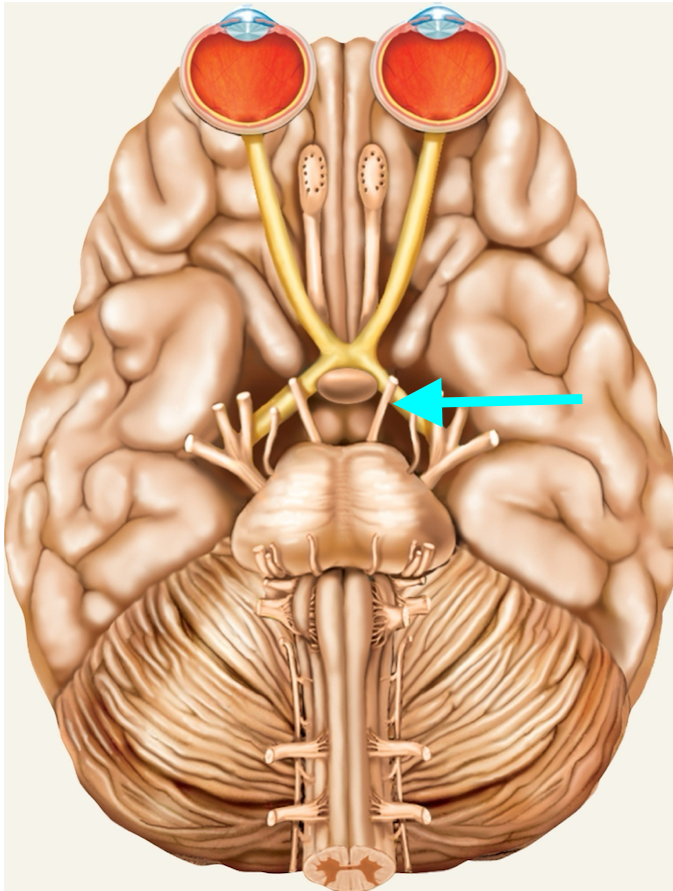
Nerve, number, sensory or motor?
Oculomotor nerves, III, Motor
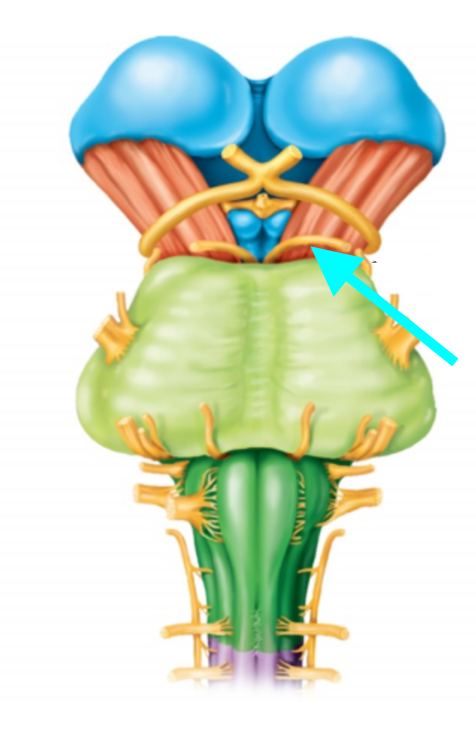
Nerve, number, sensory or motor?
Oculomotor nerves, III, Motor
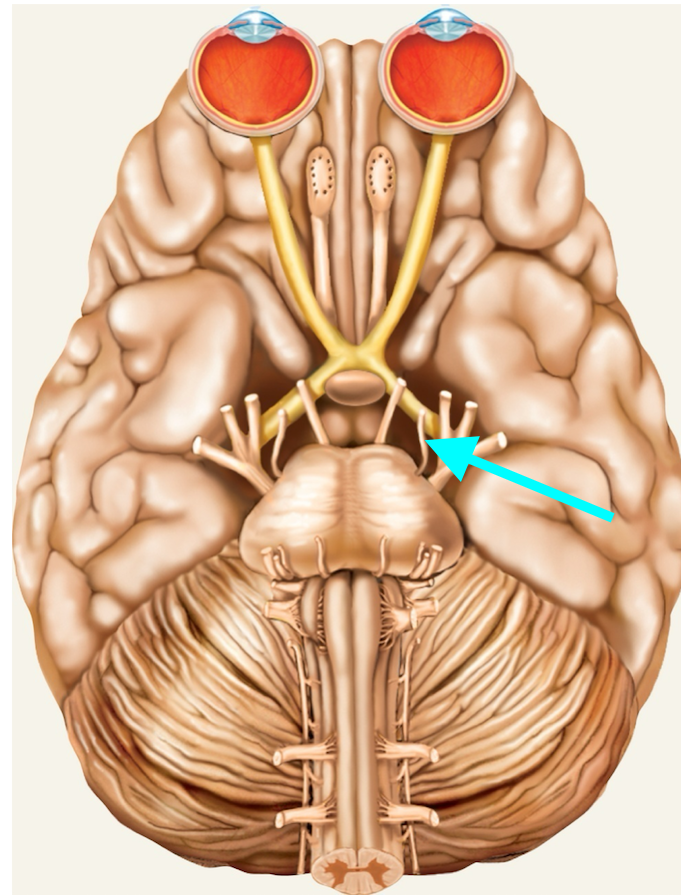
Nerve, number, sensory or motor?
Trochlear nerves, IV, Motor
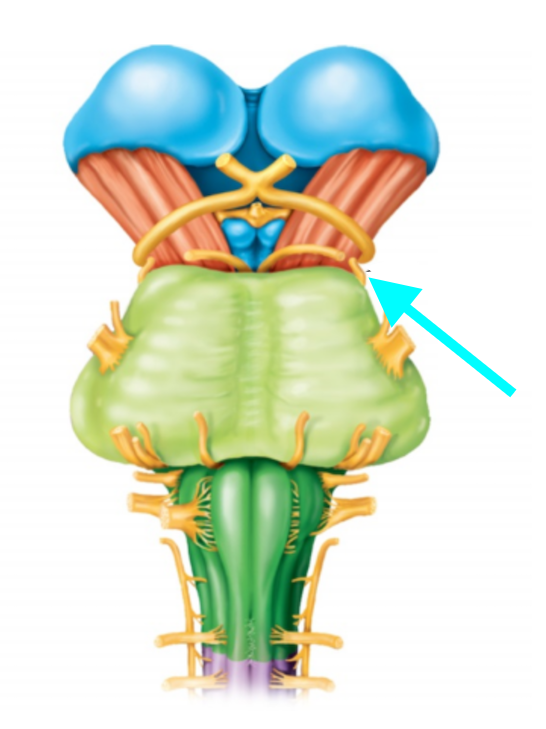
Nerve, number, sensory or motor?
Trochlear nerves, IV, Motor
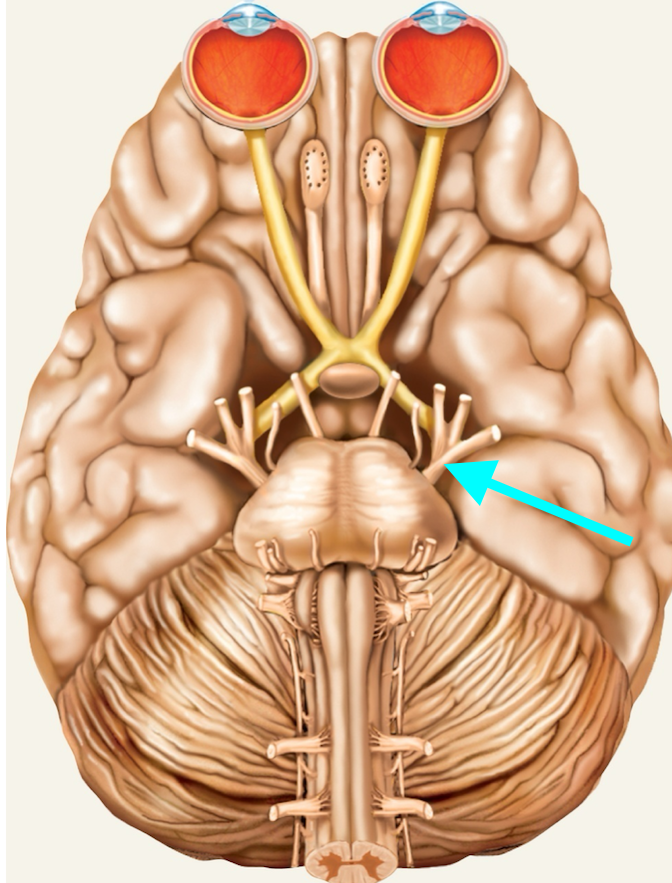
Nerve, number, sensory or motor?
Trigeminal nerves, V, Both
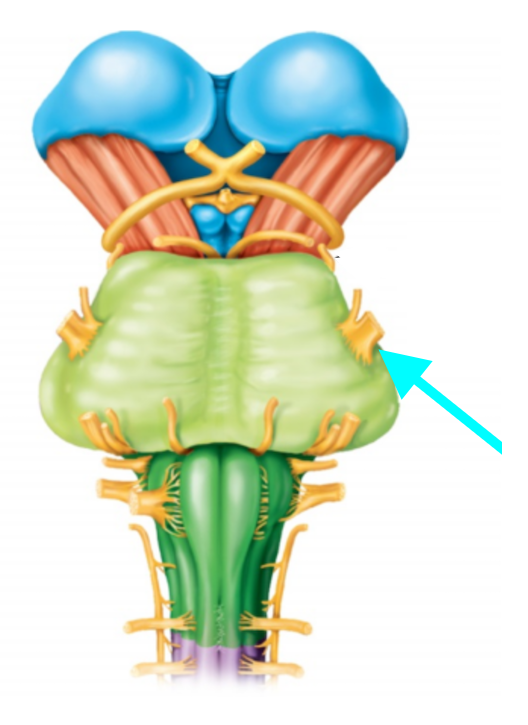
Nerve, number, sensory or motor?
Trigeminal nerves, V, Both
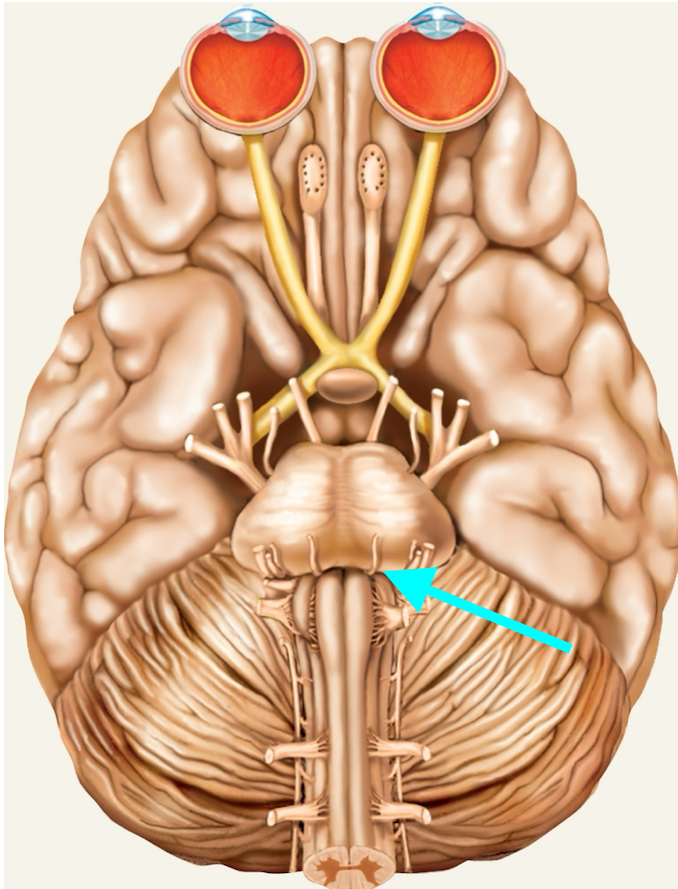
Nerve, number, sensory or motor?
Abducens nerves, VI, motor
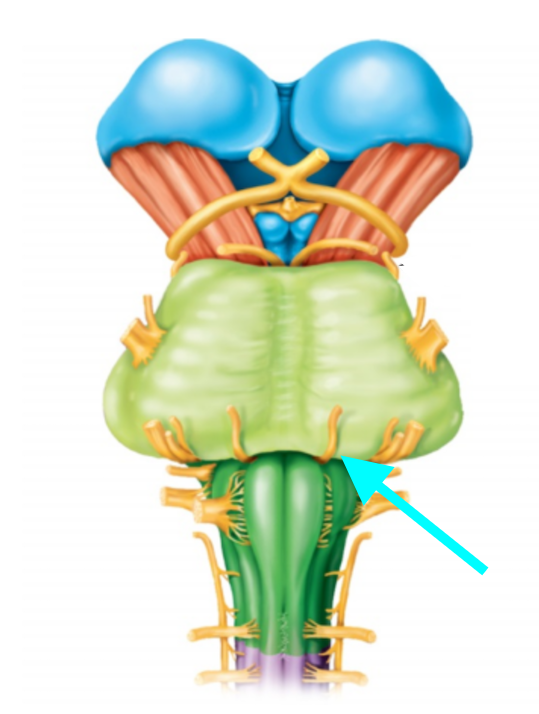
Nerve, number, sensory or motor?
Abducens nerves, VI, motor
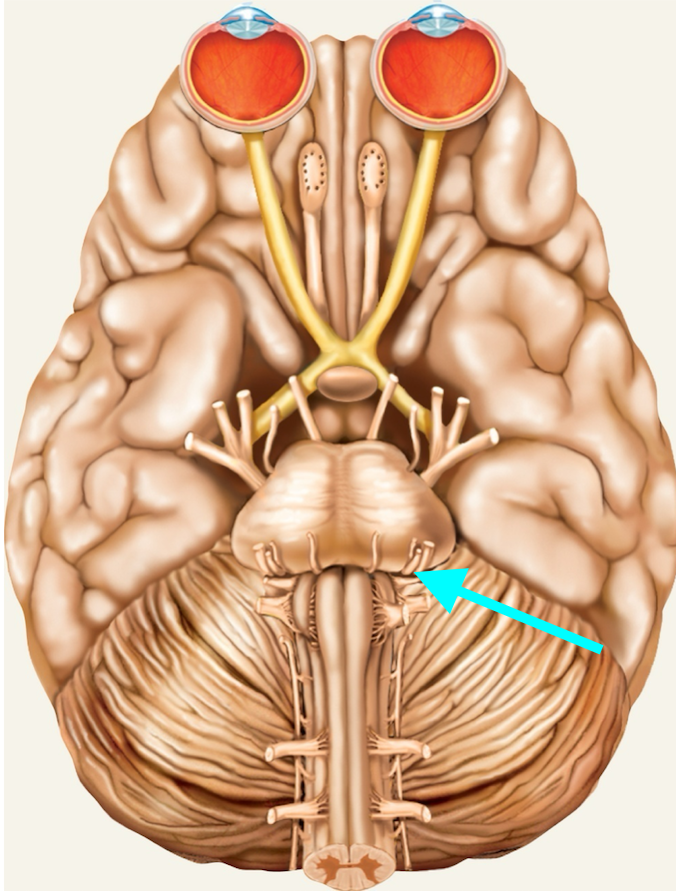
Nerve, number, sensory or motor?
Facial nerves, VII, both
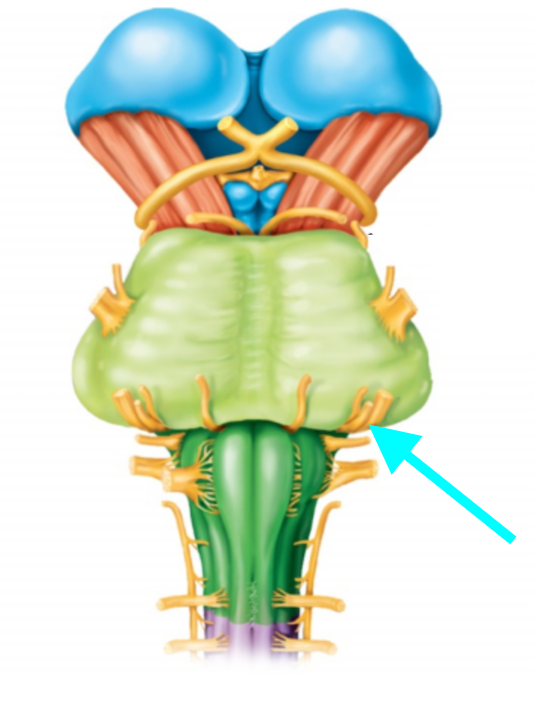
Nerve, number, sensory or motor?
Facial nerves, VII, both
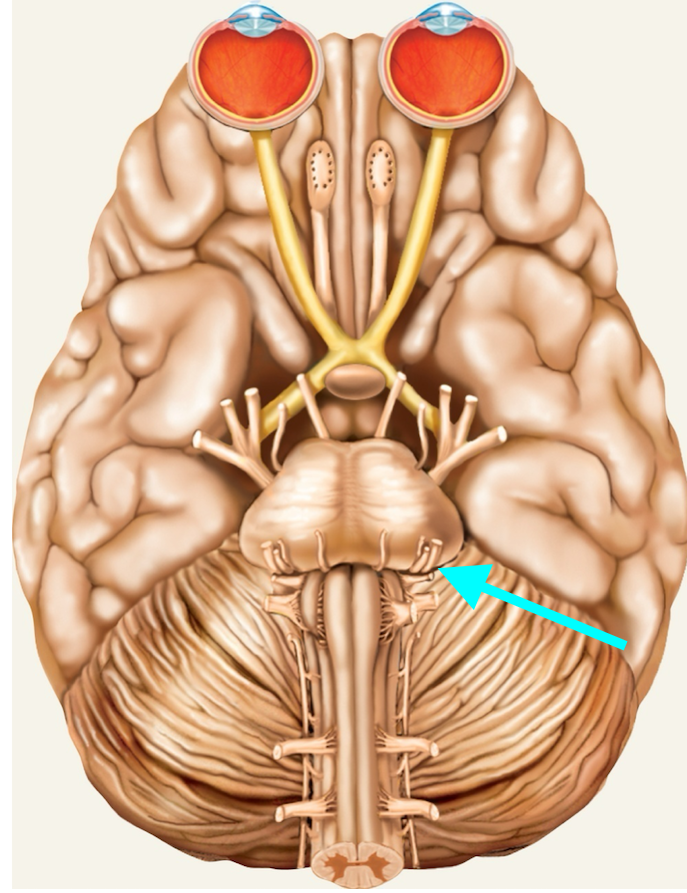
Nerve, number, sensory or motor?
Vestibulocochlear Nerves, VIII, Sensory
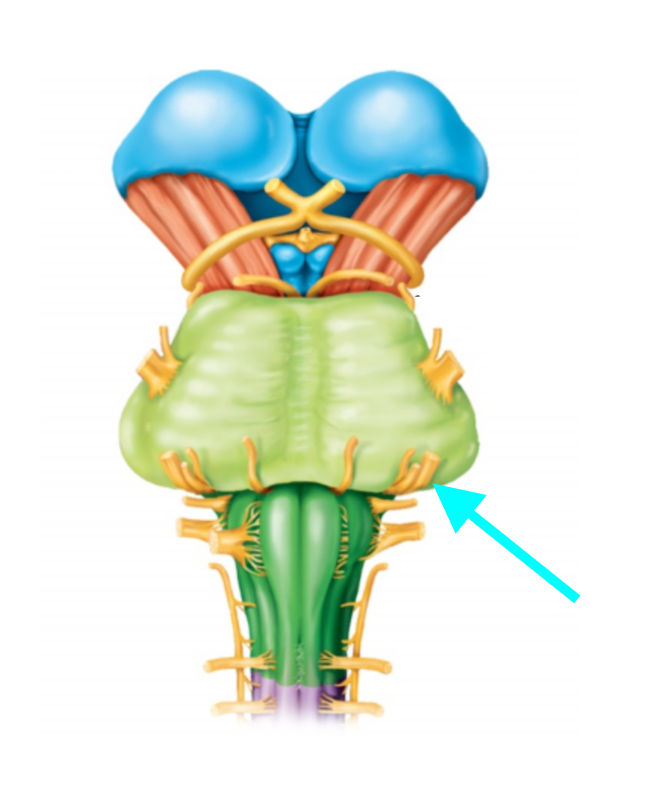
Nerve, number, sensory or motor?
Vestibulocochlear Nerves, VIII, Sensory
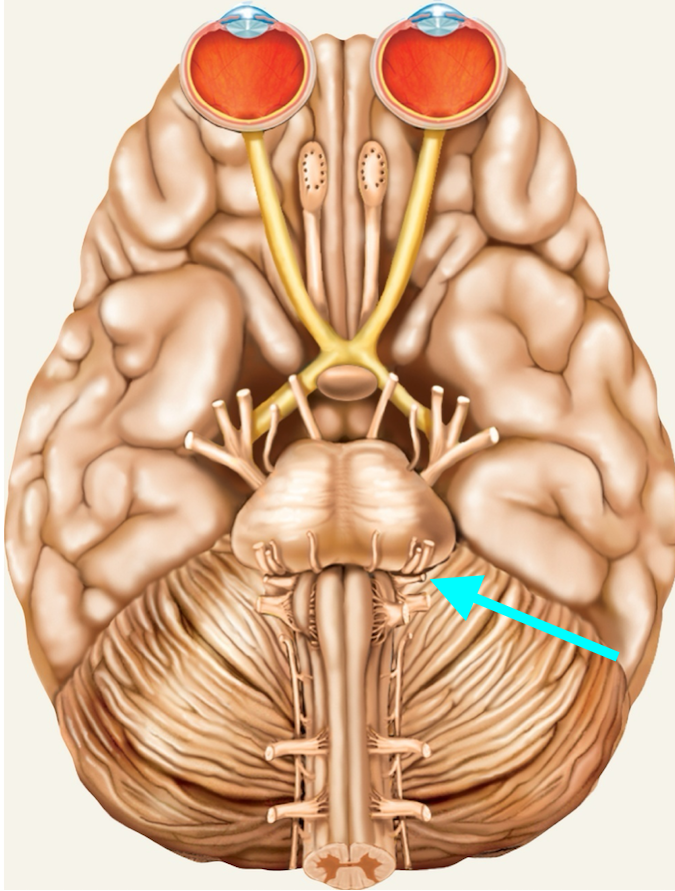
Nerve, number, sensory or motor?
Glossopharyngeal nerves, IX, both
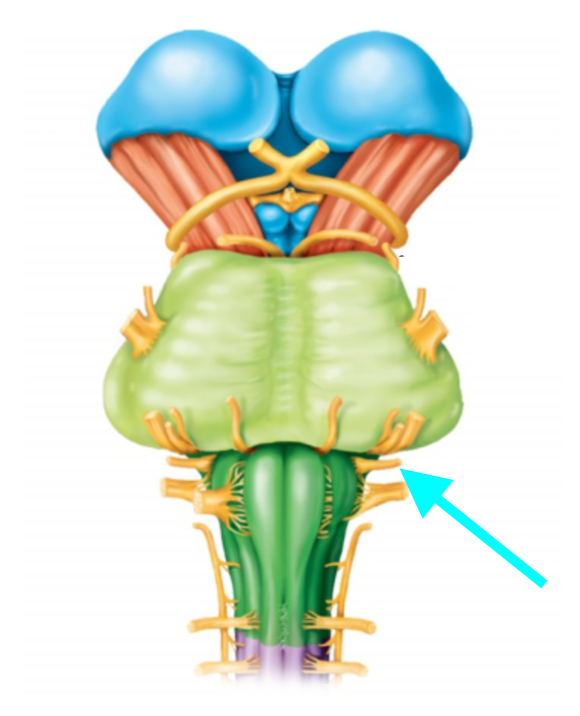
Nerve, number, sensory or motor?
Glossopharyngeal nerves, IX, both
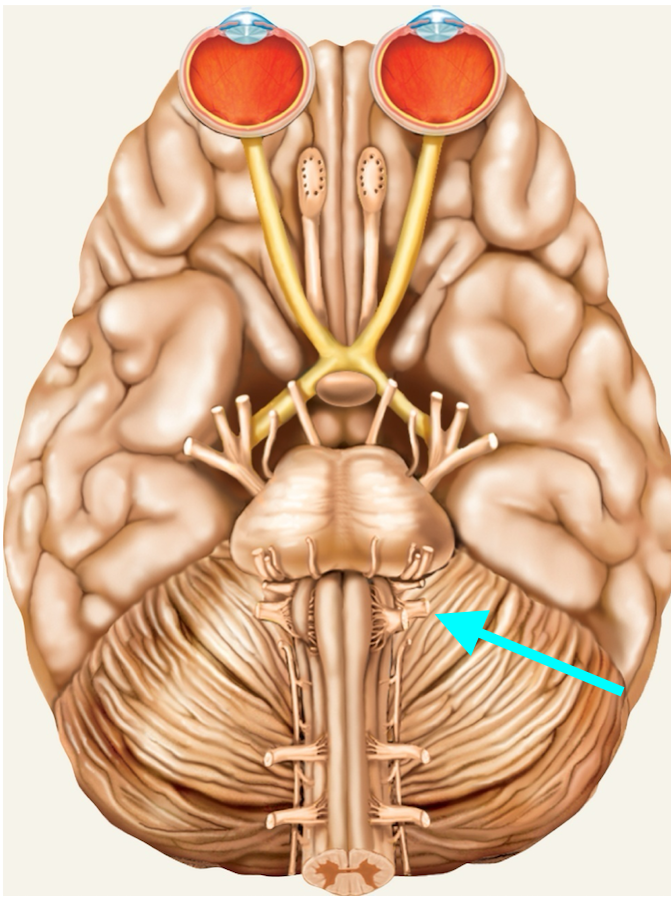
Nerve, number, sensory or motor?
Vagus nerve, X, Both
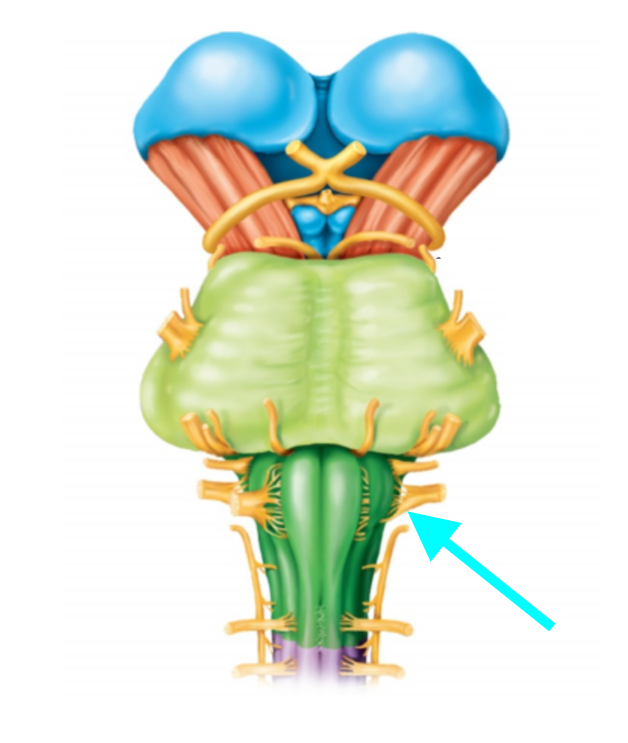
Nerve, number, sensory or motor?
Vagus nerve, X, Both
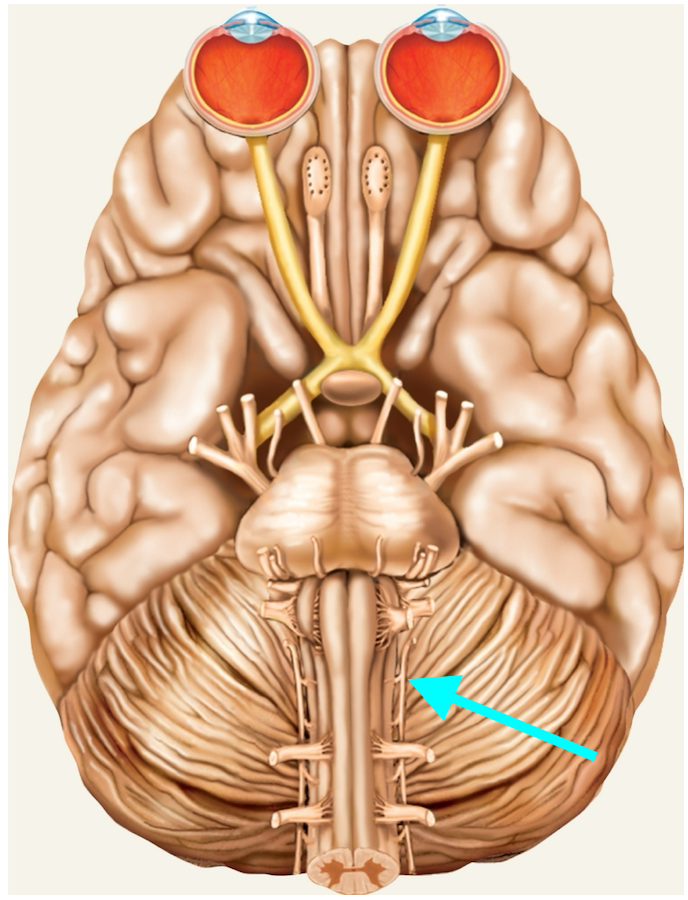
Nerve, number, sensory or motor?
Accessory nerves, XI, motor
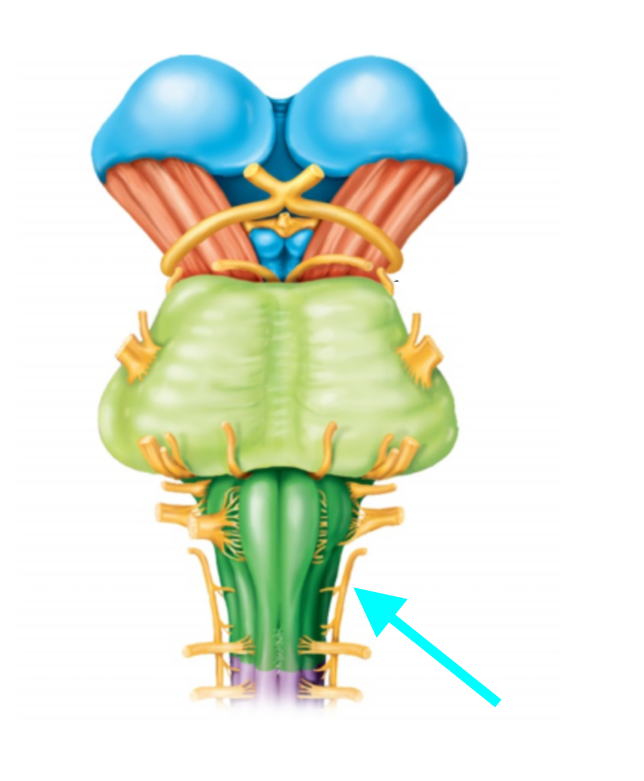
Nerve, number, sensory or motor?
Accessory nerves, XI, motor
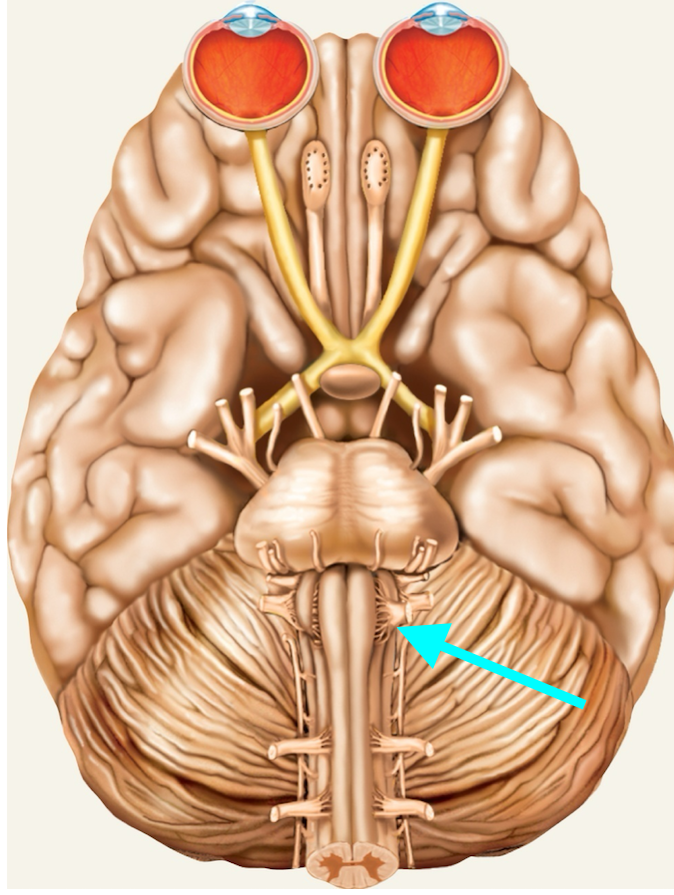
Nerve, number, sensory or motor?
Hypoglossal nerves, XII, motor
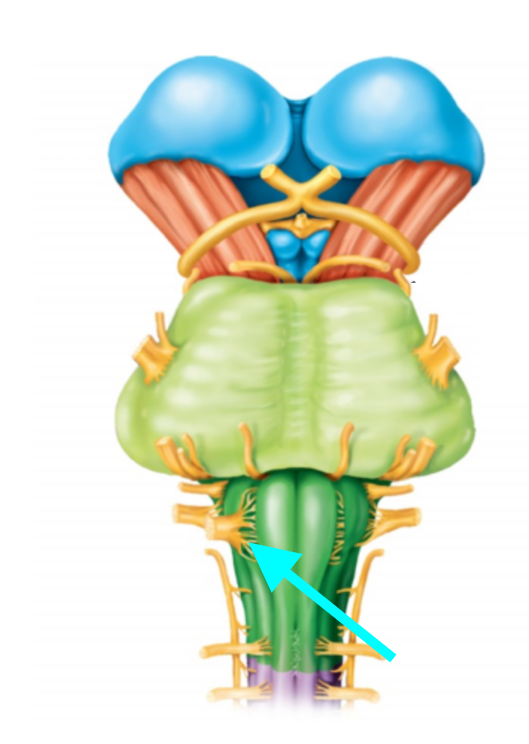
Nerve, number, sensory or motor?
Hypoglossal nerves, XII, motor
Sensory/Motor Pneumonic
some say marry money but my brother says bad business marries money
cranial nerve names pneumonic
old opie occasionally tries trigonometry and feels very gloomy, vague, and hypoactive