Polymer Materials - Chemistry/Physics
 Call Kai
 Learn
Learn Practice Test
 Spaced Repetition
 Match
Match Flashcards
 Knowt Play
1/98

There's no tags or description
Looks like no tags are added yet.
Name | Mastery | Learn | Test | Matching | Spaced | Call with Kai | Chat |
|---|
No analytics yet
Send a link to your students to track their progress
99 Terms
Polymer
a substance composed of molecules which have long sequences of 1 or more species of atoms or groups of atoms linked to each other by primary (usually covalent) bonds; formed through polymerization
Polymerization
the process of polymer molecules (monomers) linking together
3 Types of Polymer Skeletal Structure
linear, branches, or network/cross-linked
Linear - Polymer Skeletal Structure
a chain with 2 ends; most simple form
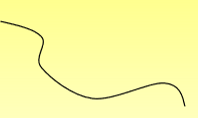
Branched - Polymer Skeletal Structure
side chains/branches of significant length are bonded to the main chain at branch points; essentially linear but w/ side chains/branches
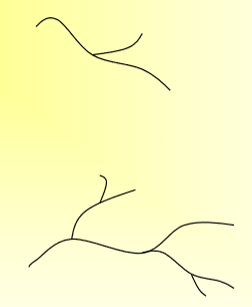
Network/cross-linked - Polymer Skeletal Structure
3d structure with each chain connected to all the others

2 Types of Thermo-polymers
thermoplastics and thermosets
Thermoplastics
linear and branched
can be melted upon heat
semicrystalline or amorphous
think plastic - melts
Thermosets
cross-linked
rigid or rubbery
intractable → can’t be melted
think set = does not move so does not melt/reshape (will just decompose or carbonate)
Homopolymers
a polymer that results from the polymerization of a SINGLE monomer; consists of mostly a single type of repeating unit
ex. -A-A-A-A-A-A-A-, -[A]-n (A → poly-A) with n being the degree of polymerization (Polyethylene or PE)
n
the degree of polymerization
Copolymer
polymers whose molecules contain MORE than 1 type of repeat unit
multiple types: statistical (subtype random), alternating, graft, and block
Statistical Copolymers
the sequential distribution of the repeat units obeys known statistical laws
Random Copolymer
a special tyoe of statistical copolymer; means true random

Alternating Copolymer
repeat units have a pattern

What do statistical/alternating copolymers generally have?
properties intermediate to those of the corresponding homopolyers
Graft Polymer
branched polymers with then branch(es) having different chemical structure from the main chain; repeat unit as the main chain and so are the branches just a different kind

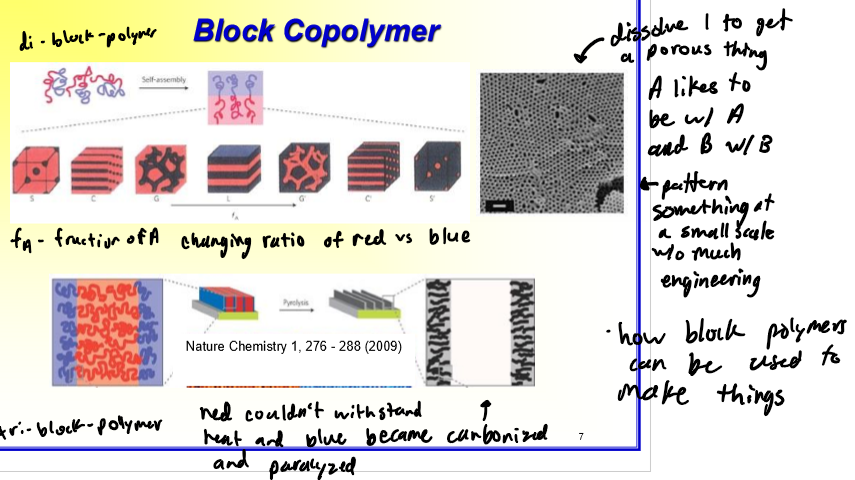
Block Polymer
repeat exists in long sequences or blocks of the same type; sections of each repeat

What may graft and block copolymers have?
unique properties that are not intermediate to those of the corressponding homopolymers unlike statistical/alternating ones
Block Polymer Picture
can be used to make specifc designs
Types of Synthesis
step-growth polymerization and chain-growth polymerization
Step-growth Polymerization
polymer chain grows step-wise by reactions that can occure between any 2 molecular species; very small to large; will consume most of the monomers bc all react w/ each other; aka condensation

Chain-growth Polymerization
polymer chain grows only by reaction of monomers with a reactive end-group on the growing chain; think of it growing like adding individual beads to a string; initiator starts reaction; very fast
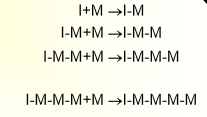
Condensation - Step-growth Polymerization
forms polyesters and polyamides/nylons using OH (alc) or NH2 (amine) groups
Polyester Formation
condensation (step-growth)
ester: alc + carboxylic acid
polyester: multiple esters
used for grafts and sutures

Polyamides/Nyon Formation
condesnation (step-growth)
amide: amine + carboxylic acid
polyamide: multiple amides
primary type of suture material

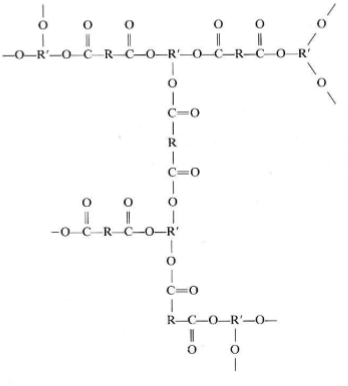
Branching and Crosslinking
monomers have functionality > 2; essentially multiple reaction sites like diacid R(COOH)2 and triol R’(OH)3
Types of Chain Growth Polymerization
free radical polymerization and ionic polymerization
Free Radical Polymerization
a type of chain growth; polymer molecule grows by addition of monomer to a terminal free-radical reactive site (active center); steps: initiation → propagation → termination (combination + disproportionation) → chain transfer
Free Radical
independently-existing species with unpaired e- and are normally highly reactive
Active Center
the free-radical reactive site
Ionic Polymerization
anionic and cationic; ion in center
Free Radical Polymerization Steps
initiation
propagation
termination
chain transfer to solvent, initiators, monomers, polymers etc.
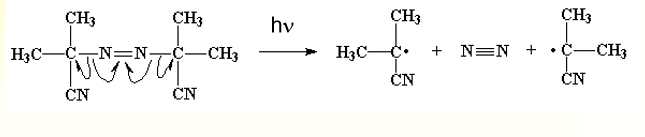
Initiation - Free Radical Polymerization Step 1
use either thermolysis or photolysis to start reaction to form initiator which then reacts w/ the monomer

Thermolysis
delta; ex. Benxoyl peroxide - great one bc becomes a free radical

Photolysis
hv; ex. Azobisisobutyronitrile (AIBN) → absorbes photo energy and easy to contol bc can just cover the parts you don’t want polymerized like resin
Propagation - Free Radical Polymerization Step 2
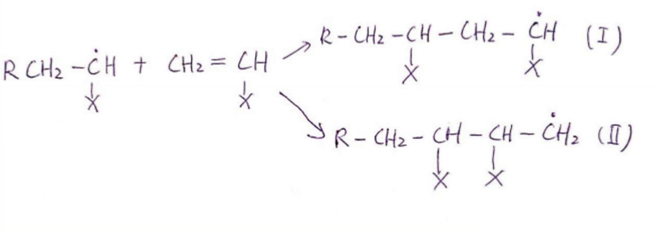
Termination - Free Radical Polymerization Step 3
2 types: combination (2 free radicals bond) and disproportionation (radicals make new bonds in molecules they are already in)

Chain Transfer - Free Radical Polymerization Step 4
this can be to a solvent, initiator, monomer, polymer etc.; one ends but kickstarts another usually

Anionic/living Polymerization
active center has an ionic charge; no inherent termination process bc no chain transfer → progating polymer chain retains active carbonionic end-groups so when more monomers are added, the chain continues to grow; can be used to make block copolymers
Anionic/living Polymerization Picture

Nomenclature
can be source based like poly (monomer name) or structure based like poly (chemical structure of the repeat unit)
Molar Mass
M = n*M0
n - degree of polymerization (# of repeat units)
M0 - molar mass of repeat unit
Molar Mass Distribution
usually polymers consist of macromolecules with a range of molar mass; wide distribution
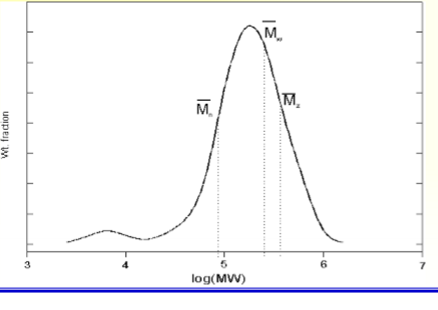
Mn (avg.) - # avg. Molar Mass
sum of all molecular weight divided by their total number of molcules
Ni - # of molecules with Mi
Mi - molecular weight
wi - weight fraction of all molecules with Mi

Mw (avg.) - weight avg. Molar Mass
sum of the products of the molar mass of each fraction multiplied by its weight fraction

Polydispersity Index (PDI)
= Mw (avg,) / M0 (avg.)
higher this = more widely distributed it is
= 1 → monodisperse
> 1 = for most cases
Xn (avg.)
#-avg. degree of polyermization
= Mn (avg.) / M0
Xw (avg.)
weight-avg. degree of polymerization
= Mw (avg.) / Mo
Molecular Weight Detemination
end group anaylsis (Mn (avg.)), gel permeation chromatography (GPC), or mass spectroscopy
End Group Analysis (Mn (avg.))
weigh sample, divide by the weight of the end group to get the # of strands
Gel Permeation Chromatography (GPC)
size exclusion; dilute polymer soln. passes a column of porous beads, high MW molecules are excluded from the beads and elute first, low MW molecules pass through through the pores of the beads, elute later; essentially large can’t get into the pores so come out first/faster; most commonly used in polymers??
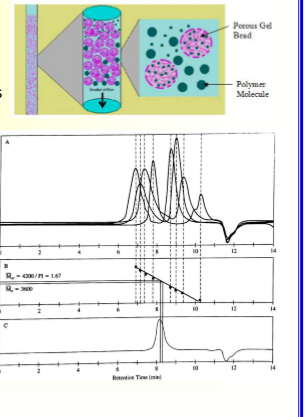
Mass Spectroscopy
bombard w/ some kind of energy (ionize it/put a charge to it) and then based on the deflection of charge, it hits different parts of the target; not commonly used in polymers
Uniqueness of Polymers
chain entanglement, summation of intermolecular forces, and time scale of motion
Summation of Intermolecular Forces
this is huge even with the weaker van der waals; will affect properties
Time Scale of Motion
would think have fast movement but bc of chain entanglement and summation of intermolecular forces ends up they move slowly
Shape of Polymer Chain and Amorphous State
rotation of the bond (diff. bonds have diff. rotational property) → chain bending and twisting → random coil → end to end distance is much smaller than the total chain length; can get entangled with the neighboring chain;
What is amorphous polymer like?
a pot of spaghetti, but with a much higher ratio of length/diameter
Bond Rotational Properties
C-C → most rotation
C=C → resisting rotation due to pi bond
C=-C → further restriction of rotation bc of 2 pi bonds
benzene ring → very stiff
Polyethylene Crystal Unit Cell
extended planar zigzag conformation; c axis always along the chain direction; orthohombic unit cell’ 2 chains per unit cell

Crystallinity
long-chain molecules can not be crystallized completely since most polymers are semi-crystalline or amorphous

Crystallinity (C%)
anything that prevents chain alignment or discourages interchain bonding will decrease this; molecular structure, intermolecular force, and processing conditions affect this; increasing this = higher mechanical strength
Molecular Structure Requirements for Crystallization
should be no defects (bracnhes, cross-links, or excesssive end groups) → lead to disturbances within the crystal or rejection from the crystal
size/disposition of a side group is important
Side Group Disposition - Irregular
then must be small so that the polymer can crystallize; ex. poly(vinyl alcohol) and poly(vinyl fluoride)
Side Group Size - Large/Significant SIze
can still crystallize as long as it is disposed regulary and symmetrically; ex. isotactive and syndiotactic vinyl polymers
Isotatic
side group is every other C and all on the same side = highly crystalline

Syndiotactis
side group is every other C but orientation alternates every one = highly crystalline
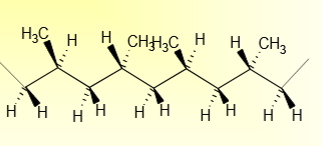
Atatctic
group is every other C but random distributed so hard to pack into a crystal = amorphous
+
Intermolecular Force + Crystallinity
ny;on 6,6 forms H-bonds between the carbonyl O’s and the amide hydrogens → allows chains to line up in an ordely fashion to form fibers; higher intermolecular force = high liklihood of crystallizing
Processing Conditions
quenching, annealing, and drawing; even w/ amporhous these can increase/decrease the chance of crystallization
Processing Conditions - Quenching
fast cooling process that causes crystallinity to fall bc the polymer has very little time to move around; type of thermo-processing
Processing Conditions - Annealing
lower temp. but still high enough for the chains to move so higher crystallinity; type of thermo-processing
Processing Conditions - X-ray Diffraction PIc of unannealed vs annealed
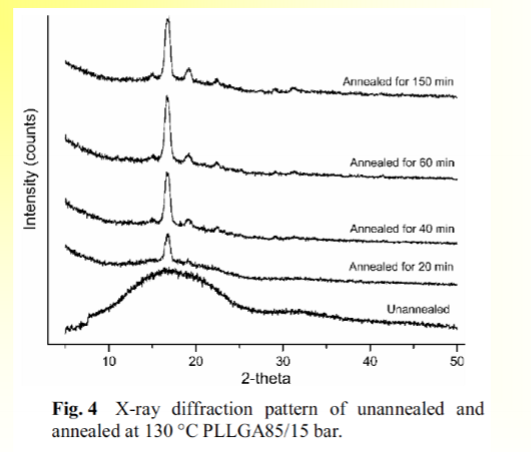
Processing Conditions - Drawing
moce amorphous structure through a tight space so mpre oriented = increases crystallinity

Melting Transition
occurs when enough energy for the overall translational chain motion to overcome secondary bonds, disrupting long range orders; inject heat into system but ata certain point, the temp. of the polymer stays the same (crystalline to this state)

Glass Transition
occurs when there is enough energy to cause molecular motion around the polymer backbone

Glass Transition Temperature (Tg)
the temp. at which a glassy polymer softens into a viscous liquid or rubbery phase; temp. where chains in amorphous (disordered) regions of the polymer gain enough thermal energy to cause molecular motion around the backbone
Tg > room temp.
this makes glassy materials
Tg < room temp.
this makes rubbery materials
Factors that Influence Tg
backbone flexibility, pendant group, intermolecular forces (strength), crosslinking, and plasticizer
Tg Influencer - Backbone Flexibility
flexible = low Tg (-C-C- or -C-O-) and rigid = high Tg (C=C or C=-C)
Tg Influencer - Pendant Group
steric hindrance → less flexible → high Tg
ex. Polyethylene (PE) = -125 C, Polypropylene (PP) = -20 C (has an extra methyl group compared to PE), and PS = 100 C (has a benzene ring)
Tg Influencer - Intermolecular Forces
higher forces = higher Tg bc stronger bonds
Tg Influencer - Crosslinking
causes higher TG bc locks chains together
Tg Influencer - Plasticizer
this lowers Tg

The same molecular characteritics can do what?
rise and lower Tg and Tm: Tg = (0.5~0.8) Tm
Differential Scanning Calorimetry (DSC)
use to find the thermal transition probed; find Tg by measuring the heat that goes in the systme and then measures the change
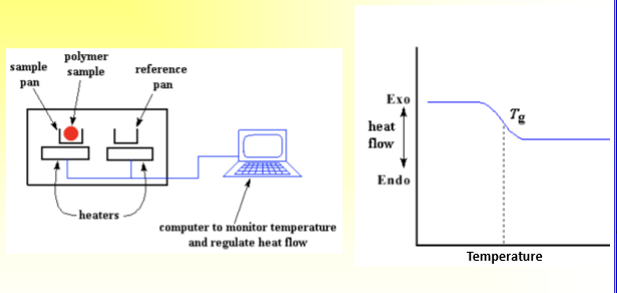
Differential Scanning Calorimetry (DSC) - Amorphous
if amorphous → will only show Tg

Differential Scanning Calorimetry (DSC) - Semicrystalline Polymer
has 3 T’s: Tg first then Tc (cooling?) and then Tm (melting)

Temperatire Dependence of Mechanical Properties Picture

Segmented Polyurethane
essentially different parts contain different physical/mechanical properties due to the makeup
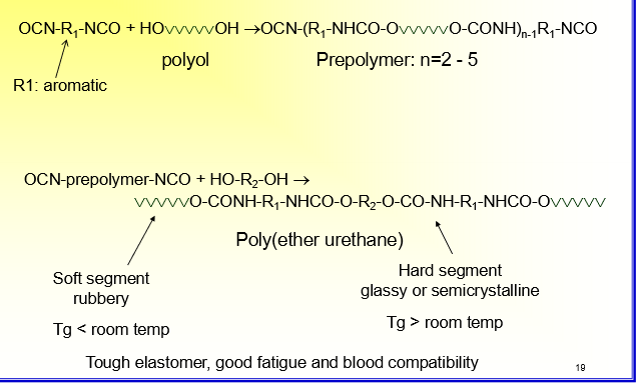
Polyurethane
used for prosthetic spinal implants, speciality balloon.probe catheters, artifical hybrid pancreas, intra-aortic balloons, cardiac-assist devices, vascular grafts and stents, pacemaker/neurostimulator leads, and biodegradable polymer implants
Different Types of Polymers
fibers, glassy, semi-crystalline, and estamomer
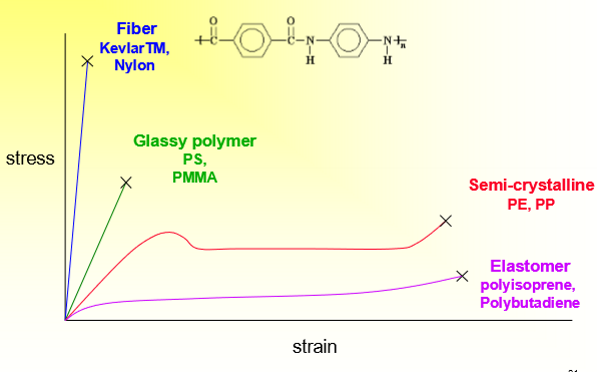
Stress-Strain Behavior - Ductile Polymer

Ductile-Brittle Transition
as increase strain rate or decrease temp. = more brittle; ex. silly putty

Viscoelastic Behavior
a combo of both creep and stress relaxation; ex. polymers and biological tissue; strain rate must be reported when reporting measured mechanical moduli
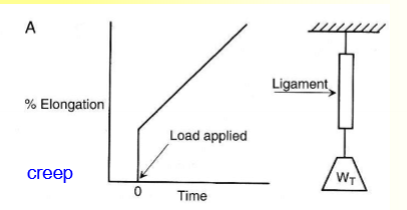
Creep - Viscoelastic Behavior
a time dependent extension under a load (not an immediate stretch)
Stress Relaxation - Viscoelastic Behavior
a time dependent decrease in stree at a fixed strain (stretch polymer, keep it there, and then measure the load it is experiencing)

Creep and stress relaxation are results of what?
viscous flow