Trading
 Call Kai
 Learn
Learn Practice Test
 Spaced Repetition
 Match
Match Flashcards
 Knowt Play
1/23

There's no tags or description
Looks like no tags are added yet.
Name | Mastery | Learn | Test | Matching | Spaced | Call with Kai | Chat |
|---|
No analytics yet
Send a link to your students to track their progress
24 Terms
What is a currency pair?
A measure of a currency’s value against another
E.g. EUR/USD/JPY
What is a base currency?
1st currency that appears in a currency pair
What is a quote currency?
2nd currency that appears in a currency pair
different types of currency pairs
Major currency pairs
Cross currency pairs
Exotic currency pairs
Major currency pairs
EUR/USD
GBP/USD
USD/CAD
USD/JPY
USD/CHF
AUD/USD
NZD/USD
Cross currency pairs
refers to currency pairs which are non-USD
Euro crosses: EUR/GBP, EUR/AUD, EUR/NZD
Pound crosses: GBP/JPY, GBPIAUD, GBP/NZD
Yen crosses: AUD/JPY, NZD/JPY, GBP/JPY
Exotic currency pairs
When one major is paired with a developing country’s currency
USD/MXN
EUR/TRY
INR/GBP
Leverage
Leverage is when your broker lets you trade with more money than you have, using your deposit as a guarantee.
Pip
The smallest unit of measurement for price movement in forex. It is always the 4th decimal place.
An example of a pip
EUR/USD moves from 1.1050 to 1.1060
That is 10 pips
wider understanding of leverage
The broker is basically saying, “you put in $500, I’ll let you trade as if you have $25,000”
Pip analogy
If a shirt goes from 12.48 you don’t make $348. You make $1.00 because that’s how much it moved.
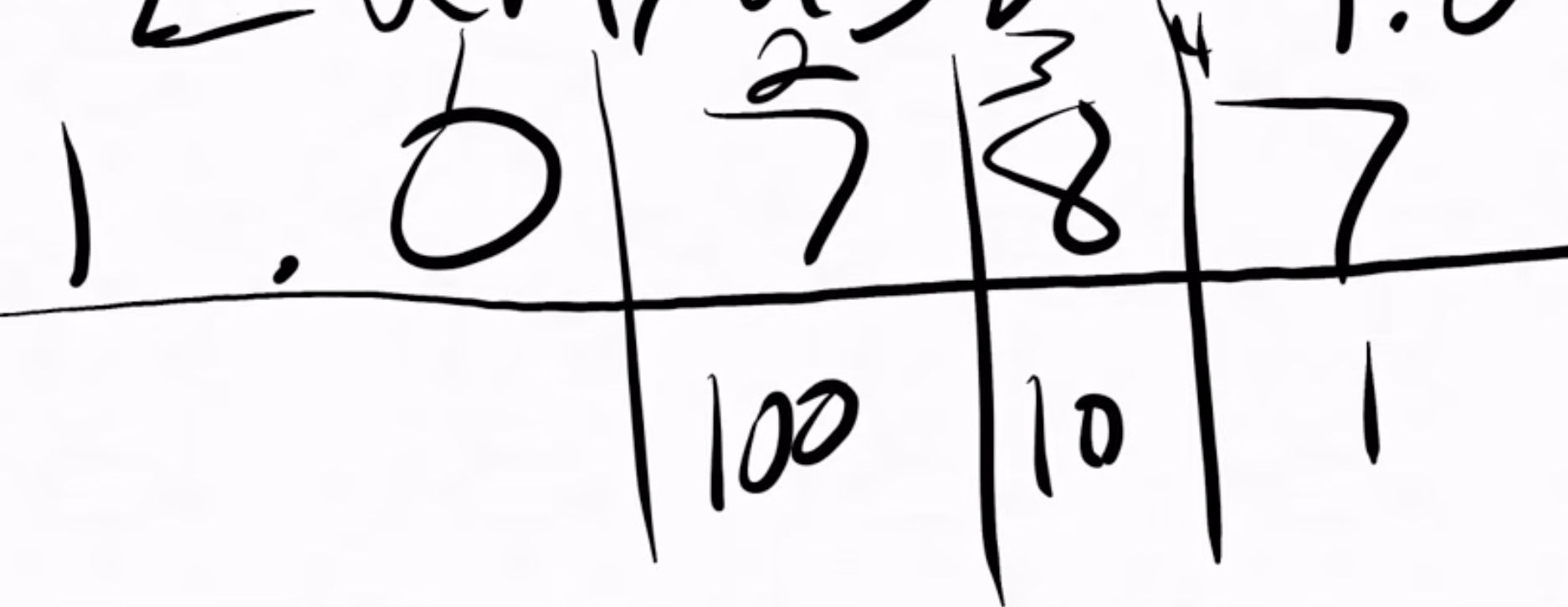
Pip
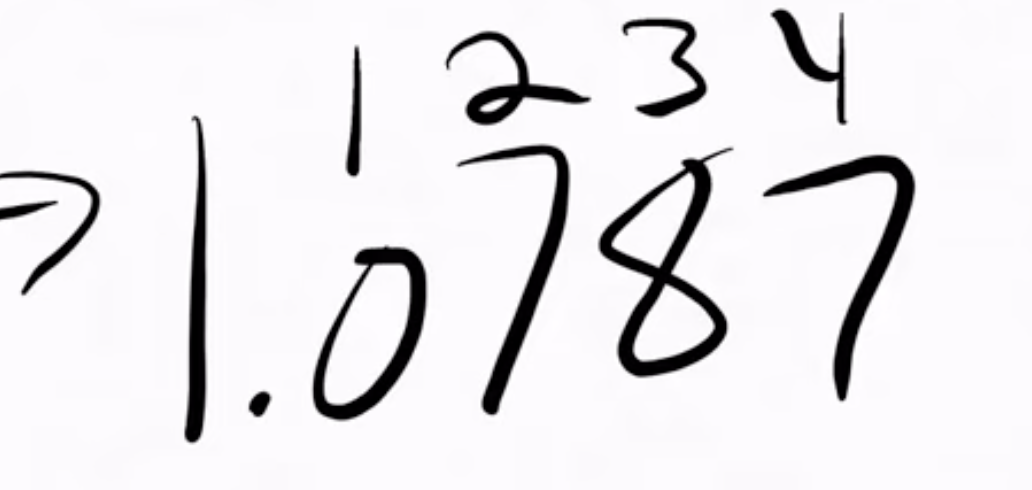
how many sessions are there
There are four sessions
The four sessions
Sydney, Tokyo, London, New York
Never risk more than 1% / Trade
The 1-2% rule is basically saying: don't let any single trade have the power to seriously hurt your account.
Stop loss
Your "get out if it goes DOWN too much" decision.
You only ever hit this because the price dropped against you.
"If it drops to $X, I'm out" (stop loss)
Take profit
Your "get out if it goes UP enough" decision.
This only triggers because the price rose in your favor.
"If it rises to $Y, I'm out" (take profit)
The 1-2% rule ever risk more than this per trade
never bet so much on one trade that a loss actually hurts you.
What is "risk" in a trade?
The amount you lose if the trade goes wrong (distance from entry price to stop loss).
What is "reward" in a trade?
The amount you gain if the trade goes right (distance from entry price to take profit).
What does a risk-reward ratio of 1:2 mean?
You're only willing to risk $1 to make at least $2 — your potential win is at least double your potential loss.
Why use a minimum 1:2 risk-reward ratio?
You can lose more trades than you win and still profit overall, because each win is worth more than each loss.