Histology: Epithelial and Connective Tissue
 Call Kai
 Learn
Learn Practice Test
 Spaced Repetition
 Match
Match Flashcards
 Knowt Play
1/129

There's no tags or description
Looks like no tags are added yet.
Name | Mastery | Learn | Test | Matching | Spaced | Call with Kai | Chat |
|---|
No analytics yet
Send a link to your students to track their progress
130 Terms
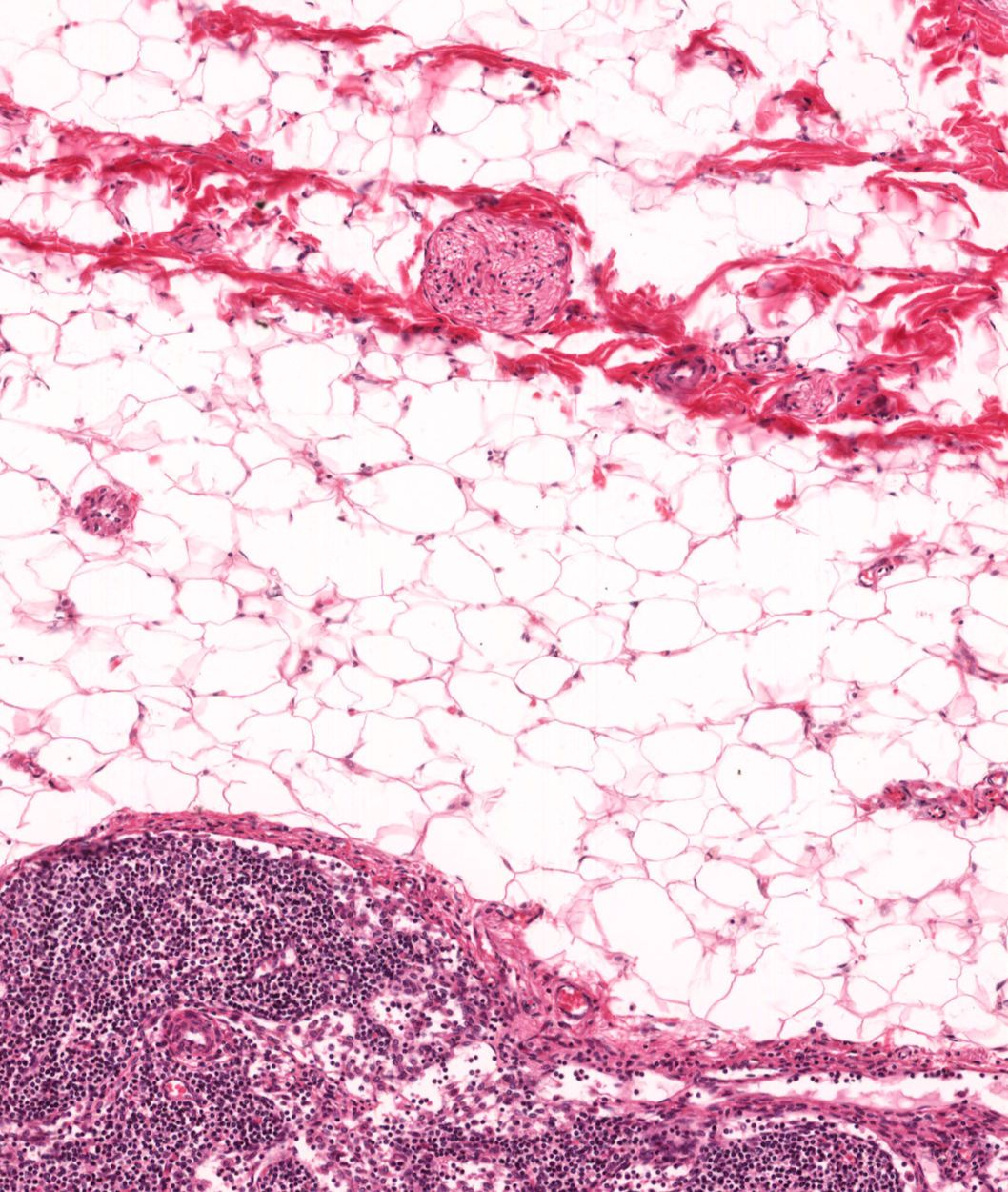
Adipocytes
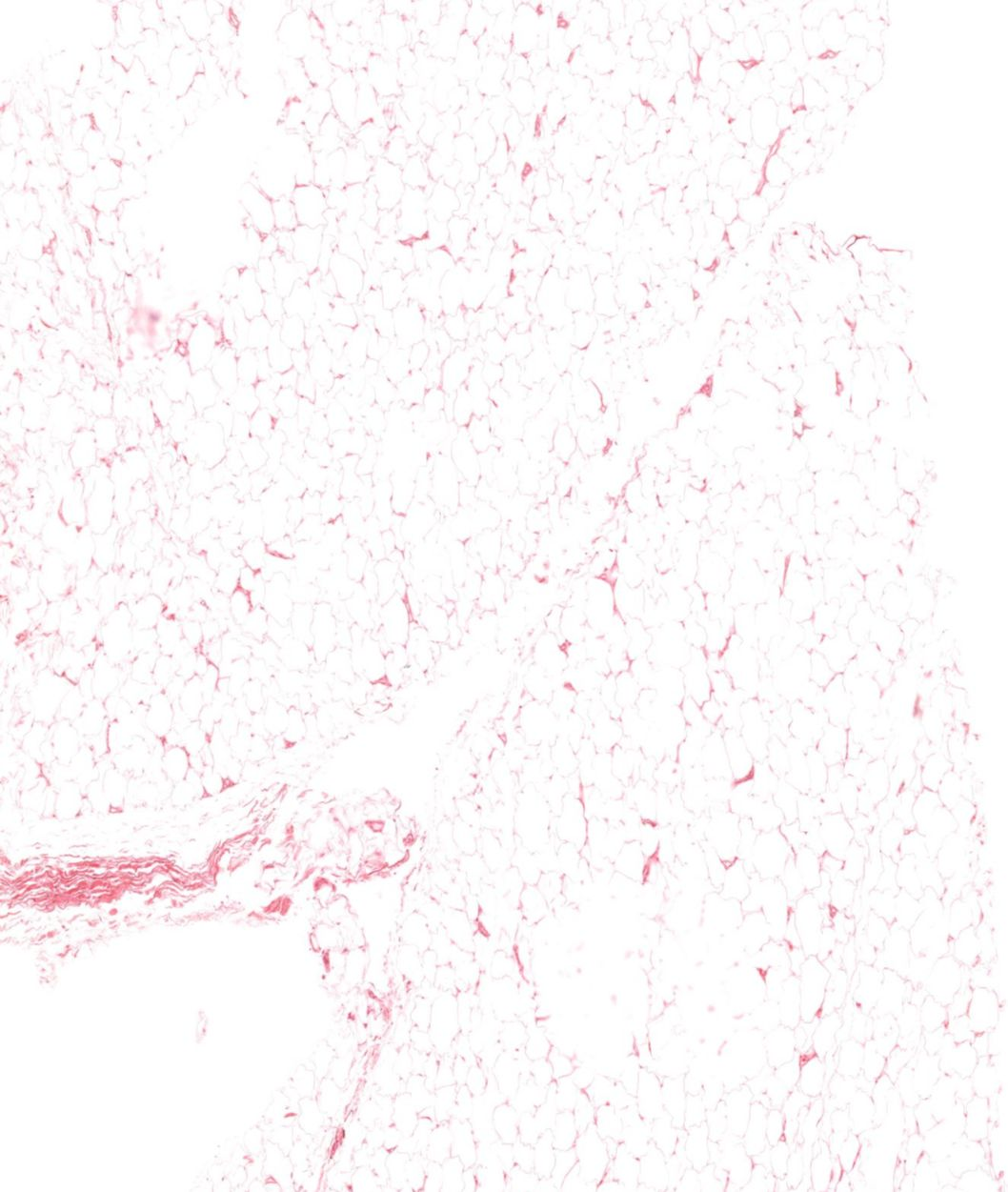
Adipose Tissue
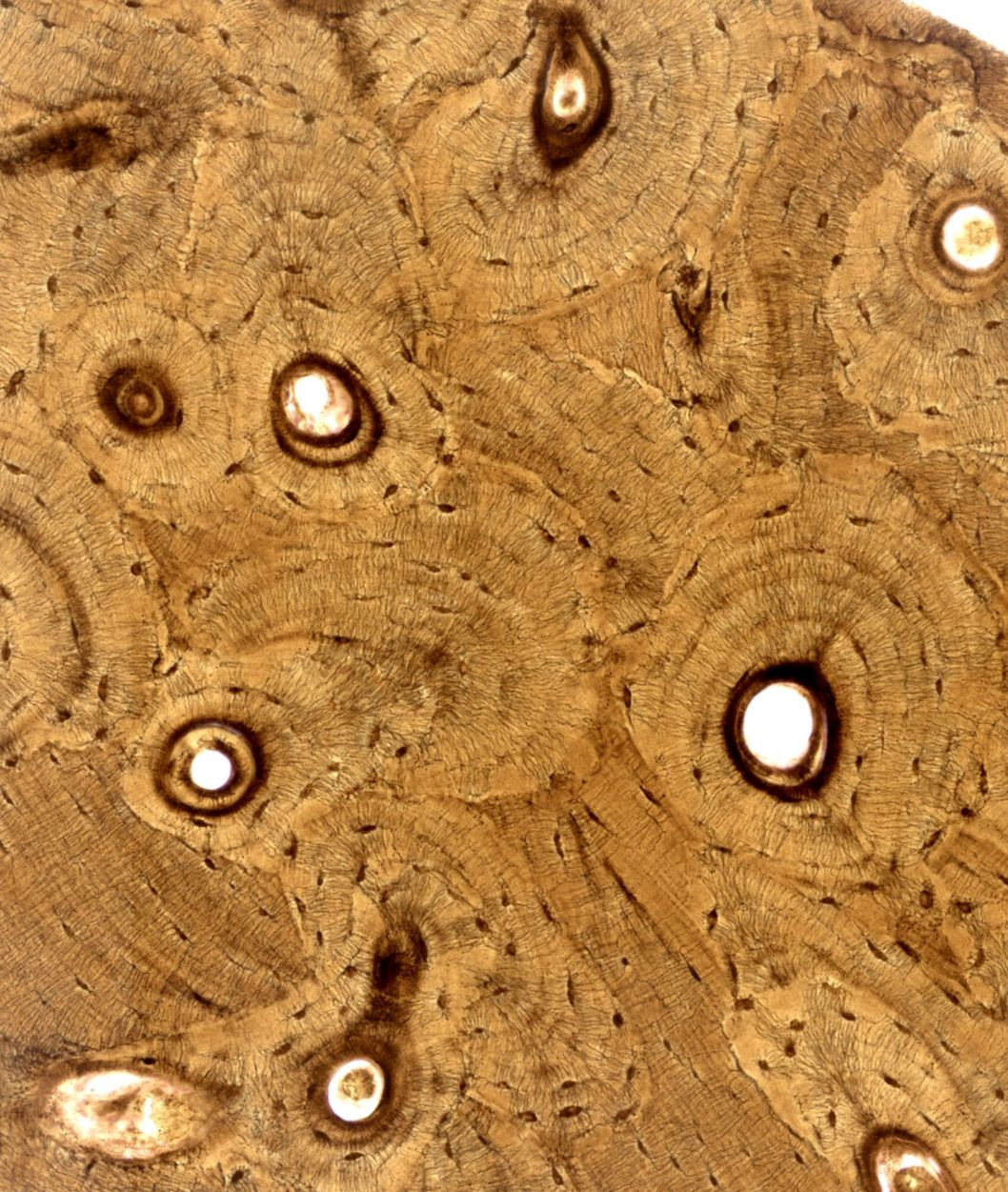
Bone
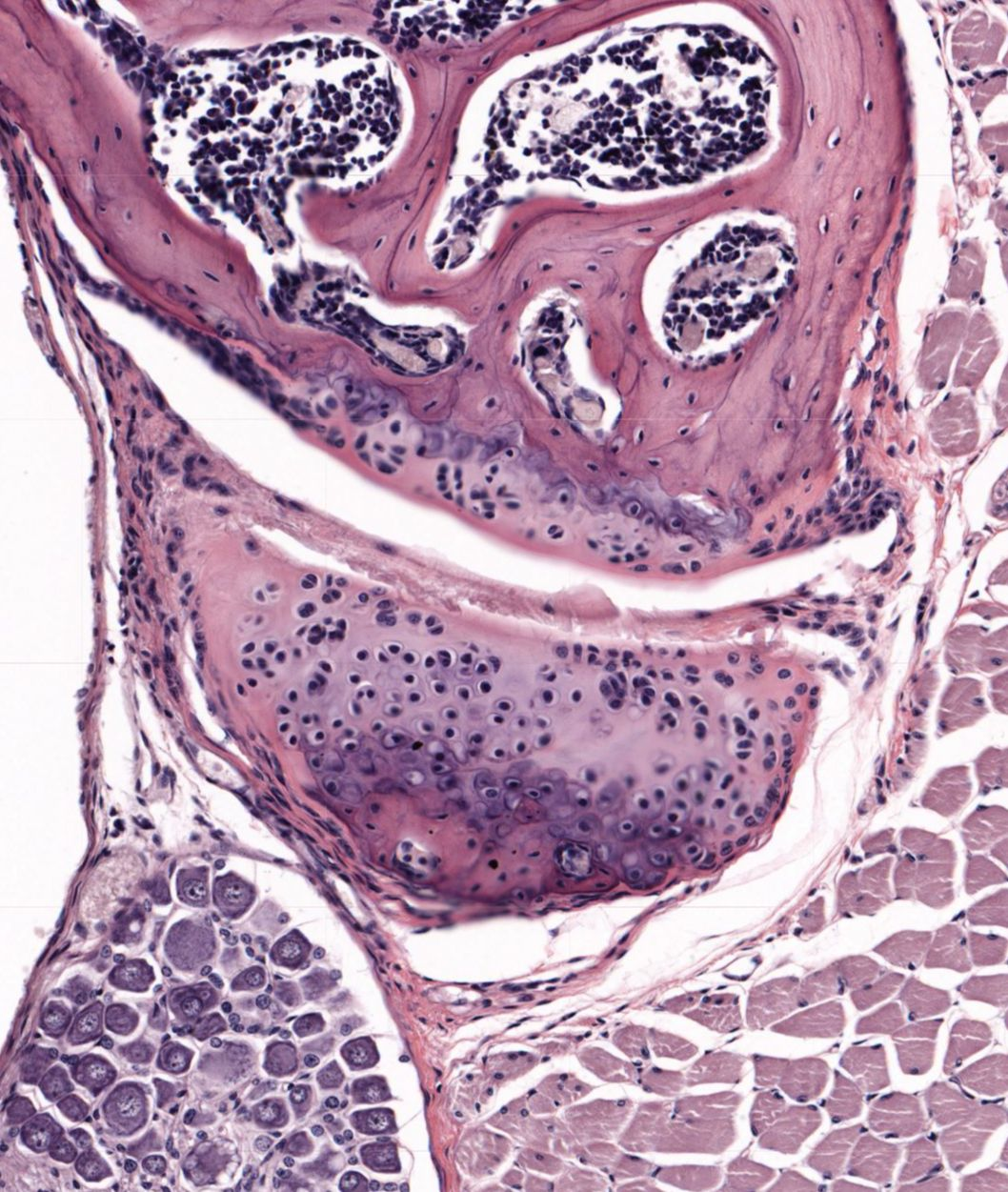
Cartilage

Chondrocytes
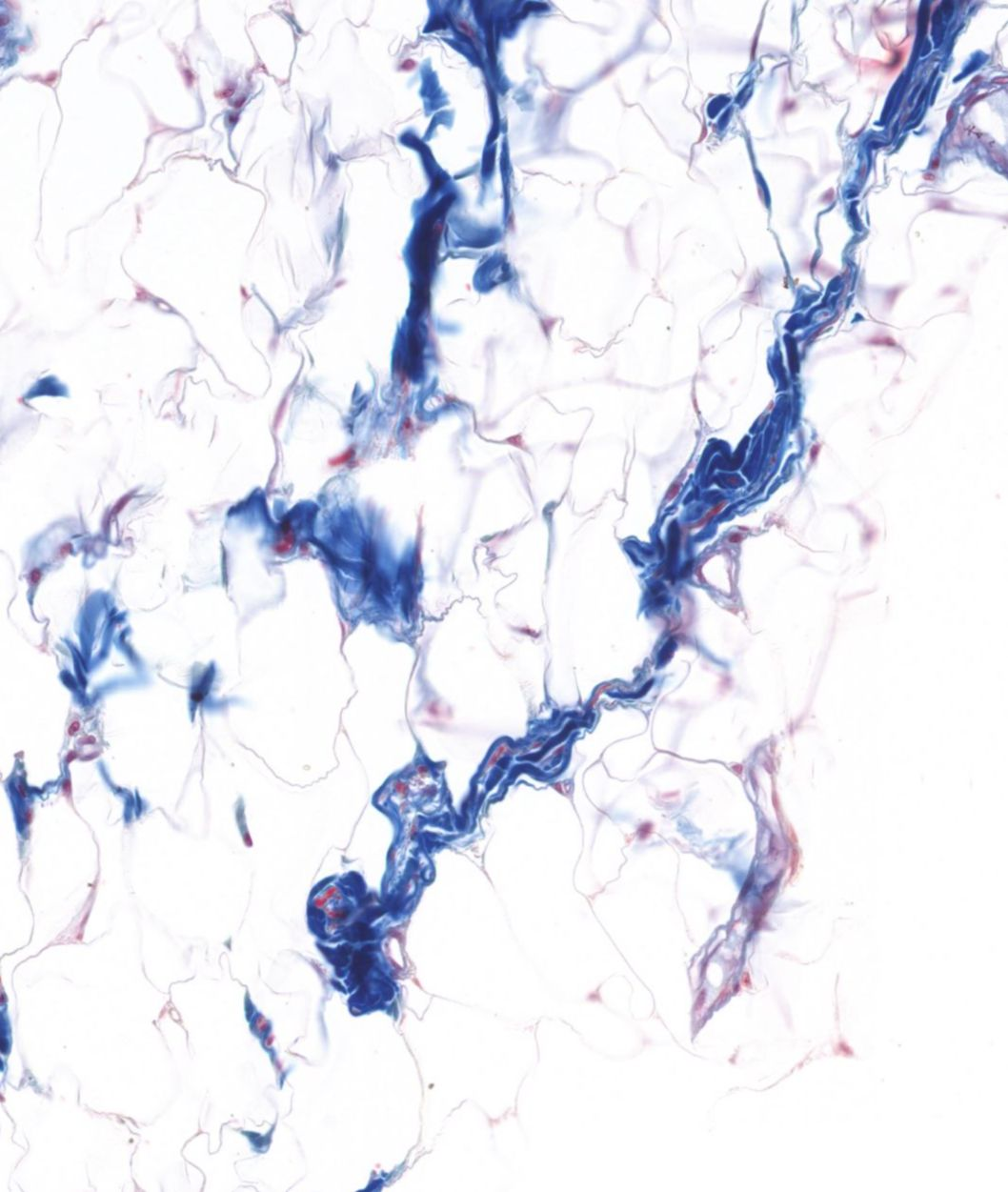
Collagen Fibers

Collagen

Dense Irregular Tissue

Dense Regular

Elastic cartilage

Fibroblasts

Striated Squamous

Hyaline Cartilage

stratified columnar epithelium

Microvilli
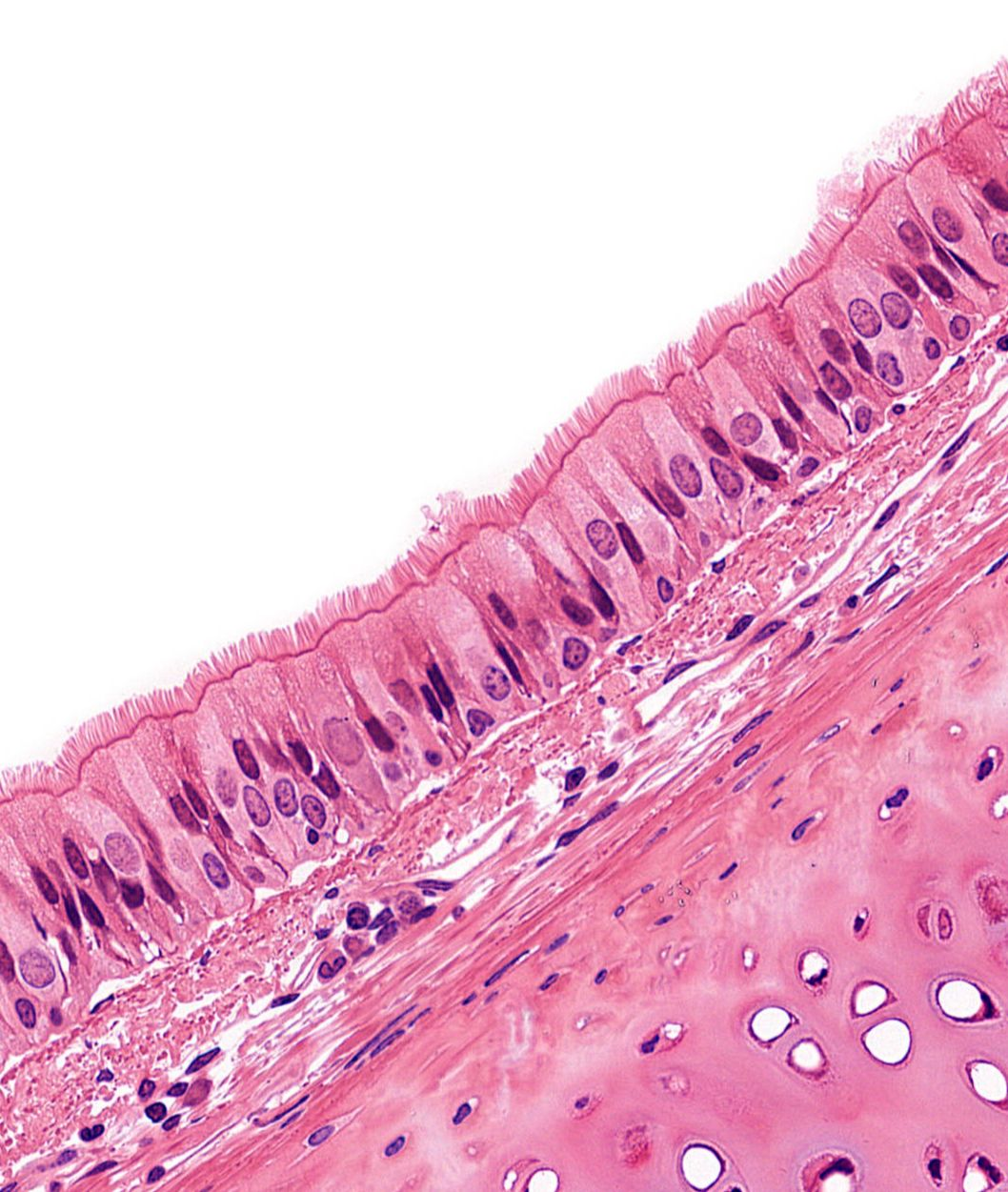
Psuedostratified Columnar

Transitional Epithelium

Reticular fibers
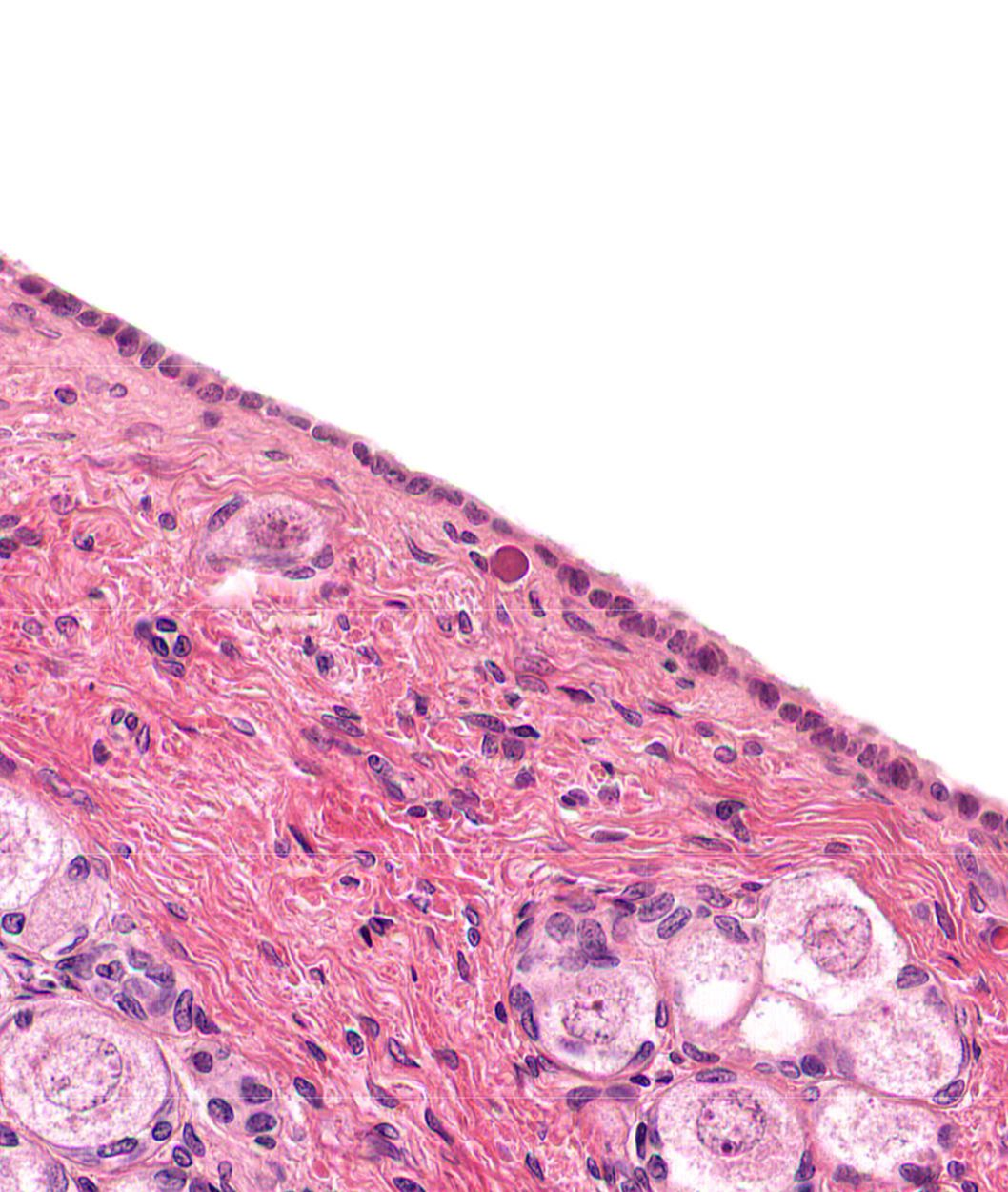
Simple Cuboidal
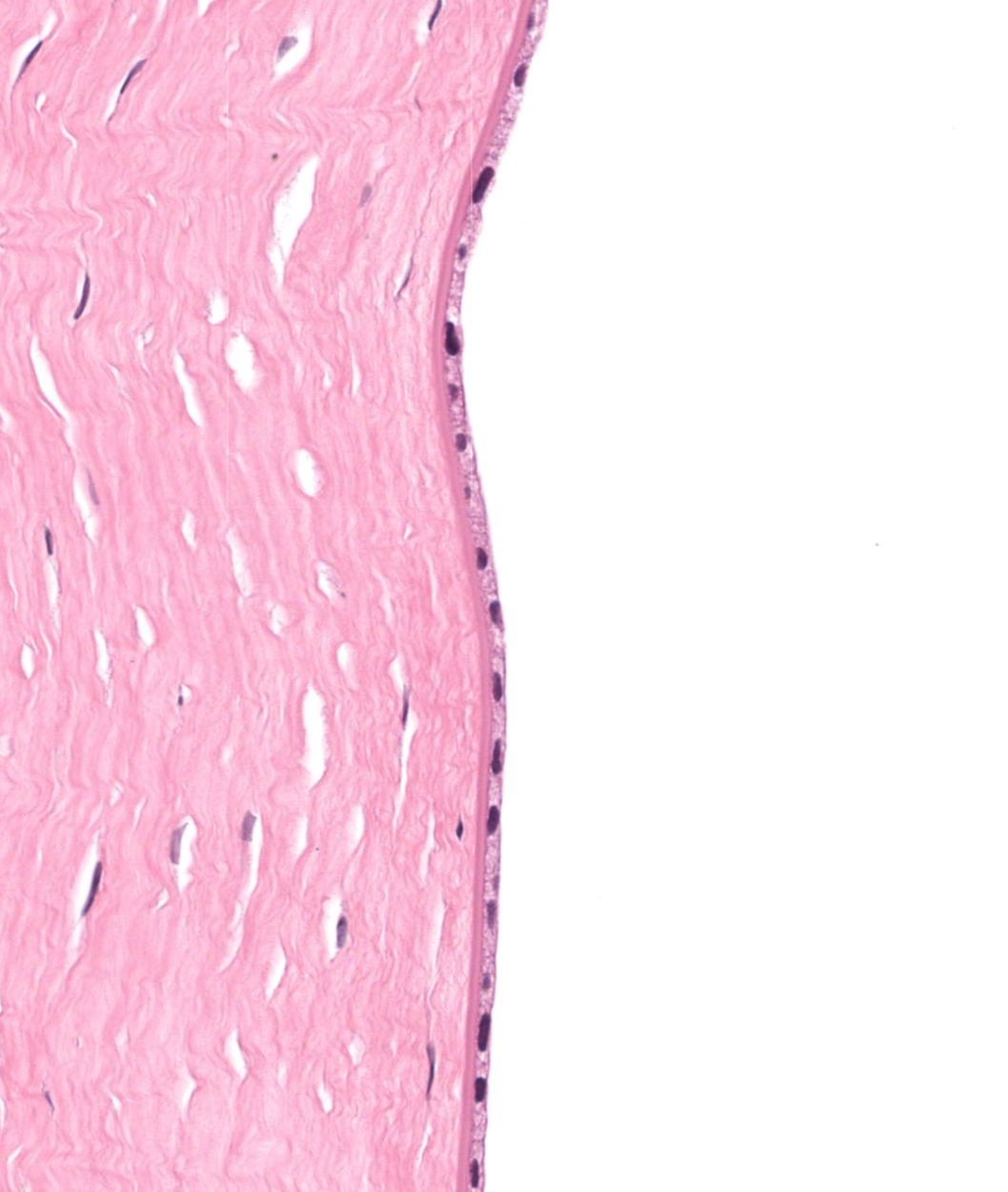
Simple Squamous

Simple Columnar
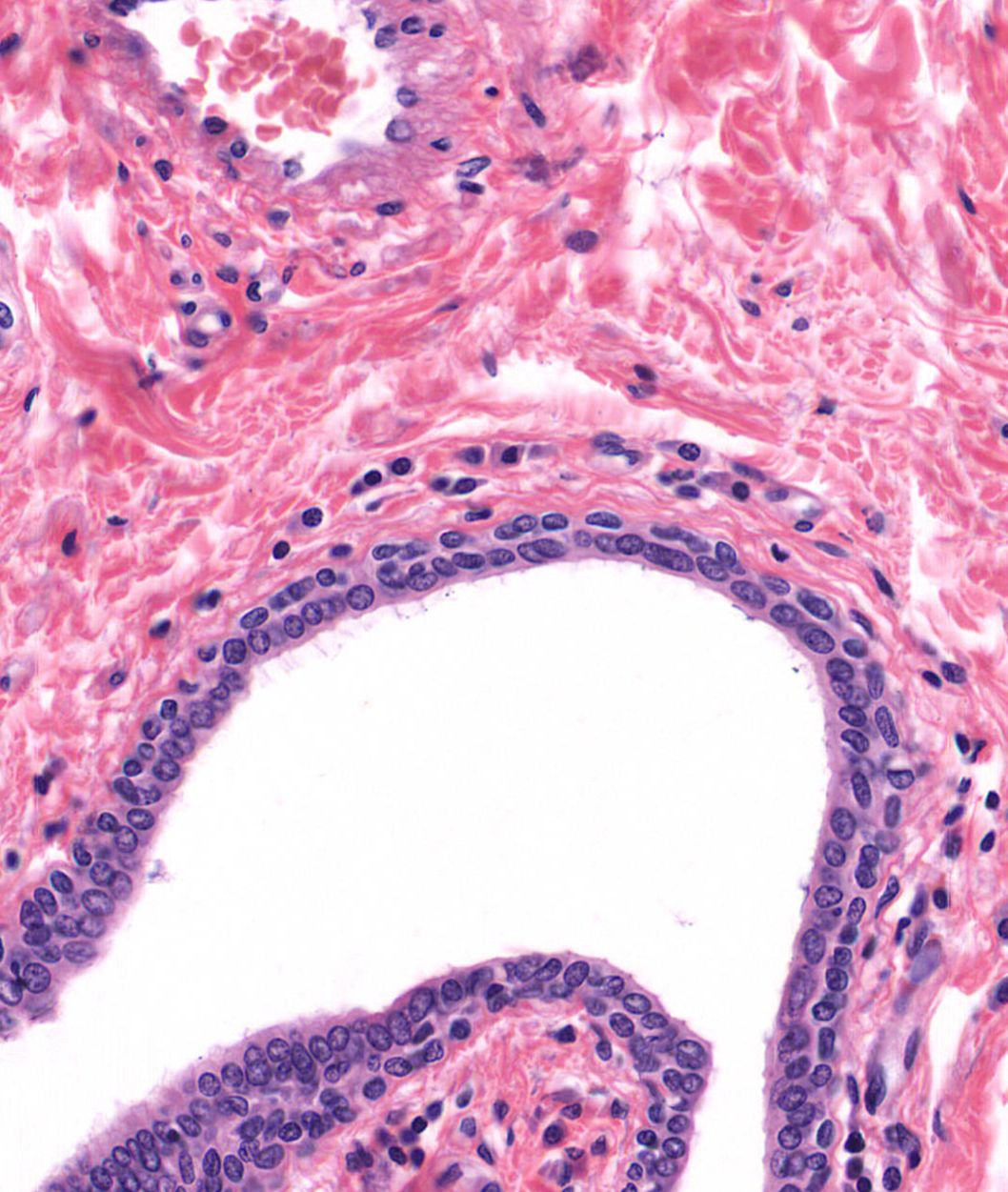
Stratified Cuboidal
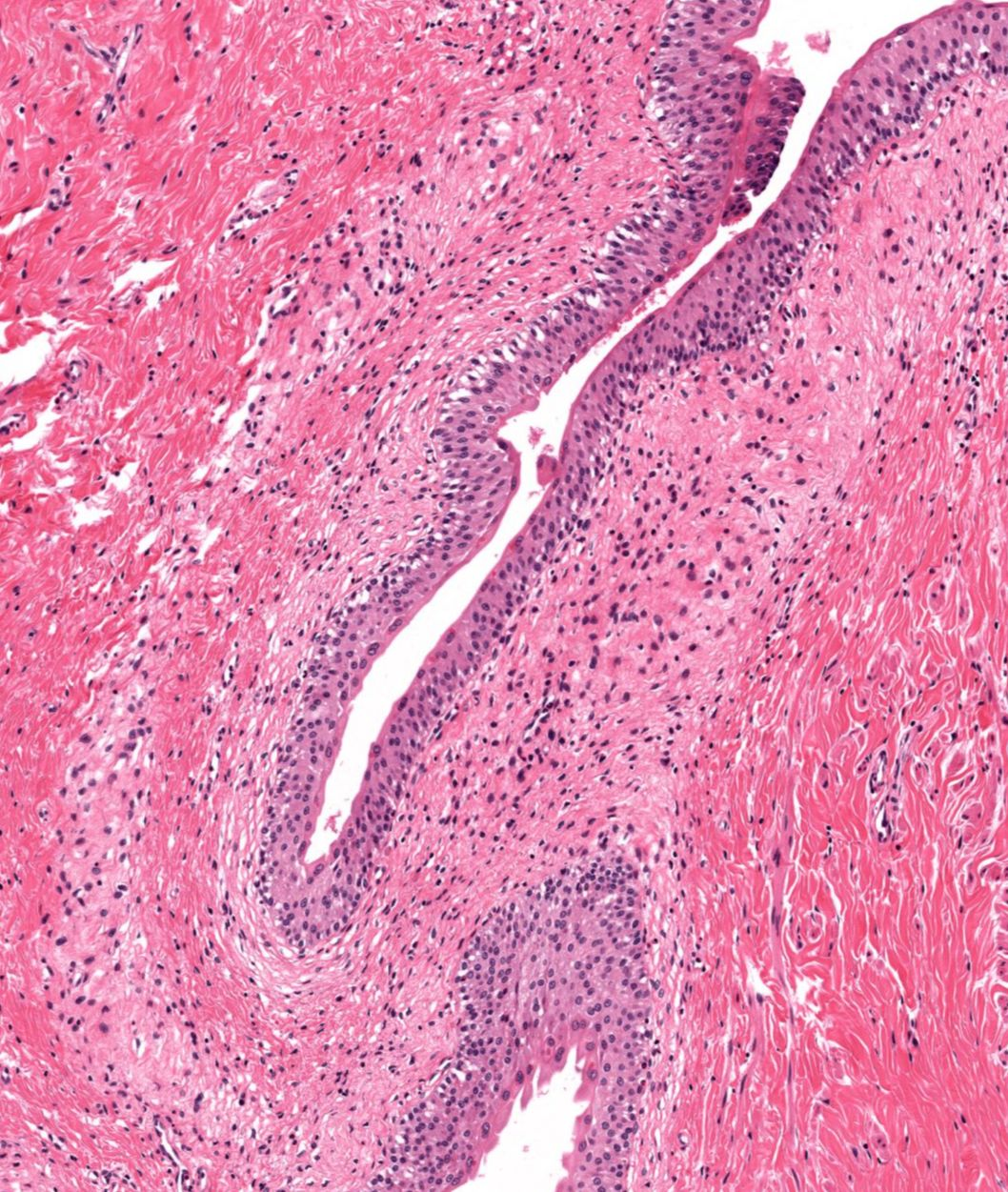
Transitional Epithelial
Adipocyte
A specialized cell that stores fat (lipids) for energy, insulation, and protection of organs. | Ex: Adipocytes make up most of adipose tissue. |
Adipocytes definition:
Specialized for energy storage within the connective tissue framework.
Areolar Tissue
A loose connective tissue that binds organs, cushions tissues, and supports blood vessels and nerves. | Ex: Areolar tissue is found beneath the skin. |
Areolar tissue functions:
Packing tissue,
Hold organs together
Underlies all mucosa membranes
Avascular definition:
Have no blood supply of their own (avascular), and depend on diffusion form capillaries in the underlying connective tissue for food and oxygen.
Axon
The long extension of a neuron that carries nerve impulses away from the cell body to other cells. | Ex: The axon transmits signals to muscles or other neurons. |
Basement Membrane
A thin layer of proteins that anchors epithelial tissue to the connective tissue beneath it. | Ex:The basement membrane supports the skin's epithelial cells. |
Blood
A fluid connective tissue that transports oxygen, nutrients, hormones, and waste products throughout the body. | Ex:Red blood cells carry oxygen in the blood. |
Bone
A hard connective tissue that provides support, protects organs, stores minerals, and produces blood cells. | Ex:The femur is the longest bone in the body. |
Cartilage
A flexible connective tissue that provides support and cushions joints. | Ex:Cartilage covers the ends of bones in joints. |
Characteristics of Connective Tissue:
Most connective tissues are well vascularized (blood supply).
However, some have a very poor blood supply
Cartilages are avascular (no blood supply).
Extracellular matrix Most connective tissues are well vascularized (blood supply).
However, some have a very poor blood supply
Cartilages are avascular (no blood supply).
Extracellular m
Characteristics of Epithelial tissue:
Fit very closely together to form continuous sheets.
Neighboring cells are held together at many points by cell junctions
Desmosomes
Tight junctions
Chondrocyte
A mature cartilage cell that produces and maintains cartilage tissue. | Ex:Chondrocytes are found in lacunae within cartilage. |
Chondrocytes definition:
Found in cartilage, they produce and maintain the cartilaginous matrix.
Cilia
Tiny hair-like projections on the surface of some cells that move mucus, fluids, or particles. | Ex:Cilia in the trachea help remove dust and germs. |
Cilia function
their primary function is movement. Cilia tend to look like wispy hairs.
Cilia location:
lining the respiratory tract (nasal passages, trachea, and bronchi), female reproductive system, including the uterine tubes.
Collagen Fibers
Strong protein fibers that provide strength and support to connective tissues. | Ex:Tendons contain many collagen fibers. |
Columnar
type of epithelial cell that is taller than it is wide. | Ex:Columnar cells line much of the digestive tract. |
Connective Tissue
Tissue that supports, binds, protects, and connects other tissues and organs throughout the body. | Ex:Bone, blood, cartilage, and adipose tissue are all connective tissues. |
Connective Tissue location:
EVERYWHERE
Cuboidal
Cube-shaped epithelial cells that are about as tall as they are wide. | Ex:Cuboidal cells are common in kidney tubules and glands. |
Dendrite
A branched extension of a neuron that receives signals from other nerve cells. | Ex:Dendrites carry information toward the cell body. |
Dense Connective Tissue function:
Forms tendons and ligaments
makes up the dermis of the skin (when arranged in sheets)
Description of Blood matrix
Considered a connective tissue with a fluid matrix called plasma, which transports cells and nutrients throughout the body.
Description of bone matrix
Contains a rigid, mineralized matrix rich in calcium phosphate salts, giving it strength and durability.
Description of cartilage matrix:
Has a firm but flexible matrix with high concentrations of proteoglycans and type II collagen.
Description of Dense connective tissue matrix:
Contains tightly packed collagen fibers, providing strength in tendons and ligaments.
Description of Loose Connective tissue matrix:
Has a soft, flexible matrix rich in ground substance and elastic fibers, allowing flexibility and cushioning.
Elastic cartilage location:
A structure with high elasticity is desired
External ear
Nose
Epiglottis
Larynx
Elastic Fibers
Protein fibers that allow tissues to stretch and return to their original shape. | Ex:Elastic fibers help the lungs expand and recoil. |
Elastic fibers function:
allow tissues to stretch and recoil, as seen in the skin, lungs, and blood vessel walls.
Epithelium (Epithelial Tissue)
Tissue that covers body surfaces, lines organs and cavities, and forms glands. | Ex:The outer layer of skin is epithelial tissue. |
Fibers definition:
within the ground substance are protein fibers that provide tensile strength, elasticity, and structural integrity.
Fibroblast
A connective tissue cell that produces collagen, elastic fibers, and the extracellular matrix. | Ex:Fibroblasts help repair damaged tissue after an injury. |
Fibroblasts definition:
The most common cells, responsible for secreting collagen, elastic fibers, and ground substance.
Flexibility and Elasticity function of the matrix
Elastic fibers in the matrix allow tissues such as the lungs and arteries to expand and contract without damage.
Follicle
small sac-like structure that contains and supports developing cells. | Ex:Hair grows from a hair follicle in the skin. |
Function of collagen fibers
Provide high tensile strength.
type 1: tendons and ligaments
Type 2: cartilage
Type 3: reticular fibers
Function of extra cellular matrix:
allows the connective tissues to be very strong, bear weight, and tolerate abuses such as abrasion.
Function of ground substance:
Serves as the medium through which nutrients and waste products diffuse between blood vessels and connective tissue cells.
Also acts as a lubricant and shock absorber
Function of psuedostratified columnar epithelium:
absorption and secretion
Functions of Connective Tissue:
Protecting
Supporting
binding together other body tissues.
Functions of the connective tissue matrix
Structural Support
Transport and Exchange
Protection and Defense
Flexibility and Elasticity
Repair and Remodeling
Goblet cells:
With in simple columnar epithelial cells and produce a lubricating mucus
Ground substance components:
Water: Essential for diffusion of nutrients, gases, and waste products.
Proteoglycans: Large molecules composed of a protein core with glycosaminoglycan (GAG) chains attached. Examples of GAGs include hyaluronic acid, chondroitin sulfate, and heparan sulfate. These molecules attract water and give the ground substance its gel-like consistency.
Adhesion Proteins: Such as fibronectin and laminin, which help cells attach to the matrix.
Ground substance definition:
amorphous, gel-like component of the matrix that fills the spaces between cells and fibers.
How many layers are stratified cuboidal usually?
2 layers
Hyaline cartilage definition:
abundant collagen fibers within a rubbery matrix.
Immune cells definition:
Such as macrophages and mast cells, which help defend the body and interact with the matrix.
Lacuna
A small cavity within bone or cartilage that contains a mature cell. | Ex:Osteocytes and chondrocytes are housed in lacunae. |
Location and function of adipose tissue
Location: Found beneath the skin (subcutaneous fat), around kidneys, behind the eyeballs, within the abdomen, and in breasts.
Function: Stores energy as fat, insulates the body, and cushions organs.
Location and function of areolar tissue
Location: Found beneath epithelial layers, surrounding blood vessels, nerves, and organs. It fills the spaces between tissues.
Function: Provides cushioning, supports epithelial tissue, and allows diffusion of nutrients and waste.
Location and function of blood
Location: Circulates within blood vessels (arteries, veins, capillaries) and the chambers of the heart.
Function: Transports oxygen, nutrients, hormones, and waste products throughout
Location and function of bone (osseous tissue)
Location: Makes up the skeletal system, forming bones such as the femur, skull, ribs, and vertebrae.
Function: Provides rigid structural support, protects organs, stores minerals like calcium and phosphorus, and houses bone marrow for blood cell production.
Location and function of dense irregular connective tissue
Location: Found in the dermis of the skin, joint capsules, and the protective coverings (periosteum of bone, perichondrium of cartilage, and organ capsules around kidneys, liver, and spleen).
Function: Provides strength and resistance to forces applied in multiple directions.
Location and function of dense regular connective tissue
Location: Found in tendons (connecting muscles to bones) and ligaments (connecting bones to other bones).
Function: Provides strong, rope-like support in one direction due to its parallel collagen fibers.
Location and function of fibrocartilage
Location: Found in intervertebral discs, pubic symphysis, and menisci of the knee.
Function: Resists compression and absorbs shock.
Location and function of hyaline cartilage
Location: Found at the ends of long bones (articular cartilage), costal cartilages of ribs, nose, trachea, and larynx.
Function: Provides smooth surfaces for joint movement, flexibility, and support.
Location and function of the elastic cartilage
Location: Found in the external ear (pinna), epiglottis, and auditory tubes.
Function: Provides strength with elasticity, maintaining shape while allowing flexibility.
Location of Fibrocartilage:
Found where shock absorption is desired
Discs in-between vertebral bodies
Location of simple columnar epithelium:
Lines entire digestive tract
Loose connective tissue contents:
Elastin fiber, fibroblasts, collagen fiber
Matrix
The nonliving material surrounding connective tissue cells that contains fibers and ground substance. | Ex:Bone matrix is hardened with calcium minerals. |
Microvilli common location
On epithelial cells lining the small intestine
Microvilli definition
small, finger-like projections that increase the surface area of a cell.
Neuroglia (Glial Cells) |
Specialized support cells that protect, nourish, and insulate neurons. | Ex:Schwann cells are a type of neuroglia. |
Neuron
A specialized nerve cell that transmits electrical signals throughout the nervous system. | Ex:Neurons allow the brain to communicate with the body. |
Osteocyte
A mature bone cell that maintains bone tissue and helps regulate mineral content. | Ex:Osteocytes are found in lacunae within bone. |
Osteocytes and Osteoblasts definition:
Found in bone, they secrete and mineralize the bone matrix.
Reticular Fibers
Thin, branching protein fibers that form a supportive framework for soft organs. | Ex:Reticular fibers support the spleen and lymph nodes. |
Reticular fibers function and location:
support soft organs like the lymph nodes, spleen, and bone marrow.
Simple Cudoidal Location:
Typically in glands and their ducts
salivary glands
Pancreas
Also forms the walls of the kidney tubules
Covers the surface of the ovaries
Simple Squamous location:
air sacs of the lungs
Walls of capillaries
Simple vs. Stratified Epithelium
Simple epithelium has one layer of cells and is specialized for absorption, secretion, and diffusion. Stratified epithelium has multiple layers of cells and provides protection from wear and tear. | Ex:The small intestine has simple epithelium, while the skin has stratified epithelium. |
Stratified columnar location:
Ducts of large glands
Stratified cuboidal location:
Ducts of large glands