Ch.2 General Anatomy and Radiographic Positioning Terminology
 Call Kai
 Learn
Learn Practice Test
 Spaced Repetition
 Match
Match Flashcards
 Knowt Play
1/19

There's no tags or description
Looks like no tags are added yet.
Name | Mastery | Learn | Test | Matching | Spaced | Call with Kai | Chat |
|---|
No analytics yet
Send a link to your students to track their progress
20 Terms
Four Fundamental Body Planes
Sagittal, Coronal, Horizontal, Oblique

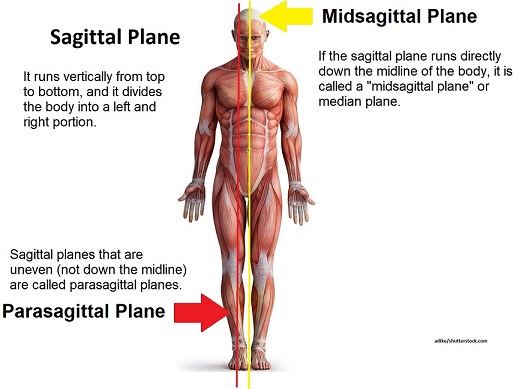
Saggital Plane
Divides the entire body or a body part into right and left segments. The plane passes vertically through the body from front to back
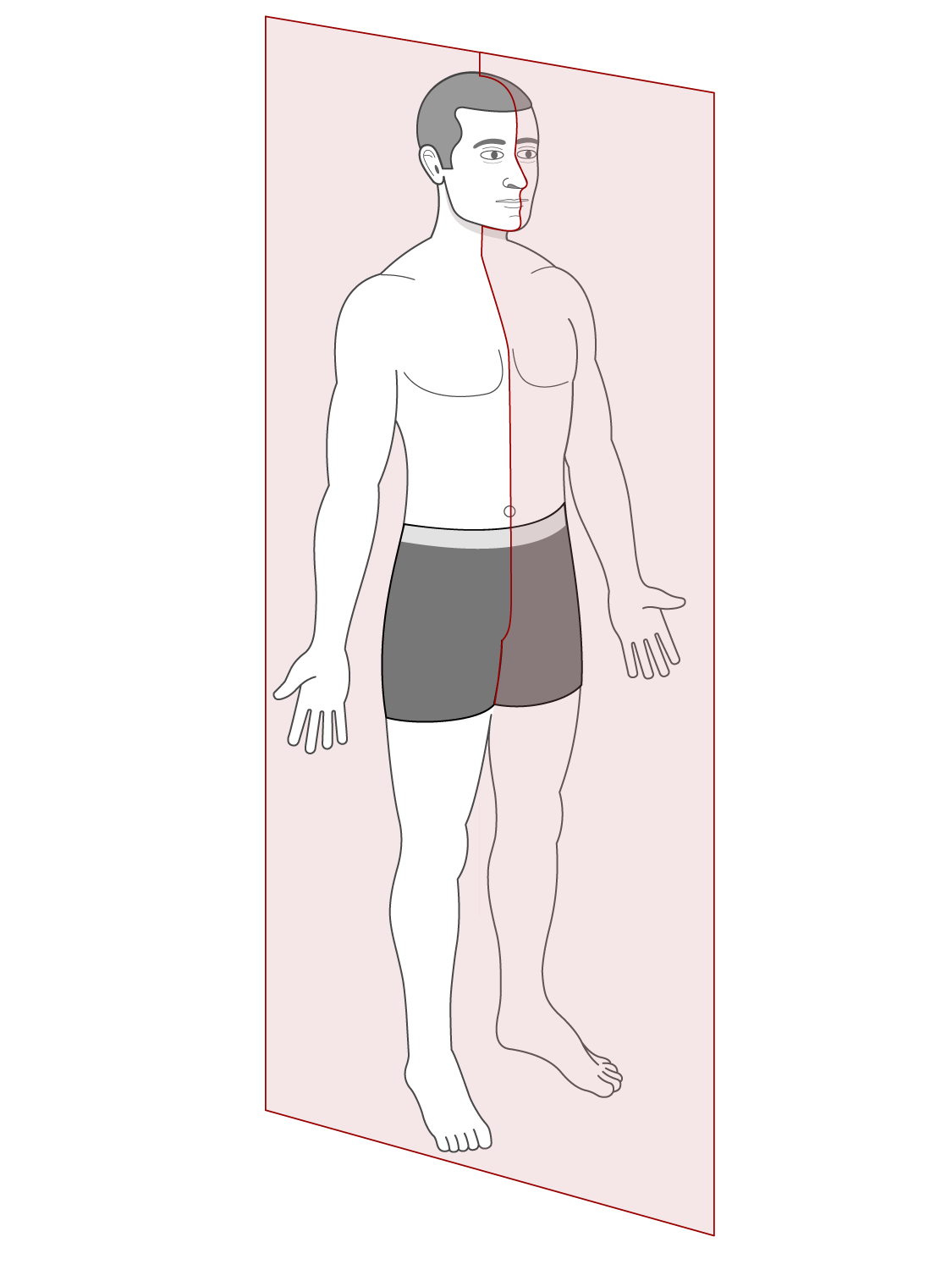
Midsaggital Plane
Specific Saggital plane that divides the entire body or a body part into right and left segments with the plane passes vertically through the body from front to back that divides the body into equal right and left halves.
Coronal Plane
Divides the entire body or a body part into anterior and posterior segments. The plane passes through the body vertically from one side to the other
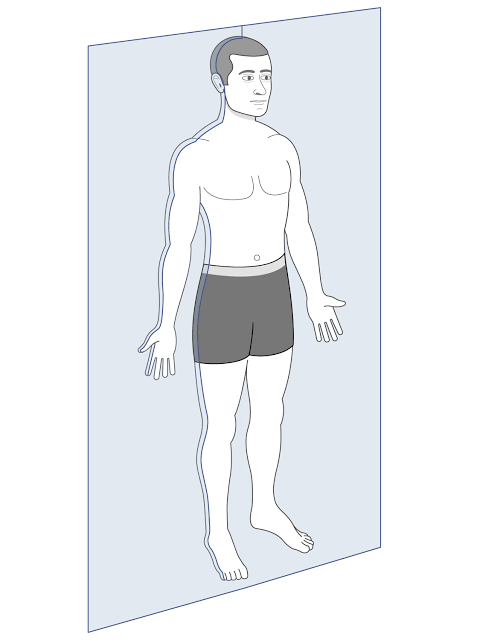
Midcoronal Plane
Specific coronal plane that passes through the midline of the body, dividing it into equal anterior and posterior halves. This plane is sometimes referred to as the midaxillary plane.
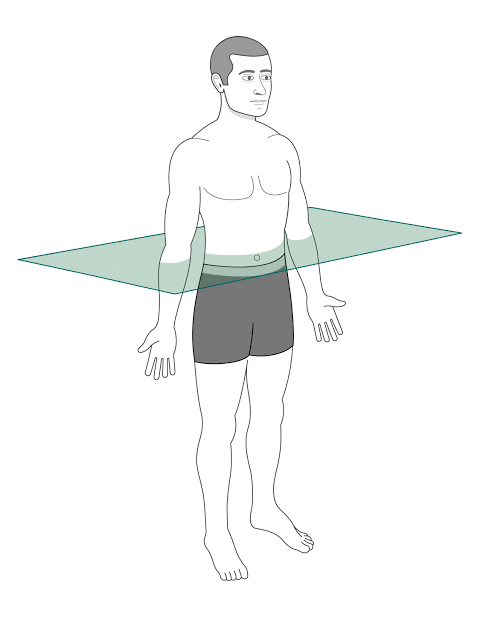
Horizontal Plane
Passes crosswise through the body or a body part at right angles to the longitudinal axis. It is positioned at a right angle to the sagittal and coronal planes. This plane divides the body into superior and inferior portions. Often it is referred to as an axial, transverse, or cross-sectional plane
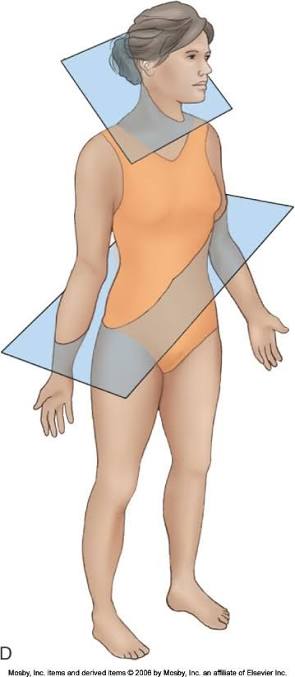
Oblique Plane
Can pass through a body part at any angle among the three previously described planes
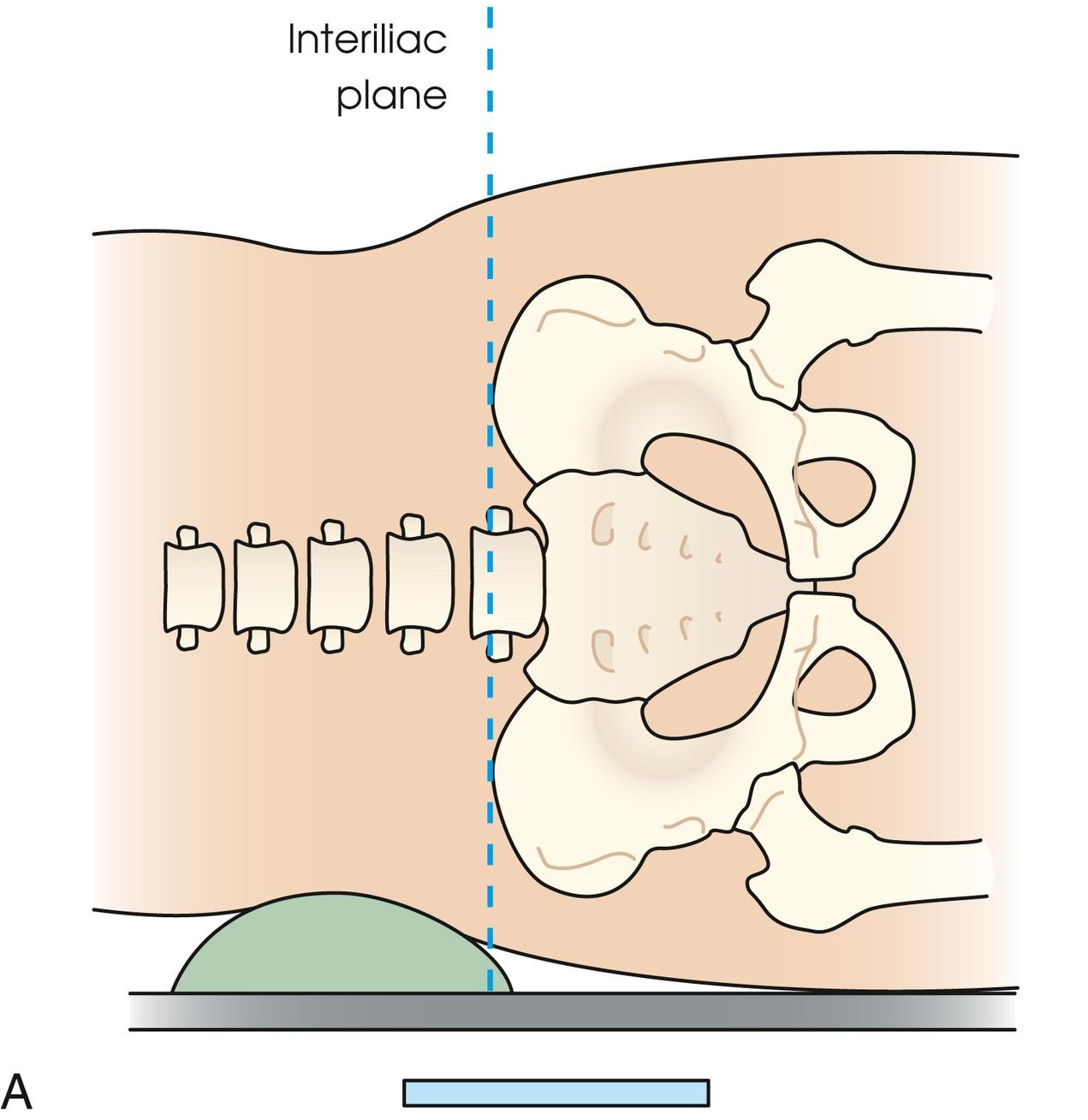
Interiliac plane
Transects the pelvis at the top of the iliac crests at the level of the fourth lumbar spinous process. It is used in positioning the lumbar spine, sacrum, and coccyx.
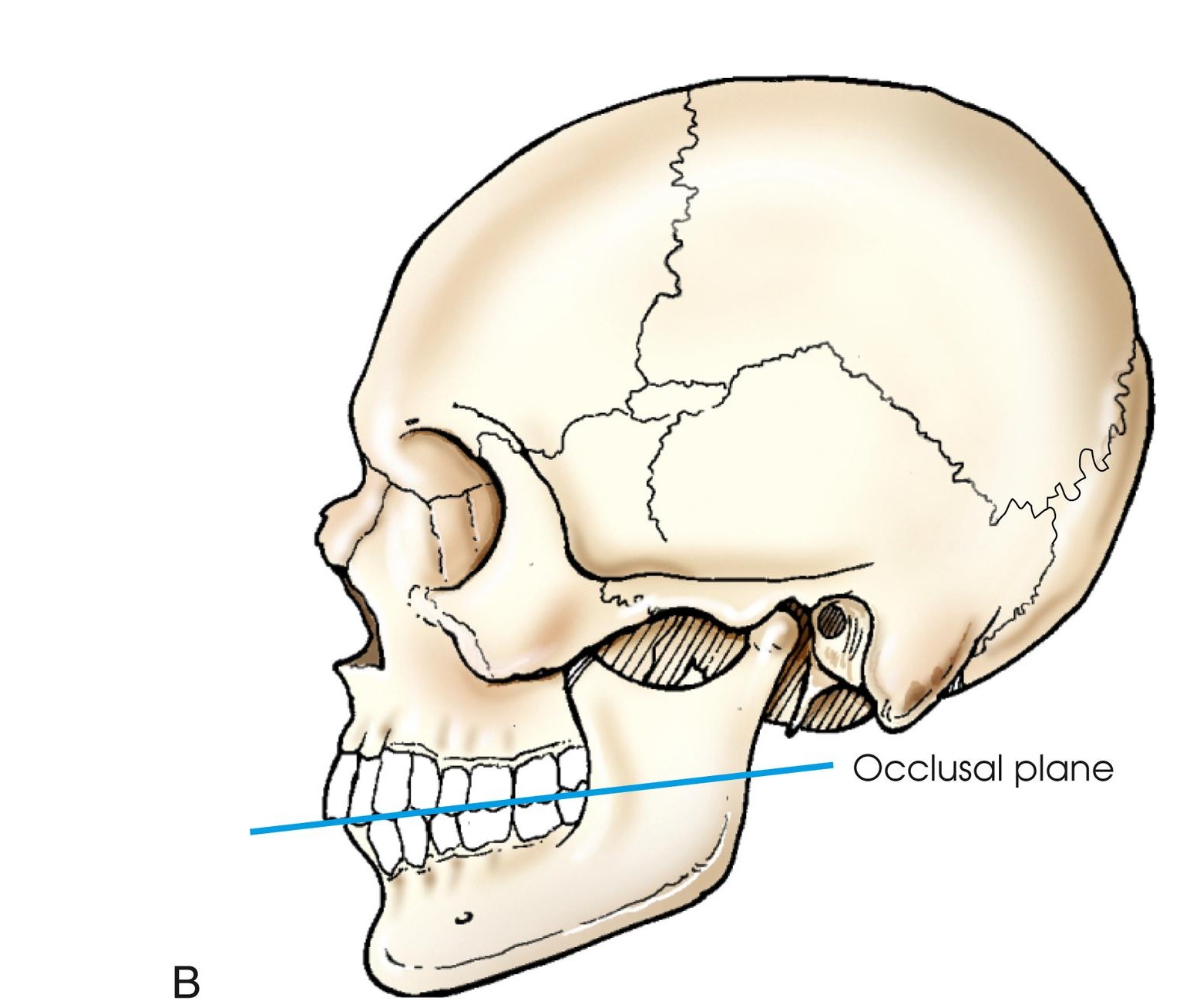
Occlusal plane
Formed by the biting surfaces of the upper and lower teeth with the jaws closed. It is used in positioning of the odontoid process and in some head projections.
Two great cavities of the torso
thoracic and abdominal cavities. The thoracic cavity is subdivided into a pericardial segment and two pleural portions. Although the abdominal cavity has no intervening partition, the lower portion is called the pelvic cavity. Some anatomists combine the abdominal and pelvic cavities and refer to them as the abdominopelvic cavity.
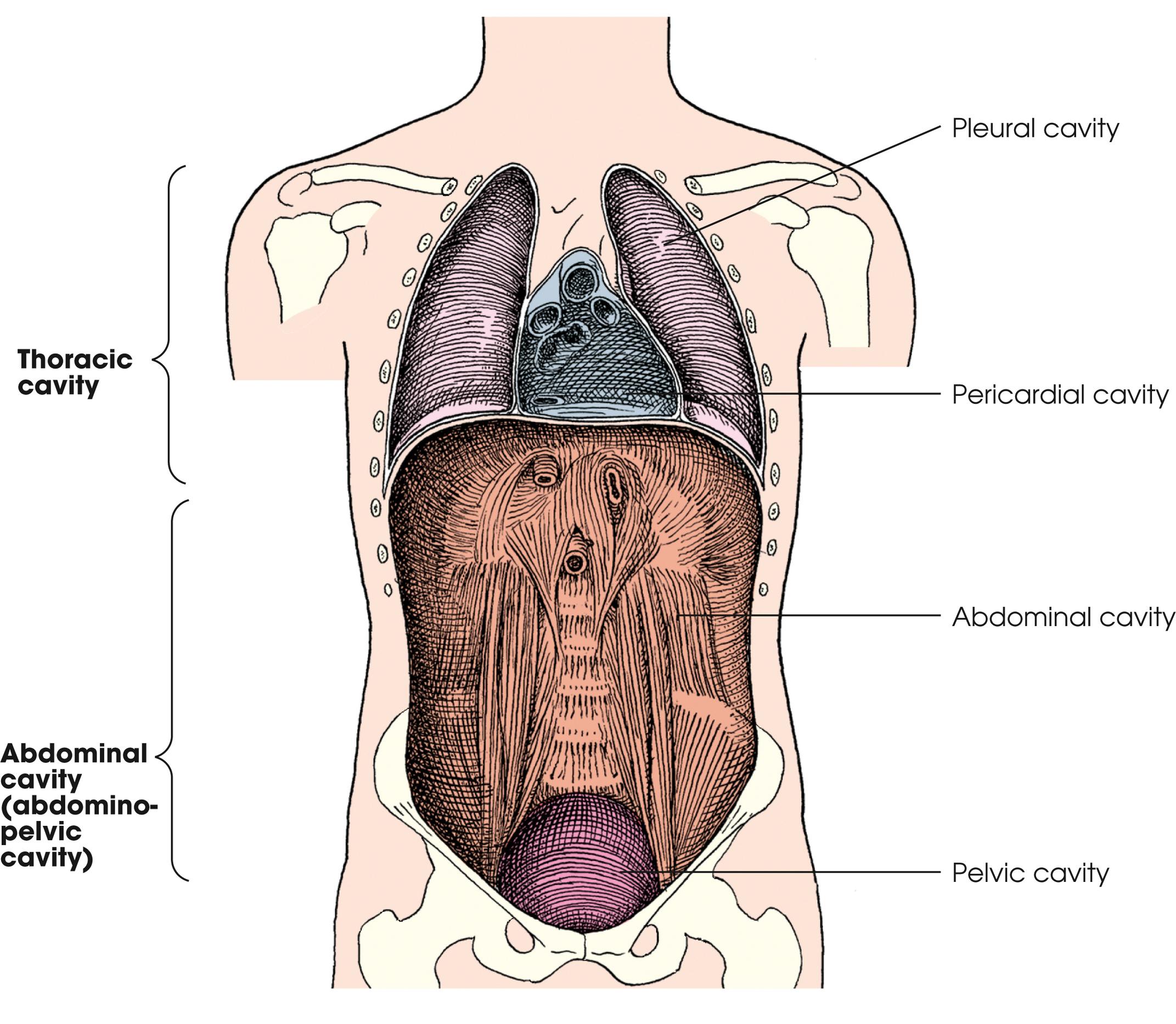
Thoracic cavity includes:
Pleural membranes
Lungs
Trachea
Esophagus
Pericardium
Heart and great vessels
Abdominal cavity includes:
Peritoneum
Liver
Gallbladder
Pancreas
Spleen
Stomach
Intestines
Kidneys
Ureters
Major blood vessels
Pelvic portion of abdominopelvic cavity includes:
rect*m, urinary bladder, and parts of the reproductive system
The abdomen is often divided into four clinical divisions called quadrants, which are:
Right upper quadrant (RUQ)
Right lower quadrant (RLQ)
Left upper quadrant (LUQ)
Left lower quadrant (LLQ)
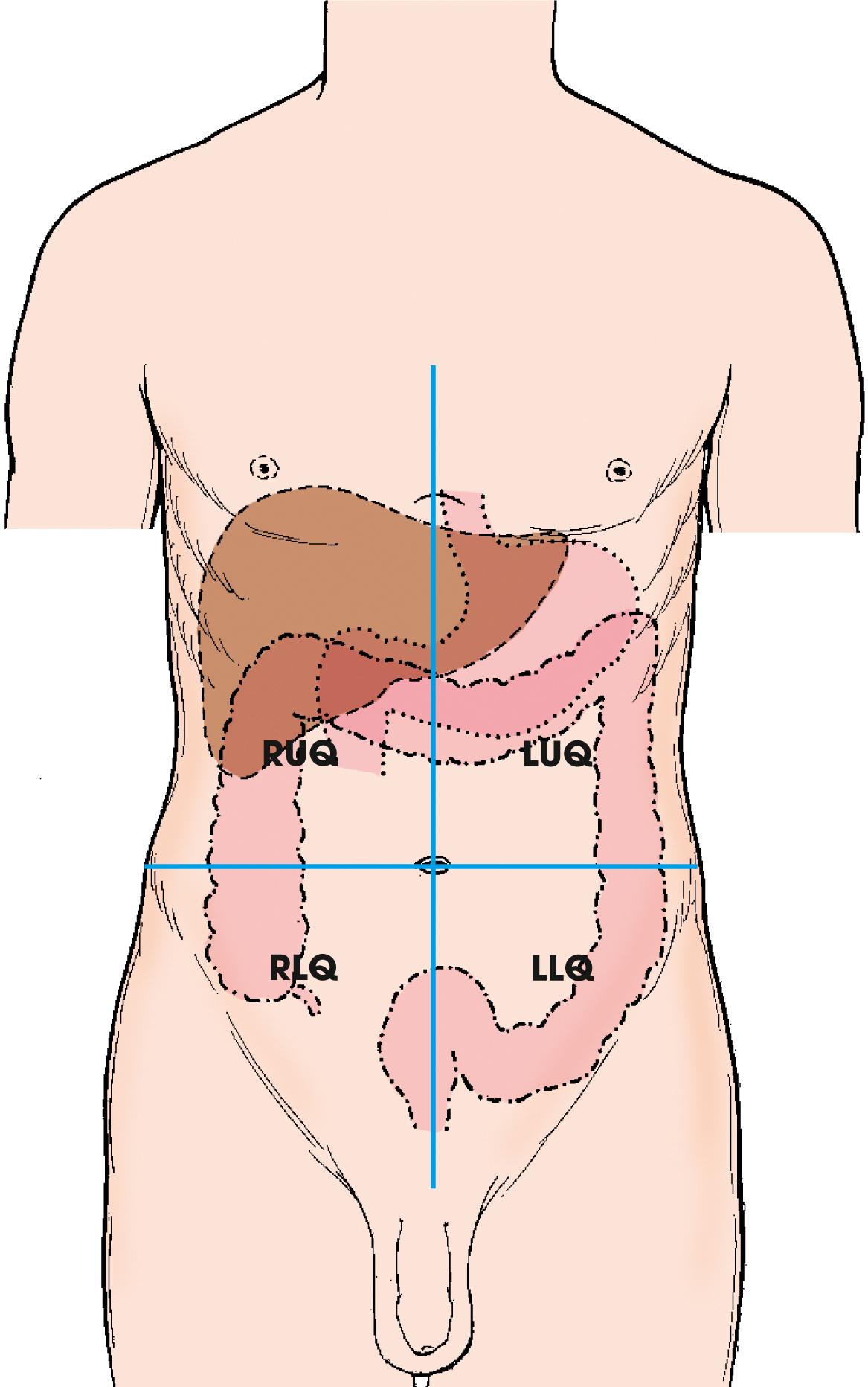
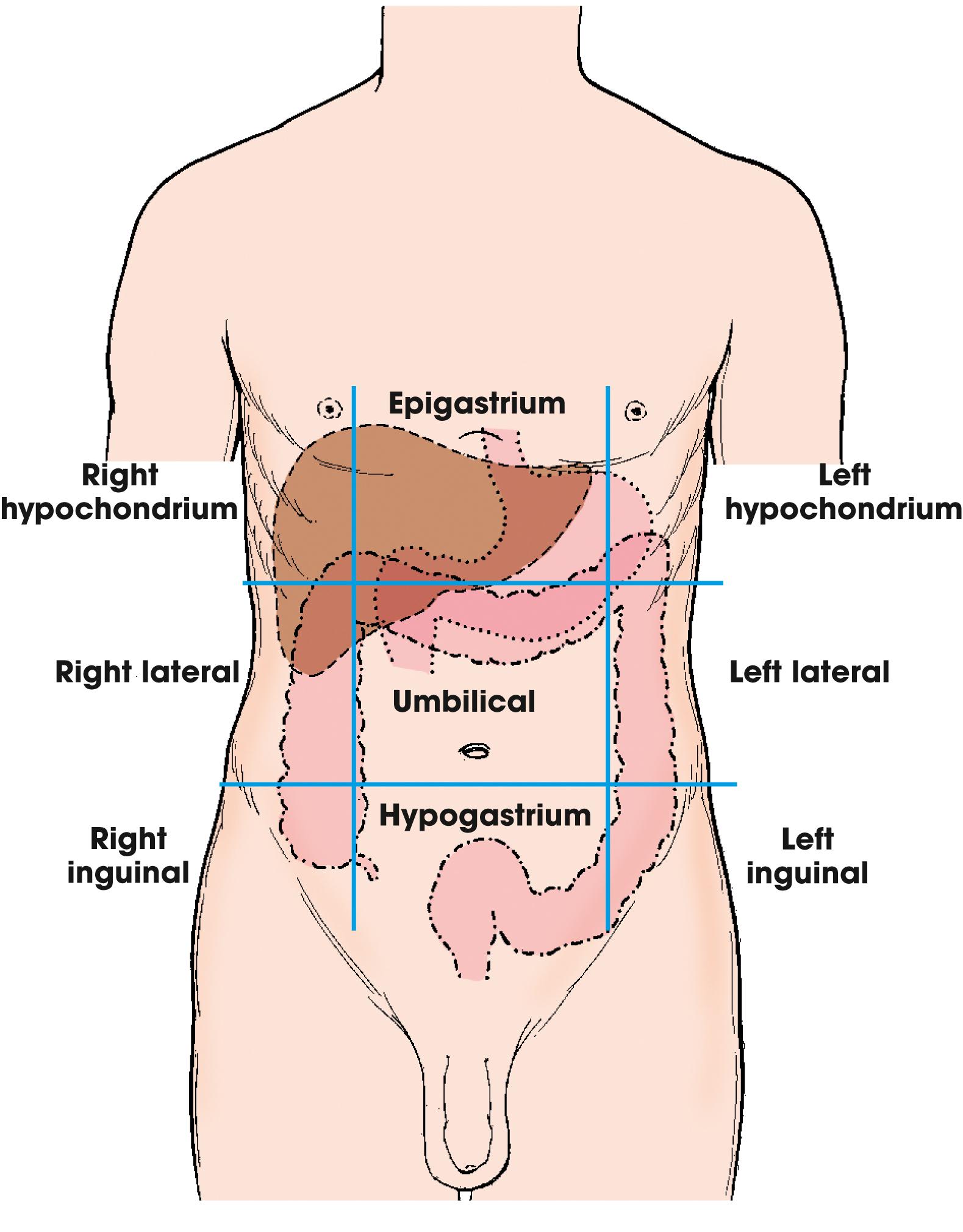
Some anatomists divide the abdomen into nine regions by using four planes, two horizontal and two vertical. The nine regions of the abdomen, divided into three groups, are named as follows:
Superior:
Right hypochondrium
Epigastrium
Left hypochondrium
Middle:
Right lateral
Umbilical
Left lateral
Inferior:
Right inguinal
Hypogastrium
Left inguinal
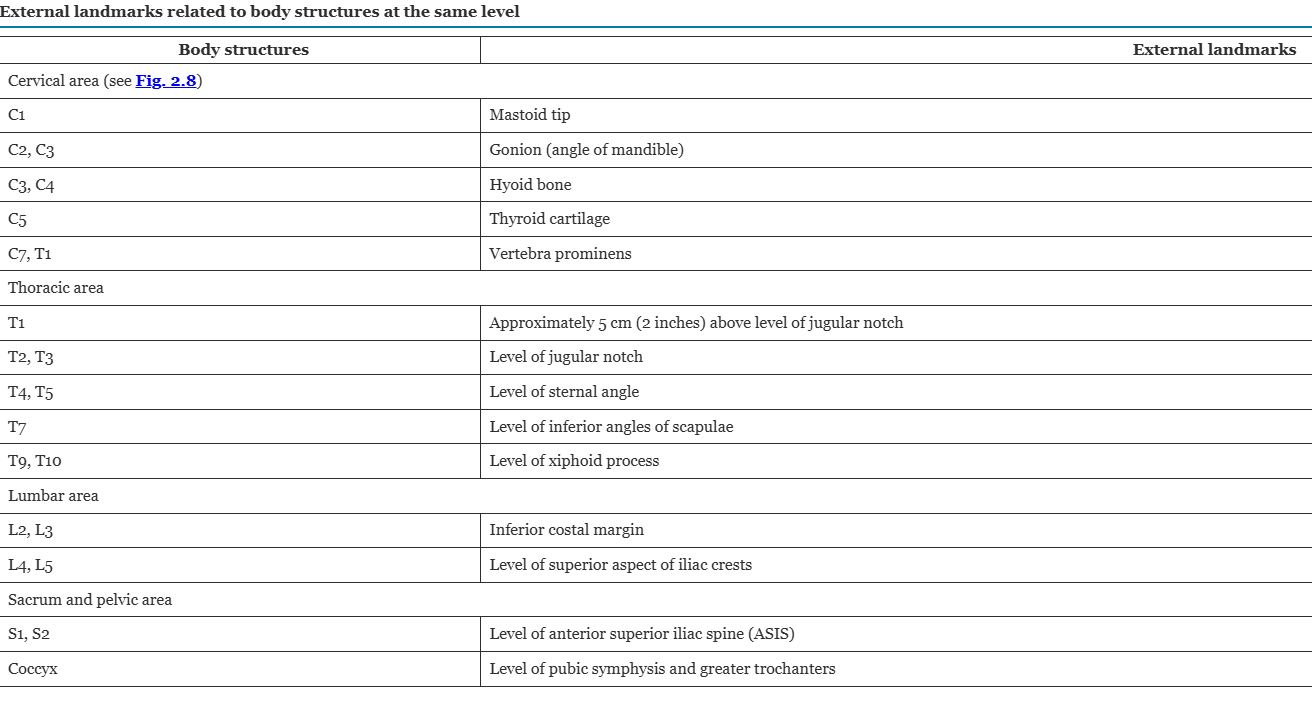
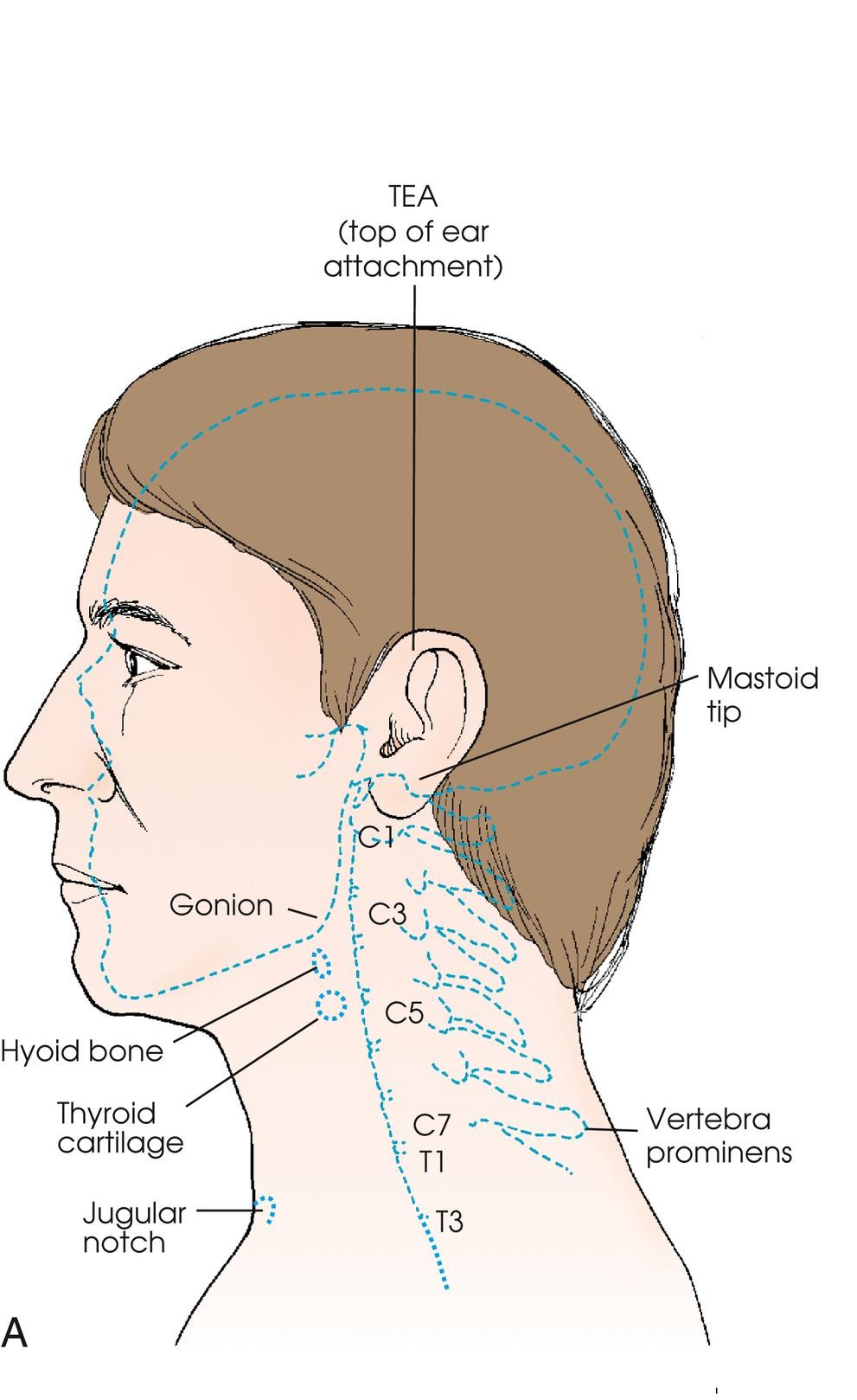
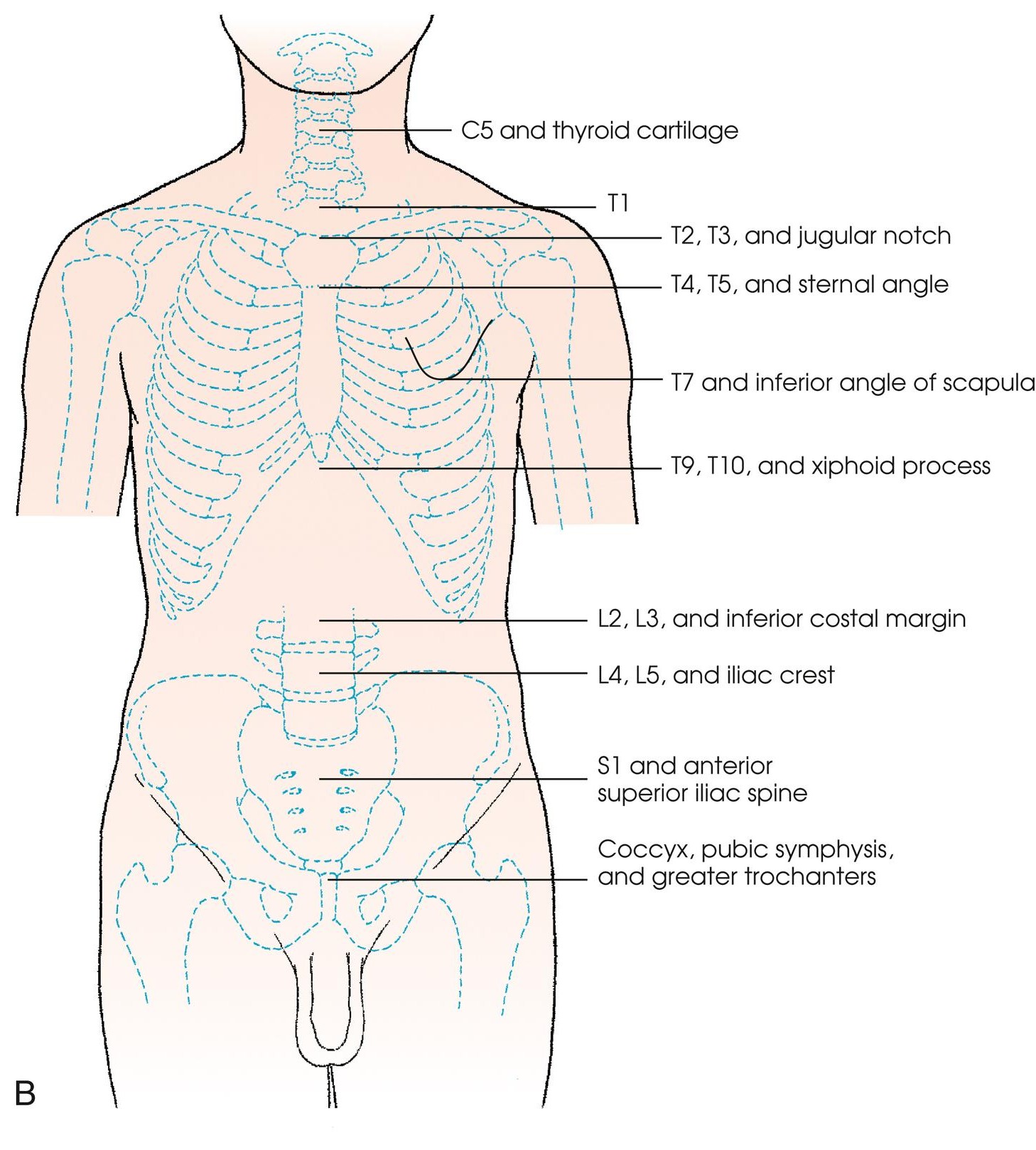
External landmarks related to body structures at the same level
Surface landmarks of the Head and neck
Surface landmarks of the Torso
Common variations in the shape of the human body are termed the body habitus, which are the four different body habitus types?
A) Sthenic—50%
B) Hyposthenic—35%
C) Asthenic—10%
D) Hypersthenic—5%
% of commonality