Algebra 2 Advanced Factoring & Graphing Polynomial Functions (B)
 Call Kai
 Learn
Learn Practice Test
 Spaced Repetition
 Match
Match Flashcards
 Knowt Play
1/46

Earn XP
Description and Tags
Name | Mastery | Learn | Test | Matching | Spaced | Call with Kai |
|---|
No analytics yet
Send a link to your students to track their progress
47 Terms
When factoring, firstly…
look for the greatest common factor!
How can you tell how many solutions a system has?
Look at the highest degree of the function
For quadratic equation with a higher degree…
Normally factor it using the star method (divide leading term degree by 2 and put that on the sides of the star)
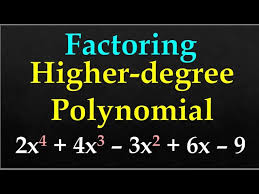
What are the factors of this quadratic?
6x^4 - 54x² + 108
6(x²-6)(x²-3)
What are the two types of factoring two-term polynomials?
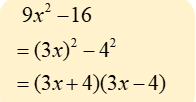
sum/difference of two perfect squares
sum/difference of cubes
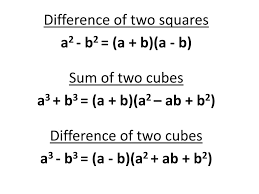
difference of two perfect squares
a²-b² = (a+b)(a-b)
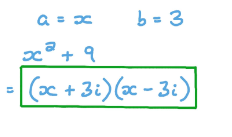
sum of two perfect squares
a²+b² = (a+bi)(a-bi)
DO NOT FORGET TO ADD ‘i’ to b when you are factoring sums of two perfect squares!!!
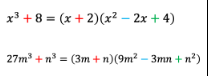
difference of cubes
a³-b³ = (a-b)(a² + 2ab + b²)
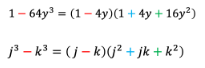
sum of cubes
a³ + b³ = (a+b)(a² - 2ab + b²)
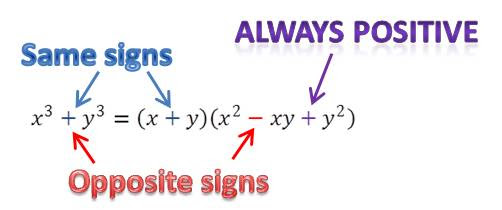
When doing the sum/difference of cubes, remember..
SOAP - same, opposite, always positive (signs)
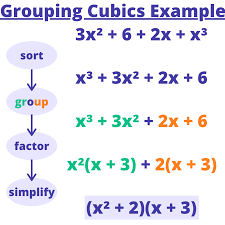
How do you factor four-term polynomials?
Using the grouping method
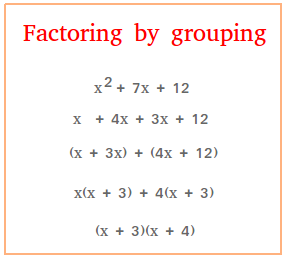
How do you group four terms?
look for gcf of the first two and last two terms
take out negatives if possible
make a group of the gcfs and other of the common binomial
Factor:
25x² + 16
(5x + 4i)(5x - 4i)
Factor:
x³ + 64
(x + 4) (x² - 4x + 16)
Factor:
12x³-9x²+20x-15
(4x-3)(3x²+5)
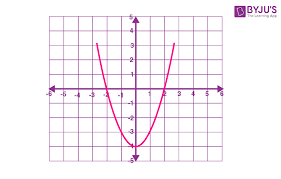
even function
symmetrical over y axis
odd function
symmetrical over origin
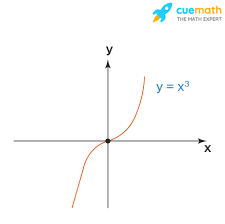
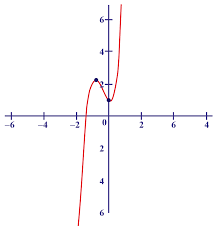
Even, odd, or neither?
neither
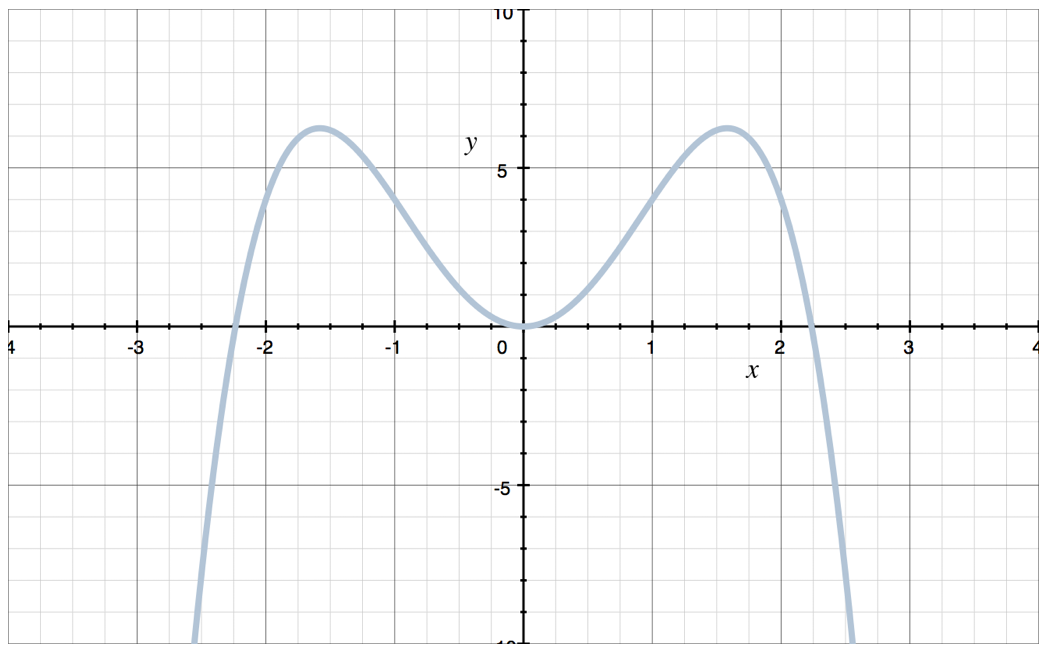
even, odd, or neither?
even
what are zeroes?
same thing as x-intercept, and roots.
intervals of inc/dec
written using only the x-values
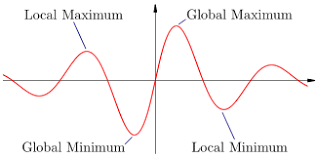
relative maximum/minimums
peaks or pits that occur in the function
absolute max/min
the highest value in the function or the lowest value in the function. Infinity does not count.
What does a degree tell you?
the number of roots, zeroes, or factors the polynomial will have
Extrema
number of turns a graph makes.
Subtract one from the degree to find the # of extrema.
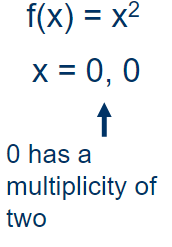
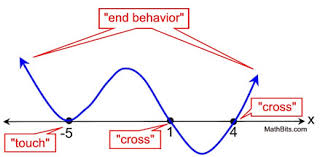
Multiplicity
determines if the function will cross the x-axis or bounce off it. One number can have multiple ‘multiplicities’
odd multiplicity
cross the x axis
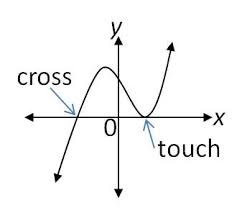
even multiplicity
bounces off the x axis
How do you find zeroes?
Set factors = 0 & solve for the factor.
How do you find the y-intercept?
Set all x’s to zero and solve for y
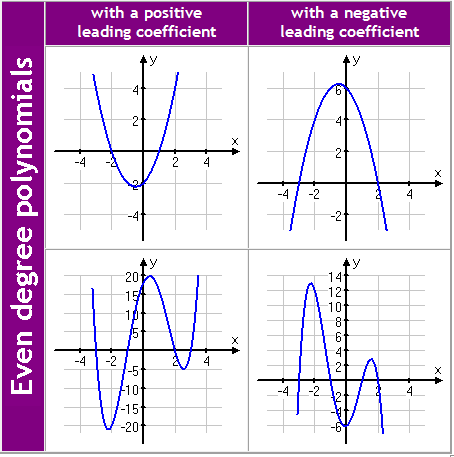
For even degrees…
both ends will either point
UP (positive leading coefficient)
DOWN (negative leading coefficient)
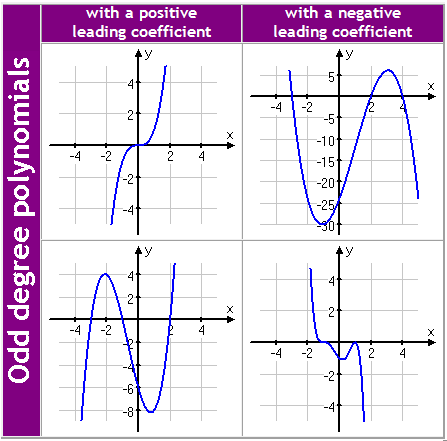
For odd degrees…
goes to positive infinity as you move right ( positive leading coefficient)
goes to negative infinity as you move right (negative leading coefficient)
Forms of polynomials
ZERO form (-1, 5, -7)
Factored form (x+1) (x-5) (x+7)
Standard (x³-x²-6x)
What does a one solution system of equations polynomial look like?
Only one solution that is tangent ( q & l ) or touching vertexes ( q & q )
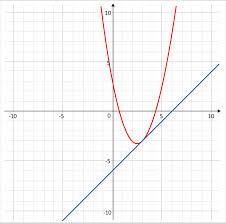
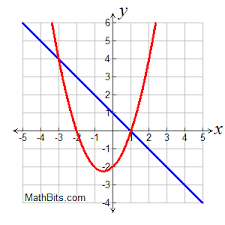
What does a two solution system of equations polynomial look like?
Two solutions where a line crosses through a quadratic or the quadratics intercept each other.
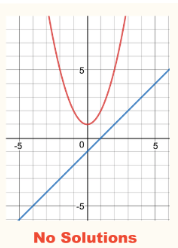
What does a NO solution system of equations polynomial look like?
both functions do not touch at all.
What does an INFINITE solution system of equations polynomial look like?
the functions are the exact same line ( does not apply to linear & quadratic , only two quadratics)
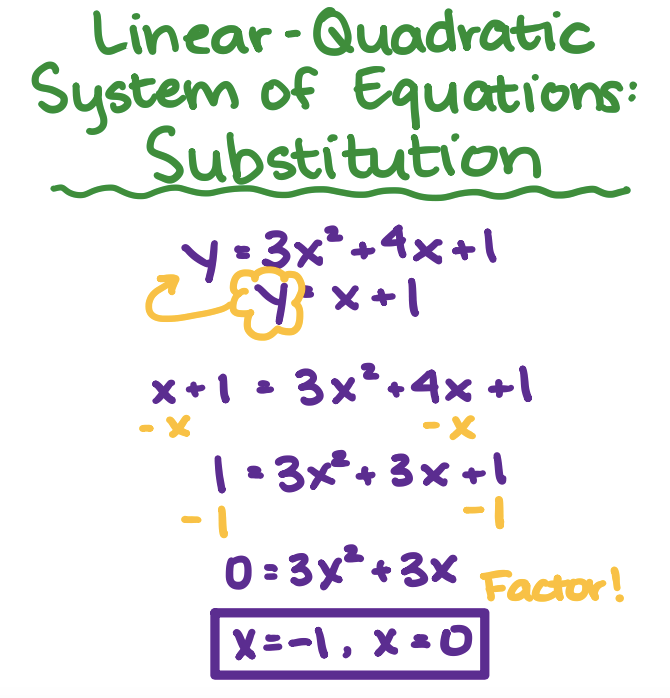
Steps to solve system of quadratics using SUBSTITUTION
solve one of the equations for a variable if necessary
substitute that into the equation
combine like terms
take the found x or y value and plug it back into equation to find the other value.
Write as ordered pair.
Solve this system of quadratics:
y² + x + 11y - 47 = 0
22y² + x - 115y + 142 = 0
y = 3
x = 5
(5,3)
lesser than & greater than values
values NOT included O
Interval notation is in parenthesis ( )
lesser than or equal to & greater than or equal to values
values Included •
Interval notation is in brackets [ ]
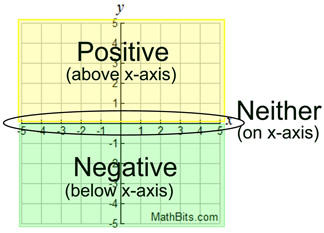
Less than (<, <=)
graph is below x axis
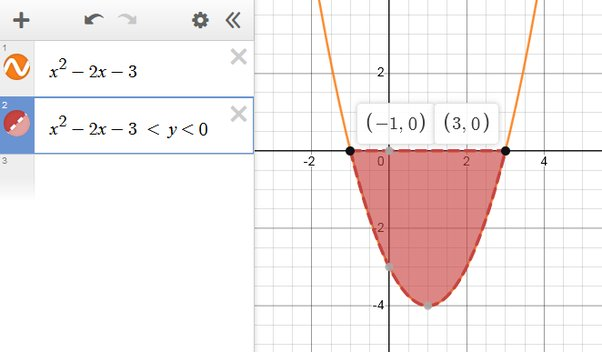
Greater than (>, >=)
graph is above x axis
How to solve polynomial inequalities?
Move all terms to one side in standard form
Factor & solve polynomial to find critical points
Place critical points on a number line and test a number in between the solutions to see if the inequality is satisfied
Write answer in correct interval notation
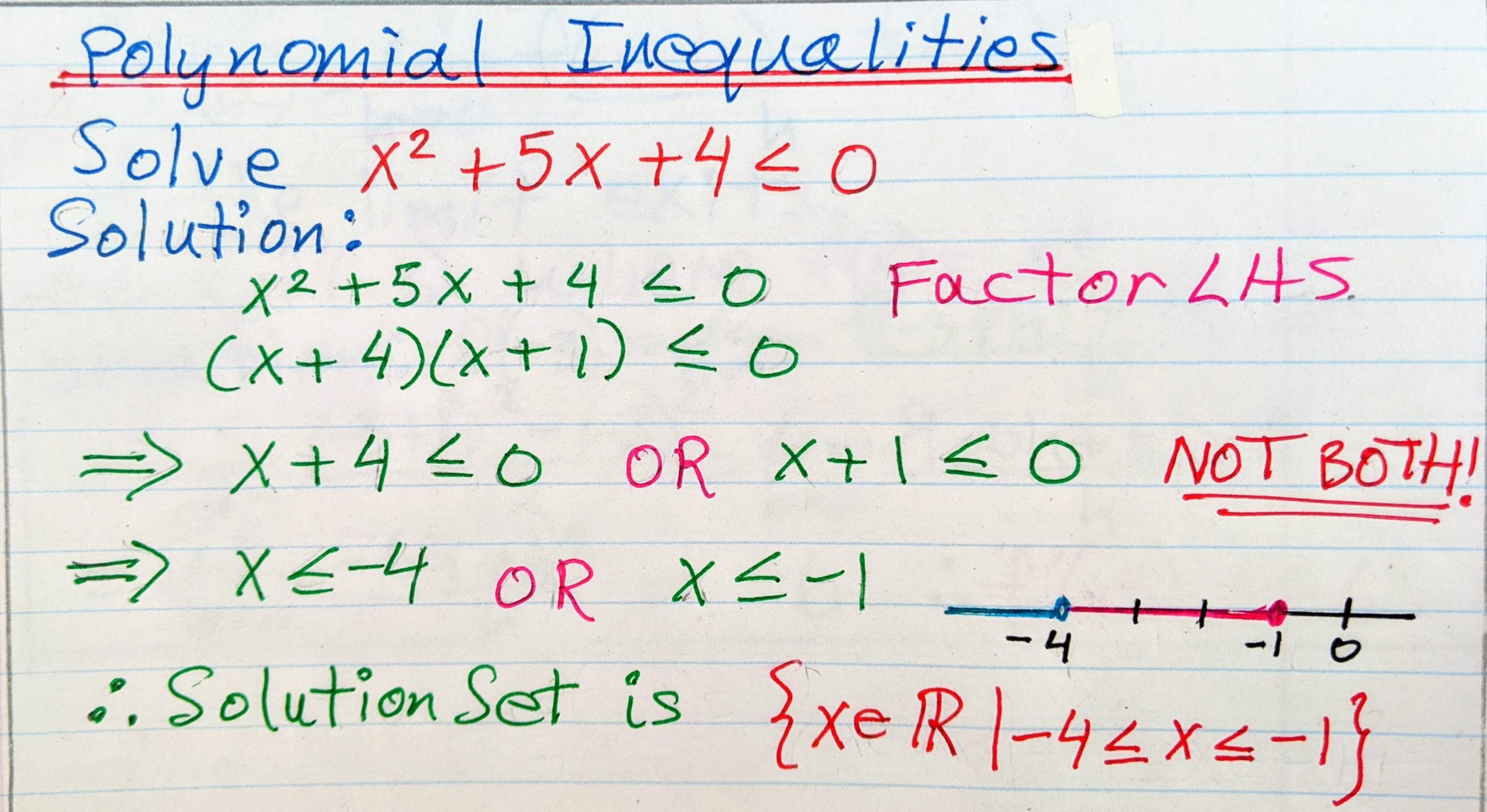
Solve the polynomial inequality:
-x² -8x - 15 <= 0
(-inf, -5] U [-3, inf)
![<p>(-inf, -5] U [-3, inf)</p>](https://knowt-user-attachments.s3.amazonaws.com/82dbd5c6-8497-4295-828f-975311ce4134.png)
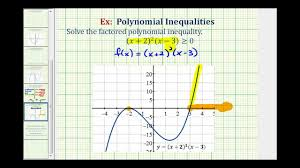
How do you solve polynomial inequalities on graphs?
Place inequality in standard form
Graph with calculator
Highlight part of graph that makes inequality true
What is the interval notation of this inequality?
x³ - 5x² + 4x >= 0
[0,1] U [4, inf)
![<p>[0,1] U [4, inf)</p>](https://knowt-user-attachments.s3.amazonaws.com/ddc489c3-3c49-4a90-8e38-323e4e5d8436.png)