Oral Microbiome in health
 Call Kai
 Learn
Learn Practice Test
 Spaced Repetition
 Match
Match Flashcards
 Knowt Play
1/41

Earn XP
Description and Tags
This set of vocabulary flashcards covers the foundational concepts of the oral microbiome, including sequencing technologies, the process of microbial succession, and the definitions of health and disease states within the microbial community.
Name | Mastery | Learn | Test | Matching | Spaced | Call with Kai | Chat |
|---|
No analytics yet
Send a link to your students to track their progress
42 Terms
Integrative metabolism
Putting together our and our microbes metabolisms
Holobiont
The host organism and all its symbiotic microbial residents. Definition geared more towards coevolution
Microbiome
All microorganisms in a particular habitat and their collective genomes. Microbiome is not the same thing as microbiota
Close vs open ended techniques
Closed = specific target sequence and specific primers. Metagenomics is open ended
Sanger sequencing
Only one sequence at a time, high accuracy (99.99%) and long reads up to 1,500bp.
Next generation sequencing (NGS)
Millions of fragments can be sequenced in one run (high throughput), lower accuracy (98.5-99%), shorter reads (80 to 600bp). Platforms are Illumina and PacBio
Human microbiome project (HMP)
A comprehensive characterization of the microbiome in 18 sites of the human body, 9 of which are located in the mouth.
16S rRNA gene
A gene present in all bacteria with sequences that differ from one bacteria to another, used to identify microbial community composition. This is considered targeted sequencing
ITS
A genetic marker used specifically for the identification and study of fungi.
Metagenome sequencing
Community DNA sequences. “Functional potential”
Metatranscriptome sequencing
Community mRNA sequencing. “Function”
Integrative Human Microbiome Project (iHMP)
Looks at the association between microbiome and major diseases
Primary nutrient source in the oral cavity
Saliva, also GCF
Microbial succession
Every newcoming species modifies the environment to allow even more species to colonize.
Pioneer species
The initial microorganisms that colonize the oral cavity, primarily comprising Streptococcus species which are Gram-positive aerobes. This also includes actinomyces
Autogenic succession
Microbial succession caused by microbial factors, such as the generation of new nutrients (lactate, peptides), modifying attachment sites, and changing pH.
Allogenic succession
Microbial succession caused by non-microbial factors, such as the eruption of teeth, placement of dental appliances, or dietary shifts.
Climax community
The final, stable, and diverse microbial community established at the end of the succession process.
Secondary colonizers
gram negative anerobes (prevotella, fusobacterium)
Ecological succession
Early aerobic environment gets reduced (oxygen used up), secondary colonization by anaerobic species
Capnophilic
Microorganisms that thrive in or require high concentrations of carbon dioxide (CO2).
Mature dental plaque
see photo
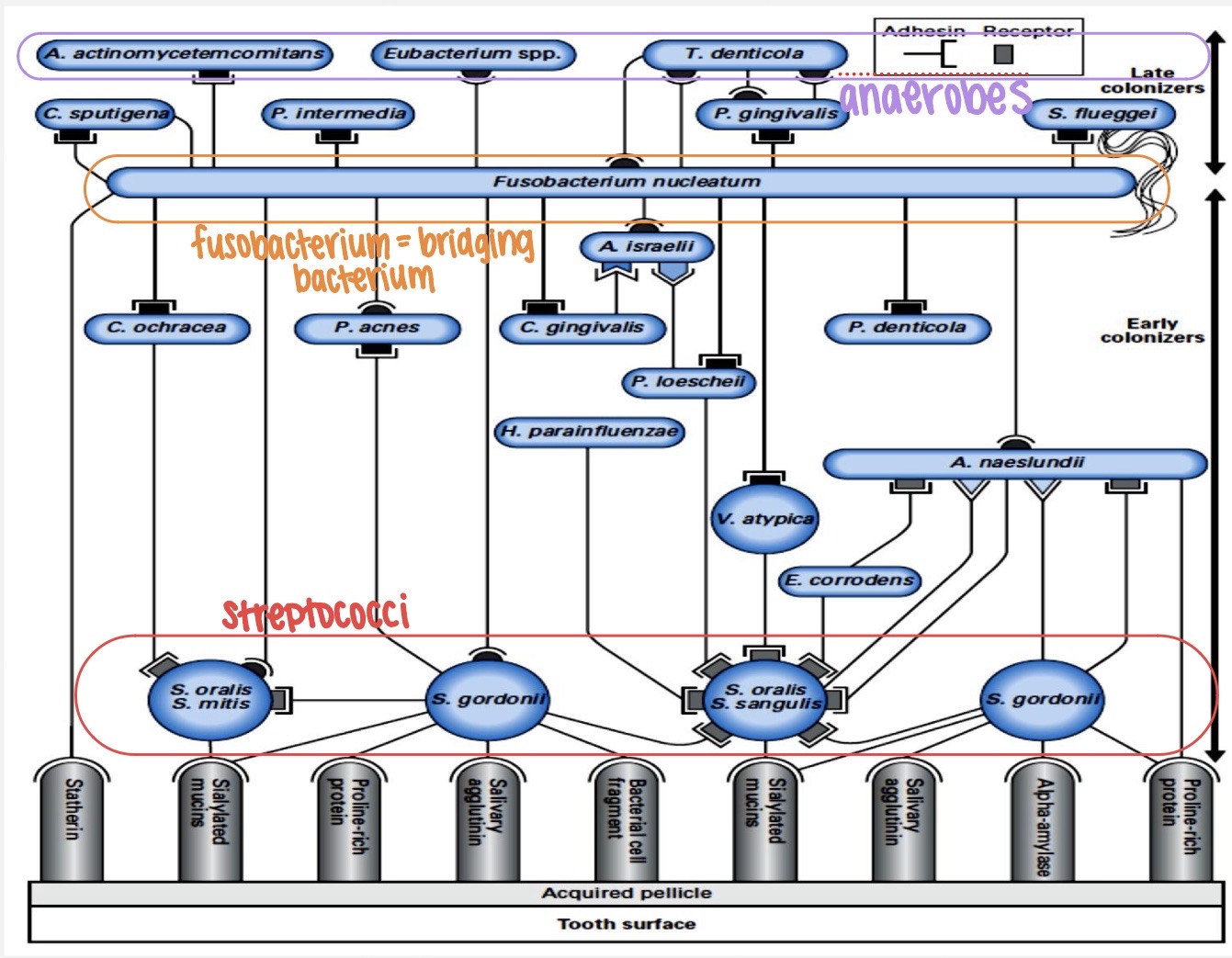
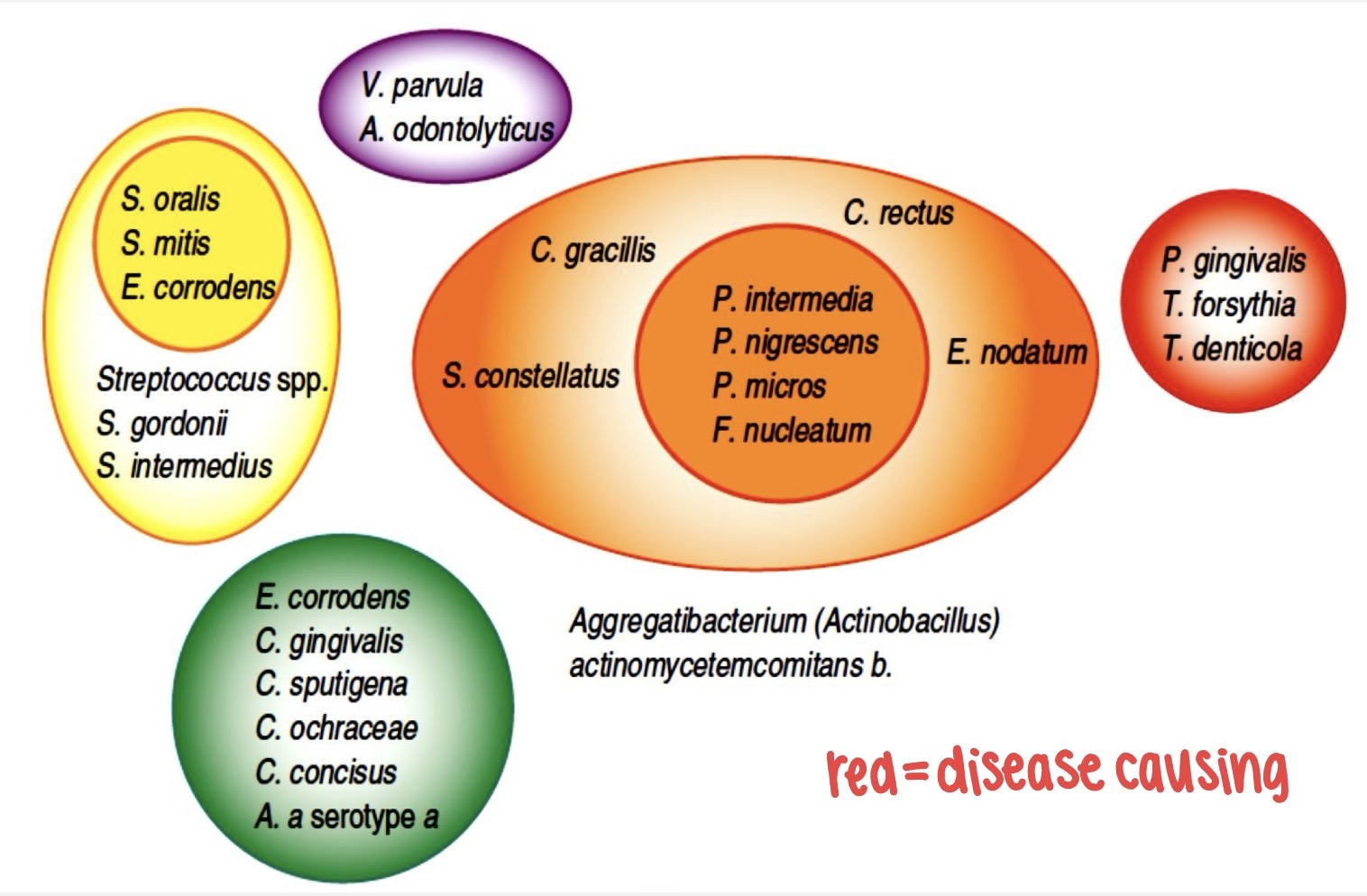
microbial complexes in plaque
red = disease causing
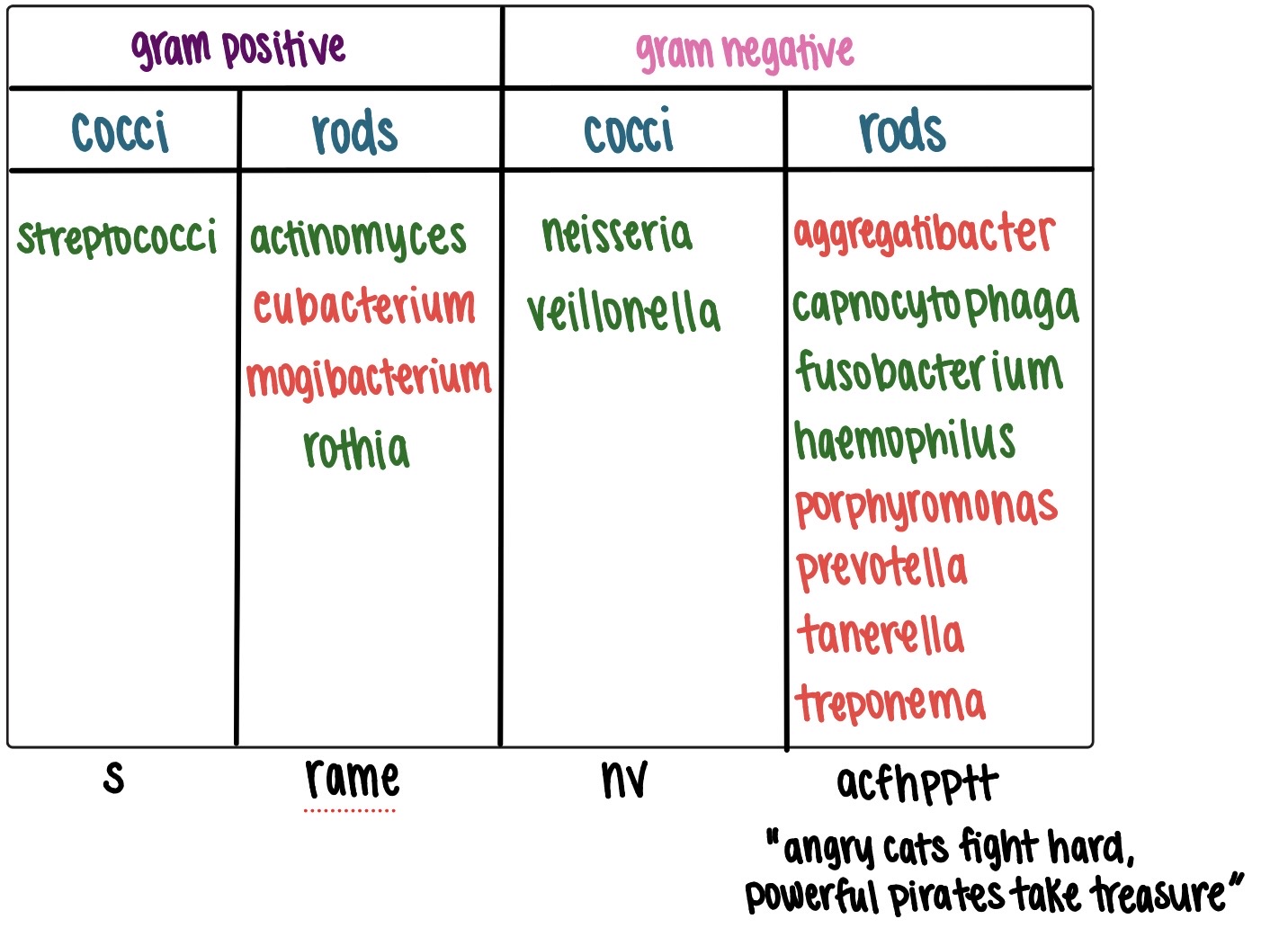
The principal bacterial genera found in the oral cavity
see photo
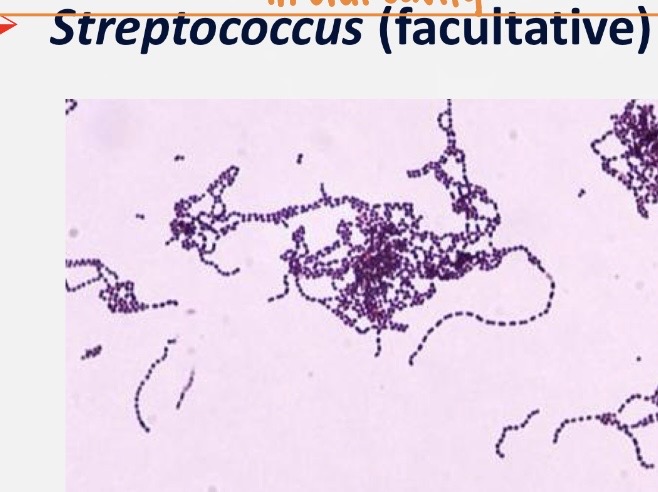
Streptococcus
gram positive, cocci, facultative aerobe. Most abundant group in oral cavity. There are some streptococci that are strict anaerobes
Rothia
gram positive, rods, facultative aerobe. Associated with health

Actinomyces
gram positive, rods, facultative aerobe. Associated with health

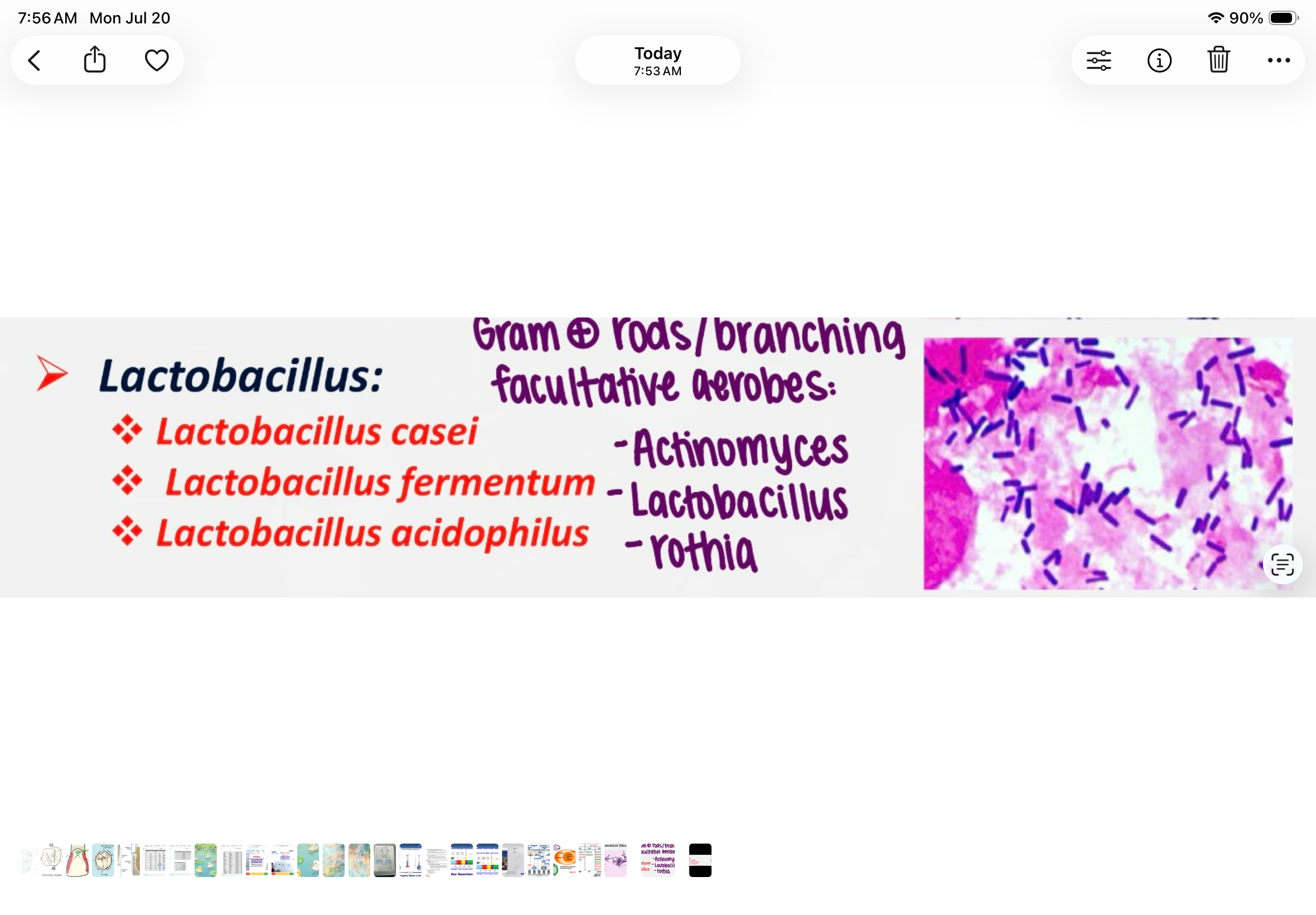
Lactobacillus
gram positive, rods, facultative aerobe
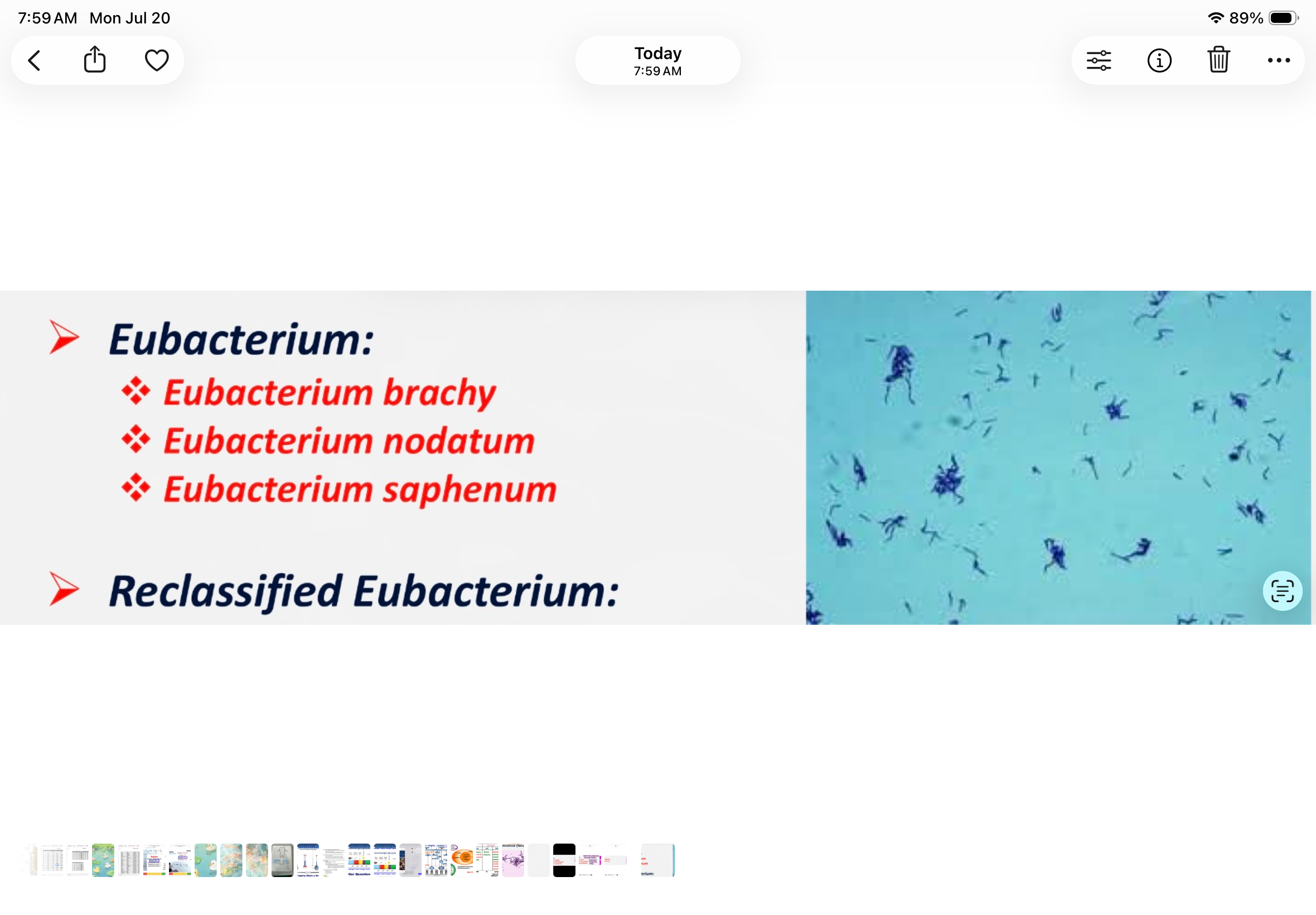
Eubacterium
gram positive, rods, anaerobic. Associated with disease
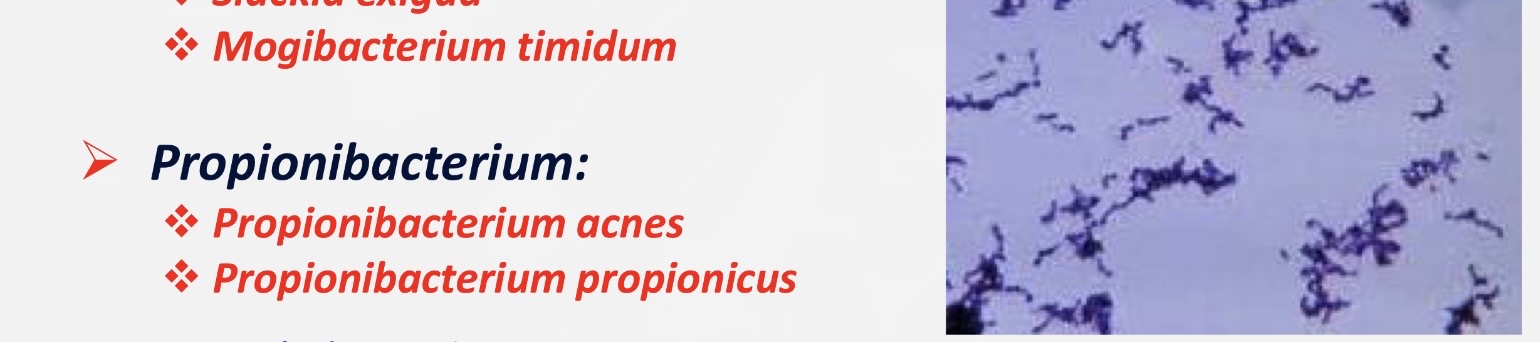
Propionibacterium
gram positive, rods, anaerobic.
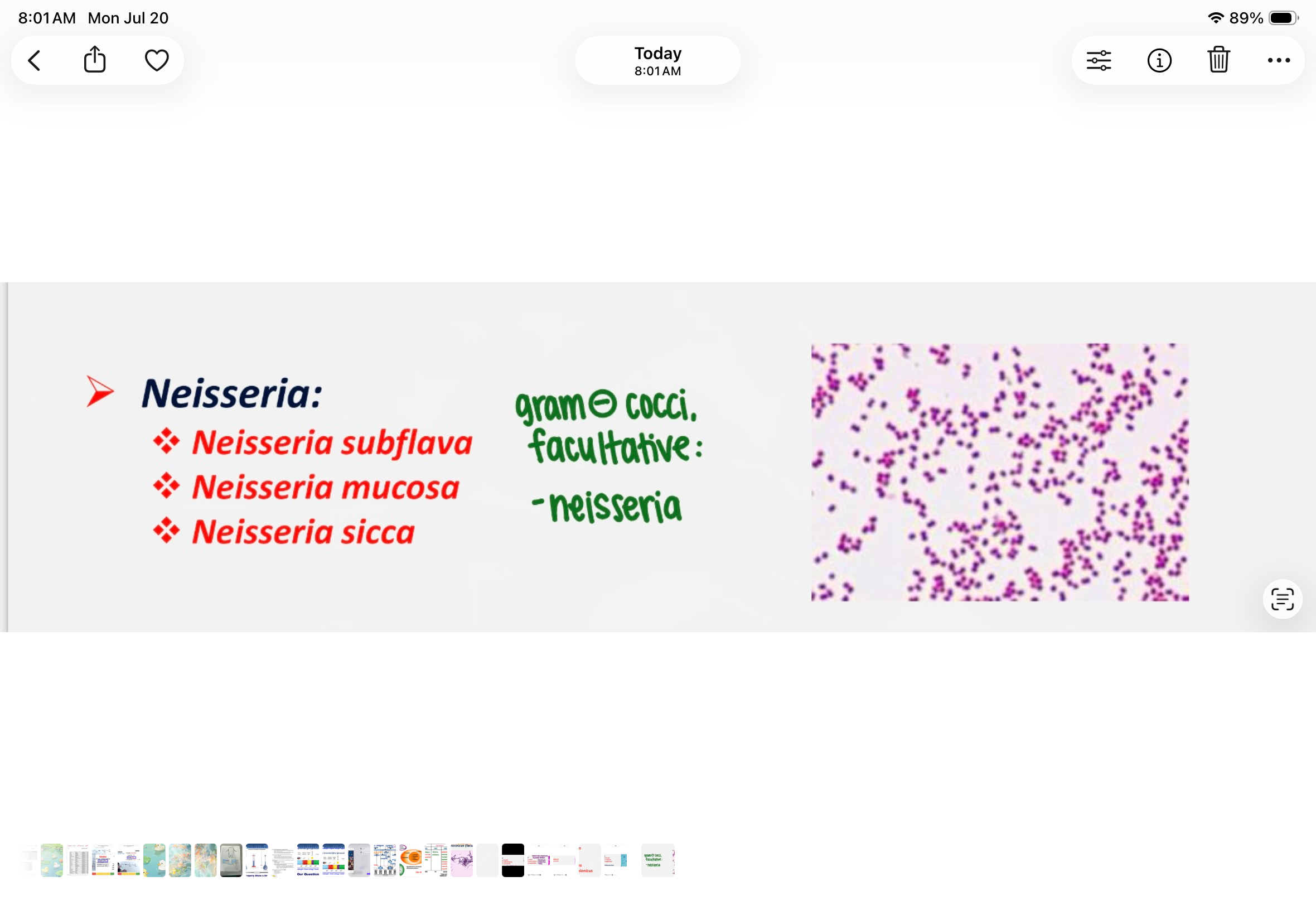
Neisseria
gram negative, cocci, facultative aerobe. Associated with health
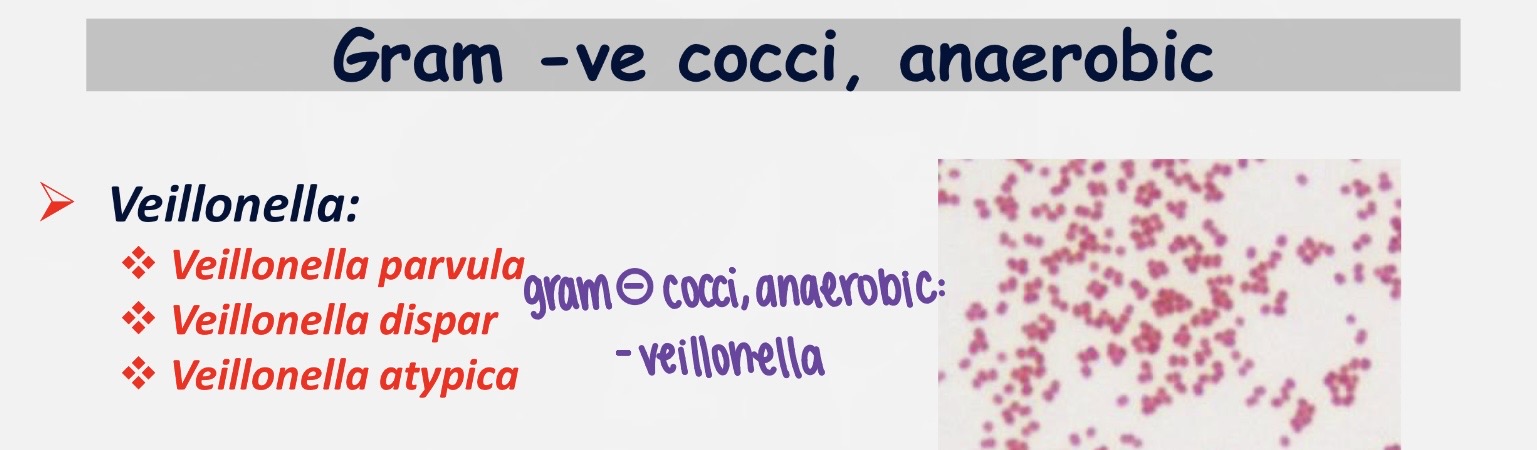
Veillonella
gram negative, cocci, anaerobic. Associated with health
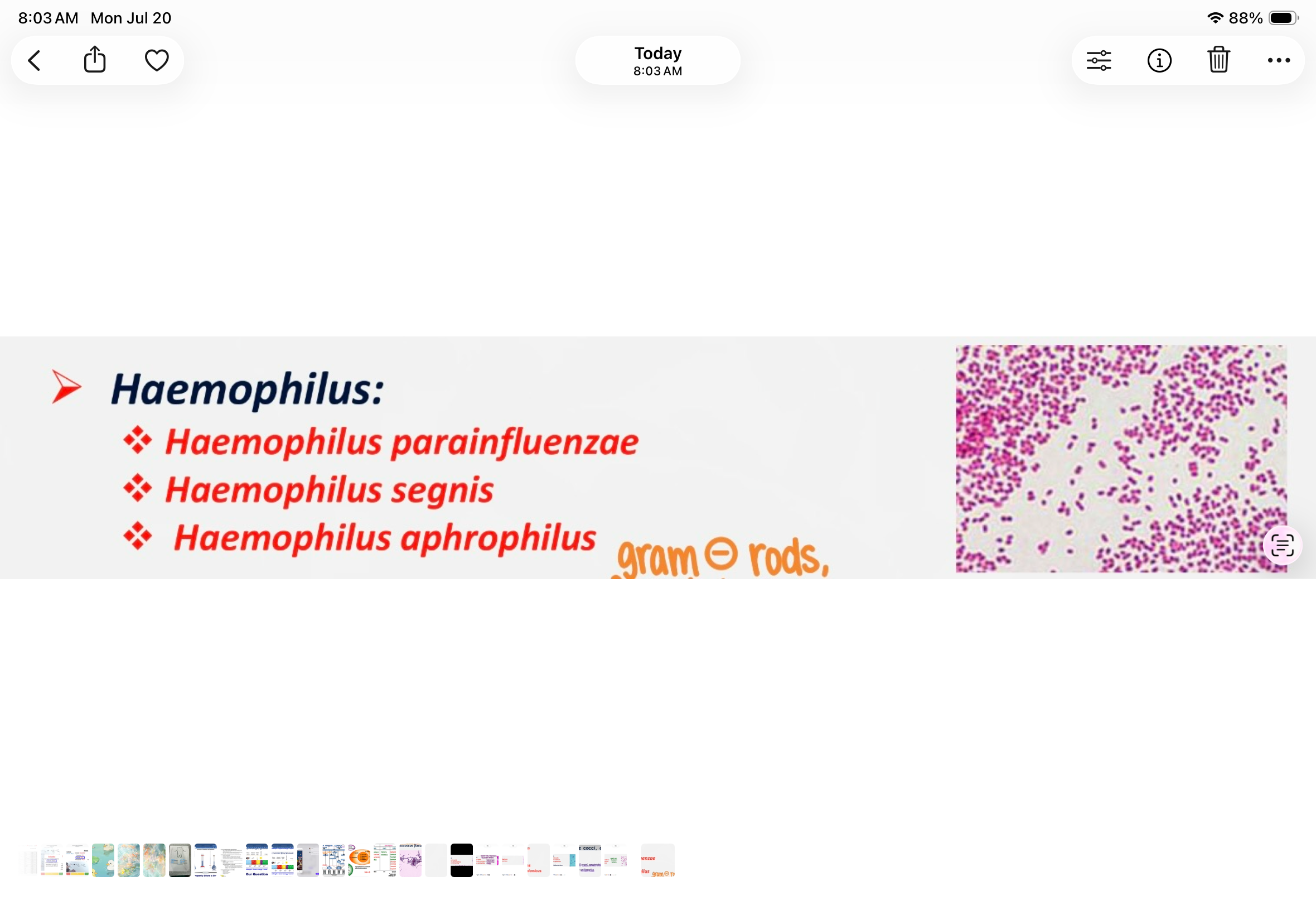
Haemophilus
gram negative, rods, facultative or capnophilic
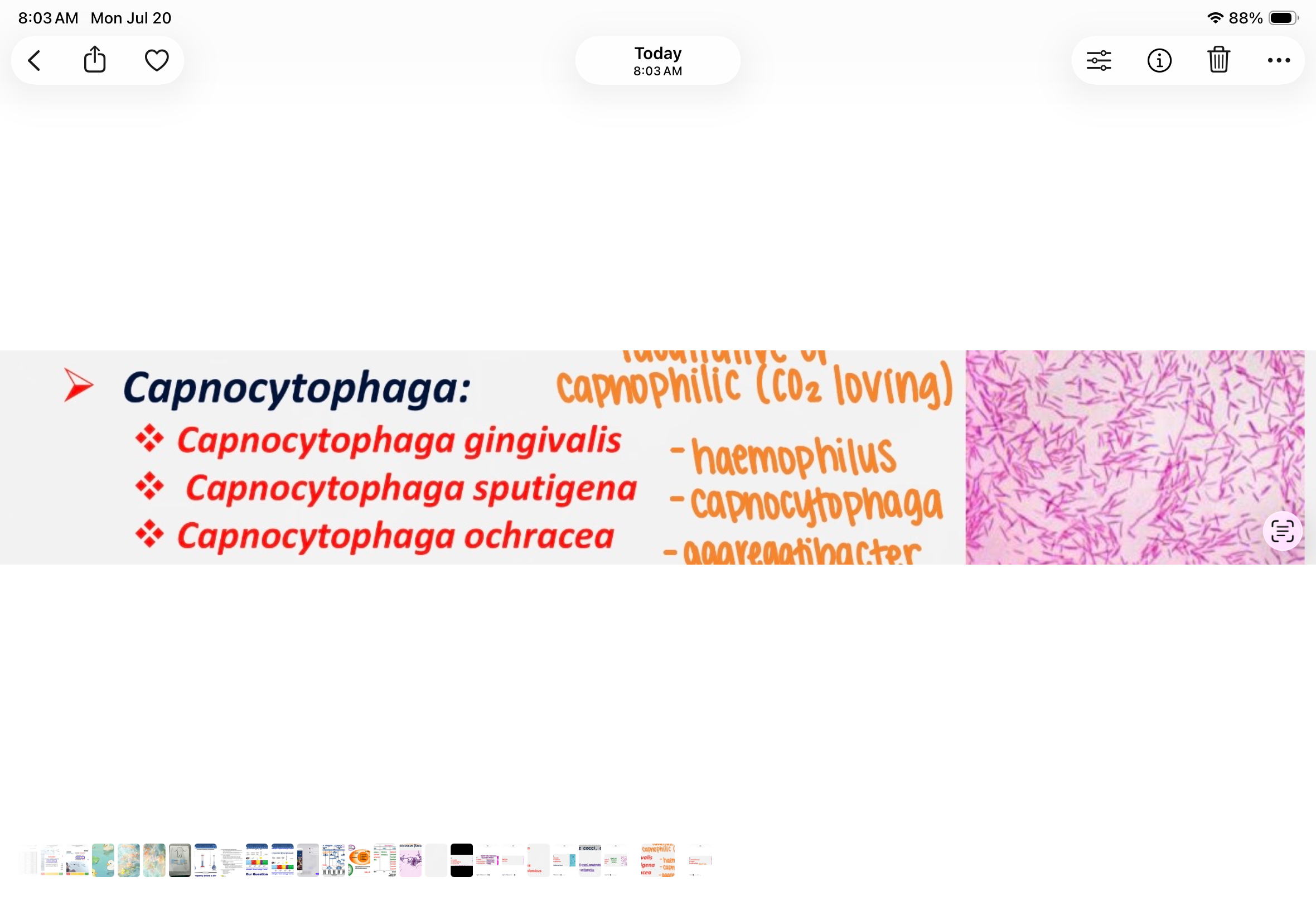
capnocytophaga
gram negative, rods, facultative or capnophilic
Aggregatibacter actinomycetemcomitans
gram negative, rods, facultative or capnophilic. Associated with periodontal disease.

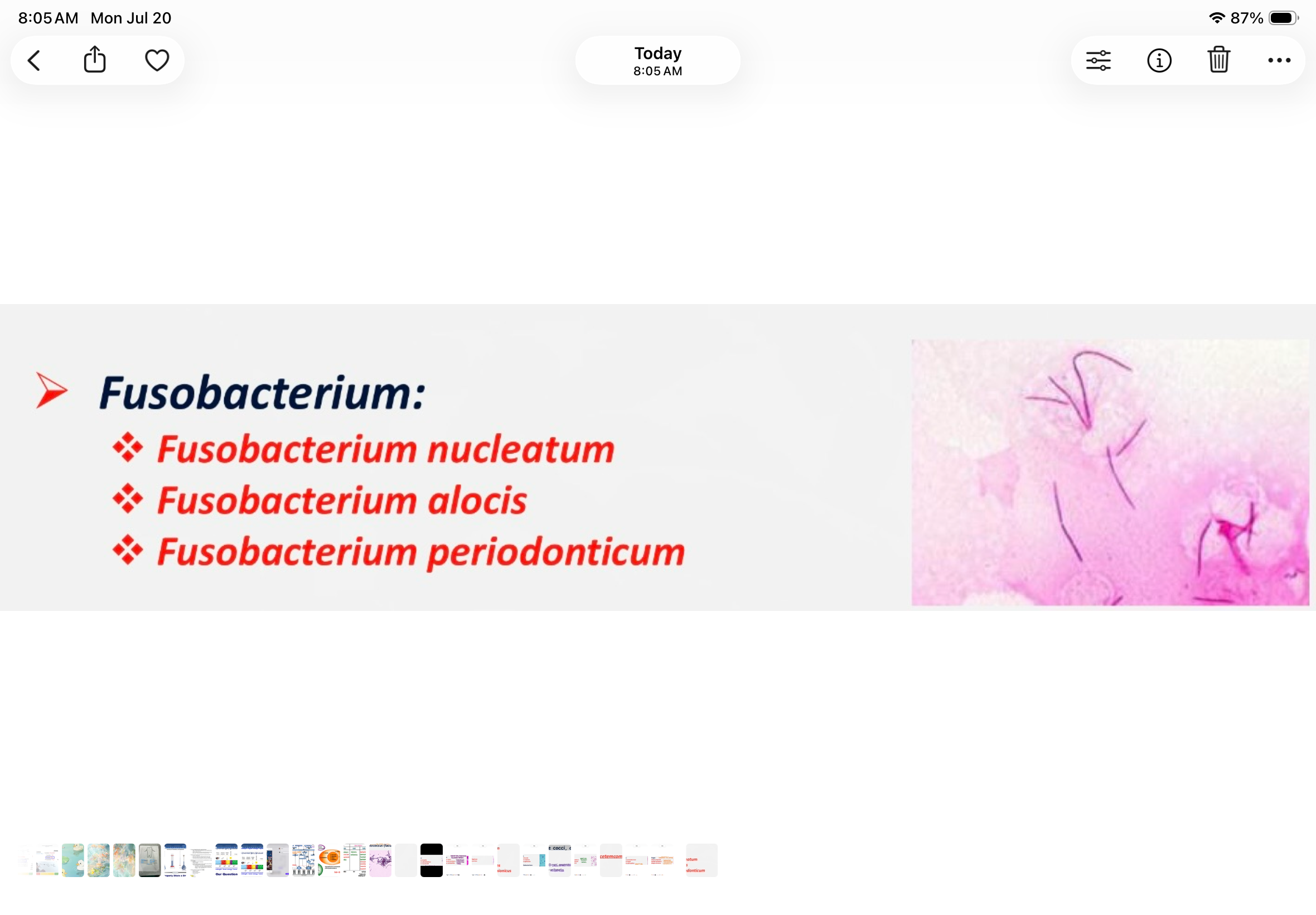
Fusobacterium
gram negative, rods, anaerobic. Associated with health
Prevotella
gram negative, rods, anaerobic. Associated with disease
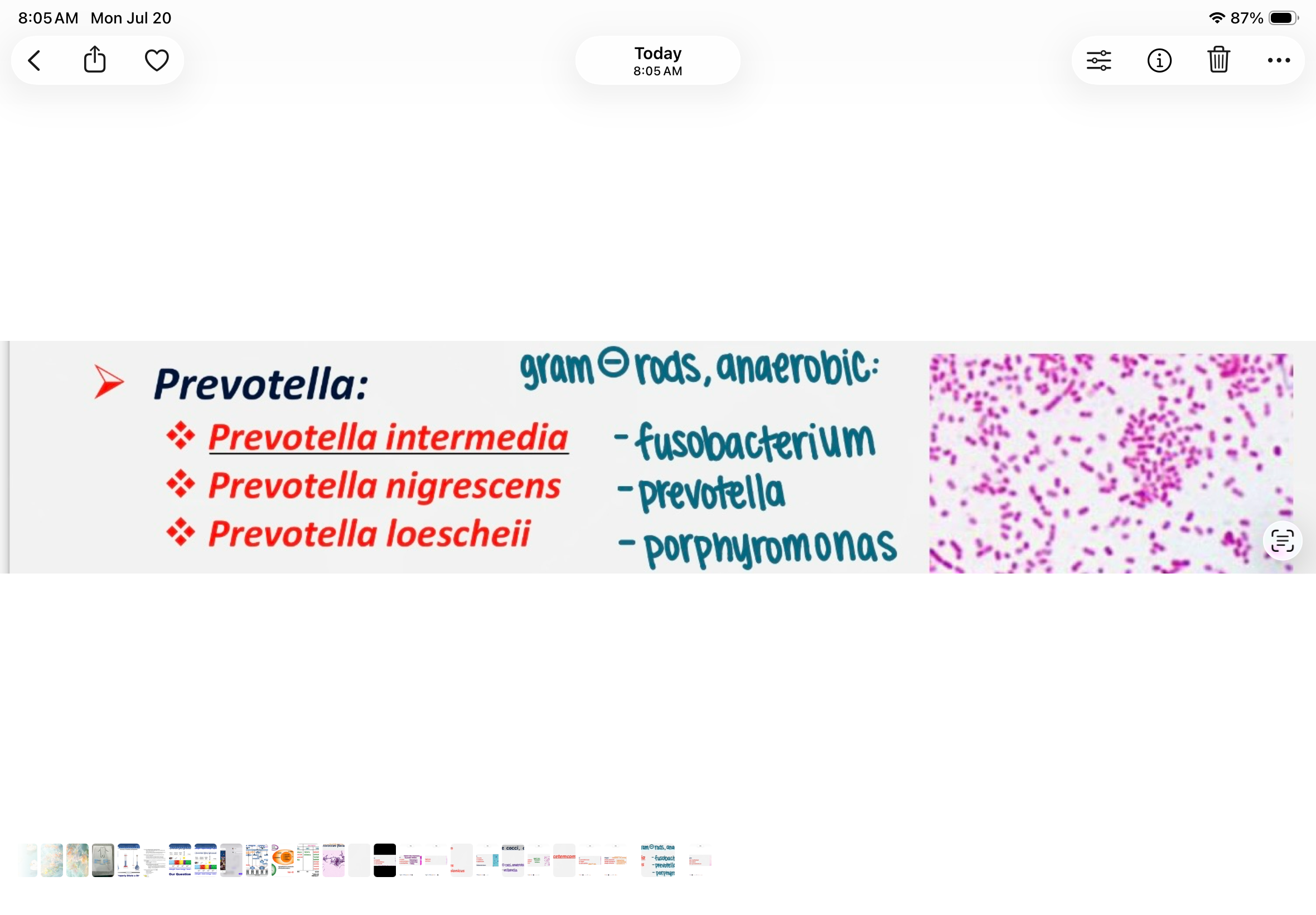
Porphyromonas
gram negative, rods, anaerobic. Associated with disease.

Don’t stain gram positive or negative
spirochetes
Dominant flora in subgingival plaque
steptococcus and actinomyces
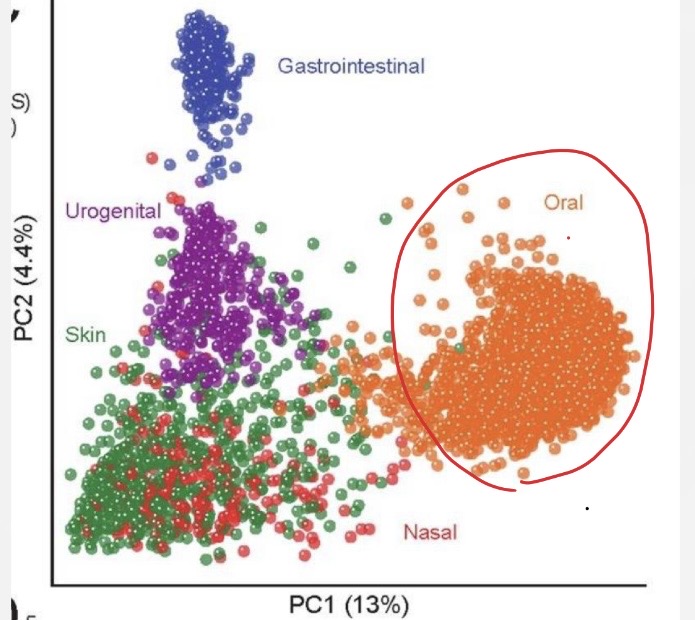
Betadiversity (PCA plots)
see photo
Core Microbiome
Microbial species that are found in the majority of the population.