Biology Chapter 2
 Call Kai
 Learn
Learn Practice Test
 Spaced Repetition
 Match
Match Flashcards
 Knowt Play
1/34

Earn XP
Description and Tags
Lecture 2 overview
Name | Mastery | Learn | Test | Matching | Spaced | Call with Kai | Chat |
|---|
No analytics yet
Send a link to your students to track their progress
35 Terms
Matter
Any physical substance that has mass and occupies space (volume)
Elements
A pure substance made of only one kind of atom that cannot be broken down into simpler substances by normal chemical reactions
Have specific chemical properties
Have specific physical properties
Molecules
A group of two or more atoms held together by chemical bonds
CHON
The four most common elements in living organisms
Atoms
The smallest basic unit of matter that keeps the physical and chemical properties of an element
Composed of protons, neutrons, and electrons
Nucleus
The dense, central core of an atom. It contains positively charged protons and neutral neutrons, holding nearly all of the atom’s mass
Electrons
A negatively charged subatomic particle that orbits the atomic nucleus in an electron cloud
Located in orbitals surrounding the nucleus
Mass = 0 amu
Protons
A stable, positively charged subatomic particle located in the dense core (nucleus) of an atom
Mass = approximately 1 amu
Charge = +1
Neutrons
An uncharged subatomic particle located in the dense core, or nucleus, of an atom
Mass = 1
Charge = 0
atomic mass - atomic number = # of neutrons
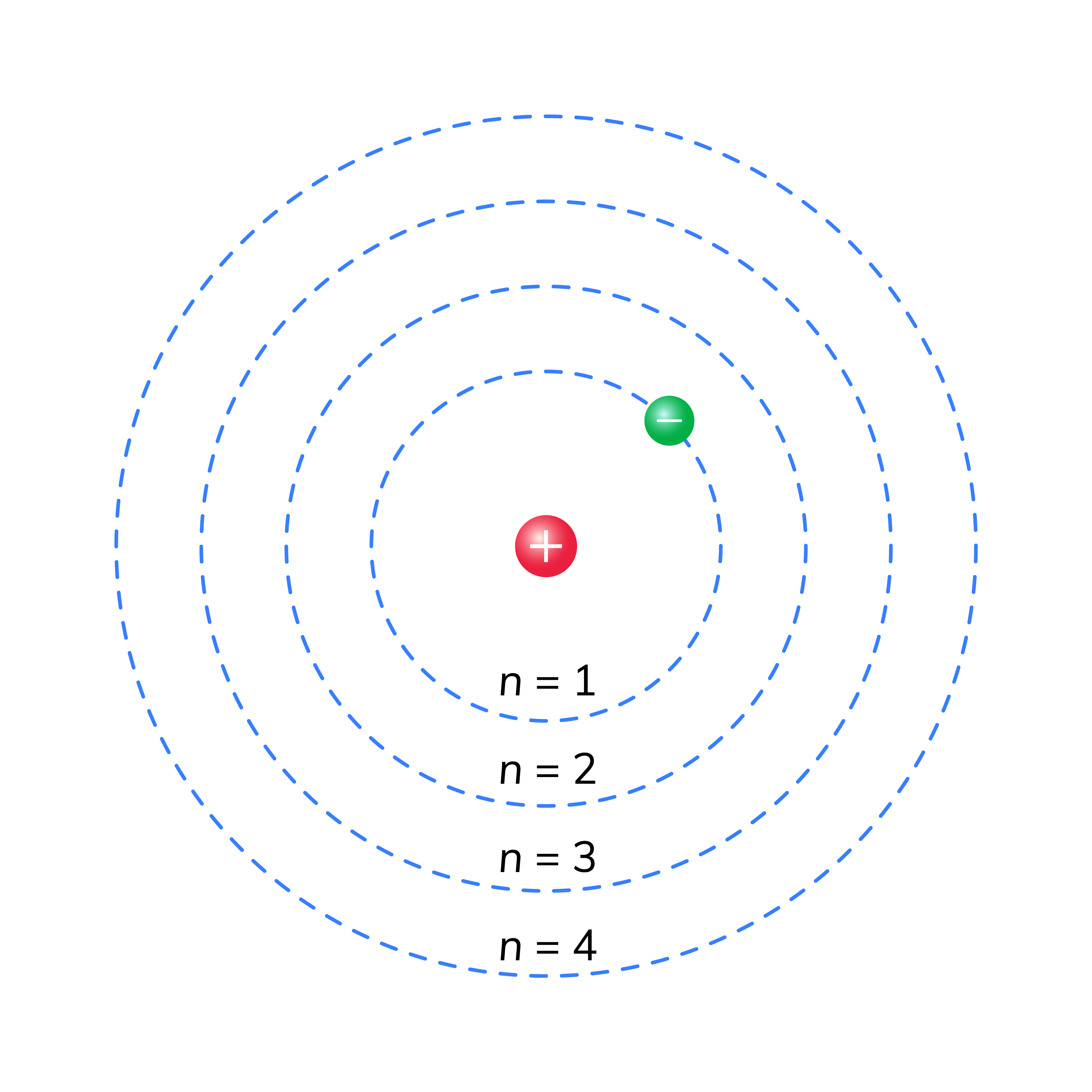
Bohr model
An early simplified depiction of how sub-atomic particles are arranged within an atom
Protons are located in nucleus and electrons in circular orbits around the nucleus
Atomic number
Is the number of protons
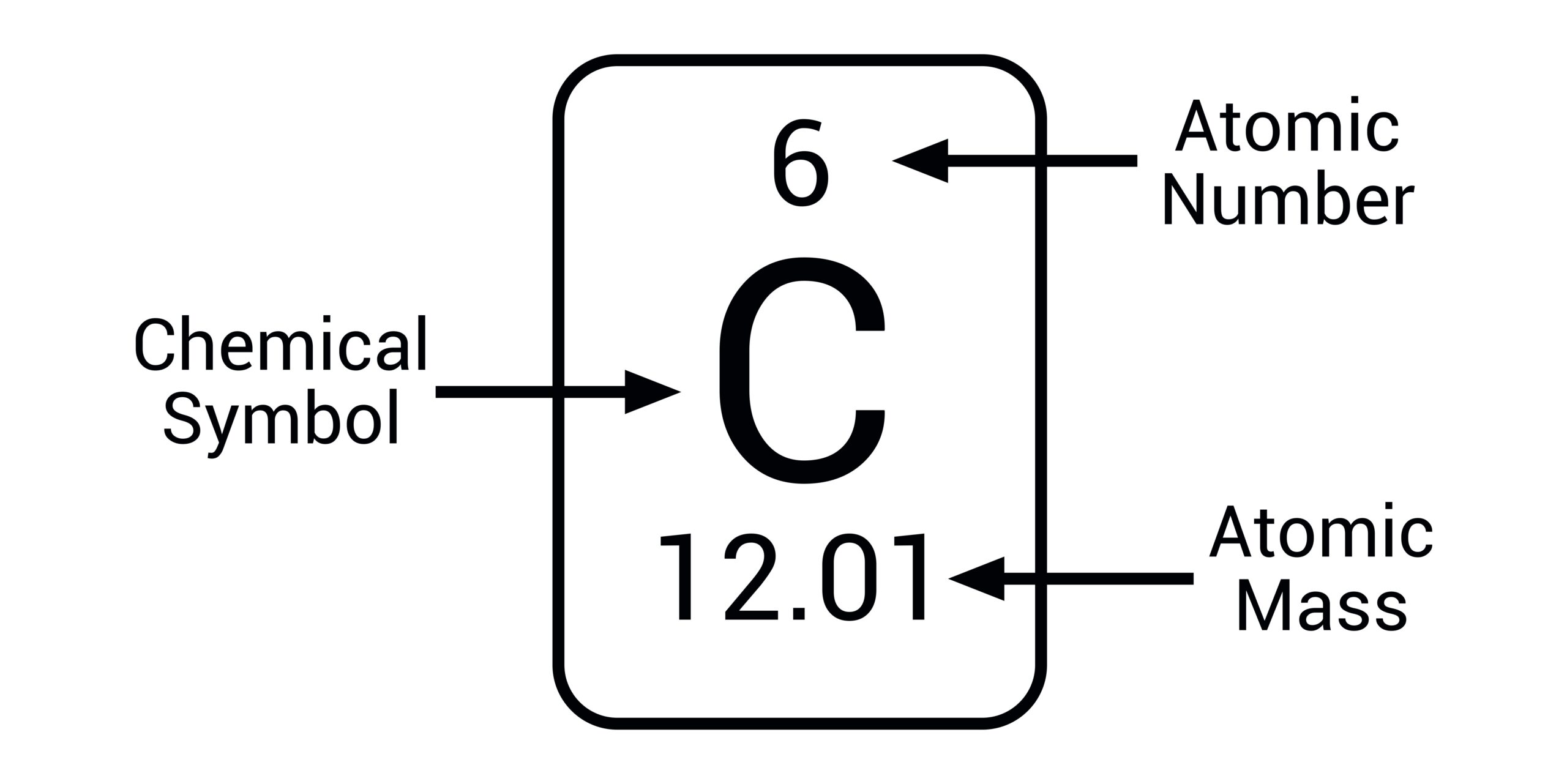
Atomic mass
The mass of the atom, equal to number of protons and neutrons
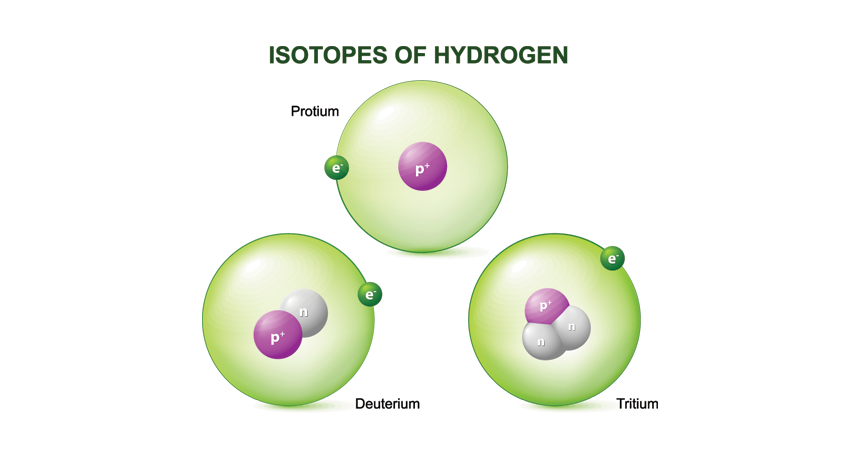
The number of neutrons can vary in an element
Expressed in amu
Isotopes
Alternate forms of a chemical element that have the same number of protons (and electrons) but a different number of neutrons, which changes the atomic mass
Radioisotopes
Isotopes that emit radiation and decay to more stable form
Unstable and emit radiation as the nucleus breaks up
Radiometric dating takes advantage of this phenomenon to determine fossil age
Half-life
The time needed for a radioactive isotope or a specific substance to drop to half of its starting amount through decay or breakdown
Time it takes for one-half of the atoms in a sample to decay
Orbits (Bohr Model)
Electron shells or energy levels
An electron found in the lowest available energy level (closest to the nucleus)
Electrons fill orbitals closest to nucleus first, then sequentially further away in order
Fixed, circular paths where electrons travel around the atom's nucleus
However, electrons are not in planet-like orbits (Bohr models are early/incomplete)
Electron orbitals
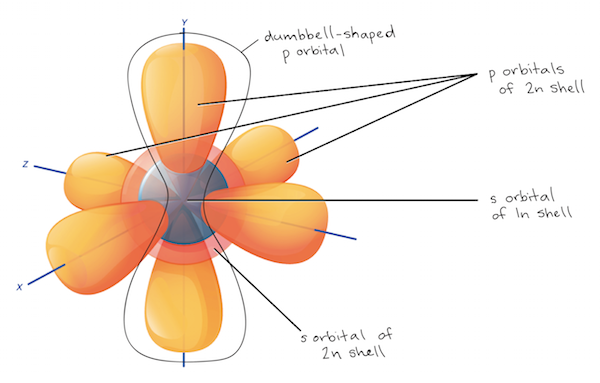
Complex shapes that describe how electrons are spatially distributed around the nucleus
Quantum mechanics predicts where a electron might be at any given time
The predicted area is known as the orbital
Electron orbitals vs. orbits
An electron orbital is a 3D space around an atom's nucleus where an electron has a high probability (about 90%) of being found
An orbit is an outdated, fixed circular path (like a planet around the sun) from the old Bohr model, which modern quantum mechanics proves is inaccurate
Orbital
A three-dimensional region around an atomic nucleus where there is a high probability (about 90%) of finding an electron
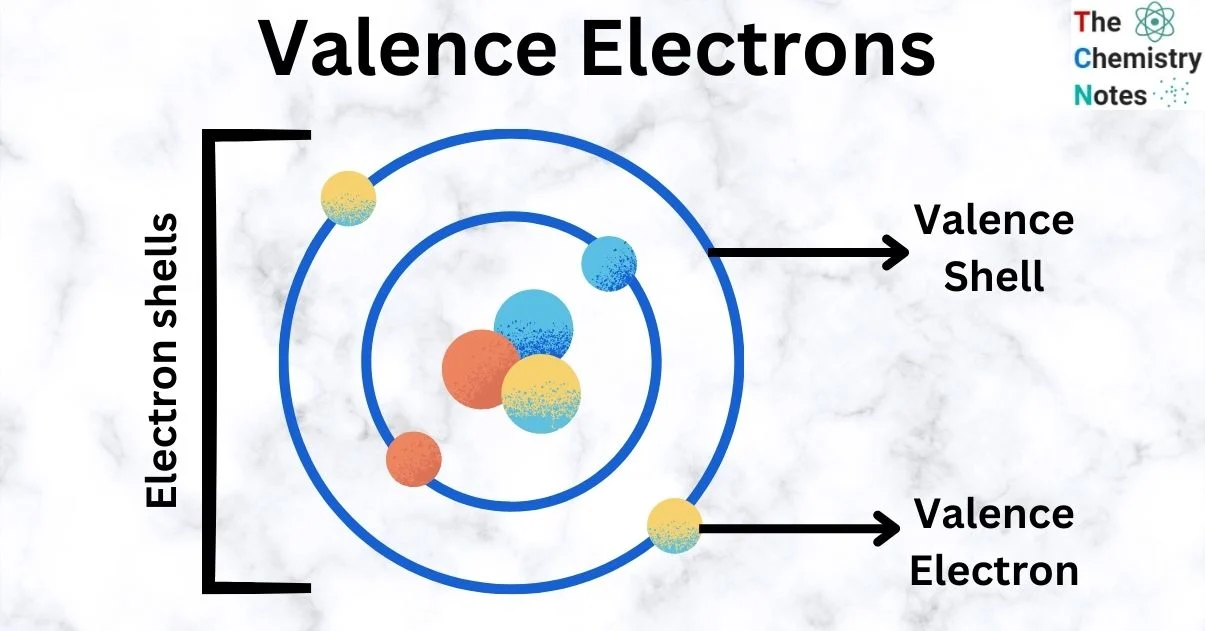
Valence shell
An atom's outermost electron energy level
The electrons residing in this shell are called valence electrons
They determine how an atom reacts and forms chemical bonds (covalent or ionic) with other atoms
The most stable configuration occurs when the valence shell is filled
Octet rule
A chemical rule stating that atoms of main-group elements tend to gain, lose, or share electrons so that they have eight valence electrons in their outer shell
This arrangement gives them a stable, low-energy state like a noble gas
Only the outermost shell needs to have 8 valence electrons to achieve stability
Chemical reactions
Changes in the distribution of electrons between atoms
Electrons determine how atoms interact
A process that breaks and forms chemical bonds. It changes reactants into products without creating or destroying atoms
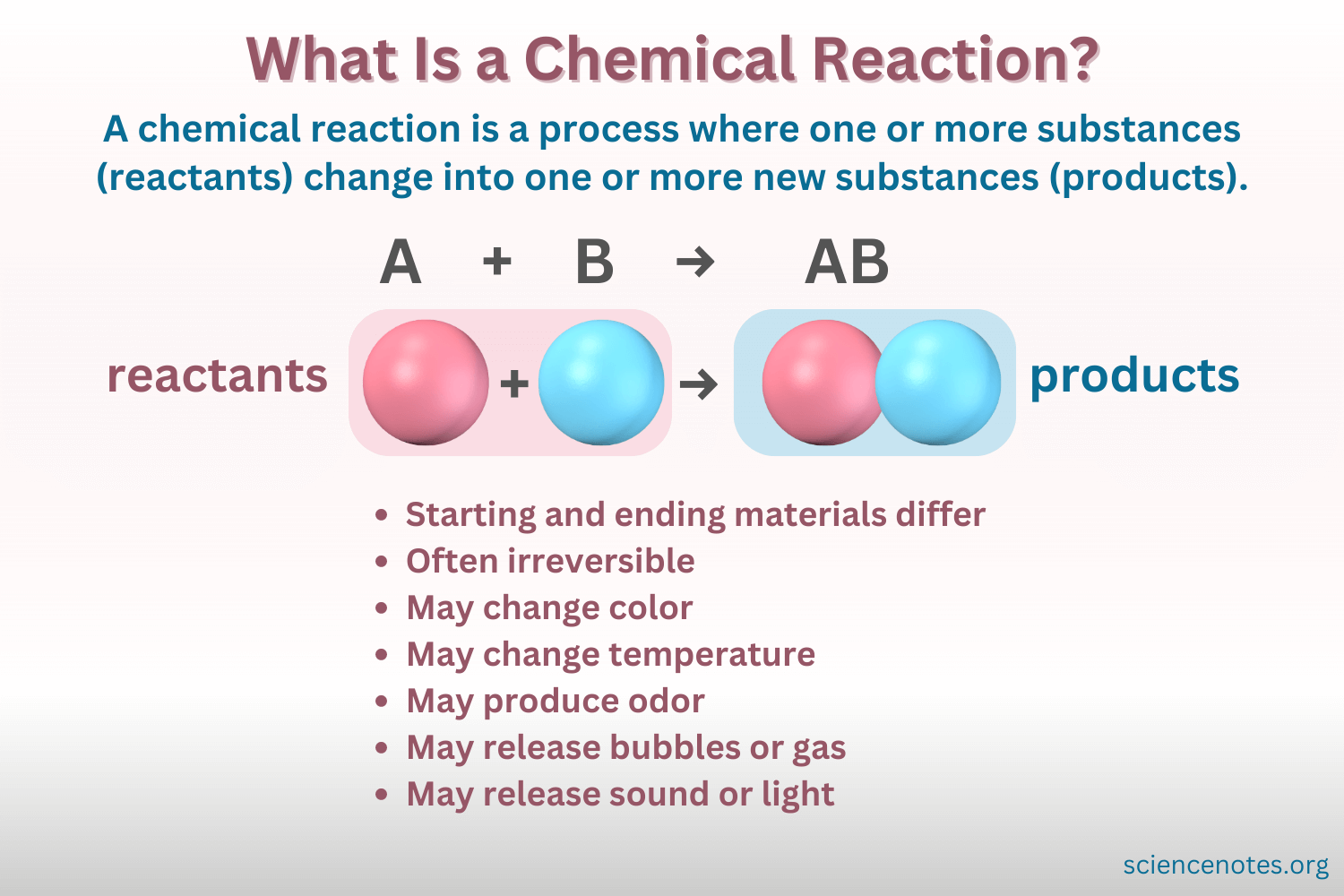
Reactants
Substances at the beginning of a chemical reaction
During the reaction, their chemical bonds break, and the atoms rearrange to form new substances (products)
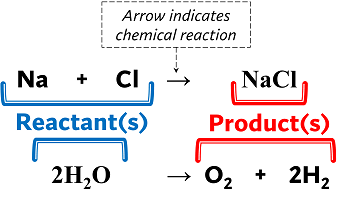
Products
The end-substances or molecules left after a chemical or metabolic reaction takes place
Irreversible reaction
Moves in one direction until all the reactants are used
Chemical process that proceeds forward to completion.
The reactants turn into products, but the products cannot change back into reactants under normal cellular conditions
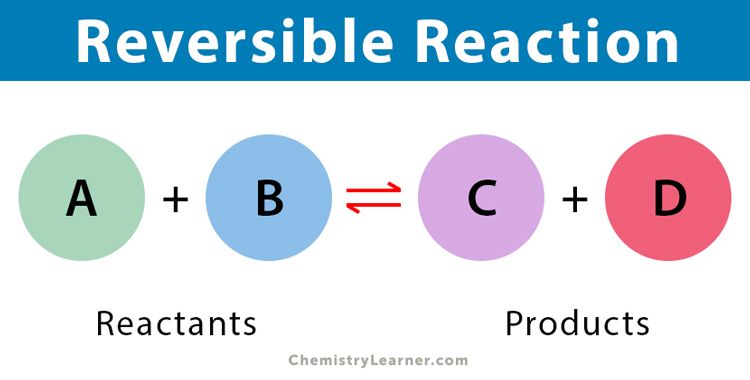
Reversible reaction
Reactants are converted to products but some product can be converted back to reactant
A chemical reaction that can go in both directions. Reactants turn into products, and the products can also turn back into reactants
Chemical bond
An attractive force that links atoms or ions together to form molecules or compounds
Covalent bonds
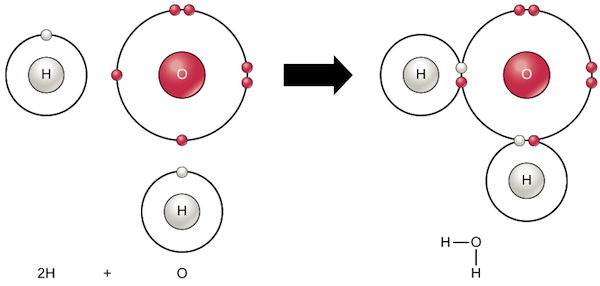
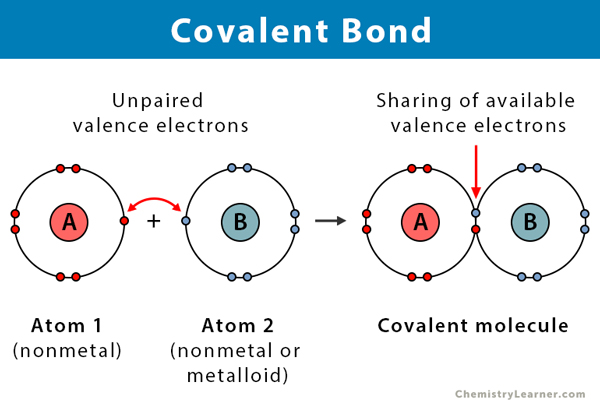
A strong chemical link formed when two atoms share one or more pairs of valence electrons
Ex; when two Hydrogens and an Oxygen share electrons via covalent bonds, a water molecule is formed
More than one set of electrons can be shared (double/triple covalent bonds)
Ionic Bonds
Atoms lose or gain electrons
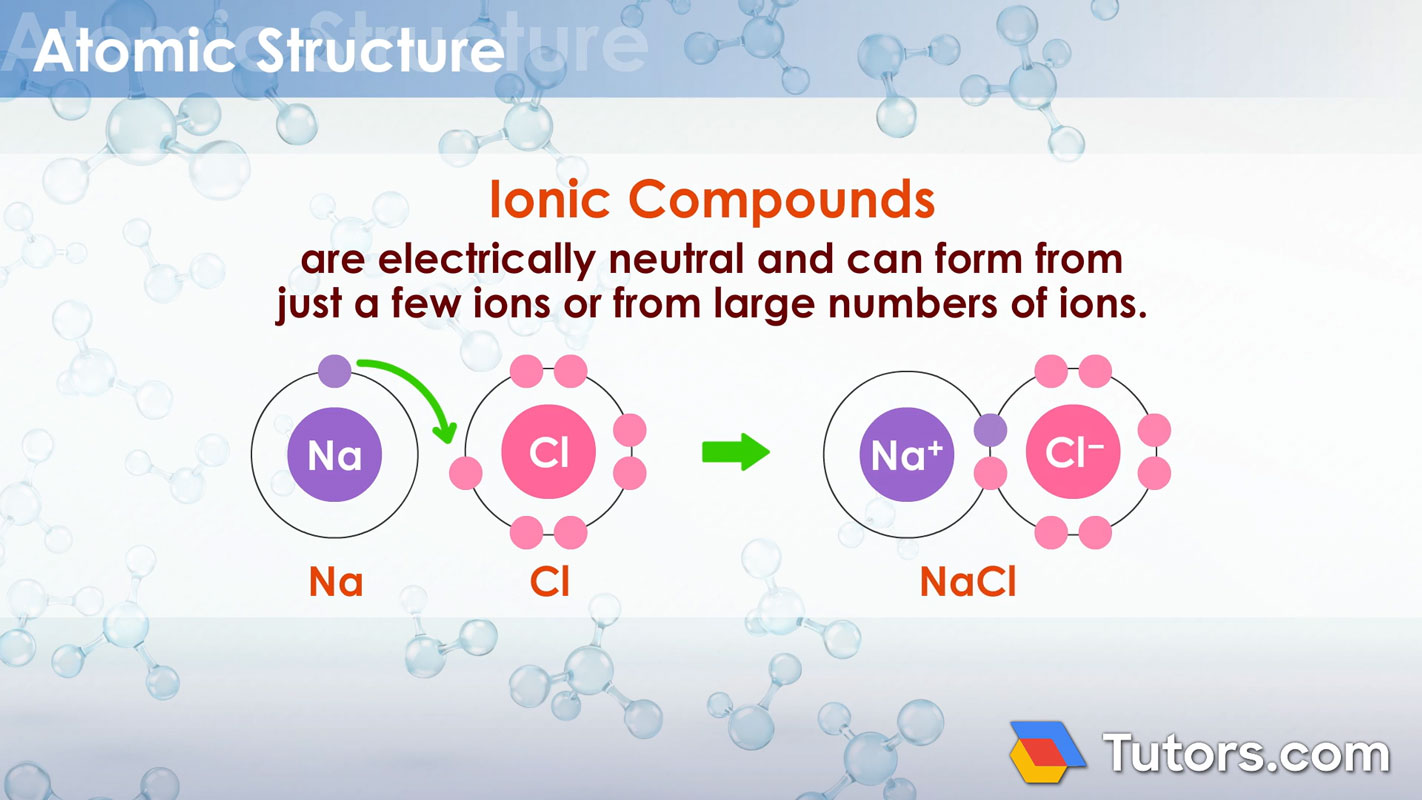
A chemical bond formed when one atom completely transfers one or more valence electrons to another atom.
This electron transfer creates oppositely charged ions—a positive cation and a negative anion—which stick together through a strong electrostatic attraction
Ionic compounds
Metals lose electrons and nonmetals gain electrons to achieve an octet (full shell)
A neutral substance made of positive and negative ions held together by electrostatic forces called ionic bonds
Polar Bonds
Covalent bonds with an unequal sharing of electrons
Polar Covalent Bonds
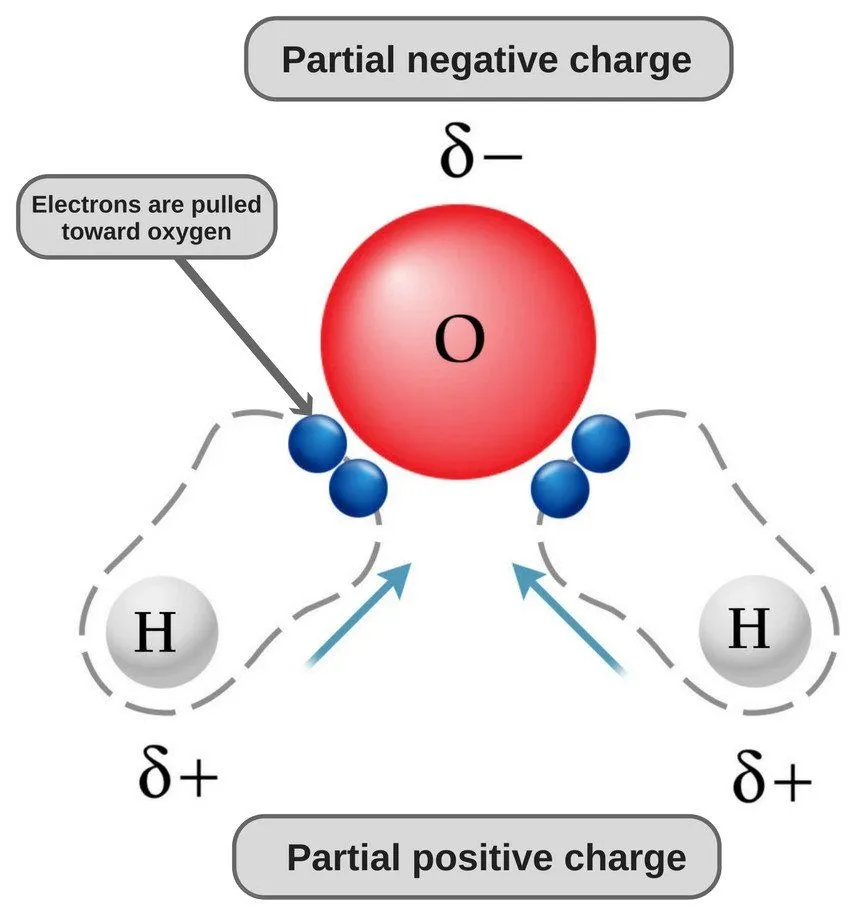
A type of chemical bond where two atoms unequally share valence electrons because they have different electronegativities.
The atom with the higher electronegativity pulls the shared electrons closer to itself. This creates partial positive and partial negative charges within the molecule
Polar Covalent Bonds - Water
Oxygen has higher electronegativity than hydrogen
This means that it wants the electrons more than hydrogen does
Non-polar covalent bonds
Electrons are equally shared by the atoms
A chemical link where two atoms share their outer electrons equally. This equal sharing happens because the bonded atoms have the same electronegativity
Non-polar covalent bonds: Methane
Carbon shares electrons equally with four hydrogens
Both bond type and molecular shape determine whether a molecule is polar or nonpolar