Ch.9 Comprehensive Guide to Caffeine and Methylxanthines: Sources, Effects, and Pharmacology
 Studied by 0 people
 Call Kai
 Learn
Learn Practice Test
 Spaced Repetition
 Match
Match Flashcards
 Knowt Play
1/39

There's no tags or description
Looks like no tags are added yet.
Name | Mastery | Learn | Test | Matching | Spaced | Call with Kai |
|---|
No study sessions yet.
40 Terms
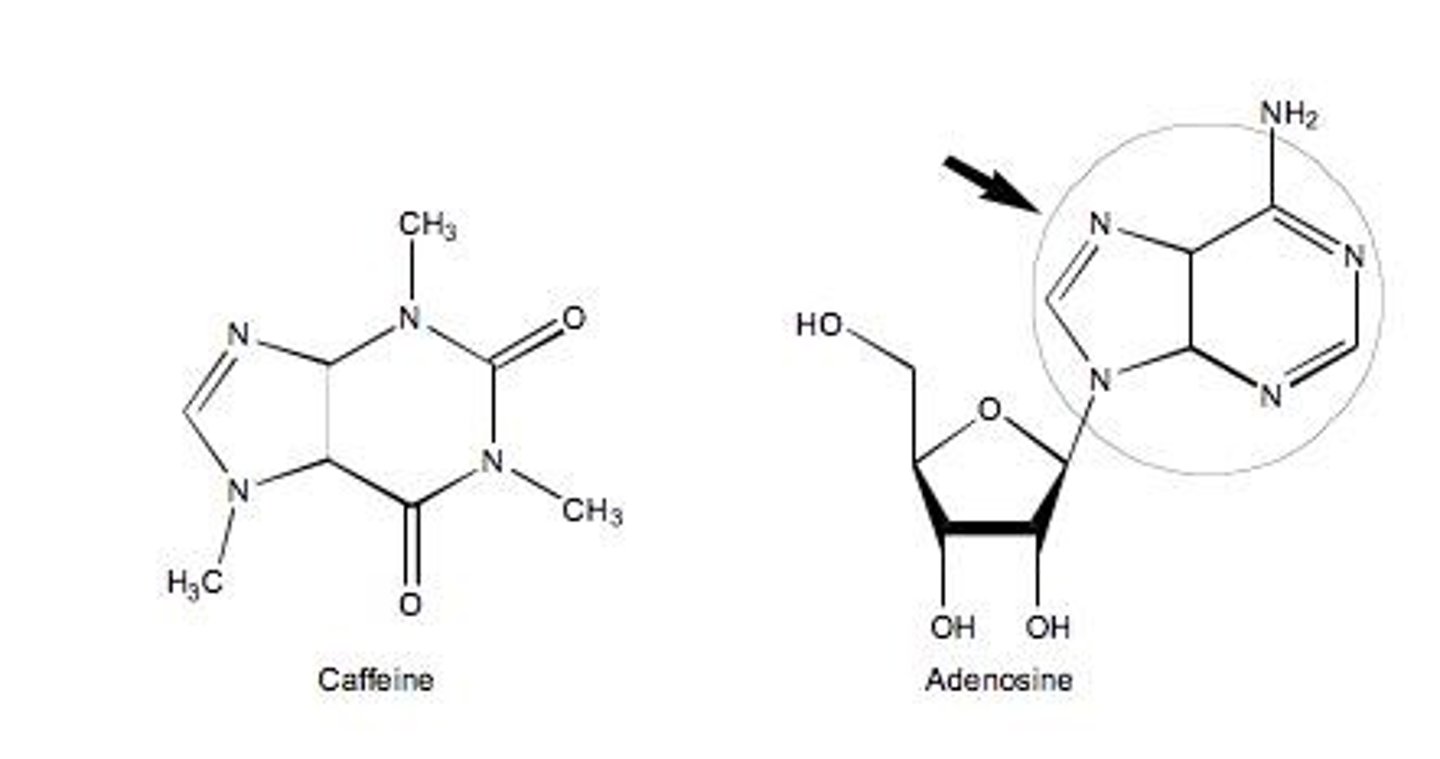
What is caffeine?
A CNS stimulant & in methylxanthine family of chemicals.
What is the process of preparing coffee?
Seeds are removed from the coffee berry, dried or fermented, roasted, & then ground.
What types of tea are there?
Fermented (black), semi-fermented (oolong), & unfermented (green) tea.
What is the primary ingredient in cocoa?
Seeds of the cacao tree.
What is the historical significance of coffee houses?
associated with intellectual discussions & social gatherings.
What was the original formulation of Coca-Cola?
extract of coca leaves, kola nuts, & cocaine
How does caffeine consumption change with age?
Consumption increases until age 65, then decreases.
What is the impact of caffeine on children?
Children 1-5 years have the highest caffeine exposure by dose due to lower body weight.
What are the pharmacological actions of methylxanthine compounds?
They have various desired effects, including stimulation of the CNS.
What is the primary route of caffeine administration?
Oral, but may also be administered rectally, intramuscularly, or intravenously in medical settings.
How is caffeine absorbed in the body?
Rapidly from the stomach and intestines, with no significant 1st-pass metabolism.
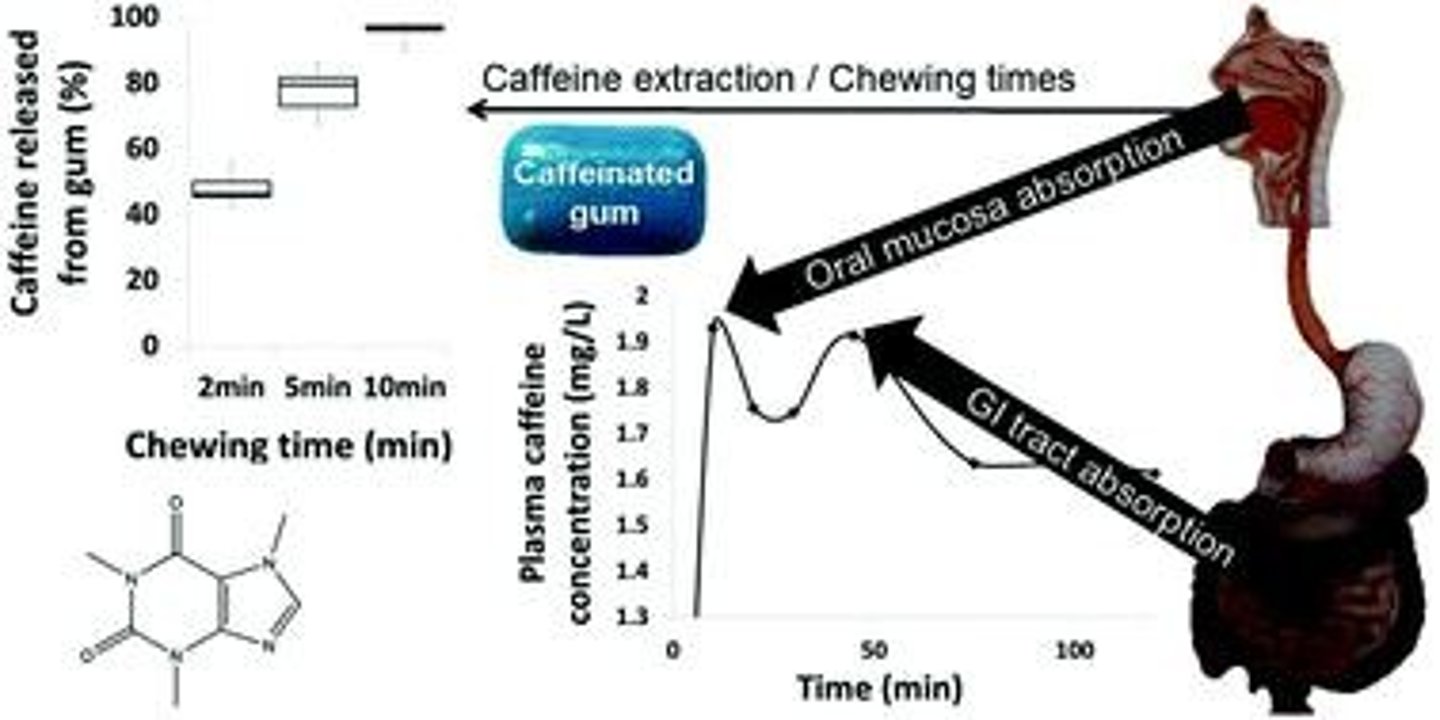
What is the average half-life of caffeine?
Approx. 3.5 hours.
What role does adenosine play in the body?
neuromodulator that inhibits the CNS & regulates the sleep-wake cycle.
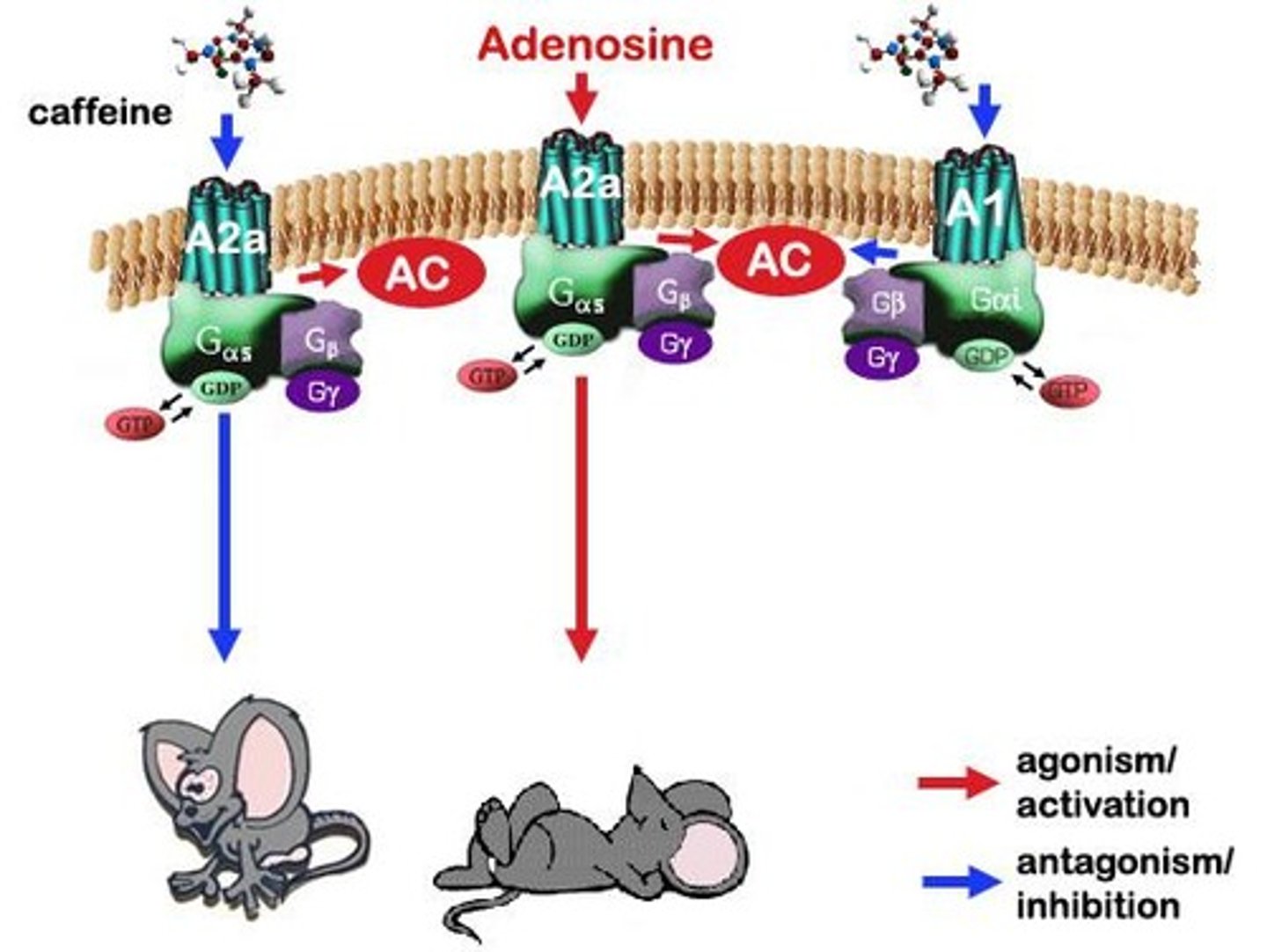
How does caffeine affect adenosine receptors?
Caffeine blocks adenosine receptors, preventing drowsiness & promoting wakefulness.
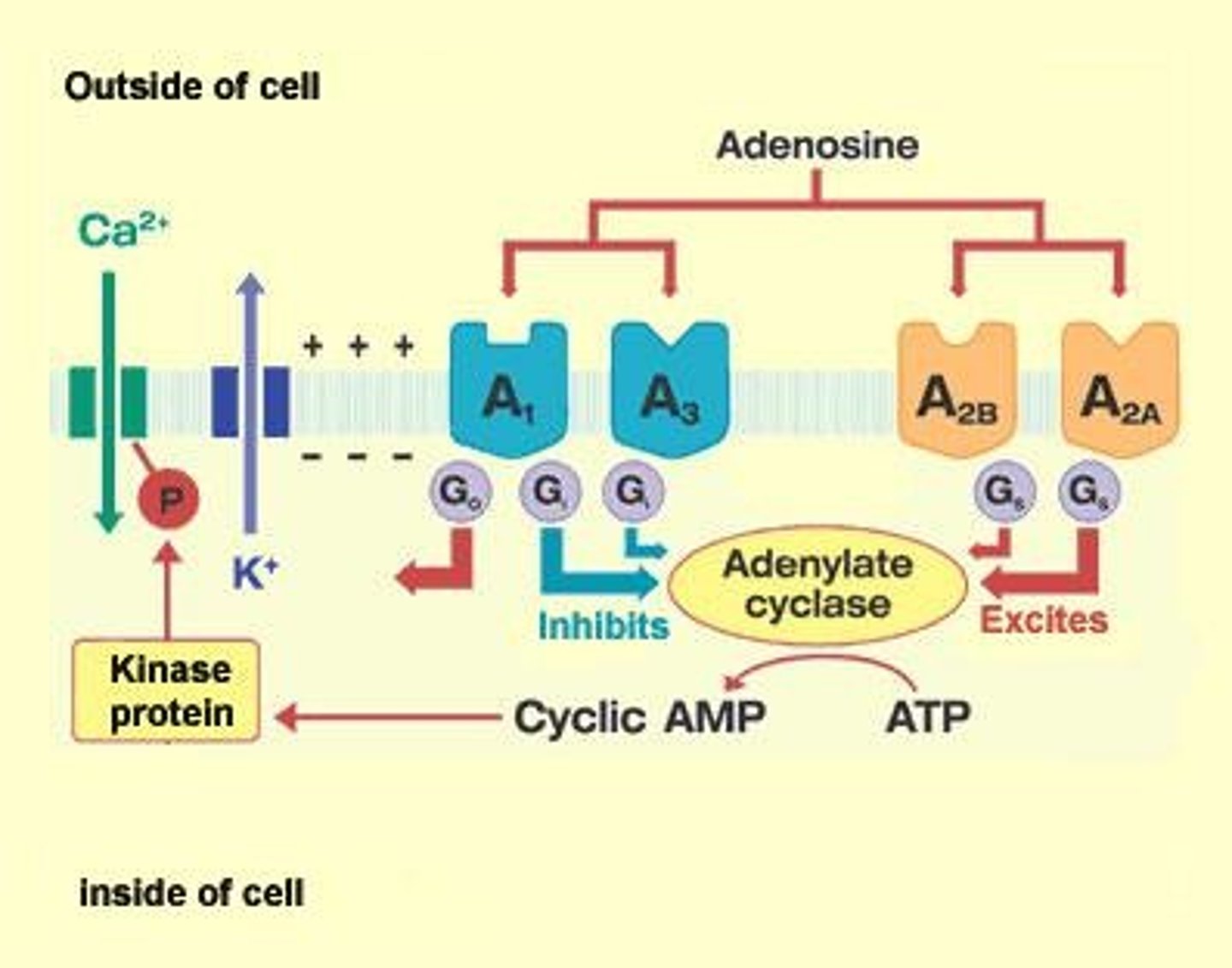
What are the 4 types of adenosine receptors?
A1, A2, A3, and A4, each with different functions in neurotransmitter release and immune response.
What is ATP and its function?
Adenosine triphosphate (ATP) is the cellular energy source, providing energy through high-energy phosphate bonds.
What happens to ATP when energy is needed?
It is broken down into adenosine and phosphate, releasing energy.
What factors influence caffeine metabolism?
Genetic differences, diet, medications, hormones, & pregnancy.
What is the significance of theobromine & theophylline?
They're methylxanthines found in coffee, tea, and cocoa; effects similar to caffeine.
What is the effect of caffeine on dopamine signaling?
alters dopamine signaling in the brain's reward pathway, especially in adolescents.
What is the role of the FDA regarding caffeine?
The FDA regulates caffeine in food & beverages, ensuring safety & labeling.
What is the primary action of caffeine on adenosine receptors?
Caffeine acts as an adenosine antagonist, binding to adenosine receptors & blocking their inhibitory effects.
How does caffeine influence dopamine activity?
Caffeine increases dopamine activity directly and through the influence of dopamine and glutamate on GABAergic neurons.
What are the acute effects of caffeine on the CNS?
Caffeine stimulates CNS activity, leading to diuresis, heart & respiratory stimulation, increased spinal reflex excitability, and gastric acid stimulation.
What physiological effects does caffeine have on the body?
Caffeine releases epinephrine, stimulates the sympathetic nervous system, relaxes smooth muscles, dilates bronchi, & strengthens striated muscles.
What behavioral effects does caffeine have?
Caffeine improves mood, makes tasks seem easier, reverses performance decrements, and enhances attention and reaction times.
How does caffeine affect sleep?
can cause insomnia, take longer to fall asleep, reduce total sleep time, & can make u a light sleeper
What is the Flip-Flop Model of Sleep?
It describes the balance between excitation & inhibition in sleep regulation, involving GABA release from vlPOA neurons.
What are the subjective effects of caffeine at high doses?
increased anxiety, jitteriness, and nervousness, with unpleasant effects more likely.
What is caffeine tolerance?
Tolerance develops quickly after initial exposure due to upregulation of adenosine receptors, affecting renal function, sleep, blood pressure, and heart rate.
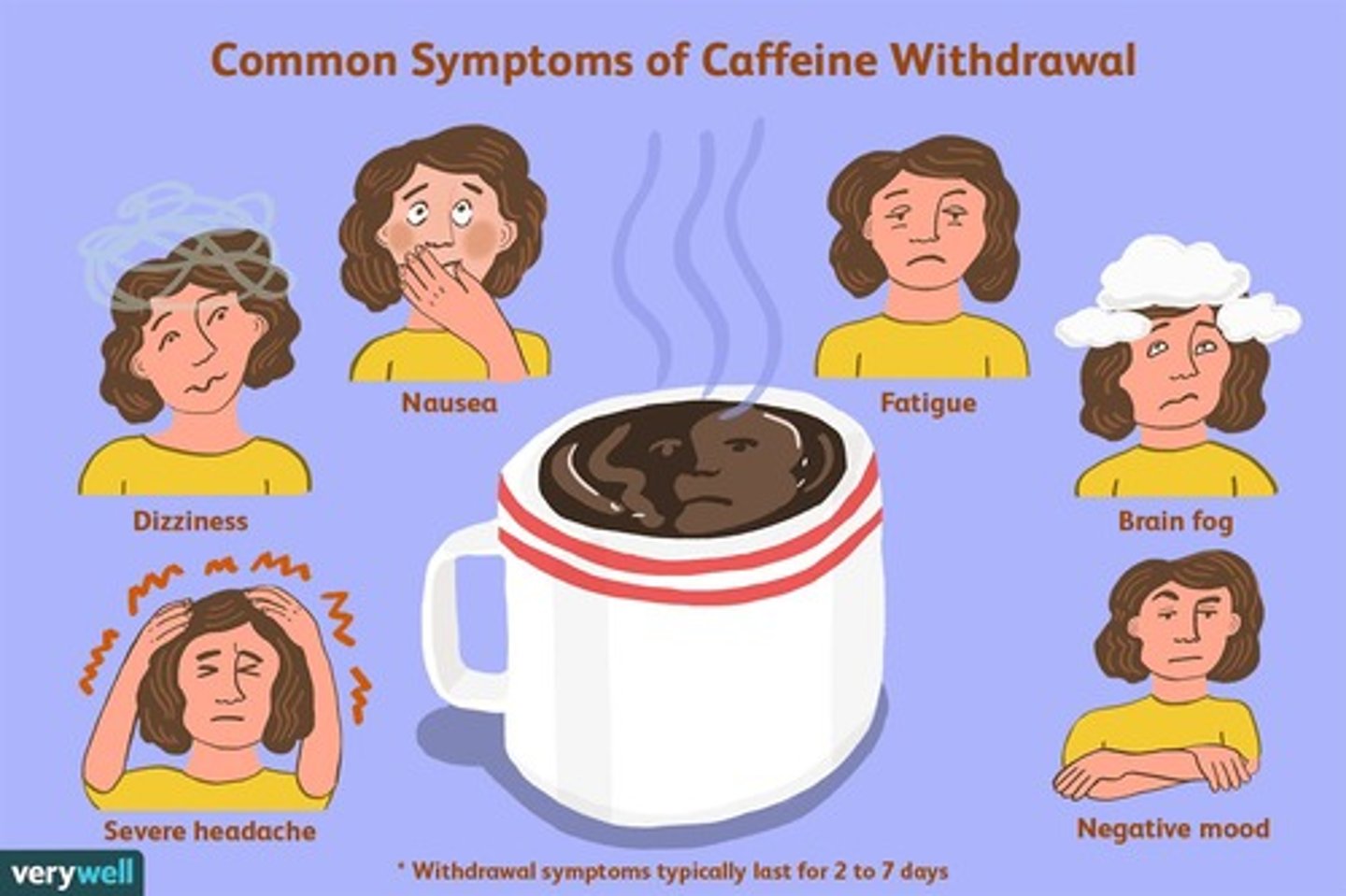
What are common symptoms of caffeine withdrawal?
Headache, fatigue, depression, decreased alertness, irritability, and flu-like symptoms.
What is the self-administration behavior of caffeine in nonhumans?
Caffeine is not a robust reinforcer and is administered erratically, often requiring forced consumption to demonstrate reinforcement.
How does caffeine dependence manifest in humans?
Dependency varies, with individuals actively avoiding withdrawal and seeking caffeine's effects, which can be positive or negative.
What are potential harmful effects of high caffeine consumption during pregnancy?
High levels can damage chromosomes and may be toxic to newborns due to slow metabolism.
What are the cardiovascular effects of caffeine?
Caffeine is generally not considered a problem for cardiovascular disease, but it may accelerate bone loss in postmenopausal women.
What is caffeinism?
Caffeine intoxication characterized by sensory disturbances, mild delirium, psychomotor agitation, & irregular heart rhythm.
What is the estimated lethal dose of caffeine?
3-8 grams, about 30-80 cups of coffee.
What are some beneficial effects of caffeine?
Can protect against Parkinson's disease, aid in weight loss, & reduce the risk of Type 2 diabetes.
What is the role of the International Life Sciences Institute (ILSI) in caffeine research?
ILSI sponsors controversial research that may reflect conflicts of interest, redirecting focus to other compounds in coffee.
How do caffeine & nicotine interact in the body?
Caffeine excretion occurs more than 50% faster in smokers than in nonsmokers