insomnia/sleep-wake disorder
 Call Kai
 Learn
Learn Practice Test
 Spaced Repetition
 Match
Match Flashcards
 Knowt Play
1/63

There's no tags or description
Looks like no tags are added yet.
Name | Mastery | Learn | Test | Matching | Spaced | Call with Kai | Chat |
|---|
No analytics yet
Send a link to your students to track their progress
64 Terms
4-6 cycles
how many sleep cycles does the average adult go through in a night?
beta waves (13-30 Hz)
EEG findings of alert, active metnal state
alpha waves (8-13 Hz)
EEG findings of relaxed wakefulness (eyes closed)
theta waves
EEG findings of N1 sleep (light sleep, easily aroused; hypnic jerks common
Sleep spindles, K-complexes
EEG findings of N2 sleep
N2 sleep
Largest proportion (~45-55% of total sleep); reduced heart rate & body temp
delta waves (slow wave sleep)
EEG waves associated with N3 sleep stage
N3 sleep stage
Deepest sleep, restorative; growth hormone secretion peaks; parasomnias (night terrors, sleepwalking) occur here
Beta-like waves (similar to awake), rapid eye movement, muscle atonia
EEG findings associated with REM sleep
REM sleep
what sleep stage?
Dreaming; increased brain O₂ use and limbic activity; variable HR/BP
↓ Total sleep time
↓ Slow-wave (deep) sleep
↑ Sleep latency (takes longer to fall asleep)
↑ Nighttime awakenings
↓ REM latency but overall less REM sleep
how does sleep change with aging?
takes longer to fall asleep
what does it mean to have increased sleep latency?
↓ REM latency but overall less REM sleep
how does REM sleep change with aging?
parasomnias
Abnormal behaviors such as nightmares or sleepwalking that occur during sleep.
insomnia disorder
Difficulty initiating or maintaining sleep, early awakening
-often associated with stress, depression, anxiety
Obesity, large neck circumference, hypertension
risk factors for obstructive sleep apnea
narcolepsy
Daytime sleep attacks, cataplexy, hypnagogic/hypnopompic hallucinations, sleep paralysis
hypocretin (orexin)
narcolepsy is associated with decreased ________ in CSF
narcolepsy
sleep-onset REM
restless leg syndrome
Uncomfortable leg sensations relieved by movement
-worse at night
iron deficiency or CKD
conditions linked to restless leg syndrome
periodic limb movement disorders
Involuntary leg movements during sleep causing arousals
-Seen in older adults, may cause daytime fatigue
NREM (night terrors/sleepwalking) vs REM (acting out dreams)
is NREM or REM sleep associated with parasomnias
circadian rhythm disorders
Sleep-wake mismatch (e.g., shift work, delayed sleep phase)
-Difficulty aligning sleep with social/work schedule
Insomnia disorder, circadian rhythm disorder, anxiety, stimulant use
DDx of difficulty falling asleep
insomnia, depression, sleep apnea, pain disorder
DDx of frequent awakenings/early morning awakenings
restless leg syndrome
restless, tingling legs before sleep relieved by movement
REM behavior disorder
acting out dreams/violent movements in sleep is associated with
Parkinson's syndrome
what syndrome is associated with REM behavior disorder?
sleep walking or night terrors
NREM parasomnia examples
sleep apnea, PLMD, depression
DDx of unrefreshing sleep despite full duration
Cognitive Behavioral Therapy for Insomnia (CBT-I)
Sleep hygiene education
Stimulus control (bed only for sleep/sex)
Sleep restriction and relaxation training
first line treatment for insomnia
zolpidem, zaleplon, eszopiclone
non benzo hyponotics used to treat insomnia short term
Ramelteon
melatonin receptor agonists
trazadone, low dose doxepin
sedating antidepressants used to treat insomnia short term
CPAP
first line for moderate to severe OSA
oral mandibular advancement device
devise for mild OSA or CPAP intolerant pts
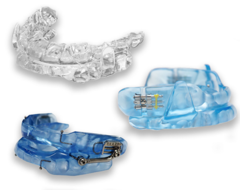
central sleep apnea
sleep disorder with periods of interrupted breathing due to a disruption in signals sent from the brain that regulate breathing
-potential causes: heart failure, opioid use
Maintain safety (secure environment), avoid sleep deprivation, treat stress; low-dose benzodiazepine if severe
management of NREM parasomnias
Clonazepam (first-line), melatonin as alternative; screen for neurodegenerative diseases
management of REM behavior disorder
Reassurance, imagery rehearsal therapy, prazosin (for PTSD-related nightmares)
management of nightmares
Chronic pain, asthma, GERD, thyroid disorders, nocturia
medical risk factors for insomnia
Stimulants, steroids, antidepressants (e.g., SSRIs), decongestants
medications that increase risk of insomnia
depression or anxiety
insomnia often coexists with
hypertension, arrhythmias, and metabolic syndrome.
untreated OSA increases risk for
hyperthyroidism, diabetes (nocturia, neuropathic pain)
endocrine disorders associated with insomnia
>3 months, ≥3 nights/week
define chronic insomina
-suspected OSA
-PLMD suspected
-narcolepsy
-parasomnias
-failure of standard insomnia therapy
indications for pollysomnography
polysomnography followed by multiple sleep latency test
diagnostic tests for narcolepsy
EEG → sleep stage architecture
EOG → eye movements (REM detection)
EMG → muscle tone and leg movements
ECG / Pulse oximetry → oxygen desaturation, apnea events
Respiratory effort sensors → distinguish obstructive vs central apneas
components of a sleep study
Increased sleep latency (takes longer to fall asleep)
Reduced total sleep time and efficiency
Increased wake after sleep onset (WASO)
Normal architecture otherwise, unless comorbid disorder present
PSG findings of insomnia
Bind selectively to the benzodiazepine site on GABA-A receptor (α1 subunit) → enhance inhibitory GABA activity
MOA of non-benzo hypnotics
non benzo hypnotics (zolpidem, zaleplon, eszopiclone)
Short half-life → less hangover; best for sleep onset/maintenance depending on agent
benzodiazapenes
Non-selective GABA-A agonists → increase frequency of chloride channel opening → CNS depression
Effective but ↑ tolerance, dependence, and withdrawal risk
risks associated with benzo use to treat insomnia
Ramelteon
Agonist at MT1 and MT2 receptors in the suprachiasmatic nucleus → regulates circadian rhythm
suvorexant, lemorexant
block orexin (hypocretin) receptors OX1R & OX2R, preventing wake-promoting signals
Histamine H1 blockade (doxepin); 5-HT2 and α1 blockade (trazodone)
MOA of the sedating antidepressants (doxepin, trazadone, mirtzapine)
Dizziness, headache, complex sleep behaviors (sleep-driving, eating), tolerance
-avoid with alcohol or other CNS depressants
common side effects of the Z-drugs
avoid in elderly (↑ fall/cognitive risk), pregnancy, or substance use history
contraindications of benzos
Somnolence, sleep paralysis, abnormal dreams
common side effects of orexin antagonists
avoid in narcolepsy or OSA
contraindication to orexin antagonists
weight gain
side effect of mirtazapine (sedating antidepressant)
It may help induce sleep but fragments REM sleep later.
why shouldn't you have alcohol near bedtime?