Myology
 Call Kai
 Learn
Learn Practice Test
 Spaced Repetition
 Match
Match Flashcards
 Knowt Play
1/46

There's no tags or description
Looks like no tags are added yet.
Name | Mastery | Learn | Test | Matching | Spaced | Call with Kai | Chat |
|---|
No analytics yet
Send a link to your students to track their progress
47 Terms
Myology
Study of muscles, including their structure, function, and components.
Muscle
A specialized contractile tissue whose cellular unit is myocyte.
Skeletal Muscle
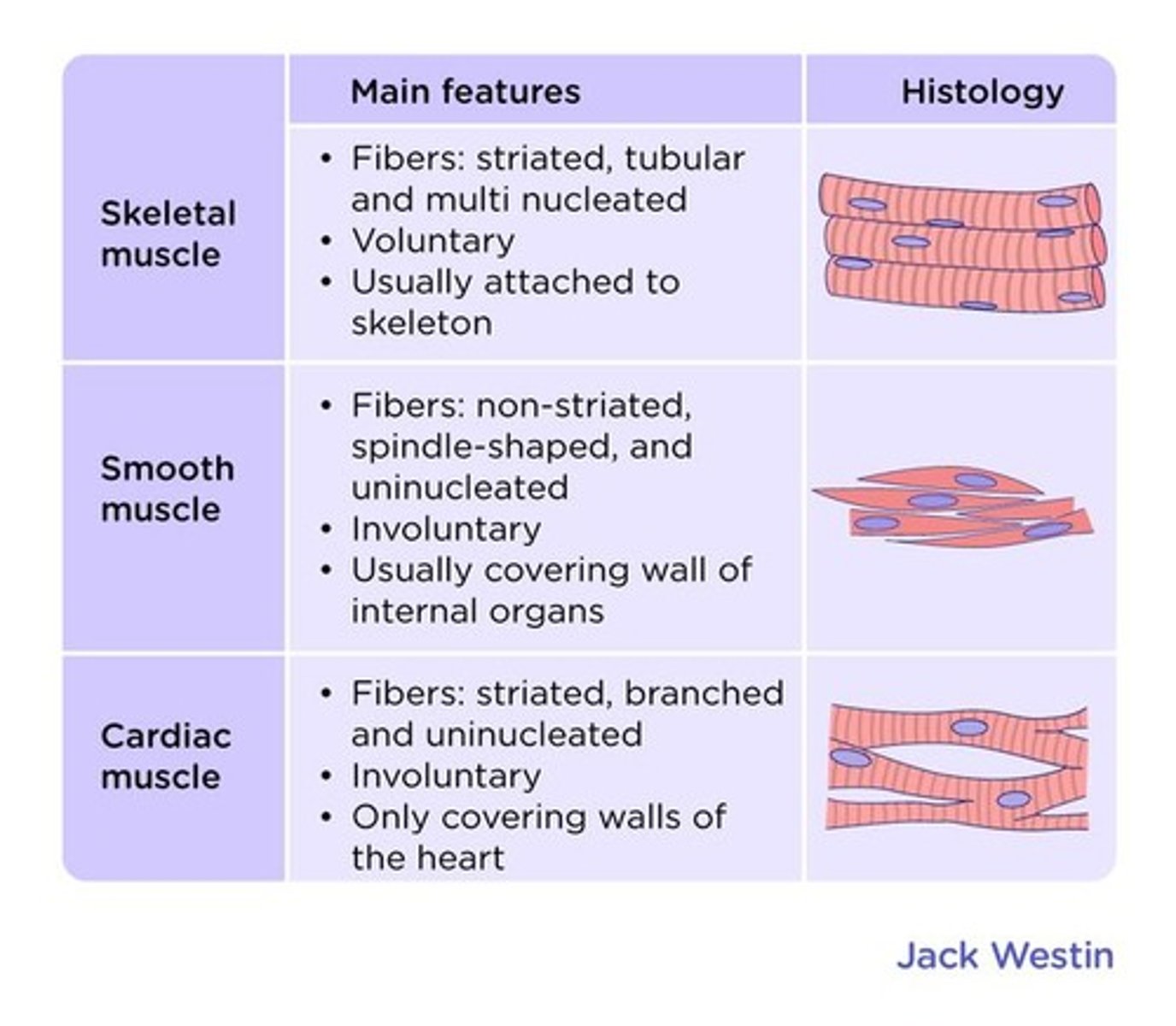
Striated muscle under voluntary control, representing 50-60% of the dressed body, mostly attached to the skeleton.
Cardiac Muscle
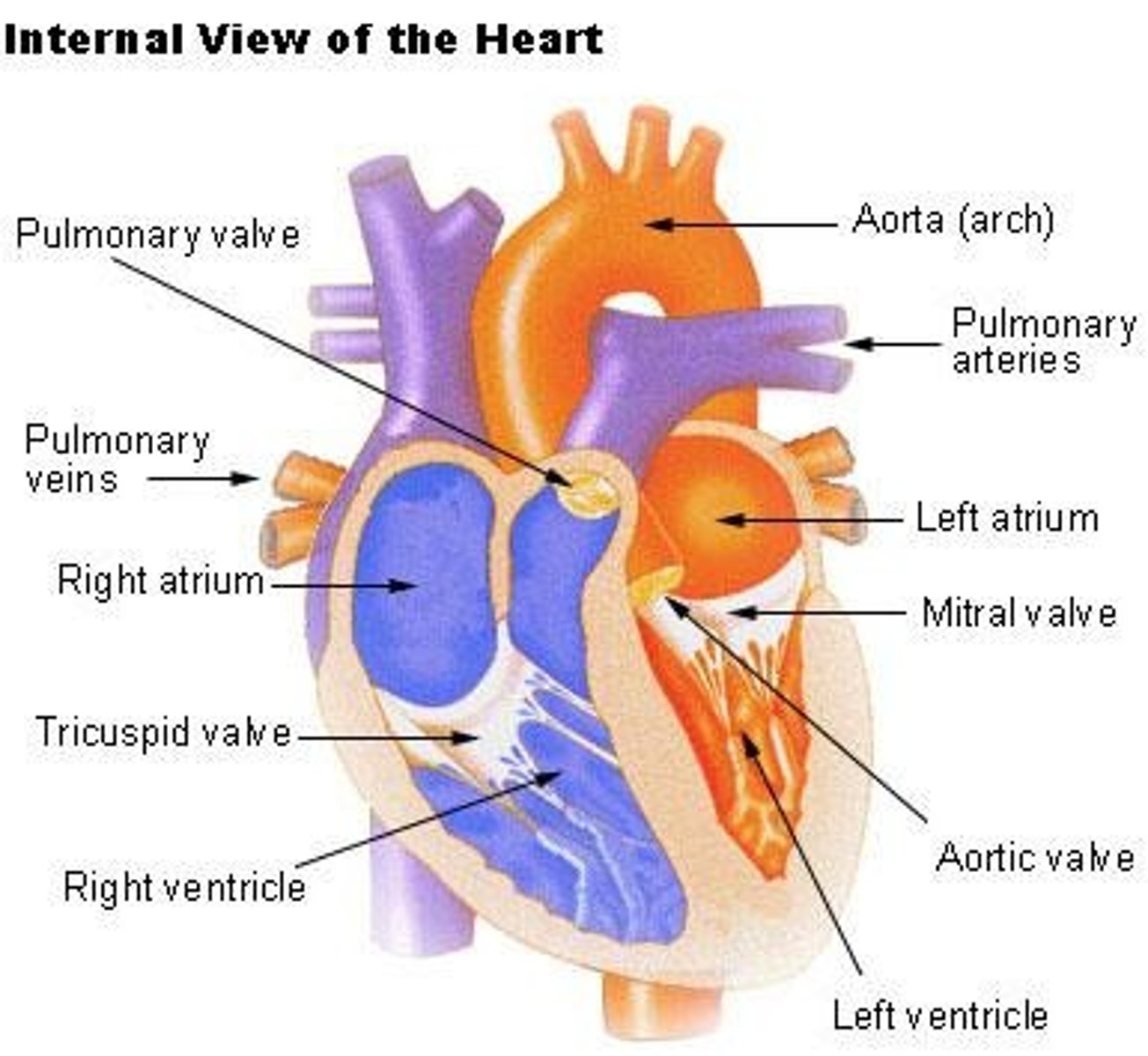
Muscle confined to the heart (myocardium) and controlled by the Autonomic Nervous System (ANS), involuntary.
Smooth Muscle
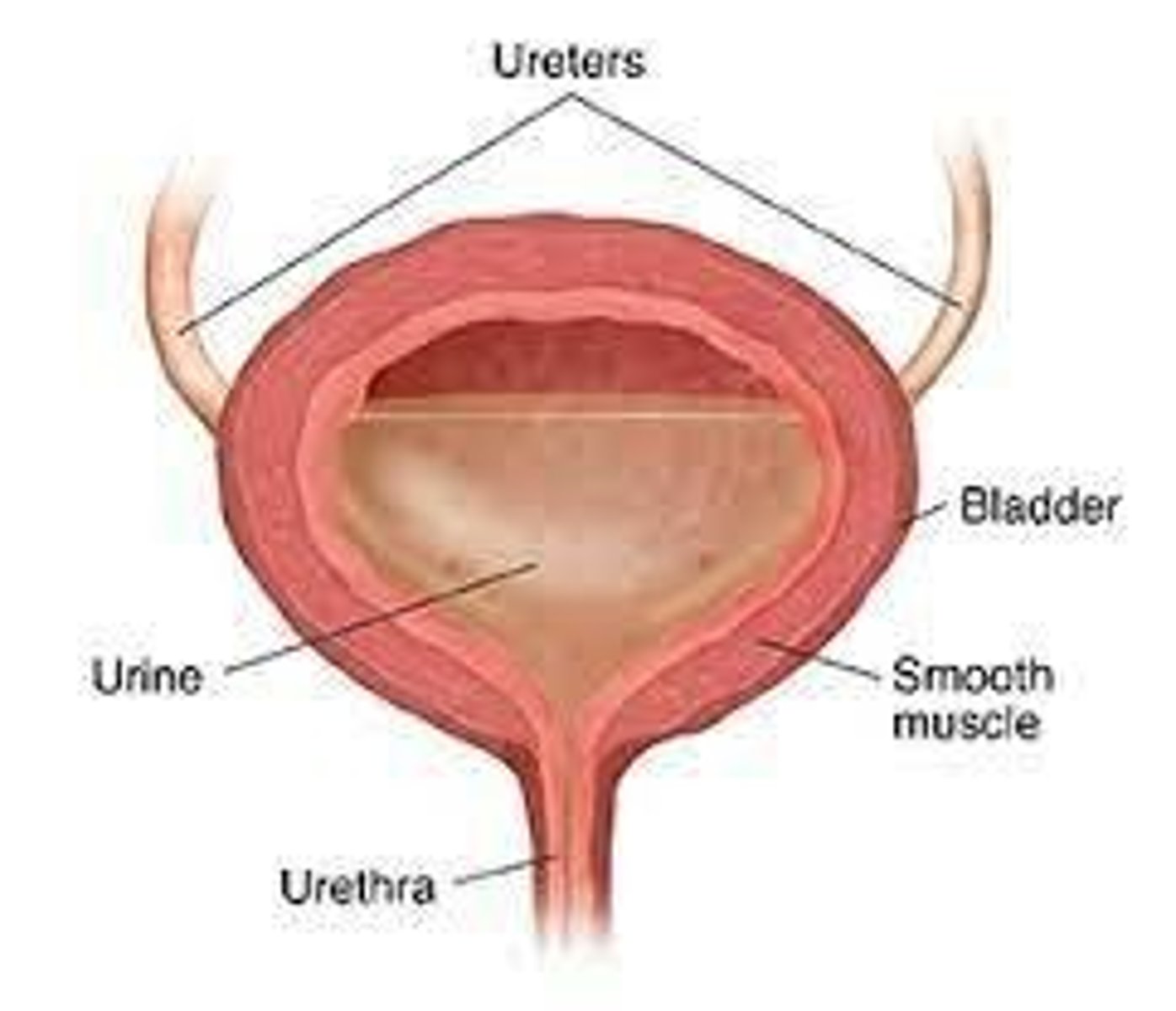
Muscle found in the walls of internal hollow organs and blood vessels, including muscles like the bladder detrusor muscle.
Agonist
The muscle that produces most of the action/force on the joint, inducing a change in the angle it bridges.
Synergists
Muscles that help the agonist and eliminate unwanted movements.
Antagonist
Muscle that actively opposes the prime mover, maintaining some tension on a joint to limit the range of the agonist.
Fixators
Muscles that stabilize the joint/bone rather than promote movement.
Intrinsic Muscles
Muscles that originate and insert within the same region (appendages)
Extrinsic Muscles
Muscles that originate in one region and insert in another (saddle muscles)
Myofibrils
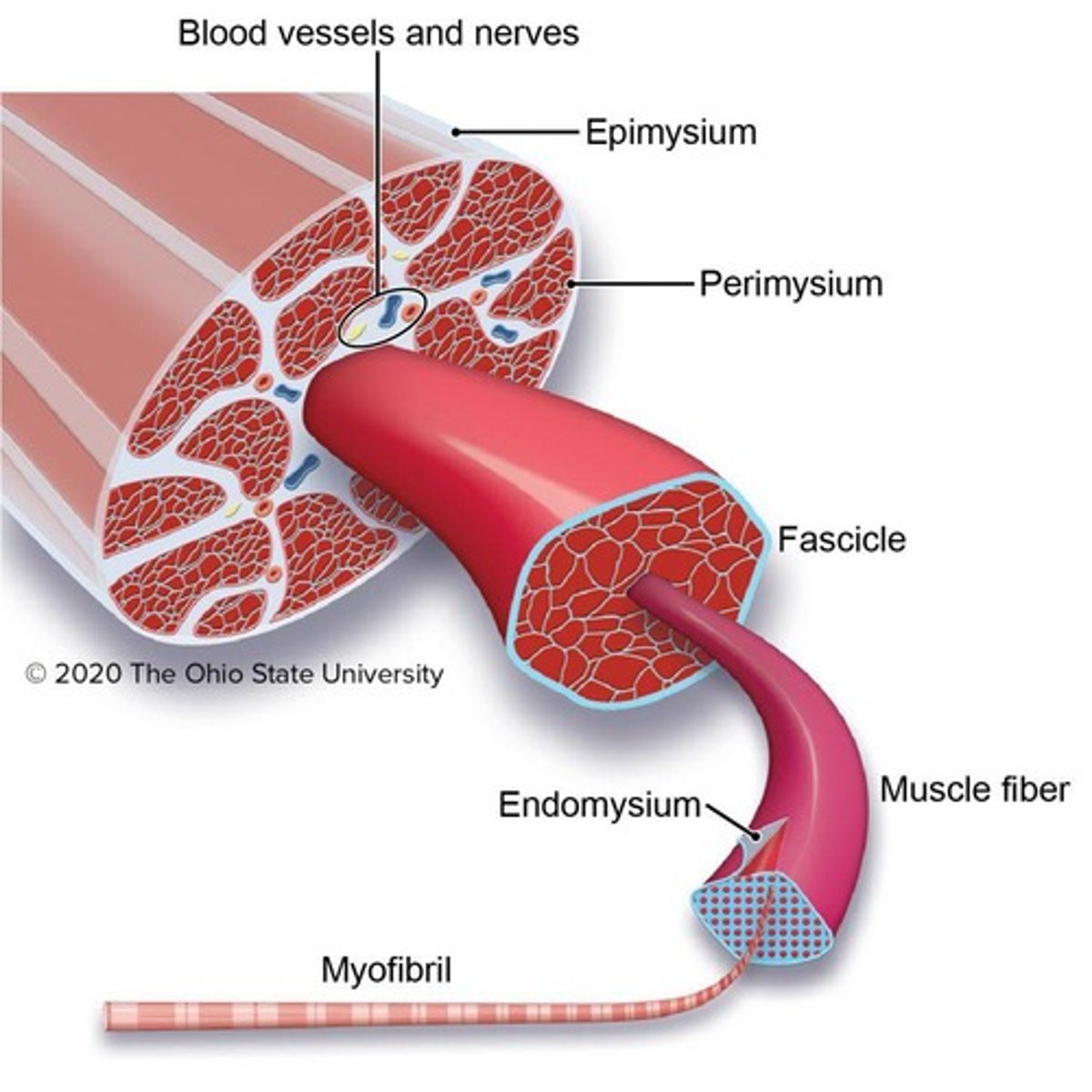
Thousands of structures made of actin and myosin that form the muscle fiber (myofiber).
Endomysium
Connective tissue that encloses a muscle fiber.
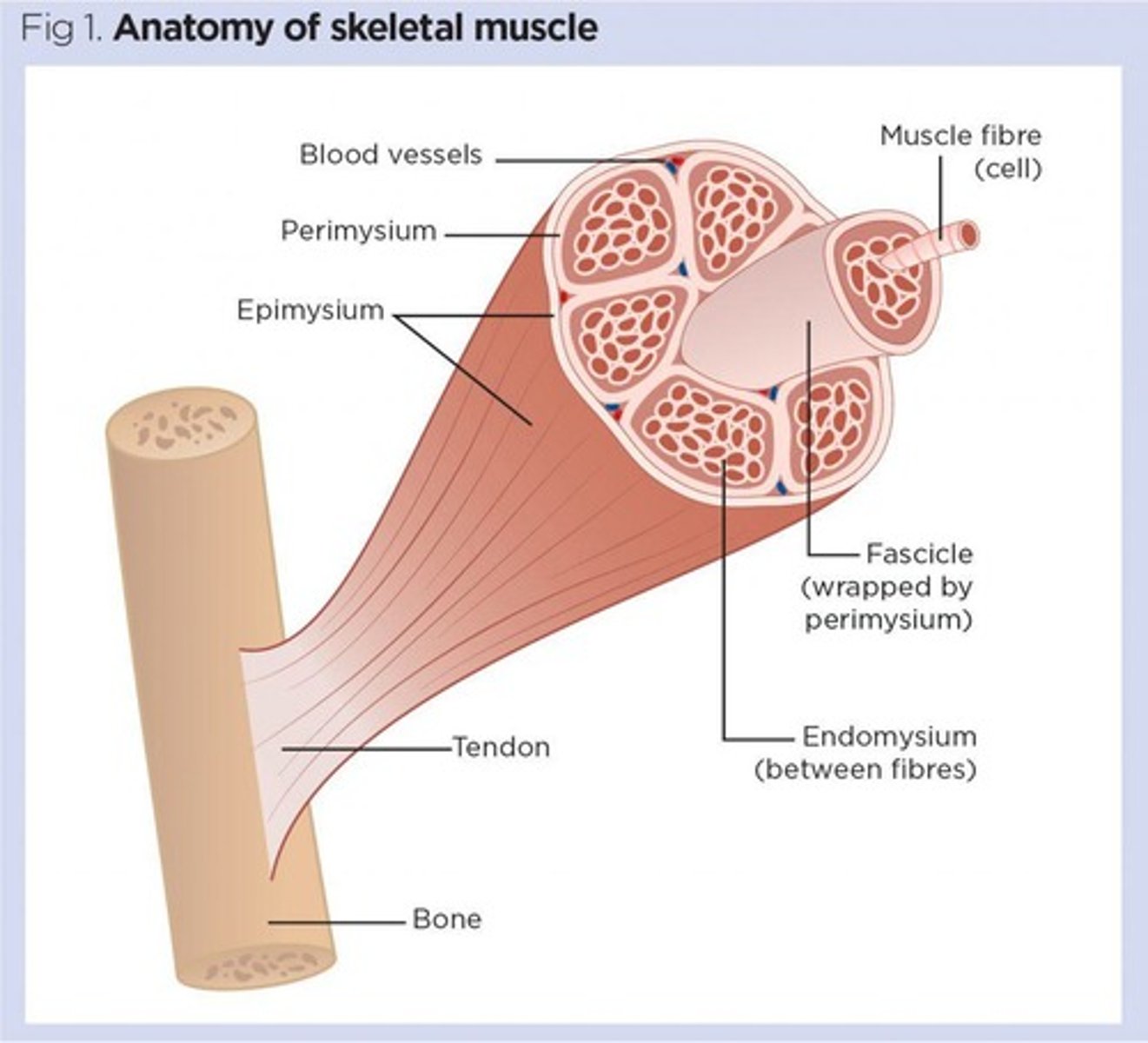
Fascicle
A bundle of muscle fibers enclosed by perimysium.
Perimysium
Connective tissue that encloses a fascicle.
Epimysium
Connective tissue that encloses the entire skeletal muscle.
Tendon
Dense regular connective tissue that attaches muscle to bone. Characterized by having poor blood supply and are prone to injury or damage; cord-like
Locomotion
Movement of the body parts, such as walking and running.
Posture
The position of the body maintained by anti-gravity muscles.
Sphincters' tone
The tension maintained by muscles to control continence.
Homeostasis
The body's ability to maintain stable internal conditions.
Micturition
The act of urination.
Parturition
The act of giving birth.
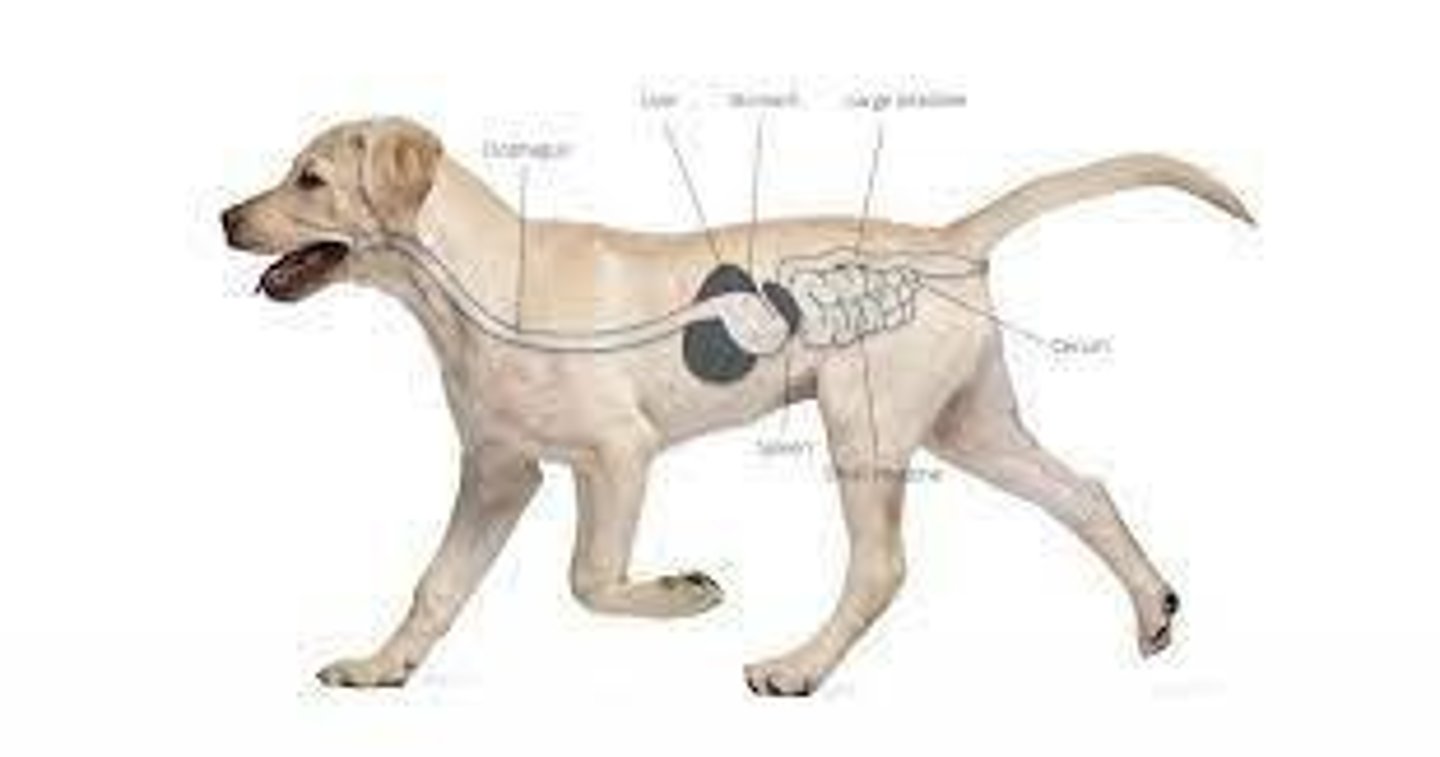
Digestion
The process of moving ingesta through the gastrointestinal tract.
Point of attachment
Refers to the origin point of the muscle for naming
Shape
Refers to the shape characteristic of the muscle for naming
Size
Refers to the size of the muscle relative to those around it. ex: Teres major/minor
Supinator/Pronator
Muscle functions that allow for the rotation of the forearm.
Location/Position
Refers to the topographical characteristics of the muscle for naming
Number of heads
Refers to the number of origin points for the same muscle; ex. Biceps ,Triceps brachii.
Number of bellies
Refers to the number of muscle "bodies" within the same muscle; ex. Digastricus, deep pectoral
Aponeurosis
A broad, flat tendon or sheet-like structure.
Sesamoid bones
Develop within tendons at stress points to increase leverage.
Sesamoid bone location
Quadriceps tendon/Patellar Ligament
Bursa
A small fluid-filled sac located between the tendon and the bone's stress point.
Subtendinous bursa
A congenital type of bursa, e.g., Infraspinatus.
Subcutaneous bursa
An acquired type of bursa, also known as Hygroma.
Tendon Sheath
A fluid-filled cylinder that encases the tendon when in contact with bone.
Bursitis
Inflammation of the bursa.
Tenosynovitis
Inflammation of the synovial sheath.
Tendosynovitis
Inflammation of the tendon and the synovial sheath.
Retinaculum
Thickened, condensed deep fascia over the carpus and tarsus to prevent tendons from webbing.
Annular Ligaments
Thickened, condensed deep fascia over the digits.
Ligament
Attaches bone to bone.
Fascia
Collagenous fibrous tissue that holds the body together, superficial or deep.
Canine Skin
The largest organ of the body that provides protection and perceives various stimuli.
Lipomas
Abnormal benign aggregates of encapsulated lipid cells that are not life-threatening.