enwc 201 final exam university of delaware module 4
 Studied by 0 people
 Call Kai
 Learn
Learn Practice Test
 Spaced Repetition
 Match
Match Flashcards
 Knowt Play
1/81

Earn XP
Description and Tags
dr. kyle mccarthy
Name | Mastery | Learn | Test | Matching | Spaced |
|---|
No study sessions yet.
82 Terms
wildlife diseases are connected to
-conservation of threatened and endangered species
-recreational use of wildlife
-public health/loss of life (pet and human)
-agriculture (livestock)
disease
a disturbance to the normal function or structure of an organism (mange or rabies is what we typically think of, but starvation or trauma can be diseases as well)
epizootic
a type of disease that appears at an unexpected rate, synonymous w epidemic in humans (like white nose syndrome in bats)
infectious things can be
viruses, bacteria, fungi, parasites (internal and external)
pathogen: a disease causing agent
protein: incorrectly folded protein = a prion
pathogen
a disease causing agent
noninfectious things can be
toxins (manmade, plant, fungal, or bacterial), physiological, nutritional, congenital, degenerative, cancer
mercury (product of coal/fossil fuel power generators)
heavy metal toxin
bio-accumulation: more mercury put into ecosystems
bio-magnification: increased concentration we see as we move up trophic levels
mercury
example of non-infectious toxin
bio-accumulation
ex: more mercury put into ecosystems
bio-magnification
ex: increased concentration of mercury we see as we move up trophic levels (100% of mercury makes it up even tho only 10% of the energy)
what methods reduce harmful chemicals in fish (not including mercury)?
bake, broil, steam, or grill fish (not frying, frying traps juices/pathogens)
reservoir
any living/nonliving substance that may perpetuate a pathogen in nature (ex: white footed mouse)
reservoir host
a host that acts as a reservoir for the pathogen but does not suffer ill effects from the disease (also white-footed mouse)
host
an organism on/in which another organism lives
vector
an organism that carries pathogens from one host to another or from a reservoir to a host
biological (mosquitoes - pathogen inside body and regurgitates into host)
mechanical (flies - pathogen on outside of body)
biological vector
pathogen inside body
mechanical vector
carries pathogen around on outside of body
disease and agriculture examples
-brucellosis in cattle
-bird flu outbreaks (tyson chicken farms, culled 73k birds over the wknd)
disease and endangered species examples
common loon, lake erie
avian botulism type - E
quagga and zebra mussels
algae beds
invasive round goby fish (goby fish eat algae, loons eat goby fish)
> 1k loons killed on one lake
serengeti lion
canine distemper from pet dogs in african villages not cared for well
black back jackal get canine distemper from the dogs
interact w lions and lions get canine distemper (in 1994, a single outbreak killed 1/3 of population: 1k lions)
why are we seeing the emergence of so many diseases?
more people → more habitat alteration → more stress on animals → more human/wildlife interaction → INCREASE IN DISEASES
example of stress impacting an animal
-near alaska oil tanker spilled, drunk captain
-high stress on sea otters, oil penetrates waterproof coat
hypothermia → die so humans had to clean off and re release
stress from otter/human interaction caused latent herpes to come around (existed but fought off by immune system)
became more prevalent
otters got mouth sores/couldn’t eat, dying bc of that
zoonoses
an animal disease that can be transmitted to humans but we are not necessary for that to happen in the life cycle of the disease (antonym: anthroponoses, goes human → animal)
hookworms can infect humans but don’t need to
lyme disease
anthroponoses
a human disease that can be transmitted to animals but they are not necessary for that to happen in the life cycle of the disease (antonym: zoonoses, goes animal → human)
lyme disease is an example of
a zoonoses
-cause: bacteria (borrelia burgdorferi)
-transmitted: deer and lone star ticks
-symptoms: rash, fever, swollen lymph nodes
further complications: meningitis, facial palsy, heart abnormalities, arthritis
west nile virus is an example of
a zoonoses
-cause: virus
-transmitted: culex mosquito
-reservoir: birds
-vector: mosquito
40-50% of horses that get WNV aren’t vaccinated and die
humans don’t have a vaccine for this
-symptoms: most ppl don’t get sick, 1 in 5 get west nile fever, 1 in 150 develop a severe infection (like meningitis)
-treatment: no specific treatment available
other examples of zoonoses
-H5N1 in birds in alaska
seems to have disappeared for now, could spread to poultry, high fatality in humans, migratory flyways can spread disease between continents
-SARS
originated in hong kong, 8422 cases and 916 deaths in 37 countries, high fatality in humans, outbreak contained in 2003 but not eradicated, persists in bat poop
-EBOLA
children contracted from playing near contaminated bat feces/urine
introduced species: the starling
-american acclimatization society wanted to bring home starlings, brought starlings from europe and took 100 starlings and let them go in NYC
-now 200 mil today from those initial 100
conservation implications of introduced species
-good, bad, and ugly
conservation implications of introduced species GOOD
industrialized ag is all introduced species
makes the US billions of $$$/yr
conservation implications of introduced species BAD
unplanned introduced
not every introduced species is successful
all that succeed have ecological impact
conservation implications of introduced species UGLY
lion fish taking over reefs so we have to make robots to take them out of oceans
how many endangered species are threatened by introduced/invasive species?
20%
ex: zebra mussels introduced via ballasts of ships
fill pipes we put in lakes to take water out, clog boat engines, etc
shoreline sharp and not walkable
ex: shipworms (cost 200 mil/yr) and purple loosestrife (45 mil/yr)
introduced predators example - snakes
-brown tree snakes (boiga irregularis) made their way to guam on cargo ships after WWII
-ate birds of guam, 15 species extirpated (extinct on guam)
5 of those were endemic so now they’re just gone gone
-eating skinks, rats, bats, geckos, anoles
-started bombing guam w poisoned frozen rodents
-biggest fear is spreading to other islands so now they check wheels of planes before take off, etc
introduced predators example - snail
-giant african snail → hawaii
-rosy wolfsnail introduced to prey on giant african snail but now
15 endemic snails extinct
56 of 61 partulid snails on french polynesia
fluffy the bird slayer
highest percent effect
introduced competitors examples
-mussels (not directly preying on other mussels)
40-75% native mussels in great lakes classified as extirpated/of special concern
-argentine ant (both predator and competitor)
horned lizards disappearing
introduced competitors - invader interactions
-sometimes an invader interacts to increase the effect of another invader
-sometimes an invader interacts to decrease the effect of another invader
invader increasing effect of other invader example
kelp decimated by urchins but then by bryozoan (europe, weakens kelp) and codium (asian, weakens kelp)
invader decreasing effect of other invader example
-warty comb jelly eats plankton
-fisheries for plankton crashed
-carnivorous jelly ate warty comb jelly, they didn’t eat plankton before, carnivorous jellies died out bc no more warty comb jellies to eat
morphological/behavioral impacts of invaders
-some natives respond w morphological or behavioral changes
snail shell lengthen
genetic/evolutionary impacts of invaders
-hybridization and introgression affects genetics (mallards vs other ducks, breeding together)
mallard can swamp out native species
ecosystem impacts of invaders
-some have larger/more noticeable impacts
-eating emergent marsh vegetation
nutria: escaped from fur farms (looks like beaver)
eats native vegetation
erosion
beaver
eats native vegetation
erosion
criteria for successful invasion
-a route in, pathway of invasion
snakes on plane, spiders on cargo ships, weeds on boat trailers, intentional introductions, a new road into the forest
-any path that can transport species beyond their native range
what determines propagule pressure
-quantity, quality, and frequency of arriving organisms
invading species characteristics
-high fecundity, dispersal ability, generalists (broad tolerance), novelty
-luck can be a factor
-community where species established has just as many important factors
how are species introduced
-unintentionally
dumping ballast water, shipping, necklace gift, etc
-intentional
common carp, one of the most damaging aquative invasive species due to wide distance and severe impacts in shallow lakes and wetlands
mongoose to hunt rats eating crops
pet trade
burmese python in everglades (someone’s pet let go bc they didn’t want it to eat their kid/dog)
delaware invasive species
-total number exotic plants reported
new castle: 372 species
sussex county: 219 species
kent county: 193 species
kudzu -spreading 150k acres/yr in US
mile-a-minute weed
norway maple
hemlock wooly adelgid (microscopic thing from china that kills our hemlocks)
80% of trees dead in 15-20 years
many species rely on hemlock
new species replace hemlock
ecosystem restructured
what is climate change
the long-lasting pattern of climate over months and years
greenhouse effect
causing our climate change
radiation converted to heat, reflected back to earth by greenhouse gasses
allows us to live bc we need heat
too many gasses = too much heat reflected back
cretaceous CO2
-anoxic (lacking O2) and wet era
-angiosperms (flowering plants) spread
grow rapidly, die and don’t decompose well bc too wet, buried under other soil/plants, C captured out of atmosphere in plant starts to become our fossil fuels (oil, carbon/coal, etc)
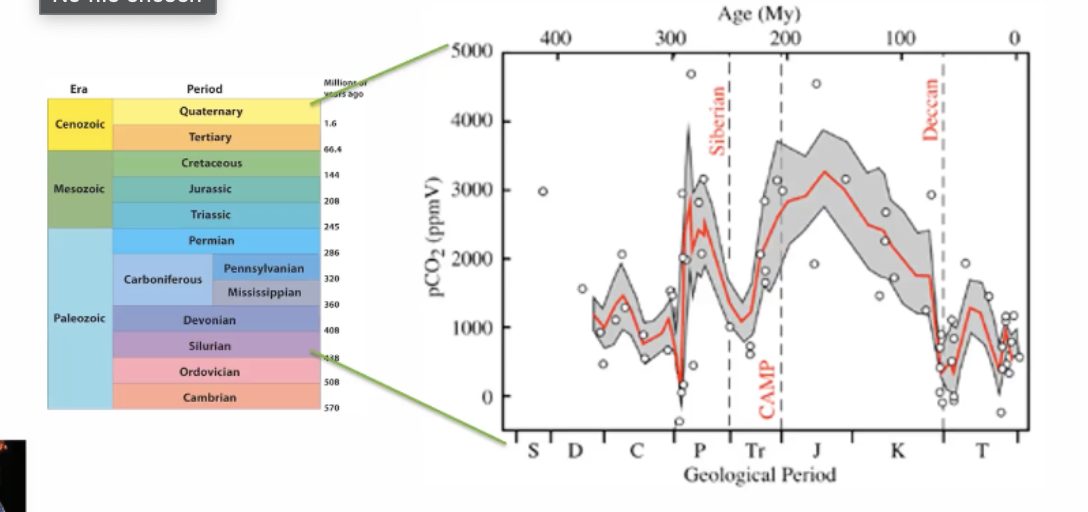
limestone deposits…
…form carbon sinks
asteroid + volcanoes effect
-dinos die
-mass extinction
-separates cretaceous from tertiary
tertiary CO2
-tertiary trees build C into trunks
-bring down to current CO2 levels we have rn
-tree trunks = C sinks
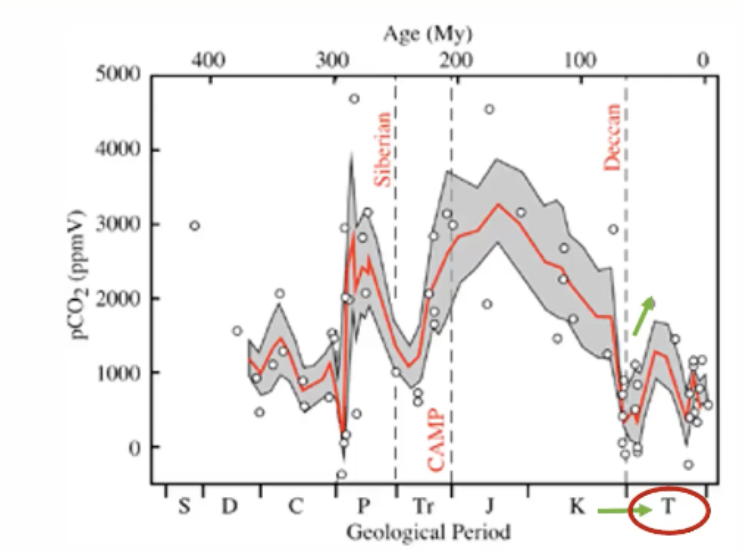
glacial cycling
-ice ages vs no ice ages cycle
-10k yrs ago last ice age stopped
industrial revolution
-150 yrs ago
-started using fossil fuels
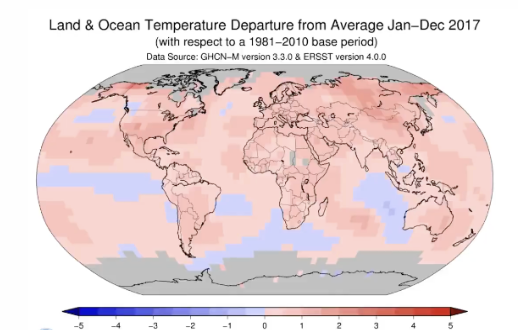
temp and ice heat map
-increase in temps, realized across globe
-blue and purple only bc changes in ocean circulation
rising temperatures impact on species
-loss of species and habitat
-shifts in time/space among species
habitat and species loss example
-coral can’t handle thermal stress very well
increased coral bleaching
white skeleton coral bc spit out intracellular endosymbionts
-range of tolerance and ability to adapt play a big role in how well species will survive climate changes
moose migrating north
moose need to survive through winter and make it to spring
winter ticks surviving better in southern ranges so moose weren’t surviving
time shifts
-timing of events
phenology
-specific things happening in the spring
time shifts can cause
-it to be warmer earlier, trees leafing out earlier
-some plans later bc require cold fall days to make buds
-end up with a mismatch in phenology
what can a mismatch in phenology cause?
-repro rates to drop
-starvation
-etc bc timing of predators vs food source
ice decrease in glacier national park occurs why
-occurs bc of feedbacks
-melting of sea ice → lowered albedo (absorbs more sunlight) → increase in absorbed sunlight → melting of sea ice
impacts from melting ice and snow on flooding
-freshwater storage loss
-habitat loss
-flooding
freshwater storage loss bc ice melt
-ice/snow = good way to store freshwater
-some places increase snowpack, some places decrease, melting rapidly (can’t capture in irrigation canals and lakes, floods so we have to let some go)
habitat loss bc ice melt
-in north, most rapid impact of climate change
-polar bears need ice to hunt seals
flooding bc ice melts
-increased rapid ice melt
-alter habitat for species, animals die, change habitat for long term in future in terms of nutrient availability
precipitation increase and decrease depends on where in the world
lake mead, colorado river
14 yrs of drought
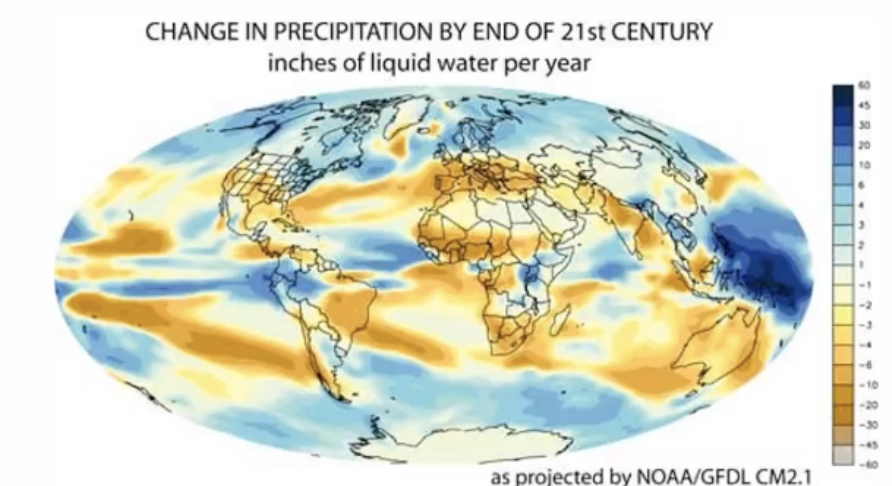
precipitaton changes can lead to
-bc of rain/precipitation
-changes to disturbance patterns
floods
droughts
erosion
-habitat and species loss
flycatchers rely on riparian habitat (near river)
humpback chub rely on certain water species
sea levels are increasing bc of ice albedo feedbacks
-at least 26-82 cm rise depending on where, could be much higher (conservative estimate) (10+ inches)
impacts of sea level rise (SLR)
-loss of land
-increased storm flooding
-salt water intrusion
-loss of habitat and species
key deer, florida keys
may not have florida keys too much longer in the future bc of sea level rise
plants moveinward as SLR but some topography prevents
erosion and plovers
live on thin strip of beach between vegetation and high tide line
zone keeps moving up w sea levels except zone dissipating bc dykes and piers protecting houses
the ocean is becoming
more acidic
-carbonic acid, decreased pH in ocean, similar to acid range
impacts of sea level acidification
-species w Ca in bodies
-acidity binds to free available Ca
-base of foodweb eroded bc Ca not available to animals
-pulling C from atmosphere faster than it went in during cretaceous
anthropogenic equation
-overexploitation + habitat degradation + introduced species + diseases + pollution + climate change
extinction types
-ecological
-local
-global
ecological extinction
-low density, no longer interacts w each other to reproduce like iberian lynx
local extinction
-species lost in only an area or region (extirpation) like brown bear in california
global extinction
-all of earth
thylacine tiger, largest marsupial carnivore
cascade effects on extinction
-sea otters coast of cali
-controlled no sea urchins
-kelp extinct bc of sea urchin explosion
-things that fed on kelp extinct
characteristics of species most vulnerable to extinction
-rarity, narrow range of tolerance, large area requirements, low reproduction, specialization
-bad luck, wrong place, wrong time
patterns of endangerment help us to
classify what and where is endangered/extinct
what is the red list
systematic listing, extensive review of all data available about that species
red list classifications
-extinct
-extinct in the wild
-threatened
critically endangered (cuban crocodile)
endangered (ethiopian wolf - 291 adults left in the wild and fragmented populations)
vulnerable (west indian manatee)
-near threatned
-least concern (grey wolf)
-no data/not evaluated (luzon broad-toothed rat, ammonite striped rabbit, ahmanson’s sportive lemur)
extinction crisis
-extinctions have happened for non-human reasons
-we are entering holocene mass extinction event
-loss of species we don’t realize are halfway there
-living planet report, every 2 yrs
not a census, population size changes
declined by average of 58%