first half of the eukaryotic cells chapter
 Call Kai
 Learn
Learn Practice Test
 Spaced Repetition
 Match
Match Flashcards
 Knowt Play
1/19

There's no tags or description
Looks like no tags are added yet.
Name | Mastery | Learn | Test | Matching | Spaced | Call with Kai | Chat |
|---|
No analytics yet
Send a link to your students to track their progress
20 Terms
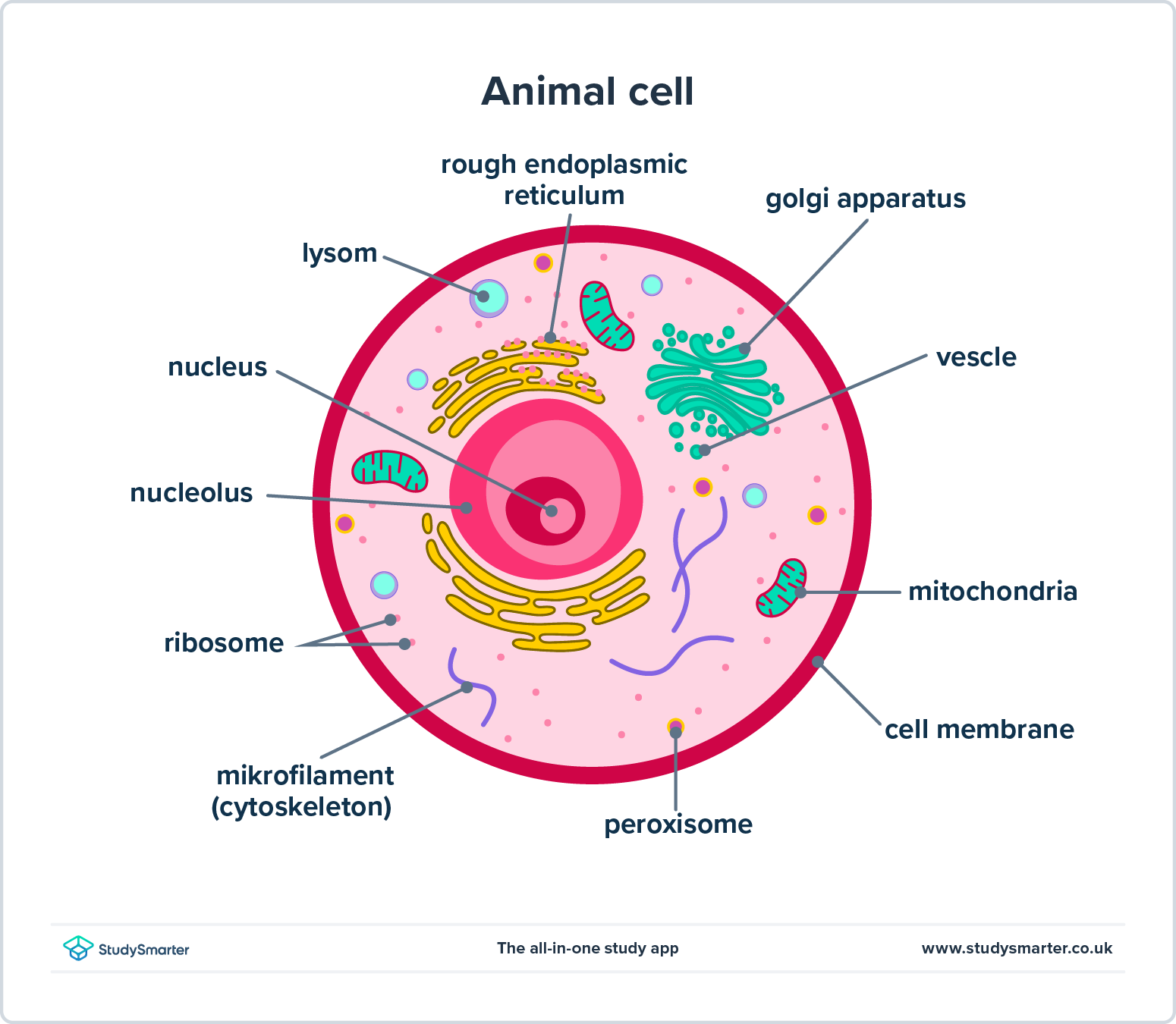
Eukaryotic cells consist of three major components:
cell wall in plant cells and plasma membrane in both plant and animal cells
cytoplasm
nucleus
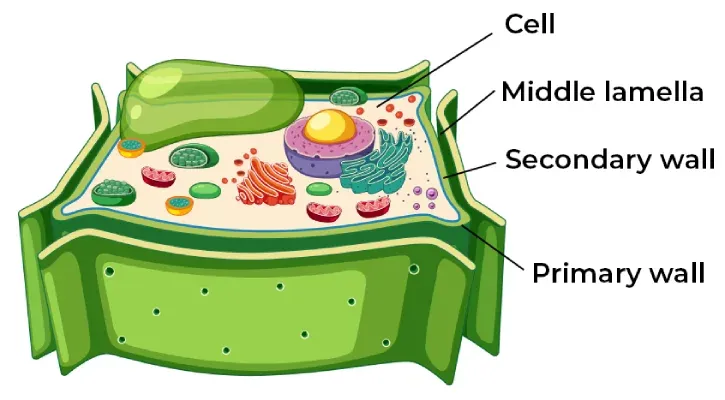
Cell wall
It exists in plant cells.
It is an outer thick wall surrounding the cell and covers the plasma membrane, which lies inside.
It provides protection and support to the plasma membrane and cytoplasm.
Chemically consists of cellulose in younger cells, and thickens when lignin is added in older cells
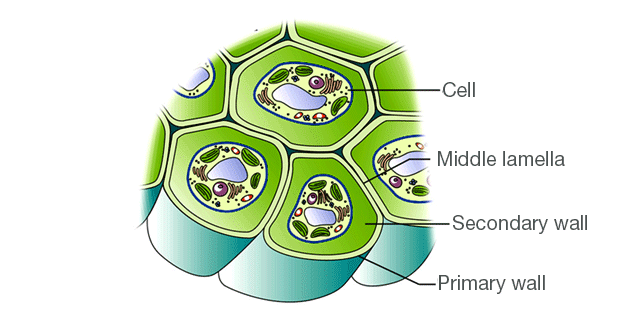
It has 3 layers: middle lamella, primary wall and secondary wall
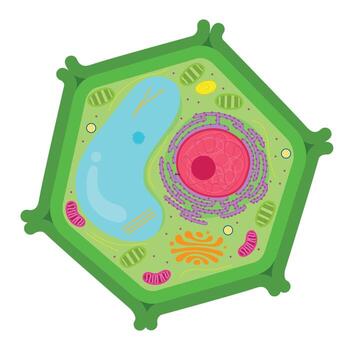
Whats the importance of thevcell wall?
It provided protection and support to the plasma membrane and cytoplasm
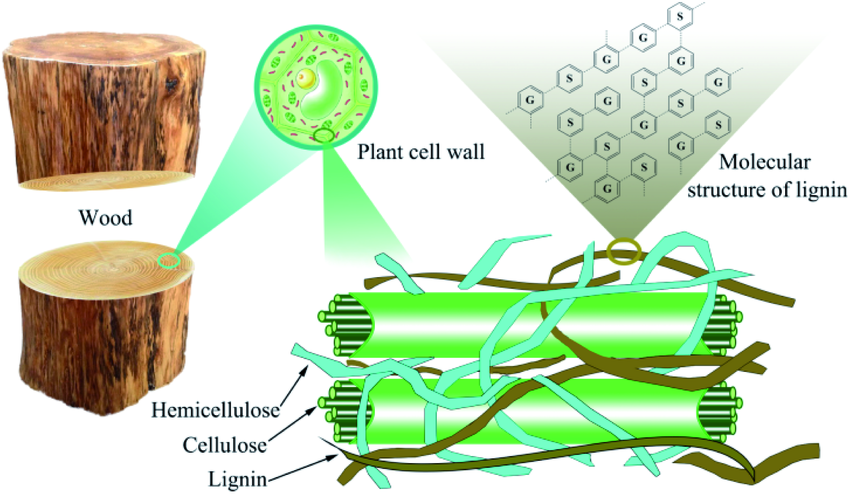
Whats the chemical composition of the cell wall?
Chemically, the plant cell consists of Cellulose in young cells, and thickens when lignin is added to older cells.
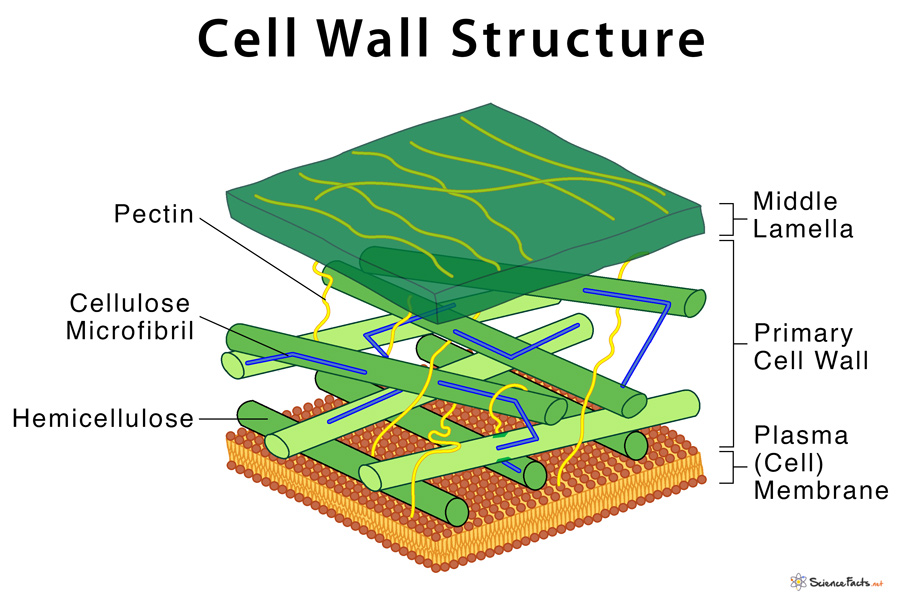
Cell wall has 3 layers:
middle lamella 🦙
primary wall
secondary wall
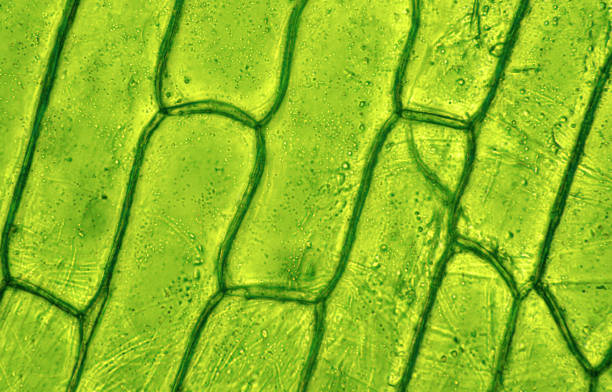
Plant cell under microscope has a clear border?
Because plant cells contain a thick outer cell wall that surrounds the cell components and covers the plasma membrane so it's clear under a microscope.
The cell wall exists only in … and …
plant cell, prokaryotic cell
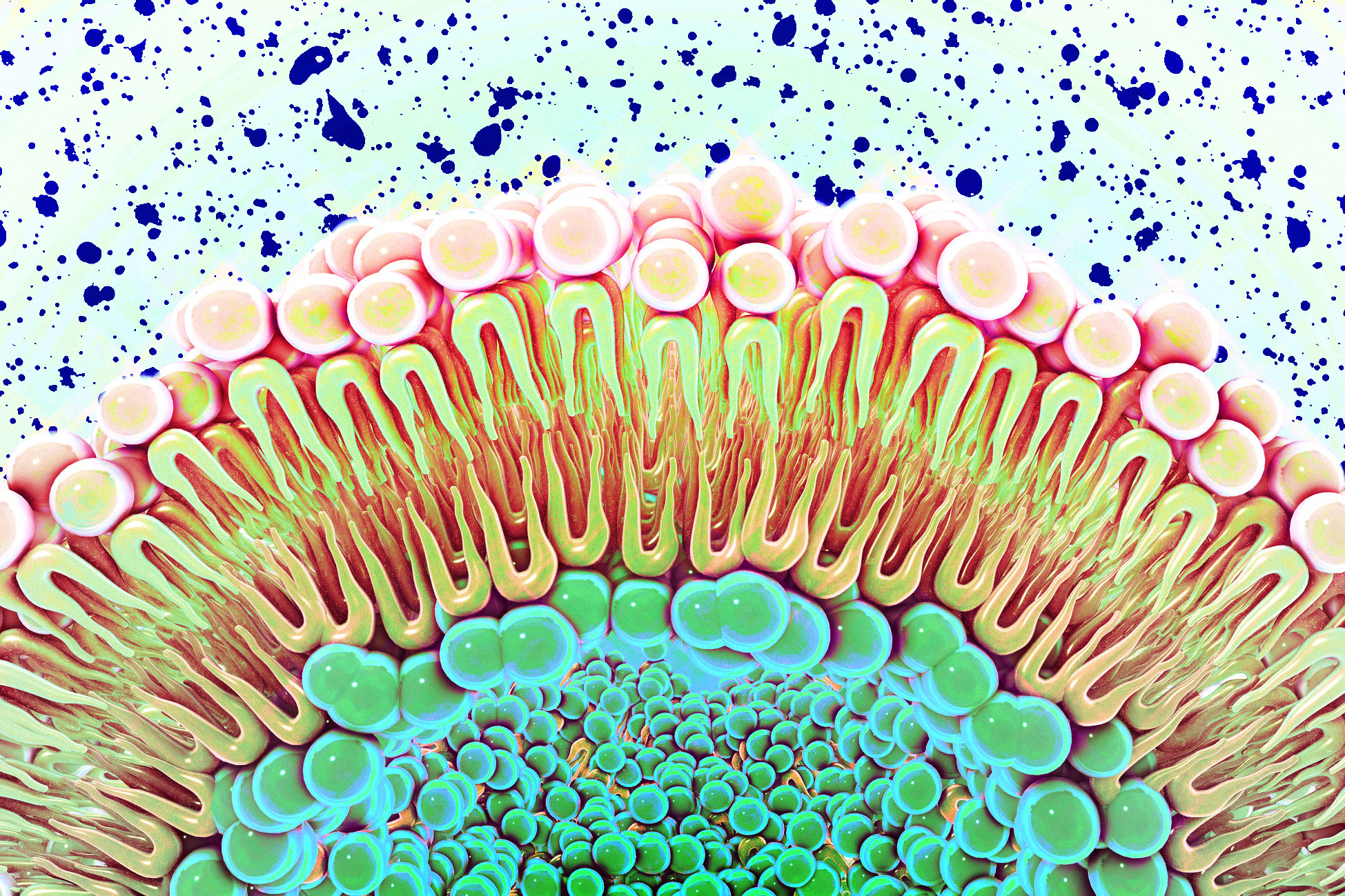
Explaib Plasma Membrane
It is a cellular membrane surrounding the cytoplasm in prokaryotic and eukaryotic cells.
It is a flexible, thin and fluid membrane unseen by light microscope but can be seen with electron microscope
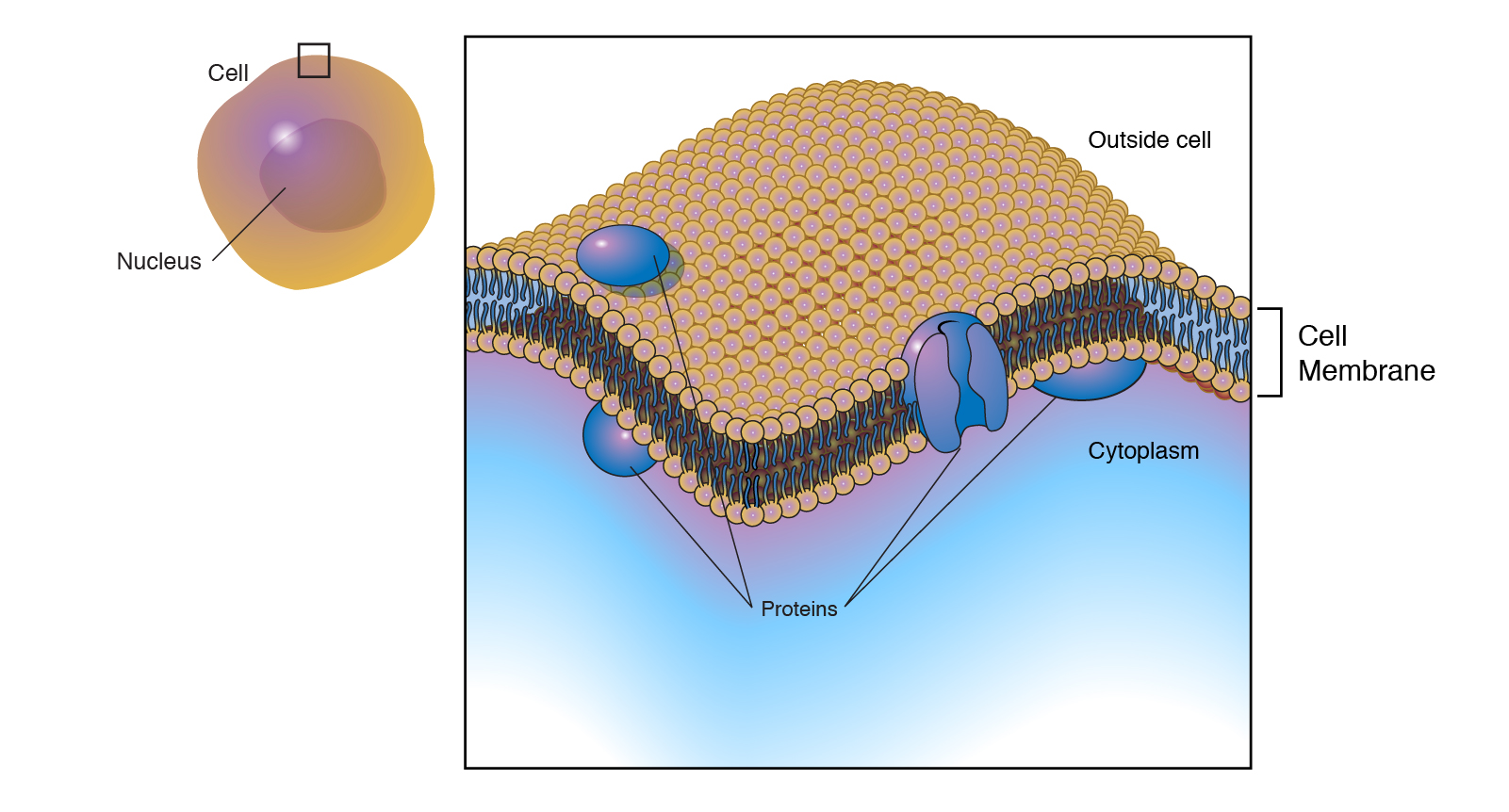
Explain the importance of the plasma membrane in detail
It is a selectively permeable membrane; it allows passage of some micro-particles but blocks larger particles
It surrounde the cell and marks its outer borders
It supports and protects the cell
It blocks fluids inside and outside the cell
Cells need surface area/plasma membrane to exchange materials with surrounding environment appropriately
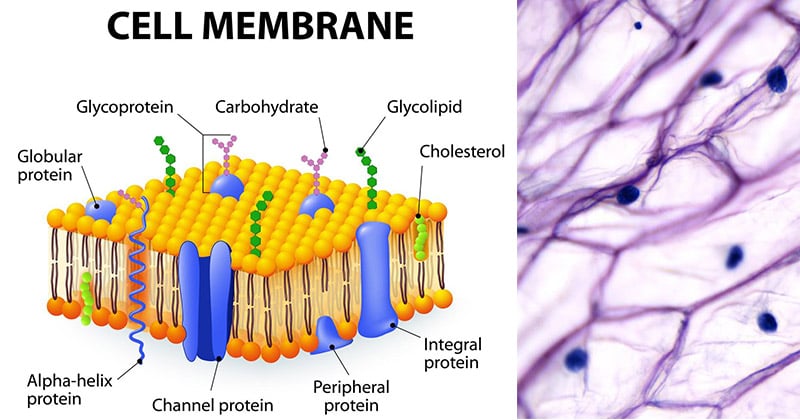
Whats the chemical composition of the membrane?
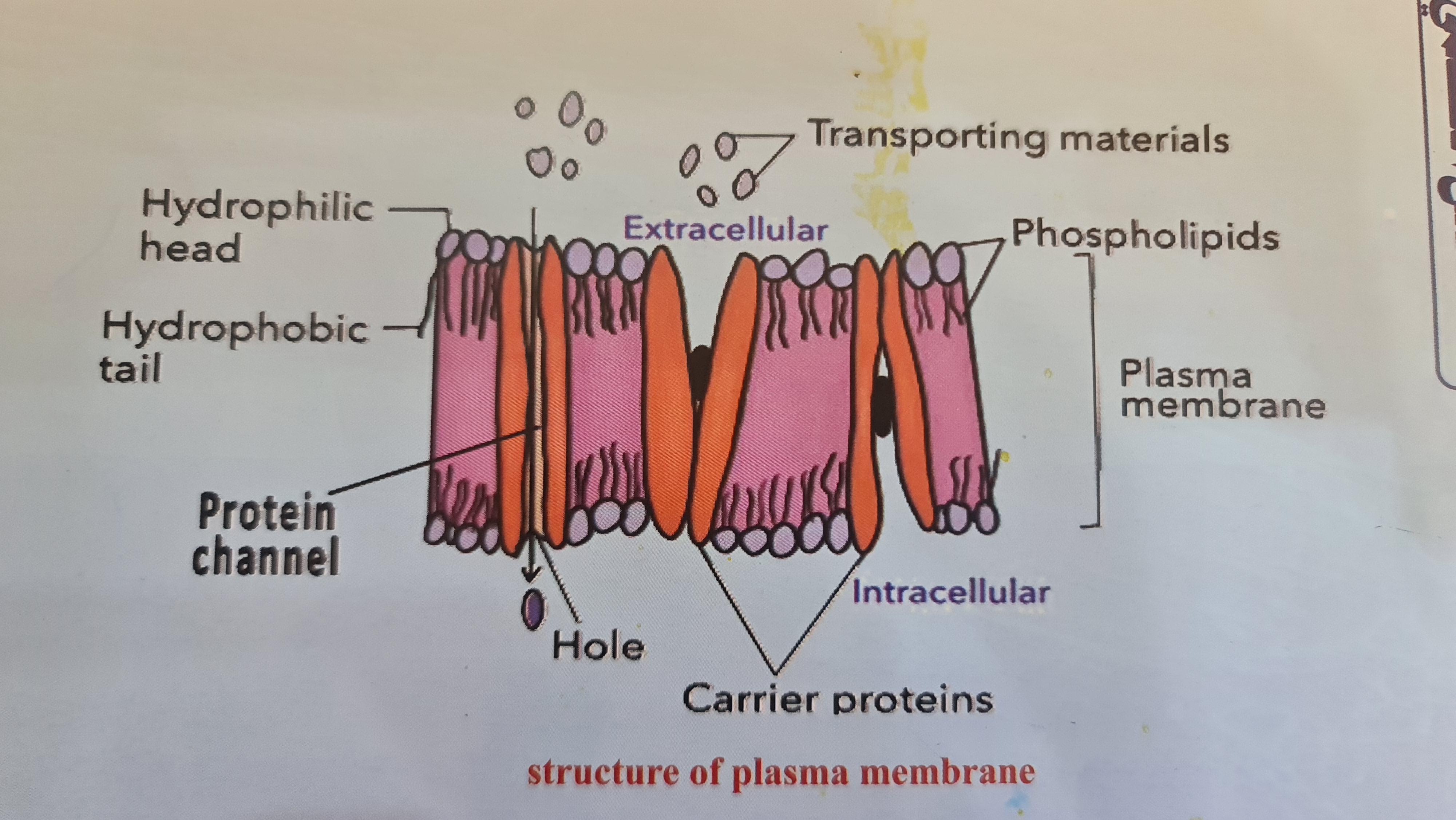
Chemically, the plasma membrane consists of two thin layers of phospholipids [phosphorus + lipids] with a hydrophilic end and a hydrophobic end.
The two layers are seperated by protein particles that allow and control the passage of materials.
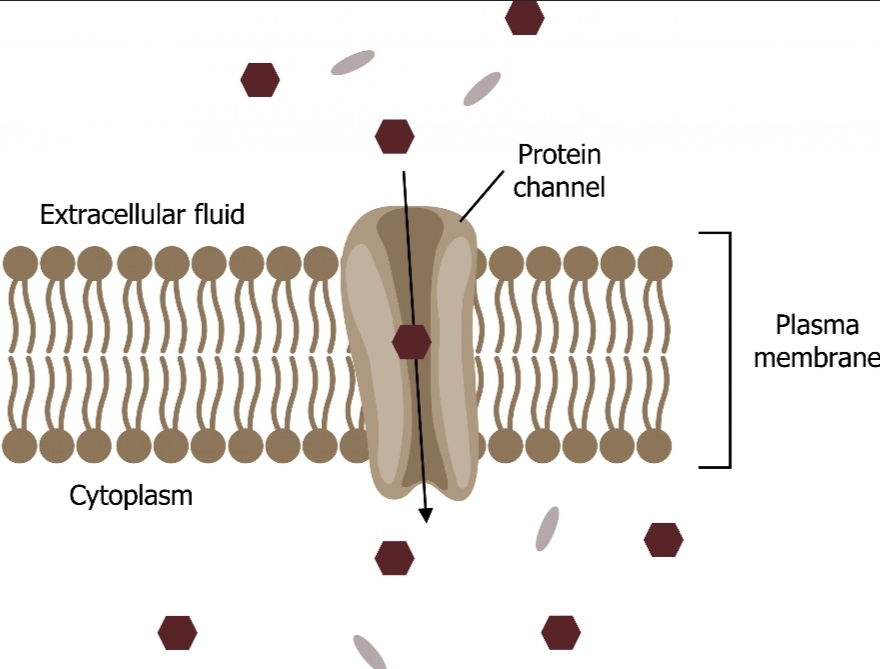
Define the protein particles
They're particles found in the plasma membrane seperating the two layers of the plasma membrane.
These particles allow and control passage of materials
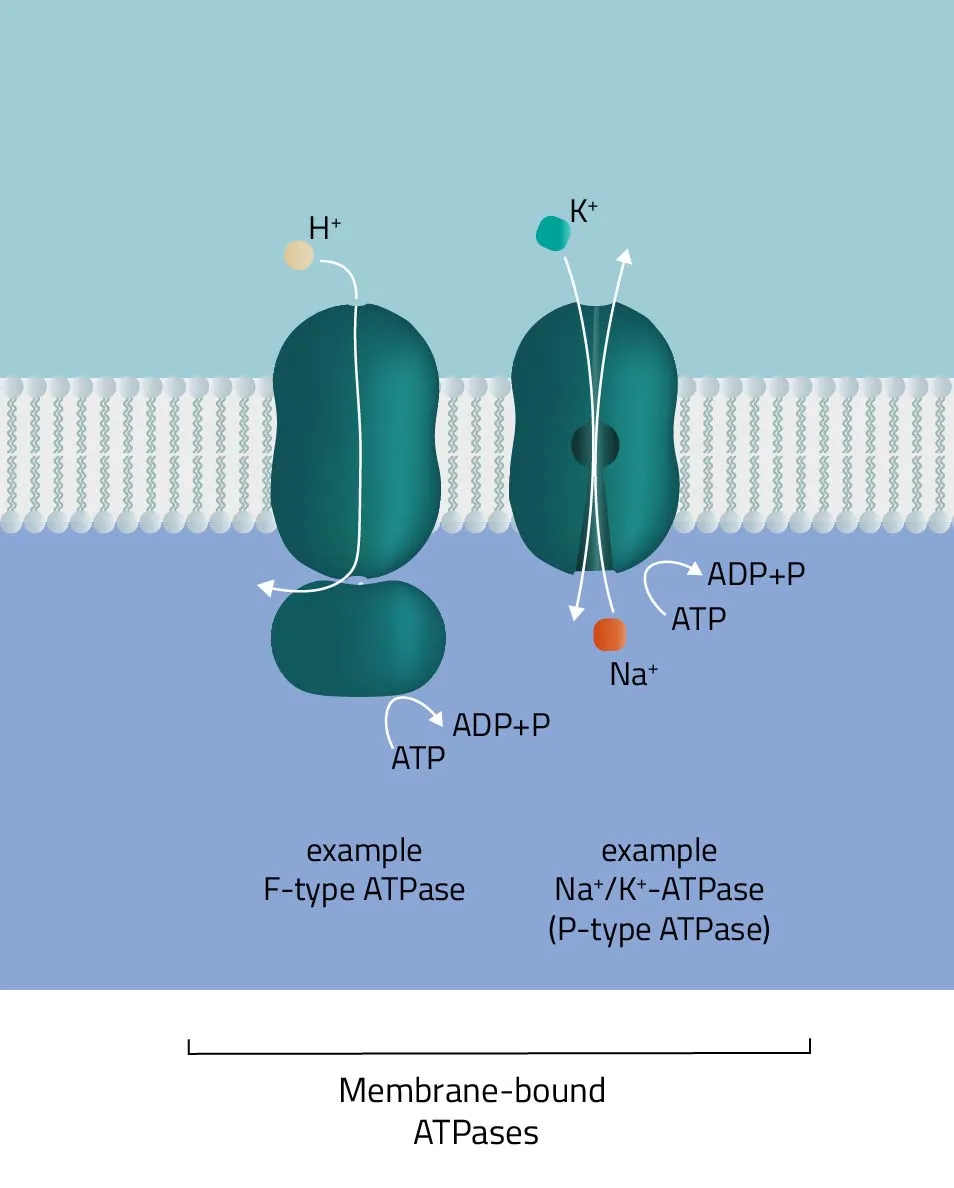
What is responsible for the paesage of materials through the plasma membrane?
Protein particles
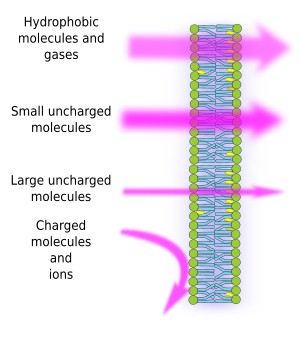
Whys the plasma membrane selectively permeable?
Because it allows to pass the materials selectively depending on the size of the particles.
Draw the structure of the plasma membrane with labels
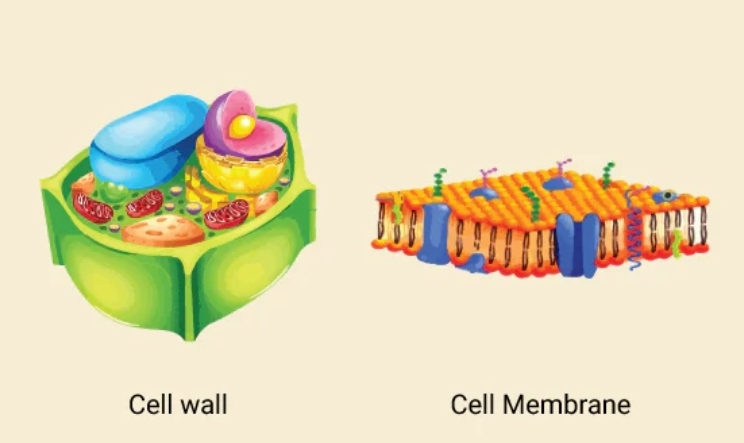
Compare between Plasma Membrane and Cell Wall
the same as the definitions and explanations except for the last 2 points:
Selectively permeable (semi-permeable) vs Permeable membrane (fully permeable)
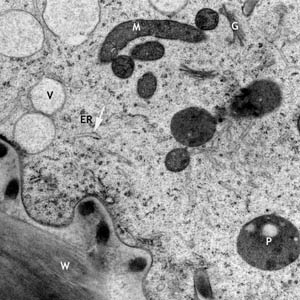
Explain the cytoplasm
It represents the part that lies between the plasma membrane and the nucleus.
It is a complex material consisting of (80%) water, (15%) proteins and (5%) fat, sugars and salts.
It consists of many cellular organelles, which also stand for living structures in it. It also contains non-living components represented by particles formed by the activities of cell organelles.
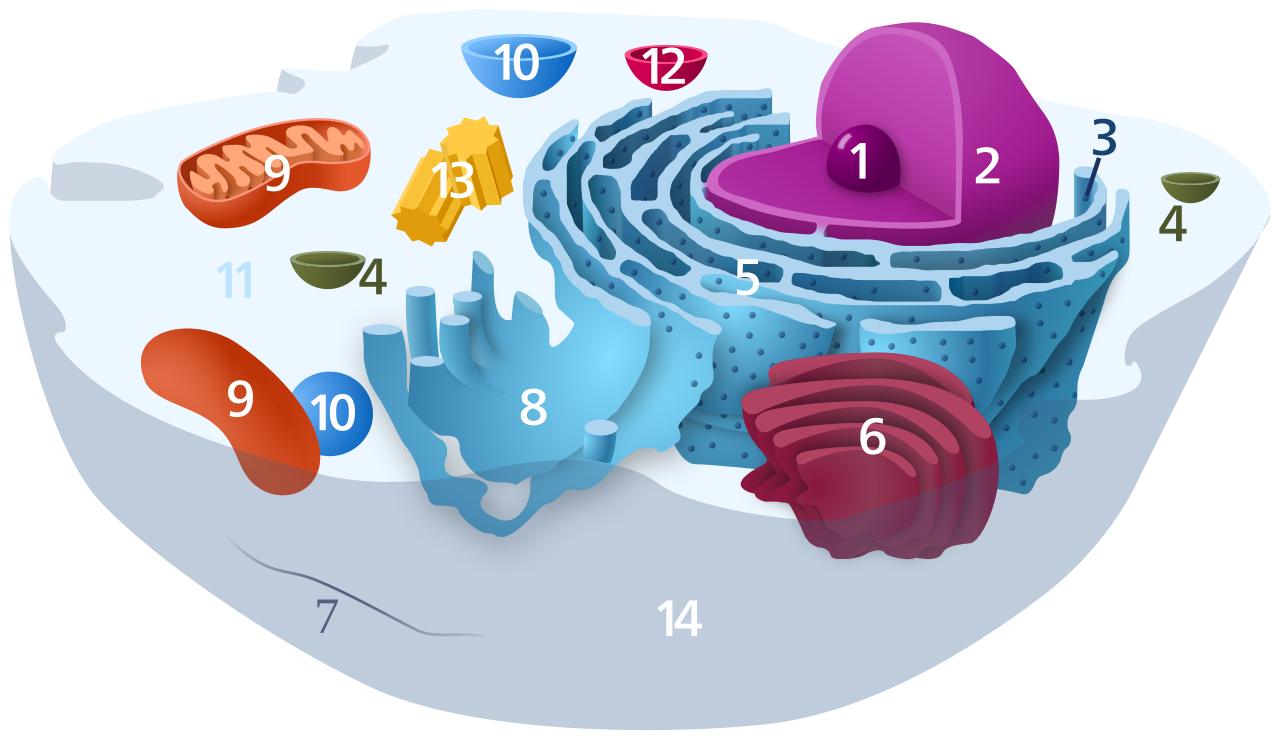
What does the cytoplasm consist of in the cell?
A) Living components of cytoplasm
Endoplasmic Reticulum
Golgi Apparatus
Mitochondria
Plastids
Lysosomes
Cytoskeleton
Centrosome
Kinetosome
Vacuoles
B) Non-living contents
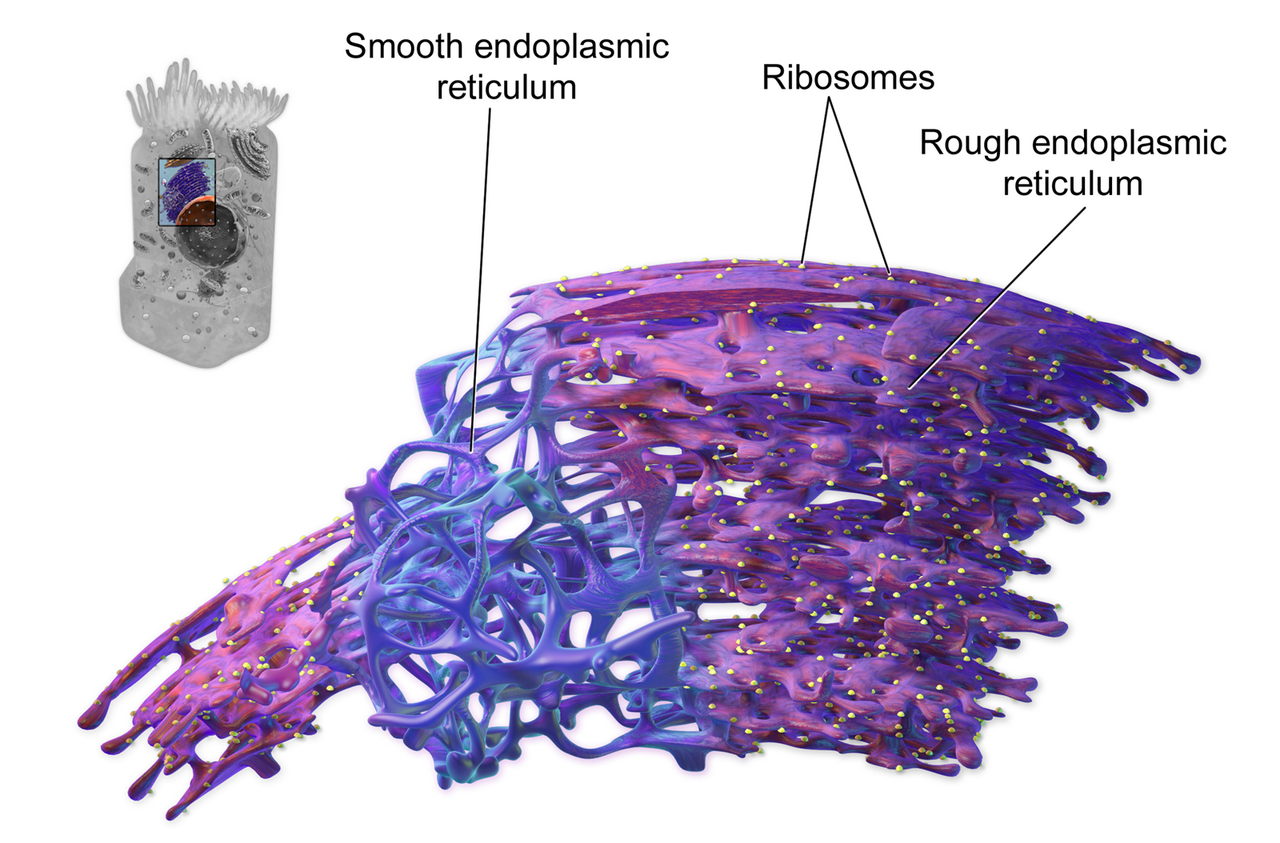
Explain the Endoplasmic Reticulum
COMPOSITION
It has a reticule interconnected system of tubules and vesciles [no filaments]
LOCATION
attached to plasma membrane at certain places and attached to the nuclear membrane at other places
FUNCTION
It is the place where lipids, carbohydrates and proteins are made
ITS NAME
Called “endoplasmic” because of its branches and interlocks with each other
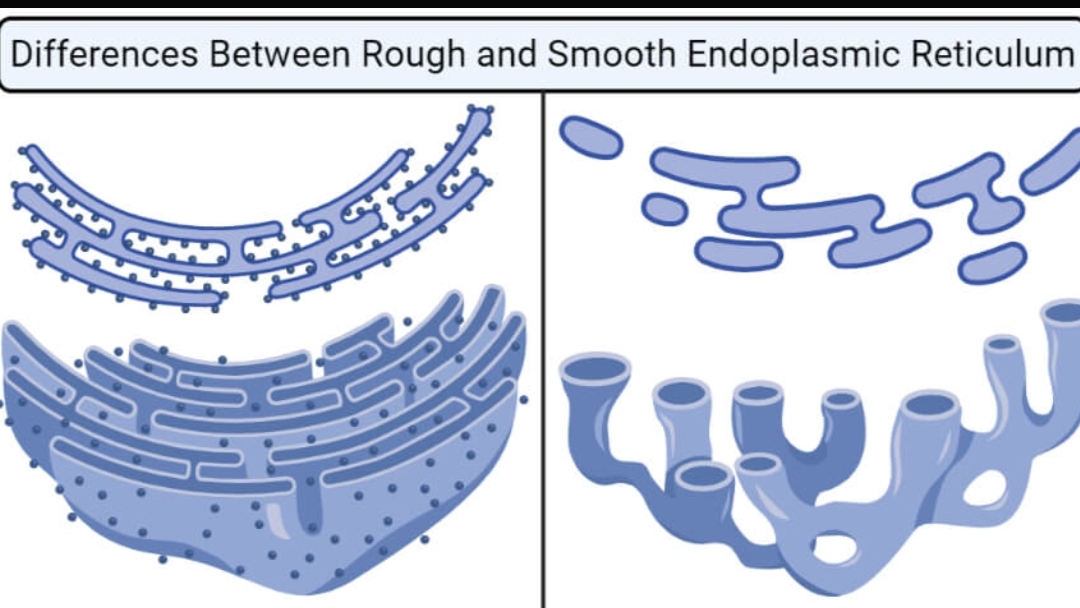
Compare between Rough E.R and Smooth E.R
This type of ER has ribosomes on its tubules; they look rough and granular. Smooth differs from rough ER in that they have no ribosomes, thus, they're smooth
This type has an active role in building proteins. The smooth reticulum transfers material inside the cell
They help transport materials inside the cell, especially to Golgi bodies. Acts as a structural reticulum of intra - cytoplasmic material
It also acts as a structural reticulum of intra-cytoplasmic material. It has a VITAL role in the detoxification of drugs and medications
They are the place for building and concetratimg fats. Thus, they appear in cells of ovaries, testicles and two adrenal glands. They secrete steroid hormones.