GCSE Edexcel PE Paper 2
 Studied by 0 people
 Call with Kai
 Learn
Learn Practice Test
 Spaced Repetition
 Match
Match Flashcards
 Knowt Play
1/118

Name | Mastery | Learn | Test | Matching | Spaced | Call with Kai |
|---|
No study sessions yet.
119 Terms
Macronutrients
Proteins
Carbohydrates
Fats
Water
Fibre
Needed in large amounts
Proteins
Tissue growth
Build muscle
Often added in supplements to diets
Meat, fish, lentils, nuts, seeds, supplements, shakes
Carbohydrates
Source of energy
Simple = sugars
Complex = starches
Athletes need to consume large quantities to fuel their training and performance
Carbo-load before a big event
Glucose, energy gels, bread, pasta, rice, potatoes
Fats
Source of energy and essential for health
Monounsaturated = olive oil, avocados
Polyunsaturated = fish, nuts, sunflower oil, soya beans
Saturated = dairy, fatty meats
Trans = snack foods
Stored under the skin
Too much fat can limit an athletes performance due to weight gain
Micronutrients
Minerals
Vitamins
Needed in small amounts
Minerals
Needed for:
Bone strength, nervous system, red blood cells, immune system
Calcium = milk, broccoli
Iron = watercress, brown rice, meat
Zinc = shellfish, cheese, wheatgerm
Potassium = fruit, pulses, white meat
Vitamins
Needed for:
Bone growth, metabolic rate, immune system, vision, nervous system
A = dairy, oily fish, yellow fruit
B = vegetables, wholegrain cereals
C = citrus fruit, broccoli, sprouts
D = oily fish, eggs, fortified cereals
Water
Needed for hydration
Women = 1.6 litres
Men = 2 litres
Recommended intake varies according to temperature and activity levels
Fibre
Only found in plant based foods
Soluble = reduces cholesterol = oats, barley, fruit, root vegetables
Insoluble = keeps the bowels healthy = wholemeal cereals, wholemeal bread, nuts
Eatwell plate
1 = Fruits and veg + carbs
2 = dairy
3 = meat, fish, eggs, and beans
4 = foods high in fat/sugar
Diet advice
Low salt options
5 fruit/veg per day
Wholegrain varieties of starchy foods
Low fat dairy products
Daily calorie intakes
Men = 2500
Women = 2000
Athletes who are intensively training = 5000
Basic metabolic rate
The energy required to keep the body systems working normally
Higher in heavyweight big athletes such as a shotputter
Physical activity level
The amount of energy needed for any activity
Higher in light weight endurance athletes sports
Carbo-loading
Glycogen = converted into glucose when the body needs more energy = slow release energy = useful at the end of a race = endurance athletes load up on it before a race to help them power through the final stretch of a race
High protein diets
Builds tissue + muscle = needed for strength training + prevention of torn muscle = weightlifters + endurance athletes
Value = debatable because protein does not automatically turn to muscle and requires vigorous training + it is converted into fat if it is not used
Children and young people recommended exercise
>60 mins per day
Moderate to vigorous intensity
Running, dancing, swimming, cycling, active games etc
Adults recommended exercise
>150 mins per week
Moderate to vigorous intensity
Brisk walking, cycling, swimming, gardening
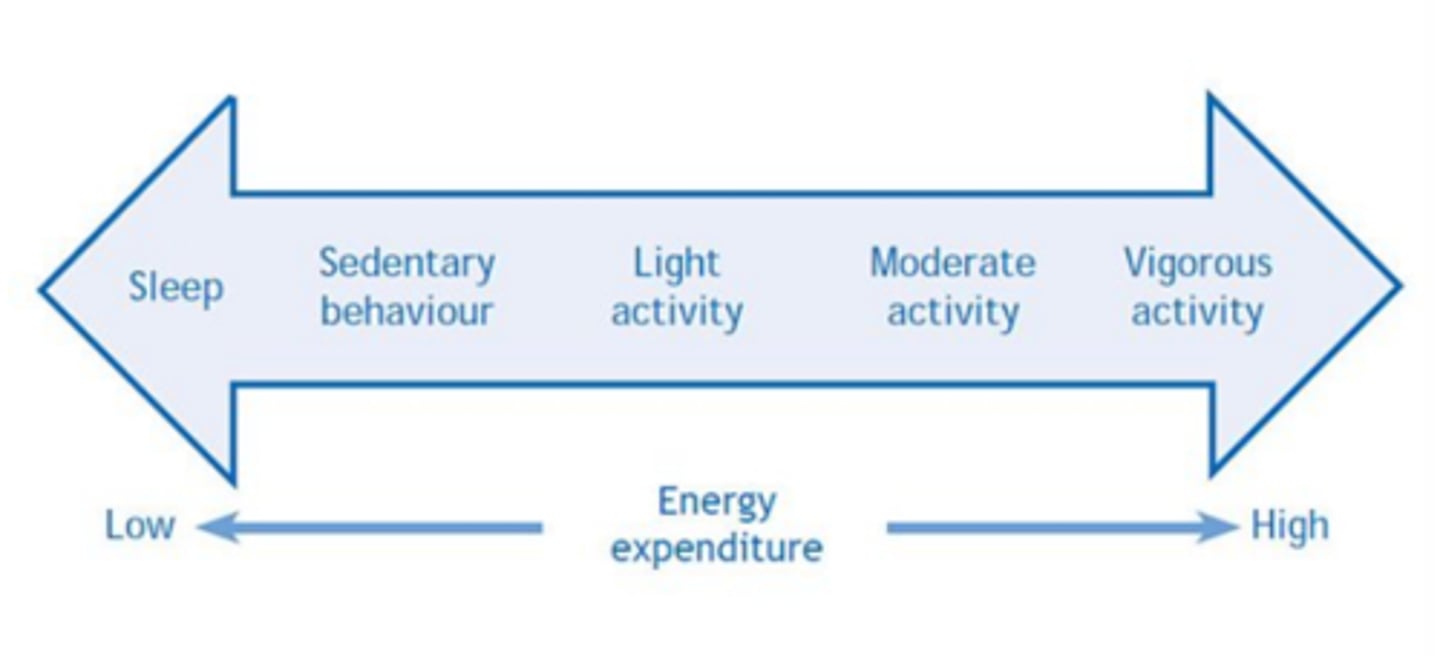
Energy expenditure continuum
sleep → sedentary behaviour → light activity → moderate activity → vigorous activity
Moderate intensity activity
Increase heart rate and breathing depth + rate
Warmer body
Still able to hold a conversation
Vigorous intensity activity
Massively increased breathing depth + rate and heart rate
Much warmer body
Harder to hold a conversation
Sedentary behaviours
Sitting at a desk at school or work
Leisure activities such as watching TV at home
Travelling long journeys sitting down
Why have sedentary lifestyles become more common
Development of technology and changes in society makes everything easier
Risks of a sedentary lifestyle
Obesity
Depression
Coronary heart disease
High blood pressure
Increased risk of osteoporosis
Loss of muscle tone
Bad posture
Loss of fitness
School/work sedentary solutions
Standing work stations
Moving around between tasks/lessons
Active learning methods
Lunchtime sport/walk
Stand to make phone calls
Home sedentary solutions
Set an alarm to move
Irons whilst watching TV
Stand up for tea breks
Travel sedentary solutions
Walk up stairs not escalators or lifts
Walk/cycle
Get off the bus/train early
Health
The state of complete physical, mental, and social wellbeing not merely the absence of disease or infirmity
Physical health
Enjoying being physically active
Having good balance, coordination and agility in everyday tasks as well as sports
Having the strength, stamina, and suppleness required for daily work, life, and play
Having few illnesses, diseases and injuries
Emotional health
Having self esteem and respect
Being able to recognise and express feelings
Being able to manage emotions to suit the situation
Recognising and managing factors that affect emotions
Feeling positive about life and the future
Social health
Being able to interact with a range of people and having a sense of belonging
Having respect, empathy and tolerance for other people
Being able to manage emotions to suit the situation
Recognising and managing the effects of actions on others
Being aware of rights and responsibilities
Positive lifestyle choices
Taking parts in regular physical activity
Eating a balanced diet
Getting sufficient sleep
Balancing commitments
Making time for relaxation and leisure pursuits
Hygiene
Recognising the implications of sexual relationships
Avoiding harmful substances
Managing risks in the wider environment
Seeking a doctor for support
Benefits of a healthy lifestyle
Promotes confidence and self-esteem
Generates happiness
Improves relationships
Improves memory and concentration
Increased educational achievement
Reduced stress
Prevents depression
Prevents long term illnesses such as osteoporosis
Maintains independence
Increases life expectancy
Negative lifestyle choices
Lack of physical activity
Being too sedentary
Unhealthy diet
Bad sleeping pattern
Smoking
Abusing alcohol
Misusing substances
Self harm
Taking unnecessary harmful risks
Ignoring signs and symptoms of illness or emotional strain
Effects of negative lifestyle choices
Stress
Depression
Obesity
Coronary heart disease
Cancer
Type 2 diabetes
Osteoporosis
Poor muscle tone
Poor posture
More falls in older people
Reduced life expectancy
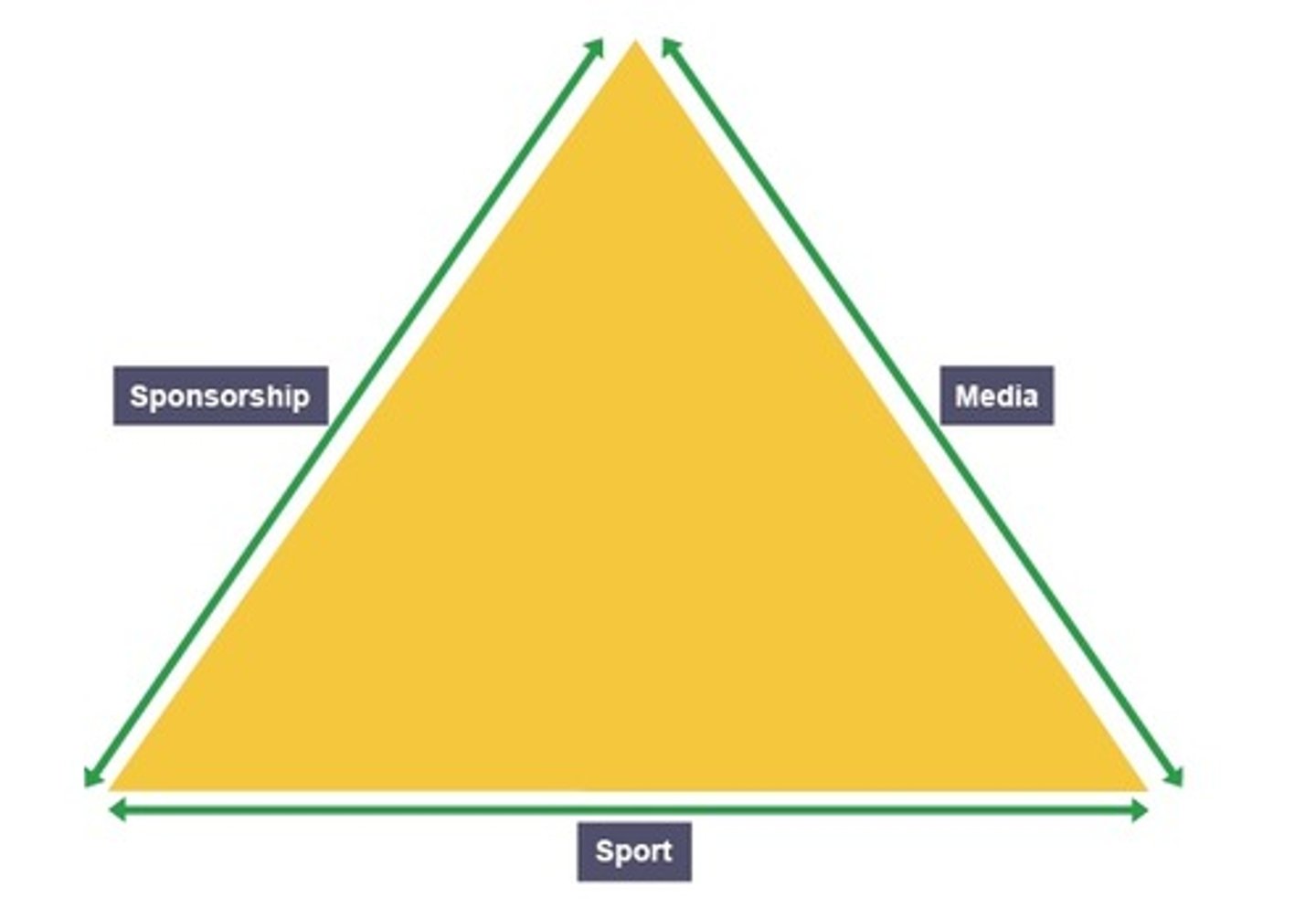
Golden triangle
Sport
Media
Sponsors
Sport
Benefits from commercialism
Increased revenue helps sportspeople and sports organisations to increase participation, improve performances and attract support
Funding becomes more important as competitiveness increases and more money is required to win
Media
Benefits from the commercialisation of sport
High profile sports attract audiences
In turn, the media ensures that sport maintains a high profile
Sponsors
Benefit from the commercialisation of sport
Their funding is essential for sport's growth
In return, high profile coverage of sport ensures a high profile for their companies and products
Negative affects of commercialisation
Can destroy traditional community based links between supporters and clubs
Types of media
TV
Radio
Press
Films
Internet
Social media
Positive influences of the media
Raise awareness of sport
Promote healthy active lifestyles
Showcase positive values
Present positive and inspiring role models
Motivate people to take part
Set high standards for performance
Provide examples of tactics and skills
Publicise a variety of sports and activities
Make certain sports more fashionable
Introduce new supporters to sport
Educate spectators through analysis
Celebrate effort and success
Give sport a high status in society
Give people a sense of belonging
Generate revenue and attract investment
Generate charity revenue
Negative influences of the media
Intrude on performers privacy
Undermine people's confidence and careers
Showcase negative values and behaviours
Undermine officials and their decisions
Dictate event schedules and availability
Alter competition rules and traditions
Edit coverage so it is incomplete or biased
Obstruct spectators and participants
Reduce spectator attendance at live events
Reinforce inequalities by limiting coverage to traditional sports or socialgroups
Incite distrust and prejudice between groups
Discourage activity by encouraging armchair spectators
Types of sponsorship
Individual
Teams and clubs
Sports
Events
Benefits of sponsorship for sport
Covers costs for teams, individuals, sports, and events in:
Equipment
Travel
Coaching
Kit
Venue hire
Talent development
Publicity programmes
Catering
Ground maintenance
Disadvantages of sponsorship for sport
Over dependence and lack of security
Can give a bad image (alcohol)
Generous sponsorship only available for the elite
Performers, teams, and events can be exploited
Difficulty in minority sports
Benefits for sponsors
Publicity for their brand
Promotes a positive image of their brand
Improves the companies reputation
Provides rewards and incentives for staff and customers
Increases sales and revenue through media exposure
Reduce tax through tax relief
Disadvantages for sponsors
Uncertain investment as sporting success is not guaranteed
Potential disruption so media exposure is lost
Potential bad publicity from the sport, event, team, or performer
Negative effects of sponsorship
Creates tensions when a sponsor's image undermines the sporting message
Tobacco, alcohol, fast food, gambling etc
Rules
Set by organisations and upheld by officials in organised sport
Agreed by participants in informal activities
Increase inclusivity, fairness, and safety
Etiquette
Unwritten rules and customs
Uphold respect and fairness
Shaking hands etc
Sportsmanship
Playing within the rules and using etiquette
kicking the ball out when someone is injured in football
Helping a rival player up when they are down
Gamesmanship
Bending of the rules without breaking them for a competitive advantage
Deliberately falling after being tackled in football
Distracting an opponent
Time wasting
Olympic values
Excellence - doing the best you can
Friendship - developing tolerance etc
Respect - having consideration for others
Paralympic values
Courage - rising above circumstances
Determination
Inspiration - being a positive role model
Equality
UK Anti-doping
Promotes 100% Me
Hard work
Determination
Respect
Passion
Integrity
Reasons for deviance
Financial pressure
Pressure from coach
Win at all costs mentality
The culture of sport
Media pressure
Stress
Lack of morale code
Lack of positive education
A perception of lenient punishment
Following deviant role models
Pressure to win
Consequences of deviance
Damaged reputation of sport
Punishment and bans
Loss of respect from family and peers
Loss of credibility
Cause suspicion
Loss of sponsors
Lack of trust by fans
Loss of earnings
Negative role model
Participation factors
Age
Gender
Ethnicity
Disability
Socio-economic status
Physiological factors
Ageing
Becoming disabled
Puberty
Consultation
Helps to provide appropriate choices for young people
Choice
Appeals to a range of interests and ensures that everyone is involved
Activities and attitudes
Rugby = confidence and bravery
Athletics = self discipline and pushing oneself
Encouragment
Ensures the performer feels good and they are likely to continue in sport
Relevancy
Younger age = based around enjoyment
Seriousness and commitment should be built in gradually when it suits the individual
Gross motor skills
Large movements of the body such as the head, arms, legs, and trunk
How age affects participation
Infants = lack of gross motor skills
Adolescents = growth spurt (self esteem, confidence, body image and how they acquire skills)
Women = menopause (weight gain, aches, anxiety, loss of concentration, self confidence)
Elderly = weight gain, decreasing flexibility and strength, find it harder to recover from injuries, reduced confidence
How gender affects participation
Girls/women:
Don't see relevance of sport
Limited choice
Dislike playing with men who monopolise play or play aggressively
More motivated by the social side of sport
Feel judged or embarrassed
Have less spare time due to domestic issues
Lack positive role models
See that women's sport has lower coverage
How ethnicity affects participation
Only 5% of coaches are from BME communities
Only 7% of sports professionals (excluding performers) are from BME communities
BME people are 50% less likely to be sports volunteers than the general population
Why participation is less in disabled people
Physical barriers
Logistical reasons
Psychological reasons
Physical barriers
Lack of/cost of adapted equipment
Logistical reasons
Lack of transport or inappropriate communication
Psychological reasons
Lack of confidence, other people's attitudes
Inclusion
Requires staff and volunteers to adopt a positive attitude, communicate effectively and be able to adapt activities
Ways to adapt training
Where
How
What
Who
Socio-economic status
Managerial and professional people = higher participation than manual workers and the unemployed
Cost factors of sport participation
Specialist clothing
Club or lesson fees
Entry fees for competition
Child care
Lost work time
Specialist diets
Equipment
Travel
Importance of target setting
Show success
Give motivation
Monitor progress
Provide focus
Adapt training
SMART
Specific
Measurable
Achievable
Realistic
Time-bound
Importance of SMART targets
Ensure that the target is not only useful to their performance but measurable in a way that will quantify their success and give them motivation to achieve their realistic goal in a set time
Mental features of a warm up
Time for focus and quiet
Socialisation and relaxation
Confidence
Calm discussion
Performance goals discussed over outcome goals
Positive self talk encouraged by coaches
Imagery
The performer visualises them self being successful in performance
May recreate a positive past performance
About to take a pen etc
Mental rehearsal
The performer pictures them self executing the skill and practices the skill in their mind, focusing on the specific stages and correct technique
Trampolinist before a somersault
Mental rehearsal
Reduces anxiety
Build confidence
Overcomes problems
Improves concentration
Preparation techniques
Breathing control
Self talk
Breathing control
Physiological process
Affects their control of arousal
Maintains steady breathing from the diaphragm
Reduced anxiety
Self talk
Psychological process
Can be positive or negative
Performers practice positive to improve confidence and mental stability in training and matches
Intrinsic feedback
The physical feel of the movement as it is performed
Extrinsic feedback
Provided by external sources such as teachers, coaches, team mates and computer analysis
Concurrent feedback
Experienced by the performer whilst completing the action
Feeling balanced when doing a handstand
Terminal feedback
Experienced by the performer once the movement is completed
Often extrinsic
A cricketer experiences it about the quality once the shot has reached the boundary
Intrinsic feedback
Helps performers to focus on the feel of the skill
Helps performers to solve problems themselves
Helps performers to develop skills independently
Gives performers more time to practice
Extrinsic feedback
Provides new or additional guidance
Helps performers to identify problems
Offers solutions to problems
Prevents performers from reaching a dead end
Novice
Beginners
More extrinsic feedback to acquire basic skills
However should also include intrinsic to develop skills by themselves
Experienced
More intrinsic feedback to refine and master skills
Also need extrinsic to overcome persistent problems and develop more complex skills
Environmental stimuli
Other people
Terrain/surface
Weather
Situation
Perception
Awareness of external factors
Closed skills
Not affected by the environment
Self paced
Occur in fixed or predictable situations
Gymnast performing a floor routine
Open skills
Affected by the environment
Externally paced
Changing or unpredictable situations
Making a pass in football
Basic skills
No complicated movements
Generic to many sports
Running, jumping, throwing etc