PHLEB CHP 13 - Emergency Response and Personal Wellness
 Call Kai
 Learn
Learn Practice Test
 Spaced Repetition
 Match
Match Flashcards
 Knowt Play
1/7

There's no tags or description
Looks like no tags are added yet.
Name | Mastery | Learn | Test | Matching | Spaced | Call with Kai | Chat |
|---|
No analytics yet
Send a link to your students to track their progress
8 Terms
Emergency response codes
Urgent announcements that uses numerical or color codes to quickly convey emergency information to staff.
Code Red: Fire or Smoke
Code Blue: Medical emergency, cardiac, or respiratory arrest
Code Orange: Hazardous material spill
Code Gray: Security emergency
The National Fire Protection Association (NFPA)
Develops safety standards to reduce risk of hazards in public spaces.
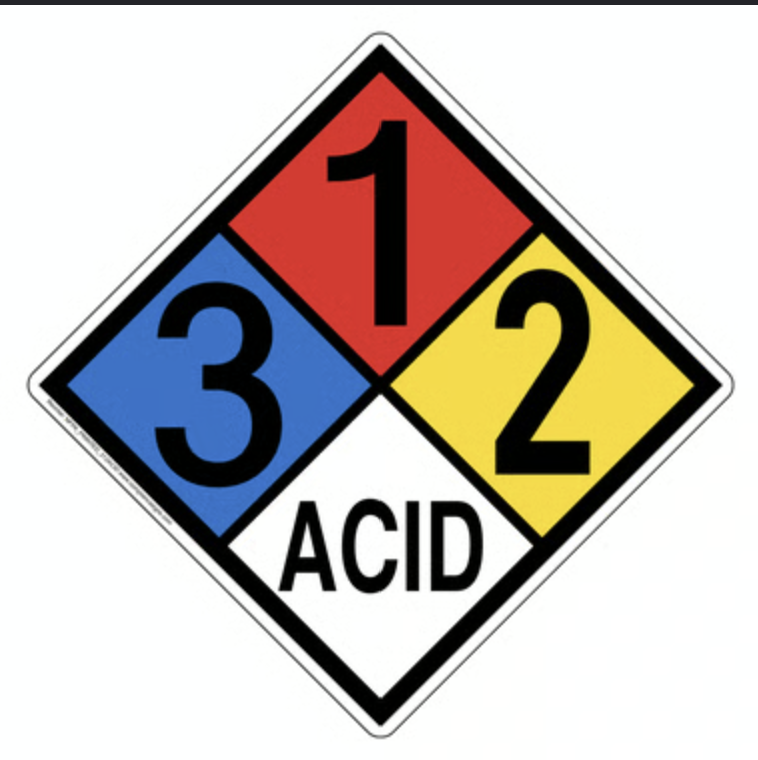
NFPA Hazard Diamond
Used to mark where flammable, reactive, or otherwise dangerous substances are stored.
Blue: Health
Red: Flammability
Yellow: Reactivity
White: Specific hazards or symbols
Written on a 0-4 number scale, 0 meaning no significant hazard, and 4 meaning extreme danger.
OSHA Hazard Communication Standard (HCS)
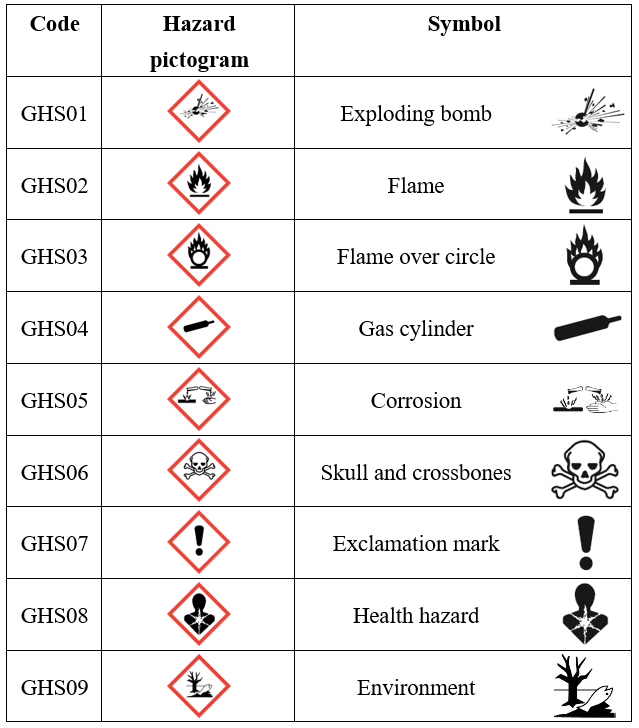
Mandates that hazardous chemicals be labeled appropriately using standardized signal words, symbols, and pictograms.
Pictograms follow the Globally Harmonized System (GHS).
The Safety Data Sheet (SDS) for each chemical contains information on safe handling, storage, disposal, and emergency measures.
What three things does a fire need to start?
Fuel, oxygen, and heat.
Classes of Fires
Classified based on the type of fuel that is burning.
Class A: Fires involving common combustible materials such as wood, paper, rubber, and plastic. Extinguished with water.
Class B: Fires involving flammable liquids like gasoline, oil, paint, and solvents. Must be smothered to cut off oxygen supply.
Class C: Fires involving current-carrying electrical equipment such as appliances, outlets, or wiring. A non-conductive extinguishing agent, like a dry chemical is used.
Class D: Fires involving combustible metals. Extinguished using special dry powder extinguisher designed for metal fires.
Class K: Fires involving cooking oils, grease, and fats commonly found in the kitchen. Requires a wet chemical extinguishing agent.
RACE
Protocol for fire emergencies
R - Rescue: Move patients to safe area or direct them toward emergency exists.
A - Alarm: Activate the fire alarm system to alert the rest of the facility and initiate emergency procedure.
C - Confine: Close doors and windows to contain the fire to the area of origin.
E - Extinguish: If the fire is small and manageable, use the appropriate fire extinguisher to put it out. If not, evacuate and alert emergency personnel.
PASS
Protocol for fire extinguisher use
P - Pull: Pull the pin to break the tamper seal.
A - Aim: Aim the nozzle at the base of the fire.
S - Squeeze: Squeeze the handle discharge the extinguisher.
S - Sweep: Sweep the nozzle side to side at the base of the flames until fire is out.