APUSH Period 5 Key Terms, AP US History: Period 5: 1844-1877, AP US History Period 5 (1844-1877), AP US History Period 5, APUSH Period 5 Terms
 Studied by 1 person
 Call Kai
 Learn
Learn Practice Test
 Spaced Repetition
 Match
Match Flashcards
 Knowt Play
1/269

There's no tags or description
Looks like no tags are added yet.
Name | Mastery | Learn | Test | Matching | Spaced |
|---|
No study sessions yet.
270 Terms
Popular Sovereignty
Notion that the sovereign people of a given territory should decide whether to allow slavery. Seemingly a compromise, it was largely opposed by Northern abolitionists who feared it would promote the spread of slavery to the territories.
Fugitive Slave Law
1850. Passed as part of the Compromise of 1850, it set high penalties for anyone who aided escaped slaves and compelled all law enforcement officers to participate in retrieving runaways. Strengthened the antislavery cause in the North.
Uncle Tom's Cabin
Harriet Beecher Stowe's widely read novel that dramatized the horrors of slavery. It heightened Northern support for abolitions and escalated the sectional conflict.
New York Draft Riots
1863. Uprising, mostly of working-class Irish-Americans, in protest of the draft. Rioters were particularly incensed by the ability of the rich to hire substitutes or purchase exemptions.
Writ of habeas corpus
Petition requiring law enforcement officers to present detained individuals before the court to examine the legality of the arrest. Protects individuals from arbitrary state action. Suspended by Lincoln during the Civil War.
Emancipation Proclamation
1863. Declared all slaves in rebelling states to be free but did not affect slavery in non-rebelling Border States. The Proclamation closed the door on possible compromise with the South and encouraged thousands of Southern slaves to flee to Union lines.
Sherman's March to the Sea
1864-1865. Union General William Tecumseh Sherman's destructive march through Georgia. An early instance of "total war", purposely targeting infrastructure and civilian property to diminish morale and undercut the Confederate War effort.
Freedmans' Bureau
1865-1872. Created to aid newly emancipated slaves by providing food, clothing, medical care, education, and legal support. Its achievements were never and depended largely on the quality of local administrators.
Black Codes
1865-1866. Laws passed throughout the South to restrict the rights of emancipated blacks, particularly with respect to negotiating labor contracts. Increased Norhterners' criticisms of President Andrew Johnson's lenient Reconstruction policies.
KKK
An extremist, paramilitary, right-wing secret society founded in the mid-nineteenth century and revived during the 1920s. It was anti-foreign, anti-black, anti-Jewish, anti-pacifist, anti-Communist, anti-internationalist, anti-evolutionist, and anti-bootlegger, but pro-Anglo-Saxon and pro-Protestant. Its members, cloaked in sheets to conceal their identities, terrorized freedmen and sympathetic whites throughout the South after the Civil War. By the 1890s, Klan-style violence and Democratic legislation succeeded in virtually disenfranchising all Southern blacks.
Sharecropping
An agricultural system that emerged after the Civil War in which black and white farmers rented land and residences from a plantation owner in exchange for giving him a certain "share" of each year's crop. Sharecropping was the dominant form of southern agriculture after the Civil War, and landowners manipulated this system to keep tenants in perpetual debt and unable to leave their plantation.
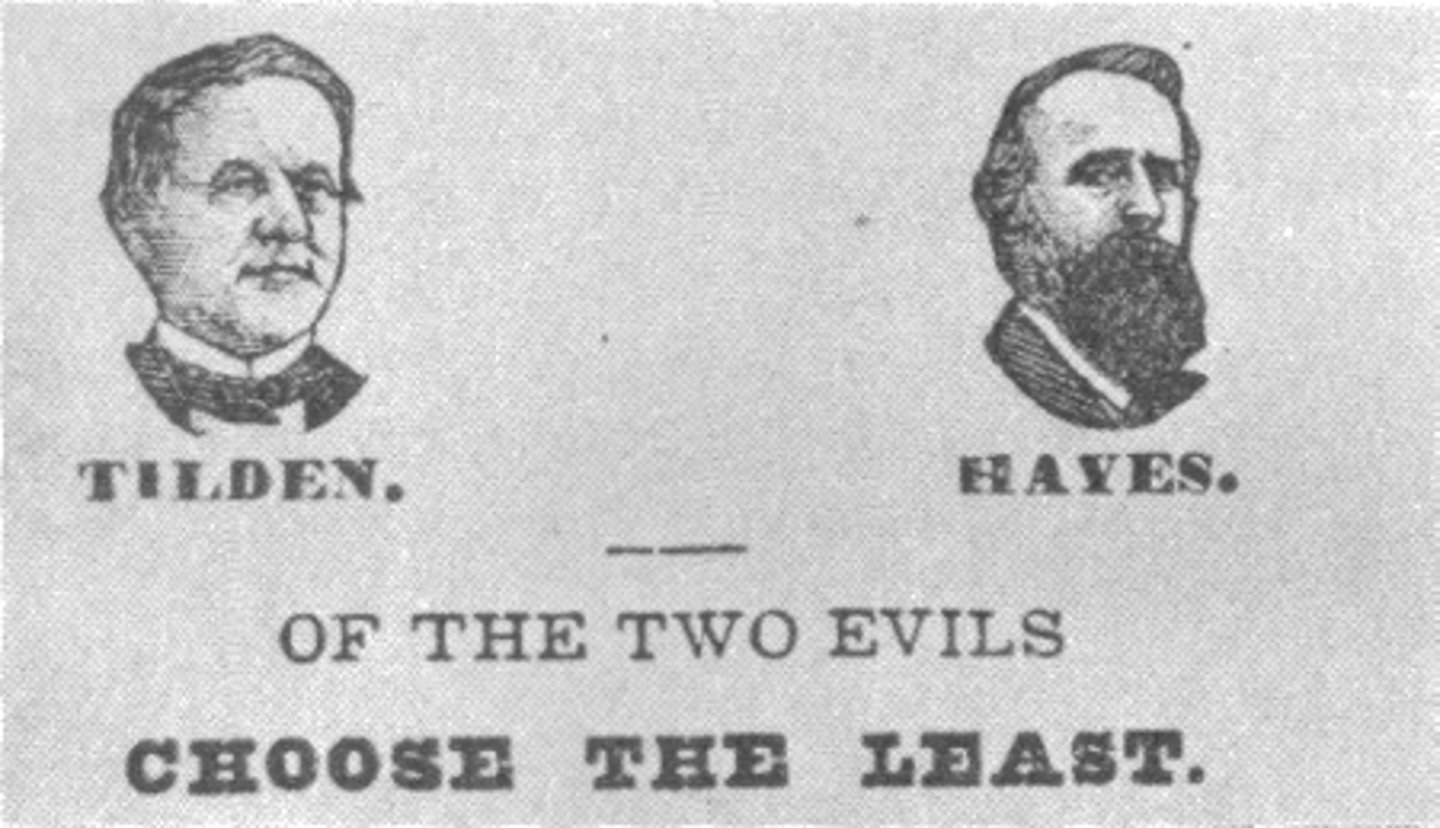
Hayes-Tilden Election
The South conceded to let Hayes win the presidency because he agreed to pull out the troops.
Compromise of 1850
Admitted California as a free state, opened New Mexico and Utah to popular sovereignty, ended the slave trade (but not slavery itself) in Washington D.C., and introduced a more stringent fugitive slave law. Widely opposed in both the North and South, it did little to settle the escalating dispute over slavery.
Kansas-Nebraska Act
1854. Proposed that the issue of slavery be decided by popular sovereignty in the Kansas and Nebraska territories, thus revoking the 1820 Missouri Compromise. Introduced by Stephen Douglass in an effort to bring Nebraska into the Union and pave the way for a northern transcontinental railroad.
Dred Scott Decision
1857. Supreme Court decision that extended federal protection to slavery by ruling that Congress did not have the power to prohibit slavery in any territory. Also declared that slaves, as property, were not citizens of the United States.
Homestead Act
1862. A federal law that gave settlers 160 acres of land for about $30 if they lived on it for five years and improved it by, for instance, building a house on it. The act helped make land accessible to hundreds of thousands of westward-moving settlers, but many people also found disappointment when their land was infertile or they saw speculators grabbing up the best land.
Lincoln, Davis, Lee, Grant
Union president, Confederate president, Confederate general, Union general
Gettysburg Address
1863. Abraham Lincoln's oft-quoted speech, delivered at the dedication of the cemetery at Gettysburg battlefield. In the address, Lincoln framed the war as a means to uphold the values of liberty.
Appomattox Court House
Site where Robert E. Lee surrendered to Ulysses S. Grant in April 1865 after almost a year of brutal fighting throughout Virginia in the "Wilderness Campaign".
10% Reconstruction Plan
1863. Introduced by President Lincoln, it proposed that a state be readmitted to the Union once 10 percent of its voters had pledged loyalty to the United States and promised to honor emancipation.
13th, 14th, 15th Amendments
13th: Abolished slavery except for criminal punishment.
14th: Gave equal rights and government protection to all men.
15th: Secured suffrage for men.
Radical Republicans
Wanted harsh punishment for the South for the Civil War.
Impeachment of Johnson
He was impeached by senate but in his trial in the house he was one vote short of being convicted.
Election of Lincoln
Angered many people in the south who owned slaves because he wanted to end slavery. Won the election of 1860 but did not win the popular vote. South Carolina was happy at the outcome of the election because now it had a reason to secede.11 states in the south seceded and made themselves the Confederacy after the election.
Abolitionist Movement
An international movement that between approximately 1780 and 1890 succeeded in condemning slavery as morally repugnant and abolishing it in much of the world; the movement was especially prominent in Britain and the United States.
Anaconda plan
Union war plan by Winfield Scott, called for blockade of southern coast, capture of Richmond, capture Mississippi River, and to take an army through heart of south
The American Party (The Know-Nothing Party)
(1840s-1850s) This political party carried anti-immigrant sentiments against the Catholic and the Irish and saw some electoral success.
The Wilmot Proviso
(1846) Proposal to prohibit slavery in any land acquired in the Mexican War. It failed.
Free-Soil Party
(1848) Political party dedicated to stopping the expansion of slavery.
The Treaty of Guadalupe Hidalgo
(1848) The Mexican government gave up the area of Texas and offered to sell the provinces of California and New Mexico.
Personal Liberty Laws
(1850s) Laws passed by Northern states forbidding the imprisonment of escaped slaves.
The Compromise of 1850
(1850) California as free state, popular sovereignty in Mexican Cession, end of slave trade in DC, fugitive slave law.
The Treaty of Fort Laramie
(1851) The US government and the Plains Indians came to an agreement stating that the Indians would help the Americans across the frontier as long as no more Indian land was taken.
Gadsden Purchase
(1853) Bought from Mexico. Seen as a possible southern route for a transcontinental railroad.
Ostend Manifesto
(1854) A declaration issued from Ostend, Belgium, by the U.S. ministers to England, France, and Spain, stating that the U.S. would be justified in seizing Cuba if Spain did not sell it to the U.S.
The Kansas-Nebraska Act
(1854) Sponsored by Senator Stephen Douglas, this would rip open the slavery debate; and create the territories of Kansas and Nebraska, opened new lands, repealed the Missouri Compromise of 1820, and allowed settlers in those territories to determine if they would allow slavery within their boundaries.
Bleeding Kansas
(1856-1861) A sequence of violent events involving abolitionists and pro-Slavery elements that took place in Kansas-Nebraska Territory. The dispute further strained the relations of the North and South, making civil war imminent.
Dred Scott v. Sanford
(1857) Supreme Court case that decided US Congress did not have the power to prohibit slavery in federal territories and slaves, as private property, could not be taken away without due process. Invalidated the Missouri Compromise.
The Raid on Harper's Ferry
(1859) John Brown led a raid on Harpers Ferry. His target was an arsenal. He hoped to start a rebellion against slaveholders by arming enslaved african americans. Brown was quickly defeated by citizens and federal troops.
The Election of 1860
(1860) The United States presidential election of 1860 set the stage for the American Civil War. Hardly more than a month following Lincoln's victory came declarations of secession by South Carolina and other states, which were rejected as illegal by outgoing President James Buchanan and President-elect Lincoln.
The Homestead Act
(1862) Granted 160 acres of government land in the west to any person who would farm it for at least five year.
New York City Draft Riots
(1863) People against drafting rioted in New York City for four days. 100 people were killed and many black homes, businesses and even an orphanage was burnt down. The violence was only halted when federal troops stepped in.
The Sand Creek Massacre
(1864) US officials force the Cheyenne warriors to give up claims that had been promised to them -in retaliation, Chief Black Kettle led Cheyenne warriors in several raids on mining camps and local settlements -US forces responded by surprising 500 Cheyenne at Sand Creek -massacre left 270 Natives, mostly women and children, dead.
Black Codes
(1865) Laws denying most legal rights to newly freed slaves; passed by southern states following the Civil War
Civil Rights Act of 1867
(1867) Banned discrimination in public accommodations, prohibited discrimination in any federally assisted program, outlawed discrimination in most employment; enlarged federal powers to protect voting rights and to speed school desegregation.
The Fourteenth Amendment
(1868) This provided equal protection of the law. Representation for any state that withheld voting from African Americans would be reduced.
The Fifteenth Amendment
(1870) Prohibited any state from denying citizens the right to vote on the grounds of race, color, or previous condition of servitude.
The Compromise of 1877
(1877) It withdrew federal soldiers from their remaining position in the South, enacted federal legislation that would spur industrialization in the South, appointed Democrats to patronage positions in the south, appointed a Democrat to the president's cabinet, and allowed Rutherford B. Hayes to win the election. Marked the end of reconstruction.
Manifest Destiny
A notion held by a nineteenth-century Americans that the United States was destined to rule the continent, from the Atlantic the Pacific.
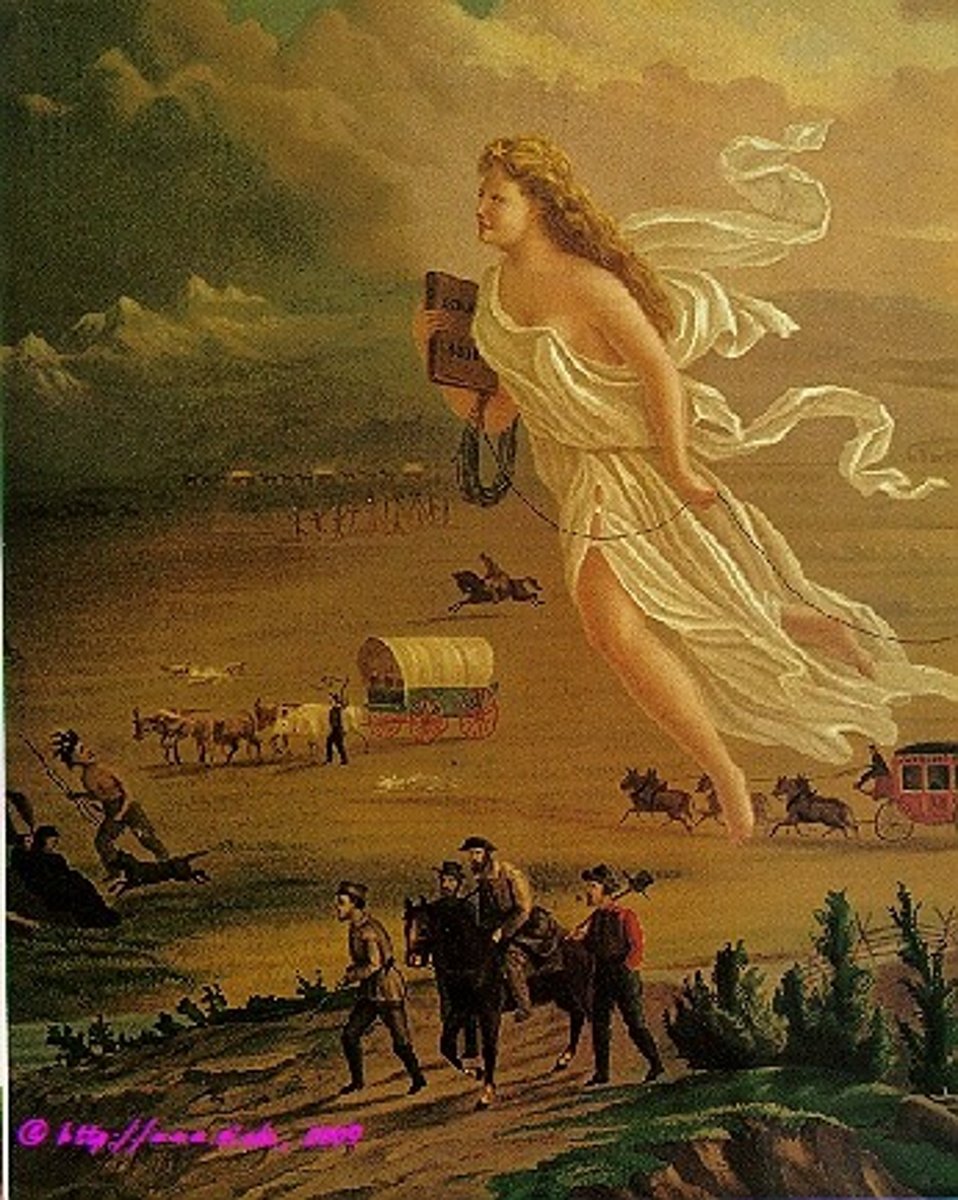
Louis O'Sullivan
Coined the term Manifest Destiny in a newspaper article
Texas Annexation
1845. Originally refused in 1837, as the U.S. Government believed that the annexation would lead to war with Mexico. Texas remained a sovereign nation. Annexed via a joint resolution through Congress, supported by President-elect Polk, and approved in 1845. Land from the Republic of Texas later became parts of NM, CO, OK, KS, and WY.

Fifty Four Forty or Fight
The phrase used in James K Polk's 1844 presidential election dealing with the Oregon Territory Dispute.

Oregon Trail
2000 mile long path along which thousands of Americans journeyed to the Willamette Valley in the 1840's.

Mountain Men
Fur trappers of the northwest who paved the way for continuous settlement of the great west

California Gold Rush
1849 (San Francisco 49ers) Gold discovered in California attracted a rush of people all over the country and world to San Francisco; arrival of the Chinese; increased pressure on federal government to establish a stable government

Mexican American War
1846 - 1848 - President Polk declared war on Mexico over the dispute of land in Texas. At the end, American ended up with 55% of Mexico's land.
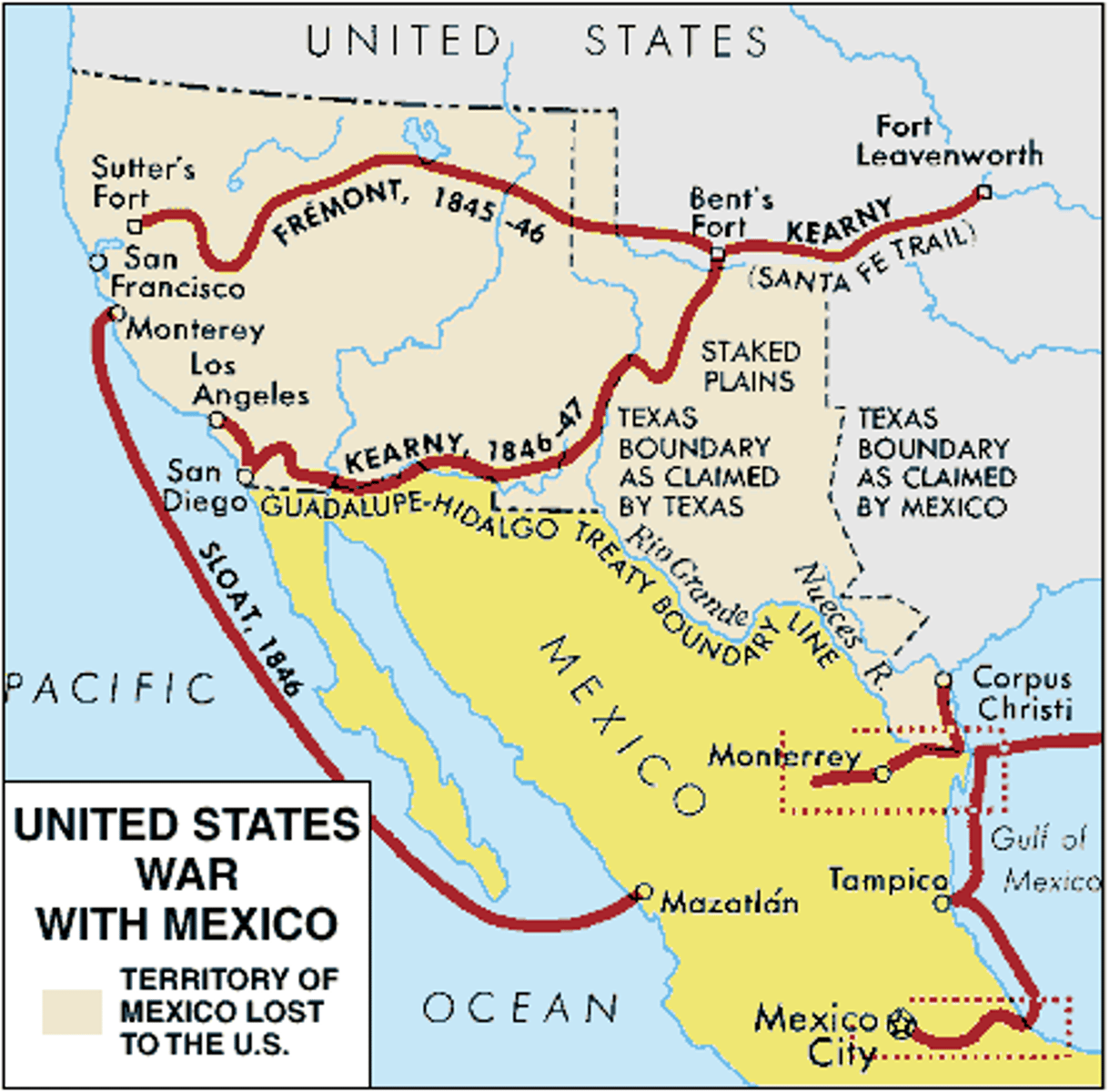
Treaty of Guadalupe Hidalgo
(1848) treaty signed by the U.S. and Mexico that officially ended the Mexican-American War; Mexico had to give up much of its northern territory to the U.S (Mexican Cession); in exchange the U.S. gave Mexico $15 million and said that Mexicans living in the lands of the Mexican Cession would be protected

Gadsden Purchase
Agreement w/ Mexico that gave the US parts of present-day New Mexico & Arizona in exchange for $10 million; all but completed the continental expansion envisioned by those who believed in Manifest Destiny.

popular sovereignty
A belief that ultimate power resides in the people.
Kansas Nebraska Act
1854 - Created Nebraska and Kansas as states and gave the people in those territories the right to chose to be a free or slave state through popular sovereignty.

Free "Soiler"
People who opposed expansion of slavery into western territories

Republican Party
1854 - anti-slavery Whigs and Democrats, Free "Soilers" and reformers from the Northwest met and formed party in order to keep slavery out of the territories
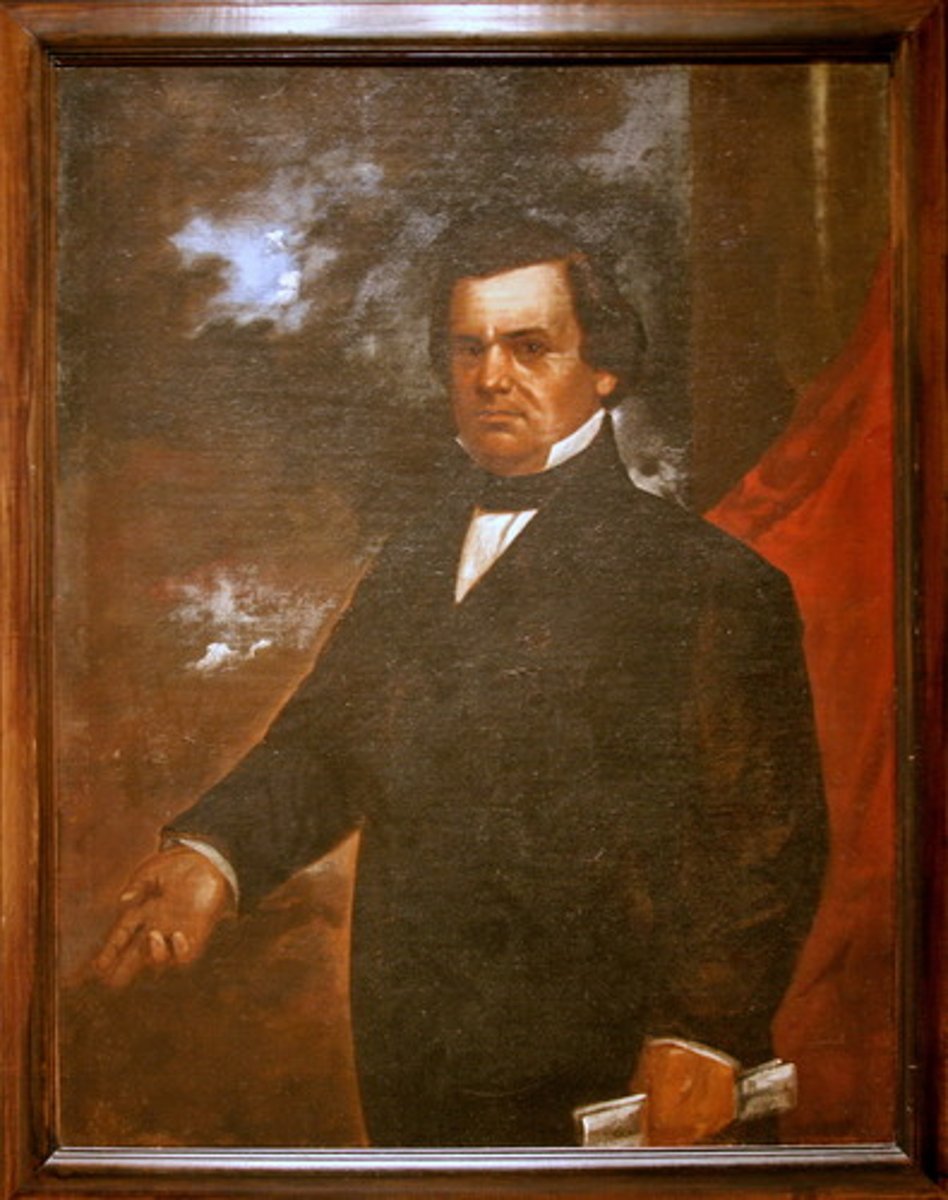
Stephen A Douglas
Senator from Illinois who ran for president against Abraham Lincoln. Wrote the Kansas-Nebraska Act and the Freeport Doctrine
Freeport Doctrine
Idea authored by Stephen Douglas that claimed slavery could only exist when popular sovereignty said so

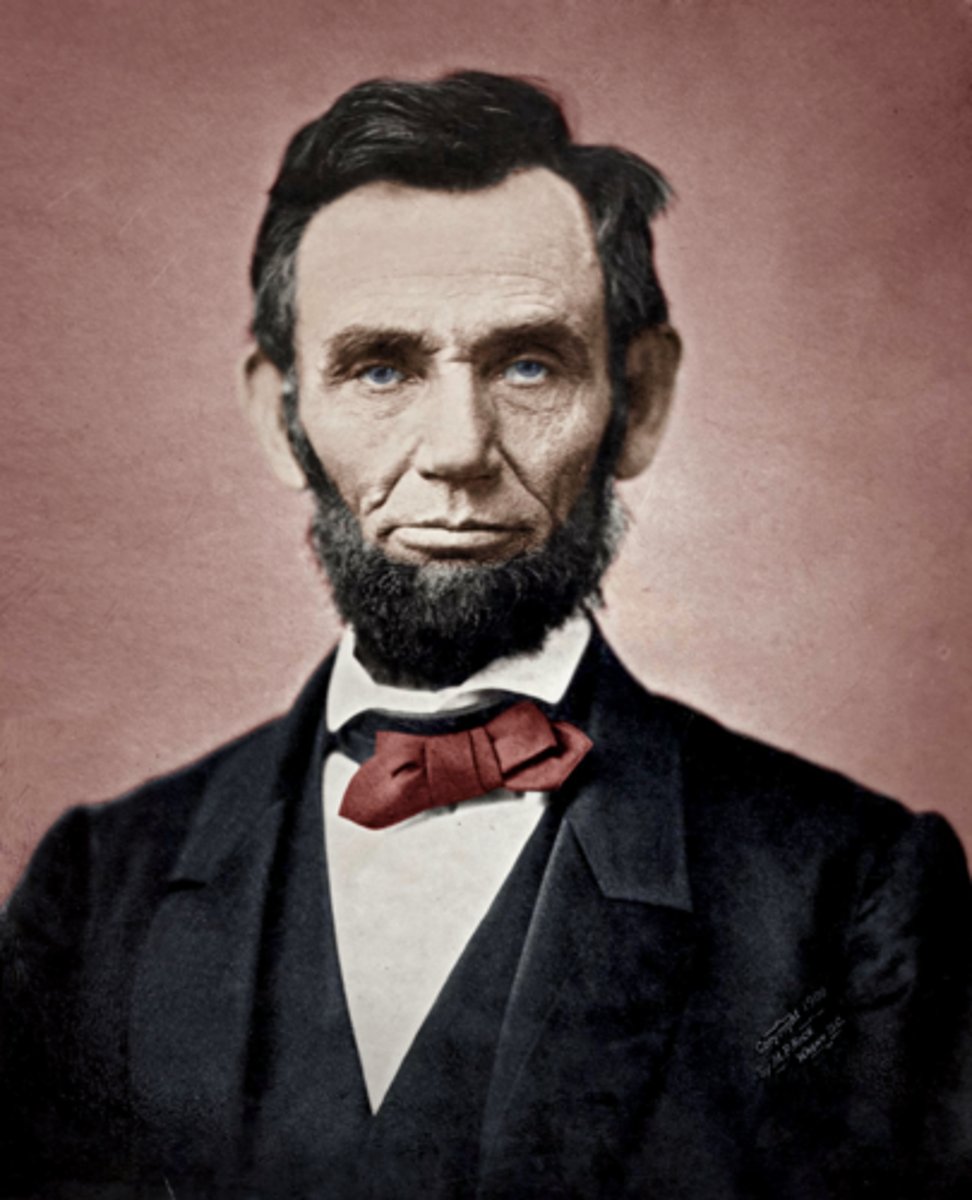
Abraham Lincoln
16th President of the United States saved the Union during the Civil War and emancipated the slaves; was assassinated by Booth (1809-1865)
secession
Formal withdrawal of states or regions from a nation

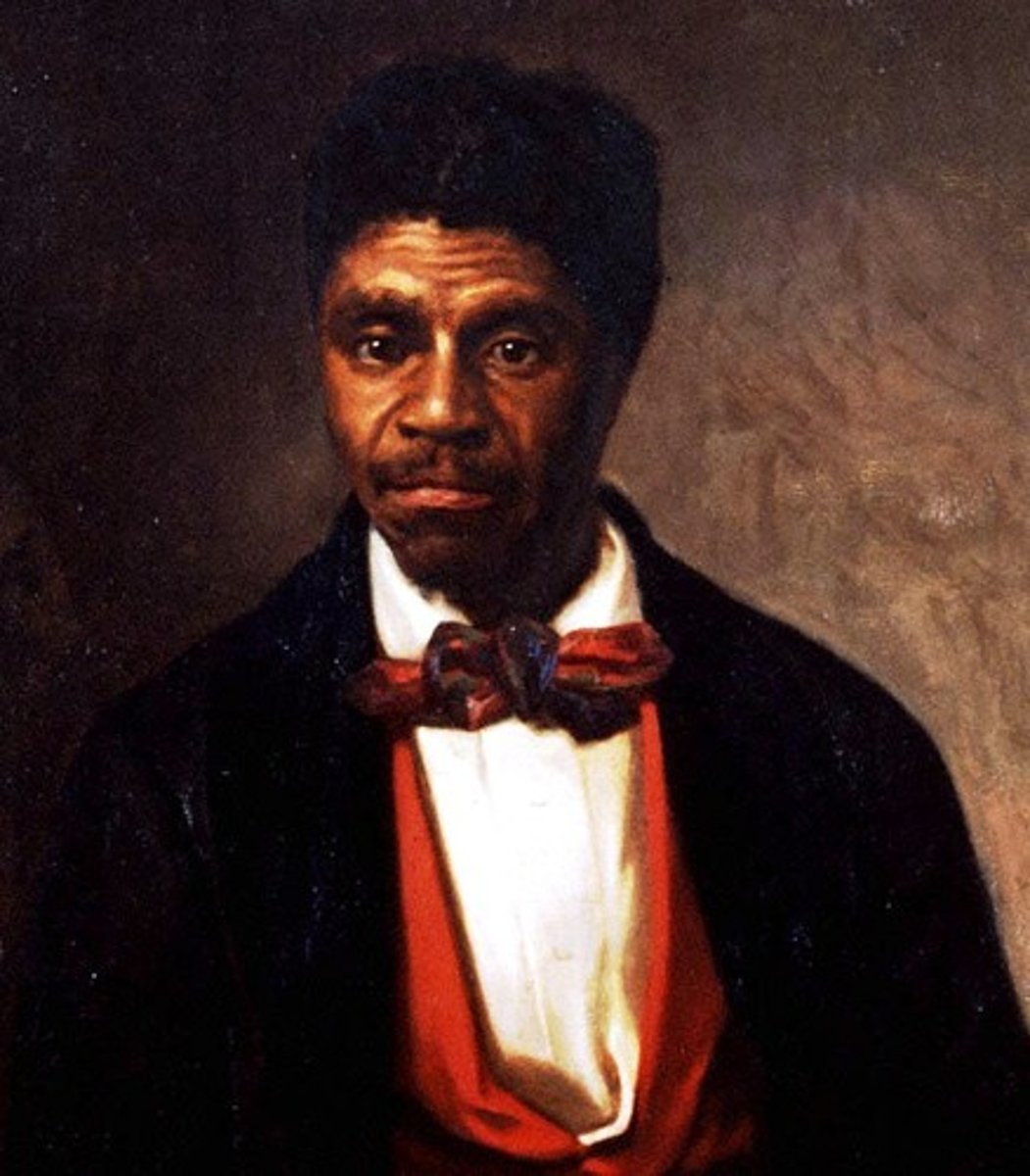
Dred Scott Decision
A Missouri slave sued for his freedom, claiming that his four year stay in the northern portion of the Louisiana Territory made free land by the Missouri Compromise had made him a free man. The U.S, Supreme Court decided he couldn't sue in federal court because he was property, not a citizen.
Uncle Tom's Cabin
Written by Harriet Beecher Stowe in 1853 that highly influenced England's view on the American Deep South and slavery. A novel promoting abolition. intensified sectional conflict.
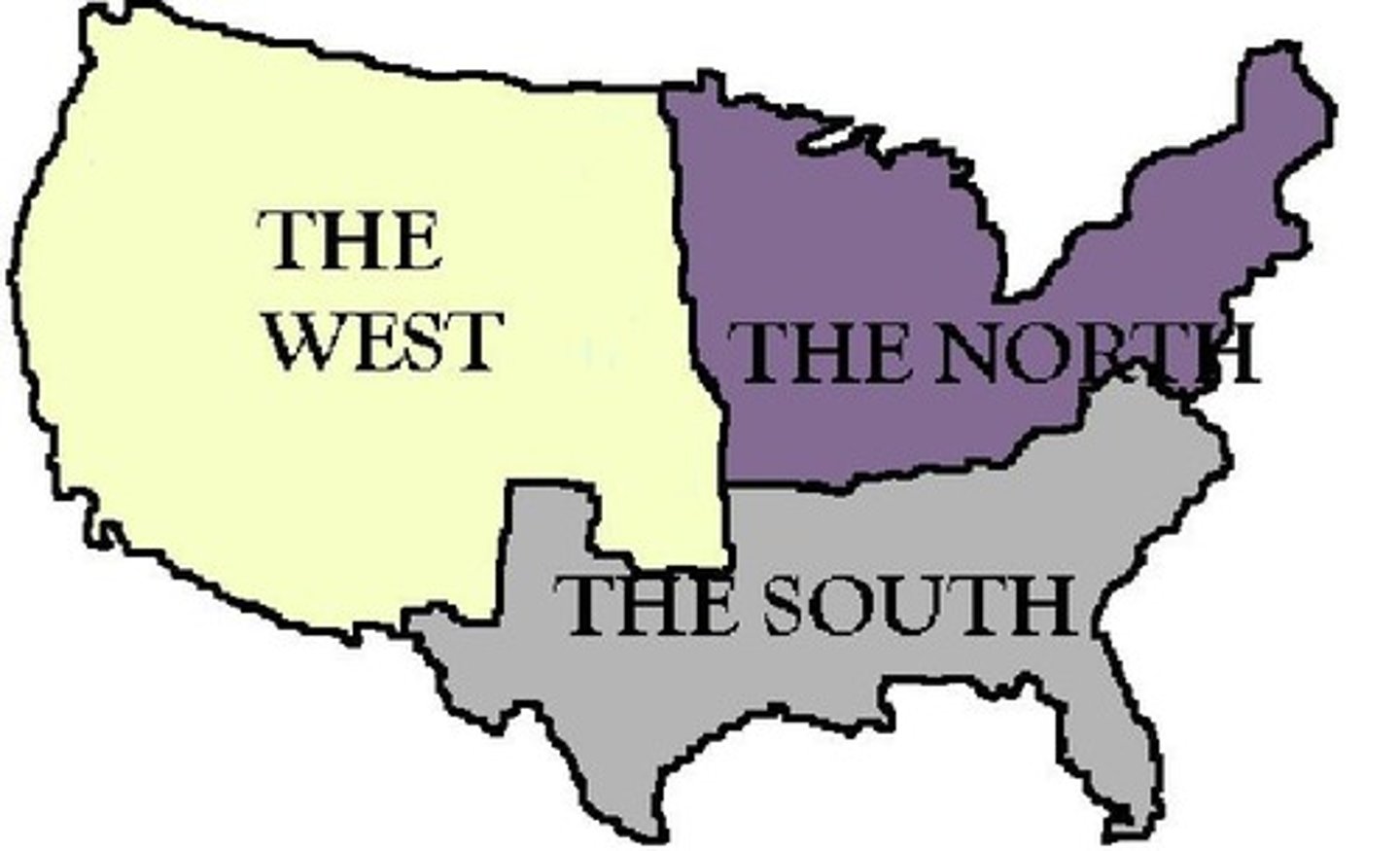
Sectionalism
Loyalty to a region
John Brown's Raid
Began when he and his men took over the arsenal in Harpers Ferry, Virginia, in hopes of starting a slave rebellion.

Robert E Lee
Confederate general who had opposed secession but did not believe the Union should be held together by force

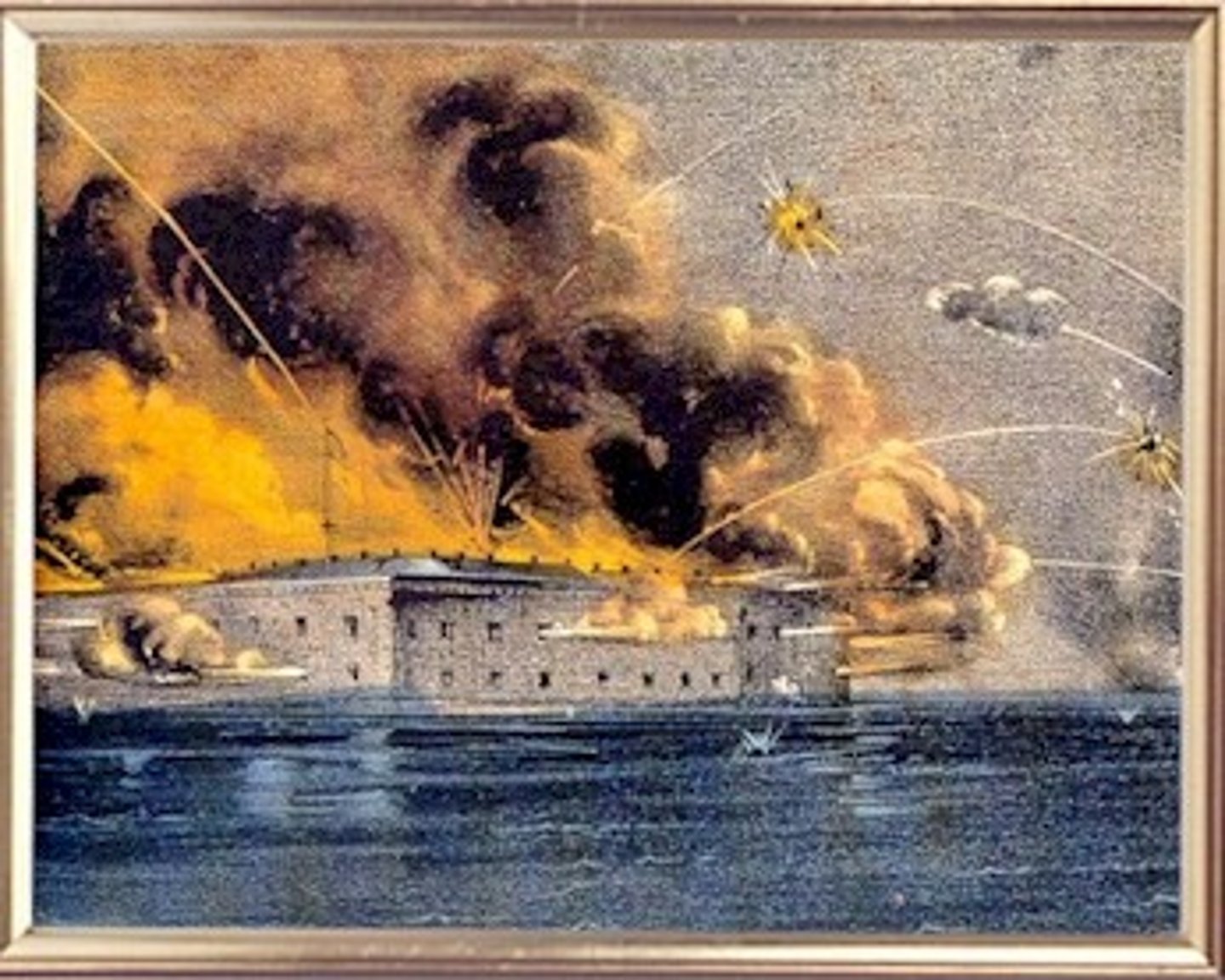
Fort Sumter
Federal fort in the harbor of Charleston, South Carolina; the confederate attack on the fort marked the start of the Civil War
Antietam
A battle near a sluggish little creek, it proved to be the bloodiest single day battle in American History with over 26,000 lives lost in that single day.

Vicksburg
Grant besieged the city from May 18 to July 4, 1863, until it surrendered, yielding command of the Mississippi River to the Union.

Gettysburg
A large battle in the American Civil War, took place in southern Pennsylvania from July 1 to July 3, 1863. The battle is named after the town on the battlefield. Union General George G. Meade led an army of about 90,000 men to victory against General Robert E. Lee's Confederate army of about 75,000. Gettysburg is the war's most famous battle because of its large size, high cost in lives, location in a northern state, and for President Abraham Lincoln's Gettysburg Address.

Appomattox Courthouse
April 1865., the Virginia town where Robert E. Lee surrendered to Ulysses S. Grant in 1865, ending the Civil War

Ulysses S Grant
an American general and the eighteenth President of the United States (1869-1877). He achieved international fame as the leading Union general in the American Civil War.
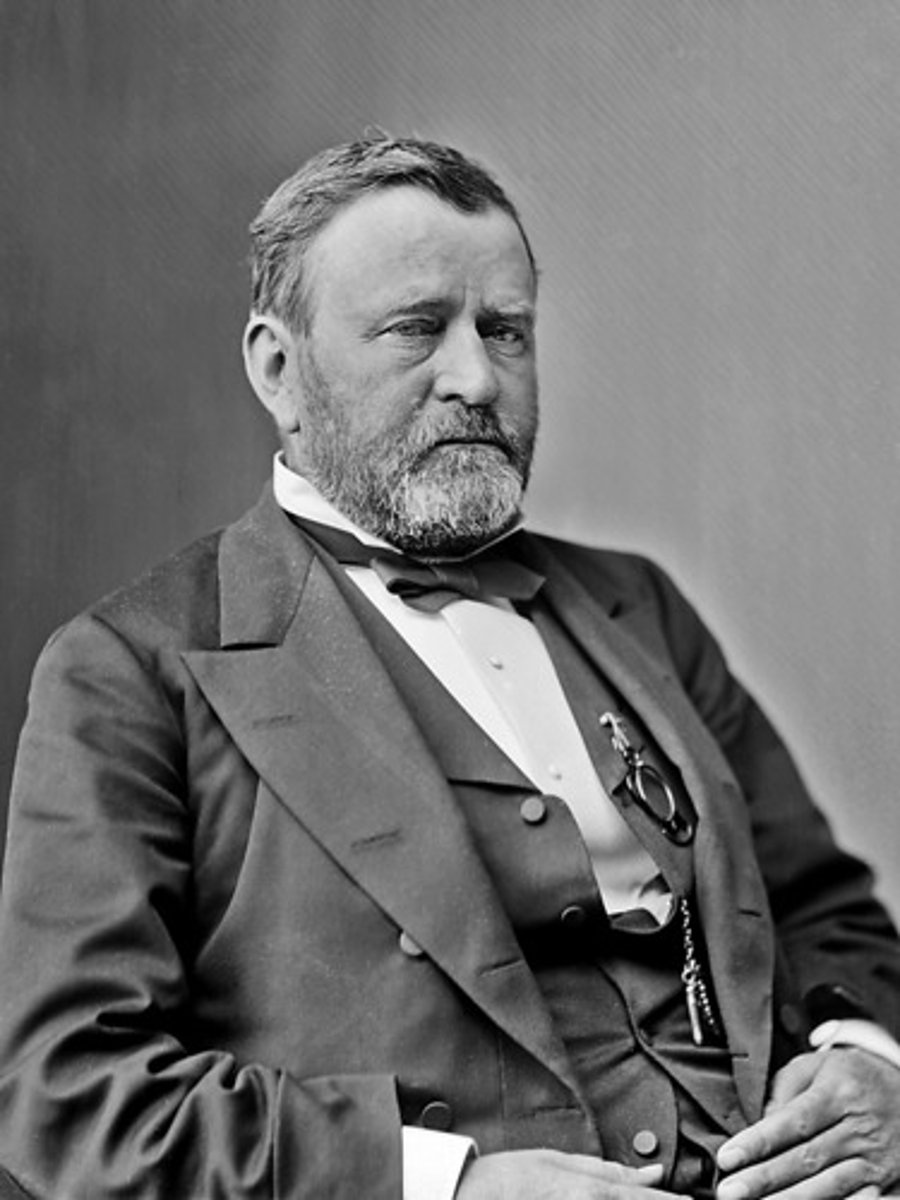
William Tecumseh Sherman
Union General who destroyed South during "march to the sea" from Atlanta to Savannah, example of total war

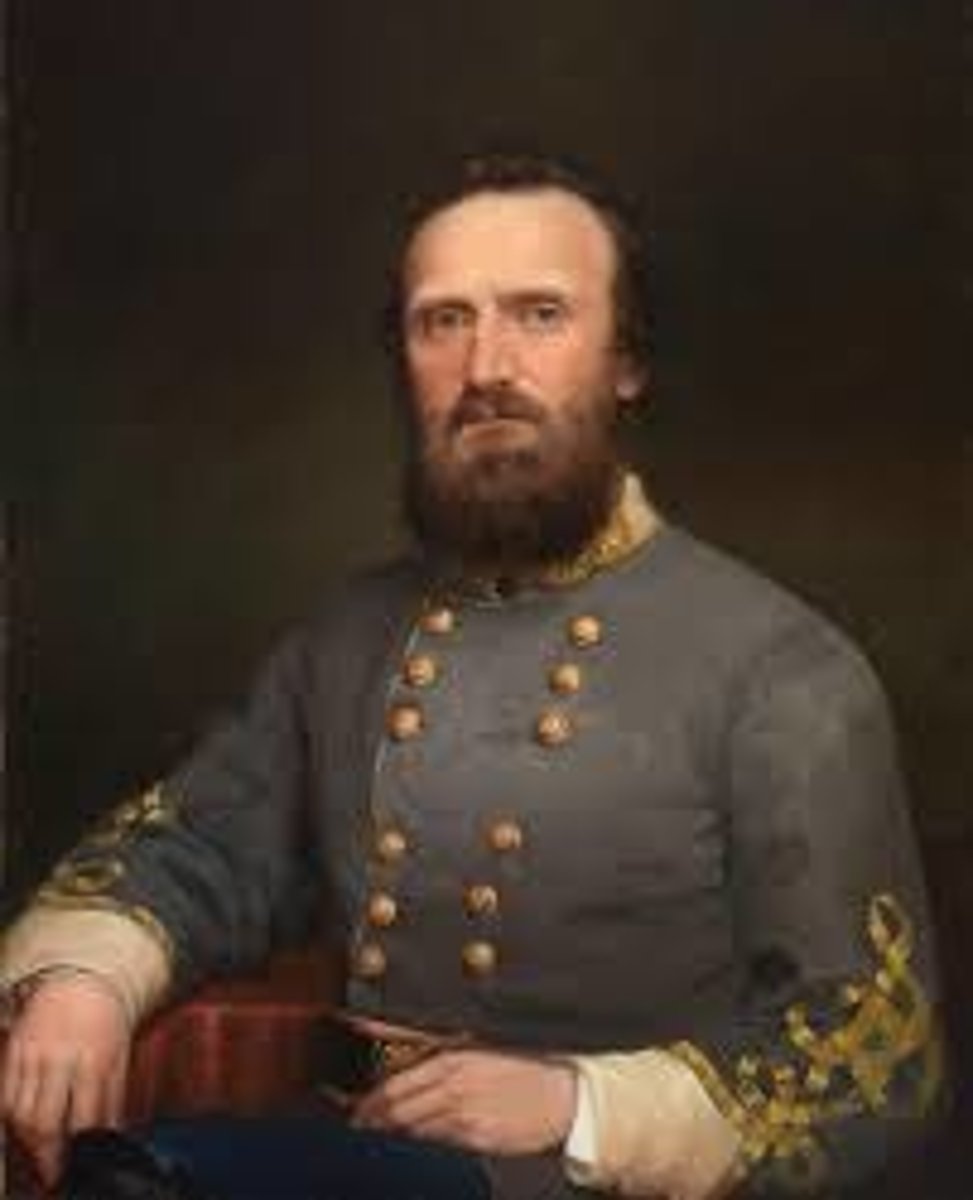
Thomas "Stonewall" Jackson
He was a confederate general who was known for his fearlessness in leading rapid marches bold flanking movements and furious assaults. he earned his nickname at the battle of first bull run for standing courageously against union fire. During the battle of Chancellorsville his own men accidently mortally wounded him.
habeas corpus
Constitutional protection against unlawful imprisonment

martial law
rule by the army instead of the elected government

emergency powers
Wide-ranging powers a president may exercise during times of crisis or those powers permitted the president by Congress for a limited time.
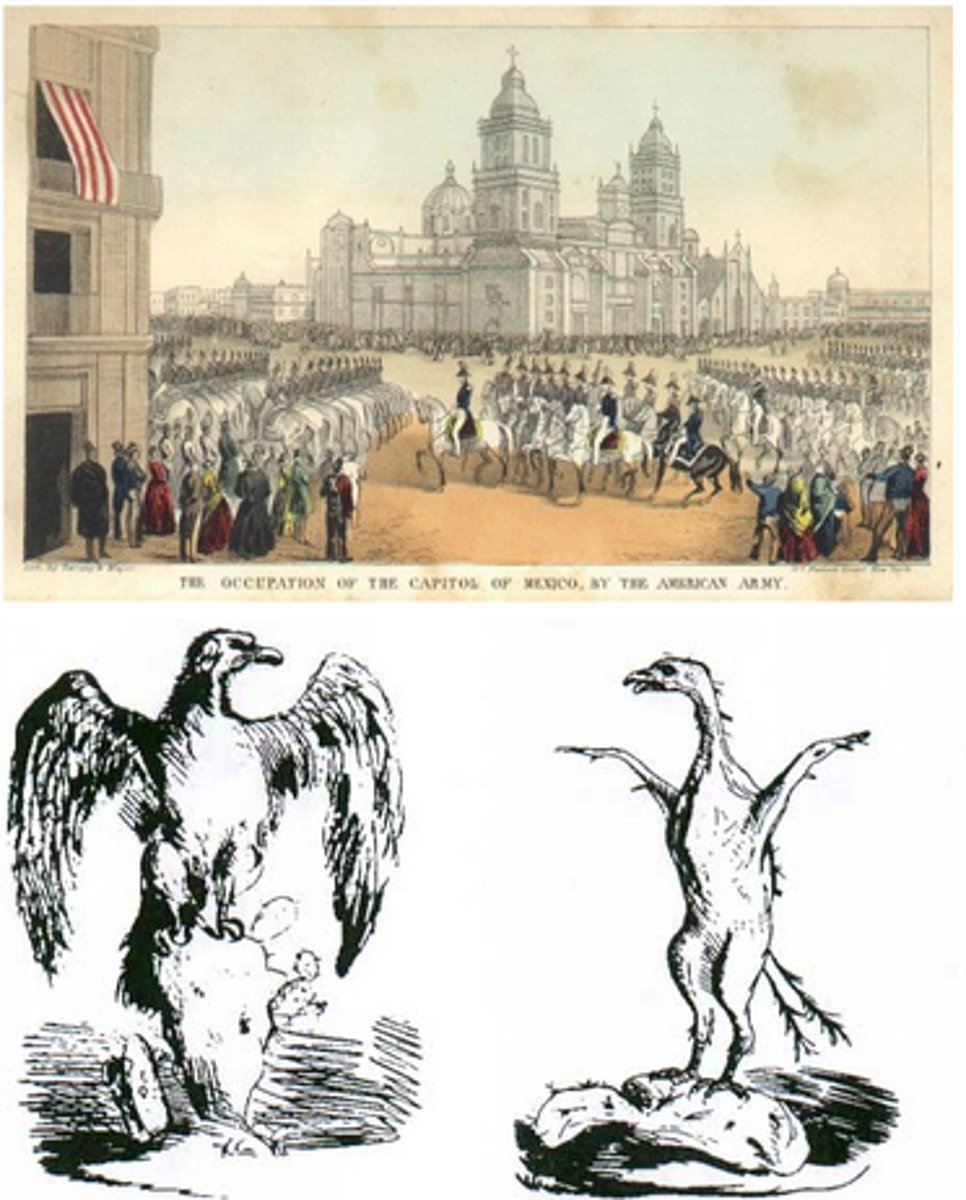
Lincoln 1st Inaugural Address
Lincoln tries to appease the south and avoid war
Gettysburg Address
A 3-minute address by Abraham Lincoln during the American Civil War (November 19, 1963) at the dedication of a national cemetery on the site of the Battle of Gettysburg

Lincoln 2nd Inaugural Address
"with malice toward none, and charity for all"
Presidential Reconstruction
President's idea of reconstruction : all states had to end slavery, states had to declare that their secession was illegal, and men had to pledge their loyalty to the U.S.
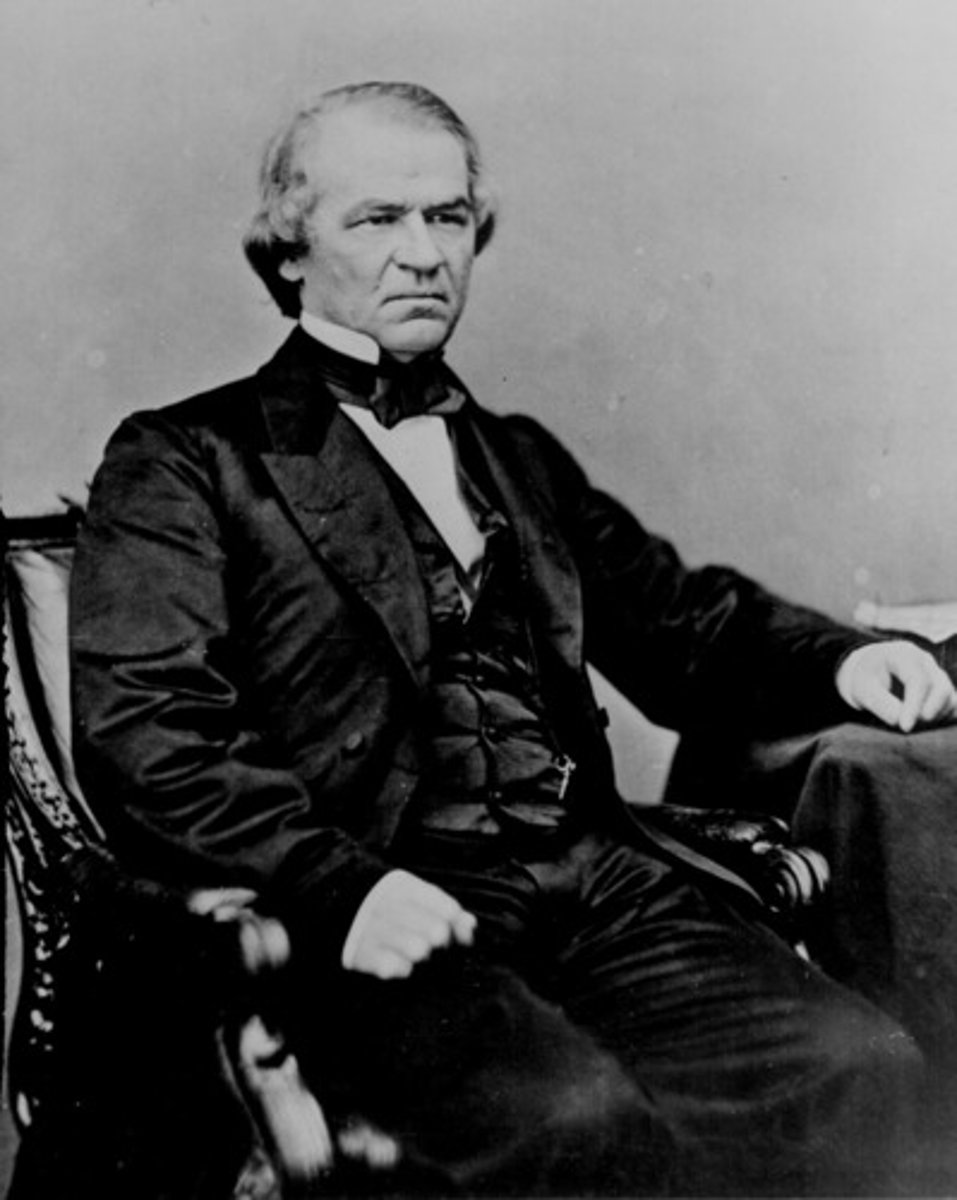
Radical Reconstruction
Reconstruction strategy that was based on severely punishing South for causing war

Black Codes
Laws denying most legal rights to newly freed slaves; passed by southern states following the Civil War

Military Reconstruction Act
1867; divided the South into five districts and placed them under military rule; required Southern States to ratify the 14th amendment; guaranteed freedmen the right to vote in convention to write new state constitutions

Reconstruction Amendments
13th: abolished and continues to prohibit slavery and involuntary servitude, 14th: secured the rights of former slaves after reconstruction, 15th: prohibits each government in the United States to prevent a citizen from voting based on their race

Freedmen's Bureau
1865. help former black slaves after civil war
Organization run by the army to care for and protect southern Blacks after the Civil War

Compromise of 1877
Ended Reconstruction. Republicans promise 1) Remove military from South, 2) Appoint Democrat to cabinet (David Key postmaster general), 3) Federal money for railroad construction and levees on Mississippi river
Election of 1876
Ended reconstruction because neither candidate had an electoral majority. The Democrat Sam Tilden loses the election to Rutherford B Hayes, Republican, was elected, and then ended reconstruction as he secretly promised.
KKK
Stands for Ku Klux Klan and started right after the Civil War in 1866. The Southern establishment took charge by passing discriminatory laws known as the black codes. Gives whites almost unlimited power. They masked themselves and burned black churches, schools, and terrorized black people. They are anti-black and anti-Semitic.
carpetbagger
A northerner who went to the South immediately after the Civil War; especially one who tried to gain political advantage or other advantages from the disorganized situation in southern states

scalawag
A derogatory term for Southerners who were working with the North to buy up land from desperate Southerners

sharecropper
A person who works fields rented from a landowner and pays the rent and repays loans by turning over to the landowner a share of the crops.

Morehouse College
Founded in Atlanta in 1867 for black education for professional careers such as lawyers, ministers, and educators.
peculiar institution
..., southern euphemism for slavery
John C. Calhoun
..., South Carolina Senator - advocate for state's rights, limited government, and nullification