6 INTRODUCTION TO LIGHTING IN ARCHTIECTURE
 Call Kai
 Learn
Learn Practice Test
 Spaced Repetition
 Match
Match Flashcards
 Knowt Play
1/45

There's no tags or description
Looks like no tags are added yet.
Name | Mastery | Learn | Test | Matching | Spaced | Call with Kai | Chat |
|---|
No analytics yet
Send a link to your students to track their progress
46 Terms
Le Corbusier
"Space, light, and order. Those are the things that humans need just as much as they need bread or a place to sleep."
Light
A portion of the electromagnetic spectrum that is visible to the human eye. It travels in waves at a speed of about 300,000 km/s and consists of particles called photons.
330 m/s
Light travels faster than sound. Where sound only travels at about ____ m/s through air, light is nearly a million times faster than sound.
Lighting
The deliberate use of light, whether natural or artificial, to achieve practical or aesthetic effects in a built environment. It plays a crucial role in enhancing the functionality, mood, and appearance of spaces.
Egyptian Temples
This civilization aligned their temples to maximize natural light, symbolizing divine presence
Greek and Roman Architecture
Use of daylight through openings in domes (e.g., Pantheon) emphasized grandeur and the connection to the heavens.
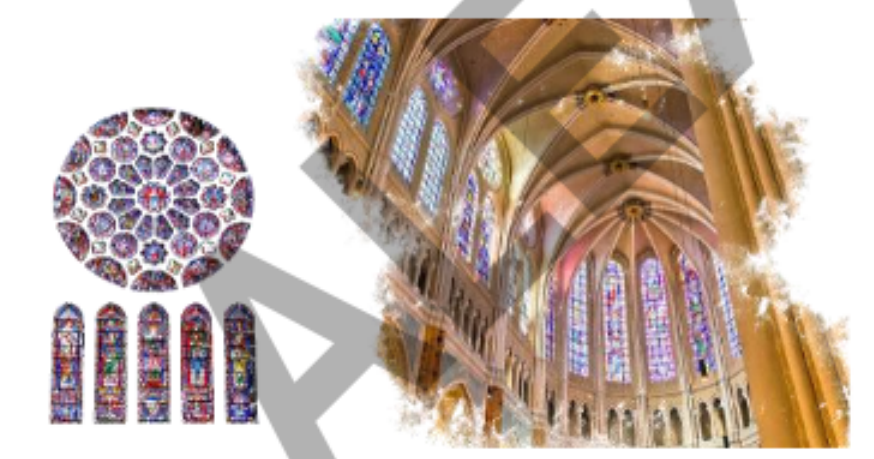
Gothic Architecture
Innovations like stained glass windows created ethereal effects inside cathedrals, symbolizing divine light.
Renaissance - Focus on Natural Light
Architects like Palladio used natural light to define space and form, emphasizing symmetry and balance.
Frank Lloyd Wright - Modernism
Used daylight to blend interior and exterior spaces, promoting harmony with nature
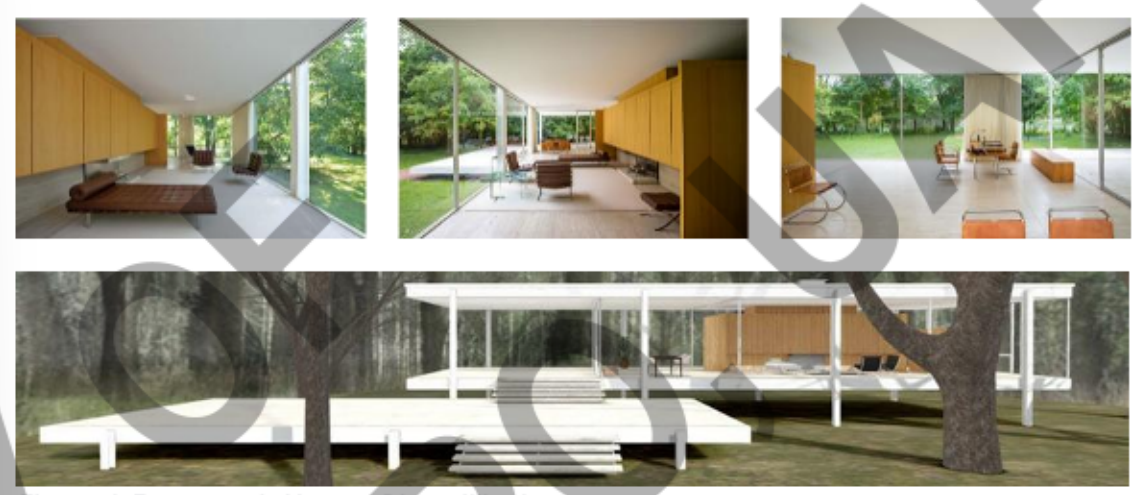
Ludwig Mies van der Rohe - Modernism
Farnsworth House is a prime example of glass walls allowing full integration of light with the environment.
Spectral Perception
The ability of the human visual system to distinguish and interpret different wavelengths of light, which we experience as colors. It is how the eye and brain work together to perceive variations in the light spectrum (from violet to red).
Melanopic Effect
Refers to how certain wavelengths of light (particularly blue light around 460-490 nm) stimulate specialized retinal cells and influence biological processes like alertness, hormone regulation, and sleepwake cycles.
Melanopsin
A photopigment that detects light for biological functions such as regulating circadian rhythms, controlling pupil size, and mediating the melanopic effect of light.
Circadian Rhythm
The body's natural 24-hour internal clock that regulates cycles of sleep, wakefulness, hormone release, digestion, and other physiological processes. It is strongly influenced by light exposure, particularly blue light.
Melatonin
A hormone produced by the pineal gland that helps regulate sleep. Its production increases in the evening with darkness, signaling to the body that it is time to sleep, and decreases with morning light.
Cortisol
A hormone released by the adrenal glands, often called the "stress hormone." It helps regulate metabolism, immune response, and energy levels. Cortisol levels typically peak in the morning (promoting alertness) and decrease at night, aligning with the circadian rhythm.
HUMAN CENTRIC LIGHTING
Expresses the positive effect of light and lighting on the health, wellbeing and performance of humans and thus has both short and longterm benefits:
Functional Lighting
Proper lighting ensures spaces are functional and suited for their intended activities.
Accessibility
Ensures inclusivity by providing sufficient lighting for individuals with visual impairments.
Interaction and Engagement
In public spaces, effective lighting fosters social interaction by making environments more inviting and comfortable.
Privacy and Intimacy
Lighting can create more secluded or private areas where people may seeka sense of privacy or intimacy.
Circadian Rhythms and Health
Lighting that mimics natural daylight cycles helps regulate circadian rhythms, which are essential for maintaining overall well-being.
Mood and Atmosphere
Different lighting conditions evoke various emotional responses.
Psychological Comfort
Proper lighting reduces visual discomfort and enhances a sense of well-being.
Highlighting Architectural Features
Lighting is used to emphasize the design elements of buildings, including textures, materials, and architectural forms.
Perception of Space
The way lighting is applied affects how a space feels.
Daylighting and Natural Light Integration
By maximizing the use of natural daylight, buildings can reduce reliance on artificial lighting, thereby saving energy and lowering costs.
Energy-efficient Lighting Systems
The use of energy-efficient technologies reduces energy consumption.
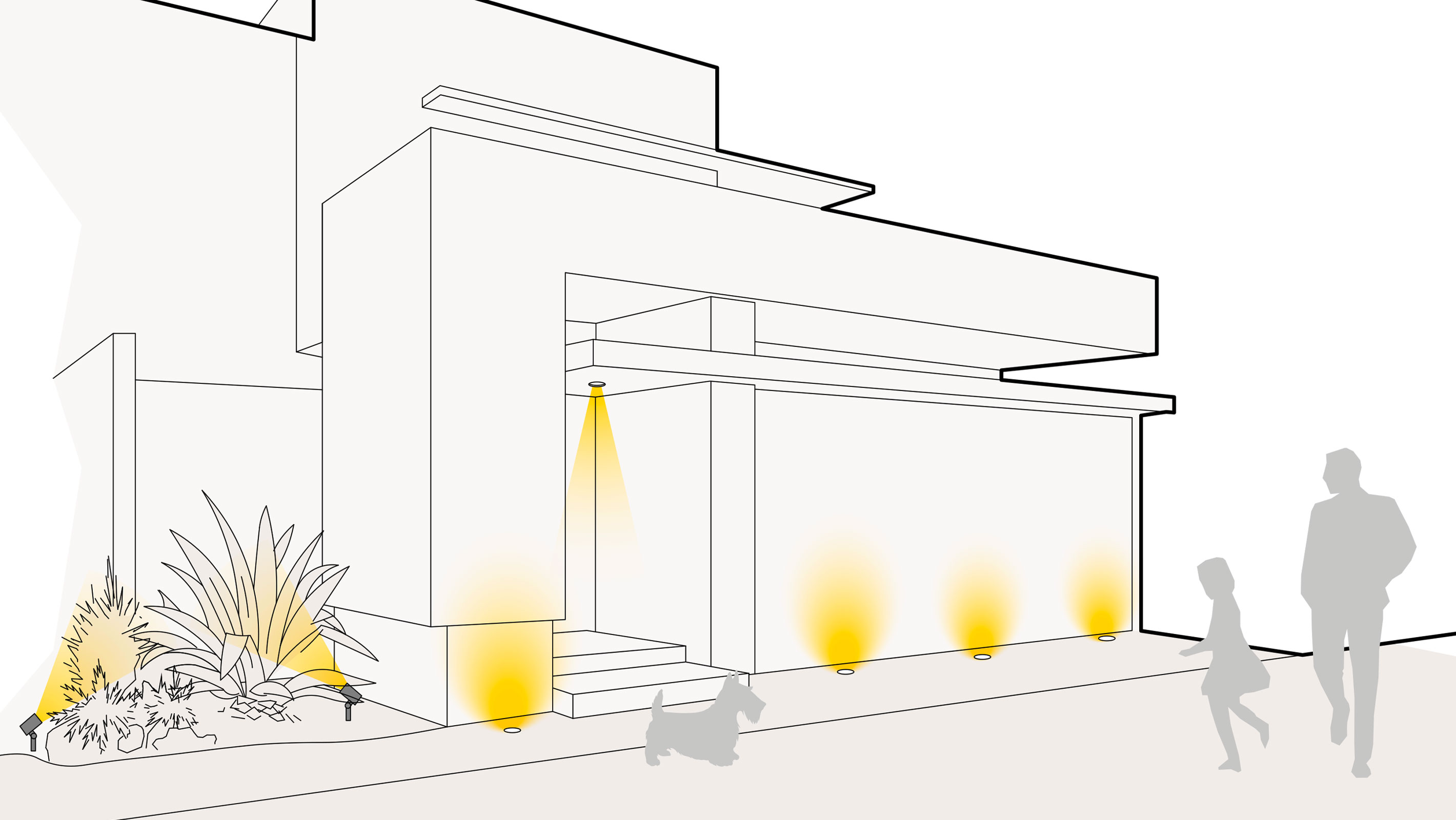
Accident Prevention
Well-lit circulation spaces such as staircases, corridors, and pathways reduce the risk of falls, slips, and other accidents.
Crime Deterrence
Adequate lighting in outdoor areas, parking lots, and entrances helps deter criminal activity by increasing visibility and eliminating blind spots.
Sense of Protection
Lighting design contributes to users' psychological comfort by creating an environment that feels safe, especially at night.
Functionality
Proper lighting ensures spaces are usable for specific tasks.
Safety and Security
Well-lit spaces reduce accidents and promote a sense security.
Aesthetic Value
Lighting highlights architectural details, creates depth, and evokes emotions.
Abu Simbel Temple, Abu Simbel, Egypt

Pantheon, Rome, Italy

Villa la Rotonda, Vicenza, Ital

Robie House Chicago Illinois

Farnsworth House, Plano IIlinois
Light for Visual Functions

Light for Social Engagement

Light Supporting Well-Being

Light Shaping Aesthetics and Spatial Perception
Light Promoting Sustainability

Light for Safety and Security
