week 2 and 3 lab terms (CANINES)
 Call Kai
 Learn
Learn Practice Test
 Spaced Repetition
 Match
Match Flashcards
 Knowt Play
1/39

There's no tags or description
Looks like no tags are added yet.
Name | Mastery | Learn | Test | Matching | Spaced | Call with Kai | Chat |
|---|
No analytics yet
Send a link to your students to track their progress
40 Terms
proximal
close to body
distal
farther away from body
cranial
toward the head
caudal
toward the tail
2 major body cavities
viceral organs
thoracic
lungs, heart, diaphragm
abdominal cavity
stomach, liver, gail bladder, pancreas, kidneys, large intestine, small intestine, urinary tract, uterus, ovaries
animals are diverse species and as what
individuals
each animal possesses its own behavior and idiosychreses
each react in his/her own way
cats are NOT…
small dogs
vet health care team
prevent and relieve animal suffering, promote wellness
be aware of the…
emotional changes of the patient as medical care is provided
FAS
Fear, anxiety, stress
good restraint
less is best, using finesse, distraction
using distraction such as
food, treats
restraint is
the control of an animal so that it can be examined or treated
what are reasons to restrain an animal
to receive medical care, to prevent injury to itself while receiving care, to prevent injury to personnel
don’t leave animal unattended true or false
true
prepare for the visit
some patients have a conditioned fear based on previous frightening experiences in a veterinary hospital setting, to help prepare the environment before hand to help reduce stress
greeting and first impressions
evaluate emotional status of patient, evaluate their behavior speak to them offer them treats or social interaction— observe patient from a far at first
first interactions
review medical records, check with the client to see how the patient reacts to care, let the patient observe the environment—when possible let the patient come to you.
use minimum amount of pressure when restraining true or false
true
owners should never restrain -why?
it is a liability they should never be restraining their animal for any visit/care
cats unlikely…
trying to dominate
dogs are usually labeled as “dominant” but what are they really
they are quite fearful and you should give them positive enforcement, they can be fear biters, avoidance with submission, and avoidance with aggression.

how should you approach an animal
in a non threatening way

happy
may bite if pushed to hard

fearful
nervous, ears down and back, cowering

aggressive
head lowered between shoulders, level stare, tail straight out, growling or snarling

slip lead
a leash

gauntlet
leather gloves

e collar
a cone like collar

tie muzzle
with gauze
muzzles should be worn
for short periods of time

basket muzzle
nice because you can feed through them

nylon muzzle
standard muzzle
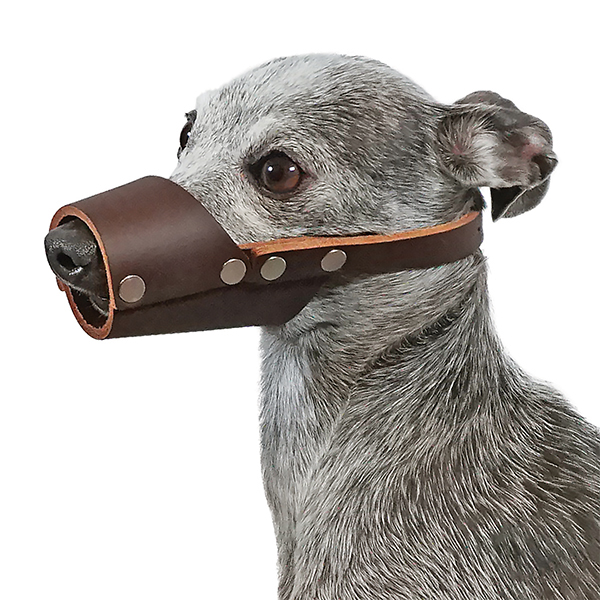
leather muzzle
slip lead can also be used as
a muzzle

catch pole (rabies pole)
not a routine restrain device only use in extreme situations
fearful aggressive dogs can be cage aggressive true or false
true