ASTB Prep App ANIT Section
 Call Kai
 Learn
Learn Practice Test
 Spaced Repetition
 Match
Match Flashcards
 Knowt Play
1/122

There's no tags or description
Looks like no tags are added yet.
Name | Mastery | Learn | Test | Matching | Spaced | Call with Kai |
|---|
No analytics yet
Send a link to your students to track their progress
123 Terms
The United States Marine Corps was founded on
November 10, 1775
Who did Congress appoint the first commander in chief of the Navy?
Esek Hopkins
First 6 frigates to engage the British Royal Navy
United States
Constellation
Constitution
Chesapeake
Congress
President
First Naval Hero of War
John Paul Johns - “Father of the Navy” JPJ won a famous battle against two Royal Naval ships “I have not yet begun to fight”
Union Navy’s first metal-hulled ship
USS Monitor
First time metal-hulled ships would engage each other
USS Monitor and the CSS Virginia during the Battle of Hampton Roads
Naval hero to come out of the Civil War
Admiral David G. Farragut
“Damn the torpedoes, full speed ahead!”
First Naval Aviator
Theodore Ellyson
First person to launch a winged aircraft successfully off a ship
Eugene Ely
November 14, 1910
The US entered World War II on
December 7,1941 when the Empire of Japan attacked Pearl Harbor
First nuclear powered aircraft carrier
USS Enterprise, launched on September 24, 1960
At it’s peak, the USN consisted of _______ ships during the cold war.
594
Main Deck
Primary deck of a vessel
highest watertight deck that runs the ship’s entire length
Bridge Deck
Deck where the ship’s navigational equipment is housed and where the ship is driven
Quarter Deck
Part of ship’s main deck
All sailors departing or embarking on the ship salute toward this deck as a sign of respect
Used for ceremonies and other official occasions while onboard
Weather Deck
A deck not roofed and exposed to the sea and weather
Poop Deck
A deck typically constructed above the main deck on the aft-most portion of the ship
CVN
Aircraft Carriers
C: Carrier
V: fixed-wing
N: Nuclear
Older Nimitz Class and Ford class carriers
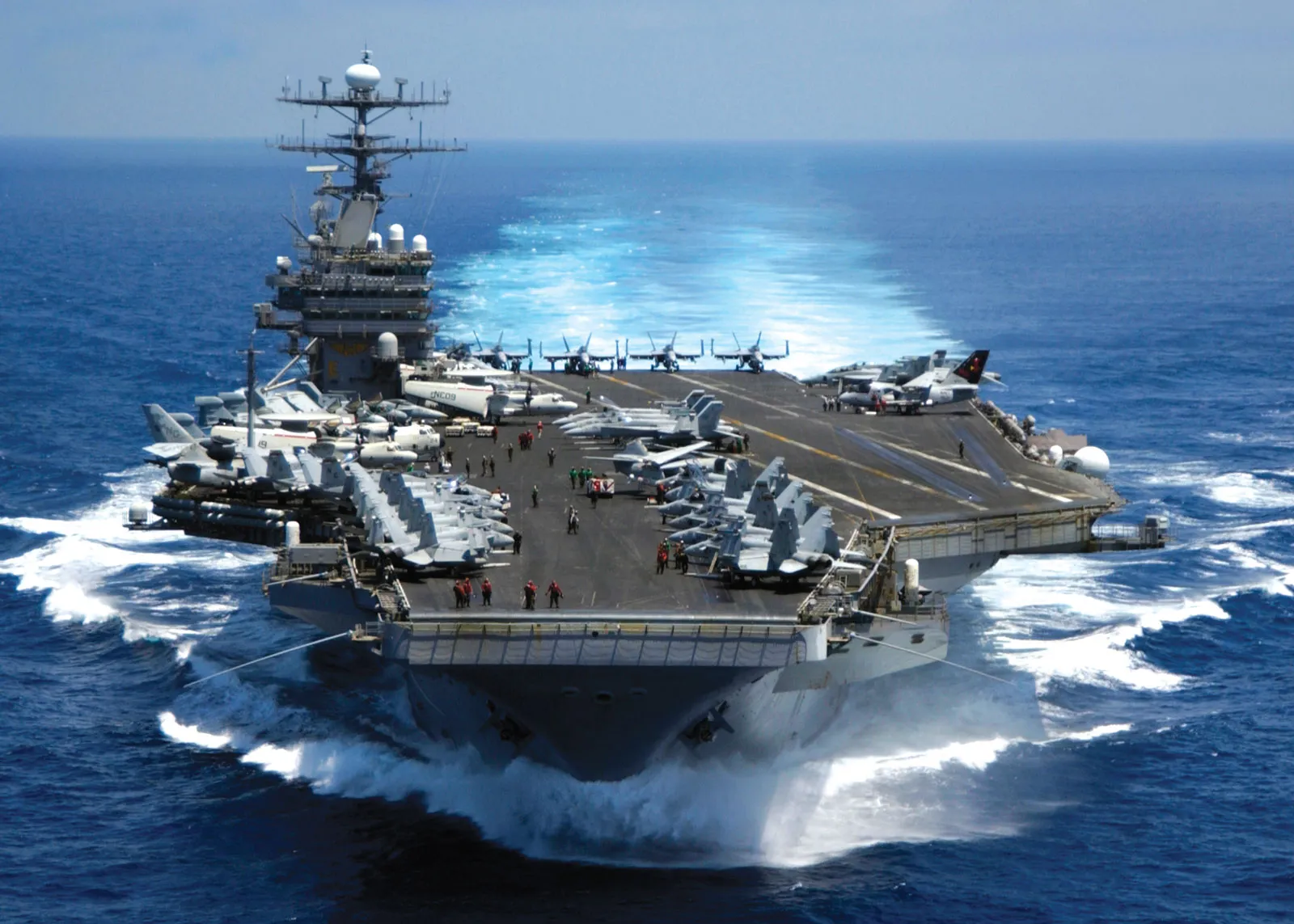
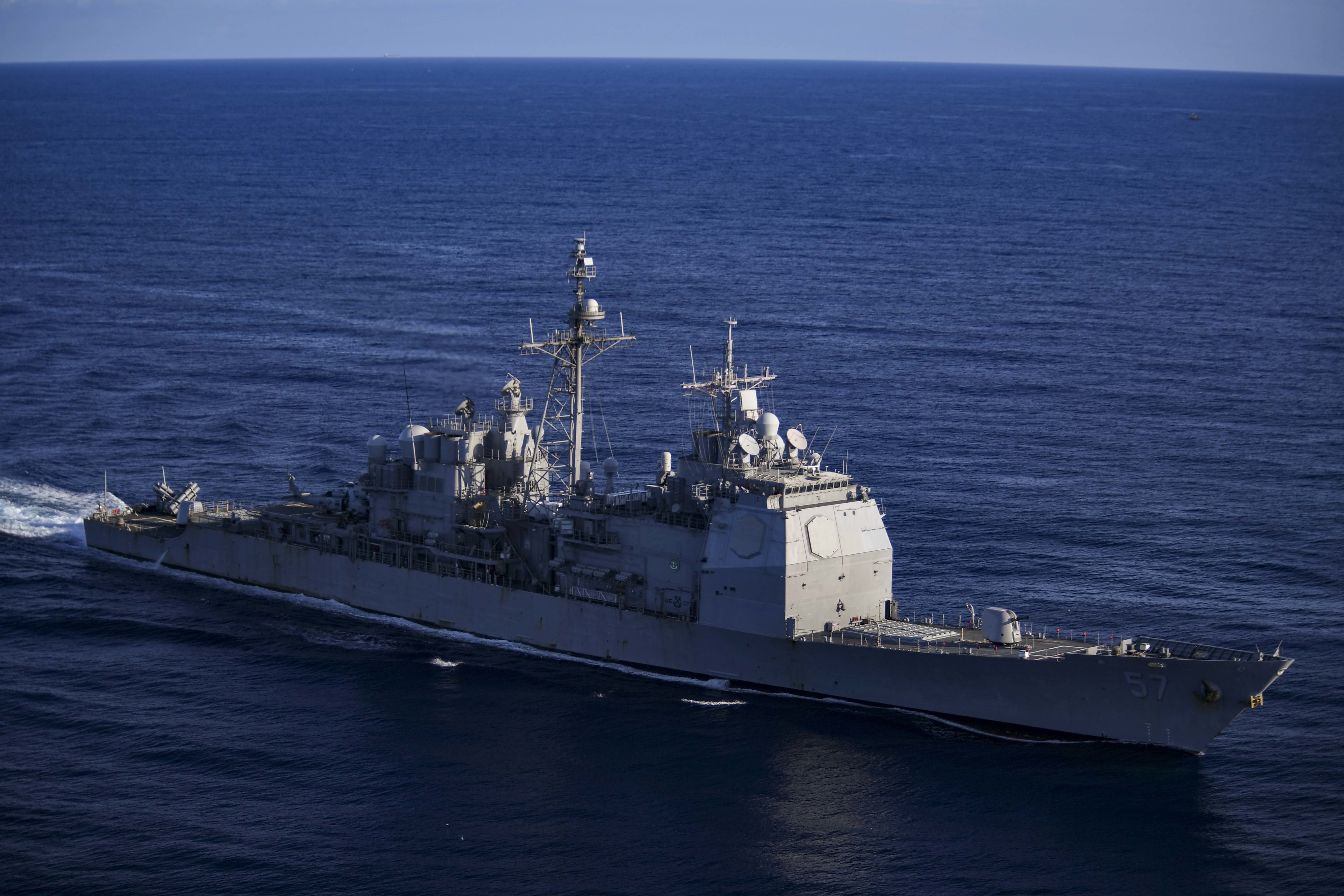
CG
Cruisers are the primary surface-to-air warfare platform
C: Cruisers
G: Guided Missiles
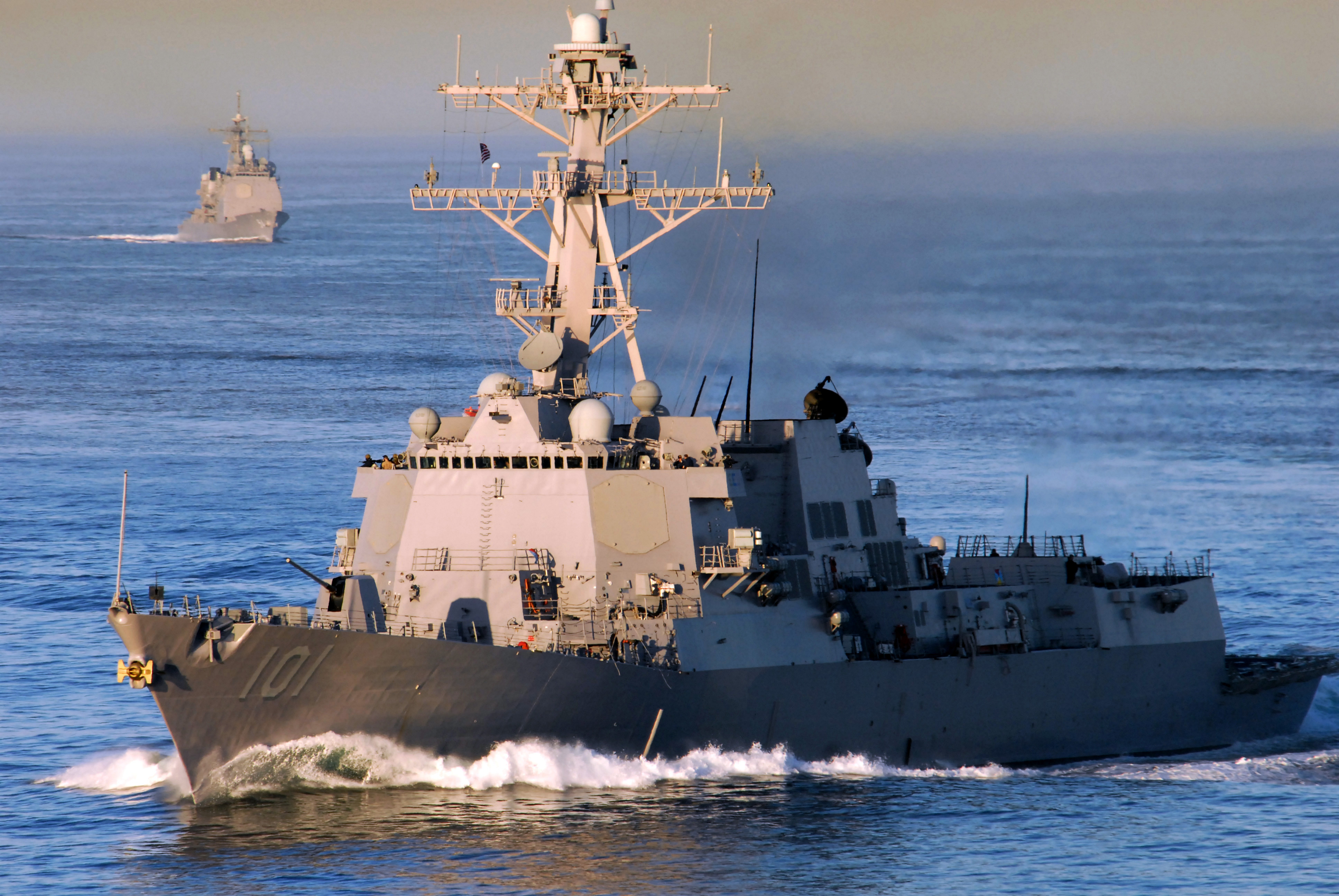
DDG
Destroyers: Participate in all forms of warfare including air defense, undersea warfare, and surface combat
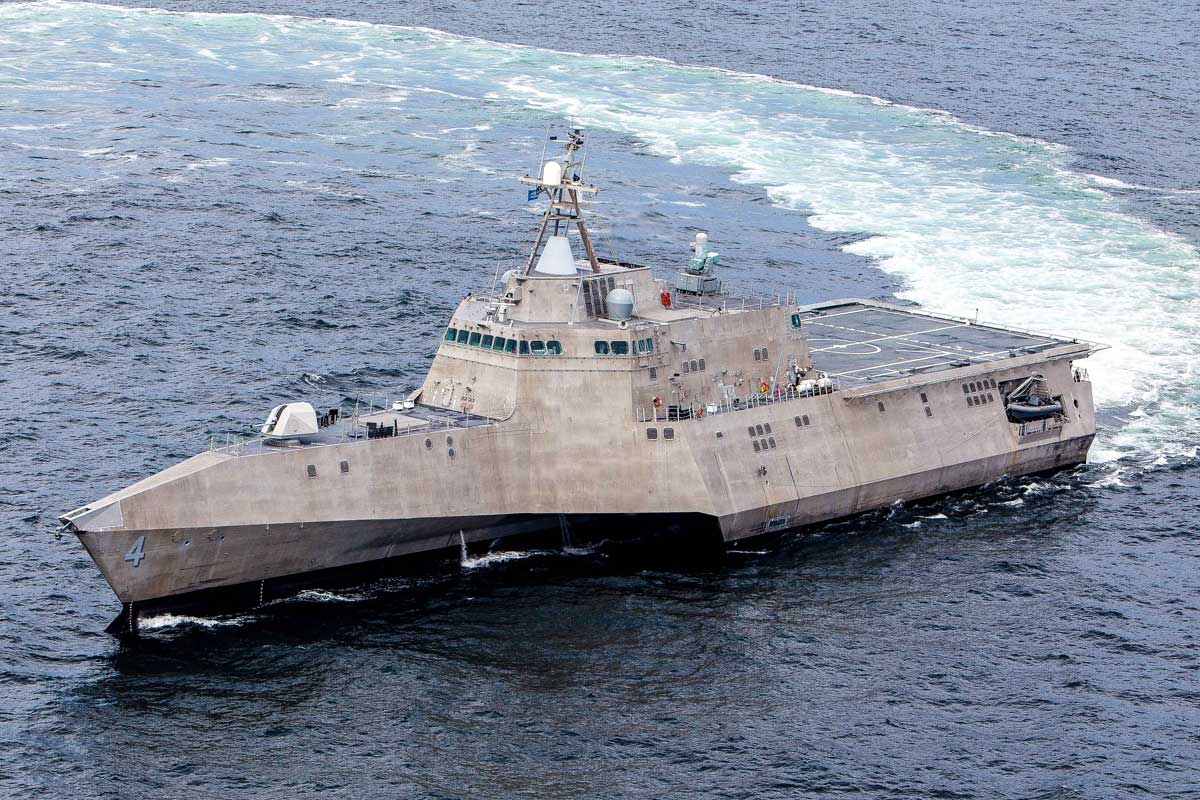
LCS
Littoral Combat Ships
Operate in brown water (close to land)
More maneuverable but less armed than destroyers
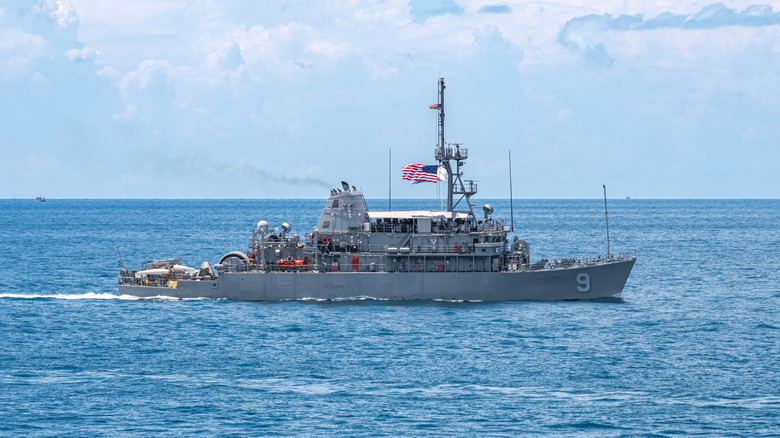
MCM
Minesweepers
Used by the Navy to defend against mines
Have wooden hulls to not set off proximity mines
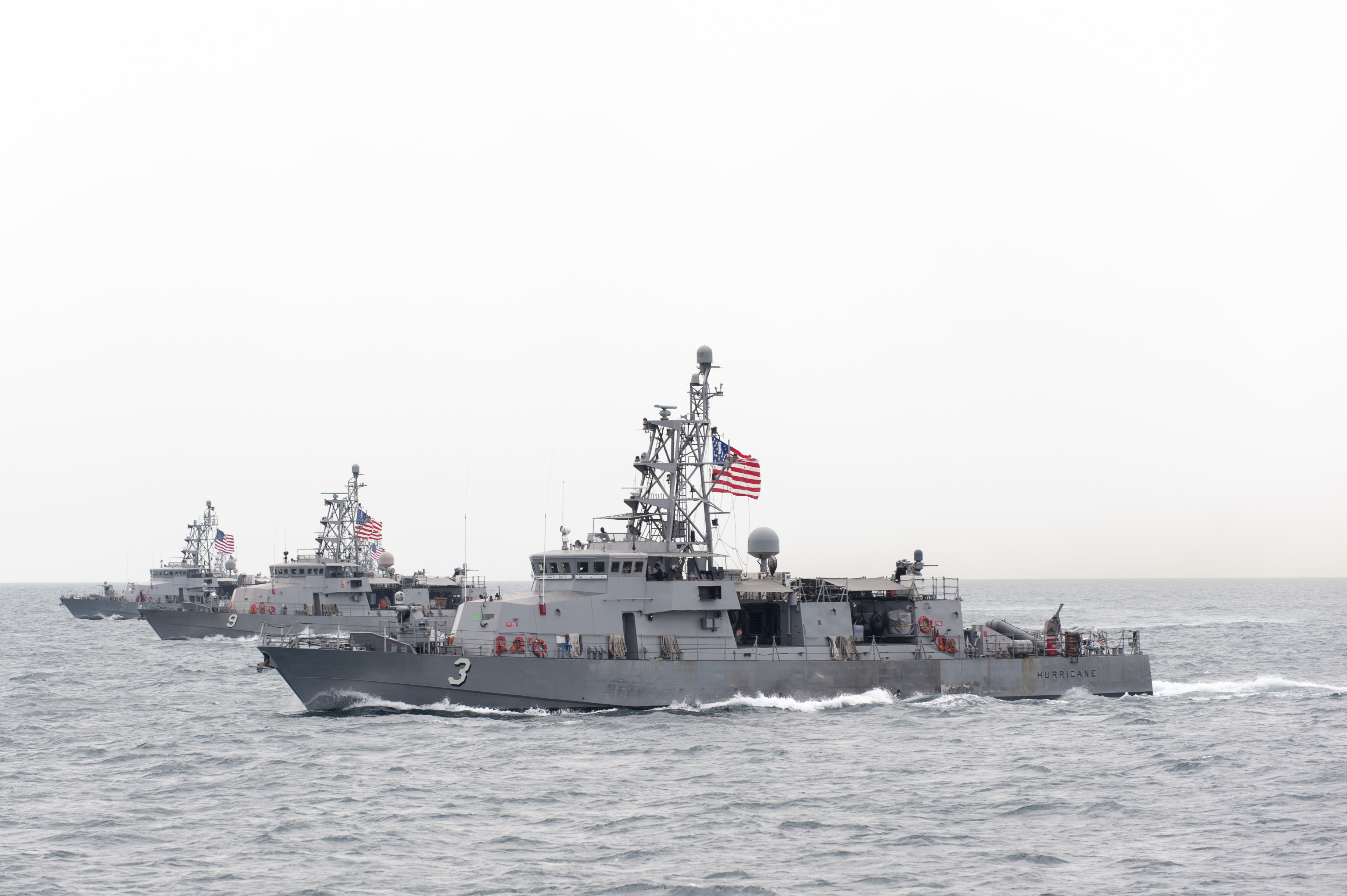
PC
Patrol Craft
Used for coastal defense missions
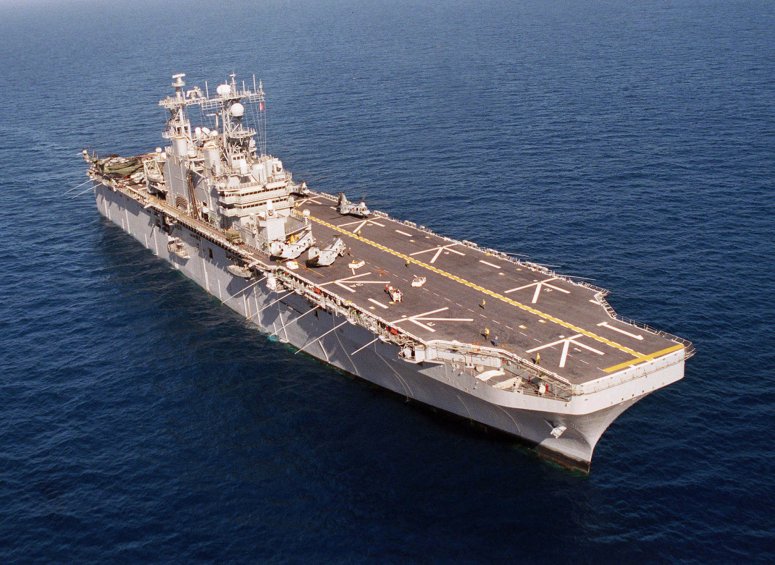
LHA
Amphibious Assault Ships
Mostly for VTOL aircraft
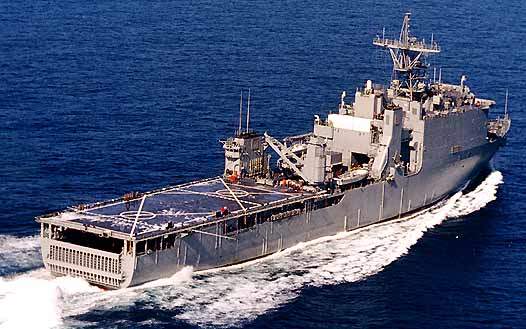
LSD
Dock Landing Ships
Similar to LHAs, they support amphibious operations
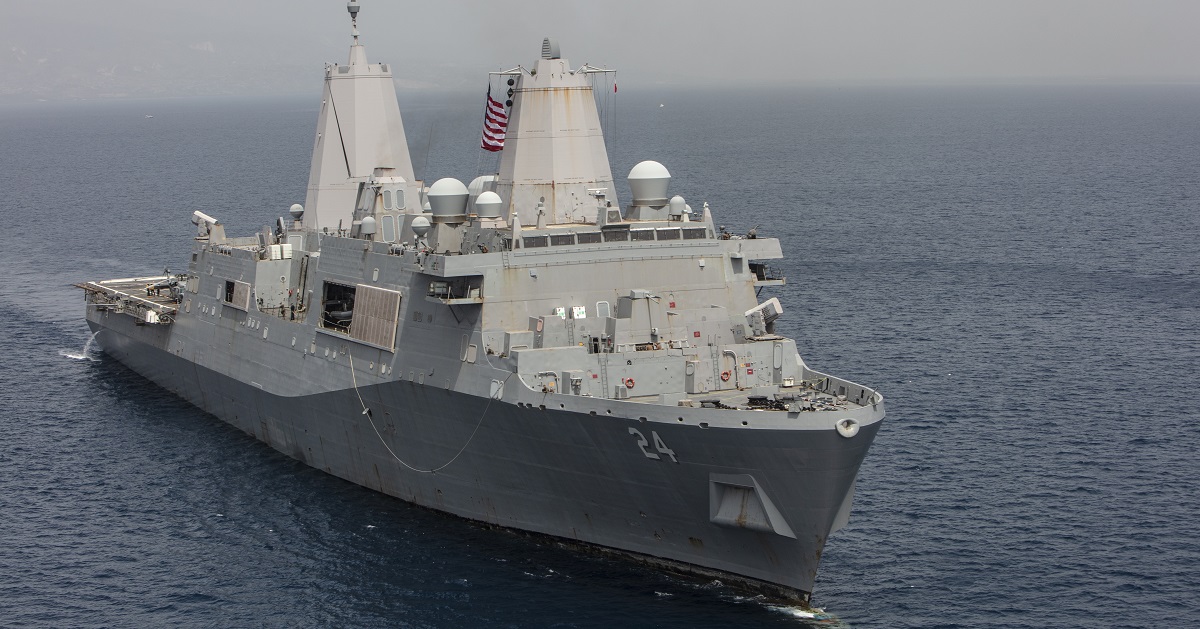
LPD
Amphibious Transport Docks
Similar mission set to LSDs but heavily armed
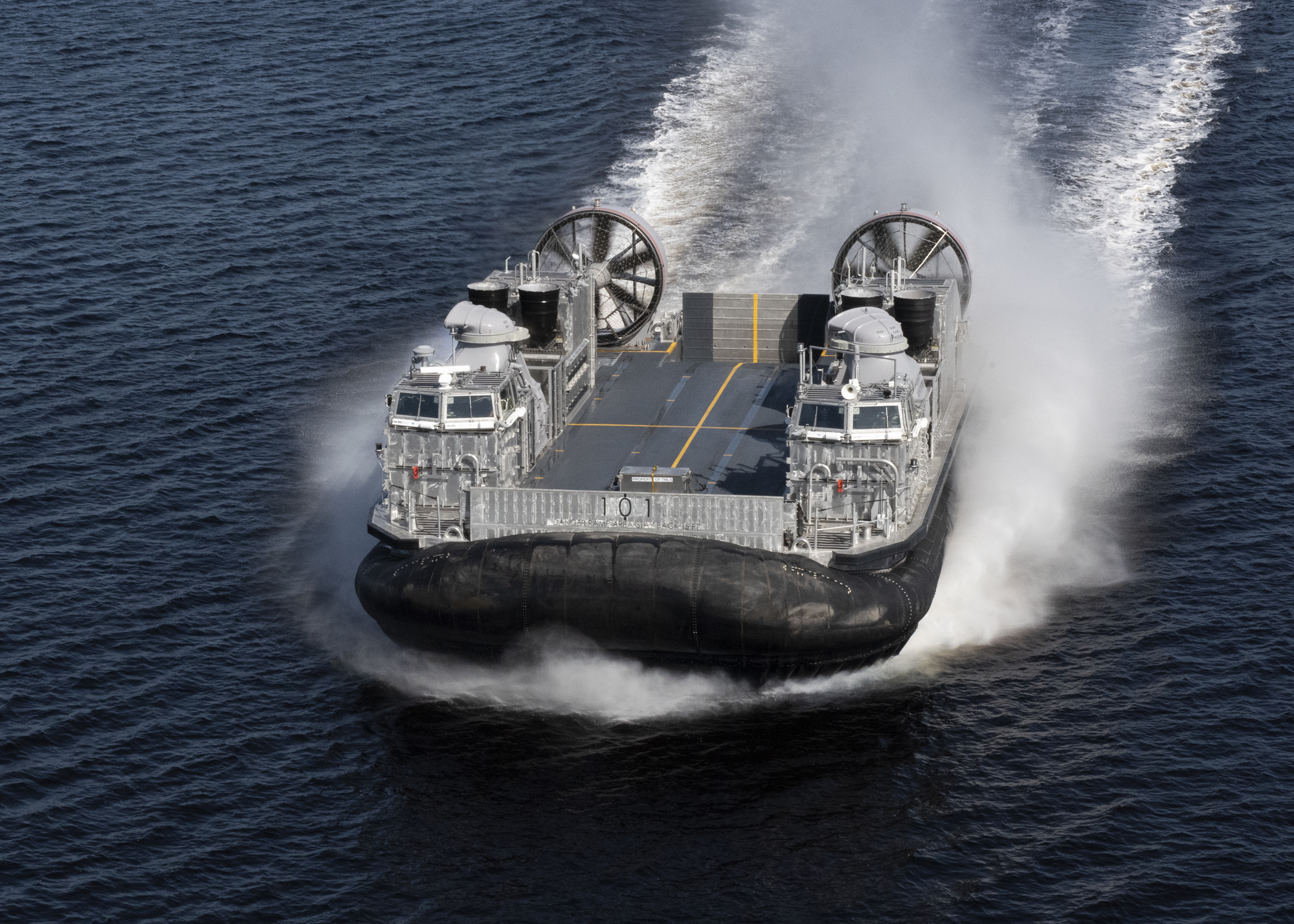
LCAC
Landing Craft Air Cushion
USN uses these to bridge the gap between assault ships and the shore
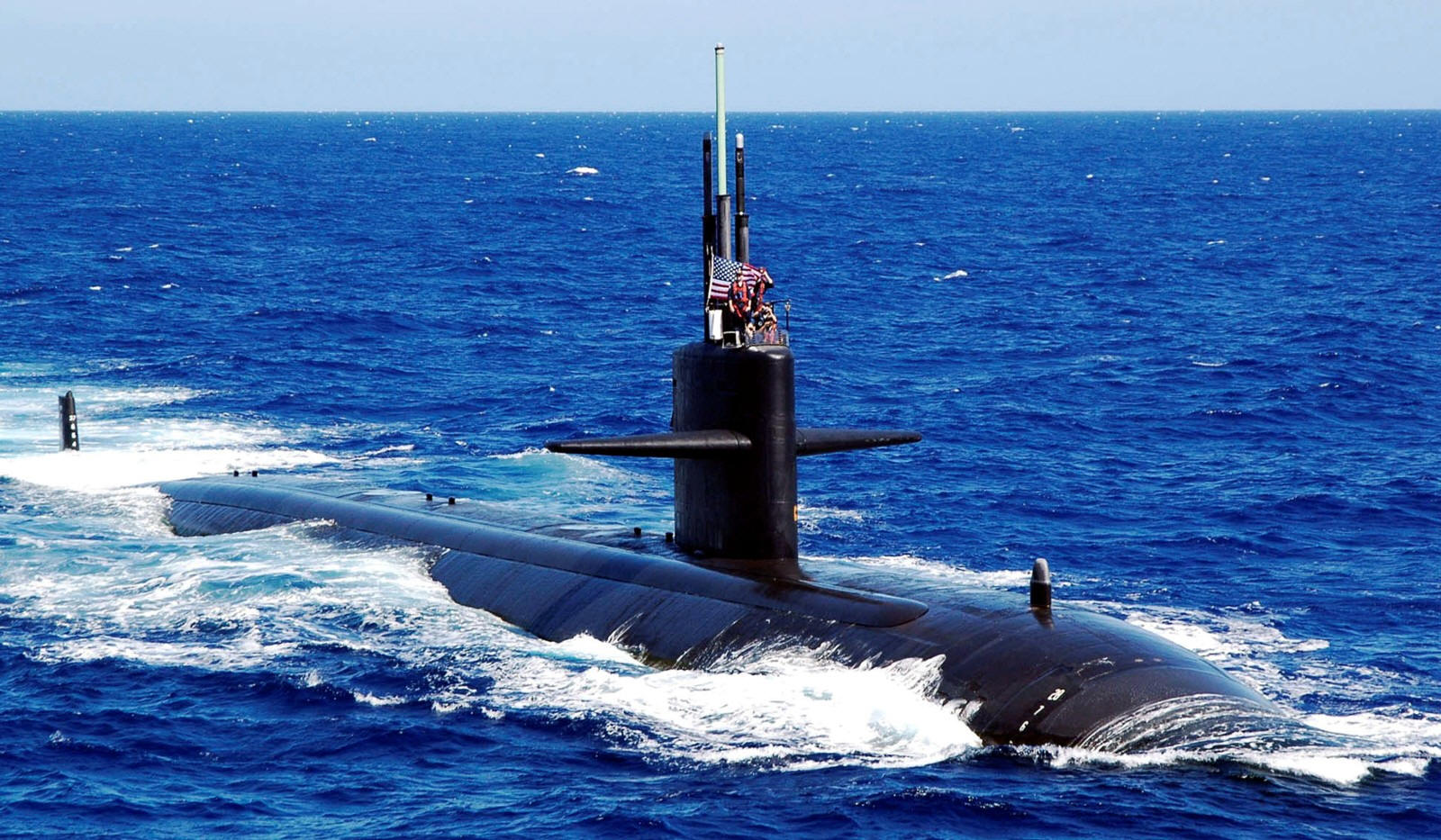
SSN
Fast-Attack Submarines
Designed to conduct surveillance, sink surface vessels and other submarines
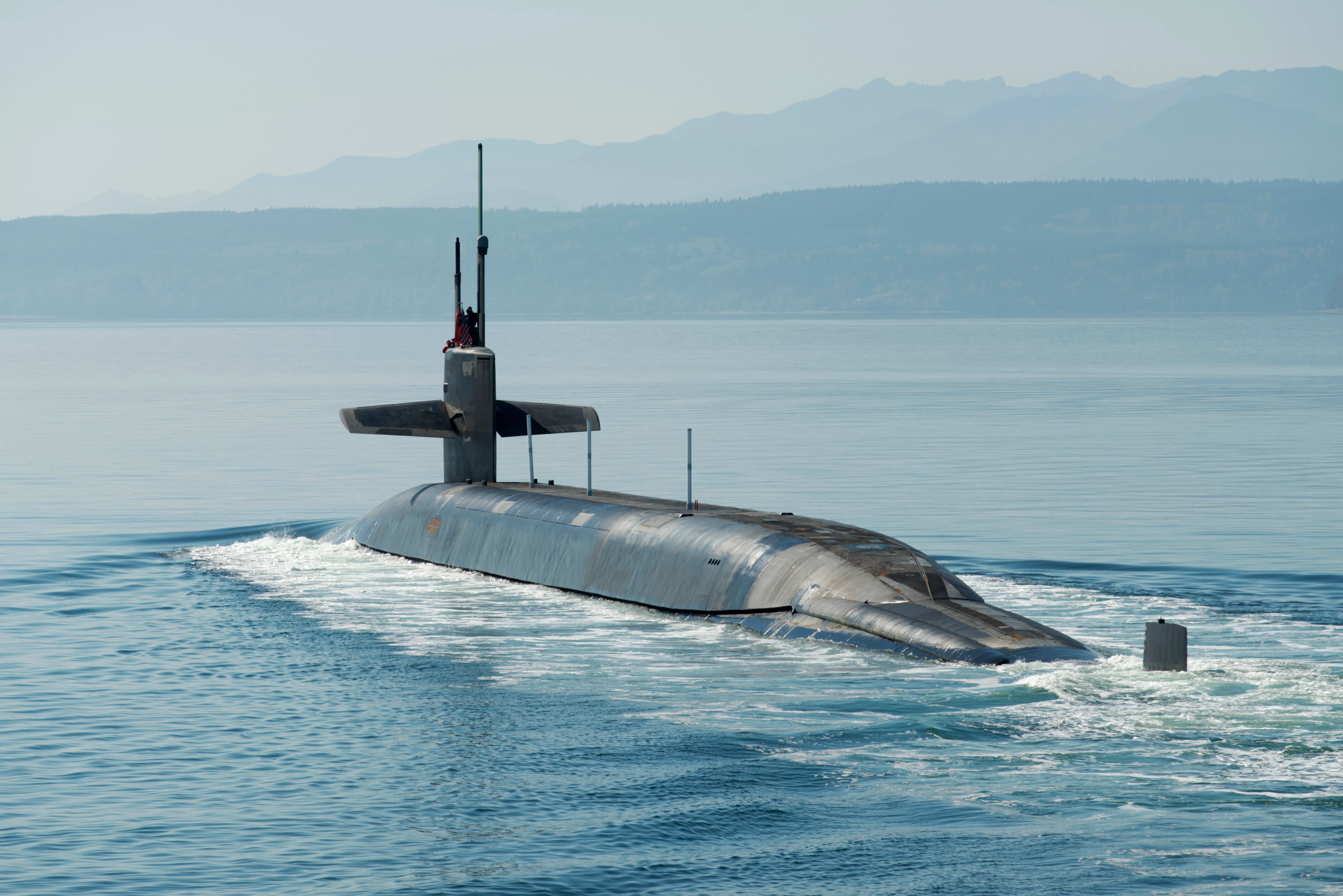
SSBN
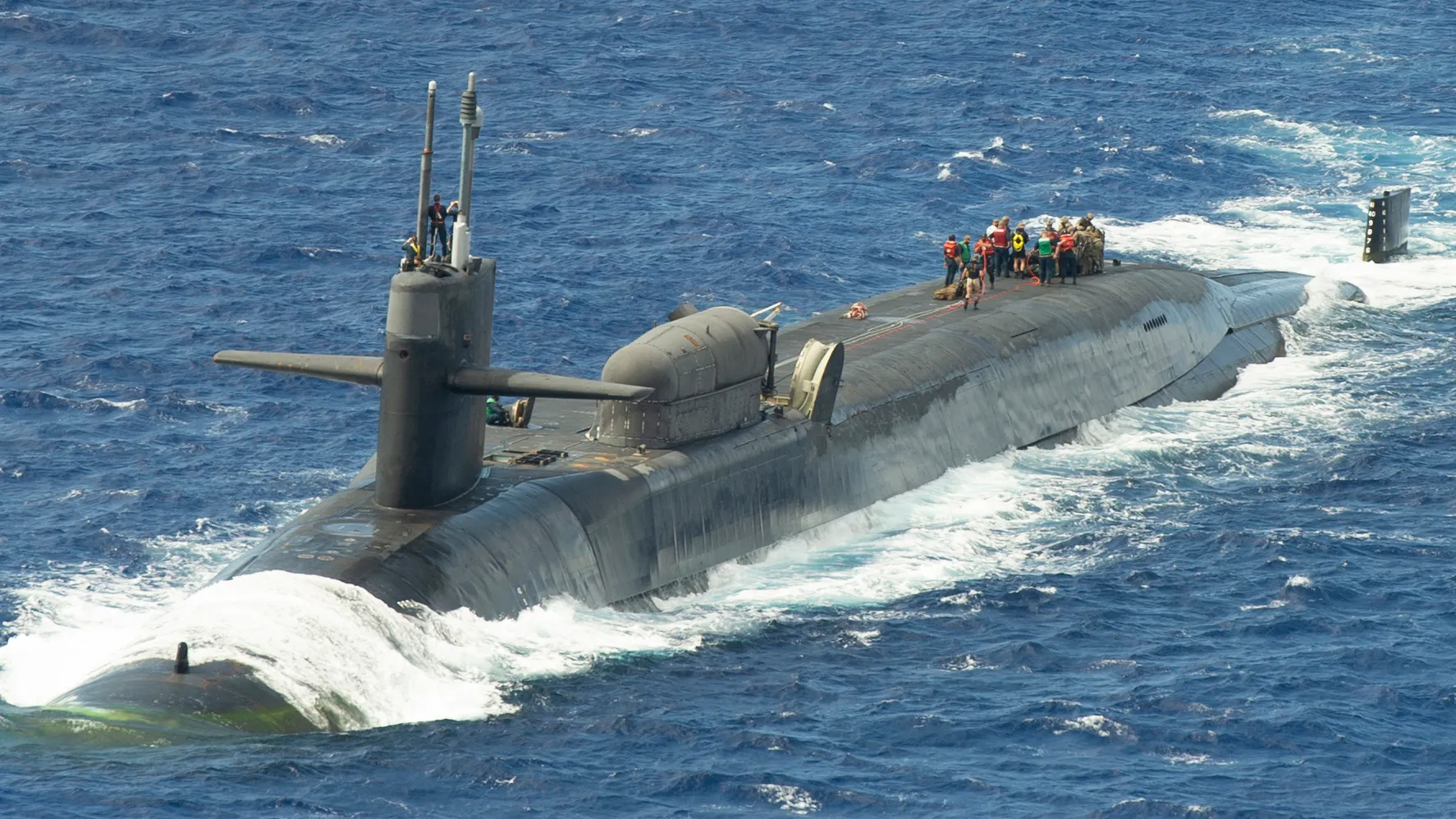
Ballistic Missile Submarines
“Boomers” - carry some of the most destructive nuclear weapons ever designed. Primary mission of boomers is to remain hidden until ordered to strike
SSGN
Cruise Missile Submarines
Instead of carrying nuclear weapons, they carry large numbers of cruise missiles and can take a contingent special forces that exit while submerged.
AB
Aviation Boatswains Mate
Responsible for aviation support equipment, fuel and oil systems, and catapults and arresting gear operation on the flight deck
AC
Aviation Traffic Controller
Similar to civilian air traffic controllers, they guide pilots and help with aircraft operations
AD
Aviation Machinist’s Mate
Responsible for maintaining aircraft engines
AE
Aviation Electrician’s Mate
Maintain electrical power systems on aircraft
AG
Aerographer’s Mate
Weather forecasters for the fleet
AM
Aviation Structural Mechanic
Maintain exterior portions, control surfaces, and aircraft hydraulic components
AO
Aviation Ordnanceman
Responsible for maintaining, loading, and unloading bullets, missiles, and bombs on aircraft
AT
Aviation Electronics Technician
Support the maintenance of radar, avionics, and navigation systems
AW
Naval Aircrewman
Operate systems onboard naval aircraft like P8A or MH-60
AZ
Aviation Maintenance Administrationman
Primarily perform clerical and administrative functions for aircraft maintenance
PR
Aircrew Survival Equipmentman
Maintain equipment that is critical for an emergency, For example, the packing and inspections of parachutes in an aicraft
HM
Hospital Corpsman
Medical professionals that provide health care services to active duty service members and their families
BM
Boatwain’s Mate
Conduct maintenance on a ship’s exterior structure and deck equipment
CS
Culinary Specialist
Cook and produce food in dining halls ashore and afloat
MA
Master-At-Arms
Responsible for maintaining good order and providing security to naval personnel ashore and afloat
QM
Quartermaster
QMs may steer the ship and operate the navigation radar or sonar.
SO
Special Warfare Operator
Navy SEALs conduct special operations missions on sea, air, or land
Yellow Jerseys
Aircraft handling officers
Plane directors
Catapult and arresting gear offiers
(guys in charge)
Brown Jerseys
Plane Captains, oversee the maintenance of the aircraft
Blue Jerseys
Move aircraft around the flight deck and hangar decks
Operate and maintain aircraft elevators and flight deck tractors
Green Jerseys
Responsible for maintaining the catapult and arresting gears
Red Jersey
Ordnancemen handle all weapons on the flight deck.
Crash and salvage crews also wear red jerseys
Purple Jerseys
Oversee all fueling operations on the flight deck
White Jerseys
Ensure that operations on the flight deck are as safe as possible
MH-60S Seahawk
Armed with guns and hellfire missiles, used for special operations forces insertion, maritime security, and logistics operations
MH-60R
Primary mission is to hunt enemy submarines that may be operating around the aircraft carrier
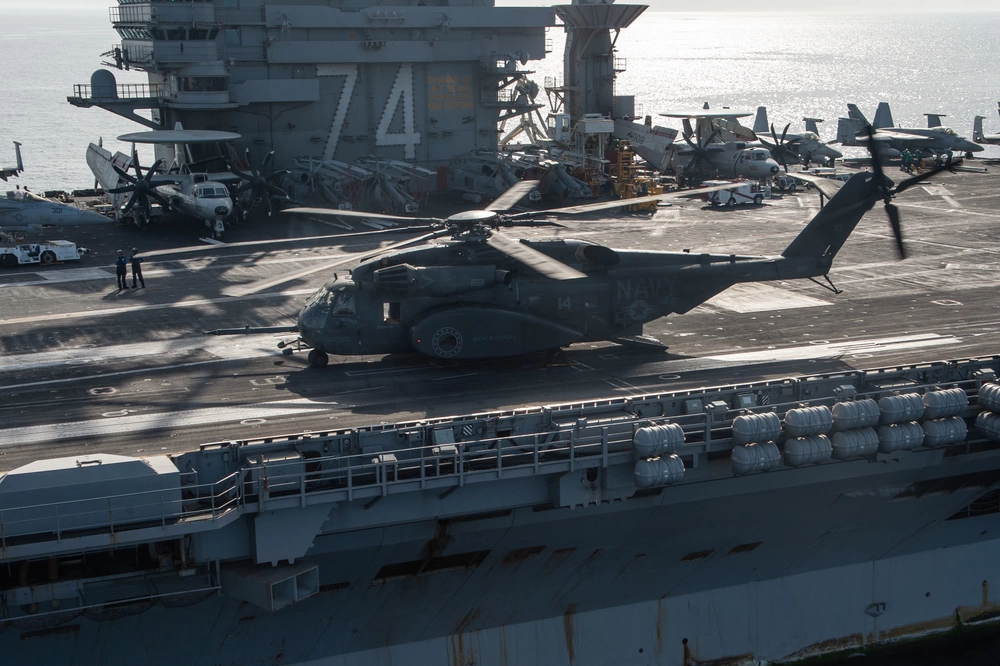
MH-53E Sea Dragon
Primarily used for Airborne Mine Countermeasures (AMCM). Tows a large sled designed to detonate sea contact mines.
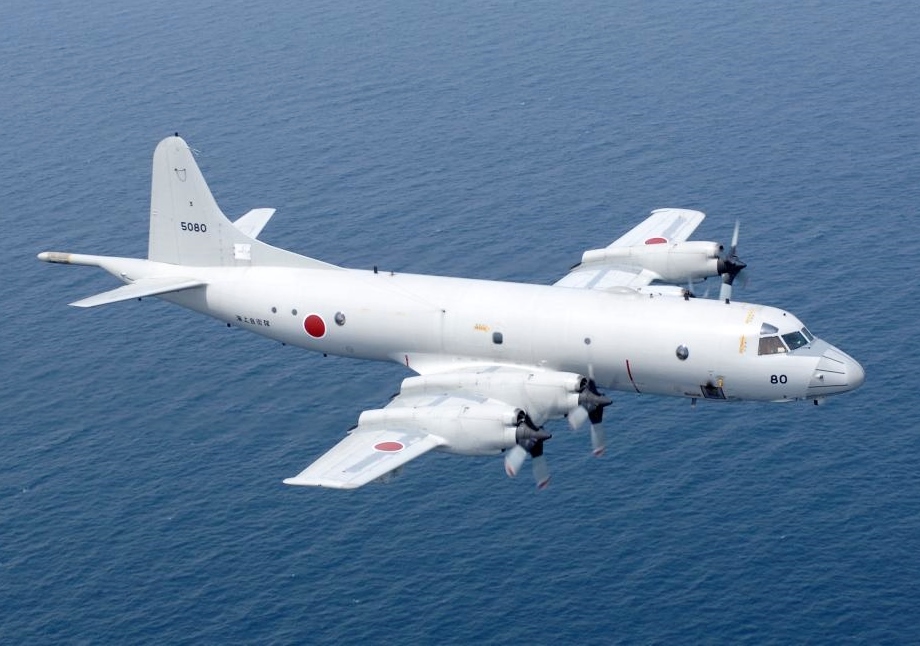
P-3C Orion
Maritime Patrol. Tracks vessels using radar sonobuoys and magnetic anomaly detectors (MAD). Can carry torpedoes and air-to-surface missiles.
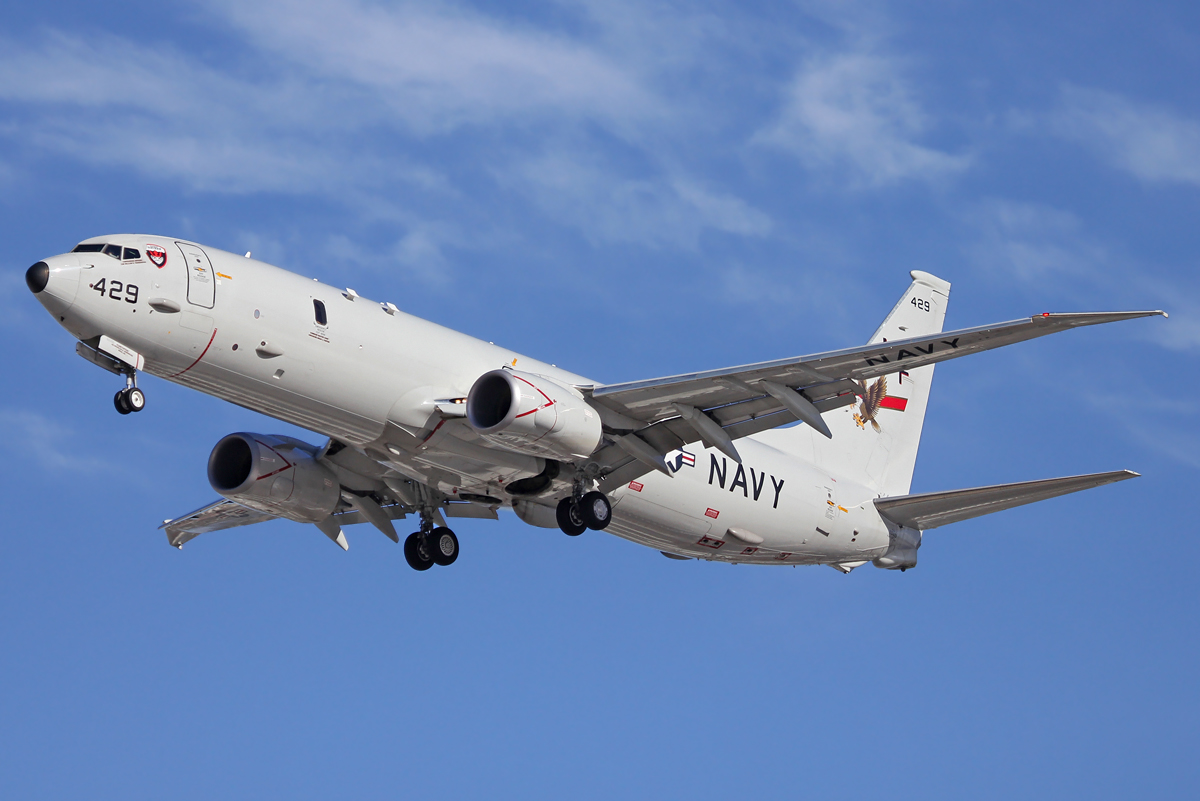
P-8A Poseidon
Modified Boeing 737-800. Same mission as the P-3 but can do it more efficiently and longer.
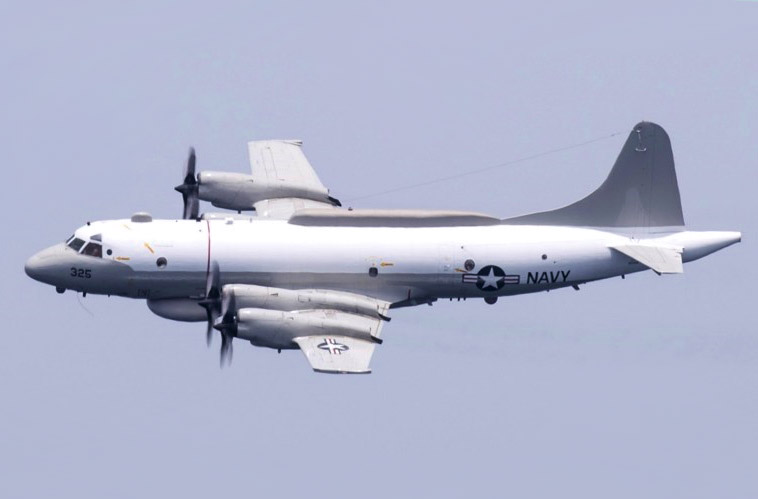
EP-3E ARIES
Airborne Reconnaissance Integrated Electronic System. Used for signal reconnaissance missions to listen in and collect intelligence.
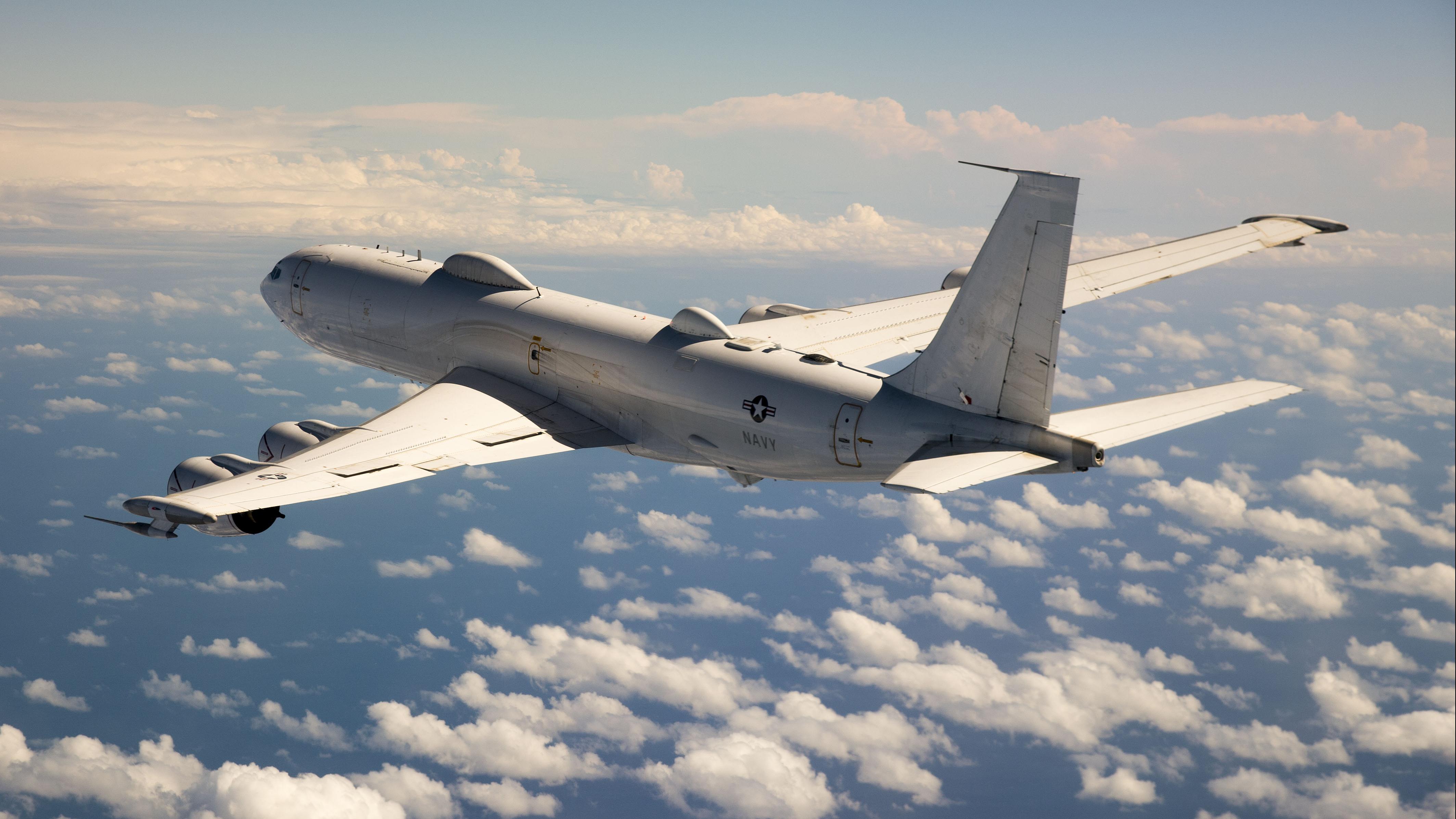
E-6B Mercury
“Doomsday Plane” Plays an essential role in the US’s nuclear command and control hierarchy. Can communicate with nuclear forces globally including submarines
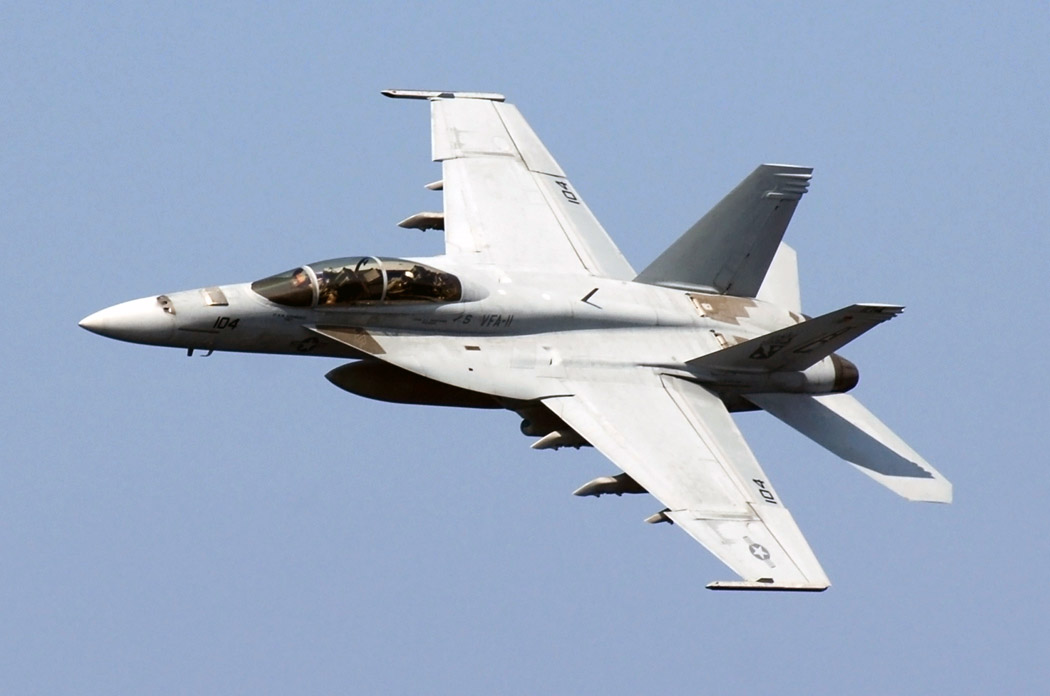
F/A-18 E/F
Advanced multirole carrier-based fighter
E: single seat
F: two seat
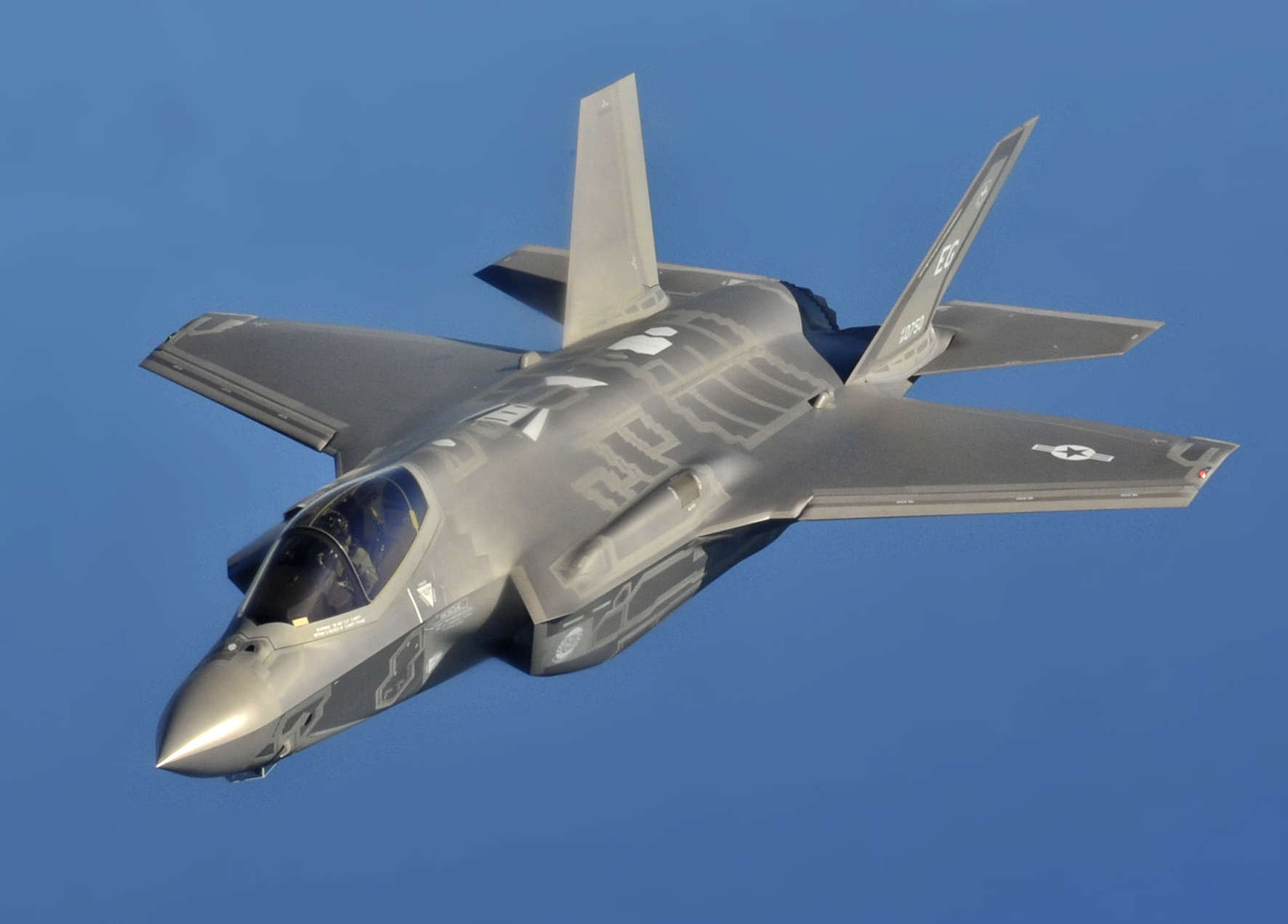
F-35C Lightning II
5th generation single seat, single engine, air superiority fighter
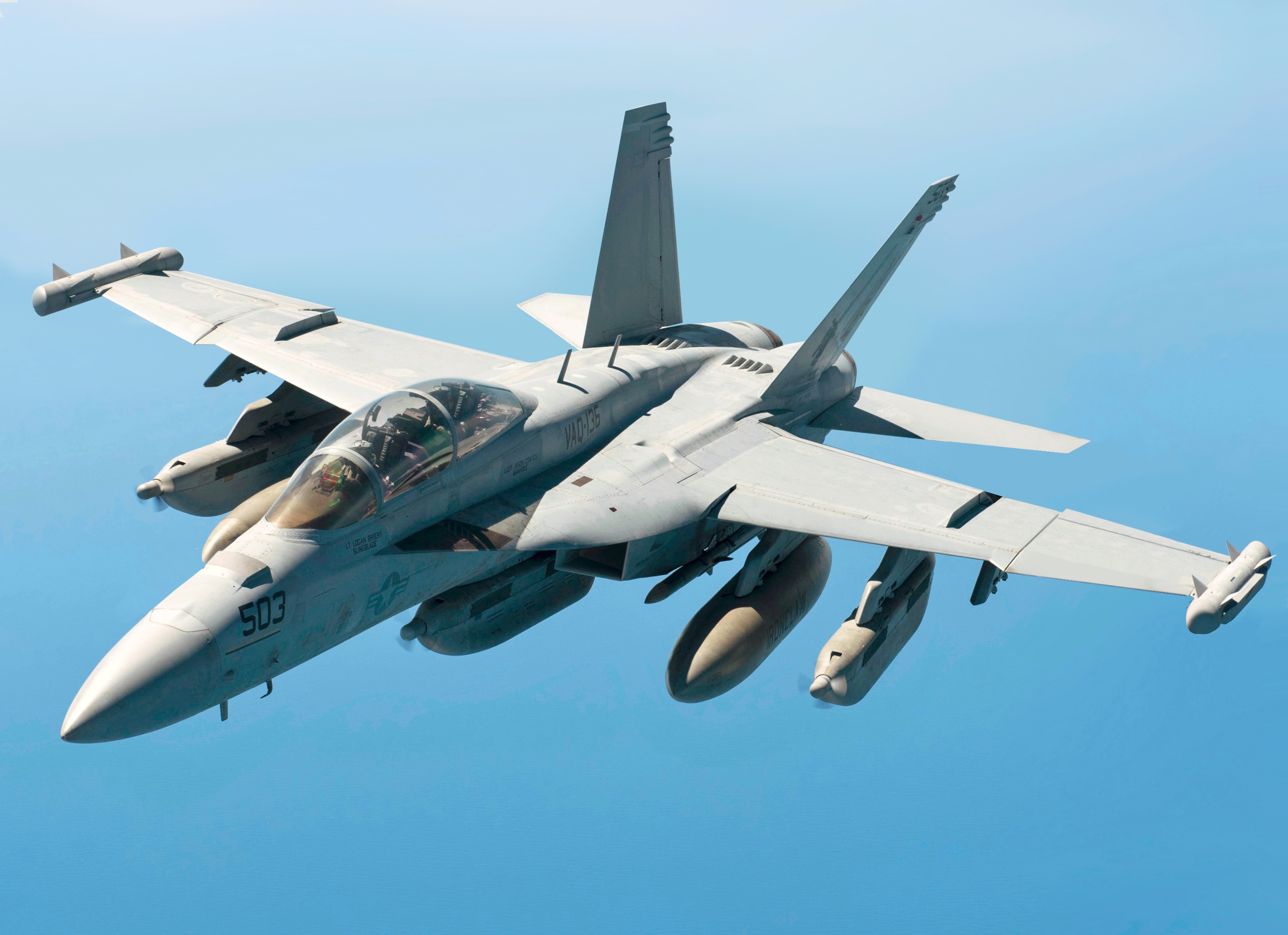
E/A-18G Growler
Instead of missiles, growlers carry jamming pods and advanced sensors to electronically jam comms and weapons.
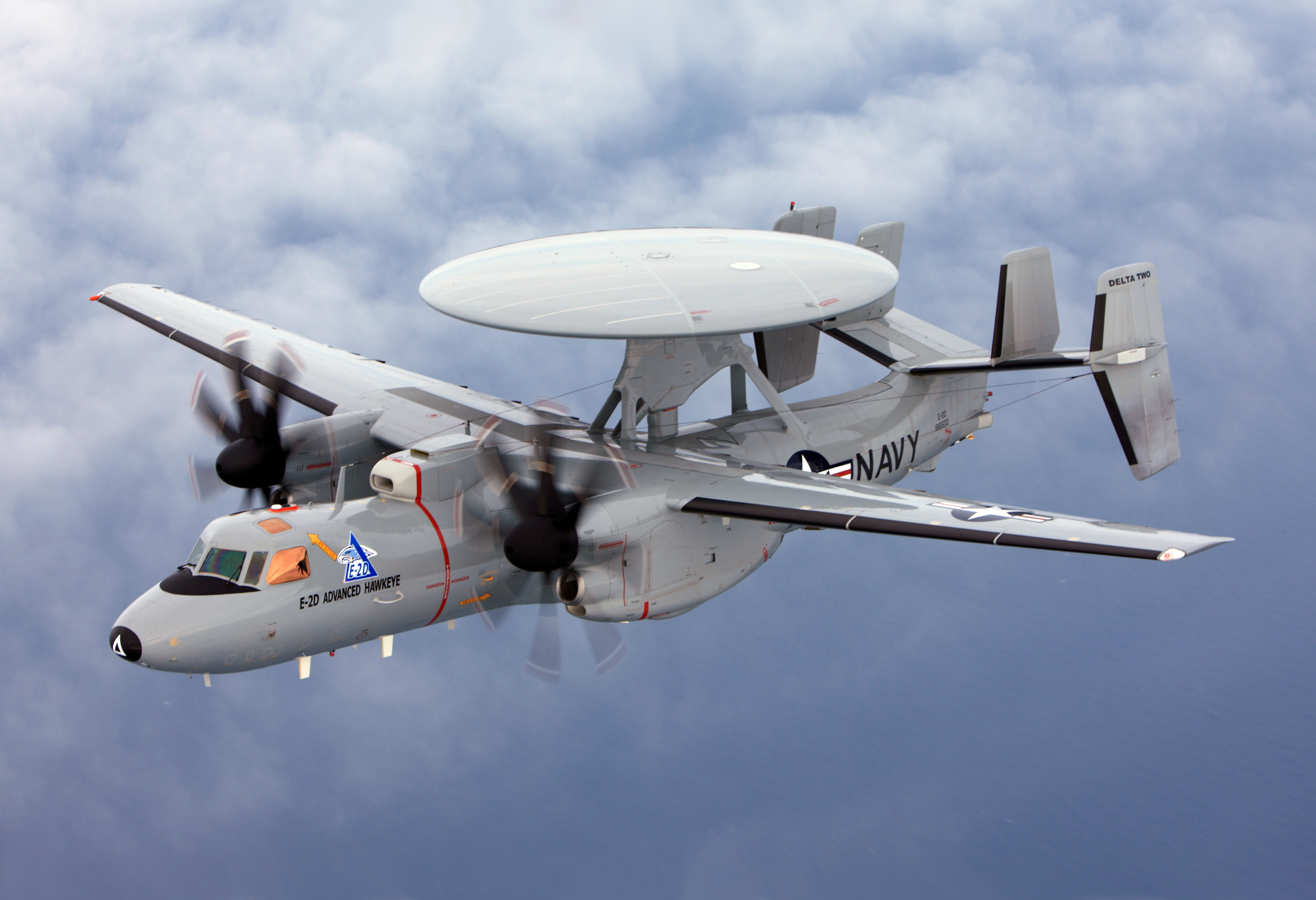
E-2 Hawkeye
Eyes of the fleet, carry a large radar dome atop the fuselage.
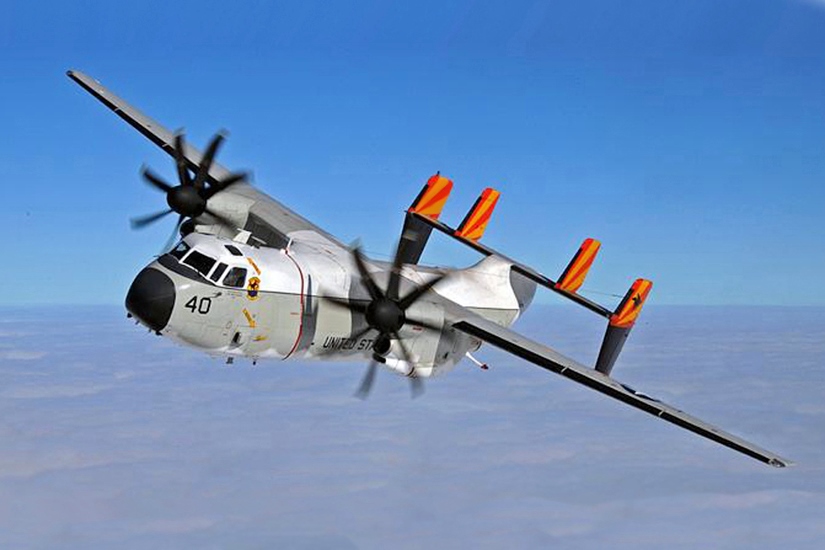
C-2 Greyhound
Critical logistics link between shore and sea. Follow the strike group, bringing people and equipment to the carrier.
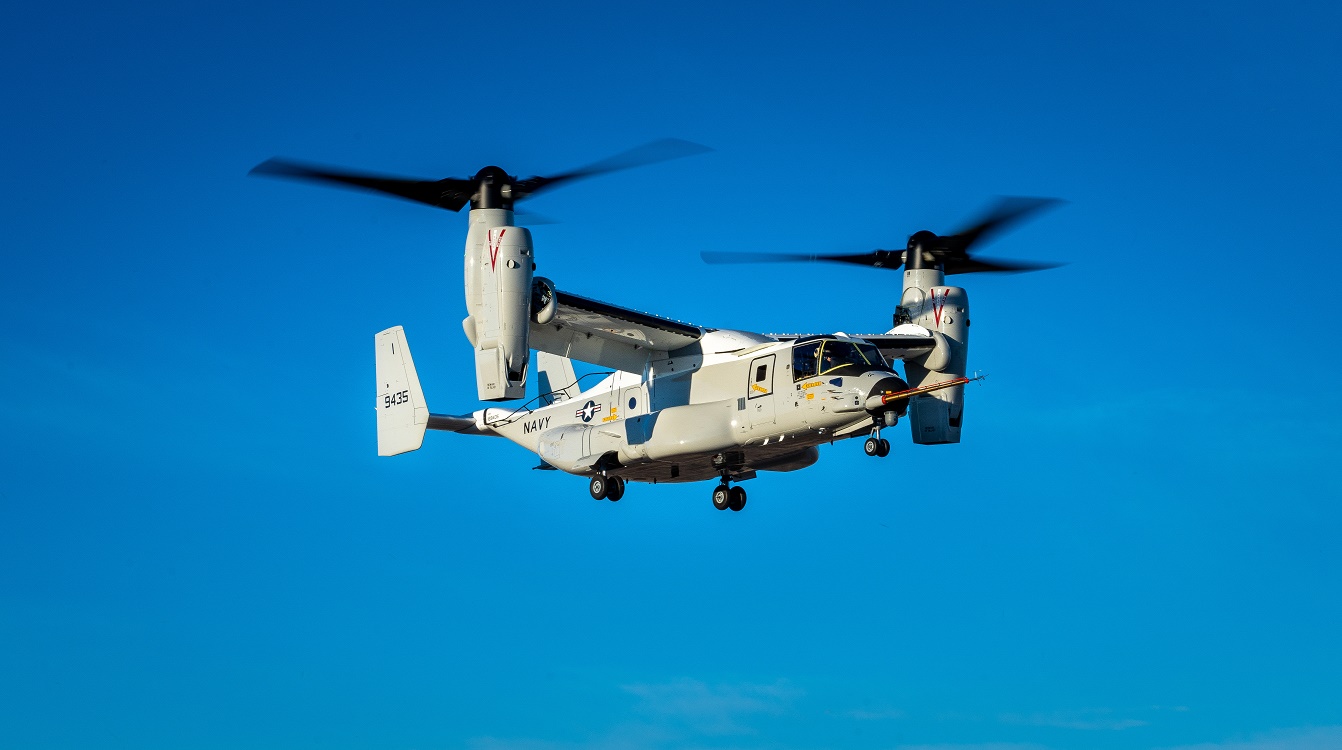
CMV-22B Osprey
Can take off and land vertically. Navy intends to use the aircraft to deliver goods and people to the carrier and possibly smaller ships
Class A
From 18,000 feet MSL including and up to 60,000 feet MSL
All operations in Class A require an active IFR flight plan
Class B
Surround country’s largest airports
Consist of 2 or more layers and extend up to 10,000 feet MSL
Must be cleared into the Bravo to enter
Require transponder to enter
Class C
Surrounds moderately busy airports
Extends from surface up to 4,000 feet AGL
First layer 5 NM radius, second 10 NM radius
Must establish 2-way communication
Class D
Single layer that extends up to 2,500 feet AGL
Typically 4 NM radius
Class E
“Everywhere”
All airspace that is not otherwise A,B,C,D
Extends from surface up to but not including 18,000 feet MSL
Class G
Uncontrolled airspace
Extends from the surface up to Class E
Special Use Airspace
Prohibited areas
Restricted areas
Warning areas
Military operation areas (MOAs)
Alert areas
Controlled firing areas (CFAs)
Indicated Airspeed (IAS)
Speed indicated to the pilot on the airspeed indicator, calibrated to KIAS
Affected by altitude and errors in thee instruments which can be adjusted to Calibrated Airspeed (CAS)
True Airspeed (TAS)
Actual velocity at which an airplane moves through an air mass
Derived by correcting for the difference between the air density of the aircraft at altitude relative to the pressure at sea level
TAS increases as altitude increases since air density decreases
Ground Speed (GS)
Aircraft’s actual speed over the ground
Usually calculated by GPS on board
Nautical Miles (NM)
Measure of distance for aircraft navigation versus statue miles or kilometers
Equivalent to 1/60 of a degree of latitude
1 NM = 1.15 SM
1 SM - 0.869 NM
Heading
Defines where the aircraft is pointing
Course
Defines where the aircraft is traveling
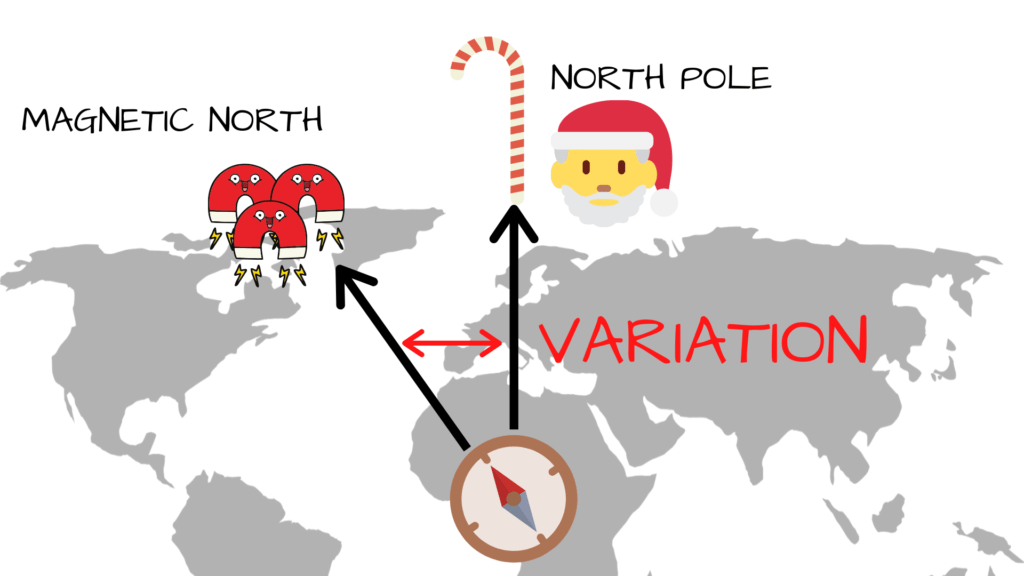
Magnetic Variation
Angular difference between True North and Magnetic North
Dashed isogonic lines on VFR charts refer to this
Magnetic Deviation
Local error caused aircraft equipment or other external factors
VORs
VHF Omni-Directional Range
Ground based transmitters that broadcast a frequency in all directions
VOR/DME
Omni-Directional Beacon with Distance Measuring Equipment
TACAN
Military version of a VOR/DME that only military aircraft can use
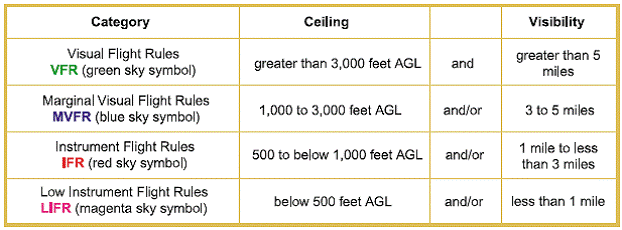
VFR Weather Minimums
Cloud Clearance Requirements
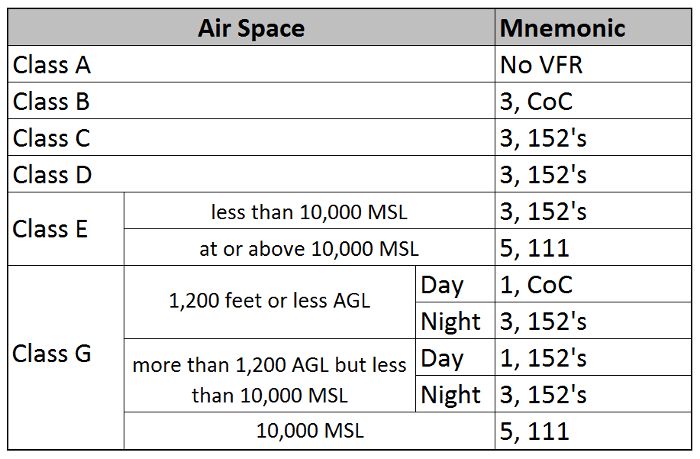
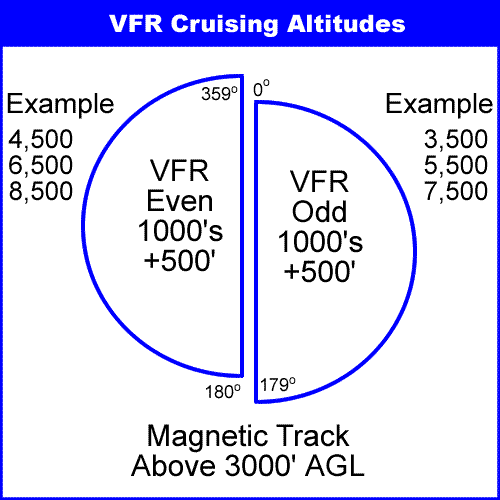
VFR Cruising Altitudes
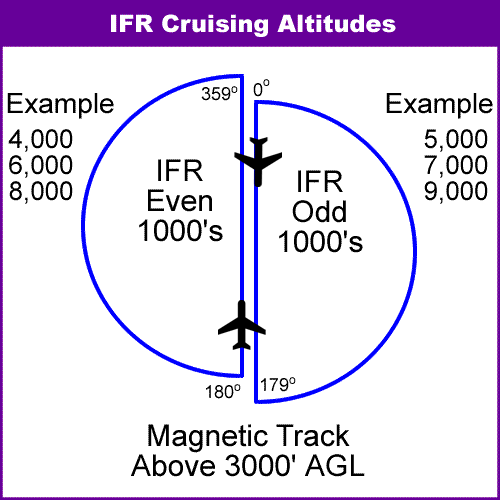
IFR Cruising Altitudes
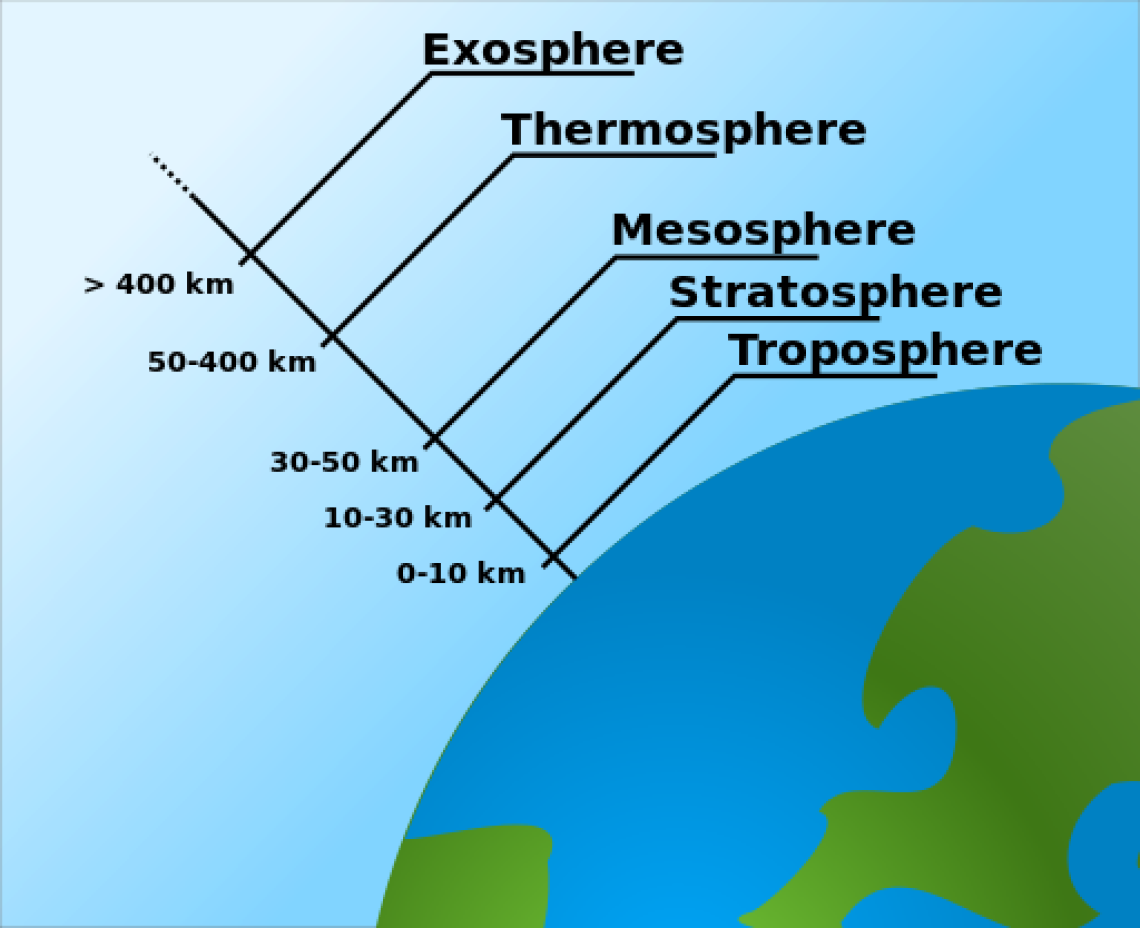
Troposhepere
Generally tops around 7-10km at poles, 17-18km at equator
Lowest part of the atmosphere where most weather occurs
2 degrees C for every 1,000ft
Stratosphere
Layer that extends beyond the Troposphere
Temperature at these altitudes increase due to UV
Contains most of the ozone in the atmosphere
Mesosphere
Region above stratosphere
Temps decrease along with ozone
Thermosphere and Ionosphere
Above the mesosphere
Temps rise again and extends up to 80km above the Earth
Exosphere
Top portion of the Atmosphere and extends up to 500km
Blue Lights
Marks the outskirts of a taxi way
Green lights
Marks the centerline of taxiways at larger airports
White Lights
Mark the edge of runways
PAPI
Precision approach path indicator
Horizontal Row of Lights to mark glide slope
VASI
Visual Approach Slope Indicator
Use a stack of lights to indicate glide slope
Rotating Beacons
Flashing Green and White indicates civilian airports
Flashing Green and 2 White indicates military airports

