Folding to the Somatic PNS
 Call Kai
 Learn
Learn Practice Test
 Spaced Repetition
 Match
Match Flashcards
 Knowt Play
1/29

There's no tags or description
Looks like no tags are added yet.
Name | Mastery | Learn | Test | Matching | Spaced | Call with Kai | Chat |
|---|
No analytics yet
Send a link to your students to track their progress
30 Terms
surface ectoderm
epidermis of the skin, hair, nails, sweat and mammary glands
half of the pituritary gland and tooth enamel
membranous structure of the inner ear
lens of the eye
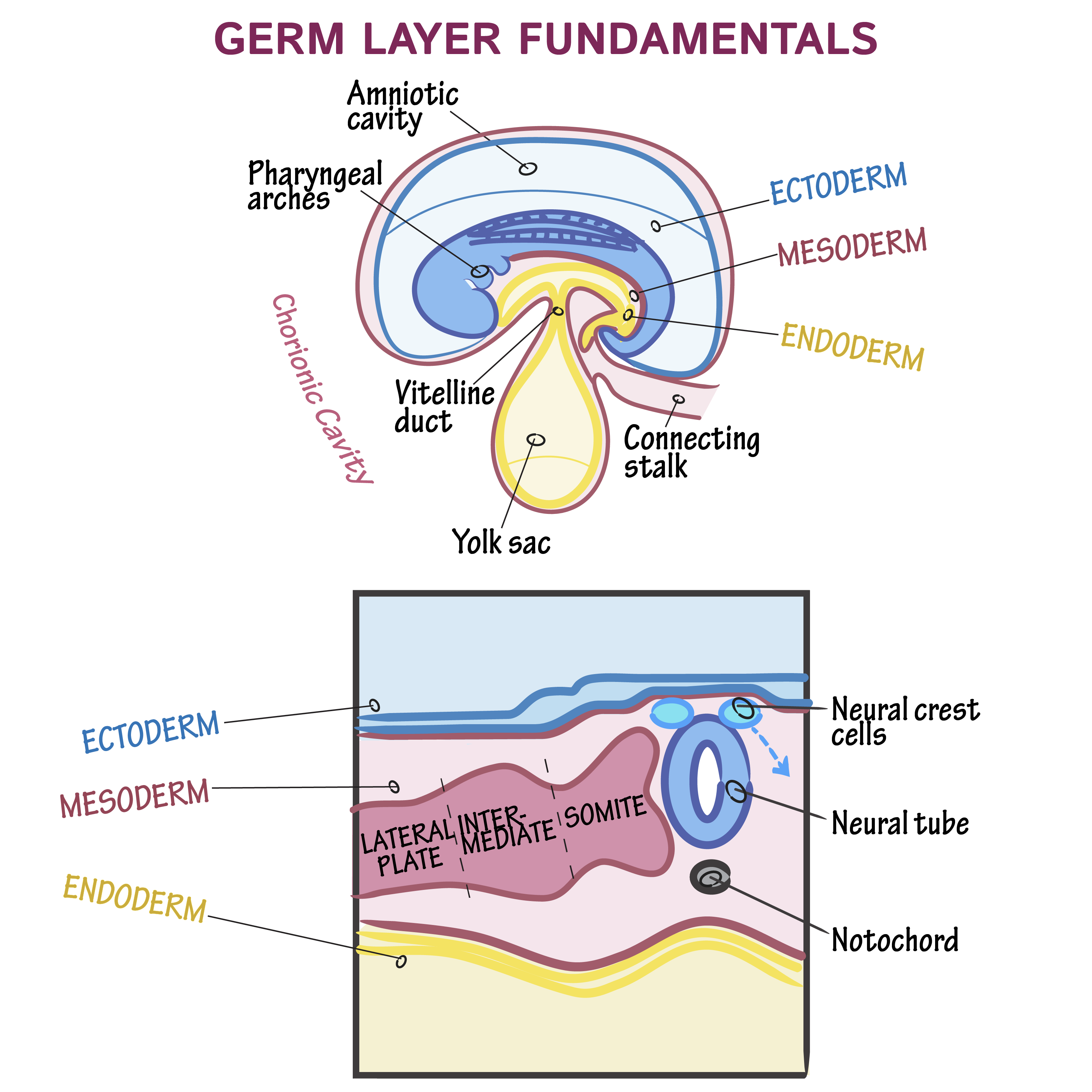
neural tube
brain and spinal cord
retina (plate of nerves)
half of the pituitary gland

neural crest
segmented cranio-caudally
ganglia of the peripheral nervous system and is part of the adrenal gland
notochord
gives rise to the nucleus pulposus of the intervertebral discs

somites
give rise to the skeletal muscle and the skeleton except for the skull, dermis of the skin, connective tissue of the body wall

intermediate mesoderm
gives rise to the urogenital system (kidneys, gonads, ovaries); associated with ducts and glands

lateral plate mesoderm
gives rise to the smooth muscle and connective tissue of the viscera, the cardiovascular and lymphatic systems, the spleen, and part of the adrenal gland

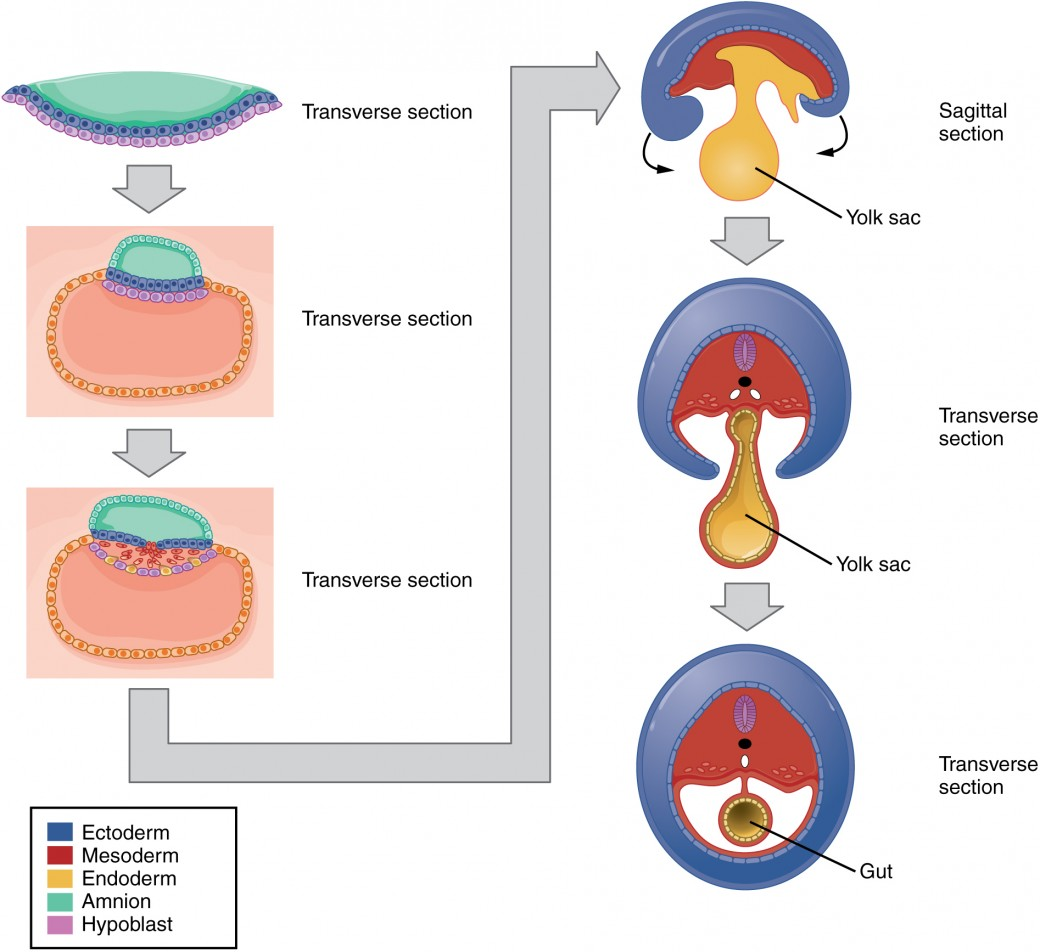
endoderm
gives rise to the epithelium lining internal organs (trachea, bronchi, lungs, GI tract, pharynx, thyroid gland, tympanic cavity, auditory tube, tonsils, and parathyroid glands)
transverse folding
somatic motor pathway
carries motor commands from the nervous system to the skeletal muscles
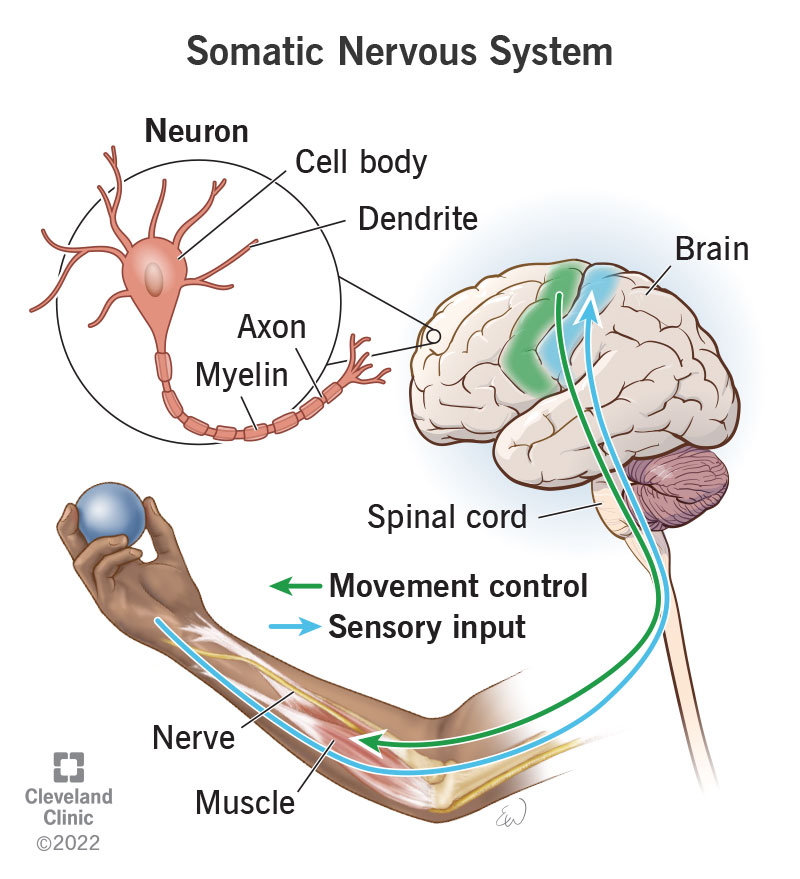
somatic sensory
carries bodily sensations directly to the nervous system

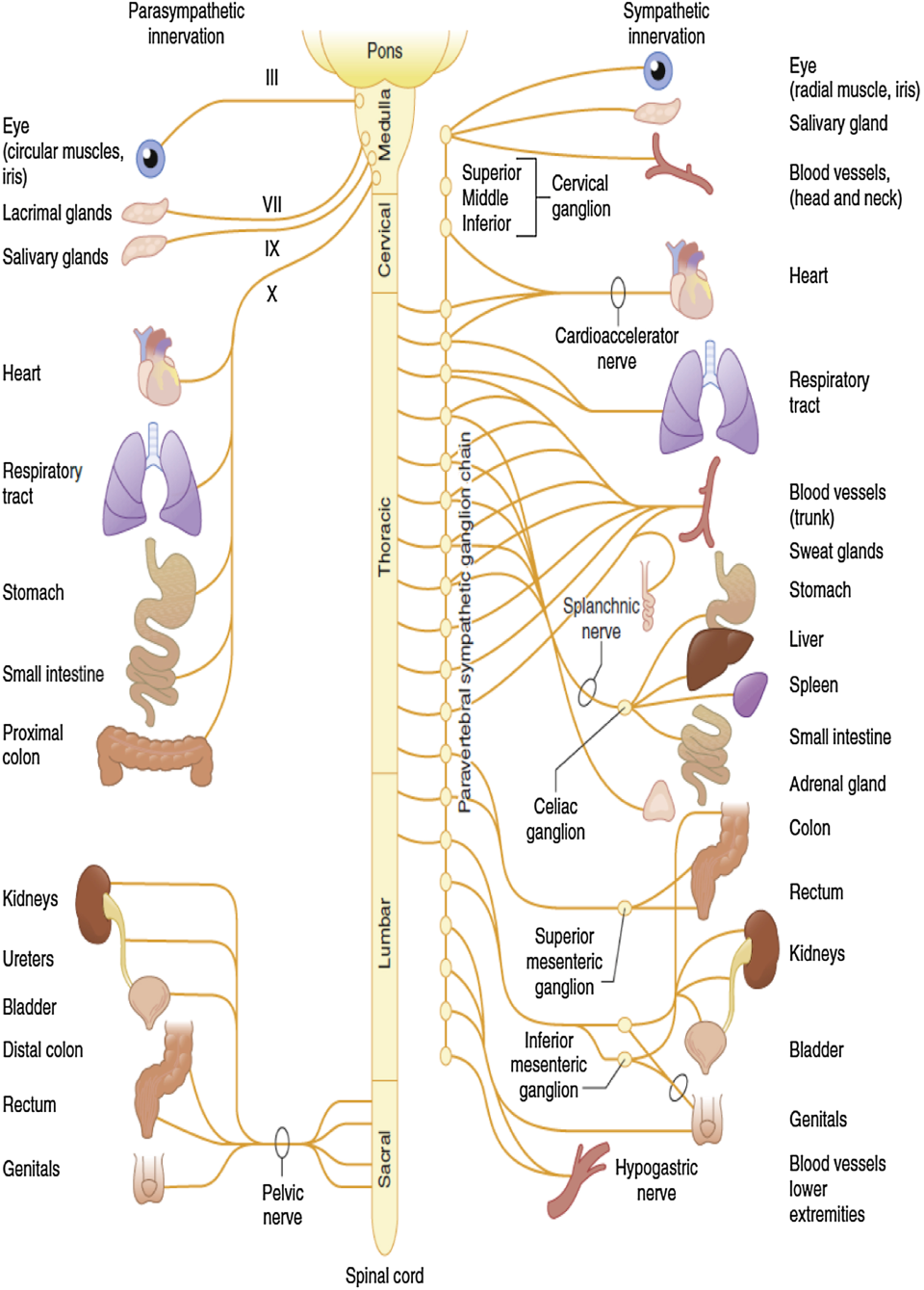
visceral motor pathway (autonomic nervous system)
controls involuntary functions in the smooth muscle, cardiac muscle, and glands (fight or flight; rest and digest)

visceral sensory pathway
carries information from internal organs, glands, and blood vessels to the central nervous system to monitor the body's internal environment
sclerotome
the medial part of a somite; goes on to form the vertebrae
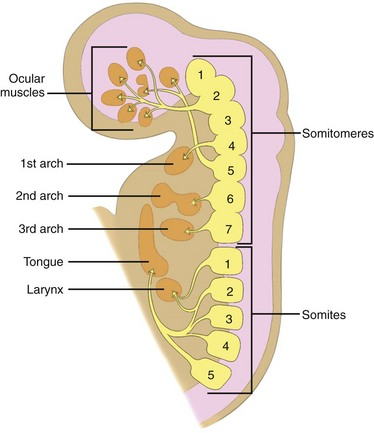
somitomere
the undifferentiated paraxial mesoderm around the neural tube that the cranial half of each sclerotome fuses with during vertebral formation
dermomyotome
the lateral part of a somite; forms the skin and skeletal muscle

expaxial
above the body’s axis and forms the back muscle and skin
hypaxial
below the body’s axis
somatopleure
the body-wall layer (ectoderm and somatic mesoderm)
splanchnopleure
the gut-wall layer (endoderm and splanchnic mesoderm)
coelom
body cavity where the space opens between the somatopleure and the splanchnopleure
allantois
extraembryonic membrane at the caudal end of the embyro
septum transversum
grows around the gut tube to become the diaphragm
mesentery
double-layered membrane that suspends the gut tube in the body cavity
vertebra
a bone of the spinal column built from parts of 2 adjacent sclerotomes
foramen
opening where the gap between vertebrae that a spinal nerve passes through
ganglion
a cluster of nerve cell bodies outside the central nervous system
afferent
carrying a signal towards the central nervous system (sensory)
efferent
carrying a signal away from the central nervous system (motor)
ramus
a branch of a spinal nerve where dorsal and ventral rami are