Plagues ID
 Call Kai
 Learn
Learn Practice Test
 Spaced Repetition
 Match
Match Flashcards
 Knowt Play
1/3

Earn XP
Description and Tags
Identification of diseases
Name | Mastery | Learn | Test | Matching | Spaced | Call with Kai | Chat |
|---|
No analytics yet
Send a link to your students to track their progress
4 Terms
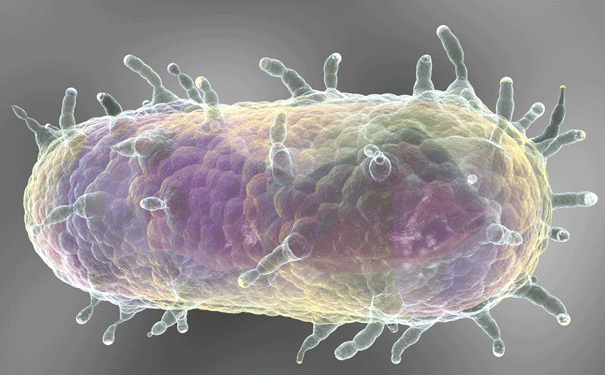
Bubonic plague
Bubonic plague is a severe, life-threatening bacterial infection caused by the zoonotic bacterium Yersinia pestis. Historically infamous for causing the Black Death—a 14th-century pandemic that killed an estimated 25 million people in Europe—the plague remains a rare but persistent threat today that is fully treatable with modern antibiotics if caught early.
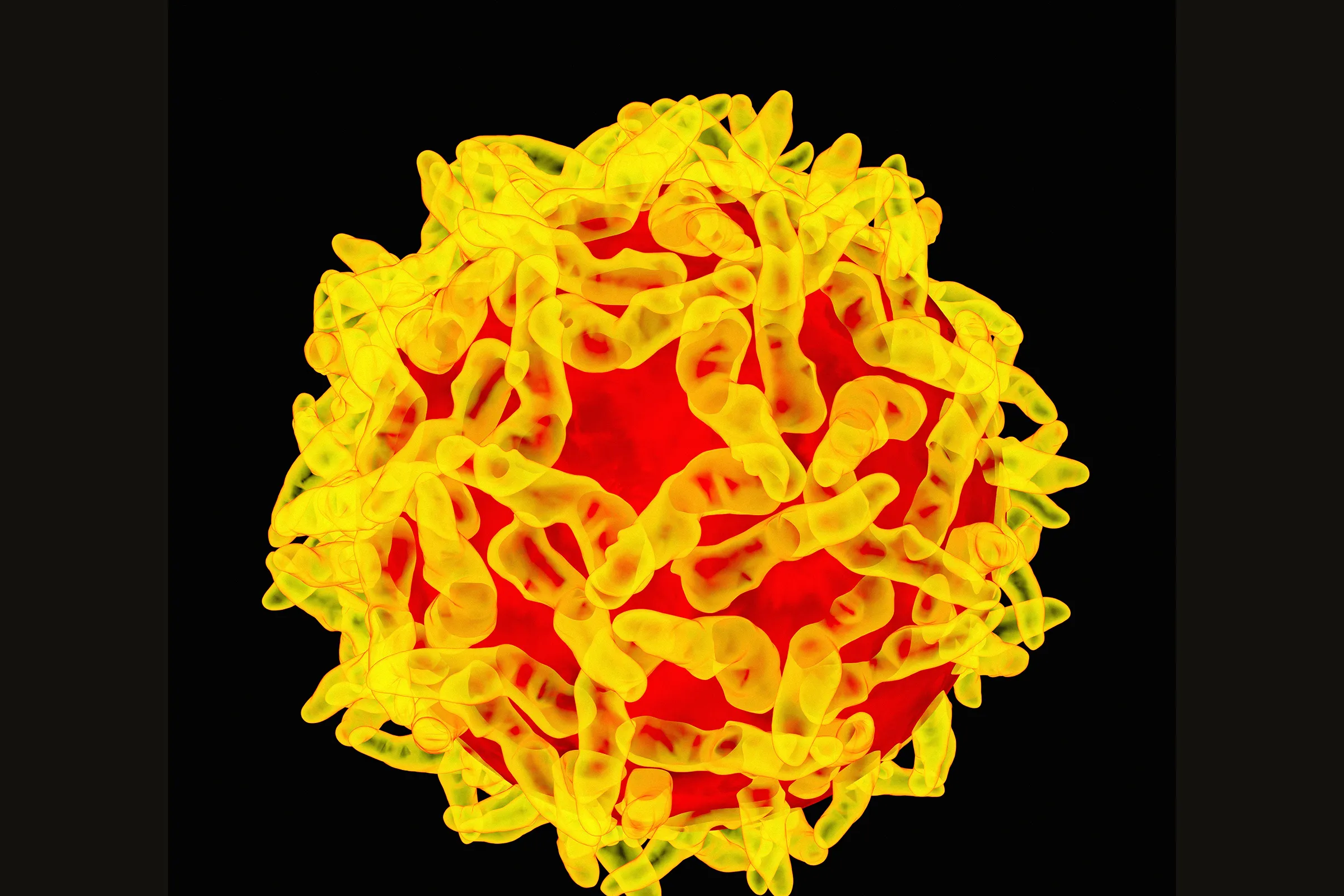
Yellow fever
Yellow fever is an acute, mosquito-borne viral hemorrhagic disease found primarily in tropical and subtropical regions of Africa and South America. Named for the jaundice (yellowing of the skin and eyes) that develops in severe cases, the virus is transmitted to humans through the bites of infected Aedes and Haemagogus mosquitoes. While many cases are mild, a small percentage of infected individuals develop severe, potentially fatal complications. The 1793 yellow fever epidemic in Philadelphia was one of the most severe public health crises in early American history, killing roughly 5,000 people—about 10% of the city's population. At the time, Philadelphia was the temporary capital of the United States and the nation's center of politics, science, and trade. The devastating outbreak lasted from August until late autumn, causing widespread panic and paralyzing the young American government.
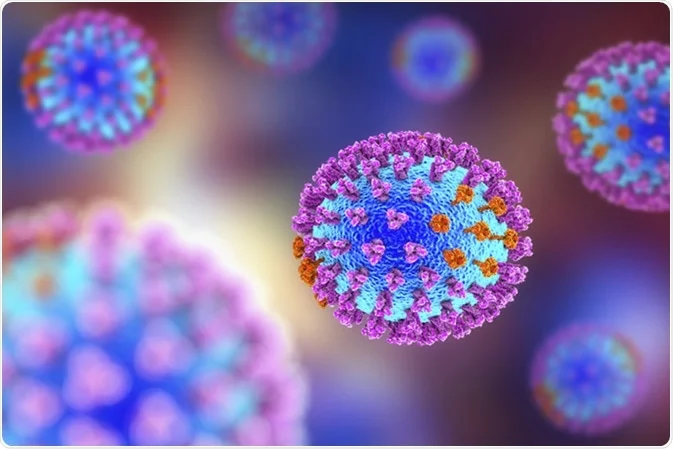
Influenza
Influenza, commonly known as the flu, is a highly contagious respiratory infection caused by influenza viruses that primarily infect the nose, throat, and sometimes the lungs. It causes a broad spectrum of illness, ranging from mild discomfort to severe, life-threatening complications.
Chicken pox