Ch. 6 Anatomy and Physiology
 Call Kai
 Learn
Learn Practice Test
 Spaced Repetition
 Match
Match Flashcards
 Knowt Play
1/134

Name | Mastery | Learn | Test | Matching | Spaced | Call with Kai | Chat |
|---|
No analytics yet
Send a link to your students to track their progress
135 Terms
xiphoid process
inferior portion of the sternum
ligaments
connect bone to bone
tendons
connect muscle to bone
musculoskeletal system
-to give body shape
-protect vital internal organs
-body movement
skull
cranium
mandible
lower jaw bone
33 vertebrae
Spine consists of:
thorax
chest
sternum
breastbone
pelvis
hip bone
ilium
superior bone that contains the iliac crest
ischium
inferior, posterior portion of the hip
femur
thigh bone
patella
kneecap
tibia
the medial and larger bone of the lower leg
fibula
the lateral and smaller bone of the lower leg
tarsals
ankle bones
metatarsals
foot bones
calcaneous bone
heel bone
phalanges
fingers, toes
clavicle
collar bone
scapula
shoulder blade
humerus
upper arm bone
ulna
medial bone of the forearm
radius
lateral bone of the forearm (thumb side)
voluntary muscle
skeletal muscle
involuntary muscle
smooth muscle
cardiac muscle
muscle of the heart
larynx
voice box
automacity
the ability of the heart to generate and conduct electrical impulses on its own
pulmonary artery
carries deoxygenated blood from the heart to the lungs
left ventricle
-receives oxygenated blood from the left atrium
-the most muscular and strongest part of the heart
capillaries
smallest blood vessels where gas exchange takes place
ATP (adenosine triphosphate)
main energy source that cells use for most of their work
lymphatic system
-defense against infection and disease;
-collaboration of organs, tissues, thin walled vessels, and fluid that are found throughout the entire body
-capture fluid (lymph) that escapes from the cells and tissues and return it to the bloodstream
lymphoid organs
lymph nodes, spleen, and thymus gland
nervous system
brain, spinal cord, nerve tissue
central nervous system
brain and spinal cord
peripheral nervous system
sensory and motor neurons
autonomic nervous system
controls involuntary motor fuctions
sympathetic nervous system
fight or flight
fast heart rate
lungs to breath deeper
blood vessels to constrict
digestive system
breaks down food into absorbable units that enter the blood for distribution to blood cells
stomach
hollow organ; large muscular sac that continues the mechanical and chemical digestion of food
liver
produces bile
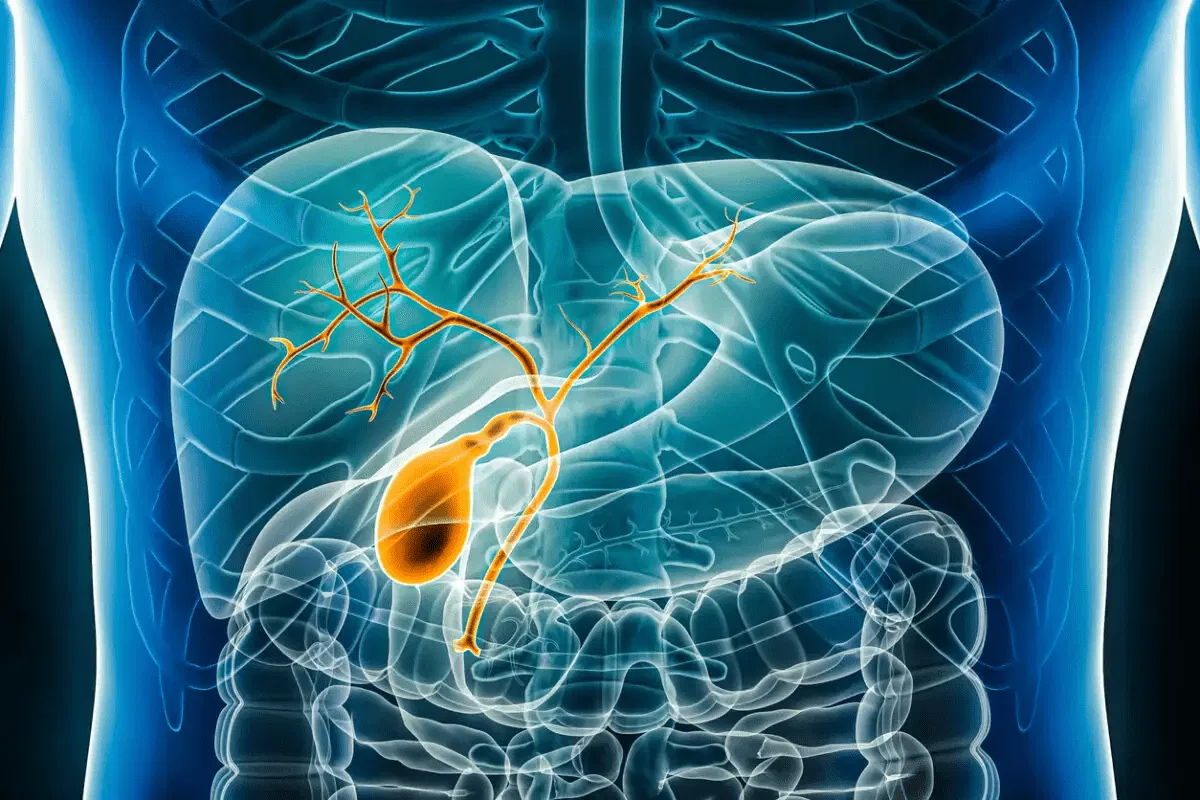
gallbladder
a muscular sac attached to the liver that secretes bile ans stores it until needed for digestion
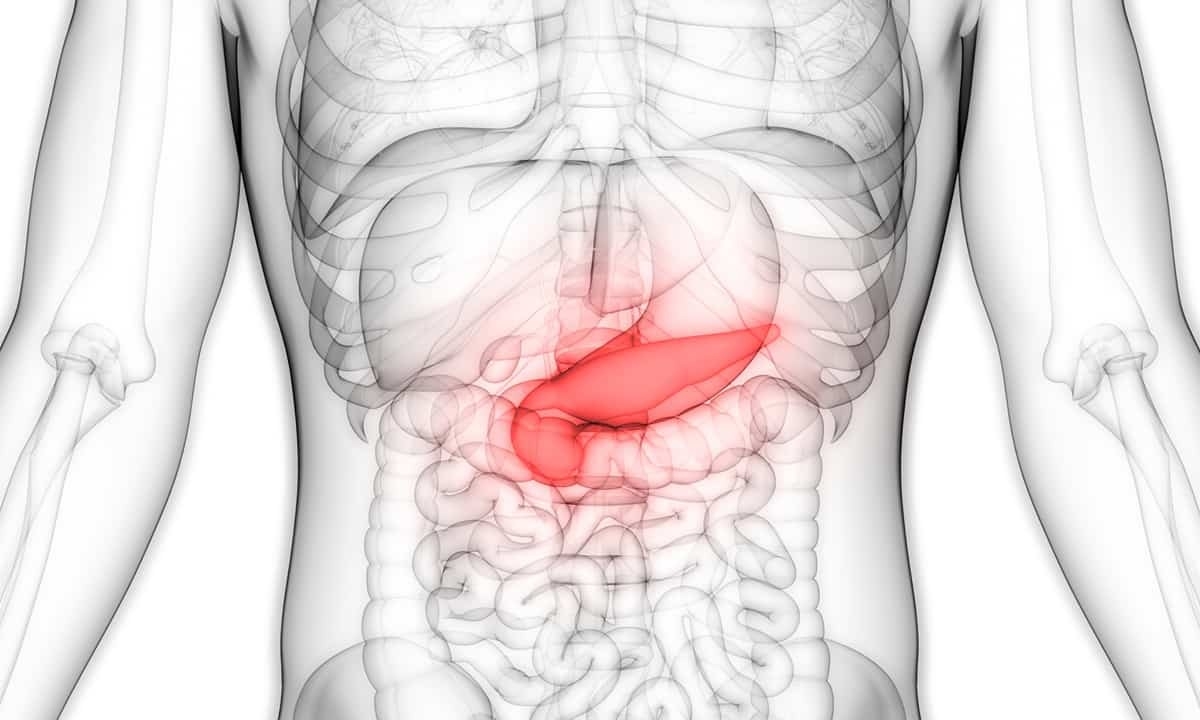
panreas
produces the hormone insulin; assists in breaking down proteins, carbohydrates, and fat
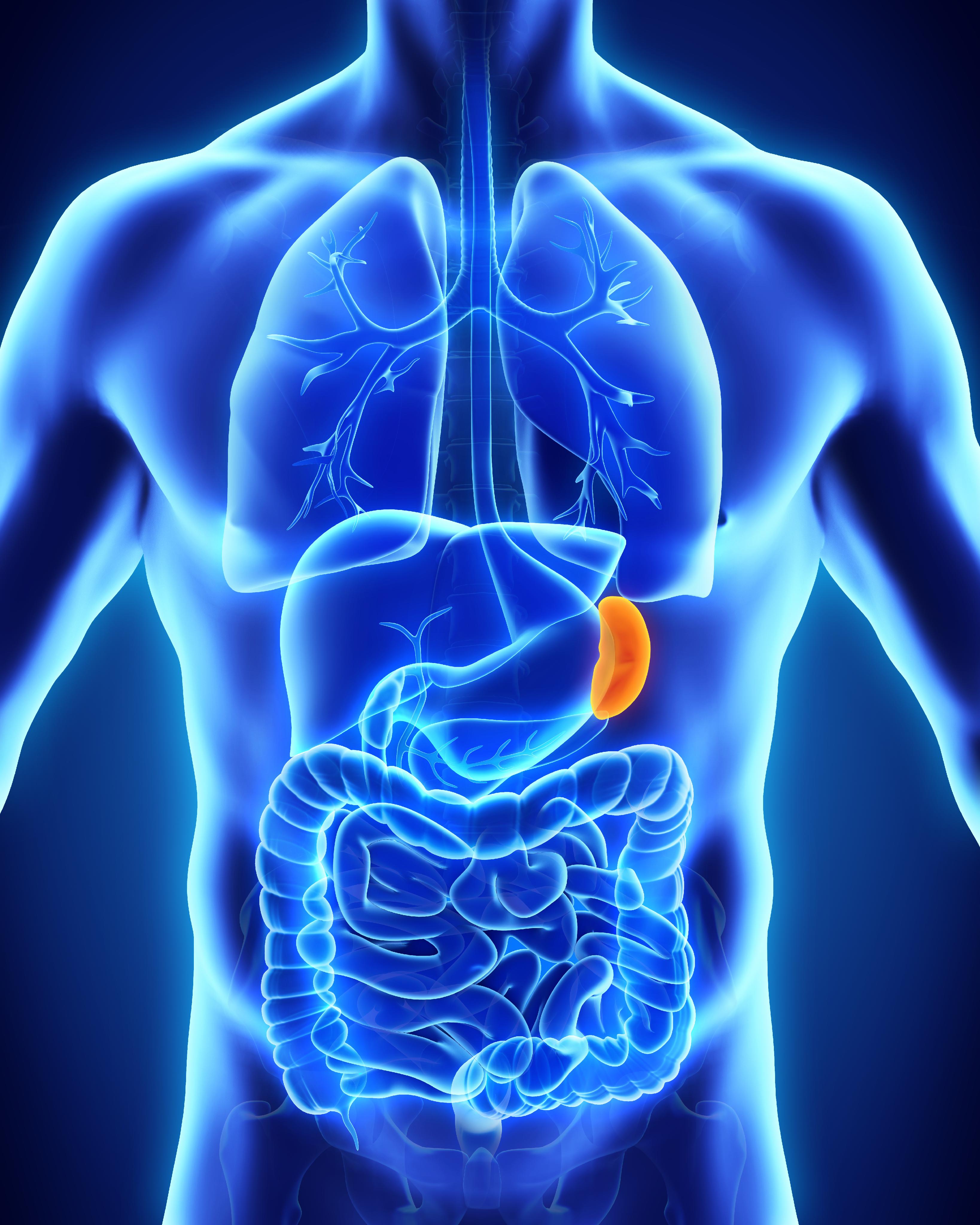
spleen
acts as a blood filtration system in which it filters out older blood cells
epidermis layers
outer layers of skin
dermis layers
inner layer of skin; small vessels bruising happens
subcutaneous layer
under the skin; veins and arteries swelling derives
renal system
regulates fluid balance and blood filtration. Also called urinary system
kidneys
filter blood from the renal arteries and produce urine as waste
wrist
carpal
hand
metacarpals
respiratory system
brings oxygen into the body. gets rid of carbon dioxide
inhalation
an active process in which the intercostal muscles and the diaphragm contract, expanding the size of the chest cavity and causing air to flow into the lungs
exhalation
the passive part of the breathing process in which the diaphragm and the intercoastal muscles relax, forcing air out of the lungs
ventilation
the process of moving gases (oxygen and carbon dioxide) between inhaled air and the pulmonary circulation of blood
aorta
largest artery in the body
pulmonary veins
carry the oxygenated blood from the lungs into the left atrium of the heart
aerobic metabolism
the cellular process in which oxygen is used to metabolize glucose. Energy is produced in an efficient manner with minimal waste products
diaphragm
a dome-shaped, muscular partition separating the thorax from the abdomen in mammals. it plays a major role in breathing, as its contraction increases the volume of the thorax and so inflates the lungs
alveoli
tiny sacs of lung tissue specialized for movement of gases between air and blood
trachea
(windpipe) allows air to pass to and from lungs
bronchi
two short branches located at the lower end of the trachea that carry air into the lungs
cardiac conduction system
a system that specialized muscle tissues that conducts electrical impulses that stimulate the heart to beat
posterior tibial artery
supplies blood to the ankle and the back of the lower leg
dorsalis pedis artery
artery supplying the foot, lateral to the large tendon of the big toe
peripheral pulse
the radial, posterior tibial, and dorsalis pedis pulses, which can be felt at the periphery or outer reaches of the body
platelets
when they are activated they release chemical clotting factors needed to form blood clots
hypoperfusion
(shock) inadequate flow of blood
parasympathetic nervous system
feed-or-breed response-- causes increased blood flow to the digestive tract and to the reproductive organs. It can also cause the heart to slow down and the blood vessels to dilate
spleen
upper left quadrant
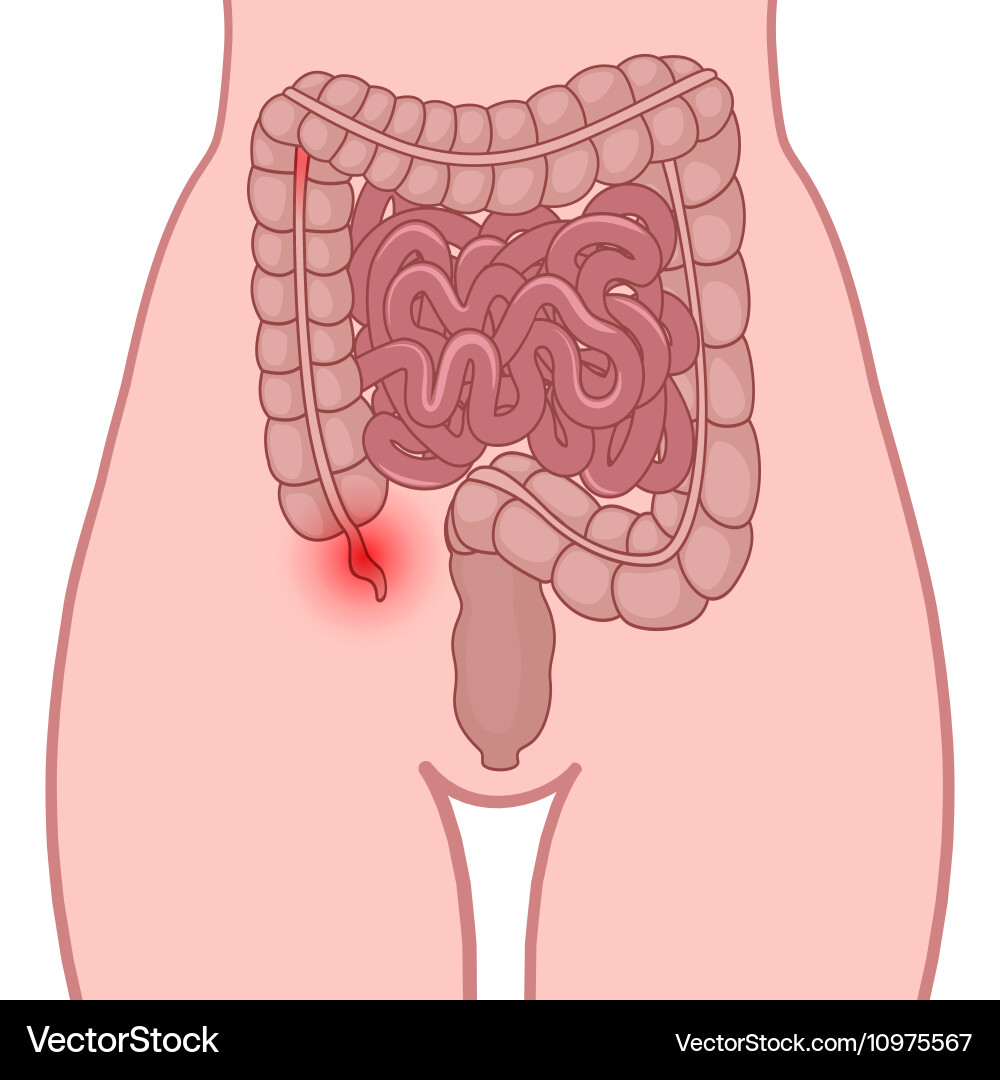
appendix
right lower quadrant
gallbladder
right upper quadrant
pancreas
left upper quadrant
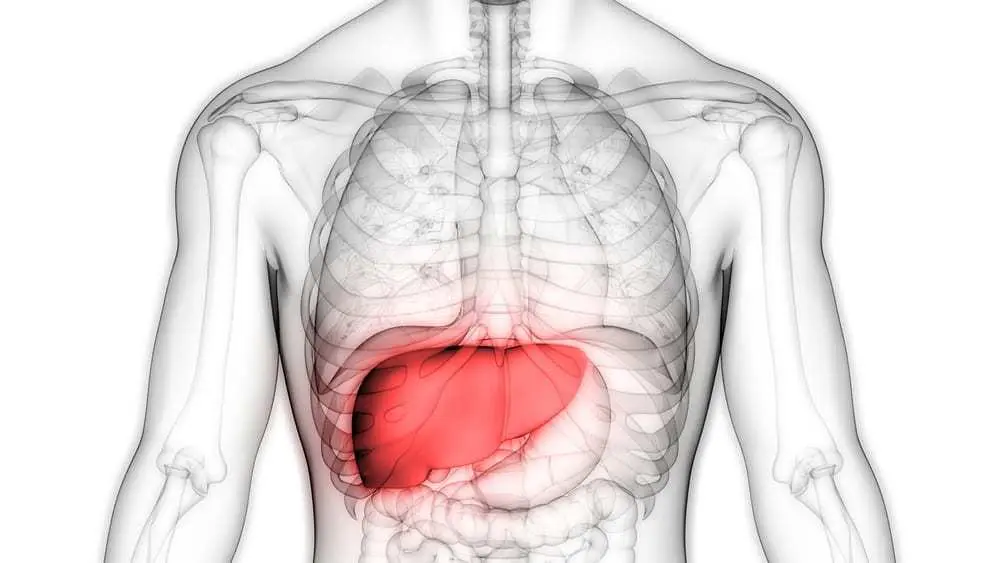
liver
right upper quadrant
cranium
top, back, and sides of the skull
Musculoskeletal structures
bones, joints, muscles
respiratory structures
nasal cavity, pharynx, larynx, trachea, bronchi, and lungs
cardiovascular structures
heart, arteries, veinsbl
blood structures
plasma, red blood cells, white blood cells, platelets
lymphatic structures
tonsils/adenoids, thymus gland, spleen, lymph nodes, lymphatic vessels
nervous structures
brain, spinal cord, nerves
digestive structures
oral cavity, pharynx, esophagus, stomach, small intestine, large intestine (colon), liver, gallbladder, pancreas
integumentary structures
skin, hair, nails, sweat glands
integumentary system
forms protective barrier and aids in temperature regulation
endocrine structures
pituitary gland, pineal gland, thyroid gland, parathyroid gland, thymus gland, adrenal glands, pancreas, testes, ovaries
renal/urinary
kidneys, ureters, urinary bladder, urethra
male reproductive structures
testes, epididymis, vas deferens, seminal vesicles, prostrate gland, penis
female reproductive structures
ovaries, fallopian tubes (oviducts), uterus, vagina, vulva, breasts
maxillae
two fused bones forming the upper jaw
orbits
eye sockets
zygomatic arches
bones that form structure of the cheeks
cervical
division of spine in the neck
thoracic
division of spine containing the thorax, ribs, upper back
lumbar
division of the spine containing the lower back
sacral
division of the spine containing the back wall of pelvis
cocyx
division of the spine containing the tailbone
manubrium
superior portion of the sternum