ATI TEAS A+P
 Call Kai
 Learn
Learn Practice Test
 Spaced Repetition
 Match
Match Flashcards
 Knowt Play
1/48

There's no tags or description
Looks like no tags are added yet.
Name | Mastery | Learn | Test | Matching | Spaced | Call with Kai | Chat |
|---|
No analytics yet
Send a link to your students to track their progress
49 Terms
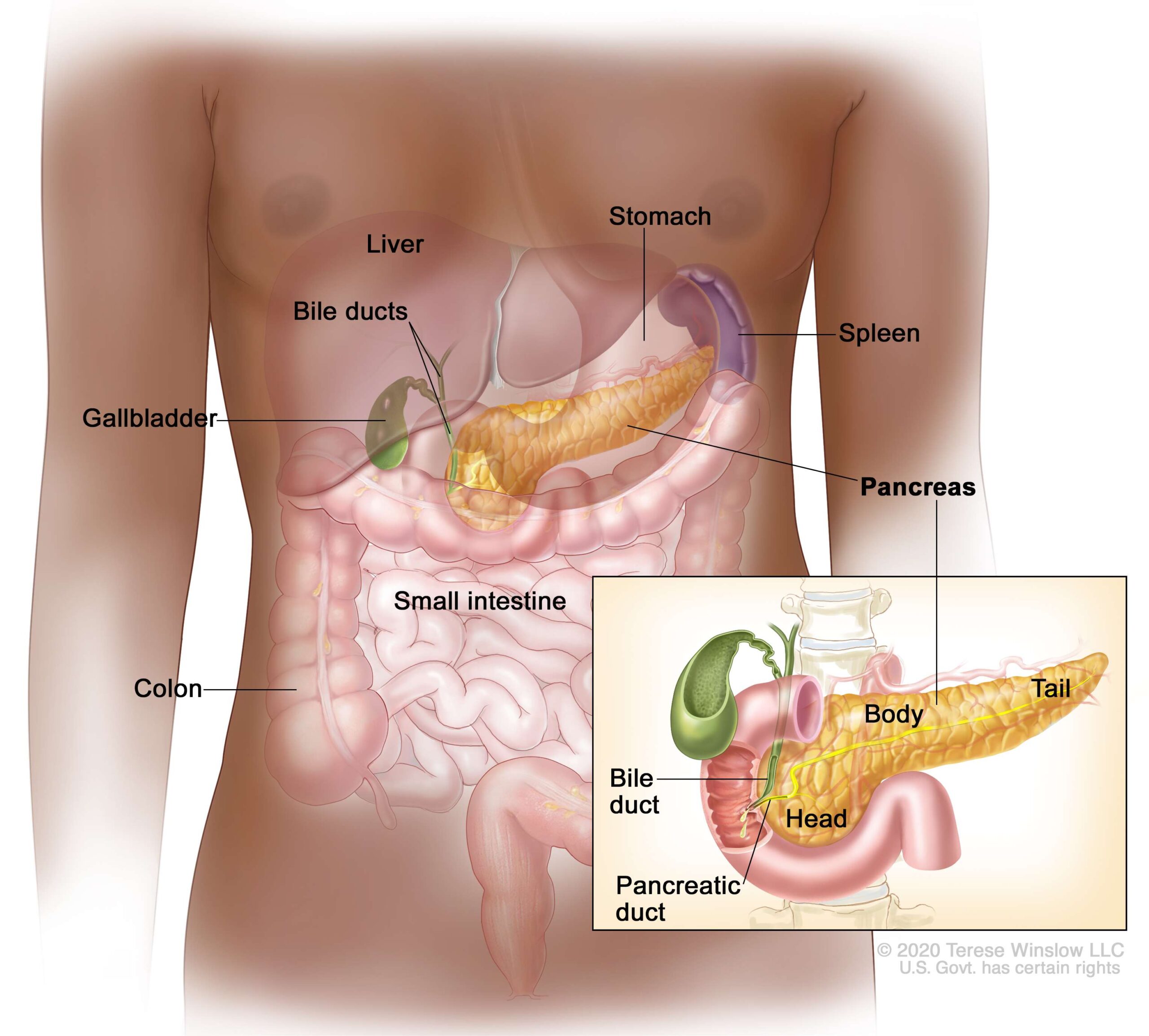
Pancreas makes _____ and regulates _____ by secreting ____ + ____.
Digestive enzymes; blood sugar; insulin + glucagon.
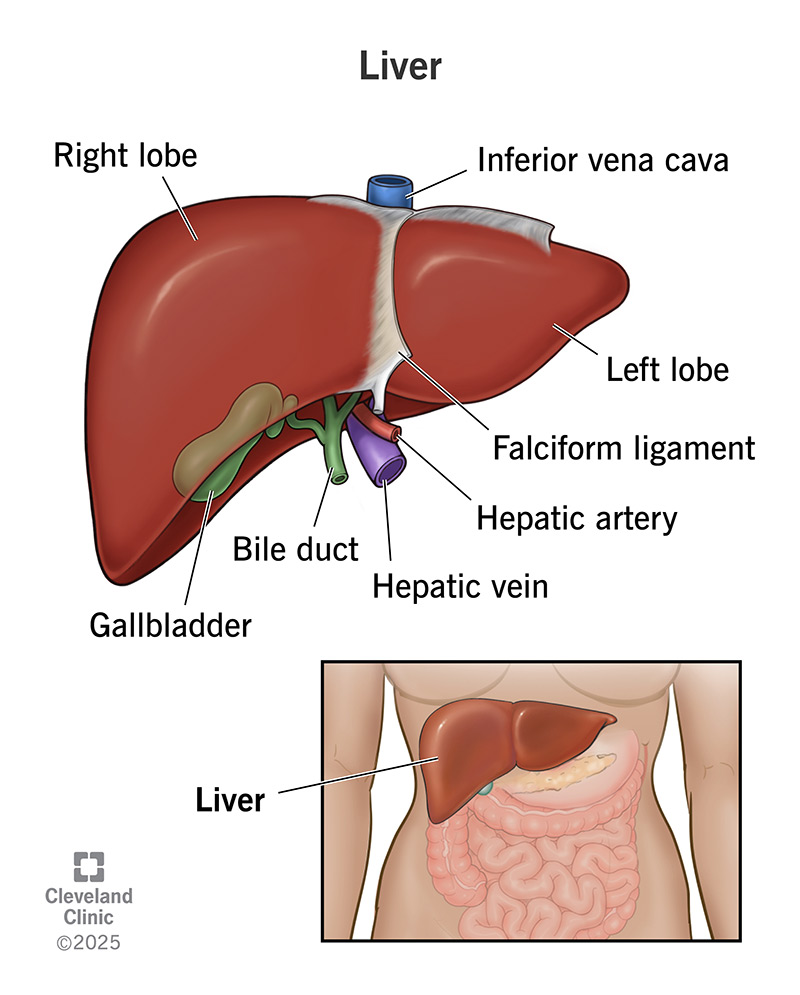
Liver filters _____ + breaks down ____.
Toxins; waste.
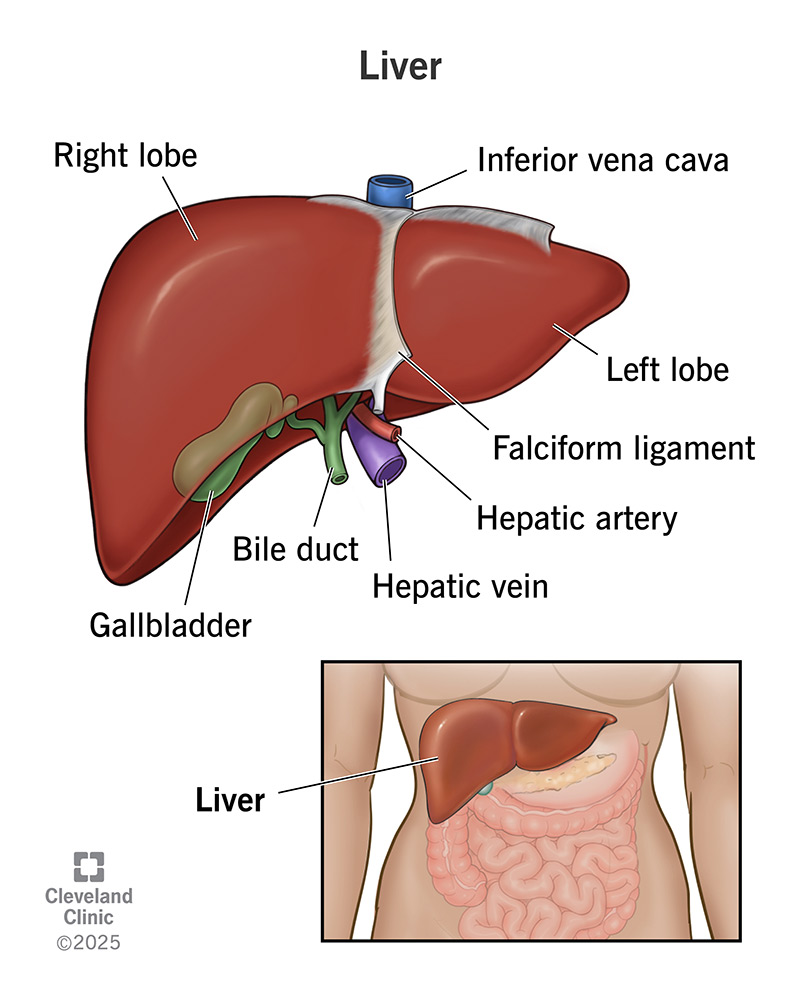
Liver produces ____ + _____ (ex:____).
Bile + blood proteins (fibrinogen).
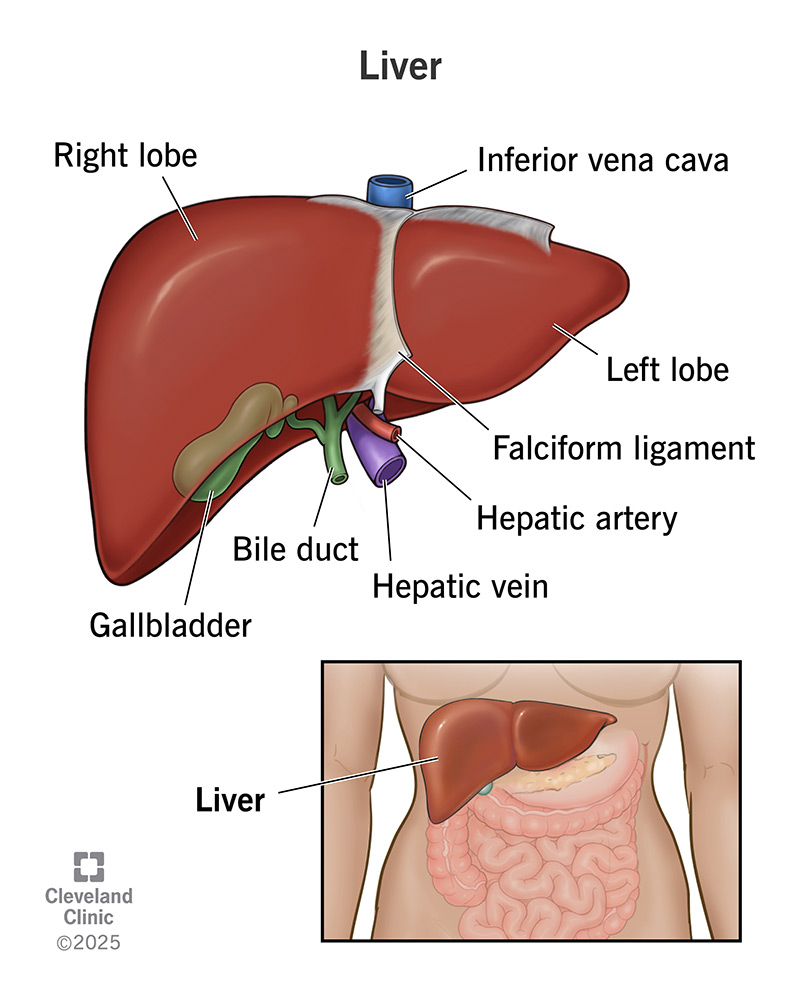
Liver stores ____ + process _____.
Glucose + nutrients.
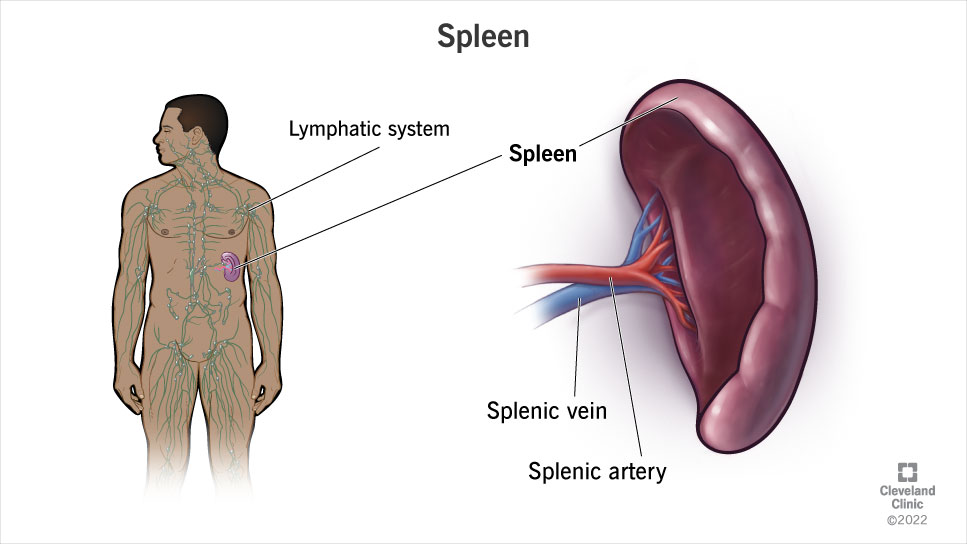
Spleen is the reservoir for ____ + ____.
Red blood cells + platelets.
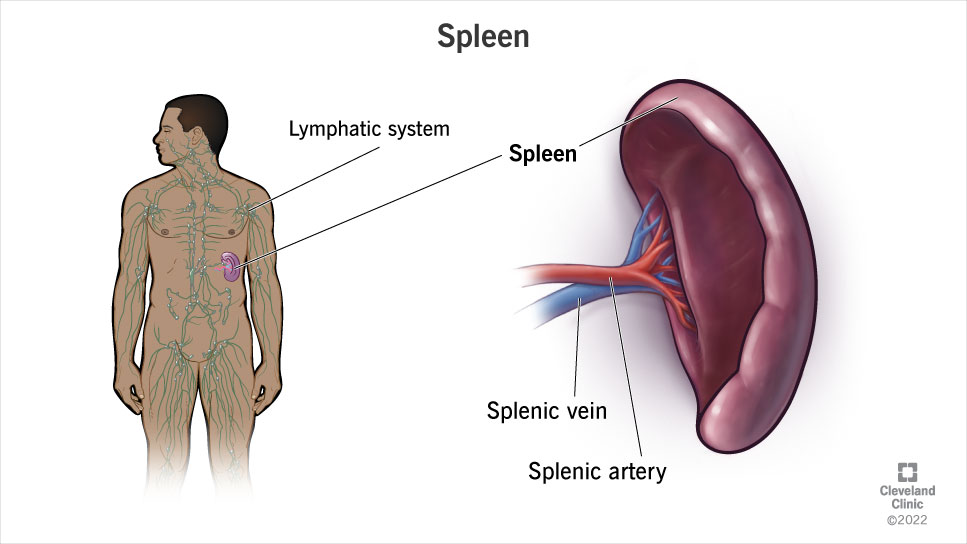
Spleen stores ____ and holds ____ + ____.
Blood; RBC’s + platelets
Spleen filters ____ and removes ____.
Blood; damaged cells.
Spleen produces/stores ____.
White blood cells.
Gallbladder stores/concentrates/releases ____.
Bile.
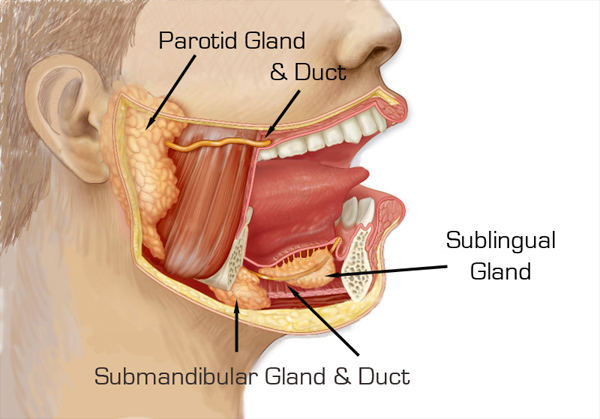
The three Salivary Glands are:
Parotid, Submandibular, and Sublingual
Submandibular Gland is located where?
Underneath the lower jaw bone.
Parotid Glands are located where?
Cheeks
Sublingual Glands is located where?
Underneath the tongue.
What is the cytoskeleton made up of?
Protein
How many types of protein fibers are there?
3
What are the 3 protein fibers?
Microfilaments, Microtubules, and Intermediate Filaments
What are Microfilaments?
They are made up of protein called actin and control shape/aid movement of the cell.
What are Microtubules?
They are hollow tubes made up of a protein called tubulin, which tracks moving material in the cell.
What are Intermediate Filaments?
Made up of fibrous proteins called keratin, and anchors organelles + provides mechanical strength.
What is the Gastric System (Stomach)?
A system that breaks down food into nutrients for the use of energy and cell repair.
What is Amylase in the gastric system?
Digestive enzymes that break down carbohydrates into simple sugars.
One example of Amylase is?
Starch being broken down into simple sugars.
What is Lipase in the gastric system?
An acid digestive enzyme produced in the stomach that breaks down dietary fats.
What is another word for human saliva?
Ptyalin
What are the three types of Amylase?
Alpa, Beta, and Gamma
What is Alpha-Amylase?
Found in ptyalin and pancreatic juices and cuts down internal bonds of starch (quickly to smaller pieces).
Salivary Alpha-Amylase ________.
Starts from the mouth all the way to the upper stomach until the stomach acids turn it off.
What is Beta-Amylase?
It chops off maltose units from the outer ends of each starch chain one by one and is found in plants, seeds, microbes, etc.
Is Beta-Amylase found in the human digestive system?
No.
What is Gamma-Amylase?
Breaks single glucose units from starch chain ends and breaks down complex branch points. It’s found in plants/fungi.
What is the difference between Beta and Gamma Amylase?
Beta breaks down maltose units from the ends of starch chains, while Gamma breaks down glucose units and complex branch points.
What are the three main phases of the Gastrointestinal (Digestive) System?
CGI - Cephalic Phase, Gastric Phase, and Intestinal Phase
Cephalic Phase is _____ of the Gastrointestinal System.
1/3
What are the sensory stimuli of the Cephalic Phase?
(STST) - Sight, Thought, Smell, and Taste
Sight stimuli of Cephalic Phase:
From retina → occipital lobe
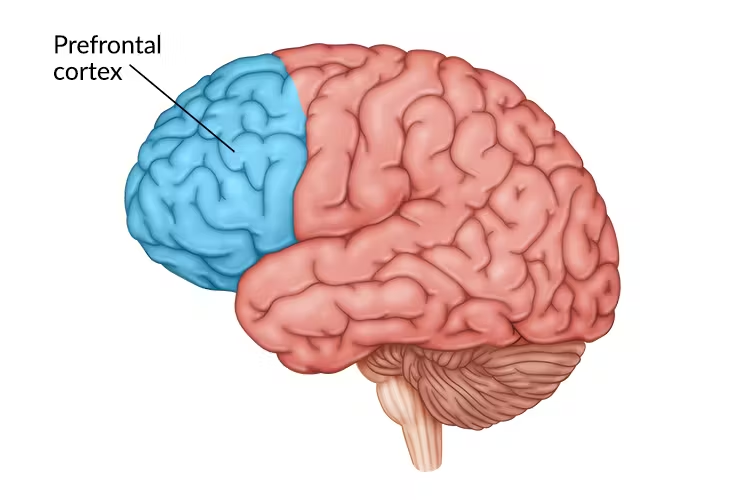
Thought stimuli of the Cephalic Phase:
Prefrontal cortex
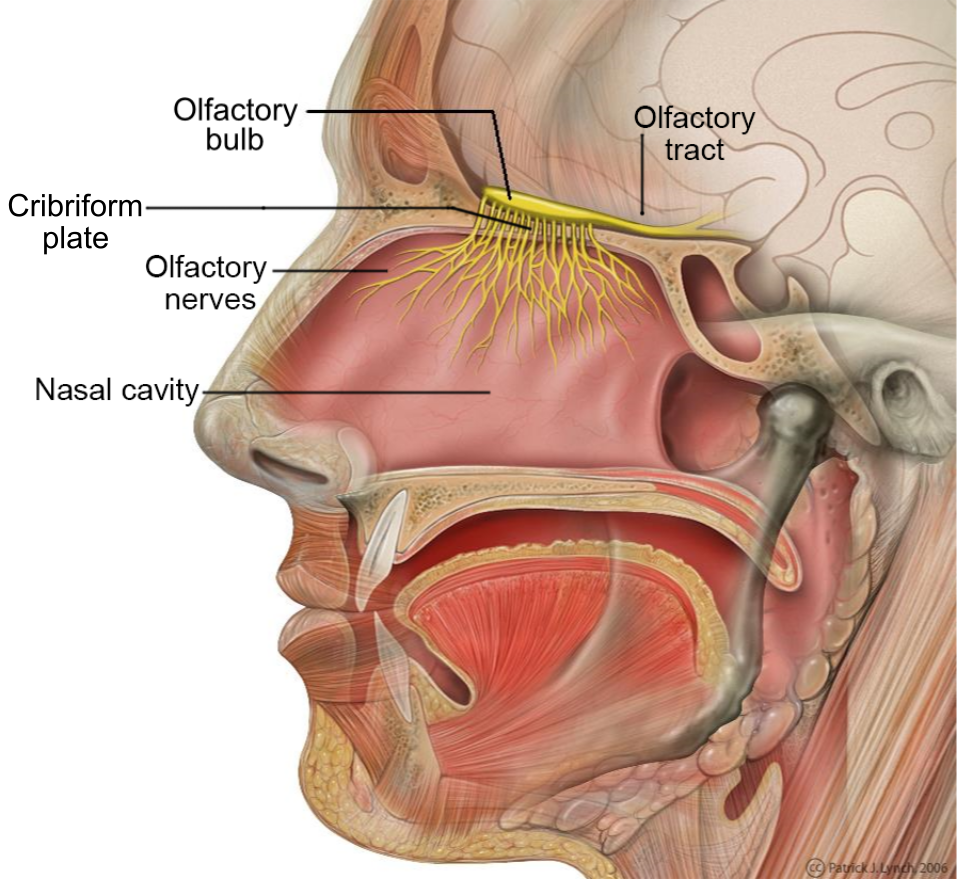
Smell stimuli of Cephalic Phase:
Olfactory receptors → olfactory bulb → cerebral cortex
Taste stimuli of Cephalic Phase:
Taste buds → Cranial nerves
Neurological Pathway of Cephalic Phase
When the stimuli reaches the cerebral cortex, they signal the hypothalamus → sends message to the medulla → specifically stimulates the dorsal nucleus of vagus (DNV).
Parasympathetic/Vagus Nerve of Cephalic Phase (Action)
Vagus nerve carries the signals to the stomach, stimulating parietal cells → HCL + chief cells to produce → pepsinogen
Inhibition: Sympathetic Nervous System
Experiencing stress, anxiety, emotional upset overrides the parasympathetic system causing the production of gastric juices to decrease.
Gastric Phase is _____ of the Gastrointestinal System.
2/3
Gastric Phase occurs _____.
When food is already occupying the stomach.
Cephalic Phase occurs ______.
Before food enters the mouth.
The stimuli of the Gastric Phase is?
Distention (Stretching), Elevated pH, and Chemical (proteins)
Distention stimuli of the Gastric Phase:
stretches stomach walls due to eating → stretch receptors
Elevating pH stimuli of the Gastric Phase:
Food buffering stomach acid and raising pH.
Chemical stimuli of the Gastric Phase:
Presence of partially digested proteins → chemical trigger.