EXAM 2 IR
 Call Kai
 Learn
Learn Practice Test
 Spaced Repetition
 Match
Match Flashcards
 Knowt Play
1/99

There's no tags or description
Looks like no tags are added yet.
Name | Mastery | Learn | Test | Matching | Spaced | Call with Kai | Chat |
|---|
No analytics yet
Send a link to your students to track their progress
100 Terms
Projection
direction/path of the x-ray beam
position
how the patient or body part is placed
anteroposterior (AP) projection
beam enters anteriorly and exits posteriorly
Posteroanterior (PA) Projection
beams enter posteriorly and exit anteriorly
supine
lying on the back
prone
lying on the abdomen
decubitus
patient lying down or laterally with a horizontal beam
sagittal plane
Divides right and left of the body
coronal/frontal plane
divides body into anterior and posterior
transverse/axial plane
divides superior and inferior
chest/abdomen image
viewed as if facing the patient
patients right appears on viewers left
hand and wrist image
often taken pronated
Fingertips should be at the top
forearm image
wrist orientation at one end and elbow at the other
displayed anatomically
humerus image
The shoulder should be at the top
Foot image
toes should be at the top
ankle image
toes point downward
proximal lower extremity image
pelvis at the top
CT scan
Uses x-rays
Produced cross-sectional images
Sonography
uses sound waves
no ionizing radiation
nuclear medicine
Uses radioactive tracer/radiopharmaceutical
demonstrates organ function
Purpose of IV and IA
Administer drugs and fluids
Collect blood samples
administer drugs and fluids
Quick response
High concentration
Oral route impossible
Poor GI absorption
Restore blood volume
Control heart rate
Prevent overdose
Collect blood samples
Monitor:
Blood gases
Alcohol
Glucose
Poisons
Medications
Electrolytes
Injection methods
Bolus
Gravity infusion
Infusion pump
Bolus
injection by hand-held syringe or automatic injector over a short time
gravity infusion
bag of solution connected to tubing and needle
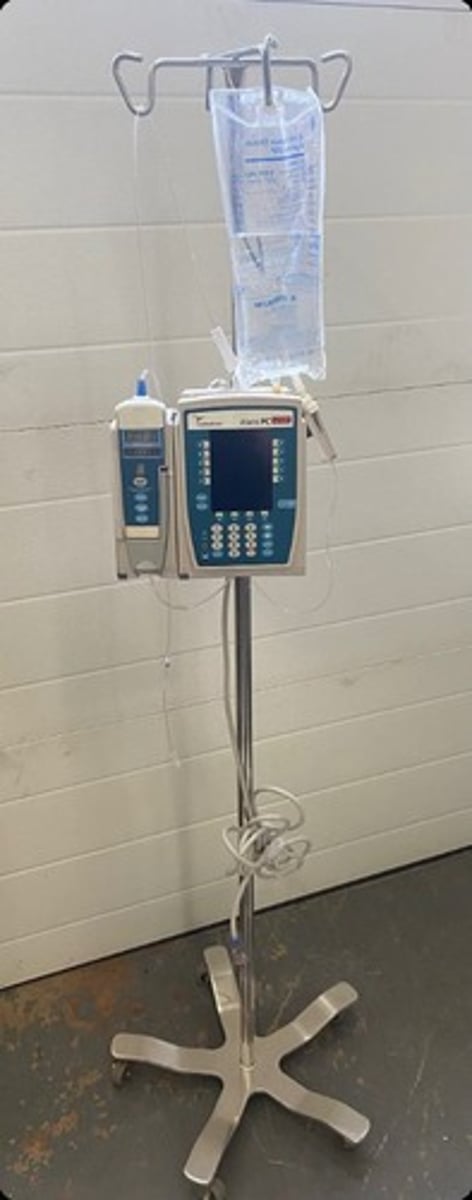
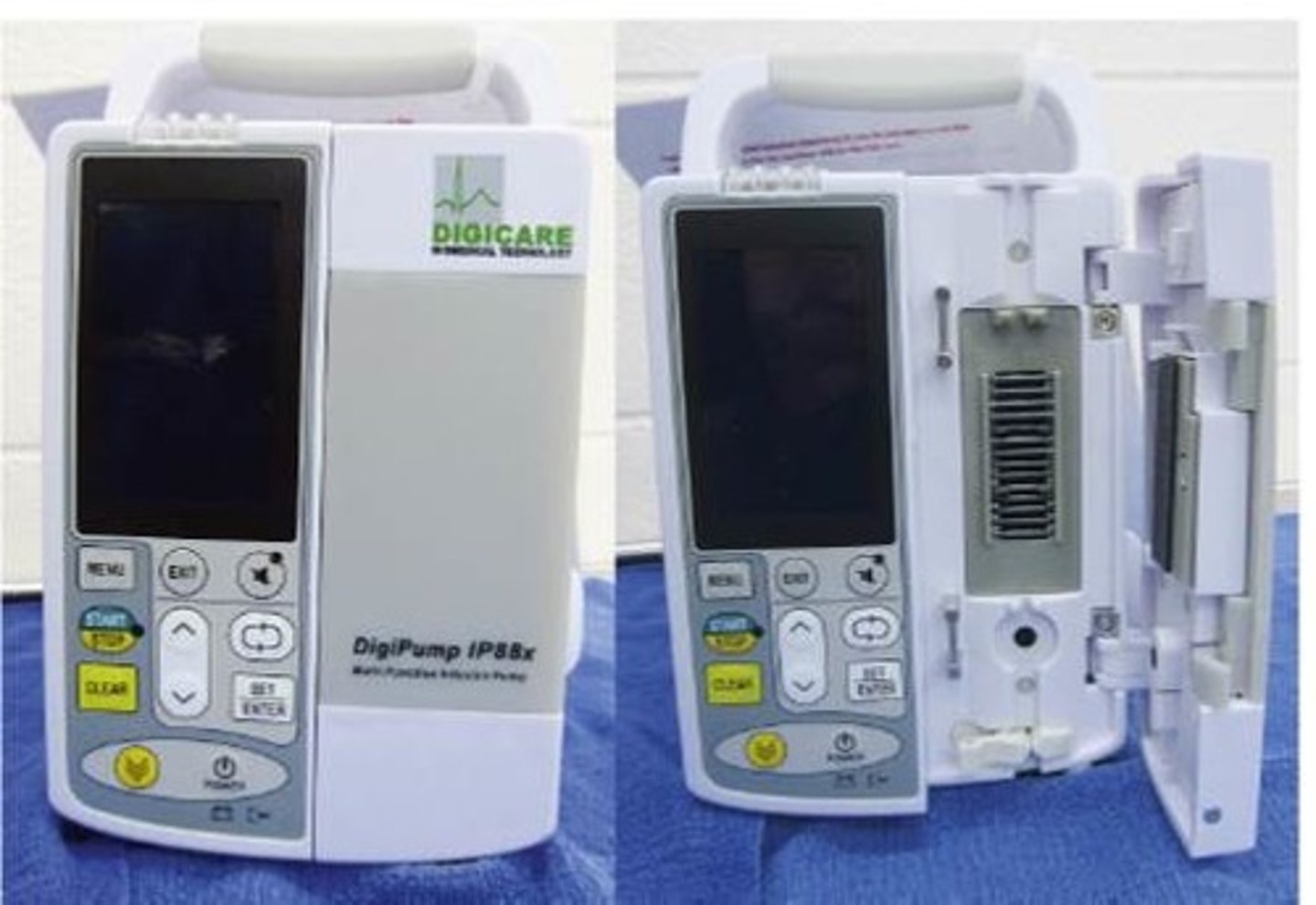
infusion pump
electronic control of rate and volume
standard IV height
18-20 inches above the injection site
Drip rate
Must follow the physician/pharmacy order
enteral route
movement of drugs from the outside of the body to the inside using the gastrointestinal tract
Parental routes of administration
NOT GI TRACT
Topical Administration
administration of a substance directly onto the skin or mucous membrane
Parenteral solutions
Saline (fluids)
5% Dextrose D5 (carbs)
Total parenteral nutrition (TPN) (GI nutrition)
Vitamins
Solution Check
Clarity
Expiration date
Container condition
Label check
Correct drug
Dose
Concentration
Route
IV catheters gauge
higher number= smaller diameter
24 gauge catheter
small catheter
Infant example
16-gauge catheter
Large catheter
Blood donation example
infusion pump alarm causes
battery low/not plugged in
Air or foreign body in line
Kinked line
Solution depleted
Disconnected line
Infiltration/extravasation
six rights of administering medication
Right time
Right route
Right medication
Right dose
Right patient
Right reaction/documentation
Extravasation s/s
Poor infusion
Pain
Swelling at the site
Cool skin
Pale skin at the site
Extrasavation rt response
call Rn/md
Stop IV
elevate affect part
warm compress
pull catheter and restart somewhere else
phlebitis s/s
poor infusion
Blood backing up
swollen red vein
proximal to the puncture site
Phlebitis rt response
call Rn/Md
elevate
warm compress
discontinue IV
venous thrombosis s/s
Poor infusion
Blood backup
stationary clot that may become an embolus
venous thrombosis rt response
call rn/md
Watch for pulmonary embolus
embolus s/s
traveling clot/foreign material
Sudden chest pain
appregension
dyspnea
rapid pulse
pallor
diaphroesis
clammy skin
emobolus rt response
contact rn
rapid response
infection s/s
fever
angry/red site
elevated WBC
malause
chills
headache
backache
nausea/vomiting
infection rt response
report to rn/MD
discontinue IV
antibiotics
Central venous line purpose and location
long-term medication/fluids
tip near SVC/right atrium
central venous line risks
infection
thrombosis
air embolus
displacement
PICCl line purpose and location
inserted peripherally (type of central venous line)
administration of medication, long-term IV therapy, or chemo
tip in SVC just superior to right atrium
PICC line risks
avoid tension
verify tip
pulled central line (PICC LINE)
emergency because air can enter
Direct pressure
Call for help
steep left lateral trendelenburg
Portacath purpose and location
A surgically implanted device used to administer medications, fluids, or draw blood, commonly used in cancer patients
Tip near SVC/right atrium
Swan-Ganz catheter
a cardiac catheter with a balloon at the tip that is used to measure pulmonary arterial pressure
It is flow guided through a vein into the right side of the heart and then into the pulmonary artery
ng tube location
nose -> pharynx -> esophagus -> stomach
Ng tube purpose
feeding
medications
remove gastric contents
OG tube path
mouth -> esophagus -> stomach
ne tube path
nose -> esophagus-> stomach -> duodenum/small intestine
ne tube purpose of the tube
feeding
reduces reflux regurgitation and aspiration
Dobbhoff tube
Ne tube with weighted tip and side ports
advances through the GI tract
A small lumen may clog
levin
small lumen NG tube
Intermittent suction or feeding
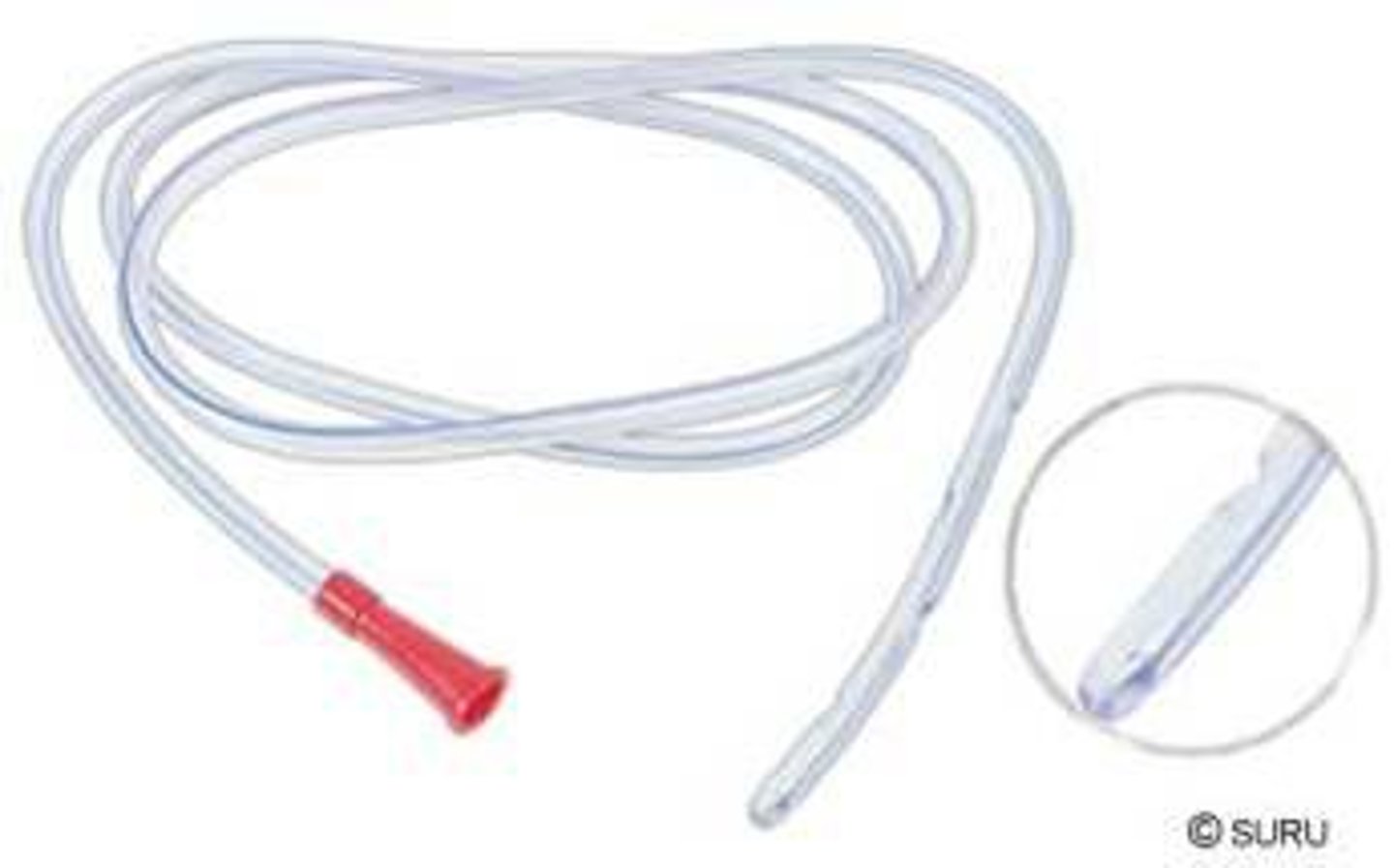
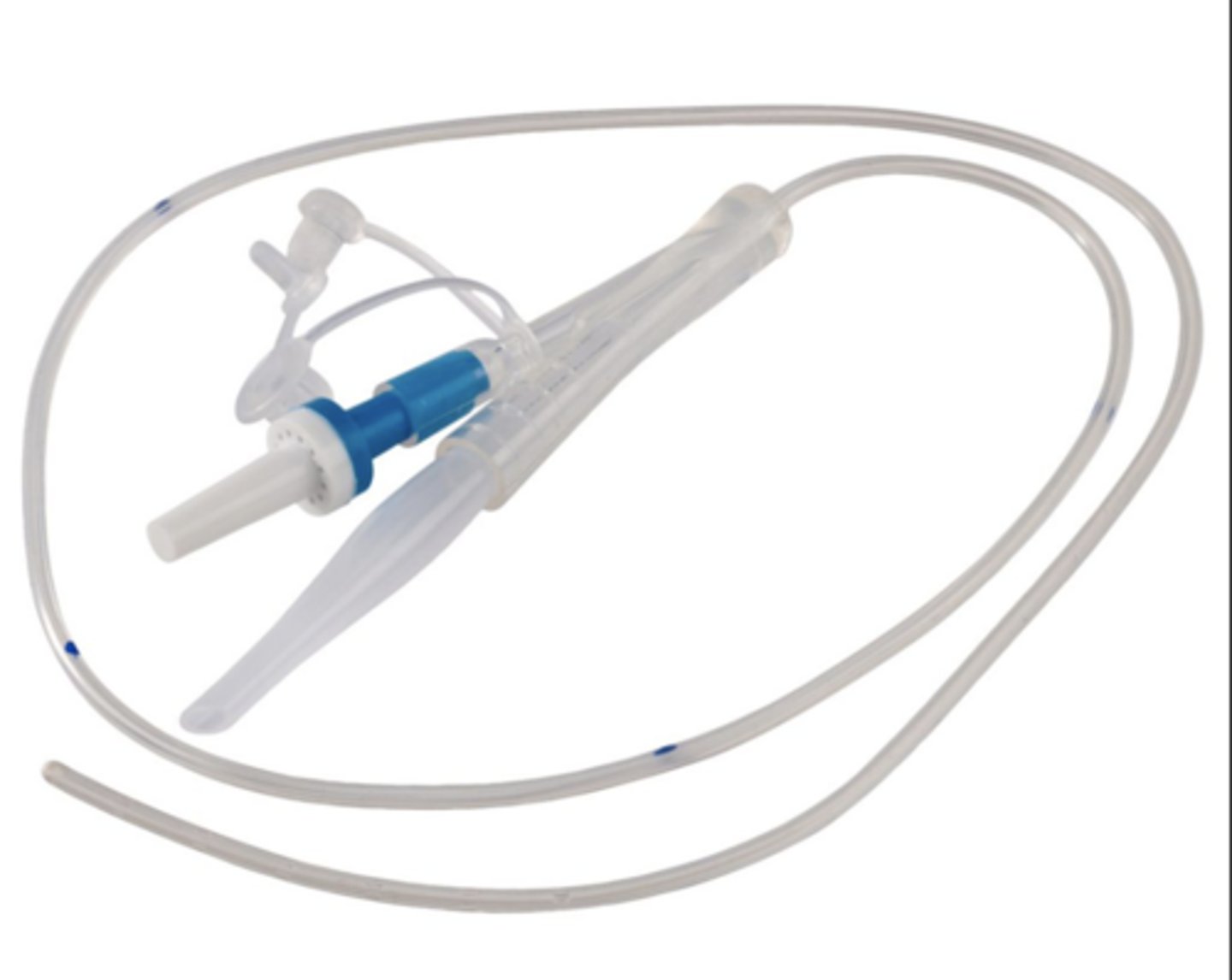
salem pump
double-lumen Ng tube with air vent/pigtail
gastric decompression with intermittent suction
GI tube placement and care
Placement checks
radiographic verification
incorrect location
imaging care
placement checks
aspirate stomach contents
Inject air and listen
Watch for cyanosis
radiographic verification
chest or abdominal x-ray
incorrect location
tube should not be in the lung
imaging care
avoid tension
Gently move the tube out of the field
report concern to rn/MD
colostomy
colon connected to the external abdominal wall
empties into bag
We may encounter these in fluoroscopy when performing barium enemas
ileostomy
The small intestine is connected to the external abdominal wall
ostomy care
tupperware seal
clean/dry area and reapply if dislodged
patients often manage their own
enema tip
used for cleansing enemas or barium procedures
enema
a medical procedure or treatment that involves injecting liquid directly into the rectum and lower colon through the anus
straight/cuffed tips
both may be used
triple-lumen tip
channels for barium
cuff air
colonic air
retention cuff/ring
helps retain the enema tip during the procedure
foley catheter
internal end in the bladder
The balloon holds it
external and connects to the drainage bag
Nephrostomy tube
through the back into the pelvis
kidney to the outside
drains urine or gives medication
ureteral stent
kidney to bladder
Keeps the ureter open
urinary catheterization reasons
retention
trauma
post-op
drainage/irrigation
chemotherapy
incontinence
Documentation of input and output
epidural/spinal
urinary precations
Use a water-soluble lubricant
Keep the drainage bag below the bladder
Keep the bag off the floor
Avoid tension
Stabilize the tubing to the leg if needed
High UTI risk
Treat the bladder/catheter system as sterile
oxygen
high pressure gas
nasal cannula or wall
handle portable tanks safely
endotracheal tube (ETT)
mouth or nose into the trachea
tip 3-5 cm above carina
Must remain tied
Dislodgement is a CODE
RN/RRT may suction
tracheostomy
through the neck into the trachea
Tip between the stoma and the carina halfway
Must remain secured
RN/RRT may suction
ventilator
mechanical breathing
Controls oxygen, depth, and rate
Do not disconnect: reconnect promptly if alarm/disconnection
ventilator timing
chest x-ray at full inspiration
abdomen at full expiration
Chest tube purpose
remove air or fluid from the pleural space and allow the lung to reinflate
chest tube upper thorax
often for collapsed lung/air
chest tube lower thorax
Often for fluid drainage
chest tube drainage collector
keep below the chest/insertion site
chemical name
identifies chemical structure
generic name
name given when drug becomes commercially available
trade/band name
name assigned by manufacturer
Drug family
drug with similar actions
suspension
perticles suspended
not dissolved in liquid
pharmacodynamics
what the drug does to the body
Pharmacokinetics
what the body does to the drug
Pharmacogenetics
how genetic differences affect drug response