Insight advanced L3 unit 4
 Call Kai
 Learn
Learn Practice Test
 Spaced Repetition
 Match
Match Flashcards
 Knowt Play
1/44

There's no tags or description
Looks like no tags are added yet.
Name | Mastery | Learn | Test | Matching | Spaced | Call with Kai | Chat |
|---|
No analytics yet
Send a link to your students to track their progress
45 Terms

The brains behind (idiom)
The person who is responsible for thinking of and organizing something.
She was the brains behind the entire campaign.

To pick someone´s brain (idiom)
Ask somebody a lot of questions about something because they know more about the subject than you do.
Can I pick your brain about your coding experience? I'm stuck on a project

Brainwave (noun)
A sudden good idea.
He had a brainwave and realized how to fix the machine without replacing any parts.

Brainchild (noun)
An idea or invention of one person or a small group of people.
The app is the brainchild of two college students who wanted to solve food waste.
The company´s brainchild has been hugely successful.

Brainwashed (verb)
To force somebody to accept your ideas or beliefs, e.g. by repeating the same thing many times or by preventing the person from thinking clearly.
The cult leader brainwashed his followers into obeying without question.
His remarkable transformation offers hope for the elderly, who have been brainwashed by traditional psychologists.

Scatterbained (adjective)
Always losing or forgetting things and unable to think in an organized way.
I'm feeling so scatterbrained today, I left my keys in the fridge!
Our brains gradually become atrophied, our memories begin to fade and we get more and more scatterbrained.

Brain-taser (noun)
A problem that is difficult but fun to solve.
The escape room was full of brain-teasers that tested our logic skills.
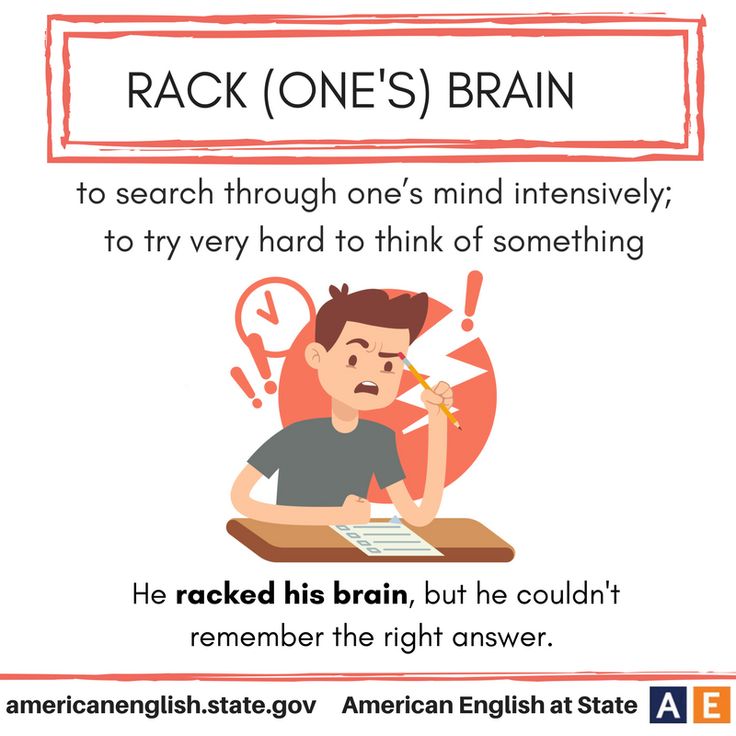
Rack someone´s brain (idiom)
To think very hard or for a long time about something.
I've been racking my brain all day trying to remember where I put my passport.
Psychologists had been racking their brains to explain why the shape of the human brain differs…

Dexterity (noun)
The ability to perform difficult or clever tasks or movements with your hands.
Computer games can improve children’s manual dexterity.

Dexterous (adjective)
Skillful with hands or in using your body or mind.
The watchmaker was so dexterous, he could repair tiny gears without a magnifying glass.

Curiosity (noun)
A strong interest in finding out about new things.
Her curiosity about how things work led her to study engineering.

Curious (adjective)
Eager to know or learn something.
The child was curious about how the robot worked.

Diligence (noun)
The attitude of someone who typically works hard and does things carefully.
It was a difficult role which she carried out with care and diligence over many years.

Diligent (adjective)
Hardworking and careful in doing tasks.
He’s a diligent student who always submits her assignments early.

Ingenuity (noun)
The ability to find new and clever ways to do things and to solve problems
With only basic tools and a lot of ingenuity, they managed to build a shelter.

Ingenuous (adjective)
Clever, original, and inventive.
He came up with an ingenious solution to reduce plastic waste.

Integrity (noun)
The quality of being honest and behaving in a way which you believe is moral and correct.
She is a woman of integrity who has never abandoned her principles for the sake of making money.

Modesty (noun)
The quality of not talking about your abilities and achievements
Despite her many achievements, she always speaks with great modesty.

Modest (adjective)
Humble, not bragging about your abilities or achievements.
Despite her success, she remained modest and grateful.

Aptitude (noun)
Aptitude the natural ability or skill of sb to do sth
He is an intelligent boy with a natural aptitude for languages
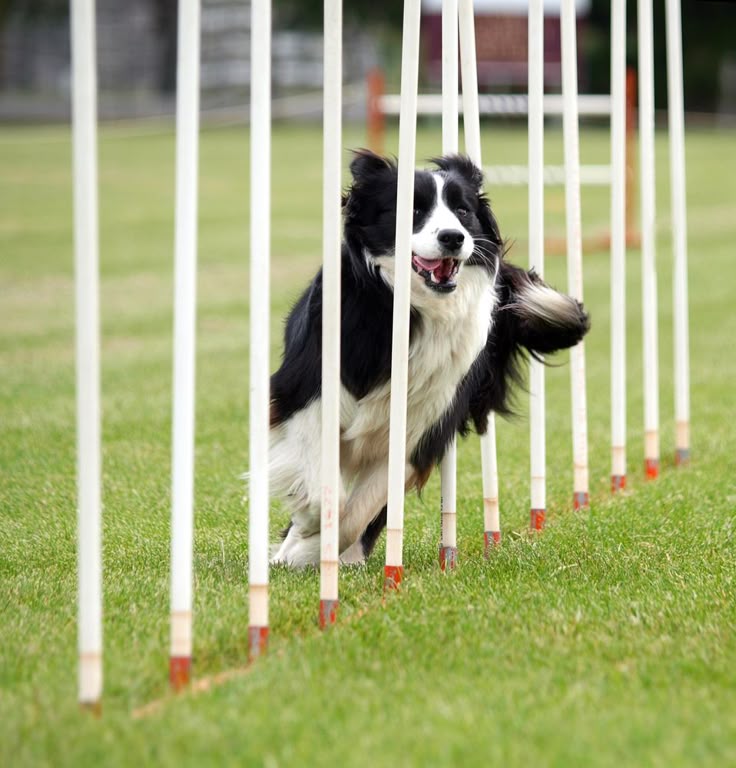
Agility (noun)
The ability to move your body smoothly and easily.
He’s a tall man with the speed and agility or a basketball player
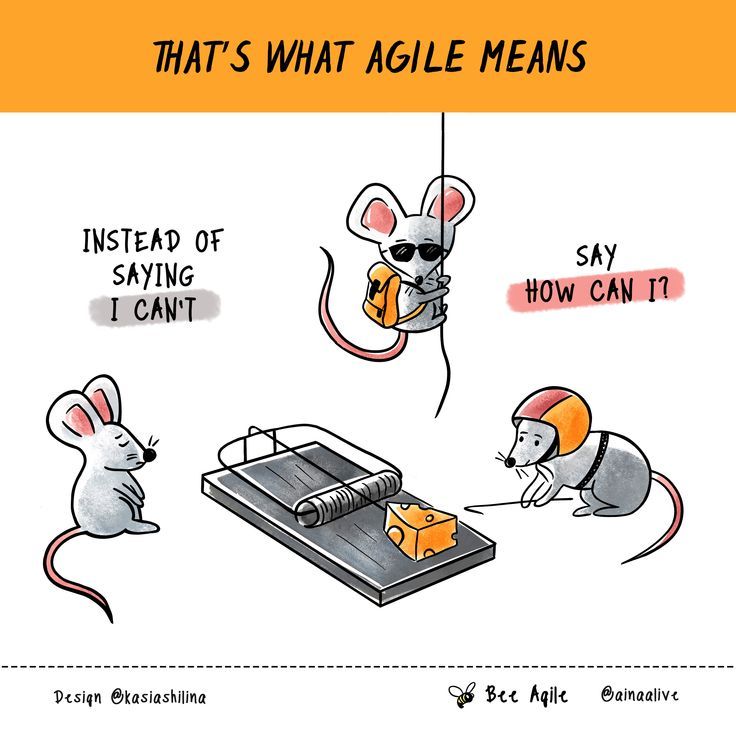
Agile (adjective)
Able to move quickly and easily; mentally quick.
The gymnast was incredibly agile on the balance beam.

Recall (verb)
To bring a memory back into your mind.
I can’t recall his name, but I remember his face clearly.
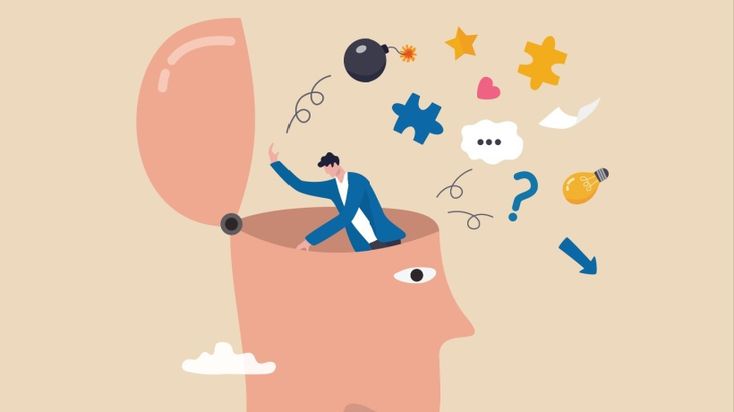
Recollect (verb)
To remember something, often with effort.
I vaguely recollect meeting her at the conference last year.

Remember (verb)
To keep something in your memory or bring it to mind.
Do you remember where you parked the car?
Memorize (verb)
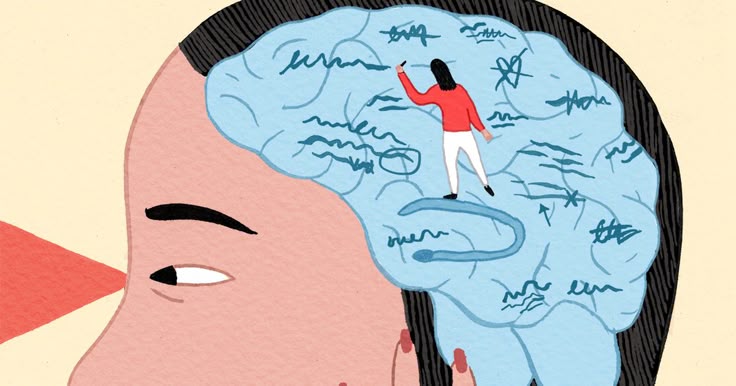
To learn something so well that you can recall it exactly.
She memorized the poem for the school recital.
Remind (verb)
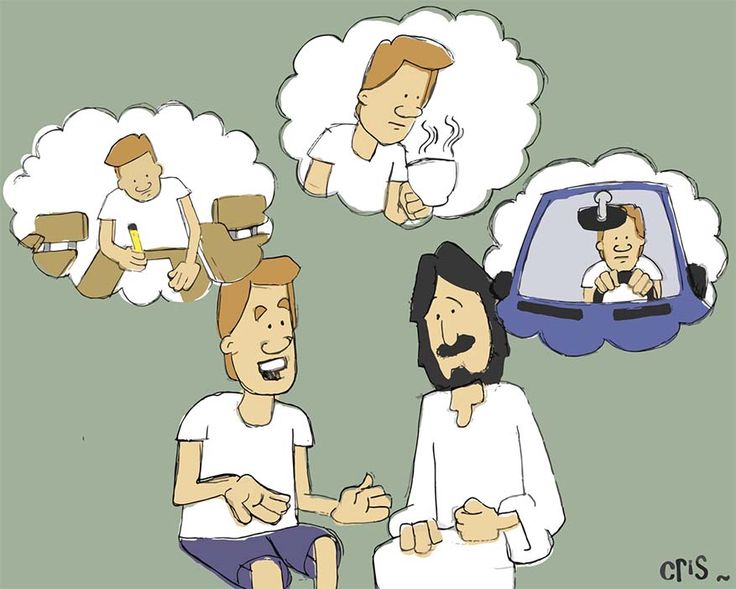
To cause someone to remember something.
Can you remind me to call Mom this evening?

Reflect on (verb)
To think deeply about past events or experiences.
He often reflects on his childhood when he visits his hometown.

Reminisce (verb)
To talk or think fondly about past experiences.
We sat around the fire, reminiscing about our college days.

Commemorate (ver)
To honor or remember someone or something officially or ceremonially.
The monument commemorates those who died in the war.

Introspective (adjective)
Thoughtful and reflective; looking inward to examine your own thoughts and feelings.
After the breakup, he became more introspective and started journaling daily.

Methodical (adjective)
Done in an orderly, logical, and careful way.
She’s very methodical in her research, never skipping a step.

Articulate (adjective)
Able to express thoughts and ideas clearly and effectively.
He’s an articulate speaker who makes complex ideas easy to understand.

Observant (adjective)
Quick to notice things; paying close attention to details.
Detectives must be extremely observant to catch subtle clues.

Intuitive (adjective)
Based on instinct or gut feeling rather than conscious reasoning. She had an intuitive sense that something was wrong, even before seeing any evidence.

Discerning (adjective)
Showing good judgment, especially in identifying quality or truth.
A discerning reader can tell the difference between hype and an honest critique.

Receptive (adjective)
Willing to consider or accept new ideas and suggestions.
He was very receptive to feedback and used it to improve his work.

Jeer at (verb)
To mock or shout rude things at someone.
tradu: burlarse de
The fans jeered at the referee after the bad call.
Fans jeered at the referee.

Hold back (verb)
To stop yourself from doing something; to restrain.
She held back her tears during the speech.
Pass (oneself) off (phrasal verb)
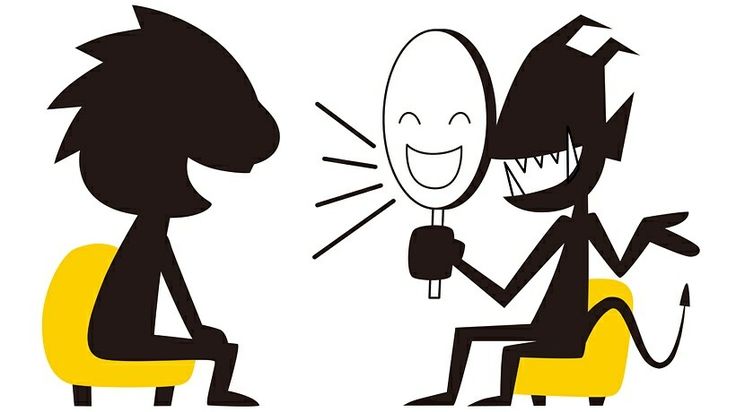
To pretend to be someone or something you're not.
He passed himself off as a doctor to get access to the hospital.

Tone (something) down (phrasal verb)
To make something less forceful, harsh, or extreme.
The teacher asked him to tone down his language during the presentation.

Stick to (verb)
To continue doing something; not change your decision or plan.
If you want to see progress, you have to stick to your routine.

Tell (somebody/something) apart (phrasal verb)
To distinguish between two or more things or people.
It’s hard to tell the twins apart, they look exactly the same!
It´s difficult to tell the twins apart.
Miss out (on) (phrasal verb)
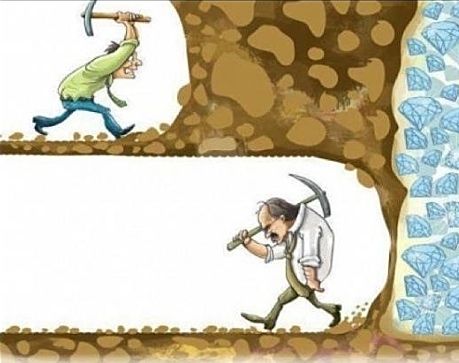
To lose the chance to experience or enjoy something.
He missed out on the concert because he was working late.

Stand out (phrasal verb)
To be noticeable or easily seen; to be different in a positive way.
Her creativity really stands out in a crowd of ordinary designs.