ENDOCRINE SYSTEM BIO ST STITHIANS GR11/12
 Call Kai
 Learn
Learn Practice Test
 Spaced Repetition
 Match
Match Flashcards
 Knowt Play
1/102

Earn XP
Description and Tags
Name | Mastery | Learn | Test | Matching | Spaced | Call with Kai | Chat |
|---|
No analytics yet
Send a link to your students to track their progress
103 Terms
SAGS AIM 1: KNOWING LIFE SCIENCES
The nervous system and hormones enable animals to respond to external changes and to control conditions inside their bodies
Candidates should know:
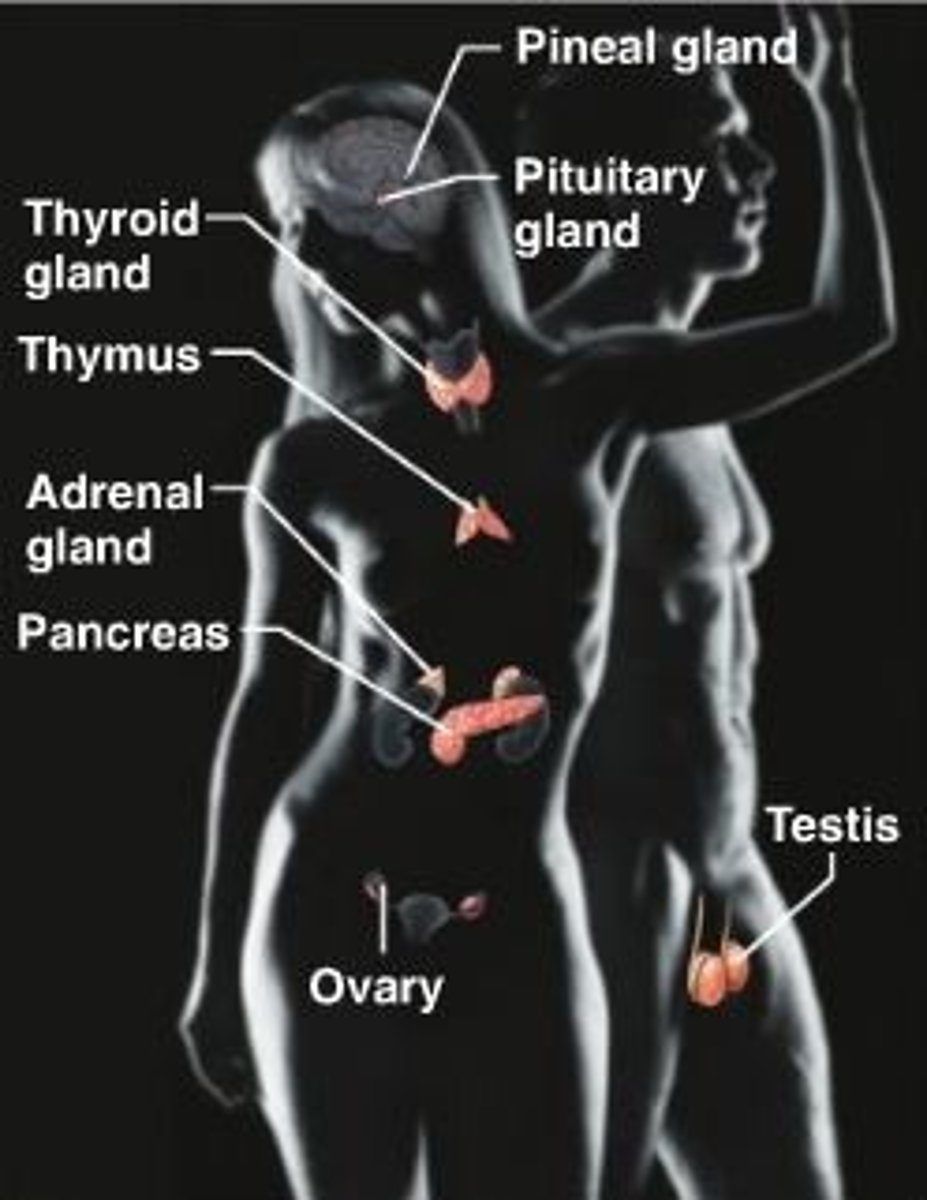
1. The location of the endocrine glands listed below and the role of the hormones in body functions. These should be learnt in their context in the FET phase.
• Hypothalamus (ADH), pituitary gland (TSH, FSH, LH, Growth hormone), thyroid gland (thyroxin), pancreas (insulin & glucagon), adrenal gland (adrenalin), gonads (testosterone & oestrogen, progesterone). Other reproductive hormones (oxytocin and prolactin)
2. The disorders of the endocrine system: diabetes, thyroid disorders, growth disorders, infertility.
3. The concept of homeostasis as a means of maintaining a stable internal environment. [Link to Grades 10 and 11]
4. The general role of negative feedback in homeostasis, drawing on glucose and reproductive hormones.
SAGS AIM 2: INVESTIGATING PHENOMENA IN LIFE SCIENCES
Interpretation of given data: Observation/Interpretation of graphs, tables, drawings, micrographs, microscope slides, bioviewers, etc.
Pancreatic tissue: Identify and label/draw (exocrine vs. endocrine cells/tissues)
Investigate: Cortisol/Adrenalin related to Sports Science; steroids; stress
SAGS AIM 3: APPRECIATING AND UNDERSTANDING THE HISTORY, IMPORTANCE AND APPLICATIONS OF LIFE SCIENCES IN SOCIETY
Debate current uses of hormones in, e.g. sports medicine, infertility and diabetes control.
Endocrine Gland
A ductless gland that secretes hormones directly into the blood
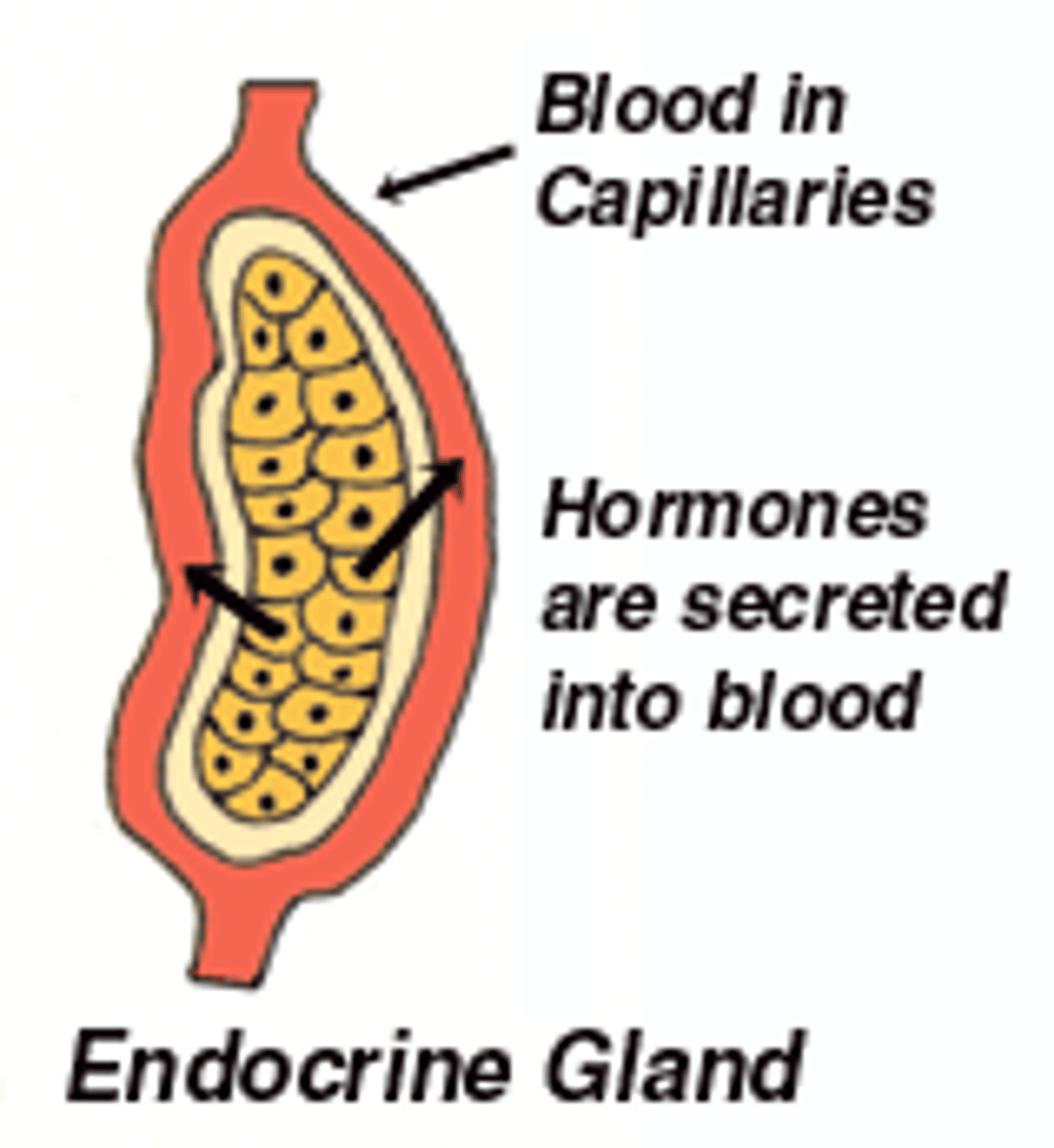
Hormones
The proteinaceous messenger secretions that are produced in small quantities by endocrine glands.
Homeostasis
The process of maintaining a constant and balanced internal environment
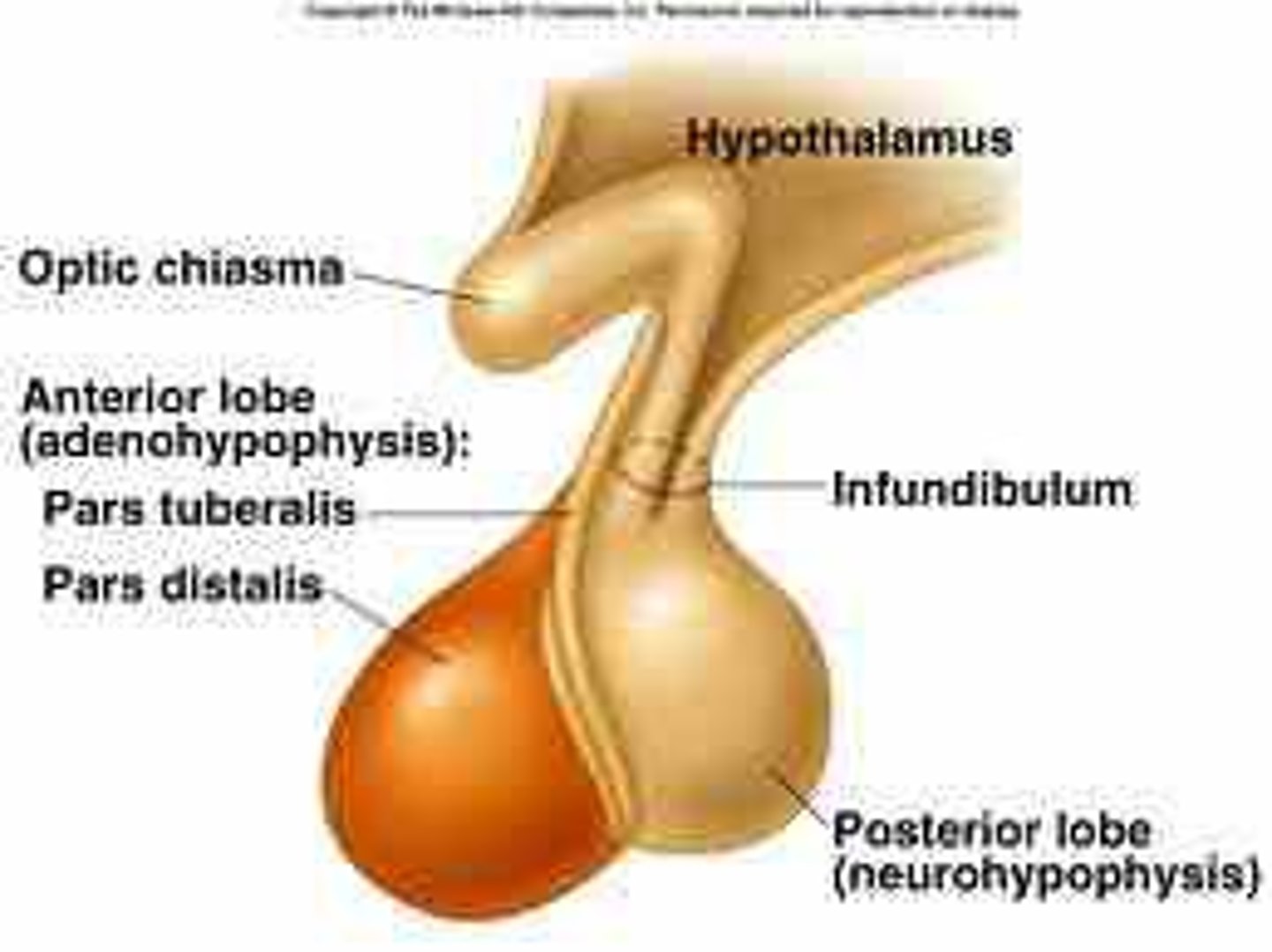
Pituitary gland
The endocrine gland that controls the hormonal secretions of most of the other endocrine glands
Thyroid Stimulating Hormone (TSH)
A hormone that stimulates the hormone of the thyroid gland.
Antidiuretic Hormone (ADH)
A hormone that helps conserve water by increasing the permeability of the collecting ducts of the nephrons
Prolactin (PRL)
The hormone secreted by the hypothalamus that stimulates the production of milk after childbirth
Luteinizing Hormone (LH)
The hormone that stimulates ovulation
Oxytocin
The hormone that stimulates uterine contractions during labour.
Human Growth Hormone (HGH)
The hormone that promotes muscle and skeletal growth
Gigantism
A condition that arises from the hypersecretion of growth hormone in children
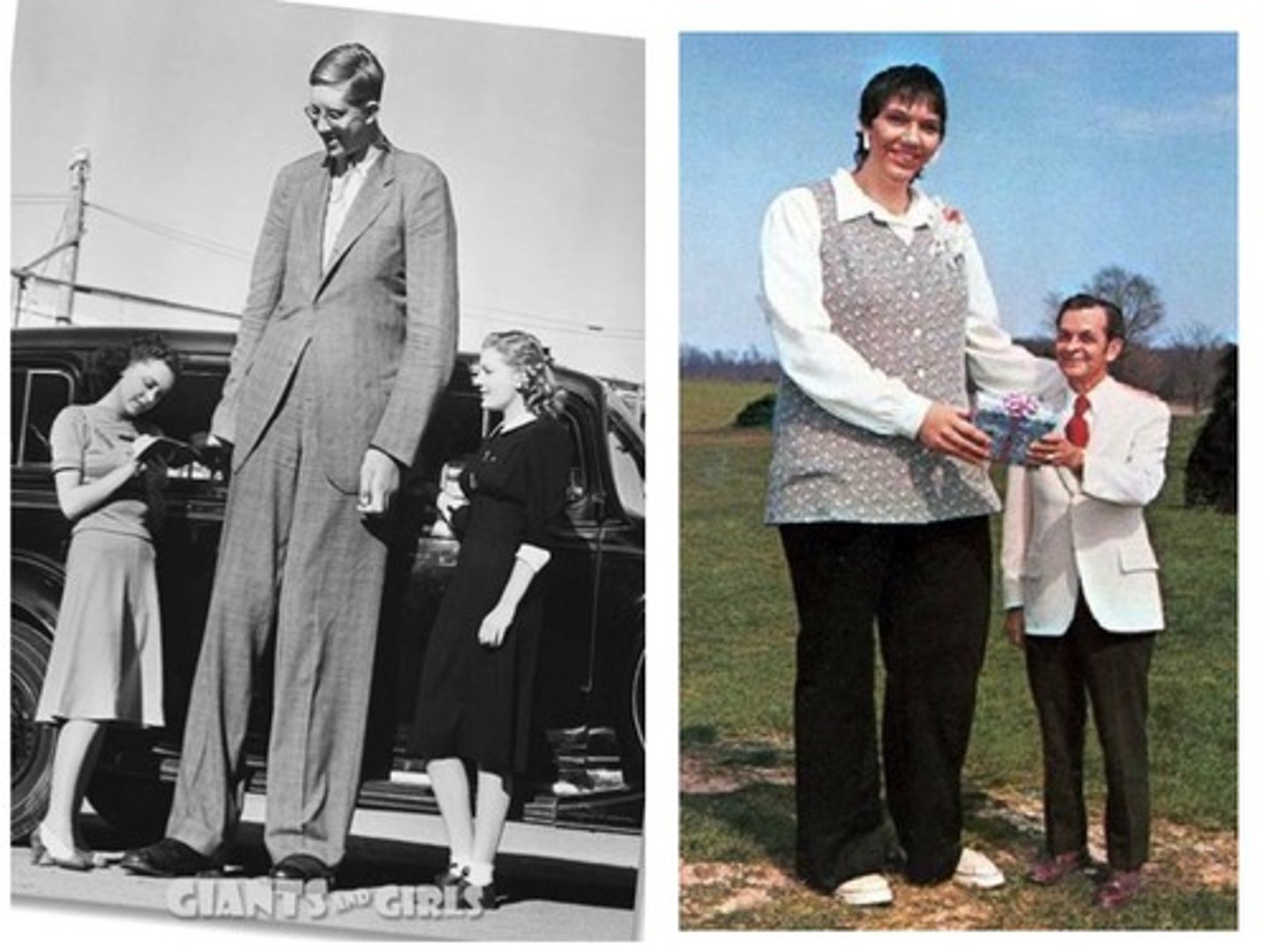
(Pituitary) Dwarfism
A condition that arises from the hyposecretion of growth hormone in children

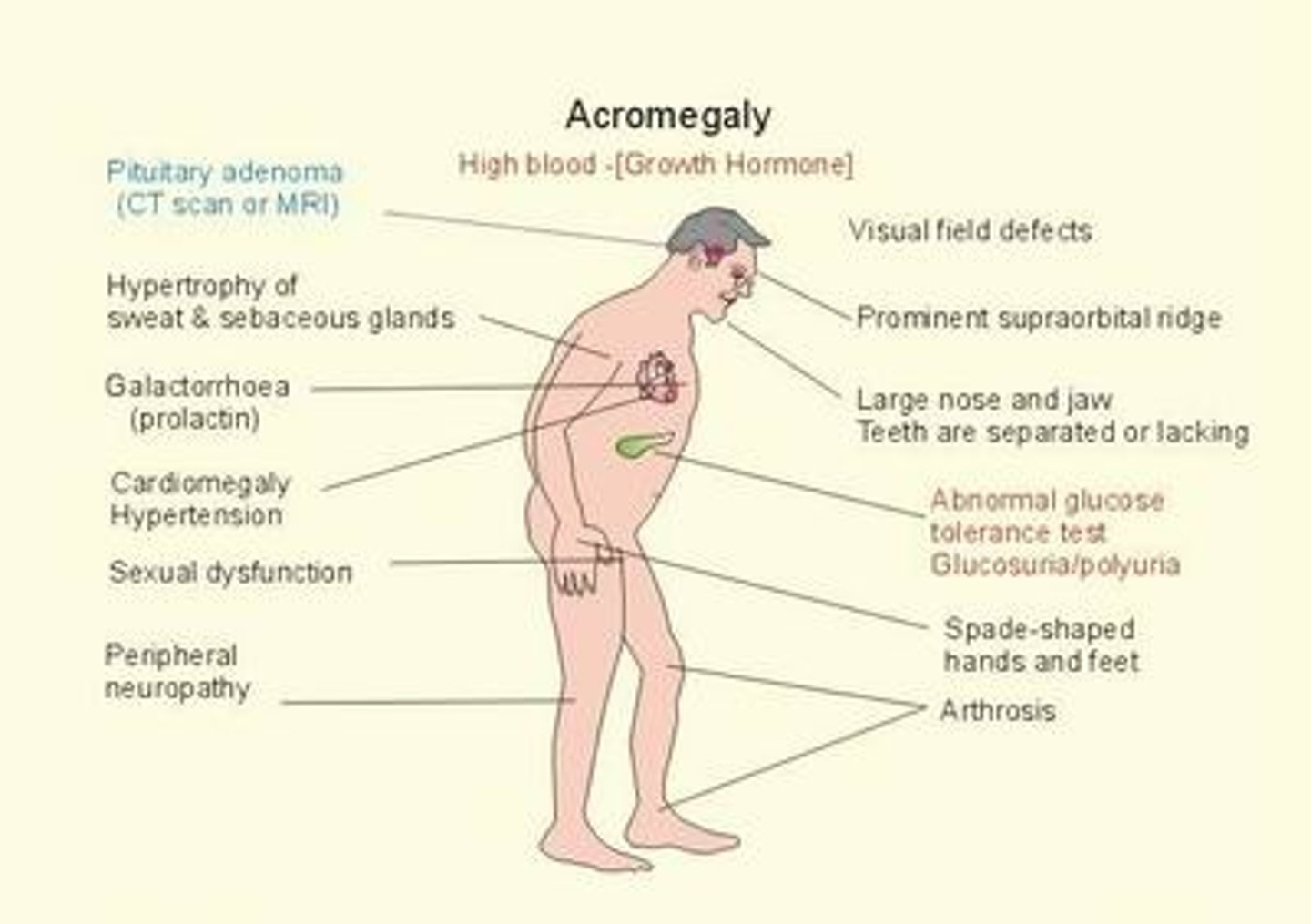
Acromegaly
The condition that results from the hypersecretion of growth hormone in adults
Follicle-Stimulating Hormone (FSH)
The hormone that stimulates meiosis in the gonads
Thyroxine (T4)
The hormone secreted by the thyroid gland that is responsible for increasing the basal metabolic rate
Basal Metabolic Rate (BMR)
/Resting Metabolic Rate (RMR)
The rate at which the body uses energy while at rest to maintain vital functions
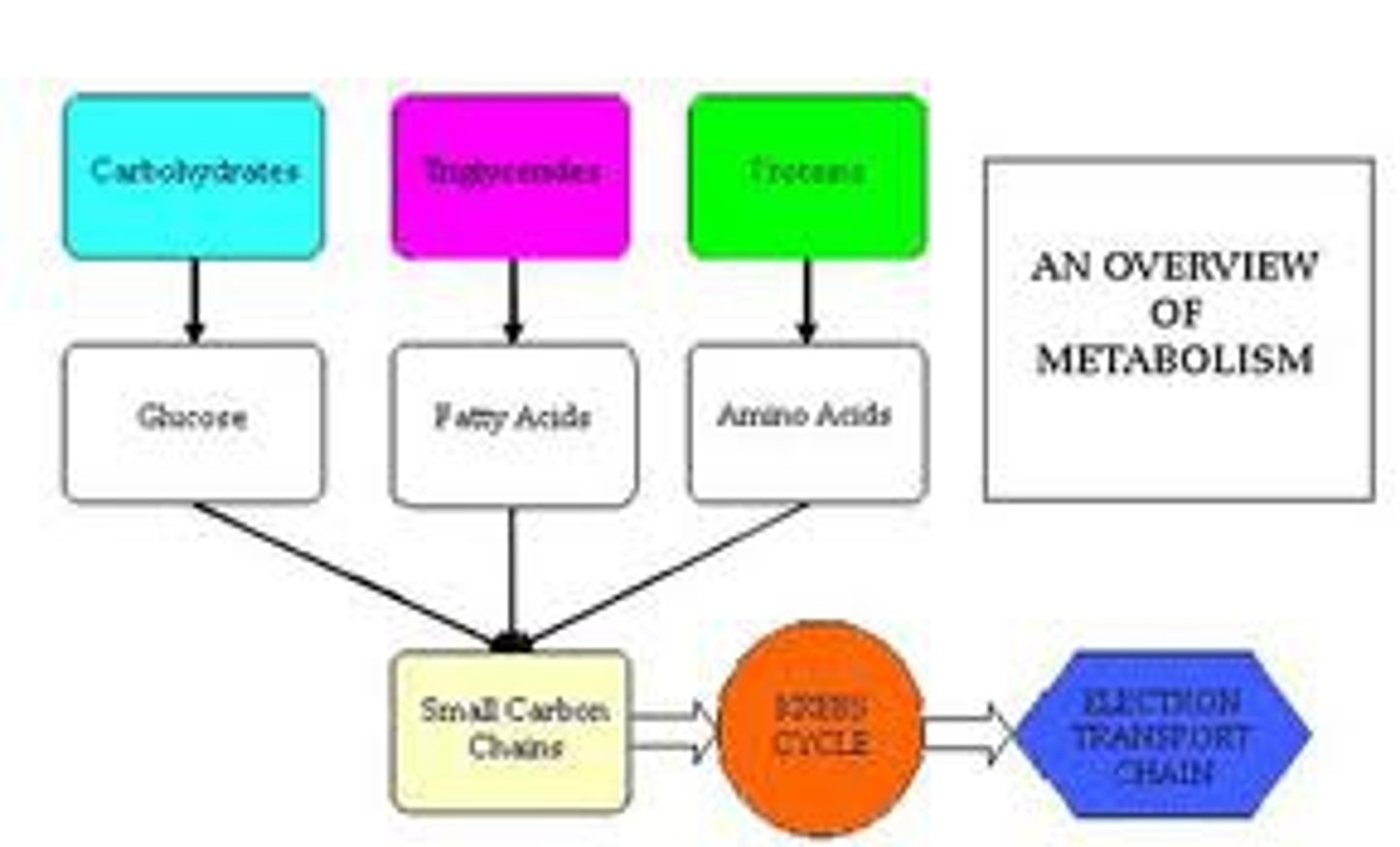
Metabolism
The set of life-sustaining chemical processes that convert food and drink into the energy required to power cellular activities, maintain homeostasis, and build new tissues
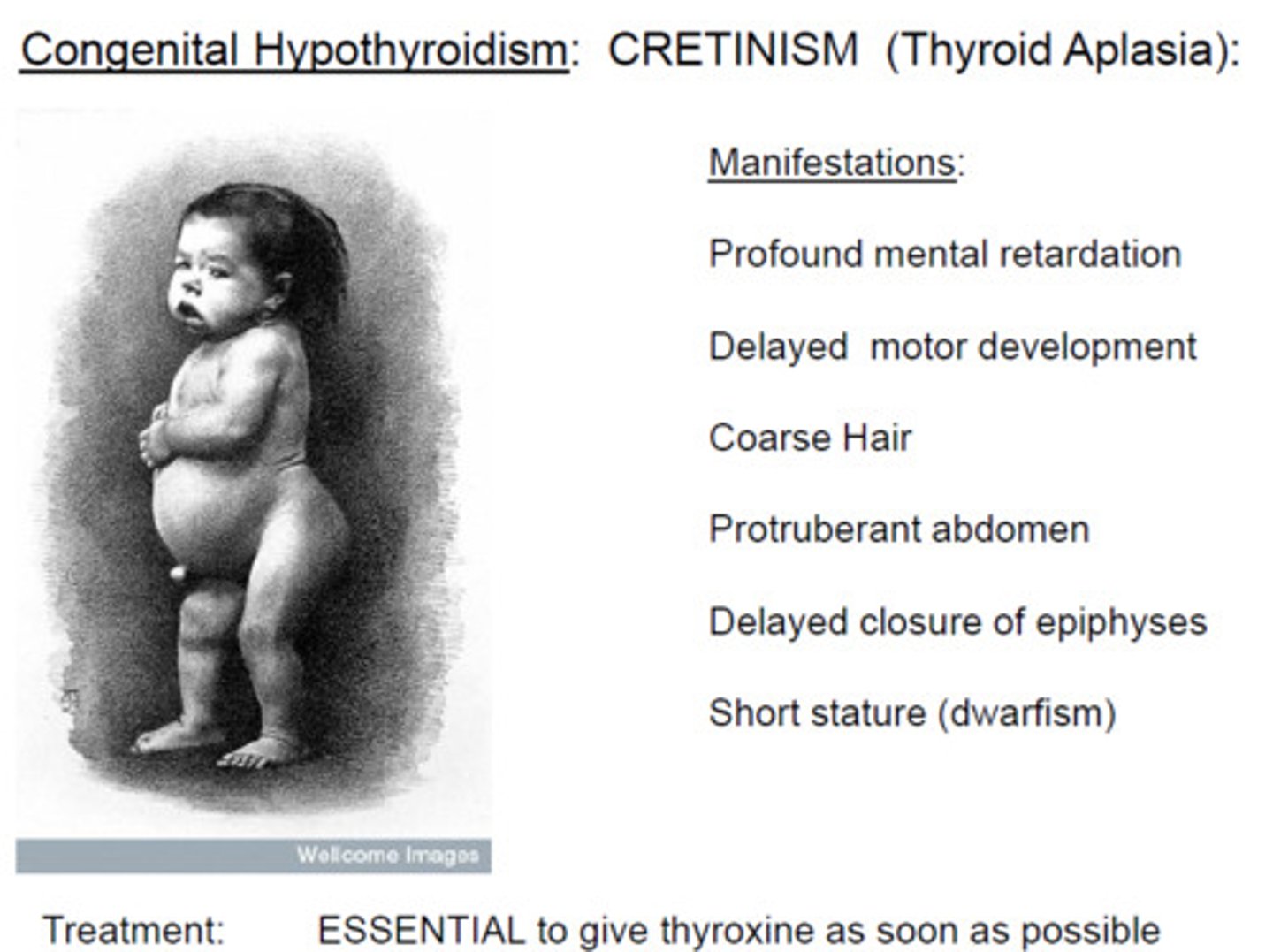
Cretinism
The condition that results from hypothyroidism in children
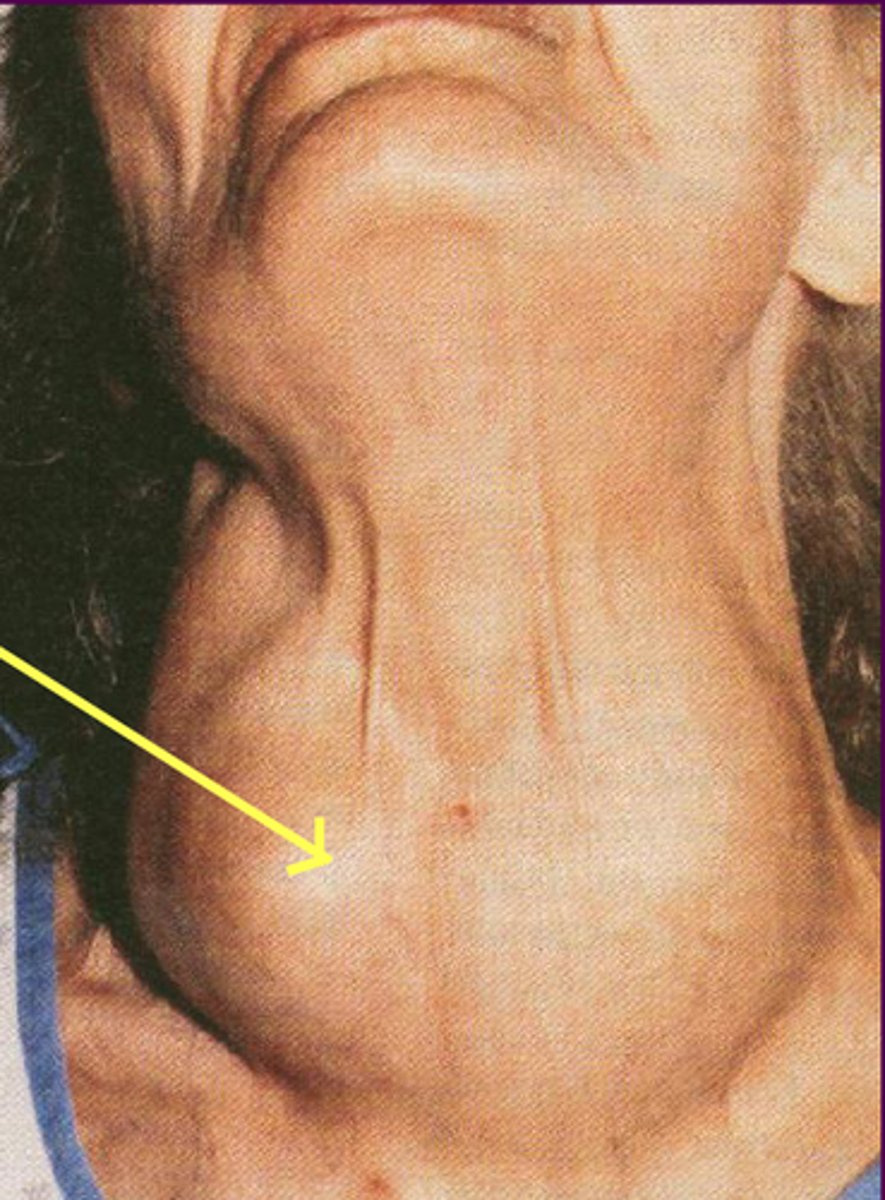
Goiter (Enlarged Thyroid)
An enlarged thyroid gland and an anti-allergic hormone that reduces stress.
Cortisol
An anti-inflammatory and anti-allergic hormone that reduces stress.
Adrenal Medulla
The part of the adrenal gland that secretes Adrenaline/Epinephrine
Adrenaline (Epinephrine)
The hormone that prepares the body for action in an emergency
Islets of Langerhans
The endocrine tissue of the pancreas
Insulin
The hormone secretions of the pancreas that lower the glucose level of the blood
Glycogen
Storage carbohydrates in the liver
Glucagon
The hormone secretions of the pancreas that increase blood glucose levels
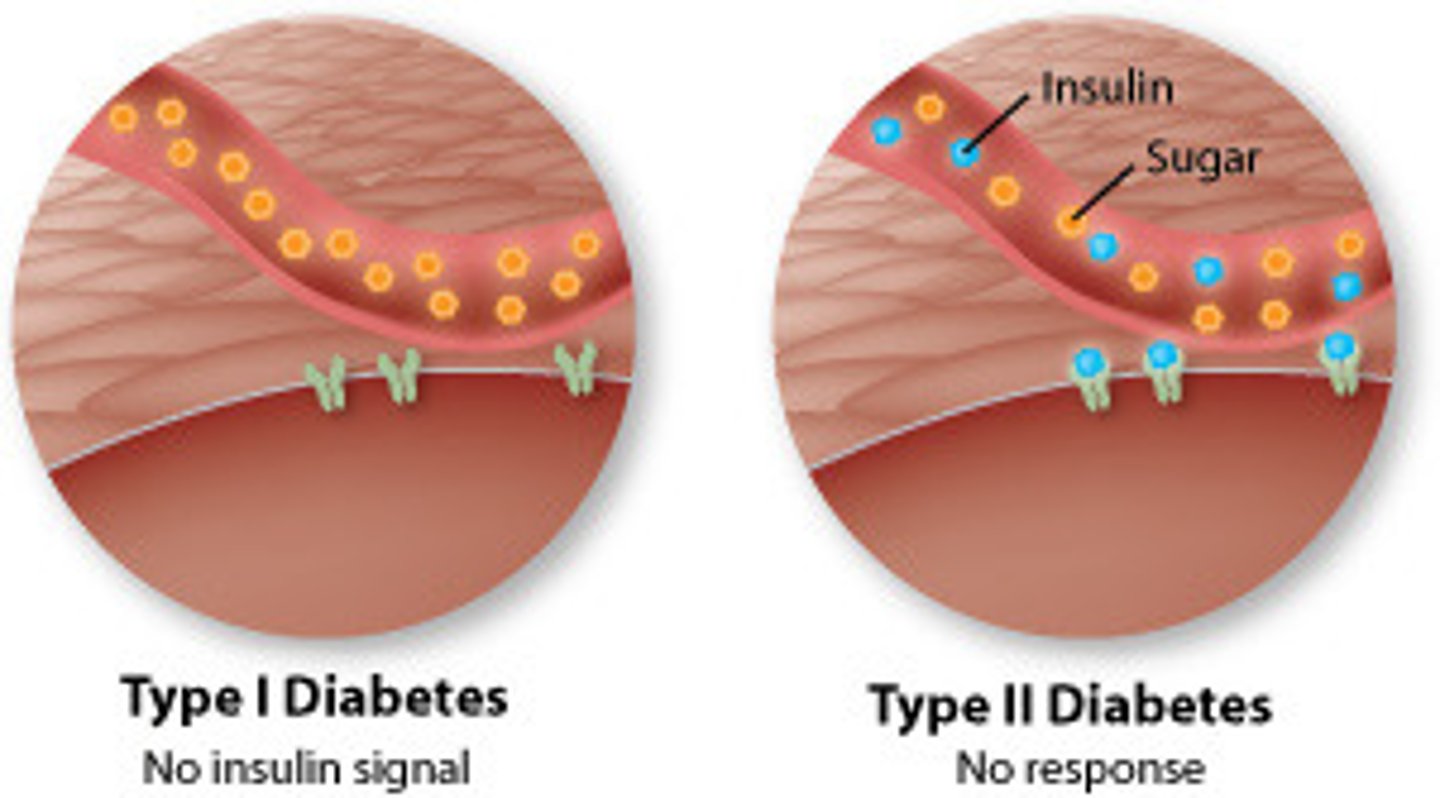
Diabetes Mellitus
A condition in which the hormonal control of blood glucose is defective
Progesterone
The hormone that prepares and maintains the endometrium during pregnancy
Oestrogen
The hormone that prepares the endometrium and is responsible for the secondary sexual characteristics in females.
Testosterone
The hormone that produces a rapid physical growth in males during puberty
Negative Feedback Loops
The control mechanism that keeps hormonal levels constant
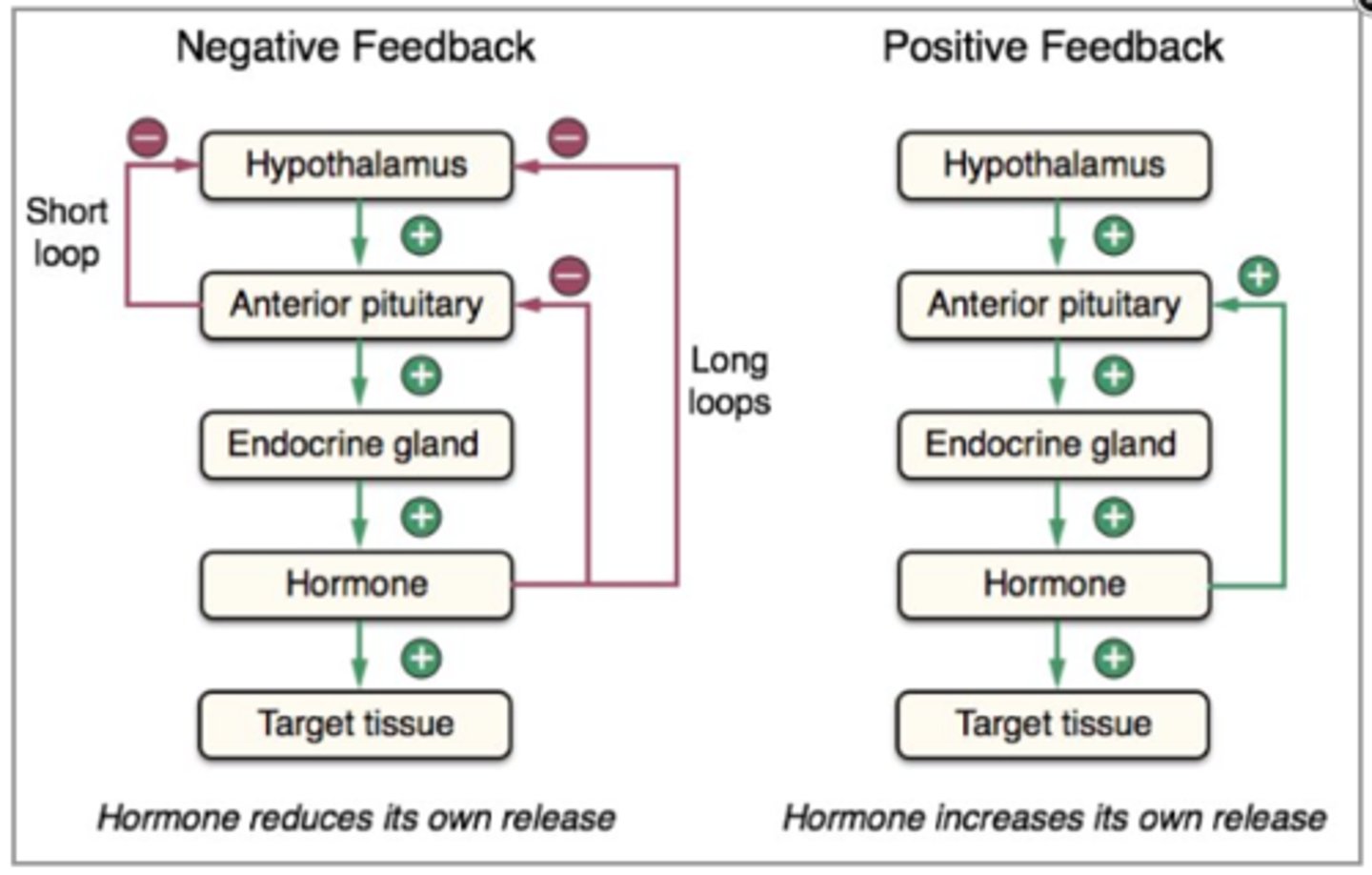
Hormonal Cascades
Biological communication chains where one hormone stimulates the release of another to regulate body functions
Types of coordinating systems in humans
The Nervous System
The Endocrine System
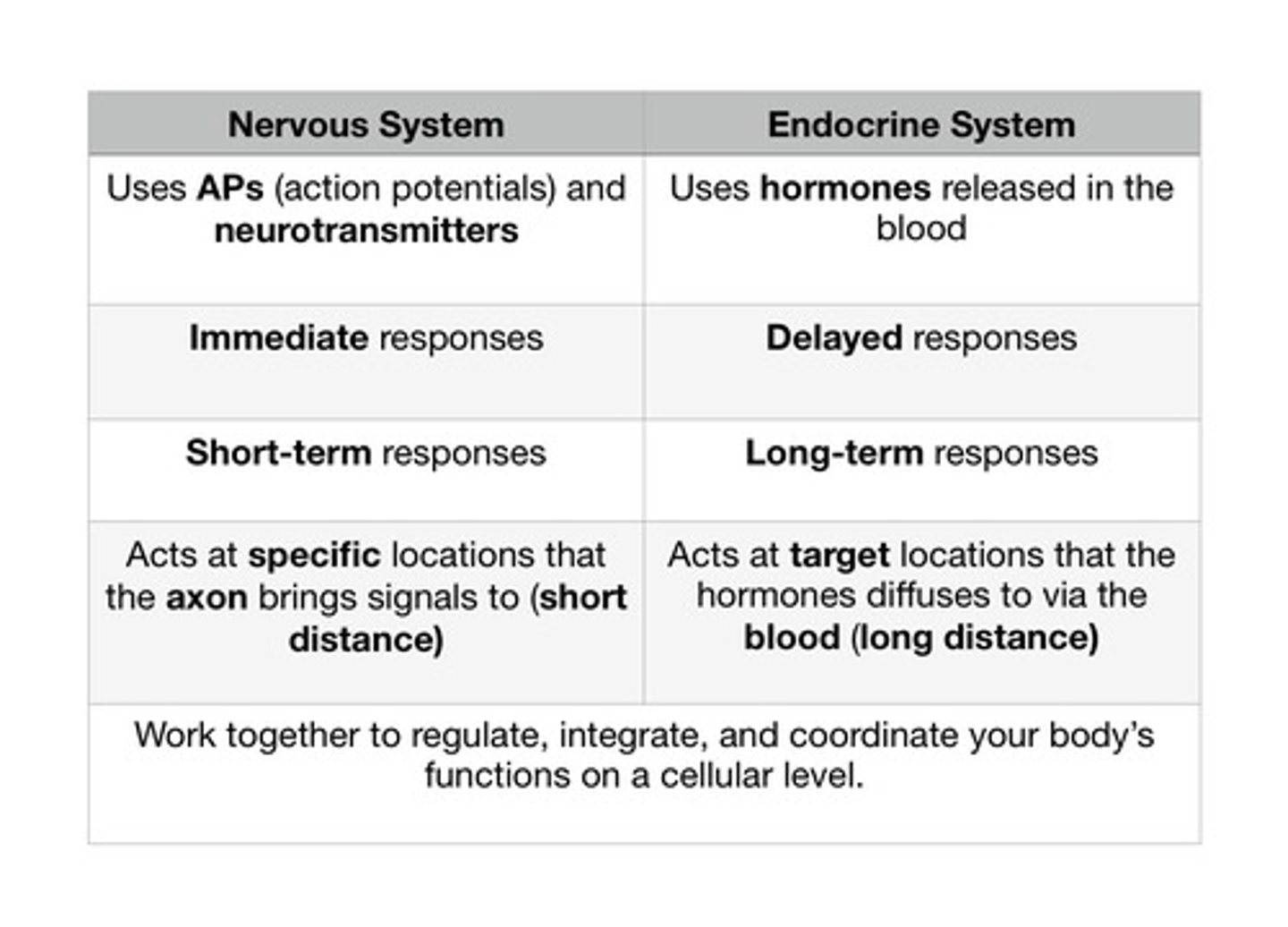
FUNCTION: (Together) Coordinate, integrate to regulate {acronym - CI2R}. Enable humans to respond to environmental changes and maintain the internal balance necessary for survival.
The Nervous System
The nervous system is made up of nerves and specialised cells (neurons). It transmits electrical impulses rapidly throughout the body.
FUNCTION: Produces fast, short-term responses such as reflex actions and muscle movements.
The Endocrine System
Hormones are secreted directly into the bloodstream.
They travel to target organs to cause a response.
Slow-acting but have long-lasting effects and regulate processes such as growth, development, metabolism and reproduction.
Hormone Definition
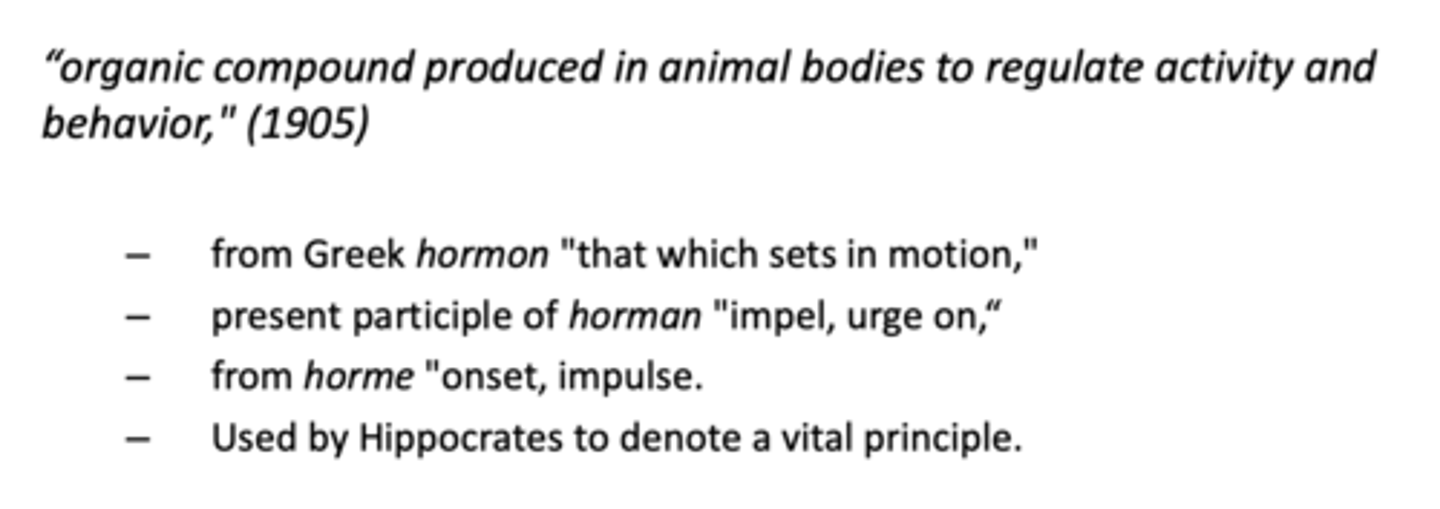
- A chemical messenger (protein)
- Produced by an endocrine gland and released directly into the bloodstream
- Transported to a specific organ
- To bring about a response
Internal Environment
The blood and tissue that surround a body of cells.
Negative Feedback Definition
- Operate in the human body to detect changes/ imbalances
- In the internal environment
- and to restore balance(homeostasis)
Types of Glands and their Function
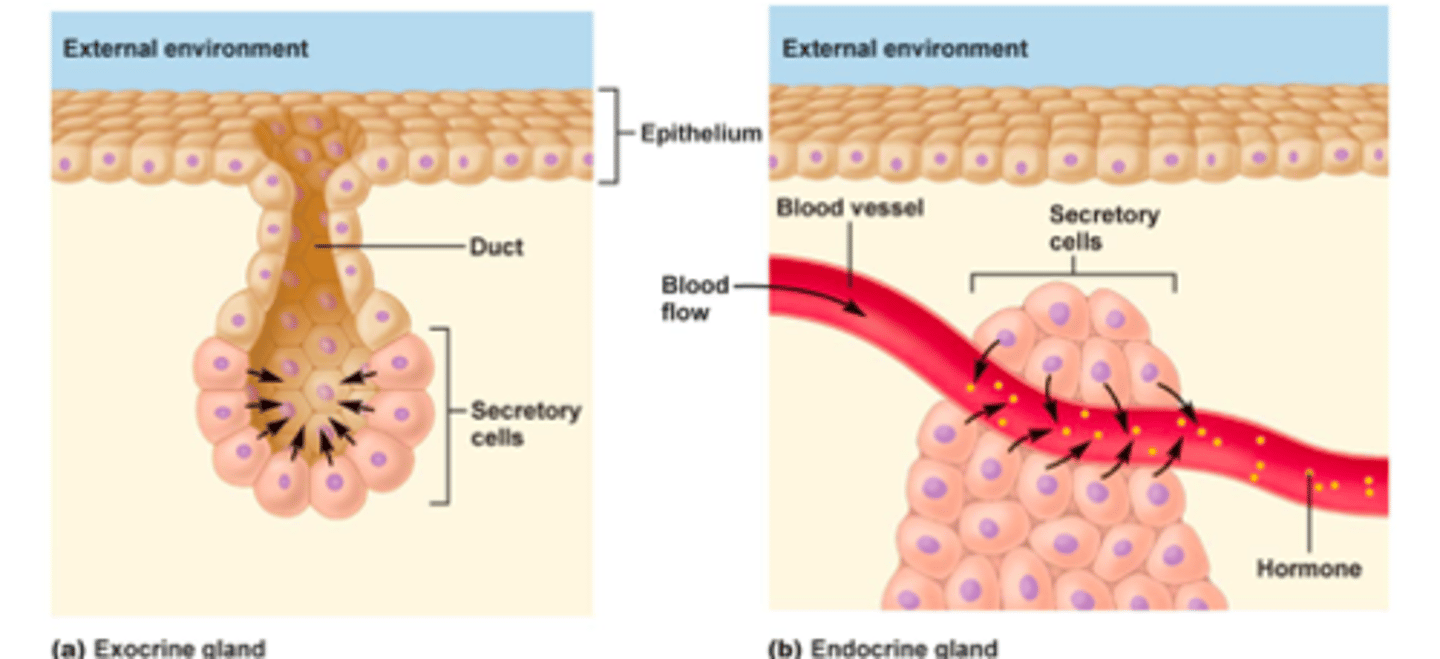
Endocrine: Ductless, hormones are released into the bloodstream (diffuse into capillaries)
Exocrine: Ducts, Secretions are released into a cavity/ on a surface
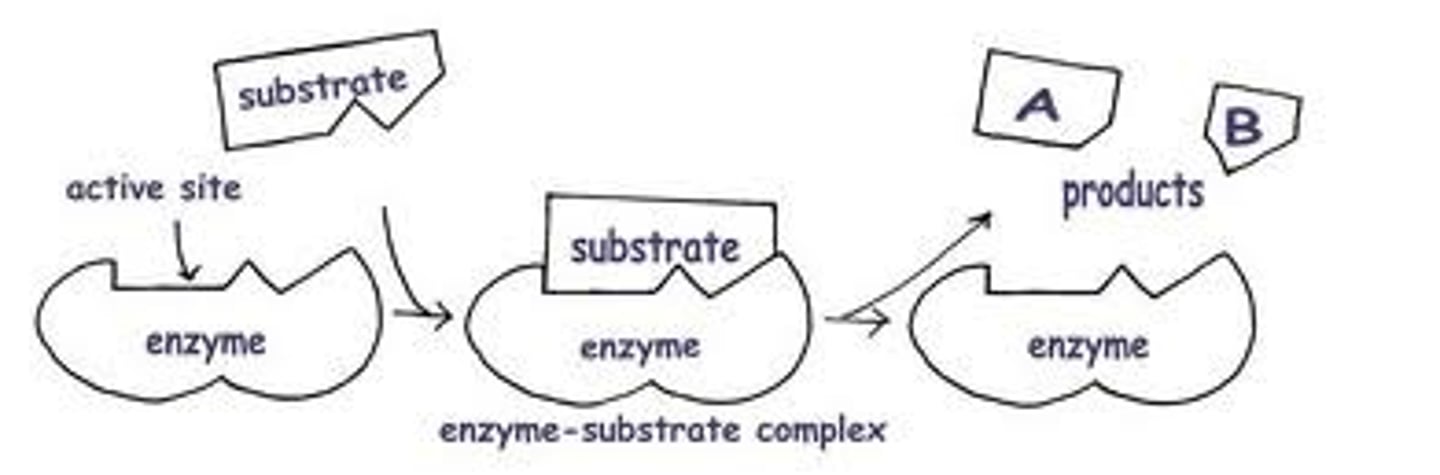
Lock and Key Model
1. Free Enzyme(Lock) + Substrate(Key). The enzyme has a cavity called the Active Site.
2. Enzyme-Substrate Complex. The substrate slots into the active site and forms a temporary structure called the Enzyme-Substrate Complex.
3. Chemical Reaction & Product Formation. In the active site, the enzyme facilitates the chemical reaction to form products.
4. Release & Reset. Newly formed products are released from the active site because they no longer have the specific key-shape required to stay locked. The enzyme is left completely unchanged
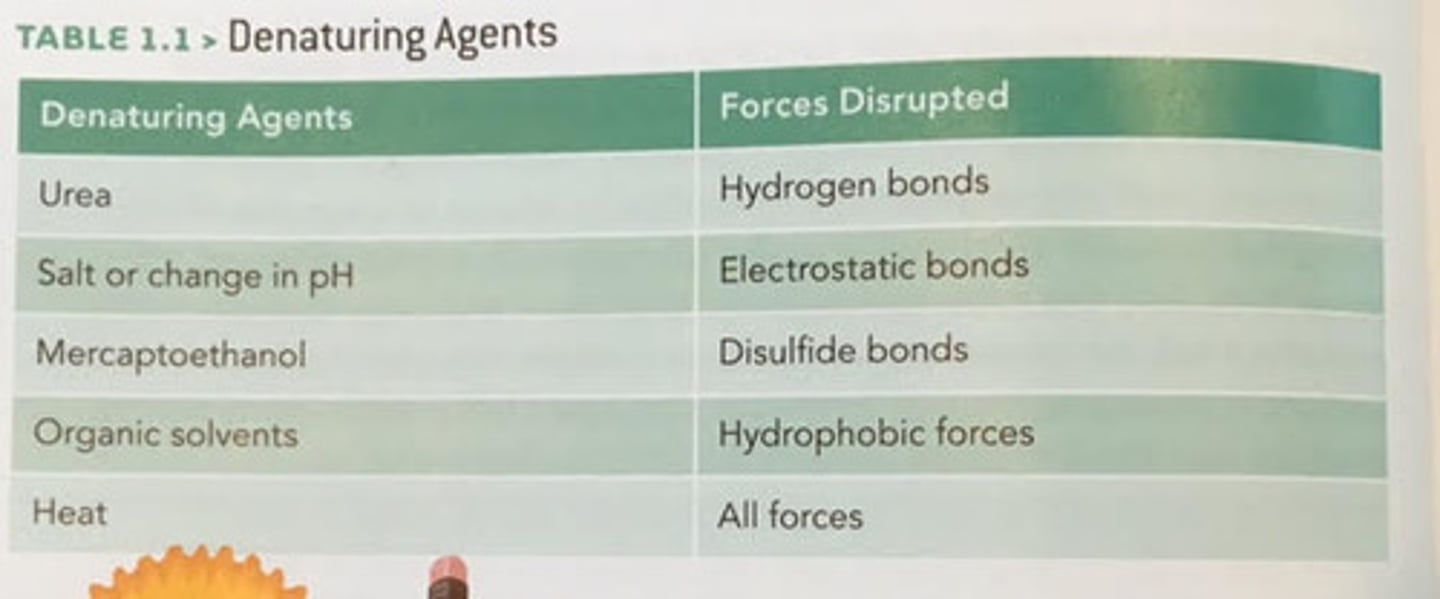
How can Temperature and pH affect Hormones
Denaturing (Protein) through alteration of the folded shape.
Hormones are mostly ___________ however some can be ______________
Proteins .... Lipids(Fatty Acids)
General principles of hormone activity (7)
1. Specific action due to receptor molecules on target cells/organs (located in the cell membrane/ cytoplasm/ nucleus)
2. Only cells with the correct receptor will respond. Cells without a receptor are unaffected. (Lock and Key Model)
3. The same hormone can cause different responses in different target cells.
4. Some hormones are present in the blood most of the time to maintain stable internal conditions(Insulin/Gucagon, etc.), while others are released only when needed (Adrenaline during stress)
5. Hormones are usually controlled by negative feedback mechanisms. (Decrease in hormone lvl = stimulates secretion) / [Increase in hormone lvl = inhibition of secretion]
6. A few hormones operate on a positive feedback (Oxytocin/Prolactin)
7. Once hormones bind to receptors, they are rapidly broken down/ removed. Allows target cells to remain sensitive to changing hormone lvls and enables precise regulation.
![<p>1. Specific action due to receptor molecules on target cells/organs (located in the cell membrane/ cytoplasm/ nucleus)</p><p>2. Only cells with the correct receptor will respond. Cells without a receptor are unaffected. (Lock and Key Model)</p><p>3. The same hormone can cause different responses in different target cells.</p><p>4. Some hormones are present in the blood most of the time to maintain stable internal conditions(Insulin/Gucagon, etc.), while others are released only when needed (Adrenaline during stress)</p><p>5. Hormones are usually controlled by negative feedback mechanisms. (Decrease in hormone lvl = stimulates secretion) / [Increase in hormone lvl = inhibition of secretion]</p><p>6. A few hormones operate on a positive feedback (Oxytocin/Prolactin)</p><p>7. Once hormones bind to receptors, they are rapidly broken down/ removed. Allows target cells to remain sensitive to changing hormone lvls and enables precise regulation.</p>](https://assets.knowt.com/user-attachments/811cf411-f1d5-4708-8f93-188e93231cb0.jpg)
Feedback Mechanisms and Types
Positive Feedback
Negative Feedback
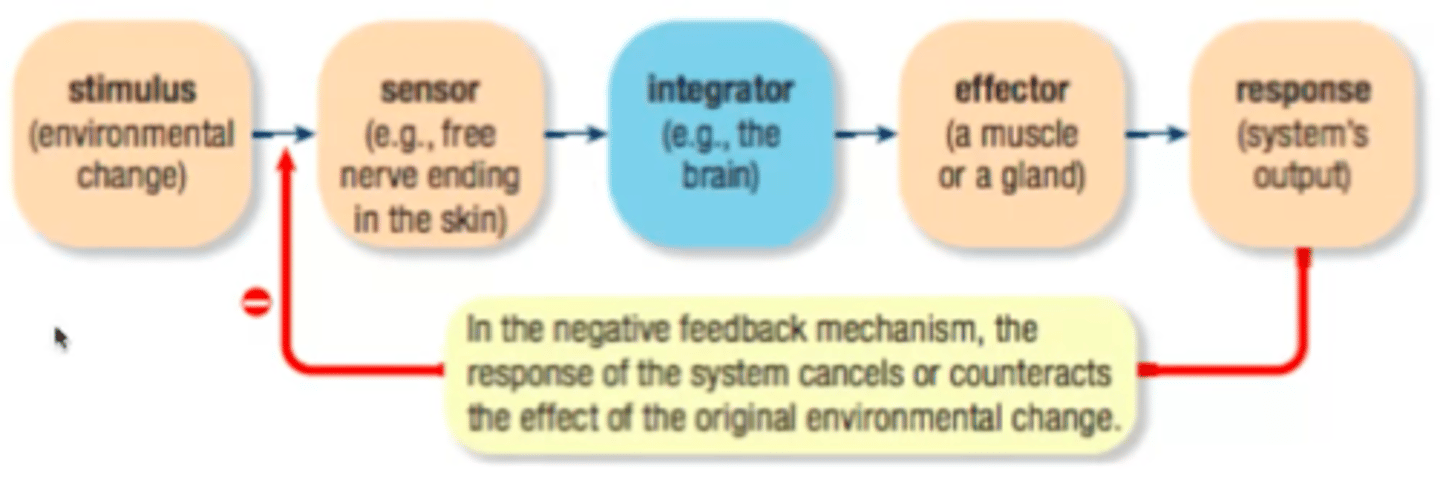
FUNCTION: The control system operates through a feedback mechanism. Receptors detect changes and send information to a control centre, which brings about adjustments via effectors.
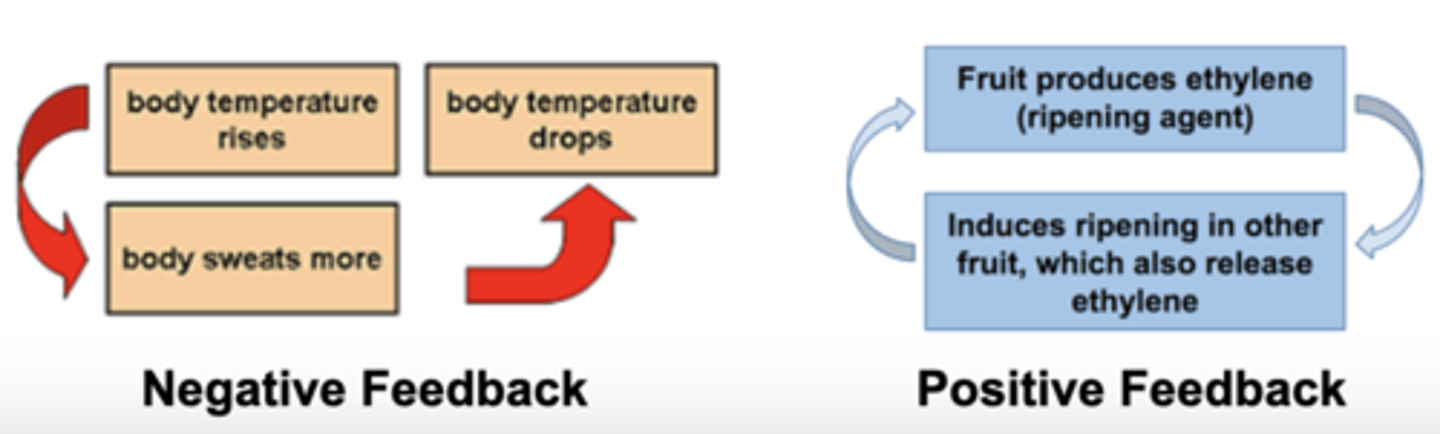
Process of Negative Feedback
1. A deviation from the normal level is detected BY RECEPTORS. (Send this information to the brain/endocrine gland via SENSORY NERVES or HORMONES IN THE BLOODSTREAM.
2. The control centre PROCESSES the information and SENDS a message to an effector organ.
3. The EFFECTOR ORGAN responds, reversing the change and RESTORING NORMAL LEVELS.
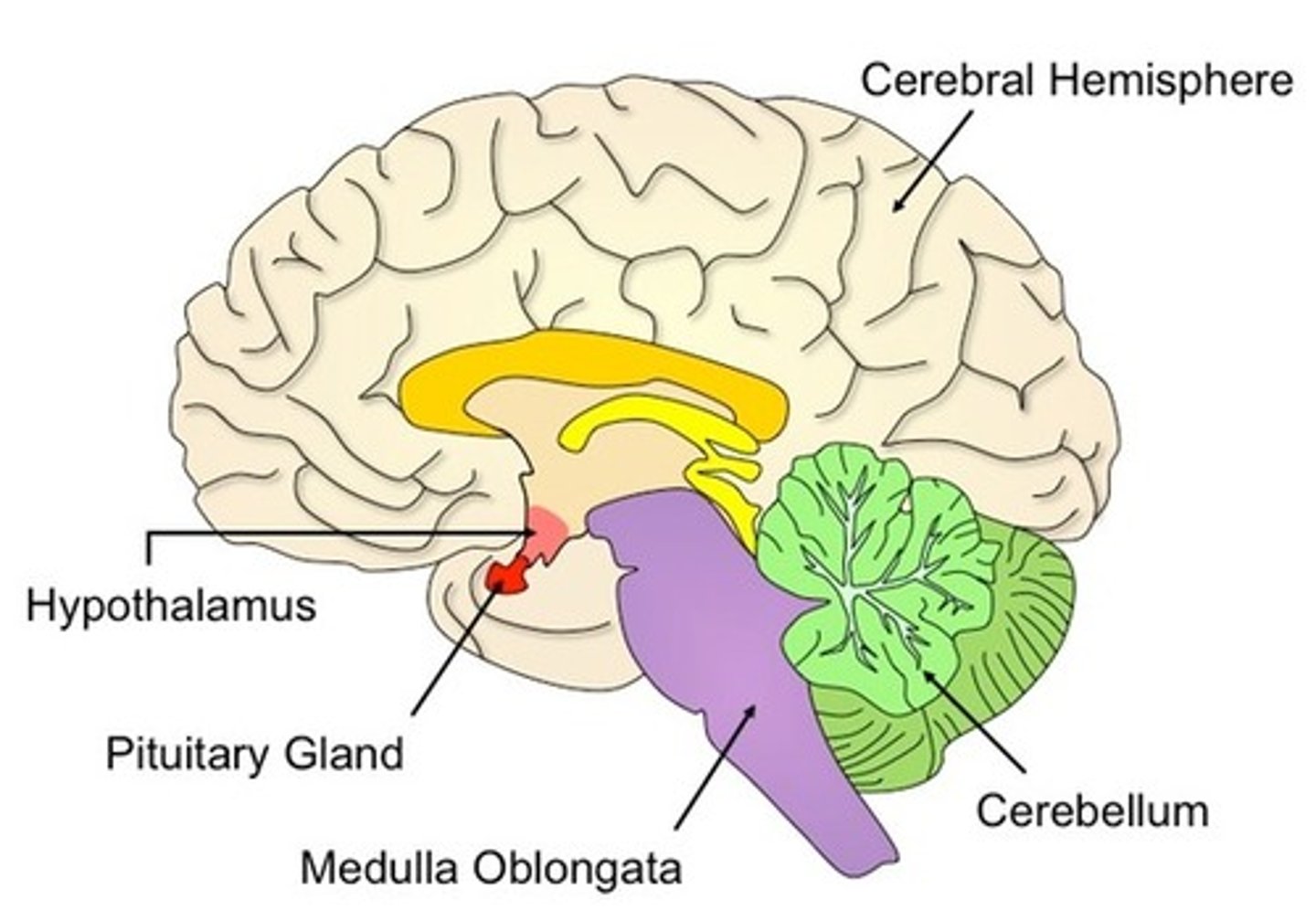
Hypothalamus
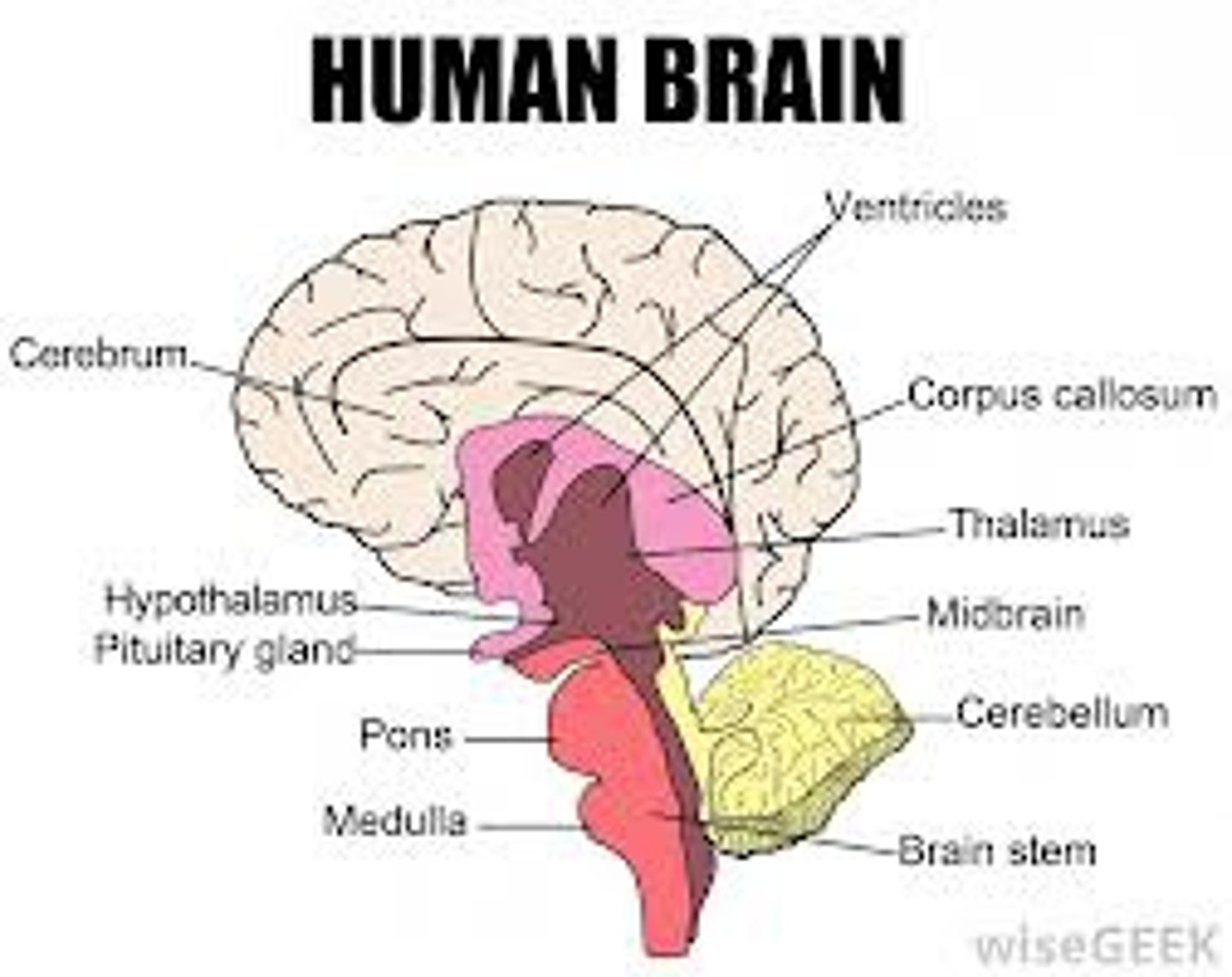
Links the nervous system to the endocrine system. Key role in maintaining Homeostasis by controlling the activity of the pituitary gland.
NB! ADH is made in the hypothalamus but stored and released in the anterior pituitary.
Role of the Hypothalamus
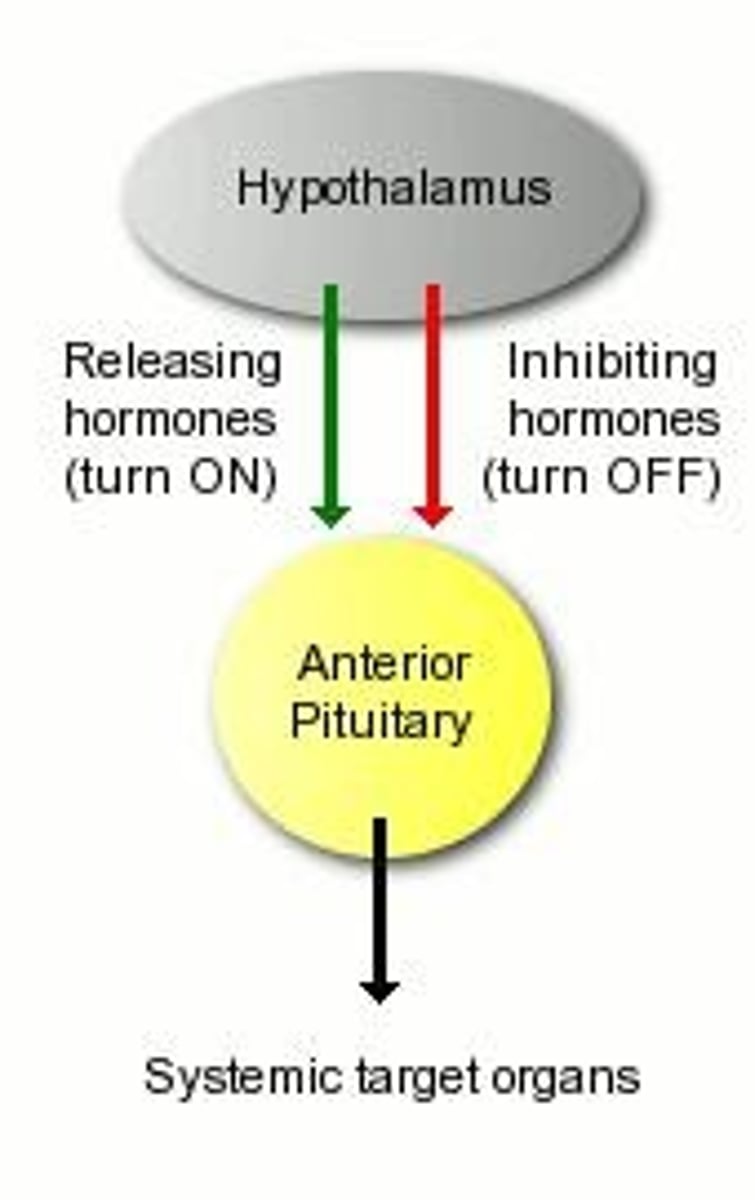
- Produces releasing and inhibiting hormones that regulate the anterior pituitary.
- Released into the hyposeal portal blood system to be directly transported to the pituitary.
- ADH is transported along nerve fibres to the pituitary for storage/ distrubuition.
Hypothalamus and secretion of ADH
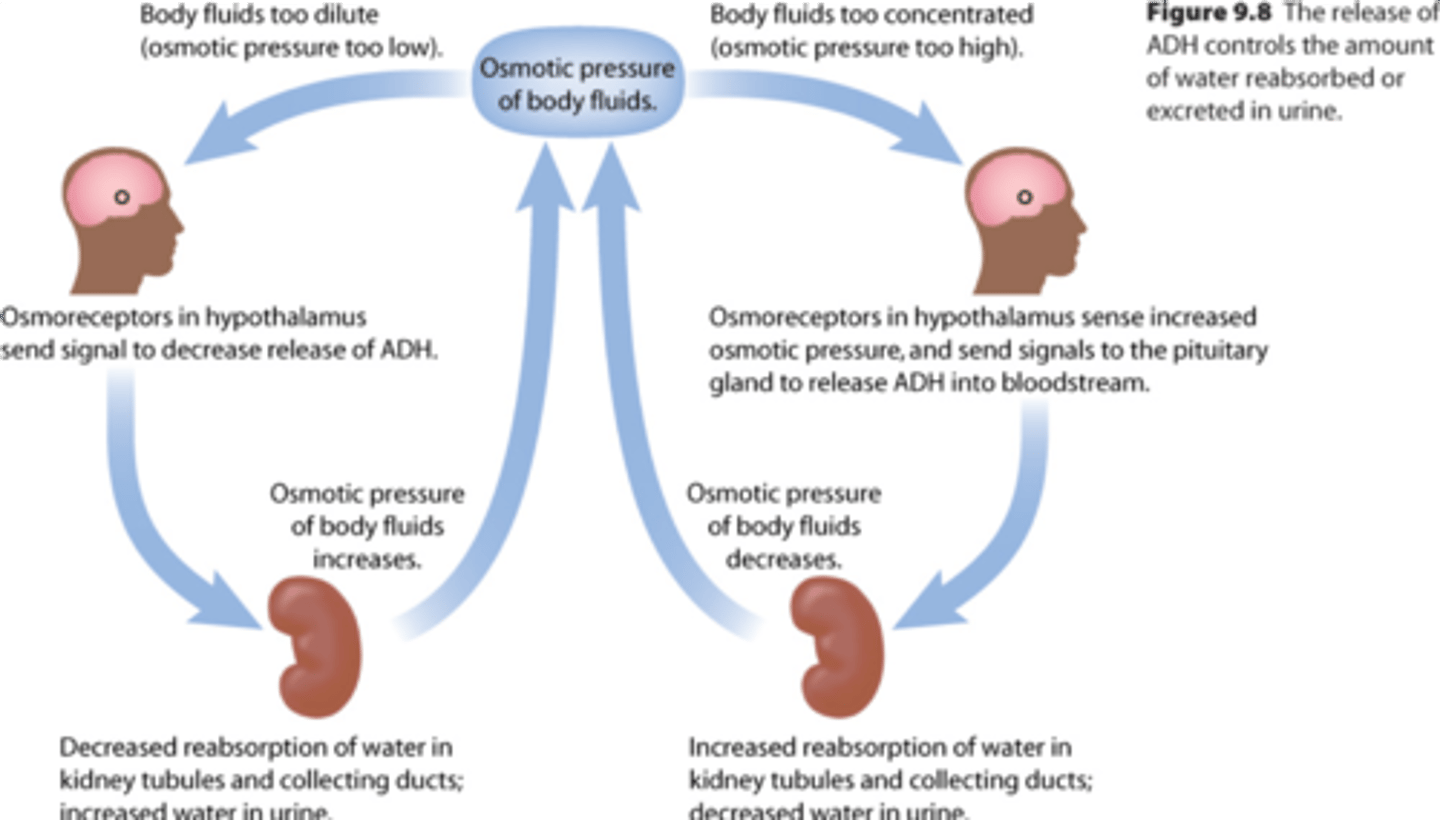
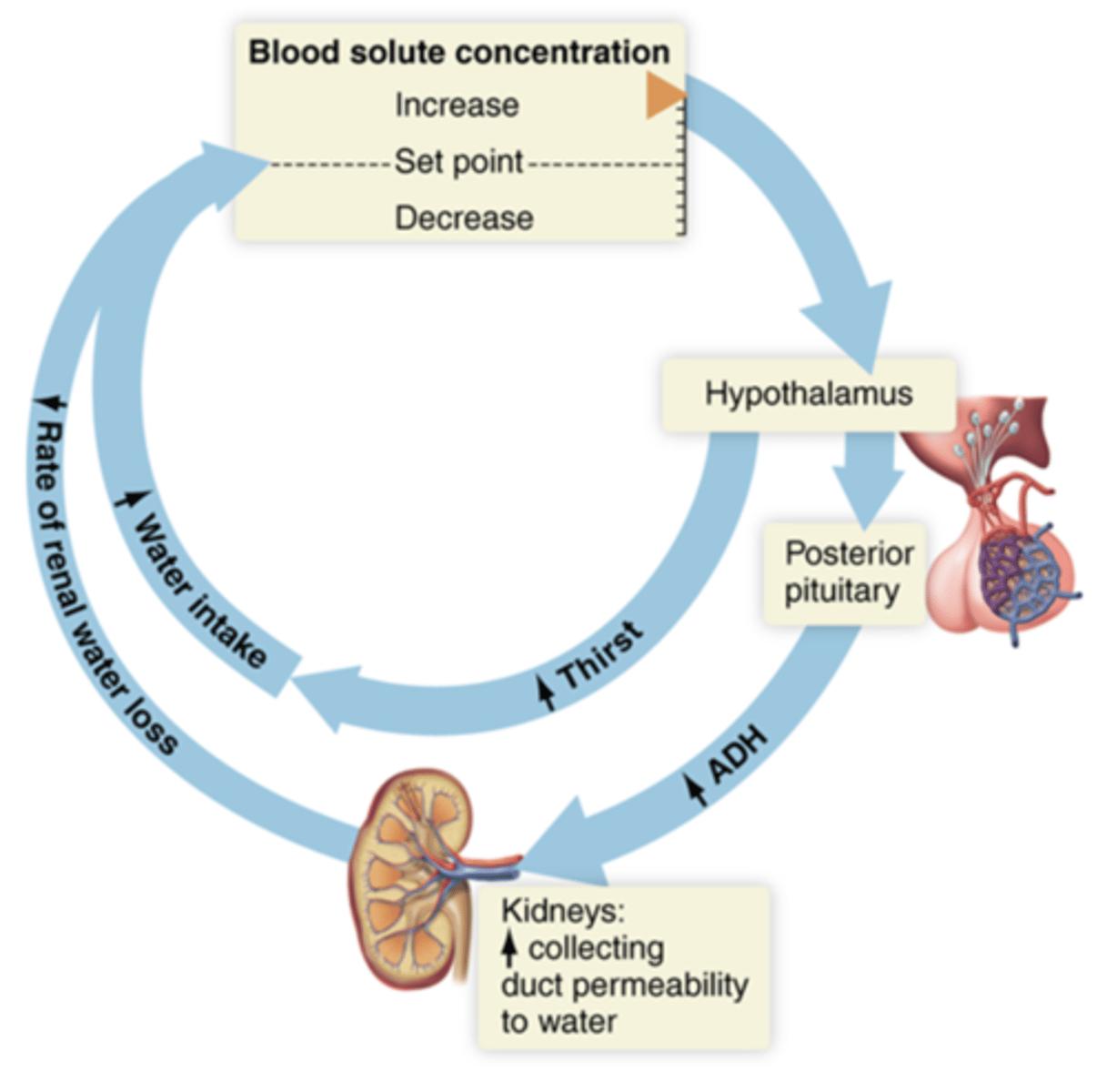
1. The hypothalamus contains osmoreceptors that are sensitive to changes in the blood plasma concentration
2. When plasma concentration changes, the receptors stimulate neurosecretory cells in the hypothalamus.
3. ADH is produced in the hypothalamus and transported to the posterior pituitary for storage.
4. Nerve impulses from the hypothalamus cause the posterior pituitary to release more/ less ADH into the bloodstream.
5. ADH acts on the kidneys to adjust water reabsorption and restore normal plasma concentration.
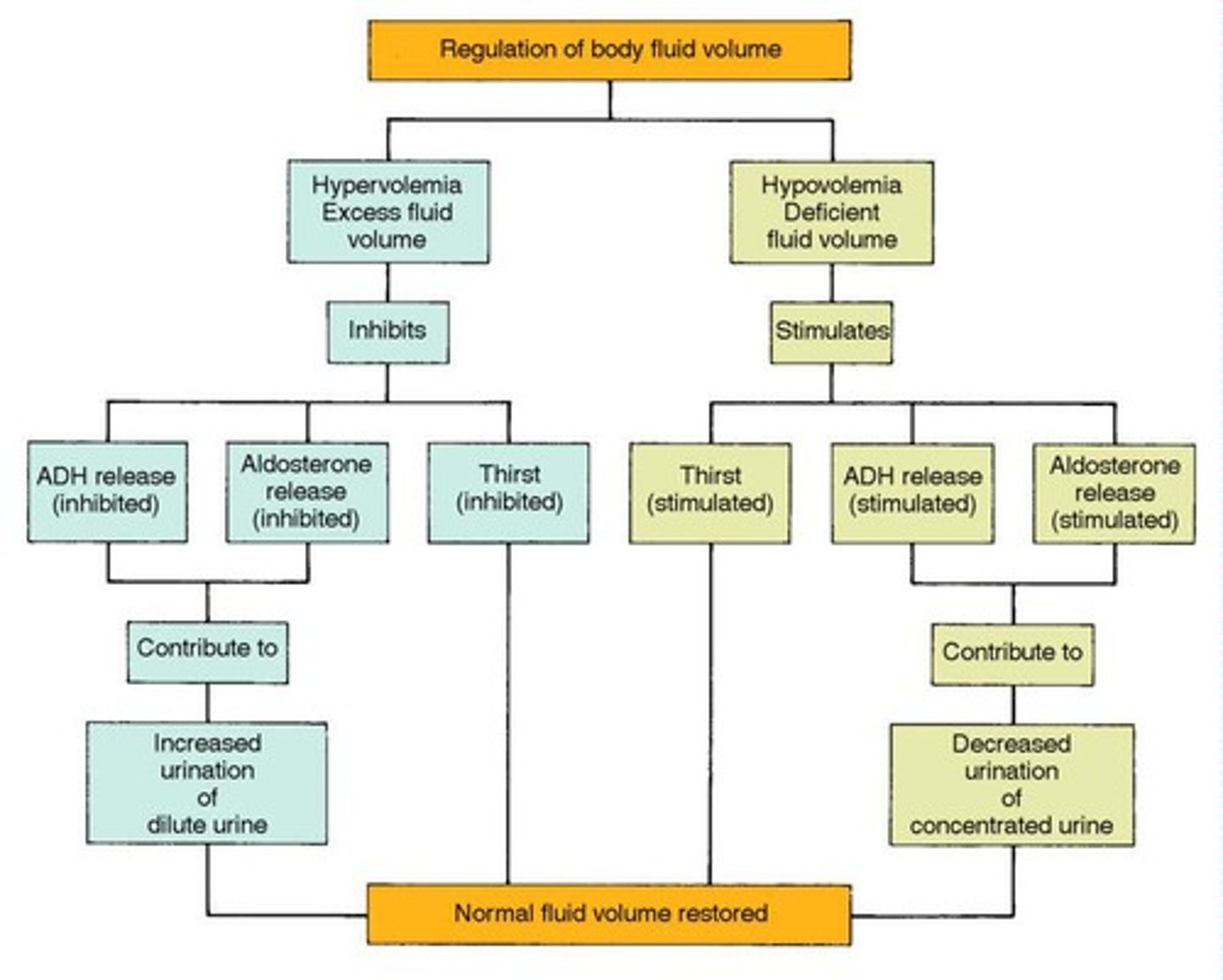
Hypervolemia ADH negative feedback
Hypervolemia = Too much (Hyper) water in blood
1. Blood has a low viscosity = Thin blood(Dangerous -High blood pressure/ damages circulatory system = blockage)
2. The hypothalamus detects increases in water level and low concentration of solutes.
3. The pituitary releases less ADH.
4. Kidneys reabsorb less water - increased urination
5. Homeostasis = ruturn
Hypovolemia ADH negative feedback
Hypovolemia = Too little water in the blood
1. Blood has a high blood viscosity = Thick blood
2. The hypothalamus detects decreases in water level and a high concentration of solutes.
3.1. The pituitary releases more ADH.
3.2. The hypothalamus creates a feeling of thirst (Neurological)
4.1. Kidneys reabsorb more water.
4.2.2 The person drinks water.
5. Homeostasis = return
The Pituitary Gland/ Hypophysis (The Master Gland)
Located at the base of the brain, it secretes hormones that regulate the function of other glands, ensuring coordinated regulation of body processes and homeostasis.
• secretes human growth hormone
Posterior Pituitary (Neurohypophysis)
IEB ONLY REQUIRES COLLECTIVE TERM
The posterior lobe of the pituitary gland secretes ADH and Oxytocin. The release of these hormones occurs directly as a result of neural input to the hypothalamus
(They require instantaneous processing of full-body sensory data and must coordinate immediate, survival-level behavioural responses.)
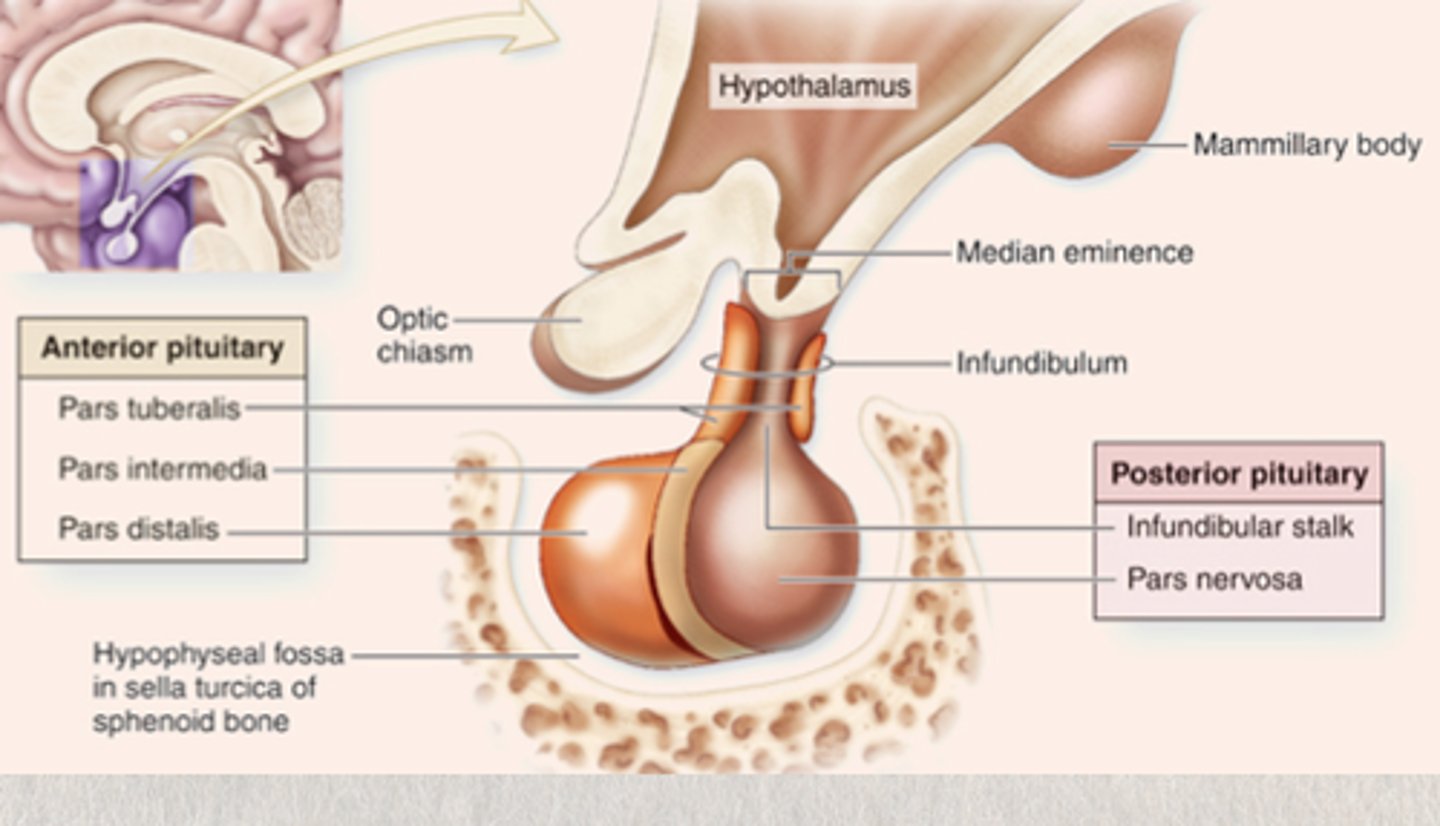
Anterior Pituitary
IEB ONLY REQUIRES COLLECTIVE TERM
Releases at least 6 peptide Hormones (because IEB doesn't do melanophore-stimulating hormone) into the blood from simple secretory cells. The release is regulated by releasing and inhibiting factors from the hypothalamus.
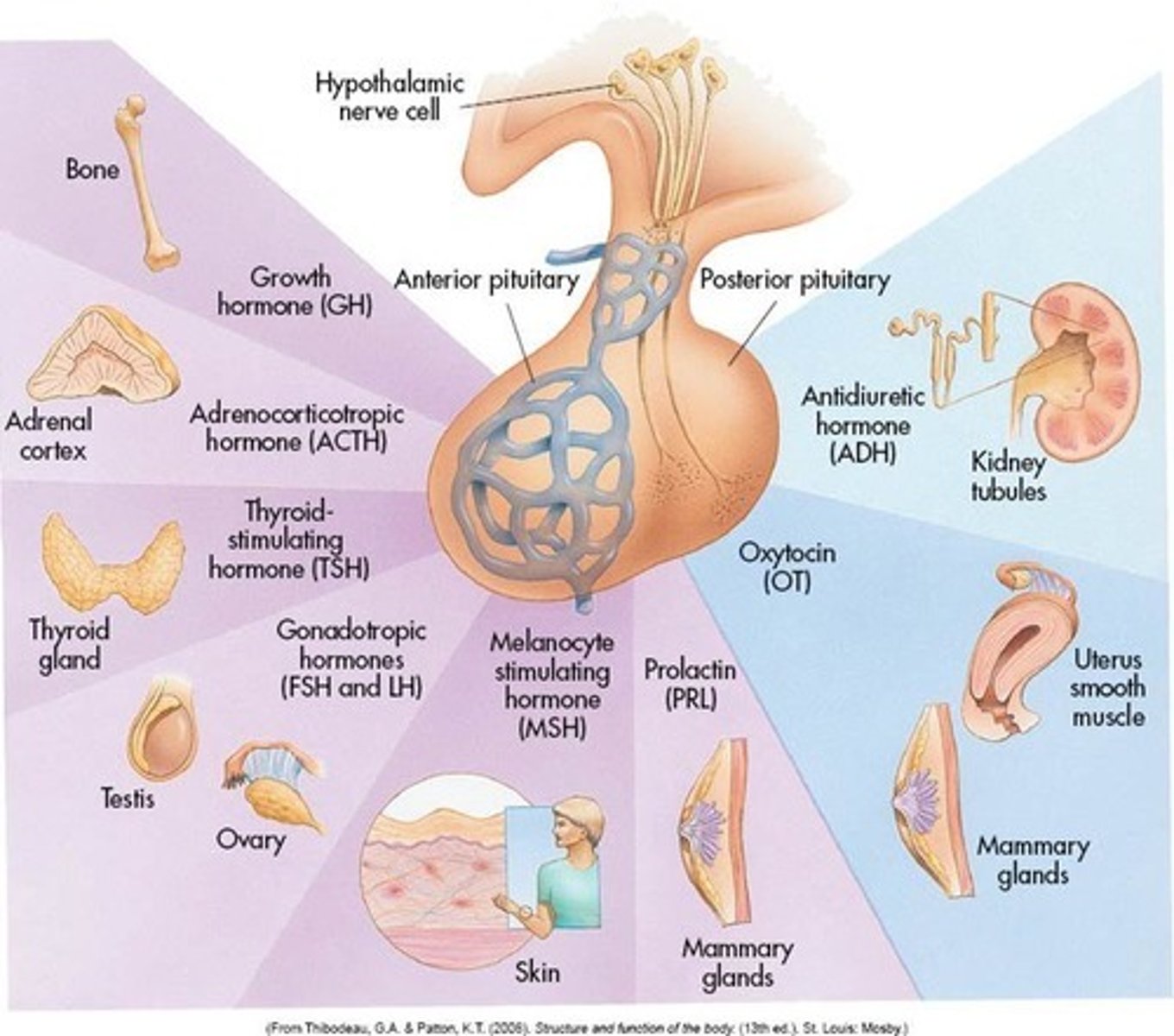
Hormones of the Pituitary Gland
Growth hormone (HGH)
Thyroid-stimulating hormone (TSH)
Adrenocorticotropic hormone (ACTH)
Prolactin
Follicle-stimulating hormone (FSH)
luteinizing hormone (LH)
Oxytocin
Antidiuretic Hormone (ADH)
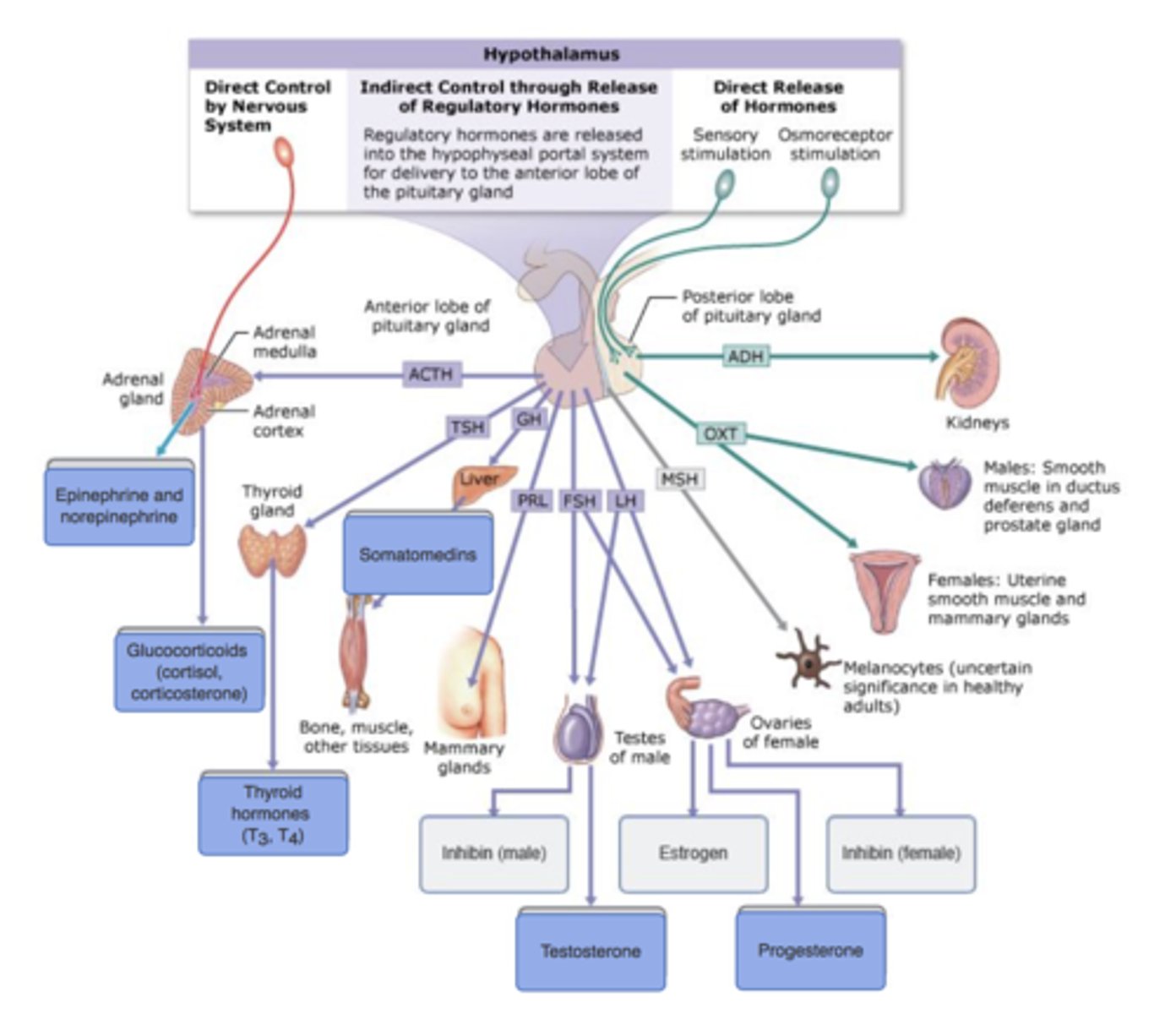
Growth Hormone (HGH) Functions
- Stimulates an increase in height during childhood
- Increases muscle mass
- Increases Protein synthesis
- Stimulates growth of all body tissues and organs, except the brain.
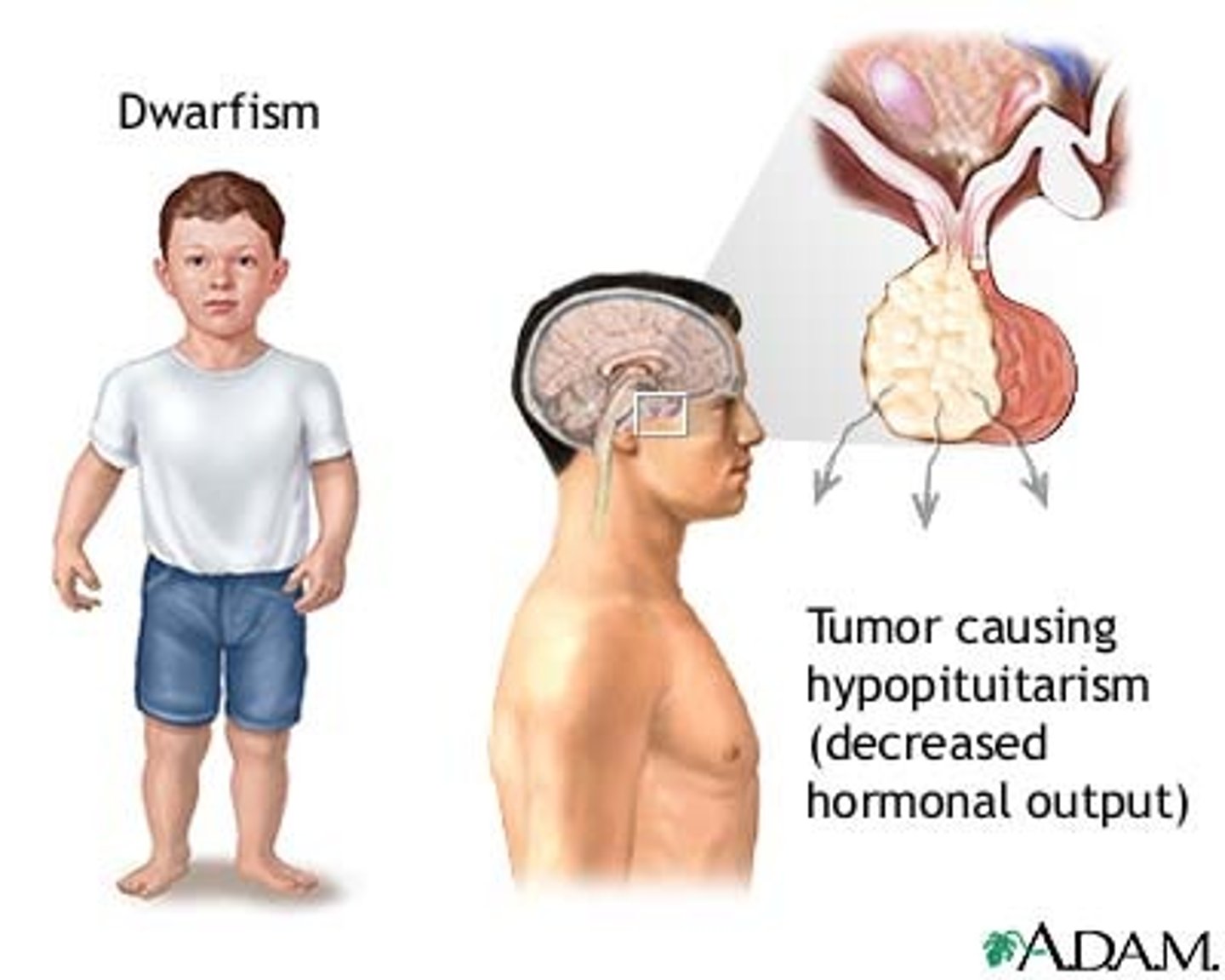
Dwarfism - Growth Hormone Deficiency (GHD)
Caused by an insufficient secretion of (HGH) from the pituitary, NOT GENETIC DWARFISM.
CHILDREN:
-Slow growth rate
-Normal body proportions
-Height 20-25% below average
-Normal head size
ADULTS(RARE):
-Reduced muscle mass and bone density
-Fatigue, depression and poor memory
TREATMENT: Both forms can be treated with growth hormone injections.
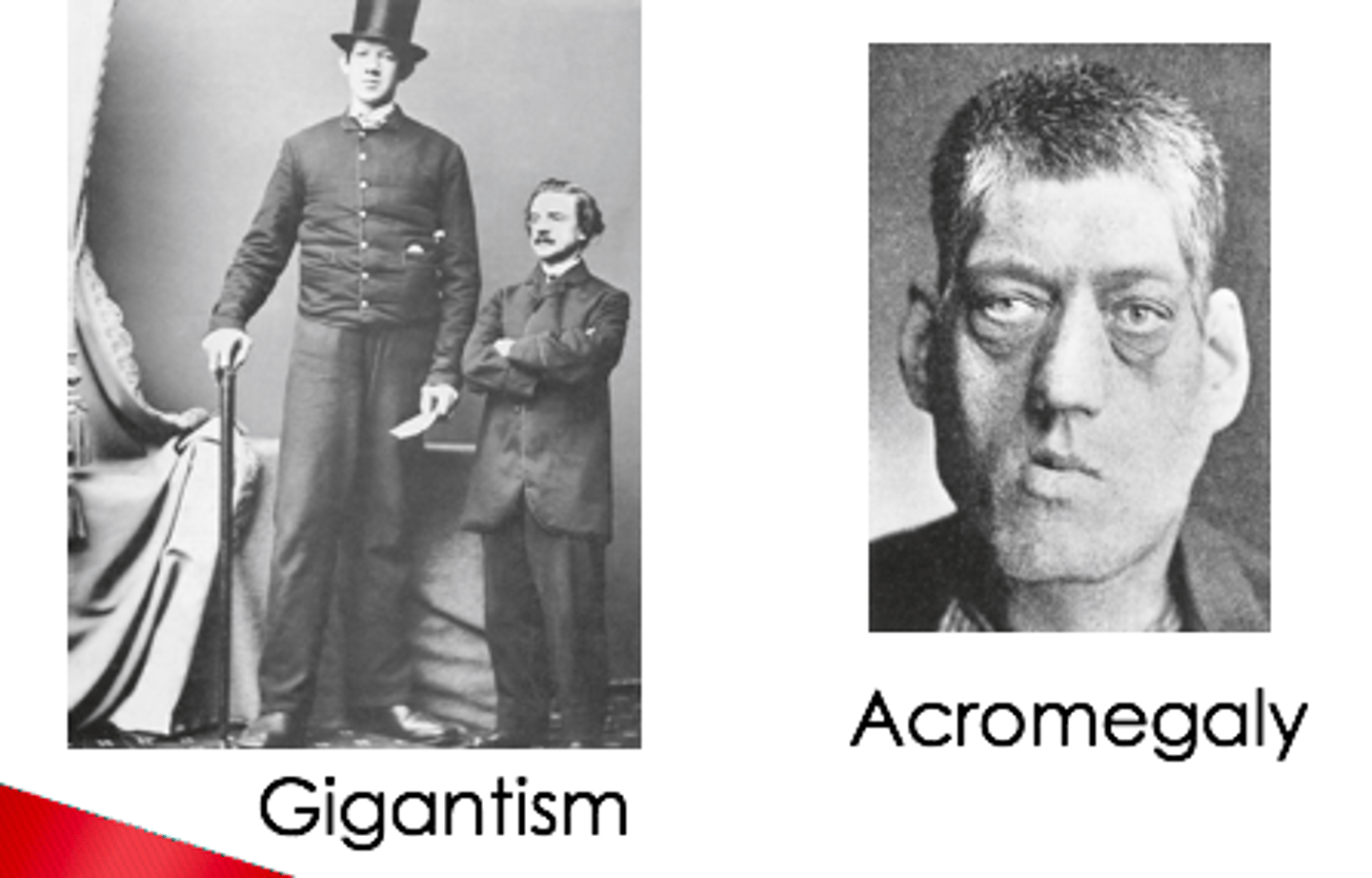
Gigantism and Acromegaly
Gigantism - Excess HGH before puberty
-Results in extreme height (over 2.1m)
-Often caused by a pituitary tumour
-Enlargement of hands, feet and facial bones
Acromegaly - Excess HGH after puberty
-Abnormal growth of bones and soft tissues
-Commonly affecting middle-aged adults
-Causes facial distortion and reduced lifespan if untreated.
Thyroid Stimulating Hormone (TSH) Functions
- Secreted by the anterior pituitary
- Stimulates the thyroid gland to secrete thyroxine
Follicle Stimulating hormone (FSH) Functions
FEMALES: Stimulates the development of ovarian follicles
MALES: Stimulates sperm production in the testes
Lutenising Hormone (LH) Functions
FEMALES: Stimulates ovulation
MALES: Stimulates testosterone secretion
Adrenocorticotropic Hormone (ACTH) Functions
- Secreted in response to stress
- Stimulates adrenal cortex to produce Cortisol
Prolactin Functions
- Stimulates the mammary glands to produce milk
TIP: P for Production
Oxytocin Functions
- Stimulates uterine contractions
- Stimulates milk release from mammary glands
MALES: Contraction of the Vas Deferens
TIP: Name combines oxys (sharp/swift) and tokos (childbirth) = quick birth as primary function
The Thyroid Gland
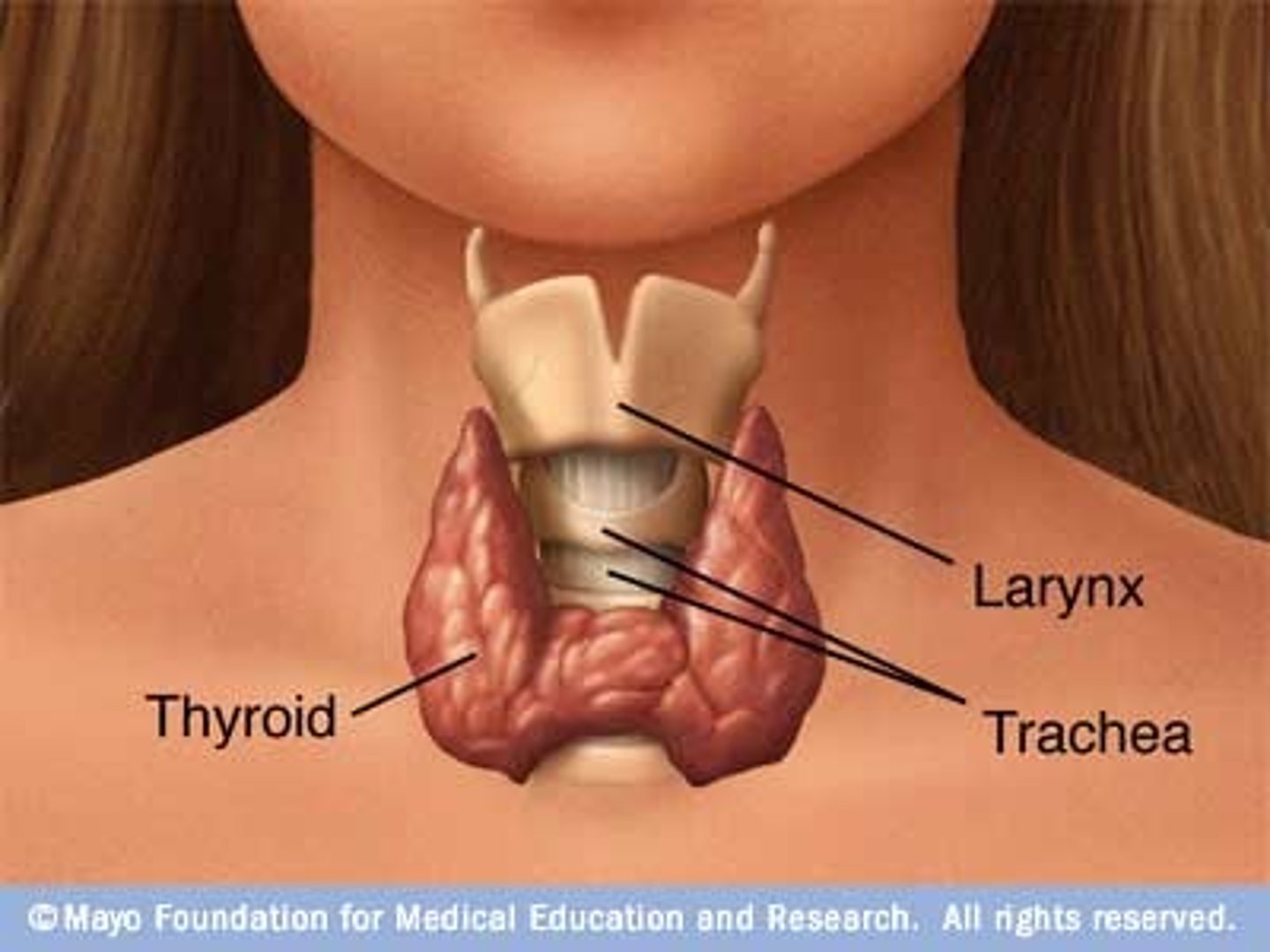
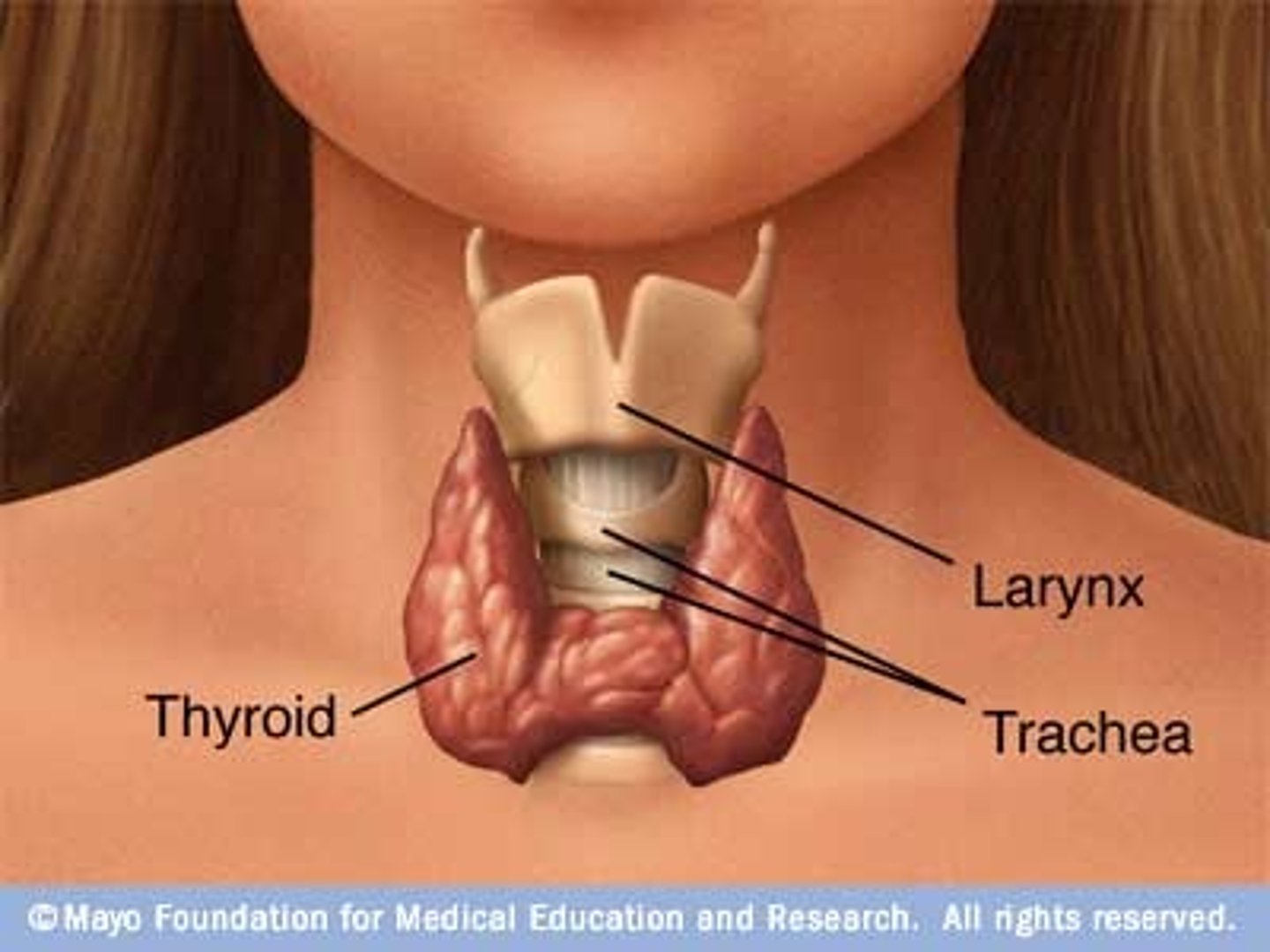
A two-lobed endocrine gland on either side of the trachea. (Butterfly shape) produces hormones that regulate metabolism, body heat, and bone growth
It is the only gland to store its hormone before releasing it into the bloodstream.
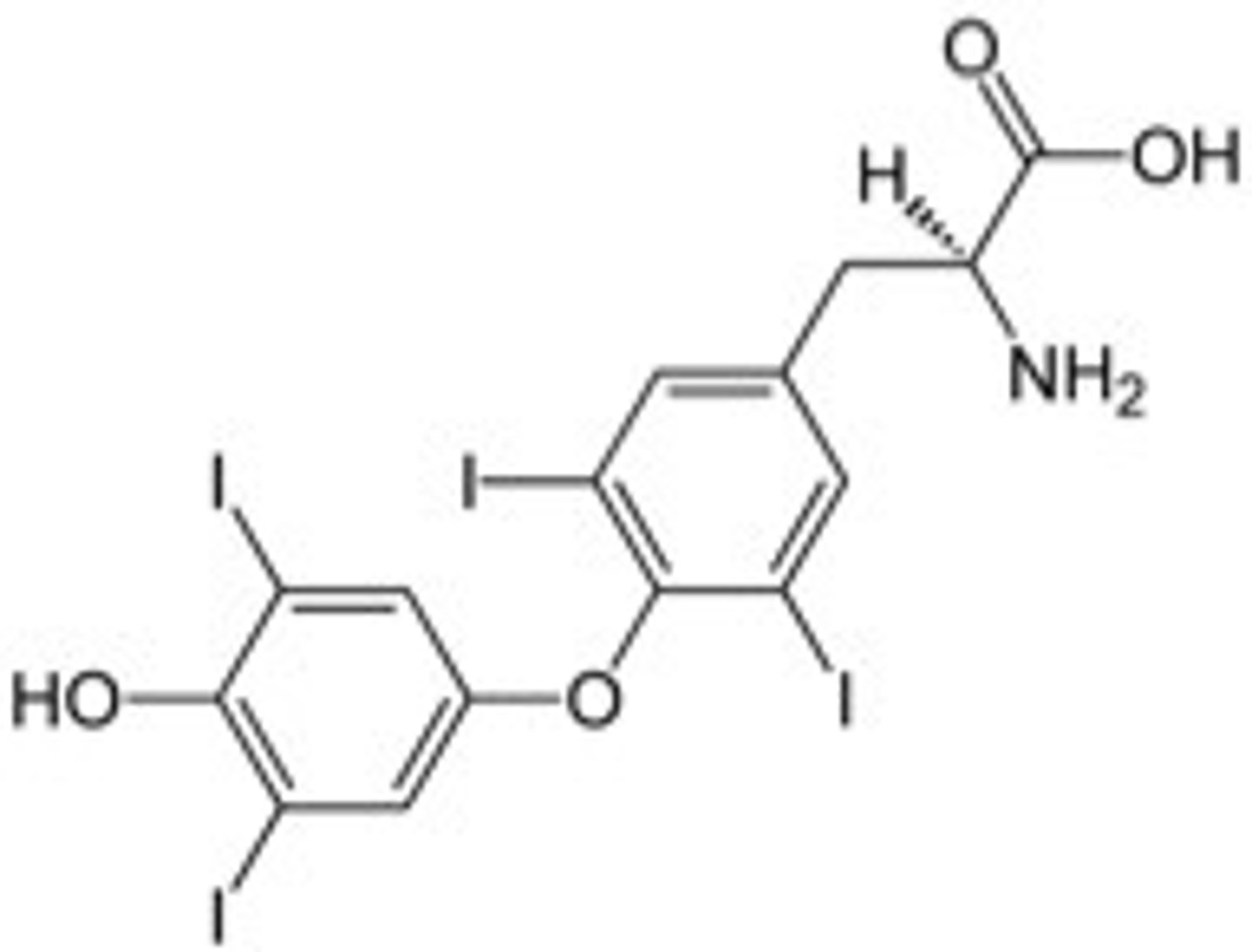
NB! IODINE (I) is essential for the synthesis of Thyroxine as it cannot be metabolised without the binding.
Thyroxine Functions
- Regulates metabolic rate
- Influences the growth and functioning of the heart
- Regulates heart rate and breathing
- Promotes the normal development and functioning of the nervous system
Negative feedback Thyroxine
Hypothyroidism: (TOO LITTLE)
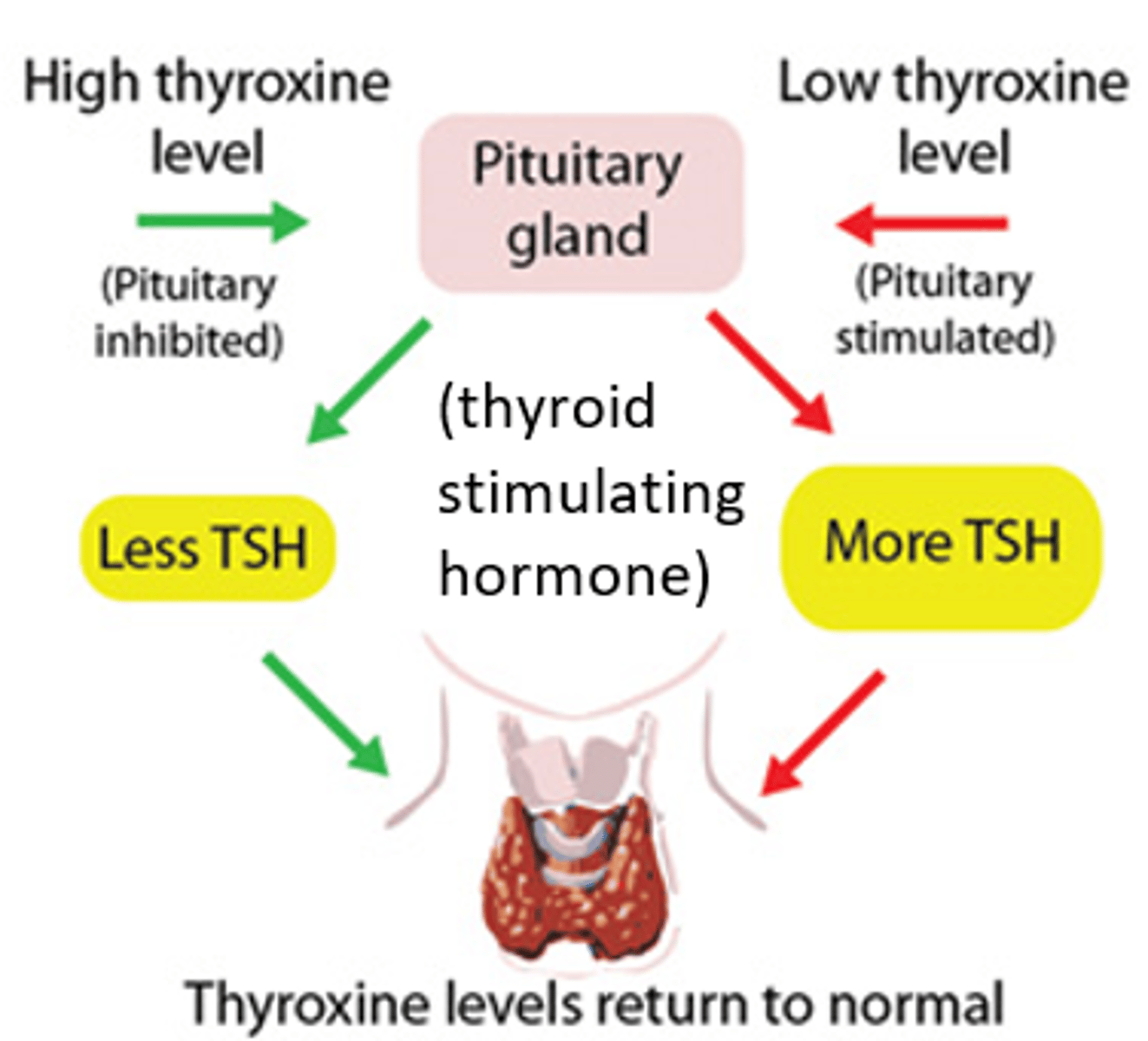
1. The hypothalamus detects a low thyroxine level in the blood
2. More TSH is released by the pituitary gland
3. TSH stimulates the thyroid gland to make thyroxine
4. The hypothalamus detects the normal rate of thyroxine in the blood
Hyperthyroidism: (TOO MUCH)
1. The hypothalamus detects a high thyroxine level in the blood
2. Less TSH is released by the pituitary gland
3. TSH stops stimulating the thyroid gland to make thyroxine
4. The hypothalamus detects the normal rate of thyroxine in the blood
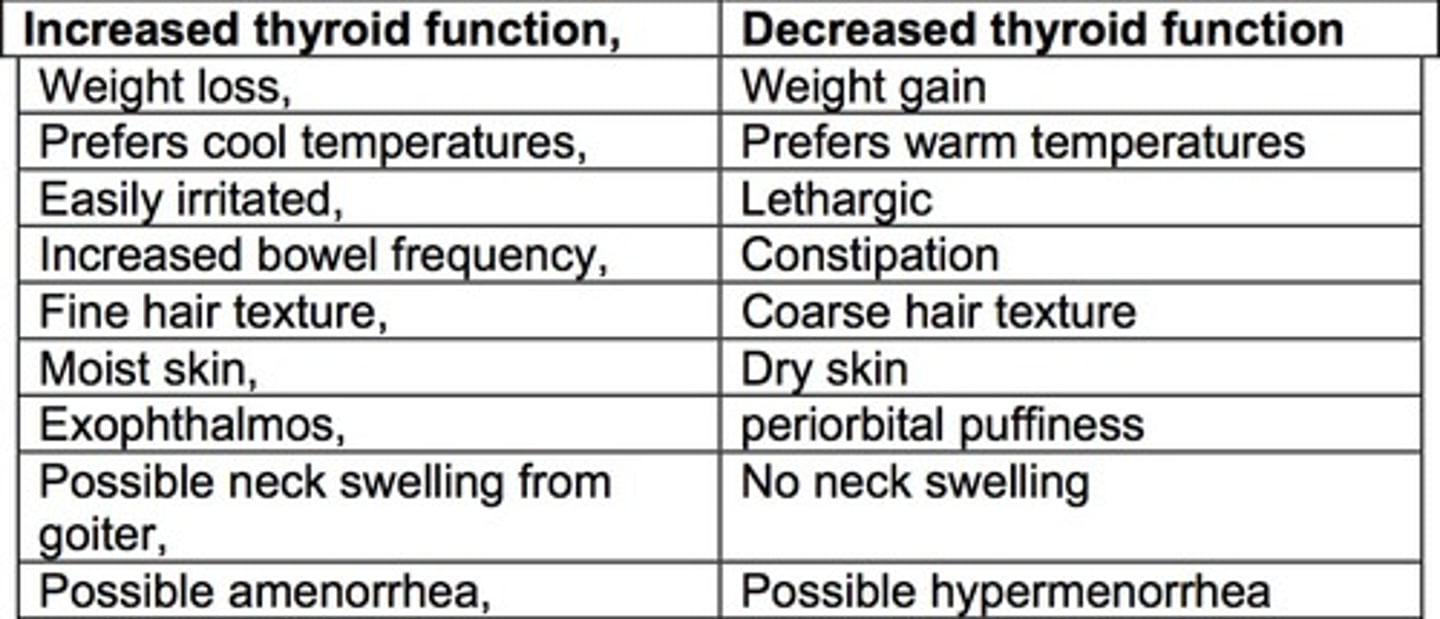
Hyperthyroidism vs Hypothyroidism
Hyperthyroidism = Too much
CAUSED BY: excessive thyroxine secretion
(Possibly Graves disease, an autoimmune disease that attacks the thyroid gland and results in hypersecretion of thyroxine)
SYMPTOMS: Increased heart rate, Irritability, Muscle Weakness, poor sleep, Eye swelling/staring appearance, development of a goitre.
Hypothyroidism = Too little
CAUSED BY: insufficient thyroxine secretion
SYMPTOMS: Fatigue, Depression, Weight GAIN, dry/coarse hair, muscle cramps, swelling of the legs
- The thyroid gland may enlarge, forming a goitre
-Myxedema refers to severe hypothyroidism with swelling around the eyes/lower limbs
(Myxa = slime, Oedema = swelling describes the waxy/jelly like appearance of skin)
Hypothyroidism and Iodine Deficiency
Iodine deficiency:
The most common cause of hypothyroidism
-Results in reduced thyroxine, goitre, etc...
In infants, iodine deficiency can cause cretinism, characterised by impaired physical and mental development.
NB! Iodine is added to foods such as IODATED salt to prevent iodine deficiency. = Fortified meals.
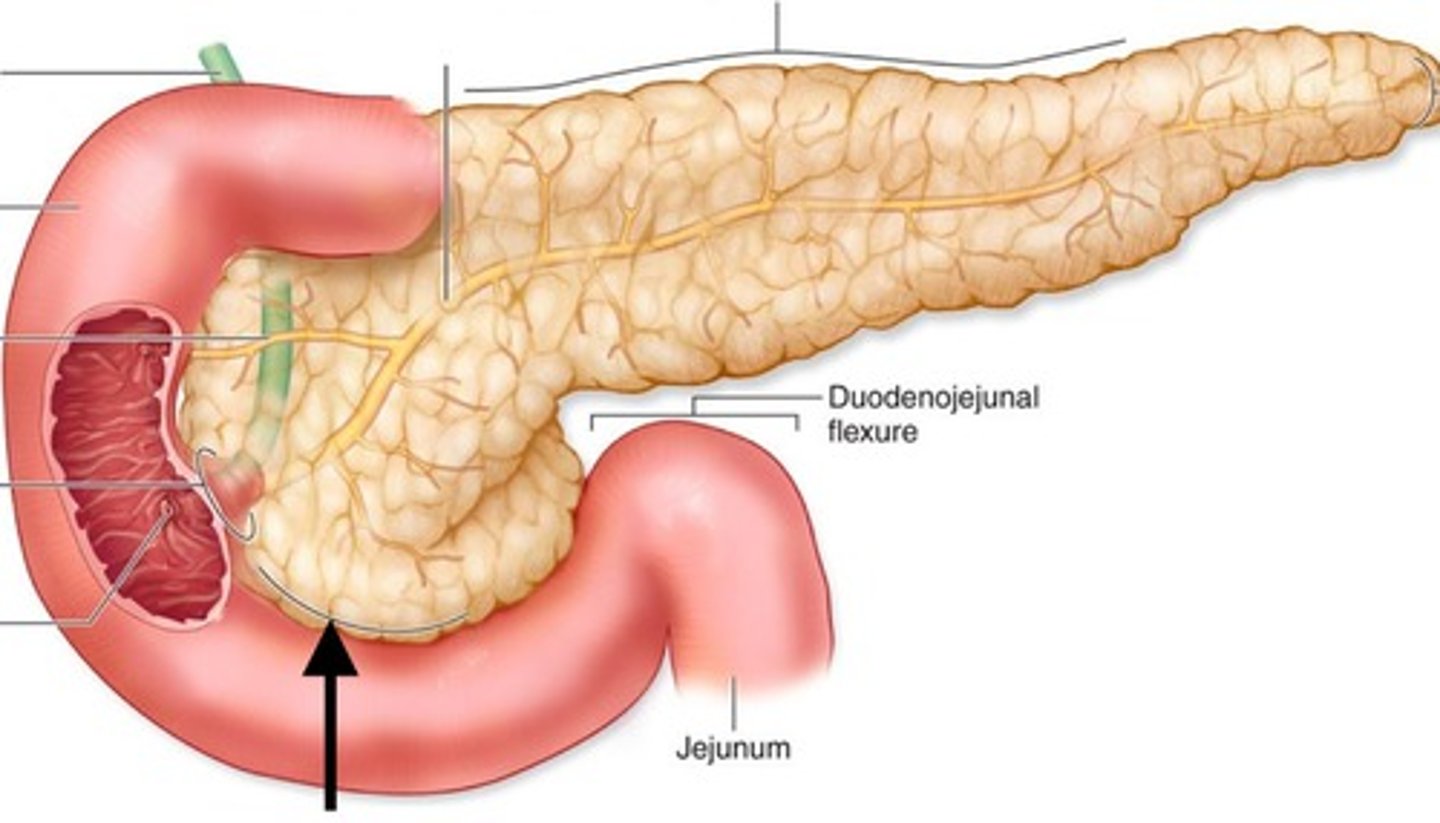
PANCREAS
An organ in the abdominal cavity with two roles.
The first is an exocrine role: to produce digestive enzymes, which are delivered to the duodenum via the pancreatic duct.
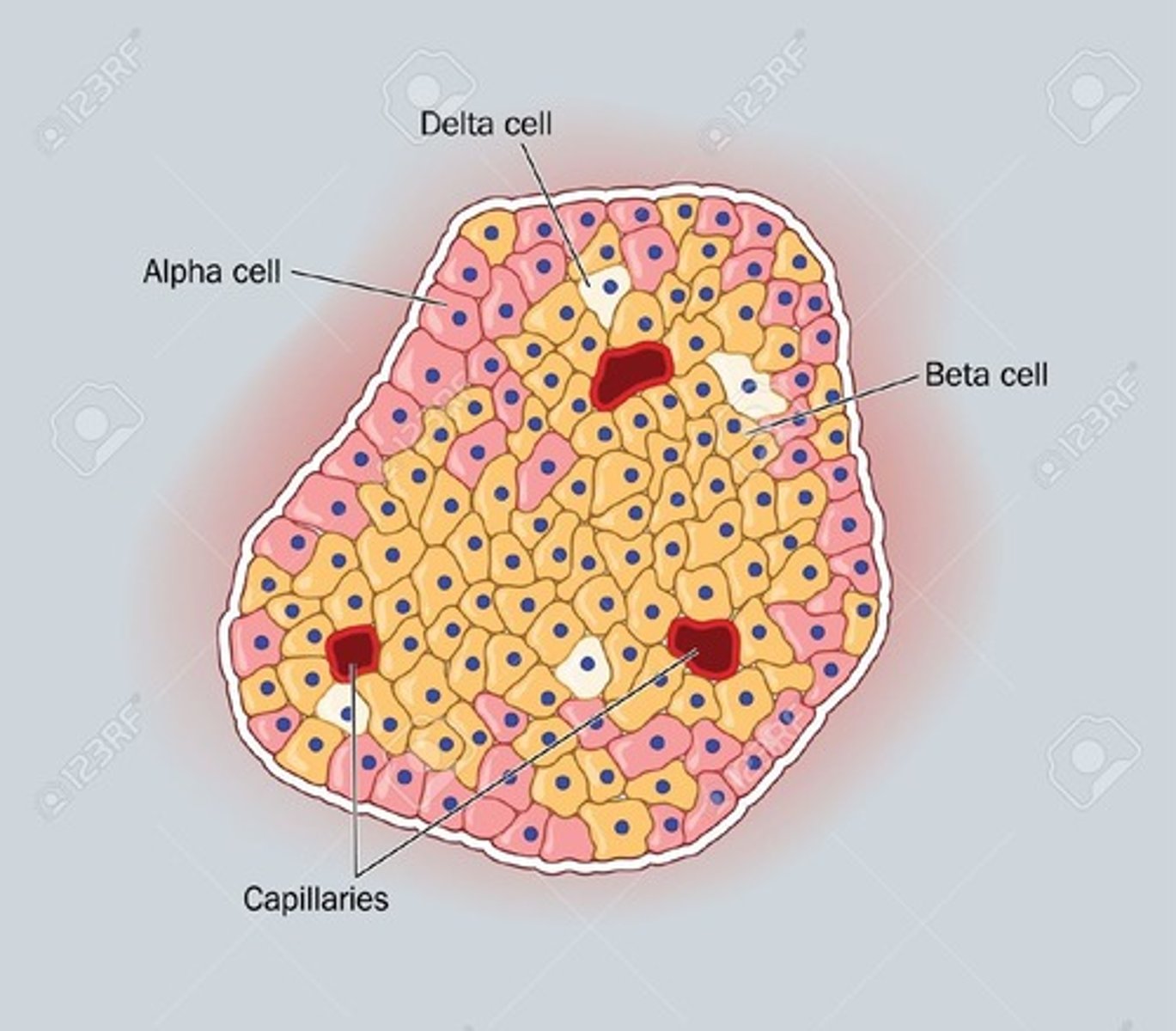
The second is an endocrine role: to secrete insulin and glucagon into the bloodstream to help regulate blood glucose levels. = The Islet of Langerhans
Hormone of the Pancreas - Islet of Langerhans
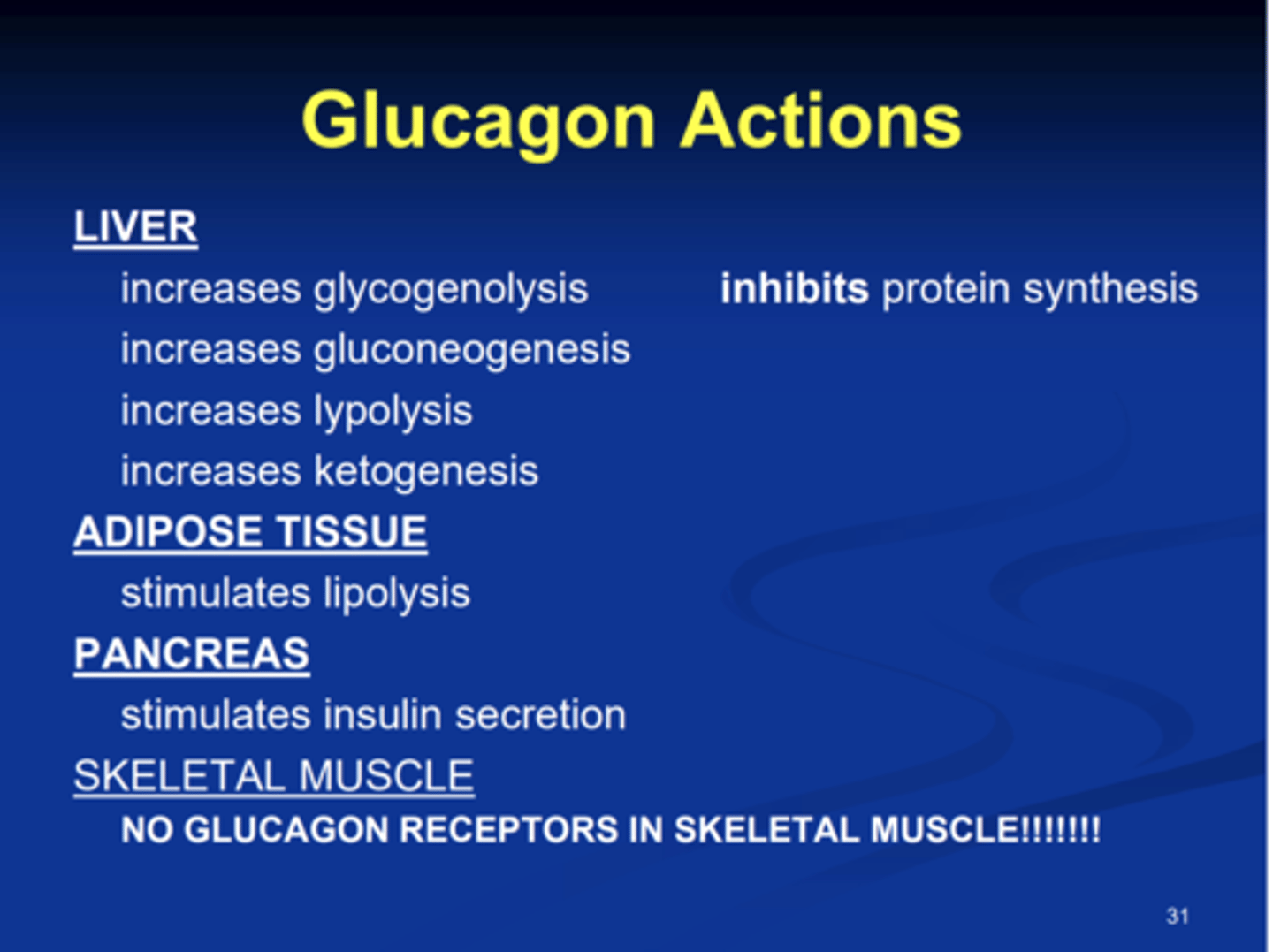
⍺ Cells secrete glucagon.
β Cells secrete Insulin
TIP: a - G; b - I = alphabetical
Insulin Functions
- Secreted when blood glucose levels are high
- Lowers blood glucose concentration
FUNCTIONS:
- Stimulates uptake of glucose by body cells (especially the liver and skeletal muscles)
- Conversion of glucose to glycogen
- Increases the use of glucose in respiration
- Conversion of excess glucose to fat
Glucagon Functions
- Secreted when blood glucose levels are low
(Hint: Glucagon is needed when glucose is gone)
- Raises blood glucose concentration
FUNCTIONS:
- Stimulates conversion of glycogen to glucose
- Stimulates conversion of amino acids to glucose
BI/GA
β Insulin / ⍺ Glucagon
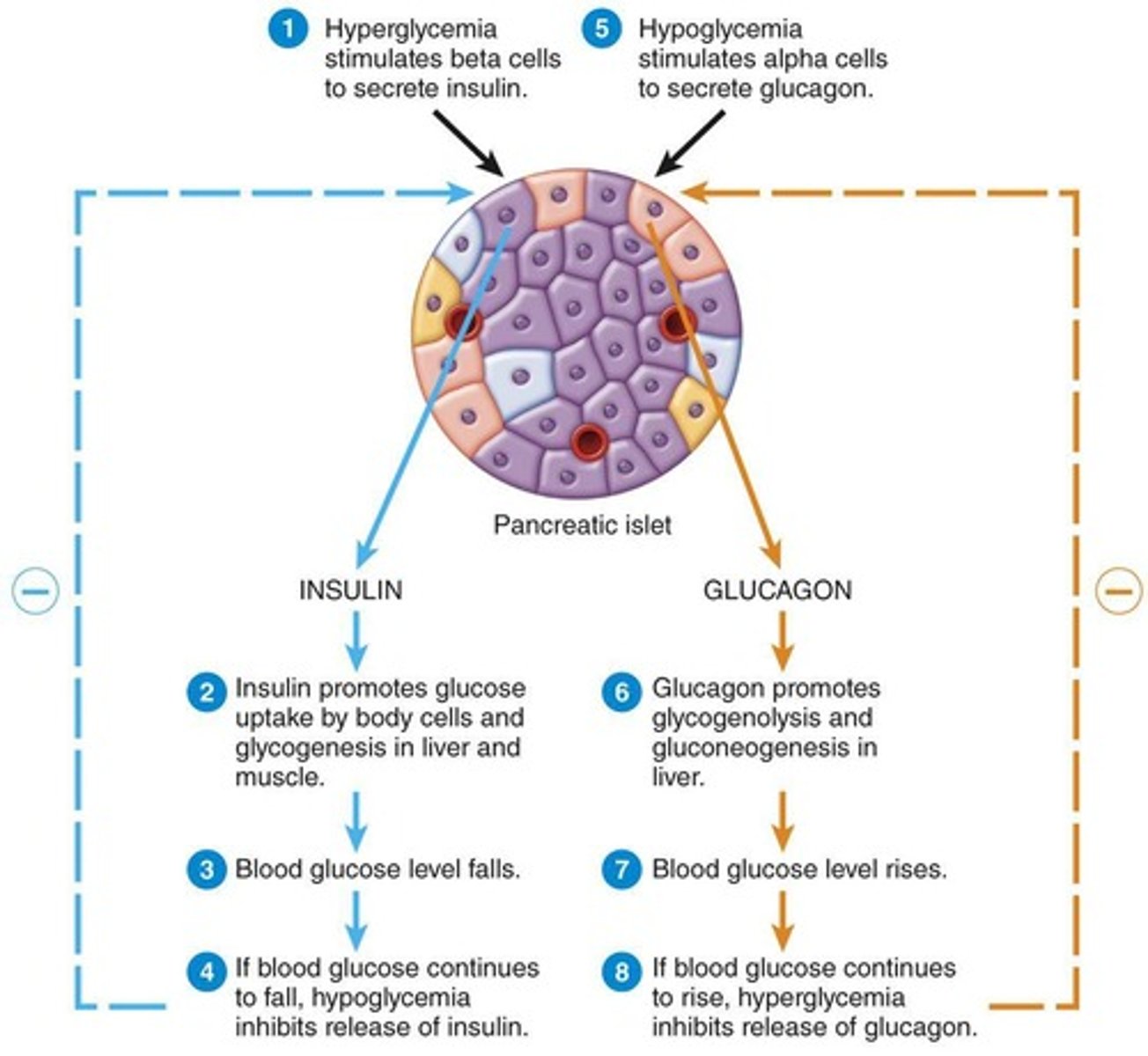
Negative feedback in the Pancreas
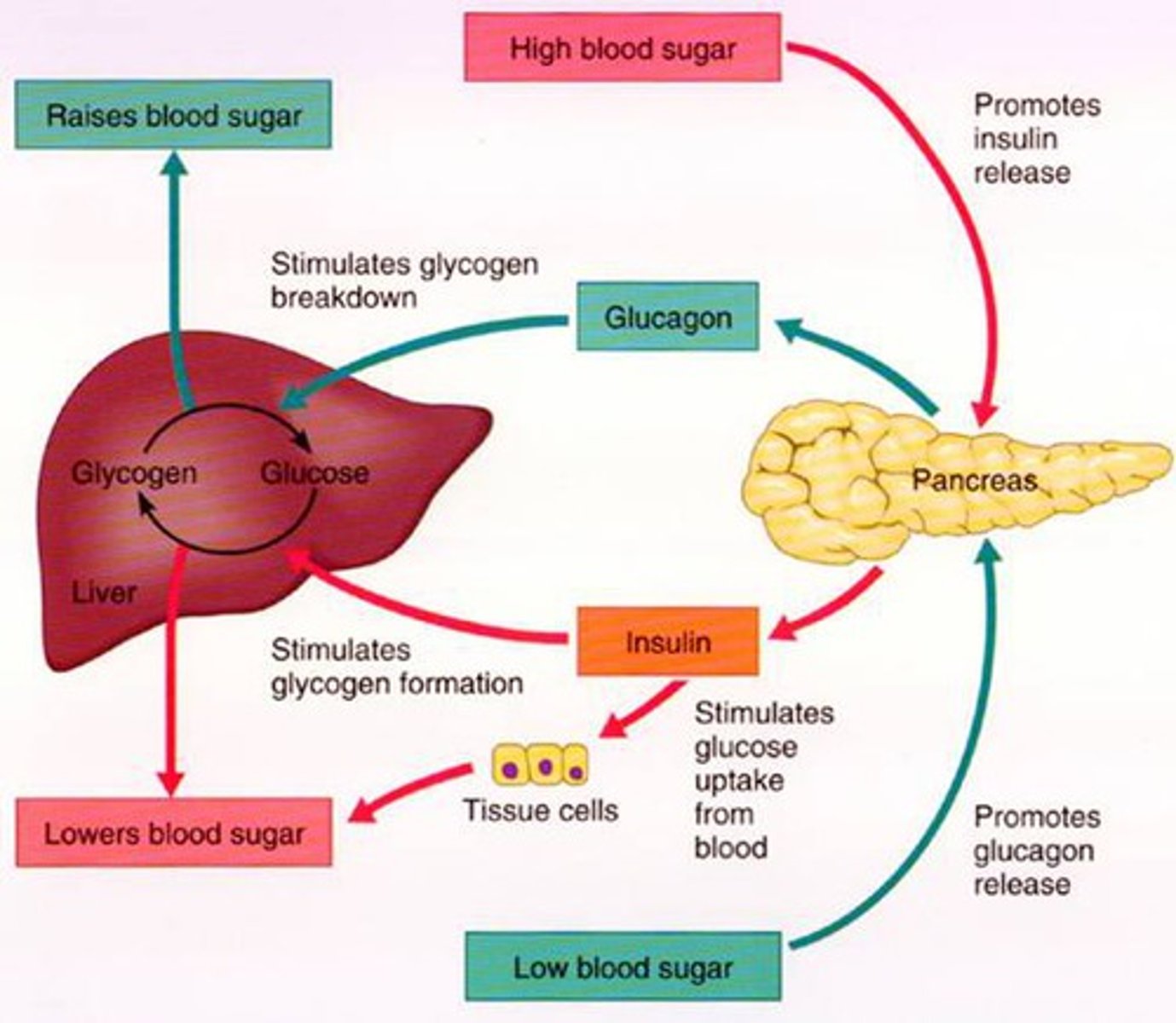
When Blood Glucose levels rise:
1. High blood glucose is detected by β Cells in the pancreas
2. Insulin is secreted into the bloodstream
3.1. Cells absorb glucose - The liver and muscles convert glucose to glycogen
3.2. Insulin stimulates glucose uptake into cells from blood
4. Blood Glucose levels fall back to normal
5. Insulin secretion STOPS
When Blood Glucose levels fall:
1. Low blood glucose is detected by ⍺ cells in the pancreas
2. Glucagon is secreted into the bloodstream
3. Glycogen in the liver and muscle is converted back to glucose
4. Blood Glucose levels rise to normal
5. Glucagon secretion STOPS.
What is Diabetes Mellitus?
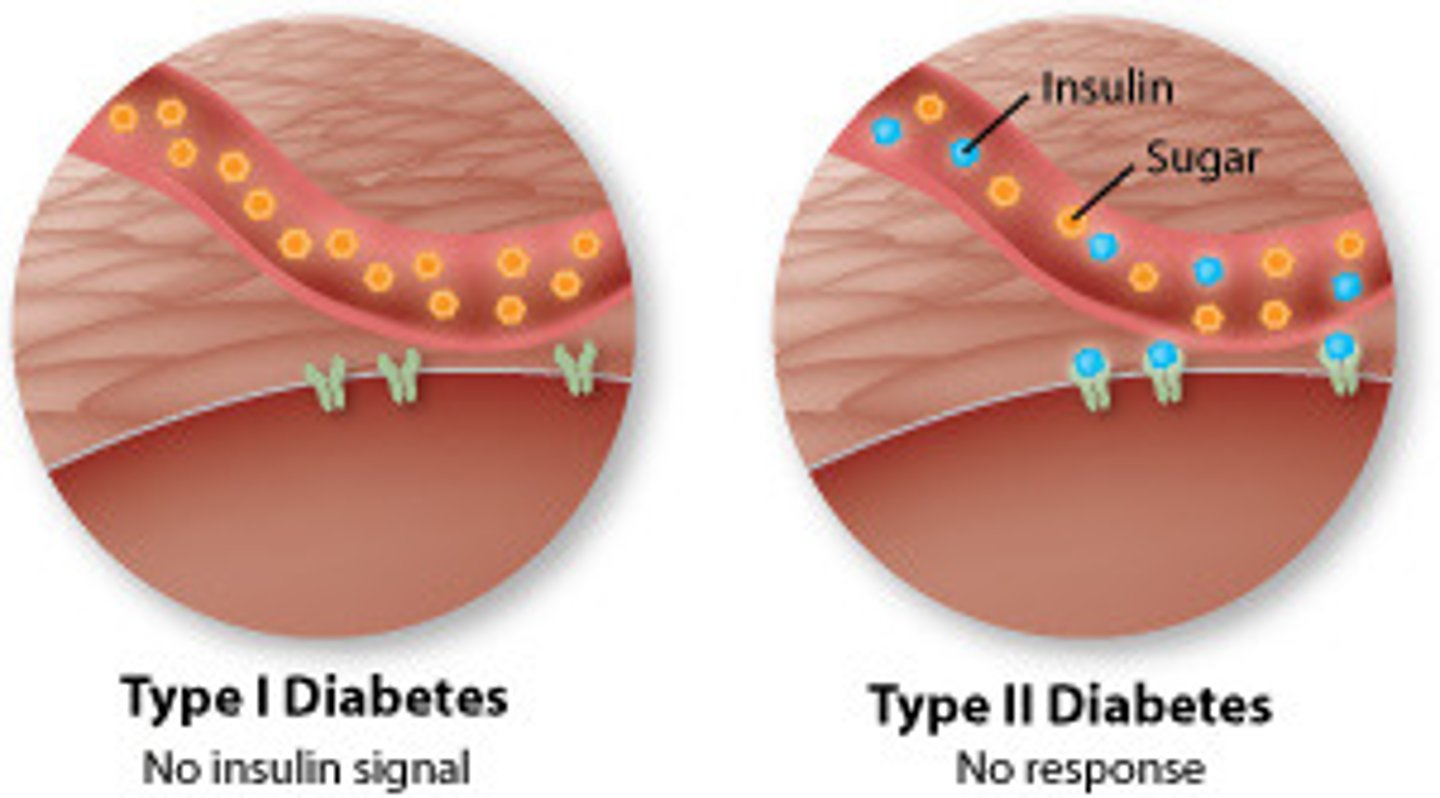
The condition of the body fails to regulate blood glucose properly, resulting in excessive Glucose accumulation in the blood, leading to several potential health risks.
Hyperglyceamia
Abnormally high blood sugar levels as glucose remains in the blood instead of being absorbed and used by body cells.
Symptoms of Hyperglycemia
Frequent urination
Increased thirst and hunger
Blurred/poor vision
Fatigue/Dizziness
Weight loss
Slow healing of wounds and repeated infections
Type 1 Diabetes
Early Onset Diabetes
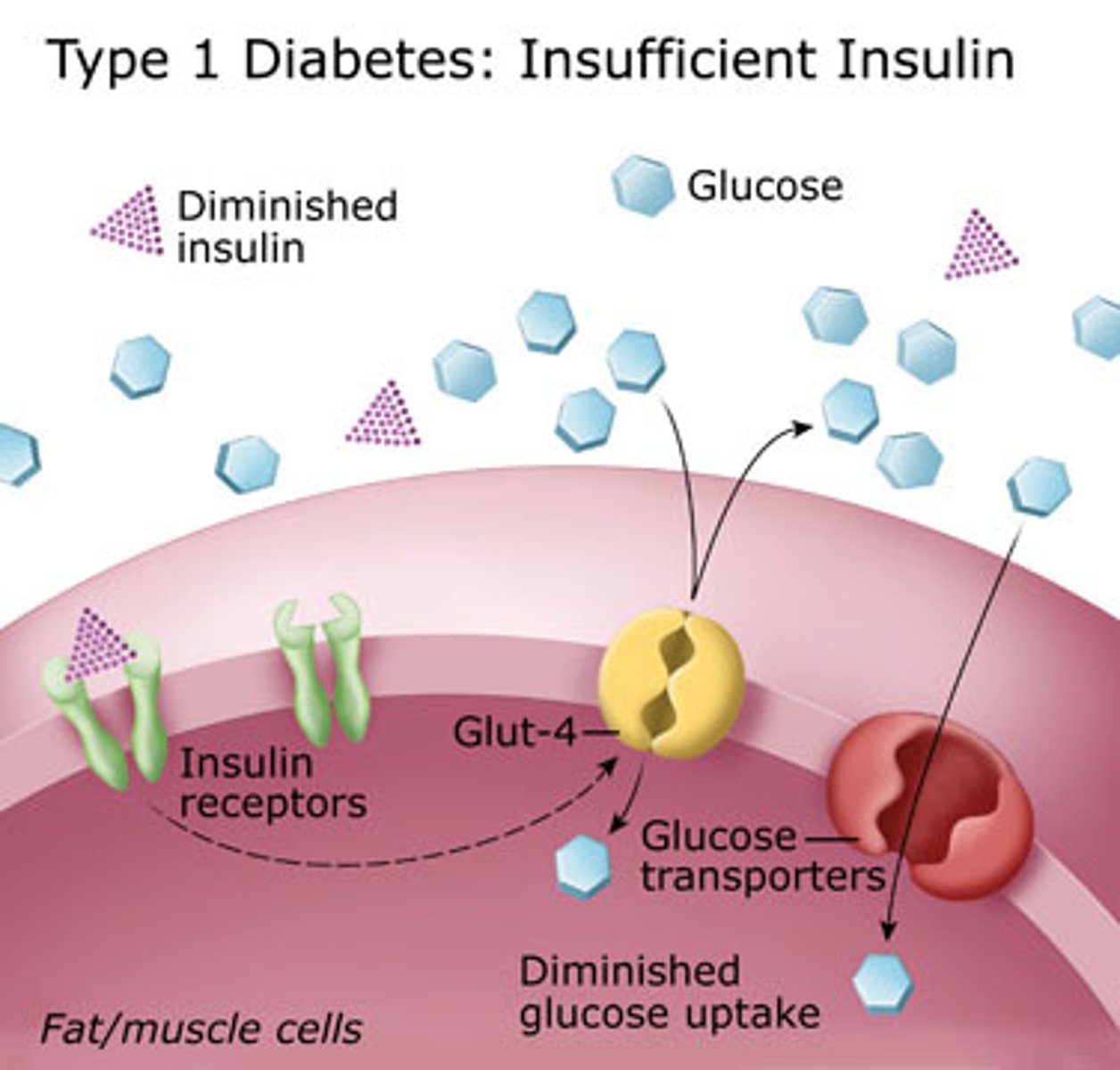
CAUSED BY: autoimmune destruction of ß cells
OCCURRENCE: Usually before 20 but can occur in childhood, adolescence, or adulthood.
RESULTS IN: little/no insulin production
TREATMENTS: Regular insulin injection, monitoring of blood glucose, lifestyle adjustments
Type 2 Diabetes
Late-onset Diabetes
CAUSED BY: Reduced insulin production/ Insulin resistance
OCCURRENCE: Usually over 40, especially if OVERWEIGHT
RESULTS IN: Insulin not being produced or produced but not used effectively
TREATMENTS: Diet Control, Exercise, Medication
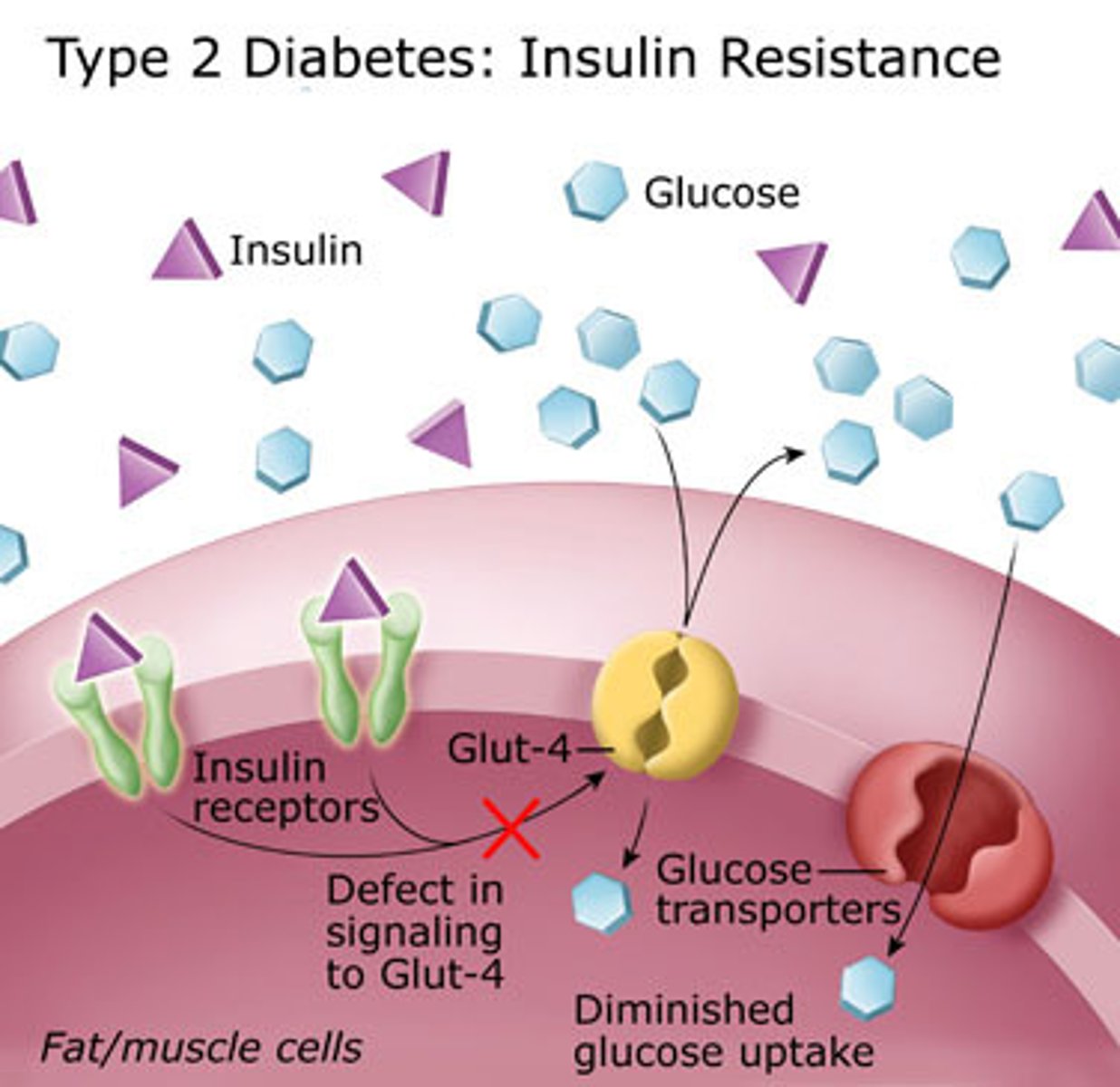
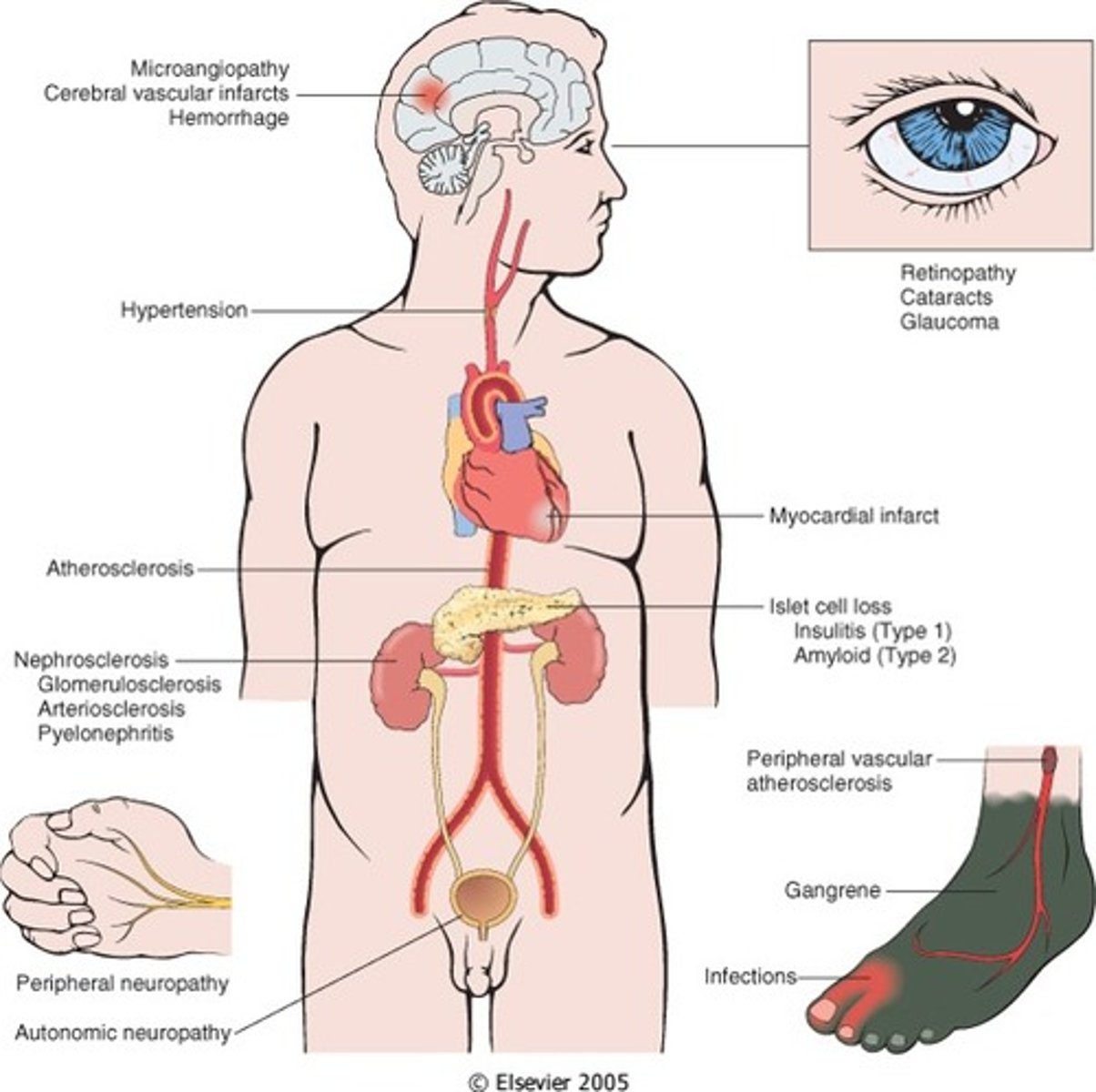
Acute and Chronic Complications of Diabetes
ACUTE:
- Extremely high blood glucose levels
- Dangerously low blood glucose levels (often due to medication)
CHRONIC:
- Damage to blood vessels, which affects the eyes, kidneys, nerves and the heart.
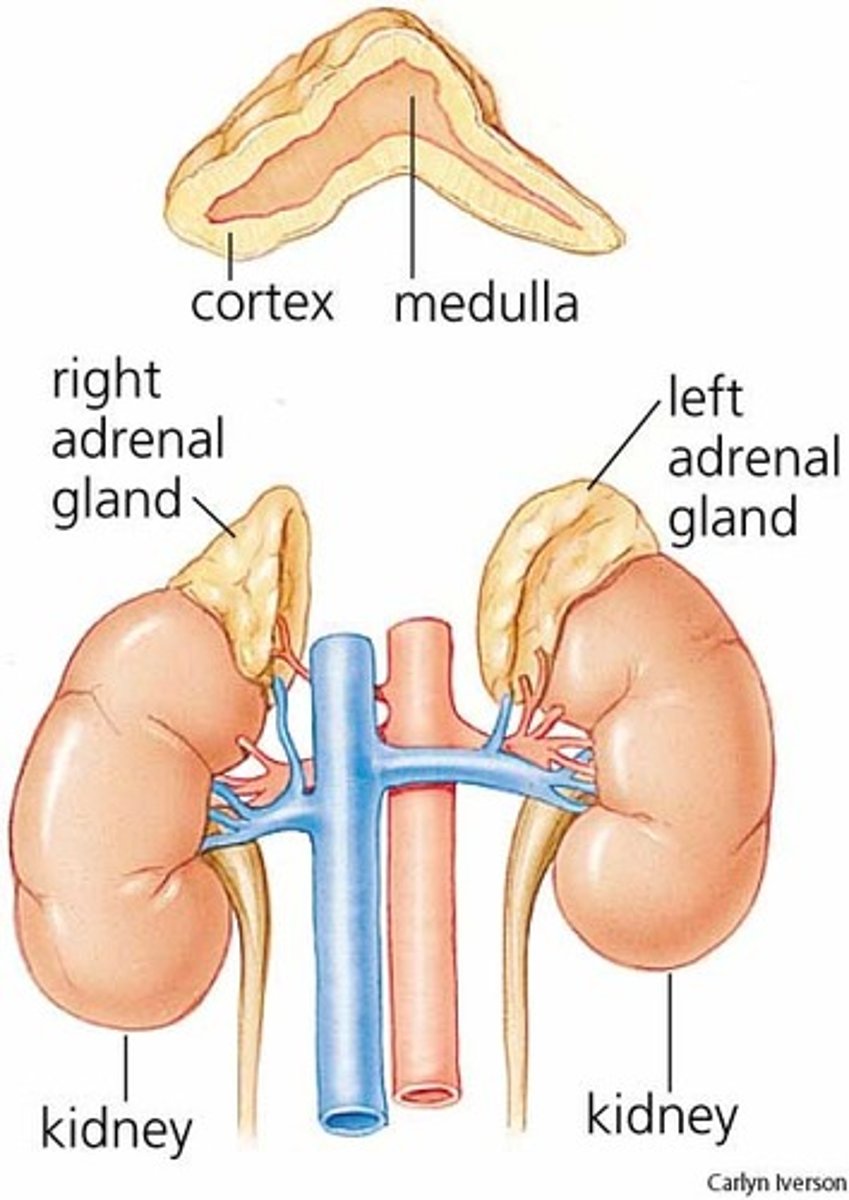
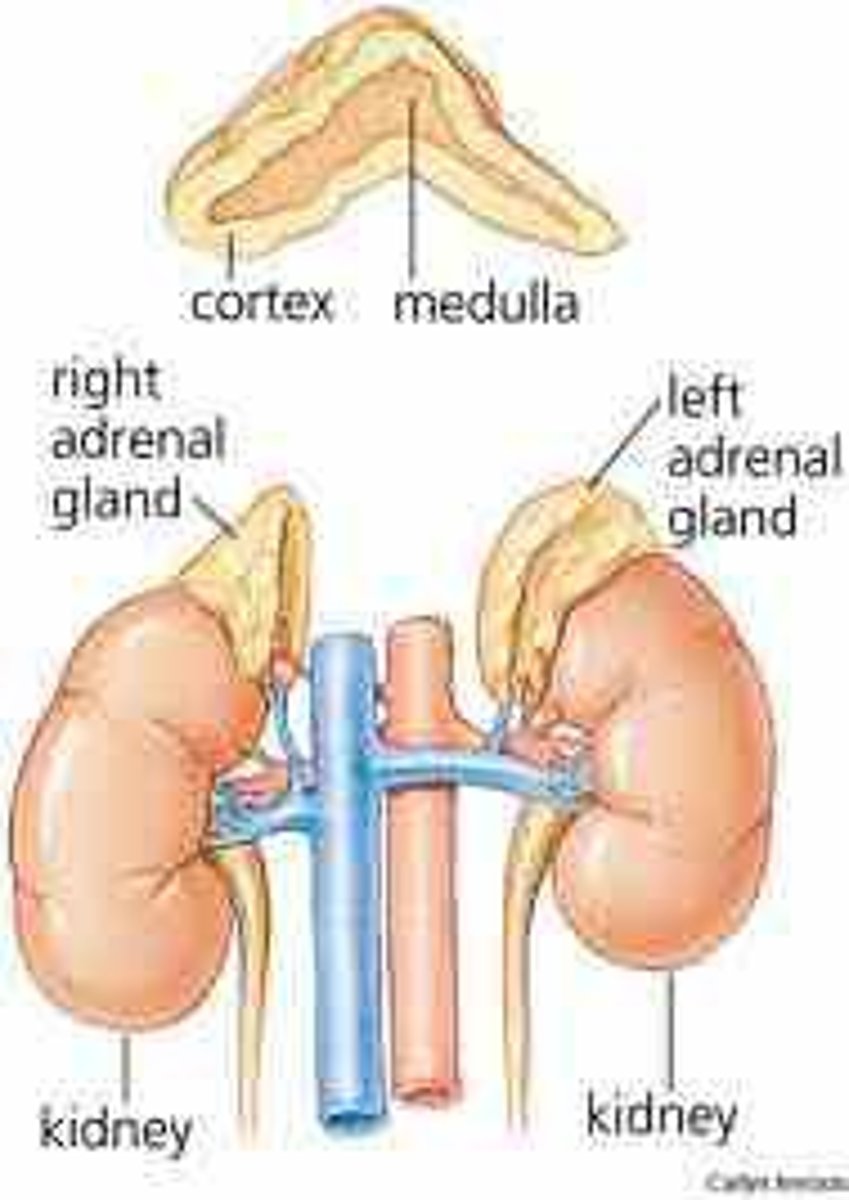
Adrenal Glands
A pair of endocrine glands that are situated above the kidneys and secrete hormones (epinephrine and norepinephrine) that help arouse the body in times of stress.
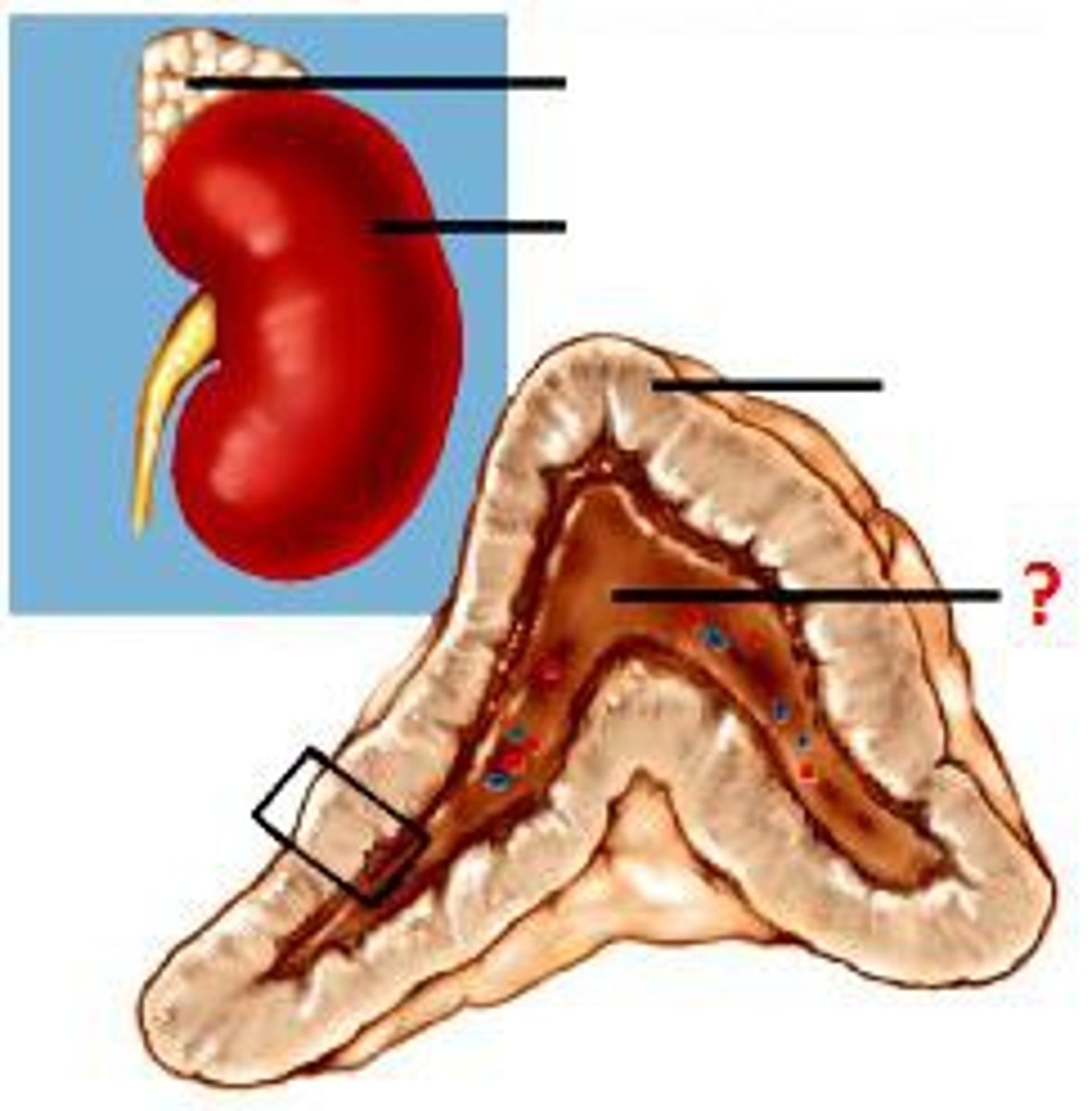
Each gland has 2 regions: the outer adrenal Cortex and the inner adrenal medulla.
Adrenal Medulla
Secretes catecholamines (epinephrine/Adrenaline, norepinephrine/Noradrenaline and Dopamine), which are involved in the fight or flight response.
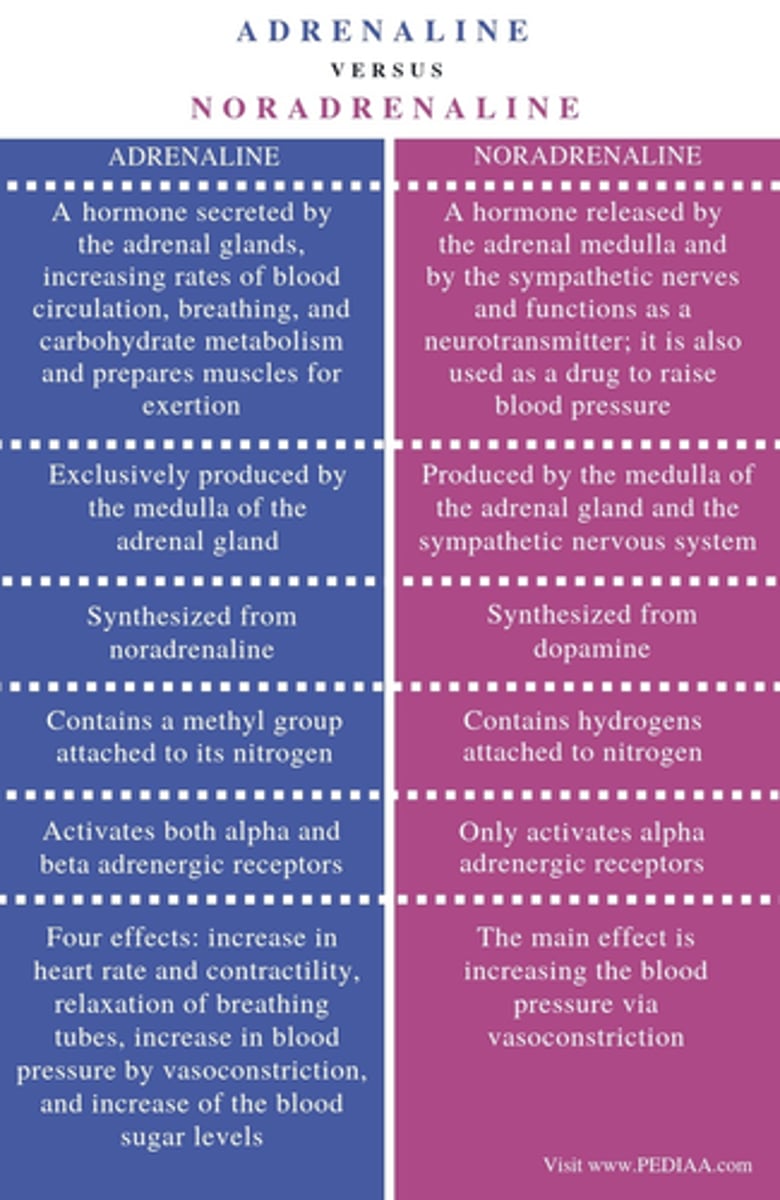
Noradrenaline vs Adrenaline
Noradrenaline neurons play a role in arousal, vigilance, attention, working memory, and regulation of the SNS and are present in the brain and adrenal glands
Adrenaline is the negative feedback mechanism produced by the adrenal glands.
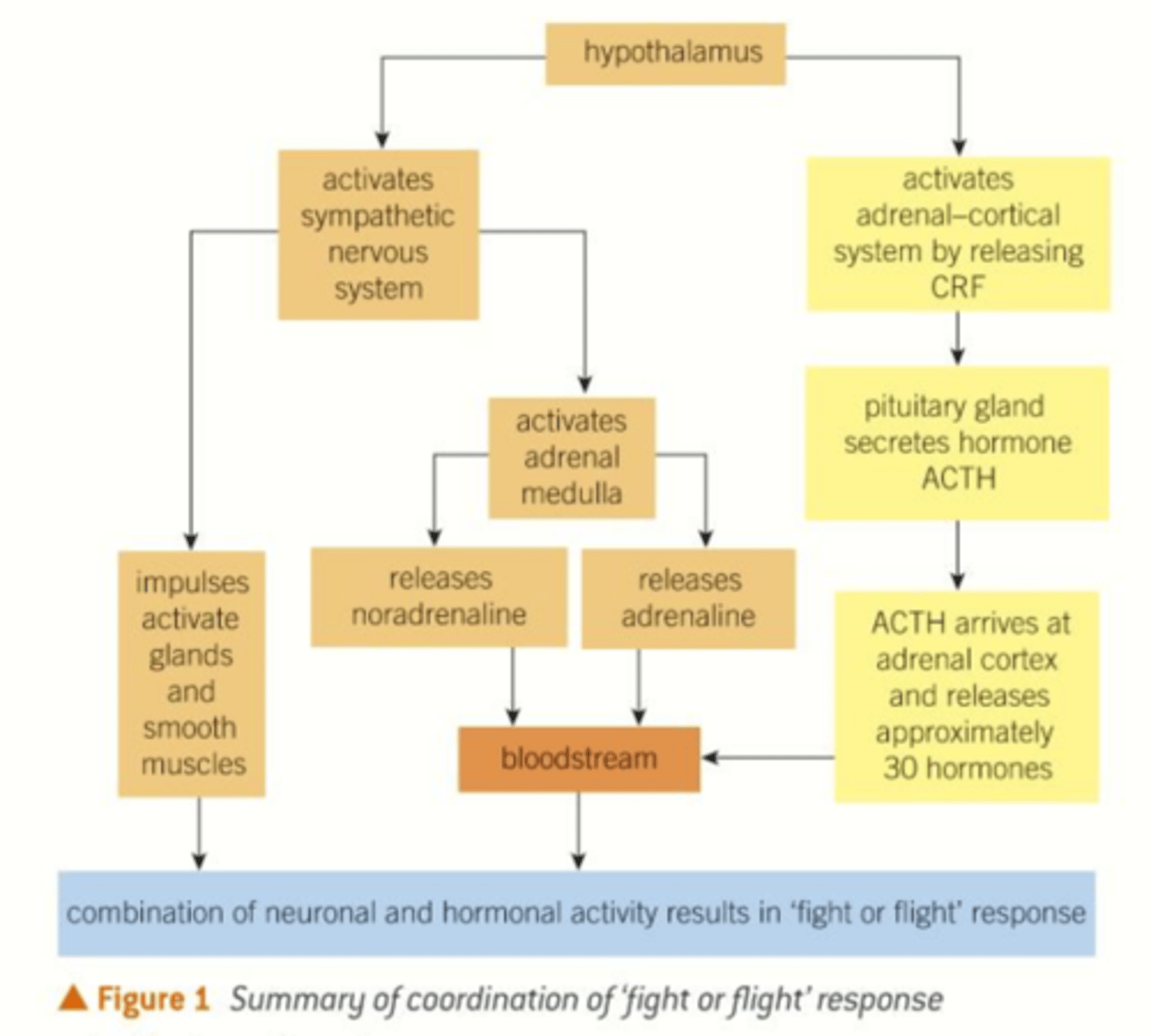
Fight or Flight response
An emotional and physiological reaction to an emergency that increases readiness for action
Adrenaline/ Epinephrine Functions
- Vasoconstriction in skin and intestines
- Reduces intestinal movement
- Vasodilation in skeletal muscles
- Increases cellular respiration
- Increased use of fats for energy
- Glycogen to glucose
- Inhibits Insulin secretion
- Dilates bronchioles(lungs)
- Increases heart rate
- Increases force of contraction
Adrenal Cortex
Secretes steroid hormones, mainly cortisol.
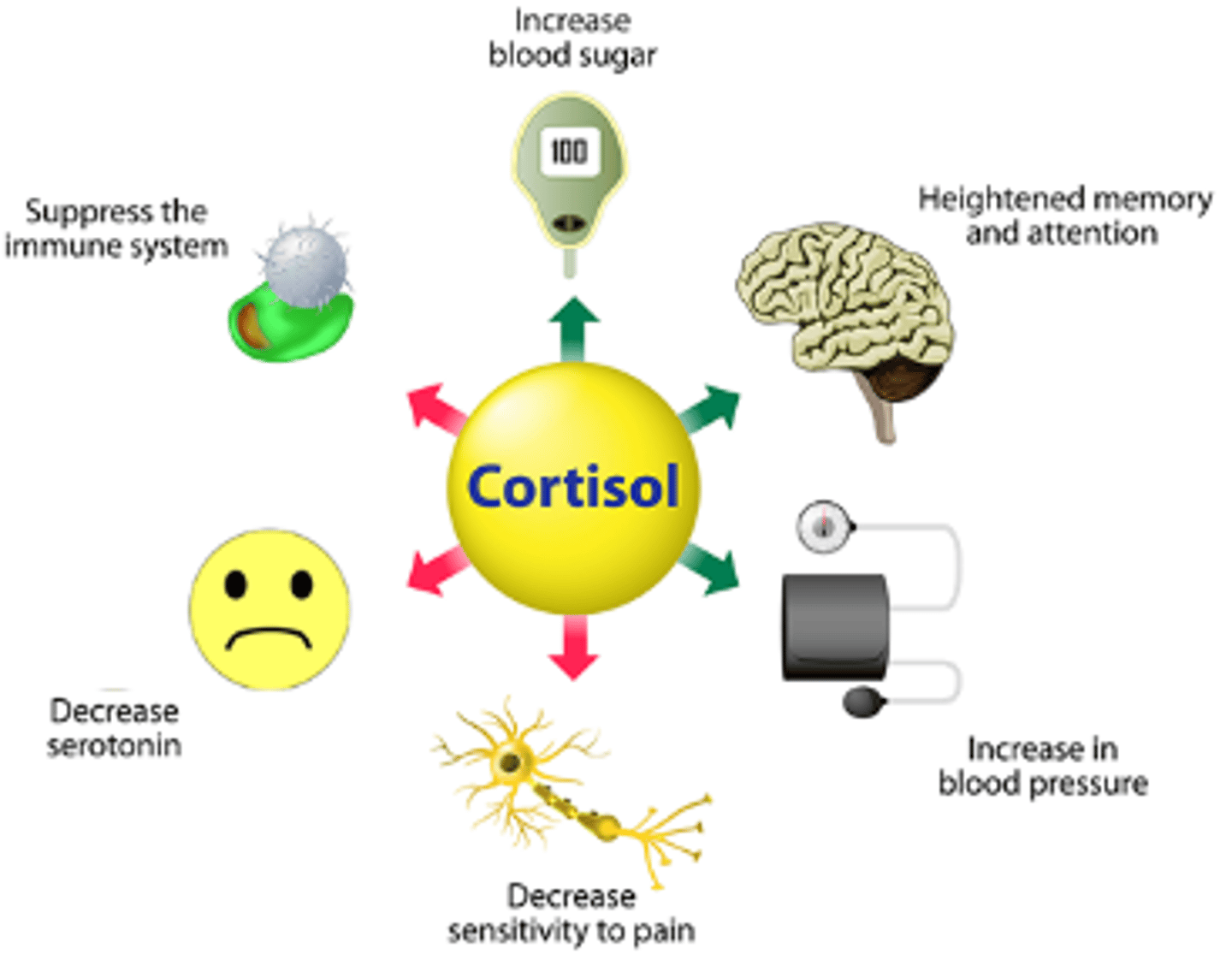
Cortisol Functions
Helps the body cope with long-term stress (illness, injury, hunger, fear, etc) by:
- Increases use of fats and amino acids for energy
- Raises blood glucose levels
- Converts excess glucose to glycogen in the liver
- Anti-Inflammatory/ Anti-allergic
- Maintains blood pressure during blood loss
The Gonads: Ovaries and Testes
Secrete cholesterol-derived steroid hormones and are regulated by the hypothalamus-pituitary.
TESTES: Secrete Testosterone
-Maintains sex drive
-Stimulates sperm. production
-Maintains secondary sexual characteristics
-Increases muscle mass and bone density
OVARIES: Secrete Oestrogen and Progesterone
Oestrogen = Female secondary sexual characteristics regulate the menstrual cycle. Fluctuations in libido/sex drive are caused by Oestrogen
Progesterone = Maintains pregnancy
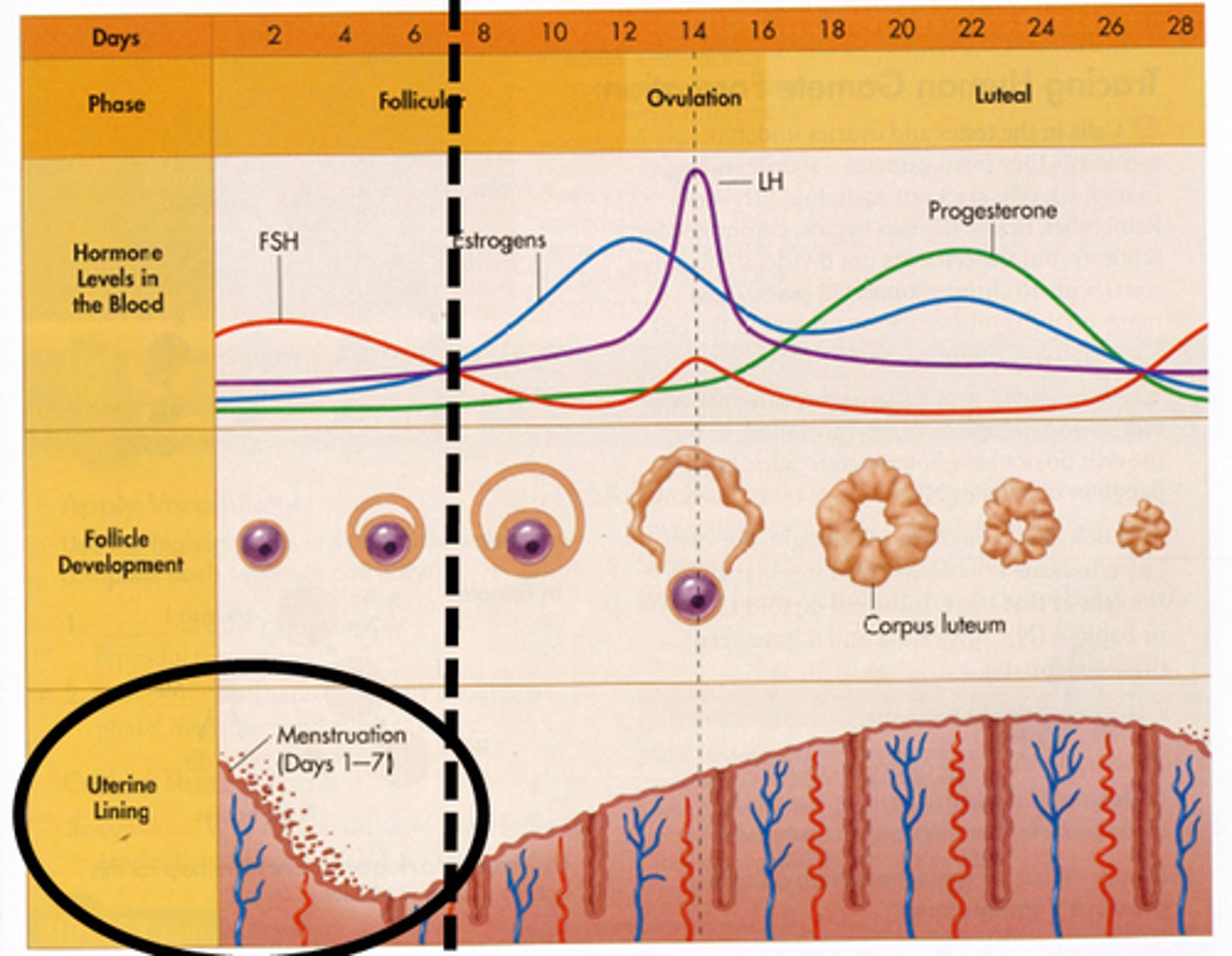
Menstruation
Ovarian hormones act together with LH and FSH to control the menstrual cycle
NB! How to fill in missing hormones, identify each hormone, and explain each hormone)
FSH: Stimulates growth and maturation of ovarian follicles containing the eggs (peaks around day 12 is checking if the ova is mature)
LH: Controls the menstrual cycle and triggers ovulation (Massive Peak)
Progesterone: Preparing the uterine lining for pregnancy. Therefore, maintains pregnancy. The DROP in PROGESTERONE TRIGGERS MENSTRUATION.
Oestrogen: Thicken the uterine lining for pregnancy, triggers LH SURGE that causes ovulation. Fluctuations in libido/sex drive are caused by Oestrogen
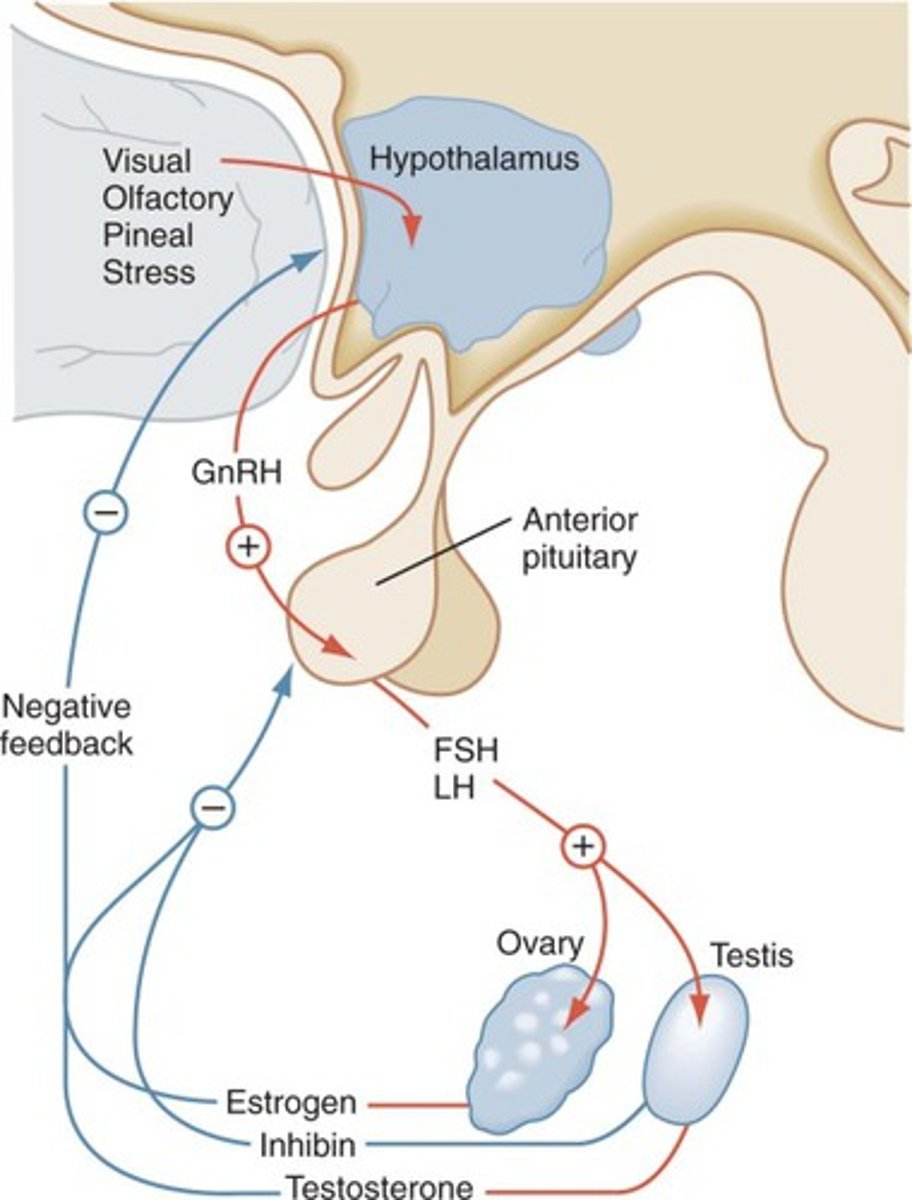
Negative Feedback of Sex Hormones (MALES)
1. The hypothalamus secretes GnRH
2. GnRH stimulates the anterior pituitary
3. The pituitary secretes LH and FSH
4. LH stimulates LEYDIG CELLS = Testosterone
5. FSH stimulates Sertoli cells = ABG and inhibin
6. Testosterone and inhibin inhibit GnRH, LH and FSH = NEGATIVE FEEDBACK
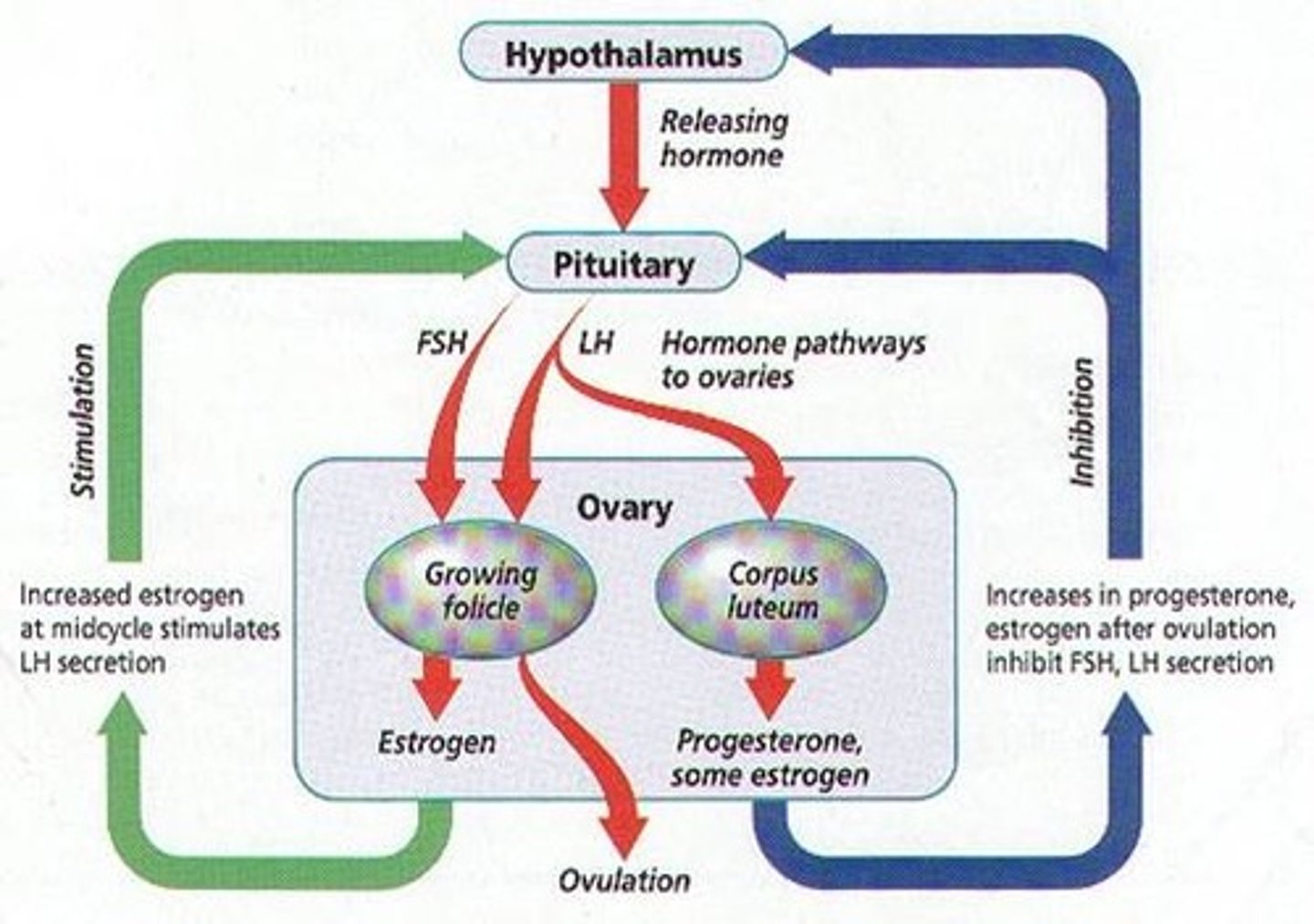
Negative Feedback of Sex Hormones (FEMALES)
1. The hypothalamus secretes GnRH
2. The pituitary secretes LH and FSH
3. LH and FSH stimulate the ovaries
4. Ovaries secrete Oestrogen and inhibin
5. Oestrogen and inhibin inhibit GnRH, LH, and FSH = NEGATIVE FEEDBACK
Roles of Reproductive Hormones
- Sexual Differentiation of the foetus
- Foetal development
- Growth
- Puberty and Sexual maturation
HGH in Sports
- Illegally used to increase muscle and reduce fat
- No proven performance benefit
- Difficult to detect
- Long-term abuse can cause acromegaly, heart disease and diabetes
Anabolic Steroids
Synthetic substances that are similar to the male hormone testosterone. These hormones help with training recovery
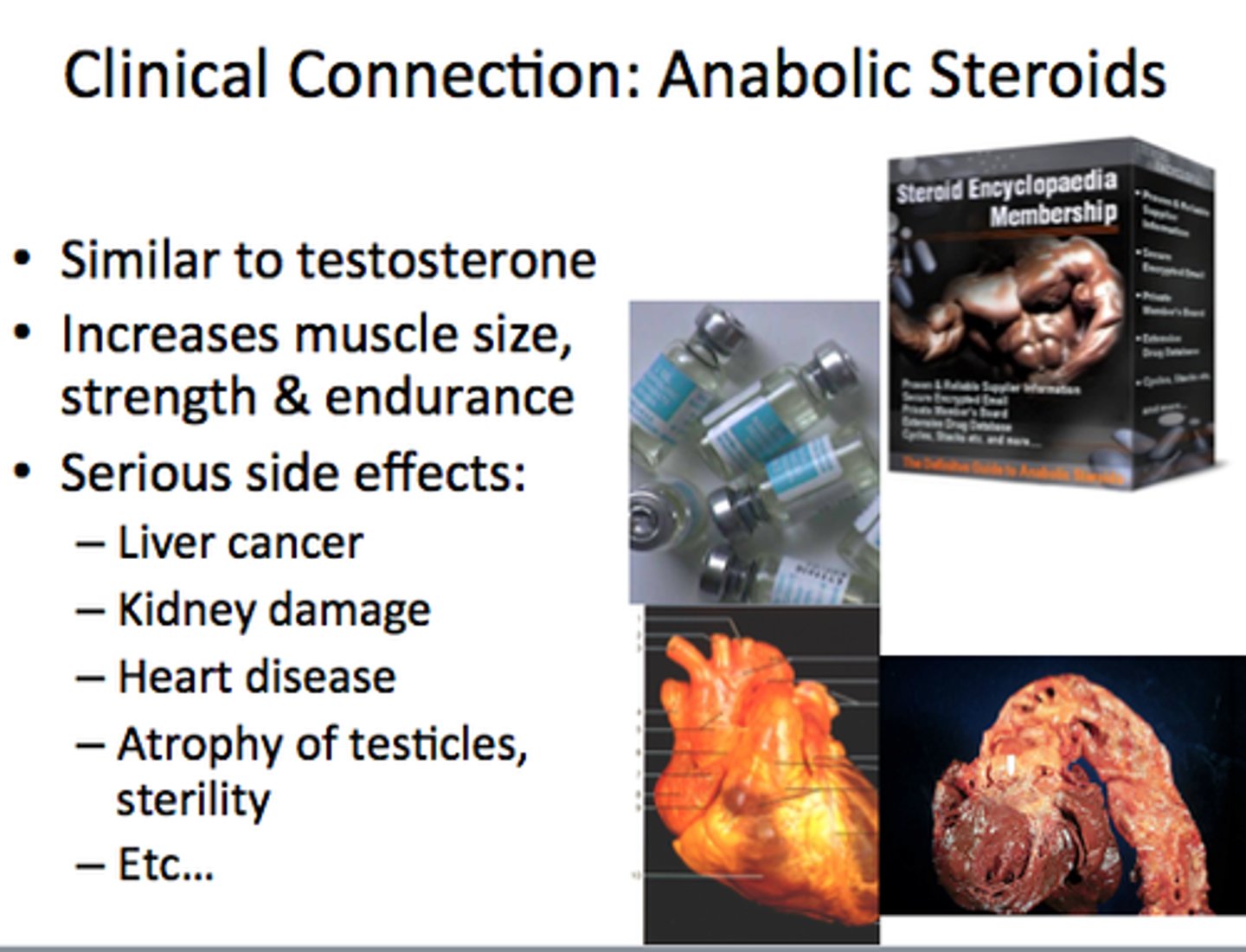
Testosterone and Androgenic Steroids
- Synthetic forms of testosterone
- Increase protein synthesis
- Serious side effects (infertility, testicular shrinkage, acne, liver damage, heart disease and aggression)
Localised and General Roles of Testosterone
Effects of Artificial Steroids
Localised: Testosterone produced by Leydig - High concentration = activation of sertoli cells and maturation of sperm ∆ Spermatogenesis
Generalised: Testosterone in the blood provides negative feedback, preventing excessive hormone production.
External: Brain interprets "Enough Testosterone - Stop production"
-GnRH secretion decreases
FSH and LH secretion decreases
Leydig cells stop producing testosterone naturally.