BIO 1: IVC (All Terms)
 Call Kai
 Learn
Learn Practice Test
 Spaced Repetition
 Match
Match Flashcards
 Knowt Play
1/316

There's no tags or description
Looks like no tags are added yet.
Name | Mastery | Learn | Test | Matching | Spaced | Call with Kai | Chat |
|---|
No analytics yet
Send a link to your students to track their progress
317 Terms
life
Life is:
1. Made of cells
2. Evolves (Different from transforms, evolution is a DNA change)
3. Requires energy/has metabolism
4. Utilizes reproduction (either sexual or asexual)
5. Maintains homeostasis
6. Responds to stimulus
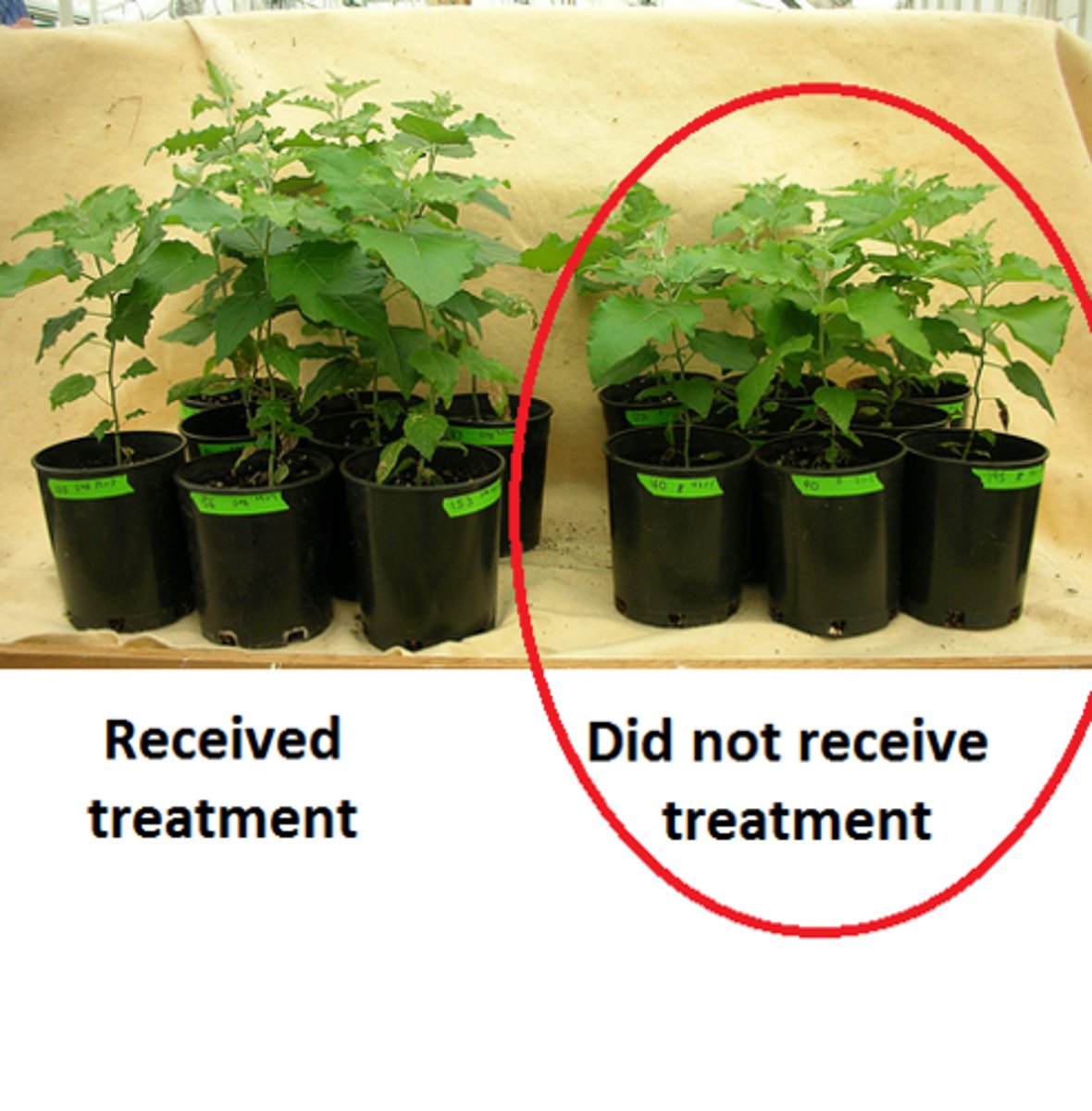
control
an experimental feature that accounts for the effects of a non-experimental variable.
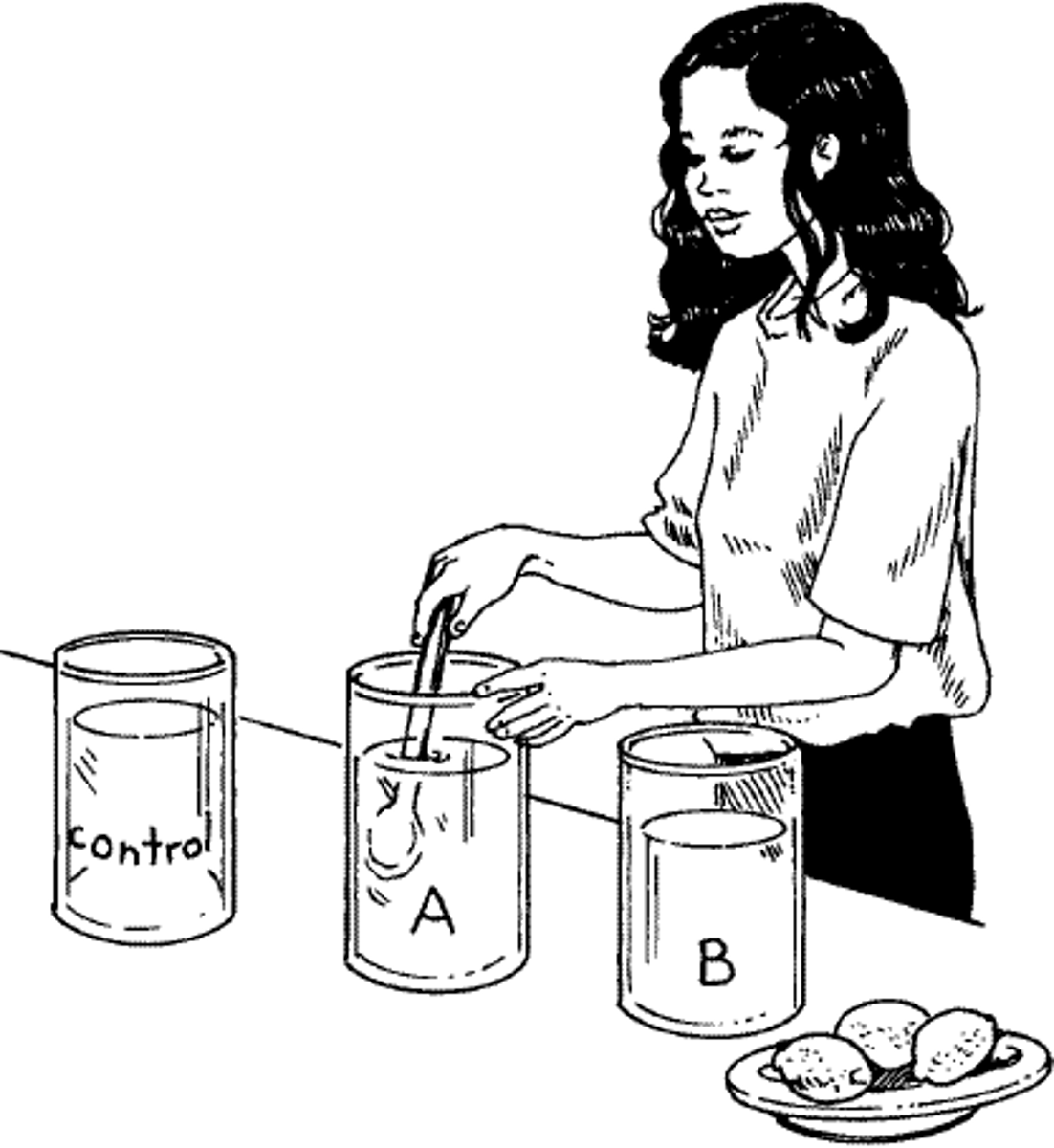
Experiment
a set of controlled experiences designed to test a hypothesis
empirical
Data relying on the senses or sensory observation
Hypothesis
An idea or educated prediction based on prior knowledge that is scientifically testable.
Theory
A set of statements, based on repeated scientific facts that act to describe, explain, or predict aspects of a given phenomenon
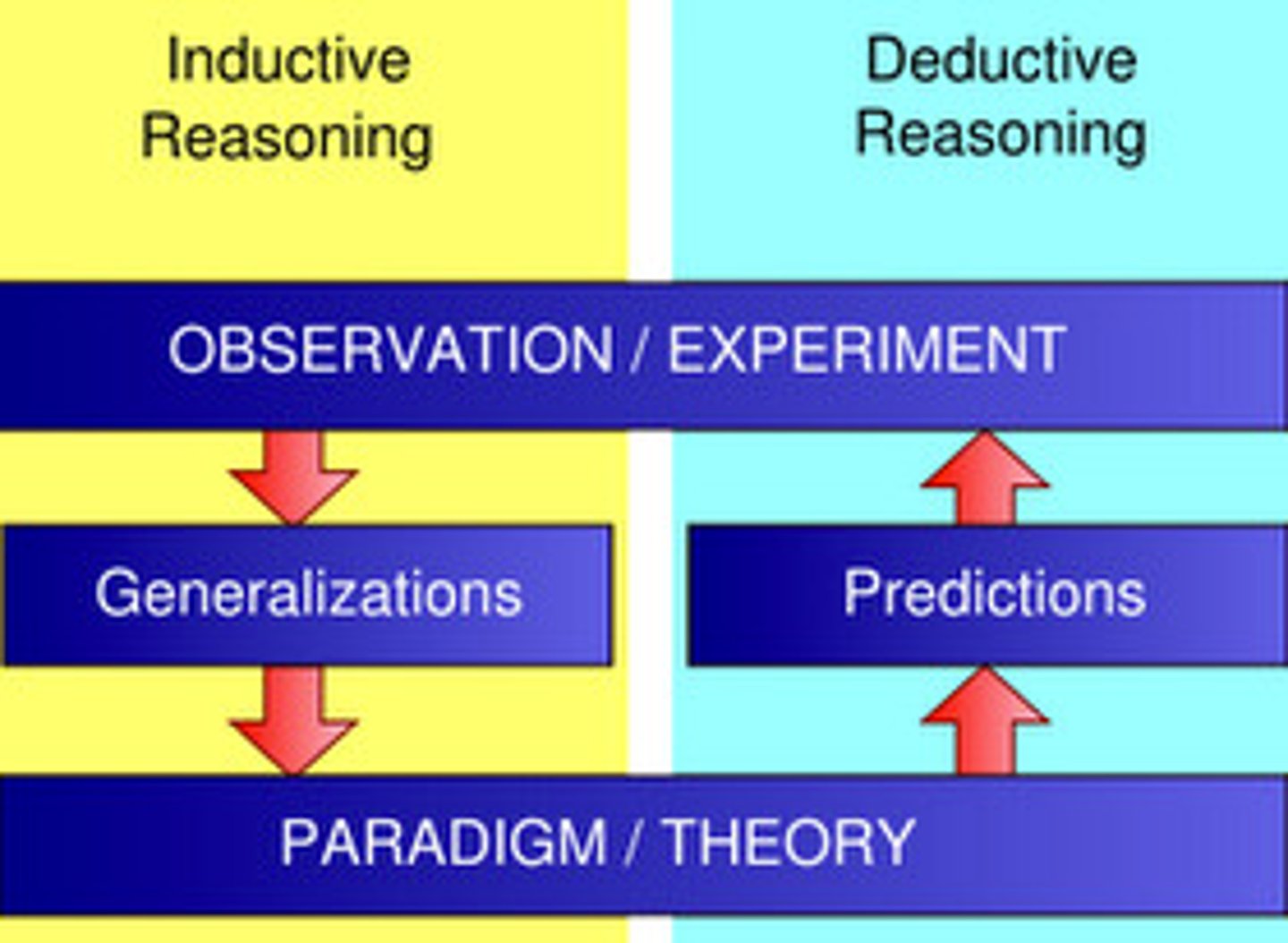
Deductive reasoning
A set of existing premises is used to produce a new premise
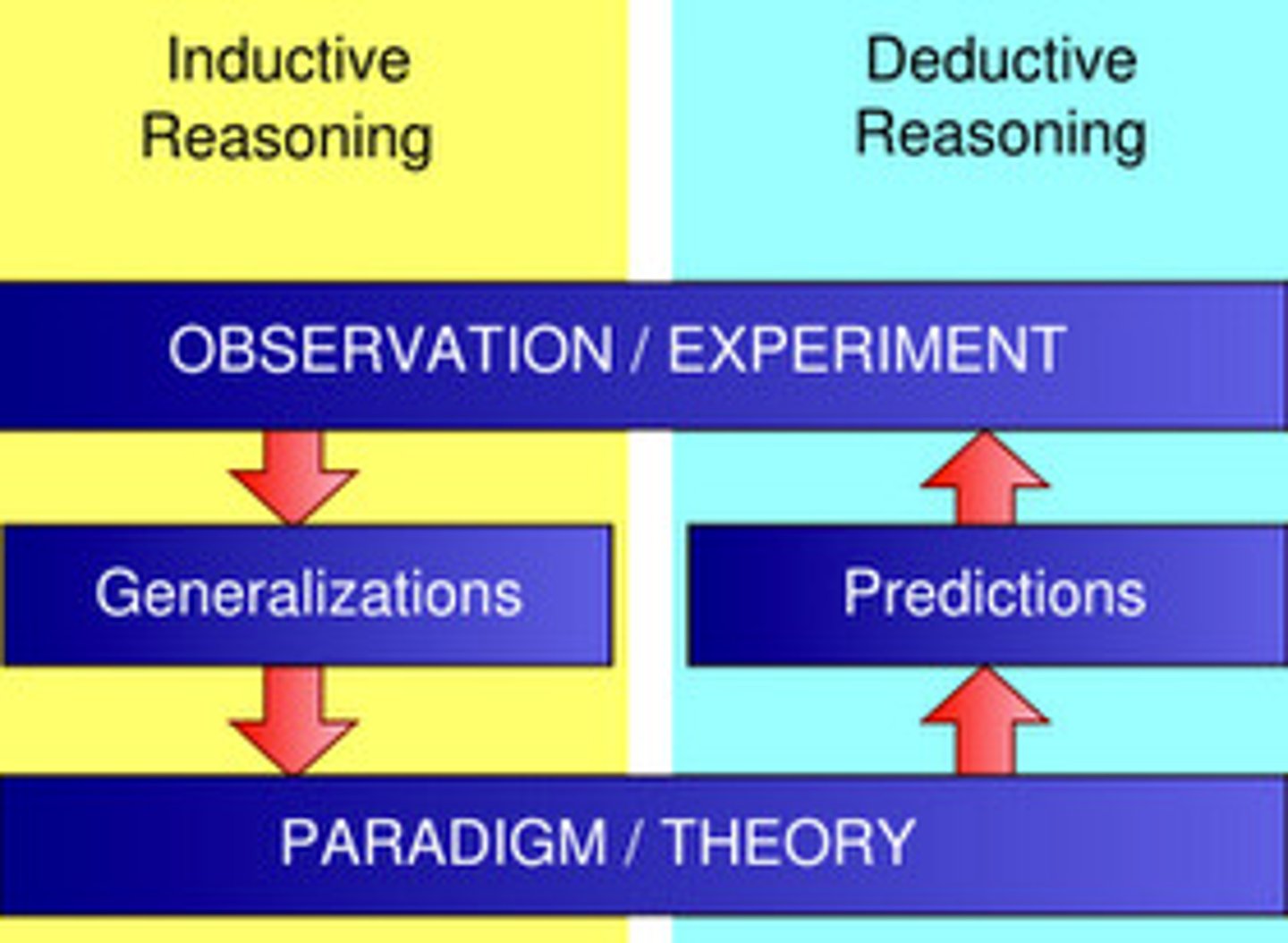
Inductive reasoning
A set of individual instances is used to form a new premise.
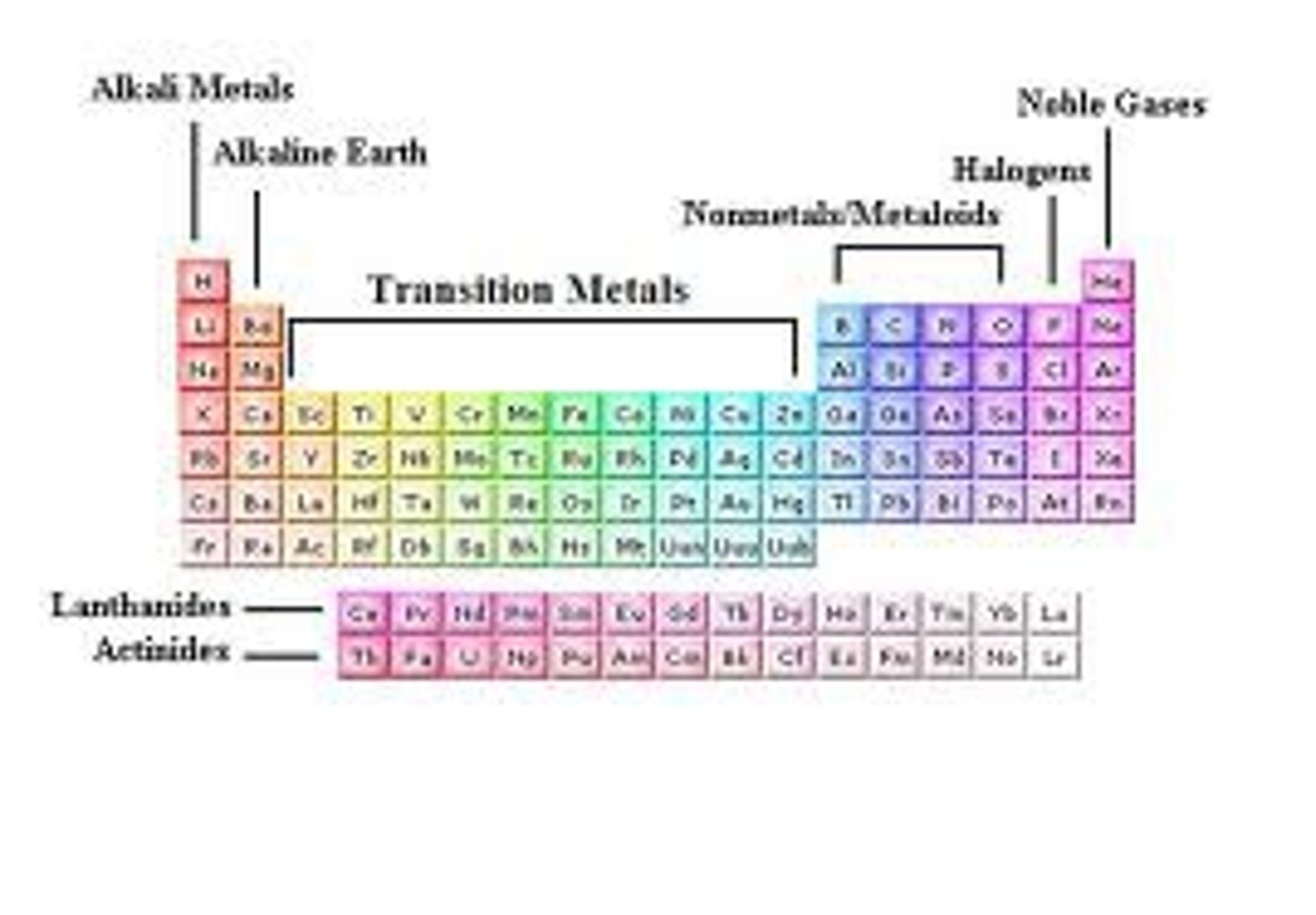
Element
Substances that cannot be broken down into substances by ordinary chemical means.
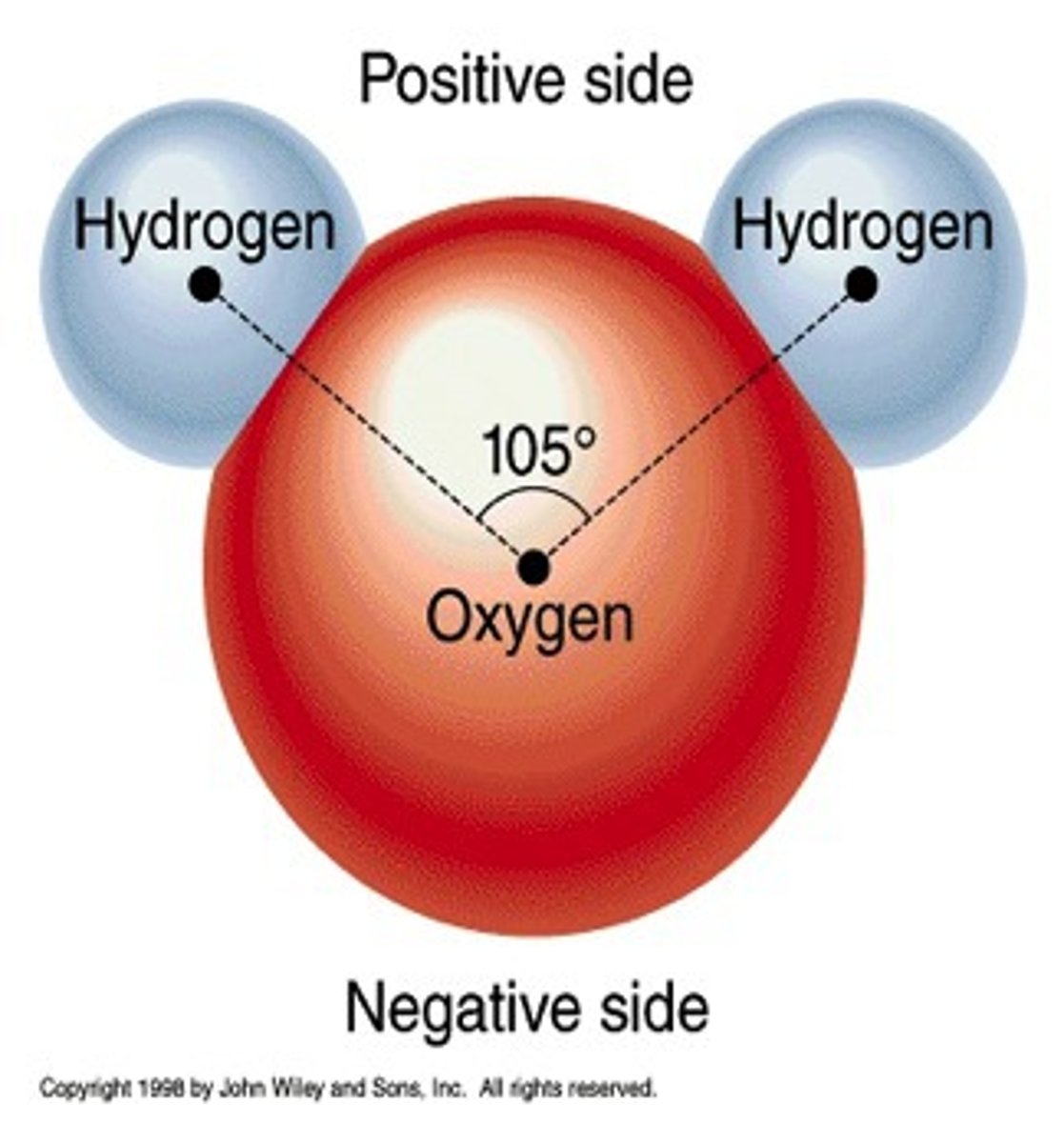
Molecule
Two or more chemically joined atoms.
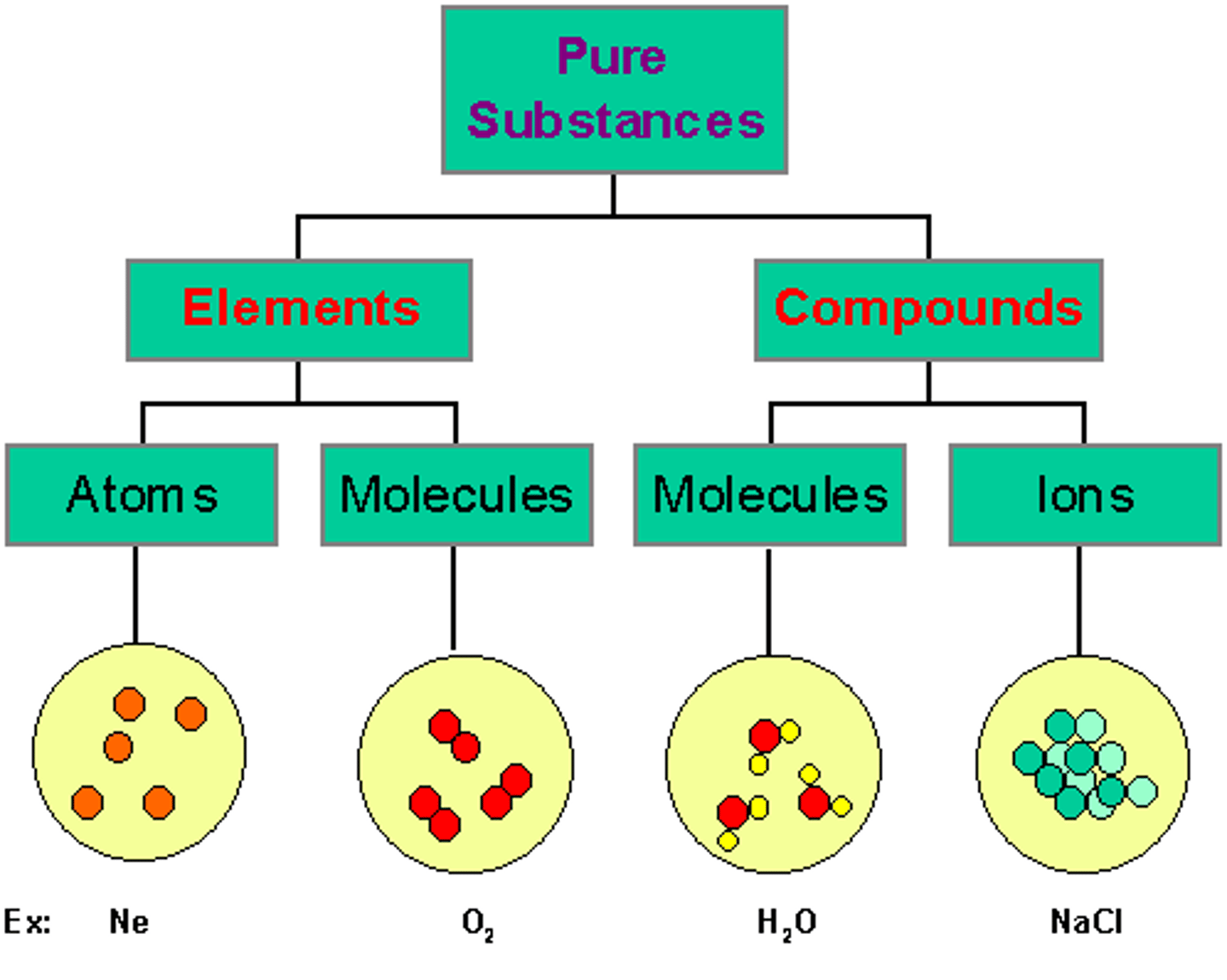
Substance
Forms of matter that have identifiable physical or chemical properties.
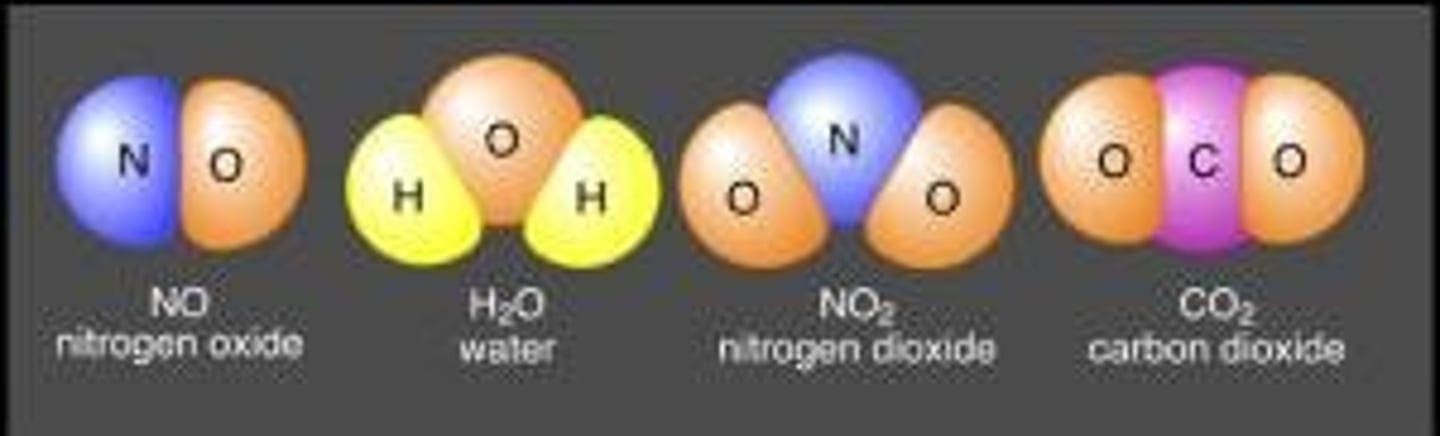
Compound
Substances made up of a fixed ratio of elements
Electrolyte
A biologically useful ion
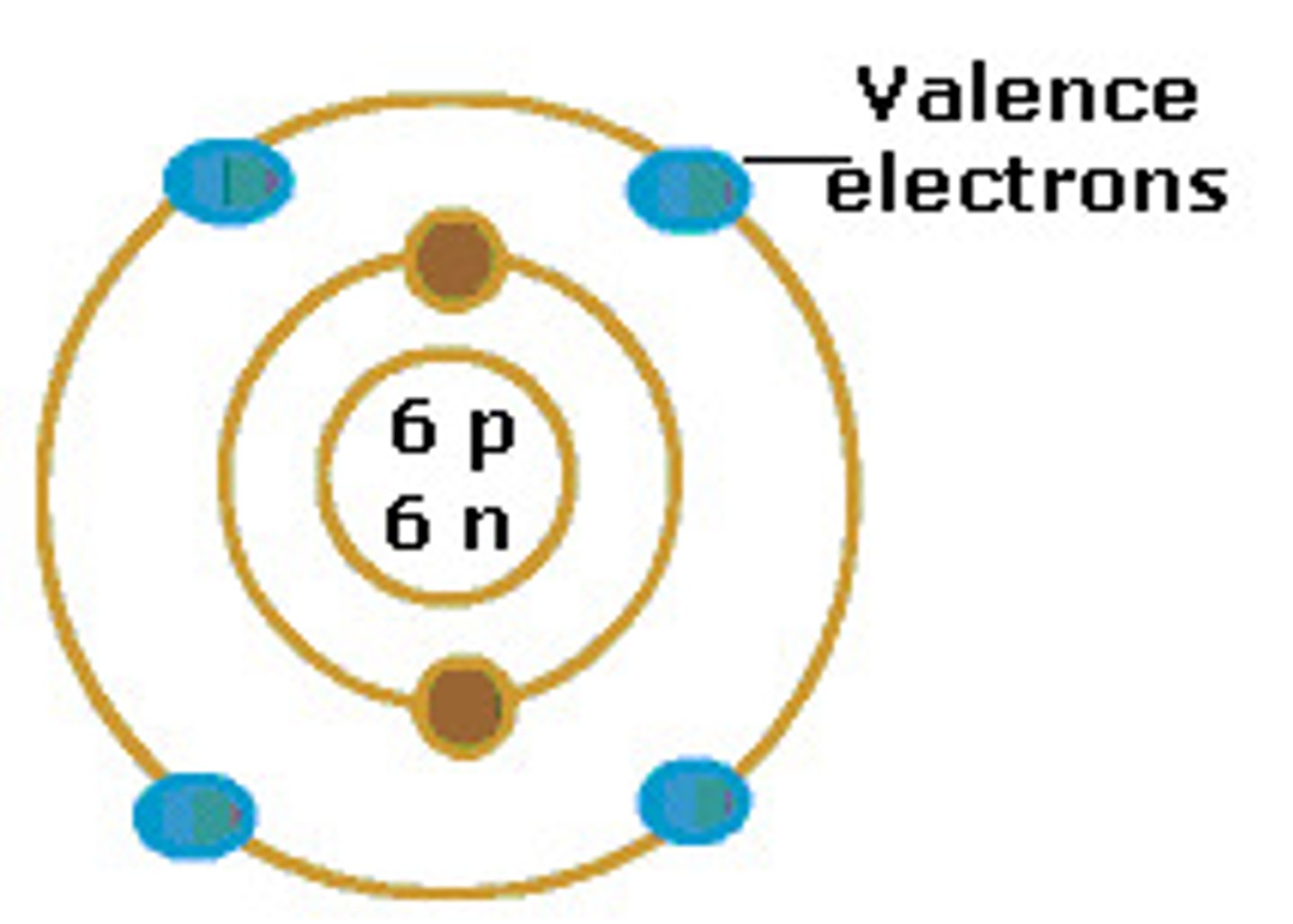
Valence
The outermost shell of an atom
Chemical bond
The sharing or transfer of electrons between two or more atoms.
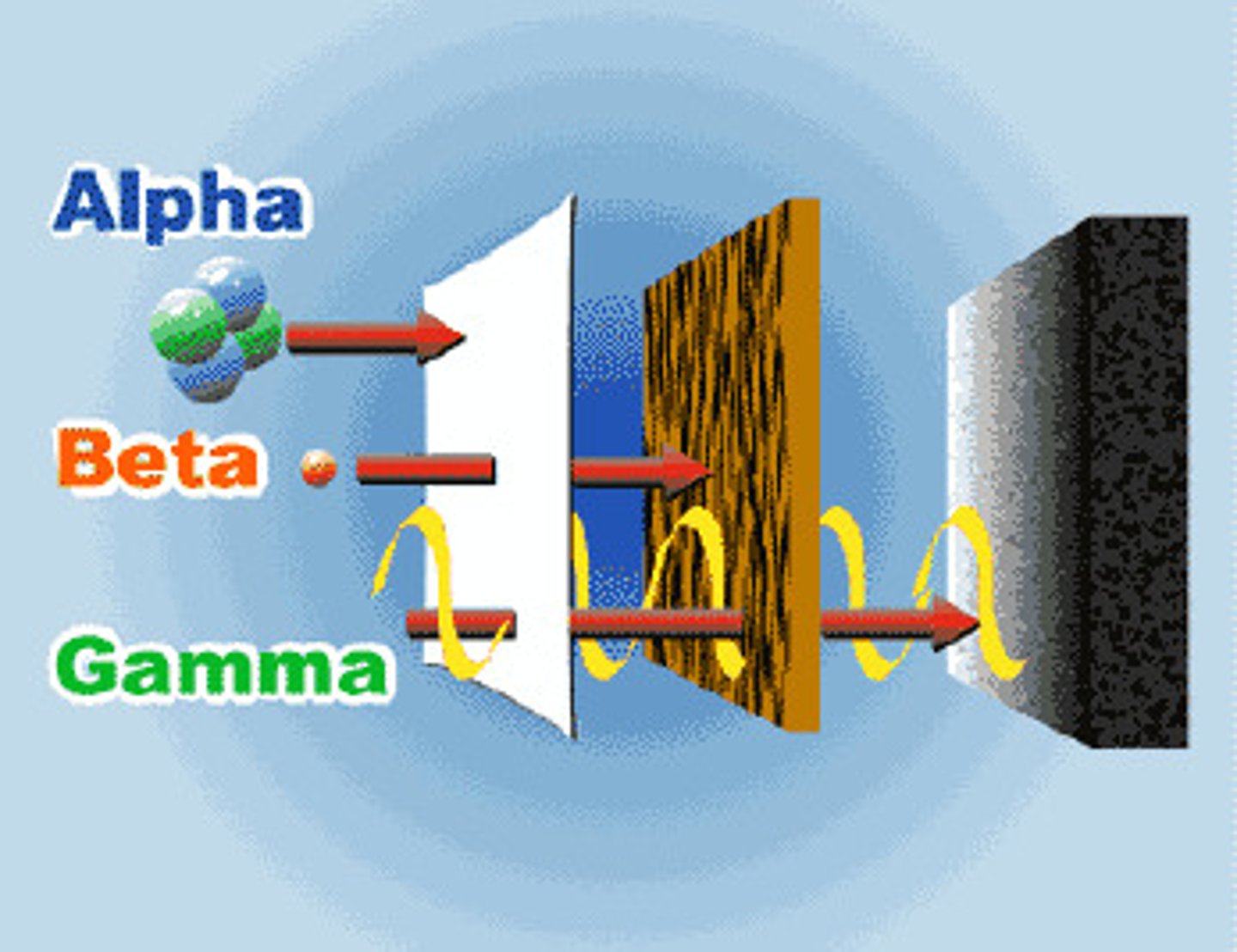
Radiation
The emission of the sub-atomic particles from an unstable nuclei. (in either alpha, beta, or gamma)
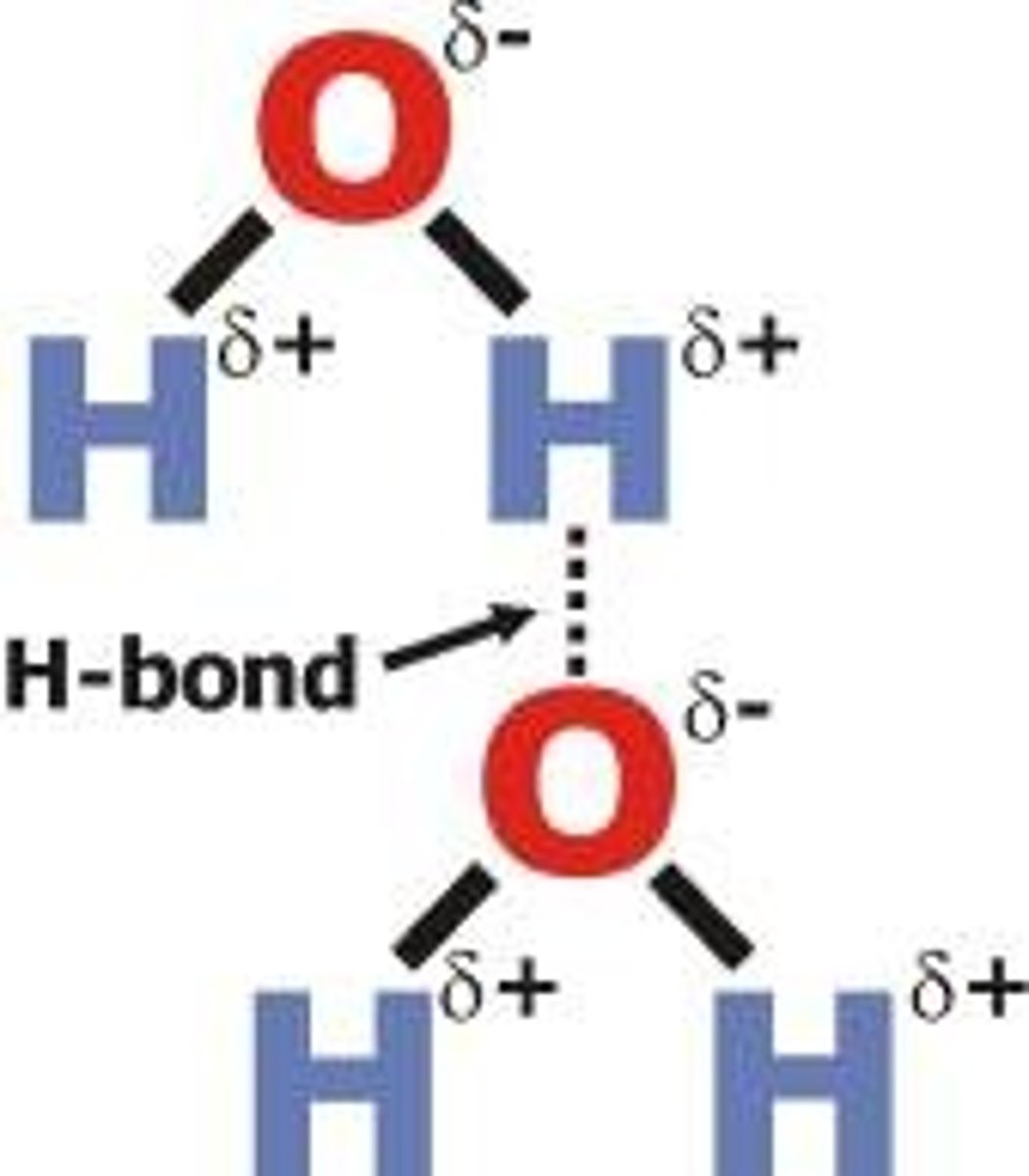
Hydrogen bonds
A weak electronegative attraction between the partially positive charged hydrogen of one molecule and a partially negative charged atom of another molecule.
Non-polar covalent bonds
Even sharing of electrons between elements in a covalent bond
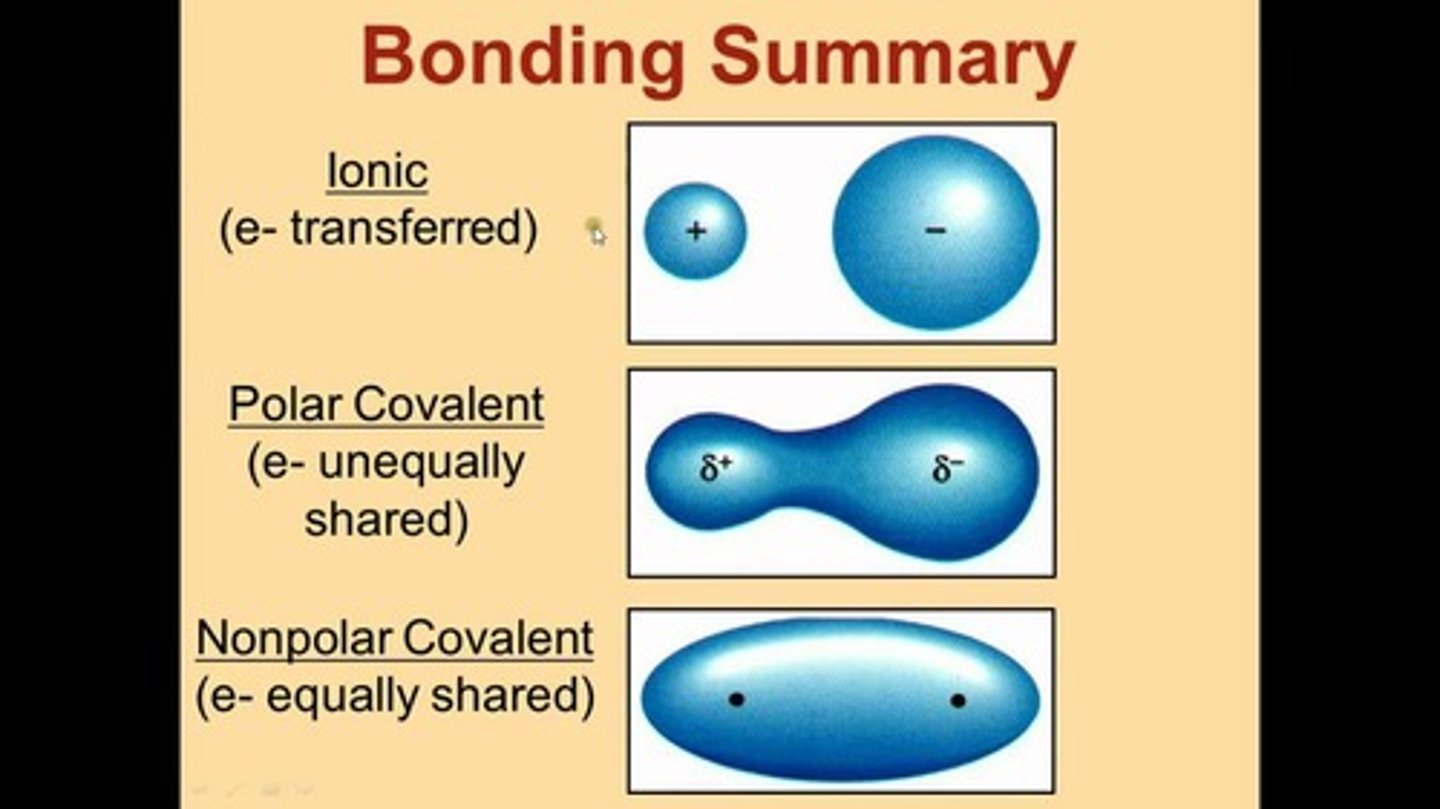
Polar covalent bond
uneven sharing of electrons between elements in a covalent bond
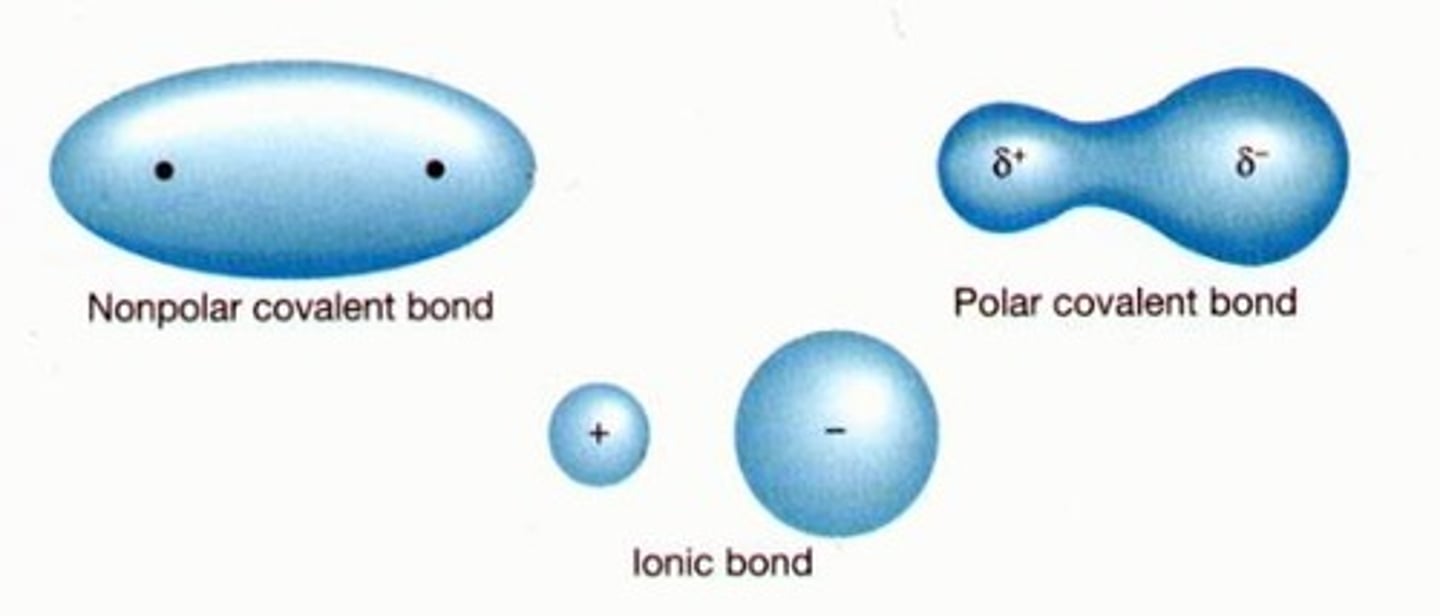
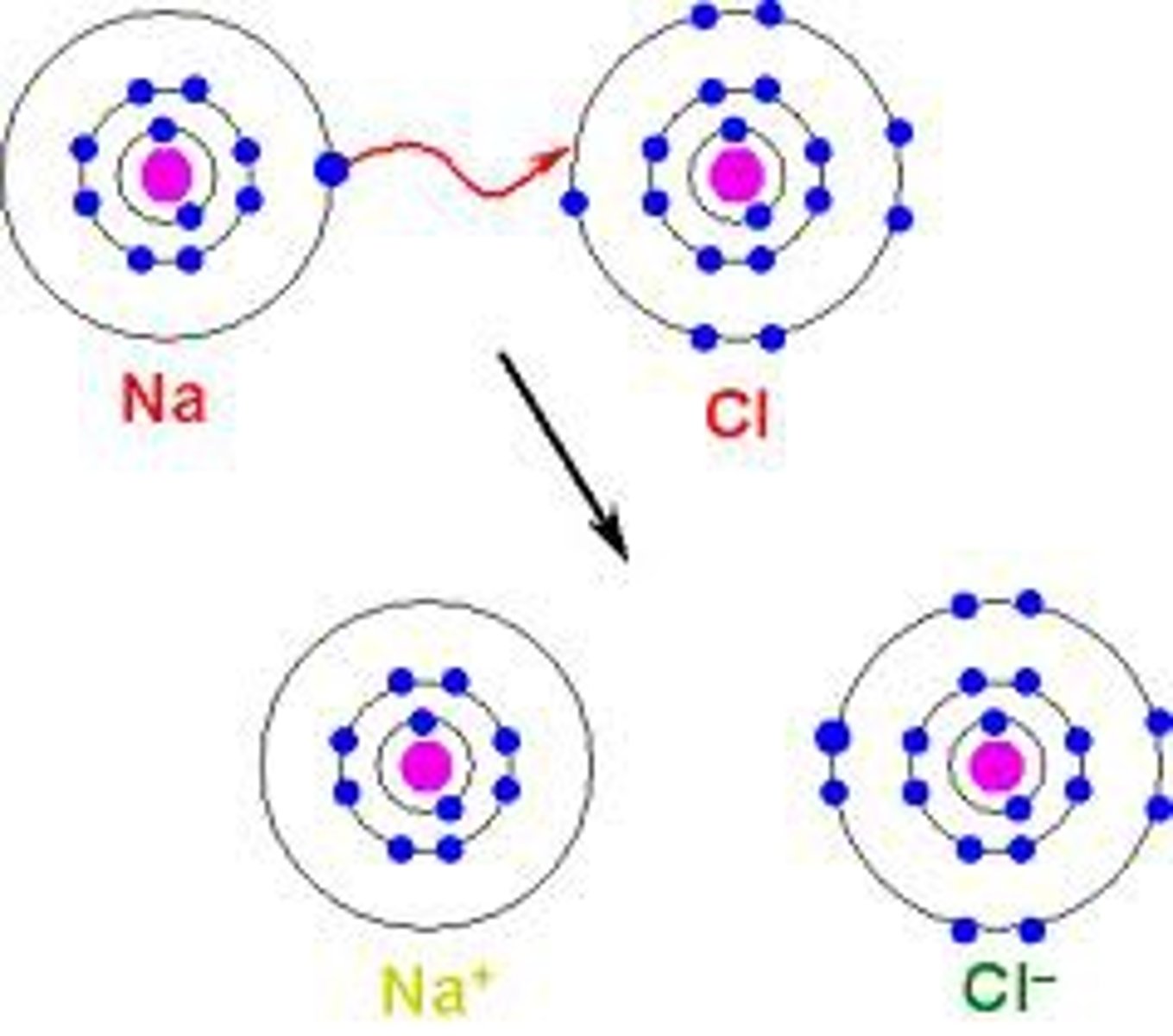
Ionic bond
results from the electrical attraction between two ions with opposite charges
Organic molecules
Molecules comprised of one or more carbon to carbon bonds
Isomer
Molecules with the same chemical content but different structural arrangement
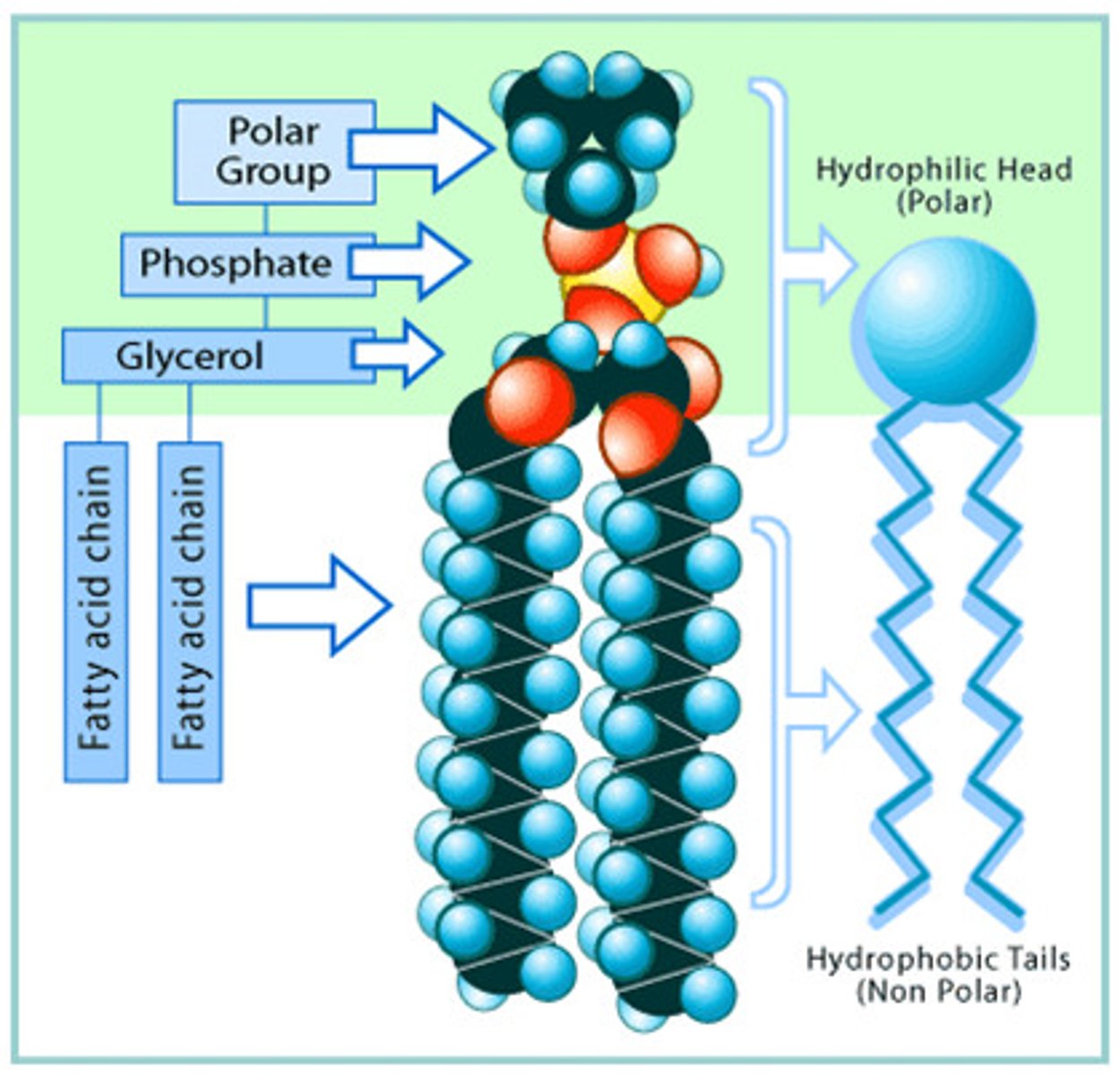
Amphipathic
a molecule that is both hydrophobic and hydrophilic
Saturated fats
Have single bonds and have straight chains that are stackable which means that they are solid at room temperature. They are most likely from animal sources.
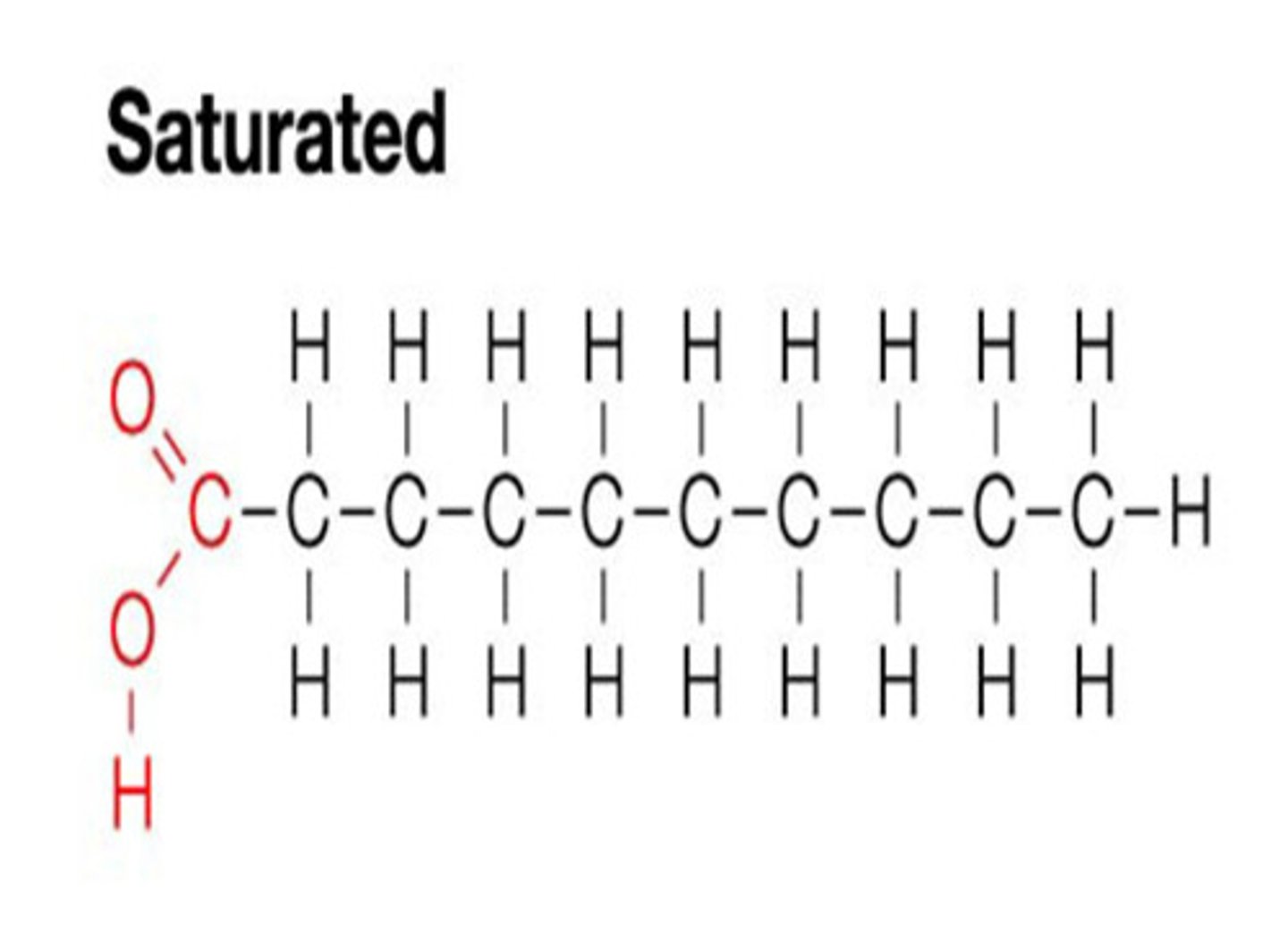
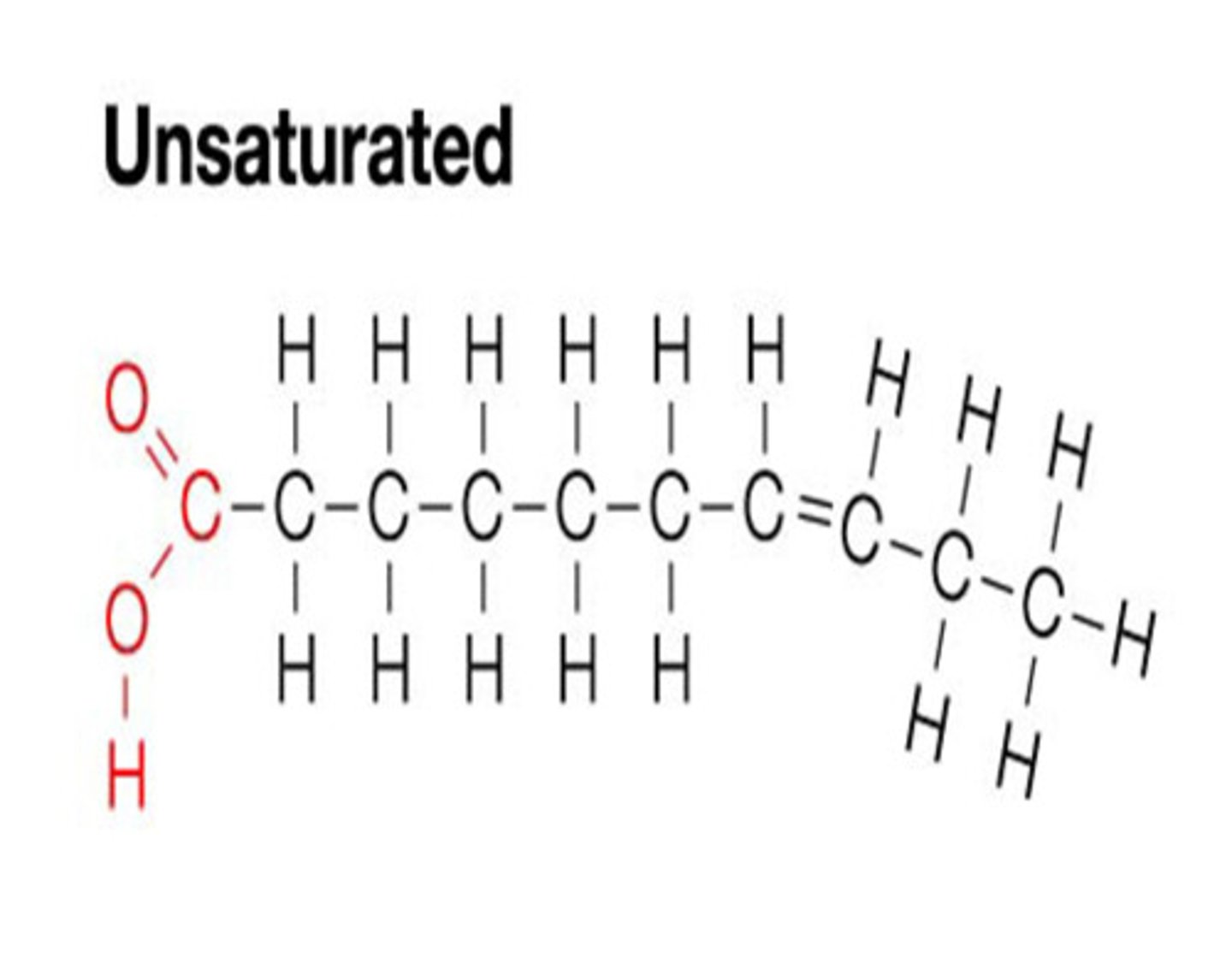
Unsaturated fats
Have some double bonds which mean that they don't have straight chains and are unsackable and in an oily liquid form at room temperature. Most likely from plant sources.
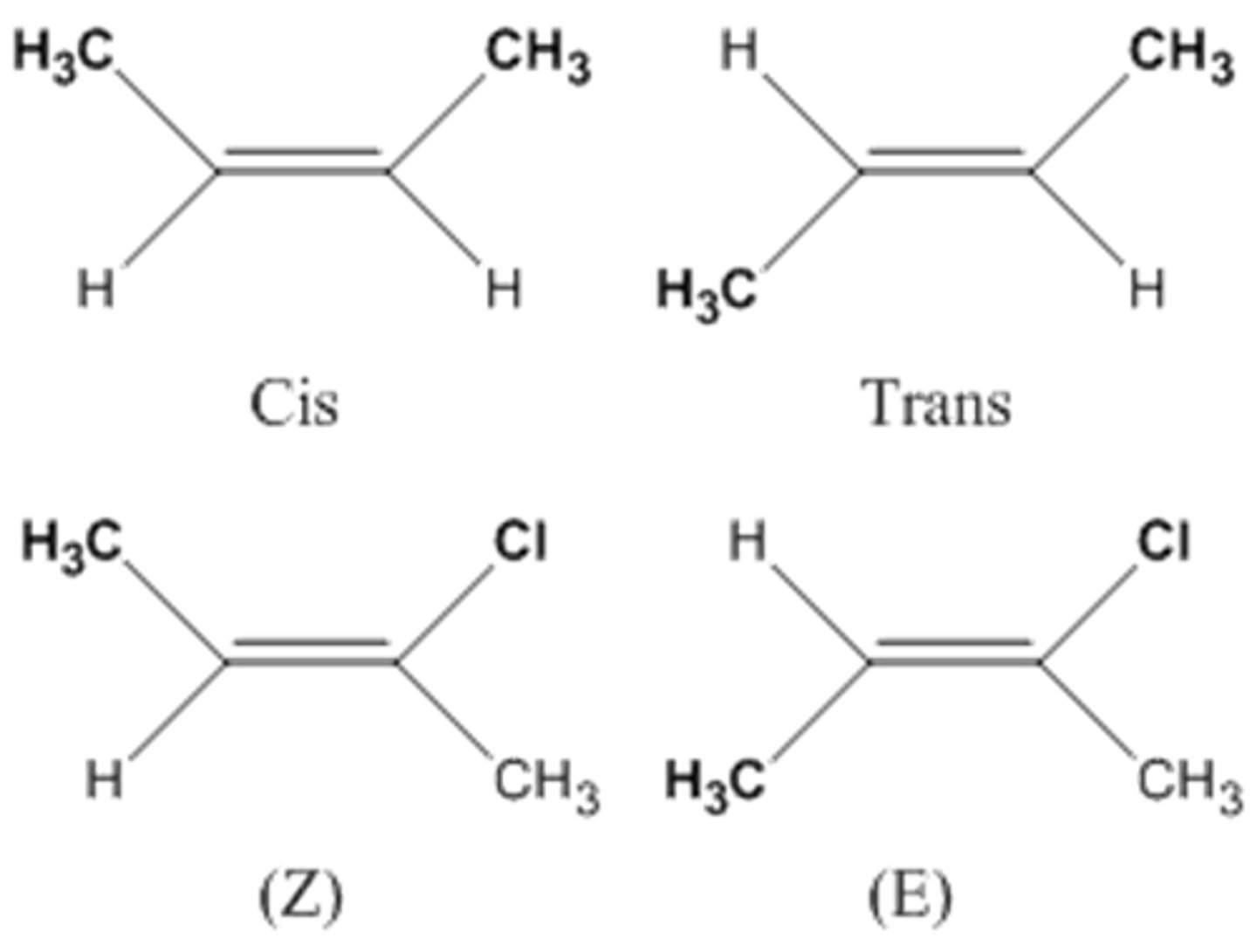
Cis configuration
hydrogen on the same side up
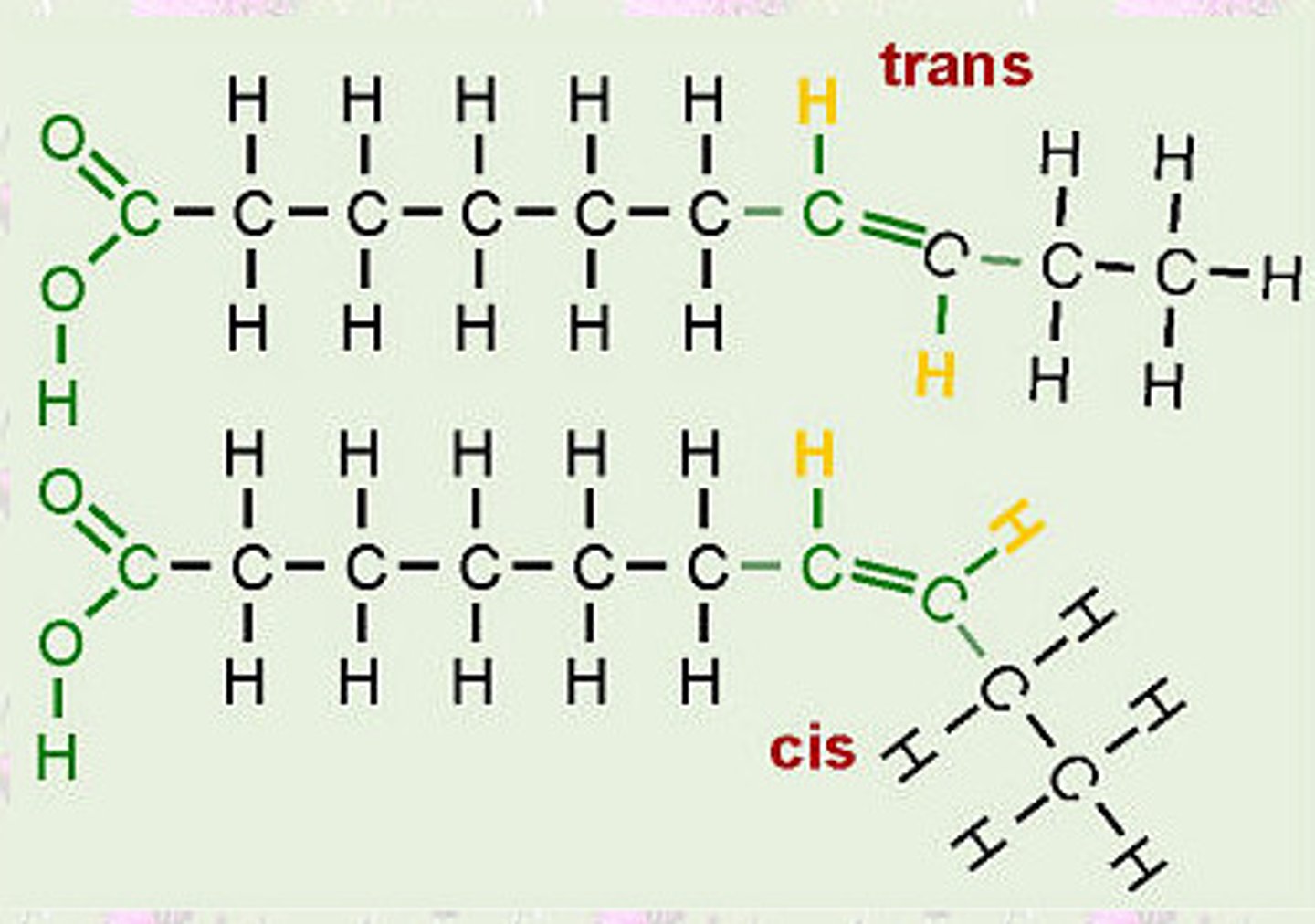
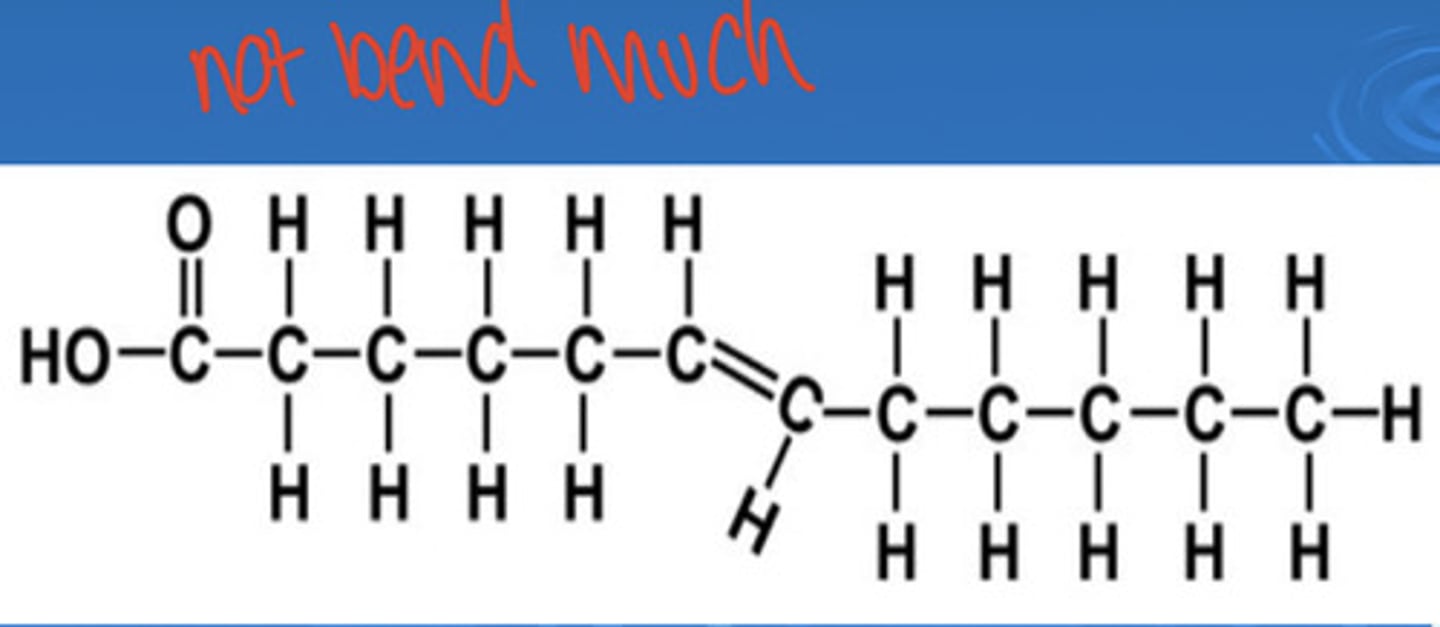
Trans configuration
hydrogen bonds are on opposite sides
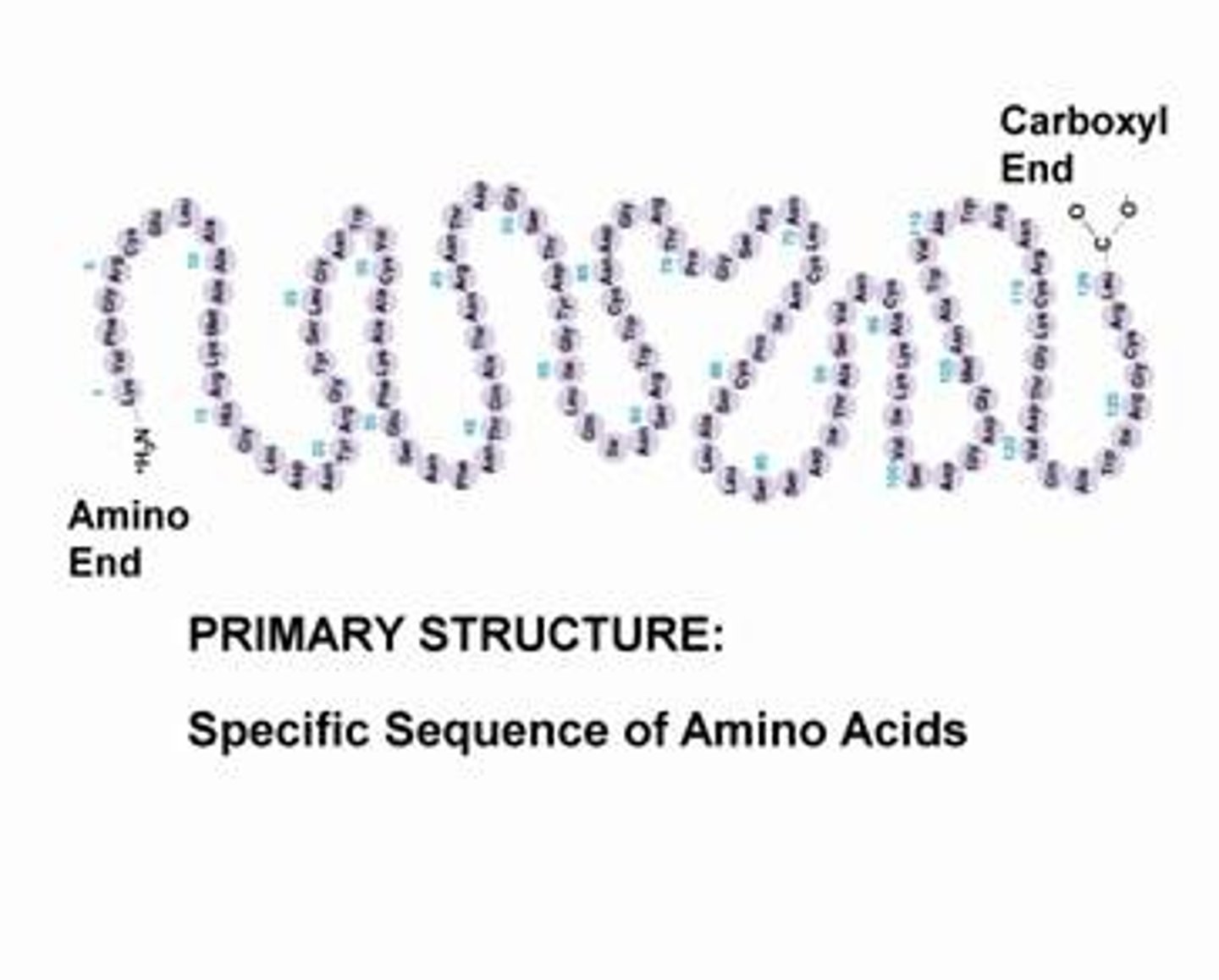
Primary structure of protein
Shape: Linear chain sequence of amino acids
Bonds: Peptide bonds
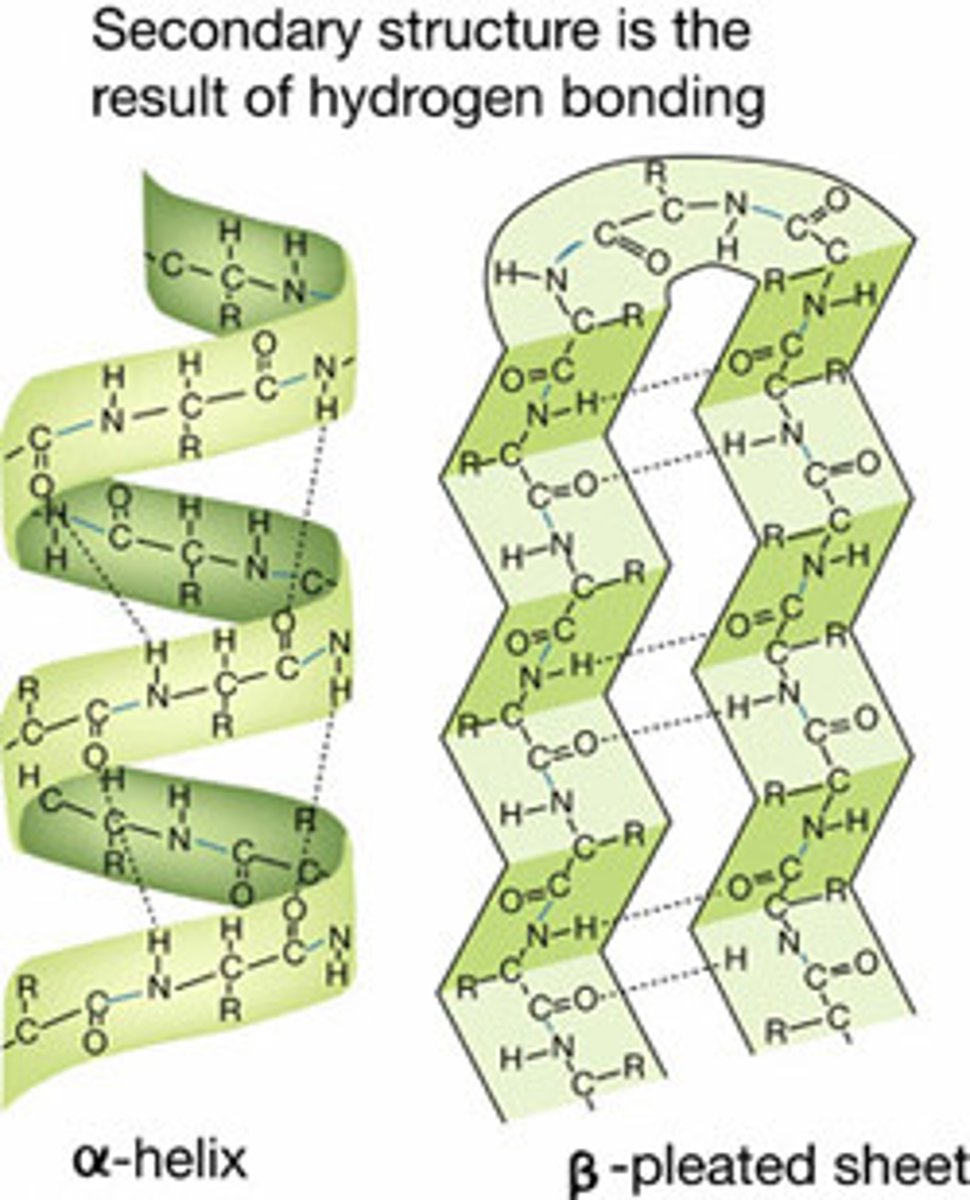
Secondary structure of protein
Shape: Helices, pleated sheets, Random coiling
Bonds: hydrogen bonds
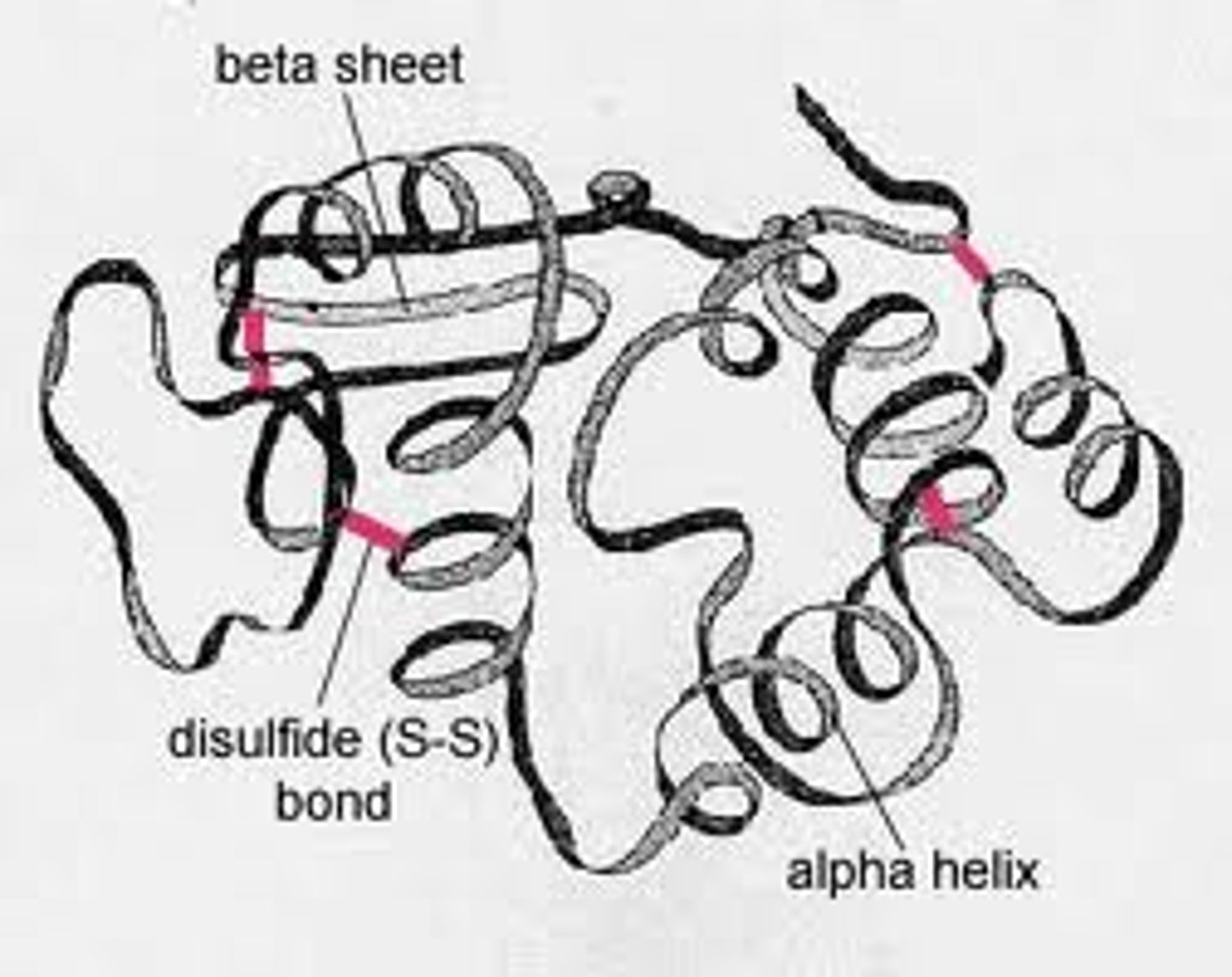
Tertiary structure of protein
Shape: Globule, fiber
Bond: sulfur bonds, ionic bonds, hydrophilic and hydrophobic attractions.
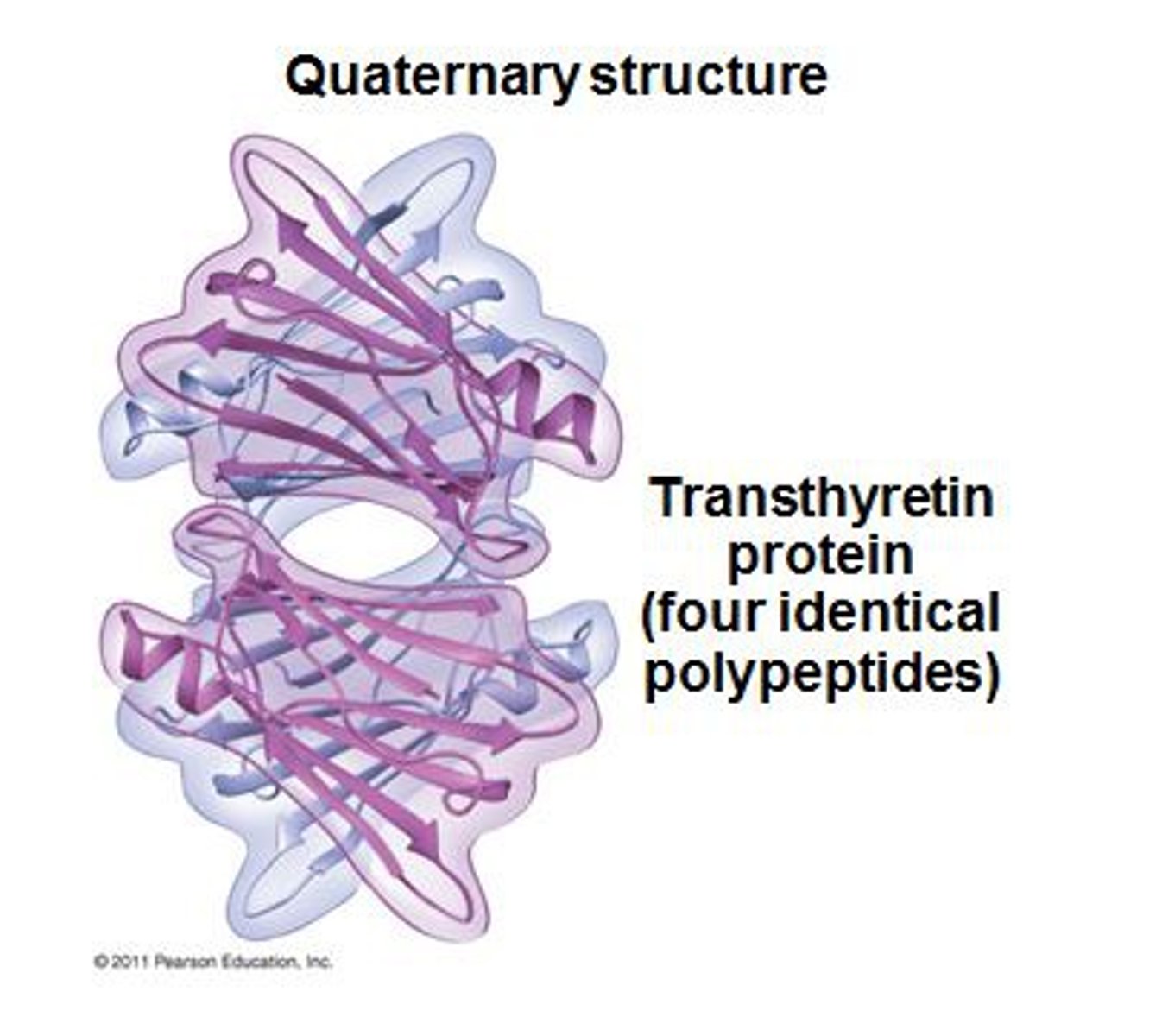
quaternary structure of a protein
Shape: Compound polypeptide (2 or more put together)
Bond: sulfur bonds, ionic, covalent bonds
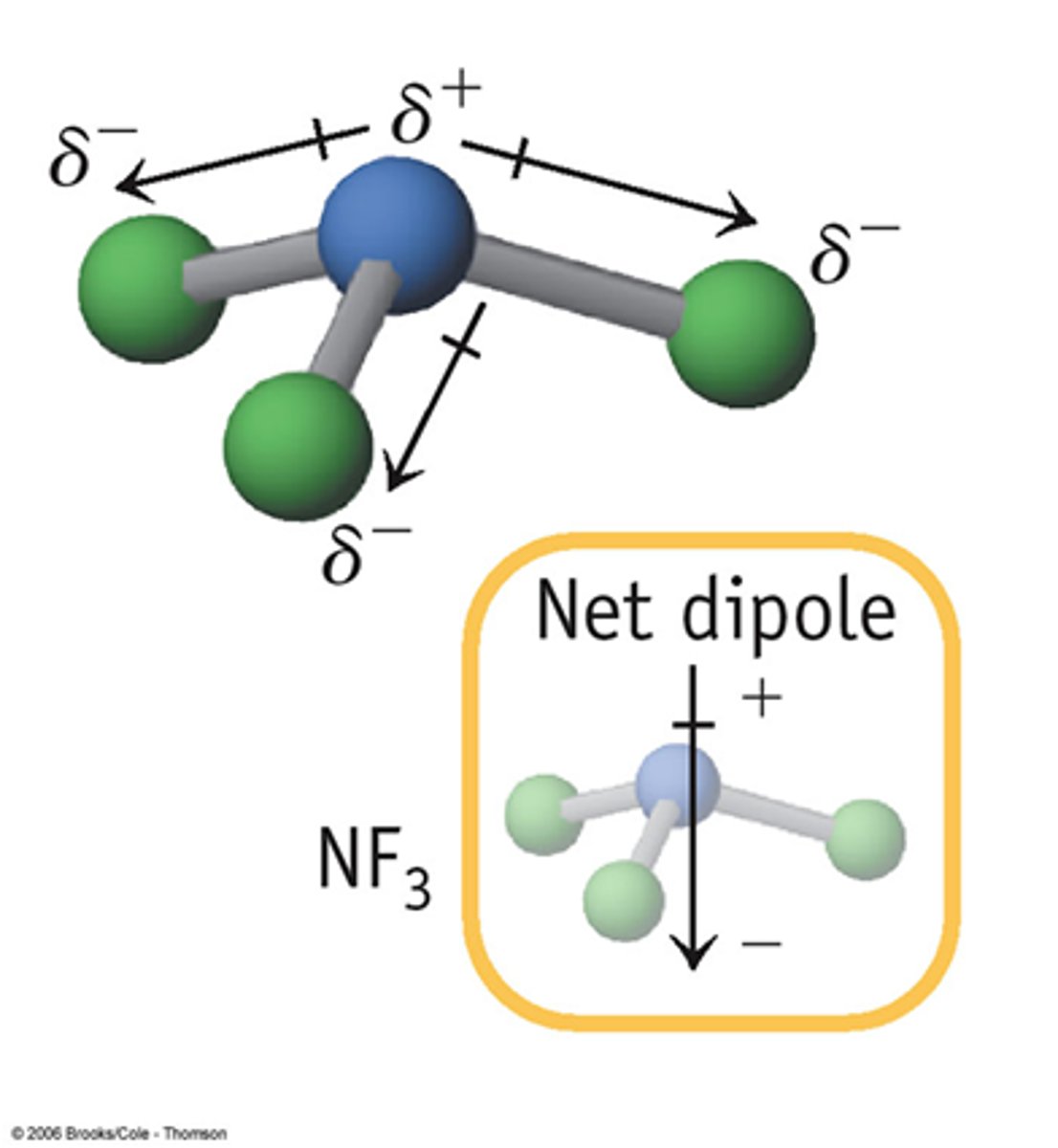
Polarity
an axial distribution of charge
Heat
The total molecular motion or kinetic energy in a system
Temperature
The average heat or a molecular motion of a system
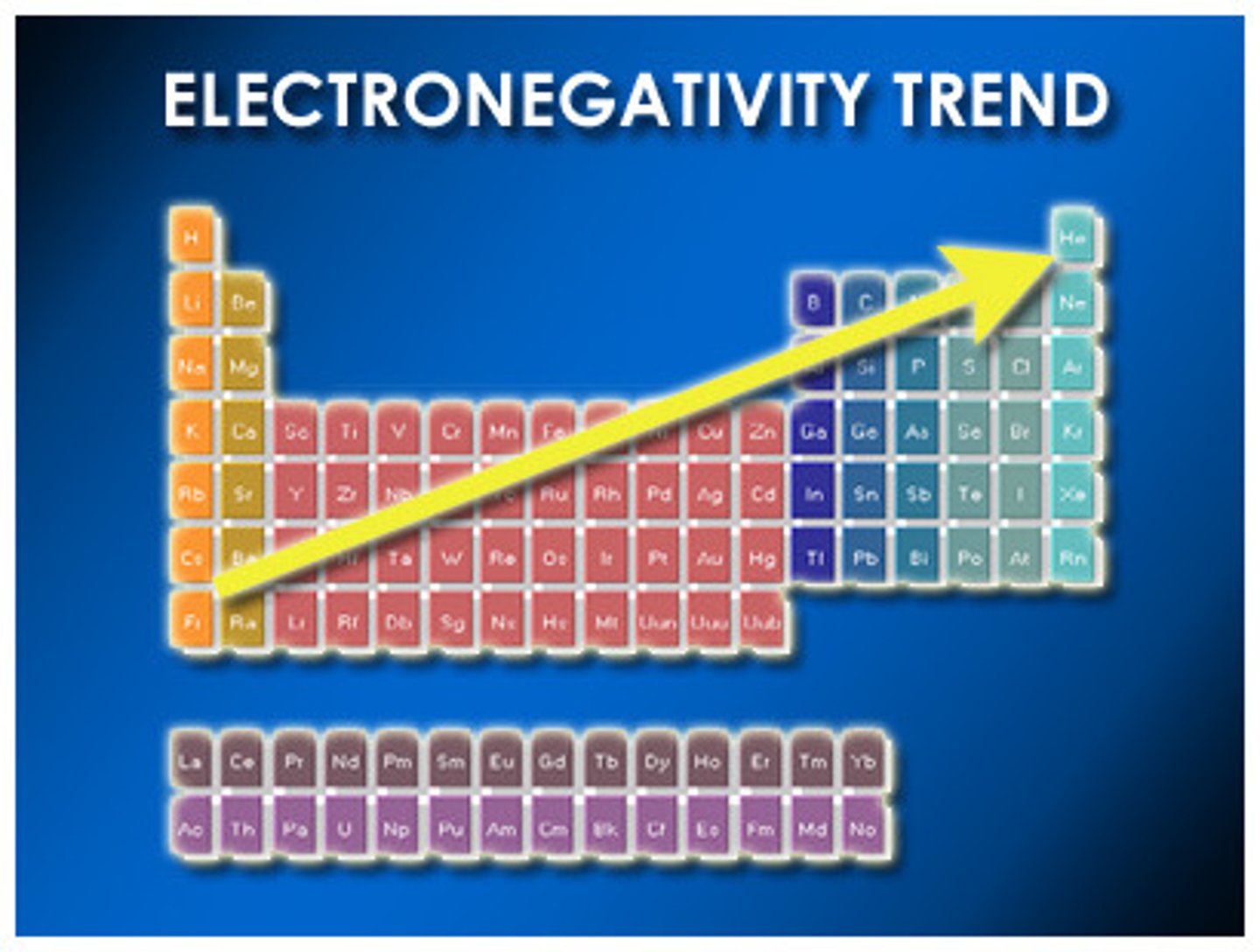
Electronegativity
The ability to attract electrons in a covalent bond
Cohesiveness
The ability of a substance to stick to itself
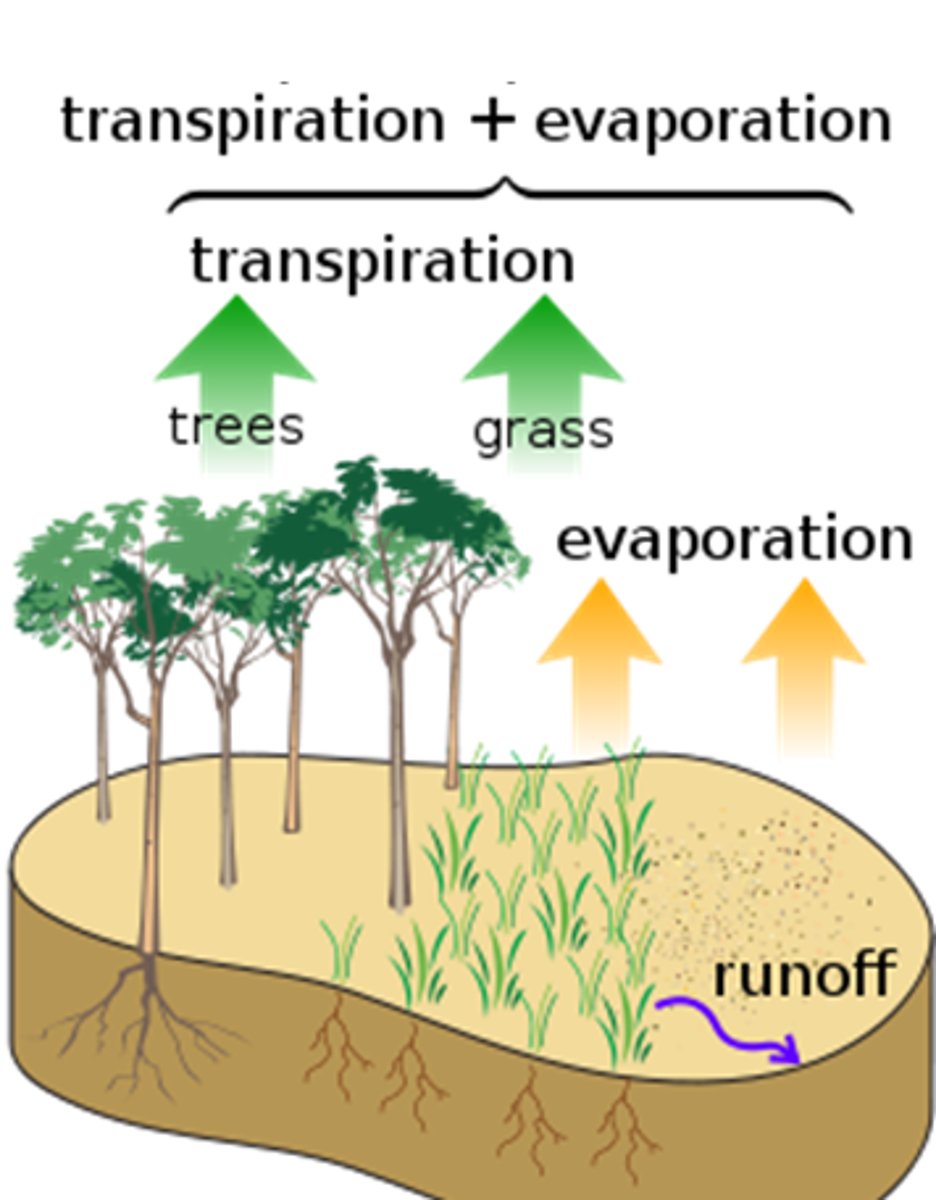
Evapotranspiration
The movement of water from root to leaf
Adhesiveness
The ability of a substance to stick to similar substances
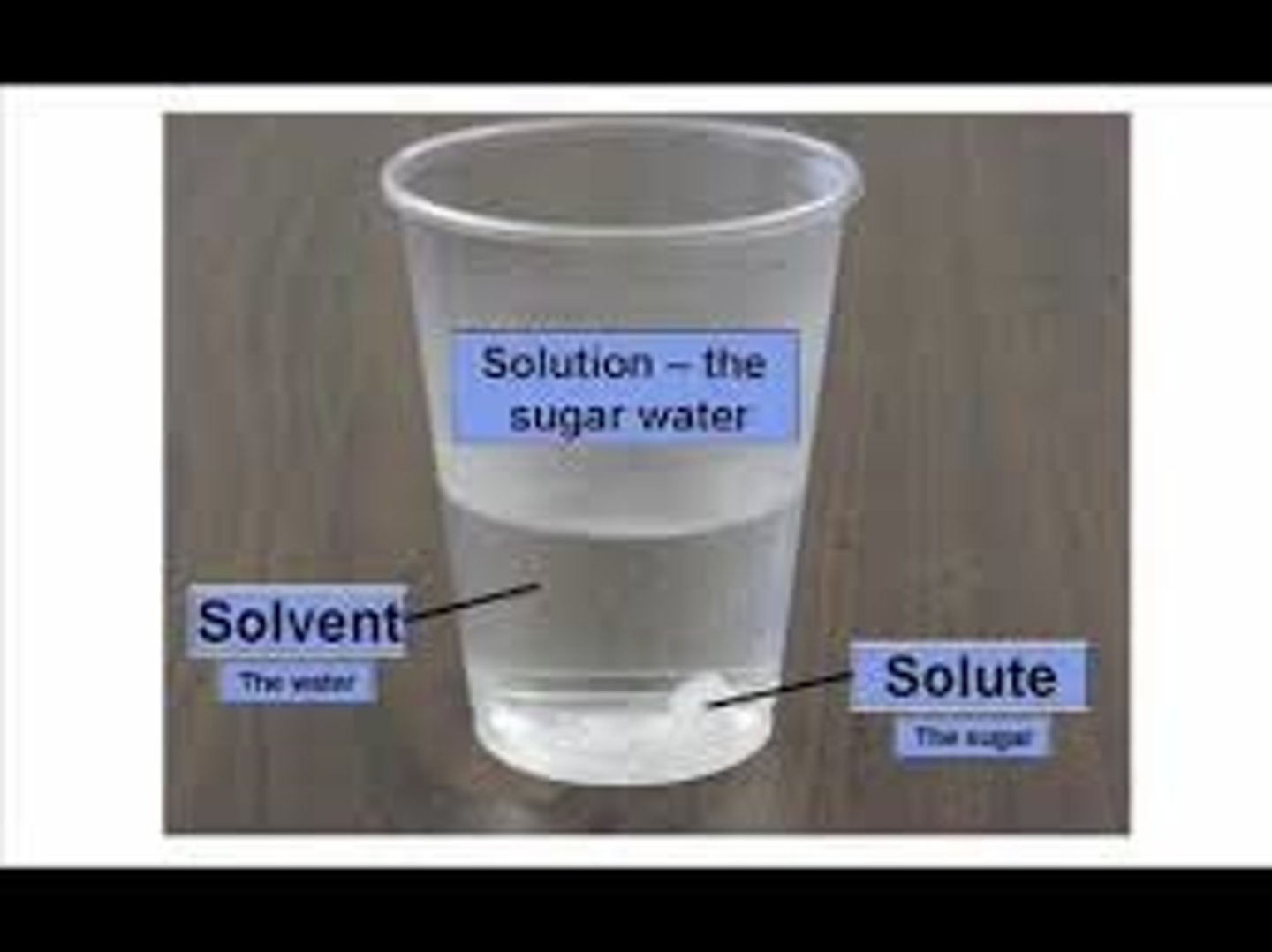
Solvent
A liquid that dissolves particles
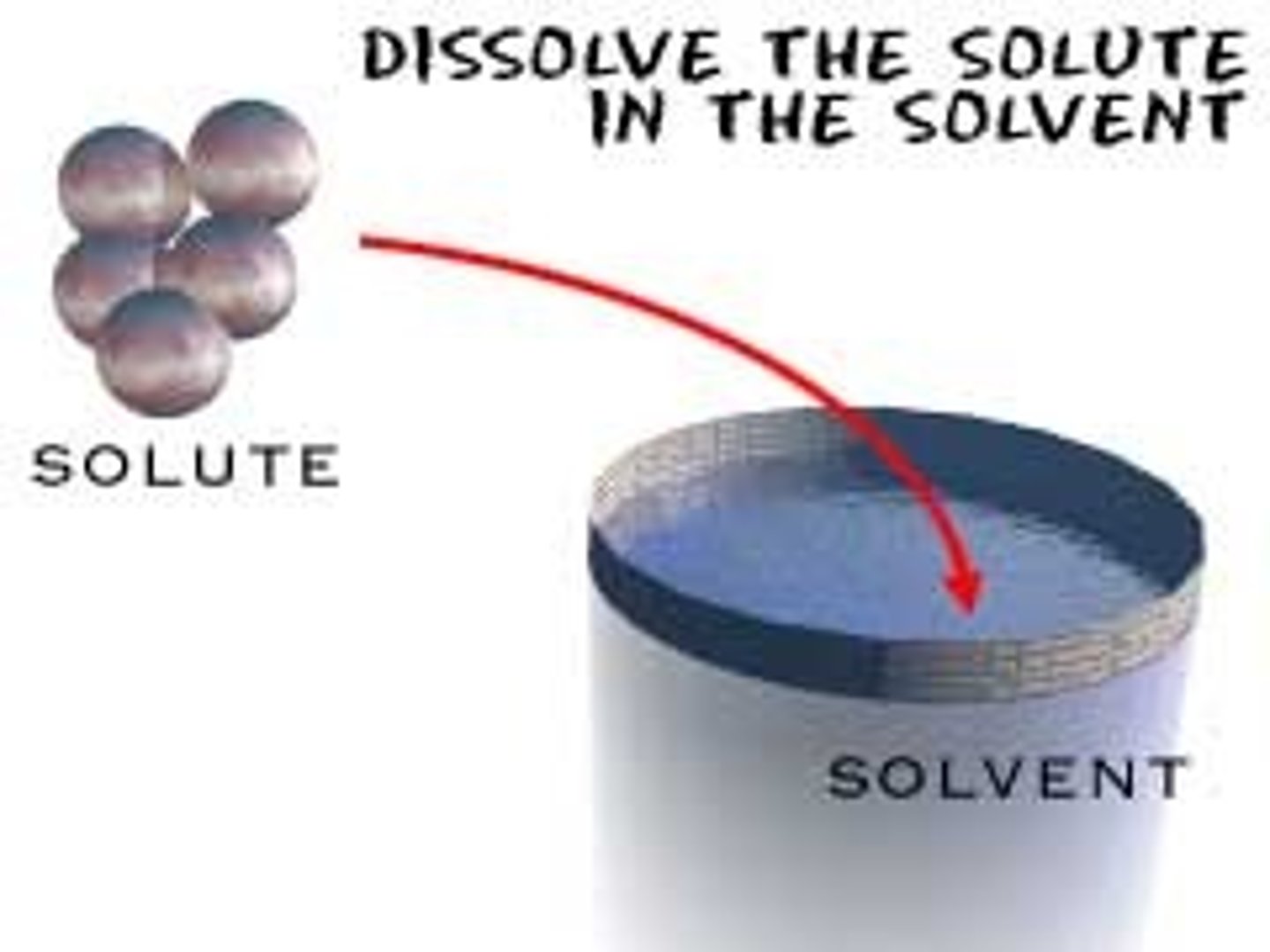
Solute
The collection of particles that are dissolved in the solution
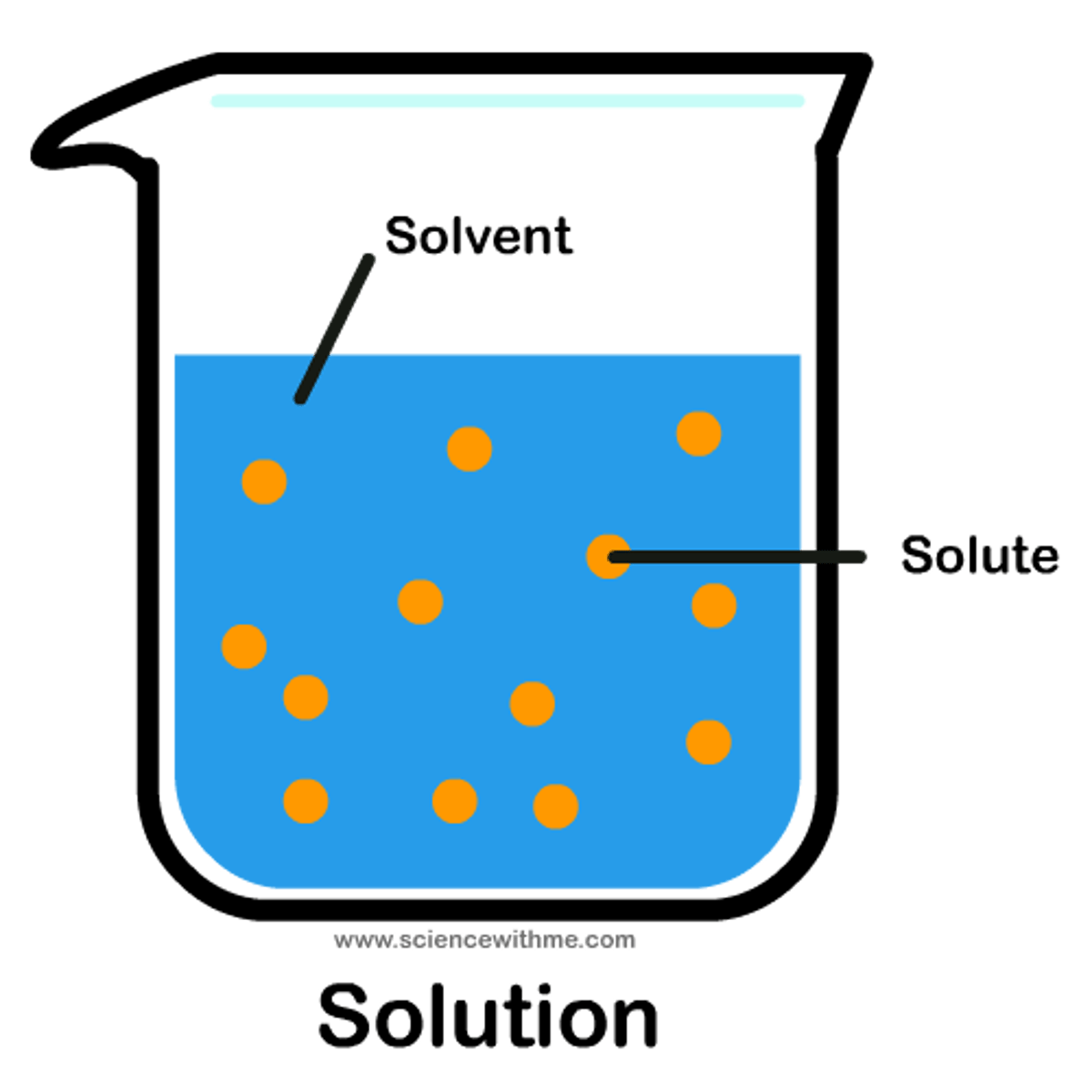
Solution
Consists of a solvent and a solute
First law of thermodynamics
Energy can be converted from one form to another but can never be created nor destroyed
Second law of thermodynamics
Every time the energy is converted, some of it is converted into a less organized form (usually heat). Entropy always increases in a closed system
Energy
The capacity to do work
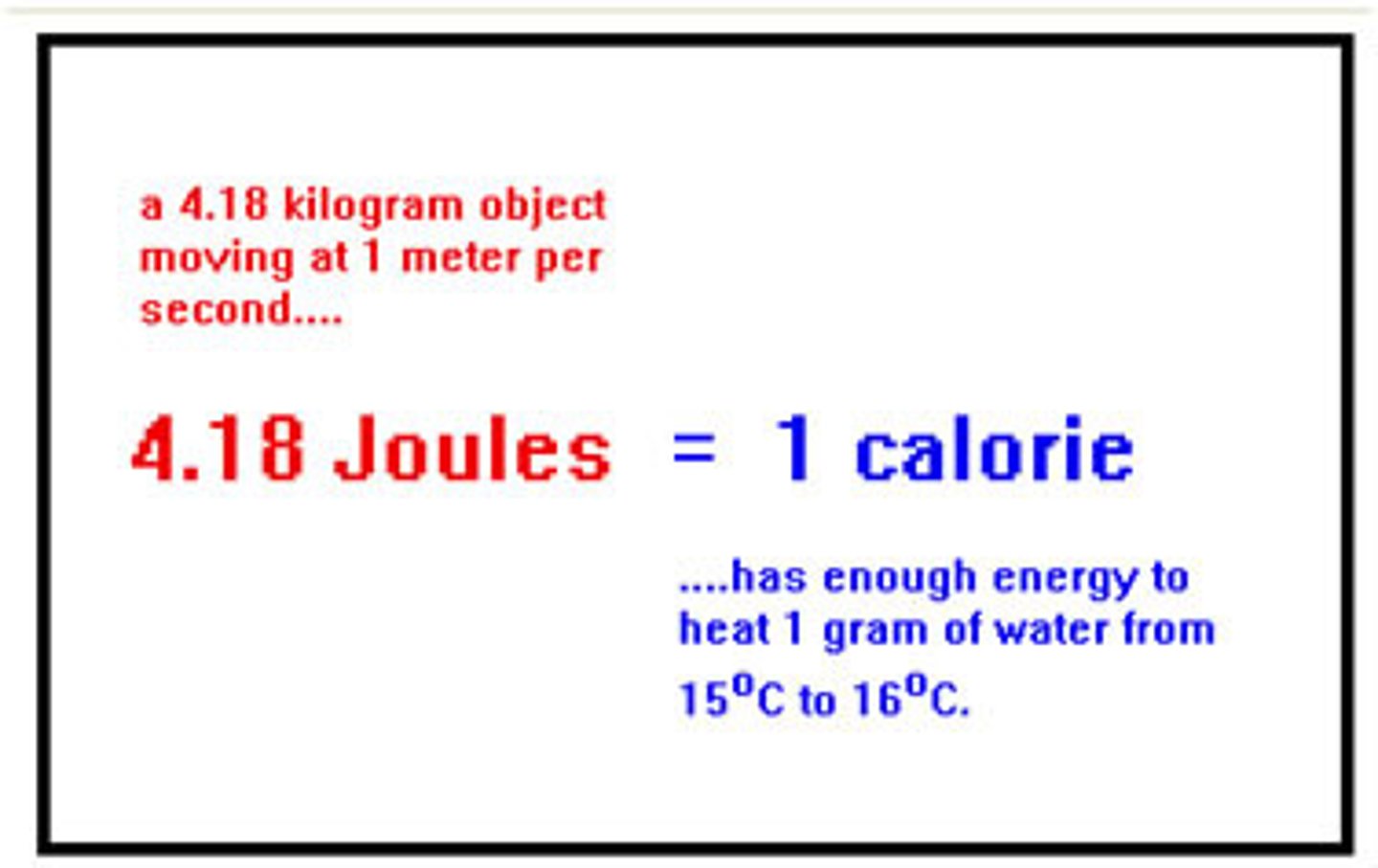
Calorie
The amount of energy needed to raise the temperature of 1 g of water by 1°C
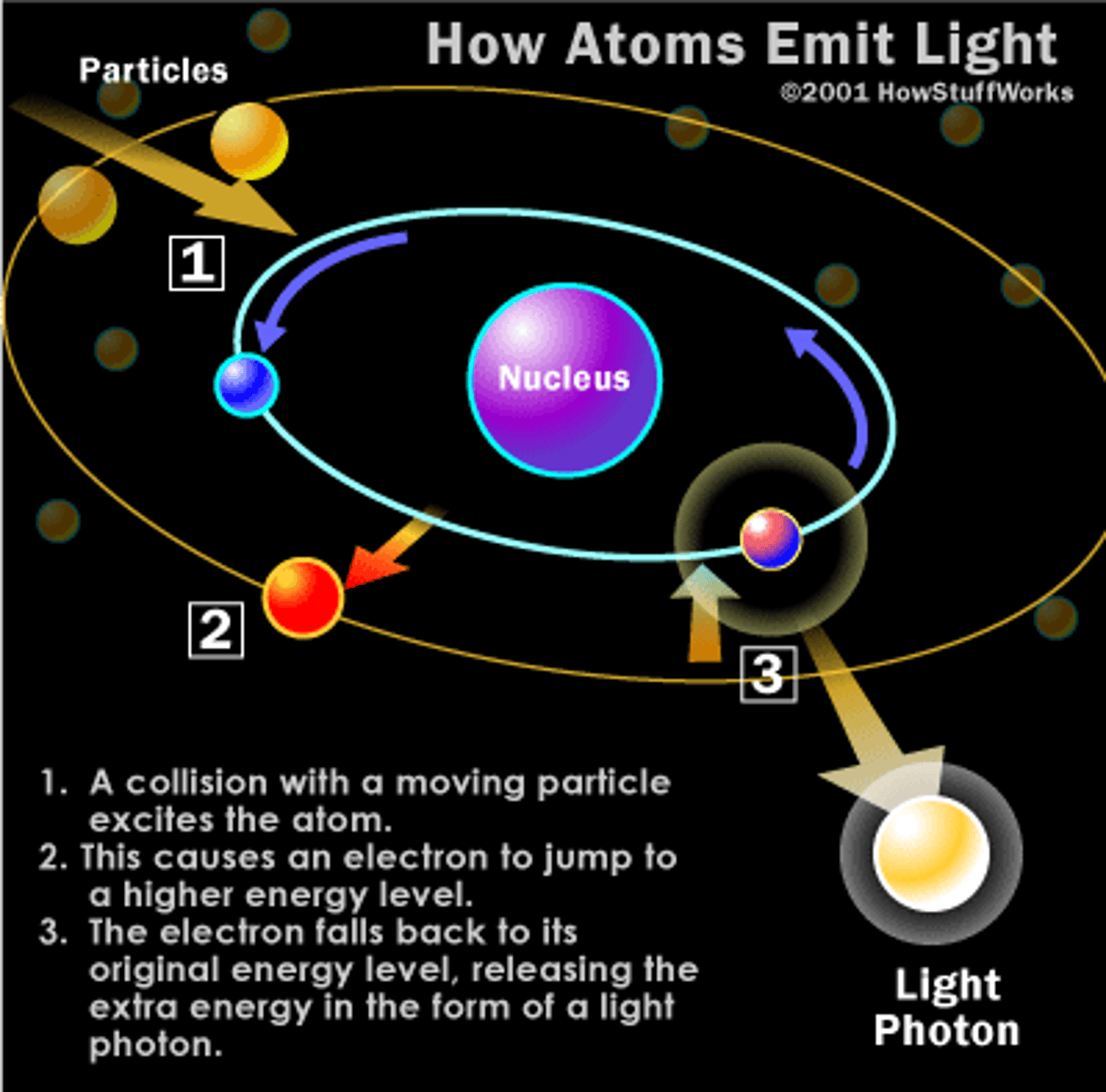
Photon
A near massless particle of light that can function both as a particle and as a wave.
Heterotroph (Consumer/Decomposer)
Organisms that obtain carbon by consuming pre-existing organic molecules (animals)
Autotroph (Producer)
Organisms use inorganic substances such as water and CO2 to produce organic compound (plants)
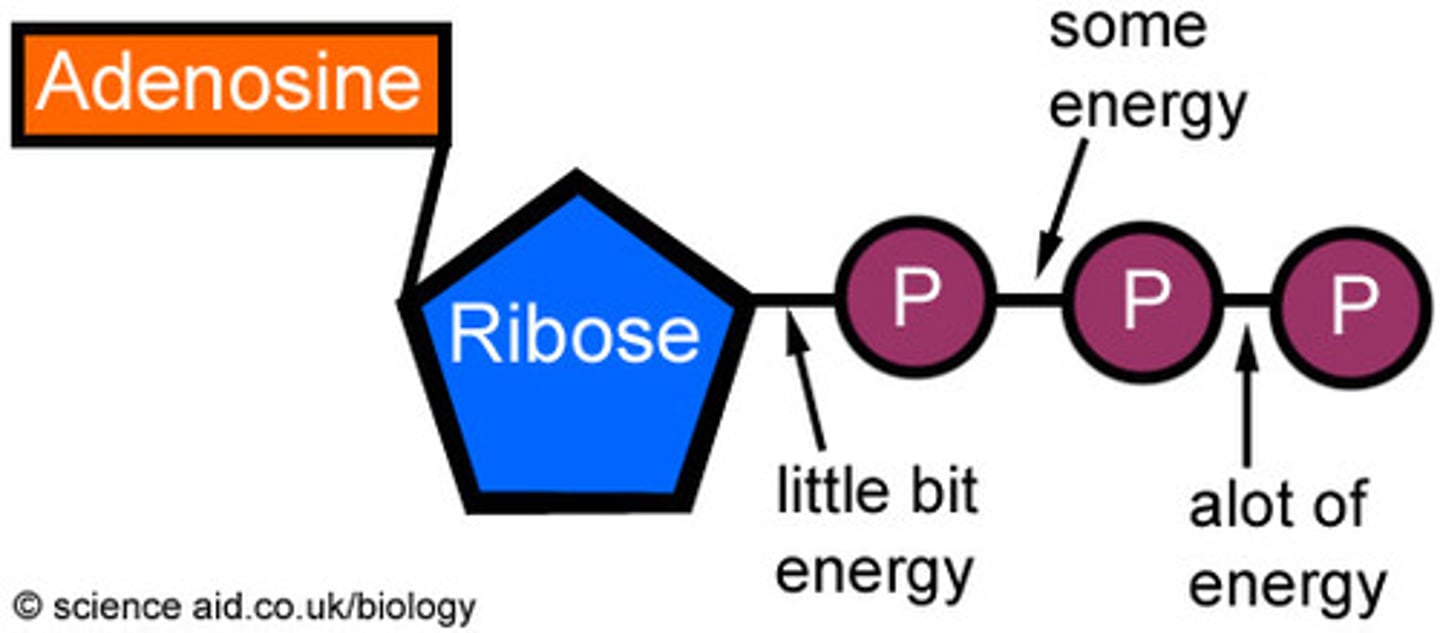
Adenosine Triphosphate (ATP)
energy-carrying biological molecule, which, when broken down, drives cellular activities
Variable
changable factors that can influence the outcome.
Matter
Anything that has mass and takes up space
Atoms
The collection of protons and neutrons gathered in a nucleus, surrounded by electrons.
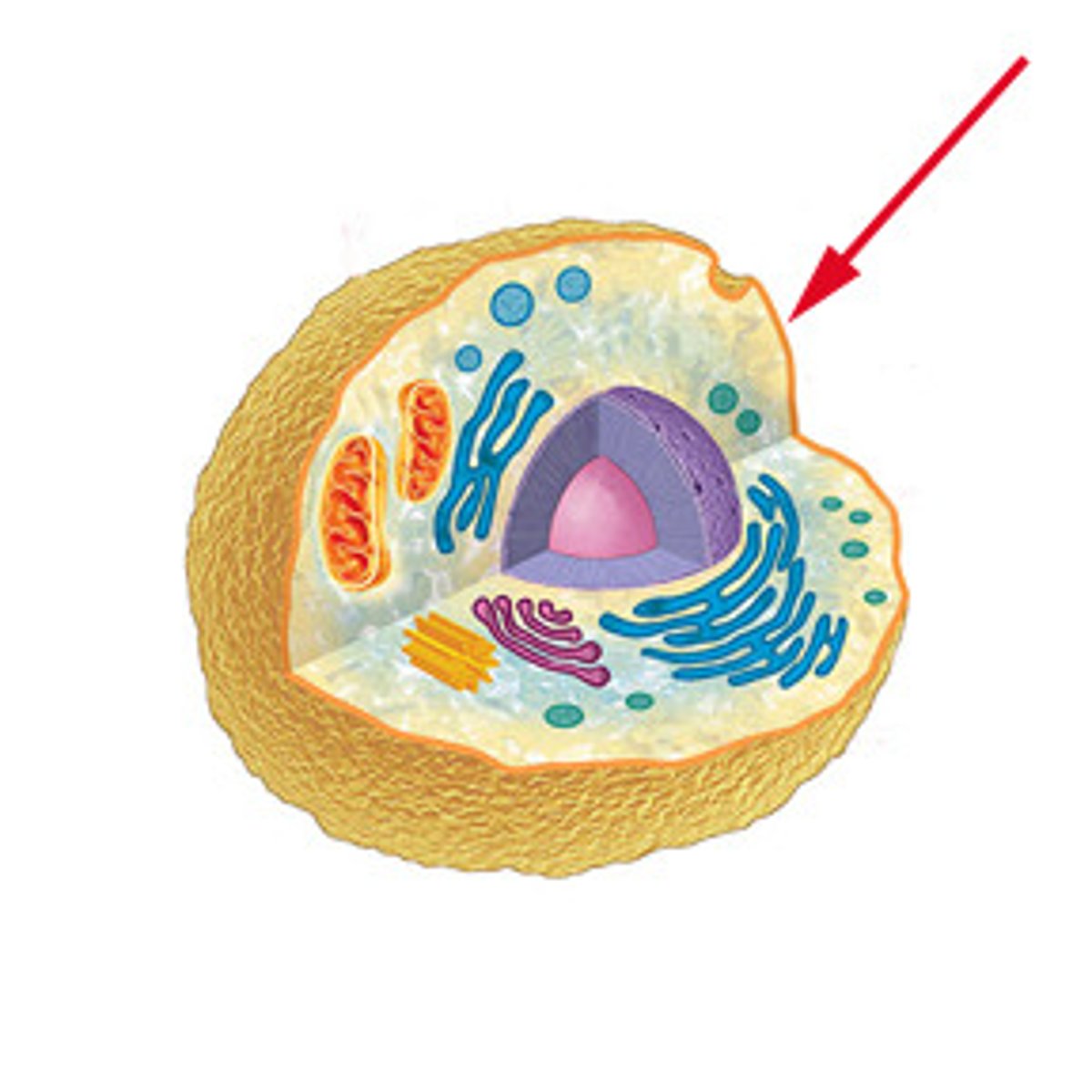
Cell
The basic structural, functional, and biological unit of all known living organisms.
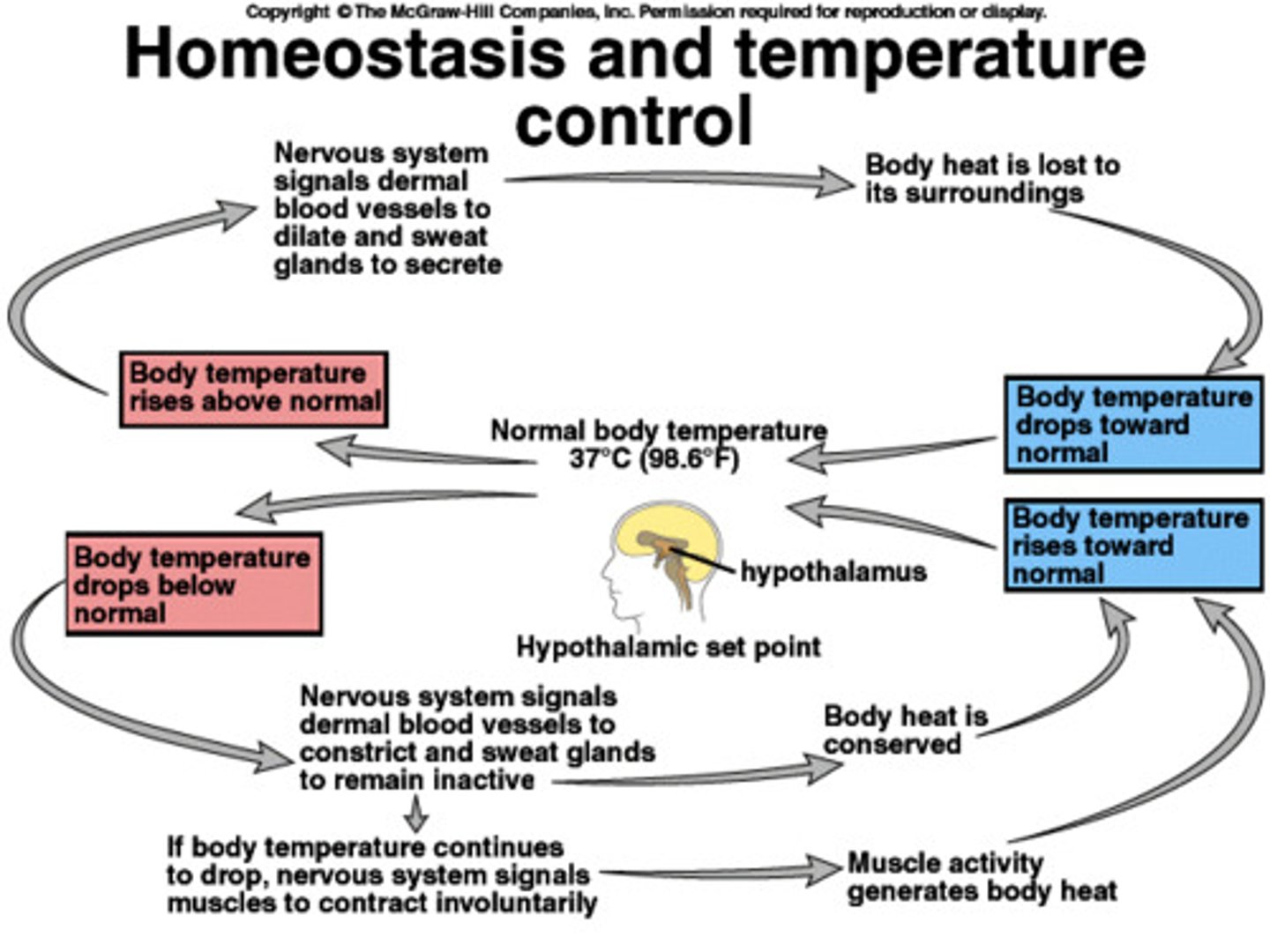
Homeostasis
The process by which a living organism maintains a stable internal environment.
Metabolism
The sum of all chemical reactions that occur within a living organism to maintain life.
Hydrophobic
Substances that repel or do not mix with water.
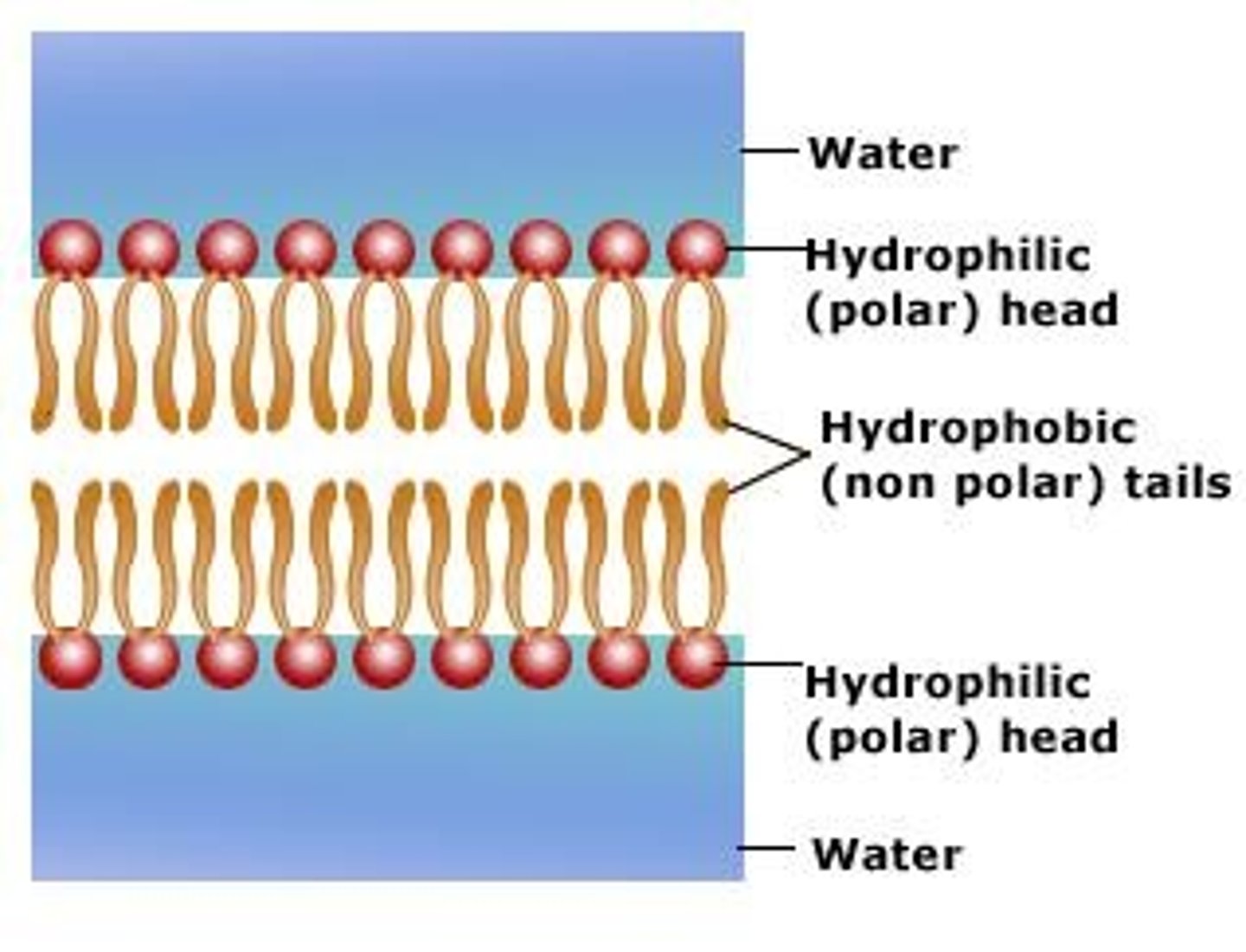
Hydrophilic
Substances that have an affinity for water and dissolve easily in it.
Peptide bond
The covalent bond formed between two amino acid molecules during protein synthesis.
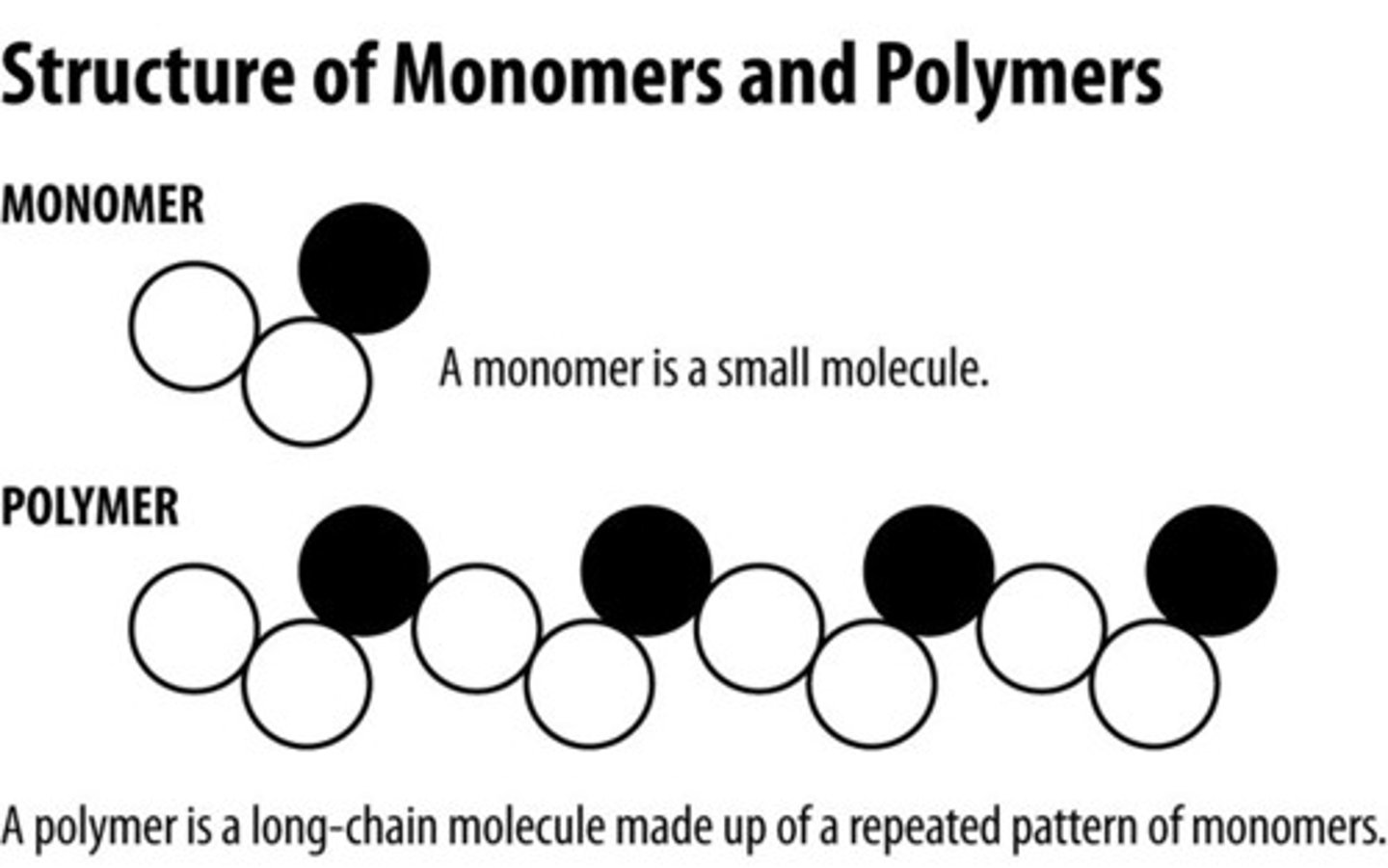
Monomer
A small molecule that can react chemically with other molecules to form a polymer.
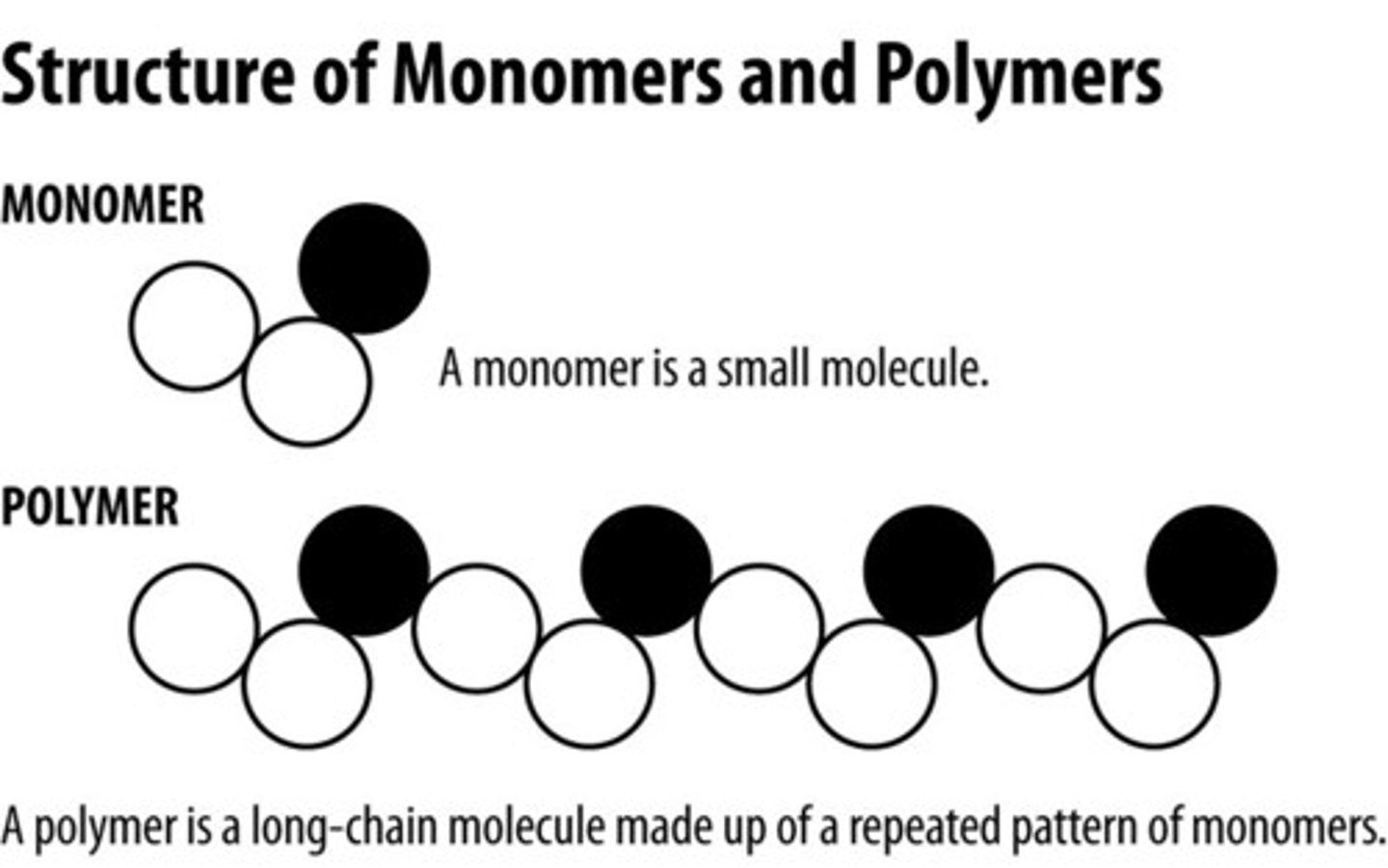
Polymer
A large molecule made up of repeating structural units (monomers) connected by covalent bonds.
Acid
A substance that releases hydrogen ions (H+) in water, having a pH less than 7.
Base
A substance that accepts hydrogen ions or releases hydroxide ions (OH-), having a pH greater than 7.
Producer
Organisms, like plants and algae, that produce their own food from inorganic sources.
Consumer
Organisms that must eat other organisms to obtain energy and nutrients.
Decomposer
Organisms, like fungi and bacteria, that break down dead matter and recycle nutrients.
Primary Consumer
Herbivores that feed directly on producers.
Secondary Consumer
Carnivores or omnivores that feed on primary consumers.
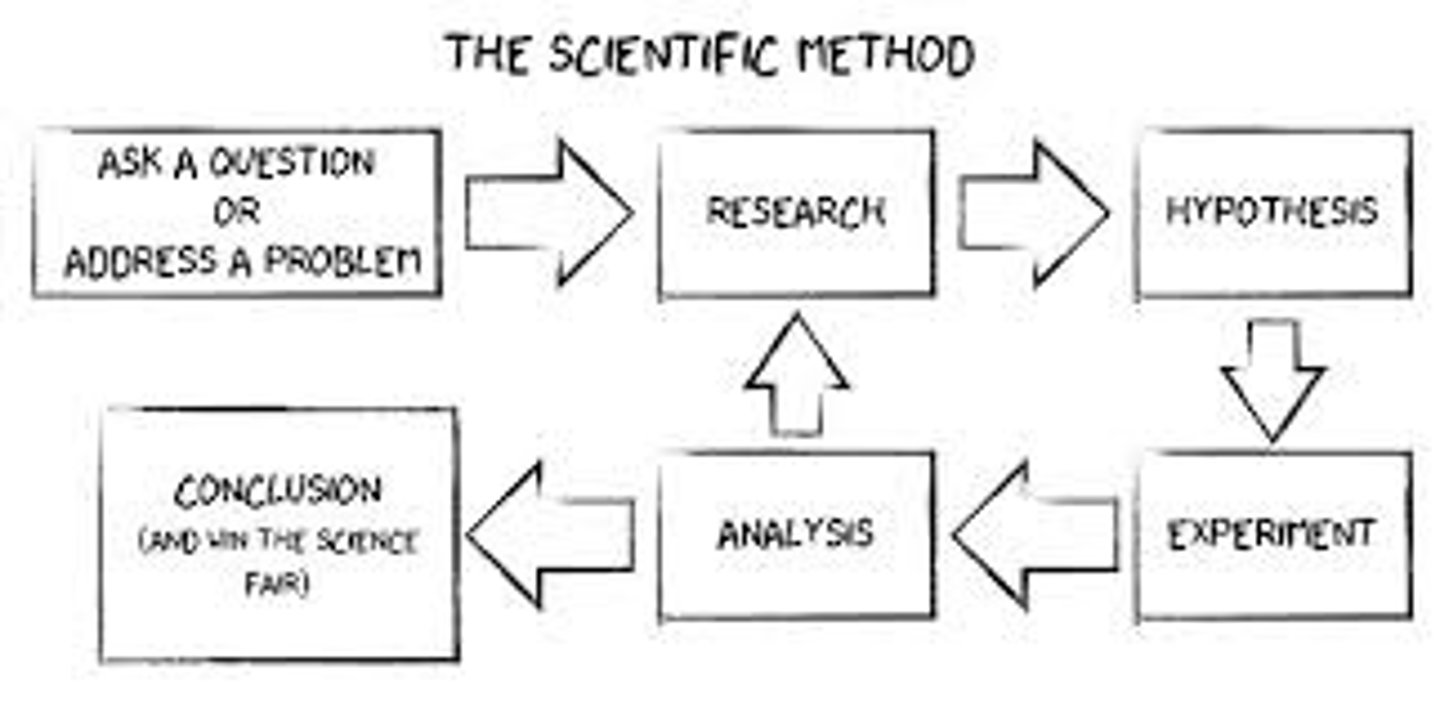
Scientific Method Steps
1. Observation 2. Question 3. Hypothesis 4. Experiment 5. Analysis 6. Conclusion
Independent Variable
The experimental factor that is manipulated by the researcher.
Dependent Variable
The variable that is measured or observed to assess the effect of the treatment.
Why do organisms need to maintain homeostasis?
To keep internal conditions stable and optimal for metabolic enzymes and cellular functions despite external changes.
What do trees need from us and what do we need from them?
Trees need carbon dioxide from us for photosynthesis; we need oxygen and organic compounds from them.
What is the primary function of photosynthesis?
To convert light energy into chemical energy stored in organic molecules like glucose.
What are the reactants and products of photosynthesis?
Reactants: Carbon dioxide (CO2) and water (H2O). Products: Glucose (C6H12O6) and oxygen (O2).

How do the light reactions and the Calvin cycle cooperate in photosynthesis?
Light reactions produce ATP and NADPH; the Calvin cycle uses them to reduce carbon dioxide to sugar.
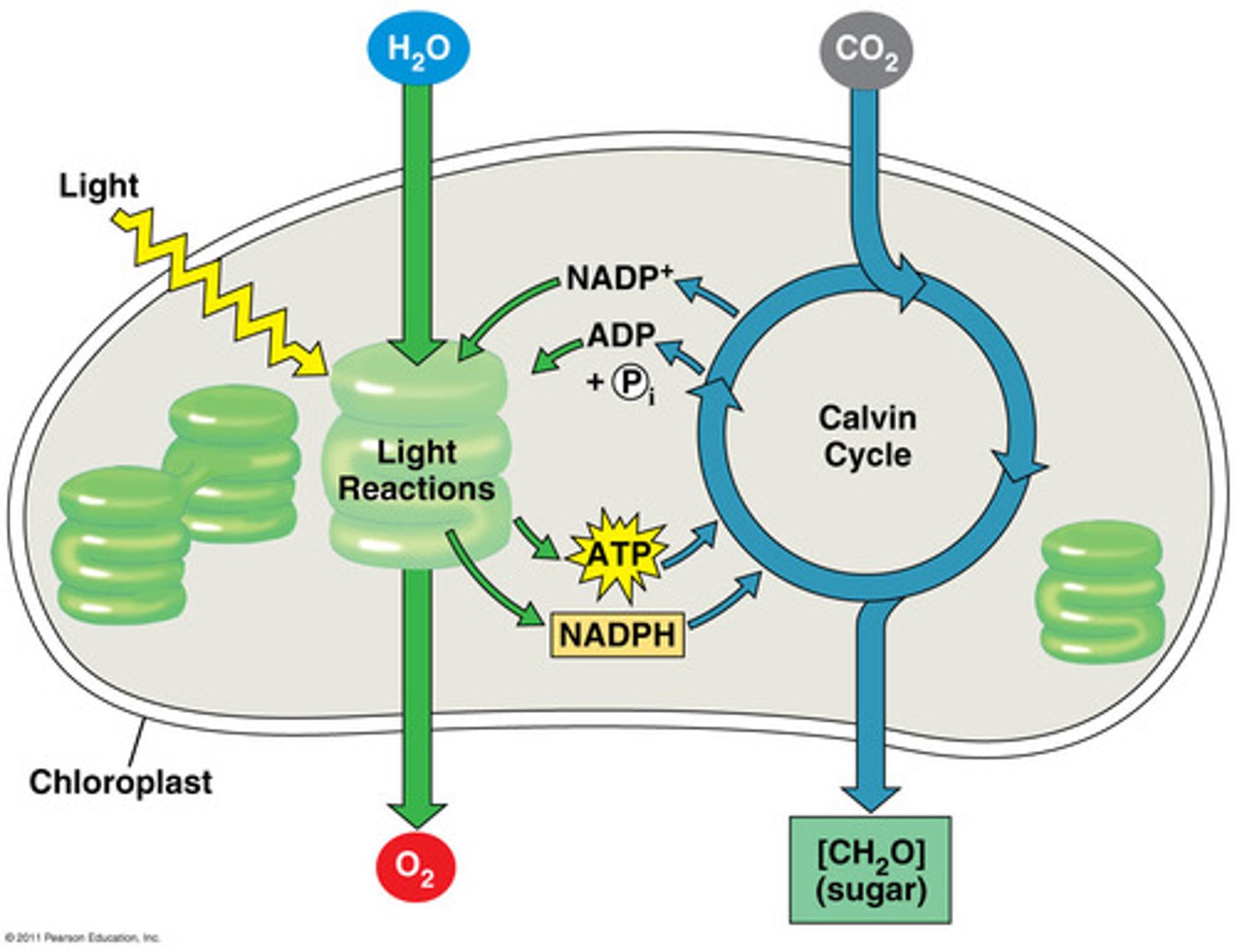
Calvin Cycle
A light-independent metabolic pathway that fixes carbon dioxide into sugar.
Location of the Calvin Cycle
The stroma of the chloroplast.
Three phases of the Calvin Cycle
1. Carbon fixation 2. Reduction 3. Regeneration of RuBP.
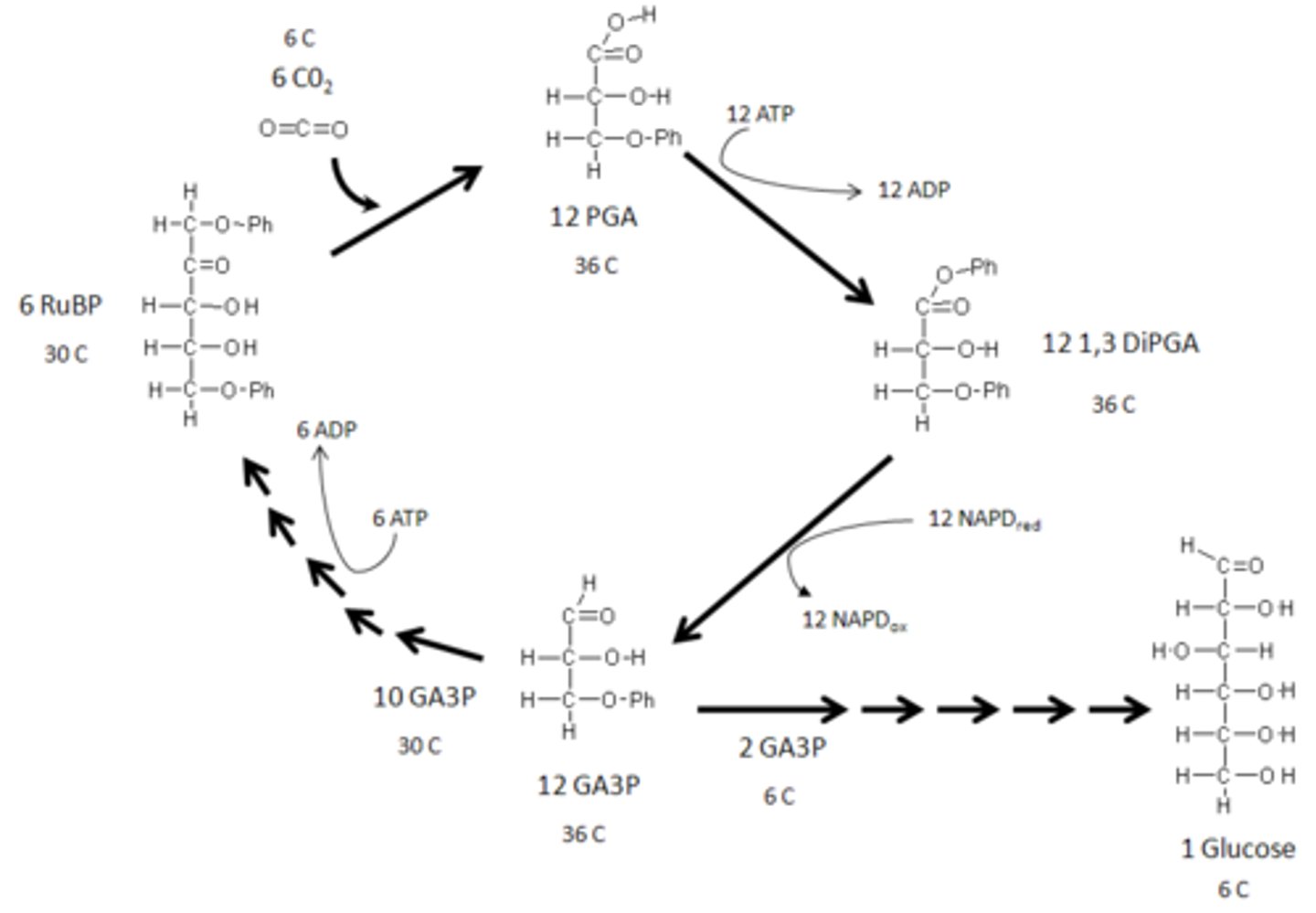
RuBisCO
The enzyme that catalyzes the primary carbon-fixing step of the Calvin cycle.
What is RuBP (Ribulose 1,5-bisphosphate)?
The five-carbon molecule that carbon dioxide binds to during fixation.
What is 3-PGA (3-phosphoglycerate)?
The first stable three-carbon compound produced in carbon fixation.
What is the source of energy for 3-PGA phosphorylation?
ATP from the light reactions.
What is the source of electrons for reduction in the Calvin Cycle?
NADPH from the light reactions.
What is G3P (Glyceraldehyde 3-phosphate)?
The primary three-carbon sugar output of the Calvin cycle.
How many G3P molecules are needed to make one glucose?
Two G3P molecules.
How many Calvin cycle turns are required for one net G3P?
Three turns.
How many Calvin cycle turns are required for one glucose molecule?
Six turns.
What is the ATP cost for one glucose molecule?
18 ATP.
What is the NADPH cost for one glucose molecule?
12 NADPH.
What is the fate of remaining G3P in the Calvin cycle?
They are recycled to regenerate RuBP.
Why is the Calvin Cycle called light-independent?
It does not directly require light, but uses products of light reactions.
What are the levels of biological organization in ascending order?
Organelle, Cell, Tissue, Organ, Organ System, Organism, Population, Community, Ecosystem, Biosphere.
What is a tissue?
A group of similar cells working together to perform a specific function.
What is an organ?
A structure composed of different tissues working together to perform a specific activity.
What is an organ system?
A group of organs working together to perform major body functions.
What is an organism?
An individual living thing that can react, reproduce, and maintain homeostasis.
What is a population?
A group of individuals of the same species living in a specific area.
What is a community?
All the different populations of species that live and interact in the same area.
What is an ecosystem?
A community of organisms interacting with their physical, non-living environment.
What is the biosphere?
The global ecological system integrating all living beings and their relationships; the zone of life on Earth.