Module 20: Mannerism and the Transformation of the Classical Language
 Studied by 0 people
 Call with Kai
 Learn
Learn Practice Test
 Spaced Repetition
 Match
Match Flashcards
 Knowt Play
1/10

There's no tags or description
Looks like no tags are added yet.
Name | Mastery | Learn | Test | Matching | Spaced | Call with Kai |
|---|
No study sessions yet.
11 Terms
Mannerism
Characterized by the use of motifs in deliberate opposition to their original significance or context
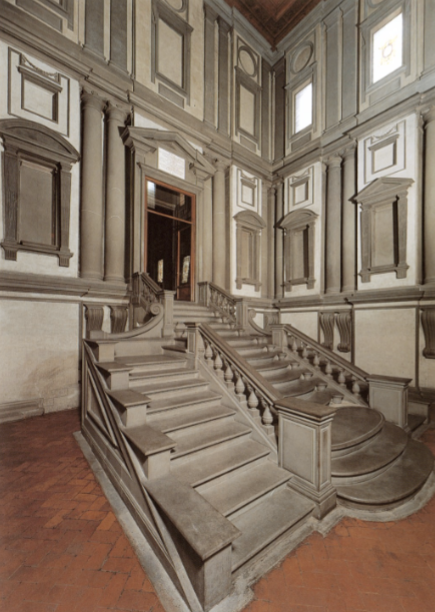
Vestibule
An anteroom or entrance hall
What site is an example of vestibule?
Laurentian Library, Florence Italy, 1524
What site is an example of Mannerism?
Medici Chapel, Florence, Italy, 1520
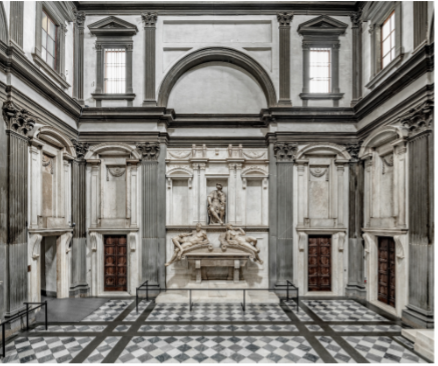
Medici Chapel (Michelangelo)
Florence, Italy, 1520
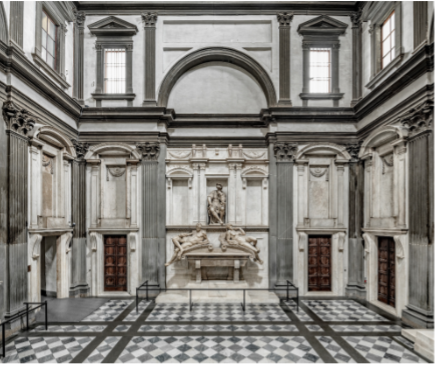
Laurentian Library (Michelangelo)
Florence, Italy, 1525
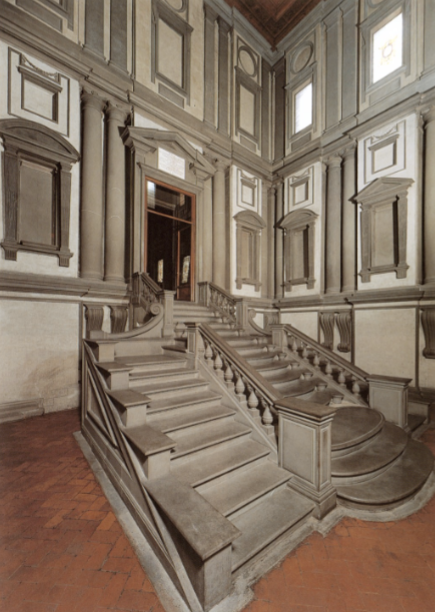
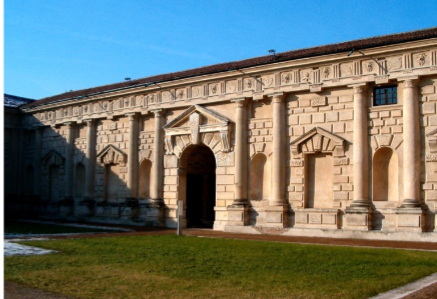
Palazzo del Te (Giulio Romano)
Mantua, Italy, 1525
Pope Julius II (1443-1513)
patron of the arts who commissioned Bramante, Michelangelo, and Raphael to transform Rome into the capital of Christian humanism
Michelangelo (1475-1565)
trained in the workshop of Domenico Ghirlandaio and educated in the Medici humanist circle; key works include the Sistine Chapel ceiling to the dome of St. Peter’s
Pope Leo X (1475-1521)
Medici pope and mahoe patron of Renaissance culture who continued Julius II’s artistic programs and fostered the flourishing of Rome’s High Renaissance
Giulio Romano (1499-1546)
Raphael’s most gifted pupil and a leading architect-painter of the Mannerist era, best known for transforming classical vocabulary into inventive, theatrical forms at Mantua’s Palazzo del Te