Anatomy Chapter 7 & 8 (skeletal system)
 Call Kai
 Learn
Learn Practice Test
 Spaced Repetition
 Match
Match Flashcards
 Knowt Play
1/100

There's no tags or description
Looks like no tags are added yet.
Name | Mastery | Learn | Test | Matching | Spaced | Call with Kai | Chat |
|---|
No analytics yet
Send a link to your students to track their progress
101 Terms
What are the functions of the skeletal system?
support
protection of organs
movement
mineral storage: calcium and phosphate
storage of blood producing cells and energy reserves
What are the cell types of the skeletal system?
osteoprogenitor cells, osteoblasts, osteocytes, ostecoclasts
What are osteoprogenitor cells?
undifferentiated cells, can differentiate into osteoblasts, stem cells
What are osteoblasts?
cells associate with bone formation, secrete mineral salts, committed cells (don’t divide), can differentiate into osteocytes
What are osteocytes?
main cells of bone, maintain daily cellular activity of bone tissue, don’t divide
What are osteoclasts?
cells that develop from white blood cells (monocytes), involved in bone removal
What is compact bone?
solid bone, based on osteon units
What is spongy/cancellous bone?
bone that lacks osteons, consists of trabeculae, space filled with red or yellow marrow
What are trabeculae?
in spongy bone, form parallel to lines of stress primarily in epiphysis of long bones, continuously broken down and reformed
What is hemopoiesis?
production of blood, primarily in red marrow

What part of a long bone is A?
diaphysis
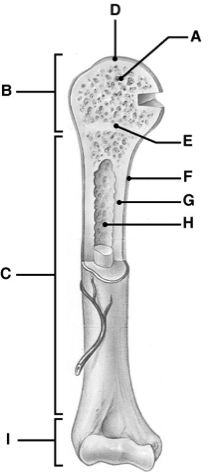
What part of a long bone is B?
epiphyses

What part of a long bone is this?
epiphyseal plate if in child, epiphyseal line is remnant in adults
What is ossification?
formation of bone
What are the 2 mechanisms of ossification?
intramembranous and endochondral
What is intramembranous ossification?
centers of ossification form in mesenchymal cells which forms a matrix that develops in trabecular, the periosteum develops on the outer layer, spongy bone later develops into compact bone on outer layer, get a bone sandwich (diploe)
What is endochondral ossification?
growth of long bones usually, cartilaginous elements can grow via internal expansion; primary ossification center forms, osteoblasts begin to secrete bone matrix, cartilage is replaced, diaphysis and epiphyses develop (secondary ossification site), bone grows via surface addition
What is an epiphyseal plate?
plate of cartilaginous plate in which bone grows, becomes an epiphyseal line once bones are done growing
How does bone grow in the skull?
intramembraeous ossification, sutures provide strength and allow growth, bones meet at the fontanel (sutures), fontanel at frontal bones disappears as we mature

What bone is this?
parietal

What bone is this?
frontal
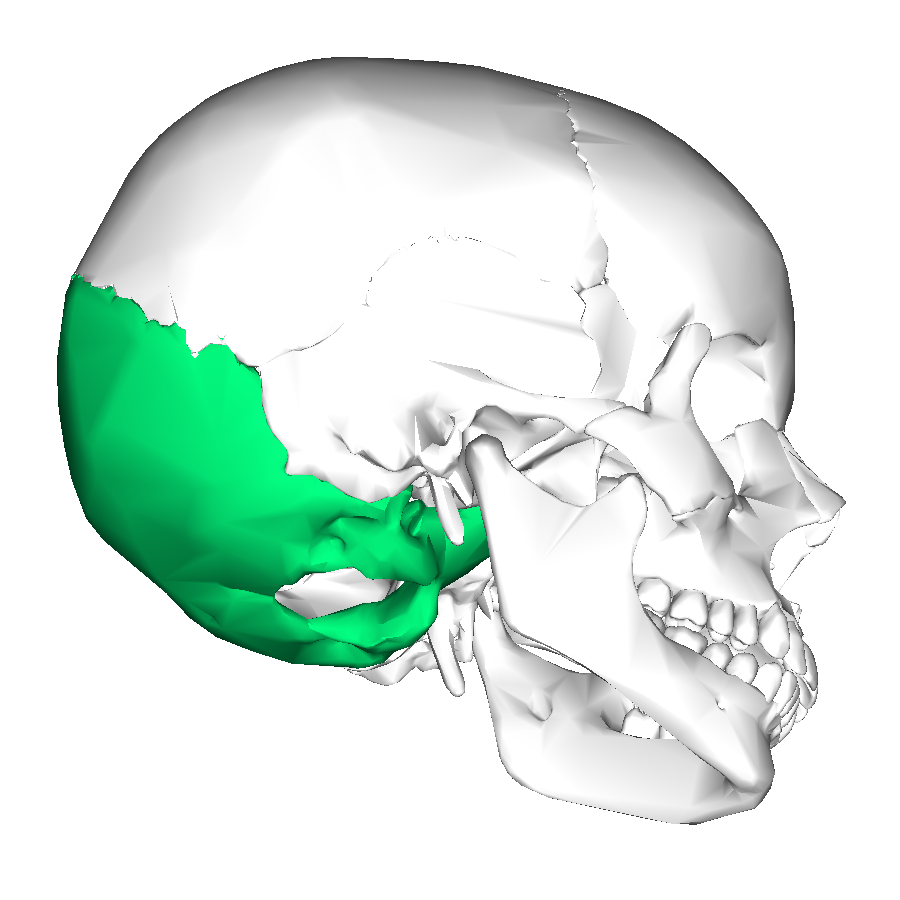
What bone is this?
occipital

What bone is this?
temporal
What is the dura mater?
outer cover of the brain

What structure is this? What does it articulate with?
occipital condyles, articulates with atlas

What structure is this? What does it house?
foramen magnum, opening for medulla oblongata
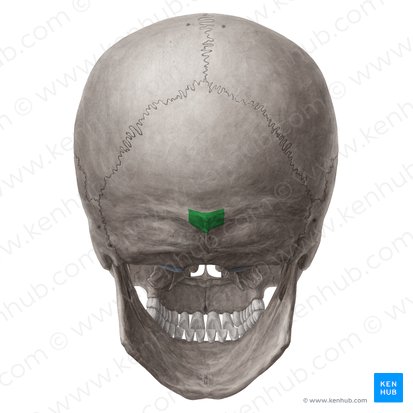
What structure is this? What does it define?
nuchal line, defines points of attachment for dorsal and neck muscles

What structure is this? What does it house?
zygomatic process, posterior buttress for orbital
What is the mastoid region?
contains acoustic meatus, and mastoid process

What structure is this?
mastoid process

What structure is this?
external acoustic meatus
What is the carotid foramina?
perforation that houses carotid artery which supplies blood to the brain
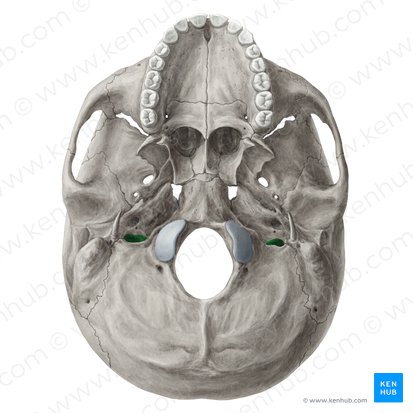
What is this? What does it house?
jugular foramina, perforation that houses jugular vein which drains blood from the brain

What structure is this? What does it attach to?
styloid process, attaches muscles of the hyoid and tongue
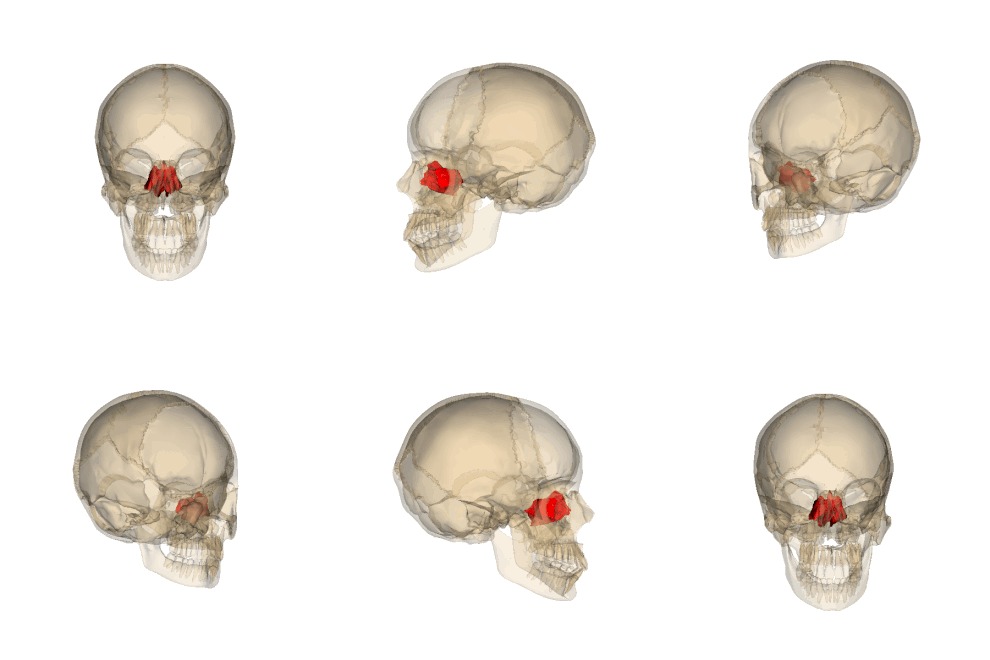
What bone is this?
ethmoid

What bone is this?
sphenoid

What is this? What does it house?
sella turcia, houses pituitary gland

What is this? What does it house?
foramen ovale, houses mandibular nerve

What is this? What does it house?
foramen rotundum, houses maxillary nerve

What is this? What does it house?
foramen lacerum, houses internal carotid

What is the cribriform plate?
structure of the ethmoid, allows passage of olfactory nerves
What are the crista Galli?
structure of cribriform plate, site of attachment for meninges
What are the superior and middle conchae?
scroll shaped thin bony processes, project onto nasal passages, increase surface area

What bone is this
nasal

What bone is this?
maxilla
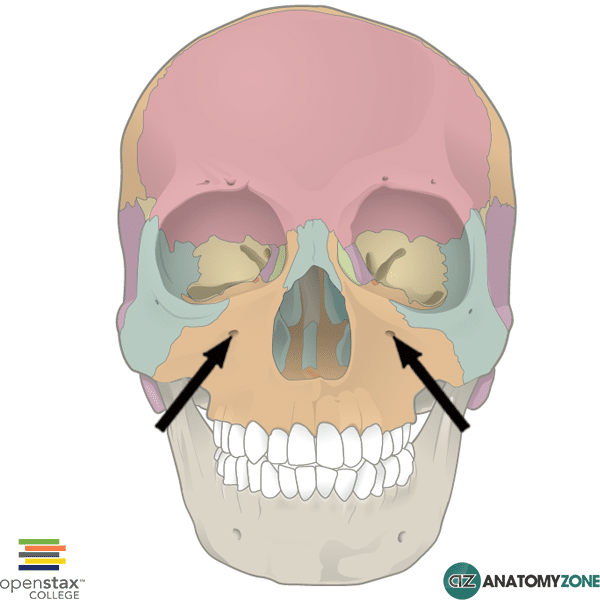
What structure is this? What does it house?
infraorbital foramen, houses maxillary nerve (part of cranial nerve 5)
What is the palatine process?
structure that forms much of the hard palate
What are dental alveoli?
sockets for te teeth
What is the temporal process?
along with zygomatic process to form the zygomatic arch, site of attachment for masseter muscle

What bone is this?
mandible
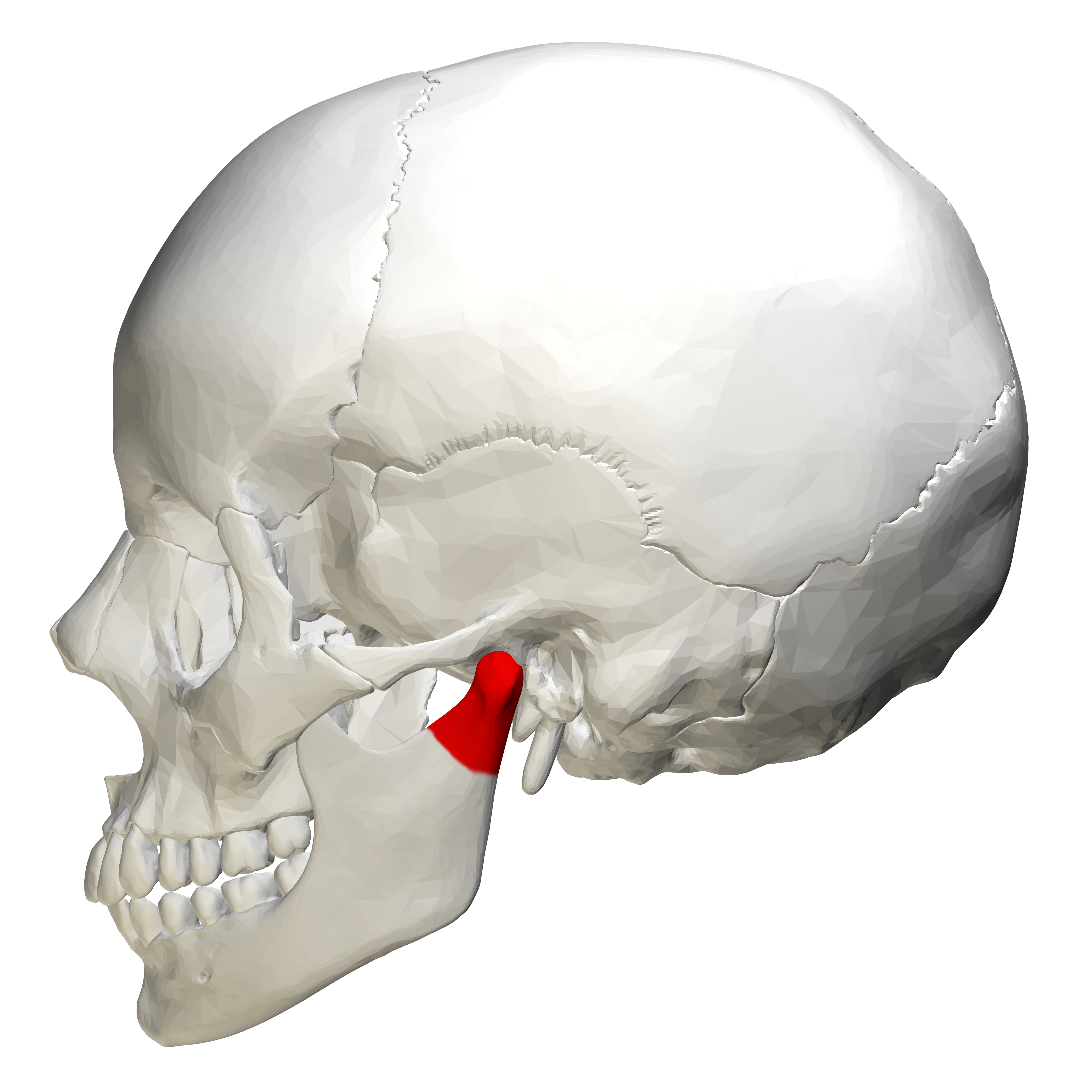
What structure is this, what does it assist?
condylar processes, assists in rotational ad translational movements of the skull

What structure is this? What does it house?
coronoid processes, insertion of temporalis muscles

What bone is this?
lacrimal

What bone is this?
palatine

What bone is this?
inferior nasal conchae

What bone is this?
vomer

What bone is this?
hyoid
Why is the hyoid bone special?
doesn’t articulate with ay other bone, supported by ligaments and muscles from styloid process, supports the tongue and throat
What muscles connect with the hyoid bone?
hyoglossus of tongue and myohyloid of the mouth floor
What are the three auditory ossicles from outermost to innermost?
malleus, incus, stapes
What are the functions of the auditory ossicles?
transmit, amplify, and dampen sound
What are the 5 sections of the vertebral column?
cervical, thoracic, lumbar, sacral, coccygeal
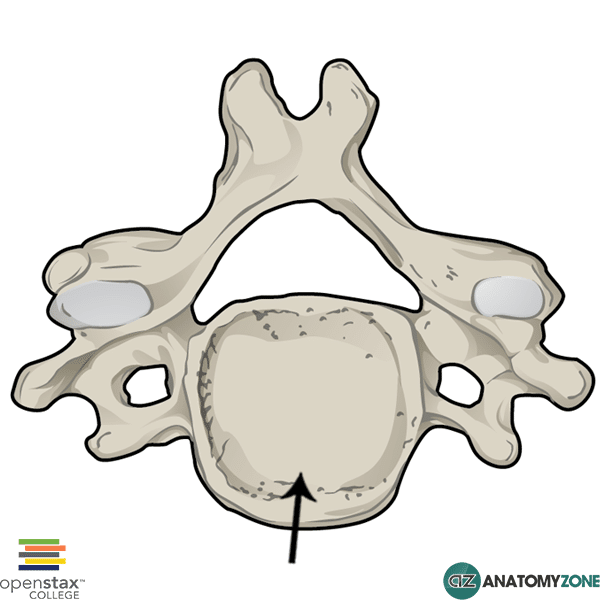
What is this structure?
body/centrum of the vertebrae

What structure is this? What does it house?
vertebral arch, forms vertebral canal which houses and protects the spinal cord
What are the 7 processes of a vertebrae?
2 transverse, spinous, 2 superior articular, 2 inferior articular
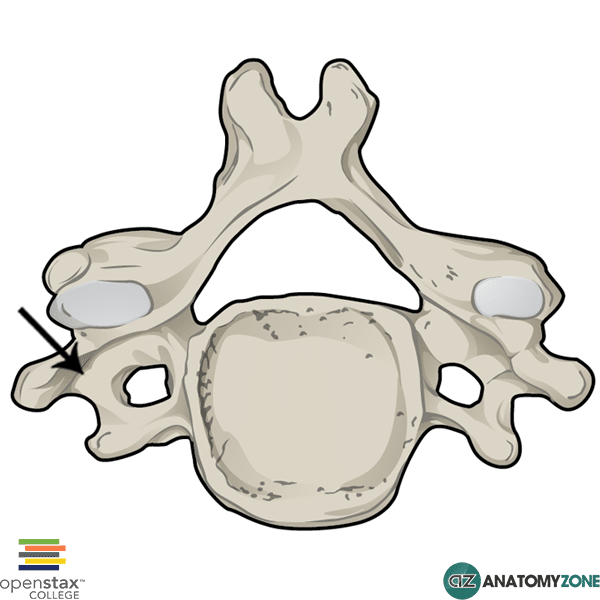
What process of the vertebrae is this?
transverse

What process of the vertebrae is this?
spinous
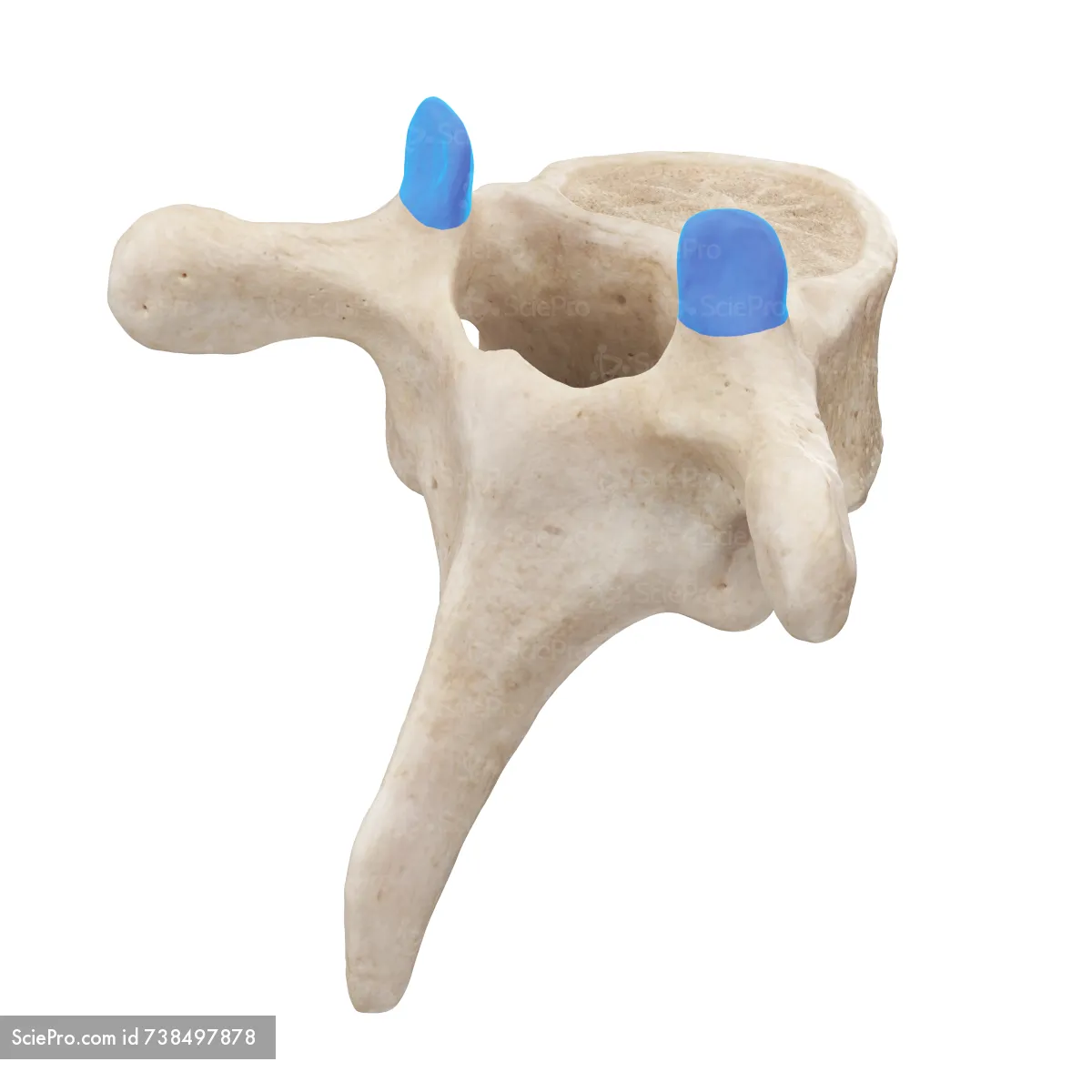
What process of the vertebrae is this?
superior articular
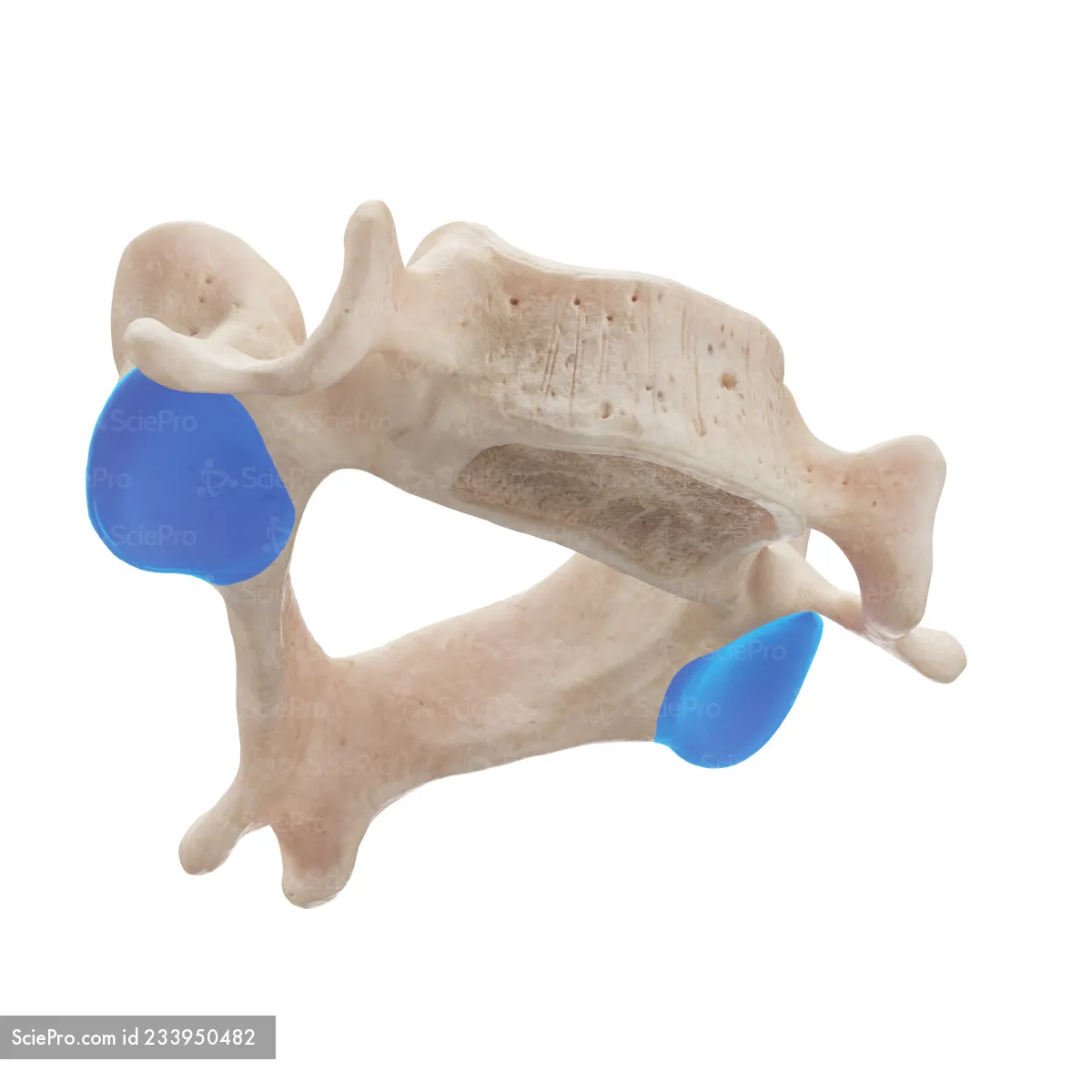
What process of the vertebrae is this?
inferior articular
What are intervertebral discs?
fibrocartilaginous shock absorbers, lie between adjacent vertebral toes, consist of a harder outer ring and inner softer material, subject o compression

What is this?
manubrium

What is this?
body of sternum
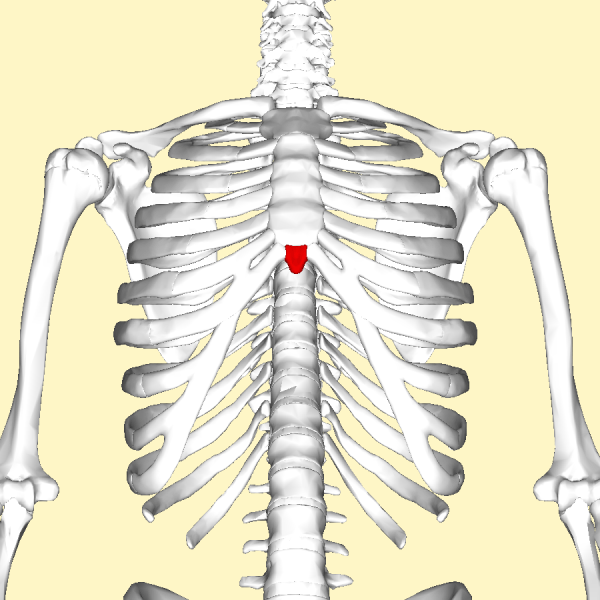
What is this?
xiphoid process
What are ribs attached to, how?
attached at thoracic vertebrae, attach to sternum via cartilage
What are true ribs?
ribs attached to sternum and thoracic column
What are false ribs?
ribs attached to thoracic column but not sternum, attach to true ribs via cartilage
What are floating ribs?
ribs attached to thoracic column but not to sternum or cartilage
What are girdles?
connects limbs to axial skeleton
What is the pectoral girdle?
clavicle and scapula
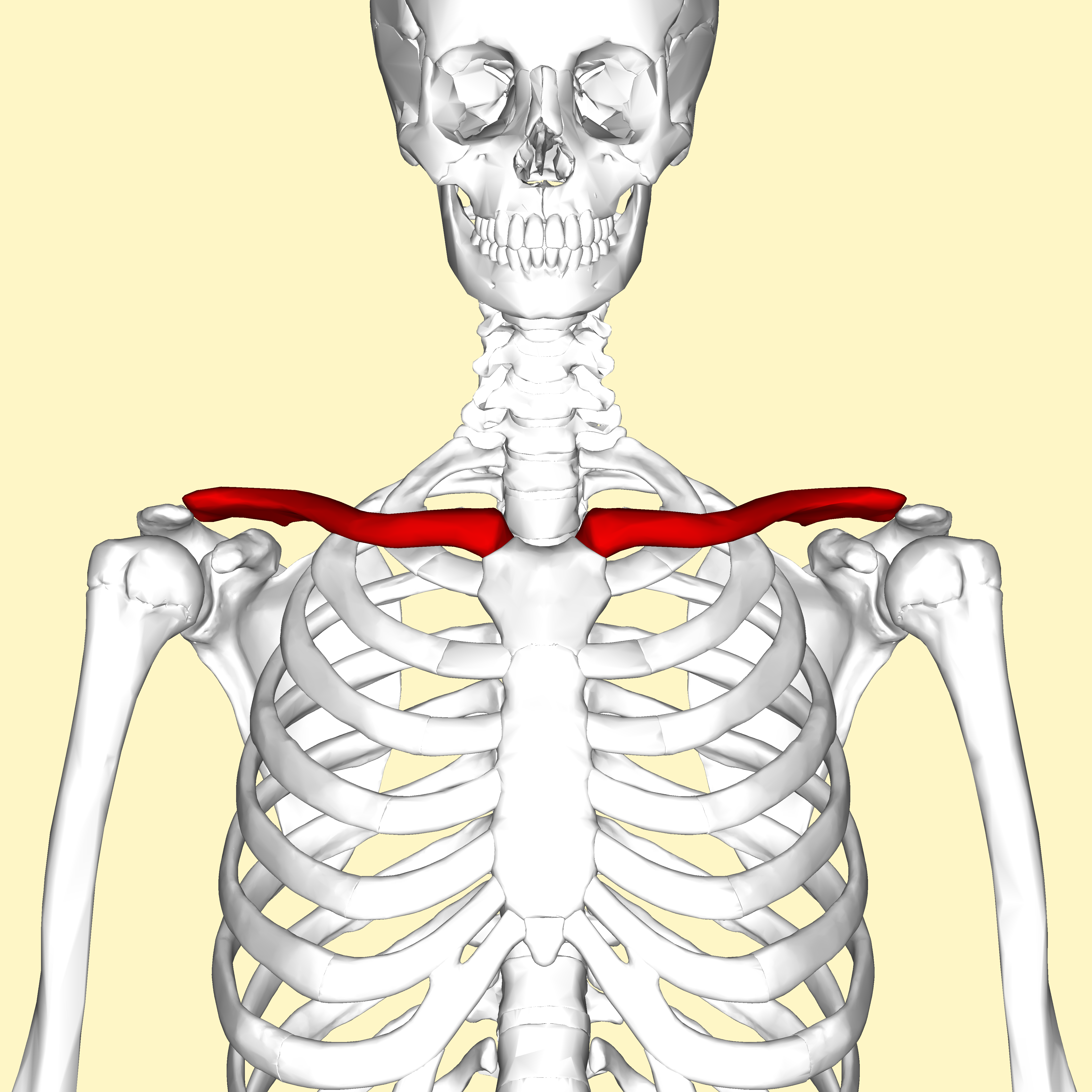
What bone is this?
clavicle
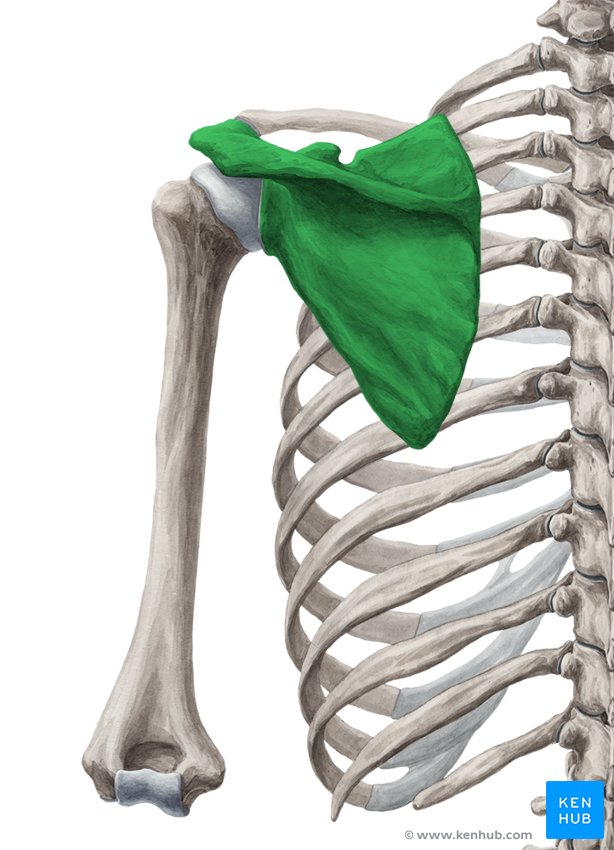
What bone is this?
scapula

What is this?
coracoid process
What is the brachium?
humerus, upper arm
What is the antebrachium?
ulna and radius, forearm
What is the manus?
hand, consists of carpals, metacarpals, phalanges
What are os coxae?
2 hip bones that are fused to form the pelvic girdle

What bone is this?
ilium

What is this?
sacroiliac articulation

What is this?
ischium

What is this?
pubis

What is this?
symphysis pubis

What is this?
acetabulum
What is the femur?
thigh bone
What is the tibia and fibula?
lower leg
What is the patella?
kneecap
What is the pes?
foot, tarsals, metatarsals, phalanges

What is this?
talus

What is this?
calcaneous
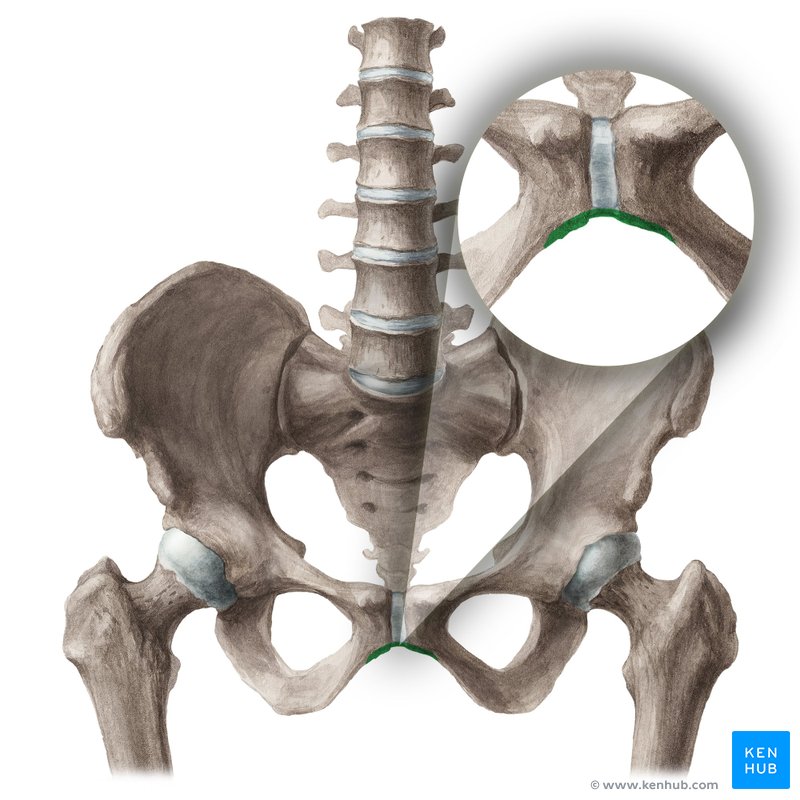
What is this?
pubic arch

What is this?
pubic inlet (outlet in notes idk)