Material for Exam 1 A&P Lab Exercise 1&2
 Call Kai
 Learn
Learn Practice Test
 Spaced Repetition
 Match
Match Flashcards
 Knowt Play
1/37

There's no tags or description
Looks like no tags are added yet.
Name | Mastery | Learn | Test | Matching | Spaced | Call with Kai | Chat |
|---|
No analytics yet
Send a link to your students to track their progress
38 Terms
Anterior (ventral)
toward the front or abdominal surface of the body
Posterior (dorsal)
toward the back of the body
Superior (cephalic)
toward the head
Inferior (caudal)
away from the head
Medial
nearer the midline of the body
Lateral
farther from the midline of the body
Proximal
nearer the attachment of an extremity to the trunk
Distal
farther from the attachment of an extremity to the trunk
External (superficial)
toward or on the body surface
Internal (deep)
away from the body surface
Parietal
pertaining to the outer boundary of body cavities
Visceral
pertaining to the internal organs
Sagittal Plane
Parallel to the long axis of the body, cuts the body into left and right portions
Frontal, or Coronal Plane
Divides the body into anterior (front) and posterior (back) portions
Transverse, or Horizontal Plane
Divides the body into superior (towards the head) and inferior (away from the head) portions
Right and Left Hypochondriac Region
Hypo = below, under ;; chondriac = cartilage of ribs
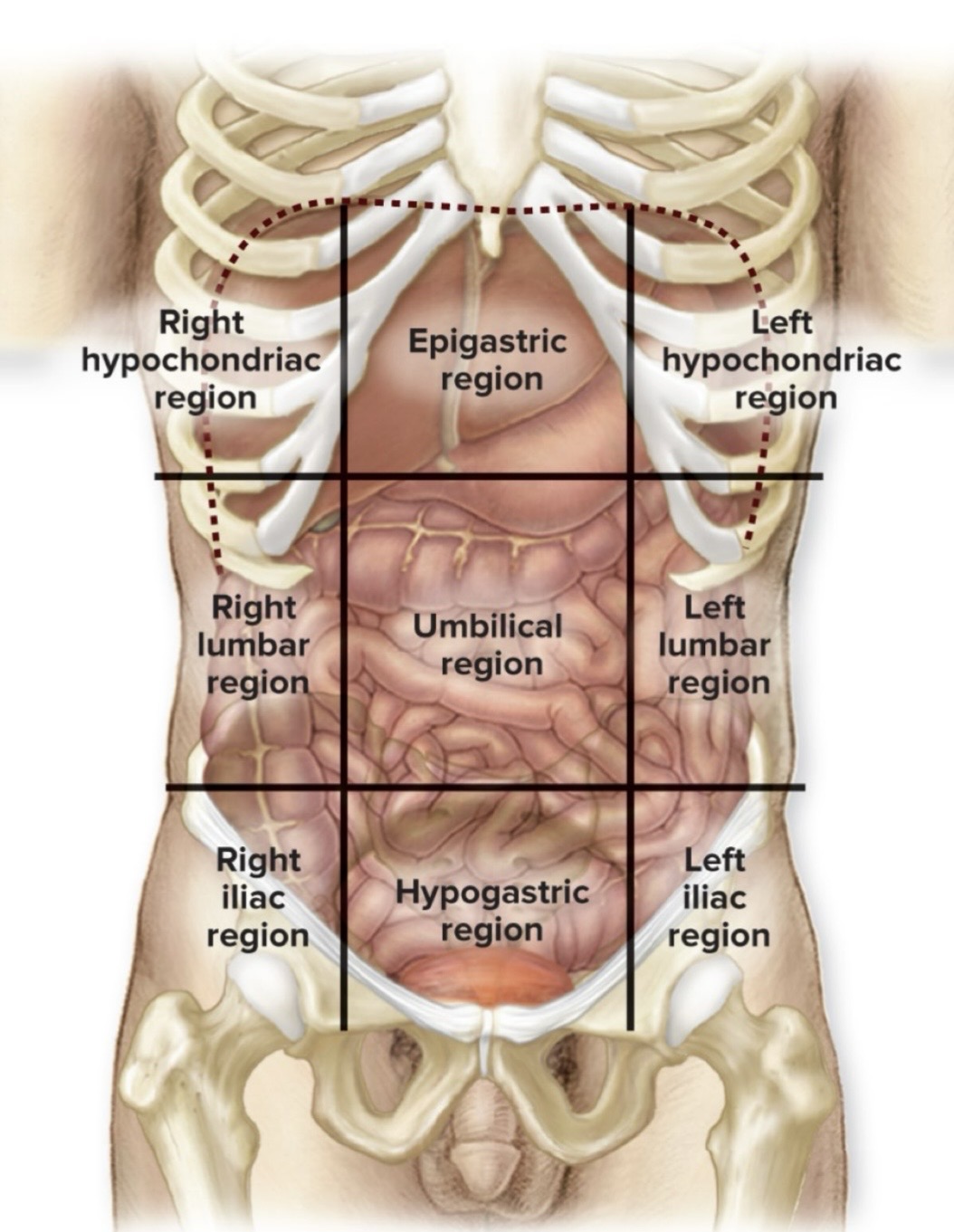
Epigastric and Hypogastric Region
Epi = over, above ;; gastric = stomach, belly
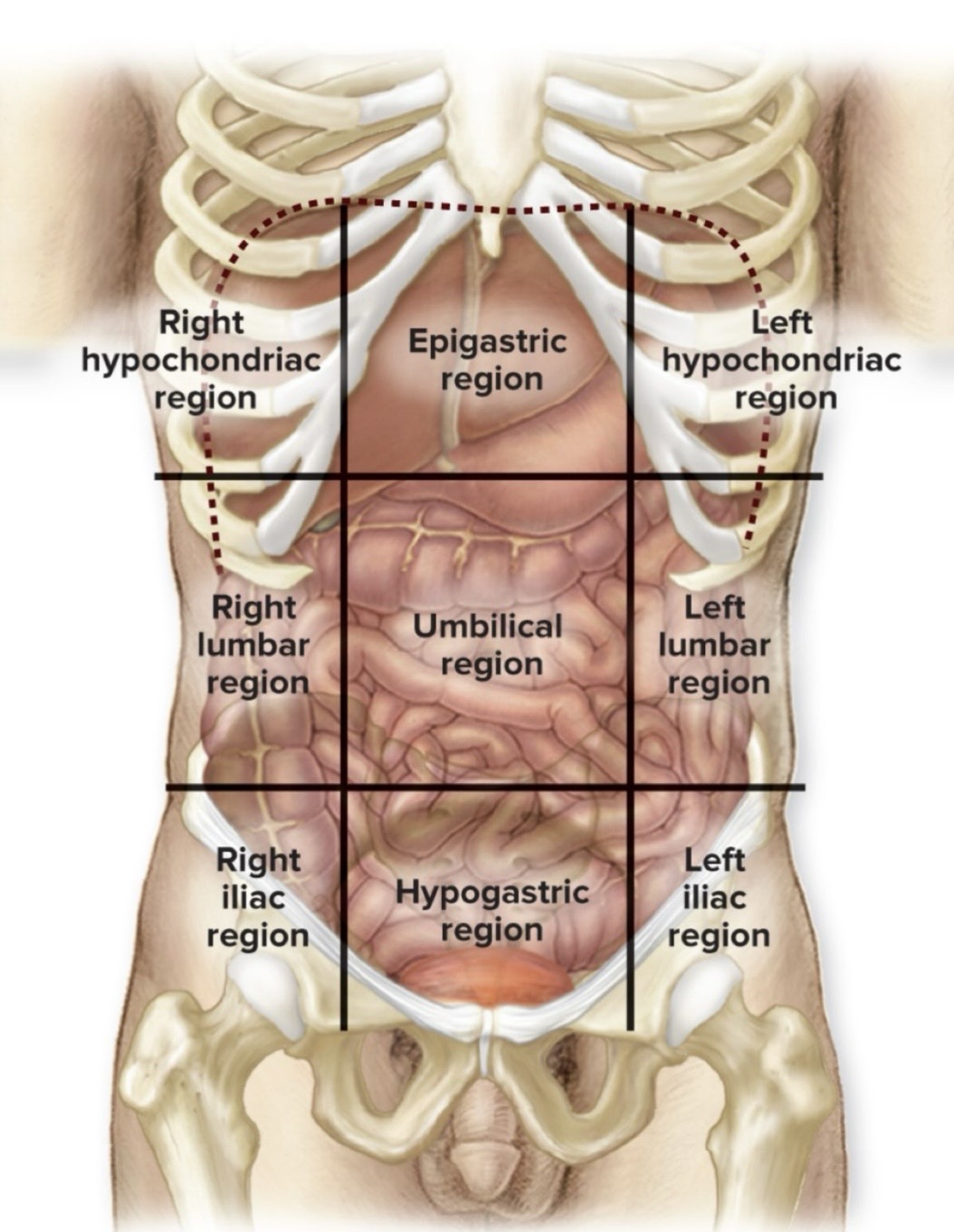
Right and Left Lumbar Region
Lumbar vertebrae
Umbilical Region
Naval

Right and Left Iliac Region
iliac crest on hip bone

Visceral
closest to organ, innermost serous membranes
Parietal
lines the wall of the body cavity, outermost serous membranes
Diaphragm
Divides body into thoracic and abdominopelvic cavities
Mediastinum
Contains all structures of the thoracic cavity except the lungs
Organ
composed of 2 or more tissues, has a definite shape, performs specific instructions
Organ system
Group of organs that function in a coordinated manner to perform specific functions
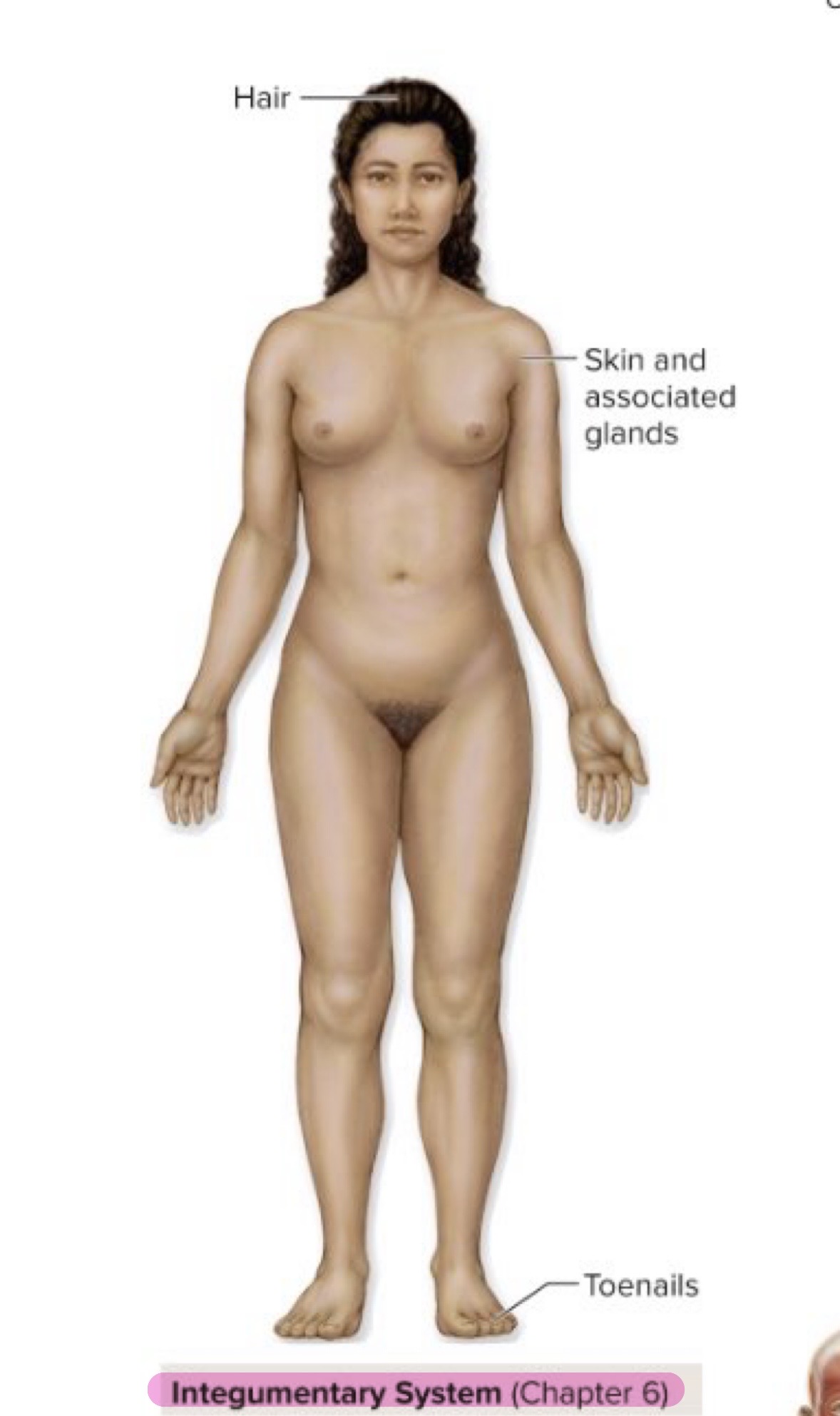
Integumentary System
Provides protection, regulates temperature, prevents water loss, and helps produce vitamin D. Consists of skin, hair, nails, and sweat glands

Skeletal System
Provides protection and support, allows body movements, produces blood cells, and stores minerals and fat. Consists of bones, associated cartilages, ligaments, and joints

Muscular System
Produces body movements, maintains posture, and produces body heat. Consists of muscles attached to the skeleton by tendons

Lymphatic System
Removes foreign substances from the blood and lymph, combats disease, maintains tissue fluid balance, and absorbs fats from the digestive tract. Consists of the lymphatic vessels, lymph nodes, and other lymphatic organs
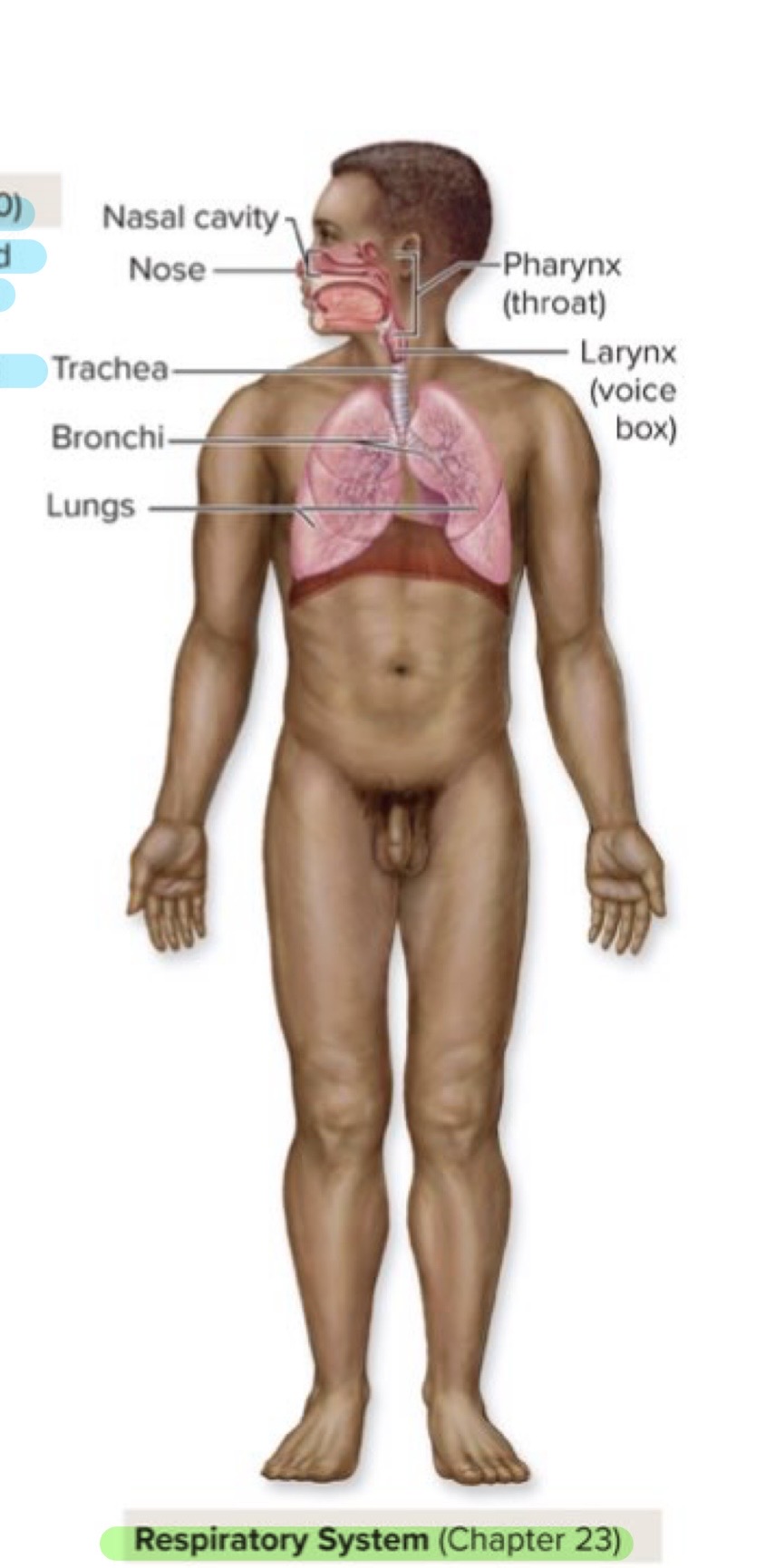
Respiratory System
Exchanges oxygen and carbon dioxide between the blood and air and regulates blood pH. Consists of the lungs and respiratory passages
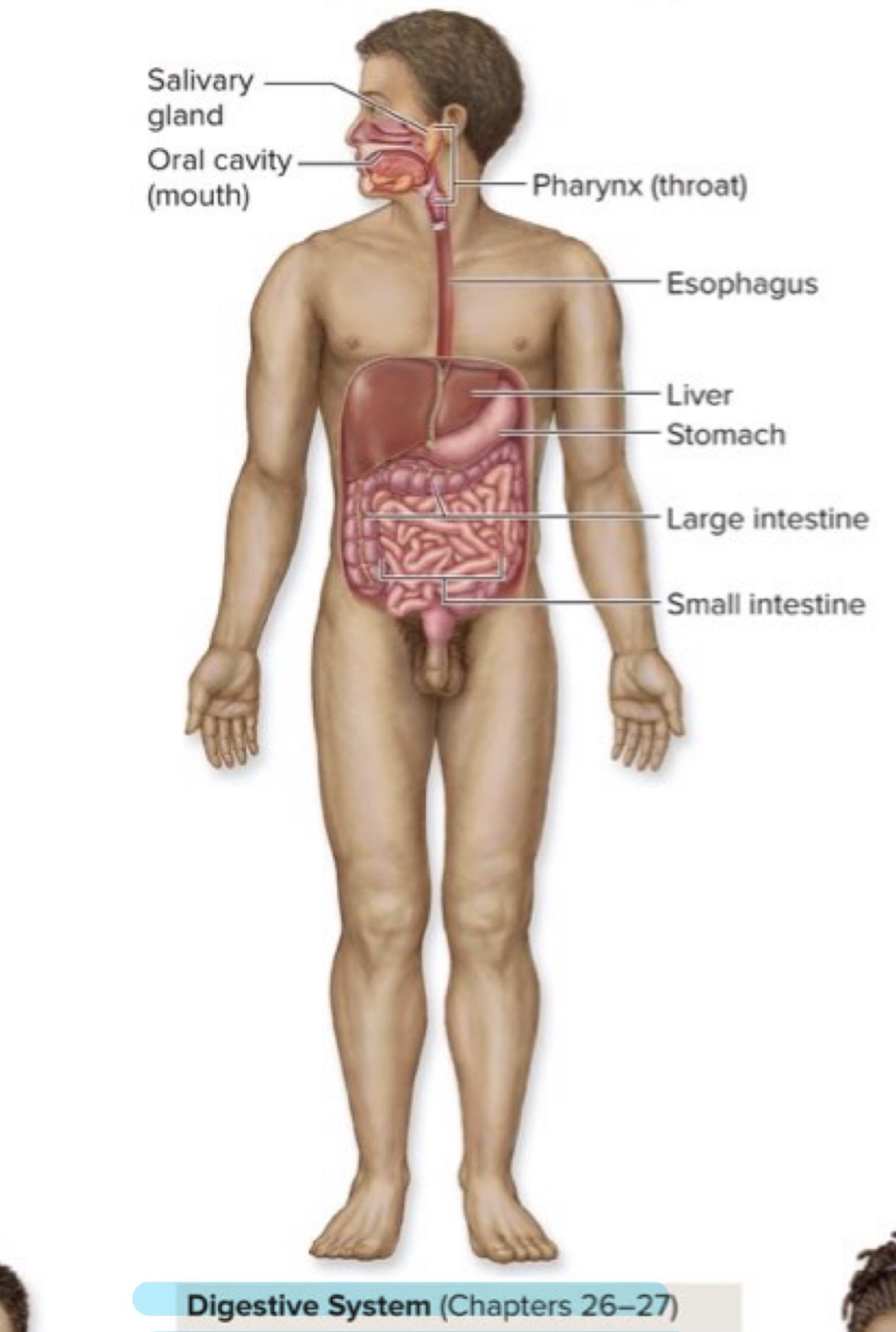
Digestive System
Performs the mechanical and chemical processes of digestion, absorption of nutrients, and elimination of wastes. Consists of the mouth, esophagus, stomach, intestines, and accessory organs
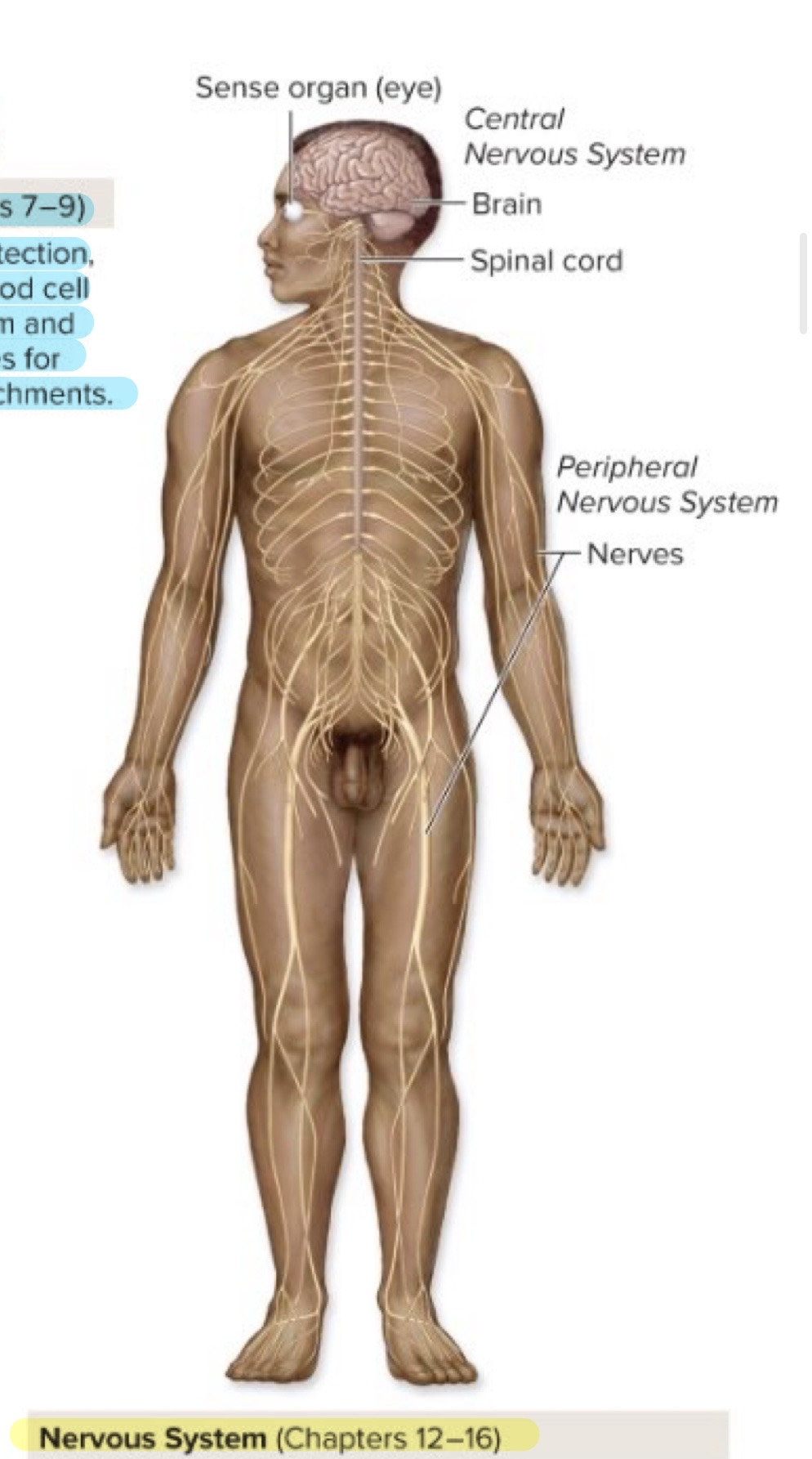
Nervous System
A major regulatory system that detects sensations and controls movements, physiological processes, and intellectual functions via electrochemical stimuli. Consists of the brain, spinal cord, nerves, and sensory receptors.

Endocrine System
A major regulatory system that influences metabolism, growth, reproduction, and many other functions. Consists of glands, such as the pituitary, that secrete hormones.

Cardiovascular System
Transports nutrients, waste products, gases, and hormones throughout the body; plays a role in the immune response and the regulation of body temperature. Consists of the heart, blood vessels, and blood.
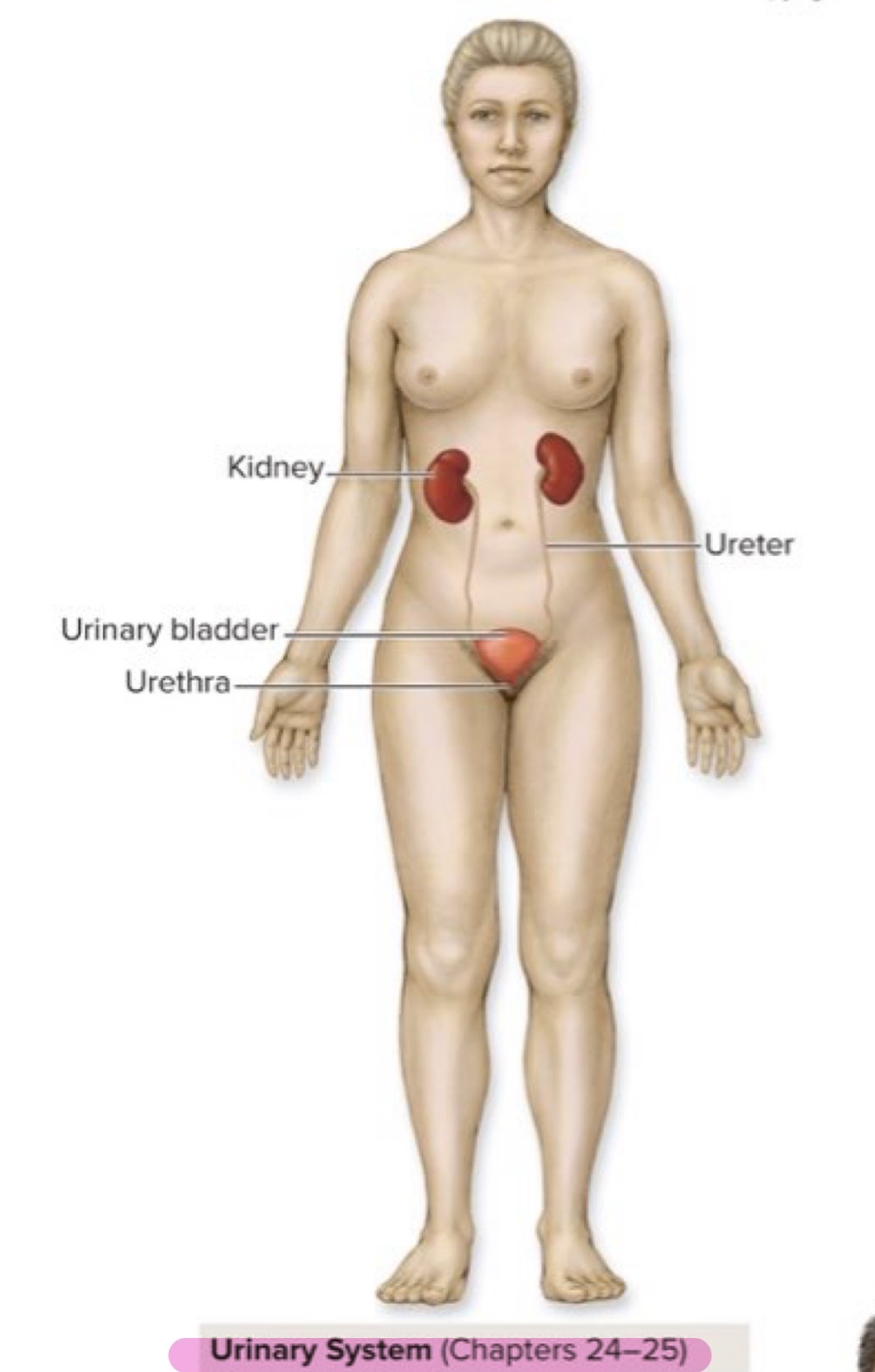
Urinary System
Removes waste products from the blood and regulates blood pH, ion balance, and water balance. Consists of the kidneys, urinary bladder, and ducts that carry urine.
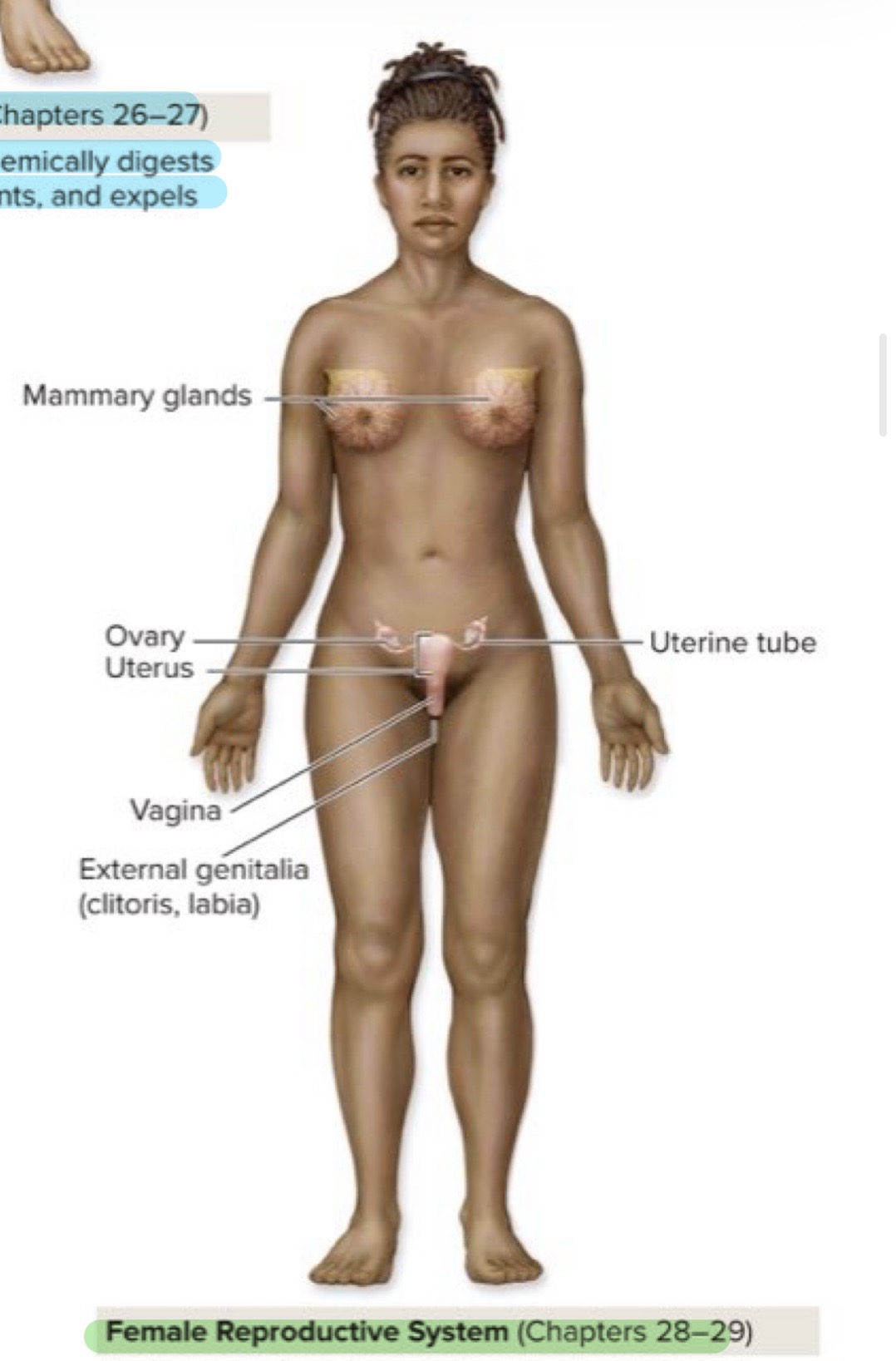
Female Reproductive System
Produces oocytes and is the site of fertilization and fetal development; produces milk for the newborn; produces hormones that influence sexual function and behaviors. Consists of the ovaries, vagina, uterus, mammary glances, and associated structures.

Male Reproductive System
Produces and transfers sperm cells to the female and produces hormones that influence sexual functions and behaviors. Consists of the testes, accessory structures, ducts, and penis.